
NIL
How the NCAA v. House Settlement Affects High School Athletes

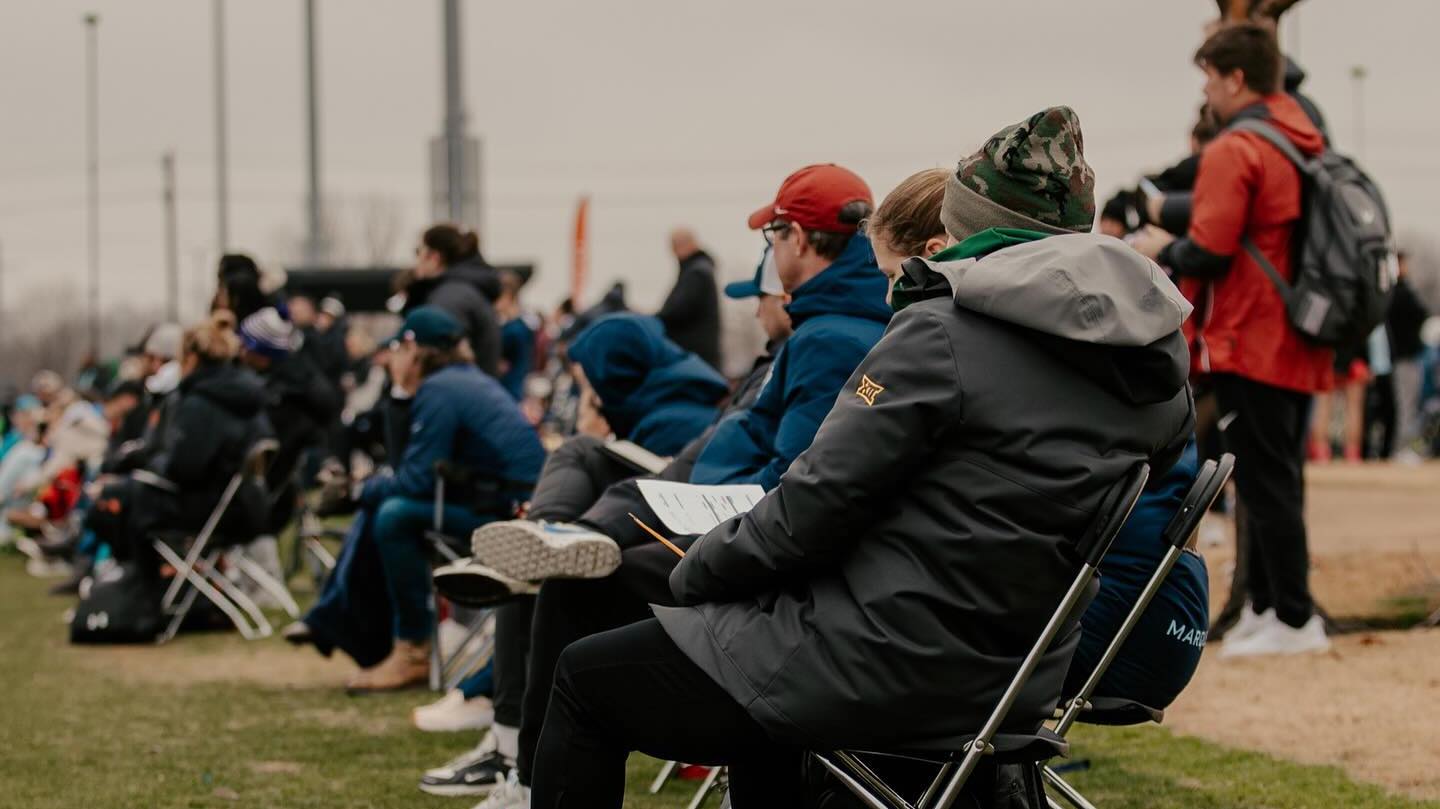
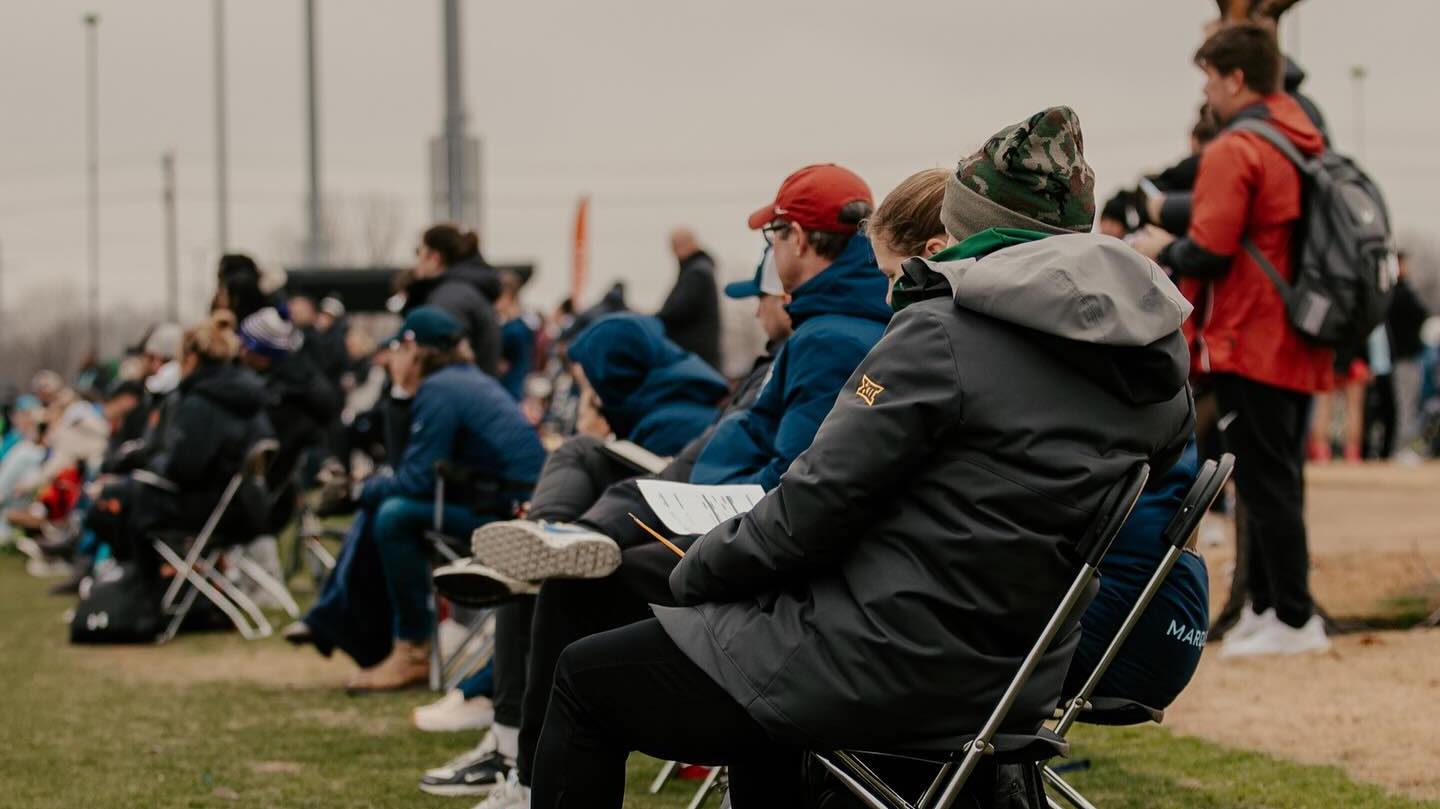
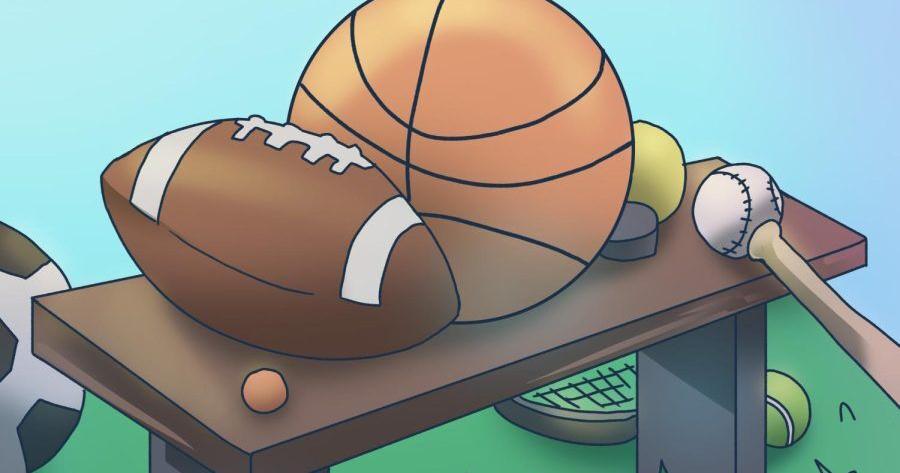
Last fall, Whitman senior and football player Nate Sullivan was in touch with coaches at Virginia Tech, hoping for an opportunity to play for the program. The school then told him there was no spot for him on the team due to uncertainty surrounding the transfer portal and roster size. This kind of rejection is increasingly common in today’s recruiting landscape because of new roster limits expected to go into effect in July, which schools have already begun preparing for.
The roster limits vary by sport and are part of the House v. National Collegiate Athletic Association (NCAA) settlement, which will overhaul the current system of college sports. Former Arizona State University swimmer Grant House and former Texas Christian University women’s basketball player Sedona Prince filed the lawsuit to seek damages for athletes who couldn’t profit from their collegiate careers. The settlement addresses three antitrust class-action lawsuits concerning student-athlete compensation against the NCAA, allowing colleges to pay their athletes directly through revenue-sharing and removing scholarship limits in favor of roster restrictions. For almost half of NCAA sports, the current average roster size exceeds the new limits, and experts expect football and baseball teams to be the most affected.
The roster size modifications have sparked significant controversy. For instance, California judge Claudia Wilken refused to approve the settlement due to her concerns about the new rules. NCAA attorneys recently announced revised terms that Wilken has yet to approve, which would allow athletes and recruits who lost their spots to return to their teams. These athletes will remain exempt from roster limits for the rest of their college careers, and schools are not obligated to reinstate them. Nonetheless, the plaintiffs’ lawyers have argued that the changes are too little and too late.
Senior baseball players Sammy Berman and Charlie Buckles committed to the University of Maryland and Florida State University before the House settlement’s confirmation. Berman decided to stay in Maryland after receiving several D1 offers, while Buckles was in touch with numerous Power Four programs before committing to Florida State as a rare out-of-state recruit for the Seminoles.
“I know kids who, before they changed the rules, committed freshman year,” Berman said. “It will just be unfortunate for those kids who have been committed so long to lose a spot.”
Buckles also said he knew people who had their offers revoked. The roster size for college baseball teams will go from an average of 41.9 in the 2023-2024 season down to 34, which led to many cuts. Buckles attributed his retention to his positional versatility, which Berman offers as well.
“I’m going to be there as a two-way [player], which is really helpful with the new roster sizes,” Buckles said.
Sullivan, however, didn’t enjoy the same security as Berman and Buckles had, having to look for other options after Virginia Tech couldn’t guarantee him a spot on the football team. He received two D1 scholarship offers and committed to Villanova University, where roster restrictions weren’t an issue as the program was already under the new 105-player cap.
Sullivan, Berman and Buckles all expressed some level of opposition to the roster limits, particularly surrounding the elimination of walk-ons, rescission of players’ positions and increased reliance on the transfer portal.
With both of his offers coming after the House settlement’s preliminary approval, Sullivan experienced the effect of the new roster sizes firsthand.
“[The limits] make it very hard for high schoolers to get recruited,” Sullivan said, “because many coaches would rather take transfers with college experience than develop a high school kid.”
Villanova is an outlier in this sense, as defensive coordinator Ross Pennypacker and assistant coach David Riede said that the school will continue to focus on recruiting and developing high school players like Sullivan despite the new rules.
Not all D1 teams will have to adhere to the new rules. Teams in Power Four conferences — Southeastern Conference, Big 10, Big 12 and Atlantic Coast Conference — must institute roster limits and revenue-sharing, while other teams and conferences have the option to participate. Since many smaller schools can’t afford to pay for their players, they will likely choose to opt out.
Maryland, Florida State and Villanova will all compensate their athletes starting next season and schools will finalize the deals once athletes arrive on campus in the fall.
According to Riede, the logistics of student-athlete pay remain an issue.
“Our athletic department will determine the revenue-sharing program for our student-athletes if the House settlement passes,” Riede said.
While these players will have to wait until fall for their schools to pay them, they can still sign brand deals. Buckles has already taken advantage of this by signing an endorsement agreement with Dick’s Sporting Goods.
The House settlement has reshaped college sports, but Berman, Sullivan and Buckles were able to beat the odds and get a shot at the D1 level.
“As someone who considered trying to walk on at a bigger school, it’s sad to see that those opportunities will no longer exist,” Sullivan said. “There have been hundreds of all-time great walk-ons like JJ Watt, Clay Matthews and Baker Mayfield, all who in today’s game wouldn’t be given the chance to play in college.”

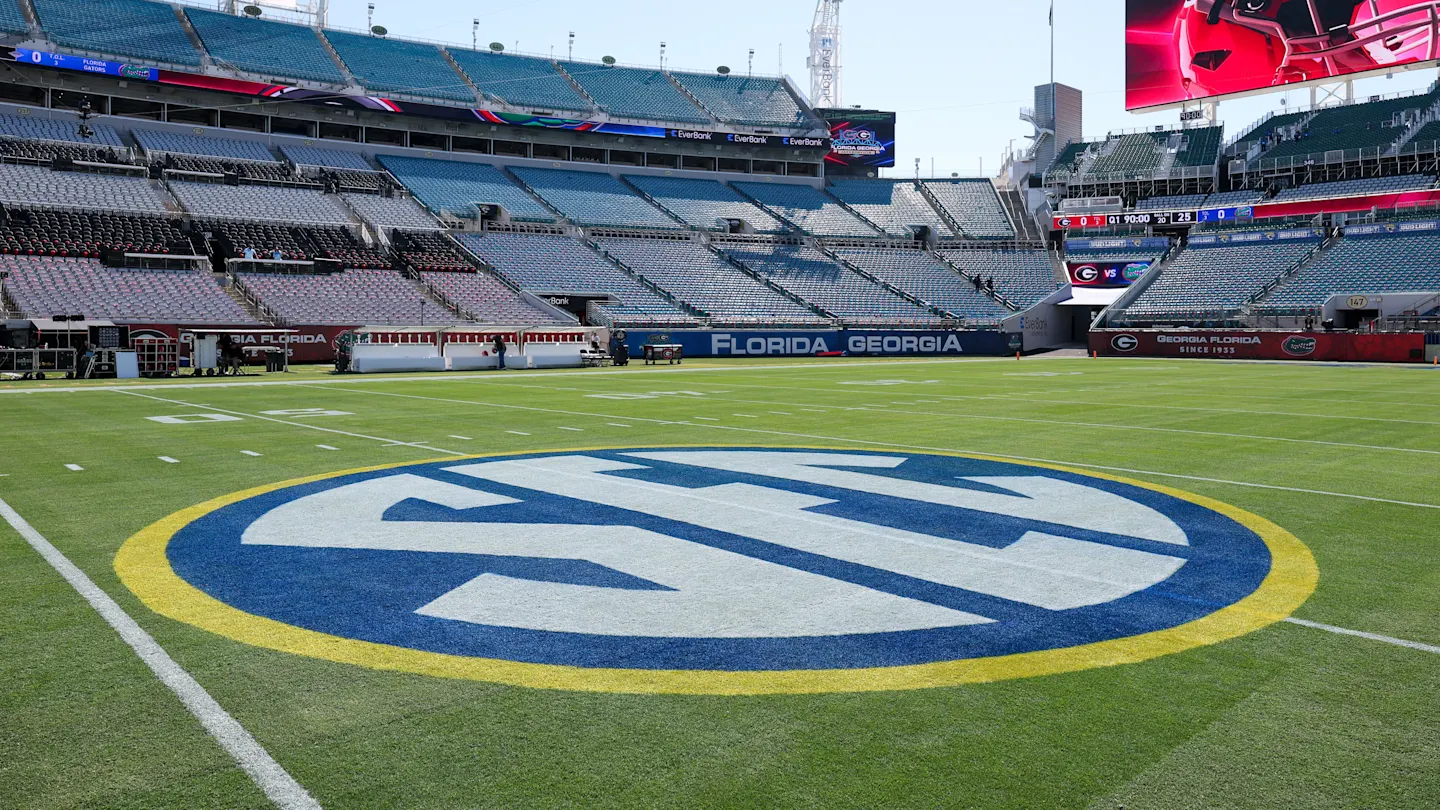
While the SEC has long claimed that the league “just means more”, the 2025 season brought a demonstrable fact: there’s more people watching. Eight of the ten most watched college football programs from the 2025 college football season are from the SEC. And it’s not just about winning– two of those SEC schools fired their coaches after a lackluster 2025 season.
Outside of the SEC, it’s a pair of Big Ten behemoths that hold up the rest of the largest viewing audiences. Notre Dame isn’t just missing from the College Football Playoff, they didn’t have a spot in the top ten most-watched teams. Here’s the rundown on the ten teams to watch, with an average number of weekly viewers per Nielsen data and On3.
10. Texas A&M (4.99 million)
The Aggies had a brilliant 11-1 season, earned a spot in the CFP, and drew plenty of viewing eyes.
9. Michigan (5.08 million)
Boosted by the regular-season finale against Ohio State, Michigan made it to ninth in a 9-3 season that will see a bowl showdown with Texas– another top ten most-watched team that also missed the CFP.
8. Auburn (5.25 million)
That’s a little more than a million viewers per win for the 5-7 Tigers. In Auburn’s defense, it endured a miserable season of luck and poor officiating.
7. Tennessee (6.21 million)
It’s a big jump between Auburn and Tennessee, with the Vols closer to 4th place than 8th. Tennessee was 8-4, with one-score losses to Georgia and Oklahoma probably keeping the Vols out of the CFP.
6. LSU (6.42 million)
A 7-5 record didn’t get it done for Brian Kelly and the Tigers, but their struggling season was fairly fascinating. LSU played six games that ended in one-score margins– unusual for a team with such high pre-season expectations.
5. Oklahoma (6.47 million)
A 10-2 season for the Sooners made them one of the feel-good stories of 2025. OU has leaped into the CFP and nearly reached fourth on the most-watched team list.
4. Ohio State (6.57 million)
The Buckeyes were No. 1 virtually all season, but hung a bit back from that level in viewership ratings. Ohio might have been boosted if they had regular-season matchups with Indiana or Oregon, but they’re sitll one of the nation’s best and most popular teams to watch.
3. Georgia (7.48 million)
The Bulldogs ran very close to the second-ranked team, but the 12-1 Bulldogs will have to content themselves with a CFP spot (unlike that No. 2 most-watched team).
2. Texas (7.55 million)
Texas, likely on the basis of a regular-season classic with Texas A&M, managed to outlast Georgia for the second spot. But a 9-3 season will leave the Horns playing Michigan in a bowl game instead of a CFP appearance.
1. Alabama (8.49 million)
A slightly controversial CFP entrant, the 10-3 Tide are the lone CFP team with three losses. They’re also the most-watched team in the nation. With five one-score games and a tough schedule, Alabama bested second-place Texas by almost a million viewers per week.
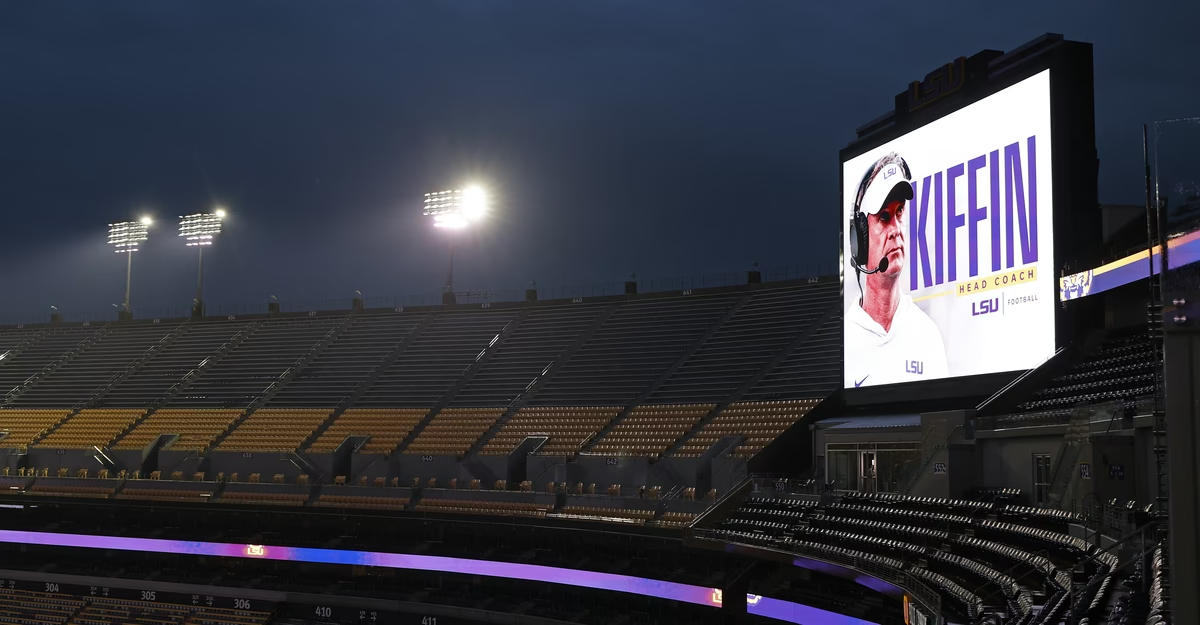
In college football, one rule seems to always hold: When a player leverages his power, it’s a scandal. When a coach does the same thing, it’s just business as usual.
That dynamic is now playing out in the response to the decision of the longtime University of Mississippi coach Lane Kiffin to leave the team to become the new head coach at Louisiana State University. Kiffin led Ole Miss to a historic regular-season record of 11 wins and one loss, and the university is now poised to make its first-ever College Football Playoff appearance. The Rebels have a real chance of winning a national championship. LSU’s seven-year, $91 million offer was apparently enough to put all of that in jeopardy.
Imagine, for a moment, if a player had done any of the things Kiffin did as he secured his golden ticket to LSU. Imagine if a player had been playing footsie with two conference schools, as Kiffin did with LSU and the University of Florida after both programs fired their coaches in late October. Imagine if a player’s family had boarded a private jet and been given a personal tour of the city that’s home to the school courting his services—something Kiffin’s family reportedly did in Baton Rouge, Louisiana.
Actually, we don’t have to guess, because similar scenarios have played out. When the former University of Tennessee quarterback Nico Iamaleava transferred to UCLA this past spring after reportedly holding out from practice because he wanted more name, image, and likeness (NIL) compensation from Tennessee, his circumstance was used as an example of how player greed is ruining college football.
“If they wanna play holdout, they might as well play get-out,” Mario Cristobal, the University of Miami head coach, said at the time.
By contrast, while appearing on ESPN’s morning show Get Up last week, the former New York Jets coach Rex Ryan said: “I don’t blame Lane Kiffin for going after it. Look at the landscape of college football, which I think is absolutely abysmal—not just the calendar, but the fact you let kids bail all the time. You know what? I’m going to make more money if I go to this place. What is the difference?”
The difference is that during this season alone, fired college coaches have cost schools nearly $200 million in buyout money, yet nobody is suggesting any rules or protections that limit the amount of guaranteed money a coach can be paid, nor is anybody creating any rules that might curtail coaches from job-hopping mid-season. The narrative that college players seeking a system that recognizes their fair market value is ruining the sport is etched in stone, but it’s the coaches who wrote the playbook on how to leverage and exploit.
In 2019, college football was flipped on its axis by new mandates that allow players to make money off their NIL. After a slew of favorable court decisions, athletes can now be paid directly by schools, transfer universities as many times as they wish, and still be immediately eligible to play. Multimillion-dollar coaches and National Collegiate Athletic Association (NCAA) leaders have argued that the pay-for-play system is creating chaos, uncertainty, and a structure in which donors and boosters are becoming more important than the coaches themselves and players have become hired guns with no real loyalty. Ironically, it was Kiffin who unleashed a blistering critique of players while appearing on the comedian Theo Von’s podcast in August. Kiffin complained that the NIL era has made players more entitled, less motivated, and selfish.
“People get too much too early,” Kiffin told Von. “They had this drive to get to the NFL because they want to play in the NFL. They want the money. Well, I’m getting the money already. So now I’ve lost some drive.”
When asked to elaborate on the challenges players are facing, Kiffin said, “They just get in their own ways. It’s that one word, ego.” This isn’t even the first time that Kiffin has left a team in the lurch, pursuing his own interests over that of the students he leads. In 2016, while Kiffin was the University of Alabama’s offense coordinator, he accepted a job at Florida Atlantic University. His hiring proved to be a distraction, and Kiffin was fired by Nick Saban, then Alabama’s head coach, ahead of the team’s national-championship game against Clemson University.
Given that history, one might assume that Saban would have stern words for Kiffin now. Instead, on ESPN’s College GameDay last month, Saban campaigned for Kiffin to be allowed to coach Ole Miss in the College Football Playoff. (Ole Miss has since announced that Pete Golding, the team’s defensive coordinator, will lead the team in the playoffs.)
Meanwhile, Saban is working closely with the Trump administration to rein in NIL; at one point, it was reported that he might be assigned to co-lead a college-sports commission that Donald Trump wanted to create. In July, the president signed an executive order that characterized the recent player-friendly changes to college sports as an “unprecedented threat.” Currently, the NCAA is urging Congress to pass the Student Compensation and Opportunity Through Rights and Endorsements (SCORE) Act because it would grant the NCAA and its schools an antitrust exemption, thus allowing them to block players from being considered employees and prevent schools from facing further litigation. Saban has said that he is in favor of players being compensated, but earlier this year, he also called the current NIL climate “unsustainable.”
“All I’m saying: The people out there need to know this model is unsustainable. It’s not good for players,” he said on a podcast. If only he would act as though that were his true concern.

This was not a good season for the Minnesota Gophers. P.J. Fleck was starting a redshirt freshman quarterback, but there was legitimate hope this team could win nine or ten games.
Not only did they win just seven, but Fleck got embarrassed by Iowa in his ninth season on the job, and he couldn’t coach against Northwestern either. Minnesota is headed to the Rate Bowl against New Mexico in Phoenix, but the page needs to be flipped to 2026.
Advertisement
If the Gophers are going to be better next year, it will be because Drake Lindsey, Koi Perich, and Darius Taylor contribute. They aren’t going to be cheap to keep around either.
Related Headlines
MN Gophers spending big on key roster talent
The college sports landscape has changed amidst the introduction of NIL spending. Roster creating, especially in revenue generating sports, is not simply a byproduct of recruiting anymore. Dollars are attached to expectations, and Charley Walters reveals the substantial amount Minnesota will need to pay their stars.
It is expected to cost the Gophers at least $1 million to retain redshirt QB Drake Lindsey for his sophomore season next year. That would make him and 2016 junior defensive back Koi Perich at least a $2 million duo. Add Darius Taylor and the cost could exceed $3 million for trio.
Charley Walters – Pioneer Press
Drake Lindsey hardly set the world on fire this season. He completed 63.2% of his passed with 16 touchdowns and 6 interceptions. At times he looked every bit of a redshirt freshman. However, the arm talent also showed special, and it’s clear there’s a player to developer.
Advertisement
Needing to pay Lindsey seven figures to retain his services is indicative of what college football has become. Minnesota will likely pony up for the Arkansas native that always wanted to play in his backyard. It’s also probably helpful that his mentor Max Brosmer is still in town.
Perich earned a hefty jump in NIL funds after leading the Big Ten in interceptions as a true freshman. The Minnesota native was nowhere near as good this year, but he did record his first pick six. It seems logical he’ll be back, but the number will only increase.
Of the trio, Darius Taylor would seem to be the most expendable. A talented running back, he rarely can be counted upon to remain on the field. Taylor played in just nine games for the Gophers while nursing a hamstring injury, and someone paying for him to be injured on their sideline wouldn’t be the worst outcome.
Attendance still an issue for Minnesota Gophers
P.J. Fleck just landed the best recruiting class in history for the Minnesota Gophers. He held onto that talent despite the 7-5 record, and he’ll need to do much better in order to generate additional interest in the program.
Meanwhile, Gophers football attendance has decreased for a second straight season, averaging 46,519 for its seven games this year in 50,085-capacity Huntington Bank Stadium. The Gophers’ highest attendance average in history was 62,954 in 1957 at Memorial Stadium. The Metrodome years topped out at 60,985 in 1985; and the Huntington Bank Stadium high is 52,355 in 2015. During Fleck’s nine seasons at Minnesota, home attendance — excluding the abbreviated COVID 2020 season — has averaged 45,257.
Pioneer Press
When things are good at Huntington Bank Stadium, they can be really good. The problem is that Fleck has largely failed to build consistency. It might have seemed odd to storm the field after beating Nebraska, but it could have held more weight if the season trended in that direction.
Advertisement
At some point Fleck needs to reach a new level. He is 6-0 in bowl games at Minnesota, but has won less than nine games each of the past three seasons. An outlier 11-2 season with Tanner Morgan in 2019 is the high-water mark, and he’s shown zero semblance of returning to those heights since.
Related Headlines
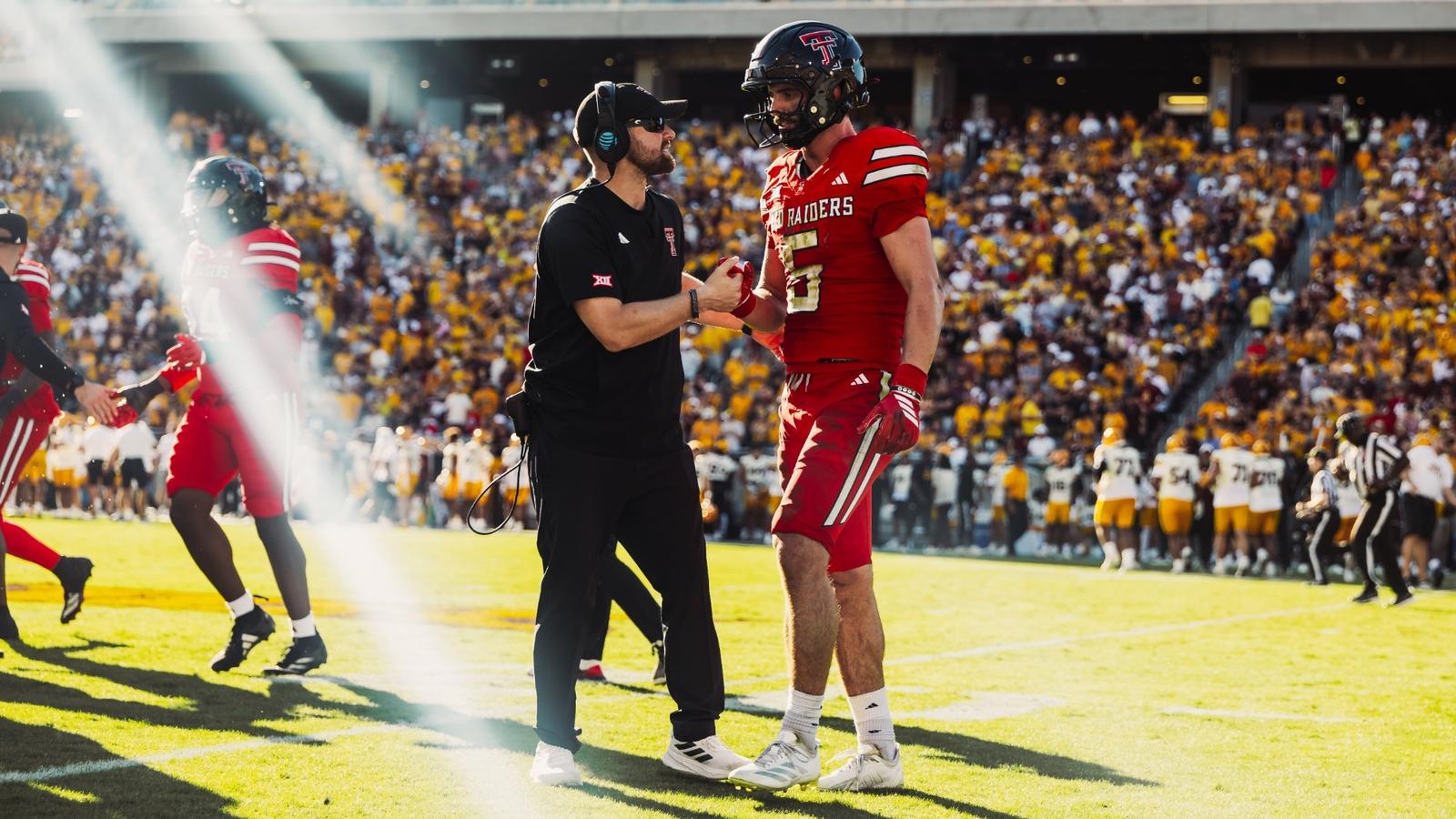
LUBBOCK, Texas – Texas Tech safeties coach Rob Greene was selected Monday to the AFCA 35 Under 35 Coaches Leadership Institute, one of college football’s prestigious programs designed to identify and develop future leaders in the coaching profession.
Greene has been invited to attend a one-day institute that features a curriculum of interactive lectures focused on topics specifically tailored to emphasize leadership in the coaching profession. The day-long session, which is hosted during the annual AFCA Convention, also includes sessions on ethics, influential responsibilities, career progression and family balance.
To be eligible, applicants must be 35 years old or younger on Jan. 1 of that year’s convention and must be currently serving as a high school head coach, a two-year college full-time assistant or head coach or an NAIA/NCAA (all divisions) full-time assistant or head coach. Applicants were required to submit a resume, five references, and a 1,600-word article or a 10-minute live instructional video on an offensive, defensive, special teams or position-specific topic of the applicant’s choosing back in the summer.
In only his first season, Greene has been an important part of Texas Tech’s defensive improvements under coordinator Shiel Wood. The Red Raiders are among the nation’s top defenses as the FBS leader for both rushing defense (68.5 yards allowed per game) and takeaways (31) to go along with a top-five ranking for both scoring defense (10.9 points allowed per game) and total defense (254.4 yards allowed per game).
In the secondary, the Red Raiders are giving up only 185.9 yards a game through the air, cutting down from 308.1 yards per contest in the year prior to Greene’s arrival. That average is currently on pace to be Texas Tech’s lowest since the Red Raiders surrendered only 182.4 passing yards a game in 2006. Texas Tech is already the nation’s most-improved defense in regards to scoring, going from 34.8 points allowed last season to only 10.9 this season.
Texas Tech’s defensive improvements have pushed the Red Raiders to possibly their best season in school history. The Red Raiders are currently 12-1 on the season heading into their first College Football Playoff appearance at the Capital One Orange Bowl.
Texas Tech enters the CFP having limited five of its last six opponents to single digits for points, with the most-recent occurrence being a 34-7 victory this past Saturday over BYU in the Edward Jones Big 12 Championship. It marked the first Big 12 title in school history for the Red Raiders, who will face the winner of No. 5 Oregon and No. 12 seed James Madison in the Orange Bowl.
Kickoff for the Orange Bowl is slated for 11 a.m. on Jan. 1 from Hard Rock Stadium in Miami. Coverage will be provided on ESPN and the Texas Tech Sports Network.

Name, image and likeness, or NIL for short, has become a pivotal factor in recruiting and drawing in transfers in college football and will remain a factor whether fans like it or not.
The question is, how should Iowa State football spend its limited budget of money that can be given to players to try and draw them into its program?
Offense
I was having a conversation with my dad over the past weekend, and he said something that really stuck with me in regard to NIL. Allocating the NIL budget to an offensive line benefits every other offensive position.
As was said in the 1989 film “Field of Dreams,” “If you build it, he will come.”
In this scenario, “it” is a strong offensive line, and “he” is the other offensive skill positions.
A powerful offensive line provides more time in the pocket for a quarterback, which allows receivers and tight ends more time to get open and get the ball. This also boosts receivers’ and quarterbacks’ statistical numbers, which could bring those specific players NIL deals.
A powerful and dominant offensive line also allows running backs more holes, which would be really helpful for a team like Iowa State that has such a dominant recent history in the backfield.
The line also allows for some trickery, whether that be screen passes or designed quarterback runs.
Straying away from just the offensive line, star redshirt junior quarterback Rocco Becht will be coming into his senior season in 2026, assuming he decides to continue playing college football and not declare for the NFL draft.
That being said, the Cyclone coaching staff could consider approaching the transfer portal for a young quarterback to take the position held by players like Becht and former Cyclone quarterback Brock Purdy.
On the contrary, the current Cyclone quarterback room is strong with freshman quarterbacks like Connor Moberly and Alex Manske.
As for running backs, the Cyclones have a young core that shouldn’t need to be expanded on. Although Carson Hansen and Abu Sama III will be playing their senior season next year, there are proven young players in that running back room, like Aiden Flora and Dylan Lee.
And the same can be said for the receiver room. Redshirt junior wide receivers Xavier Townsend and Chase Sowell are going to be seniors next season, but I think that the offensive staff can put their trust in young players like redshirt freshman wide receiver Dominic Overby and sophomore wide receiver Brett Eskildsen.
Defense
Now I could make a similar argument to the offense, just pump money into the defensive line, but unfortunately, defense isn’t the same.
The defensive line will be hit by the end of this 2025 season, though. Senior defensive lineman Domonique Orange, who coined the nickname ‘Big Citrus’ by Cyclone fans, will be departing this season, as well as redshirt senior defensive linemen Tamatoa McDonough and Cannon Butler.
With big names like those three departing, it could be smart to try and bring in a big transfer player with a similar playstyle to the departing players.
As for linebackers, a player who some might have expected to have played his final season is redshirt senior linebacker Caleb Bacon, who broke the news that he will be returning in 2026, utilizing his medical redshirt.
With Bacon’s return, there are still linebackers like junior Kooper Ebel, sophomore Cael Brezina, redshirt junior Will McLaughlin and many more.
The Iowa State defense took a big hit in the 2024 season with multiple linebackers getting injured, so putting transfer money in for depth is always an option, but if it were up to me, the linebacker room is too good to try and bid for an expensive linebacker.
Finally, for the defensive backs, Jeremiah Cooper, a star corner for the Cyclones, played three games in 2025 before tearing his ACL, which resulted in a season-ending injury.
While Cooper should be eligible for a medical redshirt, he’s also been in 2026 NFL draft talks, so if he returns, it’s still up in the air.
How that affects the transfer portal, though, is the fact that once Cooper was injured, the defense felt it, so trying to spend heavily on a star defensive back like Cooper would be beneficial to the defense.
It would also be understandable if the staff strayed away from that. Young players like redshirt freshman defensive back Khijohnn Cummings-Coleman are young and skilled enough to play first-team reps, which could also help grow players like him into stars like Cooper.
Now, Iowa State doesn’t have the largest NIL budget in the world, meaning that not every hole that needs to be filled will be, but if the Cyclones can find the right players for the right prices, then Iowa State football should be a force to reckon with in the 2026 season.
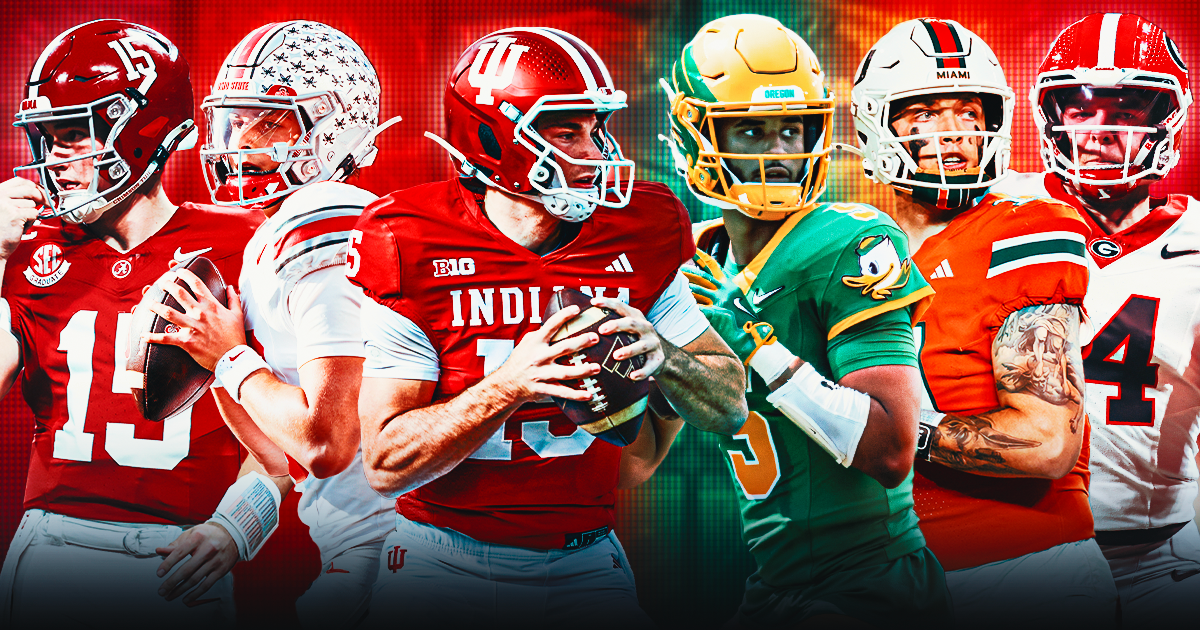
ESPN predicted the final score of every College Football Playoff game, including the national championship game. It’s a loaded bracket of 12 teams again and it should be a wild ride into January.
The first round games are on the campus of the higher seed. From there, games will be played at New Year’s Six locations before the finals in Miami.
Without further ado, let’s dive into the latest College Football Playoff predictions. Let’s fill out the bracket!
CFP First Round: No. 9 Alabama at No. 8 Oklahoma
Time: 8:00 p.m. ET on Dec. 19
Channel: ABC, ESPN
Location: Norman, Oklahoma
This College Football Playoff first round game is a rematch of a Sooners’ win earlier this year. Oklahoma stole a win 23-21 in Tuscaloosa the first time. Alabama is reeling a bit after losing 28-7 in the SEC Championship Game, but ESPN likes their chances the second time around.
Prediction Alabama 20, Oklahoma 17
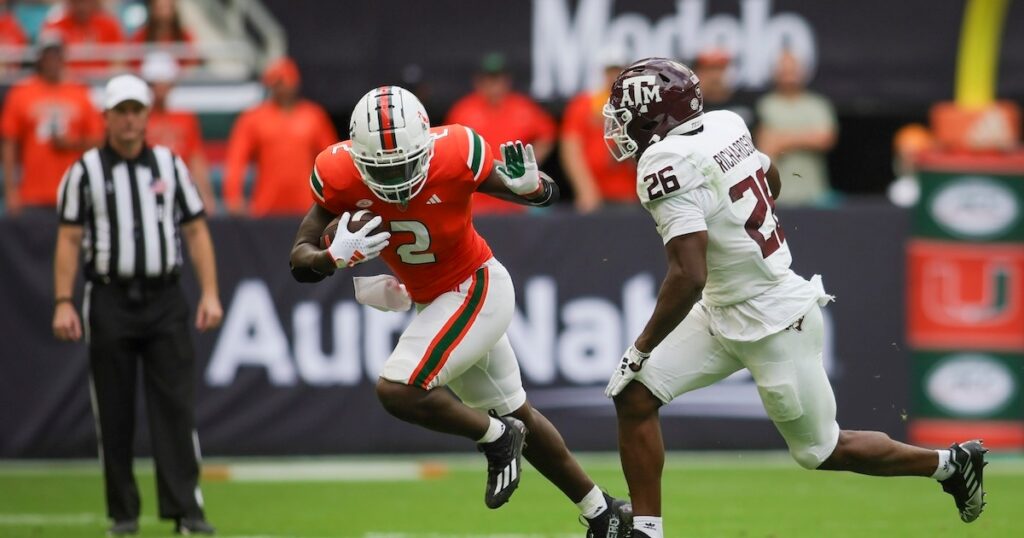
CFP First Round: No. 10 Miami at No. 7 Texas A&M
Time: 12:00 p.m. ET on Dec. 20
Channel: ABC/ESPN
Location: College Station, Texas
Texas A&M was last in action in a loss to Texas in the season finale. But, they still made the College Football Playoff for the first time. Miami got the final at-large bid and are hot after some less than stellar losses in or around midseason.
Prediction: Miami 31, Texas A&M 28
CFP First Round: No. 11 Tulane at No. 6 Ole Miss
Time: 3:30 p.m. ET on Dec. 20
Channel: TNT
Location: Oxford, Mississippi
Lane Kiffin is no more and Pete Golding is in! Ole Miss is in their first College Football playoff, as is Tulane. The Rebels blew the Green Wave out earlier this year, but this game should be more competitive in Jon Sumrall’s swan song before going to Florida. Still, there’s a gap between the two on paper.
Prediction: Ole Miss 34, Tulane 16
Time: 7:30 p.m. ET on Dec. 20
Channel: TNT
Location: Eugene, Oregon
For the first time, we’re getting two G5 teams in the College Football Playoff. There’s no question James Madison is a quality football team, but Oregon is a different beast. But, you have to play the game!
Prediction: Oregon 38, James Madison 13
CFP Quarterfinal at Cotton Bowl: No. 2 Ohio State vs. No. 10 Miami
Time: 7:30 p.m. ET on Dec. 31
Channel: ESPN
Location: Arlington, Texas
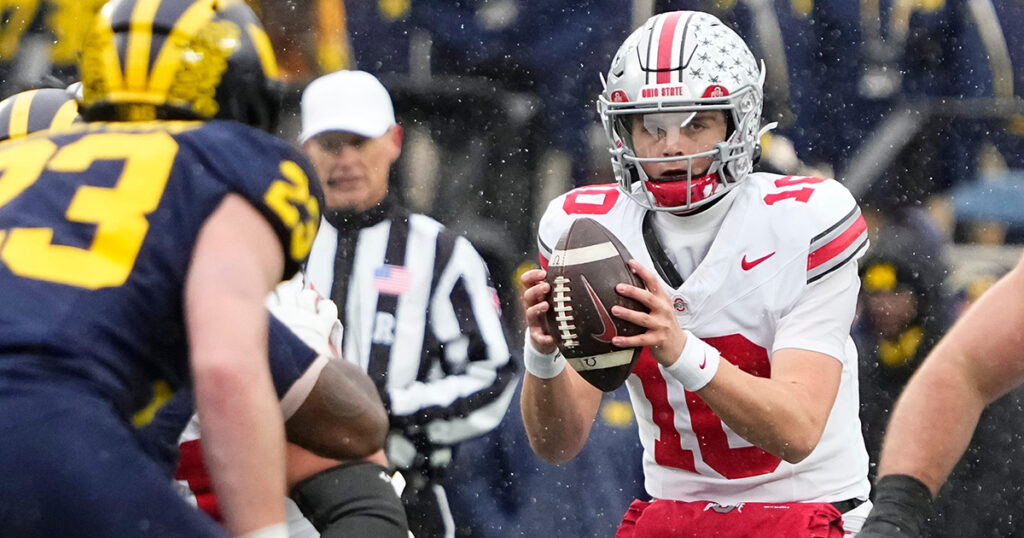
Ohio State lost the Big Ten Championship but will be favored regardless of who they play here. Miami, in its first College Football Playoff, will have their run end here in heartbreaking fashion, per ESPN
Prediction: Ohio State 27, Miami 20
CFP Quarterfinal at Orange Bowl: No. 4 Texas Tech vs. No. 5 Oregon
Time: 12:00 p.m. ET on Jan. 1
Channel: ESPN
Location: Miami, Florida
Oregon went one and done in the College Football Playoff last year and some may think Texas Tech will do the same thing. Not so fast my friend! ESPN has the Red Raiders advancing by a hair.
Prediction: Texas Tech 23, Oregon 20
CFP Quarterfinal at Rose Bowl: No. 1 Indiana vs. No. 9 Alabama
Time: 4:00 p.m. ET on Jan. 1
Channel: ESPN
Location: Pasadena, California
If Alabama wins one College Football Playoff game, they can get hot and win a second right? Sure, but the Hoosiers are too good and went 13-0 for a reason. With elite defense and borderline elite QB play, IU is too much for Alabama. Try saying that a few years ago.
Prediction: Indiana 24, Alabama 16
CFP Quarterfinal at Sugar Bowl: No. 3 Georgia vs. No. 6 Ole Miss
Time: 8:00 p.m. ET on Jan. 1
Channel: ESPN
Location: New Orleans, Louisiana
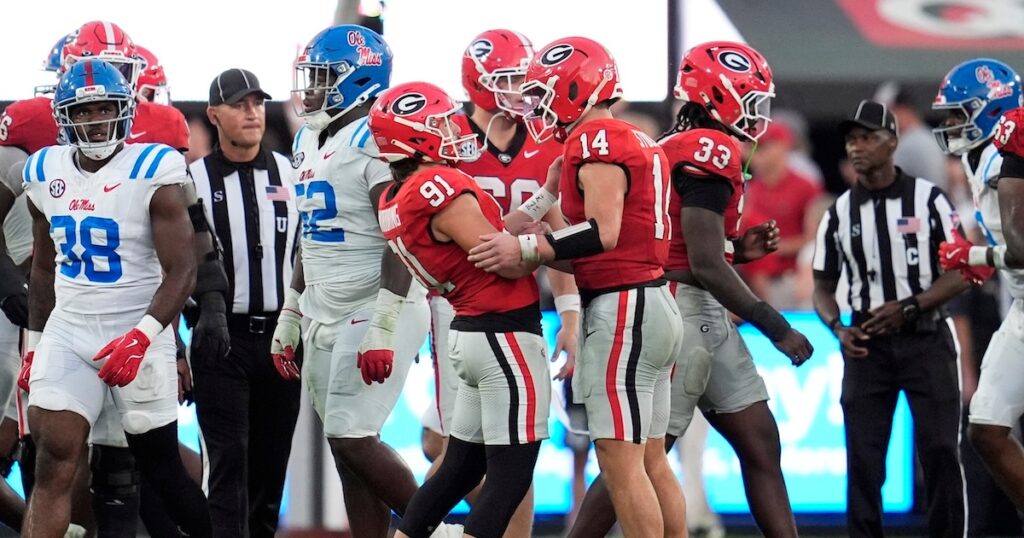
Georgia will once again prove to be too much for Ole Miss, this time in a College Football Playoff setting. Pete Golding will have a good foundation for 2026, but Kirby Smart will be competing for a national title again this season.
Prediction: Georgia 31, Ole Miss 21
CFP Semifinal at Fiesta Bowl: No. 2 Ohio State vs. No. 3 Georgia
Time: 7:30 p.m. ET on Jan. 8
Channel: ESPN
Location: Glendale, Arizona
Ohio State and Georgia have some College Football Playoff history don’t they? Well, the Buckeyes get their time, again. This will be razor thin and ESPN predicts redemption for Buckeyes’ kicker Jayden Fielding!
Prediction: Ohio State 19, Georgia 16
CFP Semifinal at Peach Bowl: No. 1 Indiana vs. No. 4 Texas Tech
Time: 7:30 p.m. ET on Jan. 9
Channel: ESPN
Location: Atlanta, Georgia
The Red Raiders’ run in the College Football Playoff ends here. Curt Cignetti and crew will keep the perfect season going, improve to 15-0 and play for a title. But it won’t be easy against the Texas Tech defense.
Prediction: Indiana 20, Texas Tech 17
CFP National Championship: No. 1 Indiana vs. No. 2 Ohio State
Time: 7:45 p.m. ET on Jan. 19
Channel: ESPN
Location: Miami, Florida
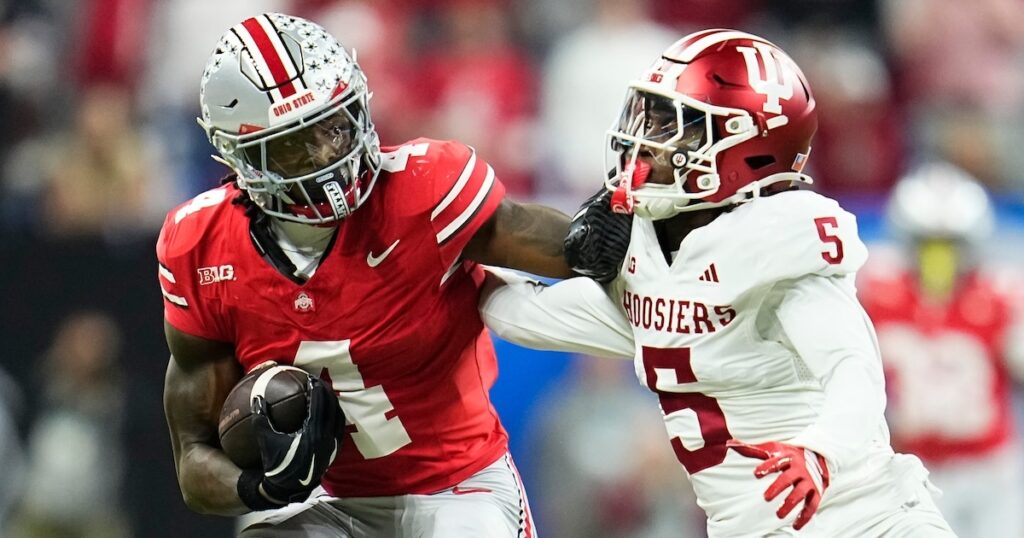
This will be an all-Big Ten College Football Playoff title game. But this time, Ohio State gets the win in the rematch. It won’t be high scoring, but ESPN is banking on Jeremiah Smith being the difference maker this time around. Back to back folks.
Prediction: Ohio State 24, Indiana 20

Rochester moves forward with outdoor sports complex as indoor phase remains unfunded

Effects of neuromuscular versus plyometric training on physical fitness and mental well-being in male pubertal soccer players

Watch Nebraska volleyball vs Kansas: TV channel, time, streaming

Tyler Tomassi Driving Daytona Truck Season Opener for MBM Motorsports – Speedway Digest

Parts of Cleveland in the dark after thieves steal thousands of feet of streetlight wiring

SEC powerhouse named the most-watched college football team of 2025 regular season

Liberty League Performers of the Week for December 8

Sheehan, Parker, Jones and Munson Among the NJAC Athlete of the Week Winners

St. Louis CITY SC Earns Two 2025 MLS Club Awards for Accessibility and Youth Fan Engagement Efforts

The Most Egregious Double Standard in Sports

Vegas Golden Knights Foundation and Three Square Food Bank Will Host Holiday Drive-Thru Distribution For Families

Men’s Basketball: Macalester Holds Off Knights for 85-80 Victory

New Balance Foundation Pledges $9.2M for Massachusetts Youth Sports and Development Programs

Youth substance abuse prevention program looks to athletes to spread the word

Want To Avoid Having A Troublesome Teen? Get Boys Involved In Youth Sports, Study Says | Health and Wellness

First Tee Winter Registration is open

Fargo girl, 13, dies after collapsing during school basketball game – Grand Forks Herald

CPG Brands Like Allegra Are Betting on F1 for the First Time

Volleyball Recaps – November 18

F1 Las Vegas: Verstappen win, Norris and Piastri DQ tighten 2025 title fight

Two Pro Volleyball Leagues Serve Up Plans for Minnesota Teams

Utah State Announces 2025-26 Indoor Track & Field Schedule

Sycamores unveil 2026 track and field schedule

Redemption Means First Pro Stock World Championship for Dallas Glenn

Texas volleyball vs Kentucky game score: Live SEC tournament updates

Bowl Projections: ESPN predicts 12-team College Football Playoff bracket, full bowl slate after Week 14

How this startup (and a KC sports icon) turned young players into card-carrying legends overnight

Indiana’s rapid ascent and its impact across college football

Pohlman admits ‘there might be some spats’ as he pushes to get Kyle Busch winning again

Robert “Bobby” Lewis Hardin, 56

 Why a rising mid-major power with an NCAA Tournament team opted out of revenue-sharing — and advertised it
 NBA Legend Michael Jordan to Join NBC Sports as Special Contributor
 Falcons mailbag
 Portal Update – Basketball and Gymnastics Take Hits
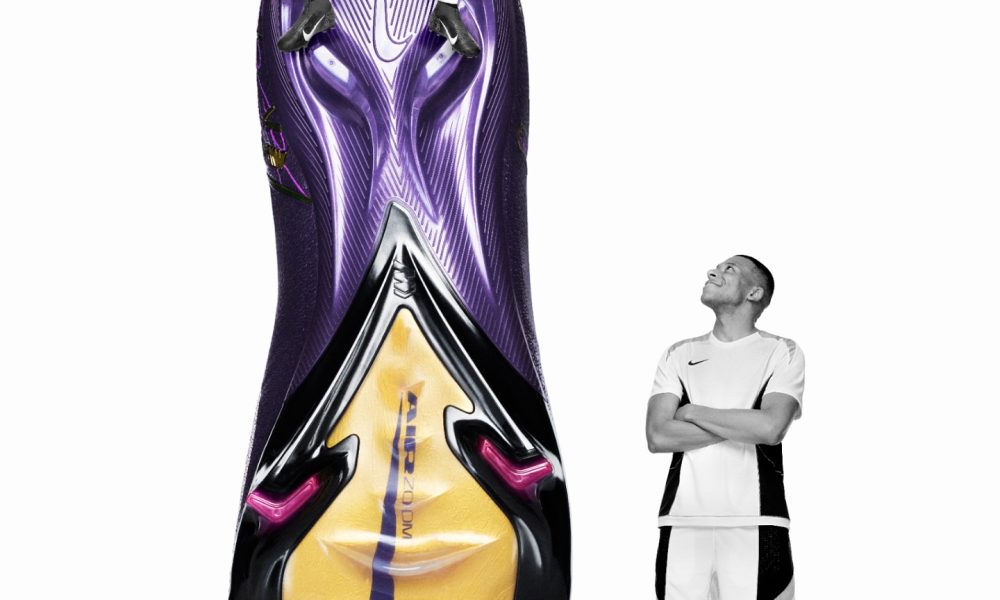 has always dreamed in Mercurial. Now his initials are on the boots.
The new Kyl…
has always dreamed in Mercurial. Now his initials are on the boots.
The new Kyl…
-
 Rec Sports2 weeks ago
First Tee Winter Registration is open
-
 Rec Sports2 weeks ago
Fargo girl, 13, dies after collapsing during school basketball game – Grand Forks Herald
-
 Motorsports2 weeks ago
CPG Brands Like Allegra Are Betting on F1 for the First Time
-
 Motorsports2 weeks ago
F1 Las Vegas: Verstappen win, Norris and Piastri DQ tighten 2025 title fight
-
 Sports2 weeks ago
Two Pro Volleyball Leagues Serve Up Plans for Minnesota Teams
-
 Sports2 weeks ago
Utah State Announces 2025-26 Indoor Track & Field Schedule
-
 Sports2 weeks ago
Sycamores unveil 2026 track and field schedule
-
 Motorsports2 weeks ago
Redemption Means First Pro Stock World Championship for Dallas Glenn
-
 Sports2 weeks ago
Texas volleyball vs Kentucky game score: Live SEC tournament updates
-
 NIL1 week ago
Bowl Projections: ESPN predicts 12-team College Football Playoff bracket, full bowl slate after Week 14