



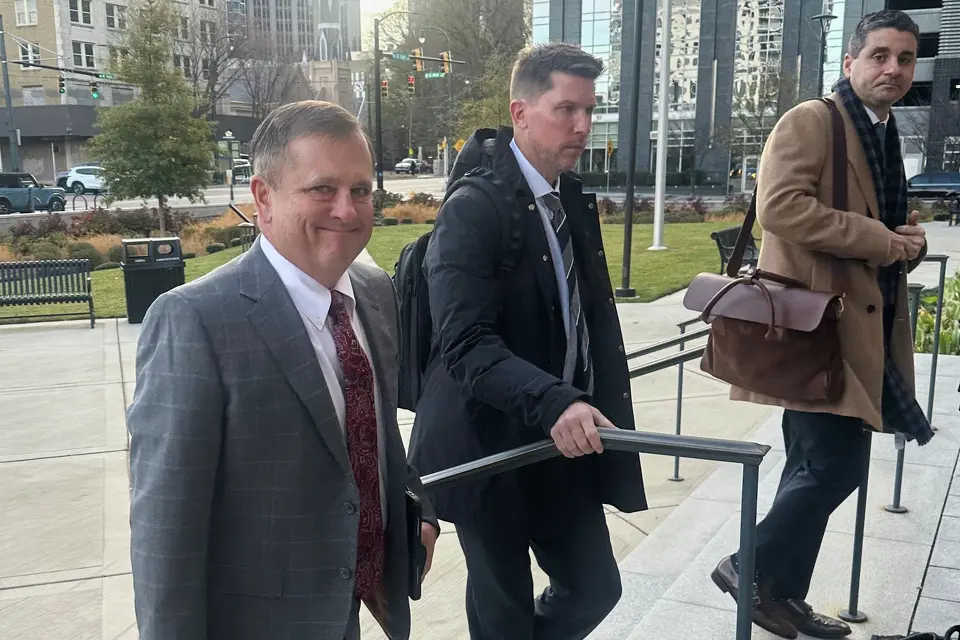
CHARLOTTE, N.C. (AP) — An economist testified in Michael Jordan’s federal antitrust trial against NASCAR that the racing series owes a combined $364.7 million in damages to the two teams suing it over a revenue-sharing dispute.
Motorsports
Byron looks for Iowa NASCAR win to build momentum | News, Sports, Jobs


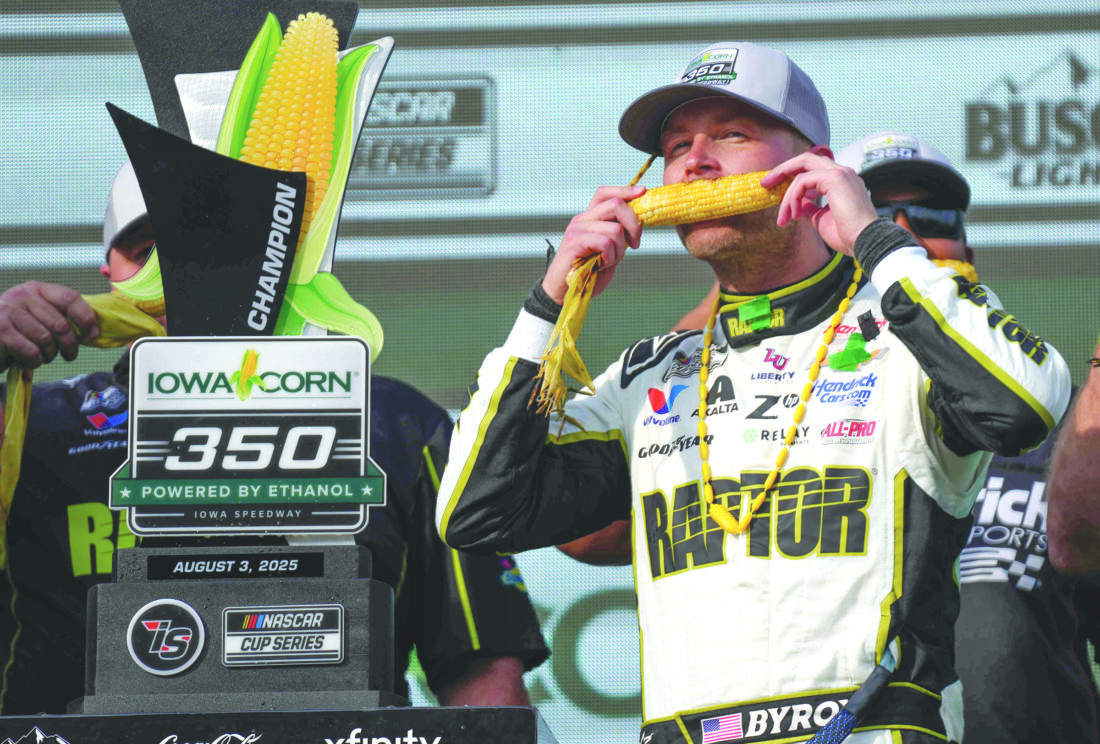
William Byron takes a bite of sweet corn in Victory Lane after winning a NASCAR Cup Series race on Sunday at Iowa Speedway in Newton, Iowa. (AP photo)
NEWTON, Iowa — William Byron was already locked into the NASCAR Cup Series playoffs and was second in the regular-season point standings heading into Sunday’s race at Iowa Speedway.
Still, Byron didn’t like how things were going heading into the closing stretch of the regular season.
Byron had five finishes of 27th or worse in the last eight races, and coming to a track where he has had success in the past, he wanted to regain some confidence with the playoffs approaching.
“I think we’ve been fast every weekend,” Byron said. “I mean, I can’t think of a week when we’ve been slow, it’s just the results haven’t come together. And it was starting to wear on us a little bit and starting to create some kind of, ‘What’s going to happen next?’”
What happened next, though, was Byron getting his second win of the season on Sunday, gambling on fuel mileage for a win that he thought had changed the momentum of his season.
Byron went the last 144 laps of the 350-lap race without a stop, and a third stage filled with caution flags helped him conserve enough fuel to get to the finish.
He left Iowa Speedway, where he has now won in all three of NASCAR’s series, with an 18-point lead over Hendrick Motorsports teammate Chase Elliott for the regular-season title.
“This is going to kind of put the pendulum the other way,” Byron said.
Byron won the season-opening Daytona 500, and has eight top-10 finishes this season, including three second-place finishes. But he had a 37th-place finish at Atlanta, a 40th-place finish at the Chicago street race, and 31st-place finish at Dover. He was 16th last week at Indianapolis, when he had to make a late pit stop for fuel.
Surviving to win this one is something that crew chief Rudy Fugle expected.
“He’s an awesome driver,” Fugle said. “I think he’s the best driver, all-around, in the field right now. He’s mine, and I should say that. But I really think he’s maturing and getting the experience to show that off. He’s very well-diversified, and then he’s a fighter. He’s got a hard line and fights through anything. There’s no quit in him.”
Byron had fuel-mileage issues late at Michigan, and again last week at Indianapolis. Even with that, Fugle knew he could still gamble with his driver.
“Those are things that he’s gotten better as well over the years, rolling with the punches and what happens next,” Fugle said. “And next thing you know, you’re leading and you get a chance to win.”
___
AP NASCAR: https://apnews.com/hub/nascar-racing
Continue Reading
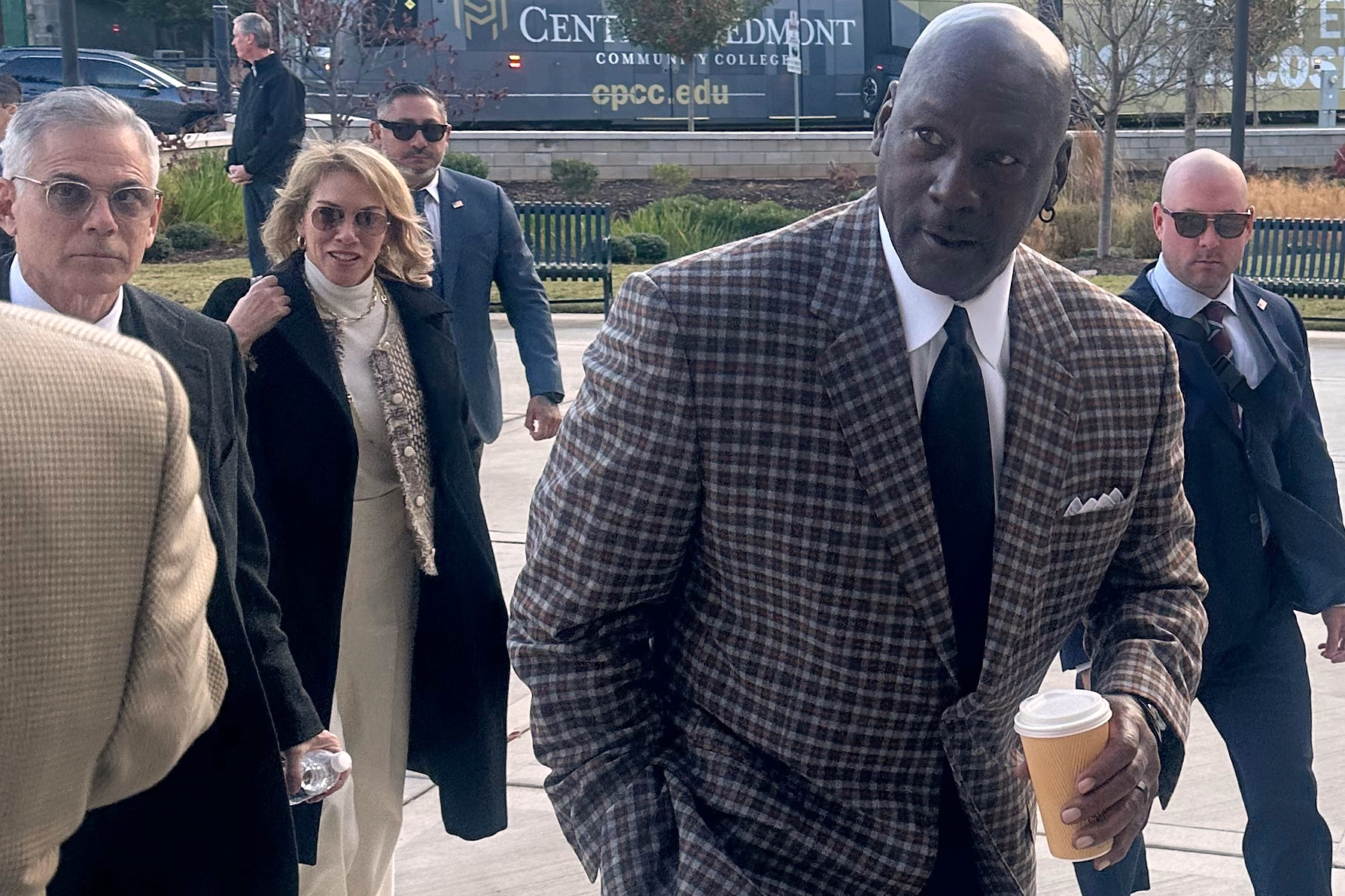

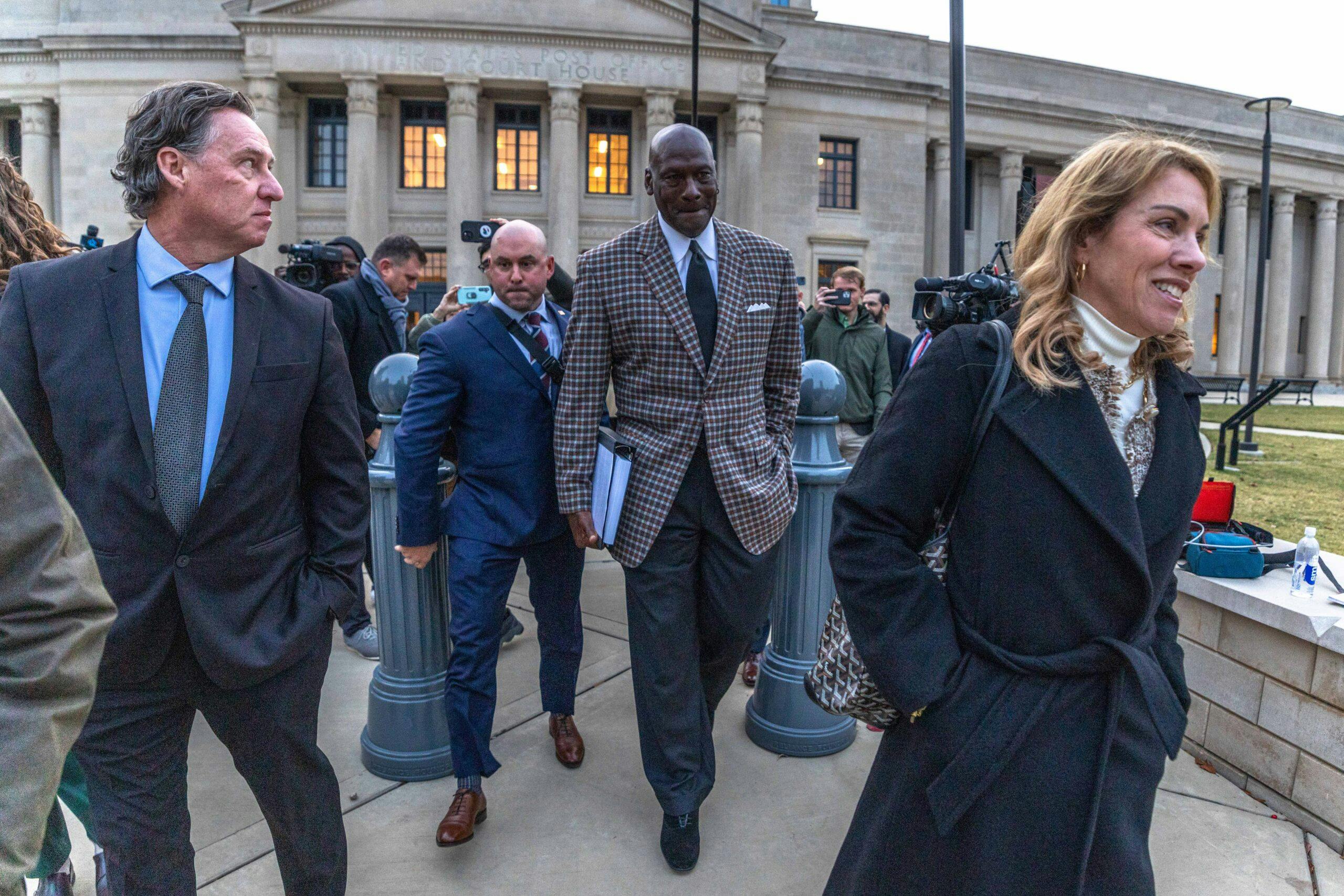
Michael Jordan arrives in the Western District of North Carolina on Monday Dec 1, 2025 for the start of the antitrust trial between 23XI Racing and Front Row Motorsports against NASCAR, in Charlotte, N.C.
Jenna Fryer/AP
Edward Snyder, a professor of economics who worked in the antitrust division of the Department of Justice and has testified in more than 30 cases, including “Deflategate” involving the NFL’s New England Patriots, testified on Monday. He gave three specific reasons NASCAR is a monopoly participating in anticompetitive business practices.
Article continues below this ad
Using a complex formula applied to profits, a reduction in market revenue, and lost revenue to 23XI Racing and Front Row Motorsports from 2021-24, Snyder came up with his amount of damages owed. Snyder applied a 45% of revenue sharing he alleged Formula 1 gives to its teams in his calculations; Snyder found that NASCAR’s revenue-sharing model when its charter system began in 2016 gave only 25% to the teams.
The suit is about the 2025 charter agreement, which was presented to teams on a Friday in September 2024 with a same-day deadline to sign the 112-page document. The charter offer came after more than two years of bitter negotiations between NASCAR and its teams, who have called the agreement “a take-it-or-leave-it” ultimatum that they signed with “a gun to their head.”
A charter is similar to the franchise model in other sports, but in NASCAR it guarantees 36 teams spots in the 40-car field, as well as specific revenue.
Make the Times Union a Preferred Source on Google to see more of our journalism when you search.
Add Preferred Source
Jordan and three-time Daytona 500 winner Denny Hamlin for 23XI, along with Front Row Motorsports and owner Bob Jenkins, were the only two teams out of 15 to refuse the new charter agreement.
Article continues below this ad
Snyder’s evaluations found NASCAR was in fact violating antitrust laws in that the privately owned racing series controls all bargaining because “teams don’t have anywhere else to sell their services.” Snyder said NASCAR controls “the tracks, the teams and the cars.”
Snyder repeatedly cited exclusivity agreements NASCAR entered into with racetracks after the charter system began. The agreements prevent tracks that host NASCAR from holding events with rival racing series. Prior to the long-term agreements, NASCAR operated on one-year contracts with its host racetracks.
The Florida-based France family founded NASCAR in 1948 and, along with Speedway Motorsports, owns almost all the tracks on the top Cup Series schedule. Snyder’s belief is that NASCAR entered into exclusivity agreements with tracks to stave off any threats of a breakaway startup series. In doing so, he said it eliminated teams’ ability to race stock cars anywhere else, forced them to accept revenue-sharing agreements that are below market value, and damaged their overall evaluations.
Snyder did his calculations for both teams based on each having two charters — each purchased a third charter in late 2024 — and found 23XI is owed $215.8 million while Front Row is owed $148.9 million. Based on his calculations, Snyder determined NASCAR shorted 36 chartered teams $1.06 billion from 2021-24.
Article continues below this ad
Snyder noted NASCAR had $2.2 billion in assets, an equity value of $5 billion and an investment-grade credit rating — which Snyder believes positions the France family to be able to pivot and adjust to any threats of a rival series the way the PGA did in response to the LIV Golf league. The PGA, Snyder testified, “got creative” in bringing in new revenue to pay to its golfers to prevent their defections.
Snyder also testified NASCAR had $250 million in annual earnings from 2021-24 and the France family took $400 million in distributions during that period.
NASCAR contends Snyder’s estimations are wrong, that the 45% F1 model he used is not correct, and its own two experts “take serious issue” with Snyder’s findings. Defense attorney Lawrence Buterman asked Snyder his opinion on NASCAR’s upcoming expert witnesses and Snyder said they were two of the best economists in the world.
Slow pace of trial
Snyder testified for almost the entirety of Monday’s session — the sixth day of the trial — and will continue on Tuesday. The snail’s pace has agitated U.S. District Judge Kenneth Bell, who heard arguments 30 minutes early Monday morning because he was annoyed that objections had been submitted at 2:55 a.m. and then 6:50 a.m.
Article continues below this ad
He needed an hour to get through the rulings, and testimony resumed 30 minutes behind schedule. When the day concluded, he asked the nine-person jury if they were willing to serve an hour longer each day the rest of the week in an effort to avoid a third full week of trial. He all said all motions must be filed by 10 p.m. each evening moving forward.
Bell wants plaintiff attorney Jeffrey Kessler to conclude his case by the end of Tuesday, but Kessler told him he still plans to call NASCAR chairman Jim France, NASCAR commissioner Steve Phelps and Hall of Fame team owner Richard Childress, who was the subject of derogatory text messages amongst NASCAR leadership and has said he’s considering legal action.
NASCAR has a list of 16 potential witnesses and Bell said he wanted the first one on the stand before Tuesday’s session concludes.
Article continues below this ad
AP auto racing: https://apnews.com/hub/auto-racing
Motorsports
NASCAR Driver Logan Misuraca Set to Return to Daytona for 2026 ARCA Menards Series Opener with City Garage Motorsports
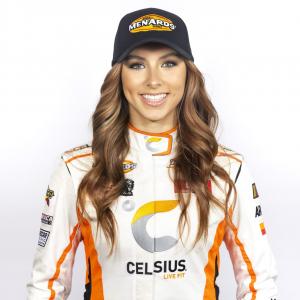
NASCAR Driver Logan Misuraca
Florida native returns to her proving ground, bringing elite drafting skill and superspeedway confidence to Daytona’s biggest stage.
Being a Florida local returning to my favorite race weekend of the year makes this moment even more special.”
— Logan Misuraca
DAYTONA BEACH, FL, UNITED STATES, December 8, 2025 /EINPresswire.com/ — Rising NASCAR talent and Florida native Logan Misuraca is officially returning to the track where it all began, as she is set to compete in the ARCA Menards Series 200 at Daytona International Speedway to open the 2026 ARCA National Series season. Misuraca will pilot the No. 85 Orlando Health Ford Fusion with City Garage Motorsports.
A racer since just four years old, Misuraca has built her career from the ground up — from quarter midgets and karts to stock cars — through relentless determination, entirely sponsor-funded efforts, and a reputation for thriving under pressure. Unlike many drivers with family-funded backing, Misuraca continues to actively seek partnerships with brands that believe in her talent, work ethic, and long-term vision as she climbs the NASCAR ladder.
Beyond the track, Misuraca is also the founder of 1 in a Million, a mental health and motivation initiative created to support athletes and individuals facing adversity, as well as the creator of Drive Dollars, an educational platform that teaches grassroots racers how to secure sponsorships, build their brand, and create sustainable racing careers.
Daytona International Speedway holds deep personal significance for Misuraca. Through her time at NASCAR Racing Experience, where she logged daily laps at Daytona, the high banks became her training ground — shaping her race instincts, comfort in traffic, and mastery of pack racing.
“Daytona has always felt like home to me,” said Misuraca. “With my experience in the draft and at high speeds, this is the perfect place to showcase my skillset as we open the ARCA National Series season. Being a Florida local returning to my favorite race weekend of the year makes this moment even more special.”
Misuraca’s 2026 Daytona return carries added weight, as her last start at the superspeedway came in 2023, followed by seasons spent grinding to secure the sponsorship funding required to return to competition at the national level.
“To be back at Daytona in 2026 after everything it took to secure my return is incredibly meaningful,” Misuraca added. “Every race I compete in represents countless hours of outreach, pitching, and persistence behind the scenes.”
Misuraca returns to the superspeedway with gratitude and momentum as she continues to break barriers for women in motorsports.
“I’m incredibly grateful to City Garage Motorsports, Stuart, Mike, and Ryan for trusting me with this opportunity and believing in what I bring to the track,” she added. “This is bigger than just a race — it’s about representing the Female First and Girl Power initiative, building opportunities for women in the sport, and proving that we belong at the front of the field.”
Alongside Misuraca’s Daytona start, CGM will field Becca Monnopoli and Quinn Davis in the ARCA East Series in the No. 85 and No. 5, further strengthening the team’s commitment to women in racing.
“I’m so proud of Becca and Quinn and excited to watch what they accomplish this season,” Misuraca said. “Every lap they run opens doors for the next generation of girls in our sport.”
With Daytona as both her proving ground and homecoming — and with momentum building on and off the track through racing, advocacy, and education — Logan Misuraca enters 2026 ready to make a statement on one of motorsports’ biggest stages.
Stay tuned for more announcements throughout the 2026 season.
Logan Misuraca
Logan Misuraca, LLC
logan@loganmisuraca.com
Visit us on social media:
LinkedIn
Instagram
Facebook
TikTok
X
Legal Disclaimer:
EIN Presswire provides this news content “as is” without warranty of any kind. We do not accept any responsibility or liability
for the accuracy, content, images, videos, licenses, completeness, legality, or reliability of the information contained in this
article. If you have any complaints or copyright issues related to this article, kindly contact the author above.

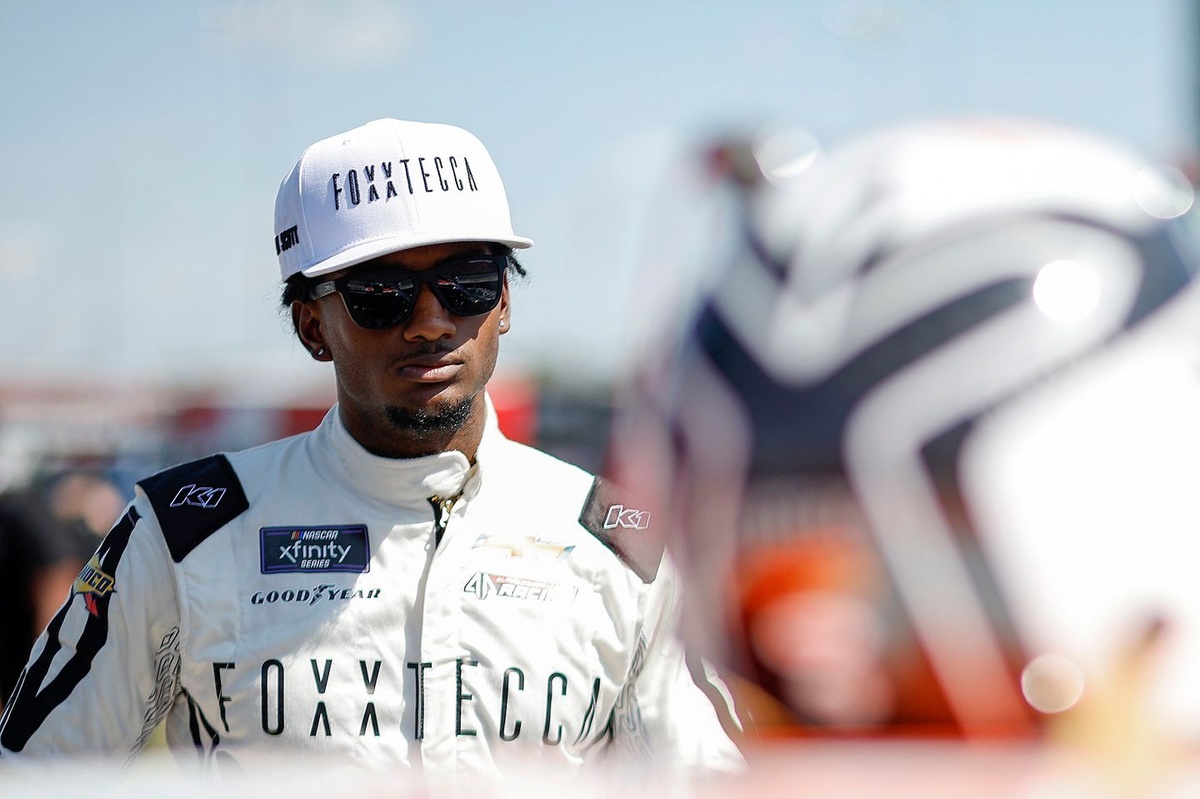
On Monday, Alpha Prime Racing confirmed that they have signed Lavar Scott for the full 2026 NASCAR O’Reilly Auto Parts (formerly Xfinity) Series schedule, driving the No. 45 Chevrolet.
“Don’t know what to say or type,” Scott posted on social media. “Just thank you to everyone involved. Had a dream and plan since 3 years old, and it’s actually happening. INSANE feeling.”
The 22-year-old was the championship runner-up in the ARCA Menards Series in both 2024 and 2025, and made his NASCAR Xfinity Series debut earlier this year. Both starts came with Alpha Prime, starting 22nd and finishing 28th in his Dover debut.
He improved on that result in his second start at WWT Raceway (Gateway), despite starting 36th. He marched forward, finishing 19th in a top 20 result for the team.
Along with the No. 45 utilizing various drivers, Alpha Prime also fielded the No. 44 and No. 4 entries this past year, which were driven by Brennan Poole and Parker Retzlaff. Retzlaff moved on to Viking Motorsports, but Poole will be teammates with Scott in 2026.
We want your opinion!
What would you like to see on Motorsport.com?
Take our 5 minute survey.
– The Motorsport.com Team

This lawsuit against NASCAR is serious stuff: It could dramatically change the 77-year-old sport, which is exactly what the plaintiffs in the suit are asking for.
We learned that much after week one of testimony, which wrapped up on Friday. Today, we began week two, which was supposed to be the final one, but things are moving at a snail’s pace, much to the dismay of presiding Judge Kenneth Bell. He wanted it done by the end of this week, but it seems likely to drag on, potentially past Christmas.
Bell does not want the jury to have to deliberate over Christmas, and likely neither do the jurors, so we could have a very quick decision if indeed the trial enters a third week. The trial resumed today, with testimony from an economist, and from the head of the Race Team Alliance, who testified that some teams may be interested in buying NASCAR if it is broken up by the court. To come this week as the plaintiffs conclude their presentation: NASCAR head Jim France, NASCAR commissioner Steve Phelps, and longtime team owner Richard Childress. More about him in a moment. Once those three have testified, it’s NASCAR’s turn, and they have 16 witnesses listed. Judge Bell is not a happy man.
There is no telling what the combined legal bill will be: One account said both sides have eight lawyers apiece clustered around the respective tables.

First, the lawsuit in a nutshell: As you’d likely suspect, it’s about money. Two NASCAR teams are suing NASCAR and its CEO, chairman and executive vice-president, Jim France. The two teams are 23X1 (pronounced twenty-three eleven), owned by NASCAR driver Denny Hamlin, NBA legend Michael Jordan, and Jordan’s financial agent of 35 years, Curtis Polk; and Front Row Motorsports, owned by Bob Jenkins, who reportedly owns about 250 fast-food franchises, including the likes of Taco Bell, KFC, Long John Silver’s, and A&W.
23X1’s three drivers are Bubba Wallace, Tyler Reddick, and Riley Herbst (owner-driver Denny Hamlin still competes for Joe Gibbs Racing). Front Row’s three NASCAR Cup drivers are Zane Smith, Noah Gragson, and Todd Gilliland.
The 23IX and Front Row teams insist that given NASCAR’s current business model, it is difficult, if not impossible, to make money.
The suit claims that NASCAR is a monopoly (which the court has already confirmed), possibly in violation of the Sherman Antitrust Act of 1890. The two teams also do not like the current charter agreement, which runs through 2031, and must be renewed by NASCAR every seven years. 23XI and Front Row refused to sign that charter agreement last year, though all the other teams did sign. Those two teams want the charters to be awarded permanently, and not be subject to renewal.
The 36 charters, which were awarded to NASCAR’s top teams for free in 2016, were designed to give the teams some equity that would grow in value over the years (big teams have more than one charter, up to four). The charter also guarantees those teams a set minimum income from NASCAR, but most importantly, guarantees that a chartered driver doesn’t have to qualify his or her way into the field—they get a guaranteed starting spot, allowing teams to sell sponsorship based on making every race. There are 36 chartered drivers in the field of 40 cars, with four spots held for “open” teams that don’t have charters, and must qualify their way into the race, assuming that there are more than four open teams that want to race (which lately happens with big races, like the Daytona 500).
The charters, which can be bought and sold, with the selling team keeping the money, have grown in value to about $40 million currently. If a brand-new team wants to enter NASCAR at a high level, it would have to buy a charter from a team that is either downsizing or leaving the sport. And if a team has, say, two charters and wants three so they can add a new driver, they’d also be customers for another team’s charter.
The suit also wants NASCAR to pay the teams more money from the current seven-year, $7.7 billion broadcast contract. There’s more, but you get the gist.
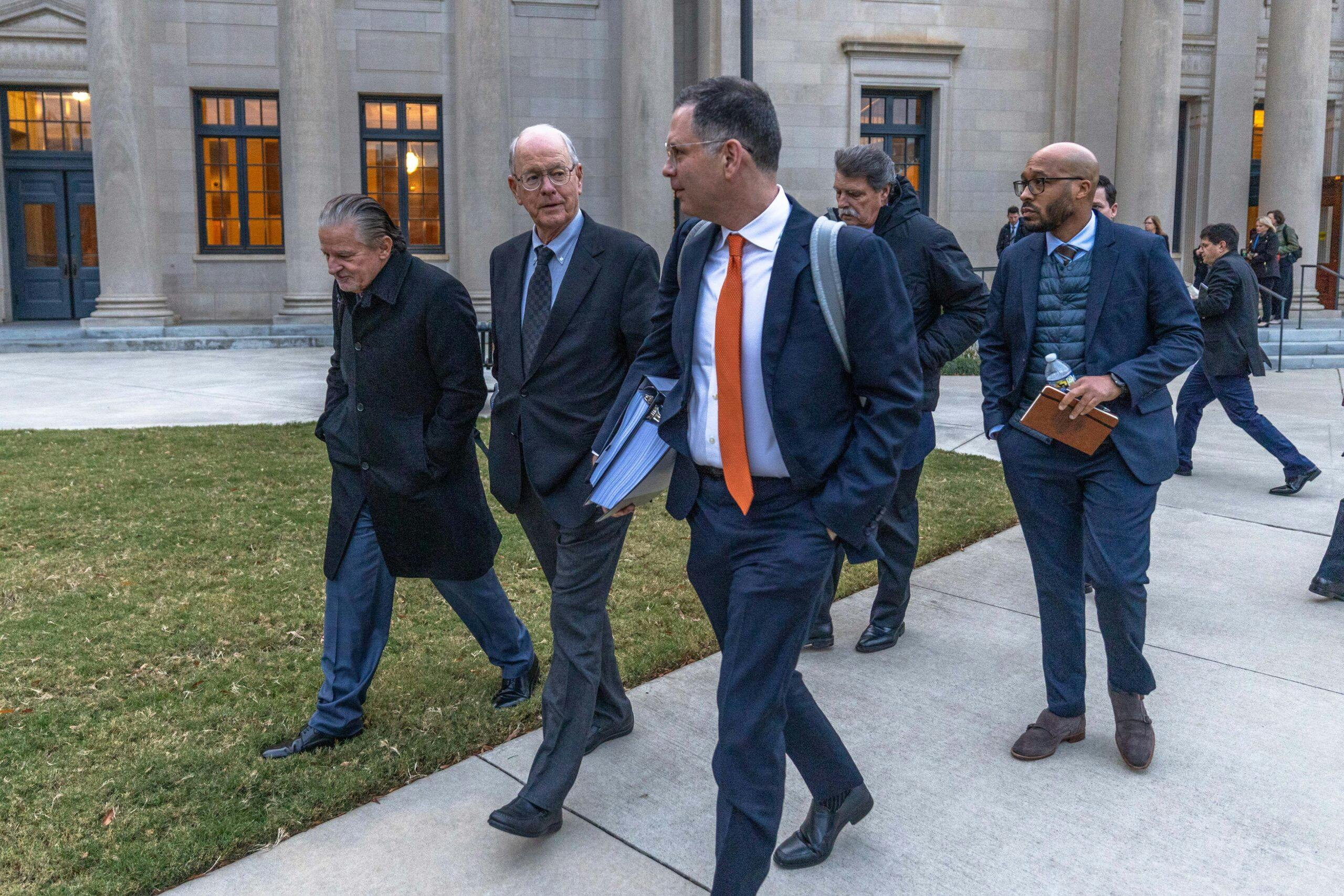
This first week of the 23XI and Front Row vs. NASCAR and Jim France had plenty of moments that ranged from outrageous to amusing to just bizarre. Here are some highlights:
Texts NASCAR and the teams wish they could take back.
In discovery, both sides had to supply hitherto private communications that were beyond embarrassing—they possibly mean the end of friendships, and damage to professional relationships that are beyond repair, and could even put careers into question. The most remarkable ones were from Steve Phelps, NASCAR commissioner, and Steve O’Donnell, NASCAR president.
Certainly, the most damaging one comes from Phelps, and involves his reaction to a meeting with NASCAR, and a radio interview done by former driver and current team owner Richard Childress, whose Richard Childress Racing dates back to 1969, and for whom Dale Earnhardt raced for the balance of his career.
“Total ass-clown,” Phelps texted another NASCAR executive. “Childress is an idiot. If they don’t like the state of the sport, sell your charter and get out.”
And, “If he’s that angry (and apparently he is) sign your charter extension and sell. He’s not smart, is a dinosaur, and a malcontent. He’s worth a couple hundred million dollars—every dollar associated with NASCAR in some fashion.”
And the worst of all: “Childress needs to be taken out back and flogged. He’s a stupid redneck who owes his entire fortune to NASCAR.” Late last week, Childress, 80, said he is considering legal action over the texts.
O’Donnell, commenting on a charter proposal that he believed would send the sport backwards: “(Expletive) the teams, dictatorship, motorsport, redneck, southern, tiny sport.”
And on the other side of the aisle, Michael Jordan and Denny Hamlin and another company executive likely wish they hadn’t sent some texts about NASCAR bosses, and fellow team owners. Steve Lauletta, 23IX president, texted what it might take for teams to get more favorable charter deals: “Jim dying is probably the answer.” He’s referring to Jim France, the 81-year-old head of NASCAR, and the son of “Big Bill” France, who founded NASCAR in 1948. To that, Hamlin replied, “My despise for the France family runs deep.”

Jordan’s texts were also scrutinized, with one standing out from the others. To quote CBS Sports: “Jordan was shown to have called Joe Gibbs Racing ‘f—ers’ for signing the charter agreement, while referring to others who agreed to NASCAR’s terms as ‘p—–s’ in a September 2024 text with business partner Curtis Polk.”
Paranoia? To say the least.
In 2021, three-time NASCAR Cup champion Tony Stewart and former Cup crew chief and team owner Ray Evernham, who led driver Jeff Gordon to three championships, partnered to create Superstar Racing Experience (SRX). The series was modeled after the long-gone International Race of Champions (IROC) that gave Evernham one of his first jobs in the sport. SRX, like IROC, would put drivers from various racing series in identical cars, such as having NASCAR stars race against IndyCar stars and IMSA sports car stars.
Unlike IROC, though, SRX would be run as a made-for-TV series, airing Saturday nights on CBS for six weeks, beginning in June of 2021 and 2022. For the third and final season, the racing was on ESPN, on Thursday nights. Evernham designed the cars, which were capable of running on both asphalt or dirt tracks, while Stewart raced in the series and was the face of SRX. The series competed on short dirt or paved ovals that did not host NASCAR races, such as the Stewart-owned Eldora Speedway, Berlin Raceway, Five Flags Speedway, Knoxville Raceway, and South Boston Speedway.

In the three six-race seasons, 46 drivers competed, seven of them active NASCAR Cup drivers—the rest ranged from late-model legends like Scott Bloomquist and Bubba Pollard, drag racers like Ron Capps and Antron Brown, IndyCar drivers like Helio Castroneves and Josef Newgarden, and sports-car drivers like Willy T. Ribbs and Ernie Francis, Jr.
I watched the SRX races and attended the season finale at the Nashville Fairgrounds in 2021. SRX was a fun series, but by the third season, it was sagging; Evernham left, and Stewart seemed bored.
But still, somehow, NASCAR executives Phelps and O’Donnell saw SRX as an immediate threat that needed to be extinguished. Why? Because it kind of looked like NASCAR (it didn’t), and drivers like Chase Elliott and Denny Hamlin decided to participate periodically.
O’Donnell sent a text to Phelps that said: “Enough. We need legal to take a shot at this.”
Phelps said, “These guys are just plain stupid. Need to put a knife in this trash series.”
O’Donnell later texted: “Thisnis [sic] exhibit ‘a’ that nobody gives a s— about what got them their careers. Pay ‘em some money and they are all in… Lots to get our arms around but sadly any ‘goodwill’ seems to be lost. So smiles all around but behind the scenes we scheme and we win.”
Phelps: “The SRX thing is just baffling to me. Why don’t they get it – oh, they do get it and it’s a huge FU to us.”
NASCAR, though, has no problem with its stars appearing in a variety of other series and races, ranging from the CARS Tour to today’s Snowball Derby at Five Flags Speedway in Pensacola, Florida, which NASCAR helped publicize. As for SRX, it died a natural death; all 18 cars and the equipment were acquired last September by GMS Race Cars, which will use them mostly for track days and specialty events.
Everybody’s scared of Curtis Polk

As we’ve mentioned, Curtis Polk, 66, is Michael Jordan’s agent, business partner, and financial guru. His only real experience with motorsports was racing slot cars as a kid, but when Jordan and Hamlin decided to start 23IX, Polk spearheaded the investment, aiming that spear right at NASCAR.
Steve O’Donnell said that Polk, in charter negotiations, was responsible for “the most difficult meetings I’ve had with an individual in my 30 years in NASCAR.” Polk, he said, “did not have an appreciation for the sport. He was a businessman who said he could leave anytime. He threatened to kick me out of my own meeting; (I) knew he wasn’t coming from a place of respect.”
Heather Gibbs deliberately tugs at our heartstrings
Joe Gibbs had been a very successful NFL coach, and in 1992, he wanted to try something new. Along with his two sons, J.D. and Coy, he founded Joe Gibbs Racing, competing in NASCAR, plus stints in NHRA drag racing and motocross. At 85, Coach Gibbs is arguably the most beloved, most admired man in the sport.
Likely some of this will be familiar to you: J.D. Gibbs died in 2019, at age 49, after a rough four-year battle with a degenerative neurological disease. He had been president of JGR, running the day-to-day operation. Coy then assumed more duties at JGR where he was chief operating officer, and was responsible for the successful AMA motocross program.
On November 6, 2022, Coy’s son, current JGR NASCAR Cup driver Ty Gibbs, won the NASCAR Xfinity series championship at Phoenix Raceway. The family celebrated, after which Coy, also 49, and wife Heather went to bed.

The next morning, Heather said last week as part of her testimony, “My husband didn’t wake up.” The cause of his death has not been revealed.
But the tragedy made Heather Gibbs a part-owner of Joe Gibbs Racing, and she moved from her job as a real estate agent to an executive role at JGR: Her LinkedIn profile doesn’t list a title beyond saying she is a co-owner of JGR, providing “strategic advice and support to the entire management team.”
By all accounts, her testimony on Friday was the most impactful of the week, including Michael Jordan’s time on the witness stand.
She testified about a letter she wrote to NASCAR management after Steve Phelps characterized team spending as “reckless,” and a main reason why Cup teams find it hard to turn a profit. It was an extremely well-written letter, not surprising since she has a journalism degree. “The primary issue for the teams is that there is not enough revenue shared to keep the doors open. Sadly, 11 teams have closed since 2016… Please understand that when you say no to permanent charters, you are disregarding 32 years of dedication and commitment that Joe Gibbs Racing has given to your family.”
It was emotional testimony, and she hit every talking point when she spoke about why JGR signed the latest charter agreement against everyone’s better judgment. The final draft arrived late, and they were given a very short deadline to sign it. “Everything’s going so fast,” she said.
“That’s the legacy of Coy. That’s the legacy of J.D. If we don’t take the payout they are offering, we can’t keep going… It’s like you have a gun to your head. If you don’t sign it, everything is gone.”

Heather said Joe Gibbs called Jim France. She said Coach Gibbs pleaded with France, saying, “Don’t do this to us.”
France allegedly responded that he didn’t care how many of the 36 existing charters were renewed: “If I wake up and I have 20 charters, I have 20. If I have 30, I have 30.”
Yes, her testimony may not contribute a lot to the lawsuit’s technical points, but remember: This is a jury trial, and almost certainly—after a week of brash, contentious back-and-forth—it resonated with the jury.
What is it Albert Einstein said about people doing the same thing over and over, and expecting different results?
Bob Jenkins, sole owner of Front Row Motorsports since 2005, did not paint a particularly sympathetic self-portrait during his time on the stand. Front Row is a plucky, low-budget team that sometimes punches above its weight, especially on the bigger tracks. Drivers have been typically talented, but never superstars, with some bringing sponsorship or cash to drive one of Front Row’s cars. The team’s proudest moment was when Michael McDowell steered around a last-lap crash to win the 2021 Daytona 500.

He testified that his team was “very hurt” by NASCAR’s delivery of the 112-page charter agreement at 6 p.m. one night, along with the demand that it be signed by midnight. “Not a single owner said, ‘I was happy to sign it.’ Not a single one.” Still, 13 of the 15 team owners signed it.
That said, Jenkins testified that he has lost $100 million since he assumed full control of Front Row, which long predates the charter system. He has never turned a profit, and loses an average of $6.8 million per year.
So why does he insist on running a NASCAR team? “That sounds like something my wife would say,” Jenkins said.

Rick Hendrick often texts current NASCAR champion Kyle Larson, but the owner of Hendrick Motorsports only sends him TikTok videos of the driver crashing sprint cars.
Larson recently won his second NASCAR Cup Series championship with Hendrick Motorsports after first winning the title during his debut season with the team in 2021. Before joining Hendrick, the team had a strict policy that restricted drivers from engaging in dirt racing and other events due to safety concerns.
Hendrick later relaxed the ruling after signing Larson, who has a lifelong passion for dirt and sprint racing, and believes it has made him a better Cup Series driver. While Hendrick now allows extracurricular racing, he still frequently sends Larson videos of him crashing as a reminder.
During an appearance on The Drivers Project Podcast, Larson revealed that his communication with Hendrick centers around his errors and wrecks in sprint cars. “Rick has this thing, so he’s on TikTok all the time,” Larson said.
“The only time he’ll text me is, he’ll send me TikToks of me crashing sprint cars. He’s like, ‘Good to see how safe this is, not.’ He loves to send TikToks of me crashing sprint cars from like years before.”
Sign up to our NASCAR newsletter here.
Larson was one of the top NASCAR prospects when signing for Hendrick, and previously spent seven years with Chip Ganassi Racing. After making his Cup Series debut for Phoenix Racing in 2013, he was given a full-time seat by CGR and continued to improve.
Hendrick then expressed interest in Larson, but the driver was honest and shared his passion for sprint racing during negotiations. During an interview with NASCAR legend Dale Earnhardt Jr., Larson admitted that his honesty could have cost him a contract.
“I was super nervous. Obviously, everything happened to me, and then I met Rick (Hendrick) and Jeff (Gordon), and we talked and talked,” Larson said. “They’re like, what’s important to you? What do you want? And what do you want us to do if we sign you? I was like, man, I would just like to race sprint cars…”
Hendrick ended up signing Larson and changing his stance on activities outside the Cup Series. Larson believes that NASCAR has changed since he first became a full-time driver, and believes that the extra racing is beneficial.
“Back then, you were testing all the time,” Larson added. “You were practicing on Fridays and Saturdays, racing Sundays. Now you have 20 minutes of practice, if that. Like this, we can go to Talladega. We just qualify the race.
“So I think that the teams are now seeing that it’s harder for your driver to stay sharp with limited track time. So I think it’s a way, obviously, it’s risky. It’s risky racing. Let your driver race sprint cars and dirt stuff and all that.
“But I think they see the upside of it. You know, staying sharp and racing all that. In 2021, my first year, Hendrick had obviously a really good for the championship, and I raced more that year than I ever have… So it’s gone good, I am appreciative of it for sure.”
Motorsports
High-profile witnesses await as NASCAR antitrust trial drags into second week – 41NBC News
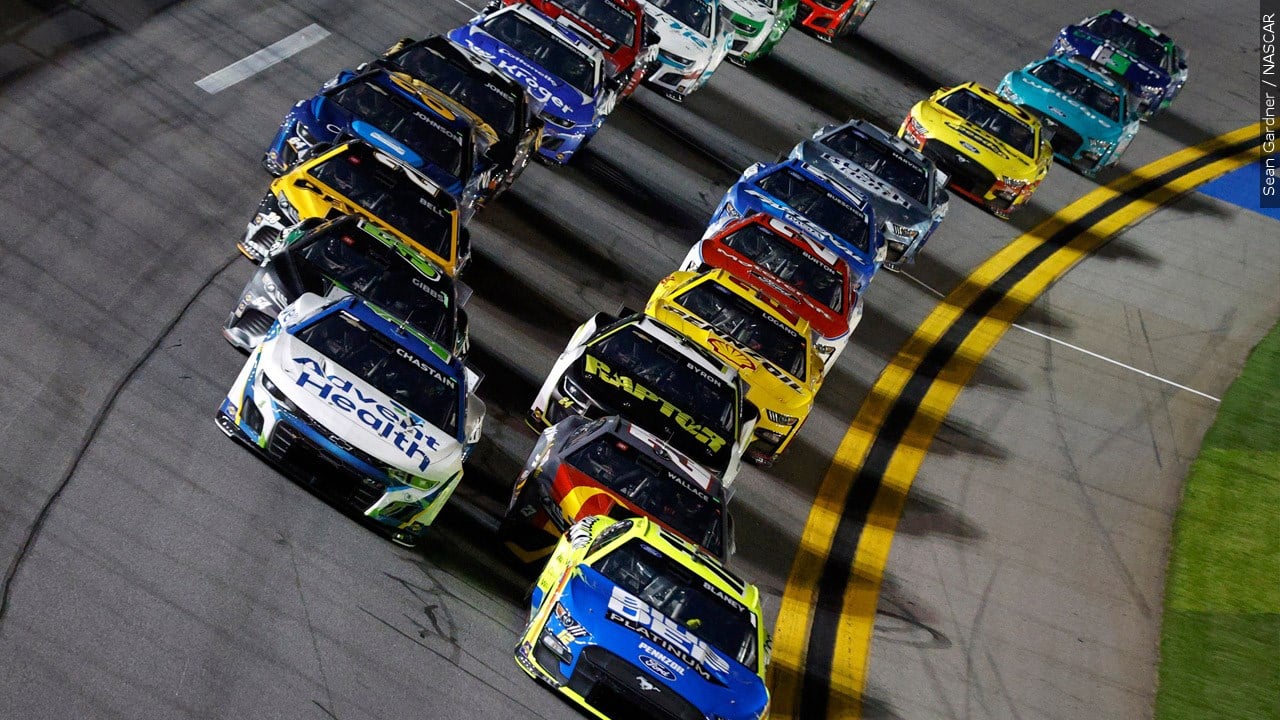
Witness delays, tense negotiations and high-profile texts shape ongoing NASCAR courtroom battle
By JENNA FRYER AP Auto Racing Writer
CHARLOTTE, N.C. (AP) — The slow pace of the federal antitrust suit lodged against NASCAR continued Monday at the start of the second week of the trial, with high-profile witnesses not expected to make it to the stand anytime soon.
Jeffrey Kessler, lead attorney for the two teams suing NASCAR, indicated he plans to call NASCAR Commissioner Steve Phelps after an expected lengthy testimony from an accountant who will analyze team finances. After Phelps, Kessler said he will call Hall of Fame team owner Richard Childress and finally NASCAR chairman Jim France.
But the case is moving far too slow for U.S. District Judge Kenneth Bell’s liking and he’s repeatedly asked both 23XI Racing and Front Row Motorsports, as well as NASCAR, to speed it up. Monday was already off to a delayed start because Bell had to open court in the Western District of North Carolina early to address a slew of motions filed over the weekend.
He was particularly bothered by objections he received at 2:55 a.m. Monday and then 6:50 a.m. before the morning session. He took an hour to get through the rulings, and testimony resumed 30 minutes behind schedule.
It took until the first break of the day to finish testimony from Jonathan Marshall, the executive director of the Race Team alliance, a formal organization meant to represent all of the teams.
In his second day of testimony about the negotiations process on new revenue models, Marshall testified that a week before teams were given the take-it-or-leave-it final offer, a first version of the agreement was presented and team owners Joe Gibbs, Rick Hendrick and Roger Penske all indicated they planned to sign.
Marshall informed the other teams that the top three owners in NASCAR felt they had been presented with the best deal they would receive and planned to accept it, and he testified he believed all other team owners would follow the trio.
“There was a lot of discussion that these three men had been speaking to Jim France, trying to get accommodations on issues and it was clear it wasn’t going to happen,” Marshall said. “These were very friendly team owners with the France’s, in some cases over 50 years. Once those three signed, no one felt a better deal would be available.”
When Kessler gets to his final three witness, testimony should shed more light on the animosity between teams and series executives during the contentious two-plus years of negotiations on a new revenue sharing agreement.
Who is still to come?
Childress was the subject of derogatory text messages in which Phelps called the six-time championship-winning owner a redneck who “needs to be taken out back and flogged.”
The texts came out in the discovery phase of this messy saga in which Basketball Hall of Famer Michael Jordan refused to accept NASCAR’s final offer on a new charter agreement and decided to sue the Florida-based France family, which founded NASCAR in 1948 and privately owns the stock car racing series.
It took Jordan’s testimony Friday to bring the national spotlight to NASCAR, but not for its racing product or its competition. Instead, Jordan is out to prove NASCAR is run by a family of dictators enriching themselves at the expense of the teams and drivers. Jordan and three-time Daytona 500 winner Denny Hamlin, along with Front Row Racing, were the only two teams out of 15 to refuse the new charter agreements offered in September 2024 with a six-hour deadline to sign the 112-page document.
A charter is similar to the franchise model in other sports, but in NASCAR it guarantees 36 teams spots in the 40-car field, as well as specific revenue.
NASCAR publicly admitted it wants to settle the case in comments made ahead of the November season finale by Phelps, but the first week of testimony revealed Jordan and Front Row owner Bob Jenkins want a combined $340 million in damages. Jordan has previously said he’s open to a settlement; several mediation sessions failed to find a solution.
The case had a dreadfully slow first week in which Bell told both sides to pick up the pace but it seems certain the trial will carry into a third week as NASCAR remains days away from beginning its defense.
Every twist in the yearlong court battle has been a setback for NASCAR, which maintains it did give teams an improved revenue model from the original 2016 charter agreement and everything it has done is for the benefit of growing the sport.
However, Jenkins has claimed he’s never turned a profit in more than two decades of racing and has stated losses between $70 million and $100 million. Jordan and Hamlin have admitted 23XI Racing has been profitable in its five years of existence, but largely based on Jordan’s ability to draw high-dollar sponsors.
Jordan, who testified he’s a lifelong NASCAR fan, felt as one of the newer owners in a sport in which the top teams have existed for decades, that he was the only one who could actually challenge the France’s on their way of doing business.
“Someone had to step forward and challenge the entity,” Jordan testified. “I sat in those meetings with longtime owners who were brow-beaten for so many years trying to make change. I was a new person, I wasn’t afraid. I felt I could challenge NASCAR as a whole. I felt as far as the sport, it needed to be looked at from a different view.”
Among witnesses NASCAR is expected to call are Hall of Fame team owners Hendrick and Penske, two of the most powerful figures in motorsports. Penske tried to set his court appearance schedule by telling NASCAR he was only available to testify Monday, but the plaintiffs objected to Penske being called in the middle of their presentation.
Bell sided with 23XI Racing and Front Row and told NASCAR to work it out with Penske, who as owner of Indianapolis Motor Speedway and IndyCar, which recently adopted its charter system, can testify to race sanctioning agreements, the revenue models and financial health of race teams.
Hendrick, a close friend of the France family for decades, is a car salesman and Charlotte local who can use his communication skills to support the theory everyone in racing understands the financials and willingly enters into NASCAR and the France’s business model.

Motorsports8 minutes ago
Economist says NASCAR owes $364.7M to teams in antitrust case

Sports19 minutes ago
NCAA Women’s Div I Volleyball Tournament Glance

NIL22 minutes ago
In a matter of one year, Cal and Stanford went all in on football

Motorsports23 minutes ago
NASCAR Driver Logan Misuraca Set to Return to Daytona for 2026 ARCA Menards Series Opener with City Garage Motorsports

Sports37 minutes ago
Info on Purdue Volleyball’s Regional Semifinal Match vs. SMU Released

Motorsports39 minutes ago
Lavar Scott secures full-time ride with Alpha Prime Racing

Rec Sports40 minutes ago
City in the Community Collaborates with NYU on AI Programming Course for Young Leaders

Rec Sports50 minutes ago
Annual Pitman parade continues with faith – Catholic Star Herald
Sports53 minutes ago
Longtime Utah volleyball coach Beth Launiere retires – Deseret News

Motorsports56 minutes ago
5 Tough Takeaways from Week One of the NASCAR Trial

Rec Sports1 hour ago
Keathley Dominates as Martin County Rolls to 3-0 Start

Sports1 hour ago
Nevada volleyball’s team leaders in kills, assists and digs enter the transfer portal

Motorsports1 hour ago
Larson shares only hilarious texts he gets from Hendrick – Motorsport – Sports

NIL1 hour ago
ESPN analyst names two college football programs that should replace ‘wasted’ playoff spots

Sports1 hour ago
Adrian College SID, Mike Prang, Earns Distinguished CSC 30 Under 30 Recognition

Rec Sports2 weeks ago
First Tee Winter Registration is open

Rec Sports2 weeks ago
Fargo girl, 13, dies after collapsing during school basketball game – Grand Forks Herald

Motorsports2 weeks ago
CPG Brands Like Allegra Are Betting on F1 for the First Time

Sports3 weeks ago
Volleyball Recaps – November 18

Motorsports2 weeks ago
F1 Las Vegas: Verstappen win, Norris and Piastri DQ tighten 2025 title fight

Sports2 weeks ago
Two Pro Volleyball Leagues Serve Up Plans for Minnesota Teams

Sports2 weeks ago
Utah State Announces 2025-26 Indoor Track & Field Schedule

Sports2 weeks ago
Sycamores unveil 2026 track and field schedule

Motorsports2 weeks ago
Redemption Means First Pro Stock World Championship for Dallas Glenn

NIL1 week ago
Bowl Projections: ESPN predicts 12-team College Football Playoff bracket, full bowl slate after Week 14

Sports2 weeks ago
Texas volleyball vs Kentucky game score: Live SEC tournament updates

NIL2 weeks ago
Indiana’s rapid ascent and its impact across college football

Rec Sports1 week ago
How this startup (and a KC sports icon) turned young players into card-carrying legends overnight

Motorsports1 week ago
Pohlman admits ‘there might be some spats’ as he pushes to get Kyle Busch winning again

Rec Sports1 week ago
Robert “Bobby” Lewis Hardin, 56

 Why a rising mid-major power with an NCAA Tournament team opted out of revenue-sharing — and advertised it
 NBA Legend Michael Jordan to Join NBC Sports as Special Contributor
 Falcons mailbag
 Portal Update – Basketball and Gymnastics Take Hits
 has always dreamed in Mercurial. Now his initials are on the boots.
The new Kyl…
has always dreamed in Mercurial. Now his initials are on the boots.
The new Kyl…
-
 Rec Sports2 weeks ago
First Tee Winter Registration is open
-
 Rec Sports2 weeks ago
Fargo girl, 13, dies after collapsing during school basketball game – Grand Forks Herald
-
 Motorsports2 weeks ago
CPG Brands Like Allegra Are Betting on F1 for the First Time
-
 Sports3 weeks ago
Volleyball Recaps – November 18
-
 Motorsports2 weeks ago
F1 Las Vegas: Verstappen win, Norris and Piastri DQ tighten 2025 title fight
-
 Sports2 weeks ago
Two Pro Volleyball Leagues Serve Up Plans for Minnesota Teams
-
 Sports2 weeks ago
Utah State Announces 2025-26 Indoor Track & Field Schedule
-
 Sports2 weeks ago
Sycamores unveil 2026 track and field schedule
-
 Motorsports2 weeks ago
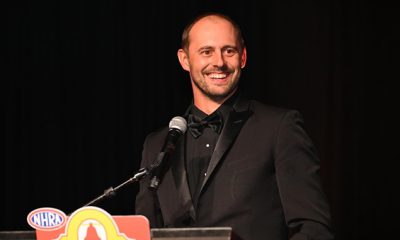
Redemption Means First Pro Stock World Championship for Dallas Glenn
-
 NIL1 week ago
Bowl Projections: ESPN predicts 12-team College Football Playoff bracket, full bowl slate after Week 14