
Rec Sports
On Colorado Gives Day, YMCA of Metro Denver among thousands getting boost: “We love it here”

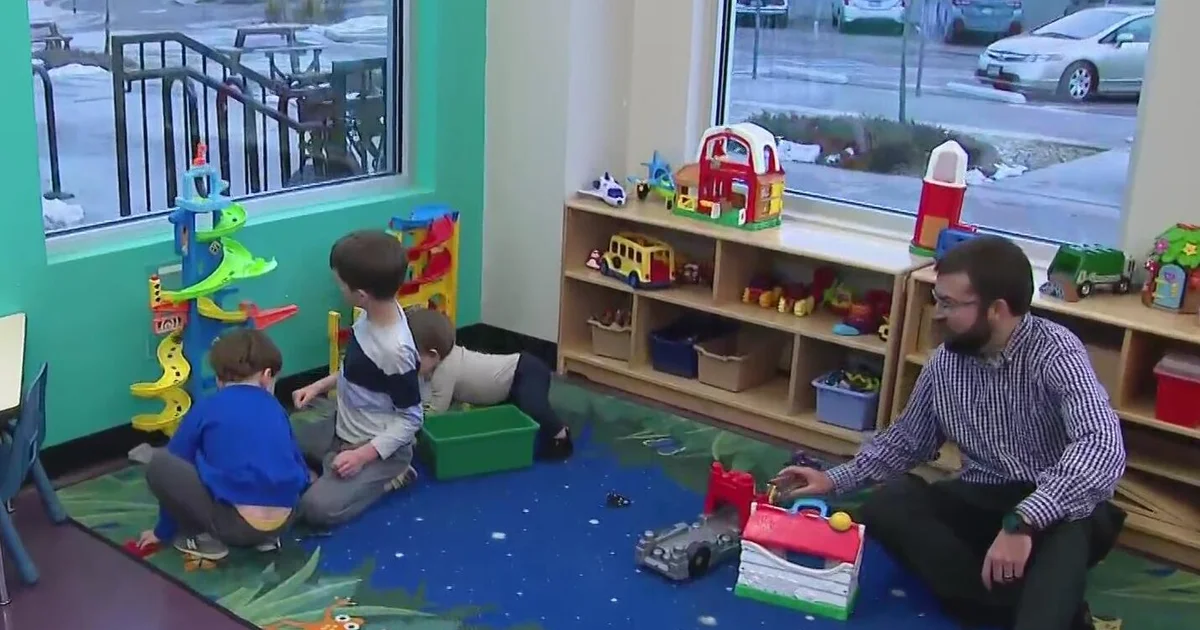
Tuesday is Colorado Gives Day, and you can be part of a statewide movement to strengthen our communities. One of the thousands of causes you can support is the YMCA of Metro Denver, one of many organizations ingrained in the community and making a difference in the lives of people of all ages.
YMCA of Metro Denver has been supporting people for more than 150 years. Their offerings include swim lessons for kids, youth sports and before- and after-school care.
CBS 
Leisha DeSmet, the Chief Development Officer for the YMCA of Metro Denver, talked with CBS Colorado’s Justin Adams about how the YMCA can impact people’s lives in Colorado.
“We teach thousands of kids every year water safety and how to stay safe in the pool and so that’s what is so important. And contributions today allow us to make sure that every kid learns how to swim, not just those who can afford it,” said Desmet.
The YMCA doesn’t want to turn anyone away who needs its services. Donations to the YMCA help fund scholarships for preschool and child care. Donations also help pay for Y memberships for those who are struggling.
“I think what makes it so special is number one, it’s for everyone. Number two, we don’t turn anyone away for inability to pay. We welcome everyone, we’re here for all. And also just that sense of community and belonging that the YMCA provides,” said Desmet.
Carrie Maxwell, a mother of three, talked with Adams about how the childcare provided at the YMCA has impacted her life.
“I think for parents, especially new parents or parents of littles, feel so supported, feel like they’re part of the community because not a lot of places in our community are set up for little kids and so it’s a place where everyone feels like they belong, where they can have some fun,” said Maxwell. “We just love it here.”
Desmet said the Y provides more than just an outlet to improve your physical condition.
CBS 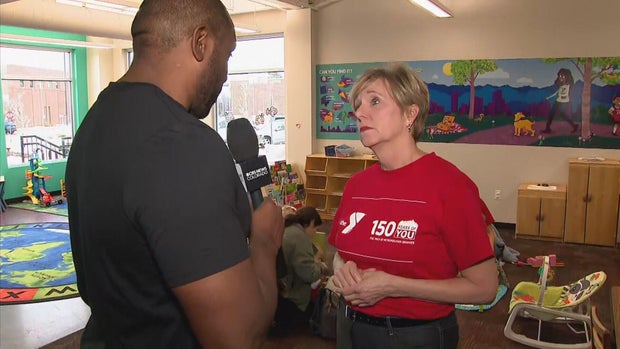
“I think it’s so important that people understand that we are a not-for-profit organization. And this day helps us do that. We’re not just a swim-and-gym; we provide so many other things in addition to that. Not only keeping your body healthy but also keeping your mind active, educating our children, keeping people connected, and a feeling of belonging,” said Desmet. “We’ll see active older adults here later in the day, not only are they working out for their joint replacements and trying to feel better, but they’re also joining classes where they get a real sense of belonging.”
With donations starting at $5 and going all the way up through large donations made through IRAs or donor-advised funds, everyone has the opportunity to make an impact during Colorado Gives Day.
The secure online platform — at coloradogives.org — features thousands of verified Colorado nonprofits, all of which have been vetted to confirm their charitable status and that they are in good standing with the Colorado Secretary of State’s Office.


Despite heterogeneity in youth-onset type 2 diabetes (T2D), clustering does not currently outperform simple clinical measures in predicting risk for complications, according to study results published in Diabetes Care.
Clustering has emerged as a promising strategy to shift diabetes care from a one-size-fits-all model toward precision medicine. However, given the gaps in knowledge about youth-onset T2D compared with adult-onset diabetes, the comparative clinical utility between clustering and simple clinical measures remains unclear.
In this observational cohort study, researchers performed phenotypic clustering of youths with T2D onset to assess whether distinct clusters offered meaningful clinical utility.
The study included individuals diagnosed with T2D before 20 years of age from the SEARCH for Diabetes in Youth (SEARCH; n=333) and Treatment Options for Type 2 Diabetes in Adolescents and Youth (TODAY; n=525) studies. Participants were excluded if they were taking a cholesterol-lowering medication or had a positive pancreatic autoantibody test.
Nevertheless, cluster membership did not add clinical utility beyond simple clinical measures for predicting outcomes.
In a diverse subset of autoantibody-negative T2D cases, the researchers conducted data-driven clustering into 3 clusters: youth-onset insulin-deficient diabetes (YIDD-T2), youth-onset insulin-resistant diabetes, and intermediate youth-onset diabetes. Differences among clusters were tested using Kruskal–Wallis with Wilcoxon post hoc comparisons for continuous variables and χ² tests for categorical variables.
The primary outcome was loss of glycemic control and treatment failure as defined by hemoglobin A1c (HbA1c) of at least 8% over 6 months or the need for insulin.
Three clinically distinct clusters with different rates of treatment failure emerged in both SEARCH and TODAY. Cluster 1 individuals (25.5%) showed the highest fasting glucose, HbA1c, and triglycerides; Cluster 2 individuals (40.5%) had the highest body mass index (BMI) z-scores; and Cluster 3 individuals (33.9%) demonstrated the highest high-density lipoprotein (HDL) and lowest fasting glucose, HbA1c, and triglycerides.
Cluster distributions did not differ by race or Tanner stage but varied significantly by sex (P =.004) and medication use (P <.0001): Cluster 3 included the most women (73%) whereas Cluster 2 included the fewest women (53%); Cluster 2 included the highest proportion of individuals on metformin alone (58%), whereas Cluster 1 included the most insulin users (60%).
In the TODAY trial, these clusters showed divergent therapeutic responses and treatment failure risks, with the YIDD-T2 group consistently exhibiting the highest failure rates and the greatest burden of diabetes complications.
Study limitations include the possibility that different input variables may yield different optimal k values; the absence of essential biomarkers, such as complete Tanner staging and liver transaminases; the likelihood that additional complications will emerge with follow-up beyond 10 years; and potential differential risk estimates due to limited follow-up duration.
The study authors concluded, “Youth-onset type 2 diabetes can be characterized into reproducible clusters that demonstrate differential response to treatments and risk of complications. Nevertheless, cluster membership did not add clinical utility beyond simple clinical measures for predicting outcomes.”
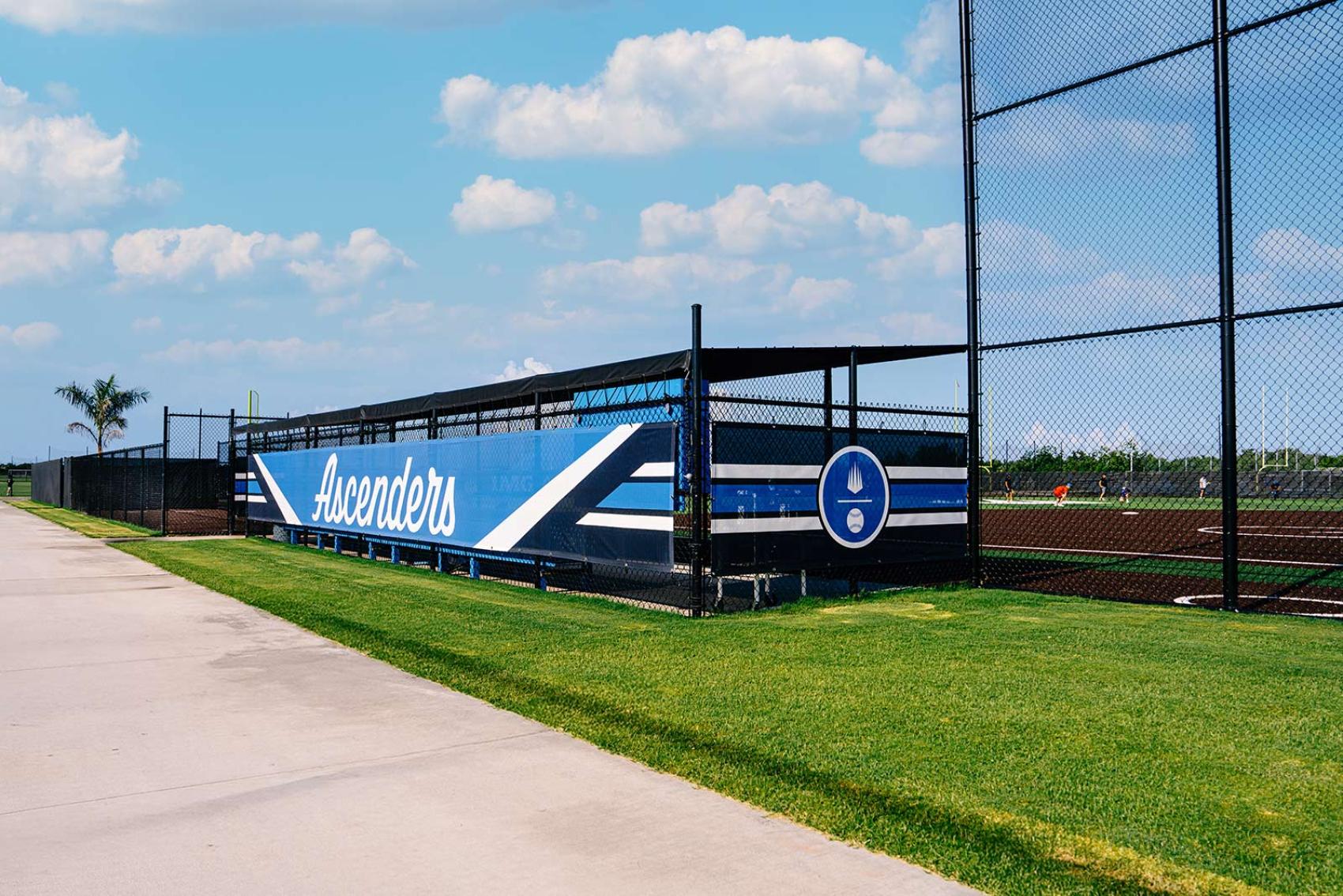
IMG Academy’s softball program provides the most effective training environment for student-athletes of various levels and age groups at state-of-the-art facilities.
Training takes place at a premiere softball complex with two natural and two turf fields, eight covered batting cages, and modern locker rooms.
The softball program is IMG Academy’s latest investment in female youth sports designed to open doors for student-athletes worldwide. Additional girls sports boarding school and camp programs offered at IMG Academy include basketball, golf, lacrosse, soccer, tennis, track & field, and volleyball.
What Is it like to play softball at IMG Academy?
IMG Academy’s softball program focuses on developing the total student-athlete through cutting-edge training methodologies.
It’s an environment that is intense and fueled by a championship mindset, while also being fun and supportive. Student-athletes are surrounded by peers and coaches dedicated to maximizing their potential.
“I’m excited to start a new journey and to have the first experience with all these ladies, just to learn new things and get better,” said student-athlete Shyann Jenkins. “And leave better than I came.”
IMG Academy has decades of experience in helping youth athletes strive for greatness on and off the field. That proven development methodology is the foundation of the new softball program.
“IMG Academy has set the standard for holistic development in the sports education space and to add softball as a sports program means the sport will benefit greatly from their future impact,” said Sue Enquist, legendary former UCLA softball head coach. “I look forward to seeing what these future student-athletes will bring to the game.”
Watch the video below to get a behind the scenes look at IMG Academy’s inaugural softball practice:
Why Top Softball Players Choose IMG Academy
From the exceptional training facilities to the highly experienced coaching staff, IMG Academy’s softball program is the best opportunity for student-athletes to reach their full potential.
Players gain access to state-of-the-art equipment and facilities, such as the 4-plex Softball Complex with two natural and two turf fields, eight covered batting cages, and a Softball Center with modern locker rooms and coaching offices.
When players aren’t training, they can enjoy additional social areas on the IMG Academy campus, including recreational areas and dining options.
Who is the IMG Academy Softball Coach?
On the field, IMG Academy Softball Director Joey Lye leads the coaching staff. She brings 14 years of coaching experience along with an impressive softball playing career, including a bronze medal in the 2021 Olympics.
“This opportunity allows me to bring my passion for the game and my commitment to developing well-rounded student-athletes to a place globally known for excellence in sports education,” said Lye. “My experience with Softball Canada, coupled with my background in coaching, playing and personal development, will enable me to build and lead a program empowering softball student-athletes to win their future at every level.”
IMG Academy’s softball program is expertly designed so that student-athletes feel more prepared and confident on the field and are fully equipped to succeed in college and in life.
Learn more about the softball facilities at IMG Academy.
Ready to elevate your softball game?
No matter your level, IMG Academy’s softball camps are tailored to help all student-athletes reach their full potential.
In addition to position-based drills and group training, customizable options include personalized coaching and specialized training in areas such as mental performance, speed & agility, leadership, and injury prevention. These unique training specializations help further set athletes apart from competition and give campers takeaways to significantly impact their game.
Learn more about IMG Academy softball camps.
For youth softball players looking to level up their game, IMG Academy softball camps are available year-round with durations varying by season including 3-day, 5-day, or multiple weeks that reinforce a progressive training curriculum.
There’s something for everyone from those looking to compete in college, make a varsity team roster, or seeking to learn from expert coaches.
Consider the IMG Academy softball boarding school program
Dedicated softball players looking for an innovative year-long training experience that sets them up to compete at the collegiate level will benefit from IMG Academy’s softball boarding school, which mirrors a professional training program.
Learn more about boarding school for softball players.
Rec Sports
#SnowStories: Raised in the desert, defined by the mountains – Alex Astridge puts UAE on the Alpine map

A mentorship that forged a career
For many young skiers, their coaches or mentors are found from within their family unit. Parents will often take up that role across the formative years, helping them grow both personally and professionally.
For Alex, his mentorship came under the guidance of Mohamed Moulay, who has channeled his own love of snow sports into shaping the next generation.
An instructor in the early days of Ski Dubai, Mohamed has worked his way to the role of Head Coach, both he and Alex sharing their journey side-by-side and growing together.
Not only was he the Alpine skier’s first coach when he joined at three, he remains his mentor to this day as the two embark on a historic outing at the upcoming Winter Olympics.
“When I was a kid, it was a coach-athlete relationship, but as I’ve grown up I see it more as a friendship,” Alex explained.
“He is someone I can speak to and someone who understands me, understands that when I’m angry or screaming it’s not who I am, it’s just frustration.”
On the biggest lesson that Mohamed has taught him, Alex adds: “To not give up, to understand that even when things are difficult, I just have to keep going.
“He was with me through my biggest injury where I had people telling me I wouldn’t ski again… he was there in the hospital every day and we were back on skis within five months.”
Despite the teacher-student dynamic, sharing wisdom is very much a two-way street between this pair.
The teenager has passed on the value of finding joy in what he does and, even in the face of career-threatening injuries, simply enjoying the journey.
“It’s something that everyone can learn from him,” Mohamed said.
“You’re not going to see him upset or overwhelmed about something, he is enjoying the moment and going with the flow.”

Twin Creeks Sports Complex to undergo major enhancements as Unrivaled Sports deepens its commitment to Bay Area youth sports
SUNNYVALE, Calif., Dec. 9, 2025 /PRNewswire/ — Unrivaled Sports, the nation’s leader in youth sports experiences, today announced the acquisition of Twin Creeks Sports Complex, a recreational landmark in Santa Clara County and the broader South Bay community.
As new leaders of this complex, Unrivaled Sports will invest in Twin Creeks and partner with the communities in Santa Clara County to enhance and expand local and national youth sports opportunities at the facility. Unrivaled Sports plans to preserve the legacy of Twin Creeks while elevating the venue through thoughtful property improvements and diverse sports programming to welcome even more athletes and their families.
“We are thrilled to welcome the Twin Creeks Sports Complex into our growing network of premier youth sports venues and to work hand-in-hand with the communities in Santa Clara County to usher in the next chapter of this long-standing facility,” said Wade Martin, Chief Commercial Officer and CEO, Baseball of Unrivaled Sports. “Our commitment is to elevate Twin Creeks into a truly top-tier sports venue — investing in the improvements and enhancements needed to create a best-in-class experience for athletes, families and fans for years to come.”
Unrivaled Sports plans to invest millions in targeted facility upgrades that will elevate the quality of play and improve the overall experience for athletes and families at Twin Creeks. The company has a proven record of transforming and revitalizing youth sports venues — including recent enhancements across Ripken Baseball facilities and Big League Dreams in Manteca, California — and is ready to bring that same level of investment and care to the next chapter of Twin Creeks.
“The Santa Clara County Parks Department welcomes Unrivaled Sports as our new partner to operate Twin Creeks,” said Todd Lofgren, Director of Santa Clara County Parks. “This partnership reaffirms the Department’s commitment to providing and increasing access to outstanding recreational opportunities within a diverse regional park system for all Santa Clara County residents. Twin Creeks provides local youth spaces to recreate, supporting healthy lifestyles and better public health outcomes for all.”
As part of the Unrivaled Sports family, Twin Creeks will offer a diverse range of programming for local youth athletes, including leagues, clinics and multi-sport opportunities. By expanding the youth sports programming at the facility, Unrivaled Sports aims to enrich the recreational landscape of the South Bay while supporting the next generation of athletes.
Unrivaled Sports will also work to evolve Twin Creeks into a destination property for both regional and national youth sports events. With a proven history of transforming facilities into vibrant sports hubs, Twin Creeks will be elevated in ways that attract families, athletes and teams from across California and beyond.
“San Jose has long established itself as a premier destination for world-class sporting events, a reputation we at the San Jose Sports Authority have worked hard to build since 1991,” said John Poch, Executive Director of the SJSA. “Unrivaled Sports’ investment in the Twin Creeks Sports Complex is fantastic news for our city and the entire South Bay.”
“Their commitment to creating ‘best in class’ facilities and bringing their national network of elite youth tournaments to San Jose aligns perfectly with our mission to drive economic development and civic pride through sports,” Poch continued. “We are confident this will bring the best of the best youth tournaments for baseball, softball and soccer to the Capital of Silicon Valley, creating tremendous opportunities for young athletes and significant positive economic impact for our community.”
Additional Commentary on Unrivaled Sports’ Acquisition of Twin Creeks Sports Complex:
- “Unrivaled Sports has proven to be a fantastic partner,” said Toni Lundgren, City Manager of Manteca, California, the location of Big League Dreams Manteca. “Their quick work in securing the lease and making improvements demonstrates their commitment to our community.”
- “It is incredibly exciting for this community to be working with Unrivaled Sports,” said Danny Ayala, General Manager of Nor Cal Valley Baseball. “Unrivaled Sports and Ripken Baseball are true professionals and have been terrific to work with. Their presence in northern California will bring the best competition to the area and make for amazing events. Youth sports are in good hands with Unrivaled Sports and Twin Creeks”
About Unrivaled Sports
Unrivaled Sports, the nation’s leader in youth sports experiences, delivers best-in-class experiences for young athletes, their families, and communities through a diverse set of brands across youth sports venues, properties, and programming. Unrivaled Sports has welcomed some of the most iconic names in youth sports into its growing family of brands including Cooperstown All Star Village, Ripken Baseball Experiences, Unrivaled Sports ForeverLawn Park, Rocker B Ranch, Diamond Nation, Unrivaled Flag, and We Are Camp action sports. From hosting tournaments to powering hometown leagues, Unrivaled Sports is committed to delivering formative, memory-making experiences to hundreds of thousands of young athletes and their families across the country.
Learn more at unrivaledsports.com and follow @unrivaled.sports
Press Contact:
Eric Nemeth
602-502-2793
SOURCE Unrivaled Sports

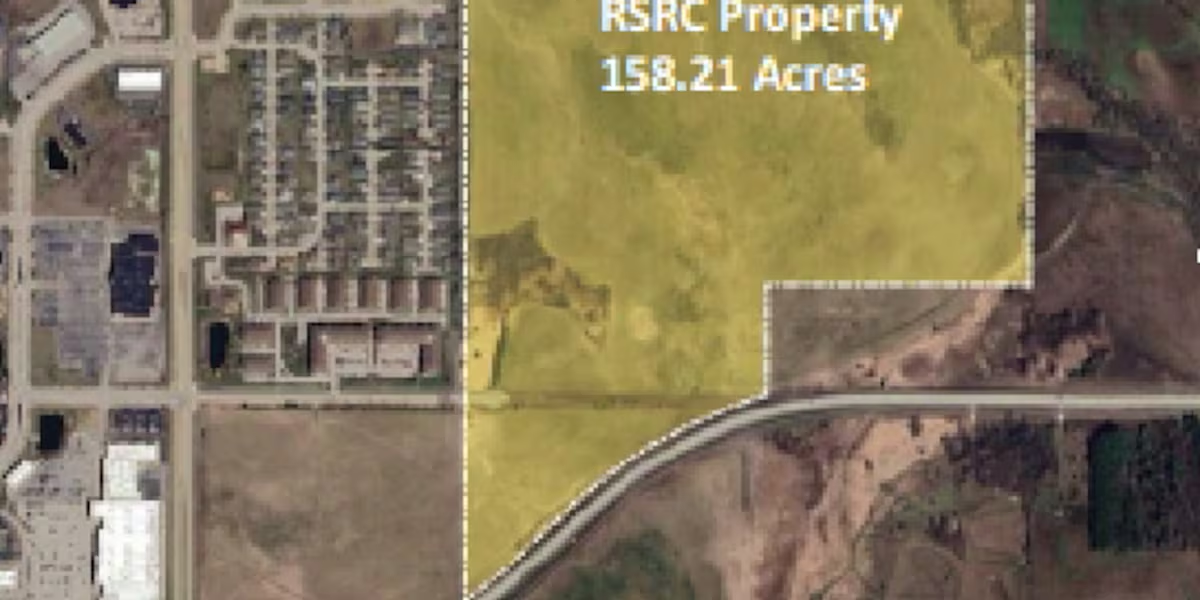
ROCHESTER, Minn. (KTTC) – The Rochester City Council approved a bid totaling more than $53 million to Knutson Construction for phase one of the city’s new regional sports and recreation complex in a 5-2 vote Monday night.
The project will use voter-approved funds from the 2023 sales tax extension to develop a 160-acre site on the southeastern edge of the city. The $65 million allocated from the sales tax extension will fund phase one of the project, the outdoor facilities.
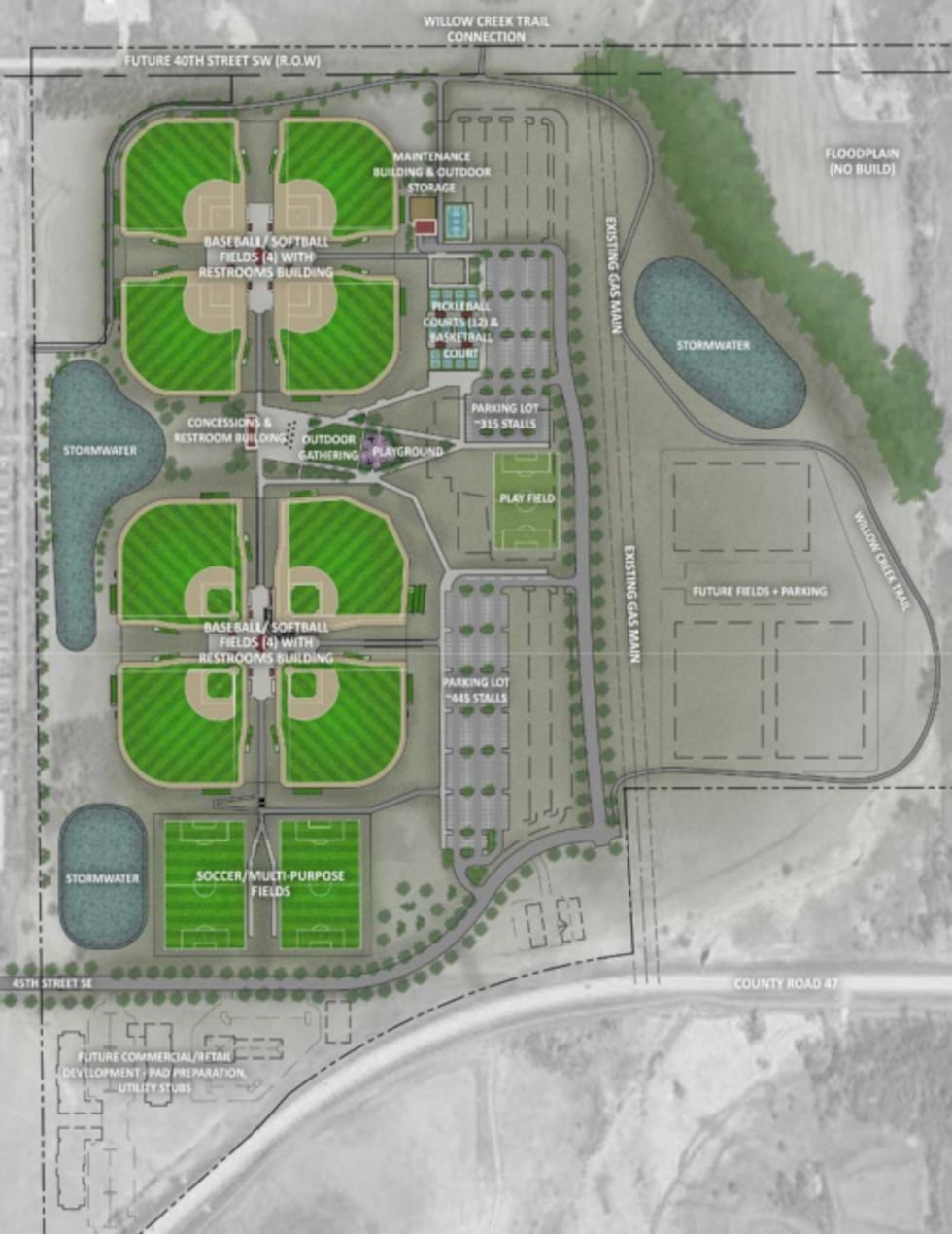
The latest outdoor project plans include a mix of eight turf and natural grass baseball fields, two rectangular multipurpose turf fields, 12 pickleball courts, an outdoor basketball court, concessions/restrooms, gathering areas, a playground, and bike trails connecting to the Willow Creek Trail. Additional features could be added or changed if extra funding becomes available during construction.
“There’s a lot of hard work done here. There’s a lot of people in the community excited about this project. Southeast Rochester needs something to activate that space. That’s a great spot for a facility like this, and I’m happy that we are going forward in that area with this,” Ward 4’s Andy Friederichs said.
Indoor phase funding remains uncertain
Funding for phase two of the project, which would include indoor facilities, has not been secured. After estimates for both indoor and outdoor facilities doubled in cost, approximately $60 million more is needed for the indoor phase.
City staff said they are currently talking with Rochester Community and Technical College to possibly provide the indoor facilities on its campus.
Ward 2’s Nick Miller and Ward 6’s Dan Doering were the two votes cast against the bid proposal. Doering made a motion to table the project and work toward a full project scope for the indoor phase with RCTC, but the motion did not receive a second from the council.
Mayor Kim Norton said if she could vote, she would have seconded Doering’s motion. Norton said she has been disappointed with the overall project outcome.
“We could have waited and prioritized the things the community wanted and expected, which were indoor facilities, rather than sinking $65 million, plus or minus, into an outdoor facility that is only available for use for limited times in good weather,” Norton said.
The city expects a phased opening starting spring of 2027, with full completion in spring of 2028.
After approving the bid proposal, the council also approved a five-year contract with a firm known as ‘Sports Academy’ to operate, manage, and market the facilities for future use.
Find stories like this and more, in our apps.
Copyright 2025 KTTC. All rights reserved.
Rec Sports
Effects of neuromuscular versus plyometric training on physical fitness and mental well-being in male pubertal soccer players
Participants
The sample size estimation was computed using G*Power software (version 3.1.6). Based on findings from a related study from, Hammami, et al.18 who examined the effects of NMT on 15-m CoD speed (Cohen’s f = 0.48) in highly-trained male youth soccer players (Tier 3), an a priori power analysis with a type I error of 0.01 and 90% statistical power was computed. The analysis indicated that 20 participants would represent a sufficient sample. For the purpose of this study, we recruited a total of 24 trained male pubertal soccer players from the same team. These players were randomly assigned to either a NMT (n = 13) or a PT group (n = 11) (Table 1). All participants had 4 ± 0.2 years of organized soccer experience and played in various positions, including defenders, midfielders, and forwards, ensuring a comparable skill and positional distribution across groups. All physical tests were conducted on a third-generation synthetic soccer turf at the soccer academy of Takelsa, Nabeul, Tunisia, under standardized conditions.
Following McKay, et al’s .19 classification of athletes’ training and performance calibre, our participants can be categorized as Tier 2 (trained/developmental) athletes, with at least 4 years of systematic soccer training experience. It is important to note that both experimental groups followed the identical regular soccer training program, supervised by the same coaches. The NMT and PT groups specifically incorporated two weekly PT or NMT training sessions (Table 2). To account for individual development, each participant’s biological maturity status was estimated using the maturity offset method, based on the prediction equation of Moore, et al.20.
Before study participation, players and their legal representatives received information on the study procedures and goals, potential risks, and benefits. Informed consent was obtained from both, the legal representatives and the players. This study adhered to the latest version of the Declaration of Helsinki, and the protocol received approval from the Local Ethics Committee of the National Centre of Medicine and Science of Sports of Tunis (CNMSS-LR09SEP01) prior to study commencement. None of the participating players suffered before (6 months) and during the study from psychological, musculoskeletal, neurological, or orthopedic disorders.
Procedures
A week before the study began, all players attended a familiarization session to become accustomed with the fitness tests and PT as well as NMT exercises. Players assigned to NMT and PT received specific instructions on proper exercise techniques. All participants completed the physical fitness and psychological assessments in a fixed order across sessions. Standardized rest periods were provided between tests to minimize fatigue and ensure consistent testing conditions. The same test sequence was used during pre- and post-testing. Test instructors were unaware of group allocation. To minimize potential fatigue effects on cognitive performance, athletes first completed the five-jump test (FJT), followed by the 15-m CoD and the 20-m linear sprint speed tests, with standardized rest intervals between trials. The mental well-being, emotional intelligence, and attention assessments were then conducted after ensuring adequate recovery time.
Before the physical fitness tests started, all participants conducted a standardized 10-min warm-up including balance exercises (forward/backward beam walking and single-leg stances on unstable devices), submaximal running drills (skipping), and landing drills (snap downs and single-leg drop squats). A 5 min rest period separated each test, with a 3-min rest between individual test trials21. For the physical fitness tests (FJT, CoD, linear sprint), the best out of two trials was recorded for statistical analysis. For the cognitive, somatic anxiety, self-confidence, attention and emotional intelligence assessments, only one trial was performed. All attention and emotional intelligence tests were administered individually in quiet, controlled rooms, under the supervision of trained researchers, to ensure standardized conditions and minimize potential distractions.
A passive control group was not included in this study because it is unethical to not allow young athletes to train for a certain period of time22,23. Since authors from previous studies have already shown that NMT is generally effective for fitness enhancement in young pubertal soccer players10,18, our main goal was to directly compare the specific effects of NMT versus PT.
Anthropometrics
Body height was measured using a wall-mounted stadiometer (Florham Park, NJ) and body mass with an electronic scale (Baty International, West Sussex, England). To estimate body composition, we measured the sum of skinfolds using Harpenden’s skinfold calipers. Subsequently, we non-invasively assessed biological maturity using the maturity offset method according to Moore, et al.20, which has demonstrated consistent prediction errors across both adult and adolescent populations. Accordingly, athlete’s chronological age and body height were included in the following regression equation:
Maturity offset = 27.999994 + (0.0036124 × age × height)20.
Physical fitness tests
Proxies of muscle power
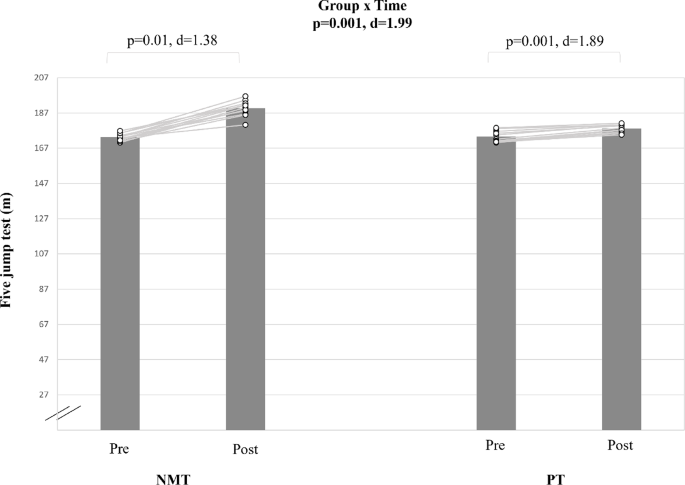
The FJT was used as a proxy to estimate muscle power, following the guidelines of Chamari, et al.24. Players started the test in standing position with both feet flat on the ground and performed five alternating left and right leg bounds, aiming to cover the maximum possible horizontal distance. As dependent variable, the horizontal jump distance was tested to the nearest centimeter using a tape measure. This test has previously shown high test–retest reliability, with an ICC of 0.91 for youth soccer players25.
Change-of-direction (CoD) speed
CoD speed was measured using the 15-m CoD test. Athletes began with a 3-m linear sprint before entering a 3-m slalom section marked by three 16-cm high pylons, spaced 1.5 m apart. After navigating the pylons, athletes cleared a 0.5-m hurdle positioned just beyond the final pylon26. As dependent variable, the best time out of two trials was to taken to complete the test. The 15-m CoD test has demonstrated excellent test–retest reliability, with an ICC value of 0.9326.
Linear sprint speed
For the 20-m linear sprint speed test, players sprinted as fast as possible from a starting line. The sprint time was automatically recorded using photocell gates (Brower Timing Systems, Salt Lake City, UT, USA; accuracy of 0.01 s) positioned 0.4 m above the ground. Each player completed two trials and rested for 5 min between trials. The best (shortest) time was used for further analysis. This test has previously demonstrated excellent test–retest reliability in young soccer players (ICC = 0.97)27.
Mental well-being tests
Tests for the assessment of anxiety and self-confidence
Participants’ competitive state anxiety was tested using the Competitive State Anxiety Inventory-2 (CSAI-2). The Arabic translation of the questionnaire, validated with 13 items by Boudhiba, et al.28 was applied. The CSAI-2 is a widely recognized tool for assessing multi-dimensional anxiety in athletes within competitive environments. This inventory evaluates three core components. First, cognitive anxiety which reflects worries and negative thoughts about performance (e.g., “I am concerned about this competition,” “I am concerned about choking under pressure”); second, somatic anxiety that pertains to the physical symptoms of anxiety, such as increased heart rate or muscle tension (e.g., “I feel nervous,” “I feel tense in my stomach”); and third, self-confidence which represents an athlete’s belief in his ability to perform successfully (e.g., “I feel at ease,” “I am confident I can meet the challenge”).
Participants responded to each item on a 4-point Likert scale, indicating “how do you feel right now” from “not at all” to “very much so.” Each of the three subscales (cognitive anxiety, somatic anxiety, and self-confidence) consists of 13 items. The scores for these items were summed to provide an intensity level for each component. This tool offers valuable insights into how these psychological factors interact with physical fitness, providing a robust framework for tailoring interventions to reduce anxiety and boost self-confidence in young athletes. The translated CSAI-2 included 13 items and it has previously demonstrated excellent test–retest reliability in youth athletes with ICC values of 0.94 for cognitive anxiety (CA), 0.87 for somatic anxiety (SA), and 0.79 for self-confidence (SC), respectively29.
Tests for the assessment of emotional intelligence (EI)
Emotional intelligence (EI) was assessed using the Psychometric Emotional Competence (PEC) scale. Participants responded to 50 items on a 5-point Likert scale (1: strongly disagree, 2: disagree, 3: neutral, 4: agree and 5: strongly agree). The PEC measures both intrapersonal emotional competence (understanding one’s own emotions) and interpersonal emotional competence (understanding others’ emotions) as separate constructs. The instrument also provides a global score representing overall emotional competence. The PEC has previously demonstrated excellent reliability with ICC values ranging between 0.90 and 0.98 for all of the studied items30.
Tests for the assessment of attention
The d2 test was used to evaluate participants’ selective attention, concentration, and mental speed, and is widely recognized for its reliability and validity. The test demonstrates excellent reliability, with ICCs ranging from 0.95 to 0.98 across variables27, and strong criterion, construct, and predictive validity28. The test consists of 14 lines, each containing 47 letters, including the target letters “p” and “d” with 1–4 small marks. Participants were instructed to quickly scan each line and cross out every “d” with exactly two marks, while ignoring all other letters and symbols. Each line was completed within 20 s. The dependent variable was the total d2 test score, calculated as the number of correctly identified target letters minus the number of errors, reflecting attention and concentration performance.
Training programs
Both training programs lasted 8 weeks and were integrated into the players’ regular in-season soccer training from February to March 2025. Prior to the intervention, all participants followed a typical in-season routine consisting of five weekly soccer training sessions (Tuesday–Saturday), with Sunday designated for competition and Monday for recovery. None of the players had previously participated in NMT or PT programs, ensuring that both training modalities represented novel exercise stimuli for all participants. Each 90-min session began with a standardized 15-min dynamic warm-up (including dynamic stretching, submaximal running, acceleration and deceleration drills, and jump–landing tasks). On Tuesday and Thursday, 30-min blocks of NMT or PT replaced an equivalent portion of the regular soccer-specific training. After these sessions, players performed 40 min of soccer-specific drills, consisting of 20 min of technical and tactical exercises and 20 min of small-sided games with or without goals. On Wednesday, Friday, and Saturday, players completed 70 min of soccer-specific drills following the warm-up (35 min of technical/tactical work and 35 min of small-sided games). All sessions concluded with a 5-min cool-down (Table 2).
NMT primarily included five exercises designed to improve balance, strength/power, linear sprint and CoD speed as well as agility. Players performed 3 sets of 5–10 repetitions for each exercise, with a rest of 60–120 s between sets and exercises31. To ensure progressive overload, the rate of perceived exertion (RPE) was adjusted every two weeks using a 0–10 OMNI scale. During weeks 1–2, we targeted an RPE score of 3. During weeks 3–4, an RPE score of 5–6 was programmed, and during week 8, the RPE ranged between 7 and 8. All NMT exercises were conducted directly on the soccer pitch (Table 3).
The PT program comprised bilateral and unilateral jump-landing exercises performed in vertical, horizontal, and lateral directions, emphasizing the SSC. The general structure and progression of the plyometric exercises were adapted from Bogdanis et al. (2019), who examined the effects of bilateral and unilateral PT on physical fitness. While the current study drew on that framework for plyometric exercise selection, the overall training design was expanded to specifically target performance components relevant to youth soccer namely, strength, muscle power, sprinting, CoD speed and agility. The intensity, volume, and progression of the exercises were prescribed following established PT guidelines for youth athletes37, ensuring an appropriate load to induce neuromuscular adaptations while minimizing injury risk. Each session included exercises performed in sets and repetitions consistent with prior youth PT interventions, with progression over the 8-week period to maintain adequate training stimuli. More specifically, exercises included drop jumps from a 20-cm drop height, horizontal jumps and lateral hops. Each session involved 3–4 sets of 6–12 repetitions for the three different plyometric exercises (Table 4). Progression was ensured by increasing foot contacts and varying exercise complexity. Participants were instructed to perform all exercises in the SSC at maximal effort and with minimal ground contact time.
Total training volume and intensity (overall time and effort spent training) were similar between PT and NMT. Training was supervised by qualified coaches and experienced sport scientists to ensure safety and effectiveness throughout the study period.
Statistical analyses
Data are presented as group mean values and standard deviations (SD). After data normality was confirmed using the Shapiro–Wilk test, a MANOVA was applied to detect baseline between-group differences. A 2 × 2 analysis of variance (ANOVA) with repeated measures was computed on the factors group (NMT, PT) and time (pre, post) to determine training effects. Post-hoc tests with Bonferroni adjustments were conducted to identify group-specific pre- to post changes. Effect sizes for main time and group effects as well as group-by-time interactions were taken from the ANOVA output (partial eta squared transferred to Cohen’s d). Within-group Cohen’s d effect sizes (ES) were also calculated using the equation: d = (mean post − mean pre-) / mean SD.
The effect size d can be classified as small (0.00 < d < 0.49), moderate (0.50 ≤ d < 0.80), and large (d > 0.80)32. Pearson’s correlation coefficients were computed to assess potential associations between selected measures of physical fitness and mental well-being in pubertal soccer players. Correlation coefficients were considered trivial (r < 0.1), small (0.1 < r < 0.3), moderate (0.3 < r < 0.5), large (0.5 < r < 0.7), very large (0.7 < r < 0.9), nearly perfect (0.9 < r < 1.0), and perfect (r = 1.0)33. The level of significance was established at p < 0.05 and SPSS 20.0 was used for statistical analyses (SPSS Inc., Chicago, IL, USA).

Youth-Onset T2D Clusters Do Not Outperform Simple Risk Measures

What’s It Like to Play Softball at IMG Academy?

Paul Finebaum calls for the end of G5 inclusion in College Football Playoff

CAA Indoor Track & Field Weekly Awards – Dec. 9

Burns Named To AVCA All-Region Honorable Mention For Women’s Volleyball

NASCAR commissioner testifies to frustrating negotiations in Michael Jordan’s antitrust trial

Anyia, McLellan Named Alvernia Athletes of the Week

Three From Volleyball Earn AVCA All-Region Honors

Turner finalizes 2026 IMSA roster

Seven Sun Belt Volleyball Players Recognized with 2025 AVCA All-Region Honors

Kevin Contardo Named ABM Director of Business OpsPerformance Racing Industry

#SnowStories: Raised in the desert, defined by the mountains – Alex Astridge puts UAE on the Alpine map

Unrivaled Sports Announces Long-Term Investment in Twin Creeks Sports Complex

Kansas Volleyball Places Three on AVCA All-Region Teams for 2025 Season

Marko to leave Red Bull at end of year

First Tee Winter Registration is open

Fargo girl, 13, dies after collapsing during school basketball game – Grand Forks Herald

CPG Brands Like Allegra Are Betting on F1 for the First Time

Volleyball Recaps – November 18

F1 Las Vegas: Verstappen win, Norris and Piastri DQ tighten 2025 title fight

Two Pro Volleyball Leagues Serve Up Plans for Minnesota Teams

Utah State Announces 2025-26 Indoor Track & Field Schedule

Sycamores unveil 2026 track and field schedule

Redemption Means First Pro Stock World Championship for Dallas Glenn

Bowl Projections: ESPN predicts 12-team College Football Playoff bracket, full bowl slate after Week 14

Texas volleyball vs Kentucky game score: Live SEC tournament updates

Jo Shimoda Undergoes Back Surgery

Indiana’s rapid ascent and its impact across college football

How this startup (and a KC sports icon) turned young players into card-carrying legends overnight

Pohlman admits ‘there might be some spats’ as he pushes to get Kyle Busch winning again

 Why a rising mid-major power with an NCAA Tournament team opted out of revenue-sharing — and advertised it
 NBA Legend Michael Jordan to Join NBC Sports as Special Contributor
 Falcons mailbag
 Portal Update – Basketball and Gymnastics Take Hits
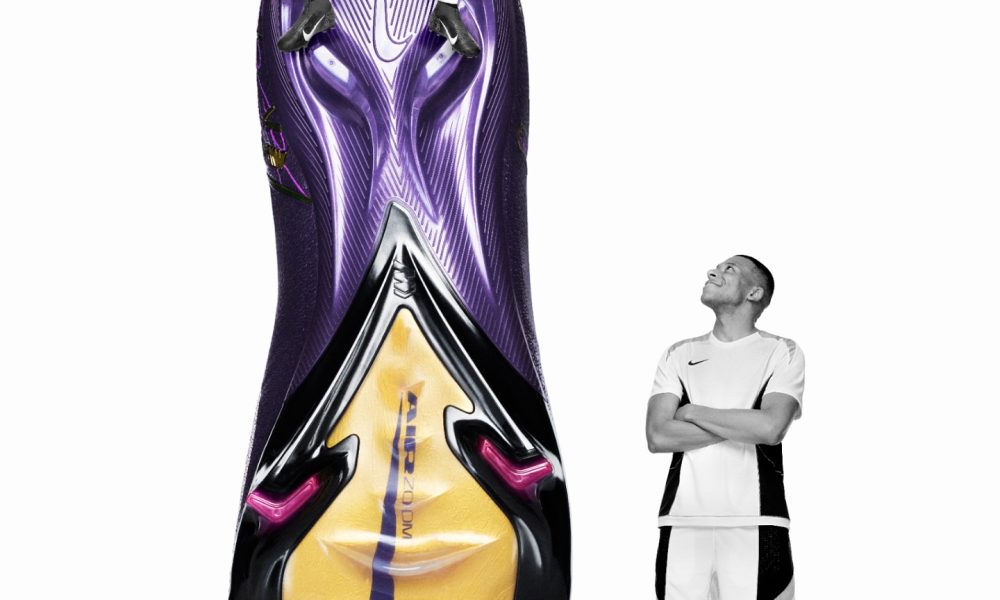 has always dreamed in Mercurial. Now his initials are on the boots.
The new Kyl…
has always dreamed in Mercurial. Now his initials are on the boots.
The new Kyl…
-
 Rec Sports2 weeks ago
First Tee Winter Registration is open
-
 Rec Sports2 weeks ago
Fargo girl, 13, dies after collapsing during school basketball game – Grand Forks Herald
-
 Motorsports2 weeks ago
CPG Brands Like Allegra Are Betting on F1 for the First Time
-
 Motorsports2 weeks ago
F1 Las Vegas: Verstappen win, Norris and Piastri DQ tighten 2025 title fight
-
 Sports2 weeks ago
Two Pro Volleyball Leagues Serve Up Plans for Minnesota Teams
-
 Sports2 weeks ago
Utah State Announces 2025-26 Indoor Track & Field Schedule
-
 Sports2 weeks ago
Sycamores unveil 2026 track and field schedule
-
 Motorsports2 weeks ago
Redemption Means First Pro Stock World Championship for Dallas Glenn
-
 NIL1 week ago
Bowl Projections: ESPN predicts 12-team College Football Playoff bracket, full bowl slate after Week 14
-
 Sports2 weeks ago
Texas volleyball vs Kentucky game score: Live SEC tournament updates