
NIL
Top 10 Legal Challenges for the Sports Industry in 2025

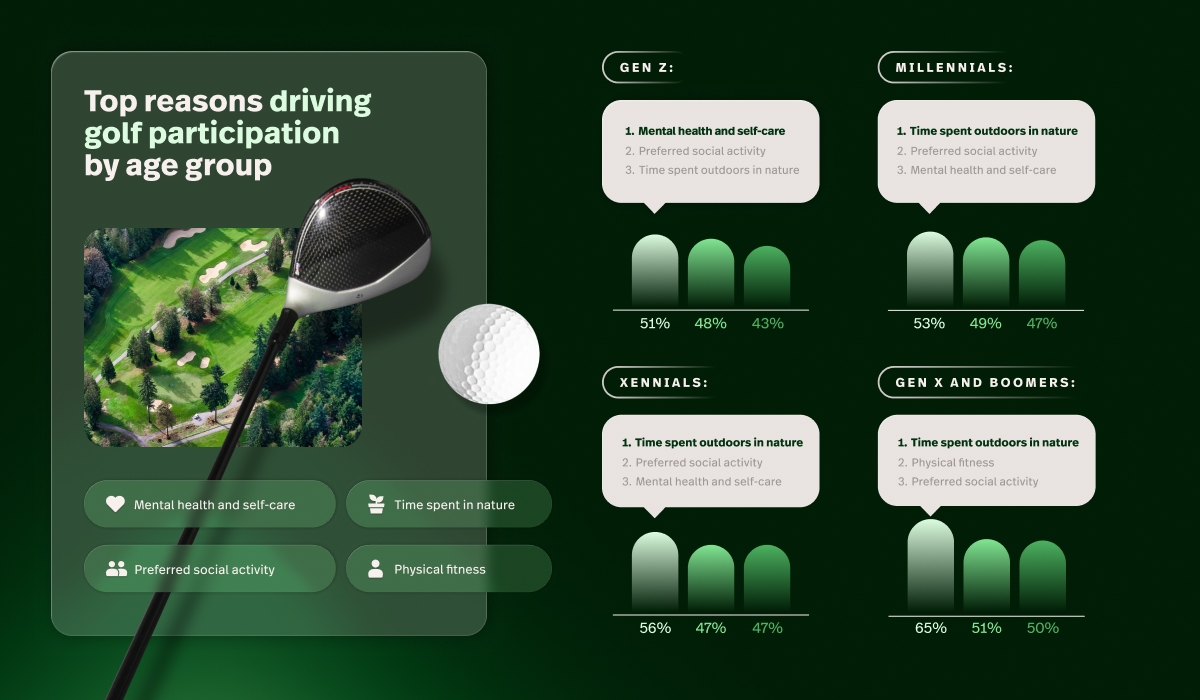
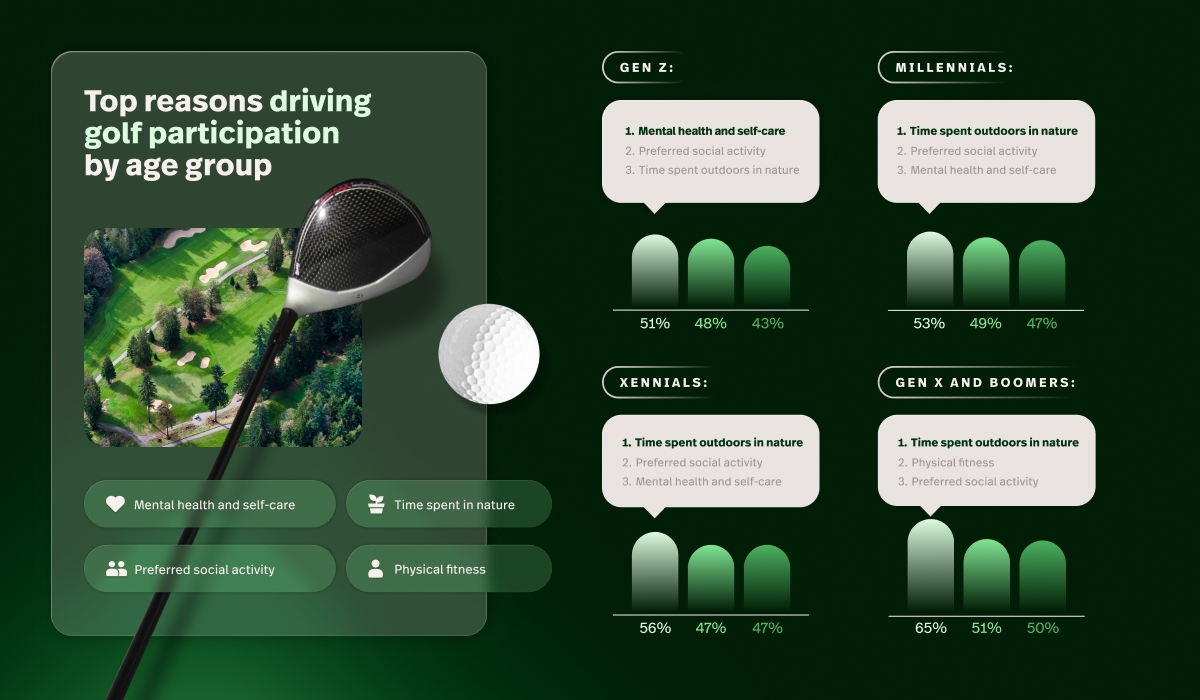

The sports industry continued to evolve in 2024, presenting new challenges and opportunities for venues, teams, athletes, corporate sponsors, and fans.
As the media environment continues to develop, sports organizations face challenges resulting from the fragmentation of regional sports networks and the shift towards streaming models. Additionally, the relaxation of rules regarding private equity investments and recent tax changes are transforming professional sports ownership, requiring legal acumen to navigate these new dynamics.
Emerging sports leagues like LIV Golf and the Professional Pickleball Association (PPA) face unique legal challenges in their formation and operation, while athletes venturing into entrepreneurship encounter issues related to investment and influencer marketing. The incorporation of artificial intelligence (AI) technology in sports operations introduces uncertainties, particularly around data privacy. This year will also underscore the importance of brand protection through morals clauses, the growing digital presence of sports entities raising privacy concerns, and the legal hurdles facing the expansion of fantasy sports and sports betting.
With 2025 underway, we highlight the most pressing legal issues facing the sports industry this year.
Changes to Media Landscape
The sports industry’s media landscape is undergoing a transformation, moving from traditional over-the-air broadcast models to digital and streaming platforms. The shift is driven largely by changing consumer preferences and technological advancements, offering leagues, teams, and other rights holders new opportunities to reach global audiences directly. Examples include Major League Soccer’s partnership with Apple TV+ and the National Football League’s (NFL) streaming ventures with Amazon Prime Video. Additionally, the fracturing of regional sports networks in Major League Baseball highlights the challenges faced by traditional models as consumers increasingly opt for streaming services. Virtual reality is also emerging as a new frontier, providing immersive experiences that enhance fan engagement, although its widespread adoption remains in the early stages.
This evolution presents several legal challenges for stakeholders to navigate. The shift to streaming raises complex issues around broadcasting rights, as seen in the NFL’s Sunday Ticket litigation involving antitrust claims. Contractual and licensing disputes may become more common as leagues, teams, and other rights holders negotiate new streaming deals, with potential disagreements relating to revenue sharing and territorial rights. Intellectual property protection will remain crucial to prevent piracy and unauthorized streaming, while data privacy regulations like the General Data Protection Regulation and California Consumer Privacy Act require compliance to safeguard consumer information. Additionally, as sports content becomes more global, leagues, teams, and other rights holders must ensure regulatory compliance across different international jurisdictions. Addressing these challenges with robust legal strategies is essential for stakeholders to capitalize on growth opportunities while ensuring sustainable success in the rapidly changing media landscape.
Changes to Professional Sports Ownership
Private equity has increasingly become a significant source of influence in the sports industry, providing capital and strategic expertise to sports teams, leagues, and related businesses. Driven by the need for heightened liquidity and rising franchise valuations, several major sports leagues now permit private equity investment in team ownership. These investments have sometimes supported improved marketing strategies and infrastructure development – such as stadium renovations and development of state-of-the-art training facilities – and allow for private equity firms to hold minority stakes in many different teams, profiting from growing franchise values.
However, the influence of private equity is not without controversy. Some stakeholders have expressed concern over the potential prioritization of financial gain over team success. Anticipated tax reforms, such as President Trump’s proposal to eliminate the carried interest tax break, could dramatically impact the existing franchise ownership model. The carried interest “loophole” allows private equity fund managers, including those investing in sports teams, to pay a lower tax rate on their earnings. Eliminating this tax break may lead team owners who rely on private equity investments to face higher tax liabilities, potentially reducing the appeal of such investments. This shift could affect the financial strategies of sports team owners and investors, prompting a reevaluation of investment structures and possibly impacting the overall valuation and liquidity of sports franchises. Ultimately, the interplay between regulatory changes and tax reforms will play a role in shaping the future dynamics of sports team ownership and investment strategies.
New Sports Leagues
The emergence of new start-up sports leagues, such as LIV Golf, the PPA, the Association of Volleyball Professionals, Tomorrow’s Golf League, and Grand Slam Track, feature new models and structures to attract new audiences and investors, offering alternatives to traditional sports leagues. For example, LIV Golf’s team-based format and shorter tournament schedules appeal to younger audiences, while the PPA capitalizes on pickleball’s growing popularity.
By leveraging digital platforms and social media, these leagues enhance fan interaction and broaden their audience base, creating new revenue streams and sponsorship opportunities. Businesses may benefit from focusing on strategically positioning these ventures for success by effectively navigating the complexities of league formation and operation in a competitive landscape. This involves developing vigorous governance structures, crafting comprehensive rules and regulations, negotiating favorable broadcasting rights, and establishing strong sponsorship agreements to ensure sustainable growth and competitive advantage.
Athletes as Entrepreneurs
Athletes often leverage their public profiles to explore new business ventures, aiming to diversify their income and capitalize on their influence. However, these opportunities come with unique challenges, particularly with respect to risks associated with investing in new ventures. Navigating complex areas like due diligence and contract negotiation with expertise is crucial for athletes looking to protect their interests and reputation.
Influencer marketing adds another layer of complexity as endorsements can have significant personal and professional consequences. The fallout from FTX’s collapse underscores the importance of understanding the implications of endorsing certain products or services. Athletes should carefully consider how their endorsements align with their values and public image to maintain credibility with fans and consumers.
Athletes engaging in influencer marketing must also ensure compliance with applicable advertising and consumer protection laws, including the Federal Trade Commission’s Endorsement Guides. A core requirement of the Endorsement Guides is that influencers must disclose any “material connection” to the company whose products or services they are promoting. A “material connection” exists if the influencer has been paid by the company, received a free product or other benefit, or otherwise has a relationship with the company that would impact the weight or credibility attributed to the endorsement by consumers. Such disclosures must be “clear and conspicuous,” considering all relevant factors, including the design of the social media platform and the timing and placement of the endorsement in the post. The Endorsement Guides also require influencer endorsements to reflect the influencer’s honest opinion based on their actual experience with the product or service.
AI Advancements and Data Privacy Concerns
The integration of AI technology into the sports industry is revolutionizing operations, from venue management to on-field performance. AI offers the opportunity to enhance venue operations with advanced entry systems, ticketing, and security measures like facial recognition and biometric systems, streamlining processes and improving safety. In business operations, AI can optimize ticket sales through dynamic pricing models and personalize marketing strategies by analyzing consumer data, enhancing fan engagement and overall experiences for fans. Some emerging companies also utilize AI to boost on-field performance by analyzing player data and developing sophisticated training programs, offering teams a competitive edge through improved performance analysis and preparation.
The sports industry’s rapid adoption of AI tools and increased digital presence creates legal challenges and uncertainties, particularly concerning data privacy due to the volume and nature of personal information collected via these technologies. Sports teams and sponsors, in particular, should be aware of comprehensive data privacy laws taking effect this year, as more states aim to protect consumers’ personal data. In January, five new laws became effective in Delaware, Iowa, Nebraska, New Hampshire, and New Jersey. Similar to the other 13 state-level comprehensive privacy laws enacted so far, these laws seek to prevent the misuse of consumers’ personal information, mandate specific privacy notices, limit certain data collection, and grant consumers more control over their personal information. However, there are some notable differences in these five new laws, which we have outlined here.
Three additional laws will become effective this year in Tennessee (July 1), Minnesota (July 31), and Maryland (October 1, applicable to data processing beginning April 1, 2026). Companies should have a good understanding of the data privacy laws applicable to each state in which they operate and a comprehensive strategy to regularly review and update their data privacy policies and processes to ensure compliance with the new laws and changes to existing laws.
Full-Spectrum Brand Incorporation in Sponsorship Transactions
The integration of major sponsors into sports venues and teams has evolved into a comprehensive strategy that goes beyond traditional signage, embedding sponsors into the operational and experiential aspects of sports entities. The increased level of integration makes sponsors more engrained in the identity of venues and teams, with exclusive rights to supply goods and services such as food, beverages, merchandise, and technology solutions, ensuring brand presence at nearly every consumer interaction point.
Venues and teams often enter agreements requiring them to purchase goods and services from sponsors, leading to cost savings and operational efficiencies while offering sponsors increased brand visibility and fostering consumer loyalty. This full-spectrum brand incorporation signifies a shift towards strategic and symbiotic partnerships, where sponsors become essential contributors to the sports ecosystem. Stakeholders should carefully negotiate these partnerships to ensure that there is an alignment of interests between all parties involved.
Changes to Collegiate Sports
Collegiate sports are experiencing transformative changes driven by two major trends; conference realignment and the evolving Name, Image, and Likeness (NIL) framework, both of which present new opportunities and legal hurdles for institutions and athletes alike.
Conference realignment is reshaping collegiate sports as institutions seek better financial opportunities and competitive advantages, which often involve complex legal considerations such as exit fees and penalties. For example, schools leaving a conference may face substantial exit fees, potentially leading to legal disputes if these fees are not clearly defined or are contested. Additionally, realignment impacts commercial transactions like media rights and sponsorship agreements, necessitating careful legal planning to manage uncertainties.
At the same time, the NIL framework has revolutionized collegiate sports by allowing student athletes to profit from their NIL. Institutions must navigate varying state laws and National Collegiate Athletic Association regulations, establishing clear policies to ensure athletes’ NIL activities do not conflict with existing sponsorships or violate amateurism rules. Athletes may benefit from legal representation to negotiate fair contracts and protect their rights, while institutions would be well-served to monitor NIL activities to prevent conflicts of interest and ensure compliance with Title IX regulations.
Popularity and Growth of Women’s Professional Sports
The popularity and growth of women’s professional sports are gaining significant momentum, driven by increased revenue and investment. This year, women’s sports are projected to generate $2.35 billion globally, marking a 25% increase from previous years. This surge is fueled by rising viewership, attendance, and lucrative sponsorship deals. Brands and investors are striving to elevate women’s sports, evidenced by the creation of new professional leagues and the growth of existing ones, such as the National Women’s Soccer League and the Women’s National Basketball Association.
However, this growth is not without its challenges as legal issues related to equal pay, contractual rights, and gender discrimination continue to surface, requiring ongoing advocacy and legal intervention to ensure fair treatment and opportunities for female athletes. Some key challenges include debates over transgender athletes’ participation and the implications of Title IX in ensuring equal resources for women’s sports. Navigating these legal challenges while capitalizing on burgeoning business opportunities will be crucial for the sustainable growth of women’s professional sports, ensuring they remain both a model of fairness and a profitable investment landscape.
Image and Brand Protection
As the commercial landscape in the sports industry continues to grow and evolve, it is more important than ever for rightsholders — teams, venues, brands, and athletes — to maintain significant control over their IP when engaging in commercial transactions with counterparties. As the volume and value of transactions allowing for the use of another party’s IP continues to grow, so too does the risk of misalignment and reputational harm. Ensuring that one’s image and brand remains credible and consistent across all associations is very important, not only to preserve current value, but also to support long-term viability and audience trust.
To protect this value, thoughtful structuring of commercial agreements is critical. This includes negotiating clear approval rights over how and where IP may be used, establishing collaborative usage plans that align with the rightsholder’s marketing and brand strategies, and evaluating the need for clear termination rights to ensure one’s image and brand can be protected if a partnership becomes misaligned or begins to deteriorate. These elements provide important safeguards to preserve the integrity of a brand and the associative value that underpins its appeal, particularly as the sports industry continues to navigate complex societal dynamics.
Fantasy Sports and Sports Betting
The fantasy sports and sports betting spaces are experiencing rapid growth, driven by increased internet and mobile access, the continued popularity of major sports leagues, and advancements in AI and machine learning. Since the landmark 2018 US Supreme Court decision in Murphy v. National Collegiate Athletic Association, which allowed states to regulate sports betting individually, the industry has undergone transformative changes. As of 2025, sports betting is legal in 38 states, Washington, DC, and Puerto Rico, with more states considering regulatory frameworks.
Despite the industry’s promising revenue potential, it faces significant legal, operational, and business challenges such as expansion hurdles, tax implications, complex regulatory compliance requirements, concerns about revenue cannibalization from traditional casinos, and the operational complexities of online betting.
[View source.]

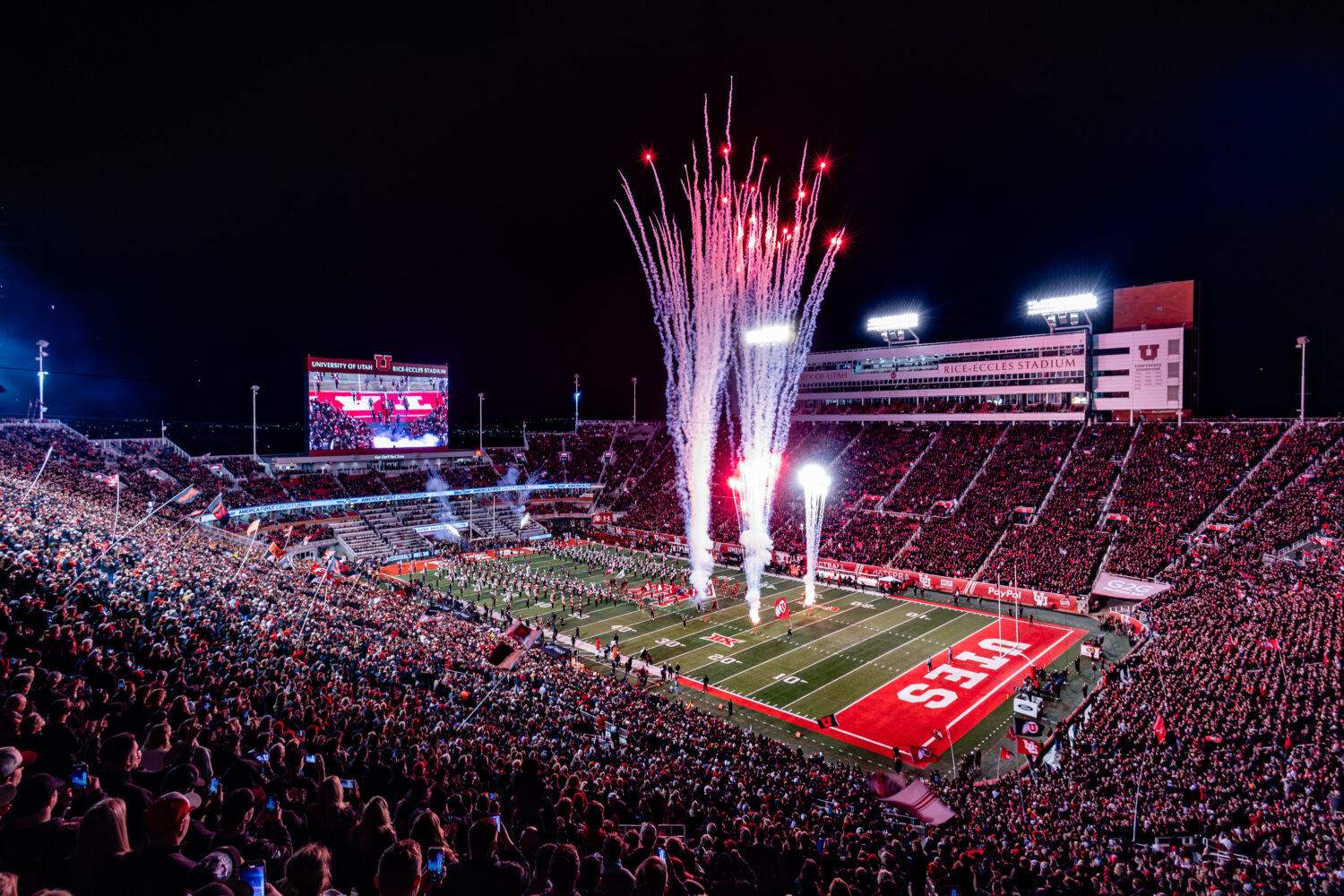
SALT LAKE CITY — With an eye on remaining one of the nation’s top athletic programs in the rapidly evolving world of college sports, Utah Athletics is moving forward with a groundbreaking private equity partnership and corporate restructuring that could fundamentally reshape how the Utes fund and operate their athletics enterprise.
The news, broken first by Yahoo Sports’s Ross Dellenger Tuesday morning, specified that the entire Utah Athletics Department will be reorganized into a newly created for-profit holding company, Utah Brands & Entertainment LLC, co-owned with New York-based private equity firm Otro Capital.
The deal — believed to be the first of its kind in collegiate athletics — is expected to generate up to $500 million in new capital for Utah’s athletic department through a combination of the equity infusion and donor commitments. The university retains majority ownership and decision-making of Utah Brands & Entertainment.
Utah Brands & Entertainment LLC
“First of all, want to thank our University’s Board of Trustees for the intense scrutiny that they have given to this new and innovative way to fund University of Utah athletics,” President Taylor Randall shared of the venture.
He continued, “we are excited about this new innovation in University of Utah athletics, this will give our institution, particularly our athletic institution, the upside it needs to thrive in the new revenue sharing and NIL era.”
This corporate offshoot will assume responsibility for major commercial operations historically housed within the athletic department, including ticket sales, media and broadcast ventures, stadium events, concessions, licensing and trademark management, corporate sponsorships, and other revenue streams.
Under the agreement approved by the NCAA and the University of Utah Board of Trustees, the university will retain majority ownership and decision-making authority within the new company, while Otro Capital will hold a minority stake and receive a share of annual revenue based on performance.
The structure includes an exit strategy after five to seven years, during which the university has the right to repurchase Otro’s ownership stake.
Athletics Director Mark Harlan is slated to chair the board of Utah Brands & Entertainment, which will elect an external president to oversee day-to-day operations. Traditional fundraising and coaching functions will continue to operate under the university’s umbrella, while the new entity focuses on commercial expansion and revenue growth. Enlarging the donor base with equity participation options also allows Utah supporters to purchase a stake in the venture — a novel approach not yet seen at peer institutions.
“We’re going to use this to find excellence in Utah Athletics,” President Randall shared.
This process has been underway for over a calendar year. Utah was focused on finding the best cultural fit and landed on Otro Capital. Multiple firms were vetted.
— Steve Bartle (@BartleKSLsports) December 9, 2025
Leadership and operations will be staffed jointly by university and athletics officials, as well industry professionals is intended to unlock new income opportunities with greater agility than a traditional university structure typically allows.
What does this mean for Utah NIL?
Many will be wondering what this means for Utah’s NIL. With this, Mark Harlan believes that this will have a significant impact on Utah’s NIL opportunities.
“We’re bringing in folks that have been involved in NIL in the professional space for years,” Harlan said. “I’ve been real proud of our efforts and how we’ve handled NIL. You don’t retain the kind of players that we’ve had in many sports if we don’t have a very robust program. But this allows us— in our recruiting process and retainment process, to really show what we are now surrounding our student athletes with appropriate and authentic NIL going forward.”
So, this does not directly fund Utah’s NIL opportunities, but it provide the platform and the professional understanding and know-how to generate more true 3rd-party NIL deals.
Harlan continued on about the importance of abiding by the rules and adhering to compliance of NIL. However, he also feels this will be important in providing Utah student athletes the best opportunities.
“Having the best platform for these student athletes that have worked on their brand through their hard work, and very best opportunities to work with pros, that have been doing this forever to enhance that brand and to include them in the deals that were out in the marketplace that is now legal, so we can do all those things that have changed and maximize those opportunities.”
The Bottom Line
The partnership is a bold strategy to navigate the financial realities of the post-House v. NCAA revenue-sharing era, in which schools will have faced increased cost burdens for athlete compensation and broader program sustainability.
In contrast to traditional holding company proposals occasionally floated by other universities, Utah’s deal pairs private capital with institutional control to balance innovation with governance.
University leaders believe this new model will help protect long-term stability, support upgrades across, strengthen competitiveness in the Big 12, and provide a funding foundation adaptable to future changes in college athletics.
If successful, Utah’s approach could serve as a blueprint for other programs exploring private capital solutions in a landscape where traditional revenue sources and rising expenses continue to challenge athletic departments nationwide.
Steve Bartle is the Utah insider for KSL Sports. He hosts The Utah Blockcast (SUBSCRIBE) and appears on KSL Sports Zone to break down the Utes. You can follow him on X for the latest Utah updates and game analysis.
Take us with you, wherever you go. Download the new & improved KSL Sports app from Utah’s sports leader. You can stream live radio, video and stay up to date on all of your favorite teams.
The actual 2025 college football season is now over for many schools, marking the start of another rollicking transfer portal season. We’ve got drama already, as one school out of the ACC has already seen 15 of its players announce intentions to transfer out of the program — and the portal doesn’t even open until January!
While the portal itself isn’t officially open for business until the third day of the new 2026 calendar year, with the actual regular season done, players are well within their right to announce that they do or do not plan to enter the portal. Frankly, for players outside of the College Football Playoff, their decisions almost need to be made before that actual 1/3 date.
That’s not going to be an issue at North Carolina, where 15 players have already decided they do not wish to return to Chapel Hill for the 2026 season, according to the On3 transfer tracker. The Tar Heels finished just 4-8 in head coach Bill Belichick’s first season, and as soon as it ended, a slew of players hit the doors. You can see the full list of guys who left right here:
List of 15 UNC transfers
|
Player Name |
Player Position |
Player Year |
|---|---|---|
|
Khalil Conley |
CB |
Freshman |
|
Miles McVay |
IOL |
Sophomore |
|
Davion Gause |
RB |
Sophomore |
|
Javarius Green |
WR |
Sophomore |
|
Max Johnson |
QB |
Senior |
|
Aziah Johnson |
WR |
Sophomore |
|
William Boone |
OT |
Senior |
|
Yasir Smith |
TE |
Freshman |
|
Jani Norwood |
IOL |
Freshman |
|
Ty White |
CB |
Sophomore |
|
Khmori House |
LB |
Sophomore |
|
Paul Billups |
WR |
Sophomore |
|
Jason Robinson |
WR |
Freshman |
|
Chris Culliver |
WR |
Junior |
|
Jake Johnson |
TE |
Junior |
The biggest losses among that crop? It may be the hit to the pass catchers. Green, Johnson, Gause and Culliver were, in order, the 4-7 spots on the team in terms of receiving yards — and all four of those guys posted more than 100 on the year. Added up, it’s not a small chunk of production. Plus, with what UNC loses at the top of the receiver depth chart, you’d think these guys were in for a big year in 2026. Alas, it’s not to be.
It’s no secret Bill Belichick’s first year coaching at North Carolina did not go well, but for 15 guys to immediately jump ship in the first week or so since the last game is definitely alarming. Is Belichick even planning to return? We haven’t heard otherwise, but the player movement signals something isn’t quite right at UNC.

Just take Auburn for instance. They fired their head coach yet have only had one player so far announce that he’s entering the transfer portal. The same is true for Arkansas, just one announced transfer thus far despite changing head coaches. Florida? Again, only one guy has transferred. That’s three SEC schools who changed coaches that have combined to have one-fifth the departures that North Carolina has already had.
If that’s confusing, we’re just saying… this many transfers so soon after the end of the season and still so far away from the actual portal opening… must mean something. Because at schools that didn’t even have coaches for months at a time, players are hardly leaving.
More on College Football HQ
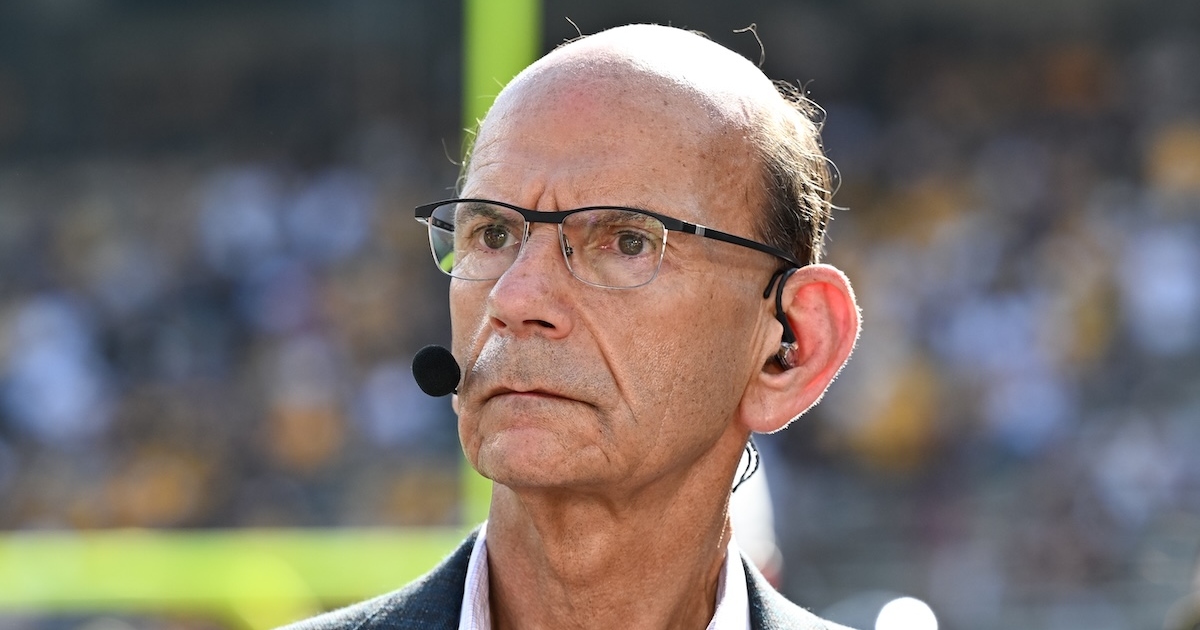
ESPN’s Paul Finebaum is tired of non-Power Four schools so he called for the end of G5, or Group of Five (or Six) schools as we call them. He doesn’t want to see their inclusion in the College Football Playoff moving forward.
Amid an intense debate over Notre Dame, Miami and even Alabama, Tulane and James Madison found their way into the CFP by being conference champions. The Group of Five is guaranteed a spot considering the five-highest ranked conference champions get into the field.
This year, because the ACC champion, Duke, was not ranked as high as James Madison, the Dukes got in along with top 20 Tulane as a second G5 school, the first in CFP history. But Finebaum called the product below the Power Four “unwatchable.”
“Well, it’s time to get rid of the G5 schools, and I know how they got in there. It was a compromise, but America does not want to see Tulane, nor do we want to see James Madison in the College Football Playoff,” Finebaum said on Get Up. “This is great in the NCAA basketball tournament, there are 68 schools. There are only 12 here, and we don’t need them around. And I’m not going to give you the with all due respect, because I don’t really care about Tulane or James Madison. They’re both going to lose by 25 to 45 points. They’ll be unwatchable games and get them out of a playoff.”
Despite the fact Tulane coach Jon Sumrall and James Madison coach Bob Chesney are leaving the G5 for Florida and UCLA, respectively, they want to finish the job this year. They’re guaranteed one more game, maybe more with upsets.
“I’ve said it a lot. I think just as important, if not more important than how you start at a place, it’s how you finish,” Sumrall said. “I’m forever indebted to Tulane. I was an assistant coach here over a decade ago. It’s been a complete privilege and honor for me to be the head football coach here.
“And you know, I think in my introductory press conference two years ago I said, ‘We’re going to win the conference championship. We’re gonna go to the College Football Playoff.’ And I also said, ‘We’re going to win it,’ so we got work to do. Job’s not done.”
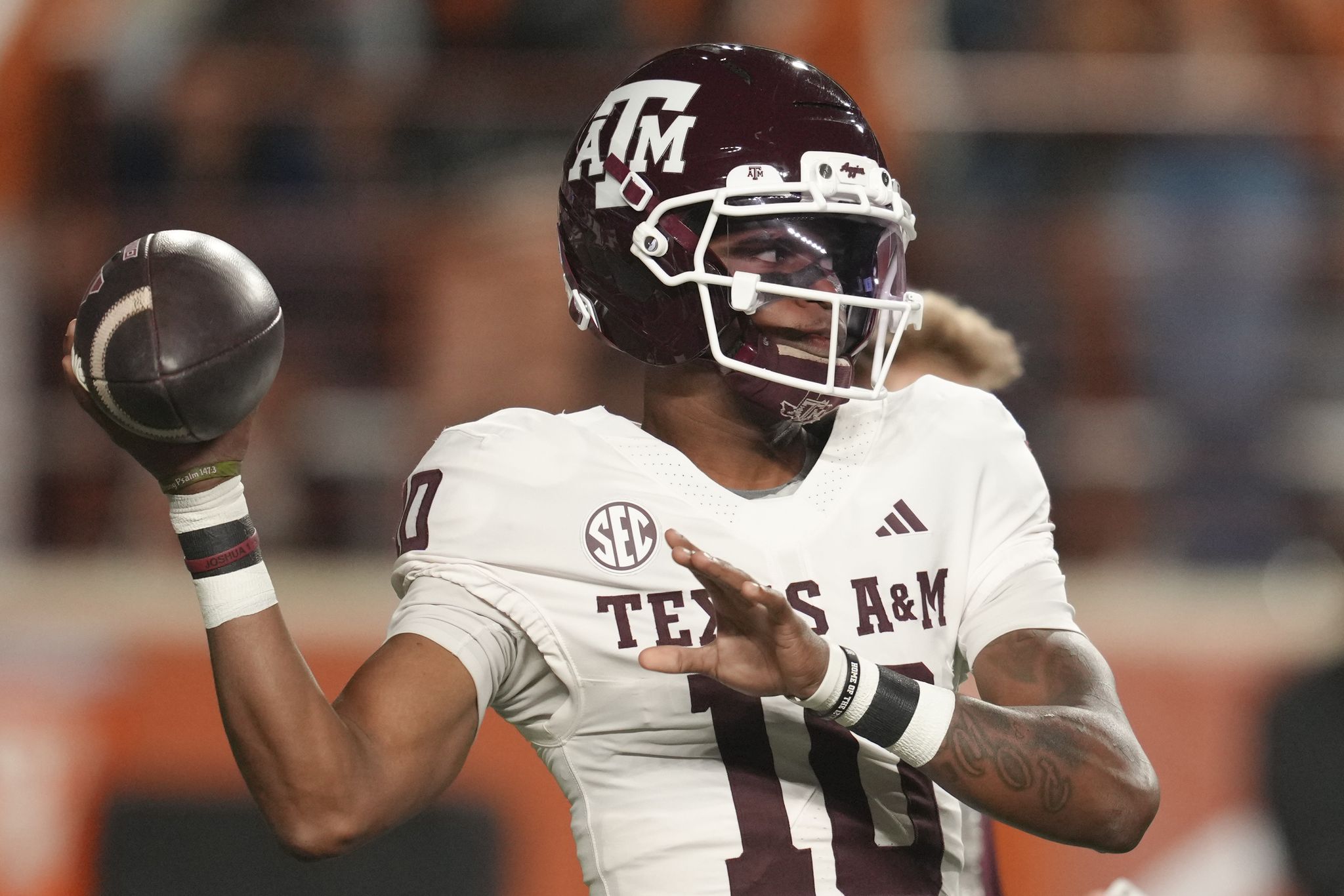
There never seemed to be much of a question about where Marcel Reed would play football next year, but in this era of multi-million dollar NIL deals, you never can be too sure, so the Texas A&M quarterback put to rest any possible anxiety from Aggies fans.
Griffin’s wife Grete, who co-hosts the podcast with her husband, got directly to the point, asking, “If Miami came today and offered you $4 million, what do you say?”
“I have to talk to my parents,” said Reed, before clearing up that he thinks Texas A&M is the best place for him to be.
Reed said he was offered deals from other schools after his freshman year with the Aggies. On the podcast, which is unclear if it was recorded before Texas A&M offensive coordinator Collin Klein got the head coaching job at Kansas State, Reed said he didn’t consider those offers then and wouldn’t consider them now.
“I don’t think there’s any reason I need to leave Texas A&M,” Reed said. “I have the job and it’s mine to lose, and I don’t think I will. There’s no reason for me to leave. I think I have a great OC. I have a great coach, I have great players around me. We have the best stadium in college football. The best college town in college football … There’s no need for me to leave and go anywhere else.”
Reed didn’t say how much he makes in NIL currently, but did tell the Griffins, “I don’t live in the dorm, I’ll tell you that,” before revealing he lives in a four-bedroom house with 3 ½ baths.
“It’s pretty nice,” he said.
Reed also cleared up one rumor that has stuck throughout the football season. No, he is not dating Olympic gymnast Suni Lee.
Dec. 8, 2025, 3:34 p.m. MT
Arizona State football coach Kenny Dillingham spoke with the media in a Zoom session on Dec. 8. The subject was supposed to be his team’s participation in the Sun Bowl on Dec. 31 opposite ACC champion Duke (8-5). While that was addressed, there was no getting around the elephant in the room — the status of his sophomore quarterback, Sam Leavitt, who helped the team to a Big 12 championship a year ago, but whose status is in limbo.
Leavitt did not show up to the team’s annual year-end banquet 24 hours earlier, and reports have surfaced that the quarterback is indeed headed to the transfer portal. Dillingham wishes Leavitt the best and is confident in the team ASU will be fielding moving forward.
“I’m going to leave that to Sam’s team, out of respect for him,” Dillingham said. “I love Sam. Sam grew so much here. He really did. I grew so much learning from Sam, and whatever his future holds, I wish him nothing but the best. Absolutely want to see him succeed. I can sleep really well at night knowing that we helped him progress along his journey.
“That is now the craziness of college football. With that, I’m very, very confident that we’re going to have a really good quarterback at Arizona State.”

Dillingham said he supports his players making the decision that is best for them. When asked about Leavitt’s no-show at the team function, Dillingham didn’t want to address the discussion he had with the player.
“Sam and I have a really good relationship. That’s never going to change,” Dillingham said. “When I sign players, when I recruit players, and I coach players, my goal is to help them be successful individually, and hopefully my helping them be successful individually helps them be successful as a team. Sam is, and will always be, my guy. I love that kid. I saw him grow from a dude who wasn’t playing at a prior school to a guy who got to hold a championship up and then be hyped for the Heisman, a guy who was hyped as a first-round pick. I got to be a part of that growth process, and I’m just blessed that I got to be a part of that process. I’m always going to stay in contact. We’re going to have a lifelong relationship.”
Dillingham said he is still gauging the level of participation as to what players may not take the field again. Tight end Chamon Metayer and defensive end Justin Wodtly have both declared for the NFL draft, which often means opting out of bowl games.
Dillingham said he is balancing getting younger players some action and trying to win the game. Jeff Sims, who took the ball when Leavitt went down with a season-ending foot injury that required surgery, will start the game, although there may be some packages for true freshman Cam Dyer.
“We’re going to try and win the game,” Dillingham said. “There may be some younger guys playing, but they’re playing to win the game. We’re going to do everything we can to try and win the game, and if that means those guys getting game-day experiences, awesome. I don’t want you to try and get experience and lose; I’d rather you have the experience, and we’re winning. That’s the goal.”
As far as athletes who may not play, Dillingham will let those players decide for themselves.
“This is a new era of college football,” he said. “I’m going to support whatever our players do, whatever they deem is best. I’m going to support that and get behind it, and we have a lot of seniors, a lot of guys that have been playing. These guys that need to get rest or need minor surgery postseason in order to get ready for the NFL draft and progress, I’m telling those guys you need to do what you need to do to get your body right for your prep and your future.”
Several of Dillingham’s comments leaned into the current dynamic of college football. The transfer portal makes it easy for players to come and go. The NIL component now makes college football a sort of free agency. Look no further than Texas Tech, the team that succeeded ASU as Big 12 champion after spending a reported $27 million on its roster since last season.

ASU did not lose any key players to the portal after the 2024 run, a credit to what Dillingham has created in Tempe in a short time. He knows that won’t always be the case.
“In the end of the day, is everybody going to stay together? No. We’ve created a mercenary world in college football,” he said. “You can’t be mad at people making individual decisions. You got to support that and if you really care about somebody, you support the decisions they feel are best for them but what this team did was lean into one another and when times got tough, injuries happened, when program leaders went down across offense and defense, they leaned in on each other and that’s what got us to this point, the brotherhood and how close the kids are.”
Dillingham clapped back at any criticism thrown at Leavitt — or any other player who chooses to leave a school. He said the criticism should instead be directed at the adults who have made the decisions that have facilitated where the college game has gone in recent years.
“At the end of the day, I want people who believe Arizona State is the best place for them and their growth, and I want to help everybody achieve what they want to achieve,” he said. “If that’s at Arizona State, great. If it’s not at Arizona State. Great. The adults are the people that started this mess and now people try and blame the kids. This isn’t a kids’ problem.
“Every kid that transfers, every kid that leaves, this isn’t a kid problem. There’s not even a problem at all if you don’t care that people leave. This is an adult’s mess, not a kid’s mess, and people try and throw these kids through it, and I get it, they make a lot of money now.”
Dillingham was asked about the College Football Playoff picture, particularly since his team was part of the equation a year ago, even getting a first-round bye, which led to a change in the format this season. Notre Dame’s snub this season has been the big debate in the last 24 hours.
Duke coach Manny Diaz, whose team ASU plays next, lobbied for his team’s inclusion despite five losses. Dillingham had plenty to say on the topic of the CFP as well.
“There is no right answer. I could give you an answer, and it’s gonna be a wrong answer still,” he said. “We’ve created a mess, point blank. The whole industry is a mess. The only thing that’s not a mess is the dollar signs. Those are still pointing up. Everything else is a mess, the dollar side, the business of it, that’s skyrocketing. Everything else is a mess. That’s being transparent and honest. Other than the ratings, the dollars, the money involved, it’s a mess. This is just another piece of the mess.”
With most of the country’s focus on who was snubbed by the College Football Playoff Selection Committee, college athletics reached another inflection point on Monday with the release of Athletes.org’s first-ever draft Collective Bargaining Agreement (CBA) framework. This document is designed to replace the current NIL-driven compensation model with a standardized, enforceable structure modeled on professional sports CBAs. While far from a final agreement, it’s the most detailed blueprint yet for what some players want a collectively bargained future to look like across NCAA Division I athletics. What do colleges and universities need to know about this step?
Where Things Stand: Labor Organizing and Legal Pressure Are Reshaping College Athletics
Over the last four years, momentum toward formal labor and employment rights for college athletes has accelerated dramatically.
NLRB Developments
For the moment, the National Labor Relations Board is the least likely source of any concerns for college athletics. Not only does it presently lack a quorum to legally act, the Presidential administration is decidedly opposed to granting student athletes “employee” status. Indeed, the 2021 NLRB General Counsel memo declaring student athletes to be employees was rescinded in February, and efforts pre-dating the Trump administration to unionize Dartmouth basketball players and claiming athletes at the University of Southern California were employees were both voluntarily dismissed by player-advocates even before the new administration started.
The Johnson Litigation
In July 2024, the 3rd Circuit Court of Appeals ruled in Johnson v. NCAA that Division I student-athletes are not categorically barred from bringing claims under the Fair Labor Standards Act (FLSA). Instead, the court held that athletes “may be employees” when they perform services for their school (or the NCAA) primarily for the institution’s benefit, under the school’s control (or right of control), and in return for compensation or other benefits. This decision rejected the long-standing defense that the traditional concept of “amateurism” automatically excludes student-athletes from employee status. Johnson is now on remand in the District Court which is considering another round of motions to dismiss. It remains one of the most significant employment-law threats to the traditional collegiate model.
The House Settlement
The House settlement, while monumental in providing a revenue-sharing mechanism to student athletes, does not resolve long-term legal exposure. Judge Wilken expressly acknowledged that the agreement does not carry the protections of the non-statutory labor exemption because it is not collectively bargained. Athletes.org echoed this point in its own amicus briefing, emphasizing that without a CBA, universities remain vulnerable to antitrust claims, compensation-related challenges, and future litigation over inconsistent athlete treatment.
Inside the CBA Proposal: Key Components of the Athletes.org Framework
Athletes.org is a newly formed players association seeking to organize college athletes and position itself as the negotiating representative in any future restructuring of college sports. While still early in its development and lacking formal recognition, it claims to represent more than 5,000 student athletes and is actively pushing for a collective bargaining model that would shift many operational and financial decisions away from institutions.
For campus leaders, the framework serves as an early signal of the issues that could arise if collective bargaining becomes part of the collegiate athletics landscape. The 38-page draft CBA framework is ambitious and built consciously on the architecture of professional sports CBAs. Its stated goal is to provide “a sustainable, enforceable structure for college athletics” that consolidates athlete compensation, standardizes contractual terms, and reduces litigation risk.
Five components stand out:
1. A Standardized Athlete Services Contract
The proposal centers on replacing the current NIL-service hybrid model with a single, mutually negotiated athlete services agreement. This would:
- Consolidate revenue-share payments into a single income stream tied to athletic services.
- Establish national minimum terms across compensation, benefits, grievance procedures, and health/safety protections.
- Reduce the current patchwork of school-specific contracts and conflicting state laws.
2. Revenue Share Caps and Spending Floors
Mirroring professional sports, the CBA introduces conference-specific revenue percentages and mandatory spending floors. Elements include:
- A revenue-share cap and minimum per-sport spending requirements tied to pro rata conference revenue.
- An obligation that institutions spend at least 89% of their annual athlete compensation budget across a rolling four-year period, with penalties for noncompliance.
- Transparency requirements and annual financial reporting.
3. Health, Wellness, and Safety Standards
The draft includes provisions far more expansive than current NCAA rules:
- Required post-eligibility medical coverage for at least five years.
- Independent second medical opinions at no cost to athletes.
- A formal Injured Reserve designation preserving compensation and pausing eligibility clocks.
- Uniform practice-time, travel, concussion, and training standards, all subject to negotiation.
4. Free Agency, Transfer Portal Rules, and Retention Incentives
The proposal explicitly frames the transfer portal as a form of “free agency” and calls for:
- Negotiated portal windows, tampering rules, and enforcement mechanisms.
- A “Veterans Performance Incentive Pool” providing bonuses for athletes who remain at their institution for more than two years to promote roster stability.
5. Licensing, NIL, and Agent Regulation
Athletes.org proposes a structure modeled on pro players’ associations:
- Athletes.org would control group licensing rights and negotiate royalty rates
- Agents would need certification, similar to NFLPA/NBPA systems.
- NIL deals would remain uncapped but subject to anti-circumvention protections.
What’s Next?
Despite the level of detail in the Athletes.org proposal, the path from conceptual framework to an operational CBA in college athletics is highly uncertain. Major legal, structural, and political hurdles remain unresolved, including whether student athletes will ever be deemed “employees,” what entity (if any) could lawfully bargain on behalf of public universities, and how a multi-state system with conflicting labor laws could function.
In several of the largest college-athletics states, public-sector collective bargaining by student-athletes is either not addressed or unlawful, raising immediate questions about who could participate and whether a national agreement is even possible without Congressional intervention. At the same time, no entity currently exists that could represent all universities in negotiations, and institutions face antitrust constraints that limit their ability to collaborate on compensation rules absent a true labor exemption. Even if those barriers were addressed, the political climate provides little indication that consensus legislation is on the horizon.
For now, the CBA framework should be viewed not as an imminent model but as a marker of the kinds of pressures and expectations that may shape future debates. Institutions should continue monitoring litigation, regulatory activity, and conference-level developments to understand how quickly the landscape may shift.
Conclusion
Make sure you are subscribed to Fisher Phillips’ Insight System to get the most up-to-date information direct to your inbox. Should you have any questions on the implications of these developments and how they may impact your operations, please do not hesitate to contact your Fisher Phillips attorney, the author of this Insight, or any member of our Sports Industry Group or Higher Education Team for additional guidance.

CUNYAC Men’s Indoor Track and Field Weekly Award Winners (Dec. 9, 2025)

Preston Receives AVCA All-Region Honors

University of Utah Announces Landmark Private Equity Deal

Nabwe Tabbed as Athlete to Watch by Big Ten

Virginia Volleyball | Ennist Named AVCA East Coast Region Freshman of the Year

Kodiak and U.S. Ski & Snowboard Partner to Fuel Athletes with Nutrition and Training Support Ahead of Milano Cortina 2026

Cowan Named Patriot League Track Athlete of the Week

Emma Grace Named to AVCA All-Region Team

Tower Motorsports adds Kyffin Simpson to Daytona 24 roster

Unrivaled Sports Announces Long-Term Investment in Twin Creeks Sports Complex

Recreation association announces 2026 sponsorship tiers for youth sports

Grace Camerlingo Earns Patriot League Women’s Rookie of the Week

Volleyball Senior Trio Earns AVCA All-Region Honors

North Florida Motorsports Park led by Indy 500 Champion and motorsports legend Bobby Rahal Nassau County, FL

NASCAR Commissioner Explains Why He Called SRX a “Trash Series”

First Tee Winter Registration is open

Fargo girl, 13, dies after collapsing during school basketball game – Grand Forks Herald

CPG Brands Like Allegra Are Betting on F1 for the First Time

Volleyball Recaps – November 18

F1 Las Vegas: Verstappen win, Norris and Piastri DQ tighten 2025 title fight

Two Pro Volleyball Leagues Serve Up Plans for Minnesota Teams

Utah State Announces 2025-26 Indoor Track & Field Schedule

Sycamores unveil 2026 track and field schedule

Redemption Means First Pro Stock World Championship for Dallas Glenn

Bowl Projections: ESPN predicts 12-team College Football Playoff bracket, full bowl slate after Week 14

Texas volleyball vs Kentucky game score: Live SEC tournament updates

How this startup (and a KC sports icon) turned young players into card-carrying legends overnight

Indiana’s rapid ascent and its impact across college football

Jo Shimoda Undergoes Back Surgery

Pohlman admits ‘there might be some spats’ as he pushes to get Kyle Busch winning again

 Why a rising mid-major power with an NCAA Tournament team opted out of revenue-sharing — and advertised it
 NBA Legend Michael Jordan to Join NBC Sports as Special Contributor
 Falcons mailbag
 Portal Update – Basketball and Gymnastics Take Hits
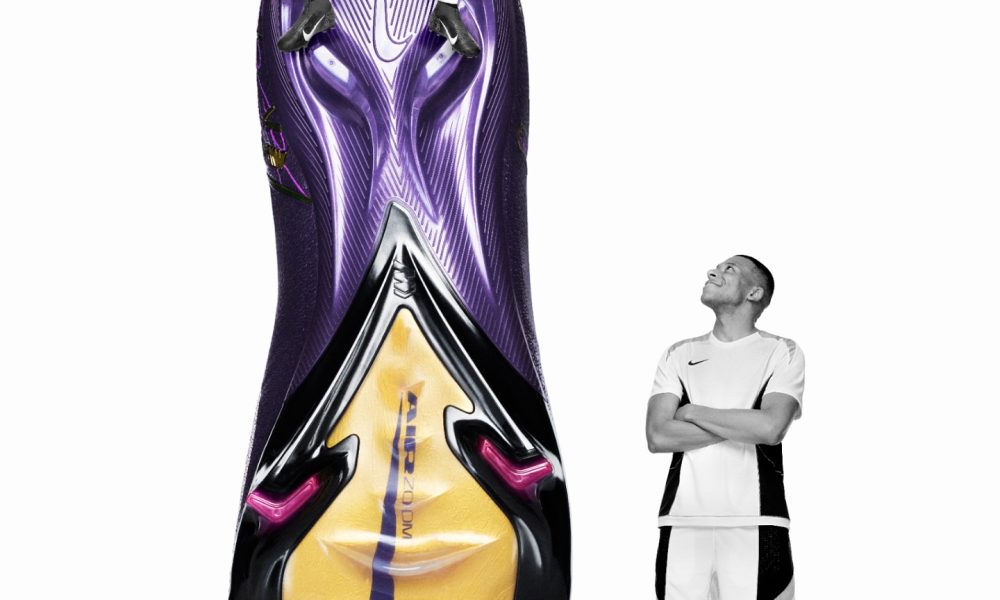 has always dreamed in Mercurial. Now his initials are on the boots.
The new Kyl…
has always dreamed in Mercurial. Now his initials are on the boots.
The new Kyl…
-
 Rec Sports2 weeks ago
First Tee Winter Registration is open
-
 Rec Sports2 weeks ago
Fargo girl, 13, dies after collapsing during school basketball game – Grand Forks Herald
-
 Motorsports2 weeks ago
CPG Brands Like Allegra Are Betting on F1 for the First Time
-
 Motorsports2 weeks ago
F1 Las Vegas: Verstappen win, Norris and Piastri DQ tighten 2025 title fight
-
 Sports2 weeks ago
Two Pro Volleyball Leagues Serve Up Plans for Minnesota Teams
-
 Sports2 weeks ago
Utah State Announces 2025-26 Indoor Track & Field Schedule
-
 Sports2 weeks ago
Sycamores unveil 2026 track and field schedule
-
 Motorsports2 weeks ago
Redemption Means First Pro Stock World Championship for Dallas Glenn
-
 NIL1 week ago
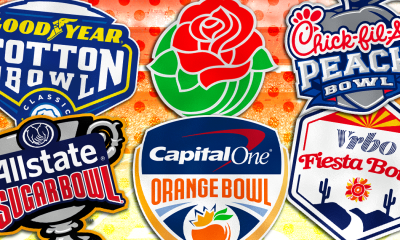
Bowl Projections: ESPN predicts 12-team College Football Playoff bracket, full bowl slate after Week 14
-
 Sports2 weeks ago
Texas volleyball vs Kentucky game score: Live SEC tournament updates