
Rec Sports
Camden’s CHAA relaunch expands youth sports access

 Listen to this article
The basics:
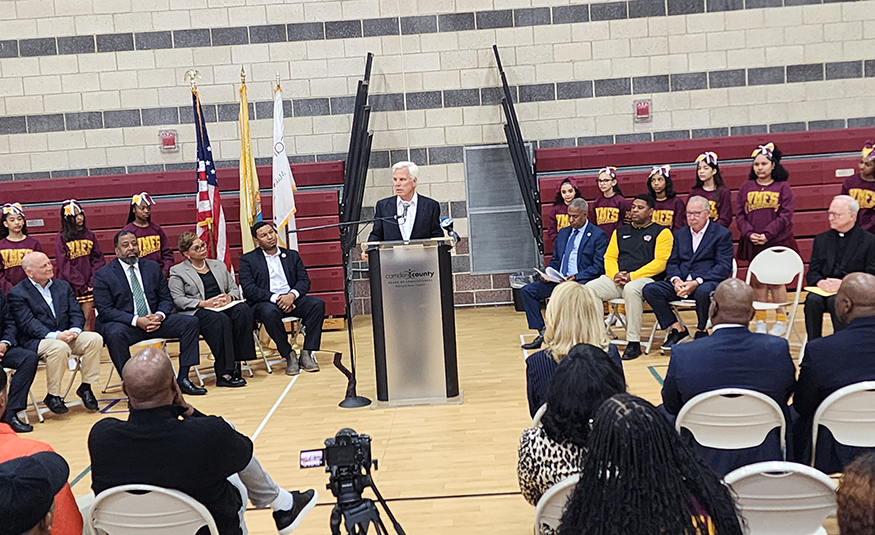
At a May 28 press conference, a group of Camden business and community leaders announced the relaunch of an expanded Camden Health and Athletic Association.
CHAA makes sports and wellness programs available to Camden city youth. Founded in 2016 by a group of civic, health care and sports leaders led by Cooper University Health Care Chairman George Norcross III, an initial $1 million investment from The Cooper Foundation, The Norcross Foundation and AmeriHealth New Jersey backed the effort.
The initiative has been designed to serve as the umbrella entity to support existing programs, launch new ones, streamline equipment and uniform purchases, expand facility access, and coordinate health-focused partnerships across the city. It is organized as a nonprofit with corporate board and advisory boards for each sport.
“When we first founded CHAA in 2016 – myself, Dan Hilferty, and sports legends Ron Jaworski, Mike Quick, Garry Maddox and Billy Hunter – we did so because we knew the positive role youth sports played for all of us and so many others,” said Norcross.
Key details about the relaunched CHAA include:
- Camden Community Partnership (CCP) will manage it, with dedicated funding from The Cooper Foundation and The Norcross Foundation
- Will focus on four core goals designed to remove barriers, strengthen infrastructure and create sustainable opportunities for young athletes:
1. Expand youth sports access and participation
Engaging 1,000-plus Camden youth, reducing financial barriers through free skills clinics as well as enhanced programs in underserved neighborhoods
2. Improve coaching and leadership development
Providing year-round, comprehensive training and certification programs
3. Integrate health and wellness into youth sports
By providing free sports physicals, injury prevention education, nutrition workshops, and mental health and resilience support
4. Build sustainable funding
By securing more than $250,000 in funding through corporate sponsorships, grants and philanthropic giving
“With today’s announcement and changes to the operations and management of CHAA, we are doing more to ensure that every child in Camden has the ability to play sports and build strong, healthy habits regardless of what neighborhood they live in or their family’s ability to pay,” said Norcross.
The chance to grow
Dana Redd served as Camden’s mayor when CHAA first launched. She currently serves as president of Camden Community Partnership, which will assume management responsibilities of the relaunched CHAA.

“Since its founding almost a decade ago, the Camden Health and Athletic Association has provided support, guidance and funding to schools, community-based leagues, and local organizations to harness the power of sports to build a stronger, healthier community,” said Redd. “Through CHAA, thousands of children have benefited from CHAA’s efforts – and today’s relaunch represents a bold new chapter – one that builds on past success to meet the needs of Camden’s youth for years to come.”
“I learned so much by playing basketball growing up, especially the importance of teamwork and trusting others in life – lessons I use every day as mayor,” said Camden Mayor Victor Carstarphen. “I am excited CHAA is expanding its reach so even more Camden children can benefit from the same opportunities and life lessons that shaped my journey.”
Philadelphia Eagles legend and current NBC Sports Philadelphia commentator Ron Jaworski was on hand for the relaunch (he also participated in the 2016 launch). He noted how important youth sports are.
“The lessons I learned through sports – collaboration, resilience and trust – have stayed with me throughout my life, whether in the game, the broadcast booth or the boardroom,” said Jaworski, also the founder of The Jaws Youth Playbook. “That’s why CHAA’s work in Camden is so important. It’s giving kids not just the chance to play, but the chance to grow into confident, capable leaders – on and off the field.”
More information on CHAA is available here.

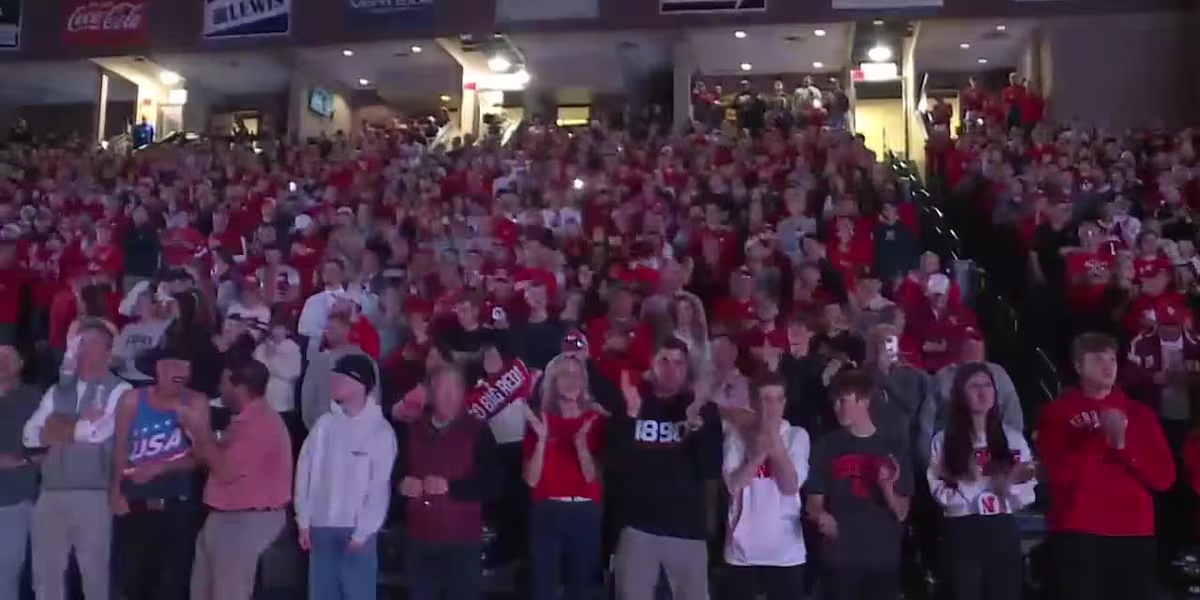
SIOUX FALLS, S.D. (Dakota News Now) -We just heard from Sundance Wicks on Tuesday night about how much he enjoyed bringing his Wyoming Cowboys back to South Dakota to take on the Jackrabbits at the Sanford Pentagon.
Every player and coach I’ve talked to since it was built has raved about the venue.
Our Sam Tastad put together some the reactions we’ve captured after the 100th Division One Basketball game was played on the Heritage Court at one of the coolest courts in the country.
<“I thought it was an unbelievable atmosphere. As good as in college basketball. No one tell me that’s a neutral site game,” said Oklahoma men’s basketball coach Porter Moser.
“It was absolutely unbelievable. I was talking to a Pentagon representative and he said that’s the best environment he’s heard in 100 games that have been here,” said Nebraska men’s basketball player Pryce Sandfort.
“It’s a milestone I wouldn’t of thought we would reach,” said Sanford Sports Vice President of Operations Jesse Smith. “After amount of effort it took to get game one and these Division I games off the ground, I never could have imagined we would be looking at hosting our 100th game.”
“They make you feel super welcome. They treat women’s basketball like its a sport. They put on a show and make us feel great about being here,” said South Carolina women’s basketball coach Dawn Staley.
“To hear people say it is mandatory for people to play a game in the Sanford Pentagon is music to our ears,” said Sanford Sports President of Operations Steve Young.
“It was a home court and please can I take the fans. I think what the Pentagon folks is great. I would love to thank them as well,” said Iowa women’s basketball coach Jan Jensen.
“It felt like a home game with amount of fans there starting chants. You could definitely feel energy there,” said former Iowa Hawkeyes player Lucy Olsen.
“Every game is going to be by recently bias. But it was absolute electric in here. But I would put our experience in our arena with big time major fan support and community support. Major production,” said Young.
“Most memorable game was the Iowa and Gonzaga game that happened during COVID. We got the biggest game. We had Number one in country against the Number three team in the country and no one could come in and watch game. We felt like we were watching a secret scrimmage up until this Saturday with the Huskers was the Northern State national championship game against Ferris State. It ended on a last second shot and this play was loud and so much fun,” said Smith. “100 games means we have put ourselves on map as best in nation for college basketball. That was one of things our leadership had set out to do when we built this facility. We want to be a place for basketball, whether that’s youth basketball, AAU basketball, collegiate and professional. Now we can sit here and say we have checked those boxes. We have met all those goals and we want to keep going. Let’s keep going and do another 100.”
Copyright 2025 Dakota News Now. All rights reserved.
The event, held Thursdays for over 45 years, involves patrons “betting” on turtles in a ring, with proceeds benefiting charities for unhoused residents
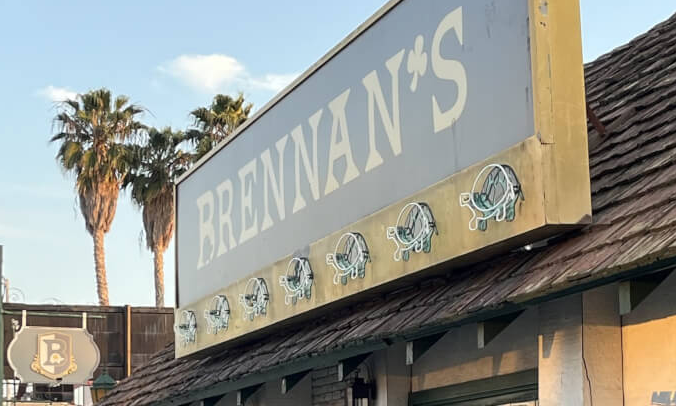
Brennan’s Pub, a longtime Marina del Rey bar known for its turtle racing tradition that has drawn crowds and controversy for nearly 50 years, will close permanently after business Saturday.
An Instagram post from the pub announced the closure, inviting patrons to final hours Friday starting at 4 p.m. and Saturday from noon, culminating in one last turtle race at 9 p.m.
The event, held Thursdays for over 45 years, involves patrons “betting” on turtles in a ring, with proceeds benefiting charities for unhoused residents—raising more than $300,000 total, according to the pub’s website.
The races have faced criticism from animal welfare groups, including a 2024 protest outside the bar organized by In Defense of Animals and others, who argued the noisy environment stresses the turtles and constitutes exploitation.
Bar officials have defended the practice, noting on-site veterinary care, a dedicated habitat and safety rules like no pointing or booing.
The pub, at 4089 Lincoln Blvd., has hosted events including turtle races, trivia and sports viewings.
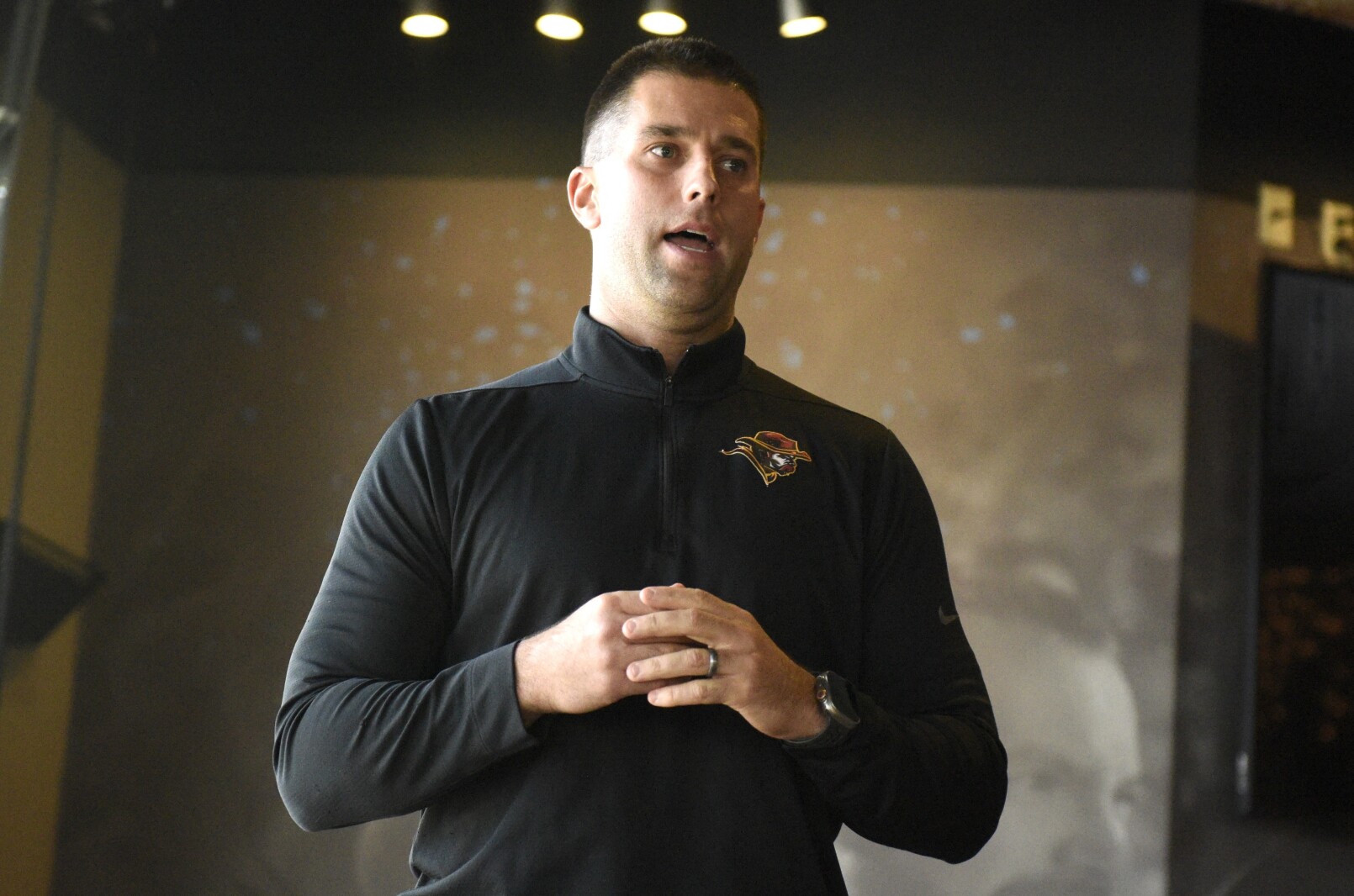
SIOUX FALLS — A few years ago, Luke Hannemann was serving as an assistant coach under Sioux Falls Roosevelt boys basketball coach Mitch Begeman when the two coaches came up with a simple but bright idea.
For decades, the Presidents Bowl Football Games had served as one of the single-largest fundraising opportunities for booster clubs in the Sioux Falls School District.
Begeman and Hannemann noticed it, and with the holiday break providing the perfect time during the basketball season to put on something similar, the two coaches decided to float the idea to others during an end-of-season coaches’ meeting.
“We just said, ‘Hey, can we make this happen and do something like this?'” Begeman said. “I think all the [athletic directors] jumped on board pretty quick with the idea and obviously being able to fundraise some more dollars for our school district and our activities.
“Here we are three years later and doing this, and that’s really kind of how it all started was just by conversations and collaboration and then bringing it to the administrators.”

Trent Singer / Sioux Falls Live
What emerged was an extension of the Presidents Bowl made for the hardwood.
Hannemann, who is now in his second season as boys basketball coach at Sioux Falls Lincoln, and Begeman will each lead their respective teams onto the court Monday and Tuesday when the third annual Presidents Bowl High School Basketball Classic gets underway at the Sanford Pentagon.
All eight varsity games will be played on Heritage Court. Here’s a quick glance at the schedule:
Monday, Dec. 29
- Girls: SF Lincoln vs. SF Roosevelt, 11 a.m.
- Boys: SF Lincoln vs. SF Roosevelt, 1 p.m.
- Girls: SF Washington vs. SF Jefferson, 3 p.m.
- Boys: SF Washington vs. SF Jefferson, 5 p.m.
Tuesday, Dec. 30
- Girls: SF Jefferson vs. SF Lincoln, 11 a.m.
- Boys: SF Jefferson vs. SF Lincoln, 1 p.m.
- Girls: SF Roosevelt vs. SF Washington, 3 p.m.
- Boys: SF Roosevelt vs. SF Washington, 5 p.m.
A number of sponsors have since teamed up with the Presidents Bowl Committee to assist in bringing the two-day showcase to life.
With a seating capacity of 3,250 — featuring four executive suites, 12 loge boxes and a pair of corner suites — Heritage Court serves as the ideal playing surface for the varsity basketball teams of each city school to gather annually for a holiday showcase.
“They do things the right way with what everybody’s talked about, just the small details of making this kind of a big deal for these kids, and I think that’s the appreciation the coaches all really do see,” Begeman said. “These guys put on such a quality event. It’s great to make it a big deal for these kids because some of these kids may not get to do something like this ever again.”

Trent Singer / Sioux Falls Live
Throughout the day, the auxiliary courts surrounding Heritage Court will showcase junior varsity, sophomore and freshman games between the four city public schools. Meanwhile, a youth basketball clinic has also taken place prior to the showcase.
Begeman knows there’s still a lot that could be done to grow the event in the coming years. He’d like to explore the possibility of allowing the varsity squads to compete for a Presidents Bowl trophy, something the ADs would need to hash out collectively in order to make the logistics work.
But the growth from the inaugural year of the showcase until now couldn’t be made possible without the many volunteers associated with the Presidents Bowl, as well as the financial backing from dozens of corporate sponsors.
“I’m just thankful that people took the conversation that we had four years ago and said, ‘All right, let’s do this,'” Begeman said. “This should be about the kids, and it is about the kids and the experiences. And I think when it makes sense like it does, it got put into action pretty quick.”
Here’s a brief breakdown of each varsity team heading into this year’s Presidents Bowl High School Basketball Classic:

Trent Singer / Sioux Falls Live
- Coach: Tim Reck (5th year)
- Record: 1-2 (lost at Roosevelt 63-58, lost vs. Brandon Valley 63-58, won at O’Gorman 66-58)
- Top returners: Jase Unzen, Colby Nuttbrock, Kwai Mayen, Caleb Goodroad
- Coach’s comments: “I’m really looking forward to playing out at the Pentagon. Talking to my guys, they’ve grown up playing out there. They’re really excited to be playing out there again this year. I know we’ve got two really tough opponents we’re going to have to play, but it’s a great time to also see where we are at the beginning of the season.”

Trent Singer / Sioux Falls Live
- Coach: Shaunteva Pruett (5th year)
- Record: 1-2 (won at Roosevelt 59-48, lost at Brandon Valley 73-44, lost at O’Gorman 76-48)
- Top returners: Brinley Altenburg, Taylor Silvernail, Abby Horner, Lydia Johnson, Macy Bryant, Kaia Pauli
- Coach’s comments: “The Pentagon does a phenomenal job with the venue by just making our kids feel special, from the locker room to the starting lineups to the environment on the court as well. … We have a lot of experience. We graduated one senior last year, so we have six seniors this year on our team.”

Trent Singer / Sioux Falls Live
- Coach: Luke Hannemann (2nd year)
- Record: 3-0 (won at Washington 66-59, won at Harrisburg 66-53, won vs. Yankton 62-38)
- Top returners: Sam Ericsson, Sam DeGroot, Brody Schafer, Lucas Honner, Jaden Haley, Owen Duffy
- Coach’s comments: “It’s a great experience to be able to play at the Pentagon. … We’ve got six seniors this year and a good group of juniors, so we’re kind of heavy in our senior and junior group this year. But they’re a really fun group to be around, and I’m just lucky to be coaching those guys.”

Trent Singer / Sioux Falls Live
- Coach: Zach Wessels (2nd year)
- Record: 0-4 (lost at Yankton 61-10, lost at Washington 57-12, lost vs. Harrisburg 50-17, lost vs. Tea Area 58-26)
- Top returners: Ingrid Ready, Regan Van Meeteren
- Coach’s comments: “We have a lot of girls who haven’t played on that floor yet, so that’s going to be a ton of fun just being under the lights and stuff. We’re a pretty young team. We have one senior and one junior. … We’re just excited to go play out there.”

Trent Singer / Sioux Falls Live
- Coach: Mitch Begeman (10th year)
- Record: 3-0 (won vs. Jefferson 63-58, won vs. O’Gorman 70-68, won at Brandon Valley 67-50)
- Top returners: Memphis Bylander, Deondre Painter, Bryson Skogsberg, CJ Schmaus
- Coach’s comments: “We spent a lot of time on the floor this summer just growing and connecting as a team. I think that was something we identified from last year. We thought it was really important to focus on that this year, but this group just likes each other a lot. And it’s just really fun to coach a team that’s bought in and likes to be around each other. We’re very excited and just hoping we can keep stacking good days, good practices, and try to find some more wins on the year.”

Trent Singer / Sioux Falls Live
- Coach: Blake Bradfield (4th year)
- Record: 0-3 (lost vs. Jefferson 59-48, lost vs. O’Gorman 62-37, lost vs. Brandon Valley 76-33)
- Top returners: Henlee Loof, Kalli Harris, Emma Adams, Katelyn Duin
- Coach’s comments: “Our girls and myself knew going into the season that our first six games were against top-five teams preseason. We knew it was kind of a gauntlet, but I challenged them to kind of keep it in perspective. We’re going to be battle-tested early. I’d rather have that to see where we’re at and see where we need to get to as the season progresses.”

Trent Singer / Sioux Falls Live
- Coach: Jeff Tobin (5th year)
- Record: 1-2 (lost vs. Lincoln 66-59, won at Yankton 54-42, lost vs. Harrisburg 57-41)
- Top returners: Jhace Woods, Ben Sprecher, Sam Uhing
- Coach’s comments: “We’re just excited about the nucleus we have and maybe the team that we can become. The fun part, as coaches, is we’re not necessarily sure who we are yet. That’s the fun part about December. … Thank you so much for all the work that goes into making this a great weekend. We’re privileged to get to play in it. We don’t take it for granted.”

Trent Singer / Sioux Falls Live
- Coach: Jamie Parish (12th year)
- Record: 3-0 (won vs. Lincoln 57-12, won vs. Yankton 57-24, won vs. Harrisburg 64-48)
- Top returners: Dana Harpe, Rylan Kennett, Josie Biteler
- Coach’s comments: “This is just a unique event. It’s a great experience for our kids. I know we’ve talked about it before, but the Pentagon is a special place. … Who we are right now is going to look significantly different in January, and again, it’s going to look different in February. We’re just really excited with this group of kids to watch them grow and get better.”

Trent Singer is a sports reporter for Sioux Falls Live. He focuses his coverage on Augustana men’s hockey and Sioux Falls area sports. Singer’s previous stops include Just Women’s Sports, the Southeast Missourian and the Kentucky New Era.

Introduction
Triathlon is a dynamic and demanding endurance sport that combines swimming, cycling, and running into a single race. It is competed over varying distances, from short course races such as the Olympic distance event, consisting of a 1500m swim, 40km bike, 10km run, to long course events, including the ironman distance of 3.8km swim, 180km bike and 42.2km run.1,2 The 2020 Tokyo Olympics introduced a new event for triathlon, the mixed team relay. This event features teams of four athletes, two men and two women, with each competitor completing a super sprint triathlon of approximately 300m swim, a 6–7 km bike ride, and a 1–2 km run before tagging their teammate.3 This relay format adds a heightened level of intensity and a fast-paced element in comparison to the traditional Olympic distance event.
Performance in short course triathlon requires both high -volume and high-intensity training loads to achieve peak physical and mental conditioning.4 Training loads (defined as the physical stress an athlete experiences during their training over a set period of time)5 of more than 20 hours per week6 have been reported for short course triathletes. Training load is influenced by a variety of factors; duration, intensity, and frequency of these exercise modalities and can be quantified as externally (eg, power produced on the bike in watts) or internally (eg, heart rate or an athletes subjective response to load).7 Coaches may monitor this physical stress’ using a subjective rating scale (eg, rate of perceived exertion: RPE) on a scale from 1–10. Ongoing fatigue with high training loads can compromise the immune system and increase illness risk4 and also lead to a reduction in performance,8 put athletes at risk of injury and lead to time missed from training and competing.7,9
Each triathlon discipline places unique physiological and biomechanical demands on the body, leading to sport-specific patterns of fatigue and injury risk. Swimming primarily stresses the upper body and cardiorespiratory system, with primary injury risk to the shoulders and neck with the swim to bike transition adding additional metabolic load.10,11 Cycling emphasizes lower limb muscular endurance and spikes in power with the risk of overuse injuries to the back, neck and lower limbs and also the risk of acute injures from falls or crashes.12–14 Running imposes high impact loads on the musculoskeletal system with additional neuromuscular fatigue following the cycle to run transition with lower body overuse injuries common.15–17
Research focusing specifically on youth triathletes regarding injury and illness risk is limited; however, adolescents aged 12–19 years have been shown to experience higher rates of overuse injury compared to adult triathletes.9 Additionally, psychological factors such as stress and perfectionistic tendencies in youth triathletes have also been linked to increased vulnerability to injury.18 Recently, Crunkhorn et al19 reported two-thirds of injuries resulted in time loss to training and competition in a cohort of elite Australian triathletes over a 4-year period, with bone stress injuries (BSI) having the highest burden (31.38 days of time loss/365 days). Interventions to mitigate these risks of injury and illness should be prioritised for triathletes for sustained health, wellbeing and optimal performances.9
Within the Australian National Institute network (NIN), short course triathletes are supported by a team of professionals who monitor performance health through targeted services (such as Periodic Health Evaluations (PHE) to facilitate early detection and implementation of prevention strategies). Performance health reflects the ability of athletes to maintain their optimal physical, mental and social well-being, and to consistently complete all training sessions to optimize their chance of performance success.20
Youth Australian triathletes, aged 12 to under 19 years, are part of the national development pathway program but are not yet integrated into the NIN. These athletes have access to quality coaching, training camps, skills development, and athlete education outside their regular training environments but are not part of routine national health problem surveillance. While their performances are partially visible through national competitions, there is limited understanding of their health status and health history prior to entering the NIN, representing a critical gap in knowledge for early intervention and long-term athlete development.
Addressing this gap in health knowledge among these athletes is needed for optimising their performance health. Moreover, it may aid in the early identification of risk factors during their growth and maturation, a period recognised in the literature as one of heightened vulnerability to physical and psychological challenges in youth athletes.21,22
Growth refers to the physical increase in body size, typically observed through changes in height, weight, arm span and limb length, whereas maturation encompasses the progression toward full biological and sexual maturity, including skeletal and reproductive development.23 These processes are non-linear and highly individualized, influenced by genetic, environmental and nutritional factors.24,25
Monitoring growth and maturation is important for high-performance youth athletes due to differences that can occur between chronological age (CA) and biological age, significantly affecting their training load tolerance and injury and illness risk.22 Periods of rapid growth are associated with increased susceptibility to injury due to factors of rapid bone remodelling, soft tissues imbalances and a transient reduction in motor control and spatial awareness.26,27
Accurate and ongoing monitoring of growth and maturation is essential for informing individualized training prescription and recovery strategies. Common measures include skeletal maturity (expressed as bone age (BA)), sexual maturity (Tanner scale; age at first menarche) and age at peak height velocity (PHV).25 Age at PHV (APHV) can be predicted via equations based on CA and anthropometric measurements, as proposed by Mirwald et al.28
Describe the relationship between health history, growth and maturation, training loads and health problems in youth triathletes is paramount to support safe athletic progression. Therefore, this study aims to 1) understand health history, growth and maturation profiles and current health status of youth triathletes prior to entry into the NIN; 2) examine the associations between growth and maturation, training load, and health problem severity in youth triathletes with the goal of informing long-term appropriate training strategies for optimizing performance health outcomes.
Methods
Participants and Study Design
A total of 53 triathletes (30 males, 23 females) from the state pathway programs volunteered to participate in this study during the 2023–2024 triathlon season. Participants were between 12 and 18 years old (inclusive), and part of the state and academy programs who were able to travel nationally for training camps and competitions. Participant characteristics are reported in Table 1.
 |
Table 1 Health History Questionnaire Summary
|
The study employed a prospective observational design conducted over a 12-month period from January 2023 to January 2024. Growth and maturation measures were collected at three time points across both competition and training phases. Over a 10-week period, athletes completed four questionnaires: an initial athletic health history, followed by weekly reports on health problems, training load, and sessional RPE. The 10-week monitoring period was aligned with the collection of growth and maturation measures at weeks 1 and 10 (Figure 1).
 |
Figure 1 Overview of data collection, timeline and measures. Abbreviations: OSTRC-H2, Oslo Sports Trauma Research Centre Questionnaire on health problems. RPE, Rate of perceived exertion.
|
The study’s results were reported using the Strengthening the Reporting of Observational Studies in Epidemiology (STROBE) guidelines for observational studies.29 Ethical approval for the study was obtained from the University of Canberra Human Research Ethics Committee (Approval #202312112). For all athletes under 18 years of age, informed consent was provided from parents or guardians and assent was obtained from the athletes. Athletes aged 18 years, provided their own informed consent. The study complies with the Declaration of Helsinki.
Athletic History Questionnaire
An online Athletic History questionnaire was sent to participants or their parent/guardian via Email in week 1 of the 10-week data capture period. The questionnaire was conducted using the Qualtrics survey platform (Qualtrics Survey Software, 2023, www.qualtrics.com). The questionnaire recorded their background in sport, training load history, and previous health problems. Five questions related to female athlete health were included for female athletes. The athletic history questionnaire was developed in collaboration with industry allied health professionals and adapted from the clinical physiotherapy components of the PHE currently used in AusTriathlon (Supplementary File Figure 1).
Growth and Maturation Assessment
Anthropometric and growth measurements were collected at three time points; January 2023 (Time point 1), September 2023 (Time point 2), and January 2024 (Time point 3) (Figure 1). These corresponded, respectively, to the early competitive season (summer), start of season training (spring), and the subsequent competitive season (summer). All assessments were conducted at race venues and training camps representative of the athletes’ normal sporting environments.
All measurements were performed by the Chief Investigator AF, an International Society for the Advancement of Kinanthropometry (ISAK)30 accredited anthropometrist and a Sports and Exercise Physiotherapist with more than 20 years of clinical experience. Standardised ISAK anthropometric protocols were followed throughout and athletes received a familiarization session explaining the measurement procedures and expected duration at each time point.
Body mass (kg) was assessed using the A&D UC-321 digital series scale (A&D Ltd., Tokyo, Japan), while stretch stature (cm) and sitting stature (cm) were measured using the Seca 213 portable stadiometer (Seca GmbH & Co., Hamburg, Germany). Athletes were measured in light clothing without footwear. The stadiometer was positioned on a level surface and each measurement was taken twice, and the reported values reflect the average of these repeated measurements. The digital scale was calibrated prior to data collection. Growth tempo was evaluated by calculating the average monthly changes in height and arm span between Time point 1 to Time point 2, and Time point 2 to Time point 3.
To account for variations in biological development that extend beyond chronological age, additional assessments of skeletal and somatic maturation were included in the study. Estimated BA was calculated at all three time points using a validated prediction model equation (Cabral et al)31 that incorporates stretch stature (m), arm girth (cm), triceps skinfold (mm), humerus diameter (cm), and femur diameter (cm), CA, and sex. (Equation 1).31 These measurements were taken by the Chief Investigator AF, using Harpenden skinfold calipers and the Holtain bone anthropometer. Bone age offset was calculated as estimated BA minus CA.

Equation 1. Prediction model equation to estimate bone age using measures of arm girth, triceps skinfolds, humerus diameter, femur diameter, age, and sex, as described in Cabral et al (2013). Male sex: Dsex = 0; female sex: Dsex = 1, Stature = (standing height in m). Age (years), Tr = tricipital skinfold (mm), ACP = arm corrected perimeter (arm perimeter-tricipital skinfold, cm), HD = humeral diameter (cm), FD = femoral diameter (cm).
Somatic maturation was assessed using a spreadsheet developed by Towlsen et al,32 which applies sex-specific equations from Mirwald et al28 to estimate APHV and maturity offset (CA minus APHV). These calculations incorporate standing height, sitting height, weight and estimated leg length. Predicted adult height (PAH) was also calculated using the same spreadsheet,32 and the Khamis and Roche method33 which incorporates anthropometric data with mid-parental height. Data entry and calculations were performed by AF.
Health Problems
Participants were asked to complete the Oslo Sports Trauma Research Centre Questionnaire on health problems (OSTRC-H2)34 once per week for ten consecutive weeks. The questionnaire was conducted on the Qualtrics survey platform (Qualtrics Survey Software, 2023, www.qualtrics.com) and consisted of four questions that assessed any health problems the participants had encountered in the previous seven days. It covered aspects such as training participation, modified training or competition, performance, and the presence of health problem symptoms (Supplementary File Figure 2). Participants had the option to report multiple health problems if applicable. They were also required to provide details about the location, type of the health problem, and whether any modifications to their training or time away from training were necessary. Participants could also include additional details in a comment section and were asked whether they had consulted a healthcare professional regarding their health problem.
The severity of the injuries and illnesses reported using the OSTRC-H2 questionnaire was calculated according to previously documented methods in youth athletes.35 For each reported health problem, a severity score is given from 0 to 100 and is based on four key questions: 1) Limitation in sports participation, 2) Reduction in training volume, 3) Impact on sports performance, and 4) Presence and intensity of symptoms. Each question was scored from 0 to 25 and the total severity score was the sum of all 4 questions. Weekly reminders were sent to participants on Sunday afternoons via text message or email, and a follow-up reminder was sent on Monday if the questionnaire had not been completed. No additional reminders were provided after these. The data from the 10-week collection period was reviewed only after completion to prevent any bias in the interpretation of the results. Thirty-four (15 females, 19 males) participants completed at least one week of the questionnaire, with participants completing at least six weeks of the questionnaire on average (SD = 3.4, range = 1–10).
Training Load
Participants were asked to report on any training sessions and/or competitions they had completed in the previous seven days starting at Time point 2 (September 2023) once per week for ten consecutive weeks (Figure 1). This data was captured using the same online form used to capture health problems, as described above and this data capture period coincided with the start of the triathlon season training camps and finishing with competitions. Participants were asked to report on the type of session (swim, bike, run, or other), the duration of the session (in minutes), and their RPE for the session (Supplementary File Figure 2). Training load (au) was calculated as the product of duration (minutes) and RPE.36
Statistical Analysis
All analyses were conducted using R (version 4.4.2) in RStudio (version, 2024.12.1+563, Posit PBC, posit.co). Results from the Athletic History questionnaire, growth and maturation assessments, health problems and training load questionnaire are reported using descriptive statistics (Tables 1–3). A Bayesian framework was employed for statistical analysis and modelling of relationships between growth and maturation, health problems, and training load.
 |
Table 2 Growth and Maturation Characteristics Across the Three Data Collection Timepoints
|
 |
Table 3 Training Load Statistics Swim, Bike, Run and Other
|
The relationship between CA (centred) and BA offset, height tempo, and arm span tempo were each modelled using a gaussian mixed model with a random intercept for each participant, and an interaction term for CA (centred) and sex. To model the relationship between maturity offset and total severity (illness severity + injury severity), a hurdle lognormal mixed model was used. The hurdle component modelled the logit of whether a participant has 0 severity, or greater than 0 severity, and the lognormal component models the relationship between maturity offset and the natural logarithm of total severity.
A lognormal mixed model was used to model weekly training load according to participation, sport type (swim, bike, run, other), CA (centred) and sex. A random intercept was included for each participant and an interaction term was included for participation and sport type. Bayesian modelling was conducted using the brms R package.37 The posterior distributions of the model coefficients are presented as the median and 95% highest density credible intervals (HDI), and the probability of direction (PD, ie, the probability of a positive or negative effect).38
The sample size was based on convenience sampling from a finite population of eligible athletes who were accessible during the study period. As the total number of potential participants was limited, we aimed to include as many eligible and willing participants as possible. While the sample size was not determined by a formal power calculation, the Bayesian approach allowed us to quantify uncertainty in parameter estimates and assess the strength of evidence for our hypotheses given the available data.
Results
Athletic Health History Questionnaire
Twenty-seven participants (male = 15, female = 12) completed the health history questionnaire (Table 1). Participants ranged from school years 7 to 12, with seven engaged in casual employment and two in part-time roles. All participants competed in super sprint to sprint distance events with some (n = 18) incorporating strength and conditioning training, either independently, through personal trainers, or school programs. In addition to their triathlon training and competition, 16 participants (males = 10, females = 6) were involved in a range of other sports. The five most common additional sports were swimming competitions, surf lifesaving, soccer, athletic events, and Australian Rules Football (AFL). During childhood 24 athletes (males = 13, females = 11) reported broad multisport participation, often concurrently. Soccer, surf lifesaving and athletics the most common for both male and females alike. AFL was popular amongst male participants. Three female athletes had previously been accepted into youth high-performance academy programs; soccer, kayaking, AFL and gymnastics.
Both past and current health problems reported that had the most significant impact on training and competition included two female participants reporting ongoing current injuries from prior cycling accidents (shoulder rotator cuff and knees, hip and hand injuries). Additionally, a notable number of participants (n = 13; males = 7, females = 6) reported a history of growth-related injuries, with Severs the most common (n = 8). Other time loss health problems included appendicitis with complications (over 12 months), foot bone oedema (2 months) and a hamstring tear (3 months). Previous bone injuries included fractures (n = 18) and bone oedema (n = 2). Medical history intervention included surgical (adenoid/tonsil removal n = 6, appendectomy n = 1, hernia repair n = 1), orthopaedic evaluations for upper limb fractures n = 4, and hospital admissions (for cycling trauma n = 2, concussion n = 2, and stitches n = 3).
Among female participants (n = 9), the average age at menarche was 13.7 years ± 1.5, with an average cycle length of 28 days. However, eight participants reported menstrual irregularities, and one participant reported amenorrhea lasting approximately three months on two separate occasions. The menstrual symptoms most common were tiredness (n = 7), others were pain (n = 4), nausea (n = 4) and cramping (n = 4).
Growth and Maturation
Table 2 shows descriptive statistics for growth and maturation measures across Time points 1, 2 and 3. Figure 2A and B provide a descriptive visualization of maturity offset and the estimated APHV of the participant cohort, respectively. Additional data are provided in Supplementary File Table 1.
 |
Figure 2 (A) Distribution of maturity offset (CA minus APHV) among the participant cohort. (B) Relationship between chronological age (CA) and age at peak height velocity (APHV). Navy points represent observed values for participants with repeated measures across timepoints joined by a navy line. The grey dashed line shows 1:1 CA: APHV reference line.
|
For females at the mean CA, estimated BA was 1.58 (Bintercept (mean age, female) = 95% HDI = [1.22, 1.87]) years greater than CA, and this tended to remain consistent with an increase in age (Bage, female = 0.06, 95% CI = [−0.10, 0.21], PD = 0.79) (Figure 3A). On the other hand, for males at the mean CA, estimated BA was 1.23 (Bintercept (mean age, female) + Bmale = 1.24, 95% HDI = [0.93, 1.51], PD = 1.00) years greater than CA and this increased by 0.45 (Bage, female + Bage × male = 95% HDI = [0.30, 0.59], PD = 1.00) years with every additional year of CA (Figure 3A). The relationship between CA and BA offset depended on sex (Bage × male = 0.38, 95% HDI = [0.16, 0.58], PD = 0.99) (Figure 3B).
 |
Figure 3 (A) Relationship between chronological age (CA) and bone age (BA). (B) Relationship between CA and BA offset (BA minus CA). Navy points represent observed values for participants with repeated measures across timepoints joined by a navy line. The pink line and ribbon show estimated marginal means and 95% credible intervals for BA offset. The grey dashed line shows 1:1 CA: BA reference line.
|
The association between CA and height is presented in Figure 4A. The relationship between CA and height tempo did not vary by sex (Bage × male = 0.00, 95% HDI = [−0.13, 0.11], PD = 0.55) (Figure 4B). However, there was some evidence that height tempo was higher (by 0.09 cm per month) for males than females (Bmale = 0.09, 95% HDI = [−0.09, 0.27], PD = 0.85). Estimated height tempo at the mean CA was 0.30 cm per month for females (Bintercept (mean age, female) = 0.30, 95% HDI = [0.15, 0.43] and 0.39 cm per month for males (Bintercept (mean age, female) + Bmale = 0.39, 95% HDI = [0.27, 0.50]). Further, height tempo was lower for older athletes compared to younger athletes (by 0.09 cm per month for each year older) (Bage = −0.09 [−0.17, −0.02], PD = 0.99).
 |
Figure 4 (A) Relationship between chronological age (CA) and height. (B) Relationship between CA and height tempo (cm per month). Navy points represent observed values for participants with repeated measures across timepoints joined by a navy line. The pink line and ribbon show estimated marginal means and 95% credible intervals for height tempo.
|
The association of CA and arm span is presented in Figure 5A. Similar to height tempo, the relationship between CA and arm span tempo did not vary by sex (Bage × male = −0.03, 95% HDI = [−0.18, 0.11], PD = 0.68) (Figure 5B). Arm span tempo was higher (by 0.20 cm per month) for males than females (Bmale = 0.20, 95% HDI = [−0.01, 0.42], PD = 0.96). Estimated arm span tempo at the mean CA was 0.23 cm per month for females (Bintercept (mean age, female) = 0.23, 95% HDI = [0.07, 0.39] and 0.43 cm per month for males (Bintercept (mean age, female) + Bmale = 0.43, 95% HDI = [0.29, 0.57]). Unlike height tempo, there was relatively weak evidence to suggest that arm span tempo was lower for older athletes compared to younger athletes (Bage = −0.02 [−0.11, 0.06], PD = 0.69).
 |
Figure 5 (A) Relationship between chronological age (CA) and arm span. (B) Relationship between CA and arm span tempo (cm per month). Navy points represent observed values for participants with repeated measures across timepoints joined by a navy line. The pink line and ribbon show estimated marginal means and 95% credible intervals for arm span tempo.
|
Health Problems
During the 10-week data capture period for the health problems questionnaire, there were a total of 36 unique health problems reported from 20 athletes (7 out of 15 females, 13 out of 19 males). The reported health problems consisted of 22 illnesses (from 16 athletes: 6 females and 10 males) and 14 injuries (from 11 athletes: 4 females and 7 males). Out of the 20 athletes that reported any health problem, 7 athletes (3 females and 4 males) reported both an injury and an illness (at least 1 of each). Reported illnesses consisted of respiratory (16 total, 7 females, 9 males), gastrointestinal (3 total, all males), stress or external factors (2 total,1 female, 1 male), and menstrual (1 total). Reported injuries consisted of pain in the lower and upper leg (2 total, both from males), stress reaction (1 male), stress fracture (1 male), strain (lower back 1 male, upper arm 1 females), trauma in the upper leg (1 female). Further, there were 7 injuries reported (3 females and 4 males) where the location and type were not reported and have been listed as “unknown”.
The time-loss of illness and injuries are presented in Figure 6A and B respectively. Overall, illnesses contributed to 3 weeks of total time-loss, 21 weeks of modified time-loss, and 7 weeks of non-time-loss. Injuries contributed to 2 weeks of total time-loss, 23 weeks of modified time-loss, and 5 weeks of non-time-loss.
 |
Figure 6 Health problems by type and the number of weeks of time-loss (A) Illnesses and (B) Injuries.
|
There was evidence of a relationship between maturity offset and total health problem severity (Bmaturity offset (log) = 0.23, [95% HDI = 0.01, 0.46], PD = 0.98), whereby estimated severity increased by 25% (e0.23–1) for every 1-year increase in maturity offset. Further, there was evidence that males typically had higher total severity compared to females (Bmale (log) = 0.52, [95% HDI = −0.33, 1.28], PD = 0.90) by 68% (e0.52–1) (Figure 7).
 |
Figure 7 Relationship between maturity offset (CA minus APHV) and total severity of health problems. Navy and yellow points represent observed values for individual participants. The pink line and ribbon show estimated marginal means and 95% credible intervals for total severity.
|
Training Load
Descriptive statistics for training load can be found in Table 3. Additional data are provided in Supplementary File Table 2.
When athletes were fully participating in training without health problems, reported weekly training load for the swim was 24% higher than the bike (Bbike (log) = −0.28, 95% HDI = [−0.46, −0.10], PD = 0.99), 44% higher than the run (Brun (log) = −0.58, 95% HDI = [−0.76, −0.40], PD = 1.00), and 38% higher than “other” disciplines (Bother (log) = −0.49, 95% HDI =[−0.69, −0.30], PD = 1.00) (Figure 8). There was evidence that training load was lower among older athletes compared to younger athletes (by 9% per year) (Bage (log) = −0.09, 95% HDI =[−0.69, −0.30], PD = 1.00). There was weak evidence that training load declined when athletes reported “reduced participation due to a health problem” (Breduced participation (log) = −0.09, 95% HDI =[−0.38, 0.21], PD = 0.73), with the exception of the run (Breduced participation x run (log) = −0.57, 95% HDI =[−0.98, −0.15], PD = 0.99), which was reduced by 48%. There was no evidence of a difference in training load between females and males (Bmale (log) = −0.07, 95% HDI =[−0.40, 0.24], PD = 0.67).
 |
Figure 8 Relationship between chronological age (CA) and weekly training load according to discipline (swim, bike, run, other) and participation. Points represent observed participant mean values, and lines and ribbons represent estimated marginal means and 95% credible intervals. Other includes race simulation sessions, competitions, and other sport training.
|
Discussion
This study aimed to explore the athletic health history, growth and maturation and current health status of youth triathletes prior to entry into the NIN, and to examine the associations between growth, training load and health problem severity. Key findings across the three focus areas revealed slightly later PHV in both sexes compared to population norms and other sports, with males demonstrating accelerated arm span growth over females ahead of height stature increases. Health problems were frequently reported, with illness having greater total time-loss than injury, and severity increased in athletes beyond PHV (particularly males). Additionally, training load imbalances occurred across the three disciplines relative to race distances and injury profiles.
Growth and Maturation
Female triathletes was estimated as occurring at 12.5–12.6 years, slightly later than the general population (12 years)39 and female athletes involved in team and individual sports (11.8 years).40 Male triathletes PHV was estimated at 13.3–14.0 years, compared to 13.1 years in young male athletes,41 primarily European footballers. Other studies report PHV at 14.4, 12.9 and 12.7 in soccer and tennis players, respectively.42–44
In the present study, male athletes demonstrated an average arm span growth tempo of 0.51 ± 0.35 cm per month from Time point 2 to Time point 3, with individual values reaching up to 1.02 cm per month, suggesting accelerated limb growth during our monitoring period, but prior to stretch stature growth (Figures 4 and 5). This pattern is consistent with existing adolescent growth and maturation literature which describes a distal-to -proximal growth sequence, whereby limbs grow before the trunk.45,46
In the context of triathlon, this is particularly relevant for the swim discipline, where arm span contributes significantly to stroke mechanics and propulsion.47 Sudden changes in upper limb length may temporarily disrupt technique or outpace neuromuscular adaptations, potentially impairing performance and increasing the risk of musculoskeletal strain. Similarly, rapid changes in upper body dimensions can compromise bike fit, reducing handling efficiency and contributing to compensatory movement patterns, particularly in the neck and shoulders. Potentially elevating the risk of overuse injuries or contributing to reduced stability and increased crash risk. Monitoring arm span tempo presents a practical, non-invasive method to inform training modifications, equipment adjustments, and injury prevention strategies during key phases of adolescent triathlon growth and development.
Males showed a greater increase in BA offset (0.45 years) with CA than females, and an overall higher number of illnesses and injuries than females. This suggests the importance of sex- and maturity-specific training, including consideration of discipline type (weight bearing vs non-weight bearing) in terms of less mature tissues on similar training loads.
Female athlete health data indicated a later average age of menarche (13.7 years) in triathletes, aligning with findings from Anjos et al48 who reported delayed menarche in athletes participating in sports such as soccer, gymnastics and triathlon (median age triathlon: 13 years). Noting the female participants in our study also had athletic histories of soccer and gymnastics (Table 1). Several athletes in our study also reported ongoing menstrual irregularities, dysmenorrhea, and tiredness, symptoms commonly associated with low energy availability. Low energy availability has been linked to impaired bone mineral accrual, delayed recovery and increased injury risk in endurance sports,48,49 thus longer-term monitoring of total weekly training load along with menstrual cycle patterns could help inform timely nutritional and training prescription in young female athletes.
Health Problems
Illness was reported more frequently than injury during the 10-week monitoring period (22 vs 14 cases), with respiratory illnesses comprising the majority of reports. This illness prevalence aligns with previous findings in short course triathletes and other endurance athletes, where high-intensity training has been associated with transient immunosuppression and increased susceptibility to infections.9,50 Notably, seven athletes experienced both injury and illness within the same period, suggesting a potential cyclical relationship driven by cumulative fatigue, inadequate recovery, and a combination of external (eg academic demands, family, life commitments) and internal (training load, growth, early season performance anxiety) stressors. This cycle may have been further exacerbated by minimal reductions in training load during health problems, except for running sessions.51
Health problems were also monitored over a 10-week period starting in Spring (September/October) in Australia corresponding to the start of the triathlon season, when athletes were building training volume and intensity. In addition, the timing of monitoring during Spring may have presented seasonal challenges, such as rising temperatures, humidity, and allergens, potentially contributing to injury and illness risk. These observations highlight the impact of both illness and injury on training consistency and the need for recovery focused strategies, including adequate nutrition, sleep and work-load management supporting athlete health and performance.52
The injury profile observed was predominantly stress-related bone injuries and soft tissue strains, primarily affecting the lower leg. This injury profile is also consistent with other youth endurance sports and studies involving elite triathletes.9,19,53 The severity of health problems appeared to increase in triathletes with a higher maturity offset (ie, greater than ~2.5). This observation also agrees with previous research demonstrating a higher injury prevalence following PHV, characterised by greater training time loss22,54 Two male athletes and one female athlete who all had previous growth-related injuries and/or bone injuries (Table 1) reported lower leg, knee, and lumbar pain as well as lower leg bone stress injuries during the 10-week study. Although we do not know the exact time frame (years) from previous injuries (Table 1) to current injuries (Figure 6) it may independently contribute to injury risk (since previous injury is a strong risk factor for a new injury).55,56
Training Load
There were notable differences in training loads across the swim, bike, run, and “other” disciplines among youth triathletes. Interestingly, the swim discipline consistently had the highest total weekly training load, averaging 24% more than the bike, 44% more than the run, and 38% more than “other” activities. These lower training loads in the run discipline may also be a contributing factor to the higher incidence of bone stress injuries observed in the male youth triathletes.57 Research indicates that insufficient loading of developing bones can lead to increased risk of stress fractures and other overuse injuries. Therefore, the combination of lower run training volumes but higher intensity sessions in the run discipline, and “other” may place undue stress on later maturing male triathletes lower limbs and insufficient bone remodelling time.58 Similar patterns have been observed in distance running where overuse injuries were common, particularly in the lower extremities, and were often linked to training loads that were either too high or improperly managed.59 Thus, the importance of balanced training loads and the earlier implementation of consistent strength and conditioning sessions inclusive of plyometric and proprioceptive exercises may mitigate these bone stress and lower body injury risks on developing athletes.59–61
Additionally, higher swim volume has also been seen as an increased risk of running-related injuries.62 The senior female athletes weekly swim load was the highest across the whole cohort, they also had the lowest weekly run load. This could be a potential risk factor for injury or pain due to lack of a protective fitness response, even allowing for their biological advancement in bone age.7
Limitations
This study has several limitations that should be acknowledged. First, the use of non-invasive maturity prediction equations such as the Mirwald method,28 while practical for sport and widely used in sport research settings, may be less accurate in individuals who mature significantly earlier or later than average, potentially affecting the interpretation of growth-related findings.63 Similarly, the bone age prediction equation used (Cabral et al)31 may have limitations in precision in comparison to imaging techniques. The sample size was relatively small, with varying participation across data points, 53 athletes were included in the study, but 34 athletes completed the health problems questionnaire and training load monitoring, while 27 completed the athletic health questionnaire which may introduce selection and attrition bias and limit the reliability of certain comparisons in growth.
Seven injuries remained unclassified, which may reflect underreporting or limited communication between athletes and coaches, a well-documented challenge in youth sport settings.64 Additionally, the 10-week monitoring period for health problems and training load may limit the generalization of these findings to longer term trends and this should be considered when interpreting the results.
Practical Considerations/Summary
These key findings (Table 4) suggest the need for long-term monitoring frameworks that respond to individual growth and maturation patterns rather than chronological age alone. Integrating health surveillance, training load balance, musculoskeletal capacity and sex-specific indicators can help guide safer, more sustainable athlete development across multiple seasons.
 |
Table 4 Key Findings
|
Future research should further investigate these sex-specific differences during growth and maturation, including menstrual health, using longer term longitudinal tracking. Developing a more comprehensive understanding of how youth triathletes respond to discipline-specific training loads, recovery and nutritional intake will help strengthen athlete management approaches aimed at supporting musculoskeletal adaptation through growth and maturation while reducing health problem risk. In addition, education for coaches and performance staff will be needed to ensure these insights are effectively translated into practice.
Conclusions
Youth triathletes showed later peak height velocity than population norms and advanced predicted bone age relative to chronological age. Severity of health problems was greater among athletes’ post-peak height velocity with males showing higher severity of health problems than females. Illness was reported more frequently than injuries, with greater total time-loss, and several athletes reported both injury and illness concurrently. Most injuries were to the lower limb despite swimming having higher weekly training load volume and running the lowest training load volume. The findings suggest the need for individualized, longitudinal monitoring in youth triathlon pathways, indicating the importance of tracking growth and maturation, alongside balanced discipline and sex-specific training load prescription to support long-term performance progression and transition to the NIN and sustained elite-level competition.
Acknowledgments
We would like to thank the athletes and their parents/guardians for their participation in the study. Thank you to coach education and state pathway lead Robyn Low-Hart and all AusTri coaches involved for their support throughout the study. We also acknowledge Stephen MacGabhann (NSWIS/UCRISE) and Rebecca Haslam (NSWIS) for their assistance during this study.
Author Contributions
All authors made a significant contribution to the work reported, whether that is in the conception, study design, execution, acquisition of data, analysis and interpretation, or in all these areas; took part in drafting, revising or critically reviewing the article; gave final approval of the version to be published; have agreed on the journal to which the article has been submitted; and agree to be accountable for all aspects of the work.
Funding
AF was supported by a PhD Industry scholarship between New South Wales Institute of Sport and the University of Canberra.
Disclosure
Dr Gordon Waddington is a Shareholder of Prism Neuro Pty Ltd, outside the submitted work. No potential conflict of interest was reported by the authors.
References
1. Sharma AP, Périard JD. Physiological requirements of the different distances of triathlon. In: Migliorini S, editor. Triathlon Medicine. Springer International Publishing; 2020:5–17.
2. García-Giménez A. Triathlon performance: physiological and training strategies from super sprint to long distance events. Fizicko vaspitanje i sport kroz vekove. 2024;11:87–93. doi:10.5937/spes2402087g
3. Martínez-Sobrino J, Del Cerro JS, González-Ravé JM, Veiga S. Race dynamics in triathlon mixed-team-relay meaningfully changes with the new regulation towards Paris 2024. J Sports Sci Med. 2024;23(2):358–365. doi:10.52082/jssm.2024.358
4. Etxebarria N, Mujika I, Pyne DB. Training and competition readiness in triathlon. Sports. 2019;7(5):101. doi:10.3390/sports7050101
5. Eckard TG, Padua DA, Hearn DW, Pexa BS, Frank BS. The relationship between training load and injury in athletes: a systematic review. Sports Med. 2018;48(8):1929–1961. doi:10.1007/s40279-018-0951-z
6. Plews DJ, Laursen PB, Kilding AE, Buchheit M. Heart rate variability in elite triathletes, is variation in variability the key to effective training? A case comparison. Eur J Appl Physiol. 2012;112(11):3729–3741. doi:10.1007/s00421-012-2354-4
7. Johnston R, Cahalan R, O’Keeffe M, O’Sullivan K, O’Sullivan K, Comyns T. The associations between training load and baseline characteristics on musculoskeletal injury and pain in endurance sport populations: a systematic review. J Sci Med Sport. 2018;21(9):910–918. doi:10.1016/j.jsams.2018.03.001
8. Meeusen R, Duclos M, Gleeson M, Rietjens G, Steinacker J, Urhausen A. Prevention, diagnosis and treatment of the Overtraining Syndrome. Eur J Sport Sci. 2006;6(1):1–14. doi:10.1080/17461390600617717
9. Guevara S, Crunkhorn M, Drew M, et al. Injury and illness in short-course triathletes: a systematic review. J Sport Health Sci. 2023;13:172–185. doi:10.1016/j.jshs.2023.03.002
10. Bales J, Bales K. Swimming overuse injuries associated with triathlon training. Sports Med Arthrosc Rev. 2012;20(4):196–199. doi:10.1097/JSA.0b013e318261093b
11. Ambrosini L, Presta V, Galli D, et al. Interlink between physiological and biomechanical changes in the swim-to-cycle transition in triathlon events: a narrative review. Sports Med- Open. 2022;8(1):129. doi:10.1186/s40798-022-00521-z
12. Manninen JS, Kallinen M. Low back pain and other overuse injuries in a group of Japanese triathletes. Br J Sports Med. 1996;30(2):134–139. doi:10.1136/bjsm.30.2.134
13. Migliorini S. Risk factors and injury mechanism in triathlon. J Human Sport Exercise. 2011;6:309–314. doi:10.4100/jhse.2011.62.11
14. Etxebarria N, D’Auria S, Anson J, Pyne D, Ferguson R. Variability in power output during cycling in international Olympic-distance triathlon. Int J Sports Physiol Performance. 2014;9(4):732–734. doi:10.1123/ijspp.2013-0303
15. Hotfiel T, Mayer I, Huettel M, et al. Accelerating recovery from exercise-induced muscle injuries in triathletes: considerations for Olympic distance races. Sports. 2019;7:143. doi:10.3390/sports7060143
16. Minghelli B, Jesus C, Martins I, Jesus J. Triathlon-related musculoskeletal injuries: a study on a Portuguese Triathlon Championship. Revista da Associacao Medica Brasileira. 2020;66(11):1536–1541. doi:10.1590/1806-9282.66.11.1536
17. Espejo R, Martínez-Sobrino J, Veiga S. Competitive demands during international sprint-distance triathlon races according to the course type: the influence of cycling on subsequent running performance. Sports Med- Open. 2025;11. doi:10.1186/s40798-025-00828-7
18. Gil-Caselles L, Barquín RR, Gimenez-Egido JM, García-Naveira A, Olmedilla A. A perfectionism, mental health and vulnerability to injury in triathletes. Front Psychol. 2025;16. doi:10.3389/fpsyg.2025.1561432
19. Crunkhorn ML, Toohey LA, Charlton P, Drew M, Watson K, Etxebarria N. Injury incidence and prevalence in elite short-course triathletes: a 4-year prospective study. Br J Sports Med. 2024;58(9):470. doi:10.1136/bjsports-2023-107327
20. Drew MK, Raysmith BP, Charlton PC. Injuries impair the chance of successful performance by sportspeople: a systematic review. Br J Sports Med. 2017;51(16):1209–1214. doi:10.1136/bjsports-2016-096731
21. Brenner JS, Watson A. Medicine Cos, Fitness. Overuse injuries, overtraining, and burnout in young athletes. Pediatrics. 2024;153(2). doi:10.1542/peds.2023-065129
22. Parry GN, Williams S, McKay CD, Johnson DJ, Bergeron MF, Cumming SP. Associations between growth, maturation and injury in youth athletes engaged in elite pathways: a scoping review. Br J Sports Med. 2024;58(17):1001–1010. doi:10.1136/bjsports-2024-108233
23. Malina RM. Physical growth and biological maturation of young athletes. Exer Sport Sci Rev. 1994;22(1):280–284. doi:10.1249/00003677-199401000-00012
24. Beunen G, Thomis M, Maes HH, et al. Genetic variance of adolescent growth in stature. Ann Hum Biol. 2000;27(2):173–186. doi:10.1080/030144600282280
25. Malina RM, Rogol AD, Cumming S, Coelho-e-Silva MJ, Figueirido AJ. Biological maturation of youth athletes: assessment and implications. Br J Sports Med. 2015;49(13):852–859. doi:10.1136/bjsports-2015-094623
26. Quatman-Yates CC, Quatman CE, Meszaros AJ, Paterno MV, Hewett TE. A systematic review of sensorimotor function during adolescence: a developmental stage of increased motor awkwardness? Br J Sports Med. 2012;46(9):649–655. doi:10.1136/bjsm.2010.079616
27. Wik EH, Martínez-Silván D, Farooq A, Cardinale M, Johnson A, Bahr R. Skeletal maturation and growth rates are related to bone and growth plate injuries in adolescent athletics. Scand J Med Sci Sports. 2020;30(5):894–903. doi:10.1111/sms.13635
28. Mirwald R, Baxter-Jones A, Bailey D, Beunen G. An assessment of maturity from anthropometric measurements. Med Sci Sports Exercise. 2002;34(4):689–694. doi:10.1097/00005768-200204000-00020
29. von Elm E, Altman DG, Egger M, Pocock SJ, Gøtzsche PC, Vandenbroucke JP. Strengthening the reporting of observational studies in epidemiology (STROBE) statement: guidelines for reporting observational studies. BMJ. 2007;335(7624):806–808. doi:10.1136/bmj.39335.541782.AD
30. Silva VSD, Vieira MFS. International Society for the Advancement of Kinanthropometry (ISAK) Global: international accreditation scheme of the competent anthropometrist. Revista Brasileira de Cineantropometria Desempenho Humano. 2020;22:e70517.
31. Cabral B, Cabral S, Vital R, et al. Prediction equation of bone age in sports initiation through anthropometric variables. Revista Brasileira de Medicina do Esporte. 2013;19:99–103. doi:10.1590/S1517-86922013000200005
32. Towlson C, Salter J, Ade JD, et al. Maturity-associated considerations for training load, injury risk, and physical performance in youth soccer: one size does not fit all. J Sport Health Sci. 2021;10(4):403–412. doi:10.1016/j.jshs.2020.09.003
33. Khamis HJ, Roche AF. Predicting adult stature without using skeletal age: the Khamis-Roche Method. Pediatrics. 1994;94(4):504–507. doi:10.1542/peds.94.4.504
34. Clarsen B, Bahr R, Myklebust G, et al. Improved reporting of overuse injuries and health problems in sport: an update of the Oslo sport trauma research center questionnaires. Br J Sports Med. 2020;54(7):390–396. doi:10.1136/bjsports-2019-101337
35. Bailón-Cerezo J, Clarsen B, Sánchez-Sánchez B, Torres-Lacomba M. Cross-cultural adaptation and validation of the oslo sports trauma research center questionnaires on overuse injury and health problems (2nd Version) in Spanish Youth Sports. Orthop J Sports Med. 2020;8(12):2325967120968552. doi:10.1177/2325967120968552
36. Haddad M, Stylianides G, Djaoui L, D A, Chamari K. Session-RPE method for training load monitoring: validity, ecological usefulness, and influencing factors. Front Neurosci. 2017;11:612. doi:10.3389/fnins.2017.00612
37. Bürkner P-C. brms: An R Package for Bayesian multilevel models using Stan. J Statistic Software. 2017;80(1):1–28. doi:10.18637/jss.v080.i01
38. Makowski D, Ben-Shachar M, Lüdecke D. bayestestR: describing effects and their uncertainty, existence and significance within the Bayesian framework. J Open Source Software. 2019;4(40):1541. doi:10.21105/joss.01541
39. Beunen GP, Malina RM, Renson R, Simons JAN, Ostyn M, Lefevre J. Physical activity and growth, maturation and performance: a longitudinal study. Med Sci Sports Exercise. 1992;24(5):576–585. doi:10.1249/00005768-199205000-00012
40. Lima A, Quinaud R, Karasiak F, Galvão L, Gonçalves C, Carvalho H. Longitudinal meta-analysis of peak height velocity in young female athletes. Cureus. 2024;16. doi:10.7759/cureus.59482
41. Lima A, Quinaud R, Gonçalves C, Carvalho H. Peak height velocity in young athletes: a longitudinal meta-analysis. J Sports Sci. 2023;41:151–163. doi:10.1080/02640414.2023.2203484
42. Bult HJ, Barendrecht M, Tak I. Injury risk and injury burden are related to age group and peak height velocity among talented male youth soccer players. Orthop J Sports Med. 2018;6. doi:10.1177/2325967118811042
43. Carvalho H, Lekue J, Gil S, Bidaurrazaga-Letona I. Pubertal development of body size and soccer-specific functional capacities in adolescent players. Res Sports Med. 2017;25:421–436. doi:10.1080/15438627.2017.1365301
44. Fernández-Fernández J, Canós-Portalés J, Martínez-Gallego R, Corbi F, Baiget E. Effects of maturation on lower-body neuromuscular performance in youth tennis players. J Strength Conditioning Res. 2021;37:167–173. doi:10.1519/JSC.0000000000004187
45. Bradney M, Karlsson MK, Duan Y, Stuckey S, Bass S, Seeman E. Heterogeneity in the growth of the axial and appendicular skeleton in boys: implications for the pathogenesis of bone fragility in men. J Bone Miner Res. 2000;15(10):1871–1878. doi:10.1359/jbmr.2000.15.10.1871
46. Bass S, Delmas PD, Pearce G, Hendrich E, Tabensky A, Seeman E. The differing tempo of growth in bone size, mass, and density in girls is region-specific. J Clin Invest. 1999;104(6):795–804. doi:10.1172/JCI7060
47. Oliveira M, Henrique R, Queiroz D, Salvina M, Melo W, Santos MAMD. Anthropometric variables, propulsive force and biological maturation: a mediation analysis in young swimmers. Eur J Sport Sci. 2020;21:507–514. doi:10.1080/17461391.2020.1754468
48. Anjos MM, Braga C, Cruz-Ferreira AM. Impact of sports on female growth and pubertal development: a cohort study. Cureus. 2024;16(12):e75805. doi:10.7759/cureus.75805
49. Thein-Nissenbaum JM, Rauh MJ, Carr KE, Loud KJ, McGuine TA. Menstrual irregularity and musculoskeletal injury in female high school athletes. J Athletic Training. 2012;47(1):74–82. doi:10.4085/1062-6050-47.1.74
50. Moreira A, Delgado L, Moreira P, Haahtela T. Does exercise increase the risk of upper respiratory tract infections? Br Med Bul. 2009;90(1):111–131. doi:10.1093/bmb/ldp010
51. Jones CM, Griffiths PC, Mellalieu SD. Training load and fatigue marker associations with injury and illness: a systematic review of longitudinal studies. Sports Med. 2017;47(5):943–974. doi:10.1007/s40279-016-0619-5
52. Herring SA, Ben Kibler W, Putukian M, et al. Load, overload, and recovery in the athlete: select issues for the team physician-A consensus statement. Curr Sports Med Rep. 2019;18(4):141–148.
53. Martínez-Silván D, Díaz-Ocejo J, Murray A. Predictive indicators of overuse injuries in adolescent endurance athletes. Int J Sports Physiol Performance. 2017;12(s2):S2–153–S2–156. doi:10.1123/ijspp.2016-0316
54. Monasterio X, Gil SM, Bidaurrazaga-Letona I, et al. Injuries according to the percentage of adult height in an elite soccer academy. J Sci Med Sport. 2021;24(3):218–223. doi:10.1016/j.jsams.2020.08.004
55. Hägglund M, Waldén M, Ekstrand J. Previous injury as a risk factor for injury in elite football: a prospective study over two consecutive seasons. Br J Sports Med. 2006;40(9):767. doi:10.1136/bjsm.2006.026609
56. von Rosen P, Heijne A. Previous and current injury and not training and competition factors were associated with future injury prevalence across a season in adolescent elite athletes. Physiother Theory Pract. 2022;38(3):448–455. doi:10.1080/09593985.2020.1762266
57. Brenner JS, Watson A, Brooks MA, et al. Overuse injuries, overtraining, and burnout in young athletes. Pediatrics. 2024;153(2). doi:10.1542/peds.2023-065129
58. Scofield KL, Hecht S. Bone health in endurance athletes: runners, cyclists, and swimmers. Curr Sports Med Rep. 2012;11(6):328–334. doi:10.1249/jsr.0b013e3182779193
59. Mann RH. Health and well-being in competitive adolescent distance runners: health problems, training load and psychosocial responses to injury (PhD Academy Award). Br J Sports Med. 2023;57(16):1061–1062. doi:10.1136/bjsports-2022-106608
60. Vlachopoulos D, Barker A, Williams C, Knapp K, Metcalf B, Gracia-Marco L. Effect of a program of short bouts of exercise on bone health in adolescents involved in different sports: the pro-bone study protocol. BMC Public Health. 2015;15. doi:10.1186/s12889-015-1633-5
61. Vlachopoulos D, Ubago-Guisado E, Barker AR, et al. Determinants of bone outcomes in adolescent athletes at baseline: the pro-bone study. Med Sci Sports Exercise. 2017;49(7):1385–1392. doi:10.1249/mss.0000000000001233
62. Vleck VE, Garbutt G. Injury and training characteristics of male elite, development squad, and club triathletes. Int J Sports Sci Med. 1998;19(01):38–42. doi:10.1055/s-2007-971877
63. Monasterio X, Cumming S, Larruskain J, et al. The combined effects of growth and maturity status on injury risk in an elite football academy. Biol Sport. 2024;41(1):235–244. doi:10.5114/biolsport.2024.129472
64. Clarsen B, Myklebust G, Bahr R. Development and validation of a new method for the registration of overuse injuries in sports injury epidemiology: the Oslo Sports Trauma Research Centre (OSTRC) overuse injury questionnaire. Br J Sports Med. 2013;47(8):495–502. doi:10.1136/bjsports-2012-091524

Return to the Best of Bethesda homepage here.
Art Classes
Winner: Glen Echo Park
Finalists:
- Red Panda Art Studio
- District DabbleLab
- VisArts
Children’s Theater
Winner: Imagination Stage
Finalists:
- Adventure Theatre MTC
- The Puppet Co.
Dance Studio
Winner: Bethesda Conservatory
of Dance
Finalists:
- Dawn Crafton Dance
- Connection
- C-Unit Dance Studio
- Bethesda Dance Center
Indoor Play Space
Winner: My Gym Potomac
Finalists:
- Play Street Museum
- Hyper Kidz
- The Little Towns Children’s Museum
Kids Swim Lessons
Winner: Fins Swimming
Finalists:
- Goldfish Swim School
- YMCA Bethesda-Chevy Chase
- Tollefson Swimming
Martial Arts School
Winner: Groundworks BJJ
Finalists:
- East West Tae Kwon Do (tie)
- Flying Kick Fitness Center (tie)
- Kicks Karate (tie)
Music Classes
Winner: International School of Music
Finalists:
- Bach to Rock
- Washington Conservatory of Music
- Levine Music
Place for Kids Parties
Winner: Glen Echo Park
Finalists:
- My Gym Potomac
- District DabbleLab
- Encrypted Escape
Preschool
Winner: Christ Episcopal School
Finalists:
- Geneva Day School
- Bradley Hills Presbyterian Church Nursery School
- Washington Episcopal School
Private School for Academics
Winner: Washington Episcopal School
Finalists:
- McLean School
- Christ Episcopal School
- Stone Ridge School of the
- Sacred Heart
Private School for Arts/Music
Winners: Christ Episcopal School (tie), Washington Episcopal School (tie)
Finalists:
- McLean School
- Stone Ridge School of the
- Sacred Heart
Private School for Boys Sports
Winner: Georgetown Preparatory School
Finalists:
- McLean School
- Landon School
- Bullis School
Private School for Girls Sports
Winner: Stone Ridge School of the Sacred Heart
Finalists:
- McLean School
- Holton-Arms School
- Bullis School
Private School with Program for Nontraditional Learners
Winner: McLean School
Finalists:
- The Siena School
- The Diener School
- The Harbor School (tie)
- Ivymount School (tie)
- The Katherine Thomas School (tie)
Private School with Religious Affiliation
Winner: Washington Episcopal School
Finalists:
- Stone Ridge School of the Sacred Heart
- Christ Episcopal School
- Georgetown Preparatory School
Private School-Lower School
Winner: McLean School
Finalists:
- Georgetown Preparatory School
- Stone Ridge School of the Sacred Heart
- Bullis School
Summer Arts Camp (Day)
Winner: Glen Echo Park
Finalists:
- District DabbleLab
- Creative Summer at Holton-Arms School
- VisArts
Summer Day Camp
Winner: Washington Episcopal School
Finalists:
- SummerEdge at McLean School
- Geneva Day School
- Stone Ridge School of the Sacred Heart
Summer Overnight Camp
Winner: Camps Airy & Louise
Finalists:
- Capital Camps
- Camp Tall Timbers
- Camp Ramah New England (tie)
- Young Artists of America (tie)
Summer Sports Camp (Day)
Winner: WJ Basketball Camp
Finalists:
- Georgetown Preparatory School
- Coach Lun Basketball Camp (tie)
- Landon School (tie)
Tutoring Firm
Winner: Gold Signature Writers
Finalists:
- No Anxiety Prep
- Marks Education
- Capital Learners Educational
- Services (tie)
- Learning Essentials (tie)
Youth Sports Program
Winners: Koa Sports (tie), Montgomery Soccer Inc. (tie)
Finalists:
- Flag Star Football
- BCC Baseball (tie)
- Bethesda Soccer Club (tie)
This appears in the January/February 2026 issue of Bethesda Magazine.
- As eager children accompanied by their caregivers look on from the sidewalk, Kids Shopping Day committee chair Jeanne Paustian unlocks the doors of Peace Church. PHOTO BY RUBY F. MCALLISTER
- Barb Bereczki, left, a member of the Gladbrook American Legion Auxiliary Children & Youth Committee, assists a young boy during the 13th annual Kids Shopping Day held on Saturday, Dec. 13, 2025, at Peace United Church of Christ in Gladbrook. Despite a winter storm that descended on the area earlier that morning, more than 170 children attended the event to “shop” for their loved ones. PHOTO BY RUBY F. MCALLISTER
- A young girl selects gifts for family members on Saturday, Dec. 13, in the basement room of Peace Church in Gladbrook as part of the 13th annual Kids Shopping Day. PHOTO BY RUBY F. MCALLISTER
- PHOTO BY RUBY F. MCALLISTER
- Jeanne Paustian, committee chair of Kids Shopping Day, assists a young girl during the 13th annual event held last Saturday at Peace Church in Gladbrook. PHOTO BY RUBY F. MCALLISTER
- An early scene from the 13th annual Kids Shopping Day held last Saturday at Peace Church in Gladbrook. The basement Christmas Store room, ringed with wrapping stations staffed by volunteers, was bustling with children shortly after the event’s 9 a.m. start. PHOTO BY RUBY F. MCALLISTER
- PHOTO BY RUBY F. MCALLISTER
- A young boy has his picture taken last Saturday morning in front of the nativity scene set up inside Peace United Church of Christ’s sanctuary during Kids Shopping Day in Gladbrook. PHOTO BY RUBY F. MCALLISTER
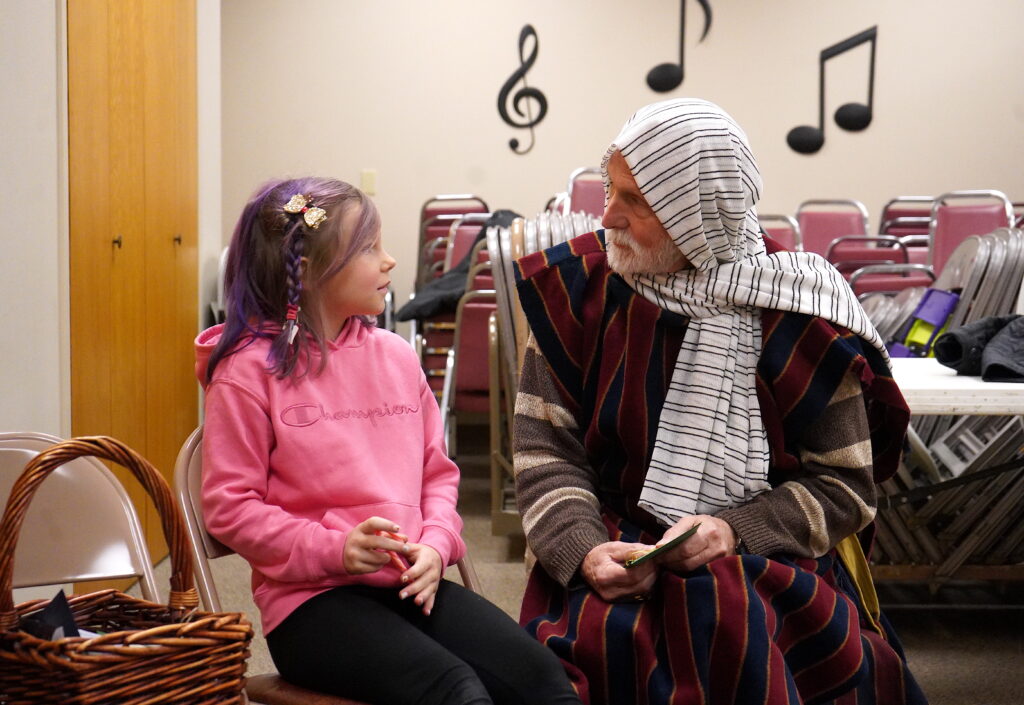
- Rev. Mark Keefer of Traer United Methodist Church, right, visits with a youngster during Kids Shopping Day on Saturday, Dec. 13, at Peace Church in Gladbrook. PHOTO BY RUBY F. MCALLISTER
- PHOTO BY RUBY F. MCALLISTER
- PHOTO BY RUBY F. MCALLISTER
- Volunteers with the 13th annual Kids Shopping Day pose for a group photograph on Saturday, Dec. 13, 2025, just ahead of the event which took place at Peace Church in Gladbrook. CONTRIBUTED PHOTO
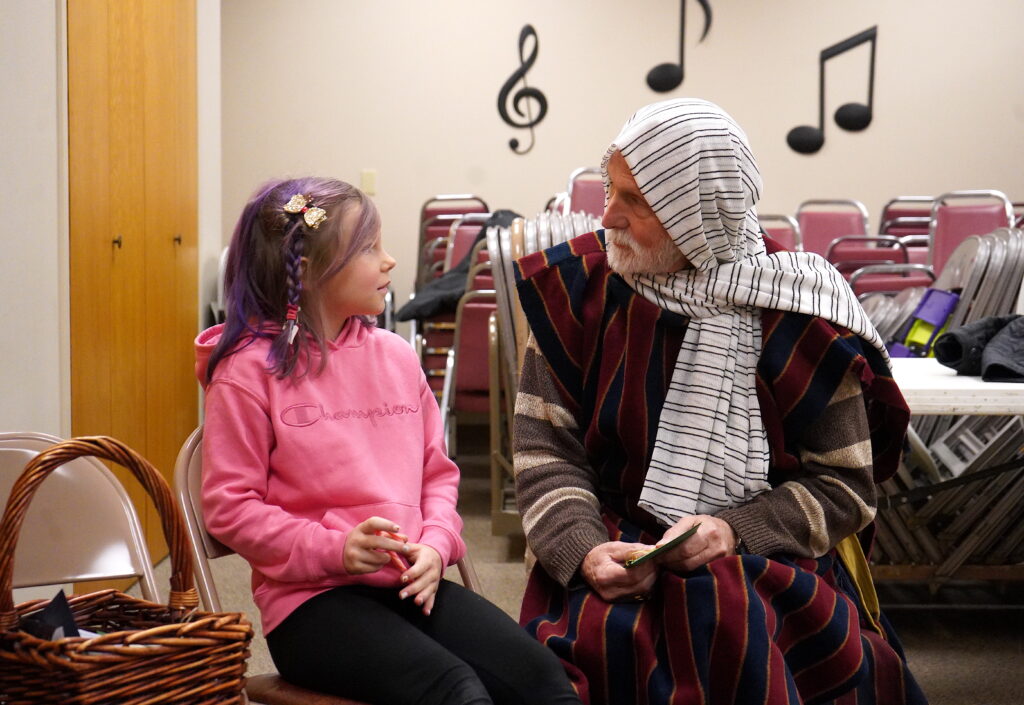
Rev. Mark Keefer of Traer United Methodist Church, right, visits with a youngster during Kids Shopping Day on Saturday, Dec. 13, at Peace Church in Gladbrook. PHOTO BY RUBY F. MCALLISTER
GLADBROOK – For the second year running, Gladbrook’s beloved Kids Shopping Day took place amid a significant winter storm. But not even intense snowfall and cold temperatures could stop more than 170 children from attending (with their caregivers) the 13th annual event held on Saturday, Dec. 13, 2025, at Peace United Church of Christ in order to pick out gifts for their loved ones this Christmas season.
While attendance (171) this year was down slightly from years past, organizer Jeanne Paustian, who chairs Kids Shopping Day as a member of the Gladbrook American Legion Auxiliary Children & Youth Committee, said everything went well.
“I was happy so many (still) came. But I know if we have it, parents or grandparents are going to get them here.”
Kids Shopping Day has grown tremendously since it first began back in 2011 but still manages to remain true to the original intent – allowing children to more fully experience the joy that caring for others brings. The idea behind that very first Kids Shopping Day originated with now-retired Gladbrook kindergarten teacher Becky Fish, Paustian said.
“She came and asked me one day if I thought Gladbrook would support a Christmas store where kids could shop for their loved ones – no parent help and at no cost. And I said, well, I think we could do that. It was all Becky’s idea.”
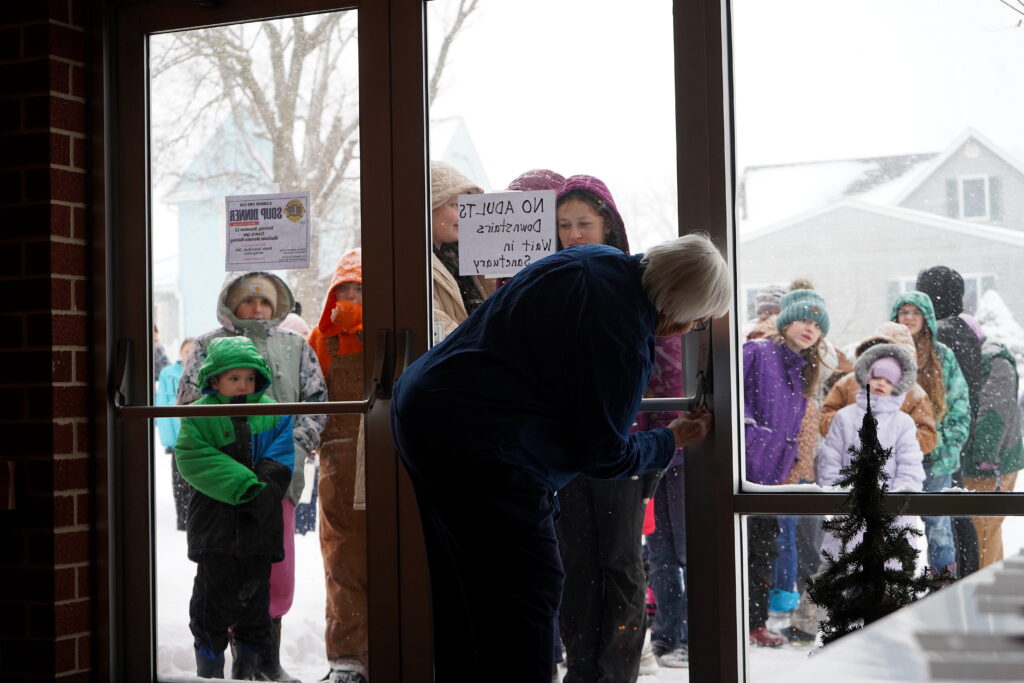
As eager children accompanied by their caregivers look on from the sidewalk, Kids Shopping Day committee chair Jeanne Paustian unlocks the doors of Peace Church. PHOTO BY RUBY F. MCALLISTER
In the early years, the event was held at the Gladbrook Memorial Building before quickly outgrowing the space. Today, Kids Shopping Day takes place over practically the entire two floors of Peace Church, including in the sanctuary where caregivers wait for their children as they “shop” downstairs. Without parental help, it requires an army of volunteers to orchestrate the event each year.
“We have a lot of different volunteers to help the children, including high school students – the little ones love going with them to shop. It takes about 82 people to make it all work,” Paustian said.
In addition to members of the Gladbrook Legion Auxiliary, Paustian receives volunteers and/or donations from almost all the area churches and organizations, including the Gladbrook Corn Carnival Corp., the Gladbrook Commercial Club, the Gladbrook Women’s Club, the Gladbrook Lions Club, the Legion, and many more.
“We wouldn’t stay afloat if we didn’t have all the organizations that supply volunteers and financial donations.”
It also takes roughly $3,500 a year to finance the massive endeavor despite about 75% of the items being donated outright. Cash donations are used to shore up tables.
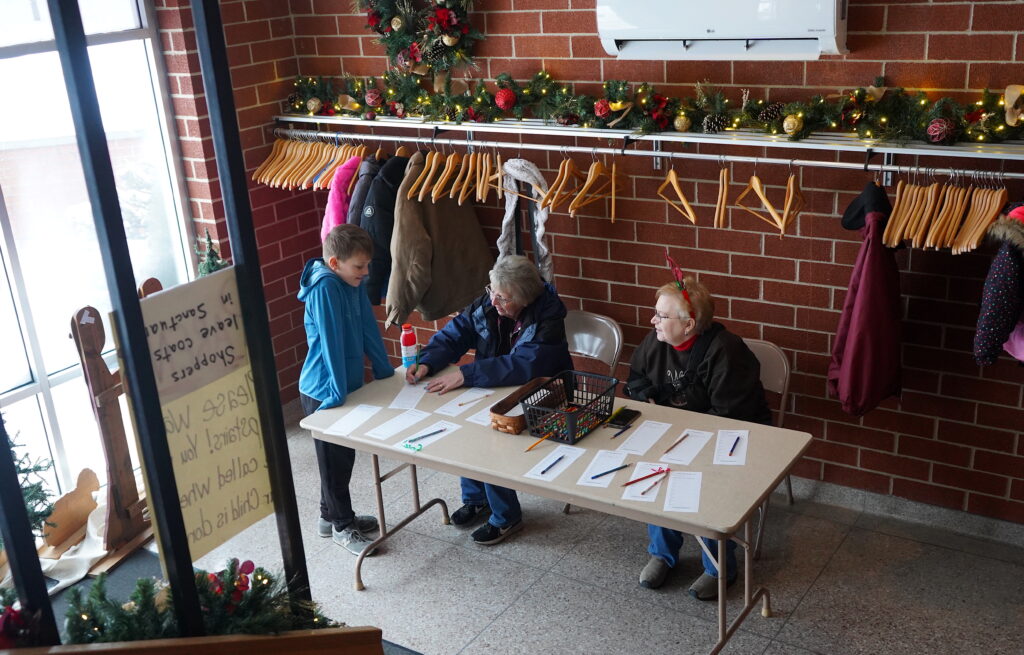
PHOTO BY RUBY F. MCALLISTER
“We always have to beef up toys and the men’s gifts. We [receive donations] all year long. As soon as Christmas is over, we’ll see stuff start coming in the door again.”
Following the shopping day, many of the leftover items are taken to Westbrook Acres for residents to shop for their own loved ones and for themselves, Paustian said.
“We’ll also take a few things that we know they like – such as puzzles – to Independent Living. We also make a donation to Trinkets & Togs [Thrift Store in Grundy Center].”
Trinket & Togs is part of the non-profit agency The Larrabee Center. All proceeds from Trinkets & Togs sales support services for persons with disabilities and the elderly.
Kids Shopping Day: 2025

Barb Bereczki, left, a member of the Gladbrook American Legion Auxiliary Children & Youth Committee, assists a young boy during the 13th annual Kids Shopping Day held on Saturday, Dec. 13, 2025, at Peace United Church of Christ in Gladbrook. Despite a winter storm that descended on the area earlier that morning, more than 170 children attended the event to “shop” for their loved ones. PHOTO BY RUBY F. MCALLISTER
Last Saturday, Dec. 13, as snow piled up on the sidewalk outside Peace Church’s south entrance, children were lined up down the street well ahead of Kids Shopping Day’s 9 a.m. start which kicked off with Paustian unlocking the church’s double doors. Once inside, attendees were greeted at the check-in table by volunteers Sherri Denbow and Becky Fevold who handed out gift lists and pencils.
After checking in, children proceeded upstairs to the sanctuary to deposit their coats (and their caregivers) before filling out their gift list with the names of family members for whom they would like to “shop.” Once their list was completed, they moved to the gift tag tables which were strewn with 100s of beautiful tags handmade by volunteers using discarded and/or past holiday cards.
From there, children ventured downstairs for the main event – shopping in the Christmas Store. At the entrance to the store’s large room, children were given a clipboard for their list plus a red or blue shopping basket. Preschoolers and kindergarteners received assistance from a volunteer as they perused the many tables. Once finished, children moved on to the wrapping stations – situated on the room’s periphery – where their selections were expertly prepared for gifting. They were then zoomed back upstairs (with their gifts) by elevator to a room located behind the chancel for a quick chat with the “People of Bethlehem.” This year’s cast featured Rev. Gideon Gallo of Gladbrook United Methodist Church, Rev. Mark Keefer of Traer United Methodist Church, Kay Lowry, Sue Storjohann, and Sierra Wiebensohn.
“Children can’t shop for themselves [at Kids Shopping Day], so they receive a nativity Christmas card and a nativity ornament (from the People of Bethlehem). They also tell them about the reason for the season,” Paustian explained.
Then it was time to find their caregivers in the sanctuary – or have a committee volunteer make a phone call – and head home with their bounty of carefully-curated gifts. This is the part Paustian said she loves the most as she hears about it later from parents and grandparents following the event.

A young girl selects gifts for family members on Saturday, Dec. 13, in the basement room of Peace Church in Gladbrook as part of the 13th annual Kids Shopping Day. PHOTO BY RUBY F. MCALLISTER
“It’s really sweet – how they put them under their trees. They might rearrange them under the tree 100 times. They’re just so proud of their gifts. … It (really does) make you cry. I helped one little girl (on Saturday), she didn’t say one word to me. But she was so proud.”
And while the event takes place in the heart of Gladbrook, Paustian said children from far beyond the local community attend. On Saturday, there were children present from throughout Tama County as well as Reinbeck – including Gladbrook-Reinbeck Superintendent Caleb Bonjour’s children – and even Marshalltown.
But no matter how big it gets, Paustian said the committee has no plans to stop.
“It is a Gladbrook Christmas tradition that we plan to continue for years to come.”
Mark your calendars now – and hope for better weather! – Gladbrook’s 14th annual Kids Shopping Day is set for Saturday, Dec. 12, 2026.

An early scene from the 13th annual Kids Shopping Day held last Saturday at Peace Church in Gladbrook. The basement Christmas Store room, ringed with wrapping stations staffed by volunteers, was bustling with children shortly after the event’s 9 a.m. start. PHOTO BY RUBY F. MCALLISTER
M E R R Y C H R I S T M A S !

Jeanne Paustian, committee chair of Kids Shopping Day, assists a young girl during the 13th annual event held last Saturday at Peace Church in Gladbrook. PHOTO BY RUBY F. MCALLISTER
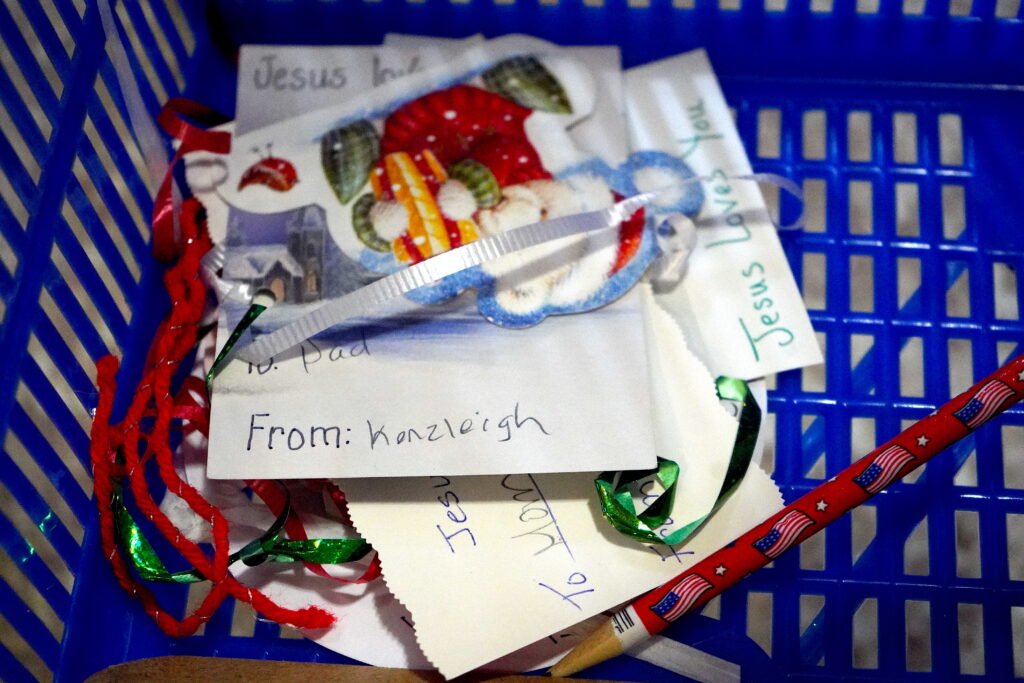
PHOTO BY RUBY F. MCALLISTER

PHOTO BY RUBY F. MCALLISTER
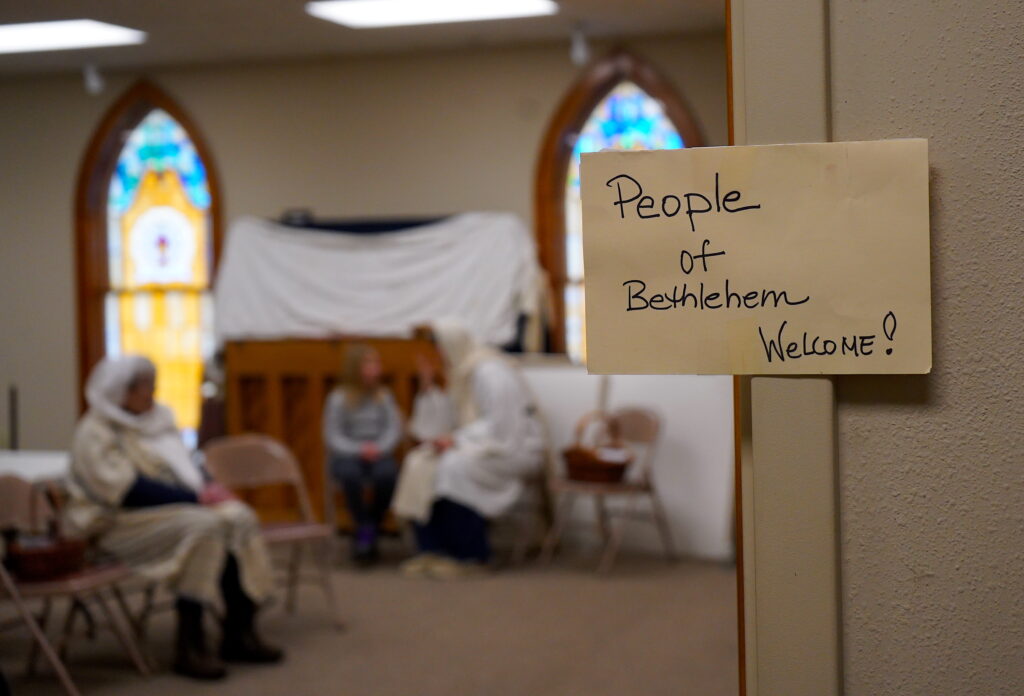
PHOTO BY RUBY F. MCALLISTER
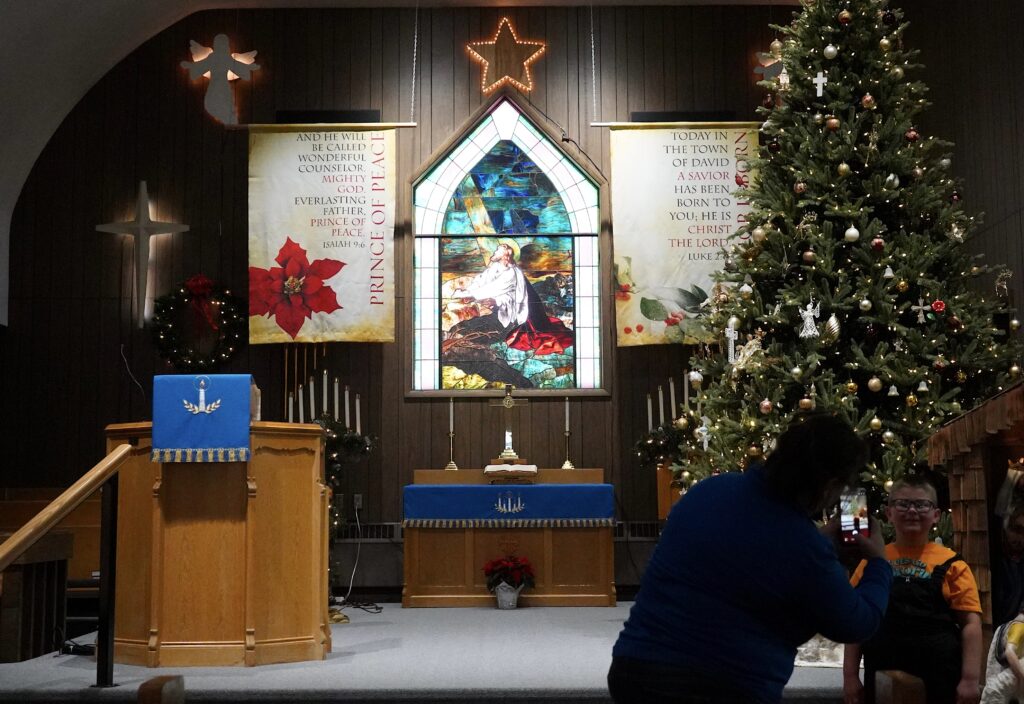
A young boy has his picture taken last Saturday morning in front of the nativity scene set up inside Peace United Church of Christ’s sanctuary during Kids Shopping Day in Gladbrook. PHOTO BY RUBY F. MCALLISTER
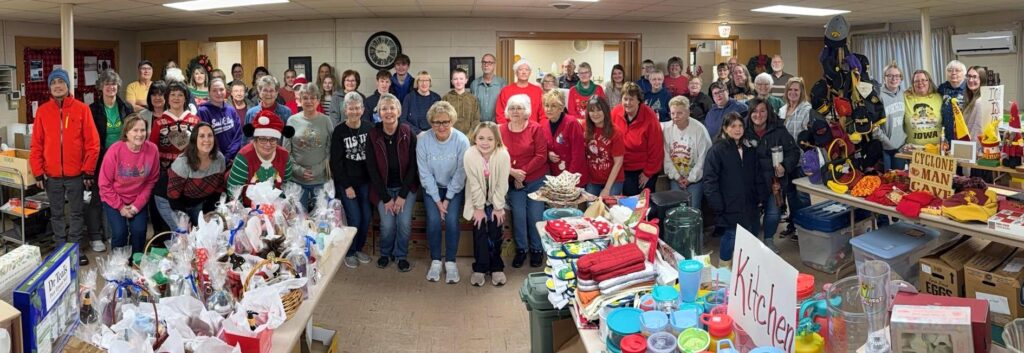
Volunteers with the 13th annual Kids Shopping Day pose for a group photograph on Saturday, Dec. 13, 2025, just ahead of the event which took place at Peace Church in Gladbrook. CONTRIBUTED PHOTO

Celebrating 100 Division One Basketball games at the Sanford Pentagon

Brennan’s Pub to Close Permanently After Decades, Hosts Final Turtle Race on Saturday

Maserati Sets Its Sights On A Bigger 2026 Racing Season

Presidents Bowl Basketball Classic returns to Sanford Pentagon – Sioux Falls Live

Who’s leaving Duke football as transfer portal opens Jan. 2

Growth, maturation and health profiles of youth triathletes; Associati

Dale Earnhardt broke down in tears after special gift to mom – Motorsport – Sports

Best of Bethesda 2026 Readers’ Picks: Kids & Schools
OU lineman Danny Okoye face of NIL deal to tout life-saving Narcan

All-Area Volleyball First Team | Winchester Star

Honda Newly Launches “Discover Honda” Content Curation Media Platform — TradingView News
Best Gainesville-area Big School Volleyball Player for the 2025 season

‘Christmas tradition’ welcomes more than 170 area children | News, Sports, Jobs

Taylor column: Wyoming’s Wicks not using NIL as an excuse | University of Wyoming
Petoskey’s Katie Parker earns News-Review Volleyball POY, see All-Area

Fargo girl, 13, dies after collapsing during school basketball game – Grand Forks Herald

SoundGear Named Entitlement Sponsor of Spears CARS Tour Southwest Opener

Jo Shimoda Undergoes Back Surgery

Redemption Means First Pro Stock World Championship for Dallas Glenn

Black Bear Revises Recording Policies After Rulebook Language Surfaces via Lever

Bowl Projections: ESPN predicts 12-team College Football Playoff bracket, full bowl slate after Week 14

Donny Schatz finds new home for 2026, inks full-time deal with CJB Motorsports – InForum

Robert “Bobby” Lewis Hardin, 56

How this startup (and a KC sports icon) turned young players into card-carrying legends overnight

How Donald Trump became FIFA’s ‘soccer president’ long before World Cup draw

Men’s and Women’s Track and Field Release 2026 Indoor Schedule with Opener Slated for December 6 at Home

David Blitzer, Harris Blitzer Sports & Entertainment

Indiana’s rapid ascent and its impact across college football
Wisconsin volleyball sweeps Minnesota with ease in ranked rivalry win

Michael Jordan’s fight against NASCAR heads to court, could shake up motorsports






-
 Motorsports2 weeks ago
SoundGear Named Entitlement Sponsor of Spears CARS Tour Southwest Opener
-
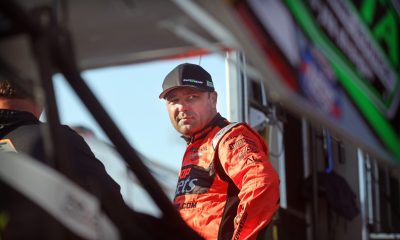 Motorsports2 weeks ago
Donny Schatz finds new home for 2026, inks full-time deal with CJB Motorsports – InForum
-
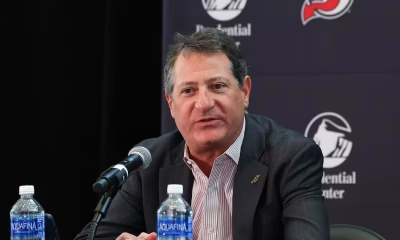 Rec Sports3 weeks ago
David Blitzer, Harris Blitzer Sports & Entertainment
-

 Motorsports3 weeks ago
JR Motorsports Confirms Death Of NASCAR Veteran Michael Annett At Age 39
-
Sports3 weeks ago
Elliot and Thuotte Highlight Men’s Indoor Track and Field Season Opener
-
Sports3 weeks ago
West Fargo volleyball coach Kelsey Titus resigns after four seasons – InForum
-
 Motorsports2 weeks ago
Rick Ware Racing switching to Chevrolet for 2026
-

 NIL2 weeks ago
DeSantis Talks College Football, Calls for Reforms to NIL and Transfer Portal · The Floridian
-

 NIL3 weeks ago
Colleges ponying up in support of football coaches, programs
-
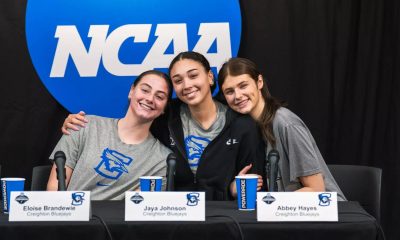
 Sports2 weeks ago
#11 Volleyball Practices, Then Meets Media Prior to #2 Kentucky Match