2026 NIL changes could change Texas college sports
For many college football players in Texas, the game has moved off the playing field and to a bargaining table. The transfer portal opens Jan. 2, sparking a bidding war sports analyst Eric Kasimov anticipated.
AUSTIN, Texas – For many Texas college football players, the game has moved off the playing field and to a bargaining table.
The transfer portal opens Jan. 2, sparking a bidding war that sports analyst Eric Kasimov anticipated.
What they’re saying:
“So, what’s going to happen. It’s wide open and the rules are being written as we’re having this conversation right now,” said Eric Kasimov the CEO and founder of SportsEpreneur.
In October, Kasimov wrote about the new NIL rules in Texas.
He predicted compensation would be part of “every serious recruiting conversation.” Direct pay, which is now allowed under a new state law, would be selling points and Texas would be one of the most aggressive NIL markets in 2026. The changes are already paying off.
“Well, I’ll tell you one thing that right now, and it’s close to home for you guys is Texas Tech, right? Texas Tech is a top four team in the playoffs and obviously like a candidate to win it all and they have their mantra of let’s win at all costs,” said Kasimov.
Powerhouse programs like the Longhorns and Aggies are no longer odds-on favorites by recruits. The schools in Austin and College Station have to battle more in-state programs for players who are graduating from high school and must protect those currently on their rosters. Out-of-state programs — with deep pockets — are also making moves.
“You look at an Ohio State University who comes in and they secure one of the best players from Texas, Devin Sanchez last year, five-star recruit and Devin, Sanchez now plays at Ohio State. And I’m sure there’s a lot of schools in the state of Texas that would have said, Hey, why didn’t you stay home? Well, things are different now,” said Kasimov.
A recent $2 billion proposal involving a private equity group by the Big 10 escalated the bidding war. The idea has stalled but still raises a big question.
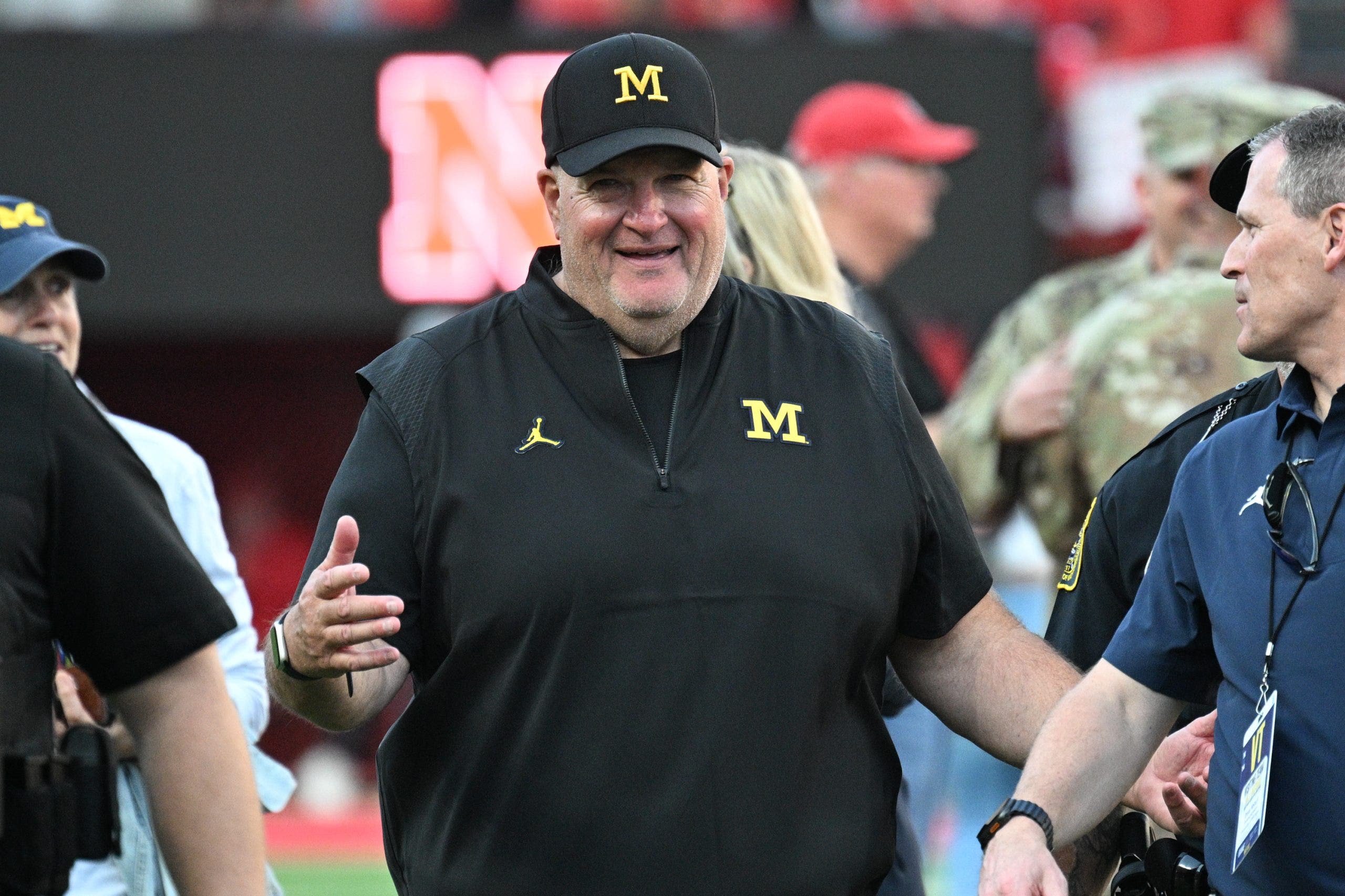
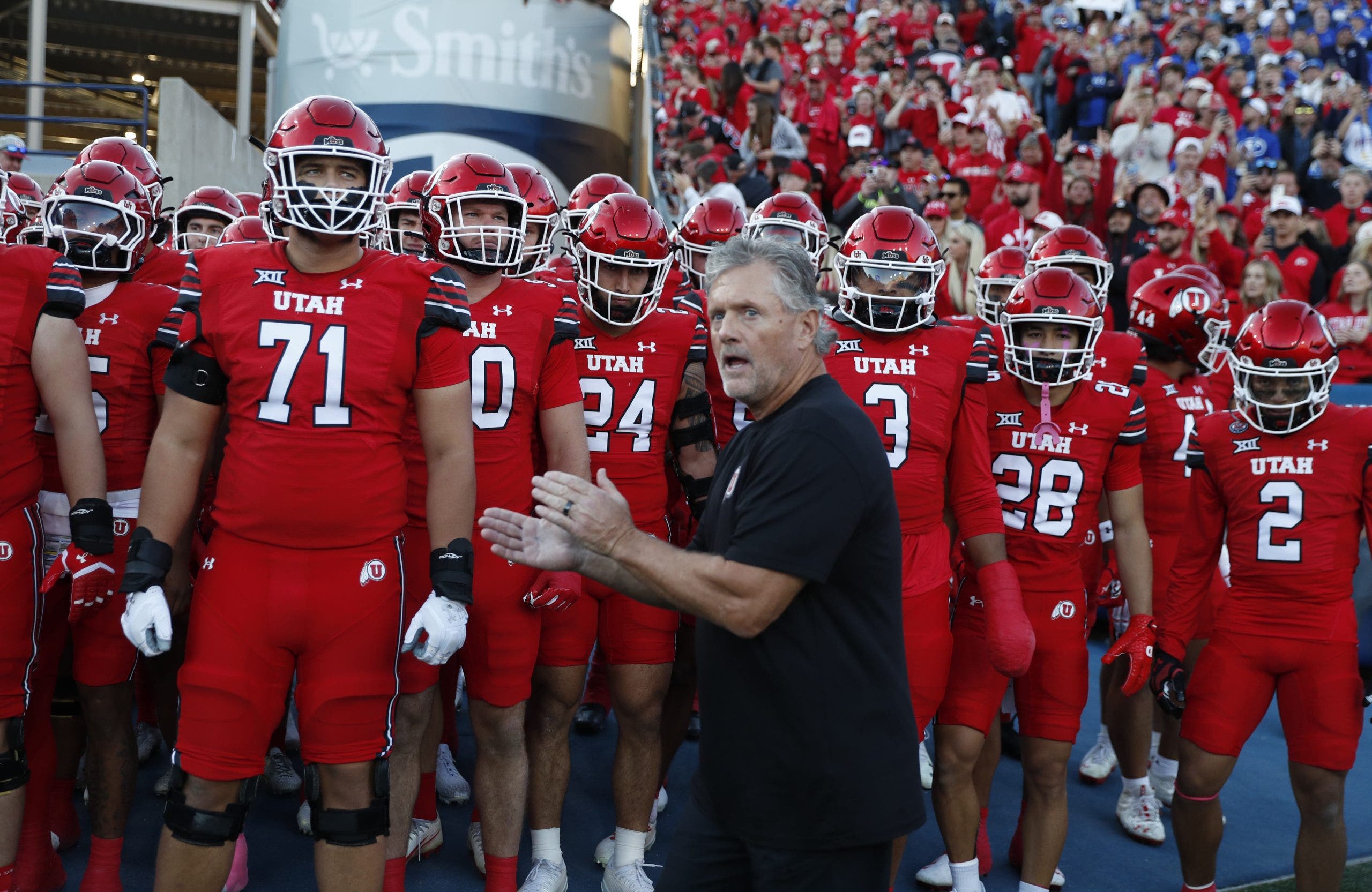
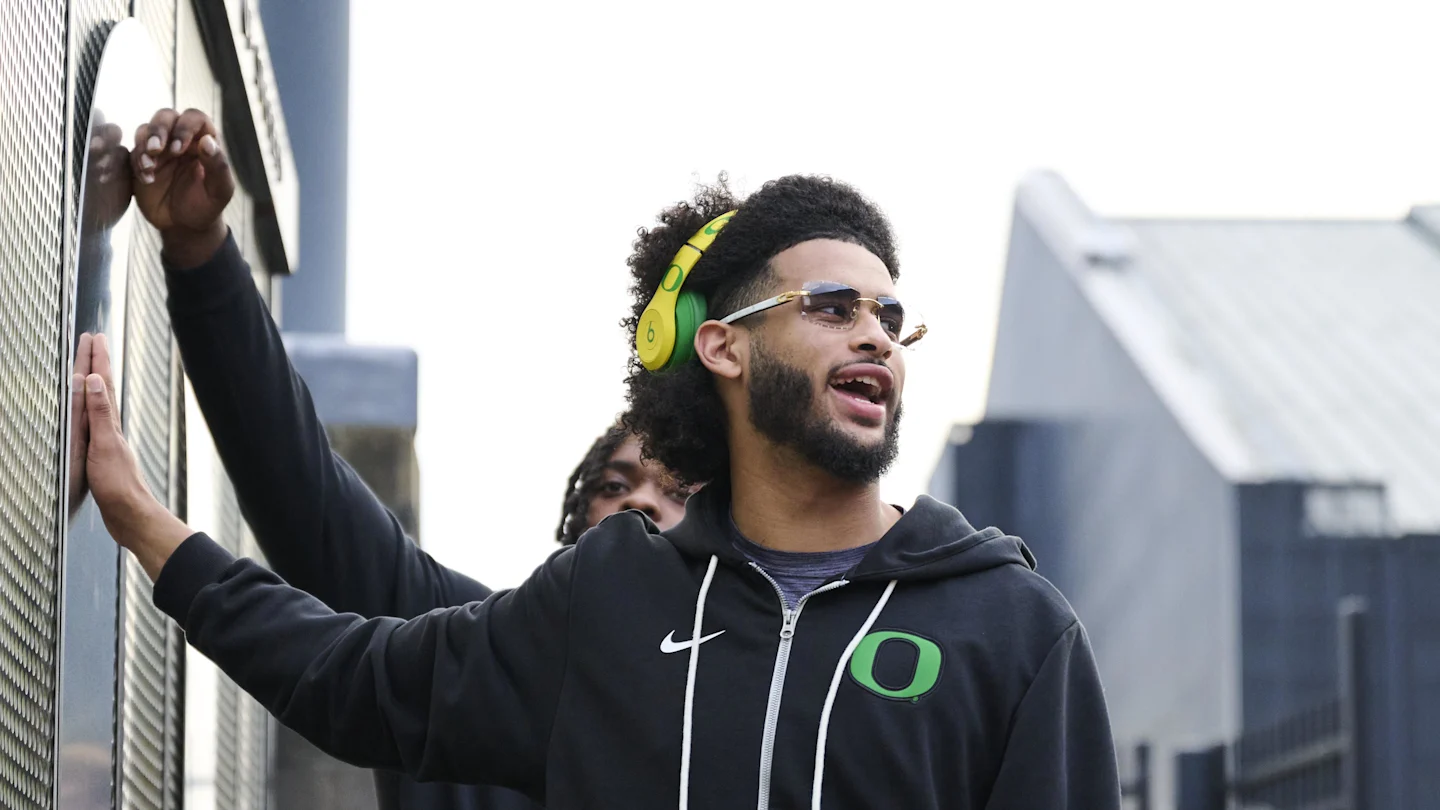
“If Michigan, Ohio state, Oregon, USC are coming into Texas and taking the top talent because they have the brands and they have extra money that they can give, what is Texas and the SEC going to do,” said Kasimov.
The current NIL situation, according to Kasimov, has no guardrails to it and is just the Wild West. He believes it’s confusing for fans.
FOX 7 Austin asked several fans what they thought. Paul Friedman said he is happy to see student athletes compensated for their services and is not concerned that football has essentially gone pro.
“No, I am not. That’s a direction we’ve been heading for 30 years, and it’s the correct direction. The wrong direction was where they called student-athletes amateurs and paid them under the table illegally,” said Friedman.
Another fan, Kevine Dean, told FOX 7 Austin he doesn’t like what NIL has done to the college game he grew up watching.
Congress may now get involved. Legislation may come up in 2026 with new restrictions.
“And it’s like, you know, you’re in class and you’re, you know you don’t want the teacher giving you too many rules, but you’ve kind of like kind of bent the rules too far. Now, we’re going to get the teachers involved. We’re going to be the bring the principal in here. I don’t think that’s what they want. But they’ve gone so far out of bounds that they need someone to bring it in,” said Kasimov.
There’s talk about a salary cap like in the NFL and a luxury tax like baseball for teams that have big payrolls. Some want modified free agency deals to prevent year-to-year jumps. Some are also calling for a commissioner of college football.
Kasimov doubts the NIL genie will be put back in the bottle.
“If they resolve it, I don’t think it’s resolved forever. I think it gets resolved for that time being,” said Kasimov.
In the meantime, this advice was offered by Kasimov:
- For athletes, seize the opportunity
- For parents, understand the system
- For coaches and schools, adapt fast
- For fans, watch the evolution in real time
“I don’t know if it’ll be the end of kids staying in Texas, I just think it opens it up more,” said Kasimov.
The Texas NIL law was written to automatically adjust to any changes made on the national level.
Interview with SportsEpreneur CEO Eric Kasimov
Dig deeper:
FOX 7 Austin’s Rudy Koski sat down with Eric Kasimov, CEO and founder of SportsEprenuer, to discuss NIL reform and its impact on Texas college football next year.
ERIC KASIMOV: Well, I’ll tell you one thing that right now, and it’s close to home for you guys is Texas Tech, right? Texas Tech is a top four team in the playoffs and obviously a candidate to win it all and they have their mantra of ‘let’s win at all costs’. And I think some of the bigger programs that we’re used to seeing, Texas A&M, University of Texas. They’re like, ‘Hey, what’s going on here? They’ve raised a lot of money.’ And next thing you know, you see a university that wants to go all in with this new way of living. In the college sports world and college football, specifically, a school like Texas Tech can become a big name. So I think in 2026, I think it’s the universities that want to make noise have an opportunity to make noise.
You could look at another university like SMU who joins the ACC, right? And SMU is a program that said when they got to go to the ACC. They didn’t get a TV deal with them. They’re not earning any of the revenue, but what they did is they went out and they earned money on their own. So they’ve already secured $159 million in cash, and then they’ve secured donors down the line of $200 million to cover that gap. So a school like an SMU might be on the forefront of having opportunities to do it. And then you throw everything else that’s going on right now, conversations about private equity deals with the Big 10, $2.4 billion, where each university would get roughly, they’d get different amounts based on which university it is, but roughly $150 million, whether that happens or not, we don’t know. Recruiting is the other one. Recruiting is part of the whole ecosystem, recruiting is a national sport by itself. It always has been to some degree, but now these universities are coming in with more money. You look at an Ohio State University who comes in and secures one of the best players from Texas, Devin Sanchez last year, a five-star recruit and Sanchez now plays at Ohio State. And I’m sure there’s a lot of schools in the state of Texas that would have said, ‘Hey, why didn’t you stay home?’ Well, things are different now. Right. So what’s going to happen, it’s wide open and the rules are being written as we’re having this conversation right now.
RUDY KOSKI: You know, in talking with people, just in general conversation, the average fan, they’re saying, all right, well, yeah, the kids deserve to make some money. And I’ve also heard instead of having the under the table bag men, it’s now out in the open. So what’s the big deal? But you know is it one of those things that no one likes to see the wizard behind the curtain? Is that what this is?
KASIMOV: It could be, you know, sometimes I think we, uh, we know it’s happening, and then you see the video of it, like you work in news, right? Like you hear about the story and then you see the video of it. You’re like, ‘Oh my gosh, I can’t believe that happened.’ It happened anyway, right. It was going on. And yeah, I think that’s, that’s a lot to do with it. Ed Orgeron of LSU said, you know, they used to come in the back door, the bag men, and now they’re just coming through the front door. It’s concerning. It’s been going on. And I think it’s going on now and they are coming through the front door. But there’s still no guardrails to it. So it’s just the Wild West. And so that’s confusing to people. And I think it’s confusing to the fans. Like you said, the average fan.
KOSKI: As you look at what’s coming down the pack, and as you analyze what’s happening, do you think the future is the Big Ten private equity, bringing in big dollar donors like this, getting a cut of the pie, or is it more like what Congress is thinking about doing in regards to just setting caps and turning it into maybe like baseball?
KASIMOV: Yeah, it’s hard to say. I mean, for the big 10, you had 18 universities. Sixteen of them seemed to be OK with the private equity deal, where they would give up 10% of the stake of their media deal. Two universities, University of Southern Cal and Michigan said no. Michigan called it a payday loan. They need all 18 universities to be on the side of that sort of private equity deal. Does that happen? I don’t know. I don’t know if that’s the future of it. I think, and I don’t think the SEC, Greg Sankey, I don’t think they’re on board with it. I don’t think Texas is on board with it, I don’t think Texas A&M is on board with it. At the same time, if the Big 10 were to show up with that, it’s going to force the hand of the SEC to do something. I don’t think the SEC in the state of Texas, which is fertile ground for college football talent right now. I believe there’s for the 2025 NFL season, 199 players in the NFL are from the state of Texas. That’s by far the most; California and Florida follow that up. They do not want to lose that talent. If Michigan, Ohio State, Oregon, USC are coming into Texas and taking the top talent because they have the brands and they have extra money that they can give, what is Texas and the SEC going to do.
At the same time, I don’t know if the Big 10 truly wants this. Obviously some universities do, but they don’t all. And what is, what happens down there? You know, then you have to commit to the Big Ten until 2046 is what they’re saying. That’s a payday that the UC investments, who’s the private equity people behind the deal are going to get. That’s a lot. So I don’t know. I could see if you were to ask me like, ‘Hey, what’s your prediction?’ I think a lot of people might agree with this. Sure, two conferences, the SEC and the Big Ten and more format like the NFL. I don’t know if that’s going to happen, but I guess the other thing to say is Congress is now involved. And it’s like, you know, you’re in class and you don’t want the teacher giving you too many rules, but you’ve kind of like kind of bent the rules too far. Now, we’re going to get the teachers involved. We’re gonna be ‘bring the principal in here.’ I don’t think that’s what they want. But they’ve gone so far out of bounds that they need someone to bring it in.
KOSKI: You touched on this just a moment ago in regards to recruiting. Texas is a big pot for players nationwide. What does this new future mean for recruiting in Texas? Are the days of Texas getting the top running back, A&M, you mentioned Texas Tech, all the kids staying home, that’s not gonna happen anymore?
KASIMOV: These kids grow up, and I think this will always be the case. They want to play for the school that they watched, right? If their parents were fans, if their families were fans and they rooted for A&M, that’s where they want to go. And that’s what they want to play. And that, that letter comes in and that offer comes in. That still holds a lot of value at the same time. I mean, people travel. It’s okay. You know, if you live in Texas and your kid ends up at Oregon or Florida or Florida State, right, you can go and visit and you can travel. I don’t know. If it’ll be the end of kids staying in Texas, I just think it opens it up more. These kids from Texas have been going out of state already. That’s not a new thing. It’s just at what level. So if they’re keeping a certain percentage of the top players to stay in Texas. Does that percentage dwindle down now? And all of a sudden are more of these kids going out there. Like I referenced before, Devin Sanchez, he goes to Ohio State. That’s one of the top corners, one of the top players in the country. People liken him to the Jeremiah Smith of defense. Like that’s the type of impact he could have. With all these universities that we’ve referenced in the state of Texas, how does not one of them kind of keep that kid there? But again, it’s a one-off. Does it happen on a consistent basis where these kids are traveling and go into different places like USC, Oregon, Ohio State?
KOSKI: So is the good thing out of all this as we debate whether or not is the good thing, out of this schools like Texas State, Texas Tech, SMU, UTSA, they now can be players.
KASIMOV: Yes.The problem though is on the other side of it, Houston, who was running a deficit of, of, I believe around $8 to $9 million does not have that sort of money, but that’s the society we live in, right? They have to figure out a way to kind of climb back up in there. But yes, to your point, Texas Tech can compete now because they can play, you know, how do they want to earn money, right? Do they have oil money that they can go out and get and bring this in here and say, ‘Hey, let’s go win at all costs. What do we have to do to bring in the best talent, the best coaches and the best facilities and resources?’ It’s a combination of both. So you’ll have schools that are going to commit to this. They’re going to rise to the challenge. They’re gonna raise the money and they’ll have an opportunity to compete just because you spend a lot of money, doesn’t mean you’ll win. But at the same time, we’re gonna have universities that won’t be able to play, they’ll run a deficit and they’re going to get in trouble, which is like what Trev Albert said, when he says we have a spending problem. So if we just, just because we have the money and we spend it incorrectly, does it mean it’s gonna work out?
KOSKI: And that bodes this next comment, you know, didn’t we see this movie before with Major League Baseball? You know, the Yankees, the Dodgers, they had all the money. Milwaukee didn’t, Cleveland didn’t and something had to be done because you had the haves and the haves not. And where do you go?
KASIMOV: Yeah, it’s frustrating for fans. No doubt. I mean, we had an amazing game seven of the world series, right? If you watch that tune in like amazing baseball top player players, but at the same time in the back end of that, you said, of course the Dodgers want it because they spend the most amount of money. This isn’t a fair system where other teams are out here and they can’t compete at that level, right? A game here, a series there. Yes, they can, but overall it becomes problematic and people tune out. And that’s the big thing, right, TV dollars are going to rule this. The SEC and the Big 10 don’t have the big TV contract. They do now they’re okay. You know, SEC with ESPN, right? All that kind of stuff. Big Ten with FOX. If they lose that down the road, that, that becomes a problem. That’s where they lose the money.
KOSKI: What do you think? What’s your crystal ball say about 26? Do we resolve this? Or does this can keep, do we keep on kicking the can?
KASIMOV: If they resolve it, I don’t think it’s resolved forever. I think it gets resolved for that time being. Unless a commissioner comes in, which I know like Nick Saban has commented, like college ball needs a commissioner. They need a system in place. They need guard rails. I don’t think they can figure that out in time. I think things will change. I think the college ball playoffs will change. I think they’ll continue to adjust that. Uh, it seems though that they’re not running all the different scenarios, right? So they ran the scenarios of like, let’s expand to 12 teams. Okay. So they do that and then Boise state joins the playoff and they get a buy. And it’s like, well, that doesn’t make sense. Why would a group of five team get a bye? Okay. So let’s change it for the second year. Then they change it. For the second. And all of a sudden they’re upset because, uh, Uh, JMU and Tulane are now taking two spots from a team like a Notre Dame or a Texas or a Vanderbilt and that people are upset about that. So what are they going to change it again for the third year? Are they running all the scenarios of what could happen? Right. We don’t know. So I think that becomes a problem is who’s running it and are they thinking through everything. And I just don’t think they are.
KOSKI: That was another question that I want to ask you, please. A lot of people say the bowl system is dead. I don’t think it’s dead. I think it’ going to contract and get back to a core group. What do you think?
KASIMOV: That would be great. I think bowl season, I think what you’re just getting into the nostalgia of it. People are very in, into nostalgia, right? You go to a store today and like the nineties are back and in different times, right, it’d be the seventies and different clothes and different music are coming back. That’s fun. People are excited about that. Let’s go watch some old movies, but in, and in college ball bowl season is so much like that. It’s like, we remember sitting down New Year’s Day and just, well, how much college ball can we watch and right now It’s just not a thing. I mean, there’s bowl games happening and you go ask someone on the street and they’re like, I had no idea there was a game on today. It’s not a, that’s important. Now the playoffs, different people are going to tune in, especially for this round of the playoffs that are coming up and in the future, they’ll continue to do that, but yeah, I think they need to create a system where the bowls matter and a part of that has to do with the fact that these are sponsored, right? They’re spending millions of dollars and I don’t understand how the sponsors are going to want to stay in the game of bowl season. When no one’s watching, no one is going to the games. They’re showing half empty stadiums. So they’re going to have to come up with something to give an advantage. But there’s a lot that goes into it, including the NFL drafts. So a lot of the top players are going to opt out because they want to get ready for the combine and the draft that follows just like soon after. I mean, think about the team that makes a championship game in late January, the combines in late February in the drafts in late April, these players have to get themselves ready to deal with all that comes with that timeline, right. And then that’s. Yeah, it’s serious stuff.
The Source: Information in this report comes from reporting/interviews by FOX 7 Austin’s Rudy Koski.