
NIL
Blue Demon Room Podcast Episode 22

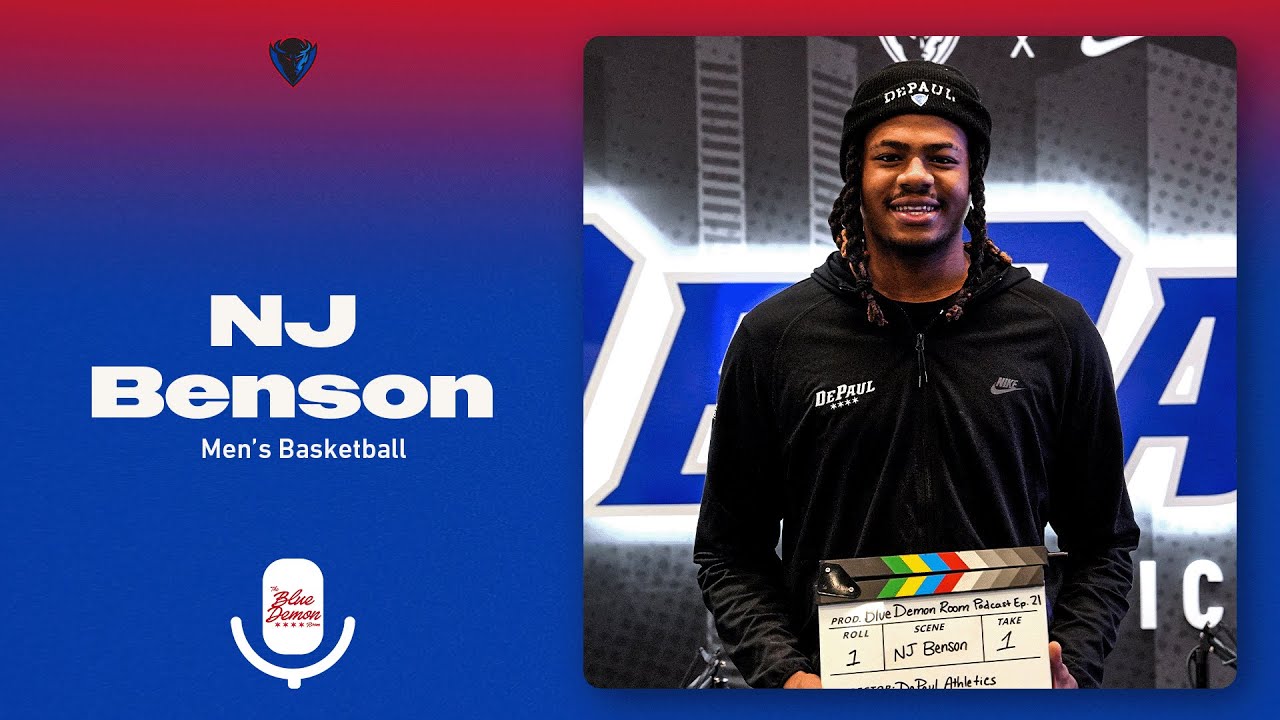
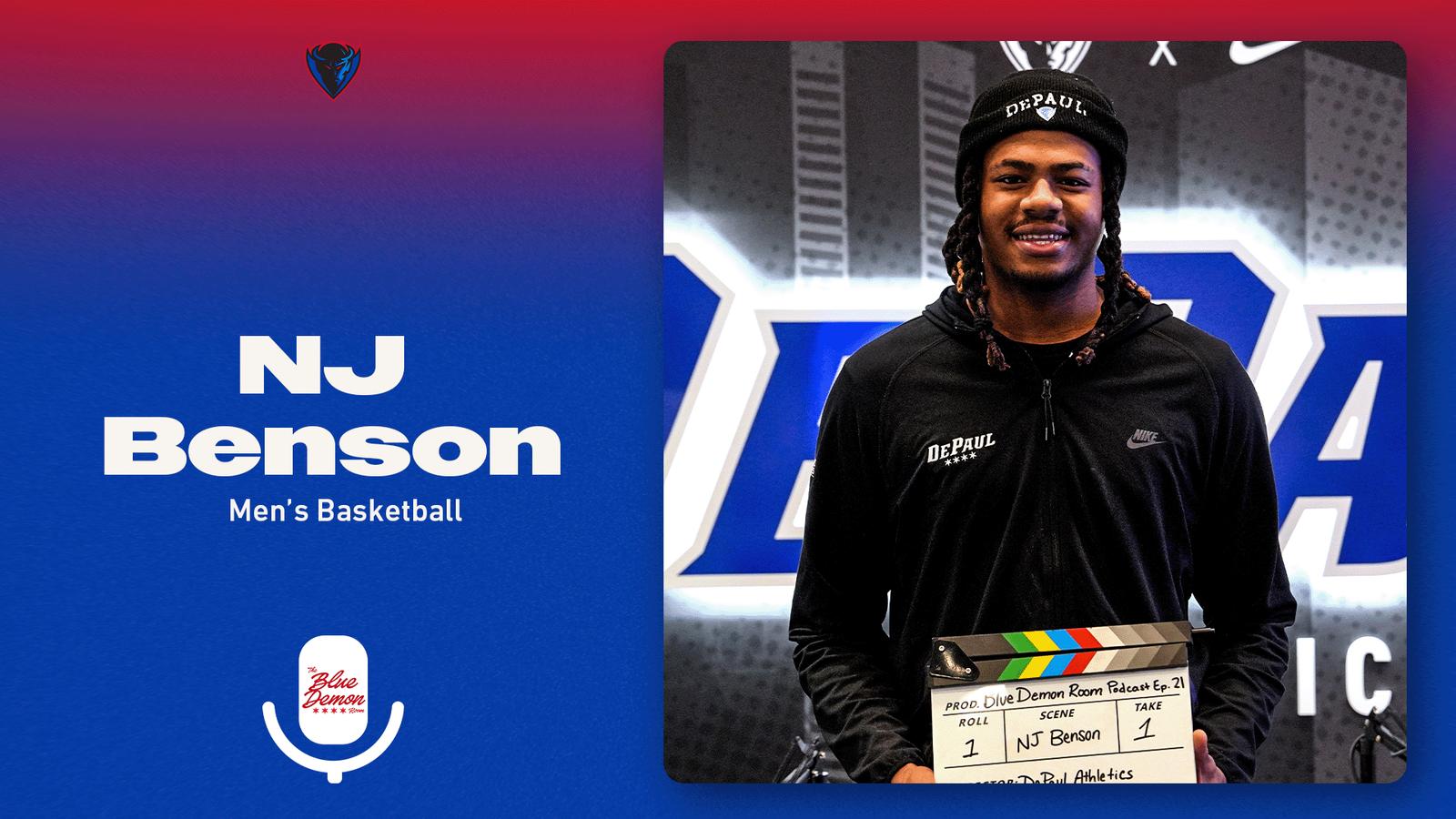
On this episode of the Blue Demon Room, we are joined by DePaul Men’s Basketball forward, NJ Benson! Benson tells us about his familial bond with his team, how he dealt with his first big injury this year, and what led him to come to DePaul and play BIG EAST basketball! He also shares what inspired him to study psychology and how important of a role his family has played in his academic and athletic journey.
Stay up to date with all things Blue Demon Room Podcast by following @DePaulAthletics on X, Facebook, Instagram, YouTube, and Tik Tok.
Don’t forget, episodes are available every other Wednesday and are available on Apple, Spotify, DePaulBlueDemons.com, YouTube and wherever you listen to your podcasts.










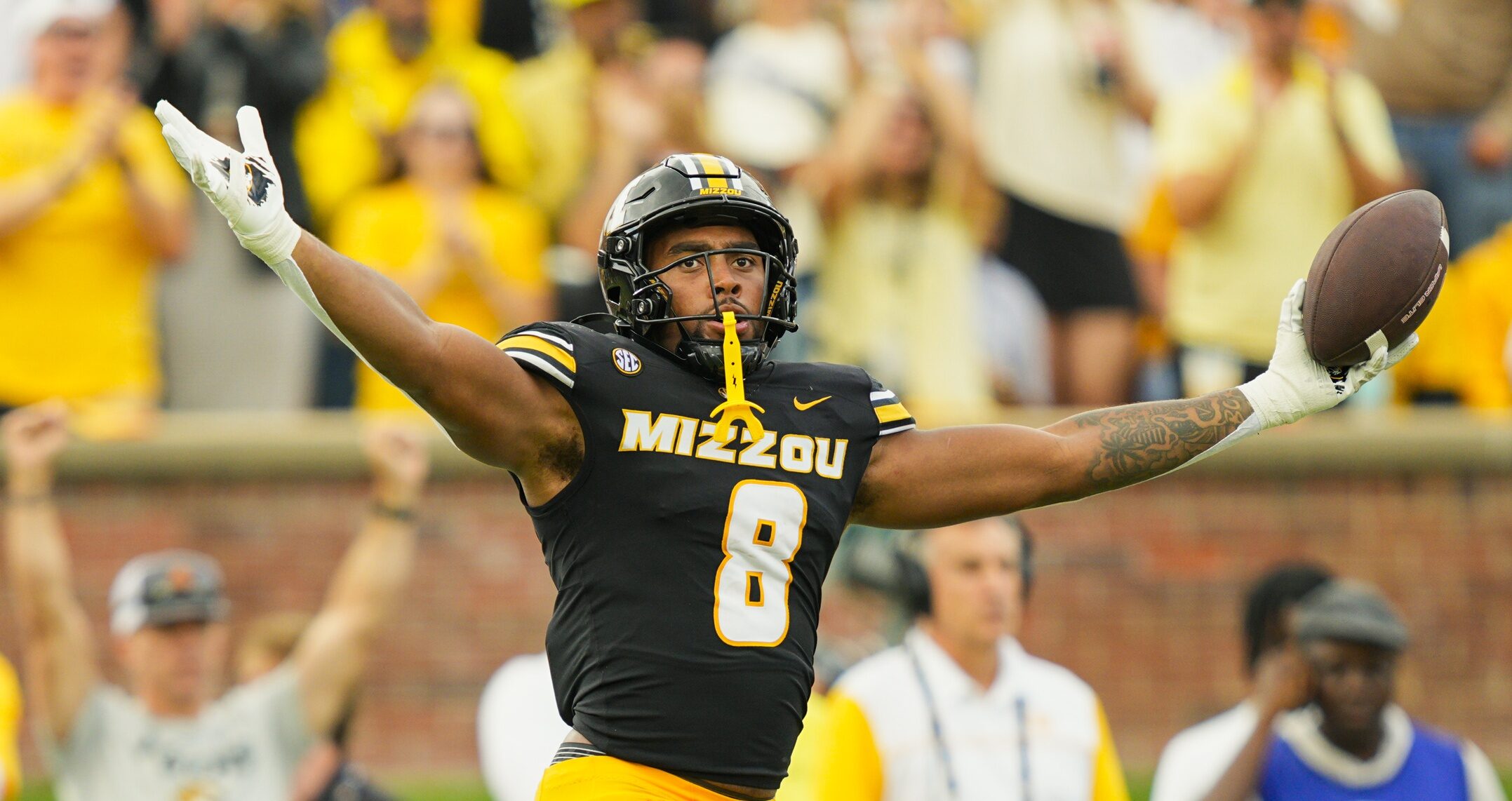
Georgia‘s athletic department is headed to court in a potentially precedent-setting legal effort to recoup approximately $390,000 in damages from former Bulldogs defensive end Damon Wilson, according to ESPN’s Dan Murphy. Wilson is Missouri‘s top pass rusher this season after transferring in from Georgia this past January.
Georgia filed a civil suit Nov. 19 requesting an Athens-Clarke County judge to compel Wilson into arbitration to settle a clause in an agreement he had with the Bulldogs’ team collective that effectively served as a buyout fee for exiting his NIL deal early when he transferred to Mizzou following the conclusion of last season. A copy of the lawsuit was obtained by On3‘s UGASports.com.
SUBSCRIBE to the On3 NIL and Sports Business Newsletter
Wilson played for the Bulldogs in 2023 and 2024, and signed a new NIL agreement with Georgia’s Classic City Collective two weeks prior to entering the NCAA Transfer Portal this past January. Through its collective, Georgia initially paid Wilson a total of $30,000 before his transfer, and now claims Wilson still owes the school a lump sum of $390,000 that was due within 30 days of his decision to leave the team, per ESPN.
The particular clause cited in Wilson’s deal with the Classic City Collective is for “liquidated damages” that many schools and collectives have inserted into their NIL agreements to both protect their investment in players and deter transfers, per ESPN. Georgia is believed to be among the first college athletic departments to publicly try to enforce the “liquidated damages” clause by filing suit against the player.
“When the University of Georgia Athletic Association enters binding agreements with student-athletes, we honor our commitments and expect student-athletes to do the same,” Georgia athletics spokesman Steven Drummond told ESPN in a statement Friday afternoon.
Wilson signed a term sheet with the Classic City Collective in early December 2024, shortly before the Bulldogs’ College Football Playoff quarterfinal loss to Notre Dame. Wilson’s 14-month contract with the collective was worth $500,000 to be distributed in monthly payments of $30,000 with two additional $40,000 bonus payments to be paid out in February and June 2025 once this past year’s transfer portal windows closed for remaining committed to Georgia, according to legal documents obtained by On3.
Wilson’s contract with Georgia’s collective reportedly dictated that should Wilson either withdraw from the team or enter the transfer portal during the term of the deal, he’d owe Classic City Collective a lump sum equal to the remaining money he would’ve received had he stayed with the Bulldogs through the length of the term sheet. The collective’s damages calculation does not include the two bonus payments that weren’t ultimately paid out. The Classic City Collective ultimately signed over the rights to those damages to Georgia’s athletic department on July 1 after most schools took over player payments following the June passing of the House Settlement.
Wilson leads Missouri with nine sacks this year and ranks third on the team with 9.5 tackles for loss and 20 total tackles in his first season in Columbia. Wilson had 3.5 total sacks in two seasons at Georgia.

All that Tulane had to do was take down North Texas to win the American Conference championship, and it was all but assured a place in the College Football Playoff picture.
That they did, coming off a strong defensive performance to all but clinch what should be the highest position among Group of Five teams in the forthcoming CFP rankings as Selection Day draws near.
Coming into Championship Week, there was some newfound confusion around the final two seeds in the latest playoff bracket, with the committee leaving them blank as they await developments in the Group of Five and the ACC Championship Game.
With still plenty of football yet to be played this weekend, here is our latest projection for what the playoff field will look like after Tulane won the American title.
Predicting the College Football Playoff field after Tulane’s win

1. Ohio State. Our current projection is that the Buckeyes are able to stay undefeated and pass the test against perfect Indiana to win the Big Ten championship on the back of the top-ranked defense in college football and secure the No. 1 seed.
2. Georgia. Kirby Smart may be 1-7 against Alabama, but his defense could have a decisive advantage against a Crimson Tide offense that doesn’t look like its dominant self to win the SEC championship for a second-straight season.
3. Texas Tech. Arguably college football’s best defense, and inarguably the best in school history, should still have an edge against a BYU team it beat by 22 points a couple weeks ago, this time to win the Big 12 championship.
4. Indiana. The projected loss we foresee against the Buckeyes should be very close, within the narrow point spread, enough to stay tucked inside the top four for a team that has looked unstoppable and leads the nation in scoring margin this season.
5. Oregon. The one-loss Ducks should stay in the top-five, but behind the Indiana team that gave them that loss, by 10 points at Eugene earlier this season.
6. Ole Miss. Lane Kiffin’s departure for LSU didn’t hurt the Rebels’ position in the rankings, and they should stay in the picture to host a first-round game.
7. Texas A&M. No shot at the SEC championship after that loss against rival Texas, but the Aggies have done enough to warrant hosting a first-round game.
8. Oklahoma. The Sooners, especially their smothering defense, made a statement in the latter half of the season to move into the right side of the playoff bracket.
9. Notre Dame. A loss by Alabama should enable the Irish to move up one spot, even if arguments still persist, and credibly so, that Miami might deserve it more given its head to head win over the Golden Domers and their comparable resumes.
10. Alabama. Despite there being other teams on the bubble that could have an argument — namely BYU, Miami, Texas, and Vanderbilt — the selectors will prefer the loser of the SEC Championship Game over them, provided it’s close to make that decision easier.
11. Virginia. James Madison fans are cheering for Duke to beat Virginia for the ACC championship, but that’s not a result we expect, allowing the Cavaliers to sneak in at the bottom of the field. If Duke does it, Tulane moves to 11 and James Madison to 12.
12. Tulane. An inspired defense and some help from a hapless North Texas offense allowed the Green Wave to win the American Conference championship to secure the highest position in the rankings by any Group of Five team.
What the College Football Playoff bracket could look like

First Round Games
12 Tulane at 5 Oregon
Winner plays 4 Indiana
11 Virginia at 6 Ole Miss
Winner plays 3 Texas Tech
10 Alabama at 7 Texas A&M
Winner plays 2 Georgia
9 Notre Dame at 8 Oklahoma
Winner plays 1 Ohio State
Read more from College Football HQ
NIL
Ty Simpson vs Gunner Stockton: Stats, NIL, Head-to-Head Comparison Ahead of 2025 SEC Championship
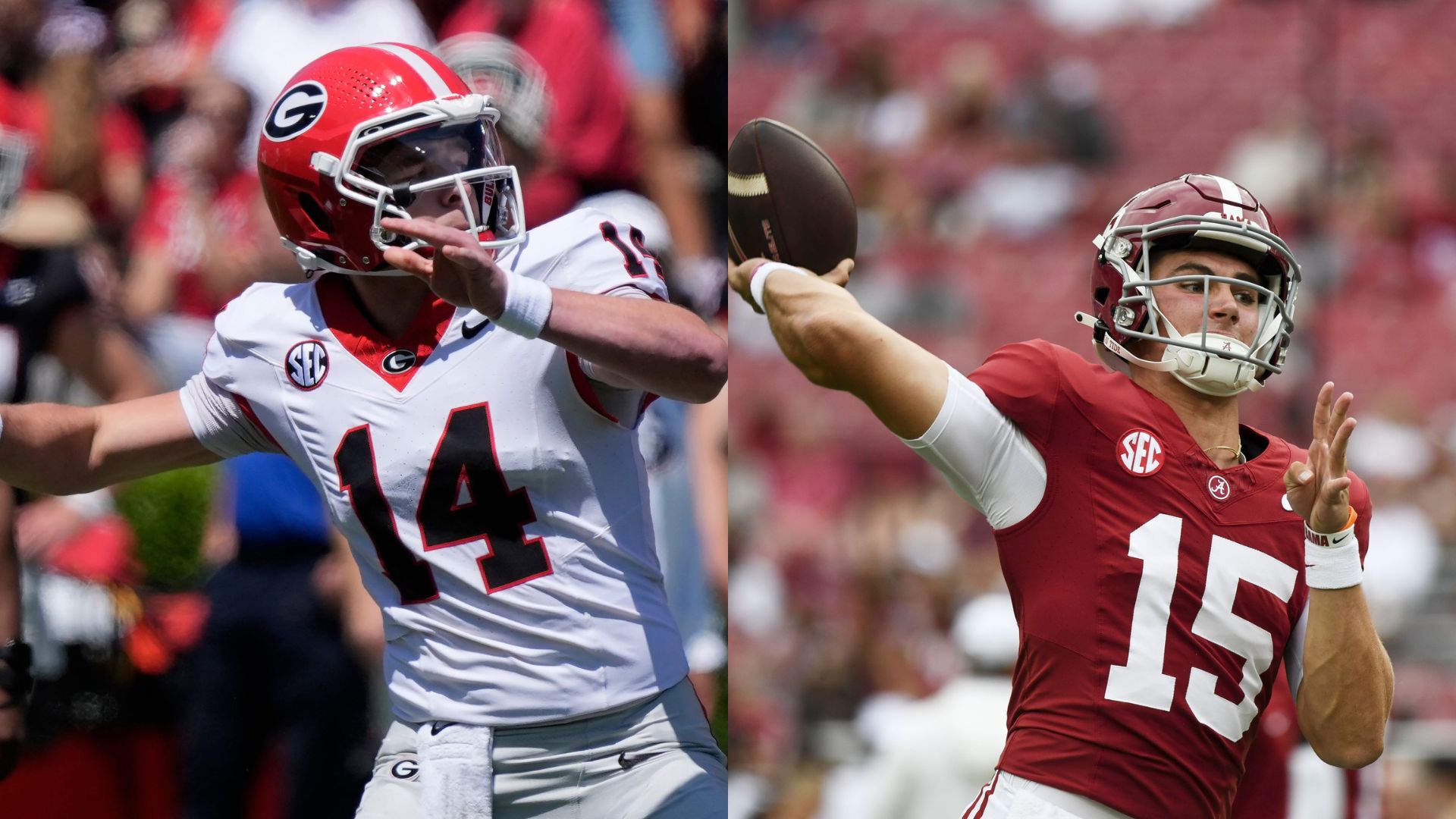
The 2025 SEC Championship will feature a showdown between two elite quarterbacks: Alabama Crimson Tide’s Ty Simpson vs Georgia Bulldogs’ Alabama Crimson Tide. Both have led their respective programs to this stage with elite play on the field, as evidenced by offensive numbers topping the SEC charts.
Let’s compare them on several fronts before the highly anticipated SEC showdown:
Ty Simpson vs Gunner Stockton: Stats
Both quarterbacks have one thing in common. They both had to patiently wait for their time before getting the opportunity to lead the team right from the start of the season. Simpson used to back up Jalen Milroe, while Gunner Stockton had to play behind Carson Beck.
| Player | Passing Yards | Passing TDs | INTs | Completion % (2025) | QBR (2025) |
| Ty Simpson | 3,056 | 25 | 4 | 65.8% (256-389) | 79.5 |
| Gunner Stockton | 2,535 | 20 | 5 | 70.2% (231-329) | 86.0 |
In terms of rushing, Simpson has rushed for 126 yards on 75 carries, including two touchdowns. On the other hand, Stockton seems a better rusher, as he has rushed for 403 yards on 103 carries, including eight touchdowns.
Ty Simpson vs Gunner Stockton: Head-to-Head Comparison
There is only one match where both quarterbacks dueled it out. It happened in the 2025 regular season, in which Simpson’s Alabama defeated Stockton’s Georgia 24-21. In that game, Stockton completed 13 of 20 passes for one touchdown. He also rushed for 22 yards on five carries. On the other hand, Simpson completed 24 of 38 passes for 276 yards and two touchdowns. He also rushed for 12 yards on four carries, including one score.
Ty Simpson vs Gunner Stockton: NIL deals
Alabama’s Ty Simpson recently signed a high-profile NIL deal with Gatorade for 2025. He already has a diverse NIL portfolio, including deals with Hugo Boss, EA Sports, Raising Cane’s, Hollister, Panini and Topps. He is represented by “QB Reps.” According to On3, his NIL valuation is around $948,000.
Meanwhile, Georgia’s Gunner Stockton has signed NIL deals with CAVA, HEYDUDE footwear, Athens Area Humane Society, Associated Credit Union (ACU), and The Dairy Alliance (part of their “Milk’s Got Game” campaign). According to On3, his NIL valuation is around $524,000.
Read More News:
Fans Push Nick Saban As ‘Man for the Job’ As Ex Alabama HC Makes Bold CFB Commissioner Proposal
Netflix’s ‘Any Given Saturday’ Reveals Brian Kelly’s Behind-the-Scenes Pitch to Keep Garrett Nussmeier at LSU
$1.1M NIL-Valued Star Claps Back at HC Brian Kelly’s “Death Valley Jr.” Jab Ahead of Clemson vs LSU College Football Showdown
College Sports Network has you covered with the latest news, analysis, insights, and trending stories in college football, men’s college basketball, women’s college basketball, and college baseball!
UPDATE ON THE MATCHING CAMPAIGN (DETAILS BELOW): As of 10:02 a.m., total giving is at $38,755 from a total of 78 individuals, for an average of $496. 38% of the way to $100k by the press conference on Tuesday!
Champion of Westwood, a third-party media and branding agency run by Ken Graiwer that has helped UCLA baseball, softball, women’s basketball, men’s basketball (through subsidiary Men of Westwood), and more field competitive teams, is announcing today that it’s back in the UCLA football business.
“It’s an exciting time for UCLA football,” Graiwer told Bruin Report Online. “We are thrilled to once again partner with UCLA football student-athletes to find lucrative opportunities to use their name, image, and likeness, and help ensure that UCLA football can remain competitive in the world of collegiate roster building.”
Bruins for Life, which had been supporting UCLA’s NIL efforts in football, is transitioning to a third-party alumni group and mentorship program.
This announcement comes as UCLA ushers in a new era, with James Madison head coach Bob Chesney taking over as the UCLA head football coach. Attacking the Transfer Portal which opens in January will be one of Chesney’s first priorities, and to do so effectively, the program and its partners will need to have the funds to do so.
To jumpstart the Chesney era and UCLA’s NIL efforts, Champion of Westwood and BRO have partnered on a giving campaign, with a generous donor agreeing to match payments from BRO subscribers up to $200,000 — and there’s more. If BRO subscribers give at least $100,000 by the press conference introducing Chesney on Tuesday, December 9, the donor will match up to another $50,000. So, BRO subscribers have the opportunity to help contribute *half a million dollars* to UCLA’s NIL efforts in football.
As a further enticement, the first four people who give gifts of $25,000 or more will earn an exclusive opportunity for an all-expenses paid trip on a private jet with notable UCLA football alumni to an away game this coming season. The only condition is that the $25,000 must be given in full — it cannot be split up over a payment plan.
To give to Champion of Westwood, please use the form or link below.
If the form above does not work on your device, go here: Give to Football NIL Efforts
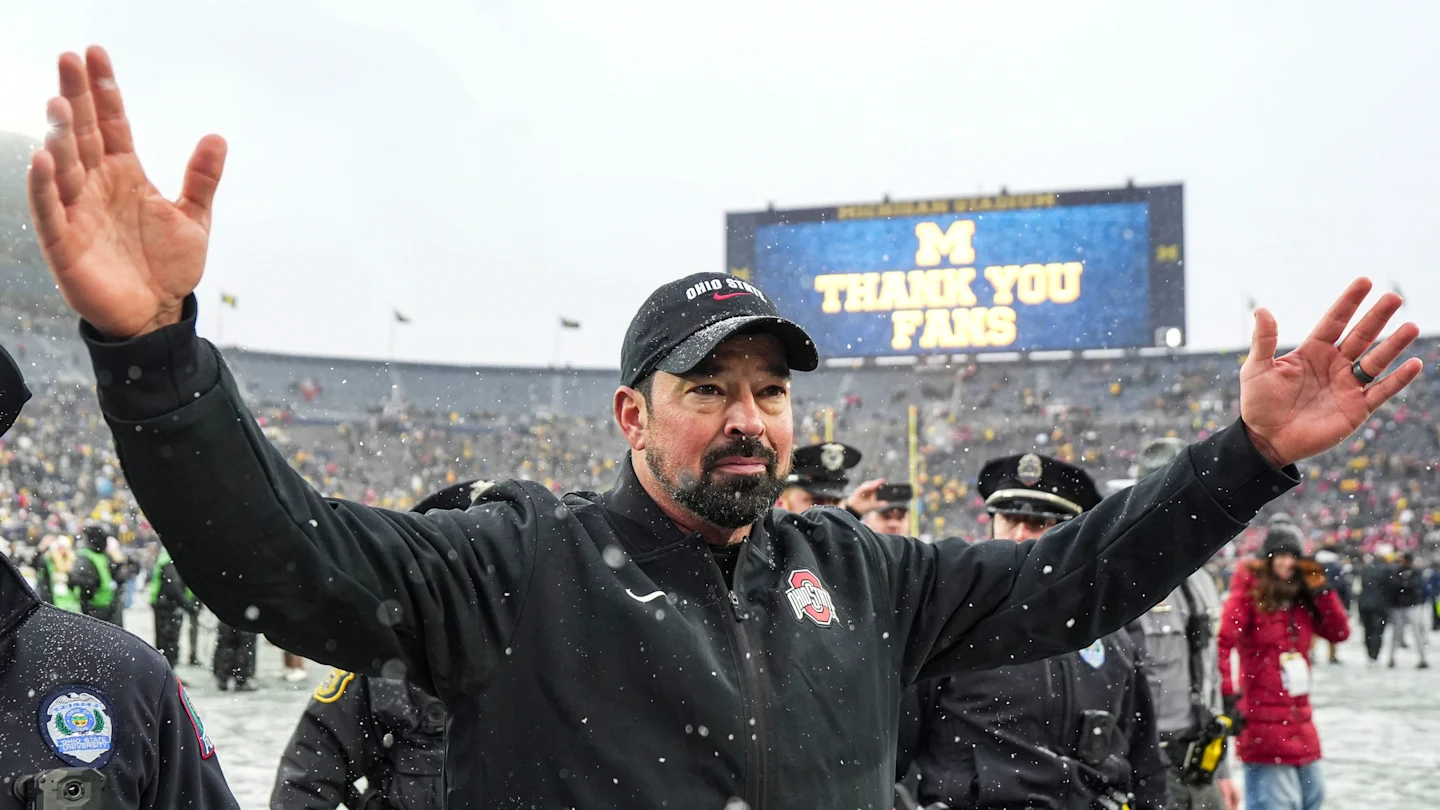
Chris Henry Jr. began his high-school career in Ohio, producing 29 catches for 292 yards and five TDs as a freshman, then transferred to Withrow (Cincinnati), where he exploded for 71 catches, 1,127 yards and 10 TDs in one season before moving west to Mater Dei (Santa Ana, California).
He publicly committed to Ohio State on July 28, 2023, and at times had his recruitment closed or off-limits.
As the No. 1 overall wide receiver at ESPN, Rivals, and 247Sports, he was treated as a major haul for the Buckeyes’ 2026 class.
However, on National Signing Day, Henry did not submit a National Letter of Intent to Ohio State as anticipated.
Multiple outlets tied the pause to Ohio State’s staff turnover, most notably the departure of lead receiver recruiter Brian Hartline.
Henry noted on social media that he “has not signed yet” and wanted to weigh his options after the coaching changes.
On Friday, he announced his official decision on “The Pat McAfee Show.”
Henry told McAfee he will officially sign with Ohio State, providing a massive boost to coach Ryan Day’s Buckeyes.
Ohio State closed the 2025 campaign as one of the country’s top programs yet again, ending the regular season at 12-0 and in line to secure another Big Ten championship.
With 942 yards and 11 touchdowns, Jeremiah Smith, alongside Carnell Tate’s 793 yards and eight scores, led the elite receiving corps that Ohio State is known for.
Coach Ryan Day has built sustained elite performance and recruiting momentum since taking over in 2018, producing an 82-10 overall record, two national championship appearances, and a national title in 2024.

Ohio State’s recent track record of developing NFL receivers — names like Marvin Harrison Jr., Garrett Wilson, Chris Olave, Jaxon Smith-Njigba, and Terry McLaurin — gives Henry a proven pathway from the Horseshoe to pro-ready production.
Henry’s commitment provides an immediate impact on Ohio State’s 2026 class ranking and adds an elite red-zone/vertical threat for an offense that will also feature Smith.
Amid the coaching churn, programs have rushed to sell stability and opportunity, and Day appears ahead of the pack.
Read More at College Football HQ
- Lane Kiffin takes aim at Paul Finebaum amid criticism over LSU decision
- $87 million head coach shuts down interest in other college football jobs
- Manning Award finalists revealed: Who is the nation’s top quarterback?
- ESPN ‘College GameDay’ makes Lane Kiffin announcement before SEC championship game
Updated Dec. 6, 2025, 8:30 a.m. ET
Getting recruited: This is Part 3 of a series that looks behind the curtain of college recruiting. USA TODAY Sports was granted behind-the-scenes access by the football staff at the University of Pennsylvania, a Division I program that offers a high academic profile but no Name, Image and Likeness (NIL) money or scholarships. We also conducted a phone interview with Jerheme Urban, a former NFL wide receiver who is now the head football coach at Trinity University, a high athletic and academic Division III liberal arts school in San Antonio.
This week:Using sports to find a life path for success.
Read Part I: How college recruiting can be like the dating game
Read Part II: A ‘broken’ system? Negotiating constant change in college sports
PHILADELPHIA — Are you a late bloomer?
Maybe you weren’t a Little League All-Star, or didn’t make the A squad on the town soccer, lacrosse or basketball team.
You might be exactly what your future college coach wants.
“Think about that cup being half full,” says Ray Priore, 62, who spent more than half his life on Penn football’s coaching staff. “That’s when you want to get somebody. Because when you get them here, you can get them bigger, stronger, faster, and that’s development.
“If there’s an art to recruiting, and there is, (it’s) how do you see who those kids are?”
Penn’s four best players this past season, according to Priore, were guys who distinguished themselves in their senior years of high school, two of them in an extra year at a college preparatory school.
Star wide receiver Jared Richardson was a quarterback, but Penn’s coaches loved the athleticism he showed with the ball in his hands. Bisi Owens, the team’s second-leading receiver, could have played QB in college but wound up at Penn because Priore loved how he played above the rim in basketball.
Priore saw how Liam O’Brien, the 2025 starting QB, and Alex Haight, another wide receiver, matured during a fifth year at the Deerfield Academy in Massachusetts.
“My angle on it is you go out early, fill your class, but are you taking just to take to fill the class? Or are you taking the best players?” Priore says.
“And I do believe there is such a huge development part that’s missing and why there are still good players out there right now to go recruit.”

Priore spoke a few days before he stepped down on Nov. 24 following 11 seasons as head coach. He left with this parting shot: Coaches, even at the Division I level, will keep their eyes open for players who show late bursts of maturity.
If a D-I coach doesn’t find you, maybe it will be someone in Division III like Jerheme Urban of Trinity University, who seeks a similar profile of freshmen who shoot for the Ivy League.
Urban wants kids he can develop, of course, into winners on the football field but also ones who take a long view of what they can get out of a collegiate sports experience.
What’s the purpose of college sports? Really, at any level you achieve, you can look at it as your transition into the real world.
YOUTH SPORTS SURVIVAL GUIDE: Pre-order Coach Steve’s upcoming book for young athletes and their parents
Kids, even late in high school, get better with age. Give them time to develop.
To Priore, the lesson was the same, whether you were the player scouted by the NFL or the walk-on who became captain: Can you get knocked down and get back up?
Urban wasn’t heavily recruited out of high school in Texas. When he reached the NFL, he bled tenacity and loyalty, qualities he credits, in part, for playing and being a student at Trinity.
He thinks about how, indirectly, it prepared him for an NFL journey: He had to figure out how to study, to ask hard questions and do hard things, to stand up to situations that seemed stacked up against him.
As he watches your video, or you in person at his camp during the summer between your junior and senior year, Urban looks for something that distinguishes you beyond your metrics – maybe your intensity level or how you work your hands during game situations.
When he brings you in for a visit, he is still recruiting you. He likes kids who advocate for themselves and learn and grow through tough academic situations and on a football team that competes for championships.
Trinity faces Berry College in Georgia Saturday, Dec. 6 in the third round of the Division III playoffs.
“I recruit a lot of parents because I want to be able to talk with them and try to figure out where’s the room for growth for this kid, from his ability to handle adversity, what’s the support system gonna be like, are they gonna be in it for the long haul?” he says. “Are the parents gonna allow him to grow through hard things or are they gonna try to come in and do it for him or solve the problem for him, like maybe they’ve done their whole life when he’s been underneath their roof.
“The kids who thrive here the most are those who know that they can tell their parents that they failed but their parents are gonna continue to hold them to a high standard, but encourage them to figure it out on their own.”
More Coach Steve: Raiders QB had ‘worst sports father,’ changes game for his own kids
‘NIL for life’: Sports help you make connections, especially if you stay somewhere for the long haul
According to the NFL, about 1.6% of NCAA football players make it to the professional level.
Urban always felt he was on borrowed time in the league, traveling from team to team, trying annually to make the roster. His most valuable experience might have been his time on the Dallas Cowboys practice squad in 2006 and 2007.
“Hey, Urban,” then-Cowboys coach Bill Parcells shouted one day. “When we’re done, come talk to me about horses.”
Parcells found ways to relate to his players to get them to play harder for him. The coach had learned his receiver had grown up on a working cattle ranch.
“Tell me about what you did on the ranch,” Parcells told him after practice. “I’m into racehorses.”
At his previous stop under the Seattle Seahawks’ Mike Holmgren, Urban discovered precision routes and observed how another Hall of Fame coach delegated heavily to his assistant coaches, empowering them while maintaining ultimate say on decisions.
As he got older and closer to retirement as a player, he began to look at things through a coach’s lens, going over the decisions of first-time head coaches – Ken Whisenhunt with Arizona and Todd Haley with Kansas City – and cross-referencing with how they might do it if they were older like Holmgren.
“I was on the wrong side of 30 for an NFL receiver and while I thought that I could keep playing, I knew that somebody would tell me really quick that they didn’t think I could anymore,” Urban says, “and so I really needed to try to learn from these guys.
“I had great advice from so many people, from leaders and mentors who were teammates to coaches about really talking about the value of being myself and making sure that for me to come to work every day for the program to be what we need it to be, I’ve gotta make sure I’m consistent with that and our expectations and everything. I think that’s what I learned in the NFL, and what I’ve applied here. It’s really available to everybody else in all other industries if you’re willing to look at those above you and learn from ’em.”
We can look at our choice of college experience in a similar way. Priore called what Penn offers “NIL for life.”
The university has what it calls the Penn-I-L Marketplace & Local Exchange, which connects athletes to alumni and local businesses for internships and employment chances. Penn much more heavily sells itself as a 40-year investment, an opportunity to attend its prestigious Wharton School of Business and seek other long-term opportunities.
Priore draws a distinction with what he sees going on at top FBS programs, where teams woo players with direct financial payments. It’s how, he says, running back Malachi Hosley, the 2024 Ivy League Offensive Player of the Year, ended up at Georgia Tech in 2025.
“How can you tell a kid what he was getting, which I’ve been told, not to take on that opportunity? And it’s Georgia Tech, it’s ACC,” Priore says. “We’re not seeing mass exoduses of that stuff, because they understand football lasts four years, maybe a fifth.
“How do you build culture, how do you build anything if it’s a revolving door?”
Don’t be that parent: You have to be honest about your kid’s chances
A current Penn football player who is enrolled in the university’s College of Arts and Sciences could have played at Rice or San Diego State. Penn’s need-based system got his tuition to less than $10,000 a year.
“That is what the Ivy League is,” says Bob Benson, Penn’s associate head coach who has worked at a fellow FCS football school (Georgetown) and a Division III school (Johns Hopkins) with similar approaches to the sport. “And I am the ultimate believer in that investment and yet the difficulty is, not every family can afford the investment or believes in the investment.
“You’re gonna get a return on the investment if you can afford the initial investment.”
As parents of athletes, really at whatever level, we’re buying into the entire experience.
“Football is that tool to help these young guys have a network and a future circle,” Urban says. “The guys that they’re gonna go on vacations with, the guys are gonna be the godfathers to their kids. How can we put just a super tight collection of people together? Use football to grow together to be an outlet to compete while getting this, what I would say, life-changing degree for down the road.”
Go to college with an understanding, perhaps, that your priorities might change when you are there. Your role may shift or you may get injured. But you have to get on a team first.
“Whether it’s NFL, college or high school, middle school, there’s different seasons of life for everybody, but you either have it or don’t, right?” Urban says. “I feel for kids and parents who just don’t understand that their kid just doesn’t have the physical skill set to play at a certain level.
“You have to have honest conversations with your kids, high school coaches have to be trusted by the parents. If your kid’s 5-9, 162 pounds, runs a 4.9 (40-yard dash), you may want to go to Texas A&M and play in the worst way but he’s just not gonna get that opportunity. It’s not the high school coach’s fault.”
We can, though, have realistic talks with our kids about where they might fit. Try to pick prospect camps at schools where, Urban says, there aren’t hundreds of kids. You want to have the opportunity to interact with and be coached by the staff, where they can get a sense of who you are.
Instead of flooding a number of schools with your interest, or following through with every coach who reaches out to you or even offers you a campus visit, Urban suggests you make a concise list based on your priorities for a college.
“You’re not burning a bridge,” he says, “you’re simply giving yourself filters.”
Find riches in other ways than making money
Benson, also Penn’s defensive coordinator, and his colleagues have learned to fish for recruits with nets. They could have 10 potential names for their team, and those players could be out the window in a split-second because they don’t meet the athletic or academic requirements or they cut Penn from their own list.
Penn’s tuition without aid for room and board next year is about $96,000. Trinity’s annual freight is more than $74,000, but, like other Division III schools, it offers need-based aid and academic merit that can reduce the cost.
Division I schools have a football roster limit of 105. Urban says he keeps his around 115, but you’ll find Division III teams, he says, with more than 200.
Division II and III schools wait for the dust to settle from Division I recruiting. When I spoke to Urban in mid-November, he said half his class of 2026 had committed, and another quarter of the class should be done by early December.
It’s around the time, during their senior years, Penn signed its late-blooming wide receivers, Richardson and Owens, and quarterback O’Brien. If you play four or fewer games as a freshman at an Ivy League school, or take a medical redshirt, you can take another year of eligibility elsewhere.
It’s a recruiting tool Priore says he used: Stay four years and get a master’s somewhere else for which you can potentially get the school to pay. And continue to play football.
Last month, Richardson, Owens and O’Brien announced they’re entering the transfer portal, but they’re doing it after staying at Penn four years and earning Ivy League degrees.
“You name it, our kids have done it,” Priore said. “Follow your passion, follow your love. And I think part of college is learning how to do that.
“Riches don’t come with making money. You can be rich and doing a lot of other things than make money. And our kids through my 38 years (as a Penn coach) and you times it by 30, over 900 kids (who) have come through here are very, very wealthy in life right now.”
Borelli, aka Coach Steve, has been an editor and writer with USA TODAY since 1999. He spent 10 years coaching his two sons’ baseball and basketball teams. He and his wife, Colleen, are now sports parents for two high schoolers. His Coach Steve column is posted weekly. For his past columns, click here.
Got a question for Coach Steve you want answered in a column? Email him at sborelli@usatoday.com

Michael Annett, former NASCAR driver, dead at 39

Women’s track and field begins indoor season at M City Classic

Michael Annett, who made 436 combined starts in NASCAR’s 3 national touring series, dies at 39

Georgia takes Missouri DE Damon Wilson to court for $390,000 in damages after transfer

JR Motorsports Confirms Death Of NASCAR Veteran Michael Annett At Age 39

Takagi narrowly beaten by Dutch rival Leerdam in 1,000
Second-Screen Golf Experiences : Player Profiles

Predicting the College Football Playoff after Tulane wins the American title

Oxbow High’s search for AD resumes after Hopkins’ exit

H.S. basketball: Franklin Tech boys emphasize communication for new season
Packers QB Jordan Love nominated for Walter Payton Man of the Year award

Catch Saturday’s Basketball and Indoor Track and Field Action

Edward Anthony Marn – The Dominion Post

Track & Field/Cross Country Hosts Free Youth Clinic in Brownsville

Ty Simpson vs Gunner Stockton: Stats, NIL, Head-to-Head Comparison Ahead of 2025 SEC Championship

First Tee Winter Registration is open

Fargo girl, 13, dies after collapsing during school basketball game – Grand Forks Herald

CPG Brands Like Allegra Are Betting on F1 for the First Time

Volleyball Recaps – November 18

F1 Las Vegas: Verstappen win, Norris and Piastri DQ tighten 2025 title fight

Two Pro Volleyball Leagues Serve Up Plans for Minnesota Teams

Sycamores unveil 2026 track and field schedule

Utah State Announces 2025-26 Indoor Track & Field Schedule

Redemption Means First Pro Stock World Championship for Dallas Glenn

Bowl Projections: ESPN predicts 12-team College Football Playoff bracket, full bowl slate after Week 14

Texas volleyball vs Kentucky game score: Live SEC tournament updates

Indiana’s rapid ascent and its impact across college football

Pohlman admits ‘there might be some spats’ as he pushes to get Kyle Busch winning again

How this startup (and a KC sports icon) turned young players into card-carrying legends overnight

Troy Football Need to Know; Gameday at The Vet — Georgia State Game

 Why a rising mid-major power with an NCAA Tournament team opted out of revenue-sharing — and advertised it
 NBA Legend Michael Jordan to Join NBC Sports as Special Contributor
 Falcons mailbag
 Portal Update – Basketball and Gymnastics Take Hits
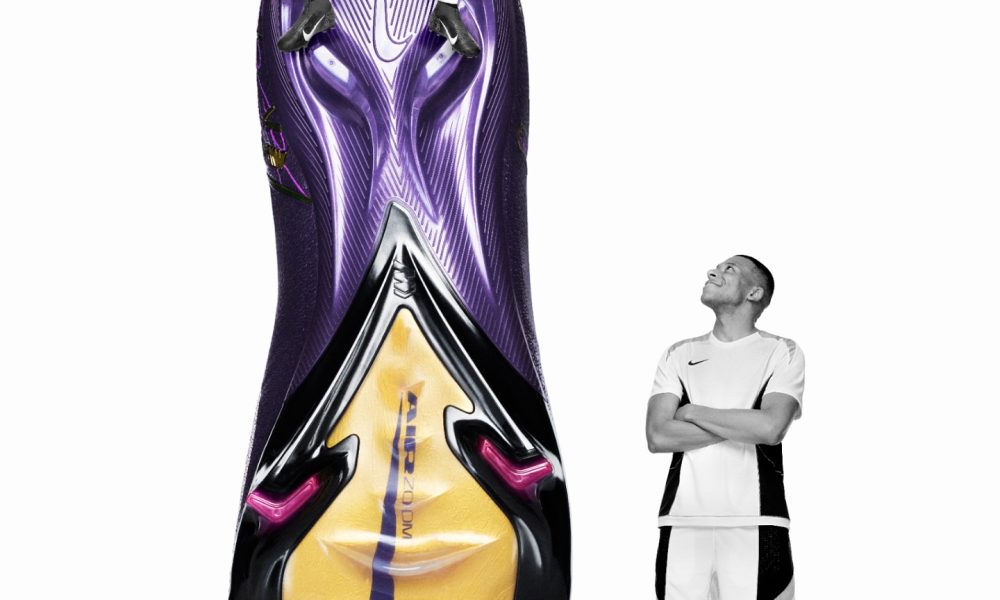 has always dreamed in Mercurial. Now his initials are on the boots.
The new Kyl…
has always dreamed in Mercurial. Now his initials are on the boots.
The new Kyl…
-
 Rec Sports2 weeks ago
First Tee Winter Registration is open
-
 Rec Sports1 week ago
Fargo girl, 13, dies after collapsing during school basketball game – Grand Forks Herald
-
 Motorsports2 weeks ago
CPG Brands Like Allegra Are Betting on F1 for the First Time
-
 Sports2 weeks ago
Volleyball Recaps – November 18
-
 Motorsports2 weeks ago
F1 Las Vegas: Verstappen win, Norris and Piastri DQ tighten 2025 title fight
-
 Sports2 weeks ago
Two Pro Volleyball Leagues Serve Up Plans for Minnesota Teams
-
 Sports2 weeks ago
Sycamores unveil 2026 track and field schedule
-
 Sports2 weeks ago
Utah State Announces 2025-26 Indoor Track & Field Schedule
-
 Motorsports1 week ago
Redemption Means First Pro Stock World Championship for Dallas Glenn
-
 NIL6 days ago
Bowl Projections: ESPN predicts 12-team College Football Playoff bracket, full bowl slate after Week 14