
HONOLULU (Island News) — When conversations turn to Name, Image and Likeness in college sports, the focus often lands on eye-popping numbers and national stars.
This year’s Heisman Trophy winner, Indiana quarterback Fernando Mendoza, reportedly earned more than two million dollars through NIL deals — a figure that has become shorthand for how dramatically the college athletics landscape has changed.
But far from the national spotlight, NIL is quietly reshaping opportunity in a very different way.
At the University of Hawaiʻi, athletes are discovering that NIL isn’t only about endorsements or social media reach. It’s about identity, adaptability, and learning how to navigate a world where athletic performance and personal story now intersect.
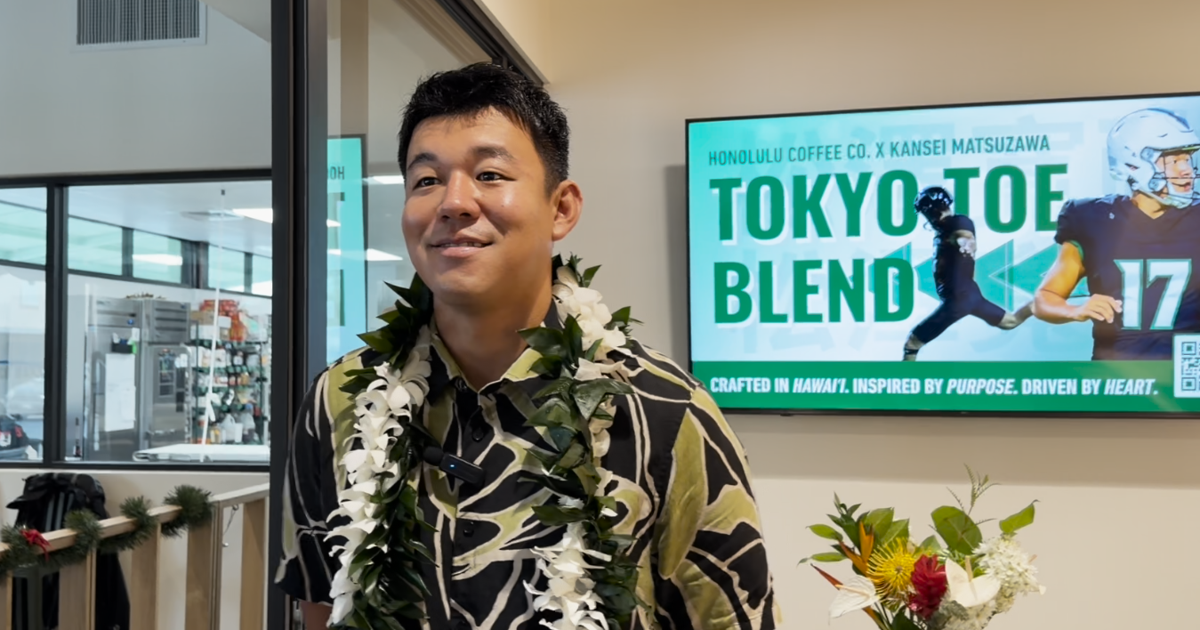
For kicker Kansei Matsuzawa, that intersection arrived unexpectedly.
Matsuzawa came to Hawaiʻi from Japan to play football, improve his English, and test himself at the highest level of college athletics. Branding and marketing were never part of the plan. Yet in today’s NIL era, those skills have become part of the education.
“As a business… I can apply to the business side,” Matsuzawa said, reflecting on what he’s learned through the process.
That lesson took shape through an NIL partnership with Honolulu Coffee Company, a collaboration rooted not in star power, but in storytelling. The result was the Tokyo Toe Blend, a coffee inspired by Matsuzawa’s journey from Japan to Hawaiʻi and the precision and discipline required of a kicker — details that mirror both his athletic and personal path.
For Honolulu Coffee, the partnership represented a shift in how businesses think about college athletes.
“As we really started to think about his story… and the University of Hawaiʻi athletics this year too,” said Erica Mounsey, the company’s chief operating officer. “We think this is just the beginning of many partnerships to come in the future.”
Rather than chasing national recognition, the company leaned into authenticity — choosing an athlete whose background aligned with its values and local customer base. In the evolving NIL marketplace, that approach is becoming increasingly important. Consumers respond not just to names, but to narratives that feel real and connected to place.
Those same changes are being felt inside athletic departments.
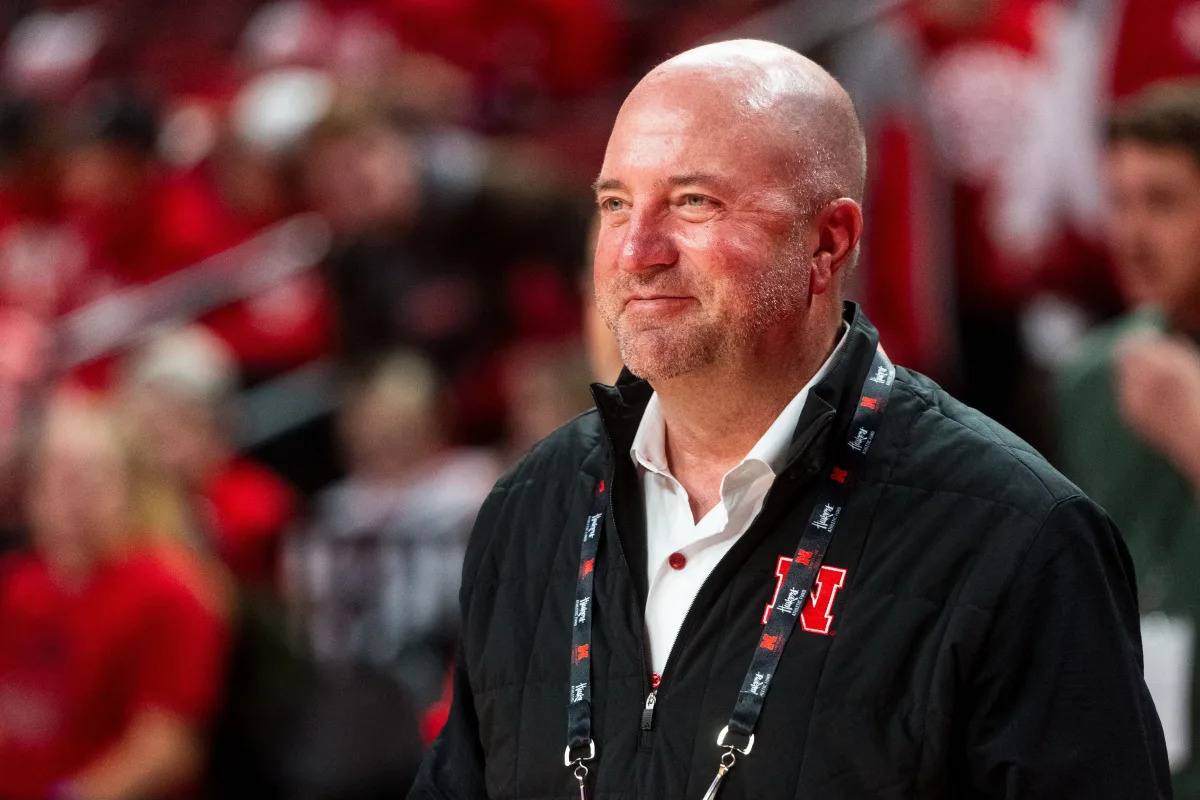
At UH, NIL has introduced a new layer of complexity to college sports — one that requires creativity, coordination, and a long-term view of athlete development beyond competition.
“We’re thinking about, okay, is there… we gotta be thinking about all at the same time,” said Matt Elliott, UH’s athletic director. “We’re putting together packages… a lot of creative problem solving.”
That problem solving reflects a broader reality: athletes are now brands, universities are strategic partners, and local businesses are part of the ecosystem. Success depends not on one viral moment, but on relationships built thoughtfully and sustainably.
For Mounsey, that mindset defines the future of NIL in Hawaiʻi.
“Anything’s possible… with a goal in mind,” she said.
As NIL continues to evolve nationwide, Hawaiʻi’s athletes are navigating it in a uniquely local way — balancing culture, community, and opportunity. For Matsuzawa, the experience has expanded his understanding of what it means to be a student-athlete.
The kicks still matter. So do the wins and losses. But increasingly, so does the knowledge gained off the field — lessons in storytelling, adaptability, and self-advocacy that will carry far beyond college football.
In Hawaiʻi, NIL isn’t just changing the game.
It’s changing what athletes take with them when the game ends.