

Matt Rogers is a first time author
Matt Rogers is a first time author


Los Angeles business leader calls for greater community investment in trades education and youth athletic programs
LOS ANGELES, CA / ACCESS Newswire / December 9, 2025 / Ignacio Duron, CEO of Most Valuable Plumber and the subject of a newly released feature article spotlighting his career, is using the moment to advocate for two causes he says shaped his life: skilled-trade career pathways and youth sports programs.
Duron, who grew up in North Hollywood and co-founded a fast-growing plumbing company with his family, says both areas are undervalued despite their proven impact on communities, local economies, and young people.
“Trades changed my life. Sports changed my life. If we give more kids access to both, we change whole neighborhoods,” Duron said in a statement accompanying today’s announcement.
Duron Raises Awareness About Skilled Trades Shortage
Duron points to national data showing a growing crisis:
The U.S. will face over 500,000 unfilled plumbing and pipefitting roles by 2027, according to the Bureau of Labor Statistics.
More than 40% of current plumbers are over age 45, meaning retirements will outpace new workers entering the field.
Skilled trades salaries continue to rise, with many workers earning $60,000-$100,000 annually without a four-year degree.
“There are young people who think their only path to success is college,” Duron explained. “But trades offer real careers, real benefits, and real stability. We need to show them this path is not second choice – it’s a strong choice.“
Duron says hands-on problem solving, teamwork, and resilience are at the heart of the trades, and they are the same qualities that shaped him as a leader.
“I learned by doing. I learned by showing up. That’s the kind of opportunity the trades give you,” he said.
Championing Youth Sports as a Tool for Confidence and Leadership
Beyond business, Duron is known in Los Angeles County as a dedicated coach of youth football, flag football, and basketball – including the teams his sons play on. His advocacy for youth sports stems from lived experience.
“Kids need confidence more than anything,” he said. “Sports give them structure, toughness, and real-life lessons you can’t teach in a classroom.“
Research supports his stance:
Kids who play organized sports are 15% more likely to have higher self-esteem, according to the Aspen Institute.
Students who participate in team sports are 40% less likely to drop out of school.
Youth sports participation is linked to better mental health, stronger social skills, and higher lifetime earning potential.
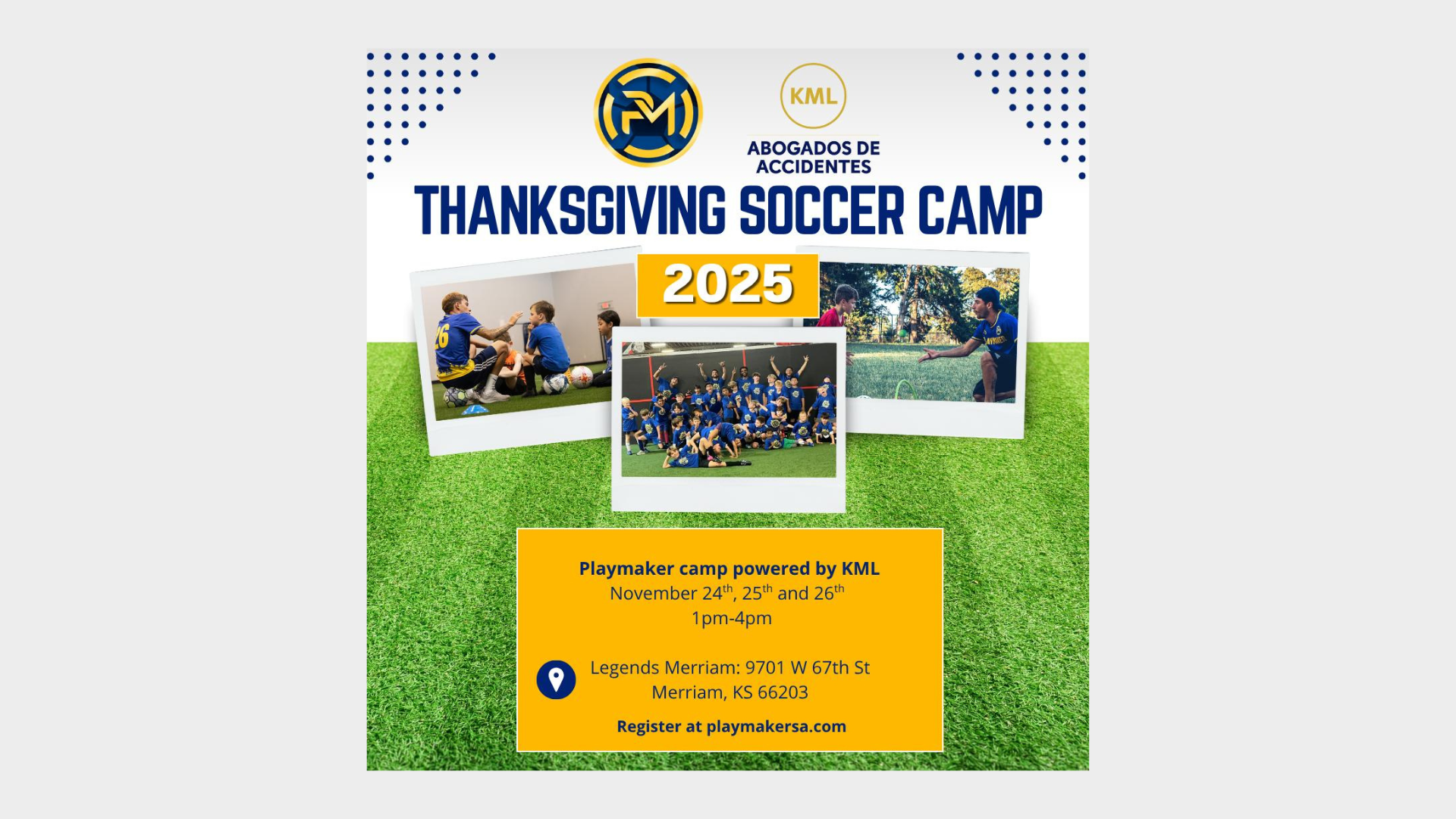
Kansas City, Missouri – The 2025 Thanksgiving Soccer Camp sponsored by Kevin McManus Law gave families a welcoming place to gather and kids a chance to play during the holiday week.
The three-day event blended movement, teamwork, and excitement for children who wanted something active to do during their time off. Held November 24–26 at Kansas City Future Legends in Merriam, the camp welcomed participants ages five to 14 from throughout the community.
The Thanksgiving school break can leave parents searching for safe and affordable activities for their children. Support from the KML Charitable Foundation helped lower registration costs this year so more families could participate.
Camp pricing was set at $25 for one day, $35 for two days, and $45 for all three. Parents said the reduced cost helped their households during a hectic holiday stretch and offered real peace of mind.
During the camp, the KML Abogados de Accidentes team met with Spanish-speaking families, shared helpful resources, and provided free water bottles and drawstring backpacks to all participants.
Kids took part in indoor training sessions, skill-focused drills, and a variety of games led by Playmakers Academy coaches. The program focused on confidence, teamwork, and fun for athletes of every experience level, creating an energetic environment that kids enjoyed throughout the holiday week.
The KML Charitable Foundation remains committed to strengthening Kansas City through youth sports, education, and meaningful community partnerships.
The success of this camp reflected the Foundation’s ongoing efforts to support programs that give local kids opportunities to grow, stay active, and feel connected to their community. The Foundation plans to continue expanding partnerships that help families access meaningful experiences like this one.
Stay tuned for future camps, scholarships, and community projects that uplift and support families across Kansas City.
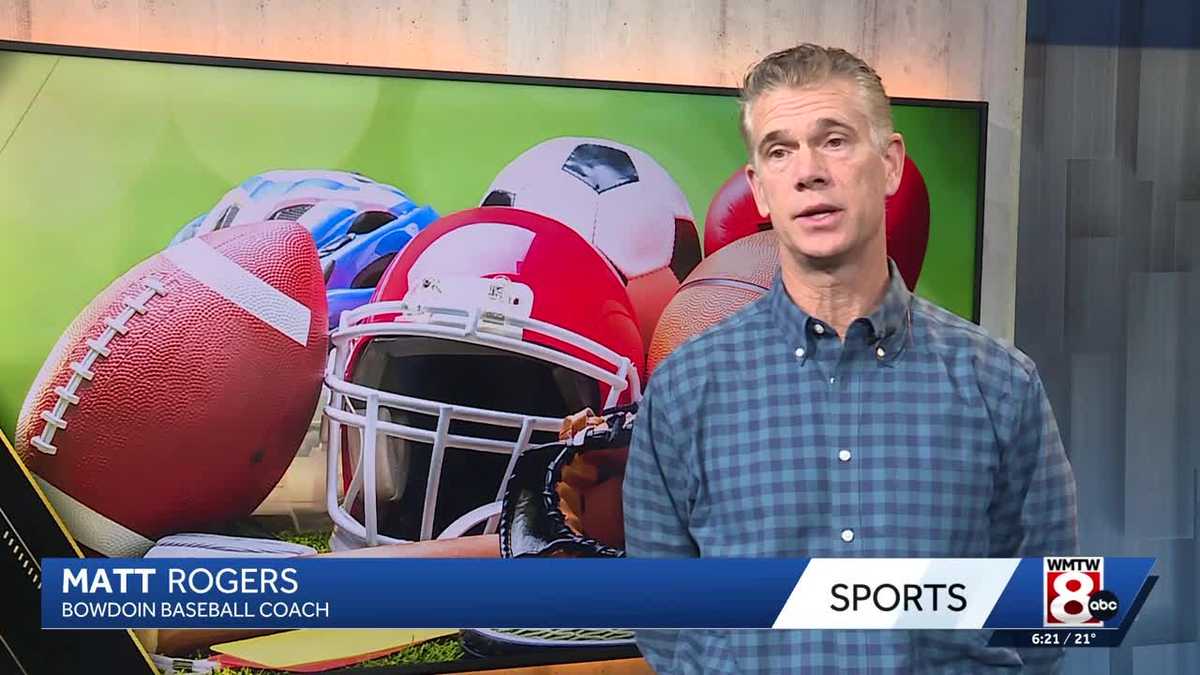
Local coach pens youth sports coaching book
BAT IN THE MIDDLE OF THE ORDER LIKE SCHWARBER. CONGRATULATIONS TO BOWDOIN ASSISTANT BASEBALL COACH MATT ROGERS, WHO HAS FULFILLED A LIFE LONG GOAL OF PENNING A BOOK ON YOUTH SPORTS COACHING CALLED “THE RECIPE FOR BEING A GREAT COACH, IT’S MORE THAN WINS AND LOSES.’ ROGERS, WHO COACHED HIS CHILDREN AMONG OTHER EXPERIENCES IN THE SPORT WORLD, WAS MOTIVATED BY THE GREAT AND NOT SO GREAT THINGS HE WITNESSED IN SPORTS. “ACTUALLY GOT A REALLY COOL COMPLIMENT FROM A WOMAN WHO ADMITTED SHE’S NOT A SPORTS FAN. SHE’S A BUSINESS OWNER. SHE READ IT AND SHE SAID SHE COULDN’T PUT IT DOWN. SHE READ IT IN TWO DAYS. IT’S NOT A LONG READ ANY WAY BY DESIGN, BUT SHE SAID SHE COULDN’T PUT IT DOWN. AND SHE’S FOUND A BUNCH OF THINGS SHE’S GOING TO IMPLEMENT INTO HER BUSINESS. SO IT’S YES, IT’S ABOUT COACHING AND SPORTS, BUT IT’S REALLY ABOUT THE LIFE LESSONS YOU LEARN THROUGH SPORTS I’LL BE NICE. YOU CAN GET IT THROUGH TOW
Matt Rogers is a first time author
Matt Rogers is a first time author
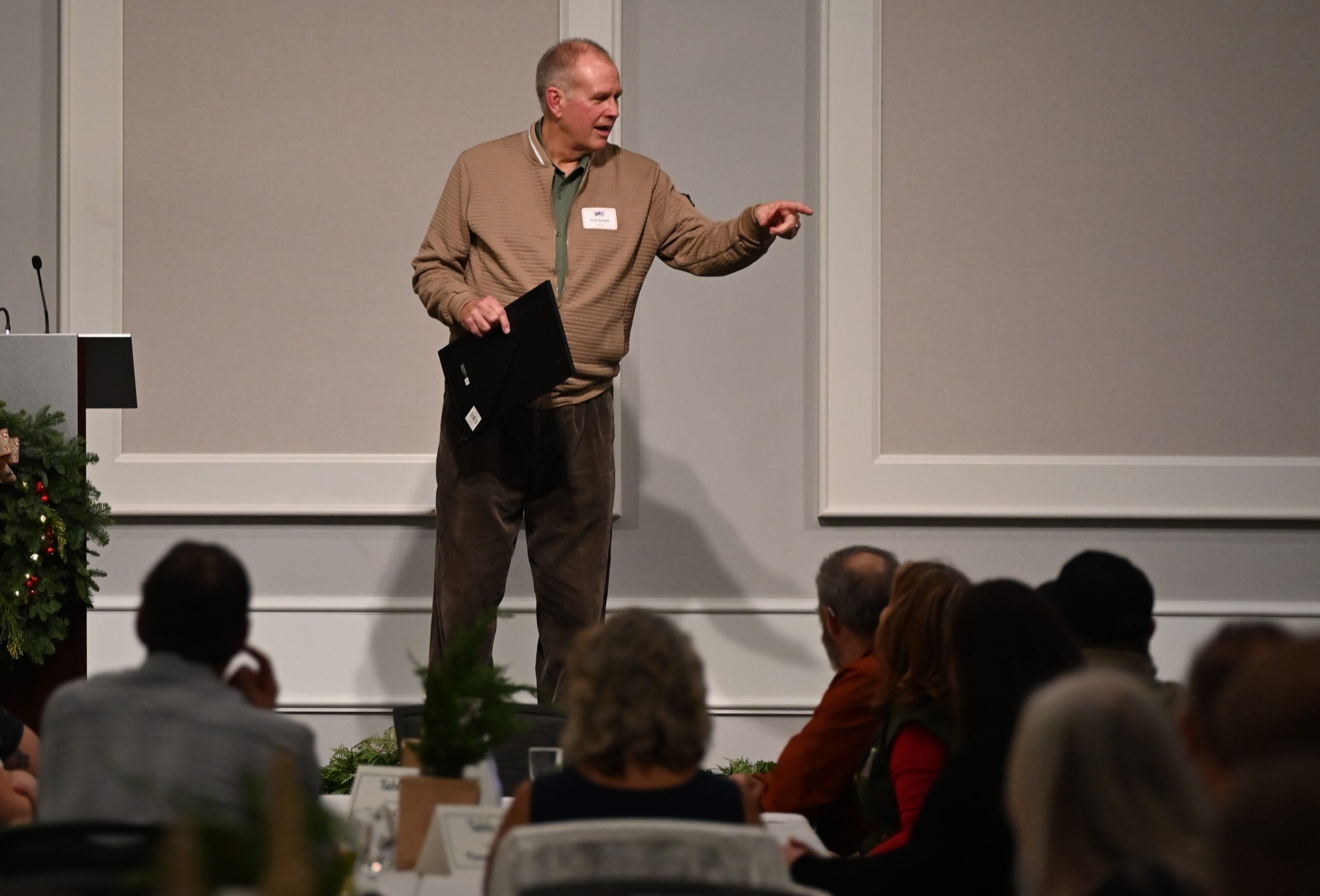
CORVALLIS — Rick Bennett’s dedication to Philomath youth earned him recognition as the Philomath Youth Activities Club’s Promise Builder of the Year at the organization’s annual fundraising dinner Friday night at the CH2M Hill Alumni Center on the Oregon State University campus.
PYAC Executive Director Eddie Van Vlack said the award honors “a person or business that best exemplifies an unwavering desire to make a positive difference in the lives of the youth in our community.”

The recognition caught Bennett by surprise — he’s not one for the spotlight.
“My wife snuck pictures to Eddie,” Bennett said, referring to photos from past years that were shown as part of a slide presentation. “It’s fun to see some of the pictures. I had hair back then.”
For Bennett, the commitment started when his twin sons, Koeby and Spencer, joined PYAC programs in second grade.
“I coached them every year in basketball starting at a really young age and have always tried to be a support financially of PYAC,” Bennett said.
His approach to service stems from his upbringing.

“I was raised in a family with not a lot of money but we always learned to help others,” he said. “I learned that from my parents at a young age.”
Bennett’s daily priorities reflect that philosophy.
“When I wake up in the morning, my first thoughts are how much time to I get to spend with my wife, how much time do I get to spend with my boys … and how much time do I get to spend with a youth to make a difference.”
That commitment shows up in practical ways. Bennett has spent months volunteering with basketball players, hosting early morning workouts at his house.
“I had five girls show up at 7:30 in the morning and work out at my house for two hours and then at 9:30, I had five guys show up and work out for two hours,” he said.
With 44 years of experience in the fitness business, Bennett said he wants to help “youth become more fit and change their lives in a positive way — not just as an athlete but maybe long-term health as they get older.”
He currently coaches middle school basketball with assistance from his son, Spencer, and Preston Kramer.

Bennett credits the community for making youth development possible.
“It’s a funny old saying but it takes a village and Philomath is an amazing village with amazing people that want to help out,” he said. “And it’s emotional for me to see all the help.”
He sees PYAC as foundational to the community’s success.
“There’s so much help in this community and I just love that — that’s part of the reason why Philomath is so successful with the school programs and kids graduating,” Bennett said. “A lot of it starts with kids that go at a young age to PYAC and see the value of making friendships and connecting.”
Van Vlack said the PYAC board selects the Promise Builder award recipient from an evolving list of candidates.
“It’s not scientific by any stretch but there are certain things and certain people that just have a tendency to rise to the top,” he said. “One of the policies we have in general is we try not to recognize people that are still involved, whether that be as a board member or active coach and kind of wait until they’ve done their time, if you will.”

Van Vlack emphasized that award recipients represent the broader spirit of PYAC volunteers.
“There’s not a person in this room that does what they do for our organization because they want to get an award or want to be recognized,” he said. “They all have the right thing in mind and a big heart. I think it’s fantastic.”
The honor obviously had a personal impact on Bennett. The emotion of the moment played out at the table where he sat with his wife, Danielle, and during the few minutes he spent on stage, his voice cracked a few times.
“He has his heart in the right place, he really does,” Van Vlack said. “He wants to do the right thing, he wants to help kids, he loves basketball. … That emotion you saw in his face wasn’t fake — he was super excited, super honored.”
Bennett’s contributions extend beyond coaching. Van Vlack noted his longtime support of the PYAC Carnival, one of the organization’s most successful fundraisers.
“Every year, he dedicates himself and his family to the PYAC Carnival fundraiser, filling the high school football field with S&K Inflatables, games and rides just to enjoy the kids and families across our community,” Van Vlack said. “While this event has been crucial for helping our organization raise much-needed resources for our programs for the past 18 years, Rick would be the first one to tell you we measure the success of the event not by the dollars but by the smiles on kids’ faces.”

The evening also featured Gerry Alston, pastor at The Refuge in Philomath, as the keynote speaker. Alston shared his personal story of overcoming childhood struggles and discussed how PYAC has benefited his family and the broader community.
“His story is not a common one to us but the organization made such a difference to his whole family — not just to him, but his whole family,” Van Vlack said.
Jeff Minter, PYAC board vice president, served as master of ceremonies, and Mike King gave the invocation.

Authors: Nicholas Zoroya1, Joshua Greer2, Carla Blakey3
Corresponding Author:
Nicholas Zoroya
20932 Hasenclever Dr., South Lyon, MI 48178
(248)420-9200, [email protected]
1 Madonna University
2 Cumberland University
3 University of Alabama
ABSTRACT
Purpose:
This study examines the ongoing decline of lacrosse officials in the Midwest by exploring how stakeholder behavior, organizational support, and personal motivations affect officials’ decisions to continue or leave the profession. The goal is to identify key factors contributing to attrition and provide practical recommendations for improving retention.
Methods:
A mixed-methods survey design was used to collect data from 55 lacrosse officials who had officiated in the Midwest within the past five years. Participants responded to a series of closed-ended questions assessing demographics, officiating experience, and interactions with coaches, fans, and players. Open-ended responses were also collected to contextualize and support quantitative results. Data were analyzed using descriptive statistics, and illustrative quotes were used to reinforce common trends.
Results:
Most participants were White males over the age of 40, with more than a decade of officiating experience. While abuse from players was reported less frequently, officials indicated that verbal abuse from coaches and fans occurred often and significantly impacted their officiating experience. Additionally, officials expressed mixed feelings about the support they receive from associations and assignors. Despite these challenges, most participants reported a strong personal connection to the game and cited their passion for lacrosse and desire to give back as primary reasons for continuing. A subset of respondents, however, acknowledged that negative experiences have made them consider leaving the profession.
Conclusions:
Findings highlight the important role personal passion plays in keeping officials engaged despite a lack of institutional support and ongoing negative stakeholder interactions. Without meaningful changes to reduce abuse and increase organizational support, the officiating pipeline will remain vulnerable. The study also raises concerns about the lack of demographic diversity in lacrosse officiating, warranting further exploration.
Applications in Sport:
The results have practical implications for lacrosse governing bodies, assignors, and administrators. Improving sideline behavior, increasing compensation, offering mentorship, and expanding recruitment efforts to underrepresented groups could significantly improve retention and build a more sustainable and inclusive officiating workforce.
Key Words: officiating, lacrosse, referee retention, stakeholder behavior, sport management
INTRODUCTION
The shortage of sports officials, particularly in youth and high school sports, is a pressing issue that threatens organized athletics’ operational integrity and sustainability. The National Federation of High School Associations (NFHS) found that around 50,000 individuals have stopped serving as high school officials since the onset of the pandemic in 2020 (Niehoff, 2022). This decline can be attributed to several interrelated factors, including occupational stress, abuse from spectators, insufficient support systems, and inadequate training opportunities for officials.
Literature Review
The shortage of sports officials is increasingly attributed to the rising incidence of verbal and physical abuse directed at referees by players and spectators. Research indicates that abusive behavior, particularly at the grassroots level, significantly contributes to high turnover rates, with negative experiences reducing officials’ willingness to continue in the profession (Dawson et al., 2021; Rayner et al., 2016). Dawson et al. (2021) highlight the alarming decline in the number of qualified officials, stressing that this culture of abuse not only affects officials but also threatens the integrity of competitive sports. Additionally, issues such as harassment and discrimination, especially against female officials, further intensify attrition, creating a hostile environment that undermines the overall health of sports communities (Marshall et al., 2022; Webb et al., 2020).
In addition, the lack of adequate support, resources, and effective training opportunities exacerbates attrition, as many organizations fail to provide the necessary infrastructure to sustain officials’ careers (Webb et al., 2020; Tingle et al., 2014). Insufficient professional development and an aging workforce further compound the issue, necessitating innovative strategies to attract and retain younger officials (Ryan et al., 2014; Barnhill et al., 2018; Pierce et al., 2021). This literature emphasizes the multifaceted challenges in officiating and highlights the critical need for systemic changes to address the issues of abuse, support, and recruitment.
The Decline of Lacrosse Officials
The decline of lacrosse officials in the Midwest has raised concerns regarding the sustainability of officiating in growing sports leagues. In recent years, the shortage of qualified officials has emerged as a critical issue. Lacrosse, a sport that has enjoyed significant regional growth in the Midwest, now faces challenges similar to those observed in other sports arenas (Ridinger et al., 2017). The decline in the number of lacrosse officials not only impedes game integrity but also affects the overall development of the sport. Existing literature has shown that multifaceted factors, including motivational changes, psychosocial stressors, and insufficient support structures, play essential roles in the retention and attrition of referees (Livingston & Forbes, 2016; Ridinger, 2015).
Negative Stakeholder Behavior
The decline in the number of lacrosse officials in the Midwest can be tied to negative stakeholder behavior, particularly from parents, coaches, and fans. This trend is troubling, as officials play a critical role in maintaining the integrity and safety of the game. The psychological impact of abuse from various stakeholders on referees cannot be overstated. Studies indicate that officials often experience significant stress and mental health challenges due to verbal abuse and aggression directed at them during games, which can lead to a decline in their overall job satisfaction and motivation (Breslin et al., 2022; Giel & Breuer, 2021).
It is important to note that the abuse received by officials, from players, coaches, and spectators, is frequently normalized within many sports environments. Research in sports such as rugby and football demonstrates that officials often report feeling overwhelmed by hostility from these groups (Webb et al., 2019; Webb et al., 2018). This hostility not only affects the officiating experience but can also deter potential new referees from entering the field. Furthermore, the retention rates of officials are directly influenced by the social interactions they have with these stakeholder groups, and the lack of positive reinforcement or sportsmanship has been shown to exacerbate dropout intentions (Giel & Breuer, 2021).
The influence of these stressors is particularly notable in the context of youth sports, where the pressure from parents and coaches can create a toxic atmosphere for officials trying to enforce rules and manage games. Coaches, in their roles, often have a substantial impact on how players perceive referees, which in turn affects the emotional atmosphere during matches (Webb, 2020). If coaches model negative behaviors, such as disrespect towards referees, it can lead to a cycle of abuse where players mimic these actions, further isolating officials and intensifying their negative experiences (Webb et al., 2018).
Interventions aimed at increasing awareness and promoting mental health support among referees are essential in addressing this decline. Recommendations have been made for mental health training for stakeholders to improve the overall environment surrounding officiating and reduce instances of abuse (Breslin et al., 2022). Additionally, stakeholder education on the consequences of negative behaviors towards officials can help reshape perspectives and foster a more respectful sporting culture. Such measures would not only help in maintaining a robust pool of lacrosse officials but also promote a healthier, more inclusive environment for all participants in the sport.
Abuse
Abuse, both verbal and physical, is a significant contributor to officiating attrition, with numerous studies highlighting its impact on officials’ mental health and intentions to quit. Brick et al. (2022) found that nearly all Gaelic Games officials surveyed (94.29%) had encountered verbal abuse, and almost one in four (23.06%) had experienced physical abuse during their careers. Verbal abuse was shown to be frequent and directly linked to mental health issues and quitting intentions, with distress acting as a mediating factor. Similarly, Webb et al. (2018) documented the prevalence of both verbal and physical abuse in rugby league, finding that emotional abuse (i.e., intimidation, swearing, and threats) and physical aggression (i.e., pushing and hitting) significantly reduced job satisfaction. These hostile environments, particularly when abuse is persistent and unaddressed, contribute to officials leaving their roles.
The impact of abuse on officiating extends across various sports and levels. For instance, Ridinger et al. (2017) revealed that 42% of 2,485 high school referees identified abuse as the most significant challenge in their roles, and 10% cited abuse as a factor in their intention to quit. This aligns with findings from Kavanagh et al. (2021), who reported that abuse in youth soccer led to emotional exhaustion and burnout among officials. Tingle et al. (2014) also noted that the normalization of verbal abuse within sports culture exacerbates the negative effects on officials, especially for newcomers lacking support systems. Collectively, these studies underscore the need for sports organizations to implement proactive abuse prevention measures and institutional support to mitigate attrition and improve the officiating experience.
Unsupportive Interactions
Unsupportive social dynamics play a critical role in officials’ decisions to leave their positions. Warner et al. (2013) examined the effects of problematic peer interactions and inadequate mentoring in sports such as lacrosse, revealing how these relational shortcomings contribute to officiating attrition. When officials lack meaningful support from mentors or peers and feel disconnected from a broader officiating community, their engagement and satisfaction decline. The Referee Retention Scale (Ridinger et al., 2017) identifies several social factors that contribute to retention, including several factors that address a sense of community and mentoring support. These elements reflect the importance of fostering interpersonal relationships that reinforce a positive officiating experience (Table 1).
Table 1
Key Factors Contributing to Referee Retention
| Factor Name | Description |
| Administrator Consideration | Level of perceived fairness and consideration from assigners and administrators |
| Mentoring | Support and encouragement from a mentor or a friend to become involved with officiating |
| Sense of Community | Perceived sense of belonging to a supportive community of officials |
| Lack of Stress | Infrequent encounters with stressful situations related to officiating |
Note. Adapted from Ridinger, L. L., Kim, K. R., Warner, S., & Tingle, J. K. (2017). Development of the Referee Retention Scale. Journal of Sport Management, 31(5), 514–527.
In addition to interpersonal issues, organizational shortcomings also undermine retention efforts. Warner et al. (2013) highlighted how insufficient policy frameworks and administrative neglect exacerbate attrition, particularly when officiating structures fail to proactively address the evolving needs of officials. The Referee Retention Scale provides a methodological foundation for identifying these structural deficiencies. Notably, factors such as “Administrator Consideration” and “Lack of Stress” underscore the role of fair management practices and manageable work environments in referee satisfaction. Furthermore, Livingston and Forbes (2016) and Ridinger (2015) emphasize the necessity of aligning recruitment and retention strategies with officials’ motivations and expectations. Collectively, these findings stress that without intentional and sustained institutional support, officiating organizations risk ongoing loss of personnel due to preventable burnout and disengagement.
Referee Retention
Research on referee retention has provided useful insights into the systemic and individual challenges impacting officiating roles. Ridinger et al. (2017) developed the Referee Retention Scale to assess factors such as job satisfaction, perceived organizational support, and the prevalence of abuse, all of which are directly linked to declining retention rates. Their work underscores that referee attrition is often precipitated by issues that extend beyond the administrative domain and delve into psychosocial and environmental stressors. Similarly, Livingston and Forbes (2016) investigated the evolving motivations of amateur sport officials and confirmed that changes in personal goals and external support diminish retention levels over time. Their study, although centered on Canadian officials, provides a framework that is applicable to the Midwest context, where similar socio-organizational dynamics are at play.
Ridinger (2015) compared the experiences of baseball umpires and lacrosse officials, revealing common constraints such as economic shortages and inadequate mentorship. This comparative analysis highlights that lacrosse officials, in particular, face challenges that are exacerbated by limited training opportunities and the absence of community-based support systems. In other research pertinent to community sports, Baxter et al. (2021) examined the experiences of female volunteer officials, outlining barriers and motivators that resonate with broader issues affecting retention. Although focused on gender-related dimensions of officiating, their findings reinforce the notion that organizational policies and social support are crucial to sustaining a committed officiating workforce.
The literature clearly indicates that the decline of lacrosse officials in the Midwest is a complex phenomenon influenced by issues of retention, support deficiency, and exposure to abuse. By synthesizing insights from multiple studies, this review stresses the importance of a comprehensive strategy that includes recruitment, retention, and preventive measures to improve the working environment for lacrosse officials. Future research and policy changes informed by these findings will be crucial in reversing the downward trend and ensuring the long-term sustainability of lacrosse officiating.
Conclusion
Despite a growing body of literature on officiating attrition, few studies have examined the distinct cultural and geographic dynamics affecting lacrosse officials in emerging regions like the Midwest. The reviewed research highlights a multifaceted crisis, with lacrosse serving as a representative case of the broader challenges afflicting youth and high school sports. Across regional and national contexts, verbal abuse and safety concerns have emerged as key contributors to attrition. In the Midwest, the shortage of lacrosse officials is impeding sport development and compromising game quality.
National survey findings from NASO and NFHS reinforce the severity of the crisis, revealing that a majority of new officials depart within three years due to burnout, safety concerns, and undervaluation. While recent initiatives, such as the NFHS National Officials Consortium Summit and the #BecomeAnOfficial campaign, represent positive steps forward, the literature suggests that these efforts must be part of a broader, coordinated strategy. Interventions focused on stakeholder education, mental health support, structured mentorship, and the public acknowledgment of officials’ contributions are necessary to reverse current trends. Sustaining officiating in lacrosse will require systemic change, cultural realignment, and a renewed commitment to valuing those who enforce the rules and protect the integrity of the game.
METHODS
Purpose
The purpose of this study is to examine the underlying causes of the declining number of lacrosse officials in the Midwest. Specifically, it seeks to determine how stakeholder interactions, support structures, and personal motivations influence officials’ decisions to remain active in the field. The study is designed to inform retention strategies and stakeholder education efforts.
Participants
Participants in this study were 55 lacrosse officials who officiated games across the Midwest region of the United States. Eligibility criteria required participants to have officiated lacrosse at any level (youth, high school, college, or club) within the past five years in a Midwest state. Participants were predominantly male and white, and ranged in age from 25 to 72 years old, with officiating experience spanning from less than 1 year to over 30 years. Participation was voluntary, and no compensation was provided.
Procedures
Data was collected via an anonymous online survey distributed through Qualtrics. Recruitment was conducted through email invitations sent to lacrosse officiating associations, assignors, and personal networks within the officiating community, as well as through social media posts targeting officials in the Midwest. The survey remained open for three weeks, with one reminder sent midway through the collection period. Prior to data collection, the study received Institutional Review Board (IRB) approval from Madonna University. Participants provided informed consent at the beginning of the survey.
The survey consisted of both closed and open-ended questions. Closed-ended items collected demographic information (age, gender, race/ethnicity, years of officiating experience) and information on perceived challenges in officiating (e.g., pay, scheduling, respect from stakeholders). Open-ended questions invited participants to elaborate on their experiences, including reasons for continuing or discontinuing officiating and suggestions for improving the officiating experience.
Data Analysis
Quantitative data were analyzed using descriptive statistics (frequencies, percentages, means) to summarize participant demographics and the prevalence of key issues identified by officials. Open-ended responses were reviewed to identify illustrative quotes that reinforced or provided examples of the quantitative findings. Qualitative responses were not formally coded or thematically analyzed but were used to add narrative context to the statistical results.
RESULTS
A total of 55 lacrosse officials from the Midwest region completed the survey. Participants ranged in age from 23 to 67 years (M = 45.8, SD = 11.2), with the majority identifying as male (85%) and White/Caucasian (94%). Officials reported working across multiple states, most commonly Indiana, Illinois, Michigan, Ohio, and Wisconsin. On average, participants had 14.3 years of officiating experience, with nearly all officiating at the youth and high school levels (92%). Additionally, 64% reported officiating collegiate lacrosse, and 9% officiated at the professional level.
Officials were asked about their experiences with negative interactions from various stakeholders. Verbal abuse from coaches was reported as occurring “sometimes” by 58% of respondents and “often” by 16%. Similar patterns emerged regarding fans and parents, with 49% reporting “sometimes” and 22% reporting “often” experiencing verbal abuse. Abuse from players was less frequent, with 51% of officials reporting “rarely” and 38% reporting “sometimes.” Despite these negative interactions, officials rarely reported fearing for their personal safety, with 74% indicating “never” and 18% “rarely” feeling unsafe while officiating.
Perceptions of support from officiating associations were mixed. While 42% of respondents felt “often” supported by their associations, 33% reported “sometimes” feeling supported, and 25% “rarely.” When asked how often they considered quitting due to negative experiences, 56% reported “never” considering leaving officiating, 24% “rarely,” 11% “sometimes,” and 9% “often.”
Qualitative responses provided further insight into officials’ motivations and concerns. Officials frequently cited a love for the game, a desire to give back to the sport, camaraderie with fellow officials, and ensuring opportunities for young athletes as primary reasons for continuing to officiate. One participant explained, “I won’t stop until my body no longer allows me to officiate,” while another noted, “If associations or assignors supported officials more, I’d feel better about continuing.” Conversely, low pay, spectator abuse, insufficient support from associations, and the physical demands of officiating as they age were commonly cited factors contributing to potential attrition.
Discussion
The findings of this study provide a nuanced look into the factors influencing lacrosse officials’ retention in the Midwest. Despite frequent reports of verbal abuse from coaches, players, and fans, many respondents reported continuing to officiate due to intrinsic motivations such as a love of the sport and a desire to give back. This aligns with prior research emphasizing passion and sport commitment as key drivers of officiating persistence. Finding joy in officiating can lead to better psychological outcomes, fostering an environment where officials are more likely to continue their engagement with the sport (Carson et al., 2020).
However, respondents also highlighted significant deterrents to retention, including low compensation, lack of recognition, poor treatment from stakeholders, and limited support from assigning organizations. These challenges are consistent with broader officiating literature identifying unsupportive environments and abuse as predictors of attrition. Research supports the notion that the challenges of managing player dynamics and external pressures, such as crowd noise, significantly impact officials’ performance and mental states (Carter et al., 2024). Therefore, the emotional and psychological investment in sport, empowered by both passion and commitment, is essential in nurturing a sustained career in officiating.
Interestingly, while many officials expressed dissatisfaction with aspects of the officiating experience, few indicated plans to immediately stop officiating, suggesting a complex interplay between commitment, tolerance for negative experiences, and practical constraints.
The demographic homogeneity of the sample raises additional concerns. The overwhelming representation of older White men suggests potential gaps in recruitment or retention efforts targeting women and racial minorities. Given lacrosse’s growing popularity and emphasis on inclusion, this lack of diversity warrants further investigation and intervention.
Collectively, these findings reinforce the need for officiating associations and lacrosse governing bodies to implement more robust training, mentorship, and support systems. Addressing verbal abuse, improving communication, and recognizing officials’ contributions may improve retention. Ultimately, sustaining a high-quality officiating workforce requires addressing both systemic challenges and individual experiences.
Future Research
While this study offers valuable insight into the experiences of lacrosse officials in the Midwest, it also highlights several opportunities for future research. First, the demographic composition of respondents (predominantly White, male, and middle-aged or older) suggests a need to explore barriers to entry and advancement for underrepresented groups in officiating. Investigating the experiences of women, racial minorities, and younger officials could help identify structural or cultural factors limiting diversity in the officiating pipeline.
Additionally, future research could expand beyond the Midwest to assess whether similar trends exist nationally or vary by region. Comparative studies across different competitive levels (youth, high school, collegiate, professional) may also reveal distinct challenges and support mechanisms. Finally, longitudinal research could track officials over time to better understand career trajectories, burnout risk, and retention strategies. Together, these avenues of inquiry can build a more comprehensive understanding of officiating challenges and inform evidence-based recruitment and retention initiatives.
CONCLUSIONS
This study sheds light on the complex realities facing lacrosse officials across the Midwest, revealing a profession challenged by inadequate pay, lack of respect from key stakeholders, inconsistent scheduling practices, and minimal institutional support. Despite these hurdles, officials overwhelmingly cited their love of the game, passion for supporting athletes, and commitment to the sport as primary motivators for continuing their work. This finding underscores a critical dynamic: lacrosse officiating, particularly in under-resourced regions, is being sustained largely by the intrinsic dedication and personal investment of its officials rather than by systemic support or professional incentives.
Without this fierce passion for the sport, it is likely that attrition would be even higher. Many participants described tolerating negative treatment, logistical difficulties, and low compensation solely because of their deep-rooted connection to lacrosse. While this dedication is admirable, it raises serious concerns about sustainability and burnout. The profession cannot rely indefinitely on goodwill and personal sacrifice without addressing the structural and cultural issues contributing to official dissatisfaction and turnover.
These findings highlight the urgent need for action to support and retain lacrosse officials and ensure the sport’s long-term sustainability. Ultimately, this study emphasizes that lacrosse officiating in the Midwest stands at a crossroads.
APPLICATION IN SPORT
The findings of this study have clear implications for lacrosse governing bodies, officiating associations, assignors, coaches, and athletic administrators seeking to address the shortage of officials. First, targeted efforts to reduce verbal abuse and improve sideline behavior are critical for creating a more supportive environment that encourages retention. Educational workshops for coaches, parents, and athletes focused on respecting officials may help shift cultural norms and reduce negative interactions.
Second, the study highlights the need for stronger mentoring and peer support systems within officiating communities. Developing formal mentorship programs that connect new officials with experienced referees could foster a greater sense of belonging and resilience, improving retention among newer and younger officials. Assigning bodies should prioritize community-building activities, recognition initiatives, and accessible professional development opportunities to sustain engagement.
Additionally, improving compensation and scheduling practices may directly influence retention by addressing key logistical frustrations reported by officials. Providing consistent game assignments, clear communication, and timely pay can increase satisfaction and encourage officials to remain active longer.
Finally, the demographic homogeneity observed in this study signals an urgent need to broaden recruitment efforts to underrepresented groups, including women and racial minorities. Intentional outreach, training scholarships, and inclusive recruitment messaging may help diversify the officiating pipeline and ensure the sport’s continued growth. Implementing these strategies can help sport leaders, administrators, and policy makers foster a more sustainable, inclusive, and supportive officiating environment in lacrosse and beyond.
REFERENCES


via: Travis Barrington – Propmodo
Youth sports facilities have moved beyond the edge-of-town field complex. Developers and cities are now treating tournament venues as anchors for mixed-use districts that include hotels, apartments, office campuses, and retail, creating what amounts to full neighborhoods organized around amateur athletics.
The economics behind the shift are substantial. Sports ETA research indicates youth and amateur sports generate more than $50 billion in direct spending annually. When combined with the broader spectator sports tourism market, which produced $47.1 billion in direct spending in 2024, the visitor volume and spending patterns now support real estate projects at scales typically reserved for downtown office towers or regional malls.
Montierre Development is advancing The Dynasty in Ocoee, Florida, a privately funded complex on roughly 155 to 159 acres west of Orlando. The project includes 17 multi-sport fields, approximately 1,100 hotel rooms, multiple structured parking garages, and between 350,000 and 500,000 square feet of retail, dining, and entertainment space, plus a riverwalk along the site.
The capital stack approaches $1 billion. Construction is projected to support around 9,800 jobs, with roughly 5,000 permanent positions once operational. The estimated annual economic impact is $540 million.
Central Florida already hosts the ESPN Wide World of Sports Complex at Disney and the Boombah Sports Complex. The Dynasty represents an evolution from those earlier tournament-focused venues toward a full mixed-use district where sports are the organizing principle but not the only use.
In Mesa, Arizona, the Arizona Athletic Grounds (formerly Legacy Sports Park) operates as a regional tournament destination on the city’s southeast edge. The facility draws millions of visitors annually across dozens of fields, courts, and indoor venues.
Directly across the street, developer Vestar and landowner Pacific Proving LLC are planning Legacy Park, a 200-acre, multibillion-dollar mixed-use project. At full buildout, Legacy Park is entitled for 2,500 multifamily units, a 600-key resort hotel, about 3.4 million square feet of midrise office and corporate campus space, and 300,000 square feet of retail and restaurants. The plan includes more than 20 acres of programmed open space organized around a central lake.
The sports complex is not an amenity added to an existing development plan. It is the original traffic generator that provides the mixed-use project with a built-in customer base of traveling families, college programs, and regional tournaments.
Spooky Nook Sports at Champion Mill in Hamilton, Ohio, demonstrates another version of sports-anchored development through adaptive reuse. The city partnered with a developer to convert a historic paper mill along the Great Miami River into what is described as the largest indoor sports complex in North America. The project includes a 200-room hotel, convention space, restaurants, a microbrewery, and medical offices within the adaptive reuse framework.
Since opening, the complex has contributed to a broader downtown resurgence. Hamilton’s budget documents and local coverage describe new small businesses in the urban core, riverfront public spaces, and nearby multifamily projects such as Rossville Flats with street-level retail. The tens of thousands of visiting athletes and families each season have provided customer traffic that supports additional commercial activity in the surrounding area.
The development model is supported by shifts in youth sports participation. Research from the Aspen Institute and the Sports & Fitness Industry Association shows youth participation in organized sports has stabilized after pandemic lows, but kids are playing fewer sports and specializing earlier. The average number of sports per child dropped from about two in 2019 to around 1.6 in 2023.
That specialization has produced year-round club calendars, which favor destinations that can host multiple tournaments simultaneously across several sports. Facilities with reliable weather, quality infrastructure, and sufficient nearby hotel inventory can generate consistent shoulder-season demand that traditional seasonal field complexes cannot match.
The development economics remain complex despite compelling visitor numbers. A single tournament weekend might fill thousands of room nights and generate meaningful restaurant, retail, and fuel spending, but the underlying real estate requires significant upfront capital. Sports facilities carry high costs for land acquisition, design, and construction, along with long payback periods.
Most ambitious youth sports districts involve some combination of municipal land contribution, tourism improvement districts, tax-sharing agreements, and revenue participation structures. The Dynasty in Ocoee includes a development agreement where the city assembled a large portion of the site and negotiated road improvements, dedicated parking revenues, and a per-key hotel fee flowing back to the municipality.
In Hamilton, the Champion Mill project sits within a broader riverfront strategy that includes new trails, public art, and infill housing. The city views the complex as a long-term tax base and placemaking asset rather than a single facility transaction.
For developers and municipalities evaluating youth sports facilities, the opportunity extends beyond weekend tourism bumps. When a sports campus can reliably generate multi-day stays, repeat annual visitation, and demand during typically slow periods, it begins to support the fundamentals of a real neighborhood. That includes hotels, restaurants, service retail, and eventually housing for workers seeking proximity to employment centers.
The approach carries execution risk. Traffic impacts and neighborhood opposition can delay or reduce project scope. Overreliance on a single operator or sport leaves developments exposed to shifts in league calendars or club preferences. Secondary uses need consideration early in planning. Can a fieldhouse accommodate concerts? Can tournament housing convert to extended-stay formats in the offseason? Can parking structures support future EV charging or partial conversion to other uses?
The U.S. sports facilities market is forecast to scale from $36 billion today to more than $260 billion by 2034. The most significant projects in that growth may not be standalone mega-arenas but places where youth and amateur sports are integrated into full mixed-use environments. Cities and developers increasingly treat youth sports not as occasional programming but as durable, programmatic anchors comparable to how hospitals, universities, and professional arenas have historically organized mixed-use districts.
photo: Icon Architecture
YSBR provides this content on an “as is” basis without any warranties, express or implied. We do not assume responsibility for the accuracy, completeness, legality, reliability, or use of the information, including any images, videos, or licenses associated with this article. For any concerns, including copyright issues or complaints, please contact YSBR directly.
Youth Sports Business Report is the largest and most trusted source for youth sports industry news, insights, and analysis covering the $54 billion youth sports market. Trusted by over 50,000 followers including industry executives, investors, youth sports parents and sports business professionals, we are the premier destination for comprehensive youth sports business intelligence.
Our core mission: Make Youth Sports Better. As the leading authority in youth sports business reporting, we deliver unparalleled coverage of sports business trends, youth athletics, and emerging opportunities across the youth sports ecosystem.
Our expert editorial team provides authoritative, in-depth reporting on key youth sports industry verticals including:
Whether you’re a sports industry executive, institutional investor, youth sports parent, coach, or sports business enthusiast, Youth Sports Business Report is your most reliable source for the actionable sports business insights you need to stay ahead of youth athletics trends and make informed decisions in the rapidly evolving youth sports landscape.
Join our growing community of 50,000+ industry leaders who depend on our trusted youth sports business analysis to drive success in the youth sports industry.
Stay connected with the pulse of the youth sports business – where industry expertise meets actionable intelligence.
Sign up for the biggest newsletter in Youth Sports – Youth Sports HQ – The best youth sports newsletter in the industry
Follow us on LinkedIn
Follow Youth Sports Business Report Founder Cameron Korab on LinkedIn
Introducing Play Up Partners, a leading youth sports marketing agency connecting brands with the power of youth sports. We specialize in youth sports sponsorships, partnerships, and activations that drive measurable results.
Play Up Partners is a leading youth sports marketing agency connecting brands with the power of youth sports. We specialize in youth sports sponsorships, partnerships, and activations that drive measurable results.
Youth sports represents one of the most engaged and passionate audiences in sports marketing. With over 70 million young athletes and their families participating annually, the youth sports industry offers brands unparalleled access to motivated communities with strong purchasing power and loyalty.
We’ve done the heavy lifting to untangle the complex youth sports landscape so our brand partners can engage with clarity, confidence, and impact. Our vetted network of accredited youth sports organizations (from local leagues to national tournaments and operators) allows us to create flexible, scalable programs that evolve with the market.
Every partnership we build is rooted in authenticity and value creation. We don’t just broker deals. We craft youth sports marketing strategies that:
We’re positioning youth sports as the most desirable and effective platform in sports marketing. Our mission is simple: MAKE YOUTH SPORTS BETTER for athletes, families, organizations, and brand partners.
Common Questions About Youth Sports Marketing
Where can I sponsor youth sports? How do I activate in youth sports? What is the ROI of youth sports marketing? How much does youth sports sponsorship cost?
We have answers. Reach out to info@playuppartners.com to learn how Play Up Partners can help your brand navigate the youth sports landscape.
Youth sports organizations: Interested in partnership opportunities? Reach out to learn about our accreditation process.


 Why a rising mid-major power with an NCAA Tournament team opted out of revenue-sharing — and advertised it
 NBA Legend Michael Jordan to Join NBC Sports as Special Contributor
 Falcons mailbag
 Portal Update – Basketball and Gymnastics Take Hits
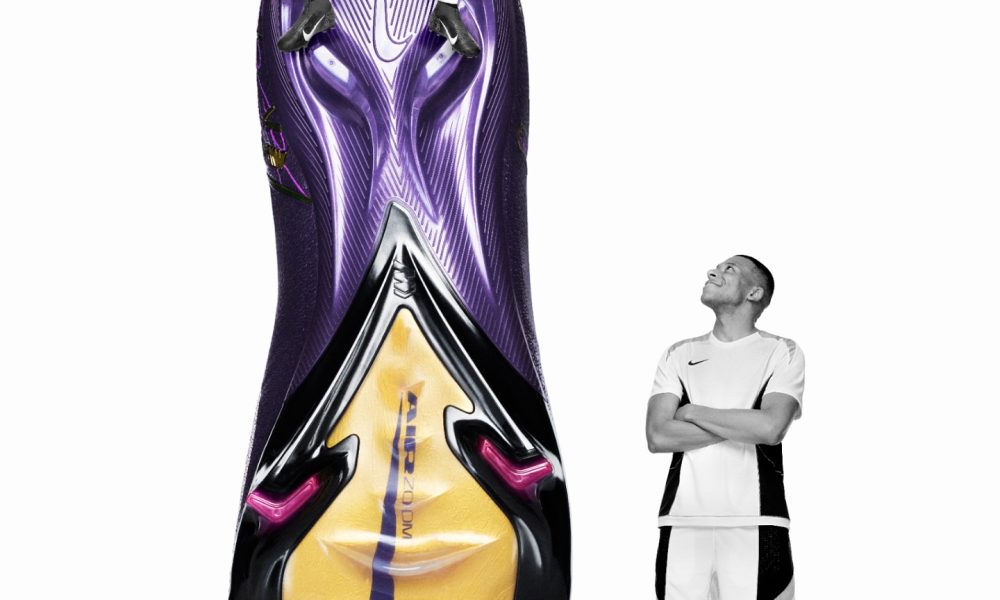 has always dreamed in Mercurial. Now his initials are on the boots.
The new Kyl…
has always dreamed in Mercurial. Now his initials are on the boots.
The new Kyl…
First Tee Winter Registration is open

Fargo girl, 13, dies after collapsing during school basketball game – Grand Forks Herald

CPG Brands Like Allegra Are Betting on F1 for the First Time

F1 Las Vegas: Verstappen win, Norris and Piastri DQ tighten 2025 title fight

Two Pro Volleyball Leagues Serve Up Plans for Minnesota Teams

Utah State Announces 2025-26 Indoor Track & Field Schedule
Sycamores unveil 2026 track and field schedule

Redemption Means First Pro Stock World Championship for Dallas Glenn

Bowl Projections: ESPN predicts 12-team College Football Playoff bracket, full bowl slate after Week 14

Texas volleyball vs Kentucky game score: Live SEC tournament updates
