

Connect with us
https://yoursportsnation.com/wp-content/uploads/2025/07/call-to-1.png

Sports

Triston McKenzie's mental battle

Published

on

Triston McKenzie's mental battle

CLEVELAND, Ohio — The distinction between being physically sound and truly healthy has never been more evident than in Triston McKenzie’s current situation.

While the Guardians’ right-hander continues to struggle in the Arizona Complex League, his challenges appear to extend beyond the physical ailments that have plagued him throughout his career.

Guardians beat reporters Paul Hoynes and Joe Noga recently discussed McKenzie’s complicated situation on the Cleveland Baseball Talk Podcast, highlighting a critical distinction that often goes overlooked in professional sports.

“There’s a difference between being physically sound and being healthy,” Noga observed. “And I think right now that Triston might be in the difference between those two.”

This insight cuts to the heart of McKenzie’s dilemma. While medical evaluations may indicate his arm is structurally sound, the psychological barrier remains formidable. Can a pitcher truly perform at his best when each delivery comes with the subconscious fear that it might be his last?

The situation becomes even more pressing with McKenzie’s looming free agency. After multiple stints on the injured list and recommendations for surgery that he ultimately declined, the right-hander finds himself at a career crossroads. The organization outwardly maintains belief in his abilities, but the internal battle he’s fighting might be more challenging than any opponent he’s faced on the field.

“The Guardians believe he can still pitch in the big leagues, but now it’s an internal battle with this guy,” Hoynes explained on the podcast. “He’s got to take the step forward himself right now, and who knows what’s going to happen at the end of the season when he becomes a free agent.”

This mental component of recovery rarely makes headlines but frequently determines career trajectories. For McKenzie, the physical tools that once made him one of Cleveland’s most promising pitching prospects remain intact. The organization reportedly witnessed flashes of the old McKenzie during spring training — the velocity, the intensity, the natural talent that made him special — but consistency has proven elusive.

The situation raises compelling questions about the intersection of physical and mental health in professional sports. Athletes routinely play through pain and discomfort, but at what point does the psychological toll become the primary obstacle? For McKenzie, rebuilding confidence in his ability to deliver pitch after pitch without injury may prove more challenging than any rehabilitation protocol.

The Guardians’ approach seems measured — hoping to see improvement in Arizona before advancing him to a full-season minor league affiliate where he could make several starts. This progression would allow both McKenzie and the organization to fully evaluate his status before making decisions about his future.

Whether that future includes Cleveland remains uncertain. As Hoynes noted, McKenzie’s free agency adds another layer of complexity to an already complicated situation. Could a change of scenery provide the mental reset he needs? Or will he find his way back to dominance in a Guardians uniform?

Want to hear the full discussion about McKenzie’s situation and what it might mean for his future in Cleveland? Listen to the complete episode of the Cleveland Baseball Talk Podcast, where Hoynes and Noga break down the nuances of his recovery journey and what might come next as the season progresses.

Note: Artificial intelligence was used to help generate this story from the Cleveland Baseball Talk Podcast by cleveland.com. Visitors to cleveland.com have asked for more text stories based on website podcast discussions.

Podcast transcript

Joe Noga: Welcome back to the Cleveland Baseball Talk Podcast. I’m Joe Noga, joined by Paul Hoynes from Sacramento where he’s getting ready to cover the Guardians taking on the Athletics. But first, let’s recap Thursday’s Cleveland loss to San Francisco. Final game in the series there. Gavin Williams pitched his heart out, but the Guardian couldn’t score enough runs to get him a win. They fall to the Giants 2 to 1. Hoynsie, what’d you see in the last game of the series against San Francisco?

Paul Hoynes: Yeah, Joe, they had a chance to sweep this thing. Took an early one nothing lead, but you can’t, you’re not going to win a whole lot of games by scoring one run on seven hits. And the Giants weren’t much better. But the story of the game to me was Gavin Williams, six scoreless innings, just really a dominant performance. He overcame a 22 pitch first inning and, and really kind of kicked it in gear. And Joe, he was talking about the cut fastball that he used, the sinker that he used, and he’s, he’s incorporated both pitches this year on the fly, so to speak. And he really made progress with both of them. It’s just unfortunate he didn’t get the win because he left with the one nothing lead. And then the Giants rallied for two runs late for the win.

Joe Noga: Yeah, Wilmer Flores with the, the pinch hit two right double.

Paul Hoynes: Wilmer Flores had the pinch hit two run double off Nick Enright.

Joe Noga: Yeah, the, the bullpen, which had been so, so good and so strong in the first two games of the, of the series, you know, kind of faltered not a lot. There were a couple of guys down that they couldn’t go too late in that situation where normally Stephen Vogt might have used a Cade Smith or a Hunter Gaddis, but unable to do that after they had pitched in back to back days and the Guardians wind up losing. You mentioned Gavin Williams in that cut fastball. It really does seem to set up his, his four seamer enforcing fastball that much more effective when he’s using that cut fastball and getting the movement on that, that, that he has been able to get when he’s using it.

Paul Hoynes: Yeah, the opposition is hitting.128 against the cutter, this huge 143 against his curveball, 1, 200 against the slider. And like you said, the cutter sets up the fastball and the sinker and the opposition is hitting.303 against the fastball. But he really dominated yesterday by setting up that fastball which is 95 to 97 with the cutter and really played off those pitches well. That was really an encouraging performance by, by Gavin and you know, he’s really kind of, he’s coming on the last six, seven, eight starts. He’s three and one with a under three. You know, we might see him emerging right now.

Joe Noga: Yeah. And that’s, that’s a really good thing. And like you said, being able to sort of incorporate that, that cutter makes it even more effective because it doesn’t maybe show up on the scout as much right now because, you know, at the beginning of the year, teams, the book on Gavin Williams wasn’t necessarily, hey, look out for the cutter. Now they sort of have to, to bring in that information midway through the season as opposed to knowing what they knew going into the season about him. Makes him almost like a completely different pitcher.

Paul Hoynes: Yeah, he’s only thrown it like according to Statcast, about 14% of the time. So, you know, I’m, I’m sure that’s going to increase as the season goes along.

Joe Noga: Yeah. As he gets more comfortable with it, for sure. All right, today’s edition of the Cleveland Baseball Talk podcast, a special. Hey, Hoynsie edition. We’ve got some reader and listener submissions to the podcast and we’re going to read through some of these questions, answer as many of them as we can and you know, let’s, let’s get into it, Hoynsie, and see what the, what the readers have to, you know, ask us about. This one comes from Bruce Tate in Shreve, Ohio. He wants to know how are Pedro Avila’s numbers looking this year in Japan? I hated to see him go. Thought he was a good low cost option in the bullpen. What are your thoughts on why they didn’t bring Pedro Avila back?

Paul Hoynes: Yeah, I really like Pedro. What he did, you know, we saw this guy grow from, you know, kind of a, you know, a blowout pitcher either when they were up 10 and or down 10 into, you know, really kind of a pitcher that was pitching and leverage innings as the season went along, especially down the stretch and, and did a nice job for him in the ALCS too, Joe. So I thought he was really a valuable part of the bullpen. He wasn’t. He went to Japan. They didn’t keep him. And he’s struggling a little bit with the occult swallows in Japan. He’s 1 in 5 with a 3.07 er. He’s pitched in both. I don’t know if this, if you can pitch him. If the swallows had teams in both Japan divisions, I couldn’t exactly tell. Overall, 1 and 5.307, 3.07 E. Ira 10 games, 21 strikeouts, 12 walks, 28⅓ innings.

Joe Noga: Yeah, the one thing I will remember about Pedro Avila, and not just the value that he brought in so many different situations last year, but he wasn’t on the roster for the Division Series. They kept him off the roster for the Division Series, and he was still with the team in Detroit. And I remember the first guy out of the dugout to greet David Frye when he hit that go ahead home run in, what was it, Game four of the Division Series when the Guardians were facing elimination. Paid. Andrew Avila was a hype man. He was out jumping around. That. That, to me, just showed. He sort of bought in and he. He got what the Guardians were all about last season. And yeah, it’s one of those decisions where maybe you thought you had better, better veteran options. Guys like, you know, you signed Paul Sewald, you signed Jacob Junis to maybe sort of take over that role. And, you know, because there were relationships with Stephen Vogt or somebody else in the organization, maybe that had something to do with it. And Pedro was the odd man out there, but, you know, it’s hard to argue with the guy that. That did what you were looking for there in that. In that situation. So, yeah, tough to see him go. Unfortunate. Maybe he’s not performing the way that he had hoped to in Japan, but maybe you’ll get another shot at the big leagues and maybe you’ll come over here and. And we’ll get to see him pitch against the Guardians at some point.

Paul Hoynes: That’s. That’s how it usually works, Joe. I think probably money played a big role in this. You know, the Japanese teams have money to spare with American players and maybe got a better payday than he was going to get in the big leagues here.

Joe Noga: Yeah. All right, next question on the list comes from Andy Meese in Sandusky. He wants to talk about Stephen Kwan. A lot of people want to talk about Stephen Kwan, especially this week with the games being in the. The Bay Area. Stephen Kwan, a Bay Area kid, and the big homecoming for the week. No question. Stephen Kwan is a Gold Glove left fielder. The question is, could he be in the running to win the platinum glove in 2025, and has he been under consideration in past years for the Platinum Glove Award? This is from Andy Mees in Sandusky. The Platinum Glove obviously, is the overall best defender in each league. I think the Guardians have had one Platinum Glove winner. That was Francisco Lindor back in 2015. Yes, I’m forgetting about the obvious Andres Jimenez, two Platinum Glove winners, the. The Statcast, and that baseball information solutions that sort of compiles all of the things that go into the fielding Bible awards and the Gold Glove metrics that they sort of use that are one of the opponents to it. They really love Stephen Kwan, not just because of, you know, making the outstanding catches, not just because of making the outstanding throws, but because of the. The little things that we saw in Game 1 of the San Francisco series where he was in position and the anticipation and the footwork and the, you know, the throws always being on time and where they need to be. There’s a lot that goes into making a guy a Gold Glove defender, and Stephen Kwan’s been able to demonstrate that for. For the better part of three years now.

Paul Hoynes: Yeah, I’m sure he’s been in up for consideration for the, you know, the Platinum Glove. If you win three straight Gold Gloves, you know, really starting out right his first three years in the big leagues, you’re a Gold Glove winner each year. You’ve got to be under consideration. You know, my concern would be, Joe, you know, the infielders usually win the Platinum Glove. It seems like they handle so many more chances, but I would think Quan would definitely be up for consideration. I don’t know if this is his best year, Joe. I mean, that rookie year, when he had that rookie year with the Catch in Seattle going into the stands, and maybe it was just because we hadn’t seen him before and he spoiled us. He might, he might have had his first two years, might be better than. Than this year right now, or I guess the first three years.

Joe Noga: Well, yeah, his first two years definitely were better than his third year, and he still won the Gold Glove in his third year. And it’s not like it used to be with the Gold Gloves, where you. You won mostly based on reputation. I mean, Greg Maddox, for, for as wonderful as he was, he won, what, 12 Gold Gloves as a pitcher. That was on reputation. After the first, you know, half dozen or so, the rest of them, he’s going to win those Gold Gloves, but it’s not that way anymore. There’s a voting component from coaches within the leagues, the guys that see you play every day, assistant coaches and players. There’s a, like I said, there’s that stat cast metric that they, that they sort of feel in. It’s the runs, defensive runs saved, which Quan is always among the league leaders at his position for. And now that Statcast is also incorporating some of these, our metrics, you know, release and, you know, the miles per hour on the throws and accuracy. With those, everything can be measured. Every. Every movement and every play that you make on the field can be measured. And, and Stephen Kwan’s movements and measurables are always so high that you add in the reputation. I remember, like you said, his rookie year, Dusty Baker, you know, was raving about Stephen Kwan and the way that Quan played balls that hit the wall in left field. You know, he would, he would get them back into the infield so quickly that the runners couldn’t advance, or if they did, he was. He was throwing them out at second base. You know, that reputation gets around. And you add that in with the, the Statcast metrics. And that’s why Stephen Kwan has three goal gloves.

Paul Hoynes: Yeah, he is. He’s a delight to watch day in and day out. Joe. And, you know, yesterday contributed three hits. You know, he’s been struggling with that wrist a little bit, so hopefully he’s turned a corner offensively as well.

Joe Noga: Yeah. Good to see Stephen Kwan back on the. On the plus side, hitting. All right, let’s go to our next question. Bruce Moore from West Palm Beach, Florida, he wants to know, in light of his continued poor performance at the training complex, should Tristan McKenzie finally get his long overdue arm surgery at this point, what does he have to lose? In retrospect, did you think, did the team do this young man a disservice by not making sure he had the surgery years ago?

Paul Hoynes: Joe, you can’t make a guy have surgery if he doesn’t want to have surgery. I mean, he went to the second opinion. They felt he could rehab the injury, whatever the cause. You can’t, you know, say you got to have surgery. So, you know, Tristan made the decision. I think he’s past that. I really do. Joe, from all reports, you know, he’s healthy. The shoulder is healthy, the elbow is healthy. Whatever’s going on, you know, is. I don’t know if it’s. Obviously, it’s internal. There’s, you know, there’s. I’m sure, is, you know, he’s. He’s in his head about it and he’s, you know, this is a decision he’s got to make. You know, I don’t know if he would. Would ever reconsider having surgery. I’m not sure. But he’s, you know, he’s really struggling in the Arizona Complex League. He’s a free agent at the end of this season. I think ideally, what the guardians would like to do Joe is. They would like to see him show some improvement in the desert, in the. In the complex league, get him out to a full season minor league team, have him make 3, 4, 5 starts, just to make a full evaluation of him and give him some confidence going forward.

Joe Noga: Yeah, the confidence, I think, is a big key. And really, Bruce, I think your question and the idea of making sure a guy had the surgery, they can strongly recommend the surgery, but ultimately it’s up to the player and up to the player’s family and those kinds of things. Things. And there’s never a sure thing when you. You have that surgery that you’re going to have a career afterwards. So it’s a big decision. And there’s a difference between being physically sound and being healthy. And I think right now that Tristan might be in that sort of the difference between that. You know, his arm might not be hurting him, his. His elbow might not be giving him the. The pain or whatever. He might be throwing freely. But are you fully healthy if in the back of your mind, every time you take the mound, you’re considering that the next pitch you throw could be the last one that you throw? So I think there’s a difference between being physically whole and being healthy, both with your elbow and with your mind.

Paul Hoynes: Joe, they. They believe that the old Tristan is still in there. That, you know, they saw the velocity, they saw the intensity from Tristan early in camp this spring, but it. They. He didn’t hold it. He didn’t keep that. Keep that going. But the Guardians believe he’s. He can still pitch at the big leagues, but now it’s, you know, kind of an internal battle with this guy. He’s. He’s got to take the step forward himself right now, and, you know, who knows what’s going to happen at the end of the season when he becomes a free agent.

Joe Noga: Yeah, that’s, you know, who knows what. Whether that future is with the Guardians or not. Maybe there’s a team that’s willing to take a chance on him as well and give him that confidence sort of externally, in addition to that. All right, our next question from Arthur Flicker in Albuquerque. Albert or Arthur says Albert. Arthur says Lane Thomas is really struggling. Assume he can’t be optioned. What can the Guardians do? And Hoynsie, you know, this is a matter of maybe just getting enough at bats to see what. What’s going on with Lane Thomas?

Paul Hoynes: Yeah, I mean, you know, I think it’s unfair to, you know, really judge this guy right now. He’s been on the IL twice this season, I think he’s only played 25, 30 games and we’ve. We saw last year how streaky he is. He came up right after the trade from the Nationals. He. He kind of went into a long funk. Then he came out of it, and you couldn’t get the guy out in September and, and in the al. ALDS against Detroit. So he’s a streaky hitter. He’s a guy that doesn’t. Hasn’t had a lot of at bats. I think you really got to play it out here and see where he’s at in July and August as, as the season unfolds. Now is. But he’s still. Obviously he’s a trade candidate as well. I would think at the deadline. He has a track record. Teams know what he can do. He’s, you know, he showed in the postseason. He’s. That he can have some success. So, you know, interesting guy right now as a trade deadline approaches and as the guardians kind of, you know, around.500.

Joe Noga: Yeah. And we can identify the contending teams right now who might want a fourth outfielder who they can bring off the bench and who can steal a bag. And that’s certainly something that Lane Thomas can do late in a playoff game. So I start thinking in that sort of mode, and the, the options for, you know, what he could bring in return might be pretty good. So I definitely keep an eye on Lane Thomas, but again, expect him to get some regular playing time now that he’s healthy and back. And, you know, they’re. They sort of have to figure out what they’ve got. A next question from John Kyle in Westfield Center, Ohio. He wants to. He throws out a nice hypothetical. Who would you take between the 2024 infield duo of Brian Rocchio and Andres Jimenez or the 2025 duo of Gabriel Arias and Daniel Schneemann? Hoynsie, who you picking?

Paul Hoynes: That’s a tough one. That’s a good question. You know, I just. For flash. For the flash, the flash factor and for the joy of seeing Jimenez play every day. I’m going with Rocchio and Andres Jimenez, but I like the grinding. I like the, the balance that. That Gabriel Arias and Schneemann give you. You know, they give you good defense, solid defense, and they’re giving you that offensive component as well.

Joe Noga: Yeah, I think I would agree with that. I might actually go with Arius and Schneemann personally as my pick because we’ve seen flashes out of Gabriel Arias with that. I really like seeing Gabriel Arias uncorked that arm when, when he gets a flip at second base to, to try and turn a 4, 6, 3. That arm comes out and you see that’s a. You. The comment that I make in the, in the press box is that’s a big league shortstop arm. That’s a, that’s a cannon. And, and Schneemann’s turning himself into a pretty decent defender at second base. Nowhere near the level of Andres Jimenez for sure at second base, but, you know, he’s ranged into the outfield, made some sliding stops, made some really nice plays, and he gives you great at bats and he’s giving you a little bit of pop and, you know, he grinds out some, some good at bats. And that was, you know, towards the end there, Andres Jimenez was, was not really giving you good at bats at the plate. I think offensively you’re going to get more out of Schneemann and Arias than you did out of Rocchio and Jimenez. But, you know, Hemi, Hemi was such a good guy. He was so, so nice and so much fun to, to be around and, and definitely watching him was like, it brought back shades of watching Roberto Alomar at second base.

Paul Hoynes: Yeah, that was, that was a lot of fun. But yeah, I think, you know, it’s, you know, when you, when you think of Rocco and Jimenez, you think of middle, the middle of the infield or middle infielders, you know, like, you know, that’s what they were meant to play, you know, areas and Schneemann have moved around so much. You know, their versatility kind of plays into this. So it’s good to see them, I think, settle into one spot, you know, areas, like you said, dynamite arm. You know, you’re out when you’re hit. You, when you hit the ball to him and Schneemann, you know, it’s not going to hurt you at second base. You know, he’s going to, he’s going to make all the plays he should make. He’s going to turn the double play. So that’s a great question. And there’s pros and cons to both of it. I’m, I feel strongly both ways, Joe.

Joe Noga: That’s very good. All right, our last question. This is a, this is a whopper, a Greg Benedetto from Cottonwood, Arizona. He checks in. Something that always bothers me is the framing. The best catchers can do potentially to fool umpires watching it on tv. It can be so obvious how this practice changes the ball, strike count. It’s essentially accepted cheating. This wouldn’t be an issue with abs. Maybe I’m just too old school. What do you say? And I think, you know, Greg, maybe this is an issue that’s going to resolve itself pretty shortly. Maybe within the next year we could see the ABS system in play here. But Hoynsie, what are your thoughts on the old school? The guys are good at framing pitches.

Paul Hoynes: I think, you know, that’s why, you know, the players, the players have pushed for the challenge system. The ABS challenge system where you can challenge. You get so many challenges per game because that, that does not devalue the catcher and the catcher’s ability to frame. I mean, that’s, that’s a lot. You know, you look at Bo Naylor Hedges, you know, that’s why they’re in the big leagues. That’s why they were in there in Cleveland. Because, you know, they, they’re good defensive catchers, but they also frame very well. They steal strikes and, you know, that’s part of the game right now with total, you know, the robot umpires, you know, that’s not a factor anymore and, you know, the catcher loses its value. So, you know, I think if to keep, to keep, you know, the catchers, the value of the catcher, I think the abs, you know, has to be in the system, but it has to have the challenged component as well.

Joe Noga: Yeah, I think in my mind the whole problem is going to be are there going to be enough challenges allowed? I think the idea that you’re only, you only get two per game might be a little low. I think maybe adding a third once you get to the eighth inning might help if you use your first two early in the game. I mean, we’ve, since we saw in spring training, you know, young guys with the double ear flaps come up and, you know, they’re, they’re challenging strikes or challenging in situations where it’s a 10 run game or whatever, that’s not the best use of it. I want to go back to Greg’s question though and ask you what your thoughts are. Hoynsie, is, is pitch framing, is that cheating? Greg’s, you know, first question is he thinks that that’s, that’s sort of a way to, to legally cheat, you know, and I guess that’s the best way to put it because catchers have been doing it for years.

Paul Hoynes: Yeah, you know, I think it’s part of the catcher’s skill. You know, obviously, you know, you look at the catchers around the league, they’re not there because of offense. Most, you know, the majority of them aren’t there because, you know, the way they’re swinging their bat, it’s not like they’re all Yogi Berra anymore. These guys are there, you know, because they can frame, because they can, you know, work a pitching staff. They can get a strike in a difficult situation. And if it’s cheating, you know, it’s, you know, it’s up to the umpires to, to, to, you know, to kind of, you know, to enforce that and, you know, to make that. If they, if it’s, if it’s egregious, you know, you can call it a ball. You know, you don’t. You can, you can. You can see the pictures of the catcher’s mitt move, I’m sure. But, you know, but right now, it’s part of a catcher’s toolkit.

Joe Noga: Yeah. And these guys drill this and they work this. And, you know, I’ve seen video of Austin Hedges talking about while he’s in Goodyear, you know, the first couple of days of camp, talking about how he’s going to work on, you know, working from down in the strike zone, up and, and bringing pitches that are low up and bringing pitches that are up, down and that kind of thing. And he’s. He’s the best at it right now. He’s one of the best at it. And you’ve seen Bo Naylor’s progress that he’s made in that area over the last year and a half or so. So, yeah, these guys need to keep their livelihood. They need to keep their. Their jobs in. And that’s. That’s one of the ways they can do this is I, I agree that the challenge component needs to be a part of it in order to sort of completely eliminate unskilled catchers being what. What everybody goes to. Then, you know, it just guys that can hit the ball out of the park and, you know, if they can’t frame pitches, who cares, because it’s not a big deal. All right, Hoynsie, that’s going to wrap up today’s edition of the Cleveland Baseball Talk podcast, a hey, Hoynsie edition. We will be back on Monday. I want to talk on Monday about the, the minor league ballpark that you’re going to be watching a Major League baseball game in tonight and over the weekend. I want to get your thoughts after experiencing that. And was it Sutter Home. Sutter. Sutter Home field or Sutter Health? Sutter Health. Sutter Health Field. So you give us a full review.

Paul Hoynes: And they’re sharing it with the minor league team. Yeah, yeah. AAA team.

Joe Noga: All right. God bless. Hoynsie have fun out there, and we’ll. We’ll check in with you on the weekend, all right, Joe?

Continue Reading
Click to comment

Leave a Reply

Your email address will not be published. Required fields are marked *

Sports

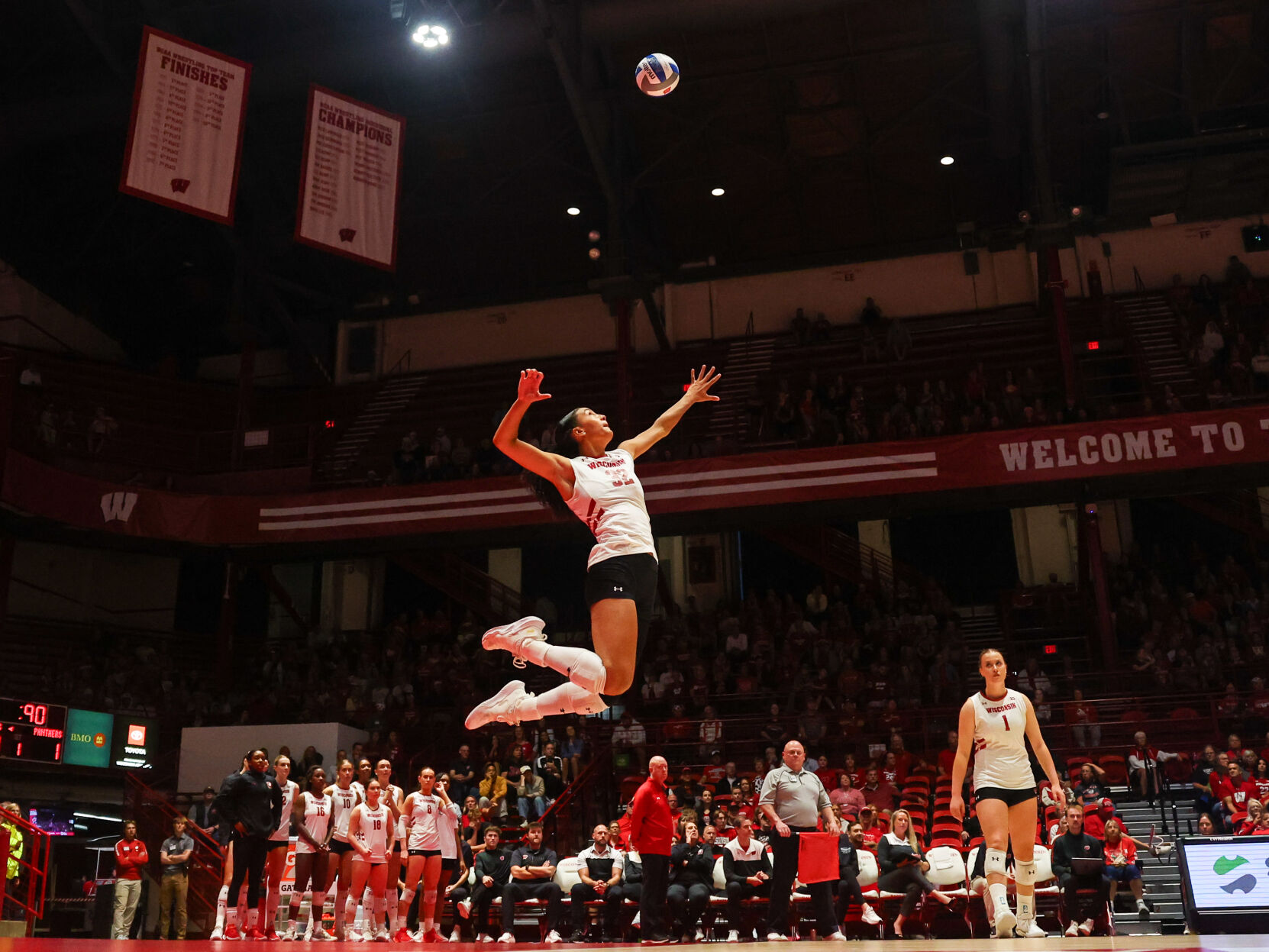
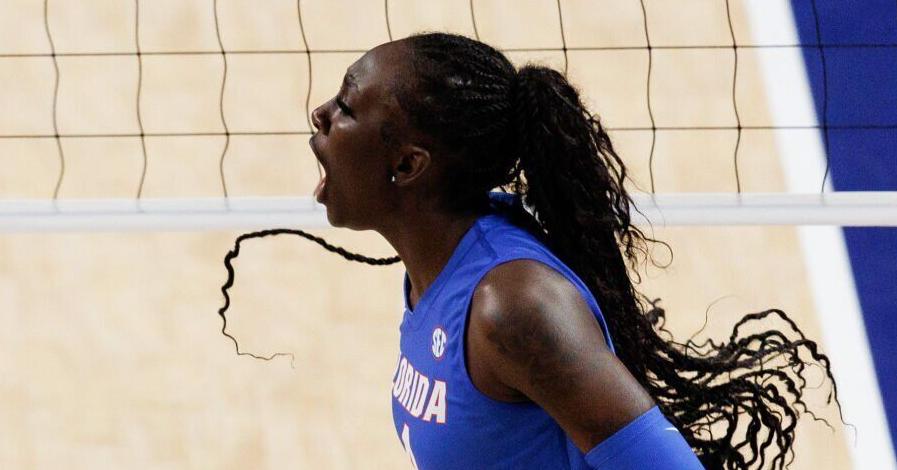
Florida’s Jaela Auguste transfers to Wisconsin volleyball

Published

on


The University of Wisconsin volleyball team made its first splash of the transfer cycle Saturday, just two days after its season came to an end in the Final Four.

kAmp==\p>6C:42? >:55=6 3=@4<6C y26=2 pF8FDE6 2??@F?465 96C 564:D:@? E@ EC2?D76C E@ E96 q2586CD 27E6C DA6?5:?8 E96 7:CDE EH@ D62D@?D @7 96C 42C66C 2E u=@C:52] %96 e\7@@E\a D@A9@>@C6[ H9@ H:== 92G6 EH@ J62CD @7 6=:8:3:=:EJ C6>2:?:?8[ k2 9C67lQ9EEADi^^HHH]:?DE28C2>]4@>^A^s$7C>r2r’g’^Q E2C86ElQ03=2? 244@F?Ek^2m[ D2J:?8 D96 😀 Q8C2E67F= E@ 36 23=6 E@ 4@?E:?F6 >J 42C66C 2E DF49 2 8C62E AC@8C2>]Qk^Am


Sheffield transitions to offseason while appreciating latest Wisconsin volleyball campaign


Link

Continue Reading

Sports

Is women’s volleyball the SEC’s next big sport? How Kentucky, Texas A&M broke through

Published

on


KANSAS CITY, Mo. — Two moves ultimately stood above the rest amid an avalanche of volleyball activity in the transfer portal late last year: Eva Hudson from Purdue to Kentucky and Kyndal Stowers from Baylor to Texas A&M.

It was a literal shift of power from the Big Ten and the Big 12 to the SEC.

Hudson and Stowers committed within 30 minutes of each other, as Texas A&M coach Jamie Morrison remembers it. They were stars at their former schools — in two leagues that have combined to win 16 national championships in this sport over the past 26 seasons.

Morrison’s first thought? Fun times ahead in the SEC.

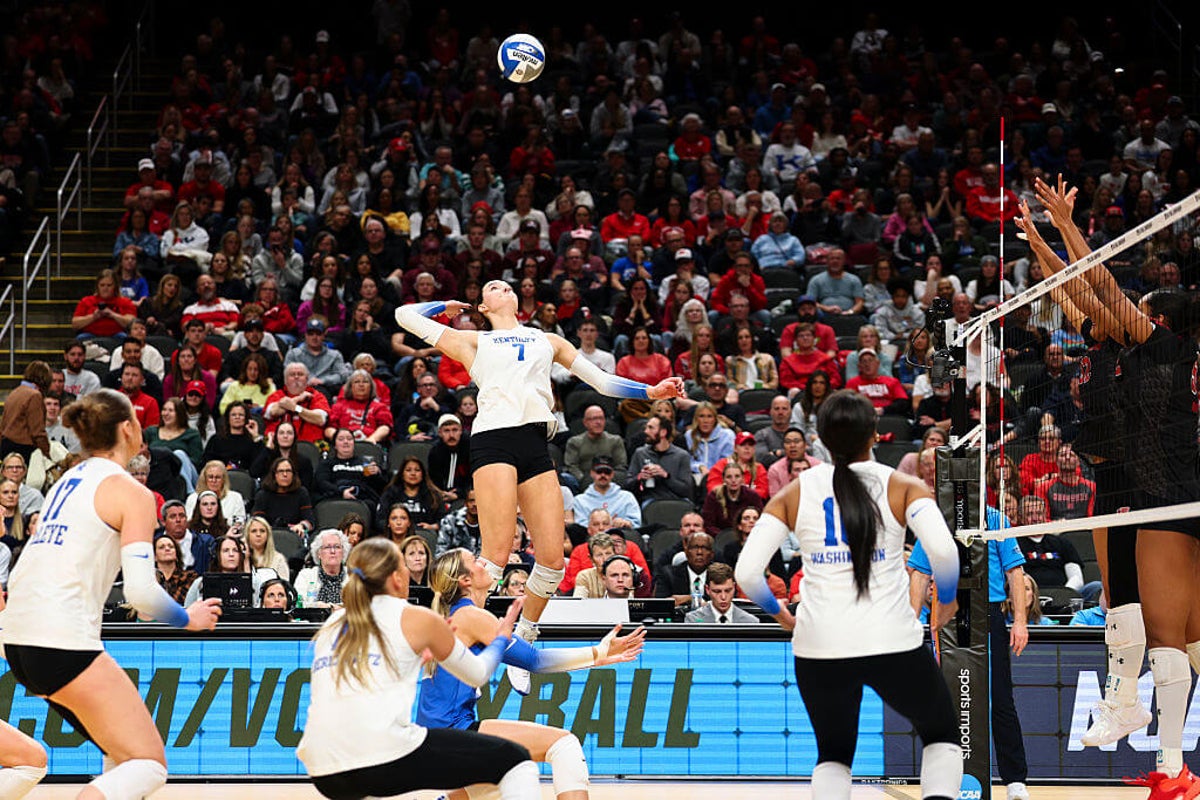
Their impact has resonated more widely. Sunday at T-Mobile Center and in front of an ABC audience, Kentucky (30-2) and Texas A&M (28-4) will play for the national championship. Hudson and Stowers are All-Americans. They provide just a segment of the firepower on stacked rosters for the Wildcats and Aggies.

The SEC has arrived as a force in women’s volleyball, in position to challenge the Big Ten as the best conference nationally. The conference secured a second national championship — and the first in a traditional fall season — with semifinal wins Thursday by Kentucky against Wisconsin and Texas A&M against Pitt.

The Wildcats won it all in the pandemic-adjusted 2020 season, played in the spring of 2021.

That championship remains the most treasured by Greg Sankey, he said, among the football- and baseball-heavy collection assembled in his decade as SEC commissioner.

“It broke down doors,” Kentucky coach Craig Skinner said, “that either Kentucky could do it again or someone else in the league can do it.”

When Sankey visited Lexington on Labor Day weekend in 2021, Kentucky and Skinner presented him with a national championship ring.

“I don’t get emotional much,” Sankey said Thursday after watching the Aggies and Wildcats win. “But to know all that had taken place to get to that point, it’s something we had never done as a league.”

Not long after Sankey took power in 2015, he saw the potential for growth in volleyball and wanted a piece of the action. Florida, under coach Mary Wise, who retired after last season, had long carried the SEC flag. But the Gators never reached the mountaintop, losing in national championship matches against USC in 2003 and Nebraska in 2017.

Then came Kentucky’s breakthrough.

The popularity of volleyball is exploding. Viewership and participation nationally are on the rise. The professional game has emerged in the United States, with two major women’s leagues (Major League Volleyball and League One Volleyball). In the SEC, Vanderbilt rekindled its program after 45 years. Schools are shattering attendance records and devoting name, image and likeness resources to the sport.

Sankey, looking for an edge, pushed for the SEC to rekindle its postseason tournament, which it hadn’t staged since 2005.

The Big Ten, Big 12 and ACC do not contest postseason championships. The logic? Top programs build resumes strong enough to earn high seeds in the NCAA Tournament without a taxing finish to November.

The commissioner “begged and pleaded,” according to Morrison, knowing that a tournament would create opportunities for exposure and growth.

And with four-time national champion Texas on board after it won consecutive titles in the Longhorns’ final seasons in the Big 12, the time was right.

The tournament came back this year in Savannah, Ga., featuring all 16 programs in a five-day event. Kentucky and Texas played three matches in three days. The Wildcats outlasted the Longhorns in five sets in the final.

“I know volleyball when I’m looking around the country,” Morrison said. “Seeing what us, what Kentucky and what Texas were doing, I thought those were three of the best teams — if not the three best teams — in the country as we went through the season.”

Texas A&M pulled off the upset of the season when it beat No. 1 Nebraska to reach the final four. (Dylan Widger / Imagn Images)

The Aggies made a statement in winning a regional semifinal in five sets against Louisville, the national runner-up a year ago. A&M’s five-set upset against No. 1 Nebraska then punched the Aggies’ first ticket to a national semifinal.

“We’re one of the most prepared teams in the country,” Morrison said. “Kentucky is the same way because they had the same path.”

Kentucky lost this year against Pitt and Nebraska. A&M beat them both in the past week.

The Wildcats beat Texas twice. The Aggies split with the Longhorns.

All that’s left is to settle things on the court. In their lone meeting this year, Kentucky won in College Station, Texas, on Oct. 8 in four sets.

“That feels like a really long time ago,” A&M senior Emily Hellmuth said. “It’s hard to honestly remember, so much has happened since then.

“I think we left feeling like there was a lot of unfinished business there.”

The Aggies lost the final set of that first match, 27-25. Hudson and Stowers, the high-impact transfers, traded the final five kills.

The transfer of power now complete, they’re ready on Sunday to put on a show of SEC force.


Link

Continue Reading

Sports

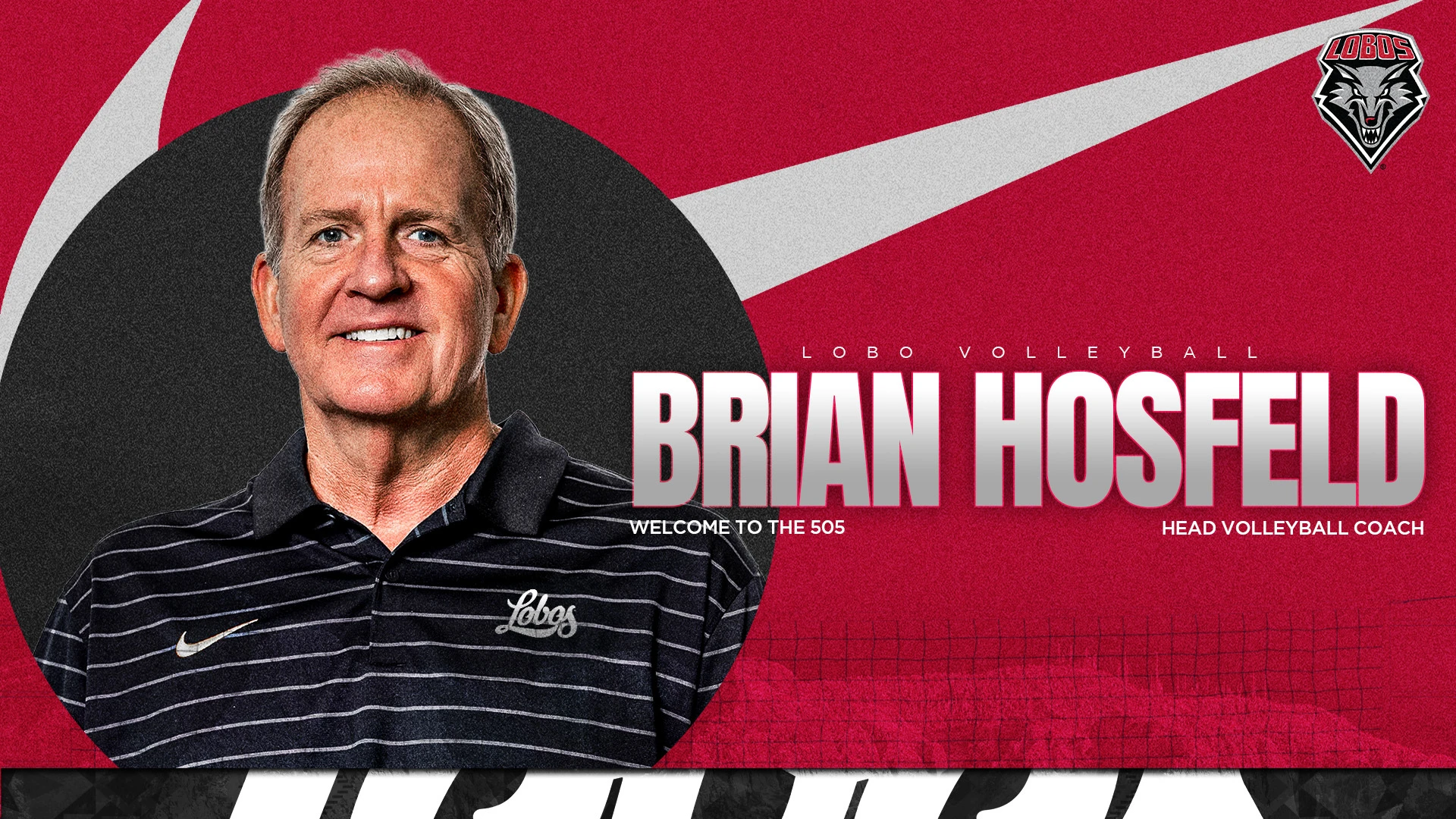
Brian Hosfeld Named New Mexico Volleyball Head Coach – New Mexico Lobos

Published

on


ALBUQUERQUE, N.M. – Brian Hosfeld has been hired as the 11th Head Coach of New Mexico Volleyball, Vice President/Director of Athletics Fernando Lovo announced on Sunday.

Hosfeld arrives in Albuquerque after a four-year stint as Associate Head Coach at Wichita State with over three decades of coaching experience under his belt. During Hosfeld’ s tenure in Wichita, the Shockers accumulated an 81-46 (.638) record, winning an AAC Tournament title and advancing to the NCAA Tournament in 2024. He also departed Baylor as the winningest head coach in school history in addition to winning a national title as an assistant at Long Beach State and reaching the Final Four three times as an assistant at Texas.

“I’m grateful to Athletic Director Fernando Lovo and his executive team—Ryan Berryman, Amy Beggin, and Kasey Byers—for the trust they’ve shown me throughout this process,” said Hosfeld. “I’m honored and excited to represent the University of New Mexico as the next head coach of women’s volleyball.

“The opportunity to build alongside our student-athletes—developing them on and off the court—is what excites me most. UNM is a special place with good history, and I can’t wait to begin this journey with the Lobo family.”

“We couldn’t be more excited to begin a new chapter for Lobo Volleyball with Brian at the helm,” said Lovo. “He brings an abundance of experience on the biggest stages of collegiate volleyball and is a proven winner with a commitment to the values we share as part of the Lobo family.

“His leadership qualities, character and track record of success stood out to us in our search and will be pivotal as we strive to bring home championships to Albuquerque.”
 
Hosfeld began his coaching career at Long Beach State in 1993, winning the national championship in his first season with the 49ers – that season, the 49ers went 32-2, only dropping two sets in their entire NCAA Tournament run. 

VB Coach Resume (1).jpgAfter three seasons at Long Beach, he was chosen to lead the Baylor program in 1996, departing eight years later as the winningest coach in program history with 129 victories to his name. Under Hosfeld’s leadership, Baylor reached the NCAA tournament for the first time in program history in 1999, going on to qualify again in 2001.
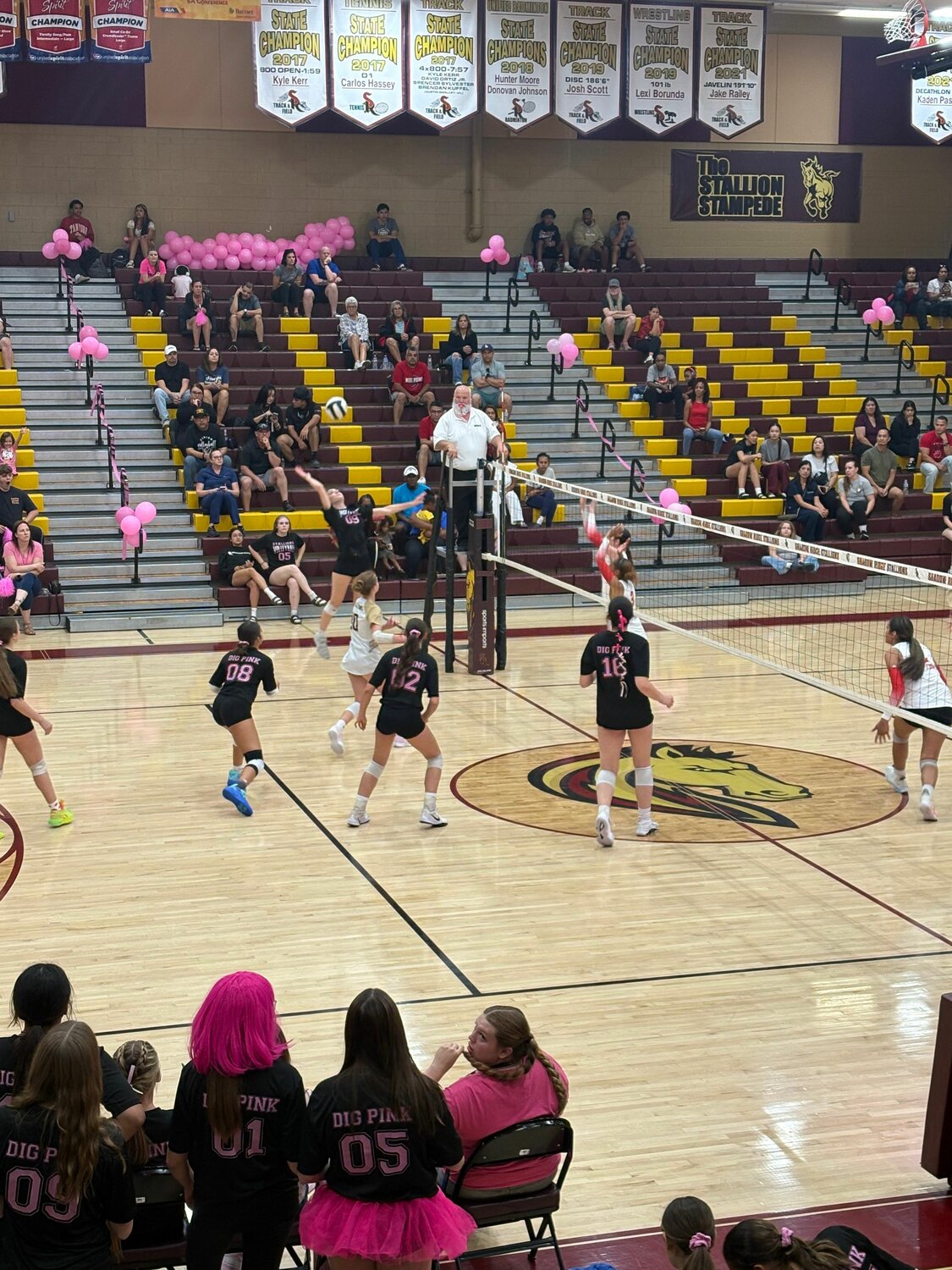
 
Following his tenure in Waco, Hosfeld joined the staff at Texas in 2004, working primarily with the Longhorns defense and middle blockers. He helped formulate one of the most productive defensive units in the nation, with the Longhorns winning three consecutive Big 12 titles and reaching the Final Four in 2008, 2009 and 2010 — UT advanced to the national championship match in 2009. With Hosfeld on staff, Texas posted an overall record of 186-33, winning at an .849 clip.
 
Hosfeld has also coached at the international level, leading the 2005 USA Volleyball A2 junior national team and USA Volleyball to a silver medal at the 1997 World University Games in Sicily, Italy. Prior to his work with that team, Hosfeld served as USA Volleyball’s director of the World University and National Team tryouts at the Olympic Training Center.
 
Hosfeld’s most recent collegiate coaching experience before heading to Wichita came as an interim assistant coach at Utah, where he spent the 2011 season before transitioning full-time to club volleyball. He helped found nationally-recognized Magnum Volleyball in 1986 and worked with Austin Juniors, Club Red, Arizona East Valley, Spiral and Catalyst before taking over as director of T3 in Coeur d’Alene, where he spent the previous decade before making his return to collegiate volleyball in 2022.


Link

Continue Reading

Sports

The 2025 All West Valley Preps girls volleyball team

Published

on


West Valley Preps selects the top volleyball players in the Northwest Valley for the 2025 season.

Note these positions may not be the exact role each player was in all season but it is a position they are listed for. With so many top notch outside hitters in the West Valley, there are three on each team.

The teams are:

First team

OH — Lauren Forelli, junior, Liberty

OH — Addison Wiemann, senior, Sunrise Mountain

OH — Brooklyn Jenkins, senior, Sunrise Mountain

MB — Leylah Duran, senior, O’Connor

S — Lily Rolfes, senior, Sunrise Mountain

L — Kate Federico, senior, Centennial

Second team

OH — Alex Thompson, senior, Centennial

OH — Sadie Snyder, senior, Estrella Foothills

OH — Haley Cashatt, junior, Shadow Ridge

MB — Bailey Lambert, junior, Canyon View

S —  Ashley Logan, senior, Ironwood

L — Anabelle Cummings, sophomore, O’Connor

Third team

OH — Cadence Roberts, senior, Northwest Christian

OH — Molly Whalen, senior, Canyon View

OH — Malaya Gibbs, sophomore, Ironwood

MB — Haley Shinske, senior , Liberty

S — Cassidy Armstrong, junior, Millennium

L — Faith Connell, senior, Cactus

Player of the Year

Addison Wiemann, Sunrise Mountain

Runner up: Lauren Forelli, Liberty

Second runner up: Kate Federico, Centennial

Coach of the Year

Leah Orth, Centennial

Runner up: Carl DeFriez, Liberty

Second runner up: Troy Sherman, Shadow Ridge

Underclassmen to watch

ALA-West Foothills: Hailey Johnson, Soph., OH; Aileen Nimijan, Soph., MB; Cactus: Addison Martin, Fr., S; Skye Moore, Fr., OH; Canyon View: Isabella Hedrick, Fr., L;  Centennial: Isabella Palladono, Fr., S; Deer Valley: Sienna Borst, Soph., OH; Bailey Glass, Soph., DS; Desert Edge: Brin Randall, Soph., OH; Estrella Foothills: Gabby Coronado, Soph., S; Lily Merefield, Soph., S; Glendale Prep: Sanaiah Bajet, Fr., S; Lainey Hunter, Fr., MB; Ironwood: Nevaeh Osborn, Soph., OH; Isabella White, Sopg., MB; Kellis: Kaia Mendez-Winston. Fr., MB; Liberty: Emma Nance, Fr., OH; Millennium: J.J. Taula, Soph., RS; Northwest Christian: Lilly Bliss, Fr., MB; Izabella Bombinski, Fr., OH; O’Connor: Alayah Krein Soph., OH/S,Ahvah Florance-Littles, Fr., S; Peoria: Mia Gomez, Soph., MB, Maja Vojvodic, Fr., OH; Shadow Ridge: Averi Prieto, Soph., RS, Aliyah Watts, Soph., L; Valley Vista: Annalyse Sanchez, Soph., L; Willow Canyon: Emylia Coffman, Soph., MB; Aspen Edwards, Soph., OH.

Sunrise Mountain girls volleyball,


Liberty girls volleyball,


O’Connor girls volleyball,


Addison Wiemann,


Lauren Forelli,


Kate Federico,


Leah Orth


Link

Continue Reading

Sports

NCAA volleyball tournament final: Keys to Kentucky-Texas A&M

Published

on


KANSAS CITY, Mo. — We get it. You’re tired of hearing about SEC domination. The selection committee favors them, yada yada, because “it just means more.”

But wait. … We’re talking about volleyball here.

For the first time in the conference’s history, two SEC teams will be battling for the volleyball national championship Sunday afternoon when No. 2 Kentucky plays sixth-ranked Texas A&M at T-Mobile Center (3:30 ET, ABC). It took the league nearly four decades to celebrate its first national championship when Craig Skinner’s Kentucky Wildcats won in 2020 — actually spring 2021 because of COVID-19.

But this pairing is not a fluke. The Southeastern Conference had three teams (Kentucky, Texas and Texas A&M) ranked in the top 10 in the final regular-season poll, and a Wisconsin upset of Texas prevented the final four from being three-fourths SEC. Sunday’s outcome will ensure that four teams currently in the SEC have won the national championship in the past six years (Kentucky 2020, Texas 2022 and 2023), though Texas didn’t join the conference until 2024.

Skinner opened his news conference Friday by acknowledging the shift.

“Kudos to the SEC and the coaches in our league,” Skinner said, “for getting our conference in the position to be an elite league in the sport of volleyball in the NCAA.”

Skinner, an assistant when Nebraska won a national championship in 2000, knew the dearth of SEC dominance might hinder recruiting when he took the Kentucky job in 2005. So, he used the “Come join us and be the first SEC team to win a national championship” pitch.

“To be really good, you’ve got to invest a lot of time,” Skinner said. “I’d been a part of a national championship program. I just wanted people to feel what that was like. Not just winning it, but the work and the time and the competitive desire it takes to get to that point, because that’s the way life is.

“So, for us to do that, I think, broke down doors that either Kentucky could do it again or someone else in the league can. We’re very proud of doing that.”

Tiffany Daniels, the SEC’s associate commissioner and senior woman administrator, said nonconference scheduling, school investment and strong coaching hires have played a part in the ascent. A little bit of pride didn’t hurt, either.

Daniels said when Greg Sankey became commissioner in 2015, he noticed that volleyball was the only sport among the conference’s then-21 offerings that hadn’t produced a national title. He met with the coaches in the conference and asked what the SEC could do to help win a championship. She said the coaches “really leaned into that question and started to think strategically about how to move forward.

“I think that is what we’re seeing, the results of the fruits of that labor,” Daniels said.

Another thing that might have helped the league in the NCAA tournament was the return of the SEC tournament this fall. It was the first conference tournament for volleyball in two decades, and Texas A&M coach Jamie Morrison admits he was “a little bit iffy” on the prospect at first. None of the other major conferences — the Big Ten, ACC and Big 12 — hold conference tournaments.

“Commissioner Sankey begged and pleaded us,” Morrison said. “They wanted something to build — and this is a bad word, but — commercialization around, which is not a bad word anymore because it has to go that way in order for our sport to be viable and in order for a lot of things to happen.

“I think they did an amazing job with that. All of a sudden we got really good volleyball against really good teams in pressure situations.”

It was a primer for things to come.

Kentucky and Texas A&M were pressure-tested during their runs to the final. The Wildcats rallied from a set down against Wisconsin in the national semifinals and advanced in five sets. The Aggies escaped a two-set hole against Louisville in the regional semifinals and then upset Nebraska in a pressure-packed fifth in the regional final.

Both teams like to talk about how grit and mental toughness have pushed them to the championship match. Now, there’s one more win to be had in the 2025 NCAA volleyball season. The only certainty is that an SEC team will claim it.

Here are four other storylines to watch during the championship match.

Power of the pins

Traditionally, the best pin hitters in the title game claim the title for their team. Last year, it was Penn State’s Jess Mruzik. The year before that, it was Texas’ Madisen Skinner. And the year before that, it was Texas’ Logan Eggleston. Well, you get the idea.

There are several powerful pins in Sunday’s championship game — on both sides. The Wildcats feature Purdue transfer Eva Hudson (4.59 kills per set) and Brooklyn DeLeye (4.62 kills per set), and the Aggies showcase Logan Lednicky (4.11 kills per set) and Kyndal Stowers (3.50 kills per set). They’ve accounted for 351 kills in the tournament.

But it won’t be just a competition to see which team can outhit the other. Hudson said it might be as much about who can “outgrit” the other.

“Who lasts the longest, honestly,” she said. “And I think that’s what most of these games in the end, especially during the final four championship, comes down to, right? Players like Kyndal and Logan never stop fighting. They’re never going to stop swinging away. And we’re the same way.”

In Thursday’s semifinal against Wisconsin, Hudson dominated in the fourth and fifth sets. Her final kill of the game sealed the Wildcats’ fate and earned her 29 kills with a .455 hitting percentage. In the sweep against Pitt, Stowers and Lednicky led their program to its first title game with a combined 30 kills. When asked about her rise in kills in the past few games, Stowers said she’s at a loss for words.

“Pure gratitude. This is crazy,” Stowers said. “This is an absolute crazy experience. We have had faith in ourselves all year. From the first game of the season, we knew we were capable of this.”

Remember October?

Kentucky beat the Aggies 21-25, 25-22, 25-15, 27-25 in an Oct. 8 thriller in College Station. Texas A&M has clearly hit another gear in December, though, knocking off No. 20 TCU, No. 9 Louisville, No. 1 Nebraska and No. 4 Pitt in the postseason. “That feels like a really long time ago,” A&M outside hitter Emily Hellmuth said of the regular-season matchup. “It’s hard to honestly remember, so much has happened since then. I do remember after the fourth set everyone, including all the fans and us, feeling so — I don’t know — it was a confusing feeling of, we knew that we were about to go to the fifth. I think we left feeling like there was a lot of unfinished business there.”

Kentucky outside hitter Asia Thigpen took note of the Aggies’ big block presence in the regionals last week in Lincoln. “They’ve grown as a team since [October],” Thigpen said. “We have, too. I think just continuing to instill confidence in ourselves that we can do this.”

Hudson echoed Thigpen.

“Both of our teams have gotten so much better since then that it’s kind of like playing a whole new team,” Hudson said. “And I mean, kind of a similar game plan, but you’ve got to be ready for anything at this point in the tournament, too.”

Vibe check

A massive number of fans from Nebraska were supposed to travel down Interstate 29 to Kansas City this weekend, but Texas A&M squashed those plans last week with the upset over the No. 1 Cornhuskers. Still, the vibe has been festive in the City of Fountains.

Last year’s final drew an NCAA postseason record of 21,860 fans to the KFC Yum! Center in Louisville, Kentucky. It didn’t hurt that Louisville was playing Penn State. (The home team lost in four games.)

The sport’s popularity has grown each season, and this weekend’s interest in Kansas City is no exception. Downtown restaurants have had waiting lists, and the crowds were lively at T-Mobile Center on Thursday night for the semifinals.

“The vibe has been amazing,” Morrison said.

The NCAA said the attendance for Thursday night’s semifinal session was 18,322 — a sellout. Kristin Fasbender, the NCAA’s director of championships and alliances, said the empty seats in the lower bowl during the first match were mostly team-block allotments that were eventually occupied by fans who hadn’t shown up yet for the second match. “There’s lots of excitement,” Fasbender said.

Nebraska fans, still working through their stages of grief, have helped fill up the arena. On Thursday night, the crowd erupted when a fan in Husker gear appeared on the video board.

Morrison took notice of all the red.

“One of the things I really respect about Nebraska fans is a lot of them have showed up,” he said. “I know there was some stuff on social media, disappointment and that. I mean this: If we can do what I believe we can do at Texas A&M, I believe the 12th man can become that, too, where it’s passionate about volleyball, might show up to the final four, regardless of if we’re in it or not.

” … We need to grow volleyball fans, and take a card from Nebraska in that and go. I think the crowd has been amazing. I had a bunch of thumbs-up. I couldn’t tell if it was ‘good job’ or ‘gig ’em’ from Nebraska fans as I was walking out [Thursday] night.”

X factors

Though Hudson and DeLeye make most Kentucky headlines, Hudson believes her team’s X factors are middle blocker Lizzie Carr and Thigpen.

“When Lizzie Carr gets going, we’re dang near unstoppable,” Hudson said. “She’s such a fire to the team. But then we also have Asia Thigpen, who is one of the most competitive people I’ve ever known, and she makes me better. Without them, we wouldn’t be here.”

Hudson added that Thigpen, who is 5-foot-11, oftentimes gets overlooked because of her height — emphasizing her ability to be their secret weapon on the court.

The Aggies’ X factor heading into this game might be their ability to play with what their team has described as “so much grit.” It also might be the nine seniors — let’s not forget about middle blocker extraordinaire Ifenna Cos-Okpalla — on their roster who are ready to make their last college game the most memorable yet.

“I want to end my collegiate career as a winner,” senior Ava Underwood said. “We go into the gym every single day with the mindset that we’re going to be the grittiest team out there. We all want to play for each other. We want to win for each other.”

In his third season with the Aggies, Morrison led his program to its first final four and first national championship game. After sweeping Pitt in the semifinals, he credited his seniors for changing the future.

“We built this. Not just a team that can go to the final four and play for a national championship this year, but I think something that is going to last,” Morrison said. “That’s what I came to Texas A&M to do — to build something that is going to last. This group has helped us do that.”


Link

Continue Reading

Sports

Volleyball benefit held in honor of Moeller student killed in hit-and-run

Published

on


YOU’RE WATCHING. WLWT NEWS 5 LEADING THE WAY, HONORING THE LIFE OF A VOLLEYBALL PLAYER GONE TOO SOON. TODAY THERE WAS A VOLLEYBALL BENEFIT FOR DYLAN STRACHAN. BACK IN OCTOBER, DYLAN DIED AFTER BEING HIT BY A CAR WHILE RIDING HIS BIKE. TODAY, DOZENS OF PEOPLE FROM THE COMMUNITY GATHERING TOGETHER AT THE LOVELAND SAND VOLLEYBALL COURTS IN HIS HONOR. FAMILY MEMBERS WE SPOKE WITH SAY DYLAN WOULD HAVE LOVED THE EVENT. REALISTICALLY, I’D SAY HE’D PROBABLY CRY. HE’D BE REALLY SURPRISED. HE’D BE SURPRISED, BUT HE WOULD CRY. HE DIDN’T THINK HE FIT IN. AND ALL THESE KIDS ARE HERE TO SUPPORT HIM. SO IT’S REALLY SURPRISING. HE WOULD BE LIKE, I’M NOT GOING IN THERE, BRO. YEAH, BUT HE WOULD DEFINITELY BE PLAYING RIGHT NOW. WELL, ALL THE PROCEEDS FROM TODAY’S EVENTS ARE GOING TOWARDS A SCHOLARSHIP IN HIS HONOR. AND IF YOU’D L

Volleyball benefit held in honor of Moeller student killed in hit-and-run

WLWT logo

Updated: 10:18 AM EST Dec 21, 2025

Editorial Standards

A volleyball benefit was held Saturday to honor the life of a Moeller volleyball player gone too soon.Dozens of people from the community gathered at Grand Sands Volleyball, in Loveland, to honor the life of Dylan Straughn.In October, Straughn died after being hit by a car while riding his bike.Family members spoke with WLWT and said Straughn would have loved the event.”Realistic answer, I would say he would probably cry. He’d be really, really surprised,” his family said. “He didn’t think he fit in. And to see all of these kids that are here to support him, it’s really surprising. He would be like, ‘I’m not going in there, bro.’ But we would definitely be playing right now.”All of the proceeds from the event are going towards a scholarship in Straughn’s honor. If you’d like to donate, you can do so here.

A volleyball benefit was held Saturday to honor the life of a Moeller volleyball player gone too soon.

Dozens of people from the community gathered at Grand Sands Volleyball, in Loveland, to honor the life of Dylan Straughn.

In October, Straughn died after being hit by a car while riding his bike.

Family members spoke with WLWT and said Straughn would have loved the event.

“Realistic answer, I would say he would probably cry. He’d be really, really surprised,” his family said. “He didn’t think he fit in. And to see all of these kids that are here to support him, it’s really surprising. He would be like, ‘I’m not going in there, bro.’ But we would definitely be playing right now.”

All of the proceeds from the event are going towards a scholarship in Straughn’s honor. If you’d like to donate, you can do so here.


Link

Continue Reading

Most Viewed Posts

Trending