
NIL
After two years preparing for House settlement, Virginia is ready to embrace it


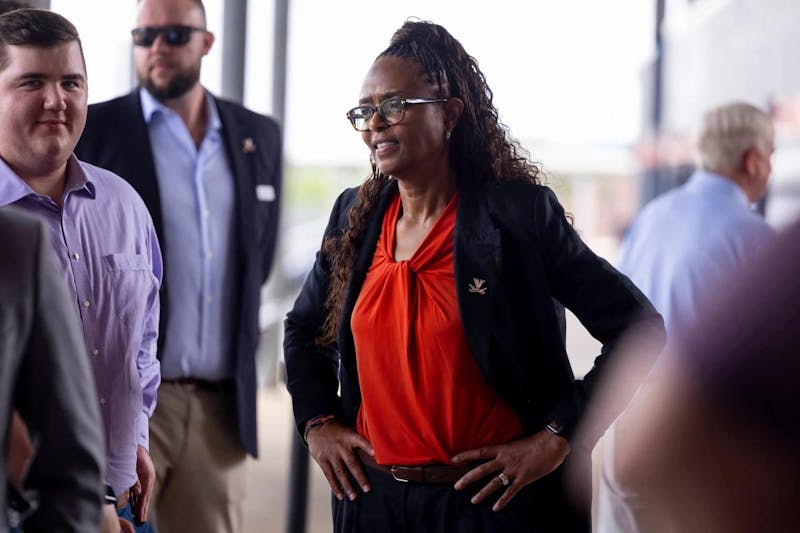
Athletic Director Carla Williams stood amid a press gaggle Wednesday, orange and blue balloons behind her, after another coronation for a new head coach. For just the second time in the last three months, she spoke to the media.
And for the second time, even as reporters asked about new baseball Coach Chris Pollard, another line of questioning intruded. This time even more pronounced than before.
Yes, Williams said. She was pleased — “ecstatic,” actually — with the House v. NCAA settlement that gained final approval June 6, establishing revenue sharing, scholarship expansion and name, image, likeness (NIL) regulations after months of chatter.
No, she said, her athletic department had not yet ironed everything out. But it was getting there.
This is the settlement that has cast a shadow over college athletics since it appeared a little over a year ago. Its most foundational impact is establishing direct payments from schools to players, known as revenue sharing. Schools will be able to pay athletes up to $20.5 million this school year, and more beyond that as the payment cap increases annually.
The settlement’s other sasquatch-sized footprint is its attempt to regulate name, image and likeness (NIL). Such deals had not, since they began in 2021, faced any scrutiny. But the settlement fashions a clearinghouse called NIL Go. All deals over $600 must go through the clearinghouse to ensure they meet market value.
Beyond that, the settlement disposes of scholarship limits, imposing roster caps instead. The scholarship limits, and the impending shifting of scales when some schools create more scholarships than others, has been a source of particular consternation among coaches.
Pollard, for one, said he has spent a year discussing the settlement with other coaches, the scholarship situation in particular.
“Hey, where are you guys going to land after the settlement?” one coach would ask.
“I don’t know, where are you guys gonna land?” went the response.
For two years, Virginia has been preparing. Williams said as much in a June 12 update posted to the athletics website and social media, projecting the same confidence in the settlement she did after basketball Coach Ryan Odom’s introductory press conference in March, the last time she spoke to the media. She said much the same Wednesday.
“[I am] very optimistic that this settlement is going to stabilize our industry,” Williams said. “There will always be changes. Because we’re going to a place. We’re not there yet, but I feel really good.”
In preparation, Virginia invested in facility updates, opening the Hardie Football Operations Center in June 2024 and the Harrison Family Olympic Sports Center this September, state-of-the-art headquarters for the football team and Olympic sports programs.
Virginia also focused on fundraising, college sports’ new open-air arms race. Virginia Athletics Foundation, the athletic department’s fundraising arm, raised $15.76 million in May, its largest May total ever. The foundation is up 71 percent from last year so far.
“Our donors have been phenomenal,” Williams said Wednesday.
Most of the money will funnel toward revenue sharing. Virginia will distribute the maximum allowable, Williams wrote in her update.
But it has not yet decided how to divvy up the money, she added Wednesday. The department will decide whether to devise its own algorithm or follow the 75-15-5-5 model becoming the industry standard — 75 percent for football, 15 percent for men’s basketball, 5 percent for women’s basketball and 5 percent for other sports.
Of the $20.5 million, $2.5 million will go toward new scholarships, according to Lo Davis, the executive director of Cav Futures, under a clause in the settlement that says the first $2.5 million will count toward the revenue sharing cap. Virginia has created 30 new scholarships so far in women’s sports, Williams said.
The fundraising race is on, and that is nothing new. Its stage has just shifted.
Fundraising is more important than ever for athletic departments, where scholarships and revenue sharing are concerned. But NIL collectives, the organizations that have sprung up over the last few years at every school to fund athletes’ NIL opportunities, shifted overnight away from fundraising.
Cav Futures, the University’s official NIL collective, is “out of the fundraising business” and “into the sponsorship business,” Davis said in an interview Friday.
“We’re basically moving away from fundraising to fully marketing and sponsorships,” Davis said. “And so instead of having donor outreach, we’re now looking at opportunities to work with local, regional and national businesses.”
Davis is unsure exactly how the clearinghouse will look. Questions abound, mostly about how one actually determines market value.
But for most, there is no question — no matter where they fall on the spectrum of skepticism — that this is a step in the right direction. At least from what came before.
“It was a donor-centric model,” Davis said. “There were some collectives who did it the right way, like us, in terms of creating opportunities for the student-athletes so they earned what they got. But then there were others who just basically had the Venmo account directly to the student-athlete.”
Now, it is a world of “true NIL,” as Davis calls it. It is about brands and sponsors, about facilitating deals, educating athletes, helping them build their personal brands.
Davis thinks it will take about a year to understand the market. It will be a little bit of trial and error until then. Before they submit deals to the clearinghouse, Virginia athletes will send their deals to the school’s compliance department for review.
“They can’t dictate to the student-athlete what their value is,” Davis said. “But they certainly would say, ‘This may not pass. You may want to go back and renegotiate the scope of work for the value that they’re giving you.’”
It is uncertain for everybody. For the first time since NIL launched in 2021, the playing field, from a governance and regulation standpoint, is level.
Which schools can maximize the new landscape? That is the question of the day.
Virginia, being in a smaller market, is at a disadvantage to big-city schools. But Davis points to existing partnerships with McDonald’s and Hilldrup, and he is looking to expand into Richmond and Lynchburg, and to Northern Virginia, to use the school’s vast and successful alumni base.
NIL Go opened June 11. Revenue sharing starts July 1. It is all moving fast now, after Virginia’s two years of bracing for change, and the school is embracing it.
“Change is going to be a normal part of college athletics moving forward, and you just have to see it as an opportunity,” Williams said. “You cannot see it as a loss or as a negative.”
Still, everyone is in wait-and-see mode.
“Let’s see what happens 60 days from now,” Davis said. “I think it’s not where fireworks are going to happen July 1. I think it’s going to be a ramping up period. Obviously, school doesn’t start until August, so I think we’ll see how this all plays out by October.”
Xander Tilock contributed reporting.











NIL
Georgia sues Missouri edge rusher Damon Wilson for nearly $400K over NIL contract he signed with Bulldogs
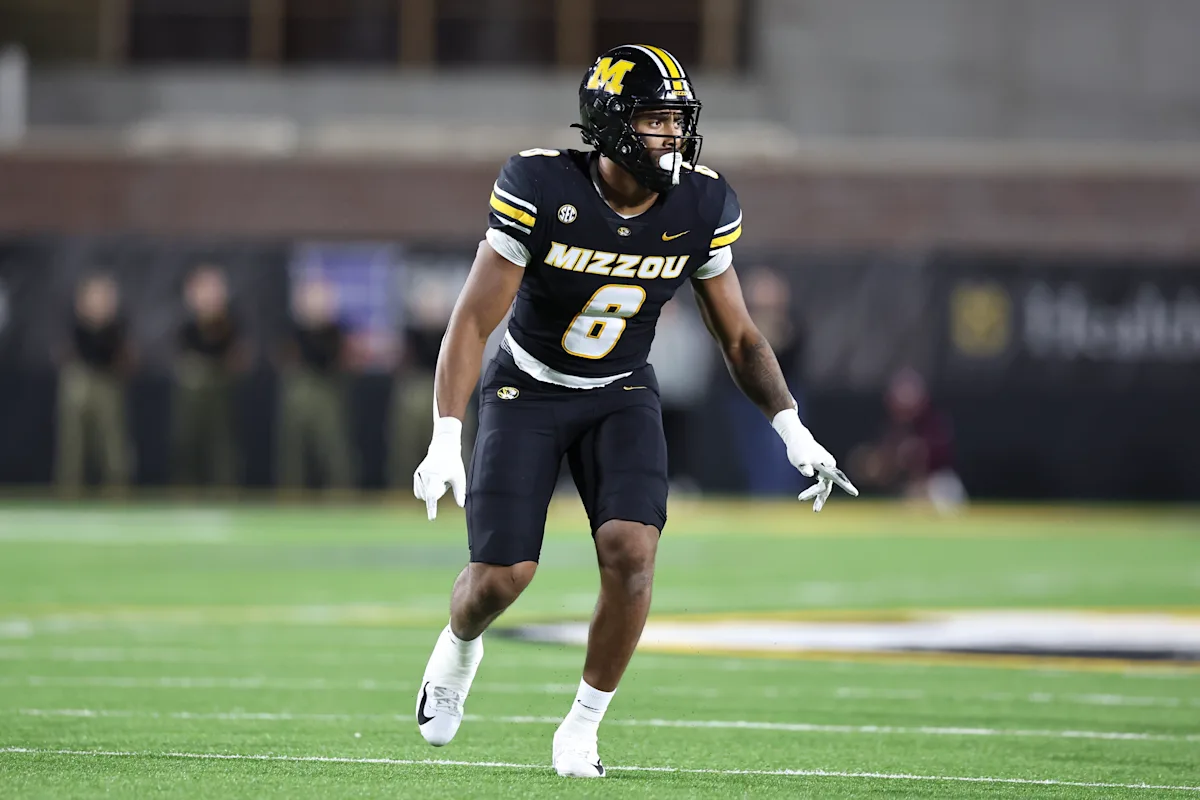
Georgia is attempting to get edge rusher Damon Wilson to pony up after his transfer to Missouri.
The school’s athletic association has filed a lawsuit against Wilson saying he owes $390,000 from the NIL contract he signed with the school’s collective in December 2024 ahead of Georgia’s College Football Playoff loss to Notre Dame. Wilson transferred after the 2024 season to Missouri and received one payment of $30,000.
Advertisement
Wilson, a junior, led Missouri with nine sacks and 9.5 tackles for loss this season. He had three sacks and 5.5 tackles for loss as a sophomore for the Bulldogs in 2024.
Georgia is claiming Wilson owes the balance of the base pay the contract stipulated he’d be paid via a liquidated damages claim. According to ESPN, Wilson’s deal with Classic City Collective was for $500,000 spread out over 14 monthly payments with two post-transfer portal bonuses of $40,000 and that he’d owe what was still set to be paid out to him if he left the team.
From ESPN:
“When the University of Georgia Athletic Association enters binding agreements with student-athletes, we honor our commitments and expect student-athletes to do the same,” athletics spokesperson Steven Drummond said in a statement to ESPN.
Georgia is not the first school to file a suit over NIL payments to a player who transferred. But the hard-line tactic is noteworthy, and may ultimately not work out in Georgia’s favor.
Advertisement
Schools typically do not ask coaches to pay out the balance of their contracts when leaving for another job. For example, Lane Kiffin did not have to pay Ole Miss what the school was scheduled to pay him over the rest of his deal with the school when he left for LSU. Instead, LSU paid Ole Miss $3 million for Kiffin to get out of his contract.
That situation happens all the time when coaches leave for new jobs. Their buyouts to get out of their contracts are far smaller than the buyouts schools owe when a coach is fired without cause.
And coaches are employees. Schools have long resisted that players be classified as employees and continue to do so even as the revenue-sharing era begins. The NCAA and its member schools have long clung to amateurism and that antiquated idea is why it took so long for players to get paid in the first place.
Dec. 5, 2025, 3:22 p.m. CT

Georgia athletics is taking Missouri football defensive end Damon Wilson II to court in a novel, nearly first-of-its-kind case over an NIL contract dispute.
The news was first reported by ESPN’s Dan Wilson on Friday, Dec. 5. The Tribune confirmed the news through a university source and court documents filed in Georgia by the Bulldogs.
UGA is attempting to take Wilson into arbitration and is seeking $390,000 in liquidated damages from the star edge rusher, who transferred to the Tigers in January 2025, over what the university views as an unfulfilled contract in Athens. The lawsuit is not against the University of Missouri, only Wilson.
According to the ESPN report, Georgia is arguing that Wilson signed a contract — a common practice in the NIL era — with what was then UGA’s main NIL and marketing arm, Classic City Collective, in December 2024.
That collective has since shut down, as UGA has partnered with Learfield to negotiate and facilitate NIL deals in the revenue-sharing era.
The report, citing documents attached to UGA’s legal filings, show that Wilson signed a 14-month deal worth $500,000 with the Bulldogs. He was set to earn monthly payments of $30,000 through the end of the contract, as well as two $40,000 bonus payments.
Before announcing his intention to transfer in January, he reportedly was paid $30,000.
The contract states that if Wilson left the team or transferred, which he ended up doing by transferring to Mizzou, then he would owe the collective issuing the payments a lump sum equal to the amount remaining on his deal.
The bonus payments seemingly were not included, which brings that total to the $390,000 that Georgia is now seeking in court.
Wilson, per the report, was only paid a fraction of that sum, but the university is arguing that he owes the full amount in damages. It’s unclear why Georgia is arguing it is owed the full amount in liquidated damages.
The Tribune has reached out to a Georgia athletics spokesperson for comment. At the time of publishing, UGA had not responded to the request for a statement.
According to documents viewed by the Tribune through the Georgia courts records system, UGA filed an “application to compel arbitration” on Oct. 17 in the Clarke County Superior Court, which includes Athens and the University of Georgia. Wilson was served with a summons to appear in court, according to documents, on Nov. 19, three days before the Tigers faced Oklahoma.
A similar case occurred at Arkansas last spring, when quarterback Madden Iamaleava transferred out of Fayetteville after spring camp. It’s unclear whether or not that case has been resolved.
Wilson spent his freshman and sophomore seasons at Georgia. He transferred to Mizzou ahead of spring camp in 2025 and has emerged as one of the top pass rushers in the SEC.
Per Pro Football Focus, Wilson generated 49 pressures on opposing quarterbacks this season, which was the second-most in the SEC behind only Colin Simmons at Texas. He’s listed at 6 foot 4, 250 pounds and could declare for the 2026 NFL Draft, where he would likely be a Day 1 or 2 pick.

The lawsuit raises a contentious point.
By suing Wilson for allegedly not fulfilling the terms of his contract, the school could be treading close to arguing that Wilson was paid to play. That’s not how NIL deals currently work. The deals and their payments are typically for an athletes’ likeness for brand deals and marketing. Think of it as advertising money, not salaries.
There’s a reason that’s the case. By paying players for play, there’s an argument that they are university employees. University and athletic department leaders are widely against making that distinction, because it would disrupt the amateurism model in place for college athletics.
Wilson’s contract likely includes “liquidated damages” language, which are intended to stop players from transferring.
Missouri currently has multiple players on two-year contracts. Part of that is in the hope that they do not move on after one season.
If Georgia’s arbitration case against Wilson is successful, that would be a groundbreaking ruling in college athletics that could give more weight to liquidated damages clauses in athlete contracts.
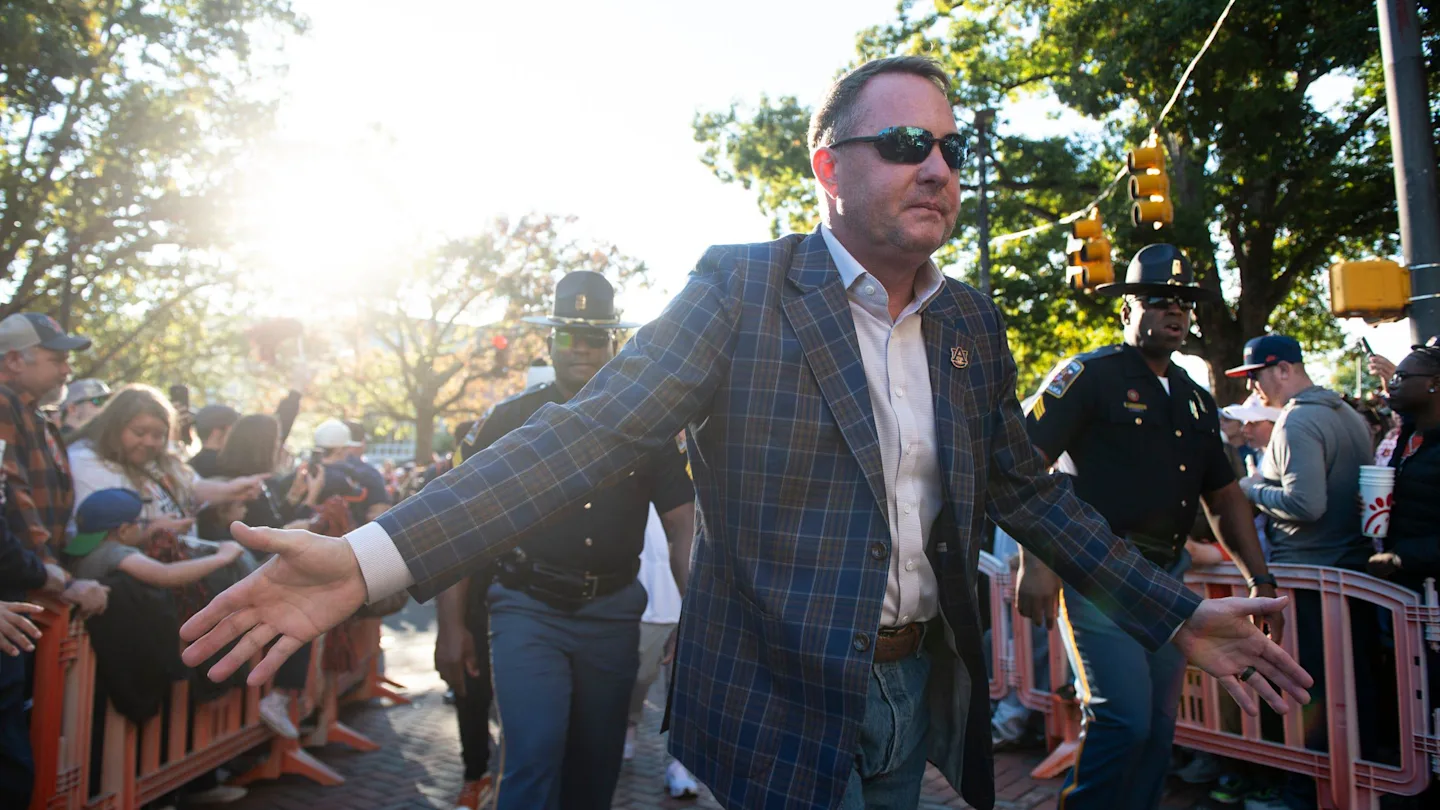
Fired Auburn football coach Hugh Freeze isn’t going out quietly.
Freeze was outspoken in the weeks before his dismissal, saying he and his staff were still the right fit to lead Auburn into the future, despite going 15-19 over two-plus losing seasons. Auburn athletic director John Cohen disagreed, firing Freeze on Nov. 2, taking on his $15.8 million buyout, and hiring South Florida head coach Alex Golesh last week.
Despite that nice payday on his way out, Freeze is still venting about his dismissal and blames quarterback Jackson Arnold for why he’s no longer Auburn’s head coach.
During an interview this week with AuburnSports’ Justin Hokanson, Freeze said, “Certainly, it didn’t work out to the level that he or I both expected for him and our team. And that’s why I’m sitting here.”
Freeze recruited Arnold out of the transfer portal from Oklahoma, where he passed for 1,421 yards, 12 touchdowns and three interceptions and rushed for 444 yards and three TDs as the Sooners’ starter in 2024. It seemed to be a mutual parting of the ways between Arnold and Oklahoma, which brought in the highly coveted Washington State transfer, John Mateer, at quarterback.
Arnold, who was a five-star prospect and the No. 4-ranked QB recruit in the 2023 class by 247Sports, looked for a fresh start as a junior at Auburn, but it was more of the same for him this fall as he passed for just 1,309 yards, 6 TDs and 2 INTs with 311 rushing yards and 8 TDs before being benched Oct. 25 vs. Arkansas after throwing an interception that was returned 89 yards for a touchdown.
Ashton Daniels, a senior and transfer from Stanford, took over and led Auburn back from an 11-point halftime deficit to a 33-24 win over the Razorbacks and finished the season as the starter.
Freeze tempered his comments on Arnold a bit, saying, “Let’s be clear, this is not a beat-up Jackson deal. It’s never always the quarterback. There are other factors. I mean, he missed a touchdown throw here at Oklahoma to a wide-open Cam Coleman.
“Those plays you’ve got to make to win games. And he would say that too. And there’s also the Missouri game, where we have what, eight drops? Then there’s moments in the Georgia second half where he misses open guys, or the protection is not great, so it’s a combination of all those things.”
Maybe it’s also partly the coaching. Freeze was given a six-year, $49-million contract at Auburn after having previous success at Ole Miss (on the field, at least) and Liberty, but he went 6-7 and 5-7 in his first two seasons before starting 4-5 this year and getting fired. He was 6-16 in SEC play during his tenure.
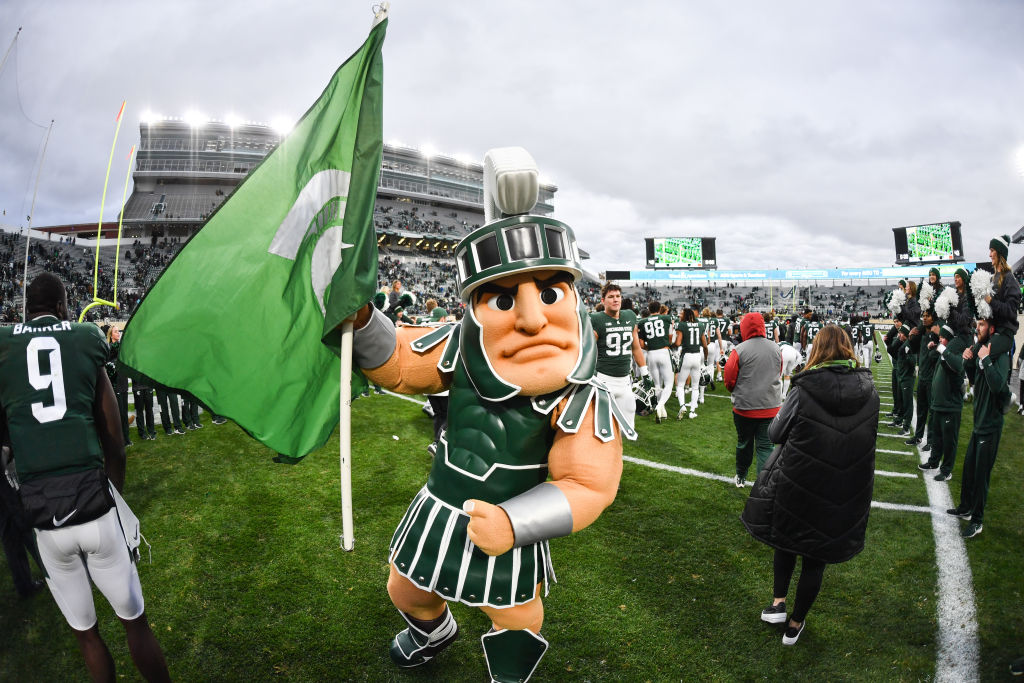
That’s going to buy one hell of a roster in East Lansing!
The arms race in college football continues to heat up.
With the relatively new advent of paying players now considered above board, athletic departments are falling all over themselves to secure funding to help maintain a competitive roster in a Power 4 conference.
You’ve been seeing more and more “non-traditional powers” throwing their hats in the ring to try and fund their way to national relevance, most famously out in Lubbock, where the Texas Tech Red Raiders are on the precipice of a Big 12 championship and a College Football Playoff berth.
Our latest participant in the college football arms race hails from East Lansing, Michigan.
The Spartans of Michigan State are trying their damnedest to get back to where they were in the early to mid 2010s, when head coach Mark Dantonio had the team competing for the Big Ten title year in and year out.
And one of the school’s mega boosters may have just dropped the biggest bomb in the war yet.
Yes, you read that right, some generous fellow donated more than $400 MILLION to the athletic department at Michigan State.
Greg Williams, a Michigan State booster and CEO of Acrisure, along with his wife, Dawn, gifted their hundreds of millions earlier on Friday through the university’s “Uncommon Will, Far Better World” campaign.
Now, to be sure, not all of this money will be going to the football program.
It’s earmarked for the athletic department at MSU, which involves all of their sports programs as well as facilities upgrades. But make no mistake about it, you can rest assured the bulk of this money will go towards funding the NIL apparatus for the Spartans’ football team.
Seeing how the football program at any Power 4 institution is more than likely the clear breadwinner, this would make sense.
Naturally, there were plenty of nerds on X who took exception to this donation and its intended purpose.
Cry me a river!
Trust me, if the football team at a Big Ten or SEC school is rolling, everyone at the university eats.
Just look at how much Alabama has grown since its football program took off after Nick Saban’s arrival.
In the meantime, if you start seeing Michigan State randomly signing top-five recruiting classes and bringing in a bunch of five-stars in the transfer portal, you’ll know why.
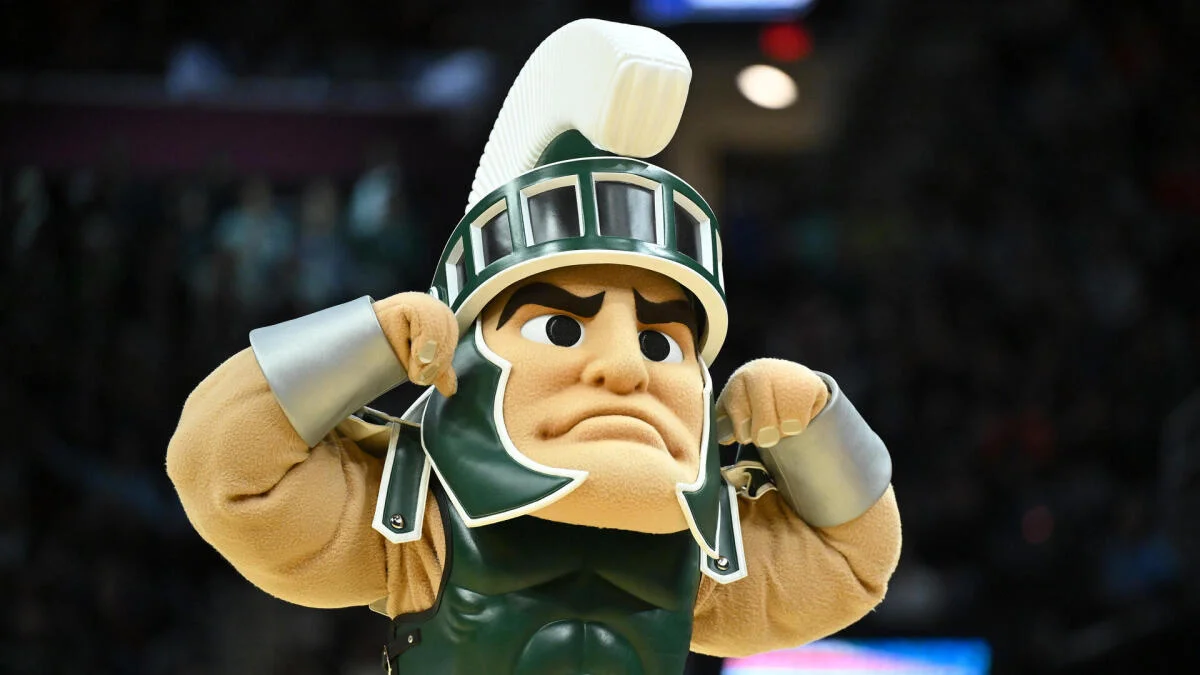
Michigan State is the latest school to receive a massive donation to its athletic department. Acrisure co-founder Greg Williams and his wife, Dawn, made a $401 million commitment with $290 million of that sum designated for MSU Athletics, the university announced Friday. It is the largest gift in school history and sets the Spartans up to be competitive in the revenue-sharing era of college sports.
The donation pushes Michigan State closer to the $1 billion goal associated with its athletics fundraising campaign. In an age where athletes can earn money directly from their school, financial support is as important as ever.
The cash influx also comes at a pivotal time for Michigan State, which just completed a football coaching change and seeks to reestablish itself as a Big Ten contender under Pat Fitzgerald. And while Tom Izzo said this spring that he has no plans to step away from the basketball court in the near future, the donation could help his eventual successor usher in a more modern recruiting approach.
Michigan State hires Pat Fitzgerald: Spartans act quickly for next coach after firing Jonathan Smith
Will Backus

“In today’s evolving college athletics landscape, this is a monumental day in the history of Michigan State Athletics,” Michigan State athletic director J Batt said. “Greg and Dawn’s commitment will provide the resources required for new levels of competitive excellence and student-athlete opportunities. We’re eternally grateful for their incredible generosity, dynamic leadership and trust.”
With the increased importance of athletic investment in the revenue-sharing era has come with a wave of historically large donations at numerous prominent universities. Kansas received a $300 million gift in August to fund its football stadium project and athletic programs, and Illinois secured a $100 million donation in September. Both are believed to be among the largest gifts ever given to college athletic departments.
A running start on roster construction for Pat Fitzgerald?
Michigan State’s football recruiting efforts took a dive during the two-year Jonathan Smith era but could rebound as a result of the coaching change and financial commitment. If the Spartans become more prominent players in the NIL and revenue-sharing world, Fitzgerald could attract more blue-chip talent to East Lansing than his predecessor, who never signed a class better than No. 42 in the 247Sports team recruiting rankings.
The Spartans this year posted their fourth consecutive losing record, marking the program’s worst stretch since 1979-83. The Big Ten is more competitive at the top now in the wake of conference expansion, and if Fitzgerald is to launch Michigan State into the league’s most elite tier, it will take work to climb out of the hole the Spartans dug to start the decade. Investment into the program should help in that regard.
Basketball program set for success in eventual post-Izzo era
Izzo, now 70 and in his 30th season on the job, is unabashedly committed to his principles, and while he says he is not opposed to change, his stances on the transfer portal and NIL are more conservative than some of his counterparts across college basketball. The more traditional approach works for Izzo, who won the Big Ten last year and appears this season to be poised for another run at the conference title and perhaps a Final Four.
Not everyone can win the way Izzo does, though. The Spartans have taken just seven transfers since 2019 and no more than three in a single cycle. Whenever he retires — and that day may not come for some time — his eventual successor will likely have to adopt a more modern recruiting strategy. That requires money, and lots of it. NIL and revenue-sharing budgets this season exceeded $10 million in the most extreme cases.
The Williams’ donation ensures that Michigan State basketball can spend with the richest programs in the country — if it wants to. That is a major win for Izzo’s successor, and perhaps Izzo will continue to adapt to the modern landscape and put the money to good use himself.
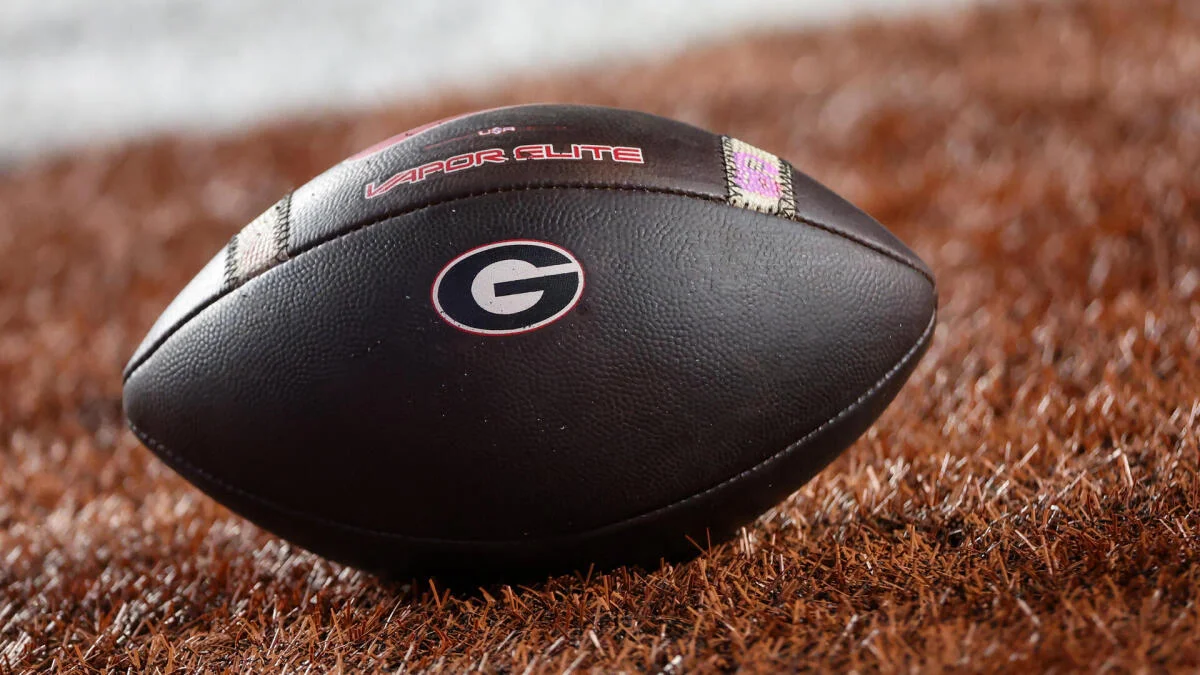
The Georgia athletic department seeks $390,000 in damages from former Bulldogs outside linebacker Damon Wilson II after his transfer last offseason to Missouri. Citing a clause in Wilson’s NIL contract, Georgia asked a judge to force Wilson to enter arbitration to settle the dispute. Legal documents show that Wilson was served a court summons last week in Missouri.
If the judge sides with Georgia, this could be a landmark case in college athletics. Georgia and other schools include clauses in their NIL contracts that equate to buyouts, and a ruling in the Bulldogs’ favor would set the precedent that such clauses are legally enforceable. Player buyouts could, in turn, become even more commonplace as schools seek to protect themselves financially from the perils of the transfer portal.
Wilson, a former top-50 recruit, spent the first two years of his college career at Georgia and developed into one of the most promising young edge rushers in the SEC. He inked a new deal with Georgia’s NIL collective in December 2024 but entered the transfer portal and moved to Missouri weeks later in January 2025.
While Georgia paid Wilson $30,000 under the terms of the new deal before his departure, the athletic department says Wilson owed a $390,000 lump sum within 30 days of his exit.
The contract was a 14-month agreement worth $500,000, which was set to be paid in monthly $30,000 increments. Georgia would have also paid Wilson two $40,000 retention bonuses at the end of the NCAA transfer portal windows. The exit clause states that Wilson would owe a lump-sum payment worth the total he would have received if he remained with the program through the duration of the contract.
The NIL collective signed the rights to the damages over to the athletic department on July 1.
“When the University of Georgia Athletic Association enters binding agreements with student-athletes, we honor our commitments and expect student-athletes to do the same,” Georgia spokesperson Steven Drummond said to ESPN.
Wilson was the No. 3 overall prospect and top-ranked edge rusher in the 2025 transfer portal cycle, per 247Sports. He delivered on expectations at Missouri this season with a team-high nine sacks and an interception.
This is among the first instances of a school publicly seeking NIL damages from a former player over a breach of contract. Arkansas’ NIL collective hired an attorney in April to pursue and enforce a buyout clause in former Razorbacks quarterback Madden Iamaleava’s agreement in what was, at the time, an unprecedented move. The Arkansas Edge collective also sought buyout money from former receiver Dazmin James.

Track & Field Opens Campaign with Strong Showing at HBCU & Ivy Challenge

‘Built on Legacy’: Carolina Carports unveils race car honoring Earnhardt | News

Georgia sues Missouri edge rusher Damon Wilson for nearly $400K over NIL contract he signed with Bulldogs

Harris, Stewart & O’Brien Represent Ohio Track & Field at GVSU Holiday Open

Michael Jordan — ‘Someone had to step forward and challenge’ NASCAR

Blazers Complete 2025 Season Opener

Former NASCAR driver Michael Annett dies at the age of 39

Aggies Fend Off Vols in Five-Set Epic to Advance in NCAA Tournament

Former NASCAR Driver Michael Annett Passes Away – Speedway Digest

Women’s Track and Field Look to Continue Success as a Squad this Winter

Nebraska volleyball vs. Long Island live updates, stats and highlights
Georgia seeks $390K in NIL contract damages from Missouri football DE

Commodore Track & Field Schedule Revealed – Vanderbilt University Athletics – Official Athletics Website

Gameday

Track & Field Beings Indoor Season at Vanderbilt’s Winter Commodore Challenge

First Tee Winter Registration is open

Fargo girl, 13, dies after collapsing during school basketball game – Grand Forks Herald

CPG Brands Like Allegra Are Betting on F1 for the First Time

Volleyball Recaps – November 18

F1 Las Vegas: Verstappen win, Norris and Piastri DQ tighten 2025 title fight

Two Pro Volleyball Leagues Serve Up Plans for Minnesota Teams

Utah State Announces 2025-26 Indoor Track & Field Schedule

Sycamores unveil 2026 track and field schedule

Texas volleyball vs Kentucky game score: Live SEC tournament updates

Bowl Projections: ESPN predicts 12-team College Football Playoff bracket, full bowl slate after Week 14

Redemption Means First Pro Stock World Championship for Dallas Glenn

Pohlman admits ‘there might be some spats’ as he pushes to get Kyle Busch winning again

Indiana’s rapid ascent and its impact across college football

How this startup (and a KC sports icon) turned young players into card-carrying legends overnight

Troy Football Need to Know; Gameday at The Vet — Georgia State Game

 Why a rising mid-major power with an NCAA Tournament team opted out of revenue-sharing — and advertised it
 NBA Legend Michael Jordan to Join NBC Sports as Special Contributor
 Falcons mailbag
 Portal Update – Basketball and Gymnastics Take Hits
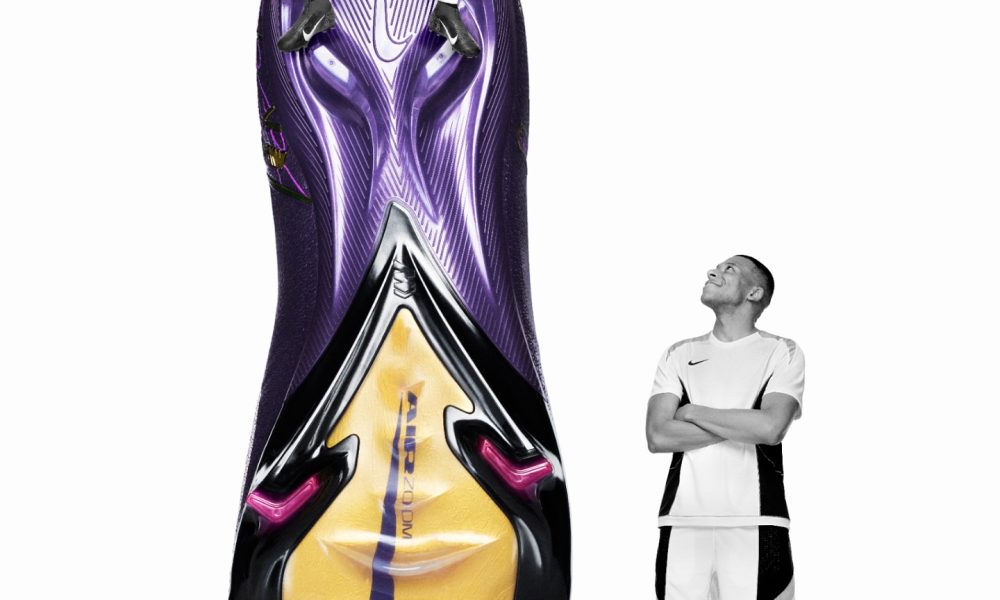 has always dreamed in Mercurial. Now his initials are on the boots.
The new Kyl…
has always dreamed in Mercurial. Now his initials are on the boots.
The new Kyl…
-
 Rec Sports2 weeks ago
First Tee Winter Registration is open
-
 Rec Sports1 week ago
Fargo girl, 13, dies after collapsing during school basketball game – Grand Forks Herald
-
 Motorsports1 week ago
CPG Brands Like Allegra Are Betting on F1 for the First Time
-
 Sports2 weeks ago
Volleyball Recaps – November 18
-
 Motorsports2 weeks ago
F1 Las Vegas: Verstappen win, Norris and Piastri DQ tighten 2025 title fight
-
 Sports1 week ago
Two Pro Volleyball Leagues Serve Up Plans for Minnesota Teams
-
 Sports1 week ago
Utah State Announces 2025-26 Indoor Track & Field Schedule
-
 Sports1 week ago
Sycamores unveil 2026 track and field schedule
-
 Sports1 week ago
Texas volleyball vs Kentucky game score: Live SEC tournament updates
-
 NIL5 days ago
Bowl Projections: ESPN predicts 12-team College Football Playoff bracket, full bowl slate after Week 14