Aviation crashes have taken the lives of some of NASCAR’s most notable drivers, including Alan Kulwicki and Davey Allison.
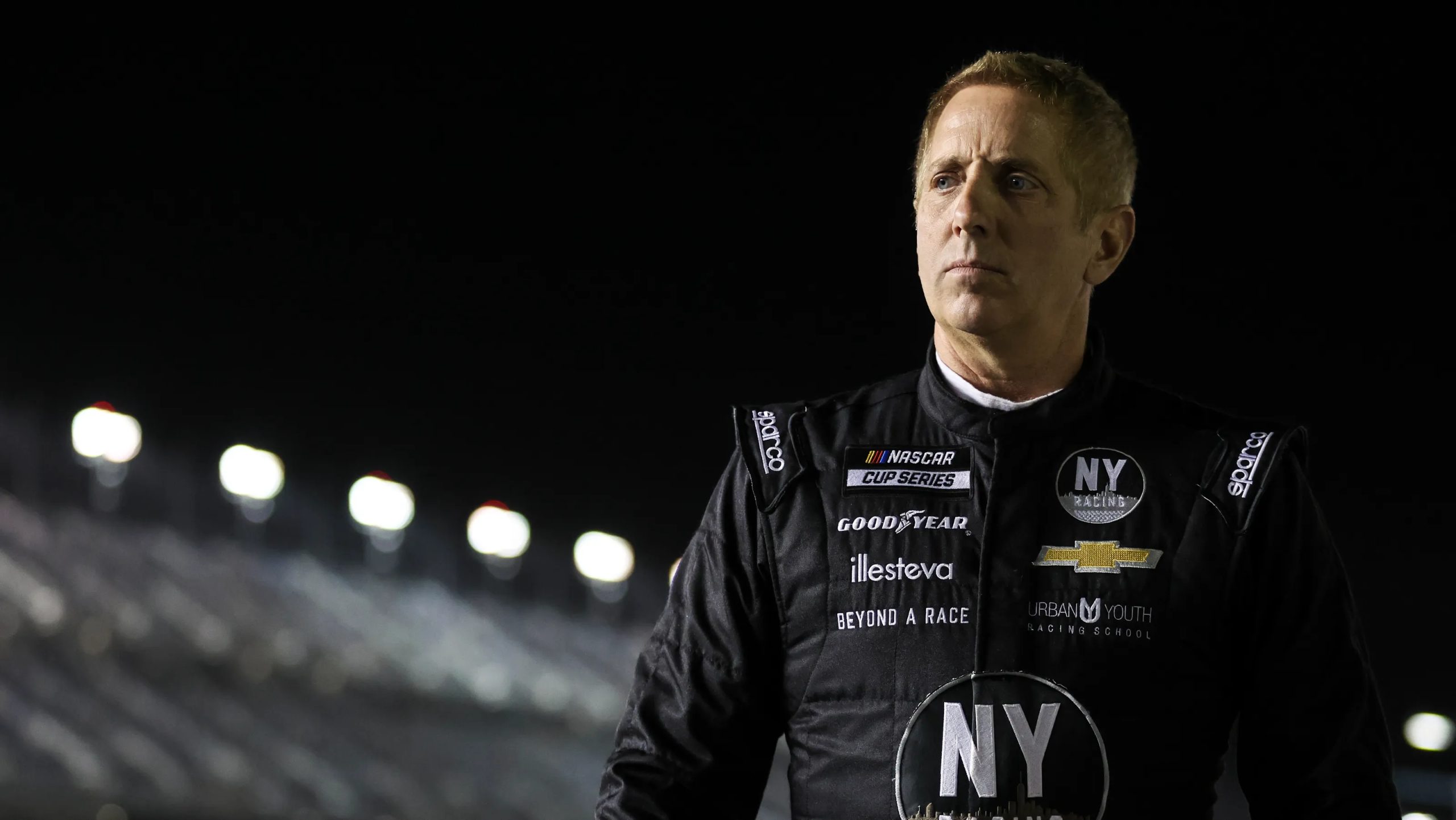
CHARLOTTE, N.C. — NASCAR icon Greg Biffle was killed in a plane crash at the Statesville Regional Airport on Thursday, along with his wife, two children, and three others.
Biffle was a 19-time NASCAR Cup Series race winner and was the first driver to win a championship in the NASCAR O’Reilly Auto Parts Series (2002) and NASCAR Craftsman Truck Series (2000).
NASCAR drivers spend their careers racing at speeds sometimes in excess of 200 mph, pushing their cars to the limit in dangerous conditions. The sport has dramatically increased safety standards in recent years, with zero deaths in NASCAR’s top three series since Dale Earnhardt Sr.’s death in 2001, but the risks still remain.
In a sport highlighted by breakneck speeds and death-defying crashes, aviation crashes away from the race track have seemed all too common over the years.
Biffle’s death is the latest plane crash to shake the NASCAR community, but it is far from the first.
RELATED: ‘More than a champion’ | NASCAR issues statement following Greg Biffle’s plane crash death
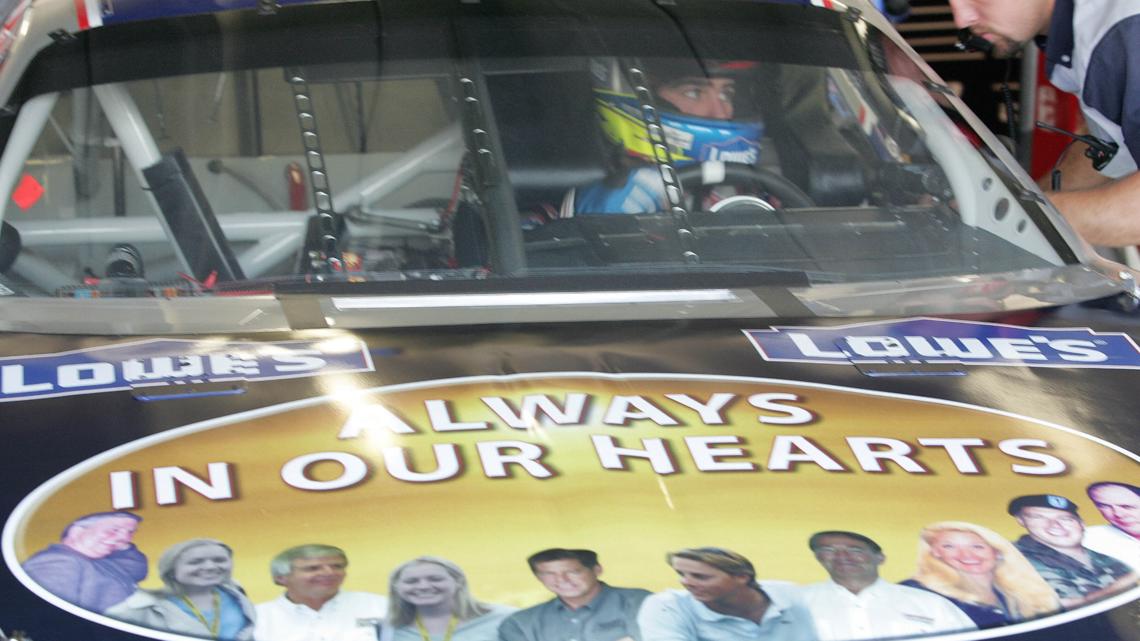
Hendrick Motorsports disaster (2004)
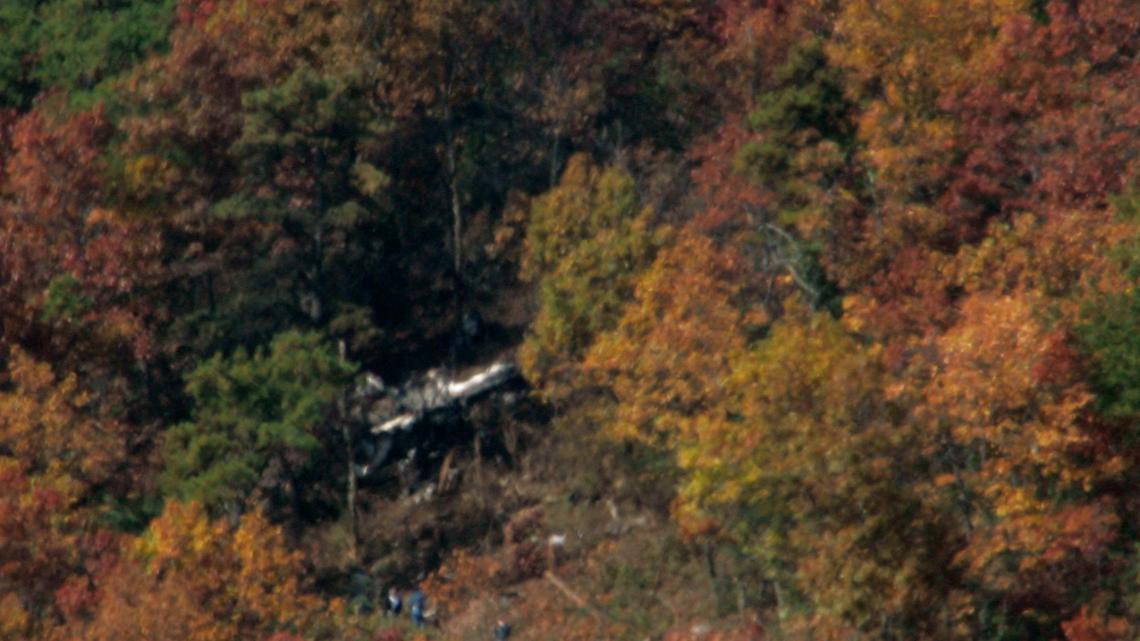
Ten people connected to Hendrick Motorsports were killed in a Virginia plane crash on Oct. 24, 2004. The plane was headed for Martinsville Speedway when it crashed into a mountain due to foggy conditions.
Four of team-owner Rick Hendrick’s family members were killed in the crash, including his son Ricky Hendrick, brother John Hendrick, and nieces Kimberly and Jennifer. Engine-builder Randy Dorton, team executive Jeff Turner, DuPont executive Joe Jackson, pilots Elizabeth Morrison and Richard Tracey, and Scott Latham, one of Tony Stewart’s pilots, also died in the crash.
Alan Kulwicki (1993)
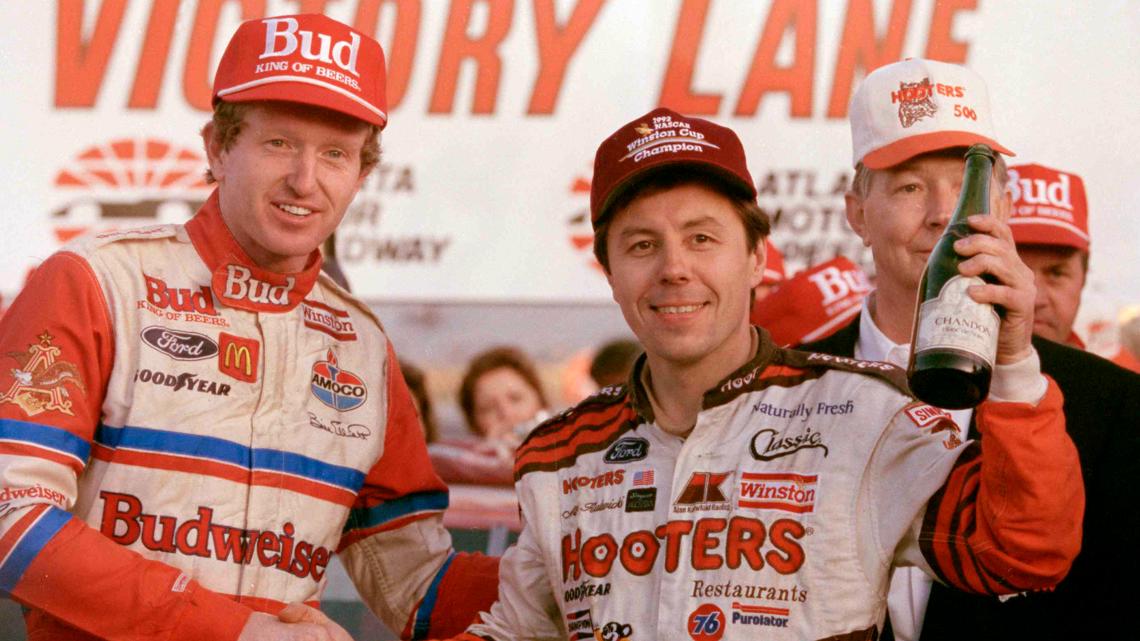
1992 NASCAR Cup Series champion Alan Kulwicki died when his plane lost power on April 1, 1993, in Tennessee while headed to Bristol Motor Speedway.
Kulwicki, along with Hooters executives Mark Brooks and Dan Duncan, and the pilot Charles Campbell, died in the crash.
Kulwicki won five NASCAR Cup Series races and captured the 1992 title as an owner-driver in an epic underdog story.
Kulwicki was inducted into the NASCAR Hall of Fame in 2019.
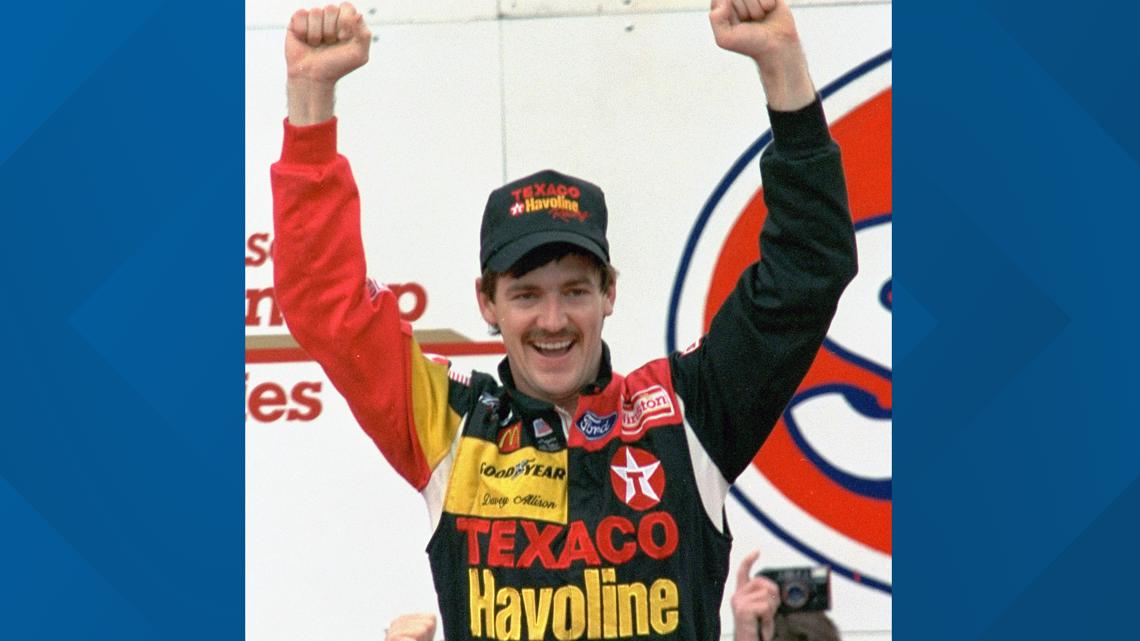
Davey Allison (1993)
Just three months after Kulwicki’s death, Davey Allison died in a helicopter crash on July 12, 1993, near Talladega Superspeedway.
Allison was attempting to land the helicopter when it crashed. Red Farmer, a NASCAR Hall of Fame member, was also on board but survived the crash.
Allison narrowly lost the 1992 championship and was one of the sport’s brightest young drivers at the time of his death. He was inducted into the NASCAR Hall of Fame in 2019.
Curtis Turner (1970)
Curtis Turner, one of NASCAR’s earliest stars, was killed in a crash on Oct. 4, 1970, in Pennsylvania. Turner was piloting the small plane when it crashed shortly after takeoff. Golfer Clarence King was also killed in the crash.
Turner competed in the first NASCAR Cup Series race in 1949, which was held in Charlotte. He raced until the late 1960s, winning 17 races in the series.
Turner and Bruton Smith teamed up to build Charlotte Motor Speedway in 1959.
He was scheduled for a one-off race in the National 500 at Charlotte Motor Speedway, which happened days after his death.
RELATED: At least two pilots were on Greg Biffle’s plane that crashed in Statesville, records show
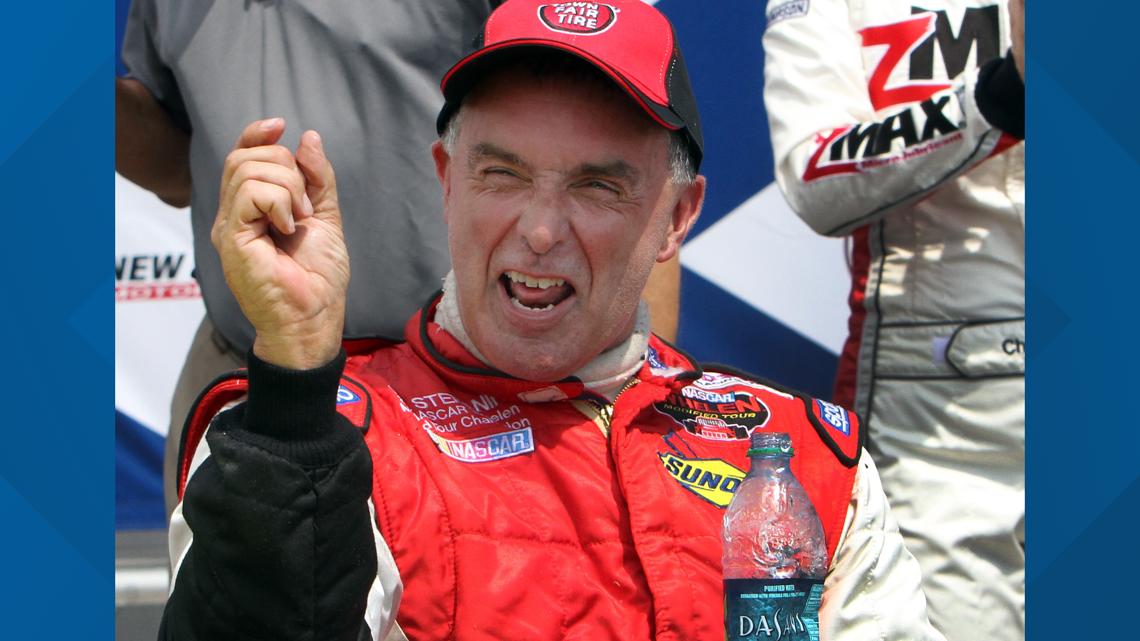
Mike Stefanik (2019)
NASCAR Whelen Modified Tour legend Mike Stefanik died in a Connecticut plane crash on Sept. 15, 2019.
Stefanik was flying alone from Rhode Island when the plane suffered mechanical problems and crashed.
Stefanik won the Modified Tour championship seven times and is one of the series’ greatest drivers.
In 2022, Stefanik was inducted into the NASCAR Hall of Fame. He was listed as one of NASCAR’s 75 Greatest Drivers in 2023.
Ted Christopher (2017)
Another modified icon lost their life in a plane crash. Ted Christopher died in a New York crash on Sept. 16, 2017.
Christopher was headed for a race at Riverhead Raceway when the plane he was in suffered fuel starvation, causing it to crash. Christopher and the plane’s pilot were killed in the crash.
Christopher won the 2008 Modified Tour championship and 42 races in the series.
Richie Panch (1985)
Richie Panch and three others died on Sept. 1, 1985, when their plane came apart mid-air during a heavy storm system in Fairfield County, South Carolina.
Panch made 47 NASCAR Cup Series starts, scoring 11 top 10s. He finished 14th in the 1974 season, his only full-time year. Panch was the son of 17-time Cup Series race winner Marvin Panch, who won the 1961 Daytona 500.
RELATED: ‘We are devastated’ | Families of Biffle, others killed in plane crash release joint statement
Non-fatal crashes
Some NASCAR personnel have miraculously survived aviation crashes.
Dale Earnhardt Jr. (2019)
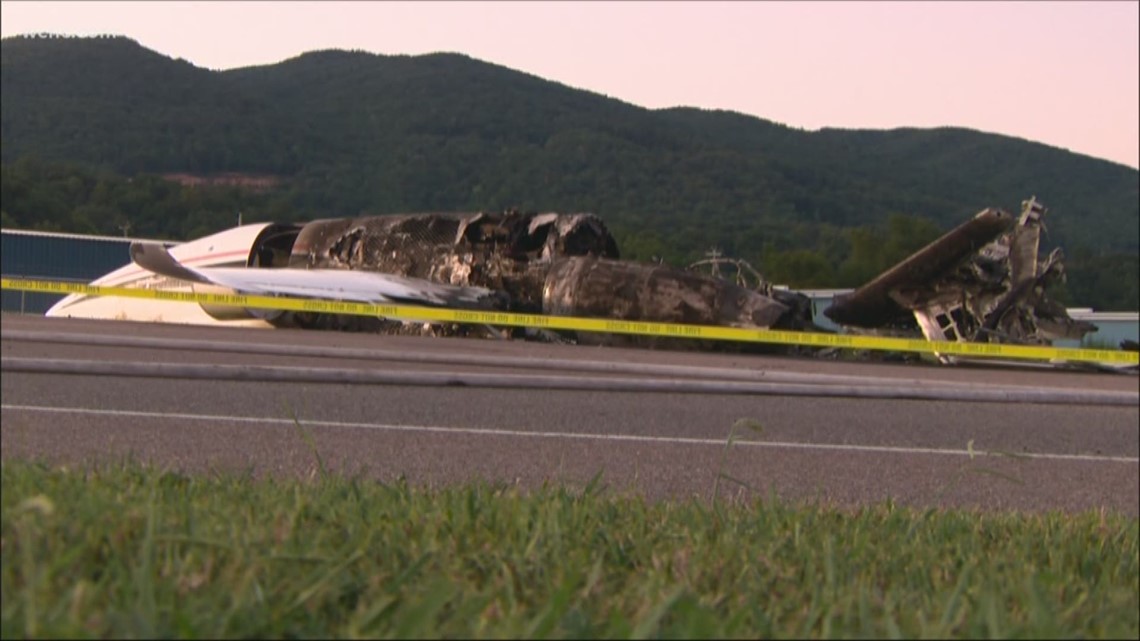
Dale Earnhardt Jr., his wife Amy, and their daughter Isla survived after their private plane crashed near the Elizabeth Municipal Airport in Tennessee on Aug. 15, 2019.
The National Transportation Safety Board stated that the pilot’s inability to maintain proper airspeed, along with a decision to continue an unstable approach, led to the crash.
The plane went through a chain-link fence before coming to rest on the edge of Tennessee Highway 91. Unable to escape through an emergency exit door above the wing, Earnhardt and his family managed to get out through the main cabin door as the plane caught fire, according to witness statements.
Earnhardt won 26 NASCAR Cup Series races and was a two-time NASCAR O’Reilly Auto Parts Series champion. He won the NASCAR Most Popular Driver Award 15 times in the Cup Series, one shy of the all-time record. Earnhardt is the son of the late Dale Earnhardt Sr., one of NASCAR’s greatest drivers. Earnhardt Jr.
Jack Roush (2002, 2010)
The primary owner of Roush Fenway Keselowski Racing, Jack Roush, survived two plane crashes.
The first one happened on April 19, 2002. Roush was piloting a single-seat plane that hit a power line and fell into a lake in Troy, Alabama. A witness saved Roush from the lake, pulling him from the lake and administering CPR. Roush suffered broken ribs, a shattered leg, and head injuries, but survived. The man who saved him suffered chemical burns during the rescue.
O July 27, 2010, Roush crashed a private jet he piloted. The NTSB said Roush did not advance the engines to takeoff power, causing an aerodynamic stall. Roush escaped alive but suffered a broken jaw, fractured back, and a loss of vision in his left eye.
Roush started RFK Racing in 1988 under the name Roush Racing. The team has been one of the sport’s most successful teams over the last three decades, winning two Cup Series championships and 143 races.
Rick Hendrick (2011)
Rick and Linda Hendrick suffered minor injuries after their private jet ran off the runway at the Key West International Airport on Nov. 1, 2011.
The aircraft had no brakes when it landed on the runway, leading to the crash.
Hendrick runs Hendrick Motorsports, the most successful team in NASCAR’s history. The team has won 15 Cup Series championships and 320 races, both of which are records.
Bill Elliott (1987)
A year before winning the NASCAR Cup Series championship, Bill Elliott nearly lost his life during a demonstration flight in a Georgia Air National Guard fighter.
Elliott was in an F-16 fighter jet after filming a promotional video for the Georgia National Guard. The jet collided with an F-15 fighter jet. The plane Elliott was on landed safely while heavily damaged. The pilot of the other plane safely ejected.
Elliott won the 1988 NASCAR Cup Series title, 44 races, and a record 16 Most Poular Driver awards.



 View original content to download multimedia:https://www.prnewswire.com/news-releases/army-veteran-and-racer-seeks-sponsors-for-racing-season-302510444.html