The sports media company Overtime has seen three of its four athlete talk shows end since January, when the publisher first announced its intention to grow its roster of shows to as many as 10 series and invest millions into the program. The network originally launched last August.
“By September, we will most likely double the size of the network and invest millions of dollars in this,” Overtime chief executive Dan Porter told ADWEEK in January. “It’s been really successful, and we think it’s the future. The biggest challenge is that brands don’t understand that this is the new television talk-show format.”
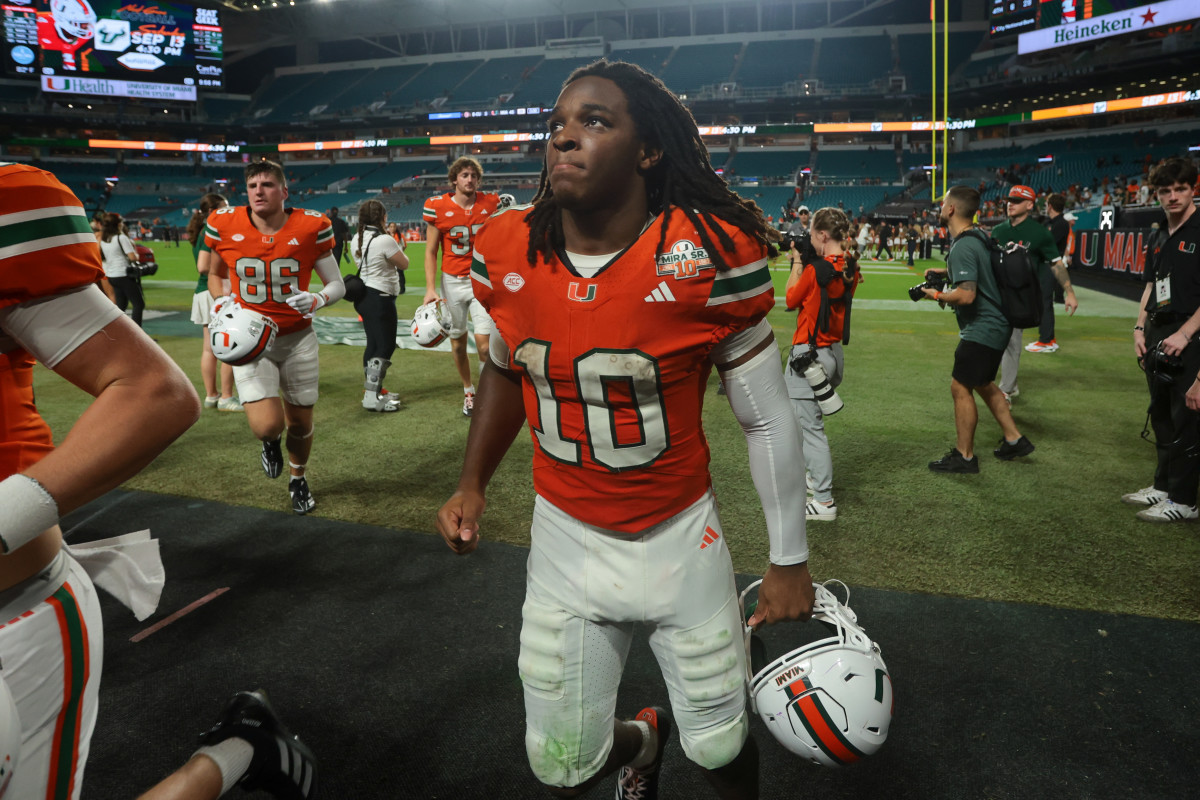
Since then, series following the popular college athletes Shaddeur Sanders, Travis Hunter, and Flau’jae Johnson have ended. The remaining show, which follows college basketball player Ian Jackson, is still producing new episodes.
A spokesperson for Overtime confirmed the conclusion of the three shows and the lack of new launches.
“We’re continuing to lean into what makes Overtime unique—developing talent, expanding original IP, and deepening our connection to the communities that fuel the future of sports and culture,” the representative shared in a statement. “We’re still in talks with pro athletes, expanding on the work we’ve already done, so it’s not a step back—it’s a strategic evolution toward long-term growth.”
Its first round of deals were structured as a combination of minimum guarantees with additional splits on top, according to Porter. The contracts began as one-year minimums.
As part of the model, Overtime managed most of the workload for the athletes. It launched the channels, brought in the sponsors, booked the guests, helped craft the editorial, and supplied the studio equipment.
“If we pay someone hundreds of thousands upfront and we don’t sell, that’s on us,” Porter said in January. “You treat your video podcasters as if they were entrepreneurs.”
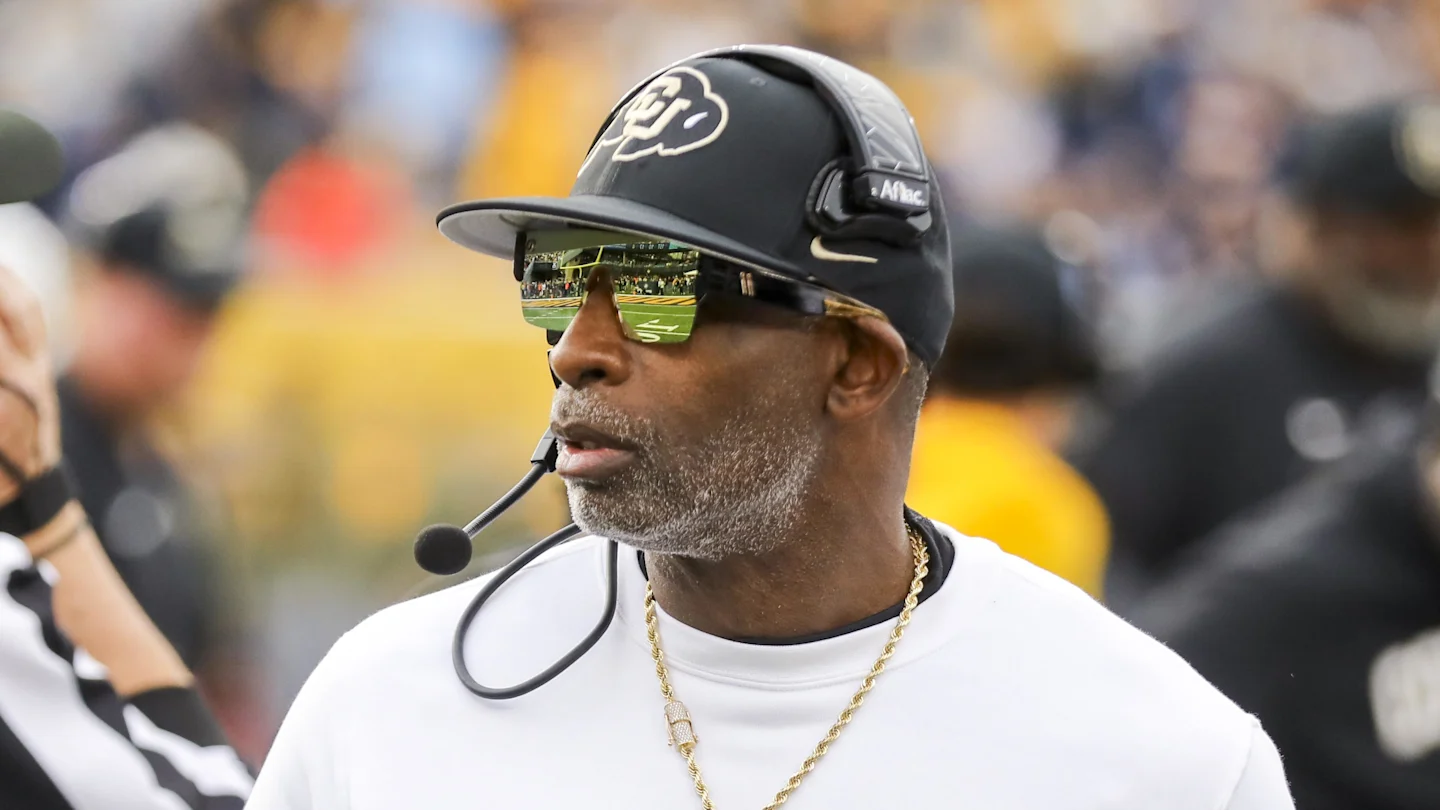
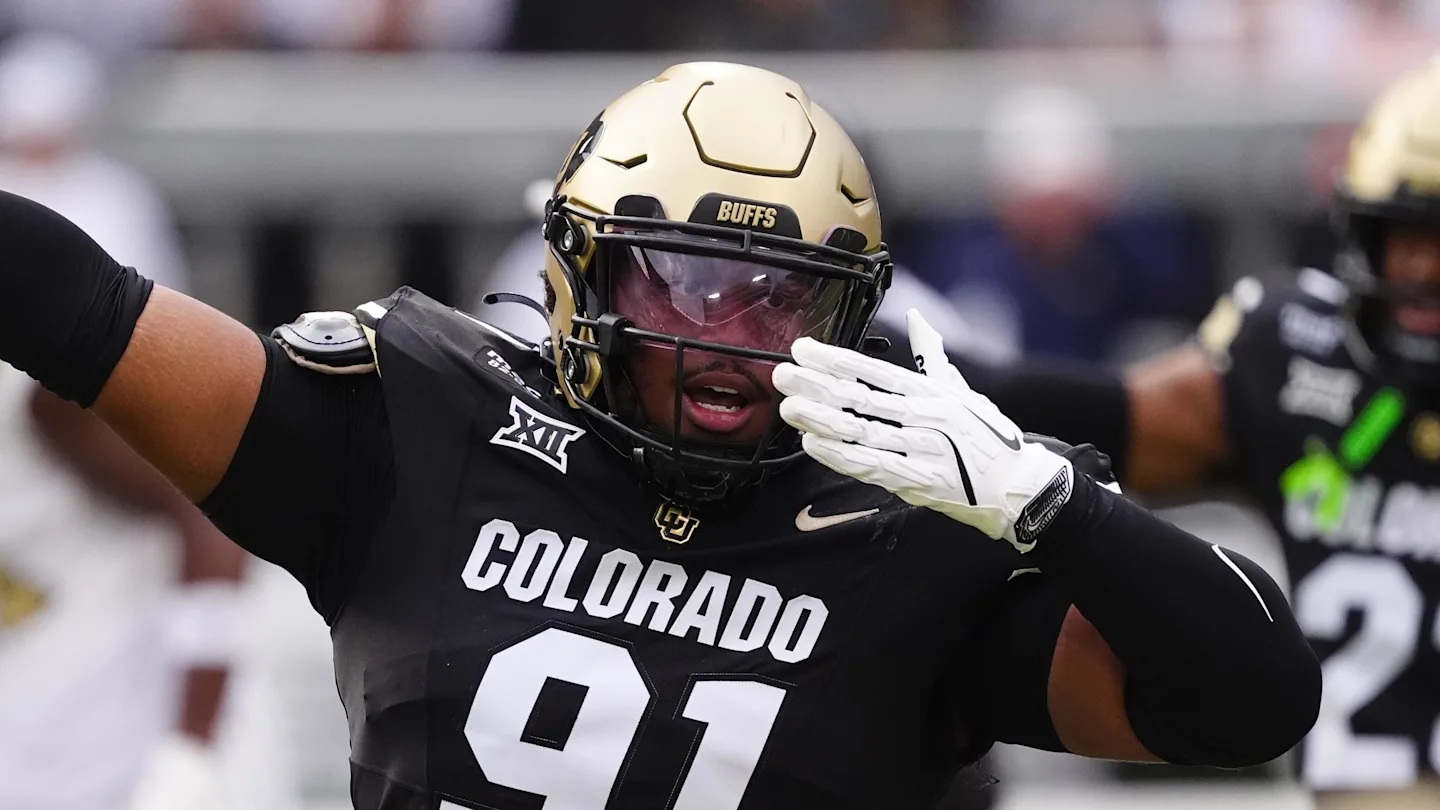
Both Sanders and Hunter, whose series ended, left the University of Colorado and were drafted into the NFL. Johnson and Jackson are still in college.
The conclusion of the three series partially reflects the challenges of working with college athletes, according to podcast analyst Nicholas Quah.
“[Overtime]’s struggles are a little strange because the podcast business is moving in this direction. Athlete talk shows are very popular right now,” he said. “But the creator economy is very bifurcated: the only ones that hit are the biggest names, and Overtime doesn’t focus on the biggest names. They focus on college athletes, which are definitionally people on the rise.”
Overtime is in active talks with professional athletes to build new series around them, according to the company. It was engaged in similar discussions in January, Porter said at the time.
The podcast landscape has also been transformed over the last year by the rapid growth of video podcasts, or video versions of podcasts, into the medium.