July 1, 2025, marked the beginning of a new era in athletics: the start of colleges being able to pay their players directly through a revenue-sharing structure. Each college will be allowed to pay $20.5 million, however they see fit. These new changes also brought with them a new age of Name, Image and Likeness regulations.
After decades of profiting off student athletes, universities are now forced to financially compensate them for their hard work. This is a good thing, and most people would agree, coaches and athletic directors included.
The idea is not the problem; fans concerns come with how the implementation of these new rules is going to affect the game they love. Some think these new changes mean you can just pay for championships, and that players will no longer be in it for the love of the game.
Sure, money will help win championships, but this is not new; it is always how college sports have worked. Whether it was under the table or spent on upgrading facilities to attract the nation’s top recruits, money talks.
These new regulations will hopefully put more of a cap on what universities can spend, and will help level the playing field. This will depend on the effectiveness of the brand new clearinghouse, NIL Go, to be run by Deloitte.
NIL Go will be tasked with evaluating the real value of NIL deals for players, hopefully getting rid of the days of players getting paid millions by collectives to appear on one billboard. In the data Deloitte shared with coaches and athletic directors, nearly 70% of past deals from booster collectives would have been denied.
The effectiveness of NIL Go and the new enforcement agency, the College Sports Commission, will be the biggest factor in whether this new age of college sports is a success or not.
Players getting paid by the universities they attend for the revenue they help generate is not the issue and is long overdue, and the supposed new regulations on NIL also sound like they more closely align with how NIL was intended to work in the first place.
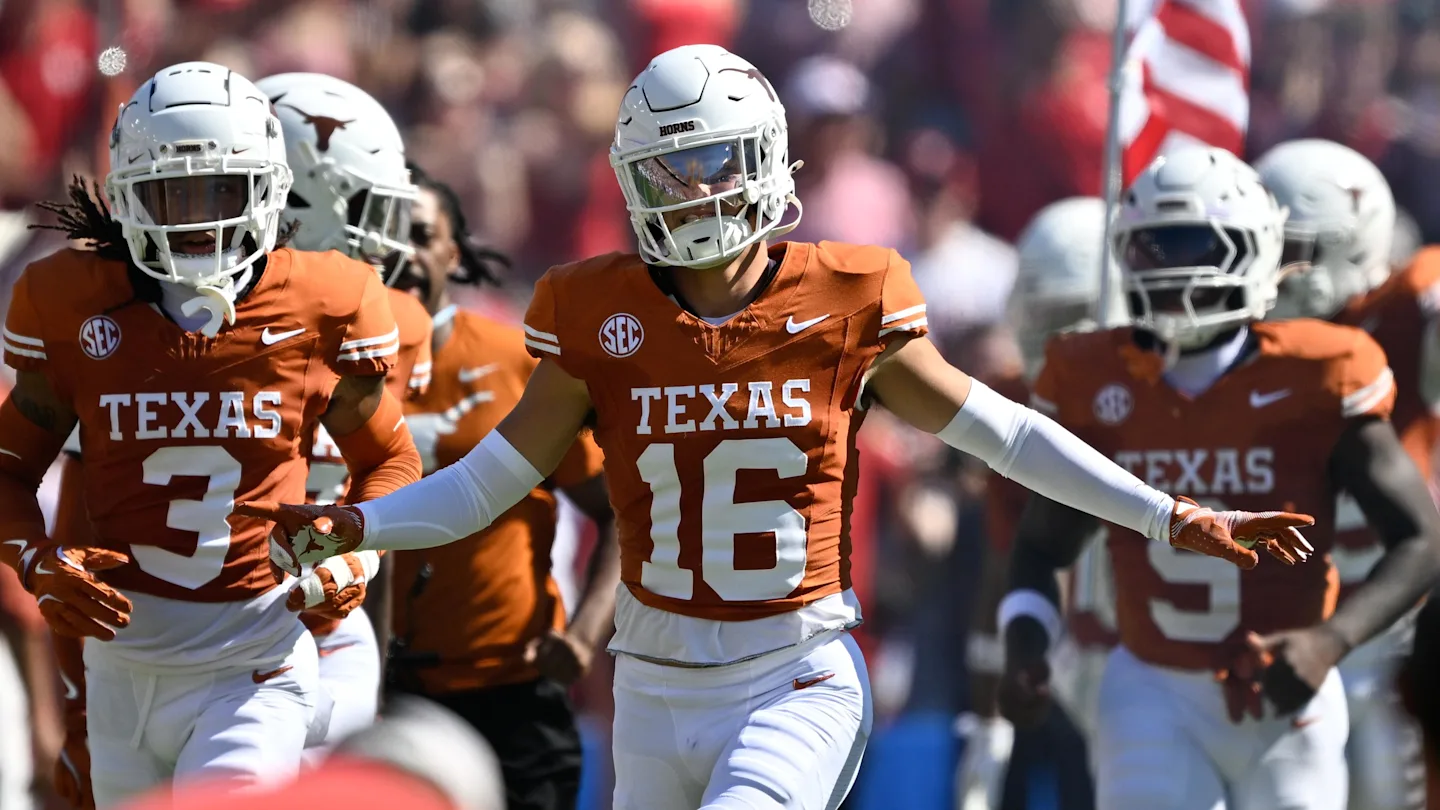
Another big question with revenue sharing is: how do you spread the money across different sports? As of right now, the NCAA has not mandated a certain amount of the $20.5 million to be spent on any particular sport. Because of this, a lot of universities will focus their cap space toward revenue-generating sports like football and men’s basketball.
From a financial standpoint, this is the smartest option, but there is an argument to be made for the athletes in other sports that work just as hard as the football and basketball players, who will never see as much money as their student-athlete counterparts.
No solution to this problem will make everyone happy, which is why the NCAA has left it to the schools to allocate the money however they want.
Another issue this revenue sharing creates is exactly what it is trying to solve. By attempting to level the playing field, the NCAA has opened the doors to something that could be worse. Since teams can allocate the money however they want, universities can heavily invest in certain sports in order to gain an advantage over their competitors, who are spending their money elsewhere.
For example, if Georgia wants to stay competitive in football, which they inevitably will, it will be extremely difficult for them to remain competitive in basketball against schools like Kentucky.
Kentucky’s lackluster football team and its history of producing great basketball teams will cause it to focus a lot more money on basketball than Georgia could even think to afford. Because of this, Kentucky will struggle to keep a competitive team on the field, and Georgia will struggle on the court. So, in trying to solve an issue, they may have caused a larger one.
Overall, this new era of college sports is good for the student-athletes, which means it’s good for the sport. There will be growing pains and things to figure out in the coming years, but there always are with changes this big. So, at the end of the day, fans should support players getting paid money that they are helping generate.