
NIL
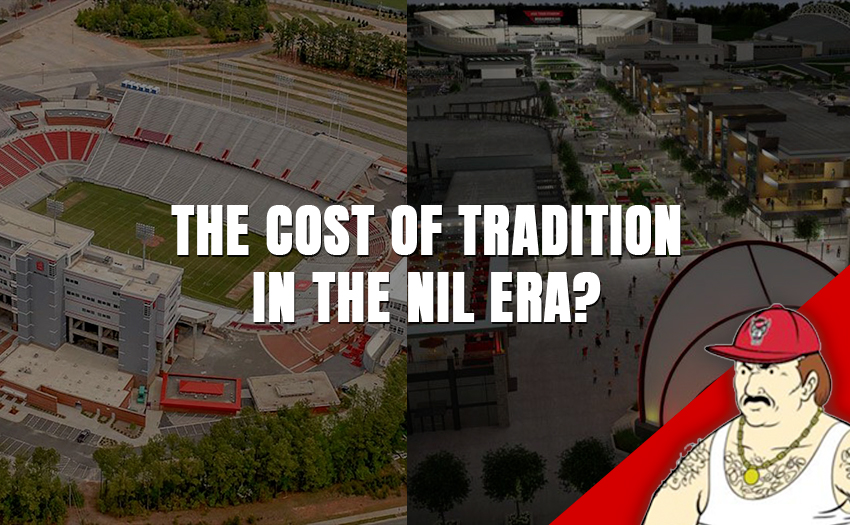
NC State has an opportunity to become an NIL superpower, but are they willing to give up some of their tradition to get there?

I grew up going to NC State football and basketball games.
When I reach back for those core memories aside from a few major upsets and big wins, most of the on-field or on-court action just melts together into a single blur.
The memories that are vivid are the memories of parking off of Clark Ave. and walking with my Dad to Players Retreat or Darylls for a bite to eat before heading across campus to Reynolds. Or parking in the wooded lot off of Trinity, sitting in the bed of a truck, eating a Bojangles tailgate special, and throwing a football before walking over to Carter-Finley.
I’m not alone in having these experiences; in fact, these are the experiences that are unique to almost all NC State fans, and part of long-held traditions passed down from generation to generation.
This year, I’ll be taking my children to their first NC State football game. We’ll park in a tailgating lot, sit in the back of my truck, eat some Bojangles, throw the football, and then trek over to the stadium. I’m positive the experience will become one of these core memories, not just for me, but also for my kids. It will be a moment of reliving my youth, but also passing the torch that was passed to me as a Wolfpack fan. It’s something that will be special.
As for basketball, things have changed a lot. Sure, I can relive the past (and plan to do so) by bringing my kids to the Heritage game in Reynolds this season. But for the most part, that tradition is over. It ended when NC State moved to the new arena. Now it’s just a drive down the highway, to a parking lot, and into the stadium to watch the game.
Losing tradition is tough, but as with anything, there’s a price.
College sports are going through an era of change. The introduction of NIL has thrown an absolute wrench in the old system. Suddenly, instead of needing to fund the athletic department for scholarships, staff and facility upgrades, fans and donors are being asked to do that, AND being asked to donate to NIL funds so the team can have talent to compete.
It’s a whole other revenue stream that just popped up out of nowhere, and schools are trying to navigate the changes while still steering the ship. Decisions have to be made quicker, and with no settled-upon blueprint on how it’s done, the risk levels are through the roof.
But we’re at a crossroads. The rich schools aren’t having issues. They have huge donors willing to float the NIL funds, while the everyday fans can continue to fund the athletic departments through ticket purchases and smaller donations.
However, schools like NC State, which don’t have bottomless piggy banks, are in a bind. They have to make choices. Split NIL money equally and likely be mediocre in both sports or go all-in for a certain sport (football or basketball) during a certain year and hope it works out.
Two years ago they went all in on football, and it didn’t work out as well as most NC State fans expected. They spent heavily in the portal, and NC State finished 10th. This year, they’re going all in on basketball, hiring Will Wade, upping their NIL budget, and looking to put themselves back into the Tobacco Road mix alongside Duke and Carolina as national contenders.
But my question is…”Is this sustainable?”
They needed to beg donors to give more to get Will Wade (and have enough NIL budget he required to take the job). Every year, they are getting as creative as they can to find ways to convince you to give your money to fund the program. Season ticket prices will have to rise. Parking prices will have to rise. There will be more ‘tiered access’ options. Pay more, get more.
And this isn’t a knock on NC State.
If NC State doesn’t get good coaches and good players, they aren’t going to have good teams, and without good teams, fans aren’t going to come to games, and if they don’t come to games, then they get less revenue for facilities….And man, that is a slippery slope and a collapse like that can happen fast and with conference realignment happening, a collapse in any major sports could become permanent if conferences split/realign and you’re left out.
Just look at basketball last year. Keatts, coming off a Final Four, blamed the school for a lack of NIL funds. And whether it was the funds or the poor use of what they did have (I think it was a combination), it spiraled fast. They started losing, the chemistry was off, and suddenly the arena was empty. The interest was gone, and the trust was gone. And thus, the revenue was gone and the willingness to give to that coaching staff was gone. So NC State had no choice but to move on.
NC State couldn’t afford to make a bad hire, so they went all in. They tapped resources they hadn’t tapped before and took a gigantic risk, upping spending to levels unseen at NC State with hopes to salvage the basketball program.
So far so good. but again, “Is this sustainable?”
The costs will keep rising, and someone will have to pay those costs. My guess is that you’ll see the state start tapping into the sports betting fund to help with these costs for their public schools, but it won’t be enough. The cost will eventually be passed down to you.
There is, however, another way. But it will come at a large cost for longtime Wolfpack fans.
NC State is in a very rare situation. They own all the land around their stadium. That land, right now is used for tailgating, and to many long time NC State fans, tailgating is culture, it’s tradition.
But how much do those things matter if the team isn’t winning or if the team is playing in a lower conference?
Over the next few years, the Hurricanes will be developing a $1 billion entertainment and sports district around their stadium. It will have restaurants, bars, hotels and music venues. It will activate all the time. 16 times for basketball, 41 times for hockey, and almost every other night for concerts and people just looking to go out and have dinner or drinks.
The amount of revenue that will be brought in will be massive. If you want to get an idea of the type of money that will be brought in, then just look the financials for Atlanta’s Battery District (where the Braves play).
So here is the opportunity for NC State.
Most schools do not own the land around their stadium, or they already have development around them, or they are on campus and can’t be zoned appropriately.
This isn’t the case for NC State. The Wolfpack COULD decide to build out some of their land as mixed-use development and tie it into the development happening next door. For this development, they would be the landlord, and they would generate the revenue.
And again, if you look at what Atlanta was bringing in with the Battery, then you’d understand what this means.
This would mean fully funded, self-sufficient NIL for all sports. This would mean SEC-level money, which would lead to SEC-level talent in football and would be able to dwarf what Carolina or Duke brings in on the basketball side. If conference realignment is a question, this would put NC State in a prime position to get a spot wherever they wanted to go.
This could mean that they no longer need to hound fans for NIL donations. It could mean they dont’ need to look at ticket prices or parking prices as a main revenue generator. It could limit the weight that the everyday fan is being asked to carry more and more each year.
But there is a cost…and the cost isn’t monetary. It’s those core memories, it’s culture, and it’s tradition. It’s tailgating.
It’s a tough thing to weigh. What good are those things without a winning program, and can you sustain a winning program without huge money. Are there ways to create that money without messing with tailgating? So far, I haven’t seen a good plan.
But once these things are gone, they’re gone for good.
Is there a way to do both. Build out and create revenue and still keep a ton of tailgating?
Could moving the practice facility off-site free up space for tailgating? Could moving the horse complex off-site free up space for tailgating?
This decision isn’t going to have to happen right now, but in the next few years it’s going to come to a head, and as fans, we’re going to have to decide where we stand.
Where do you stand?

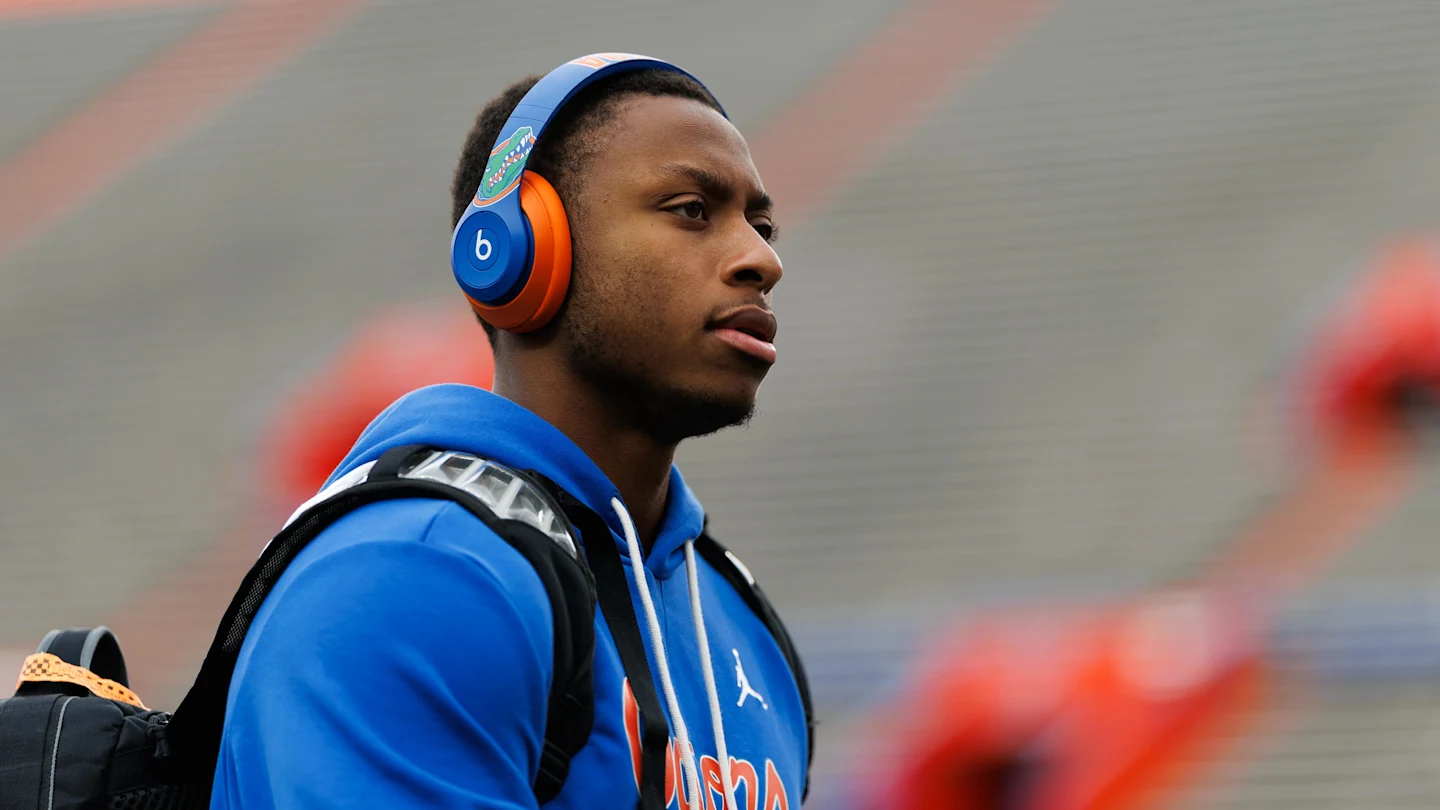
Florida quarterback DJ Lagway, a former five-star recruit and two-year starter, is now in the transfer portal after a 2025 season defined by inconsistency and organizational change in Gainesville.
In 2025, Lagway completed 213 of 337 passes (63.2%) for 2,264 yards, 16 touchdowns, and 14 interceptions, while adding 136 rushing yards and a rushing score.
However, the turnovers and a string of uneven performances contributed to a 4–8 season (2-6 SEC) for Florida and intensified scrutiny on the program’s direction.
Florida dismissed fourth-year head coach Billy Napier on October 19 following a 3–4 start and later hired Tulane’s Jon Sumrall to lead the program forward, a change that has prompted several top players to explore fresh starts.
Several Power Five programs have emerged as early fits for Lagway, with Baylor, LSU, and Miami frequently mentioned by national outlets.
Recently, On3’s Pete Nakos singled out Baylor, noting that home-state proximity and family ties to Waco could make the Bears an appealing landing spot.

A five-star dual-threat quarterback from Willis, Texas, Lagway entered college as one of the top prospects in the 2024 class, ranking as 247Sports’ No. 1 quarterback before signing with Florida in December 2022.
Lagway threw for 4,605 yards and 59 touchdowns as a senior, adding 953 rushing yards and 16 scores on the ground to earn Gatorade National Player of the Year honors.
He drew more than 30 offers from several Power Five programs, including Baylor, Alabama, Georgia, LSU, and Clemson, before committing to the Gators.
From a marketplace standpoint, Lagway arrives in January’s portal with considerable commercial value.
On3’s NIL tracker lists Lagway with an estimated valuation near $2.0 million, and the quarterback already has multiple reported brand partnerships, including Hollister, Red Bull, and Mercedes-Benz of Gainesville.
For Baylor, Lagway would offer a marketable, high-upside option who can start right away, with 2025 starter Sawyer Robertson expected to enter the 2026 NFL Draft.
Read More at College Football HQ
- Major college football team reportedly does not have ‘any interest’ in $2.4 million QB
- No. 1 college football team predicted to sign $2.1 million transfer QB
- Major college football program loses 15 players to transfer portal
- College Football Playoff team has ‘significant interest’ in 4,000-yard QB
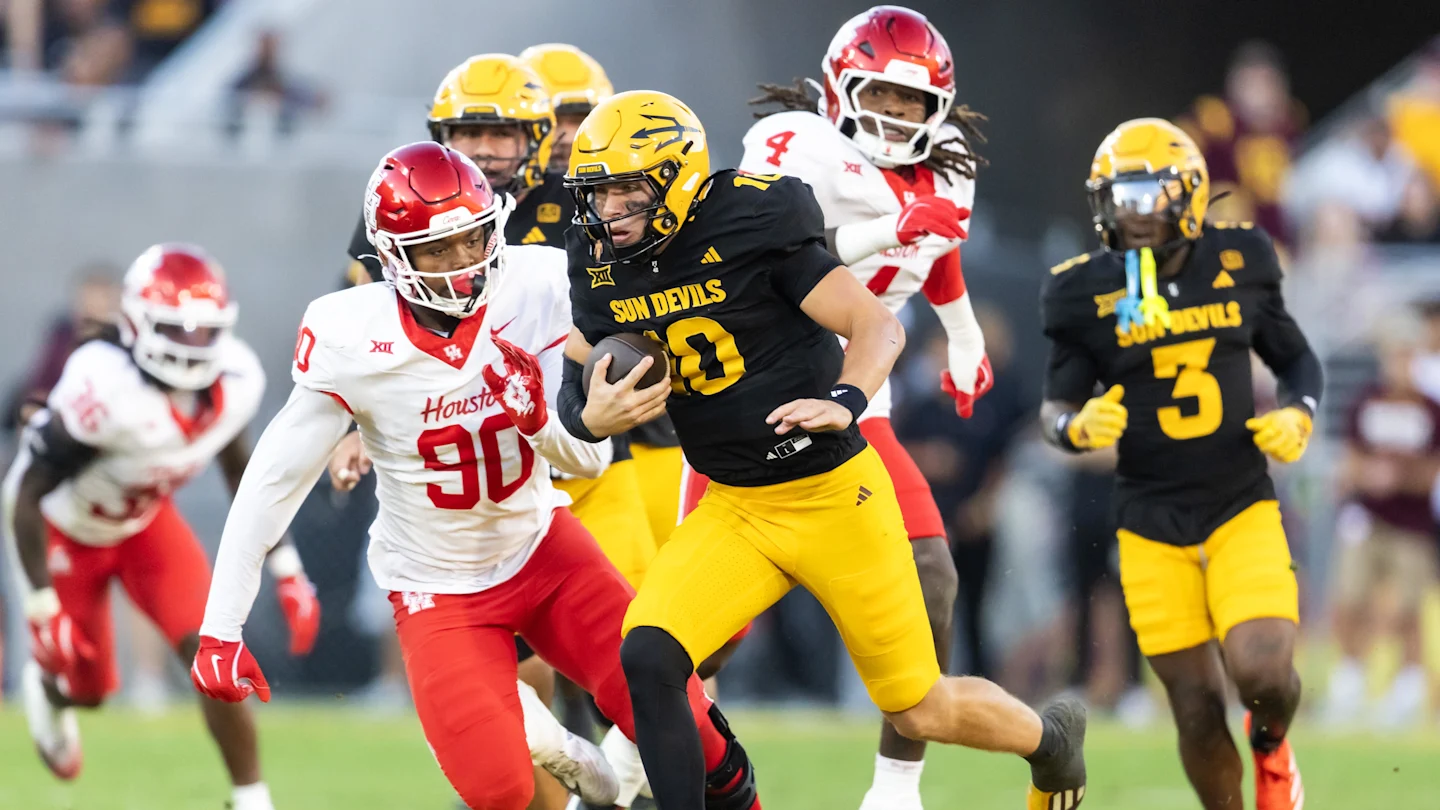
Bevies of college football players have made the decision to enter the NCAA transfer portal in the 2026 offseason.
In the weeks leading up to the portal’s opening, quarterbacks have dominated the headlines surrounding the entrants in the 2026 offseason. DJ Lagway, Brendan Sorsby, Dylan Raiola and Josh Hoover are among the most recent entries into the portal at quarterback.
The first well-known entry into the portal at quarterback was Sam Leavitt of Arizona State. Leavitt is entering the portal with two seasons of eligibility left.
The next school Leavitt transfers to will be his third in his college football journey. The 6-foot-3, 225-pounder began his collegiate career at Michigan State for his redshirt freshman season in 2023.
He has passed for 4,652 yards, 36 touchdowns and 11 interceptions while rushing for 810 yards and 10 touchdowns in three seasons. He earned Second Team All-Big 12 distinction and Big 12 Offensive Freshman of the Year in 2024.
While the portal has not officially opened, three schools have begun to separate themselves in the race for Sam Leavitt. Below is a look at the three schools that appear to be the final choices for Leavitt in the coming weeks.
LSU

Only two of the four quarterbacks to start for Lane Kiffin at Ole Miss were recruited by the Rebels out of high school. Both Jaxson Dart (USC) and Trinidad Chambliss (Ferris State) arrived in Oxford via the transfer portal.
LSU also has a strong track record with quarterbacks transferring in over the last decade, as both Joe Burrow and Jayden Daniels won Heisman Trophies two years after transferring in. As it relates to Leavitt, Daniels came to Baton Rouge by way of Arizona State in the 2022 offseason.
Oregon
Oregon has established itself as a destination for quarterbacks out of the transfer portal. Anthony Brown (Boston College), Bo Nix (Auburn), Dillon Gabriel (Oklahoma), and Dante Moore (UCLA) have all transferred to the Ducks and have each won 10 or more games in each season.
Adding to Leavitt’s interest in Oregon is its proximity to his hometown. He is from West Linn, Oregon, a suburb located just south of Portland.
Indiana

Indiana is the final school Leavitt is eyeing. The transfer portal has been crucial to Indiana fielding successful quarterbacks under Curt Cignetti.
The Hoosiers grabbed Kurtis Rourke from Ohio in the 2024 offseason and immediately went to a College Football Playoff the following season. California transfer Fernando Mendoza immediately won a Big Ten Championship and a Heisman Trophy and clinched the No. 1 seed in the 2025 College Football Playoff.
NIL
Missouri DE Damon Wilson II countersues Georgia, setting up a potentially major NIL legal battle
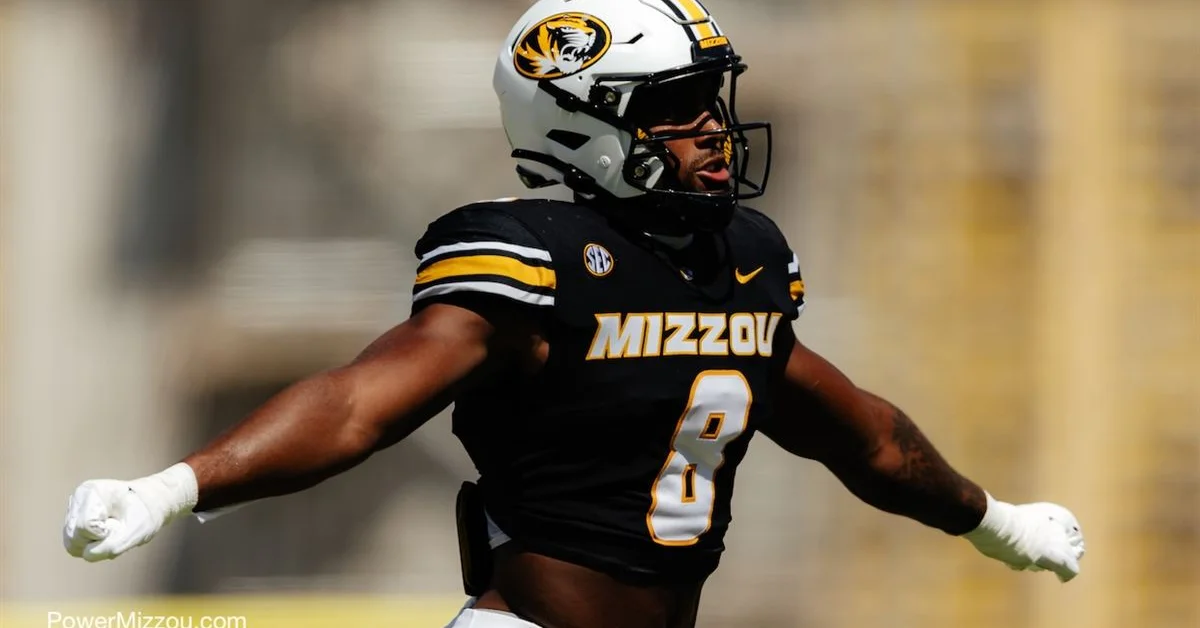
A messy player-school NIL dispute just got messier.
Less than a month after Georgia sued Damon Wilson II for transfer damages, Missouri’s star pass rusher filed a countersuit against Georgia, setting up a potentially precedent-setting NIL legal battle between an athlete and school.
“Recent court decisions have changed the landscape of college football and paved the way for NIL payments,” Bogdan Susan, one of Wilson’s attorneys, told PowerMizzou.com. “What has not changed is that college football players still have only four years of competition to realize their potential and try to achieve their dreams of playing in the NFL. A lot of trust is put into the colleges and coaching staffs. Coaches are not limited to four years of competition. The University of Georgia has been playing football for over 133 years. Damon has four years to play and he spent half of that time at Georgia. Decisions to transfer are not always about money. Stopping a young man from pursuing his dreams by forcing him to pay money that he has not received is just wrong.”
Wilson filed a 42-page complaint in Boone County, Mo. on Tuesday morning, an action first reported by The Athletic, alleging a civil conspiracy involving Georgia and its collective for trying to “penalize Wilson for his decision to transfer.” The defendants named in the suit are the University of Georgia Athletic Association, the Classic City Collective and former Classic City CEO’s Matt Hibbs and Taylor Potts.
The suit alleges Georgia didn’t immediately put Wilson’s name in the transfer portal last January and also lied about his buyout, telling multiple unnamed Power 4 programs that they’d owe Georgia $1.2 million if Wilson transferred to their school.
“UGAA’s actions signal that it is stuck in its old ways. The era of universities exerting total control over the career trajectories and rights of their student-athletes has been dead for nearly half a decade. Nonetheless, UGAA has demonstrated that, left to its own devices, it will attempt to exploit every loophole to deprive student-athletes like Wilson of the ability to reap the benefits of full and fair competition for their NIL rights. 23. No longer willing to endure UGAA’s harassment campaign and ready to hold UGAA and CCC accountable for their tortious interference with his business expectations when he entered the portal and chose to transfer, their breach of the Term Sheet’s Confidentiality Agreement, and UGAA’s efforts to tarnish his reputation as he pursues his lifelong dream of playing in the NFL, Wilson brings this action.”
Wilson’s claim hinges largely on the document signed by the player, the Classic City Collective and Hibbs and Potts. The involved parties signed a term sheet. Wilson’s suit claims the term sheet is not binding.
“The Term Sheet stated that it ‘preced[es]’ a ‘full License and Option Agreement,’ and specifically provided: ‘In the event the parties agree to this Term Sheet, then they shall work cooperatively to set forth these terms in a full legal contract including all the standard provisions of NIL licensing agreements.’ The Term Sheet further stated that Wilson ‘should seek legal counsel before finalizing the full License and Option Agreement.'”
The suit claims that Wilson, as part of a group of Georgia players, “without counsel present and with UGAA employees telling him that time was of the essence.” The suit alleges not only that Wilson signed the term sheet under pressure, but that the full binding contract was never presented, much less signed.
“The parties thus never executed a legally binding agreement containing any of the provisions in the Term Sheet,” the suit states.
The suit further claims that UGAA and the Classic City Collective violated the term sheet’s confidentiality agreement “by disclosing one or more of the Term Sheet’s provisions to sympathetic news outlets and affiliates to tarnish Wilson’s reputation.”
This is believed to be the first time a school and an athlete have taken each other to court over an NIL issue. The resolution could depend on whether or not Wilson’s NIL agreement with Georgia’s collective was a binding contract.
The UGAA lawsuit against Wilson recently filed seeks liquidated damages of $390,000. Wilson’s countersuit claims those funds are not liquidated damages, but instead penalties for transferring from Georgia.
“A penalty provision masquerading as a “liquidated damages” provision is unenforceable,” the filing reads. “It makes no effort to reasonably quantify damages that are difficult to ascertain, and it serves only to penalize Wilson for his decision to enter the transfer portal.”
Wilson’s suit also alleges defamation against UGAA, referencing a statement from Chief Marketing Officer Steven Drummond made to ESPN: “When the University of Georgia Athletic Association enters binding agreements with student-athletes, we honor our commitments and expect student-athletes to do the same.”
The suit clams “UGAA’s statement implies that Wilson is dishonest in his business dealings and his profession, impairing his ability to enter into future NIL agreements, and harms his reputation.”
Wilson was one of the top edge defenders in the SEC in 2025, recording 9 sacks, tied for third-most in the SEC, and 49 total pressures, second-most in the SEC. He is currently expected to play for Missouri in the Taxslayer Gator Bowl on Saturday. He has not declared his intent for next season. He has until January 14 to enter his name into the NFL Draft as an underclassman.
This story will be updated as more information becomes available.
Cody Goodwin covers the Missouri Tigers for PowerMizzou and 247Sports. Follow him on Twitter/X at @codygoodwin.
PowerMizzou.com publisher Gabe DeArmond contributed to this report.
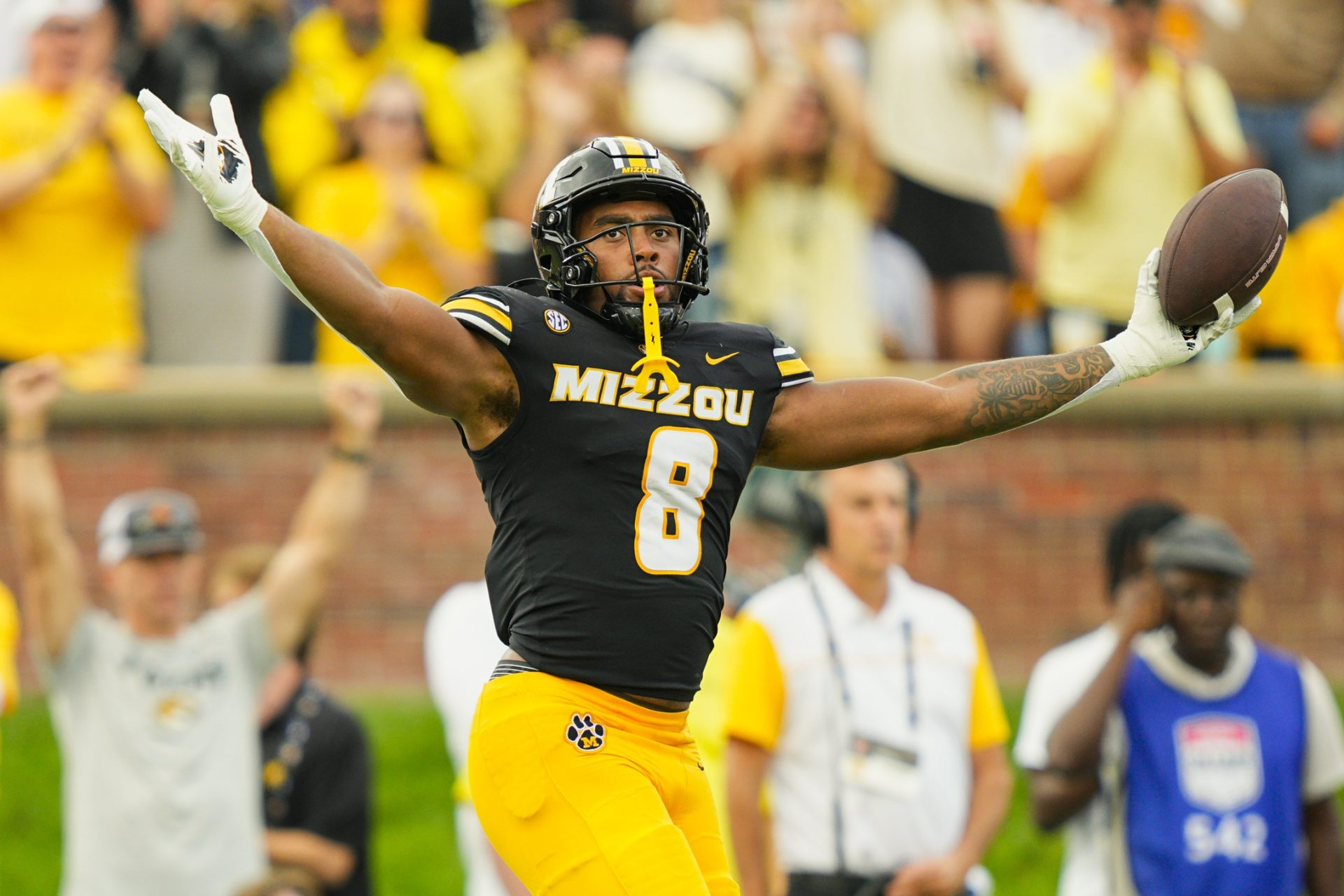

Missouri linebacker Damon Wilson II is suing the University of Georgia’s athletic association and its Classic City Collective, which he says is attempting to “punish” him through a “coordinated campaign” for his decision to transfer. Earlier this month, Georgia sought $390,000 in damages citing a clause in Wilson’s NIL contract after his departure to another SEC program.
The lawsuit initiated what appears to be a landmark case in college football, which now includes the plaintiff fighting back with his own legal documents. Highlighting a 42-page complaint filed Dec. 23 in Boone County, Missouri, Wilson’s attorneys claim Georgia tried to sabotage their client’s potential destinations after employees “falsely” told “at least three programs that — if Wilson left Georgia and joined their programs — Wilson would be subject to a $1.2 million buyout.”
The complaint claims Georgia “continued to assert similar demands in an effort to harass Wilson and impair his on-field performance for a conference rival” throughout the 2025 regular season.
Wilson signed a new deal with Georgia’s NIL collective in December 2024 during the College Football Playoff, but entered the transfer portal and moved to Missouri weeks later. While documents show Georgia paid Wilson $30,000 under the terms of the new deal before his departure, the athletic department states Wilson owed a $390,000 lump sum within 30 days of his exit.
The contract was a 14-month agreement worth $500,000, which was set to be paid in monthly $30,000 increments. Georgia would have also paid Wilson two $40,000 retention bonuses at the end of the NCAA transfer portal windows. The exit clause states that Wilson would owe a lump-sum payment worth the total he would have received if he remained with the program through the duration of the contract.
“The era of universities exerting total control over the career trajectories and rights of their student-athletes has been dead for nearly half a decade,” Wilson’s complaint said. “Nonetheless, UGAA has demonstrated that, left to its own devices, it will attempt to exploit every loophole to deprive student-athletes like Wilson of the ability to reap the benefits of full and fair competition for their NIL rights.”
The previous term sheet signed by Wilson, his representation argues, was not a “legally binding document” as Georgia states.
“CCC failed even to present Wilson what it promised in the Term Sheet — a “full License and Option Agreement,” the lawsuit said. “The parties thus never executed a legally binding agreement containing any of the provisions in the Term Sheet.”
Wilson appeared in 26 games at Georgia from during the 2023 and 2024 seasons and projected to be an impact starter prior to his decision to leave the program.
Georgia’s NIL collective’s two now-former CEOs — Matt Hibbs and Tanner Potts — were named in the lawsuit. Wilson seeks a “fair and reasonable amount of damages” for “financial and reputational harm he has suffered” in the aftermath of playing at Missouri this season.

A University of Missouri athlete countersued his former university on Tuesday.
Mizzou Football’s defensive end, Damon Wilson II, is countersuing the University of Georgia for damages regarding Name, Image and Likeness (NIL) money.
The lawsuit comes after the University of Georgia Athletic Association (UGAA) sued Wilson for allegedly violating a Term Sheet that he had signed in December 2024 during the College Football Playoffs.
The paperwork was presented to him by the Classic City Collective, Inc. (CCC), a supporter-funded platform used by UGAA to license student-athletes’ NIL rights, according to court records.
Wilson’s legal counsel argued that the signed Term Sheet was never a legally binding contract, as the documentation included the line, “In the event the parties agree to this Term Sheet, then they shall work cooperatively to set forth these terms in a full legal contract, including all the standard provisions of NIL licensing agreements.”
His attorney further noted that the CCC never presented him with what was promised in the Term Sheet or used it as a base to create a full legal License and Option Agreement contract.
Court documents reported that four days after Wilson signed the Term Sheet, and no legally binding contract was created, finalized or signed, CCC sent him $30,000 on Christmas Day.
Approximately one week later, Georgia’s season ended in a loss and the defensive end entered the transfer portal, eventually deciding to transfer to the University of Missouri to expand his opportunities of getting exposed to the NFL.
Less than three weeks later, CCC issued a termination notice to Wilson following his transfer announcement, which included a claim that would have required him to pay “all remaining License Fees that would have otherwise been payable under” the Term Sheet, which was a total of $390,000.
The lawsuit accused UGAA of violating the confidentiality agreement by publicly disclosing the full, signed Term Sheet to news outlets, on the public docket and by contacting at least three major college football programs to falsely claim that if Wilson left Georgia, then he would be subject to a 1.2 million buyout.
“UGAA’s actions signal that it is stuck in its old ways. The era of universities exerting total control over the career trajectories and rights of their student-athletes has been dead for nearly half a decade,” read the lawsuit. “Nonetheless, UGAA has demonstrated that, left to its own devices, it will attempt to exploit every loophole to deprive student-athletes like Wilson of the ability to reap the benefits of full and fair competition for their NIL rights.”
The petition stated that Wilson will not endure harassment from the UGAA and hold them accountable for interfering with his “business expectations when he entered the portal and chose to transfer, their breach of the Term Sheet’s Confidentiality Agreement and UGAA’s efforts to tarnish his reputation as he pursues his lifelong dream of playing in the NFL.”

Lauren Lee’s Volleyball Journey to 5,000-Assist Milestone Started at the Beach

Texas A&M Volleyball scores big with two transfer portal commitments

Unexpected college football program among favorites for $2 million transfer QB

Pacific Hires Alumnus Jeff Hendershot as Head Women’s Volleyball Coach

Tennessee Developments: Rolling on the River

Sign-ups open for LaFayette Parks and Recreation baseball, softball — The LaFayette Sun

24 Hour Vigil Walk Represents a Service Mainstay Within the Kean Track & Field/Cross Country Family

Aggies Sign All-American Natalie Ring to 2026 Class – Texas A&M Athletics

$2.4 million transfer QB reportedly down to three college football programs

Dutch runner Feldmann chases down two big goals

Flavia Siqueira Named FIU Volleyball Head Coach

BYU hires Rob Neilson as new head women’s volleyball coach – BYU Athletics – Official Athletics Website

Hurlock gets first ever Salvation Army red kettle | Latest News

Former Penn State Women’s Volleyball Setter Izzy Starck Transfers To Pitt

Spire Motorsports opens full-time dirt racing team for 2026

First Tee Winter Registration is open

Fargo girl, 13, dies after collapsing during school basketball game – Grand Forks Herald

CPG Brands Like Allegra Are Betting on F1 for the First Time

F1 Las Vegas: Verstappen win, Norris and Piastri DQ tighten 2025 title fight

Sycamores unveil 2026 track and field schedule

Utah State Announces 2025-26 Indoor Track & Field Schedule

Two Pro Volleyball Leagues Serve Up Plans for Minnesota Teams

SoundGear Named Entitlement Sponsor of Spears CARS Tour Southwest Opener

Jo Shimoda Undergoes Back Surgery

Redemption Means First Pro Stock World Championship for Dallas Glenn

Texas volleyball vs Kentucky game score: Live SEC tournament updates

Bowl Projections: ESPN predicts 12-team College Football Playoff bracket, full bowl slate after Week 14

Black Bear Revises Recording Policies After Rulebook Language Surfaces via Lever

How this startup (and a KC sports icon) turned young players into card-carrying legends overnight

Robert “Bobby” Lewis Hardin, 56






-
 Motorsports2 weeks ago
SoundGear Named Entitlement Sponsor of Spears CARS Tour Southwest Opener
-
 Rec Sports3 weeks ago
Black Bear Revises Recording Policies After Rulebook Language Surfaces via Lever
-

 Motorsports2 weeks ago
Donny Schatz finds new home for 2026, inks full-time deal with CJB Motorsports – InForum
-

 Rec Sports3 weeks ago
How Donald Trump became FIFA’s ‘soccer president’ long before World Cup draw
-
 Rec Sports2 weeks ago
David Blitzer, Harris Blitzer Sports & Entertainment
-

 Motorsports2 weeks ago
JR Motorsports Confirms Death Of NASCAR Veteran Michael Annett At Age 39
-
Sports2 weeks ago
Elliot and Thuotte Highlight Men’s Indoor Track and Field Season Opener
-
 Motorsports2 weeks ago
Rick Ware Racing switching to Chevrolet for 2026
-
Sports2 weeks ago
West Fargo volleyball coach Kelsey Titus resigns after four seasons – InForum
-
 Sports2 weeks ago
#11 Volleyball Practices, Then Meets Media Prior to #2 Kentucky Match