

LUBBOCK — The morning before his fight, as he waited in line for his 6 a.m. weigh-in, slurped an Orangesicle protein shake in a strip mall and later watched his younger sister practice her punch combinations with their father, Jayden Hernandez reminded himself what he knew about boxing.
Rec Sports
A summer camp recreation and athletics case study – The Sport Journal


Author: Jimmy Smith1
1Department of Kinesiology and Sport Management, Gonzaga University, Spokane, WA, USA
Editor’s Note: This article uses the pseudonym Camp Mid-East. While the dates of the study and camp name are withheld, The Sport Journal has verified the identity of the author and confirmed the camp’s existence through a virtual meeting. This note serves to assure readers that reasonable steps have been taken to confirm the legitimacy of the content presented.
Corresponding Author:
Jimmy Smith, Ph.D.
Gonzaga University
502 E. Boone Ave
Spokane, WA 99258
[email protected]
509-313-3483
Jimmy Smith, Ph. D., is an Associate Professor of Sport Management at Gonzaga University in Spokane, WA. His research interests include organizational behavior.
ABSTRACT
This case study examines how specific managerial practices influenced coaching staff satisfaction at Camp Mid-East, a residential summer camp in the United States. In response to persistent challenges related to staff retention and satisfaction, the camp implemented a mission statement, operational guidelines, and structured communication strategies within its athletic and recreation department. Using a pre- and post-camp survey design, the study measured changes in coach perceptions across four domains: communication, operational clarity, mission alignment, and overall satisfaction. Descriptive statistics and Wilcoxon Matched-Pairs Signed-Rank Tests were used to analyze the data. Results indicated improvements in communication practices, with more variable outcomes related to mission clarity and satisfaction. These findings contribute to the growing body of research on organizational support in recreational settings and offer practical insights for camp administrators seeking to improve staff engagement, reduce burnout, and enhance the overall staff experience through intentional leadership practices.
KEYWORDS: coach satisfaction, managerial practices, outdoor recreation, staff retention, summer camp
INTRODUCTION
Organized camping has been a notable facet of American culture since its inception in 1861, gaining widespread appeal among diverse demographics (2, 49). The American Camp Association (ACA) reports significant growth in the camping industry, characterized by increased attendance and revenues, with millions of children, parents, and adults participating in various camping experiences (5). From 2017 to 2019, ACA reported a 30% increase in attendance at accredited camps, rising from 7.3 million to 10.3 million campers (2, 5). The ACA is currently partnering with the University of Michigan Economic Growth Institute, and the ACA revealed that the youth camp sector generates an annual economic impact of approximately $70 billion, underscoring the industry’s substantial influence across the United States (5).
Previous research on camping has explored various aspects of participation, including the benefits it provides, especially its ability to promote well-being through time spent in nature. Research has highlighted the psychological advantages of spending time in natural environments, including stress relief and a mental break from daily routines (13, 29). Additional scholarship has further emphasized the mental health benefits of outdoor environments, particularly as safe spaces that foster emotional resilience among youth and adults (27, 41). Additional studies have explored the satisfaction derived from activities such as cooking, teamwork, and forming bonds through shared experiences with family and peers (9, 26).
There are numerous types of camping, from day camps to residential camps, tenting, and RVing. Residential camps, or sleep-away camps and the setting for the current research, provide immersive experiences where children and adolescents, typically aged 6 to 16, reside in camp settings for extended periods during the summer, engaging in various activities (6). The success of these camps relies heavily on the efforts of camp professionals (e.g., counselors, coaches, and staff) who are committed to delivering memorable camper experiences. Each summer, thousands of dedicated staffers, counselors, and coaches work to provide the best experience possible for millions of youth campers (4). Research exploring camp staff experiences has primarily focused on factors such as job motivation (43), retention rates (45), and emotional challenges (58, 59). Some studies address the social-emotional behaviors of counselors, their interactions with campers, and the high rates of burnout and job dissatisfaction within this sector. Findings suggest that organizational support and communication are essential in mitigating burnout among seasonal camp staff (12, 20, 63). Additionally, the role of camp counselors in promoting positive youth development through sports and leadership has been emphasized (32, 35, 54, 57).
The camping industry faces current staff retention and well-being challenges, especially as camps adjust to operational shifts and staffing shortages following the COVID-19 pandemic (30, 33). A 2021 ACA report highlighted these post-pandemic challenges, noting that camps must now balance staff shortages with the increasing needs of campers in a more complex emotional and operational environment (4, 30). Despite a considerable body of research on camp experiences, there remains a gap in understanding the organizational and operational strategies that support camp counselors and coaches, particularly in how structured communication, mission statements, and operational guidelines can enhance staff satisfaction.
The current research explored implementing managerial practices to improve coach satisfaction at Camp Mid-East, a residential summer camp in the United States. By analyzing the impacts of a clear mission statement, defined operational guidelines, and strategic communication practices, the study seeks to illustrate how these elements contribute to job satisfaction among camp coaches. Literature on organizational clarity and communication strategies indicates that these interventions may positively influence employee satisfaction and retention (60). Therefore, this study posed the following broad research question: Will implementing a mission statement, operational guidelines, and structured communication within the athletic department at Camp Mid-East enhance coach satisfaction?
The structure of the manuscript is designed to clearly convey the study’s context, findings, and implications. The manuscript begins with a description of the empirical setting at Camp Mid-East to establish the study’s context. This is followed by a review of literature related to outdoor recreation, challenges faced by camp staff, and the influence of leadership and organizational practices on staff satisfaction. The methods section outlines the study design, participants, data collection, and analysis procedures. Next, the results of the pre- and post-camp surveys are presented, highlighting key findings related to communication, operational guidelines, mission alignment, and satisfaction. The discussion interprets these findings in relation to prior research and practical implications for camp leadership. Finally, the conclusion addresses limitations and offers recommendations for future research on staff satisfaction and organizational practices in residential camp settings.
EMPIRICAL SETTING
According to the ACA (2024b), there are 3,904 camps available, from day camps to overnight camps for youth, adults, and families. Overnight summer camps in the United States vary widely in size, typically hosting between 100 to over 1,000 campers. Many camps are separated by gender and operate for durations ranging from one to eight weeks, with tuition costs reaching the thousands. For example, Camp Neshoba in Maine has charged as much as $10,500 for an eight-week session, accommodating 190 campers with nearly 100 staff members. Summer overnight camps primarily offer recreational activities, including a range of sports, arts and crafts, and wilderness training.
In a youth residential camp setting, an Activity Director often oversees various programming areas, and the coaches manage activities for the children. The staff that watches over the youth at these camps are hired for dual roles as counselors and coaches based on previous experience in a sport or activity. For example, a counselor may be hired because they have experience with baseball as a collegiate player or are a fine arts major in college focusing on ceramics.
Camp management faces ongoing challenges related to communication and staff organization. Henderson et al. (2007) noted that recruiting competent and caring staff, counselors, and coaches is among the greatest challenges for camp directors. Employee retention is critical for organizational cohesion: a 2011 survey by a regional camping association found staff retention rates ranging from 25% to 75%, with an average return rate of 50% (1 as cited in 45). A 2018 ACA study further reported that 60% of camp staff intended to return for the following summer (3). Understanding the motivational tendencies of staff can aid directors in interpreting and predicting employee behaviors and overall job performance (42).
Camp Mid-East, the location for this case study, is a co-ed camp founded in 1953. At the time of data collection, this camp hosted more than 400 youth campers and offered a variety of activities with a focus on recreational programming, over an 8-week period during the summer. Campers participated in sports such as baseball, basketball, gymnastics, sailing, and soccer and non-sport activities like ceramics, robotics, cooking, and other crafts. Camp Mid-East operated under the core values of gratitude, attitude, and courage, which are defined through thankfulness, attitude as a daily choice, and courage through everyday actions. Staff, counselors, and coaches, primarily college students, complete a multi-day training program covering safety, camper profiles, and team-building.
LITERATURE REVIEW
Outdoor recreation, such as camping, has many benefits. Bultena and Klessig (1969) identified significant psychological relief from participating in recreational camping, a theme reinforced by later studies (c.f. 29). These works highlight how immersion in nature reduces stress, improves mood, and enhances well-being, which aligns with more recent research on the mental health benefits of outdoor environments (17, 52). Beyond psychological relief, camping fosters independence and resilience by requiring participants to complete tasks like cooking and cleaning while promoting social bonding and community-building, particularly in youth settings (28, 26, 48, 59). One popular form of camping, residential or sleep-away camping, offers an immersive environment where participants live together for extended periods, facilitating unique social and developmental opportunities. Camps employ staff, counselors, and coaches who play a critical role in facilitating meaningful experiences for youth participants and ensuring the successful operation of residential camps (48).
Challenges Faced by Camp Staff
Burnout of camp staff has become a critical concern for camp administration, mirroring challenges faced in coaching and other high-stress professions. Kelley (1994) explored burnout in coaches, identifying it as the result of prolonged exposure to stress, role conflicts, and emotional exhaustion. This research continues to expand to include summer camp coaches, who often face similar stressors. Camp coaches work long hours, manage the behaviors of young campers, and navigate interpersonal conflicts, all of which contribute to emotional fatigue, stress, burnout, and turnover (45, 58, 63).
As McCole et al. (2012) noted, key factors contributing to burnout are seen as important topics by the ACA. Amonett (2021) underscores the importance of creating mentally healthy environments through strategies like regular check-ins, fostering open communication about mental health, and offering proactive support to staff. For instance, recognizing early signs of burnout, such as behavioral changes or social withdrawal, allows camp administrators to intervene before these issues escalate. Moreover, Amonett (2021) advocates for a culture in which leaders share their own mental health experiences, helping to foster a supportive atmosphere where staff feel comfortable seeking assistance. This proactive approach reduces burnout, enhances staff performance, and improves the camper experience. Wahl-Alexander, Richards, and Washburn (2017) found that the physical and emotional demands placed on camp staff and inadequate organizational support significantly increased the likelihood of staff not returning after just one season.
Recent studies have highlighted ongoing challenges related to staff burnout and retention, particularly during periods of increased operational and societal stress. Camps have faced difficulties retaining experienced staff members, resulting in a greater reliance on less experienced counselors and coaches (10, 14). Edwards et al. (2013) emphasized the importance of implementing comprehensive support structures to help staff navigate these intensified demands, including effective communication systems and emotional support resources. These efforts are essential in promoting staff wellness, as fostering a healthy work environment reduces burnout and improves staff retention. Camps prioritizing their staff’s mental and emotional well-being may be better positioned to provide high-quality experiences for campers, resulting in more positive outcomes for both staff and participants.
Leadership and Managerial Practices in Camps
One of the most effective tools for aligning staff with the goals and values of an organization is the use of a mission statement. A well-crafted mission statement provides a clear sense of purpose and guides decision-making and conflict resolution (36, 53). Mission-driven leadership fosters a sense of belonging and purpose among staff, enhancing job satisfaction and performance (36, 46, 53). Braun et al. (2012) highlight that the rationales behind mission statement development, such as motivating employees and promoting shared values, are positively associated with various organizational outcomes, including staff engagement and performance. Clear communication of a mission statement enhances job satisfaction and reduces turnover rates.
Additionally, aligning mission statements with organizational structures and involving stakeholders in their development contributes to their overall effectiveness. This alignment fosters clarity of purpose among staff, thereby enhancing job satisfaction and alleviating confusion regarding roles and expectations. Furthermore, effective mission statements can serve as motivational tools, significantly influencing employee behavior and organizational commitment.
While the personal and emotional experiences of campers and staff are well-documented, fewer studies have examined the impact of managerial practices on camp operations and staff satisfaction. However, research consistently emphasizes that leadership plays a critical role in shaping the camp experience for both campers and staff. Strong leadership, effective communication, and clear operational guidelines are essential for creating a positive work environment, directly influencing staff satisfaction and retention. Leaders who engage in transparent communication foster a supportive organizational culture, improving team dynamics and encouraging staff to feel valued and motivated to stay longer (21, 31, 47). Additionally, well-structured leadership frameworks that provide autonomy, competence, and relatedness further enhance employee engagement and increase staff retention rates (43).
Camp counselors and coaches can thrive in environments where expectations are clearly defined and where they feel supported by administrative leadership. Halsall and Forneris (2018) found that organizational support is critical in reducing burnout among camp counselors. Their study revealed that when staff have access to necessary resources and open communication channels, they experience lower levels of burnout and are more likely to return for multiple camp seasons. This idea aligns with broader research, consistently highlighting the importance of leadership clarity and effective managerial practices in maintaining employee satisfaction and well-being. Tian et al. (2020) emphasized that transformational leadership, characterized by clear communication, goal setting, and a supportive environment, significantly improves employee retention by reducing burnout and enhancing job satisfaction. Similarly, Bailey et al. (2012) focused on predictors of burnout in camp staff, finding that leadership clarity and feelings of being valued and having well-defined expectations are critical factors in reducing burnout and improving staff well-being and retention.
While previous research has examined leadership, communication, and organizational support in various contexts, a gap exists in understanding how specific managerial practices affect camp staff satisfaction, particularly coaches. This study seeks to address this gap by exploring how implementing a mission statement, operational guidelines, and structured communication systems at Camp Mid-East impacts coach satisfaction. In an era of increasing challenges in retaining qualified staff, understanding the role of management practices in fostering job satisfaction is crucial. Camps that invest in clear communication, mission alignment, and operational support their position to retain staff and deliver high-quality programming to campers.
By investigating the link between managerial practices and staff satisfaction, this study contributes to the growing body of research on camp operations, offering practical insights for administrators aiming to refine their leadership strategies. Moreover, it underscores the need for camps to prioritize staff well-being and professional development as essential to operational success.
METHODS
This current research study used a quantitative case design to explore the impact of managerial practices—specifically, the implementation of a mission statement, operational guidelines, and communication strategies—on coaching satisfaction at Camp Mid-East. Pre- and post-camp surveys assessed the effectiveness of these interventions, an approach well-suited for investigating complex, context-specific phenomena in real-life settings (62).
Research Design
A quantitative case study approach was selected to analyze how mission-driven interventions influenced coaching satisfaction. By focusing on a single camp, this design allowed for a detailed examination of the effects of the camp’s mission, guidelines, and communication on coaching satisfaction. Pre- and post-camp surveys enabled a comparative analysis, capturing changes in satisfaction over time and providing insight into the impact of these managerial strategies (19). The survey data gathered before and after the camp facilitated a matched analysis using inferential and descriptive statistics.
Data Collection
All counselors and coaches had the opportunity to participate in the study. Participants included male and female coaches aged 18–40 who could opt into or decline to participate in the survey. The study aimed to quantitatively assess coaching satisfaction across various experience levels. Given the limited sample size, the findings were intended to be context-specific to Camp Mid-East, aligning with the case study approach’s emphasis on in-depth, contextual insights (62).
A survey was developed to measure the impact of the camp’s mission, operational guidelines, and communication strategies on coaching satisfaction. The survey’s content validity was confirmed through a review by five residential camp athletic administration professionals at other camps (23, 24). Both pre-and post-camp surveys contained 16 Likert-scale questions (1 – strongly disagree to 4 – strongly agree), covering perceptions of the mission statement, operational guidelines, communication strategies, and overall satisfaction factors, such as salary (37). Participants were assigned unique identification numbers to maintain confidentiality, and only complete pre/post-camp surveys were included in the analysis.
An orientation session over two days introduced coaches to the camp’s mission, guidelines, and communication protocols. Additional weekly small group meetings throughout the camp reinforced these practices. Observations were conducted to ensure adherence to safety protocols and effective interactions between coaches and campers (50). Post-camp surveys were administered at the camp’s conclusion. All data was securely stored to ensure confidentiality (55).
Data Analysis
Descriptive statistics summarized overall trends in coaching satisfaction, focusing on items related to mission alignment, communication, and policy implementation. This analysis provided a comprehensive understanding of the changes in satisfaction and the effectiveness of the managerial interventions (39). A Wilcoxon Matched-Pairs Signed-Rank Test was used to compare pre- and post-camp survey responses, as this nonparametric test is appropriate for ordinal data from paired samples in small sample studies (22). The Wilcoxon Matched-Pairs Signed-Rank Test was chosen because it is well-suited for analyzing paired ordinal data, such as Likert-scale survey responses, without assuming a normal distribution. Given the small sample size and the use of pre- and post-surveys from the same participants, this nonparametric method provided a robust approach to detecting meaningful changes in coaching satisfaction over time.
RESULTS
Statistical analyses evaluated coaches’ perceptions of mission statements, policies/procedures, effective communication, and compensation and administrative support satisfaction. Surveys were distributed to all 68 counselors and coaches in the study population. Of these, 65 surveys were usable for analysis, resulting in a response rate of approximately 95%. The survey assessed coaches’ and counselors’ perceptions of organizational goals, communication, policies, compensation, and overall satisfaction within the camp setting.
The survey descriptive results and statistical analyses presented in Tables 1 and 2 provide participant responses before and after camp across four core areas: Communication, Guidelines, Mission, and Satisfaction. Table 3 provides a closer look at the data that resulted in statistical significance. These findings shed light on both stable and variable aspects of participant perceptions.


Communication
As shown in Table 1, Communication items maintained high scores from pre- to post-camp. For instance, item 5 (communication) reflects the highest levels of satisfaction with minimal variability, with a pre-camp mean of 3.89 (SD = 0.31) and a post-camp mean of 3.92 (SD = 0.32). This stability suggests a broadly positive perception of camp communication practices.
In contrast, items 11 and 12 experienced declines in satisfaction, as depicted in Table 1. For item 11, the mean decreased from 2.61 to 2.25, and item 12, from 2.25 to 1.95, indicating areas where communication may not have fully met participant expectations. The increase in standard deviations for these items highlights more significant response variability, which may point to inconsistent communication experiences among participants.
Guidelines
Responses related to the camp’s guidelines displayed variability, with some items improving slightly and others showing minor declines (see Table 1), suggesting mixed responses. For example, item 2 saw a slight decrease in mean from 3.62 to 3.49, while item 4 showed an increase from 3.57 to 3.63, with a reduced standard deviation. This mixed response may suggest varying interpretations or clarity regarding guidelines among participants.
Mission
As outlined in Table 1, responses regarding the camp’s mission remained consistent, though slight declines were noted in items 3 and 7. Item 3 decreased from a mean of 3.67 to 3.45, while item 7 showed a minimal drop from 3.05 to 3.02. Although these differences were not statistically significant, the results indicate that reinforcing the camp’s mission throughout the experience may improve participant alignment with camp goals.
Satisfaction
The satisfaction category, summarized in Table 1, showed the most pronounced declines, particularly in items 6, 14, and 16. Item 6, for example, dropped from a pre-camp mean of 2.62 to a post-camp mean of 2.25. The increased standard deviations in these items suggest diverse individual experiences, indicating that some participants may have felt less satisfied with aspects of the camp as it progressed.
Statistical Analysis
A Wilcoxon Signed Ranks Test was conducted to assess changes between pre- and post-camp responses, with results presented in Table 2. This nonparametric test, suitable for paired samples with non-normally distributed data, identified significant and non-significant changes. Table 3 represents statistical significance related to the pre/post survey with a summary of this below.
Significant Differences
Items pre/post Q6: As indicated in Table 2, this item demonstrated a statistically significant change, with a Z-score of -3.138 and a p-value of .002. This reflects a notable decline in satisfaction, consistent with findings in Table 1.
Items pre/post Q11: Table 2 shows that this item also experienced a significant change (Z = -2.800, p = .005), suggesting a meaningful decrease in participants’ perceptions of communication quality.
Items pre/post Q14: This item, with a Z-score of -2.318 and a p-value of .020, reflects another statistically significant drop in satisfaction.
Non-Significant Differences
Other items not displayed in Table 2 did not exhibit statistically significant changes, with p-values above 0.05. For example, items 1.1 – 2.1 (Z = -0.352, p = .725) and 1.7 – 2.7 (Z = -0.354, p = .724) indicate stable perceptions, suggesting that responses for these items remained consistent from pre- to post-camp.
Summary of Findings
This case study examined the effects of targeted managerial interventions—including a mission statement, operational guidelines, and structured communication strategies—on coach satisfaction at Camp Mid-East. Sixteen survey items were used to measure pre- and post-camp perceptions across four key domains: communication, guidelines, mission alignment, and satisfaction.
Analysis revealed that three of the sixteen items (19%) showed statistically significant declines from pre- to post-camp, while the remaining thirteen items (81%) showed no significant change, indicating generally stable perceptions across most areas. The three items that did significantly decline were:
Item 6 – Satisfaction with compensation: declined from a mean of 2.62 to 2.25 (p = .002),
Item 11 – Clarity of communication from supervisors: dropped from 2.61 to 2.25 (p = .005),
Item 14 – Perceived administrative support: decreased from 2.62 to 2.30 (p = .020).
While these declines highlight areas for improvement, other items remained stable or even slightly improved. For instance, Item 5 (general satisfaction with communication) retained high ratings from pre- to post-camp (3.89 to 3.92), and Item 4 (clarity of camp guidelines) showed a modest increase (3.57 to 3.63), albeit not statistically significant. Items tied to the camp’s mission—such as Item 3 (understanding of the mission) and Item 7 (alignment with camp values)—remained relatively consistent but saw slight, non-significant declines (3.67 to 3.45 and 3.05 to 3.02, respectively).
Further, while communication was a consistent strength across most items, variability emerged in responses to Items 11 and 12, indicating that not all staff experienced communication equally. This points to an opportunity to refine communication systems to ensure consistent clarity and access to information for all team members.
The results in the guidelines and mission domains suggest mixed interpretations or engagement, with no statistically significant changes but some variability in mean scores. These findings imply that while the structural interventions were clearly introduced, their reinforcement throughout the camp may have been uneven or insufficient to shift perceptions meaningfully.
The most notable shifts occurred in the satisfaction domain, where items related to compensation, administrative support, and overall experience revealed declines. These results suggest a potential disconnect between staff expectations and their lived experiences, especially as the camp progressed.
While the interventions did not produce widespread statistically significant changes, the findings reflect the complexity of staff satisfaction in seasonal camp environments. Importantly, this case study is not intended to produce generalizable outcomes but rather to offer context-specific insights that contribute to the broader conversation on leadership, organizational practices, and staff well-being in recreational settings. These exploratory results underscore the need for continued, multi-site research that investigates the long-term and cumulative effects of managerial strategies on staff engagement and satisfaction in youth camps and similar settings.
DISCUSSION
This study aimed to bridge the gap in the literature by examining the effects of managerial practices—specifically the implementation of a mission statement, operational guidelines, and structured communication—on coach satisfaction in a summer camp setting. While previous research has focused on the benefits of camping for participants and the psychological effects of outdoor experiences (29, 61), less attention has been given to the experiences of camp staff, particularly coaches. Even fewer studies have explored how leadership and organizational strategies within camps impact the satisfaction, retention, and overall effectiveness of these staff members.
Key Findings
The results of this study indicate that implementing a mission statement, operational guidelines, and structured communication strategies led to slight improvements in coach satisfaction at Camp Mid-East in some areas, while other areas showed statistical significance. These finding aligns with existing research that emphasizes the importance of organizational clarity in enhancing job satisfaction and reducing burnout in recreational and educational settings (8, 58). Coaches at Camp Mid-East reported higher levels of satisfaction with their roles and responsibilities following the introduction of these managerial tools, supporting previous studies suggesting that clear communication and aligned organizational goals can significantly improve staff morale (32, 56).
The most notable improvement was observed in communication, with coaches reporting increased satisfaction regarding their ability to receive timely updates and feedback from camp leadership. This finding echoes the work of McCole et al. (2012), who found that open and consistent communication is a key factor in employee satisfaction. Furthermore, the structured weekly meetings and open-door policy implemented at Camp Mid-East allowed coaches to feel more connected to the camp’s leadership, thereby reducing misunderstandings and fostering a more collaborative work environment. This also aligns with Edwards et al. (2013), which highlighted that camps with robust communication strategies were more successful in retaining staff year after year.
The findings of this study are consistent with a growing body of literature that underscores the importance of organizational support and clarity in maintaining staff satisfaction. For example, Wahl-Alexander et al. (2017) found that camp counselors who received clear organizational support experienced lower burnout and higher job satisfaction levels. Similarly, research on youth sports coaching has highlighted the role of communication and mission alignment in improving the performance and retention of coaches (32, 56).
However, this study builds on existing research by focusing on the managerial practices of a summer camp’s athletic department. While past studies have examined the role of leadership in outdoor recreation settings broadly, few have investigated how specific managerial tools, like mission statements and operational guidelines, directly influence the job satisfaction of camp coaches. By implementing these tools at Camp Mid-East, this research provides evidence that aligning staff with a clear mission and operational structure can improve their satisfaction and effectiveness. Additionally, literature has underscored the importance of organizational clarity in the context of post-pandemic challenges. Amonett (2021) highlighted the growing need for camps to support their staff through improved communication and operational guidelines, especially as camps face new challenges related to staff shortages and increased emotional demands.
Bridging the Gap in Existing Research
This study addresses a significant gap in the literature by examining the relationship between managerial practices and coach satisfaction within residential camps. Previous research has focused on campers’ experiences or the broader benefits of camping, while camp life’s operational and managerial aspects have yet to receive much attention. Although studies on burnout and staff retention highlight the need for better support systems, few have investigated managerial tools that can prevent burnout and enhance job satisfaction (8, 58).
The findings suggest that implementing a clear mission statement, operational guidelines, and structured communication systems improves coach satisfaction and addresses staff retention and performance challenges. High turnover rates disrupt camper experiences and create operational difficulties. This research demonstrates that these managerial tools can effectively enhance coach satisfaction, providing practical solutions for camp administrators to improve staff retention and performance.
Furthermore, this study builds on prior findings by illustrating how mission-driven leadership aligns staff with the camp’s broader goals. Previous research, such as Braun et al. (2012), has emphasized the significance of mission statements in organizational contexts. This study extends that work by providing empirical evidence that effectively communicated and reinforced mission statements positively impact staff satisfaction in summer camps.
CONCLUSION
This study contributes to the growing body of research on organizational leadership in residential camps by providing empirical evidence that managerial practices—specifically, the use of a mission statement, operational guidelines, and structured communication—can positively impact coach satisfaction. While the observed improvements were modest in some areas, the findings underscore the value of clear organizational strategies in fostering a supportive and effective work environment for seasonal staff. As camps continue to face post-pandemic staffing challenges, these results offer actionable insights for camp administrators seeking to enhance staff morale, retention, and overall program quality.
APPLICATIONS IN SPORT
The findings of this case study offer practical insights for those working in sport-based summer camps and similar youth sport environments. While the managerial interventions at Camp Mid-East—implementation of a mission statement, operational guidelines, and structured communication—did not produce widespread statistical changes, they did yield important lessons for camp leaders, coaches, and administrators. Specifically, three areas—compensation satisfaction, clarity of communication from supervisors, and perceived administrative support—emerged as key concerns, with significant declines observed from pre- to post-camp.
For coaches and activity leaders, these results highlight the importance of consistent communication and feeling supported by leadership. Structured communication systems (such as weekly check-ins, feedback loops, and open-door policies) were well received in some areas, but inconsistencies noted in supervisor communication suggest a need for clearer messaging across all levels of staff. Coaches benefit from knowing what is expected of them, how their performance is evaluated, and where to seek help or guidance during high-stress moments in the camp season.
For camp directors and sport program administrators, the study underscores that even well-intentioned managerial tools must be implemented thoughtfully and reinforced consistently. Simply introducing a mission or set of guidelines at orientation may not be sufficient. Ongoing reinforcement throughout the season—through meetings, signage, and leadership modeling—is likely needed to help staff internalize and act upon those values. Additionally, the findings on declining satisfaction around administrative support and compensation suggest that camp leaders should consider how recognition, feedback, and fair treatment can impact staff morale, especially in high-demand roles like coaching.
For parents and guardians, this study provides assurance that some camps are working toward building stronger support structures for the individuals entrusted with leading and mentoring their children. Staff who feel supported and valued are more likely to provide positive, consistent experiences for campers—both on and off the field.
Finally, for researchers and sport management professionals, the results support the need for continued study into seasonal staff satisfaction and retention in sport-specific contexts. Although the findings of this single case are not generalizable, they open the door for further exploration of how mission-driven leadership and communication frameworks can influence staff outcomes in youth sport and recreation.
By grounding conclusions in the actual data and acknowledging where changes did and did not occur, this study contributes to a growing dialogue about staff well-being in sport settings. It invites practitioners to ask not just what policies are in place, but how they are implemented, communicated, and experienced by staff in real time.
LIMITATIONS AND FUTURE DIRECTIONS
While this study provides valuable insights into the impact of managerial practices on coach satisfaction, several limitations must be acknowledged. The small sample size restricts the generalizability of the findings to larger camps or recreational settings. Future research could investigate the applicability of these findings to diverse types of camps and examine the long-term effects of these managerial practices on staff retention and performance.
Engaging leadership, which fosters autonomy, competence, and relatedness, has increased staff engagement and satisfaction (44). By focusing on inspiring, strengthening, and connecting employees, such leadership styles enhance team effectiveness, improve retention, and increase commitment to the camp’s mission and values. This alignment of leadership behavior with critical psychological needs creates an environment where staff feel supported and valued, leading to sustained engagement over time.
Additional limitations were the way in which methods and mediums of communication guidelines and mission messaging were delivered to counselors and coaches. Lines of communication were offered but may have yet to be shown to be the best ways of communication during a summer camp setting. Feedback during camp on the best communication mediums should have been offered to counselors and coaches.
These findings are especially relevant for Camp Mid-East, as staff often navigate multifaceted roles while working with youth from diverse backgrounds. Aligning leadership with engaging principles—such as fostering connection and inspiration—can significantly enhance staff morale and retention (44, 16). Reduced staff turnover strengthens the relationships between staff and campers, improving overall program quality. By investing in leadership and operational strategies prioritizing staff well-being, camps can continue delivering high-quality programming and cultivating an enriching environment for campers and staff.
It should be noted here that while the findings offer useful insights into how managerial practices may influence coach satisfaction, it is important to note that only a small number of statistically significant changes emerged. Specifically, three of the sixteen survey items showed meaningful differences from pre- to post-camp, suggesting that the interventions—while thoughtfully implemented—had limited measurable impact over the short camp session. Most responses remained stable, indicating that while communication, guidelines, and mission alignment were introduced, they may not have been reinforced consistently enough to shift perceptions across the board. These results should limit expectations about the immediate effectiveness of such practices and reinforce the need for ongoing support, sustained implementation, and further research across multiple settings to better understand how managerial strategies contribute to staff satisfaction in seasonal camp environments.
Additionally, while this study focuses on coach satisfaction, future research should explore the effects of managerial practices on other aspects of camp staff performance, such as leadership development and camper outcomes. Investigating how these managerial tools influence staff performance across various domains could yield a more comprehensive understanding of the factors contributing to successful camp operations.
This study contributes to the growing body of literature on camp management by highlighting the often-overlooked role of managerial practices in shaping staff satisfaction, particularly in summer camp athletics. The research demonstrates that implementing a mission statement, operational guidelines, and structured communication systems enhances coach satisfaction at Camp Mid-East. These findings align with previous studies emphasizing the importance of organizational clarity, communication, and leadership in reducing burnout and improving job satisfaction among camp staff (8, 32, 58).
By addressing existing research gaps, this study underscores the practical significance of mission-driven leadership and clear operational structures in maintaining high staff satisfaction. As camps face increasing staffing challenges and operational demands—particularly in the post-pandemic landscape—this research offers actionable insights for camp administrators seeking to enhance management strategies. Camps that prioritize staff well-being through effective communication and organizational support are better equipped to retain experienced personnel, improving the overall camp experience for campers and staff.
While the study’s findings are valuable, limitations such as the small sample size and focus on a single camp indicate the need for further research to explore how these managerial practices impact staff in diverse camp settings. Future studies could examine the long-term effects of these interventions on both staff retention and camper outcomes, enhancing our understanding of how leadership strategies influence the success of camp programs. This study emphasizes the importance of effective leadership and organizational practices in enhancing job satisfaction among camp staff, providing a framework for camp administrators to create supportive, mission-driven environments that foster staff well-being and camp success.
REFERENCES
- American Camp Association (2011). Camp emerging issues survey. Retrieved from http://www.acacamps.org/sites/defauIt/files/images/research/improve/EI%20all%20results%20(wozip)11.pdf
- American Camp Association (2019). Camp participation and enrollment trends. Retrieved from https://www.acacamps.org/pressroom/aca-facts-trends
- American Camp Association (2020). Camp industry statistics and trends. Retrieved from https://www.acacamps.org/resource-library/research/aca-camps-business
- American Camp Association (2023). Breakthrough study from American Camping Association outlines the benefits of camp experience. Retrieved from https://www.acacamps.org/news/press-release/breakthrough-study-outlines-benefits-camp-experience
- American Camp Association (2024a). National economic impact study of the camp industry. Retrieved from https://www.acacamps.org/resources/national-economic-impact-study-camp-industry
- American Camp Association (2024b). Find a camp. Retrieved from https://find.acacamps.org/
- American Psychological Association. (2017). Ethical principles of psychologists and code of conduct. American Psychological Association. Retrieved from https://www.apa.org/ethics/code/
- Amonett, K. (2021). Preventing burnout: Caring for your staff’s mental health while camp is in session. Retrieved from https://www.acacamps.org/article/camping-magazine/preventing-burnout-caring-your-staffs-mental-health-while-camp-session
- And, K. A., & Kouthouris, C. (2005). Personal incentives for participation in summer children’s camps: Investigating their relationships with satisfaction and loyalty. Managing Leisure, 10(1), 39-53.
- Arkin, M. (2024). Development and validation of a self-report measurement scale of summer camp counselor burnout. (Doctoral dissertation, University of Massachusetts Boston).
- Babbie, E. (2021). The practice of social research (15th ed.). Cengage Learning.
- Bailey, A., Kang, H., & Kuiper, K. (2012). Personal, environmental, and social predictors of camp staff burnout. Journal of Outdoor Recreation, Education, and Leadership, 4(3), 157-171.
- Bean, C. N., Kendellen, K., & Forneris, T. (2016). Examining needs support and positive developmental experiences through youth’s leisure participation in a residential summer camp. Leisure/Loisir, 40(3), 271-295.
- Beiner, A. (2024). Counselor retention at Jewish summer camp (Doctoral dissertation, Northeastern University).
- Braun, S., Wesche, J. S., Frey, D., Weisweiler, S., & Peus, C. (2012). Effectiveness of mission statements in organizations: A review. Journal of Management & Organization, 18(4), 430-444.
- Brennan, D., & Wendt, L. (2021). Increasing quality and patient outcomes with staff engagement and shared governance. Online Journal of Issues in Nursing, 26(1), 1-10.
- Brymer, E., Crabtree, J., & King, R. (2021). Exploring perceptions of how nature recreation benefits mental well-being: A qualitative inquiry. Annals of Leisure Research, 24(3), 394–413.
- Bultena, G. L., & Klessig, L. L. (1969). Satisfaction in camping: A conceptualization and guide to social research. Journal of Leisure Research, 1(4), 348–354.
- Campbell, D. T., & Stanley, J. C. (2015). Experimental and quasi-experimental designs for research. Ravenio Books.
- Carpio de los Pinos, C., Soto, A. G., Martín Conty, J. L., & Serrano, R. C. (2020). Summer camp: Enhancing empathy through positive behavior and social and emotional learning. Journal of Experiential Education, 43(4), 398-415.
- Claman, M. (2021). Evaluating your camp staff orientation during orientation. American Camp Association. Retrieved from https://www.acacamps.org/blog/evaluating-your-camp-staff-orientation-during-orientation.
- Corder, G. W., & Foreman, D. I. (2014). Nonparametric statistics: A step-by-step approach. John Wiley & Sons.
- Creswell, J. W., & Creswell, J. D. (2018). Research design: Qualitative, quantitative, and mixed method approaches (5th ed.). Sage Publications.
- Dillman, D. A., Smyth, J. D., & Christian, L. M. (2014). Internet, phone, mail, and mixed-mode surveys: The tailored design method (4th ed.). John Wiley & Sons.
- Edwards, M. B., Henderson, K. A., & Campbell, K. (2013). Facilitating healthy, well, and wise camp staff. Retrieved from https://www.acacamps.org/article/camping-magazine/facilitating-healthy-well-wise-camp-staff
- Garst, B. A., Gagnon, R. J., & Whittington, A. (2016). A closer look at the camp experience: Examining relationships between life skills, elements of positive youth development, and antecedents of change among camp alumni. Journal of Outdoor Recreation, Education, and Leadership, 8(2), 180–199.
- Garst, B. A., Skrocki, A., Owens, M. H., Gaslin, T., Schultz, B. E., Hashikawa, A. N., … & DeHudy, A. A. (2024). Evaluating the mental, emotional, and social health status of youth and staff in a national summer camp cohort. Children’s Health Care, 1-21.
- Garst, B. A., & Whittington, A. (2020). Defining moments of summer camp experiences: An exploratory study with youth in early adolescence. Journal of Outdoor Recreation, Education, and Leadership, 12(3), 306-321.
- Garst, B. A., Williams, D. R., & Roggenbuck, J. W. (2009). Exploring early 21st-century developed forest camping experiences and meanings. Leisure Sciences, 32(1), 90-107.
- Gaslin, T., Dubin, A., Sorenson, J., Rosen, N., Garst, B., & Schultz, B. (2023). The unexpected positive outcomes for summer camps in the time of COVID-19. Journal of Park and Recreation Administration, 41(1), 107-119.
- Glass, J. (2023). Creating a positive organizational culture: Keys to employee satisfaction. Business Studies Journal, 15(6), 1-2.
- Halsall, T., Kendellen, K., Bean, C., & Forneris, T. (2016). Facilitating positive youth development through residential camp: Exploring perceived characteristics of effective camp counselors and strategies for youth engagement. Journal of Park and Recreation Administration, 34(4), 20-35.
- Hawke, A., & Page, E. (2022). Summer camp: Staffing and supply hurdles, but no shortage of fun. Retrieved from https://www.csmonitor.com/The-Culture/2022/0713/Summer-camp-Staffing-and-supply-hurdles-but-no-shortage-of-fun
- Henderson, K. A., Whitaker, L. S., Bialeschki, M. D., Scanlin, M. M., & Thurber, C. (2007). Summer camp experiences: Parental perceptions of youth development outcomes. Journal of Family Issues, 28(8), 987-1007.
- Holt, N. L., Neely, K. C., Slater, L. G., Camiré, M., Côté, J., Fraser-Thomas, J., … & Tamminen, K. A. (2017). A grounded theory of positive youth development through sport based on results from a qualitative meta-study. International review of sport and exercise psychology, 10(1), 1-49.
- Honig, D., & Diver, R. (2022). Mission-driven bureaucrats: Why support intrinsic motivation in developmental leadership? Retrieved from https://dlprog.org/opinions/mission-driven-bureaucrats-why-support-intrinsic-motivation-in-developmental-leadership/
- Joshi, A., Kale, S., Chandel, S., & Pal, D. K. (2015). Likert scale: Explored and explained. British Journal of Applied Science & Technology, 7(4), 396-403.
- Kelley, B. C. (1994). A model of stress and burnout in collegiate coaches: Effects of gender and time of season. Research Quarterly for Exercise & Sport, 65(1), 48-58.
- Larson, M. G. (2006). Descriptive statistics and graphical displays. Circulation, 114(1), 76–81.
- Lencioni, P. (2012). The advantage: Why organizational health trumps everything else in business. Jossey-Bass.
- Lubans, D. R., Plotnikoff, R. C., & Lubans, N. J. (2012). A systematic review of the impact of physical activity programs on social and emotional well-being in at‐risk youth. Child and Adolescent Mental Health, 17(1), 2-13.
- Lussier, R. N., & Achua, C. F. (2022). Leadership: Theory, application, & skill development. Sage Publications.
- Lynch, M. L., Trauntvein, N. E., Barcelona, R. J., & Moorhead, C. A. (2023).Retaining camp’s most valuable resource: A study on the fulfillment of counselor autonomy, competence, and relatedness and their impact on willingness to return. Journal of Park and Recreation Administration, 41(4),37-54.
- Mazzetti, G., & Schaufeli, W. B. (2022). The impact of engaging leadership on employee engagement and team effectiveness: A longitudinal, multi-level study on the mediating role of personal and team resources. Plos one, 17(6), 1-25.
- McCole, D., Jacobs, J., Lindley, B., & McAvoy, L. (2012). The relationship between seasonal employee retention and sense of community: The case of summer camp employment. Journal of Park and Recreation Administration, 30(2), 85–101.
- Pastore, D. (1994). Job satisfaction and female college coaches. Physical Educator, 50(4), 216–221.
- Pathak, A. (2024). The role of leadership in promoting employee wellness. The HR Director. Retrieved from https://www.thehrdirector.com/features/employee-engagement/role-leadership-promoting-employee-wellness/
- Povilaitis, V. (2015). Positive youth development at a residential summer sport camp. University of Toronto (Canada).
- Ramsing, R. (2007). Organized camping: A historical perspective. Child and Adolescent Psychiatric Clinics of North America, 16(4), 751–754.
- Reeves, S., Kuper, A., & Hodges, B. D. (2008). Qualitative research methodologies: Ethnography. BMJ, 337, 512–514.
- Robson, C., & McCartan, K. (2016). Real world research (4th ed.). John Wiley & Sons.
- Russell, R., Guerry, A. D., Balvanera, P., Gould, R. K., Basurto, X., Chan, K. M., … & Tam, J. (2013). Humans and nature: How knowing and experiencing nature affects well-being. Annual Review of Environment and Resources, 38(1), 473–502.
- Saldivar, J. M. N. (2024). Mission-driven leadership: An emergent theory. Ignatian International Journal for Multidisciplinary Research, 2(9), 328-342.
- Sibthorp, J., Browne, L., & Bialeschki, M. D. (2010). Measuring positive youth development at summer camp: Problem solving and camp connectedness. Research in Outdoor Education, 10(1), 1-12.
- Sieber, J. E. (Ed.). (2012). The ethics of social research: Surveys and experiments. Springer Science & Business Media.
- Tian, H., Iqbal, S., Akhtar, S., Qalati, S. A., Anwar, F., & Khan, M. A. S. (2020). The impact of transformational leadership on employee retention: mediation and moderation through organizational citizenship behavior and communication. Frontiers in Psychology, 11, 1-11.
- Vella, S., Oades, L., & Crowe, T. (2011). The role of the coach in facilitating positive youth development: Moving from theory to practice. Journal of Applied Sport Psychology, 23(1), 33–48.
- Wahl-Alexander, Z., Richards, K. A., & Washburn, N. (2017). Changes in perceived burnout among camp staff across the summer camp season. Journal of Park & Recreation Administration, 35(2), 74–85.
- Warner, R. P., Godwin, M., & Hodge, C. J. (2021). Seasonal summer camp staff experiences: A scoping review. Journal of Outdoor Recreation, Education, and Leadership, 13(1), 40–63.
- Whitacre, J., & Farmer, J. (2013). How come the best job I ever had was when I worked at a summer camp? Understanding retention among camp counselors. Journal of Youth Development, 8(2), 29–40.
- Wicks, C., Barton, J., Orbell, S., & Andrews, L. (2022). Psychological benefits of outdoor physical activity in natural versus urban environments: A systematic review and meta‐analysis of experimental studies. Applied Psychology: Health and Well-Being, 14(3), 1037–1061.
- Yin, R. K. (2018). Case study research and applications. Sage Publications.
- Zigmond, L. (2018). A reason to stay: Staff retention at Jewish overnight summer camps. Journal of Jewish Education, 84(4), 389–412.

Continue Reading
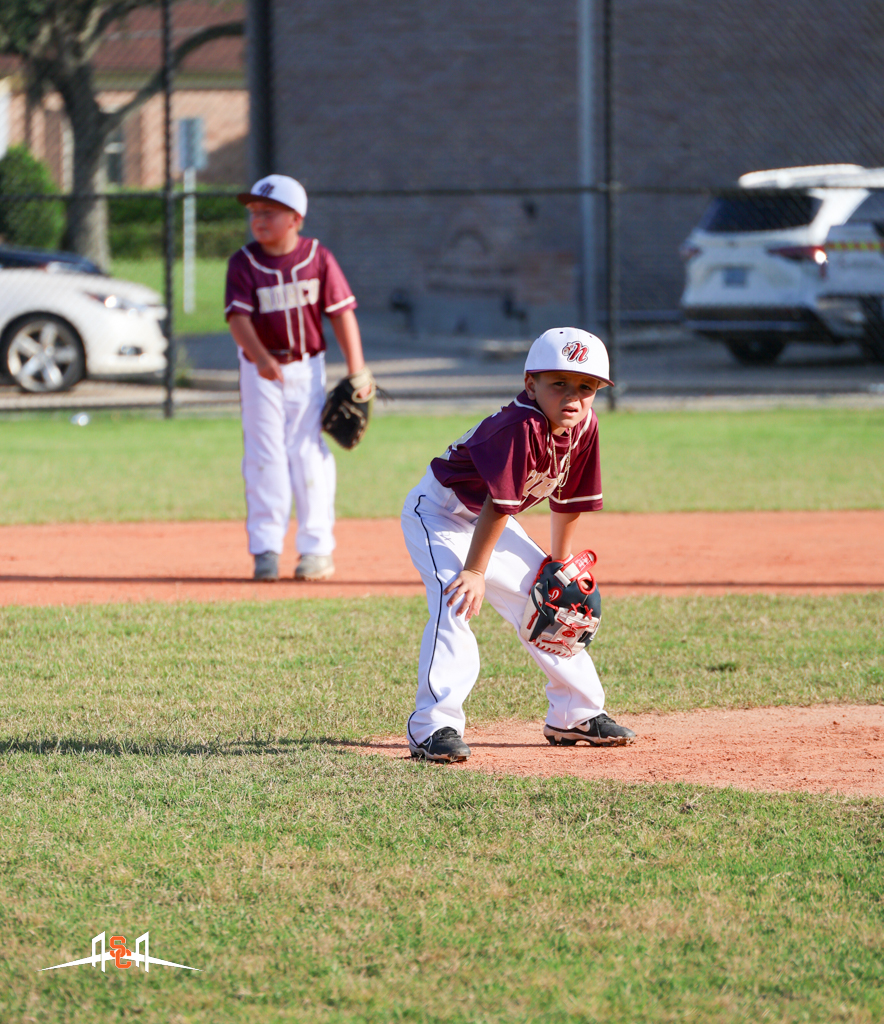

Registration for spring sports runs from Jan. 1 – Jan. 25. The parks and recreation department offers baseball for ages 5-14, softball for ages 5-16, t-ball for ages 5-6, and spring tennis for ages 8-14. Registration must be completed online and is open from Thursday, Jan. 1, through Sunday, Jan. 25.
Grayson Touchard, a spokesperson for the parks and recreation department said about 1,800 kids sign up for spring sports each year.
“We do not place a cap on registration,” she said. “Everyone who registers will have the opportunity to play if there are enough players in their age group.”
She said parents will have about a week and half after Little League players have been chosen to register for spring ball if their child does not make the team.
The Parks and Recreation Department announced Nov. 25 that the department is now a part of the Little League Official Community and the holder of the new St. Charles Little League charter, bringing a new opportunity for young athletes across St. Charles and St. John parishes.
The newly established Little League program is open to boys and girls ages nine through 12 and will serve eligible athletes who live or attend school in St. Charles or St. John the Baptist Parish.
All tryouts will be held at the West Bank Bridge Park in Luling.
All registrations for spring sports must occur with the individual’s affiliated booster club, except for spring tennis.
The Parks and Recreation Department will provide registration information regarding track and field, First Tee-Greater New Orleans (youth golf), and SuperTots offerings in early 2026.
Rec Sports
Young Sharks continue to display maturity in win vs. Canucks – NBC Sports Bay Area & California

Editor’s note: Sheng Peng is a regular contributor to NBC Sports California’s Sharks coverage. You can read more of his coverage on San Jose Hockey Now, listen to him on the San Jose Hockey Now Podcast, and follow him on Twitter at @Sheng_Peng.
VANCOUVER — This wasn’t a must-win for the San Jose Sharks, but it certainly felt like a more important regular-season game than usual.
Macklin Celebrini admitted, after the Sharks went into the holiday break bombed by the Vegas Golden Knights 7-2, that the team needed to respond. San Jose did just that, doubling the Vancouver Canucks up 6-3 on Saturday night, in their first post-Christmas tilt.
“It’s awesome, especially with how we ended [before] break. I think we all wanted this one pretty bad,” Celebrini said, about the team’s bounceback and his first win in hometown Vancouver. “It’s cool to win here.”
This victory also put the 18-17-3 Sharks back into the last wild card berth.
I’ve been on record many times saying that I don’t believe San Jose will make the playoffs. Of course, I’m not changing that belief because of one win, though I stress that I hope they prove me wrong.
But three things stood out Saturday that will help the Sharks in their quest to qualify for the postseason.
Download and follow the San Jose Hockey Now podcast

The562’s coverage of Long Beach Poly Athletics for the 2025-26 school year is sponsored by Former Jackrabbits Wendell “WoWo” Moe, Jr. & Tyson Ruffins.
Long Beach Poly softball star Ki’ele Ho-Ching capped off an impressive 2025 campaign winning a gold medal with the USA Women’s U-18 Softball Team at the WBSC Women’s Softball World Cup in Oklahoma City. In the gold medal game, Ho-Ching drove in a run with a single during Team USA’s 7-2 championship win over world-ranked No.1 Japan.
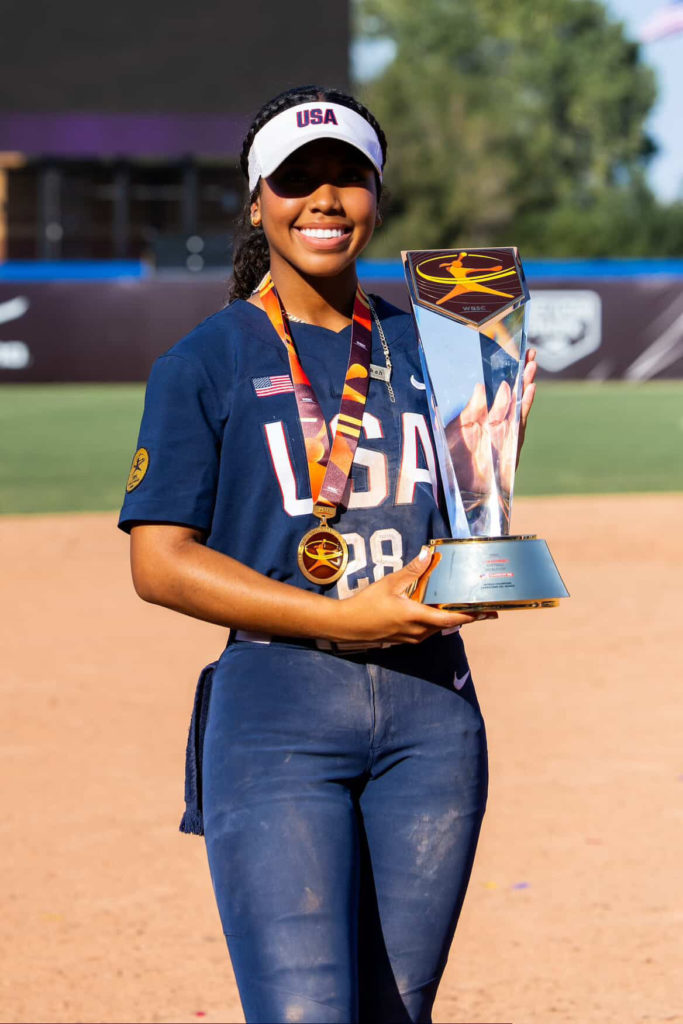
Team USA’s medal marks its fifth-consecutive world championship after winning in 2015, 2017, 2019, 2021 and now, 2025. This victory also extended a 48-game winning streak at the World Championship for the stars and stripes squad, remaining undefeated at the World Cup with victories over China, Chinese Taipei, Canada, Mexico and two wins against Japan. Ho-Ching scored three runs during the five-day stretch in the fall tournament, collecting three hits and an RBI.
Ho-Ching is currently ranked as the No. 1 player in the nation, according to Prep Softball, and was one of 16 players from 10 states selected to the USA U-18 team. Her appearance makes her the first Moore League softball player to play on a USA Softball Youth National Team, according to USA Softball archives.
Ho-Ching joins the ranks of local sports icons to put on the “USA” jersey, including Lisa Fernandez, a Long Beach native who attended St. Joseph, and Tiare Jennings, a San Pedro native who attended St. Anthony. Both Fernandez and Jennings have represented the Senior National Team.
The Oklahoma commit is poised for another standout season as a senior with Long Beach Poly, leading a talented Jackrabbit squad looking to dethrone perennial Moore League champions Millikan. The Jackrabbits are coming off a CIF-SS Division 4 championship—the first in program history.
According to MaxPreps, Ho-Ching batted an astounding .500 with a .568 on base percentage last year through 11 games with Long Beach Poly. As a junior, she tallied 19 hits, 18 RBIs and 13 runs scored for the Jackrabbits.
Rec Sports
Staten Island’s Finest AAU Travel Basketball Organization hosts 4th Annual Holiday Classic (90 action-packed photos)
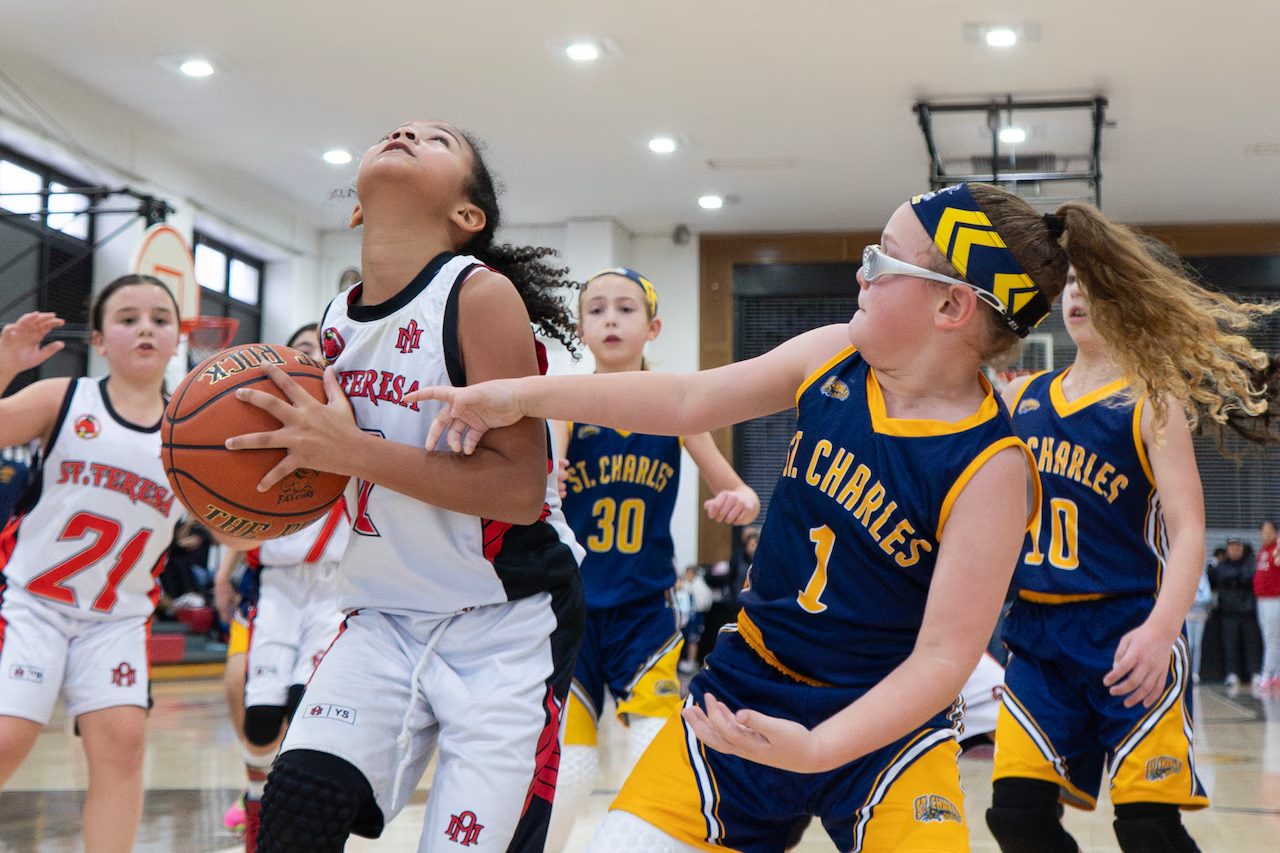
STATEN ISLAND, N.Y. — The snow couldn’t keep young ballers from competing in the 4th Annual Finest AAU Holiday Classic Saturday afternoon.
The annual tournament included 86 teams ages 2nd to 8th grade this year. A whopping 106 games are to be played between Dec. 26-31 at St. Teresas, St. Patrick’s and Moore Catholic High School.
New to the competition this year was the addition of six Brooklyn teams.
“We’re seeing more girls teams register this year, as well as several Brooklyn teams,” said league director James Fleschner. “It’s exciting to diversify the competition and really challenge the players to compete over the holiday break.”
Staten Island’s Finest AAU Travel Basketball Organization holds the competition annually to keep players active during the break.
Participants received a commemorative shirt in honor of the events.
The St. Teresa’s gymnasium was full of energy as players competed Saturday afternoon.
The girls 2nd/3rd St. Teresas team defeated St. Charles by a final score of 16-14 in an electric match. The girls 2nd/3rd Holy Child team fell to St. Joseph Hill Academy, 8-5.
Check out the gallery below for the best photos of the day.


1/90
4th Annual Finest AAU Holiday Classic at St. Teresas
SUBSCRIBER BENEFIT: SILive.com is offering a perk exclusively for subscribers: Log in, click on the photo gallery and choose GET PHOTO to download print-quality images free of charge. Note to SILive.com mobile app users: To download high-resolution photos, please access this report and gallery from a standard mobile or desktop/laptop web browser
The day’s bout — a third-round matchup in the 2025 USA Boxing National Championships that would pit him against the top seed in his bracket — would have to be won with discipline and specificity, not a tit-for-tat brawl, he repeated to himself and to his father that December morning. The 15-year-old from Kyle, who stands 5-foot-6 and weighs 105 pounds, would have to be perfect.
“One good hit, and this guy can knock you,” his father and coach, Fabian Hernandez, told him. Jayden, his face solemn beneath wispy brown hair, nodded.
Article continues below this ad
Jayden Hernandez trains at Let ‘Em Fly boxing, his father’s gym in Kyle.
Sara Diggins / Austin American-StatesmanJayden Hernandez trains at Let ‘Em Fly boxing, his father’s gym in Kyle.
Sara Diggins / Austin American-StatesmanBoxing no longer produces American heroes nor commands national attention like it did half a century ago. But like practitioners of other faiths, the Hernandezes aren’t especially interested in America’s waning devotion. They remain committed to the sport’s grueling sacraments in hope of its rewards. It’s why Fabian Hernandez first took his son to a ring almost a decade ago. It’s why his son, who is by nature calm, and already hardened by several second-place finishes at national tournaments, has kept dealing and taking blows.
American boxing’s future runs through Texas, which has the largest number of youth fighters in the country. One in five lives in the Lone Star State, according to the country’s governing body for amateurs, USA Boxing. Within Texas, the Austin area has emerged as one of its most fertile grounds for talent in recent years, producing six youth and adult national champions and surpassing, at least for now, historical powerhouses like San Antonio and the Rio Grande Valley.
Largely sustaining this culture are the boxing gyms of Austin’s periphery, clustered in southern and northern suburbs increasingly home to the region’s nonwhite population and working- and middle-class families.
Article continues below this ad

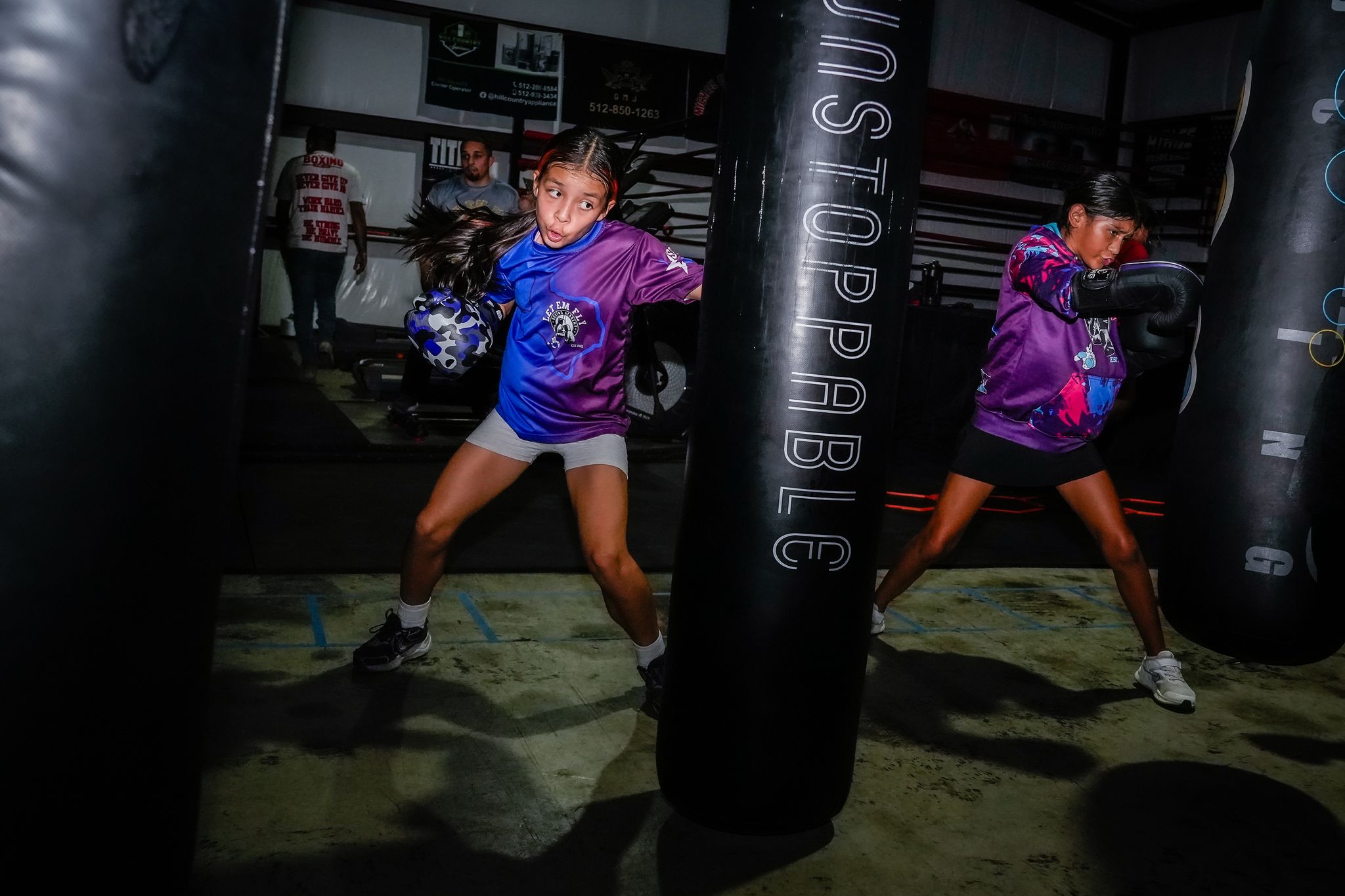
Lily Hernandez, 11, leads a group through footwork exercises during practice ahead of the annual holiday party at Let ‘Em Fly Boxing in Kyle, Texas, Dec. 19, 2025. Coach Fabian Hernandez, the founder of the gym and Lily’s father, is proud to see his kids taking on leadership roles in the gym, but also wants to make sure they have time and space to be kids.
Sara Diggins/Austin American-StatesmanBoxing in the United States survives in large part because of the continued attention and participation of American Latinos. Today, they’re three times as likely as white Americans to identify as boxing fans and, according to USA Boxing operations manager Mike Campbell, account for more than half of all youth boxers. In Austin-area gyms, that reality is even starker: Latinos make up nearly all youth participants.
Night after night, in the stuccoed garages or warehouse office parks of Buda, Kyle, Pflugerville and Round Rock, the smack rhythm of fists hitting weighted bags and the skirts of nylon shoes dancing across the ring hum a soft music. Youths like Jayden furrow their brows, purse their lips and briefly clap their gloves during sparring breaks, eyes fixed on their opponents.
In a sport known — or rejected — because of its physical cost and blunt objective, there is little space for error. Commitment becomes nearly total.
Article continues below this ad
Father and son, father and daughter
Jayden doesn’t remember playing alongside the gym during his father’s amateur boxing comeback attempt in the early 2010s. But he does remember playing with his father’s trophies, around the time Fabian Hernandez first took him to boxing lessons at age 7. After taking a year off to try soccer and baseball, Jayden returned to boxing five years ago — this time training in his family’s garage under his father’s direct tutelage.


Lily Hernandez trains at her father’s gym, Let ‘Em Fly boxing.
Sara Diggins / Austin American-StatesmanLily Hernandez trains at her father’s gym, Let ‘Em Fly boxing.
Sara Diggins / Austin American-StatesmanThose father-and-son sessions quickly grew to include Fabian Hernandez’s best friend’s son, Osiris Rangel, 12, then the boys’ younger sisters, and eventually dozens of other kids. Early this year, Fabian Hernandez moved the operation, which he named Let Em Fly Boxing Academy, into a warehouse. Participation has continued to grow.
Article continues below this ad
So, too, has the gym’s reputation, built on Jayden’s high placements at national tournaments and national title wins by Osiris and three female youth boxers — including the boys’ sisters Lily Hernandez, 11, and Emoni Rangel, 10.

Lily Hernandez, 11, helps Emoni Rangel, 10, with her head gear during a sparring night at Let ‘Em Fly Boxing in Kyle, Texas, Nov. 13, 2025. Both girls are national-caliber boxers, using the sparring session to get sharp before the USA Boxing National Championships.
Sara Diggins/Austin American-StatesmanTraining is tough and ramps up in the weeks before a national tournament. There are distance runs and sprints, long circuits of sit-ups, tire throws, box jumps, ladders and bag work, followed by sparring several nights a week with kids whose parents drive them in from Killeen, San Antonio, Uvalde or Laredo. During peak periods, some train six days a week.
“At no time can you take a break from this sport. It’s a livelihood,” Fabian Hernandez is known to tell his athletes.
Article continues below this ad
Hernandez has his children write out where they want to be in five and 10 years. The most common answer among kids in his competitive team: They want to be champions. They want to go pro.
“I don’t just want to be good, or great,” Jayden said during one training session. “I don’t just want to go pro and be a stepping stone for someone else. I want to be a world champion. I want to be known.”


Coach Fabian Hernandez at his gym in Kyle.
Sara Diggins / Austin American-StatesmanCoach Fabian Hernandez, left, at his gym in Kyle.
Sara Diggins / Austin American-StatesmanThe boxer of today
Manuel Sepeda was 13 when he gave boxing a second chance in 1985. A troublemaker raised by his mom and aunt, he began to make the five-block daily walk from East Austin’s Santa Rita Courts public housing project to the Pan-American Recreation Center to train. Sepeda went in search of discipline and purpose: boxing’s mythic whisper. Other East Austin Chicanos, from the projects and nearby homes, went too. The gambit paid off for some, including Sepeda, who later carved out a modest professional career in his 20s.
Article continues below this ad
Twenty-five years ago, when Zach Martinez started coaching youths, that grit still defined the sport’s storyline. Many of the kids who showed up at Pan-Am or Montopolis recreation centers were often getting into trouble. Some were shot dead on days off from the gym. Poverty — the harsh backdrop boxing has long claimed — was ever-present.
Today, though that storyline is still told, it is less common in Austin, said Martinez, who currently trains youth boxers out of the Montopolis recreation center.
That doesn’t mean boxing has stopped being a blue-collar sport. Far from it. But, “there are a lot more fathers in corners,” said Sepeda, now 53, who served time in federal prison before becoming a car salesman and boxing trainer. “That’s a good thing.”

Athletes box during a sparring night at Let ‘Em Fly Boxing in Kyle, Texas, Nov. 13, 2025. The gym invites other gyms from around Central Texas to spar, letting the athletes get in practice bouts before real competitions.
Sara Diggins/Austin American-StatesmanFabian Hernandez, who grew up boxing while his own father sat behind bars, agrees. Boxing is a trade he is teaching his son. Being in his corner matters.
Article continues below this ad
The father in the corner has become more important in part because of the rising cost of participation. Spending has increased in youth sports, especially since the turn of the century, as private facilities and travel-based circuits have become increasingly prevalent, said Jon Solomon, community impact director of the Aspen Institute’s Sports and Society Program. (Montopolis and Pan-Am recreation centers now have much smaller programs than the private gyms in Austin suburbs.)
But boxing carries additional burdens: Limited participation by age and weight class makes national tournaments essential, and the sport lacks an offseason, pressing parents to travel out of state — and pay for it — several times a year.
Campbell, the USA Boxing operations manager, estimates the average fighter or family spent about $1,200 to participate in December’s national championships in Lubbock, covering transportation, lodging, food and registration. Hernandez estimates that he spent about $2,000 this year to take his two kids to tournaments in Lubbock, Las Vegas and Tulsa this year, but only because his gym’s aggressive fundraising covered roughly three times that amount.
Of course, the father in the corner is much more than a wallet. He wraps wrists, waves mitts and makes weight decisions. He raises his voice for the judges to hear, or to admonish after a loss. He lowers his voice to comfort.
Article continues below this ad

Coach Fabian Hernandez, founder of Let ‘Em Fly Boxing, watches his athletes hit the bag during practice ahead of the annual holiday party at Let ‘Em Fly Boxing in Kyle, Texas, Dec. 19, 2025. Hernandez founded the gym after training his own kids, both national-caliber youth boxers out of his garage.
Sara Diggins/Austin American-Statesman‘Among the best’
As Jayden skipped around the ring dressed in blue, his opponent edging toward him, the first round of his third-round matchup appeared to go to plan. The opponent, broader-shouldered and aggressive, rushed in. Jayden pivoted out. Some punches landed; others missed. Jayden countered with quick strikes to the head.
Fabian Hernandez swayed at ringside. When the counters landed, he smiled, proudly. “Beautiful,” he told his son between rounds.
Article continues below this ad
But the pace proved hard to sustain. In the second and third rounds, the opponent worked Jayden onto the ropes and kept him there. Jayden’s pivots slowed, and the fight became a brawl — blow traded for blow — as Jayden tried to escape one corner and then another, tripping at times and taking repeated punches to the face.
After the unanimous decision against him, Jayden walked away from the rings toward a covered corner of the auditorium, out of view of the mezzanine stands filled with fans. He stared at the wall, turning from his father, who listed frustrations about his son’s drop in form. After a few minutes, he stopped.
“You’ve proven you’re among the best,” he told Jayden.

Jayden Hernandez, 15, helps a younger athlete train on the mitts during practice ahead of the annual holiday party at Let ‘Em Fly Boxing in Kyle, Texas, Dec. 19, 2025. Jayden’s father, coach and gym founder Fabian Hernandez is proud of his son stepping up to help coach and lead the younger athletes, but still encourages him to put his own training and childhood first.
Sara Diggins/Austin American-StatesmanThe delicate sport
From the crowded stands of the Lubbock Civic Center, four rings come into view below. In a tangle of red and blue, fleeting contests are decided in 90-, 120- or 180-second rounds. Talent collides with chance, bravery with apprehension, expectation with delusion — meanings that settle only later, when the adrenaline has faded.
Article continues below this ad
Boxing may be the most delicate of games because of the unavoidable risk of grave injury. It is also delicate because triumph and defeat are decided by judges who can each see only a partial angle of the fight from their bench. In Lubbock, any loss ended a boxer’s tournament, leaving fighters with days’ worth of empty hotel reservations. The thin line between excellence and obscurity became unmistakable.


Let ‘Em Fly Boxing in Kyle, Texas.
Sara Diggins / Austin American-StatesmanLet ‘Em Fly Boxing in Kyle, Texas.
Sara Diggins / Austin American-StatesmanThe fragility is visible, until it isn’t. An older Chicano man, gaunt and bald, with a cryptic neck tattoo peeking from a black hoodie, shrieks when a referee issues an “eight count,” an eight-second stoppage intended to protect a fighter’s brain.
“That’s bullshit. He hit him with a jab,” the man yells, as he swallows bright yellow popcorn and the kids around him giggle. “He didn’t even fall. Got to let them fight.”
Article continues below this ad
Safety remains a roundabout conversation in youth boxing. USA Boxing enforces medical screenings and morning health checks designed to prevent fighters from entering the ring with existing head injuries — a proven way to reduce the risk of seizures or strokes, said ringside physician Leah Geodecke, a volunteer at nationals. But among coaches and fighters, risks are often framed as inevitable — concerns to be reckoned with only if they arrive. At the end of the day, Hernandez said, “It’s a combat sport.”
And though the rewards of the adherent come from sticking with the sport, boxing is hard to remain in. At the end of the road for many, Sepeda reflected, comes the day “you can’t get past a kid no matter what you do.”
“I don’t think people [who box] are quitters,” Sepeda said. “But boxing is a sacrificial sport, and it’s a very lonely sport.”

Aniyah Edwards, left, and Lily Hernandez, center brush the Emoni Rangel’s hair after her bout during a sparring night at Let ‘Em Fly Boxing in Kyle, Texas, Nov. 13, 2025. The three girls are preparing to compete at the USA Boxing National Championships in a few weeks.
Sara Diggins/Austin American-StatesmanWalking into the lobby after his loss, a red rash glowing on his right cheek, Jayden accepted hugs from his sister, teammates and fathers. He said he would replay his mistakes that night in bed, as he felt the soreness of his arms, legs and face. He would think about them over the next few days while sparring with other fighters who had been surprised with early exits, and over the coming weeks back at the gym in Kyle.
Article continues below this ad
Those details, or at least that feeling, will be there “forever,” he said. “It’ll be there when you want to quit.”
See more scenes from Let ‘Em Fly boxing:
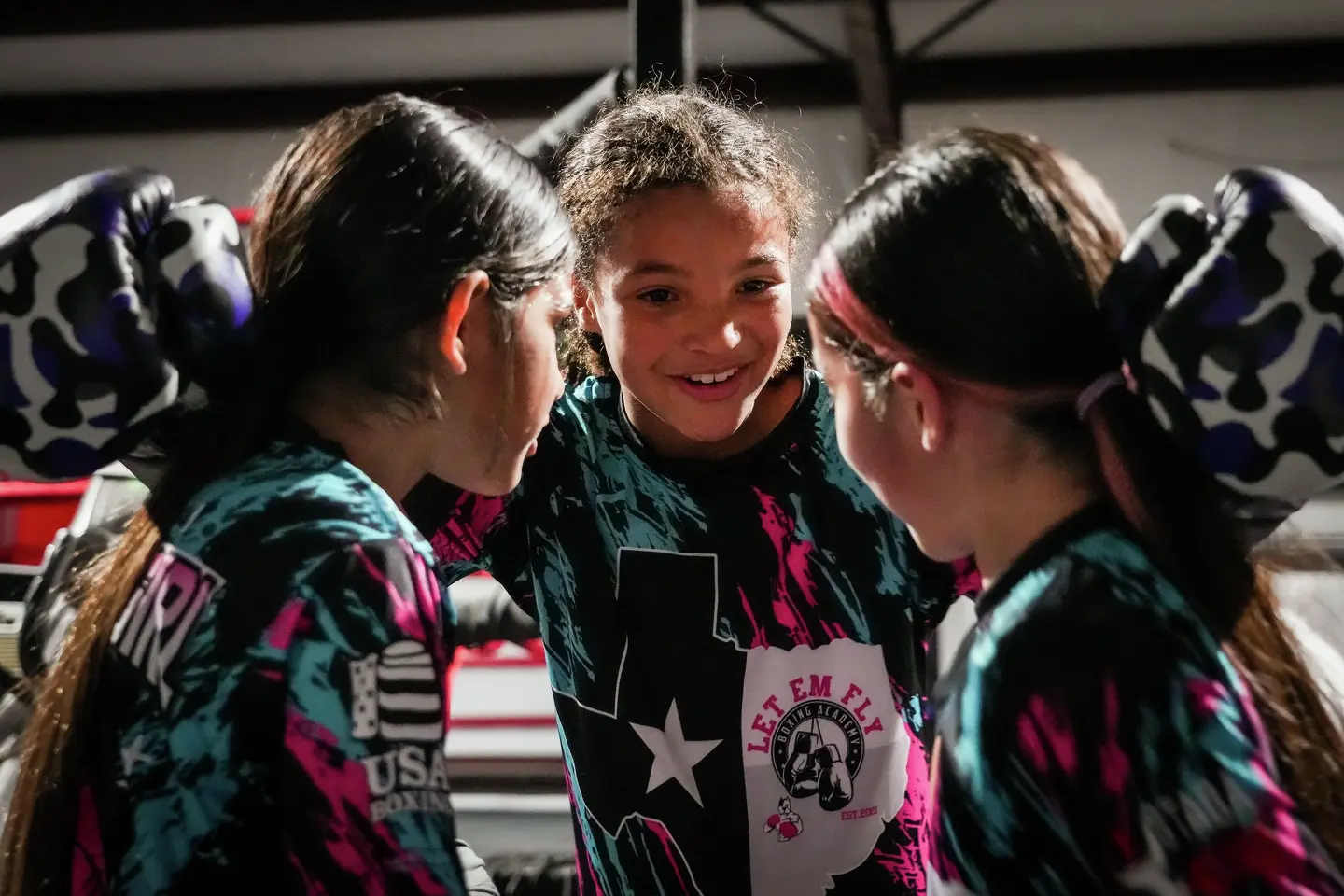
Aniyah Edwards, center, talks to her teammates, Lily Hernandez, left and Emoni Rangel as they huddle ahead of their bouts during a sparring night at Let ‘Em Fly Boxing in Kyle, Texas, Nov. 13, 2025. The three girls are preparing to compete at the USA Boxing National Championships in a few weeks.
Sara Diggins/Austin American-Statesman


Rec Sports
Troop 267 Celebrates Achievements, Leadership at December Court of Honor | News, Sports, Jobs
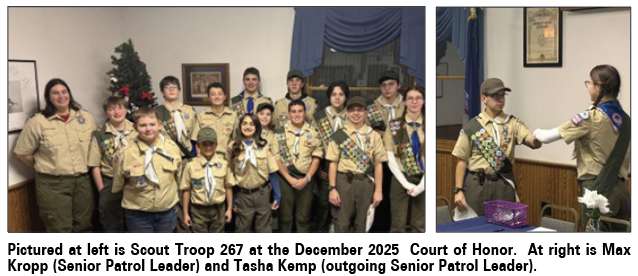
Scout Troop 267 Celebrates Achievements and Leadership at December Court of Honor Scout Troop 267 gathered on Dec. 15, to celebrate accomplishments, recognize leadership, and look ahead to a busy year during its year-end Court of Honor. The evening brought together Scouts, families, and leaders to honor advancement, merit badge achievements, and the service of outgoing youth officers.
Scoutmaster Mike O’Dell, and incoming Assistant Senior Patrol Leader Ben O’Dell assisted with the presentation of rank advancements, while Senior Patrol Leader Tasha Kemp served as Master of Ceremonies. Advancing Scouts included Rainn Szczerbacki (Tenderfoot), Kam Johnson (Star), Ben O’Dell (Life Scout), and Eli Williams (Life Scout).
A wide range of merit badges highlighted the diverse interests and skills of Troop 267 Scouts. Badges earned included Chemistry, Citizenship in the Community and Society, Health Care Professions, Robotics, Athletics, Crime Prevention, Geology, Music, First Aid, Family Life, Personal Fitness, Traffic Safety, Communication, Indian Lore, American Business, and Animation. Multiple Scouts earned several badges, reflecting dedication both in and beyond weekly meetings.
The troop also recognized special achievements, including participation in the AHC Monster Mash at Camp Merz by Scouts Gabriel Nagle, Sienna Nagle, Jax Ostler, Rainn Szczerbacki, and Eben Wille. Tyler Field was honored with the Scouts BSA National Outdoor Awards Emblem and the Camping Segment Achievement Award.
Leadership transitions were a key focus of the evening. Outgoing officers, led by Senior Patrol Leader Tasha Kemp, were recognized for their service in guiding the troop over the past term. New officers were then introduced, with Max Kropp installed as the incoming Senior Patrol Leader, supported by a full slate of youth leaders across patrol and troop positions.
Scout Troop 267 would like to thank the community for its generous support of the Annual Popcorn Sale Fundraiser, which sold just over $21,000 in four months, and the Applebee’s Pancake Breakfast Troop Fundraiser.Top popcorn sellers were recognized and awarded for their outstanding contributions. Most notably, Jethduan Cordova-Olmo sold $5,860 worth of popcorn. Record sales were also achieved by Tyler Field ($3,760), Kam Johnson ($3,190), Rainn Szczerbacki ($3,055), Ryan Cook ($1,041), and Aaron Cook ($1,021).
Troop 267 also announced several upcoming activities, including a free bowling celebration for Scouts at Lucky Lanes on December 22, rock climbing at Central Rock Gym on Jan. 19, and an Electronics Campout at Camp Gross from Feb. 27 to March 1.The Scouts return to their weekly meeting schedule beginning Monday, Jan. 5, at 7p.m.
Committee Chair Holly Field offered closing remarks, thanking the Scouts and their families for their continued commitment, and encouraging community members to consider supporting the troop as committee members or merit badge counselors. Family and community involvement is essential as the troop begins a new Scouting year in January. The troop is currently seeking volunteers for the following roles: Committee Chair (beginning in January), Assistant Activities Chair, Life to Eagle Coordinator, Training Chair, Scout-to-Cub Scout Liaison, Religious Emblem Coordinator, and Unit Public Relations Chair. Email 267fredonia@gmail.com to express interest and learn more!
Scout Troop 267 meets Mondays at 7 p.m. at American Legion Post 59, 156 East Main Street, in Fredonia, and is open to all boys and girls who have completed the fifth grade and are at least 10, but not yet 18 years old. For more information about the Troop and how to join, visit the Troop’s website at: https://www.fredoniatroop267.com.

Sports20 minutes ago
Texas A&M star Ifenna Cos‑Okpalla signs with League One Volleyball

NIL21 minutes ago
Super-sized conferences are breaking college football

Sports36 minutes ago
Deaf volleyball coach speaks volumes (video)

Sports52 minutes ago
Cos-Okpalla Inks Professional Contract with LOVB Salt Lake – Texas A&M Athletics

NIL1 hour ago
College football team loses three All-Americans to transfer portal

NIL2 hours ago
College football team loses starting QB to NCAA transfer portal

Rec Sports3 hours ago
Spring sports registration opens Jan. 1

Rec Sports3 hours ago
Young Sharks continue to display maturity in win vs. Canucks – NBC Sports Bay Area & California

Rec Sports3 hours ago
No. 11 Long Beach Poly’s Ki’ele Ho-Ching Wins Gold with USA Softball – The562.org

NIL3 hours ago
$2.4 million QB connected to major college football program in transfer portal

Sports3 hours ago
South Carolina Gamecocks Defensive Back Plans to Enter the Transfer Portal

Rec Sports4 hours ago
Staten Island’s Finest AAU Travel Basketball Organization hosts 4th Annual Holiday Classic (90 action-packed photos)

Rec Sports4 hours ago
In Austin and across Texas, youth boxing thrives out of the spotlight

Motorsports4 hours ago
Kyle Larson nervous about dramatic entrance to deliver record prize – Motorsport – Sports
NIL4 hours ago
Damon Wilson seeks denial for arbitration in NIL dispute with Georgia

Motorsports3 weeks ago
SoundGear Named Entitlement Sponsor of Spears CARS Tour Southwest Opener

Motorsports3 weeks ago
Donny Schatz finds new home for 2026, inks full-time deal with CJB Motorsports – InForum

Rec Sports3 weeks ago
Black Bear Revises Recording Policies After Rulebook Language Surfaces via Lever

Motorsports4 weeks ago
Jo Shimoda Undergoes Back Surgery

NIL4 weeks ago
Bowl Projections: ESPN predicts 12-team College Football Playoff bracket, full bowl slate after Week 14

Rec Sports4 weeks ago
Robert “Bobby” Lewis Hardin, 56

Sports4 weeks ago
Men’s and Women’s Track and Field Release 2026 Indoor Schedule with Opener Slated for December 6 at Home

Rec Sports4 weeks ago
How this startup (and a KC sports icon) turned young players into card-carrying legends overnight

Rec Sports3 weeks ago
David Blitzer, Harris Blitzer Sports & Entertainment

Rec Sports3 weeks ago
How Donald Trump became FIFA’s ‘soccer president’ long before World Cup draw
Sports4 weeks ago
Wisconsin volleyball sweeps Minnesota with ease in ranked rivalry win

Motorsports4 weeks ago
Michael Jordan’s fight against NASCAR heads to court, could shake up motorsports

Motorsports3 weeks ago
JR Motorsports Confirms Death Of NASCAR Veteran Michael Annett At Age 39

Motorsports4 weeks ago
Increased Purses, 19 Different Tracks Highlight 2026 Great Lakes Super Sprints Schedule – Speedway Digest

Motorsports3 weeks ago
Rick Ware Racing switching to Chevrolet for 2026






-
 Motorsports3 weeks ago
SoundGear Named Entitlement Sponsor of Spears CARS Tour Southwest Opener
-
 Motorsports3 weeks ago
Donny Schatz finds new home for 2026, inks full-time deal with CJB Motorsports – InForum
-
 Motorsports3 weeks ago
Rick Ware Racing switching to Chevrolet for 2026
-

 NIL3 weeks ago
DeSantis Talks College Football, Calls for Reforms to NIL and Transfer Portal · The Floridian
-
 Sports2 weeks ago
#11 Volleyball Practices, Then Meets Media Prior to #2 Kentucky Match
-

 Motorsports2 weeks ago
Sunoco to sponsor No. 8 Ganassi Honda IndyCar in multi-year deal
-

 Motorsports3 weeks ago
NASCAR owes $364.7M to teams in antitrust case
-
 Motorsports2 weeks ago
Nascar legal saga ends as 23XI, Front Row secure settlement
-

 Rec Sports3 weeks ago
Why the Texas Sport for Healing Fund Should Return – The Daily Texan
-
 Sports2 weeks ago
Maine wraps up Fall Semester with a win in Black Bear Invitational