
Motorsports
NASCAR’s Last Cowboy: Snakebit Carl Long Will Do Whatever It Takes to Race

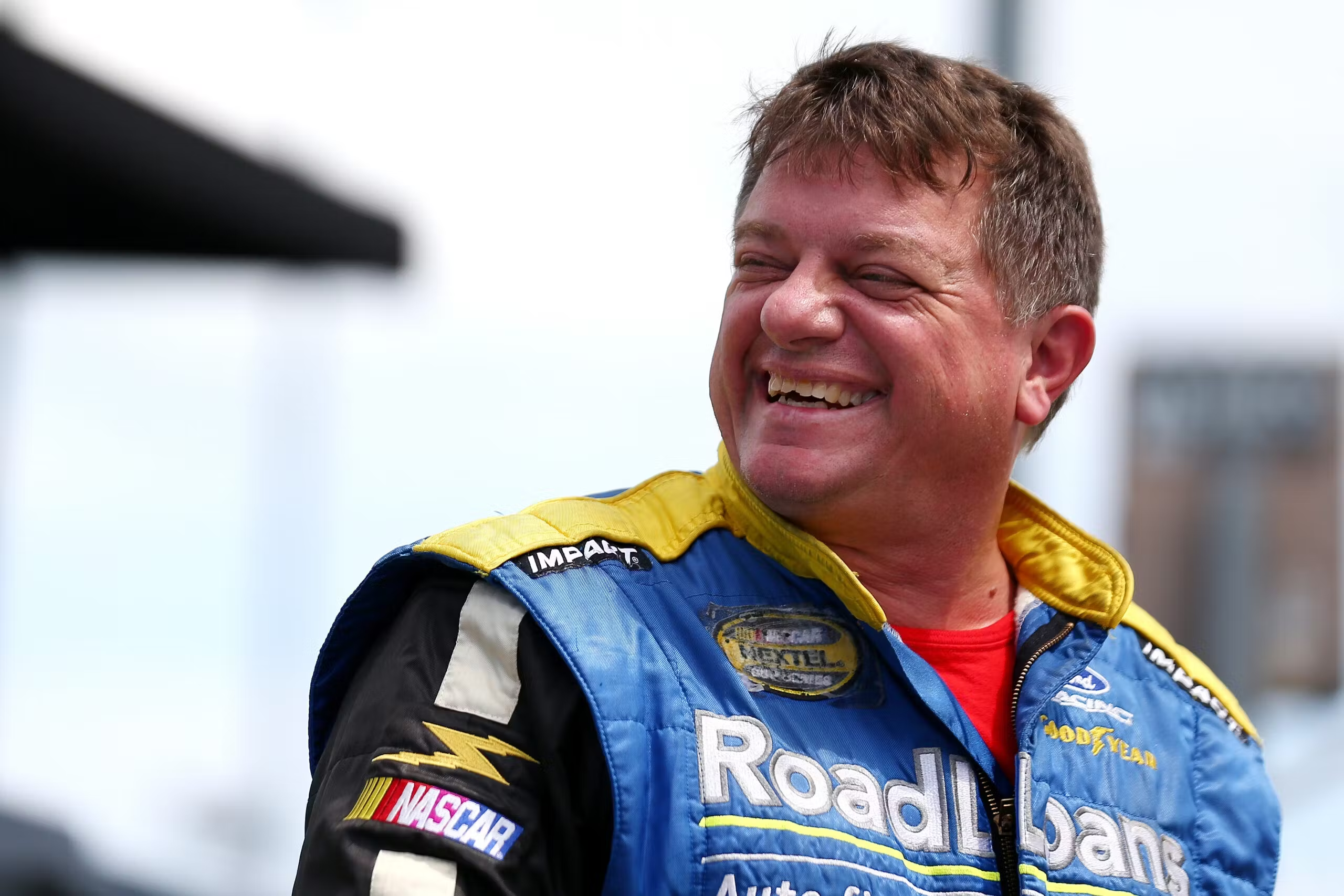
I know what day I met Carl Long: Saturday, October 26, 2002. My memory for dates was, and remains, pretty sketchy, but Google recalls that the final round of the International Truck Challenge was held then at Atlanta Motor Speedway.
The Challenge, held by NASCAR sponsor International Truck and Engine Corporation, was presented not for NASCAR drivers, but for the drivers of their NASCAR haulers, which carried the cars and equipment literally coast to coast during that grueling 36-race season.
I had been flown to Atlanta not only to attend the NASCAR NAPA 500 race on Sunday, but to help judge the Truck Challenge, which required drivers, towing a 53-foot trailer attached to a new International 9400i tractor, to make a timed run that included negotiating through two intricate 180-degree turns, two slaloms around a series of tethered barriers, and backing into a simulated loading dock, which is where I was standing. The driver who negotiates the course the quickest, knocking over a minimum number of pylons, wins.
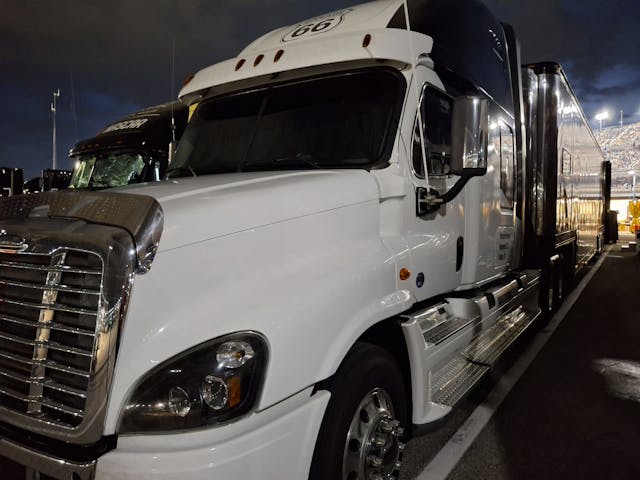
With a damn-the-torpedoes speed we had not seen that day, Long just attacked the course, and was absolutely flying as he backed the International truck and trailer into a narrow corridor that simulated a loading dock, with barriers at the end that represented the dock itself. That’s where I was standing. I moved, because I wasn’t sure Long would be able to stop before he crunched into the “loading dock.”
Long not only stopped after locking up the trailer’s brakes, but the truck came to rest about six inches from the dock. It was the closest to a perfect score we awarded all day, and I am pretty sure we presented one of those big cardboard checks to Long.
Overall, it was a good weekend for the journeyman driver in the then-NASCAR Winston Cup Series. Long, possibly the only NASCAR competitor to drive his own tractor-trailer to the track, qualified his number 59 Check Into Cash Dodge 43rd out of 43 cars entered, and finished 39th, the last car still running in the race, completing 237 of the 248 laps. Not a bad weekend.
But a finish like that would be a terrible weekend for the vast majority of the NASCAR drivers that Sunday, where winner Kurt Busch pocketed $212,100. But they operate from an entirely different spreadsheet than Long, who won $54,100 for a 39th-place finish, which Long likely split with team owner Foster Price. Then there was the $1000 Long won for the truck challenge.
Long’s goal in the 2002 season was the same as it was for his first season in the NASCAR Cup Series 25 years ago, and it’s the same as it was for this 2025 NASCAR season, which concludes this Sunday with the championship-crowning event at Phoenix Raceway. That goal is for his team to qualify for the race—at the back is fine, as long as his car gets in—and use the prize money, and hopefully a little sponsorship revenue, to make it to the next race.
And yes, 23 years later, Long still drives the team 18-wheeler to the races.

After Sunday, that next race would be the NASCAR season opener, and also the series’ biggest race of the year: The Daytona 500, which runs on Sunday, February 15, 2026. It’s the holy grail for NASCAR team owners like Roger Penske, Rick Hendrick, and former NFL coach Joe Gibbs. But they want to win. Carl Long just hopes his car runs fast enough to make the race.
Seems like a modest request, to just finish in the last five or so of the maximum of 40 teams that can run a Cup race. Each week, Long, who gave up driving in the NASCAR Cup series after the 2017 season, hopes that a “funded” driver, who has assembled enough sponsor (or family) cash to pay for a race or two, hires MBM Motorsports, which is the name of Long’s company.
MBM would supply a car from his small inventory of used NASCAR Cup cars he bought from larger teams that have traded up for the next season, complete with a plastic “wrap” displaying the car’s number, usually 66, and whatever sponsor logo the funded driver wants to run. And if that driver can’t afford to rent the Cup car, Long has several Xfinity Series cars and a few NASCAR Craftsman Truck Series trucks, which cost less.

It’s a true “arrive and drive” situation for Long’s customers: He and wife DeeDee, who works with MBM (that’s Motorsports Business Management), handle the logistics, the paperwork, and hopefully, at the end, making out the deposit slip for the driver’s money. Which can vary from race to race, and depending on how badly Long wants to go. Though NASCAR stopped announcing the race purse a decade ago, Long and everybody else know which races pay the best: Just finishing last in the Daytona 500 will get you a six-figure paycheck, while some races pay in the low- to mid-five figures for bottom-of-the-results finishes. For a team like Long’s, just making the Daytona 500 field can help fund the next few events.
MBM Motorsports, incidentally, was originally formed in 2014 as a partnership between Long and Canadian financier and part-time racer Derek White. Soon, though, White was arrested and charged with smuggling cigarettes into Canada from the U.S., and NASCAR suspended him. White, who says he is part Mohawk Indian, appealed his conviction, arguing that Excise Tax Act laws were not applicable to the Mohawk nation. The judge agreed and overturned the conviction. White, now 56, is back racing in NASCAR. Just another of the oddball obstacles placed in front of Long’s racing efforts. More about those in a moment.
Long finally hung up his helmet in 2017, after he backed his car hard into the wall at Martinsville on lap 444 of 500, when his car’s tired brakes finally gave up.
Though a couple of other small teams also supply cars for the highest bidder, assuming there are any bidders at all, it’s MBM Motorsports’ entire business plan. The top 36 teams own NASCAR “charters,” which, since 2016, guarantee that a NASCAR-chartered team will make every race, regardless of how poorly they qualify. This means that the driver for a chartered team will never be left on the sidelines, thus allowing the team to sell sponsorship based on the fact that no matter where your driver qualifies, he or she will be on television in every race that season.

But those original charters pass back and forth between teams, and now can cost upwards of $50 million apiece. Long doesn’t have $50 million; consequently, he doesn’t have a charter. And with a 40-driver cap for a race, Long is competing with other non-chartered teams for those final four spots. Lately, with the exception of the two races at Daytona and several others, NASCAR has had problems producing a full 40-car roster each race. Again, Long roughly knows when a particular race may traditionally have trouble filling the field, and those races are good targets for MBM—and every other non-chartered competitor.
It’s a tough way to make a living, but it’s pretty much all Long knows, even though he came to it comparatively late in life. A North Carolina native, Long began racing on a local level in 1983 at age 16, but it wasn’t until 1998, when he was 31, that Long went after NASCAR’s big leagues, which means the Craftsman trucks, the Xfinity series, and at the top of the mountain, the NASCAR Cup Series. Partnering with local businessman Thee Dixon, one of NASCAR’s first black team owners, Long raced for Dixon’s Mansion Motorsports for several years, with modest results.
Long and the team failed to qualify for any NASCAR Cup, Xfinity, or Craftsman truck races in 1999. In 2000, though, Long qualified for his first Cup race: The prestigious (and lucrative) Coca-Cola 600, held on Memorial Day weekend at Charlotte Motor Speedway.
And that’s when the first of an absolutely staggering series of challenges was inflicted upon Carl Long and his NASCAR career—so many that you may wonder how he’s still standing.
Turns out the year 2000 was the farewell season for longtime driver Darrell Waltrip, a three-time NASCAR Cup Series champion. Waltrip had some pressing sponsor engagements during his final year as a driver, and one of them was at the May race in Charlotte.

But Waltrip didn’t qualify in his Kmart Ford. So Waltrip and Kmart cut a deal to turn team owner Thee Dixon’s Noopco Paint Remover Ford, which Long had qualified, into the Big Kmart Ford for one race, with Waltrip replacing Long in the driver’s seat. Long wasn’t happy, but he knew that Waltrip and Kmart paid the team quite well for hijacking his seat, enough to help them make it to the next few races.
But Long would never again qualify for the Coca-Cola 600. He did qualify for the 2000 Cup race in Dover, Delaware, where he started 42nd and finished 41st in his NASCAR Cup debut. He also made the Pop Secret Microwave Popcorn 400 at Rockingham Speedway in North Carolina, qualifying last but finishing 35th, which came with a $26,900 paycheck.
It continued pretty much like that until the 2004 Subway 400 at Rockingham Speedway in North Carolina. Long, between rides and working as a mechanic for David Starr’s Craftsman Truck team, noticed that there wasn’t a full field of entries for the race, so he and a few friends cobbled together a Dodge that Long owned, powered by a tired V-8 that Kyle Petty had gifted him. (Long’s career has often depended on the kindness of others, who would pass along used parts and slightly worn tires.) Still, Long spent $30,000 out of his own pocket getting the car ready for The Rock.
The hood had a decal for Al Smith Dodge, a North Carolina dealer who had once helped Long out, but contributed nothing for this race. Long tried to pull the Al Smith decal off, but the paint began to come off with it, so Long just left it on, and the car was entered as the number 46 Al Smith Dodge.
All was well until lap 255, when another car, which was busy wrecking, hit Long in the back and launched him and Al Smith Dodge into the outside wall, where the car began flipping down the track, making five complete barrel rolls, ending up back on its now-flattened tires. Long was OK; the flattened car was not. The TV commentators were apoplectic until Long was released from the Infield Care Center. Afterward, Long told the media that he knew he was in trouble when, upside down and through his windshield, “I saw a big guy in the stands eating chicken,” he said. “I’m glad I gave them something for the highlight reel, but it don’t do too much for me racing anymore. That was the only Cup car I had.”
Without a car, one of Long’s friends, driver and team owner Hermie Sadler, asked Long to drive his number 02 RacingJunk.com Pontiac at the Cup race in Las Vegas. Long started 41st, finished 38th after the oil pump quit. In an interview, Sadler defended Long. “I’m comfortable with Carl behind the wheel,” he said. “He’s a talented race car driver who’s like me in that he hasn’t gotten the right opportunity yet. He knows it’s an honor and a privilege to compete in a Nextel Cup race and he cherishes every opportunity. He’s not a field filler.”
From then on, Long raced for an extensive list of teams, often a race here, a race there. Team 23 Racing. Jay Robinson Racing. Glenn Racing. Ware Racing. Foster Price Racing. Creech Motorsports. Moy Racing. McGlynn Racing. Hover Motorsports. In total, more than 25 teams, not counting his own.
Long generally worked a day job at other teams’ shops, toiling over his own cars at night. Wikipedia notes that Long worked at a Domino’s Pizza, was named Domino’s manager of the year, and once held the record for most pizzas delivered in one night. I forgot to ask him about that, but it seems plausible.
But then came the biggest blow of all, administered by NASCAR with unusual alacrity. It very nearly put a permanent end to Long’s lifelong ambition of somehow making a career from motorsports.
It happened in May of 2009, when Long entered his own car in NASCAR’s non-points race, the Sprint Showdown. After practice, NASCAR asked to look at his engine, which was a Dodge V-8 he had bought used from Ernie Elliott, the engine-building brother of former NASCAR champ Bill Elliott. Long had no objection.
Shortly, NASCAR inspectors returned with a ruling: Illegal. NASCAR Cup engines must be no larger than 358 cubic inches. They measured Long’s second-hand V-8 at 358.17 cubic inches, .17 inches too big. The idea that such a tiny amount would add anything to the performance, or be evidence of intentional cheating, was absurd, but NASCAR levied the largest fine in its history for Long’s engine: $200,000, and a 12-race suspension not only for Long, but also for his wife DeeDee, who was listed as the car owner.
It was unprecedented. Though on appeal the suspensions were reduced to eight races, there was no way Long could pay a $200,000 fine. Until he did, he was banned from the NASCAR Cup garage. This was a problem because he was working for the number 34 Cup car owned by Front Row Motorsports.
Long had one more appeal, before the NASCAR Commissioner, 87-year-old Charles D. Strang, who upheld the sanction. NASCAR did say that Long could work in the Craftsman Truck and Xfinity Series, but not in Cup. It amounted to a lifetime ban for an engine bought from a reputable source that was .17 inches too big.
Long was bitter after he lost the second and final appeal. The National Stock Car Racing Commission “intentionally put it out of my reach,” Long said. The 12-race suspension and the $200,000 fine were both NASCAR records. “I’m truly disappointed in NASCAR,” Long told The Associated Press. “The sport I love and grew a part of has really given me a sour taste in my mouth.”
He has softened some, but the memory of the oddly severe penalty is still acidic. And with good reason. NASCAR’s modern-day penalties for far more scandalous instances of cheating seem profoundly timid compared to what they assessed Long.
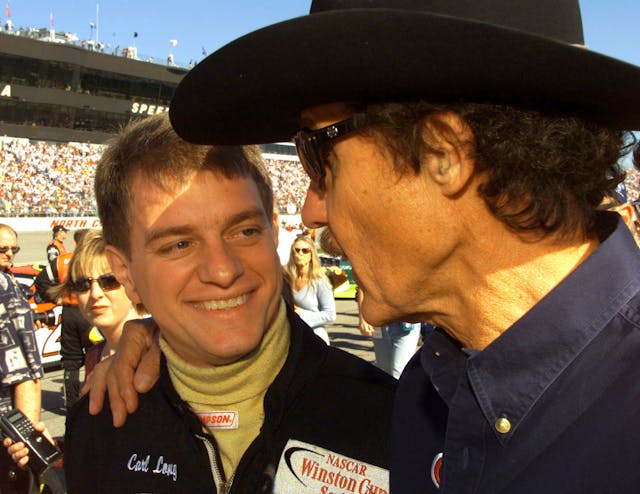
Example: Richard Petty won a record 200 NASCAR Cup Series races, and that record is likely to stand. But it was mildly tainted in 1983, when Petty’s Pontiac, which had won the Miller High Life 400 at Charlotte Motor Speedway and his 598th race, was found to have an illegal engine. It measured 381.983 cubic inches, nearly 24 cubic inches too large, which would indeed have given Petty an advantage. The car also had left-side tires on the right side of the car, which was also illegal, and would have improved cornering. Petty was fined a record $35,000, but was allowed to keep the win. Interestingly, team owner Junior Johnson’s second-place car, driven by Darrell Waltrip, was hastily loaded up after the race and removed from the track before NASCAR could inspect it—something Johnson had apparently done before.
Example: In 1991, Johnson didn’t pack up and leave quickly enough after a non-points race at Charlotte. Then, as now, the engine can’t be bigger than 358 cubic inches; the engine in Johnson’s car—actually, wife Flossie was listed as the owner—was 361.856 cubic inches. Puzzlingly, driver Tommy Ellis, who was just substituting for an injured Geoff Bodine, the car’s regular driver, was fined $18,000. Johnson and crew chief Tim Brewer were not fined but were suspended for four races.
Example: NASCAR inspected the engine in the number 55 NAPA Auto Parts Toyota Camry that driver and team owner Michael Waltrip intended to use for the 2007 Daytona 500. It would be Toyota’s long-awaited NASCAR Cup Series debut, which the company had been promoting nonstop. Inspectors almost accidentally discovered a substance in the engine’s intake that was reportedly related to jet fuel, undeniably a blatant attempt to cheat during qualifying for the 500. The team was fined $100,000, but puzzlingly was allowed to compete in the 500. Waltrip finished two laps down, in 30th, which paid $258,050, more than absorbing the fine. Pundits asserted that NASCAR, conscious of how valuable having a new manufacturer participating in the Cup Series was, deliberately went easy on the Toyota team.
Example: In the September 2013 race at Richmond International Raceway, Clint Bowyer, driving for Michael Waltrip Racing, was allegedly instructed, by radio, to gently spin his Toyota out. The resulting caution flag would almost certainly result in teammate Martin Truex, Jr., making the season-ending Chase for the Championship lineup. The team seemed to have forgotten that the radios are monitored by NASCAR, by fans, and by the TV network carrying the race. NASCAR booted Truex from the Chase lineup and added Ryan Newman, who had been eliminated. It also fined the team $300,000, which finally surpassed the $200,000 fine that NASCAR had levied on privateer Long four years before. Sponsor NAPA, who had continued to back Waltrip after the jet-fuel scandal in 2007, had had enough and canceled its contract to sponsor Waltrip.
Was NASCAR fair to Long? Hard to argue that it was, given that these examples cited were all intentional and would definitely add to the guilty team’s performance.
Still, it kind of seems that NASCAR continues to mess with Carl Long. For this year’s Daytona 500, Long planned to put NASCAR veteran Mike Wallace, younger brother of 1989 Cup champion Rusty Wallace, and older brother of former Xfinity and Cup racer Kenny Wallace, in the MBM Motorsports number 66 Ford. Mike Wallace had run 197 Cup races over 19 seasons, plus 497 Xfinity races and 115 Craftsman Truck races.
At 65, Wallace had wanted to make one last return to Daytona, where he had won before. Wallace had found sponsorship and said he wanted to race as a tribute to his wife Carla, who died from cancer in 2024. They were married for 44 years.
Several days after the deal between Wallace and Long was announced, NASCAR nixed it, suggesting that Wallace might be too rusty, and possibly too old, to compete at Daytona, because Wallace hadn’t competed in NASCAR since 2020. This despite the fact that NASCAR rolled out the red carpet to allow IndyCar veteran Helio Castroneves to race in the 2025 Daytona 500, despite the fact that the 49-year-old had never competed in any NASCAR races.

Castroneves was too slow to qualify for the 500 on speed alone, and then crashed in his qualifying race. The series created a special category called the “Open Exemption Provisional” that overlooked all that if the designated competitor was deemed to be a “world-class driver,” which Castroneves certainly is, just not a world-class stock car oval driver. He raced, using that provisional, and crashed in the Daytona 500. Critics suggested that NASCAR did not want to give up the extra eyeballs Castroneves would bring to the broadcast, not only from South American fans, but from IndyCar fans.
As for Long and MBM, at the last minute, they were able to bring in Xfinity and Craftsman Truck driver Chandler Smith to drive the car, who had also never competed in the Daytona 500. But he didn’t qualify for the second straight year, crashing hard in his qualifying race.
Still, Long will be back next season. Is he a glutton for punishment? Perhaps. But racing, he says, “is addictive. Once you are in it, you’ll do most everything to stay there.”



FAIRFIELD, Ohio — The International Hot Rod Association announced the acquisition of Heartland Motorsports Park in Topeka, Kansas, reinforcing IHRA’s long-term commitment to preserving motorsports history while reimagining legendary venues.
Originally opened in 1963 as Topeka Dragway, the facility later evolved into Heartland Motorsports Park and became one of the most versatile motorsports complexes in the country. Over the decades, Heartland has hosted major national drag racing events, road racing, karting, motocross, and countless grassroots competitions, earning its reputation as a cornerstone of Midwest motorsports.
With this acquisition, Heartland Motorsports Park enters a new chapter — one that honors its storied past while positioning the property as a modern destination entertainment complex.
“Heartland Motorsports Park is one of those places that simply matters to racing,” said Darryl Cuttell, owner of the International Hot Rod Association. “It has history, soul, and a footprint that allows us to think bigger than just a race track. Our goal is to restore this facility with respect for its legacy while building something that serves racers, fans, and the community for generations.”
IHRA’s long-term vision for Heartland Motorsports Park extends well beyond competition weekends. Planned restoration and redevelopment efforts will focus on creating a year-round destination that blends motorsports with live entertainment and community engagement, including:
- Revitalized drag racing operations with improved racer and fan amenities
- Expanded motorsports and special event programming
- Live music, concerts, and festival experiences
- Enhanced hospitality, vendor, and fan-experience areas
- Community-focused events designed to drive tourism and economic impact
“Motorsports has to evolve to stay strong,” Cuttell added. “The future is about creating places where racing, music, entertainment, and community come together. Heartland has all the pieces to become one of the premier motorsports and entertainment destinations in the country.”
The acquisition aligns with IHRA’s broader racer-first philosophy, which includes direct investment in facilities and infrastructure that strengthen grassroots racing, elevate national competition, and create sustainable motorsports ecosystems.
Renovation planning will begin immediately, with additional announcements regarding redevelopment phases, event schedules and community partnerships expected in the coming months.
Dec. 31, 2025, 12:00 a.m. ET
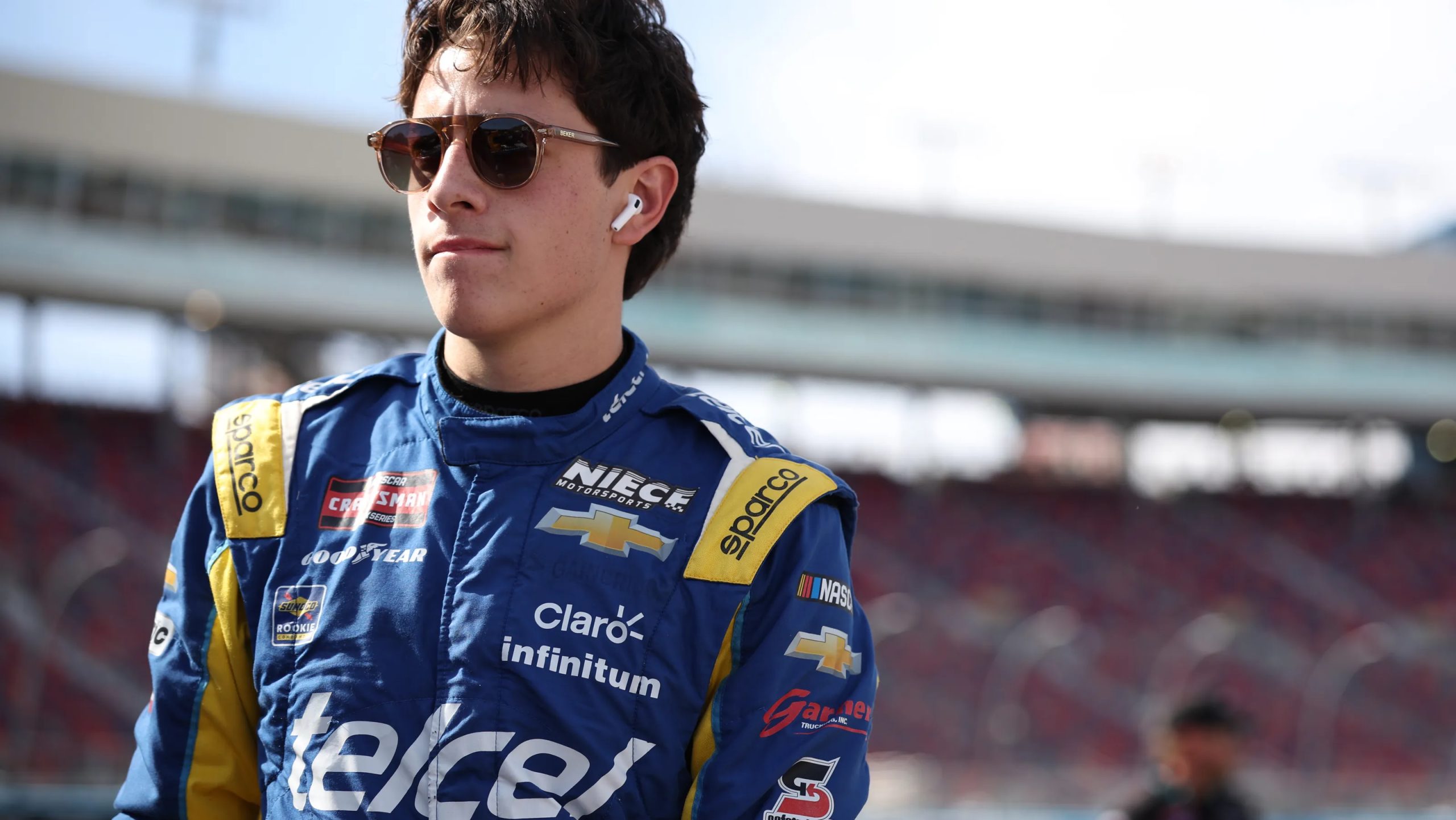
Andres Perez de Lara is expected to drive for Niece Motorsports during the 2026 NASCAR Truck Series season. De Lara started the 2025 campaign with Spire Motorsports, but parted ways en route to Niece Motorsports. The driver of the No. 44 truck performed well following his departure from Spire Motorsports.
In 2026, de Lara should focus even more on his development while becoming a weekly fixture in the top 10 spots. When Niece Motorsport is running at its best, the drivers are capable of winning Truck Series races. However, the NASCAR organization hasn’t been as strong since Carson Hocevar left for the NASCAR Cup Series.
De Lara wants to become a household name in the Truck Series, and Niece Motorsports could help him reach that goal. It may not be in 2026, but de Lara is seeking to win his first Truck Series race sooner rather than later. If Niece Motorsports can provide faster trucks in 2026, that certainly seems like a possibility.
Dec. 31, 2025, 6:07 a.m. ET
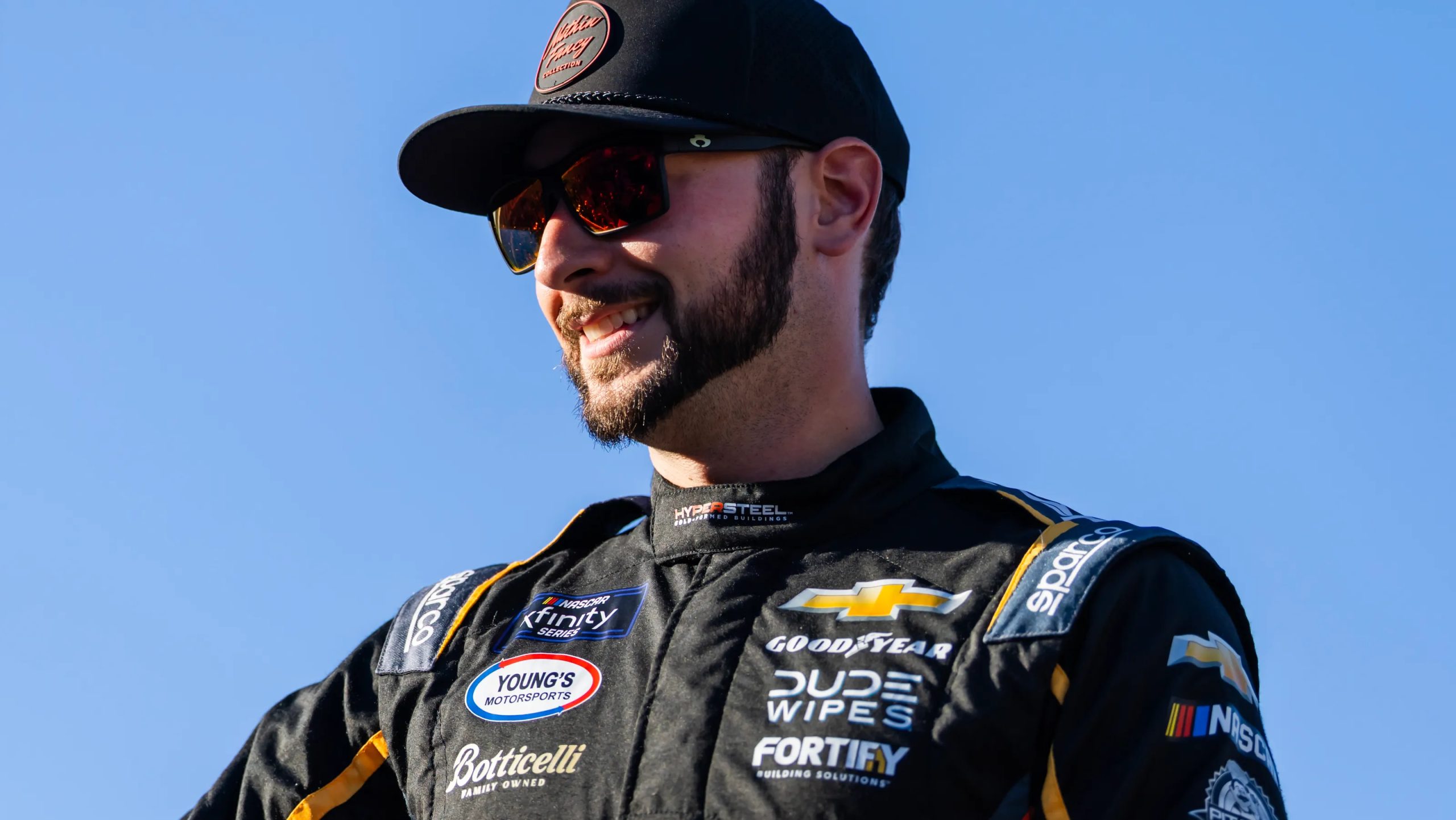
Anthony Alfredo is moving to a new team for the 2026 NASCAR O’Reilly Series season. After spending one year with Young’s Motorsports, Alfredo is moving to the No. 96 car for Viking Motorsports. The former Young’s Motorsports driver will be the second full-time entry for hte organization alongside Parker Retzlaff.
Alfrredo has been all over the place in NASCAR over the last six years, so another new team isn’t new to him. The driver of the No. 96 car is a part of a new second team for Viking Motorsports, so the 2026 NASCAR season might start slowly. However, Alfredo has proven his ability to run well in mid-tier equipment.
Alfredo should focus on developing the second team with Viking Motorsports and earning more top-20 finishes throughout the season. By the end of 2026, the hope is that Alfredo is competing for top-10 finishes. There is optimism that Alfredo can help turn Viking Motorsports into a more recognizable destination.

On a quiet New Year’s Eve in 2025, an email pinged into Scott Dixon’s inbox that nearly ended up in the spam folder. “New Year’s Honors,” it read. The six-time IndyCar champion and New Zealand racing icon thought it had to be a hoax. “That was kind of crazy,” Dixon later admitted with his trademark humility. “Totally out of the blue—I didn’t even know if the email was legit.”
–by Mark Cipolloni–
But it was very real. As the clock struck midnight into 2026, Dixon was officially knighted in New Zealand’s New Year Honors List, earning the title Sir Scott Dixon for his extraordinary services to motorsport.
Born in Australia but raised in New Zealand, Dixon chased the American dream in 1998, crossing the Pacific to compete in America’s premier open-wheel series. What followed was two decades of dominance: 59 race wins, six championships, and that unforgettable 2008 Indianapolis 500 victory that cemented his legend. Now, at 45 (turning 46 in July), he’s just one title shy of tying A.J. Foyt’s all-time record of seven—and after finishing third in the 2025 standings with a win, no one is betting against him adding to the tally in 2026.
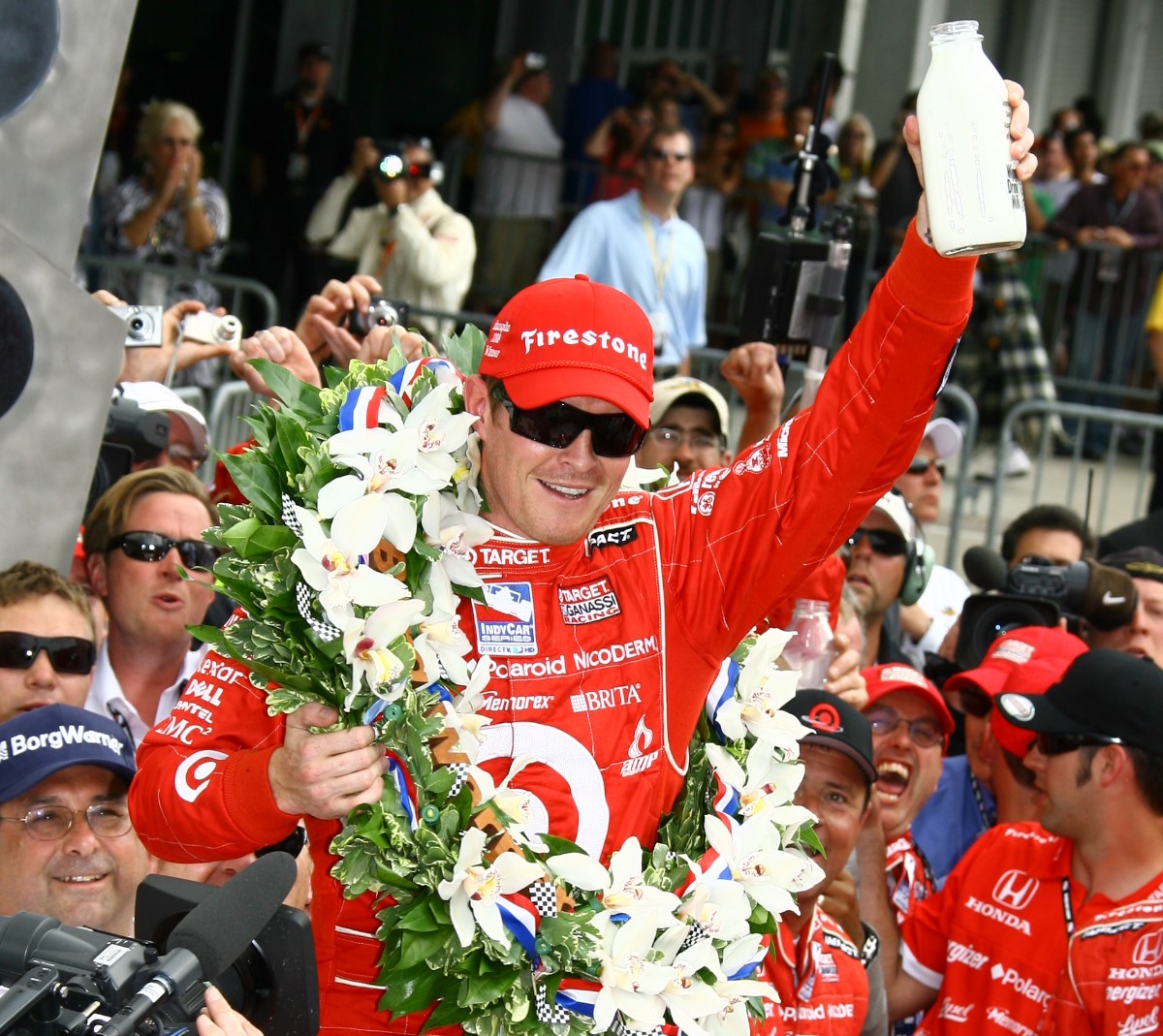
IndyCar fans already know Dixon as one of the greatest ever, a master of fuel strategy, tire management, and ice-cool precision on ovals where speeds push the limits of human and machine. But now, track announcers will have a new prefix: “Sir Scott Dixon.”
He wasn’t alone in the motorsport honors. Track owner and philanthropist Tony Quinn—whose foundation has helped launch careers like F1’s Liam Lawson—and veteran official Brian Rex Davies, with over 50 years keeping races safe, also received recognition.
Motorsport New Zealand President Deborah Day captured the moment perfectly: “Sir Scott Dixon represents the very pinnacle of international success and inspiration.”
From a wide-eyed Kiwi kid to a knighted global superstar, Dixon’s journey is the stuff of racing dreams. Whether he claims that elusive seventh crown or not, one thing is certain: from here on out, just call him Sir Scott Dixon. The title fits a true champion.
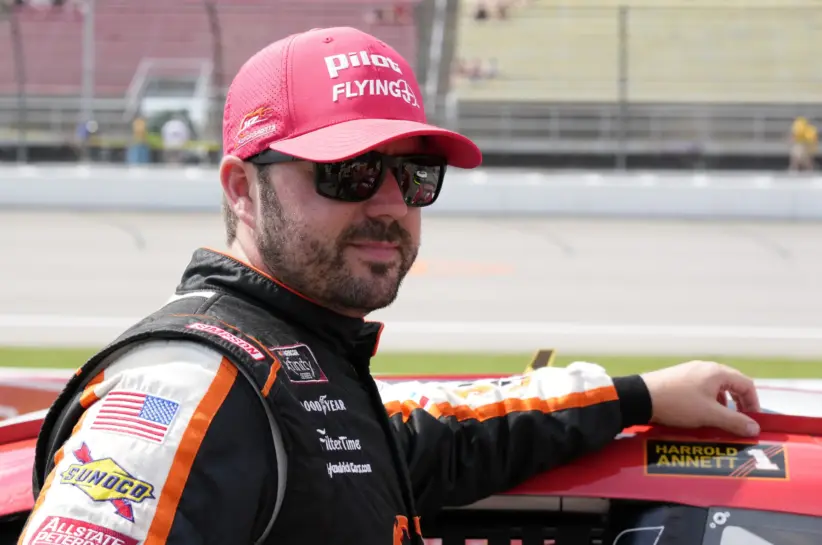
The collapse of two promising, historic teams led to a failed superteam. That team was HScott Motorsports. Started in 2013 after Turner Scott Motorsports’ shutdown, co-owner Harry Scott Jr. bought out long-time Cup Series backmarker Phoenix Racing to form the team. Moves like moving the team’s operations from Spartanburg, South Carolina, to Mooresville, North Carolina, and hiring young, promising drivers with sponsorship.
Like Justin Allgaier and Michael Annett, plus getting equipment from the most outstanding NASCAR team in history, Hendrick Motorsports. With such a successful history behind him from TSM, and all this behind him. It looked like a sure success. But it was a failure, so why did it fail?
The Lawsuit That Ended Turner Scott Motorsports
The Ganassi-aligned team was a superteam in and of itself. The team won the 2012 Truck Series title with James Buescher, who moved up to the Nationwide Series to race with the team. They also had great success, with eight total wins, only beaten by their truck series success, where they had eleven total wins, plus three wins in the ARCA series.
Even helping to develop drivers like Kyle Larson, Jeb Burton, Brandon Jones, and Justin Allgaier. But then the owners sued each other, which put the brakes on the whole superteam. Turner Scott’s other co-owner, Steve Turner, accused Harry Scott of owing the team 2 million for a debt he agreed to in 2012, but two years later, he still hadn’t paid.
Scott sued Turner in a North Carolina court soon after. But the suits wouldn’t last long. As Harry Scott won the lawsuit against Turner, Scott took the remaining equipment from the team to start HScott Motorsports with Chip Ganassi.
Harry Scott’s Attempt At A NASCAR Superteam
It wasn’t only HScott’s beginnings that showed Harry Scott’s ambitions to become a NASCAR superpower. In 2015, HScott collaborated with Chip Ganassi again to run the No. 42 Xfinity team together, which did actually win with Kyle Larson in the finale. However, the partnership would end after 2015.
Where Harry Scott showed his ambition, and the series where HScott was actually a superteam was the K&N Pro Series East, which was also in partnership with Justin Marks, who now co-owns Trackhouse. They won the 2015 title with future Hendrick star William Byron and his Liberty University sponsorship, establishing themselves as a fourth-tier superteam.
The team would include future Cup driver Justin Haley, who Braun Auto Group sponsored. Scott Heckert finished second in the points, while Rico Abreu, fresh from his Chili Bowl win, joined the thriving team. Bringing his sponsors, Accu-Doc Solutions and GoPro Motorplex.In 2016, they signed on Harrison Burton, the son of former driver Jeff Burton, who began driving the No. 12 DEX Imaging Chevy.
HScott also signed promising dirt drivers Tyler Dippel and Hunter Baize. But along with the Cup team, the K&N East Series superteam would also shut down due to a lack of viable driver/sponsor options for 2017. This showed how massive a priority sponsorship was, which, of course, is essential for starting any kind of superteam.
Living and dying by the sponsorship dollars!
HScott Motorsports made sure there was as much sponsorship as possible for a mid-2010s NASCAR team. With the team’s two Cup drivers, Allgaier and Annett, both came with sponsorship. Michael Annett’s father, Harrold, was the CEO of TMC Transportation, which sponsored Michael’s racing efforts. Justin Allgaier was sponsored by Brandt, which he earned by being the best young driver from Illinois. BRANDT’s home state.
This was, on paper, a very savvy move by Harry Scott. NASCAR in the mid-2010s was going through an all-time ratings drop, and full-season sponsorship was something valuable that used to come easily to teams but was now incredibly rare. So, it brought short-term stability to the attempted superteam.
But HScott would become the best example of a struggle many teams have faced before and since. The struggle between sponsorship and development. Annett and Allgaier showed promise in the Nationwide Series; both had top-five points finishes in Nationwide, and Allgaier even earned a few wins. Some of which were even with Harry Scott’s old team TSM.
But while they were fast, they weren’t the fastest and were constantly beaten by those who went on to have success in the Cup Series, like Stenhouse and Austin Dillon. Anyone could see they needed more development, but when you value sponsorship money above all, that becomes something you can figure out later. But could they really?
That was always going to be hard, but it would be even harder on a new team with no veterans to lean on and with high expectations. At this point, they’d have to call Tom Cruise for this mission impossible. So was it a shock that it backfired?
From 2014 to 2015, between them, HScott only got a single top ten, an eighth at Bristol by Allgaier. Never even finishing top 25 in points. By 2016, the team was already on the ropes due to the terrible twos of bad results mixed with ambitious expansion, so in 2016, they went on an all-out push.
HScott’s 2016 Hail Mary Run
HScott tried everything they could to finally establish themselves as the superteam Harry Scott wanted them to be. They cut ties with CGR and aligned with Hendrick Motorsports, the consistently dominant team in NASCAR history.
Their most shocking move, though, was signing Clint Bowyer, which best showed Scott’s superteam ambitions. A driver who almost won the title a couple of times and had a handful of Cup wins. Expect they didn’t really sign him well permanently.
Bowyer really signed with SHR, a real NASCAR superteam to replace co-owner Tony Stewart, but he was on his retirement tour for 2016, and HScott swooped in and got the rights to sign him through a loophole in his contract. His old team, MWR, shut down after 2015, which is why he was a free agent.
The Contract That Changed Everything For Bowyer
According to his contract, Bowyer and his sponsor, 5-Hour Energy, were signed to the #15 car. So HScott flipped the #51 they started with after buying out Phoenix, who used 51 around to 15, and like that, Bowyer and Five Hour Energy were HScott. Plus, there weren’t any good rides open for 2016 from anything close to a superteam, so Bowyer didn’t buy out his deal and decided to rock with them for the year.
While that would result in Bowyer’s career-worst year, it would be HScott’s best in the Series. Bowyer in the HScott 15 had three top tens throughout the year, and heading into the regular-season finale, they were still in contention for the playoffs, though it was a long shot. But that hope was significant.
Scott had used the money from Five Hour Energy to pay off his debts, so if Bowyer got into the playoffs and got HScott those playoff winnings. They could sign a good driver to replace him and rebuild from there, while keeping their young talents to become a superteam in a few seasons. However, HScott’s last hope of becoming the superteam they were aiming to be would be gone when Bowyer crashed with Bayne in Indy. Eliminating him from the playoffs.
HScott’s Shutdown And Legacy
In December 2016, Harry Scott announced HScott’s shutdown to the world, a somber and sobering moment. Ending his dream of a NASCAR superteam, “Over the past several months, I considered a number of options for moving forward with the team,” Scott said in the statement. “Regrettably, there are no viable sponsor/driver options immediately available to allow the team to participate in 2017.”
“I love this sport and being part of it. I invested in NASCAR because I truly believe it represents the best racing competition in the world and the best people in all sports.” Justin Marks hoped their hiatus from the K&N East Series would be temporary, but tragically, the whole racing world would learn how permanent it really was.
At the beginning of August 2017, news began to spread that Harry Scott Jr. had been confirmed dead at the age of 51. This only came months after TSR’s other owner, Stevie Turner, was also confirmed dead.
Justin Marks’ Take On HScott
Team co-owner Justin Marks posted on Twitter: “I know he took tremendous pride in seeing every one of our drivers at HScott Motorsports … realizing their dreams and starting their journey in our cars. Harry loved racing and was truly committed to seeing success across all of his teams.
Without his commitment to the sport, many would not have had the opportunity to ascend to the positions they hold today. My thoughts are with Harry’s friends and family during this difficult time.
“I’ll always remember my first business partner in NASCAR with gratitude, pride, and joy.”Marks is correct: despite his failed superteam ambitions, his legacy can be seen all over the sport today, with Byron and Larson winning races and titles with Hendrick now.
Final Thoughts
Justin Marks used this experience to co-own a legit NASCAR superteam in Trackhouse, Allgaier winning races regularly in the Xfinity Series with JRM, even earning a title of his own, and the likes of Brandon Jones, Jeb, Harrison Burton, and Rhodes, who also drove with them in K&N, being regulars in the lower series.
And all the races and titles he won as HScott’s owner in K&N, plus the Truck and K&N titles he earned as co-owner with TSR, put him in the history books forever. Thanks a bunch for reading!

Families weigh costs and benefits as year-round youth sports industry grows in Wisconsin | WTAQ News Talk | 97.5 FM · 1360 AM

i-Listen with Kara David: Lara Liwanag on strength, purpose, and fighting for Filipino athletes

IHRA Acquires Heartland Motorsports Park

Andres Perez de Lara’s 2026 NASCAR Truck Series season preview

No. 1 ranked QB in transfer portal heavily linked to two major college football programs

Joshua Knapp – Head Men’s Volleyball Coach – Men’s Volleyball Coaches

Anthony Alfredo’s 2026 NASCAR O’Reilly Series season preview

View from the Sideline: Lessons from the playing field | Sports

TSWA Class A All-State Volleyball

Just Call Him ‘Sir’ Scott Dixon

Winter Competition Brings Energy to Gyms, Rinks, and Fields Across the Region

Full Season Trans Am, SVRA, IGT and Formula Regional Schedules

NCAA President Charlie Baker says players who sign NBA contracts will not be college eligible

2026 Sand Devils schedule released – Sun Devil Athletics

2025 Volleyball Season Recap – Iowa State Athletics

SoundGear Named Entitlement Sponsor of Spears CARS Tour Southwest Opener

Donny Schatz finds new home for 2026, inks full-time deal with CJB Motorsports – InForum

Black Bear Revises Recording Policies After Rulebook Language Surfaces via Lever

Men’s and Women’s Track and Field Release 2026 Indoor Schedule with Opener Slated for December 6 at Home

David Blitzer, Harris Blitzer Sports & Entertainment

How Donald Trump became FIFA’s ‘soccer president’ long before World Cup draw

DeSantis Talks College Football, Calls for Reforms to NIL and Transfer Portal · The Floridian
Elliot and Thuotte Highlight Men’s Indoor Track and Field Season Opener

JR Motorsports Confirms Death Of NASCAR Veteran Michael Annett At Age 39

Rick Ware Racing switching to Chevrolet for 2026

#11 Volleyball Practices, Then Meets Media Prior to #2 Kentucky Match

Colleges ponying up in support of football coaches, programs

23 عاما من الفضائح السياسية والجنسية منذ انقلاب حمد بن خليفة.. استغلال الفتيات الصغيرات في الدعارة.. ضبط ابنة رئيس وزراء قطر خلال ممارستها لجنس الجماعي.. ملامح الحكم تتخبط بين المنفي وتدخلات النساء

Nascar legal saga ends as 23XI, Front Row secure settlement

Temple Begins Indoor Track & Field Season at UPenn This Weekend






-
 Sports3 weeks ago
#11 Volleyball Practices, Then Meets Media Prior to #2 Kentucky Match
-
 Motorsports3 weeks ago
Nascar legal saga ends as 23XI, Front Row secure settlement
-
 Motorsports3 weeks ago
Sunoco to sponsor No. 8 Ganassi Honda IndyCar in multi-year deal
-
 Sports3 weeks ago
Maine wraps up Fall Semester with a win in Black Bear Invitational
-
 Motorsports2 weeks ago
Ross Brawn to receive Autosport Gold Medal Award at 2026 Autosport Awards, Honouring a Lifetime Shaping Modern F1
-
 Rec Sports3 weeks ago
WNBA’s Caitlin Clark, Angel Reese and Paige Bueckers in NC, making debut for national team at USA camp at Duke
-
Motorsports3 weeks ago
NASCAR, 23XI Racing, Front Row Motorsports announce settlement of US monopoly suit | MLex
-
 Motorsports3 weeks ago
Rick Hendrick comments after the NASCAR lawsuit settlement
-

 NIL3 weeks ago
Nike Signs 10 LSU Athletes to NIL deals
-
Sports3 weeks ago
Wisconsin defeats Stanford in NCAA regional semifinals: Updates, recap