
Rec Sports
Effects of neuromuscular versus plyometric training on physical fitness and mental well-being in male pubertal soccer players

Participants
The sample size estimation was computed using G*Power software (version 3.1.6). Based on findings from a related study from, Hammami, et al.18 who examined the effects of NMT on 15-m CoD speed (Cohen’s f = 0.48) in highly-trained male youth soccer players (Tier 3), an a priori power analysis with a type I error of 0.01 and 90% statistical power was computed. The analysis indicated that 20 participants would represent a sufficient sample. For the purpose of this study, we recruited a total of 24 trained male pubertal soccer players from the same team. These players were randomly assigned to either a NMT (n = 13) or a PT group (n = 11) (Table 1). All participants had 4 ± 0.2 years of organized soccer experience and played in various positions, including defenders, midfielders, and forwards, ensuring a comparable skill and positional distribution across groups. All physical tests were conducted on a third-generation synthetic soccer turf at the soccer academy of Takelsa, Nabeul, Tunisia, under standardized conditions.
Following McKay, et al’s .19 classification of athletes’ training and performance calibre, our participants can be categorized as Tier 2 (trained/developmental) athletes, with at least 4 years of systematic soccer training experience. It is important to note that both experimental groups followed the identical regular soccer training program, supervised by the same coaches. The NMT and PT groups specifically incorporated two weekly PT or NMT training sessions (Table 2). To account for individual development, each participant’s biological maturity status was estimated using the maturity offset method, based on the prediction equation of Moore, et al.20.
Before study participation, players and their legal representatives received information on the study procedures and goals, potential risks, and benefits. Informed consent was obtained from both, the legal representatives and the players. This study adhered to the latest version of the Declaration of Helsinki, and the protocol received approval from the Local Ethics Committee of the National Centre of Medicine and Science of Sports of Tunis (CNMSS-LR09SEP01) prior to study commencement. None of the participating players suffered before (6 months) and during the study from psychological, musculoskeletal, neurological, or orthopedic disorders.
Procedures
A week before the study began, all players attended a familiarization session to become accustomed with the fitness tests and PT as well as NMT exercises. Players assigned to NMT and PT received specific instructions on proper exercise techniques. All participants completed the physical fitness and psychological assessments in a fixed order across sessions. Standardized rest periods were provided between tests to minimize fatigue and ensure consistent testing conditions. The same test sequence was used during pre- and post-testing. Test instructors were unaware of group allocation. To minimize potential fatigue effects on cognitive performance, athletes first completed the five-jump test (FJT), followed by the 15-m CoD and the 20-m linear sprint speed tests, with standardized rest intervals between trials. The mental well-being, emotional intelligence, and attention assessments were then conducted after ensuring adequate recovery time.
Before the physical fitness tests started, all participants conducted a standardized 10-min warm-up including balance exercises (forward/backward beam walking and single-leg stances on unstable devices), submaximal running drills (skipping), and landing drills (snap downs and single-leg drop squats). A 5 min rest period separated each test, with a 3-min rest between individual test trials21. For the physical fitness tests (FJT, CoD, linear sprint), the best out of two trials was recorded for statistical analysis. For the cognitive, somatic anxiety, self-confidence, attention and emotional intelligence assessments, only one trial was performed. All attention and emotional intelligence tests were administered individually in quiet, controlled rooms, under the supervision of trained researchers, to ensure standardized conditions and minimize potential distractions.
A passive control group was not included in this study because it is unethical to not allow young athletes to train for a certain period of time22,23. Since authors from previous studies have already shown that NMT is generally effective for fitness enhancement in young pubertal soccer players10,18, our main goal was to directly compare the specific effects of NMT versus PT.
Anthropometrics
Body height was measured using a wall-mounted stadiometer (Florham Park, NJ) and body mass with an electronic scale (Baty International, West Sussex, England). To estimate body composition, we measured the sum of skinfolds using Harpenden’s skinfold calipers. Subsequently, we non-invasively assessed biological maturity using the maturity offset method according to Moore, et al.20, which has demonstrated consistent prediction errors across both adult and adolescent populations. Accordingly, athlete’s chronological age and body height were included in the following regression equation:
Maturity offset = 27.999994 + (0.0036124 × age × height)20.
Physical fitness tests
Proxies of muscle power
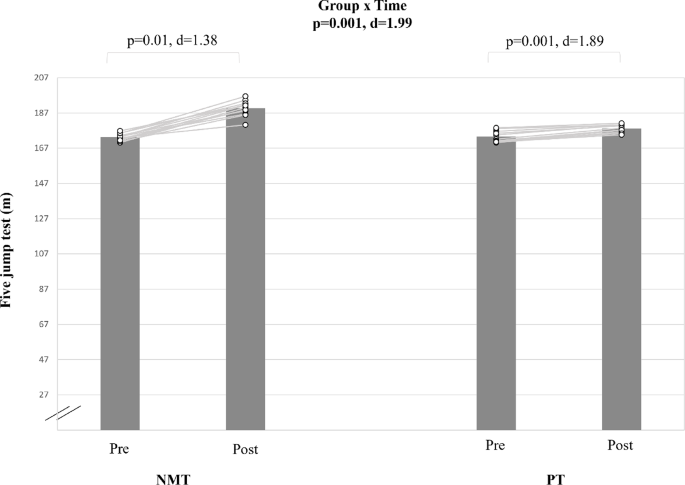
The FJT was used as a proxy to estimate muscle power, following the guidelines of Chamari, et al.24. Players started the test in standing position with both feet flat on the ground and performed five alternating left and right leg bounds, aiming to cover the maximum possible horizontal distance. As dependent variable, the horizontal jump distance was tested to the nearest centimeter using a tape measure. This test has previously shown high test–retest reliability, with an ICC of 0.91 for youth soccer players25.
Change-of-direction (CoD) speed
CoD speed was measured using the 15-m CoD test. Athletes began with a 3-m linear sprint before entering a 3-m slalom section marked by three 16-cm high pylons, spaced 1.5 m apart. After navigating the pylons, athletes cleared a 0.5-m hurdle positioned just beyond the final pylon26. As dependent variable, the best time out of two trials was to taken to complete the test. The 15-m CoD test has demonstrated excellent test–retest reliability, with an ICC value of 0.9326.
Linear sprint speed
For the 20-m linear sprint speed test, players sprinted as fast as possible from a starting line. The sprint time was automatically recorded using photocell gates (Brower Timing Systems, Salt Lake City, UT, USA; accuracy of 0.01 s) positioned 0.4 m above the ground. Each player completed two trials and rested for 5 min between trials. The best (shortest) time was used for further analysis. This test has previously demonstrated excellent test–retest reliability in young soccer players (ICC = 0.97)27.
Mental well-being tests
Tests for the assessment of anxiety and self-confidence
Participants’ competitive state anxiety was tested using the Competitive State Anxiety Inventory-2 (CSAI-2). The Arabic translation of the questionnaire, validated with 13 items by Boudhiba, et al.28 was applied. The CSAI-2 is a widely recognized tool for assessing multi-dimensional anxiety in athletes within competitive environments. This inventory evaluates three core components. First, cognitive anxiety which reflects worries and negative thoughts about performance (e.g., “I am concerned about this competition,” “I am concerned about choking under pressure”); second, somatic anxiety that pertains to the physical symptoms of anxiety, such as increased heart rate or muscle tension (e.g., “I feel nervous,” “I feel tense in my stomach”); and third, self-confidence which represents an athlete’s belief in his ability to perform successfully (e.g., “I feel at ease,” “I am confident I can meet the challenge”).
Participants responded to each item on a 4-point Likert scale, indicating “how do you feel right now” from “not at all” to “very much so.” Each of the three subscales (cognitive anxiety, somatic anxiety, and self-confidence) consists of 13 items. The scores for these items were summed to provide an intensity level for each component. This tool offers valuable insights into how these psychological factors interact with physical fitness, providing a robust framework for tailoring interventions to reduce anxiety and boost self-confidence in young athletes. The translated CSAI-2 included 13 items and it has previously demonstrated excellent test–retest reliability in youth athletes with ICC values of 0.94 for cognitive anxiety (CA), 0.87 for somatic anxiety (SA), and 0.79 for self-confidence (SC), respectively29.
Tests for the assessment of emotional intelligence (EI)
Emotional intelligence (EI) was assessed using the Psychometric Emotional Competence (PEC) scale. Participants responded to 50 items on a 5-point Likert scale (1: strongly disagree, 2: disagree, 3: neutral, 4: agree and 5: strongly agree). The PEC measures both intrapersonal emotional competence (understanding one’s own emotions) and interpersonal emotional competence (understanding others’ emotions) as separate constructs. The instrument also provides a global score representing overall emotional competence. The PEC has previously demonstrated excellent reliability with ICC values ranging between 0.90 and 0.98 for all of the studied items30.
Tests for the assessment of attention
The d2 test was used to evaluate participants’ selective attention, concentration, and mental speed, and is widely recognized for its reliability and validity. The test demonstrates excellent reliability, with ICCs ranging from 0.95 to 0.98 across variables27, and strong criterion, construct, and predictive validity28. The test consists of 14 lines, each containing 47 letters, including the target letters “p” and “d” with 1–4 small marks. Participants were instructed to quickly scan each line and cross out every “d” with exactly two marks, while ignoring all other letters and symbols. Each line was completed within 20 s. The dependent variable was the total d2 test score, calculated as the number of correctly identified target letters minus the number of errors, reflecting attention and concentration performance.
Training programs
Both training programs lasted 8 weeks and were integrated into the players’ regular in-season soccer training from February to March 2025. Prior to the intervention, all participants followed a typical in-season routine consisting of five weekly soccer training sessions (Tuesday–Saturday), with Sunday designated for competition and Monday for recovery. None of the players had previously participated in NMT or PT programs, ensuring that both training modalities represented novel exercise stimuli for all participants. Each 90-min session began with a standardized 15-min dynamic warm-up (including dynamic stretching, submaximal running, acceleration and deceleration drills, and jump–landing tasks). On Tuesday and Thursday, 30-min blocks of NMT or PT replaced an equivalent portion of the regular soccer-specific training. After these sessions, players performed 40 min of soccer-specific drills, consisting of 20 min of technical and tactical exercises and 20 min of small-sided games with or without goals. On Wednesday, Friday, and Saturday, players completed 70 min of soccer-specific drills following the warm-up (35 min of technical/tactical work and 35 min of small-sided games). All sessions concluded with a 5-min cool-down (Table 2).
NMT primarily included five exercises designed to improve balance, strength/power, linear sprint and CoD speed as well as agility. Players performed 3 sets of 5–10 repetitions for each exercise, with a rest of 60–120 s between sets and exercises31. To ensure progressive overload, the rate of perceived exertion (RPE) was adjusted every two weeks using a 0–10 OMNI scale. During weeks 1–2, we targeted an RPE score of 3. During weeks 3–4, an RPE score of 5–6 was programmed, and during week 8, the RPE ranged between 7 and 8. All NMT exercises were conducted directly on the soccer pitch (Table 3).
The PT program comprised bilateral and unilateral jump-landing exercises performed in vertical, horizontal, and lateral directions, emphasizing the SSC. The general structure and progression of the plyometric exercises were adapted from Bogdanis et al. (2019), who examined the effects of bilateral and unilateral PT on physical fitness. While the current study drew on that framework for plyometric exercise selection, the overall training design was expanded to specifically target performance components relevant to youth soccer namely, strength, muscle power, sprinting, CoD speed and agility. The intensity, volume, and progression of the exercises were prescribed following established PT guidelines for youth athletes37, ensuring an appropriate load to induce neuromuscular adaptations while minimizing injury risk. Each session included exercises performed in sets and repetitions consistent with prior youth PT interventions, with progression over the 8-week period to maintain adequate training stimuli. More specifically, exercises included drop jumps from a 20-cm drop height, horizontal jumps and lateral hops. Each session involved 3–4 sets of 6–12 repetitions for the three different plyometric exercises (Table 4). Progression was ensured by increasing foot contacts and varying exercise complexity. Participants were instructed to perform all exercises in the SSC at maximal effort and with minimal ground contact time.
Total training volume and intensity (overall time and effort spent training) were similar between PT and NMT. Training was supervised by qualified coaches and experienced sport scientists to ensure safety and effectiveness throughout the study period.
Statistical analyses
Data are presented as group mean values and standard deviations (SD). After data normality was confirmed using the Shapiro–Wilk test, a MANOVA was applied to detect baseline between-group differences. A 2 × 2 analysis of variance (ANOVA) with repeated measures was computed on the factors group (NMT, PT) and time (pre, post) to determine training effects. Post-hoc tests with Bonferroni adjustments were conducted to identify group-specific pre- to post changes. Effect sizes for main time and group effects as well as group-by-time interactions were taken from the ANOVA output (partial eta squared transferred to Cohen’s d). Within-group Cohen’s d effect sizes (ES) were also calculated using the equation: d = (mean post − mean pre-) / mean SD.
The effect size d can be classified as small (0.00 < d < 0.49), moderate (0.50 ≤ d < 0.80), and large (d > 0.80)32. Pearson’s correlation coefficients were computed to assess potential associations between selected measures of physical fitness and mental well-being in pubertal soccer players. Correlation coefficients were considered trivial (r < 0.1), small (0.1 < r < 0.3), moderate (0.3 < r < 0.5), large (0.5 < r < 0.7), very large (0.7 < r < 0.9), nearly perfect (0.9 < r < 1.0), and perfect (r = 1.0)33. The level of significance was established at p < 0.05 and SPSS 20.0 was used for statistical analyses (SPSS Inc., Chicago, IL, USA).

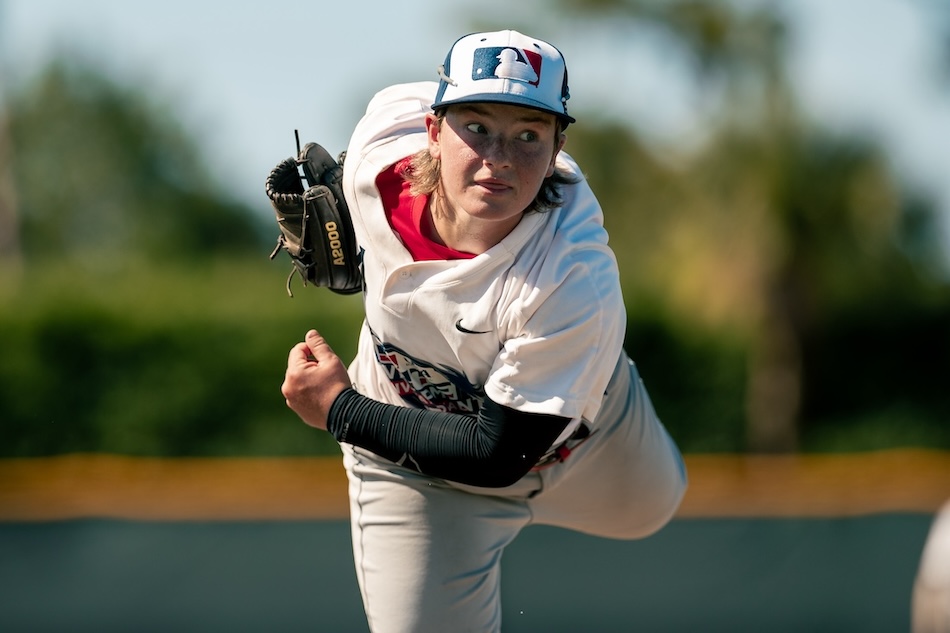
Photo via Jared Blais/MLB Photos.
For as long as she can remember, Kalin Badgley has always been fascinated by baseball.
Her recollection stretches all the way back to being a six-year-old girl playing co-ed tee-ball—one of just a few girls in her very first organized league. An old, low-res picture captures it best: Athletics shirt on, trophy in hand, and chocolate frosting edged around a wide grin.

“We had just won,” she recalls. “There’s a big smile on my face, and it was just the fact that I was able to put on a jersey with the same big name as the MLB team on TV. That was pretty cool. That was when I knew that baseball was my sport.”
A decade later, the 17-year-old was recently on the field at Game 2 of the MLB World Series in Toronto, where she was recognized as one of the MLB Youth Academy Players of the Year. Badgley is now gearing up to become the first girl to ever play varsity baseball at Wilson, but perhaps her biggest accomplishment was daring to challenge the boundaries of what most still consider a boys’ sport.
Her father, Jamie, would know about that challenge best. While signing his daughter up for various baseball leagues, he was often met with dismay from fellow parents at the idea of her playing alongside their little boys. Whether out of negative intent or just curiosity, the same question always arose: Why doesn’t she just play softball?
“She gets asked that question frequently in various forms, but I think the real answer is that Kalin is simply just a baseball player,” Jamie said. “She never had a desire to play softball. Her passion was always playing baseball.”
Luckily, Badgley says she was embraced by all of her youth baseball leagues. Originally from Berkeley, her family moved back to her dad’s hometown of Long Beach in 2016, where she started playing in Long Beach Little League as a third grader. After four years there, she went on to make a Heartwell PONY team, where she played from 2021–22, developing primarily as a southpaw pitcher and first baseman.
“It was great that I ended up here in such a great baseball community,” she said. “[Youth baseball] wasn’t as big in the Bay Area, but coming down here in Long Beach I definitely felt welcomed with open arms.”
As for her father, Jamie was often met with the occasional strange look from a parent, but aside from that, he was pleasantly surprised by the reactions.
“I’ve heard bad stories from people, but I’m happy to say that it wasn’t that,” he said. “They were all very open to having girls play in the leagues. The coaches were very open and the players embraced her.”
But soon enough, reality started to settle in for Badgley. The physical disparities between her and the boys around her became more apparent, and as their height and strength grew, so did the stigma around her continuing to play baseball. Growing alongside all of that, though, was the chip on her shoulder to work even harder.
“If I’m not going to be as tall as a guy, then I’m going to work harder than him,” she said. “I’m going to do a little bit extra—maybe that’s even just cleaning up the field after practice. If he doesn’t do that, then I’ll do it. Maybe I can get a little bump ahead of him even though I might not have the inches over him.”
When it was time to try out for freshman baseball at Wilson, Badgley was nervous about how her new coaches might react. For Wilson head coach Andy Hall, there isn’t much he hasn’t seen in 25 years of coaching at the school—he’s coached first-round MLB Draft picks as well as CIF-SS and national championship teams. But a girl making his team was certainly a first.
“When she came to camp before her ninth grade year, I was very impressed by her skill,” Hall remembers. “Baseball is a sport where you either have the skill or you don’t. If you do, it’s about having the work ethic behind it to develop the skills, and she certainly has a tremendous work ethic.”
Badgley’s nerves were quickly calmed, and she easily grew comfortable during her freshman year at Wilson.
“Luckily, I was alongside every guy that I had played with growing up in Little League,” she said. “They all knew me and everyone was super supportive, so that definitely helped. And fortunately, the coaches at Wilson were super open to having me on the team.”
In February of 2023, during Badgley’s freshman year, she decided to try out for the Elite Development Invitational, a prestigious camp held by MLB Develops that invites 64 of the top girls’ baseball players across the nation. Badgley ended up making the camp that year, but more importantly, she developed a relationship with the staff at the MLB Youth Academy in Compton.
That’s where she’s continued to train throughout high school, and it’s where she discovered a place filled with girls who shared her passion for baseball. It’s also where doors began to open for her, including being named one of the MLB Youth Academy Players of the Year and receiving a once-in-a-lifetime opportunity to be honored on the field at Game 2 of the World Series in Toronto.
“It’s amazing that I got introduced to the real world of women’s baseball at a small little camp in Compton, and two years later I ended up being honored at the World Series,” she said. “It was really just amazing to see how much representation I finally got, but more importantly all women in baseball.”
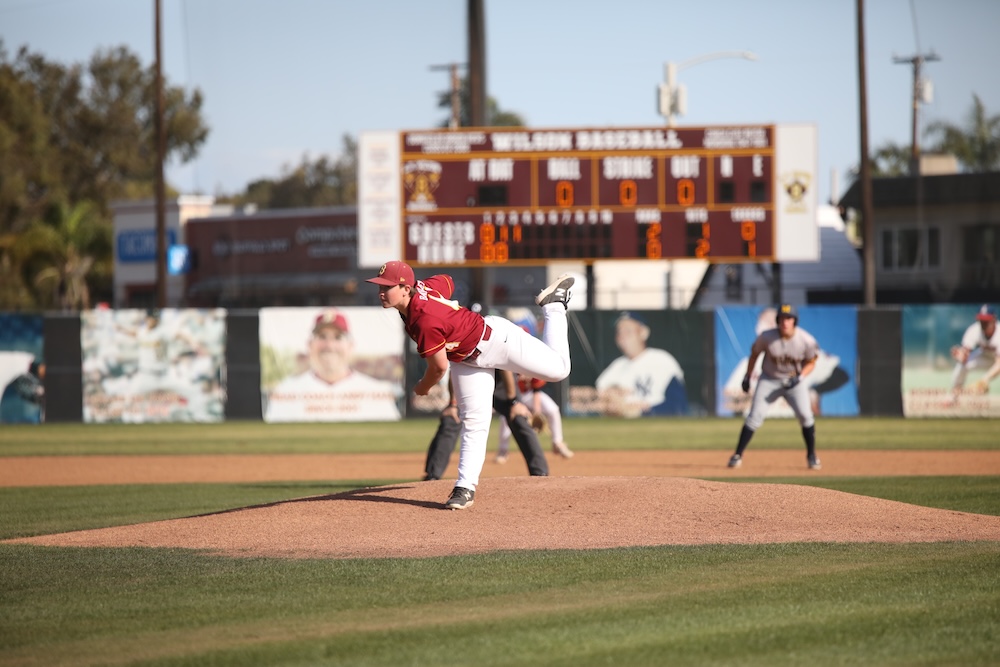
Badgley is now preparing for her first season on the varsity team at Wilson this spring after spending a couple of years on frosh/soph and junior varsity. She joins a Bruin squad fresh off its first Moore League title since 2017, with a larger roster than in recent years. Still, Badgley’s mindset remains the same.
“She knows her strengths and weaknesses as a player and she’s worked hard to develop those so she can be valuable to our team,” Hall said. “She realizes that her role might be limited, and I’ve even told her a few times that the softball team would love her. She tells me that it’s just not where her heart is. She loves baseball.”
As women’s sports continue to grow rapidly across the country, new opportunities are emerging for women every year. Trailblazers like Mo’ne Davis, who made history at the 2014 Little League World Series, helped spark a national conversation about girls in baseball and opened the door for developments like the new Women’s Professional Baseball League launching in 2026.
With those opportunities have come new role models for young girls. Take one of Badgley’s favorite female baseball players, Kelsie Whitmore, who was recently drafted first overall by San Francisco in the new pro league. Badgley recalls a recent Instagram post from Whitmore showing little girls wearing her jersey for Halloween—something almost unimaginable just a year ago.
“I found that so inspiring,” Badgley said. “I think that’s such a big thing with all the opportunities for women to showcase their talent in baseball. Now there’s little girls and even little boys that can wear a woman’s baseball jersey instead of just the big A’s jersey that I was wearing as a kid.”
Badgley is keeping an open mind about playing professionally someday, whether that means making the USA Women’s National Team or the new league launching next year. But whether baseball remains in her future or not, it’s safe to say that Badgley has done her part for those who come after her.
“There’s women who have been there since the beginning of women’s baseball and the rise of women’s sports in general. There’s women who have been playing and fighting for women’s baseball for 20 years now, and it’s just amazing that I’m able to be a part of it now. This is so much bigger than me.”
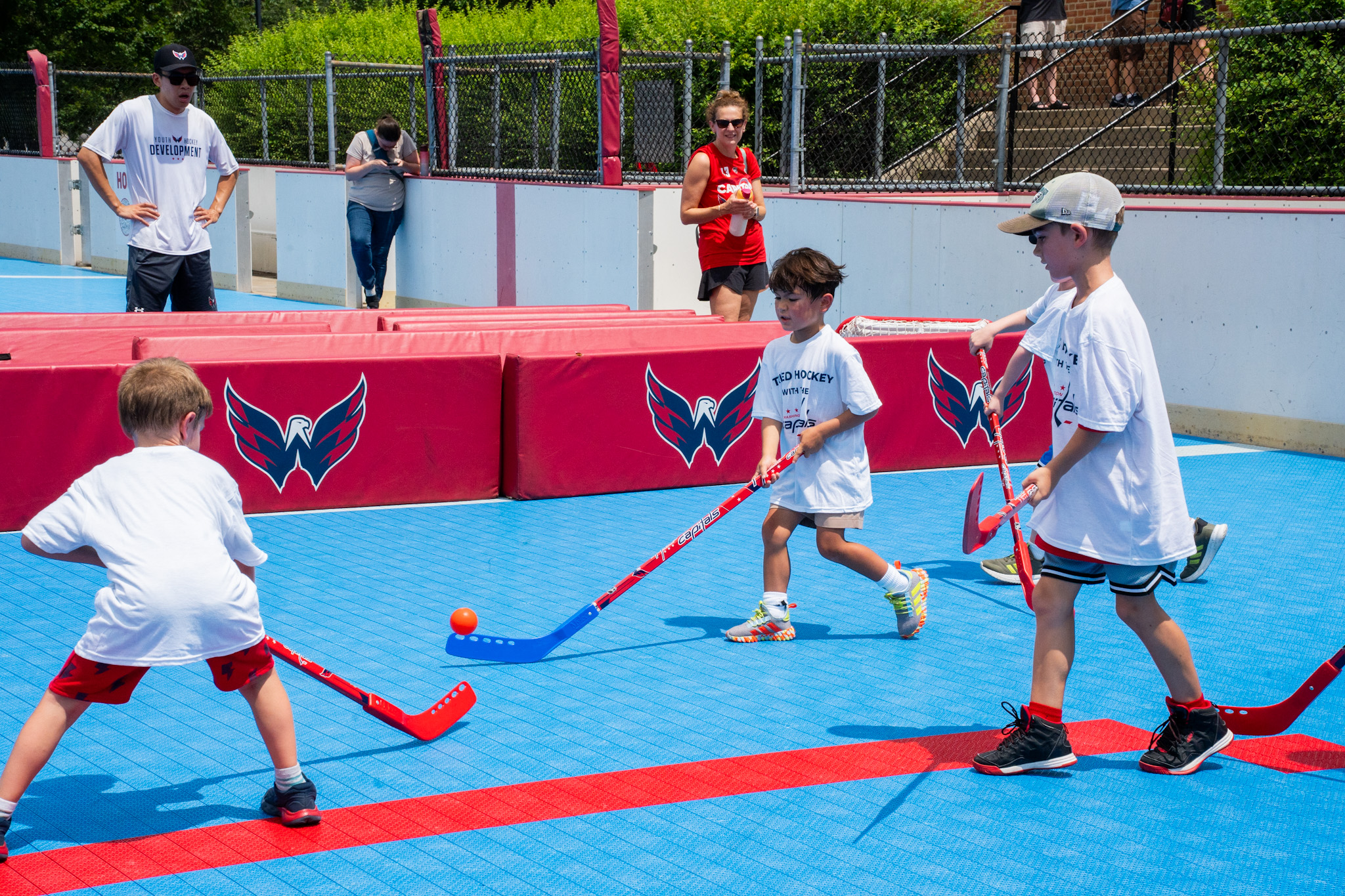
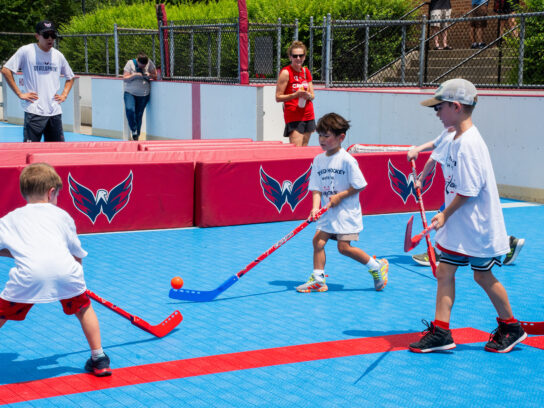
The game of hockey continues to grow and draw interest among kids and the Washington Capitals are doing their best to carry that momentum by introducing the Capitals Street Hockey League (CSHL) as part of the professional team’s Street Caps platform. There will be leagues for players across three age divisions held at Germantown’s Ridge Road Recreational Park and it will run from March through May 2026.
Interested players may register as a team or individual. Each team will have at least six players and no more than 10.
This new co-ed league is open to the public and allows kids ages 5-12 the chance to put their skills to the test in a fun, low-stress environment. No prior hockey experience or gear is required to participate.
According to USA Hockey, there’s been significant growth in participation in the Washington, D.C., area since Caps superstar Alex Ovechkin was drafted back in 2004. The total number of USA Hockey-registered players (youth and adult) in the Washington D.C., area climbed more than 186 percent from the 2005-06 season through 2024-25, and 70% across the region as a whole during the same time frame.
The Caps Youth Hockey programming is focused on providing pathways for kids to participate in street hockey. To learn more about Caps Youth Hockey Development street hockey programs, visit CapsYouthHockey.com/StreetCaps.
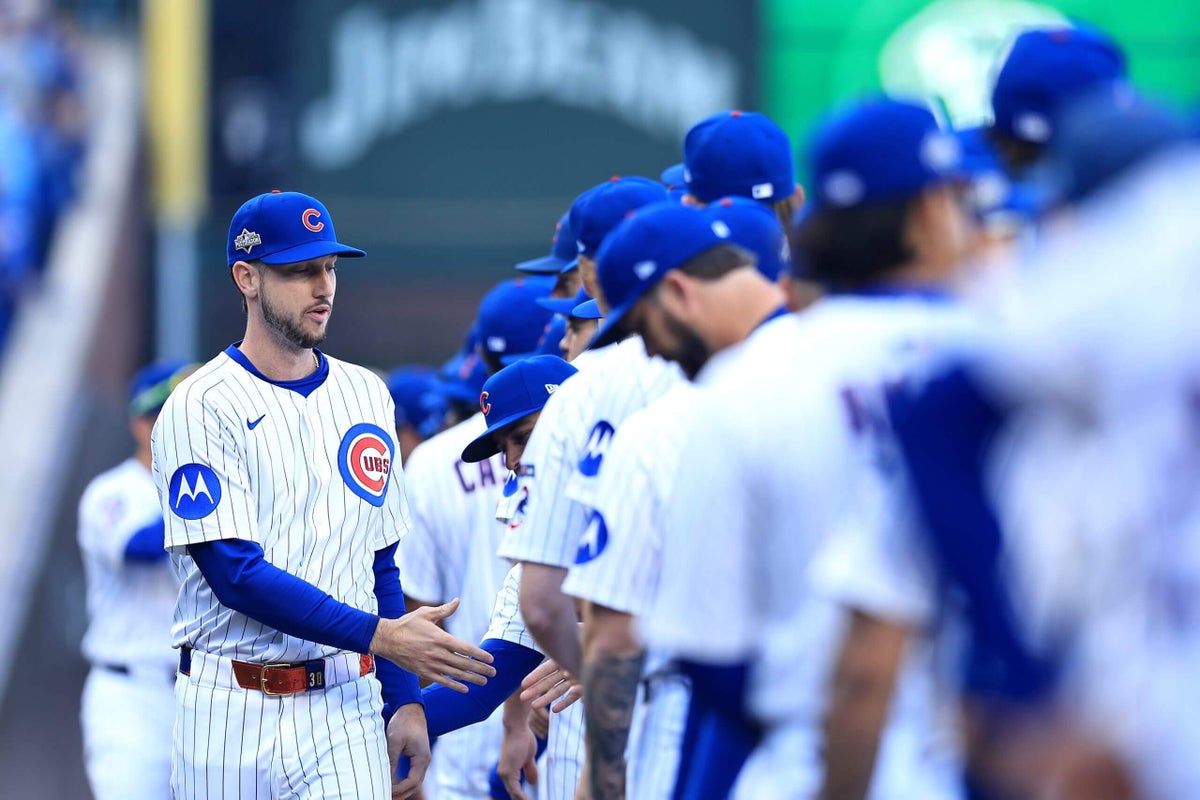
ORLANDO, Fla — As if there was any more confirmation needed that Kyle Tucker wouldn’t be returning to the Chicago Cubs, manager Craig Counsell only reinforced the idea. When talking to members of the media Tuesday afternoon at the Signia by Hilton in Orlando, Counsell sure sounded like someone prepared to manage a team that didn’t include Tucker.
“From a position player standpoint, the loss right now is Tucker obviously,” Counsell said. “The rest of the group is back and likely with us.”
This shouldn’t come as a surprise to anyone paying attention. Tucker is expected to get the largest contract of the offseason. While multiple teams have been linked to the star right fielder, there has been nary a mention of the Cubs. Perhaps if the unexpected happens and Tucker’s market lingers into February, the Cubs will entertain a short-term deal should Tucker be willing. That seems unlikely at the moment.
Whether it’s the right move or not is a separate discussion, but it has been clear for a while now that Tucker would find the big-money contract he’s seeking elsewhere.
The front office has been clear that upgrading the pitching staff would be the priority. Both the bullpen and rotation are areas where the Cubs will look to improve, but even if it’s not at the top of the to-do list, adding a more established bat to the roster to make up for losing Tucker can’t be ruled out.
“You’re just trying to fortify the roster as a whole,” Counsell said. “You can think about it in different ways. But I think more depth from a position player standpoint would be helpful, absolutely. I do think we were extremely healthy there last year, so more depth there is important.”
Team president Jed Hoyer has said he’d prefer not to have young players sitting on the bench, so depth can’t come at the expense of player development. Counsell doesn’t seem to be pounding the table to add an established bat to the mix, not publicly at least. Building a better bench than last season seems important to everyone in the organization, but adding no-doubt offensive production won’t be forced.
That doesn’t mean it won’t happen, but Counsell seems intrigued by the idea of getting more playing time for young players, in particular Moisés Ballesteros and Owen Caissie.

Seiya Suzuki’s recent performance has made him one of the players the Cubs could lean on to help fill Tucker’s shoes. (Michael Reaves / Getty Images)
“We have young players that did contribute in a big way,” Counsell said. “I thought Moisés gave us the offensive production of Tucker essentially in the month of September. Between him and Owen, who was unfortunately hurt for most of that month, those are two important players as we sit right now.”
Ballesteros ended the season with a 143 wRC+ in 66 plate appearances. All but 20 of those came in September when he posted a 177 wRC+ and delivered four of his five extra-base hits on the season. Ballesteros got that playing time after Caissie went down with a concussion and Tucker was on the shelf with a calf injury that cost him most of September. The young DH/catcher parlayed that performance into a spot on the playoff roster.
“He’s at the point where if he can help the major-league team, he’s going to be in the major leagues,” Counsell said. “There’s not an everyday catching job in the major leagues for him. But as we’re constructed right now, we’ve got room for at-bats, so I would prioritize the major leagues right now. But that could change with roster stuff.”
Ballesteros’ September looked remarkably similar to what he’s shown for much of his minor-league career: a high-contact bat who can take walks and can hit the ball hard to all parts of the field with legitimate extra-base pop. Caissie didn’t get an extended opportunity to show what he can do, but that could change in 2026. He brings elite power to the table but also plenty of swing-and-miss concerns.
Counsell was also very complimentary of Seiya Suzuki, who had an offensive power breakout in the first half before hitting an extended slump that ended just in time for a brilliant postseason. The veteran had a career-high 32 homers and .233 ISO, then hit three home runs and three doubles in eight playoff games.
“I’m really happy for Seiya with how he performed in the playoffs,” Counsell said. “He was a very dangerous hitter and showed what he can do and the impact he could have.”
Due to Tucker’s injury, Suzuki was able to get a decent amount of playing time in right field down the stretch, something Counsell said Suzuki “did a really good job” handling. This, after a 2024 where Suzuki seemed to lose his confidence in the field and eventually his job there to Cody Bellinger and, of course, Tucker this past summer.
Even if there isn’t an impactful, established bat added to this roster, Counsell sees a pathway to a strong offense, but there’s an obvious risk. Michael Busch’s breakout has to be real. It felt as much considering that, like Suzuki, he dominated in the postseason and truly built upon a solid first season with Chicago in 2024.
Pair that with Suzuki, the continued development of young players like Matt Shaw and Pete Crow-Armstrong, along with less-established kids in Ballesteros and Caissie, and there is hope that the group can be dynamic even without Tucker.
“It’s a tough league,” Counsell said. “Even the veteran players can struggle. You see in giving young players opportunities, they’re the guys that are going to improve as the season goes and turn into better players. Then turn into very important players on your club.”
There could still be an addition that moves the needle on offense, but the Cubs also seem prepared to go with a youth movement if the right acquisition doesn’t come along. Counsell understands that with youth, the production may not happen immediately. However, after watching these things happen in Milwaukee and across the league with various other strong organizations, he trusts that patience with the kids will pay off.
“You have to be patient with those opportunities,” he said. “You have to create the opportunities for players of that caliber.”
Key Takeaways
- NFL teams unanimously voted to invest $1 million each, totaling $32 million, to develop and launch a professional flag football league with both men’s and women’s teams.
- The league intends to sell media rights for the venture and expects to begin play after the 2028 Summer Olympics, where flag football will make its Olympic debut in Los Angeles.
- Two potential operating partners have emerged: TMRW Sports, founded by Tiger Woods and Rory McIlroy, and a group led by former NFL running back Curtis Martin with former Bucks part-owner Marc Lasry.
- Flag football participation has reached 20 million players worldwide, with 2.4 million kids under 17 playing organized flag football in the United States.
- The sport is now offered at the high school level in 38 states, with hundreds of colleges and universities also providing flag football programs.
Financial Commitment Marks Strategic Expansion
NFL teams took a definitive step into professional flag football Wednesday, voting unanimously to invest up to $32 million in the development and launch of a new pro league. The virtual vote during a league meeting authorizes 32 Equity, the NFL’s investment arm, to enter into an agreement with an operating partner for the planned league.
Each of the league’s 32 teams is committing $1 million to the venture. A source familiar with the matter confirmed to Front Office Sports that the approval was unanimous, signaling broad support across ownership groups for expanding the NFL’s footprint in flag football.
Troy Vincent Sr., executive vice president of football operations for the NFL, described the vote as “a critical step in establishing flag football as a premier global sport.” Vincent added that the league is “developing the infrastructure to accelerate the game’s growth to new heights by creating a clear pathway for aspiring athletes to progress from youth and high school programs through college and now to the professional level.”
Partnership Landscape Narrows to Two Contenders
The NFL has been fielding inbound interest from potential partners for months. In May, a source familiar with the league’s thinking told Front Office Sports that “more than a dozen parties” were still in consideration. By October, according to Bloomberg, that field had narrowed to two finalists.
The first is TMRW Sports, the company founded by professional golfers Tiger Woods and Rory McIlroy that launched the indoor golf league TGL. The second is a group led by former NFL running back Curtis Martin that includes former Milwaukee Bucks part-owner Marc Lasry.
An NFL representative told Front Office Sports Wednesday that the league is “not commenting on specific partners at this stage, but there has been tremendous interest in the marketplace in developing a professional flag football league.”
The structure under consideration involves an entity that the NFL supports financially but does not directly operate. This approach allows the league to leverage its brand and resources while enabling specialized partners to handle day-to-day operations.
Olympic Timing Shapes Launch Strategy
The NFL’s push into professional flag football aligns with the sport’s debut at the 2028 Summer Olympics in Los Angeles. Flag football will be included in the Olympic program for the first time, creating a global stage and potential inflection point for mainstream adoption.
While the NFL didn’t specify an exact launch date for the new league, the expectation is that play will begin sometime after the 2028 Summer Olympics conclude. This timing positions the league to capitalize on heightened visibility and fan interest generated by Olympic coverage.
In February, NFL commissioner Roger Goodell said the league was exploring both men’s and women’s pro flag leagues. A source familiar with the matter told Front Office Sports Wednesday that there will be one league featuring both men’s and women’s teams. The NFL also intends to sell media rights for the venture, creating additional revenue streams and broadcast exposure.
Earlier this month, the New York Jets committed $1 million to a new women’s college flag football venture from the Eastern College Athletic Conference, which will begin play in February. That commitment was made through a grant from The Betty Wold Johnson Foundation, a philanthropic organization named for the mother of Jets owner Woody Johnson.
Participation Growth Validates Investment
Youth and recreational flag football participation has expanded substantially in recent years. The International Federation of American Football, the global governing body responsible for growing American football worldwide, reported earlier this year that 2.4 million kids under 17 are playing organized flag football in the United States, with millions more participating internationally.
Overall, 20 million flag football players exist worldwide, according to the NFL’s Wednesday statement. The sport has gained traction at the high school level, now offered in 38 states. Hundreds of colleges and universities also provide flag football programs, creating a pipeline of experienced players who could transition to professional competition.
This participation base provides the NFL with both a talent pool and a built-in audience for a professional league. The growth spans demographics, with particular momentum among girls and women. Many state athletic associations have added girls’ flag football as an official high school sport, addressing long-standing gaps in athletic opportunities.
Strategic Implications for Youth Sports Market
The NFL’s commitment to professional flag football represents a calculated expansion into a segment of the sports market with lower barriers to entry than tackle football. Flag football requires less equipment, carries reduced injury concerns, and can be played in smaller venues, making it more accessible to a broader range of participants and communities.
The league’s investment creates a professional endpoint for a participation pyramid that now extends from youth programs through high school, college, and into the Olympics. This pathway could attract athletes who might not pursue tackle football while also appealing to those seeking alternatives to traditional contact sports.
By establishing media rights and partnerships before launch, the NFL is positioning flag football as a viable commercial product rather than a developmental initiative. The inclusion of both men’s and women’s teams in one league structure also reflects evolving approaches to gender equity in professional sports.
The $32 million investment, while substantial, is modest compared to the NFL’s overall financial scale. For context, NFL revenue exceeded $20 billion in 2024. The per-team commitment of $1 million represents a low-risk exploration of whether professional flag football can sustain itself as a business venture with sufficient fan interest and media demand.
via: FOS / YAHOO
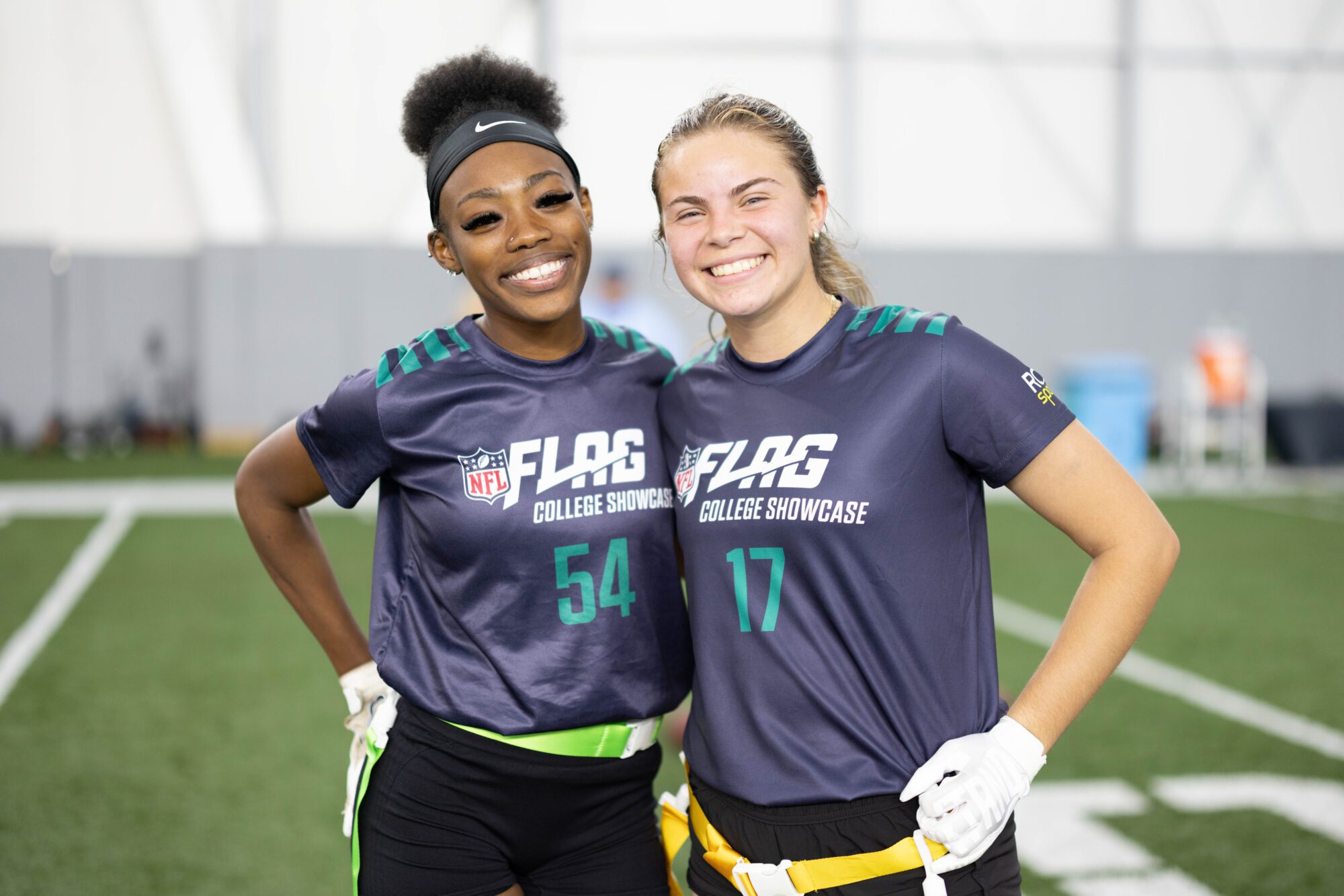
photo: RCX Sports
YSBR provides this content on an “as is” basis without any warranties, express or implied. We do not assume responsibility for the accuracy, completeness, legality, reliability, or use of the information, including any images, videos, or licenses associated with this article. For any concerns, including copyright issues or complaints, please contact YSBR directly.


The busiest and most impactful people in our nation’s schools? A strong case could be made that athletic directors are the ones who keep the engines running in our nation’s schools – particularly for the more than 8.2 million participants in high school sports.
Starting Friday, about 2,500 leaders of high school and middle school athletic programs will make their way to the Tampa Convention Center in Florida for the 56th annual National Athletic Directors Conference co-sponsored by the NFHS and the National Interscholastic Athletic Administrators Association (NIAAA).
Their mission? Professional development is at the top of the list for most meeting attendees. High school athletic directors are entrusted with key leadership roles, and continuing their education helps to provide a safe and fun experience for student-athletes in their schools.
Attendees at this year’s conference have signed up for almost 1,900 Leadership Training Institute courses sponsored by the NIAAA. The 59-course topics address legal issues, as well as marketing and promotion, technology, sports medicine, mental health, hiring and mentoring coaches, emergency management, managing athletic fields and equipment, building positive culture and many more.
In addition to leadership training opportunities, 48 workshops will be offered in six sessions during the five-day conference. While there are a few workshops on topics that are making national news headlines, such as NIL Impact on High School Athletics, most of the sessions focus on ways that athletic directors can continue to emphasize the education-based nature of high school sports and other activities.
Our nation’s athletic directors are aligned with state high school associations to keep high school sports educationally focused. Athletic directors in our nation’s schools want to protect opportunities for other students, promote school and team unity, and maintain the community-based nature of high school sports.
In line with this philosophy, following are some of the workshop topics at this year’s conference: Developing and Implementing Effective Emergency Action Plans, Proactive Strategies for Partnering with Parents, Title IX Updates and Best Practices, Aligning Middle and High School Athletic Programs, Mental Health and Wellness, How to Celebrate Success of Student-Athletes/Teams/Coaches, Getting Back to the Basics of Education-based Athletics for Parents, Competing with Character: Sportsmanship in Interscholastic Athletics, among many others.
The NFHS and our member state associations, along with the NIAAA, are focused on keeping high school sports unique, and the nation’s high school athletic directors are the key individuals in our schools to maintain the educational focus. With youth leagues and travel teams geared toward specialization and winning, and college sports now driven by money and success, there is a push by some for high school sports to “be like the others.”
There’s a reason that participation in high school sports continues to rise every year – and for the overwhelming majority it has nothing to do with NIL or transferring to another school to join a winning program. As a result, the National Athletic Directors Conference continues to focus on the educational aspects of sports and other activities in our nation’s schools – because the main reason most students are involved in school activities is to participate with their friends and be part of the school’s team in the community where they live.
High school athletic directors work long hours and are not in the limelight, but they are the heart and soul of education-based programs. We salute these individuals and encourage school administrators and school boards to support athletic directors in their schools.
The success of organized sports in an education-based setting in our nation’s schools for more than 100 years has been due in large part to these individuals. Local schools depend on athletic administrators to lead their programs, our member state high school associations depend on these individuals, and the NFHS and NIAAA look to athletic directors for leadership at the national level.
Collectively and collaboratively, we can meet the challenges ahead to protect and promote education-based sports and activities.
Read all NFHS Voice columns here.

Wisconsin volleyball to Sweet 16 after back-to-back sweeps

Amadi Garners MEAC Weekly Honor

Banwo, Lyons Receive MEAC Weekly Accolades

Bass Pro Shops Founder Johnny Morris Releases Blistering Letter Blasting NASCAR For Texts About Richard Childress

Johnny Morris Drops the Hammer: Bass Pro Shops CEO Slams NASCAR Leadership

Prominent Chase Briscoe Sponsor Takes Aim at NASCAR Management for Questionable Rule Enforcement

College football coach addresses loss of $1.8 million QB to transfer portal

Troy Aikman Says Quiet Part Out Loud About Dirty State Of College Football

The risks and rewards of Utah’s private equity plans: Will others around college sports follow?

Kalin Badgley Excels in Baseball While Defying Gender Norms – The562.org

Capitals Street Hockey League Coming to Germantown

DeSantis Talks College Football, Calls for Reforms to NIL and Transfer Portal · The Floridian

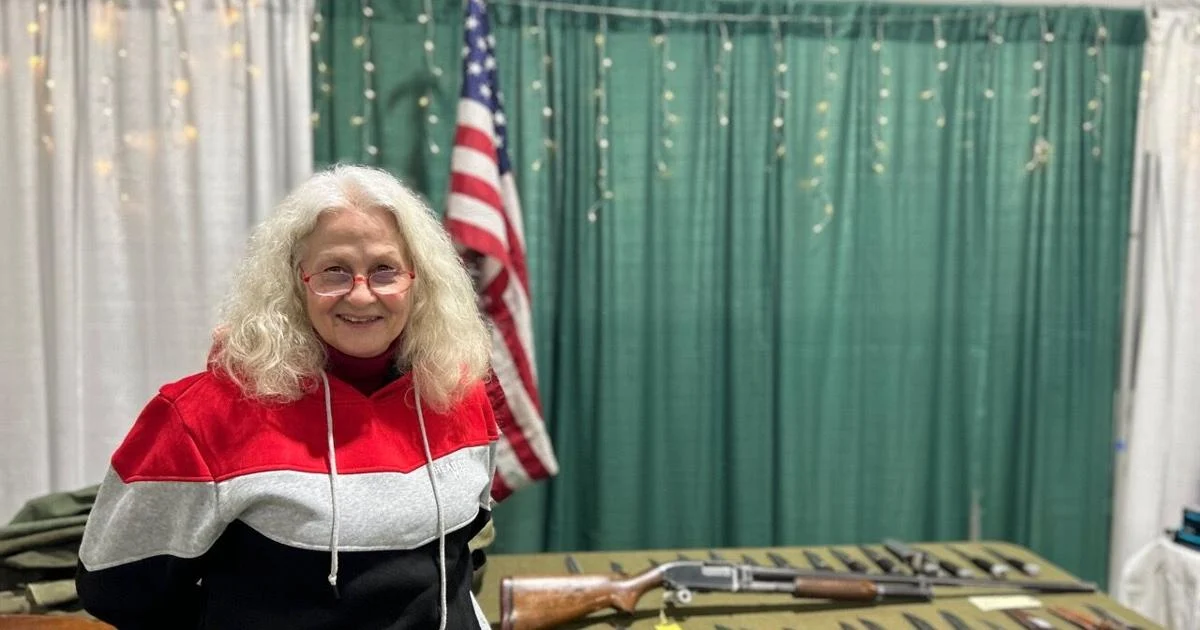
Alaska Youth Education in Shooting Sports gun show this weekend | Local News
Cincinnati Enquirer names 2025 girls volleyball all-city teams

Racing Hall of Famer Bobby Rahal part of team to build North Florida Motorsports Park in Nassau County

First Tee Winter Registration is open

Fargo girl, 13, dies after collapsing during school basketball game – Grand Forks Herald

CPG Brands Like Allegra Are Betting on F1 for the First Time

Volleyball Recaps – November 18

F1 Las Vegas: Verstappen win, Norris and Piastri DQ tighten 2025 title fight

Two Pro Volleyball Leagues Serve Up Plans for Minnesota Teams

Utah State Announces 2025-26 Indoor Track & Field Schedule

Sycamores unveil 2026 track and field schedule

Redemption Means First Pro Stock World Championship for Dallas Glenn

Texas volleyball vs Kentucky game score: Live SEC tournament updates

Jo Shimoda Undergoes Back Surgery

Bowl Projections: ESPN predicts 12-team College Football Playoff bracket, full bowl slate after Week 14

Robert “Bobby” Lewis Hardin, 56

How this startup (and a KC sports icon) turned young players into card-carrying legends overnight

Indiana’s rapid ascent and its impact across college football

 Why a rising mid-major power with an NCAA Tournament team opted out of revenue-sharing — and advertised it
 NBA Legend Michael Jordan to Join NBC Sports as Special Contributor
 Falcons mailbag
 Portal Update – Basketball and Gymnastics Take Hits
 has always dreamed in Mercurial. Now his initials are on the boots.
The new Kyl…
has always dreamed in Mercurial. Now his initials are on the boots.
The new Kyl…
-
 Rec Sports2 weeks ago
First Tee Winter Registration is open
-
 Rec Sports2 weeks ago
Fargo girl, 13, dies after collapsing during school basketball game – Grand Forks Herald
-
 Motorsports2 weeks ago
CPG Brands Like Allegra Are Betting on F1 for the First Time
-
 Motorsports2 weeks ago
F1 Las Vegas: Verstappen win, Norris and Piastri DQ tighten 2025 title fight
-
 Sports2 weeks ago
Two Pro Volleyball Leagues Serve Up Plans for Minnesota Teams
-
 Sports2 weeks ago
Utah State Announces 2025-26 Indoor Track & Field Schedule
-
 Sports2 weeks ago
Sycamores unveil 2026 track and field schedule
-
 Motorsports2 weeks ago
Redemption Means First Pro Stock World Championship for Dallas Glenn
-
 Sports2 weeks ago
Texas volleyball vs Kentucky game score: Live SEC tournament updates
-
 Motorsports2 weeks ago
Jo Shimoda Undergoes Back Surgery