
Motorsports
Toyota joins GM, Ford with big investments in F1, endurance racing

Dec. 10, 2025, 12:11 p.m. ET
General Motors Co. and Ford Motor Co. are making historic investments in motorsports as the two Detroit-based companies take on the world’s premier global performance brands in Formula One, Le Mans prototype racing and international GT sports car racing.
Add the third member of America’s Big Three, Toyota Motor Corp.
GM, Toyota and Ford are the new Big Three of U.S. sales with 18%, 15% and 14% market share, respectively (Stellantis is a distant sixth at 9%). And Tokyo-based Toyota is matching its competitors stride-for-stride in motorsports investment as well. With its announcement this month as title sponsor of the American-based MoneyGram Haas Formula One team, Toyota will compete in coming years with GM and Ford in F1, NASCAR and Le Mans endurance Hypercar and GT racing.

GM will compete in F1 with its Cadillac brand beginning in 2026, and Ford will partner with Red Bull. In NASCAR, Ford and GM’s Chevrolet brand compete. And in endurance racing, Cadillac (Hypercar) and Chevy Corvette (GT) carry the GM flag while Ford is entering Hypercar in 2027 and competes with the Mustang GT3 in GT racing.
Like GM and Ford, Toyota’s moves are intended to enhance its standing as a global performance brand as well as accelerate technology transfer between its racing and production vehicles. Toyota’s aggressive investment also reflects the influence of Toyota chairman and racing enthusiast Akio Toyoda, who — like GM President Mark Reuss and Ford CEO Jim Farley — is a skilled driver himself with a racing license.
“This is a historic commitment by these automakers on a global basis,” said veteran motorsports writer Steven Cole Smith. “The current management teams are committed to performance, and all boats are rising with the tide. The more money, more personalities and more competitiveness in the sports car and F1 market, the more it encourages brands to spend money.”

Toyota has history in motorsports dating back 60 years and its current motorsports division, Toyota Gazoo Racing (TGR), has been a frontrunner in NASCAR (six Cup Series titles since 2015) and international FIA World Rally and Endurance Championships.
This month, however, it took big steps to expand its footprint in production-based GT3 racing and in the world’s premier open-wheel motorsport, Formula One.
Under the new multi-year agreement with the MoneyGram Haas team, Toyota will bring its formidable technical expertise to a mid-pack team that has struggled for resources against F1 giants like Red Bull-Ford, Mercedes and Ferrari. Toyota will replace MoneyGram, which has been title sponsor since 2023, and the team will be renamed TGR Haas F1.
“I’m hugely excited that MoneyGram Haas F1 Team and Toyota Gazoo Racing have come together to enter into this technical partnership,” said Haas Team Principal Ayao Komatsu. “The ability to tap into the resources and knowledge base available at Toyota Gazoo Racing, while benefiting from their technical and manufacturing processes, will increase our competitiveness in Formula 1. In return, we offer a platform for Toyota to fully utilize and subsequently advance their in-house engineering capabilities.”

He said in a media video call that Haas F1 has been “lacking certain resources and hardware capabilities to understand certain things” and is “looking for someone to give us more resource and (who) also have the hardware and know-how of that hardware”.
TGR will join forces with Ferrari, which supplies Haas’s hybrid powertrain, and Italian chassis-maker Dallara, which have been with the team since its inception in 2016.
“By bringing Toyota onboard, (Haas now has a partner) who already has the hardware to build a simulator, and the expertise and people to run it,” reports F1.com correspondent Lawrence Barretto of the sims that major race teams/driers use for race prep.
Toyota said it has no plans to build a full F1 powertrain like Cadillac envisions for its F1 effort by 2029. “However, by doing a deal with such major scope,” said Barretto, “it’s clear Toyota have an interest in potentially expanding their footprint in Formula 1 in the future.”

In addition to engineering, the Haas collaboration allows Toyota to create a driver development for young Japanese drivers, engineers, and mechanics to gain experience in F1’s highly-competitive environment. Similarly, Cadillac is bringing along IndyCar star Colton Herta in its F1 program.
“The time has come for the next generation to take their first steps toward the world stage,” said Chairman Toyoda. “Together with . . . everyone at TGR Haas F1 Team, we will build both a culture and a team for the future. Toyota is now truly on the move.”
The motorsports moves advance Toyota’s performance profile against brands like Ford, Porsche, Chevrolet, Mercedes and others at a time when Chairman Toyoda is determined to establish the Japanese brand as more than a maker of reliable hybrids, and as a maker of high-performance models from its on-road GR and TRD (off-road Toyota Racing Development) sub-brands.

“I think Toyota has always gone for the publicity aspect,” said Cole Smith, who noted that Toyota’s last foray into F1 came in 2002-09. “They like to learn things on a racetrack that they can use in production vehicles. But they also like the fact that they show up in video games as one of the featured cars.”
Publicity in the North American market is also a reason, said Cole Smith, for Toyota’s second big motorsport announcement this month: a new, high-horsepower GR GT production brand halo that will spin off a production-based GT3 race car for sale to customers in the IMSA Weathertech sports car/World Endurance Championship that will go head-to-head against the Chevy Corvette GT3 and Ford Mustang GT3. Toyota already competes in the WEC Hypercar class with its successful GR010 Hybrid.
Indeed, the new GR GT3 car will be based, like Ford’s Mustang GT3 racer, on a $300,000-plus front-engine , V8-powered supercar called the GR GT. Its specs closely track that of Ford’s halo supercar, the $327,960 Mustang GTD.

Chairman Toyoda himself (who races under the pseudonym Morizo) was involved in the GR GT’s development along with professional Toyota team drivers. The GR GT3 racer will replace the Lexus RC F GT3 racer which has compete in IMSA since 2017.
“Toyota likes to race what they sell locally,” said Cole Smith. “Chevrolet has successfully done that with Corvette for years.”
Like the mind-engine Corvette Z06 GT3.R, Toyota’s GR GT3 will be based on the aluminum chassis of a road car, in this case the GR GT. True to Toyota’s commitment to gas-electric hybrids in its production vehicles, the GR GT is stuffed with a gas-electric 4.0-liter, twin-turbo V-8 engine and a single electric motor. Toyota estimates an output of 650 horsepower. Due to weight and race rule considerations, the GR GT3 will likely drop the hybrid in race trim.
“The GR GT was conceptualized and developed as a road-legal race car,” Toyota said in a press release.

Expect the GR GT and its GT3 motorsports sibling to debut stateside in IMSA in 2027 as well as at the 24 Hours of Le Mans alongside its Hypercar effort. The GR010 Hybrid has won the 24 Hours of Le Mans, the world’s premier endurance race, six times since 2018.
Ford is also committed to racing Le Mans in Hypercar and GT3 classes in 2027. Cadillac made history in 2025 as the first U.S. brand to sweep the Le Mans front row in qualifying since Ford in 1967.
Henry Payne is auto critic for The Detroit News. Find him at hpayne@detroitnews.com or @HenryEPayne.

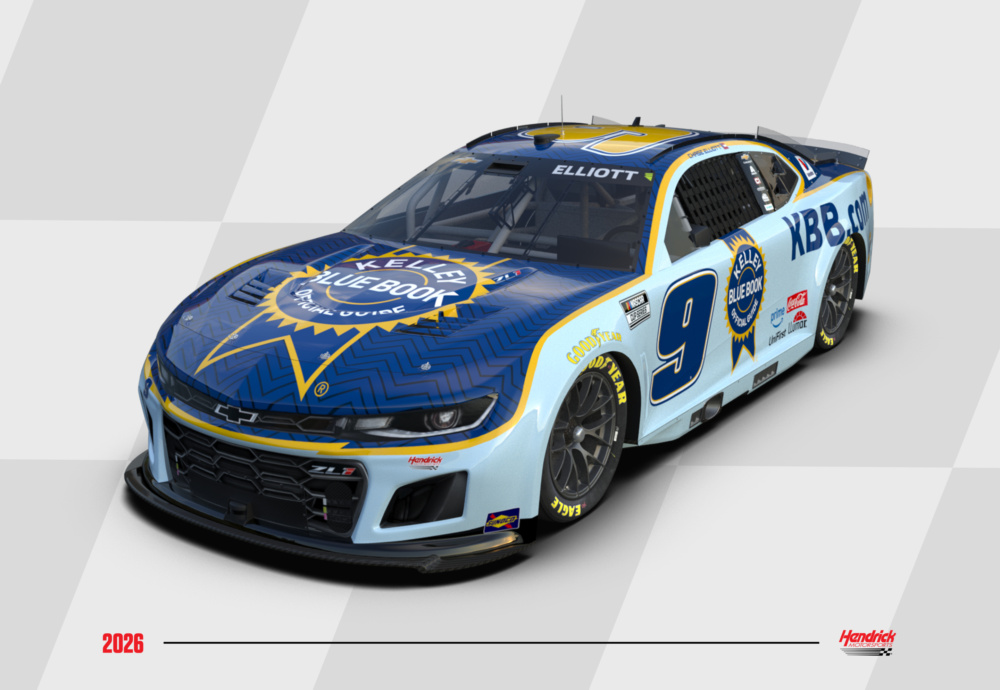
As 2026 rapidly approaches, Hendrick Motorsports is slowly rolling out its new looks for the new year.
With four cars and drivers and a number of new paint schemes to keep track of:
All four of the team’s drivers – Kyle Larson (not revealed here yet), Chase Elliott, William Byron and Alex Bowman – will sport fresh liveries on their Chevrolets next season. Here’s a look at what they will look like.
William Byron No. 24 All-Pro Chevrolet
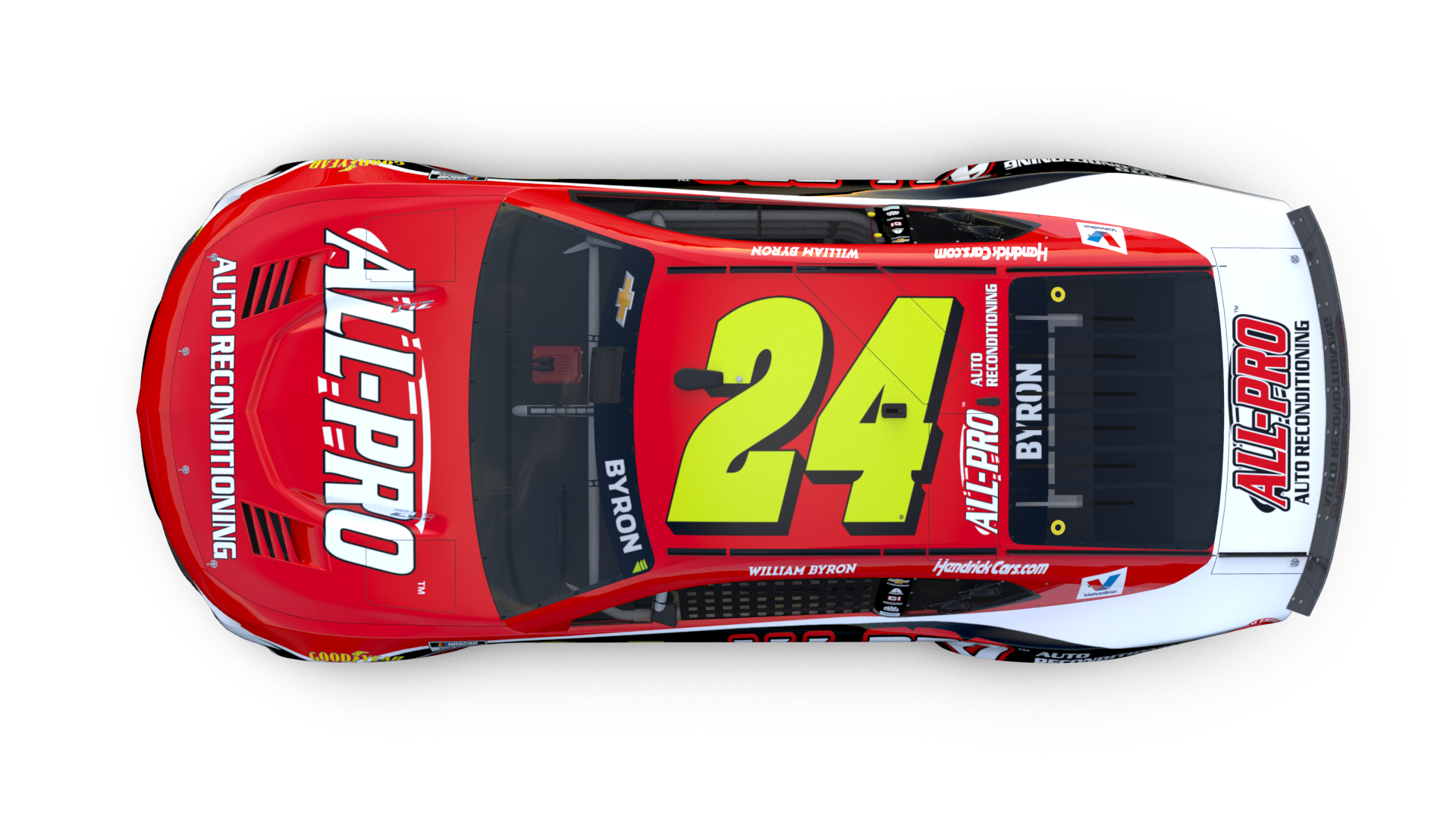
Check out William Byron’s No. 24 All-Pro look from all angles here!
Chase Elliott No. 9 UniFirst Chevrolet
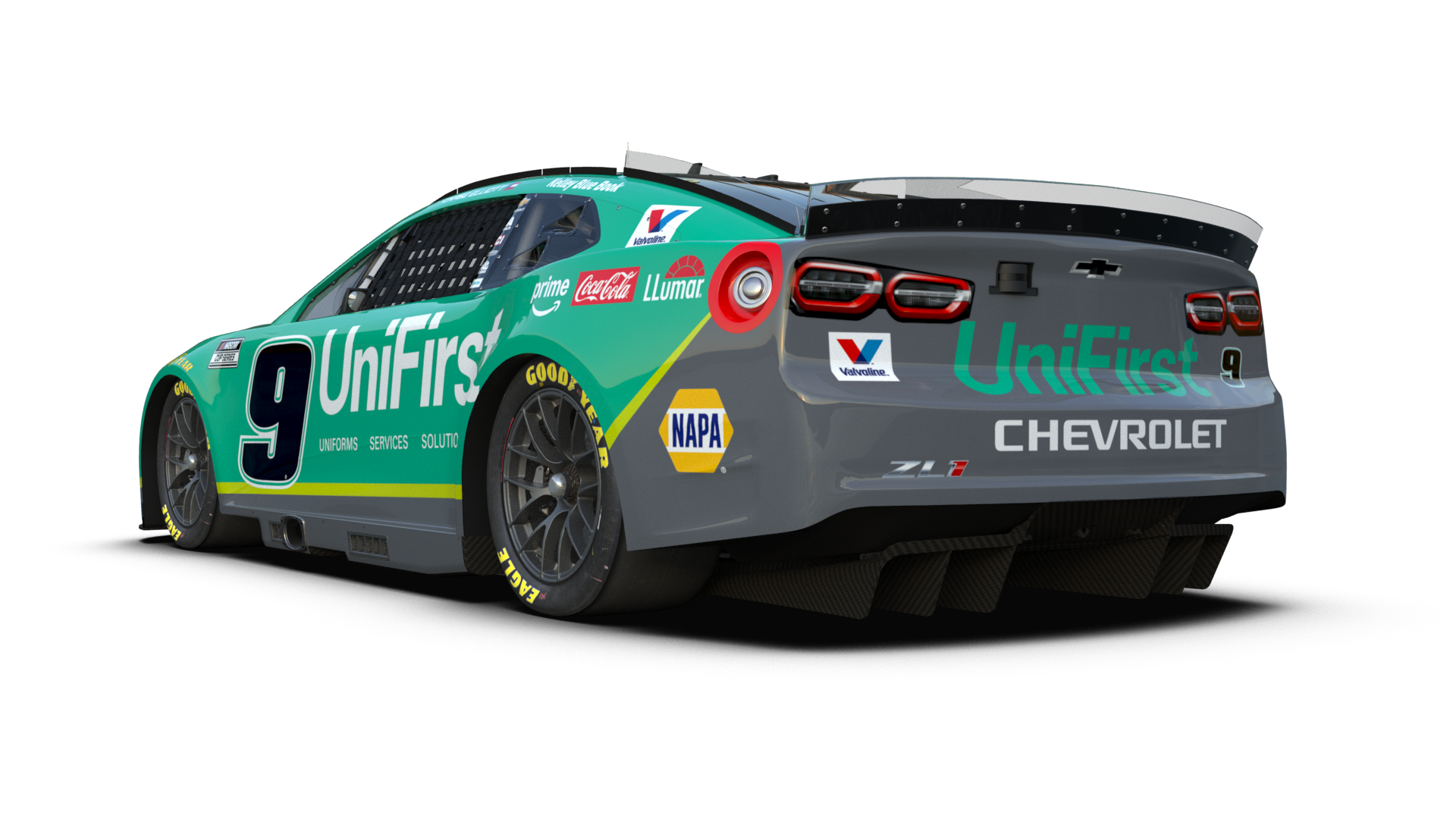
Took a peek at Chase Elliott’s 2026 UniFirst scheme from all angles here!
Chase Elliott No. 9 NAPA Auto Parts Chevrolet
 See the scheme: A complete look at Chase Elliott’s new NAPA Auto Parts ride!
Chase Elliott No. 9 Kelley Blue Book Chevrolet
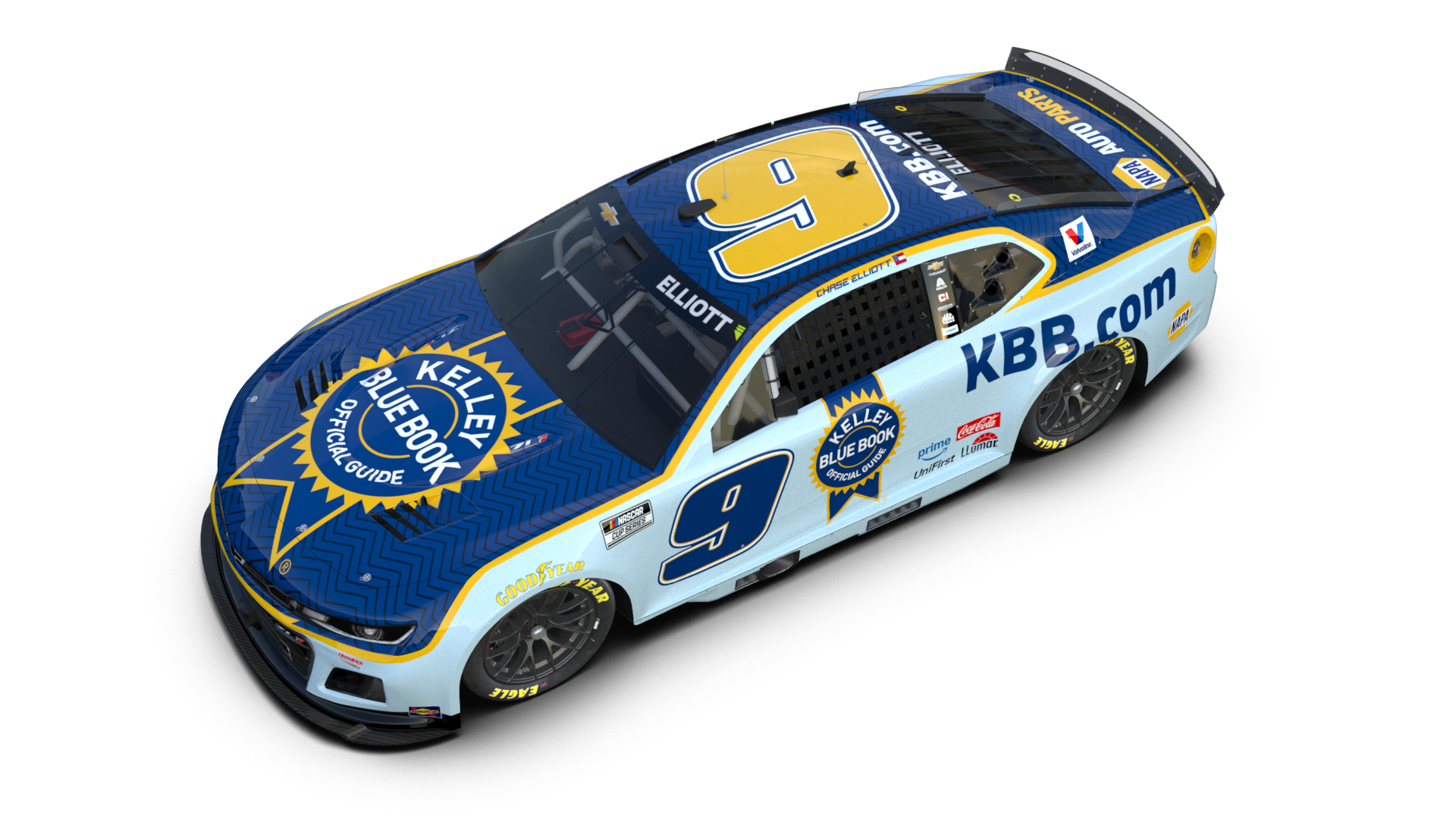
From all angles: Chase Elliott’s No. 9 Kelley Blue Book livery for 2026 revealed!
Alex Bowman No. 48 Ally Chevrolet
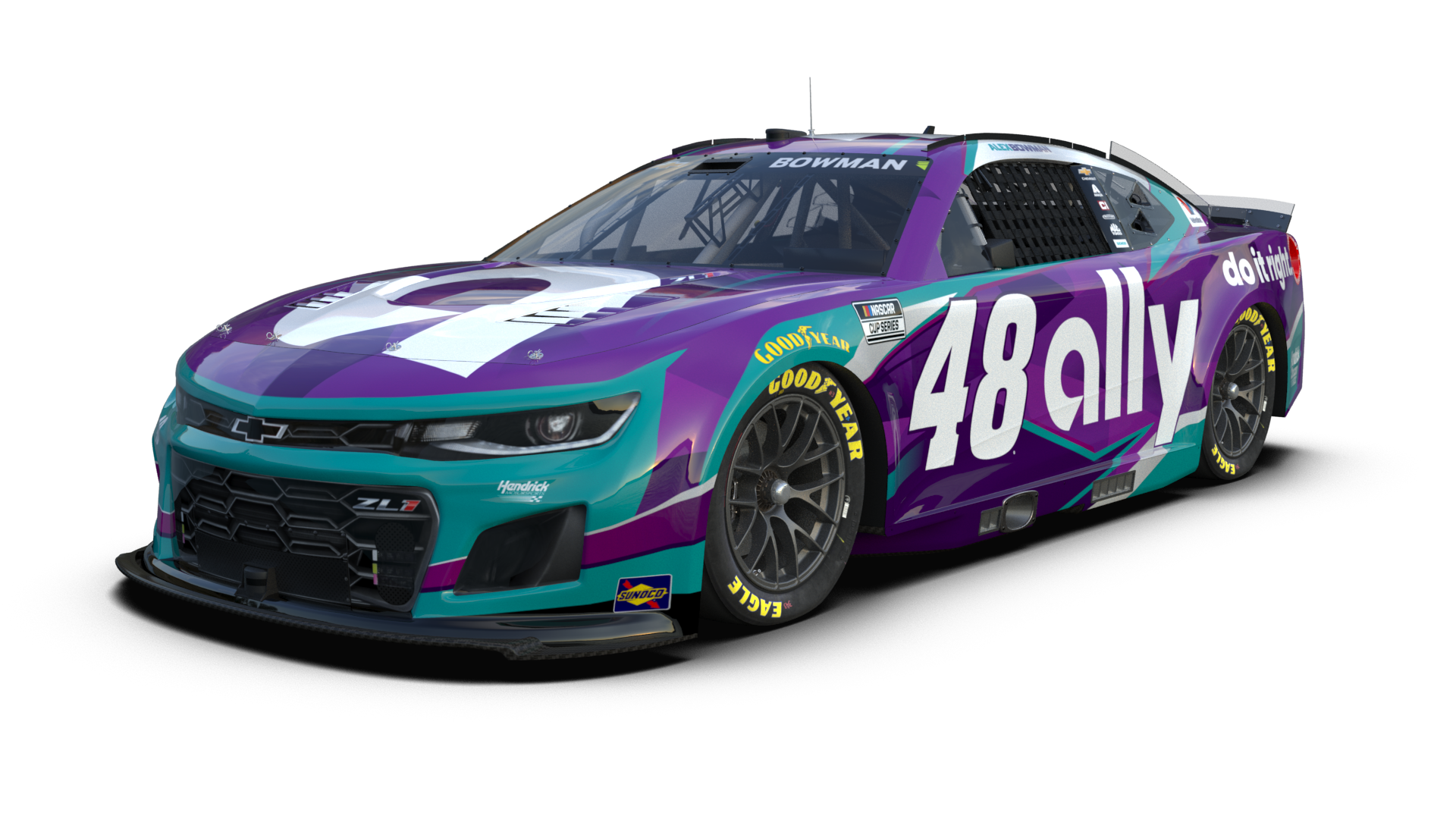
Check out a gallery of Alex Bowman’s new No. 48 Ally Chevrolet for 2026!
William Byron No. 24 HP Chevrolet
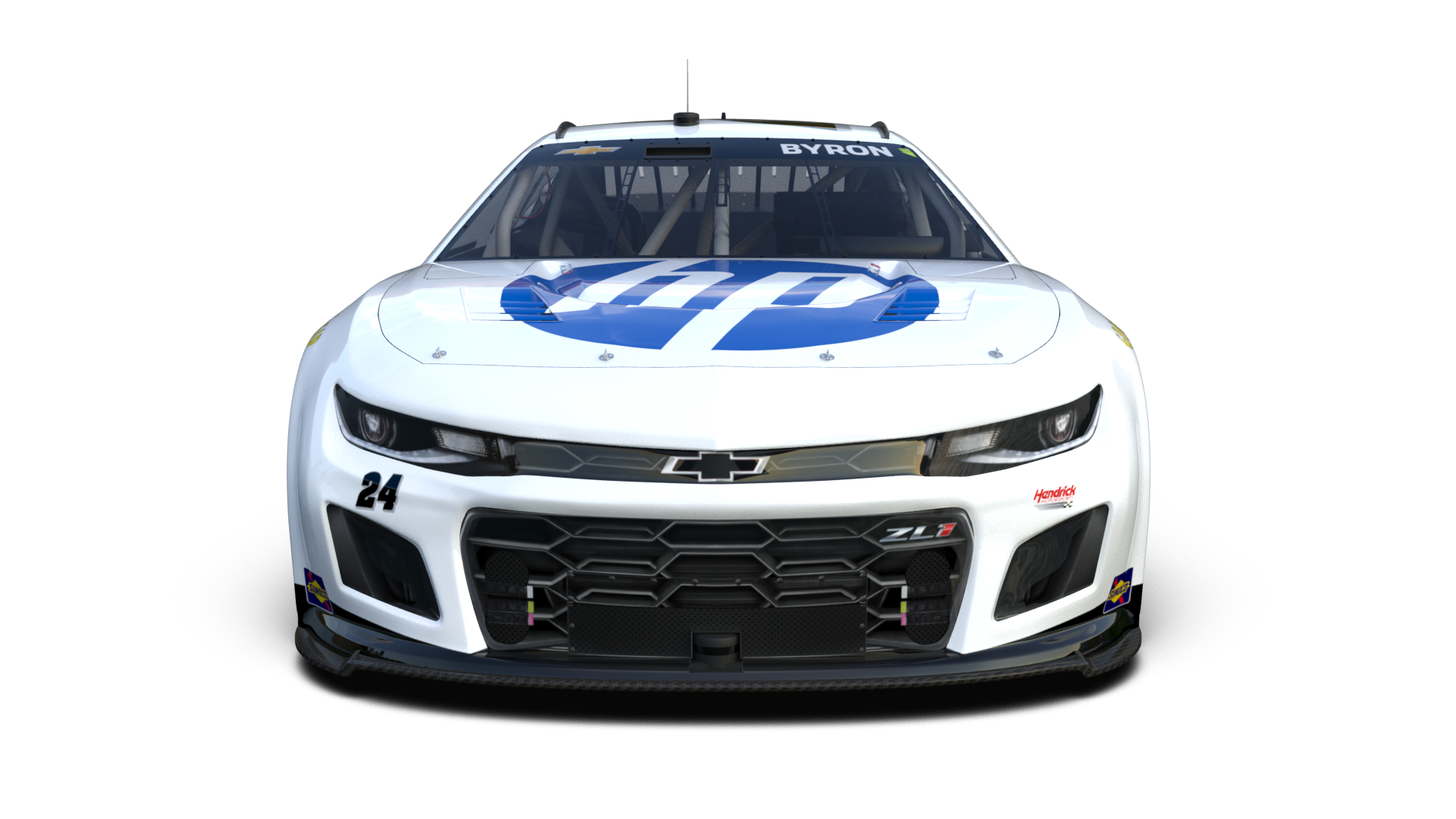
A more in-depth look at William Byron’s No. 24 HP scheme for the 2026 season!
Related Article: NASCAR News: Larson uses lucky break to win his 2nd Cup title
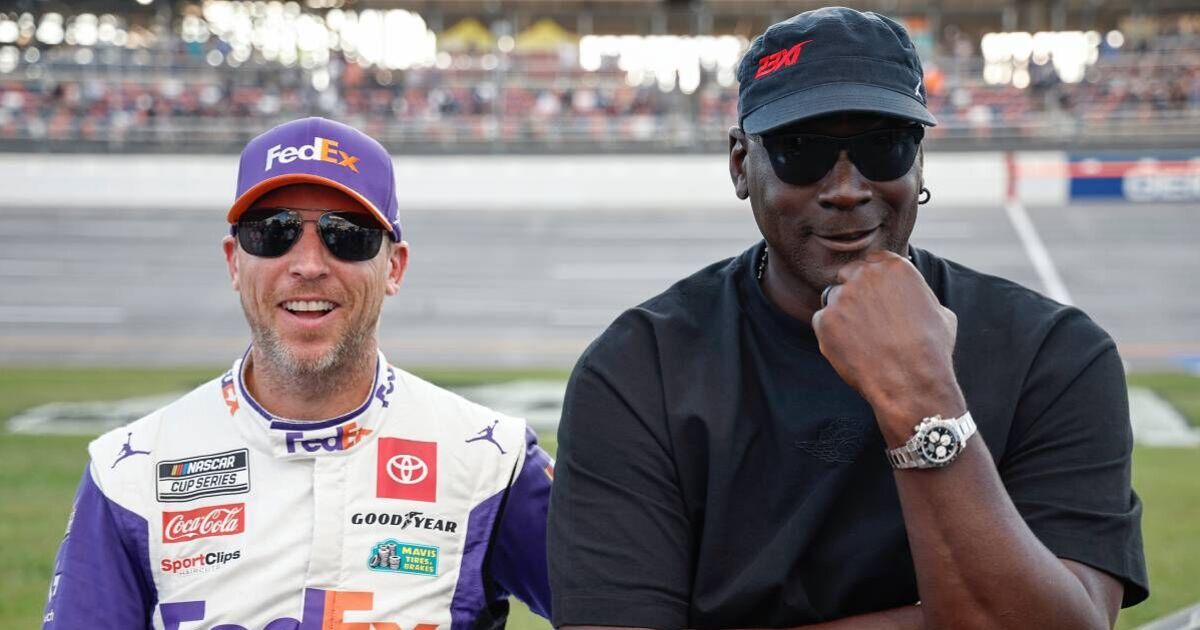
23XI Racing and Front Row Motorsports got their “evergreen charters,” also referred to as “permanent franchises,” after NASCAR settled its ongoing antitrust trial on Thursday. A settlement was reached between the parties a week and a half after the trial began in a North Carolina court, just shy of 14 months after they initially filed their antitrust lawsuit.
In October 2024, 23XI and FRM launched an antitrust lawsuit against NASCAR, accusing the sanctioning body of monopolistic practices for refusing to sign the latest charter agreement. Nearly 14 months of legal back-and-forth culminated at the start of this month, as the case went to trial before Judge Kenneth Bell.
Concerns were raised over the long-term future of premier stock car racing, regardless of the trial’s outcome. However, barely after NASCAR began its defense, an official settlement was reached between the two parties. Judge Bell commended both sides for reaching an agreement.
The full details of the settlement have yet to be released, but key players on both sides have now expressed a desire to move forward together and are excited for NASCAR’s future. “From the beginning, this lawsuit was about progress. It was about making sure our sport evolves in a way that supports everyone: teams, drivers, partners, employees, and fans,” 23XI co-owner and NBA legend Michael Jordan said. “With a foundation to build equity and invest in the future and a stronger voice in the decisions ahead, we now have the chance to grow together and make the sport even better for generations to come. I’m excited to watch our teams get back on the track and compete hard in 2026.”
NASCAR CEO and Chairman Jim France added: “This outcome gives all parties the flexibility and confidence to continue delivering unforgettable racing moments for our fans, which has always been our highest priority since the sport was founded in 1948. We worked closely with race teams and tracks to create the NASCAR charter system in 2016, and it has proven invaluable to their operations and to the quality of racing across the Cup Series. Today’s agreement reaffirms our commitment to preserving and enhancing that value, ensuring our fans continue to enjoy the very best of stock car racing for generations to come. We are excited to return the collective focus of our sport, teams and race tracks toward an incredible 78th season that begins with the Daytona 500 on Sunday, Feb. 15, 2026.”
Sign up to our NASCAR newsletter here.
The “financial terms of the settlement are confidential and will not be released,” according to 23XI and FRM. However, one major win in the settlement was revealed, with NASCAR agreeing to “evergreen charters,” which are “subject to mutual agreement.”
What are ‘evergreen charters’?
“Evergreen charters” is a fancy way of saying permanency. Permanent franchises were a key component of the antitrust lawsuit, with NASCAR initially determined not to offer charter status beyond the life of any current media rights contract, which took effect this year.
23XI, FRM, and fellow NASCAR competitors can now have their “forever franchises,” which will guarantee their long-term security in the Cup Series. Other team owners, such as Joe Gibbs and Richard Childress, expressed concerns over NASCAR’s last charter agreement, which they had signed.
In his testimony in court, Childress stated that permanent charters would secure RCR’s future. “I knew financially I couldn’t lose my Charter,” Childress said during his 50 minutes of testimony. “We are a blue-collar operation and proud of it. If we didn’t sign the Charter agreement in 2024, we would have lost them (two Cup Charters).”
“I would like for it (Richard Childress Racing) to be running 60 years from now, but with this current business model we can’t do it,” Childress continued.
“We continue to build enterprise value (with the PBR franchise),” the 80-year-old Childress added. “It wouldn’t cost NASCAR anything to give us full franchises like the PBR (a franchise Childress purchased in the Professional Bull Riders Association for $3 million).”
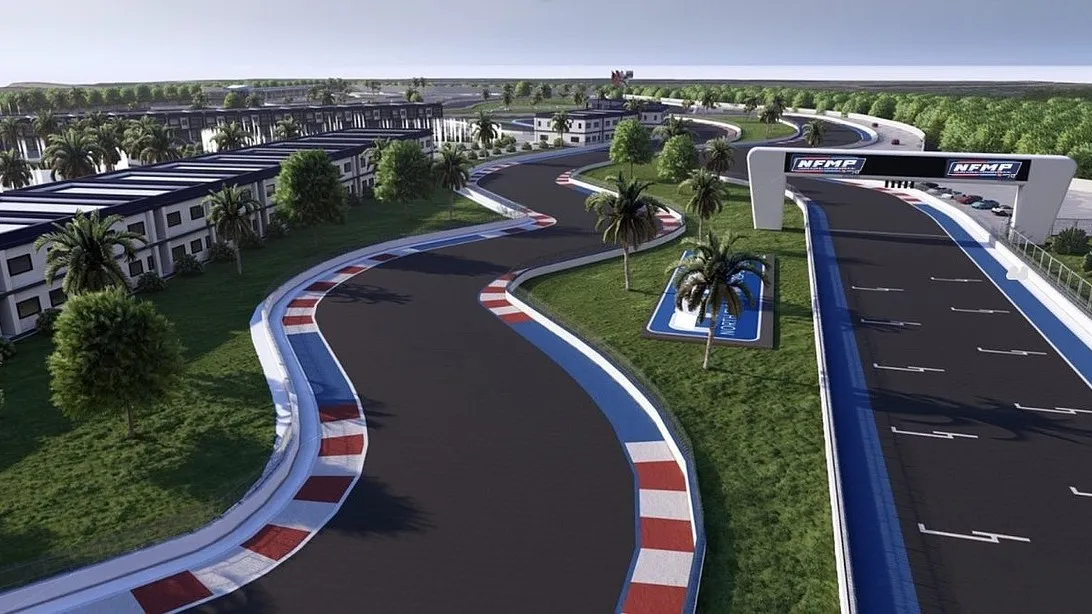
North Florida Motorsports Park plans a 600-acre development in Nassau County.
A map with the announcement this week shows the park on undeveloped land north along County Road 108 west of Interstate 95 near the Florida Welcome Center rest stop. Access to the park is from County Road 108.
RELATED: Motorsports complex gets green flag in Palatka
The park says it will feature a racetrack designed by Bobby Rahal, the 1986 Indy 500 winner and International Motorsports Hall of Fame inductee. Rahal is also a partner in the project.
Read the rest of this story at the Jacksonville Daily Record, a Jacksonville Today news partner.

A historic settlement has been reached between 23XI Racing, Front Row Motorsports, and sanctioning body NASCAR, bringing an end to 13 months of bitter legal warfare. 23XI, co-owned by Michael Jordan, NASCAR superstar Denny Hamlin, and Curtis Polk, teamed up with Bob Jenkins’ FRM, launching an antitrust lawsuit against the sanctioning body in October 2024, accusing it of using monopolistic practices after refusing to sign up to the charter agreement.
A bitter 13 months followed in a lawsuit that saw several shocking twists, including a preliminary injunction being granted in December 2024, only to be overturned by an appeal in June of this year, forcing the two Cup Series outfits to race the remainder of the 2025 season as “open” teams. The legal blow prompted a bullish response from Hamlin, who claimed “all will be exposed” at trial, a few months before he bitterly missed out on a maiden Cup Series championship, suffering a devastating heartbreak at Phoenix early last month.
The trial officially began on December 1 despite Judge Kenneth Bell warning of the harm that could be done to both parties and the sport. An ugly light was shone on some aspects of NASCAR’s operations before a settlement was officially reached barely after the sanctioning body began its official defense in court.
Judge Bell congratulated both parties for settling, and hailed the historic agreement as “the right thing to do,” and that “this is going to be great for the entity NASCAR, the industry NASCAR, the teams, the drivers, and as you have so often said yourselves, ultimately the fans.”
As revealed in a joint team statement, NASCAR will “issue an amendment to existing charter holders detailing the updated terms for signature, which will include a form of ‘evergreen’ charters, subject to mutual agreement.” In contrast, the “financial terms of the settlement are confidential and will not be released.”
Sign up to our NASCAR newsletter here.
Jordan, Hamlin, and Polk of 23XI, Jenkins of FRM, and NASCAR CEO and Chairman Jim France have all released optimistic statements following the conclusion of the antitrust trial. There’s joint excitement about the future of stock car racing.
Michael Jordan: “From the beginning, this lawsuit was about progress. It was about making sure our sport evolves in a way that supports everyone: teams, drivers, partners, employees, and fans. With a foundation to build equity and invest in the future and a stronger voice in the decisions ahead, we now have the chance to grow together and make the sport even better for generations to come. I’m excited to watch our teams get back on the track and compete hard in 2026.”
Denny Hamlin: “I’ve cared deeply about the sport of NASCAR my entire life. Racing is all I’ve ever known, and this sport shaped who I am. That’s why we were willing to shoulder the challenges that came with taking this stand. We believed it was worth fighting for a stronger and more sustainable future for everyone in the industry. Teams, drivers, and partners will now have the stability and opportunity they deserve. Our commitment to the fans and to the entire NASCAR community has never been stronger. I’m proud of what we’ve accomplished, and now it is time to move forward together and build the stronger future this sport deserves.”
Curtis Polk: “My goal as a member of the Team Negotiating Committee was to help create an economic model that would create a more sustainable model for teams and create a more equitable and transparent system within NASCAR. This settlement achieves significant progress toward the Four Pillars. The result brings NASCAR and the chartered teams into better alignment and supports future growth and sustainability for all stakeholders and a better sport for the fans.”
Bob Jenkins: “After more than 20 years in this sport, today gives me real confidence in where we’re headed. I love this sport, and it was clear we needed a system that treated our teams, drivers and sponsors fairly and kept the competition strong. With this change, we can finally build long-term value and have a real voice in NASCAR’s future. I’m excited for the road ahead — for the people in the garage, the folks in the stands and everyone who loves this sport.”
NASCAR CEO & Chairman Jim France: “This outcome gives all parties the flexibility and confidence to continue delivering unforgettable racing moments for our fans, which has always been our highest priority since the sport was founded in 1948. We worked closely with race teams and tracks to create the NASCAR charter system in 2016, and it has proven invaluable to their operations and to the quality of racing across the Cup Series. Today’s agreement reaffirms our commitment to preserving and enhancing that value, ensuring our fans continue to enjoy the very best of stock car racing for generations to come. We are excited to return the collective focus of our sport, teams and race tracks toward an incredible 78th season that begins with the Daytona 500 on Sunday, Feb. 15, 2026.”
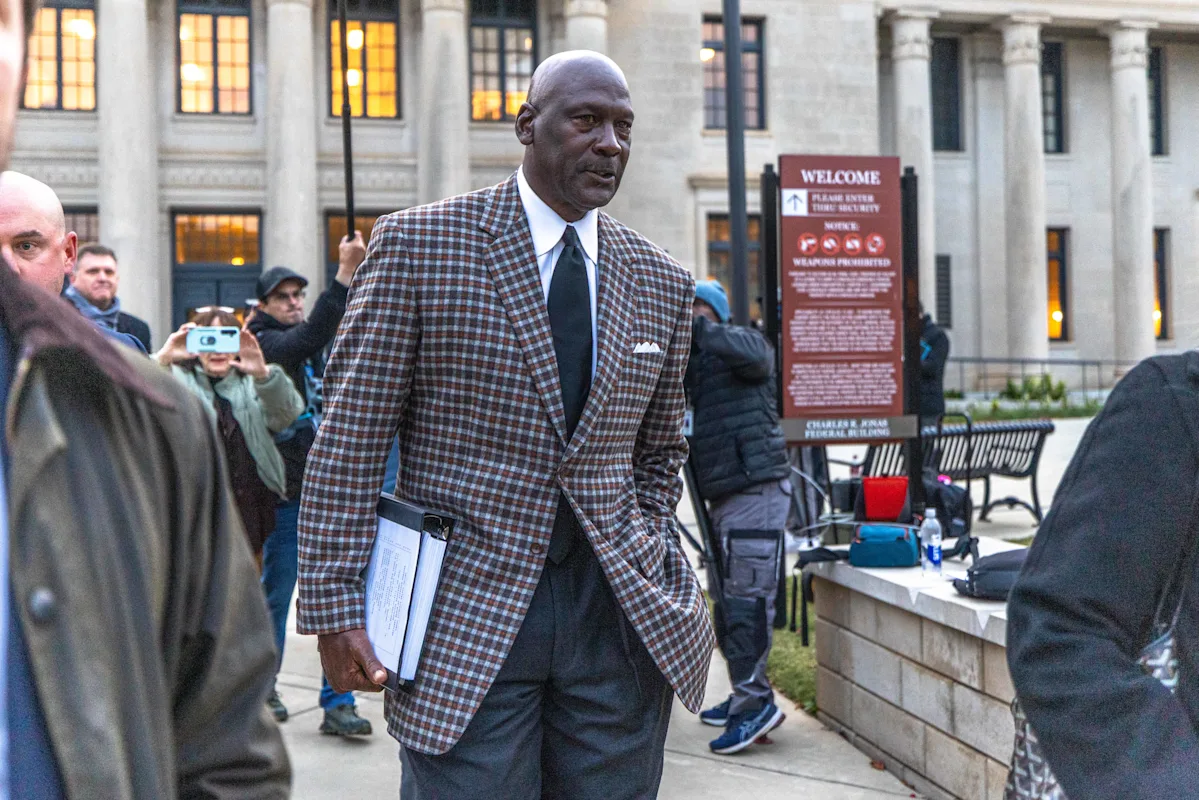
The trial between Michael Jordan’s 23XI Racing and NASCAR is over, with Jordan and Co. coming out as the big winner.
Jeffrey Kessler, the attorney representing Jordan’s 23XI Racing and Front Row Motorsports in the teams’ antitrust lawsuit against NASCAR, told Judge Kenneth Bell that the parties had reached a settlement Thursday “in a way that will benefit the industry going forward.”
Advertisement
That “way” is what the two sides are calling “evergreen charters” — which are essentially permanent team charters, the main sticking point between Jordan’s side and NASCAR.
“From the beginning, this lawsuit was about progress,” Jordan said in a statement after the settlement. “It was about making sure our sport evolves in a way that supports everyone: teams, drivers, partners, employees and fans. With a foundation to build equity and invest in the future and a stronger voice in the decisions ahead, we now have the chance to grow together and make the sport even better for generations to come.”
Per the terms of the settlement, the financial agreements between the teams and NASCAR will not be publicly disclosed.
What was the trial about?
The future of NASCAR, really.
In 2016, NASCAR implemented charter agreements, NASCAR’s version of franchising. The charter agreement were not in perpetuity, but they provided 36 teams guaranteed entry into every race of the season and a larger share of purse money than “open” (or non-charter) teams.
Advertisement
The old charter agreement expired at the end of the 2024 season in concurrence with NASCAR’s previous media rights deal. In the fall of 2024, NASCAR presented teams with a new charter agreement that would run from 2025-2031. Given less than one day to agree to the new agreement — which NASCAR said was its final offer after months of contentious negotiations — most teams signed on. Two did not. 23XI, co-owned by Michael Jordan and driver Denny Hamlin, and Front Row Motorsports held out.
They, along with many other teams who signed the deal, wanted the charters to be permanent, but NASCAR and the France family, the sanctioning body’s longtime owners, didn’t acquiesce to that request.
NASCAR granted teams a larger portion of media rights money in the current charter agreement, however the sanctioning body and its tracks continue to receive the majority of revenue. Teams have said that costs have skyrocketed in recent years and especially since the implementation of NASCAR’s “NextGen” car in 2022. Teams are forced to use NASCAR-approved, single-source suppliers to build their cars instead of building many of their own parts in-house.
23XI and Front Row accused NASCAR of monopolistic and anticompetitive behavior as NASCAR gave teams just hours to sign its final charter offer in September of 2024. Because they didn’t sign the charter agreement, the two teams forfeited their charter status for the 2025 season. After a legal back-and-forth which saw them temporarily regain those charters, 23XI and Front Row raced as open teams for much of the 2025 season.
Advertisement
The two sides spent the last few months wrangling for a settlement but were unable to come to an agreement. On Dec. 1, the two sides — 23XI/Front Row and NASCAR — went to court, an all-or-nothing proposition for Jordan who likely would have shut his team down had he lost.
The trial
Jordan said on the stand that he felt he needed to challenge NASCAR and that attorneys advised him that the charter agreement could be in violation of antitrust laws. The charter agreement included a non-disparagement clause that teams needed to agree to.
Over eight days, some of NASCAR’s biggest names — Jordan, Hamlin, team owner Richard Childress — along with executives — Jim France, NASCAR’s principal owner; commissioner Steve Phelps; and president Steve O’Donnell — took the stand in Charlotte, North Carolina, where both sides made their case. In simplistic terms, the Jordan side argued they’re losing money because NASCAR is keeping too much of it, NASCAR arguing the current agreement provides stability for a sport in an uncertain time.
Advertisement
Maybe the most impactful testimony came from Heather Gibbs, daughter-in-law of longtime team owner and former NFL coach Joe Gibbs and co-owner of Joe Gibbs Racing. Heather Gibbs explained that while they did sign the new charter agreement, it came “like you have a gun to your head.”
“We said we have to sign this,” Gibbs testified, per Fox Sports. “We can’t lose this. We have too many employees. … I did not think it’s a fair deal for the teams.
“… If you don’t sign it … everything is gone.”
Before the trial reached its ninth day, the two sides came to an agreement.
Advertisement
As part of the settlement, both 23XI and Front Row will receive their charters back.
“This outcome gives all parties the flexibility and confidence to continue delivering unforgettable racing moments for our fans, which has always benefited our highest priority since the sport was founded in 1948,” Jim France said. “We worked closely with race teams to create the NASCAR charter system in 2016, and it has proven invaluable to their operations and to the quality of racing across the Cup Series. Today’s agreement reaffirms our commitment to preserving and enhancing that value, ensuring our fans continue to enjoy the very best of stock car racing for generations to come.”
23XI Racing is one of NASCAR’s newest Cup Series teams. The team, co-owned by Jordan, his longtime business manager Curtis Polk and current Cup Series driver Denny Hamlin, began in 2021 with Bubba Wallace and has since expanded to a three-car team.
Front Row Motorsports is also a three-car team and has fielded cars in the Cup Series since 2005.
The teams had expanded from two to three cars ahead of the 2025 season as each reached an agreement to purchase a charter from the now-defunct Stewart-Haas Racing. Because of the lawsuit, those deals had officially been on hold, though they’ll now be allowed to close.
“I’ve cared deeply about the sport of NASCAR my entire life,” Hamlin said. “Racing is all I’ve ever known, and this sport shaped who I am. That’s why we were willing to shoulder the challenges that came with taking this stand. We believed it was worth fighting for a stronger and more sustainable future for everyone in the industry. Teams, drivers and partners will now have the stability and opportunity they deserve. Our commitment to the fans and to the entire NASCAR community has never been stronger. I’m proud of what we accomplished, and now it is time to move forward together and build the stronger future this sport deserves.”

Jeffrey Kessler is known as one of the top antitrust attorneys in the U.S., and on Wednesday, he lived up to that title. He took NASCAR’s own witnesses and used their testimony to tear apart the defense.
It was a masterclass. Like peak-era Michael Jordan, Kessler didn’t just win exchanges; he controlled every move. He set traps, and NASCAR’s witnesses stepped right into them.
How 23XI Used NASCAR’s Own Witnesses to Make Its Case
NASCAR has leaned on one argument again and again: losing this case could destroy the sport financially. They’ve tried to make NASCAR seem fragile, saying big changes or large damages could threaten its survival.
It’s a classic corporate defense strategy. Make the jury scared of what their verdict might do to thousands of jobs, to a beloved American sport, to the France family legacy. But Kessler saw through it. And more importantly, he had the receipts to prove it was nonsense.
As Adam Stern noted on X, Kessler has been subtly weaving a brilliant counter-narrative throughout his cross-examinations.
“A theme that Jeffrey Kessler has subtly tried to get NASCAR’s own witnesses to testify to is how Covid showed it could adjust. Kessler is signaling to the jury that NASCAR’s own actions show it would adjust if it had to pay damages or change its model, not go out of business,” the Sports Business Journal reporter wrote.
NASCAR didn’t break during the pandemic years. Like any other sporting discipline, NASCAR experienced a significant decline in revenues at the time. But the organization weathered the storm.
It rewrote schedules, built safety systems from scratch, and found smart ways to keep racing on track. All this proves that NASCAR is stable enough to survive large financial shocks. And now Kessler is using that very resilience as part of his attack.
The reason Kessler’s strategy hits so hard is that it cuts straight into NASCAR’s main defense. Monopolies and dominant companies always fall back on the same claim: antitrust action will hurt them. It’s a familiar script.
Kessler is making it clear that NASCAR isn’t looking for protection because the sport is weak. They’re really asking the jury to let them hold onto their monopoly, even though they’ve proved over and over that they can adjust when needed.
The COVID example works because it’s recent and undeniable. Everyone saw sports leagues rebuild themselves in 2020, and NASCAR was one of the ones that made it work.
So when they now say they can’t adjust their business model or handle possible damages without falling apart, it doesn’t sound believable. The jury has seen evidence, from NASCAR’s own witnesses, that they can.

Nevada volleyball continues to be stuck in a deep rut

ULM Track and Field Announces 2026 Schedule

Hendrick Motorsports’ 2026 NASCAR Cup Series paint schemes

‘Evergreen charters’ explained after major NASCAR settlement – Motorsport – Sports

Scheels Sports Complex hosting free event

BYU women’s volleyball and coach Heather Olmstead parting ways – Deseret News

Van Ho expands community ski programs for season | News, Sports, Jobs

600-acre motorsports park planned in Nassau County

Men’s Basketball: Scots Fall at Carleton Despite Big Night from Randle

Every word as historic NASCAR trial settlement reached – Motorsport – Sports

After Historic Win, SMU Volleyball Remains Focused For Sweet 16, Purdue

Orlando Magic brothers Franz, Moe Wagner surprise local kids

Tencent Cloud Announces Strategic Partnership with MADFINGER Games

LSU Football Announces Major NIL News On Pair Of Elite Weapons, Ink Massive Deals

Michael Jordan prevails in settlement of antitrust lawsuit against NASCAR

First Tee Winter Registration is open

Fargo girl, 13, dies after collapsing during school basketball game – Grand Forks Herald

CPG Brands Like Allegra Are Betting on F1 for the First Time

Volleyball Recaps – November 18

F1 Las Vegas: Verstappen win, Norris and Piastri DQ tighten 2025 title fight

Two Pro Volleyball Leagues Serve Up Plans for Minnesota Teams

Utah State Announces 2025-26 Indoor Track & Field Schedule

Sycamores unveil 2026 track and field schedule

Redemption Means First Pro Stock World Championship for Dallas Glenn

Jo Shimoda Undergoes Back Surgery

Texas volleyball vs Kentucky game score: Live SEC tournament updates

Robert “Bobby” Lewis Hardin, 56

Bowl Projections: ESPN predicts 12-team College Football Playoff bracket, full bowl slate after Week 14

How this startup (and a KC sports icon) turned young players into card-carrying legends overnight

Indiana’s rapid ascent and its impact across college football

 Why a rising mid-major power with an NCAA Tournament team opted out of revenue-sharing — and advertised it
 NBA Legend Michael Jordan to Join NBC Sports as Special Contributor
 Falcons mailbag
 Portal Update – Basketball and Gymnastics Take Hits
 has always dreamed in Mercurial. Now his initials are on the boots.
The new Kyl…
has always dreamed in Mercurial. Now his initials are on the boots.
The new Kyl…
-
 Rec Sports2 weeks ago
First Tee Winter Registration is open
-
 Rec Sports2 weeks ago
Fargo girl, 13, dies after collapsing during school basketball game – Grand Forks Herald
-
 Motorsports2 weeks ago
CPG Brands Like Allegra Are Betting on F1 for the First Time
-
 Motorsports2 weeks ago
F1 Las Vegas: Verstappen win, Norris and Piastri DQ tighten 2025 title fight
-
 Sports2 weeks ago
Two Pro Volleyball Leagues Serve Up Plans for Minnesota Teams
-
 Sports2 weeks ago
Utah State Announces 2025-26 Indoor Track & Field Schedule
-
 Sports2 weeks ago
Sycamores unveil 2026 track and field schedule
-
 Motorsports2 weeks ago
Redemption Means First Pro Stock World Championship for Dallas Glenn
-
 Motorsports2 weeks ago
Jo Shimoda Undergoes Back Surgery
-
 Sports2 weeks ago
Texas volleyball vs Kentucky game score: Live SEC tournament updates