Most of what shapes a kid doesn’t happen during the game.
It happens before the first pitch — when they’re putting on a jersey that fits, tightening their cleats, and slipping a glove onto their hand that feels like it belongs there. Those details seem small to adults. To a child, they’re everything.
In Carson City, as in every town, there are kids who want to play and families who do everything they can to make that happen. Registration gets paid. Schedules get rearranged. Rides get worked out. What doesn’t always fall into place is equipment — especially something as personal and essential as a glove.
That gap usually stays invisible. Quiet. Unspoken.
And that’s exactly why it matters.
A Simple Idea, Done the Right Way
The idea is not complicated: an annual glove drive for Carson City Little League.
Not a spectacle. Not a fundraiser built on attention. Just a dependable, once-a-year effort to make sure that kids who need a glove have one — without ever being asked to explain why.
No announcements. No labels. No moments a child carries with them longer than they should.
Handled discreetly by the league, supported by the community, and grounded in respect.
Why This Matters More Than It Sounds
A glove is more than leather and laces.
It’s confidence. It’s safety. It’s the difference between playing free and playing guarded. Between reaching for the ball and hoping it doesn’t come your way.
Kids feel those differences immediately. They also remember who noticed — and who didn’t.
Youth sports are supposed to be where kids learn how to belong. That lesson starts before a coach ever speaks.
This Isn’t Charity. It’s Stewardship.
This wouldn’t be about rescuing anyone. It would be about maintaining the field, in the broadest sense of the phrase.
Communities take care of their parks, their schools, their traditions. Youth sports deserve the same quiet upkeep. When we remove small barriers early, we prevent bigger ones later — loss of confidence, loss of interest, loss of belief that a place is meant for you.
That kind of care doesn’t require applause. It requires consistency.
Why Make It Annual
Because needs don’t announce themselves once and disappear.
Kids grow. Gloves wear down. Circumstances shift. An annual glove drive acknowledges that reality without judgment or urgency. It makes support part of the rhythm, not a reaction to crisis.
When something becomes routine, it becomes reliable. And reliability is what kids trust.
The Real Outcome
If this works the way it should, no one will talk about it much.
Kids will show up ready to play. Coaches will coach. Parents will watch. Baseball will happen.
And a few players — ones we’ll never identify, and don’t need to — will step onto the field feeling equal instead of exposed.
Those are the quiet things that let kids play.
And they’re worth doing right.
— Chris Graham is a Carson City native, writer and lifelong baseball fan. A former Western Nevada College play-by-play broadcaster, his work focuses on sports, culture and community. He can be followed on his Substack at https://substack.com/@gamenotes.
If money is what it will take to resolve the damage done by the substance abuse epidemic in the Mountain State, we are sitting on an enormous opportunity through funds distributed by the West Virginia First Foundation. Just this month nearly $18 million in Momentum Initiative Grants was awarded to tackle the problem.
In this round, there are 76 projects — some statewide, some regional — that will focus on foster care and non-parental caregiver initiatives, youth prevention, recovery housing, behavioral health and workforce development, and reentry and diversion programs.
The statewide projects, totaling more than $3.85 million, all target foster care and non-parental caregivers through Foster RISE (Recruitment, Intervention, Support and Expansion); Pressley Ridge Treatment Kinship Care statewide services; West Virginia CASA Association’s Continuum of Care for children and families impacted by the opioid crisis; and West Virginia Wesleyan College’s capacity-building initiative with CASA.
Hancock and Brooke counties are part of Region 1, although, once again, most of the funds awarded locally appear to be focused for services in the Wheeling area.
The Greater Wheeling Coalition for the Homeless, for example, received $250,000 for day report centers and re-entry programs, while HoH Share Inc. received $125,000 for youth prevention programs. Northwood Health Systems, which has some operations in Weirton, will receive $216,065 for its behavioral health and workforce development programs, and Youth Services System, which also offers some of its programs in our two counties, will receive $125,000 for youth prevention services.
West Liberty University is getting $249,397 for its own day report centers and re-entry programs through the Hilltopper Pathways services.
YWCA Wheeling, meanwhile, is set to receive three grants: $124,744 for youth prevention; $380,000 for recovery housing; and $186,450 for day report centers and re-entry programs.
This is wonderful news for hardworking people in need of support to fulfill a critical mission.
“The Momentum Initiative Grant reflects a new way of responding to the substance use crisis; one grounded in evidence, shaped by local expertise and guided by accountability,” said Jonathan Board, the foundation’s executive director. “We traveled the state, listened to those holding the line in their communities, and answered the call to honor the lives lost by putting these resources into the hands of those ready to create real, lasting impact for West Virginia.”
While we wait, the organizations that have received this round of money are no doubt ready to hold up their end of the bargain.
As that work gets underway, lawmakers and economic development officials must remember it is their job to also be expanding and diversifying our state’s economy and working to improve quality of life for everyone.
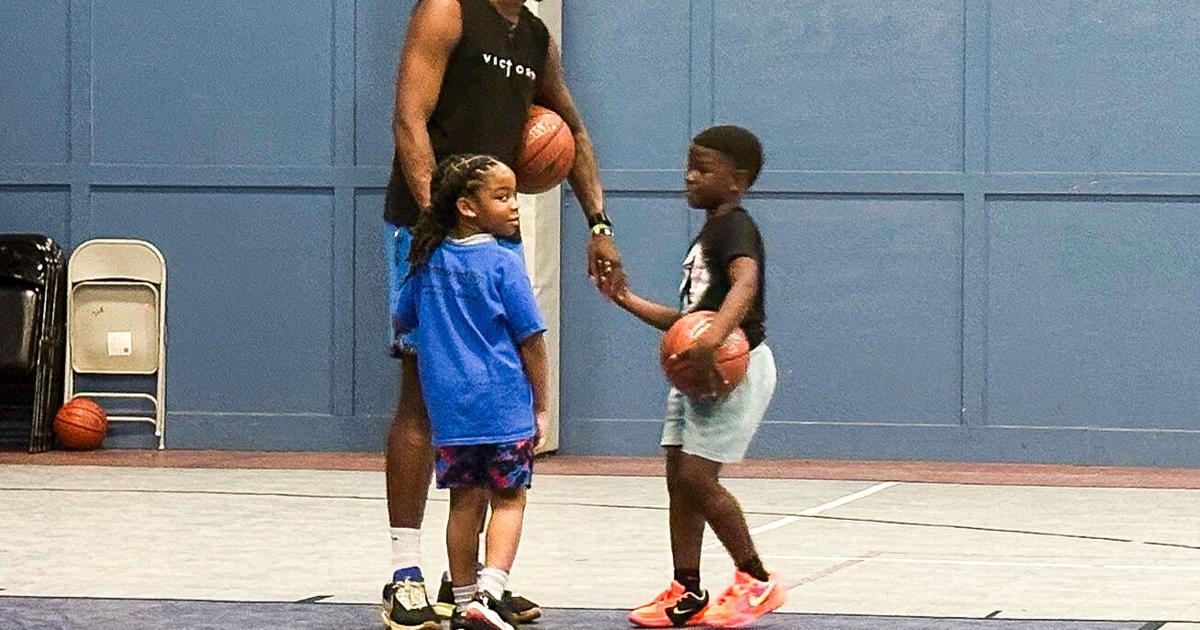
A Newnan-based basketball training program is offering year-round instruction for elementary and middle school students, combining athletic development with family engagement and faith-based mentoring.
The training sessions, led by Derrius Teagle, are open to boys and girls in second through eighth grades and are held at the Royal Baptist Church gym on Mayo Royal Industrial Drive in Newnan.
Organizers say the program is designed to help students grow physically, mentally and spiritually while developing fundamental basketball skills.
In addition to on-court instruction, families are involved in every session through discussions on impactful topics and interactive activities, including parent-versus-student challenges.
Each hourlong session begins with prayer requests and concludes with a group prayer, reinforcing the program’s emphasis on character development and community support alongside athletics.
Sessions are held weekly on Wednesdays from 4 to 5 p.m., as well as Saturdays from 9:30 to 10:40 a.m. and 10:45 to 11:55 a.m. The program runs throughout the year.
Newtown Youth Wrestling Association showcased the strength of youth sports and community spirit as it hosted its 8th Annual Nighthawk Classic wrestling tournament, drawing close to 500 wrestlers from six different states, on December 21.
Held at Newtown High School, the event transformed the gymnasium into a sea of singlets, score tables, and cheering families. Wrestlers ranging from first-year competitors to seasoned youth standouts took to the mats in a fast-paced day of competition that highlighted both skill and sportsmanship.
“We’re incredibly proud of how smoothly the tournament ran and how many quality matches we were able to offer the kids,” President of Newtown Youth Wrestling Association Kyle Ibbitson said. “Bringing together wrestlers from across the region gives our athletes a chance to test themselves, make new friends, and grow in the sport.”
Tournament Director Matt Iacuone reported that more than 850 matches were completed in less than eight hours, a testament to the efficiency of the event staff and volunteers. Multiple mats ran continuously throughout the day as coaches, referees, and table workers kept the action moving with precision.
“It truly takes an army,” Iacuone said. “All the help we get from all of our coaches and families throughout our organization is unmatched.”
Recognized as the largest youth town wrestling program in New England by USA Wrestling, Newtown had 100 wrestlers at the event, of which 63% placed in the top three. Newtown is especially proud of their girls’ program, which has doubled from last year and has close to 20 competitors.
The Nighthawk Classic has grown steadily since its inception, and this year’s turnout underscores its reputation as a well-run, highly competitive youth wrestling event. Drawing competitors from five states, the tournament not only provided valuable experience for local wrestlers but also shined a spotlight on Newtown as a hub for youth athletics.
For Newtown Youth Wrestling Association, the tournament is more than just a day of competition; it is also a major community effort. Dozens of volunteers helped with setup, concessions, registration, and cleanup, ensuring that visiting teams and families felt welcome.
Head Coach Curtis Urbina and Coach Mike Long mentioned the praise they received from other programs after another successful tournament.
“This is all made possible by the hard work and dedication of so many. This event continues to set the bar high for our program, and we’re proud to consistently deliver a high-quality, intense tournament worthy of our region,” Urbina said. “At the end of the day, the real winners are the kids — and this incredible community that shows up, supports, and believes in them every step of the way. It’s great tournaments like this that allow our wrestlers to improve going forward and chase our goals.”
“This event really shows what Newtown can do when we come together,” Ibbitson added. “From the wrestlers on the mat to the volunteers behind the scenes, everyone played a part in making the Nighthawk Classic a success.”
As the final whistles sounded and the last medals were handed out, organizers were already looking ahead to next year, hoping to build on the momentum of this year’s record-setting turnout and continue to grow the Nighthawk Classic as one of the premier youth wrestling tournaments in the state of Connecticut.
Top Newtown results from the tourney are as follows:
First place: Kamden Kling, Reece Belden, Ashton Sciarra, Declan Cavanagh, Everett Worster, Liam Enright, Zachary Burwick, Carson Edwards, Evan Emard, Hugo Borgerding, Skyler Nieves, Alex Jaquez, Joey Bartolic, Marco Figueiredo, Matt Iacuone, Allen Gaudenzi, Camron Veneziano, Ethan Kearney, Jane Anderson, and Silas Houston.
Second place: Eleanor Emard, Grey Nelson, Natalie Leonard, William Laake, Axel Pulver, Beckham Ritacco, Clark Anderson, Eli Fox, Michael Laake, Lillian Gantert, Alex Carrozza, James Gantert, Andrew Braunagel, Ben Weintraub, Cameron Mathison, Emmie Ibbitson, Chase Ibbitson, Cole Salce, and Max Reynolds.
Third place: Liam Edwards, Sam Van Scotter, Colton Girgenti, Donnie Scaglione, Gavin Silva, Grant Van Scotter, Riley Plante, William Stetson, Callum Carl, Joey Guagliano, Liam Fitzgerald, Lucas Nunes, Nico Figueiredo, Catalina Maldonado, Evie Gantert, Luke Anderson, Mason Petrides, Emily Greene, Blake Deloge, Brooke Fattibene, Drake Oatis, Greg Troiano, Kaleb Quiles, and Nick Morelli.
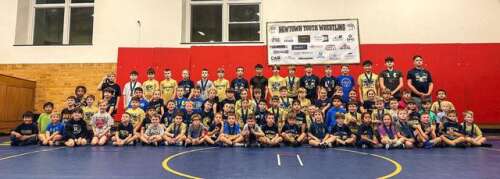
Newtown Youth Wrestling Association’s many medal winners from the Nighthawk Classic. —photo courtesy Tonya Borgerding
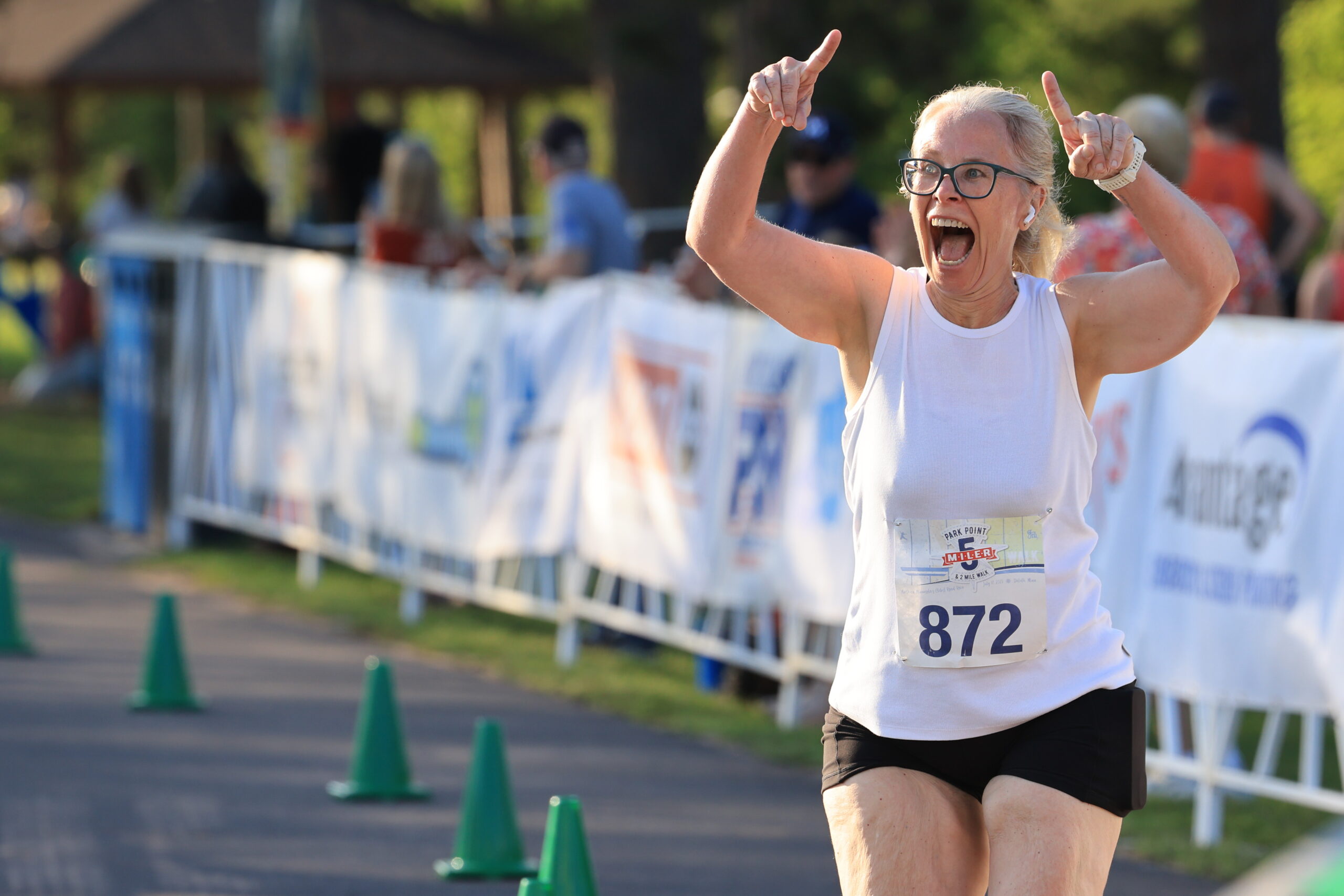
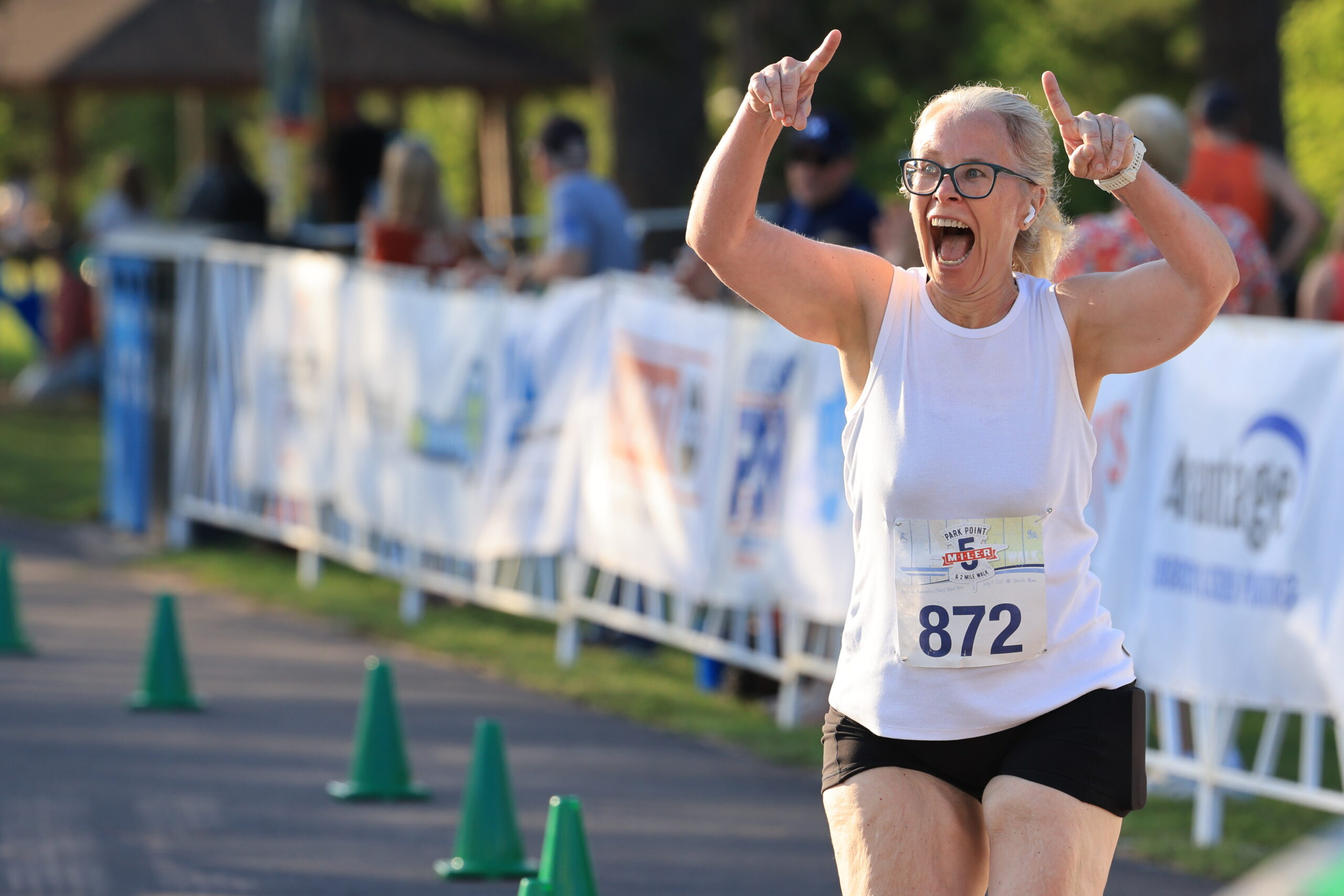
The 55th annual Park Point 5-Miler starts near the Park Point Pavilion. Participants run down Minnesota Avenue before finishing back near the pavilion. They have the choice of a 5-mile run or a 2-mile walk.
This is the last of three races in the annual KP Challenge, in which participants commit to three races throughout the spring and summer. The others are the Saint Fennessy 4K and Fitger’s 5K. The aim of the challenge is to help participants keep on a regular training schedule and consistently complete longer distance races. Net proceeds benefit the Young Athletes Foundation, a Grandma’s Marathon program focused on the promotion and development of youth athletics.
In celebration of its 50th year, Grandma’s Marathon is offering free entries for those ages 18 and under to each of the five Young Athletes Foundation races in 2026.
Adult Entry Fee Scale Jan. 1 to May 15 – $20 May 16 to June 30 – $30 July 1 to race day – $40
GIRARD — New faces will be working for the community as new members of city council and the board of education were sworn into office this week.
Girard Municipal Court Judge Jeff Adler swore in new and reelected council members and new members to the board of education.
Starting terms on council this month are Tod Latell and Wes Steiner as councilmen-at-Large and James Clark as 3rd Ward councilman.
On the board of education, new members are Zak Steiner and Scott Strain and elected to a new term after being appointed previously to fill an opening on the board is Tammy King.
TOD LATELL
Latell, who was elected to two terms as Trumbull County recorder from January 2017 to December 2024, said he will work with city officials and council to promote growth.
“I have been attending council meetings since the beginning of last year, and I believe we have some great opportunities to improve our downtown area and other locations across the city,” he said.
He said council members need to have a clear understanding of the budget.
“Our auditor and city officials have done well as the city appears to be in good financial standing. Transparency on the budget is paramount, as taxpayer money and available funds in general should be handled with care,” Latell said.
He said as county recorder, he ran a tight budget and left the recorder’s office in great shape.
“I believe when we have a strong school system, provide great police / fire and safety services in general, and residents feel city leadership is engaged and working for the benefit of all, success will happen,” Latell said.
WES STEINER
Wes Steiner was a first-time candidate for public office. He said as a surveyor with knowledge in zoning, he plans to bring a valuable skill set to city council to help improve the community.
He said zoning is essential to make sure that growth is well planned and remains sustainable for the future.
Steiner said there is a need for better signage in the downtown, with residents and visitors becoming more aware of the available parking space behind Chase Bank, as well as behind and across the street from the U.S. Post Office.
“Better signage will help improve accessibility and convenience for everyone,” he said.
He said he will work with Lake to River Economic Development to help bring businesses to the area, which will help generate additional tax revenue for the city.
Steiner said as Girard continues to evolve into a more transient community, he believes it is important to focus on mentoring and youth engagement. He has served in many positions working with youth sports and activities.
Steiner said he is committed to advocating for programs and policies that empower young people in the community.
JAMES CLARK
Clark said he comes from a family of civil servants, with his mother serving as city treasurer in East Liverpool and his grandmother serving as a councilwoman in East Palestine.
Clark said accountability in leadership will be a top priority. He said recent events in Girard, especially the problems with the school district’s finances, have shown how costly a lack of oversight can be.
“My top priority is to make sure those in leadership positions are accountable for their decisions and for how public money is handled,” Clark said.
He said as a casino executive, he often had to stand his ground, protect the best interests of the business and still convince high-level clients to choose them over the competition.
“I will bring that same approach to city council to protect residents and ensure their voices and tax dollars are safeguarded,” Clark said.
He said he will bring improvements into Girard by securing outside funding.
Clark said he will look at completing community improvement projects, and will seek grant programs and connect the right people to get projects done. He said he will see that Girard competes for funding dollars and for resources that can make a real difference in the community.
BOARD OF EDUCATION
King said after she was named to fill the board vacancy when longtime board member Diane Alejars stepped down she decided to run in the November election for a new four-year term.
King was selected from seven applicants who sought to fill the seat. King is a retired professor from Youngstown State University and holds a doctoral degree from Indiana University of Pennsylvania.
She said previously she will use her experience in education and higher education to focus on the future of the Girard Local School District and ensure that the staff has the resources they need to educate the students.
Zak Steiner and Strain are both new to public office.
Steiner said he wants to start a “Listen and Learn” tour across the district, meeting directly with administrators, teachers, staff and students, and listening to what they need to be more successful.
He said he would also like to expand recognition and engagement at board meetings, and in addition to recognizing students each month, also recognize staff, alumni and school groups.
Steiner said he will stay in contact with and work with the Ohio House on any upcoming or proposed changes to property tax and school funding to ensure the district’s needs are represented.
Strain said he will focus on the safety and success of the students, and develop positive relationships with the teachers, administration and staff to foster growth and trust while maintaining transparency.
He said as a former Girard school resource officer and juvenile investigator for six years allowed for developing trusting relationships with students and staff.
Also sworn in for new terms were Reynald Paolone as Girard council president, Henry Sforza as treasurer, Lily Martuccio for council-at-large, and Keith Schubert, John Moliterno and Thomas Grumley as council ward members.
GIRARD — New faces will be working for the community as new members of city council and the board of education …
CANFIELD — The Cardinal Joint Fire District Board of Directors filled a full-time spot earlier this week with the …
LIBERTY — A New York man is facing a charge after the township’s law enforcement camera system detected a …
YOUNGSTOWN — Jacob A. Jackson, 22, of Spring Street in Struthers, was indicted Tuesday on charges of involuntary …
YOUNGSTOWN — The city received its fourth consecutive annual clean state audit with no findings for recovery or …
“Participation in golf and tennis programs contributes to the development of transferable life skills, including self-discipline, teamwork and problem-solving.”
DENVER, CO, January 02, 2026 /24-7PressRelease/ — Fuel the Drive—the non-profit organization that expands access to golf and tennis for children from low-income families—seeks to substantially increase the number of kids it assists in the year ahead.
“We’ve made some ambitious New Year’s resolutions for our foundation,” states founder and president Terry Aikin. “Fuel the Drive has been able to help a lot of kids accelerate their personal growth and expand their opportunities, but we’re far from satisfied.
“This year,” Aikin continues, “we want to impact at least five times as many young people as we did in 2025.”
Giving kids access to more promising futures
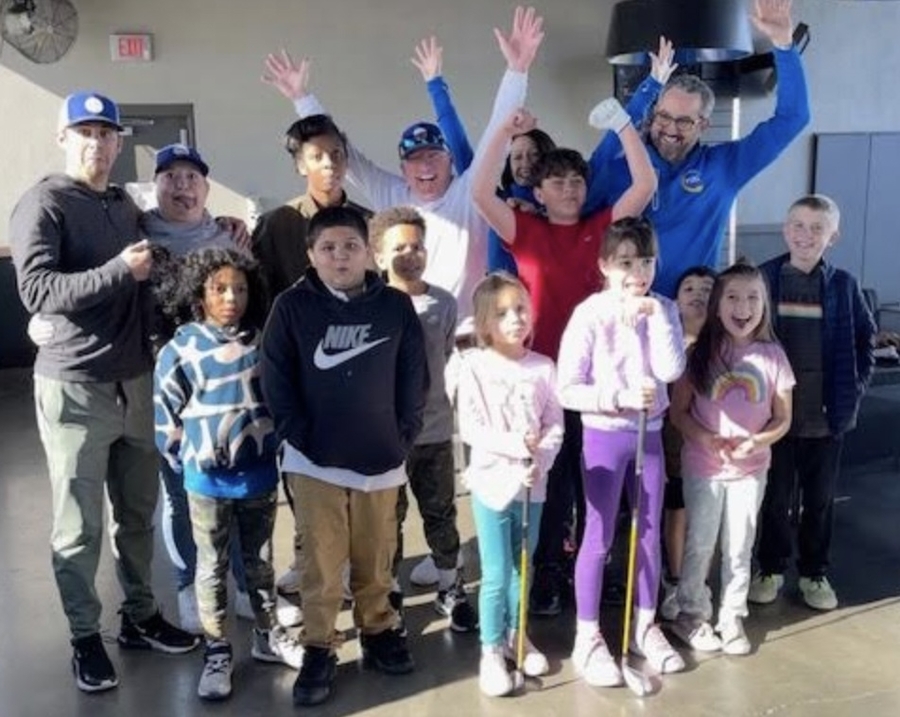
Founded to remove financial barriers to youth sports participation, Fuel the Drive sponsors children’s introduction to golf and tennis by covering essential program costs.
Eligible participants receive funding for registration in local PGA Junior League and U.S. Tennis Association programs, along with training guidance and equipment.
“The kids’ involvement in these sports fuels their personal growth and helps them develop confidence, self-discipline and leadership,” says Aikin. “It’s so rewarding to watch these kids build their own personal strength and find out what it takes to succeed.
“As the kids develop their golf or tennis games and compete with other kids their age,” he adds, “they learn to lead, to believe in themselves and to create pathways to more successful futures.”
Equipping kids with the tools to succeed on and off the course and court
“Time and again,” notes Aikin, “we see that participation in golf and tennis programs contributes to the development of transferable life skills, including self-discipline, teamwork and problem-solving.
“Let me share just one of our many success stories,” he continues. “With Fuel the Drive’s assistance, Mavarro has played in the PGA Junior League program for the past three years. His father tells us that playing golf has helped Mavarro develop patience and confidence, and he’s earned an award for perseverance.
“What’s more,” adds Aikin, “Mavarro’s love for golf has translated into increased analytical skills that are helping him tackle challenges he faces in school and in life.”
Ambitious growth target aims to serve many more children
Fuel the Drive has introduced golf to more than 100 children during each of the past three years and has provided access to tennis programs for more than 500 children.
Building on this impact, the organization has set a goal to expand its golf programming to serve more than 500 young athletes in 2026.
“Cost remains one of the most significant barriers to participation in organized youth sports,” states Aikin. “By removing that obstacle, we enable children to engage in structured environments that promote self-confidence, perseverance and personal growth.”
Increasing outreach to enlist more donors
“Our donor base has been very generous, and their contributions have made our impact possible,” reports Aikin. “But we’re seeking to significantly grow that base in order to achieve our objectives for 2026. So we’ve just launched a new website and we’re expanding our digital outreach to engage partners and community stakeholders and bring more new donors into the fold.
“With the generous support of new and existing donors,” Aikin adds, “we can fuel the drive in a lot more kids so they can achieve a lot more.”
About Fuel the Drive
Fuel the Drive, headquartered in Denver, CO, was founded by Terry and Michelle Aikin as a way of paying forward the tremendous support and inspiration they received as they were growing up. The organization provides access to golf and tennis programs to children from underserved communities, using sport as a platform to build self-confidence, leadership and skills that support lifelong success. To learn more, visit Fuel the Drive.