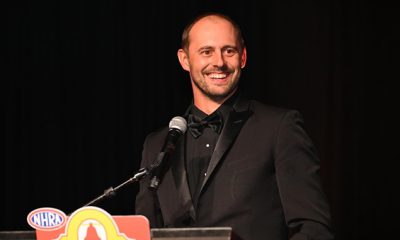
The man who avoids the limelight and a microphone didn’t have that luxury Tuesday in a North Carolina federal courtroom.
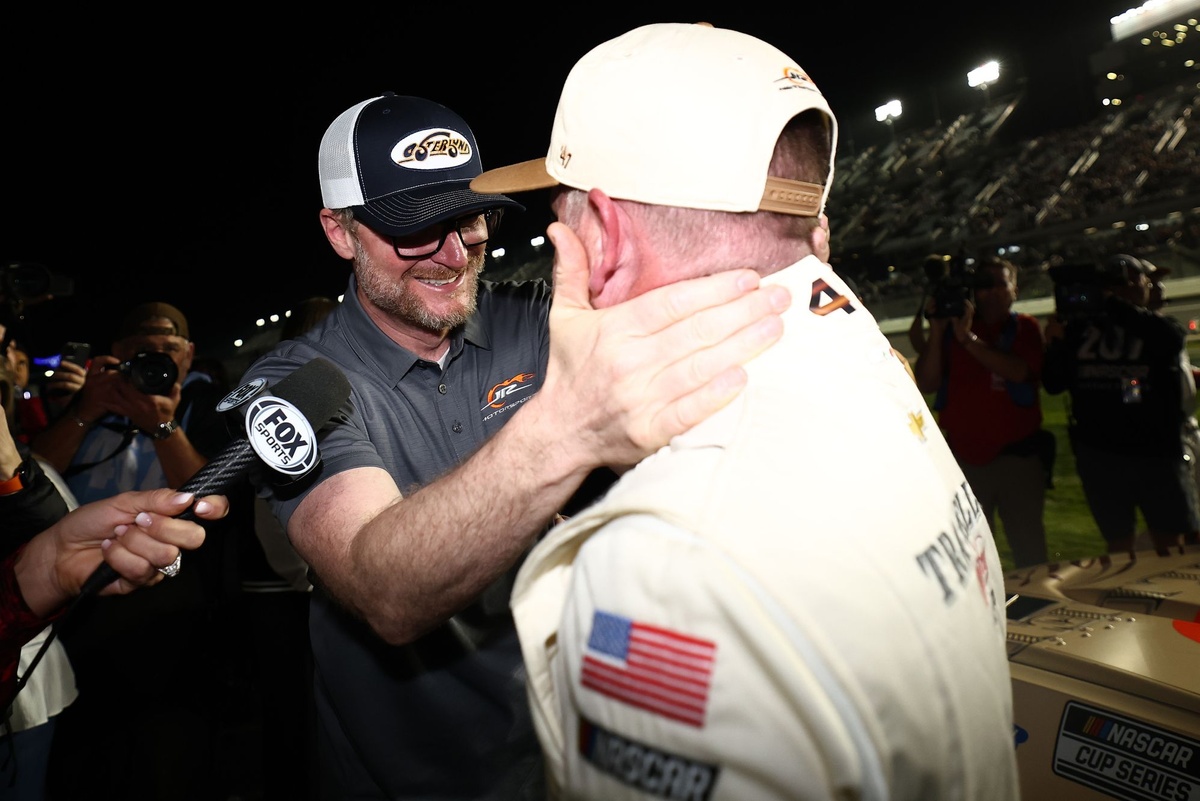
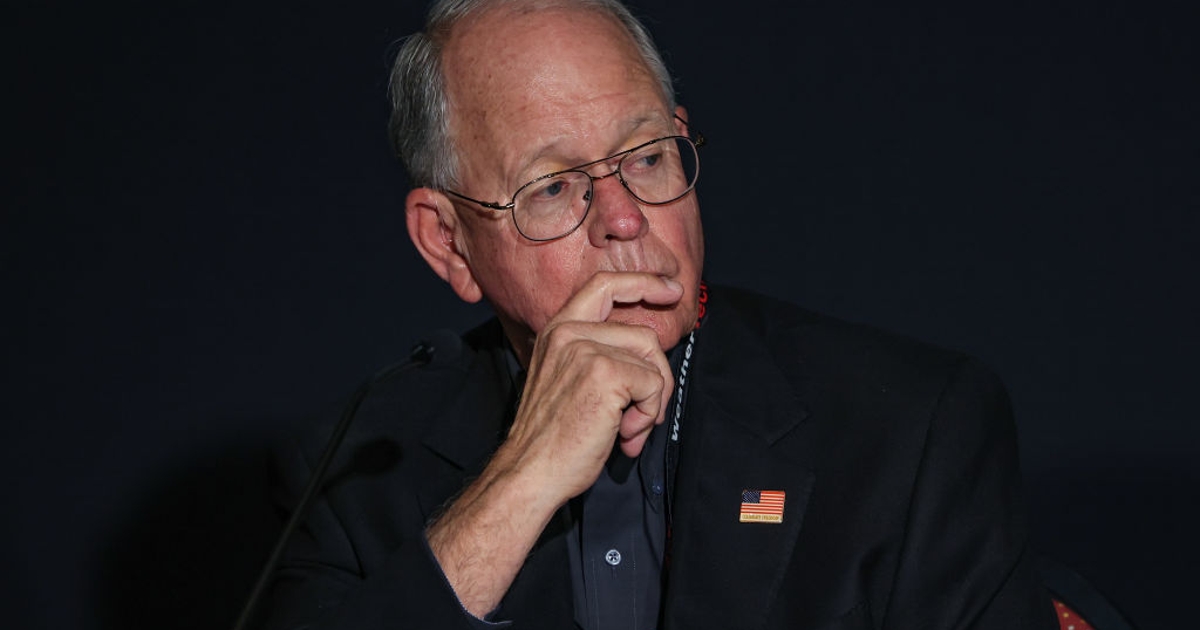
NASCAR chairman and CEO Jim France (pictured above) was called as the final witness for the plaintiffs, 23XI Racing and Front Row Motorsports, in the antitrust lawsuit the teams filed against France and the sport he owns and operates. France was questioned by the team’s lead counsel, Jeffrey Kessler, for nearly 2.5 hours, during which he repeatedly said he couldn’t recall certain internal communications, events or numbers.
But France did admit that “I did say no” to permanent charters. Kessler did not ask why.
The concept of permanent charters was a key point for race teams during negotiations for the 2025 charter agreement. Heather Gibbs testified to the importance they had for the Gibbs family and how valuable they would be for stability. Richard Childress also testified that permanent charters would help financially in a sport with a challenging economic model.
NASCAR, however, wanted to remain flexible going forward, according to Steve O’Donnell’s testimony. O’Donnell, who became president of NASCAR earlier this year, said the unknowns were part of the reason for not granting permanent charters, as NASCAR didn’t know what the sport would look like in the future regarding costs, schedule, cars and other financial variables.
Kessler repeatedly pressed France on being the top of the NASCAR food chain and the one who makes decisions. Some of that came through Kessler asking, “You bear the ultimate responsibilities for the company?” and, “The buck stops with you?”
But France, like other NASCAR executives who testified before him, such as Phelps, O’Donnell and Scott Prime, would only say that NASCAR has a board of directors, and that’s where the discussion and decisions go.
Although France said the board can overrule him, he couldn’t recall one of those instances. Kessler quipped to let him know if he thought of one while they continued with the testimony.
France owns 54% of NASCAR through the family trust. Lesa France Kennedy, his niece, owns 46%.
Kessler also spent time showing France communications within the company during the charter negotiations, one of which was O’Donnell saying that France was visibly reacting, swearing, while reading a Heather Gibbs letter out loud. But not only did France counter that he doesn’t recall being upset about the letter, nor there being anything in it that would make him upset, France also said he’s not sure why O’Donnell characterized things that way.
France also challenged part of Heather Gibbs’s testimony. She explained that Sept. 6, the deadline to sign the charter agreement, France had told Joe Gibbs that the negotiations were done and the deadline set. Furthermore, “If I wake up and I have 20 charters, I have 20. If I have 30, I have 30,” is what Gibbs relayed.
“I don’t think I’d say that to Coach (Gibbs),” France said.
And so the testimony went as Kessler continued to press on communications France received from team owners and his reaction. France acknowledged receiving letters from Roger Penske, Rick Hendrick, Jack Roush and Joe Gibbs in the spring of 2024. All expressed concerns over the sport’s business model and race teams losing money.
France will return to the stand Wednesday for cross-examination by NASCAR’s counsel. NASCAR will then begin presenting its case.
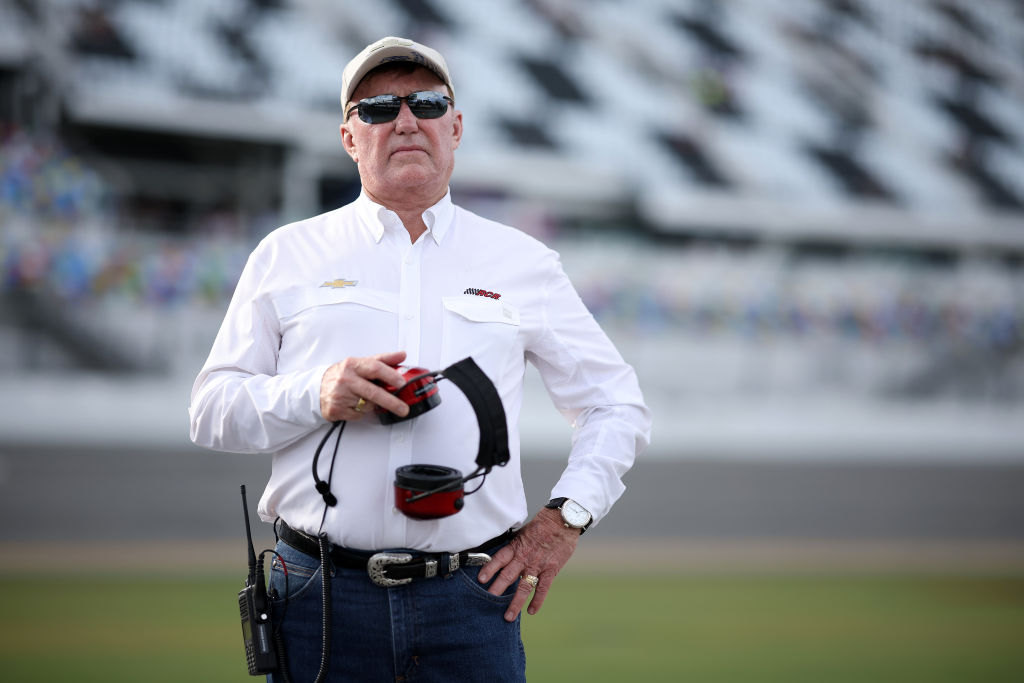
Childress says his race team relies on support from his other businesses and thinks permanent charters could address this. James Gilbert/Getty Images
Tuesday closed with France after also seeing Childress and Phelps on the stand.
Childress testified that he signed the charter agreement because he had no choice. The NASCAR Hall of Famer didn’t want to lose his charters, admitting his company isn’t financially able to compete without them. He said the other businesses Childress has founded help support the race team.
But, he, too, wanted permanent charters. Childress also agreed with the other key items the teams asked for, including a say in the governance of the sport, revenue, and receiving a percentage of new revenue.
“It wouldn’t cost NASCAR nothing” to award permanent charters, said Childress.
He also said, “I would love to see RCR running 60 years from now, but with this model, we can’t do it.”
As for the testimony from Phelps, there were times when he, too, under questions from Kessler, said he couldn’t recall or didn’t know about what he was being asked. However, he disputed the version of events the teams have relayed, claiming the Sept. 6, 2024, deadline was a take-it-or-leave-it situation. Multiple times, Phelps said that wasn’t what happened, or it was an unfair statement.
According to Phelps, the first draft went out in December of 2023. The teams responded in January of 2024.
Another response from the teams came through in February, and soon thereafter, NASCAR began meeting with the teams individually because they were hearing that not all of the information NASCAR was giving to the Team Negotiating Committee (TNC) was making its way back to everyone.
In May, another draft went out with a response from the teams in June. The meetings continued in June, July, and August. The third draft went out on Aug. 14, in which the teams were told the deadline would be the end of August.
Phelps said that Jeff Gordon of Hendrick Motorsports then asked for an extension of the deadline. It was moved to Sept. 6. When the new deadline was set, Phelps said he called every team owner or team representative and let them know.
Lawyers for the teams sent comments about the draft on Sept. 5. At this point, Phelps said he was “pleasantly surprised” that the changes and comments weren’t that extensive. He was at the point where he felt the teams would sign after those updates were made.
As for September 6, Phelps said the day unfolded with the deadline being the end of the day. Jim France, meanwhile, had promised Roger Penske that no charter agreement would go out until they had spoken. Penske ended up calling Phelps, who told him to make sure he spoke with France before they could proceed.
Soon enough, the deadline was extended to midnight. Phelps made that decision because he said he knew the teams needed time for the agreement to reach their inboxes. He was still under the impression they were going to sign, and they had been updated by their lawyers.
“I was surprised,” Phelps said, when 23XI Racing and Front Row didn’t sign. Those two teams were even given an additional deadline to sign, but they didn’t.
Phelps also testified that NASCAR could not give the teams the $720 million per year they wanted because it would bankrupt them.