

12:25a ET
NIL
College Sports Chaos


The universe of name, image and likeness continues to alter college athletics at every turn. NIL has changed the game.
It’s mostly an incentive by collectives to raise money for the purpose of enticing recruits to sign with a respective school.
Some of these deals have reached astronomical levels, with the best of the best athletes receiving millions of dollars.
But that might change if and when the House vs. NCAA antitrust case is decided, if schools are allowed a revenue-sharing system to compensate athletes directly.
It could also have important implications for the future of NIL. It could include a central clearinghouse to review and assess all NIL deals. But make no mistake, NIL in some form or fashion is here to stay.
And it could remain the same for years depending on the appeals certain to come with the House decision.
Friends of UNILV is the collective for the Rebels, the outside arm that raises money for the purpose of earning the interest of recruits who have UNLV on their list of prospective schools.
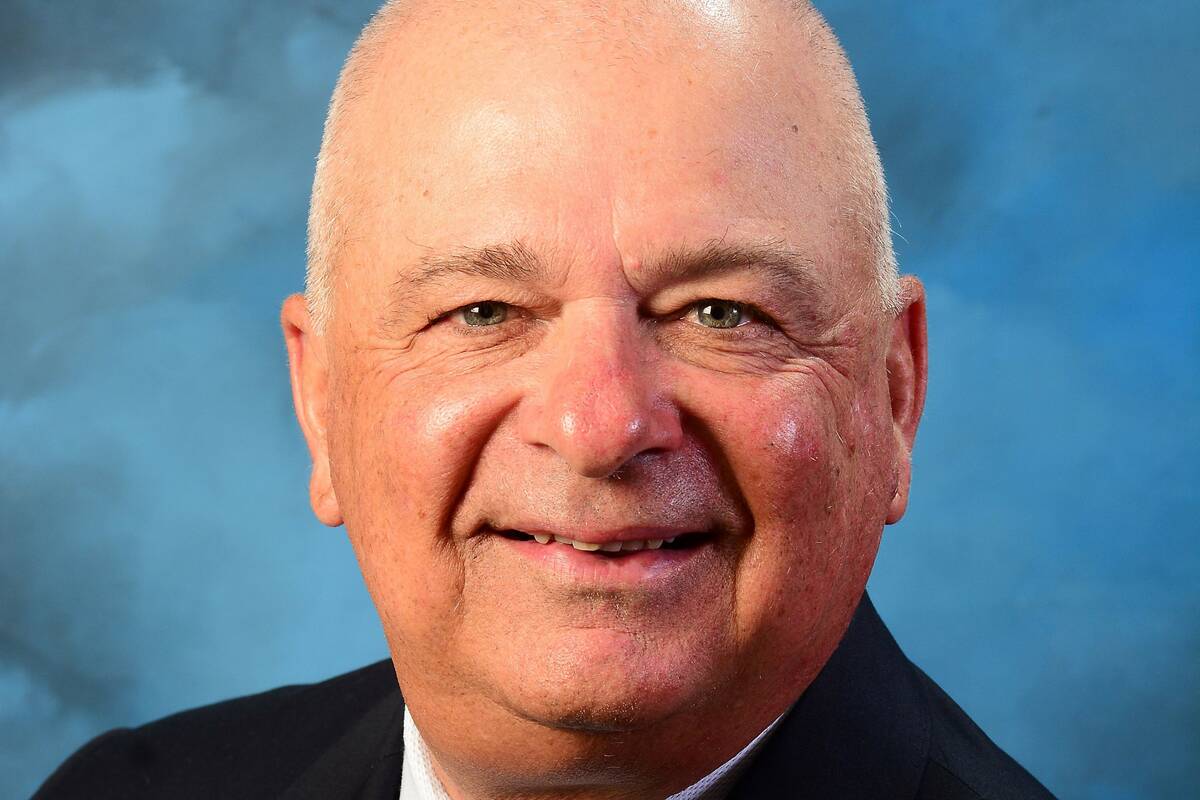
Bill Paulos leads the NIL efforts for UNLV. The Review-Journal recently chatted with Paulos about his role and that of NIL at the university.
RJ: What is the overall goal for NIL specific to UNLV?
Paulos: The goal of UNLV NIL is to get into a power conference like the Big 12. That’s the goal. If we want to do that, we need to act like a power conference school. That’s UNLV’s goal. That’s my goal. That’s everyone’s goal here.
But these power conferences need to know we can raise money for NIL, that we can compete at that level.
RJ: Is that plausible? What have you seen in your numbers to make you believe that level of resources can be raised?
Paulos: It is absolutely plausible. We’re having more success this year than we’ve ever had. Major companies in town are supporting us. And in order for us to get coaches of the stature of (Dan Mullen in football and Josh Pastner in basketball), we had to assure them we could raise NIL money so they could compete.
If you go out and hire a coach today, the first question isn’t necessarily how much money they’re going to make. It’s about how strong is your NIL.
RJ: How have you been selling your top programs to donors?
Paulos: Basically, it’s like this: You may not like what NIL is today, but we need to explain to everybody it’s going to morph into a much better situation. It’s giving back to the university through the athletic department.
We know in the 1980s and 1990s UNLV became UNLV because of Jerry Tarkanian and Runnin’ Rebel basketball. The last two years, when we had incredible national exposure with our football team, our registrations with the university went up 6 percent. That’s real money.
Should we get into a conference like the Big 12, we now get millions of more a year through television revenues, and Las Vegas gets a tremendous amount of exposure. That’s what we sell — it’s a major economic benefit to Las Vegas and UNLV.
RJ: What in your mind will change with NIL at UNLV should the House vs. NCAA settlement end with schools being permitted to provide direct financial payments to student-athletes?
Paulos: It’s not going to eradicate the use of outside funds and collectives like NIL in order to help the university raise money. It will just help schools monitor their payments to report outside NIL agreements. There will be more regulation when it comes to NIL deals. I believe you’re not going to see the $5 million quarterback for much longer.
RJ: You earlier said it was a goal to double the $1.5 million raised for basketball last season and to increase the $3 million for football. Will you make those numbers?
Paulos: We haven’t missed yet, and we don’t intend on missing this year. There is new wealth in Las Vegas, small companies that are doing very well. We’re getting more and more people interested in helping UNLV succeed.
You look at stories of (Power Four) conference teams, when their athletic departments became the front porch of their universities. They’ve all exceeded their wildest expectations, That’s our hope — 100 percent.
This is a passion for me and, quite frankly, those we sit down with and ask to donate. They’re doing it to get recognition for the university and to get us into a power conference, Which would mean so much to the city as a whole.
RJ: Has the NIL collective at UNLV gone the way you first imagined?
Paulos: It’s hard to believe, but this is our fifth year raising funds. We have doubled our fundraising almost every single year, and this year we’ll triple it. We give to all sports — any sport that signs up with the collective. We’ll help anybody. You tell me where the money goes. I don’t tell you.
We’re the most attractive person at the dance right now. If you want your athletic department to be successful and competitive and keep moving forward, there is no choice. You have to pay. The horse has left the barn. This is here to stay.
If you want something to happen like UNLV getting into a power conference, this is what you’re going to have to do.
Contact Ed Graney at egraney@reviewjournal.com. Follow @edgraney on X.
Continue Reading

Live Coverage for this has ended
11:45p ET
Ole Miss hits go-ahead field goal
11:09p ET
Ole Miss recaptures 3-point lead
11:07p ET
Ole Miss’ discipline leads to TD
10:38p ET
Georgia’s fake punt keeps drive alive
10:33p ET
Georgia returns fumble for a touchdown
10:32p ET
Kewan Lacy finds the end zone
9:18p ET
Gunner Stockton scores another rushing TD
9:12p ET
Georgia captures lead with first touchdown of the Sugar Bowl
9:07p ET
Ole Miss answers quickly
8:59p ET
Ole Miss kicker tops his own record
8:37p ET
Record-setting FG gives Ole Miss lead
Live Coverage for this began on 12:30a ET
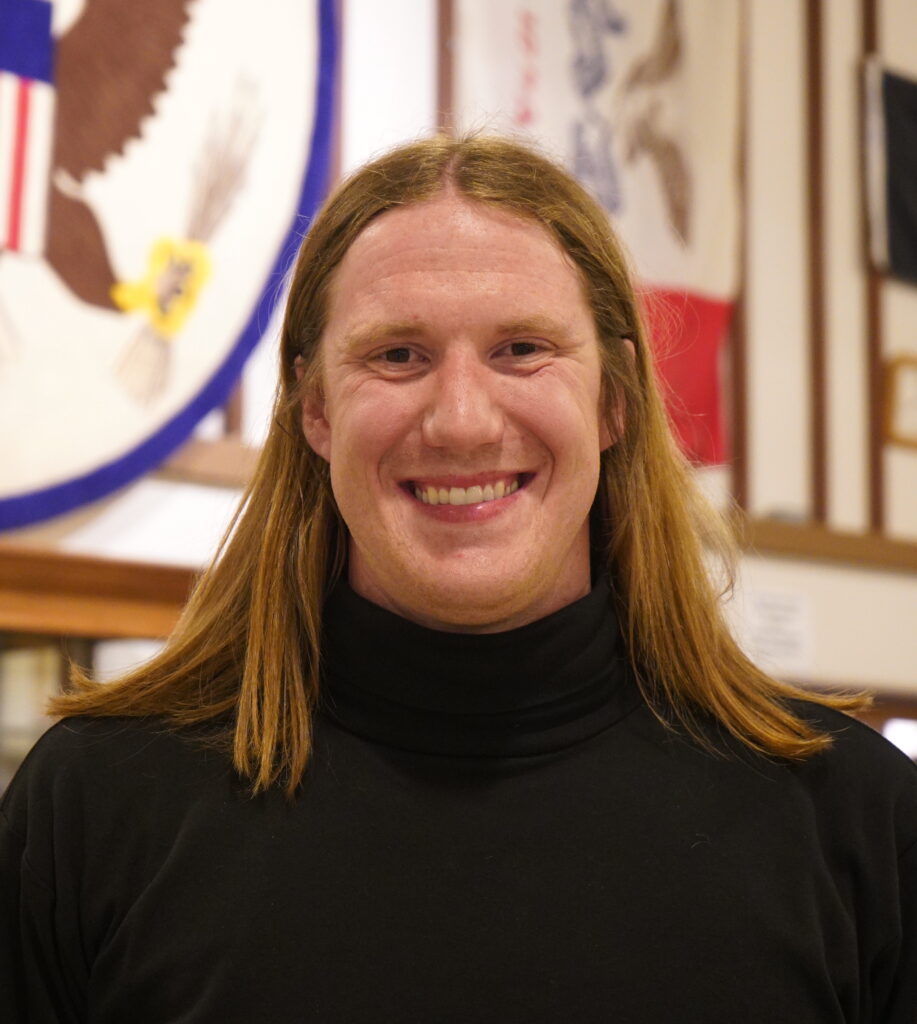

Sean Dengler.
College football is a mess. Talent is not worse, but something about the game feels off with where the sport is heading. The façade of being on scholarship was all which mattered did not make sense in comparison to when coaches started making lucrative salaries and athletic conferences began signing rich media rights deals. Being compensated for their time made sense, but the way they are being paid feels like the Wild West. With schools bidding on players, other athletes sitting out mid-season to transfer to a new team the next season, and athletes feeling like mercenaries, hopping from one team to the next.
NIL was supposed to have the athletes starring in a local car dealership advertisement. What has happened from the fan’s perspective is it feels like it has become easier to buy the best team. Using merit to succeed has fallen to the wayside while money solves the problems. This has left an unregulated, gross feeling hovering above college football. Change needs to come where athletes are paid their worth, but they also do not feel like mercenaries. The bond between players and fans from building a program instead of buying one is falling to the wayside.
The loss of regionalism in athletic conferences has also created friction. The Big Ten and the SEC started this trouble, but the ACC and Big 12 have also pushed to reach coast to coast while destroying a historic conference, PAC-12, in the process. If our grandparents’ generation found out the Hawkeyes were playing at Rutgers, and the Cyclones were playing at the University of Central Florida, they would roll over in their grave twofold.
This loss of regionalism and the mercenary aspect show the fractures Americans see in their society. Like the rest of society, and what has changed from the past is capital is king. College football has become about the bottom line. Athletes are quick to change their situation if met with a tiny bit of friction while universities sell out their fanbases to join conferences which make zero regional or numerical sense.
“Not falling behind” is the excuse given for why these decisions are being made. Change must happen because it is a different world. Society has seen this type of comment before in other parts of society. When it comes to agriculture, it was “go big or go home.” This has led to rural towns hollowing out, medical clinics closing, and churches and schools consolidating. This has all come in the name of “change was needed.” The only ones benefiting from the change are those hoarding the capital at the expense of the loss of the collectiveness everyone else enjoys from college football.
College football is also following the rest of the American economy where it forms a free market ensuring fair competition, minus athletes getting paid but this would work under the right conditions, to where a lot of markets like college football are less regulated and the one with the most capital has the best chance at succeeding. Whether having college football like this be the best for society does not matter because this is how the “market” is supposed to be. The big get bigger, the smaller get smaller, and those in the middle continue to hollow out.
Whether college sports, agriculture, or other parts of society, this is the current path. Until Americans decide to make markets about fair competition and not one decided by the few at the top, this problem will keep existing throughout society. The mess college football is in is a symptom of this bigger problem. To change, we all will need to fight for a better, more fair American society.
Sean Dengler is a writer, comedian, now-retired beginning farmer, and host of the Pandaring Talk podcast who grew up on a farm between Traer and Dysart. You can reach him at sean.h.dengler@gmail.com.
NIL
College football’s transfer portal officially opens Jan. 2. What to know about player movement :: WRAL.com

The college football season isn’t over yet and won’t be for several weeks, but the sport’s offseason, if you can even call it that, has been in full swing for quite some time — hirings, firings and players announcing they’re returning or leaving or heading to the NFL.
Many players already know where they’re headed, having worked out deals through agents with new schools. Everyone can begin making it official Jan. 2, the official start of college football’s transfer window.
Unlike in previous years, there is just one transfer window. Players will not have the opportunity to change teams later in the spring. The NCAA approved the change to a single window in October, hoping to bring a little more stability to the sport — if such a thing is possible in college football.
MORE: College football transfer portal tracker for Duke, North Carolina and North Carolina State
Although schools are limited to spending $20.5 million to directly pay athletes, the cost to lure and keep any individual player continues to rise, especially for quarterbacks. ESPN’s Pete Thamel reported that the market for top quarterbacks could reach $5 million.
Duke’s Darian Mensah was among the highest-paid quarterbacks this season, at a reported $4 million. Mensah, the ACC leader in passing yards and passing touchdowns in 2025, has said he would return to the Blue Devils for the 2026 season.
There are several high-profile quarterbacks who intend to transfer, including TCU’s Josh Hoover, Nebraska’s Dylan Raiola, Cincinnati’s Brendan Sorsby. NC State’s CJ Bailey could add to the list. High-profile programs like Indiana, Miami and LSU are in the market for quarterback transfers.
Despite the change to a single window, it’s not perfect. The portal is open from Jan. 2 to Jan. 16, while the College Football Playoff is happening. It closes before the national championship game. Players on those two teams can enter the portal from Jan. 20 through Jan. 24.
Players need only to enter the portal during the window. They don’t have to choose their school during that time. However, the school calendar plays a role if players want to participate in spring practice.
Players have been entering the portal – not a physical place, just a NCAA database — since the regular season wrapped up in late November.
More than a dozen North Carolina players, for example, plan to transfer from Bill Belichick’s program, including leading tackler Khmori House, standout defensive end Tyler Thompson and running back Davion Gause.
NC State running back Hollywood Smothers, an All-ACC first-team selection, skipped the team’s bowl victory over Memphis and plans to transfer or enter the NFL Draft.
Coaches signed new recruiting classes in early December without knowing exactly what spots they might need to fill.
“You take your high school class based on who you know is leaving the program, like we’ll do our seniors and things like that,” NC State coach Dave Doeren said in December. “That’s where the portal now has to supplement. You may have more attrition than you expected at a certain position and you didn’t sign as many high school players as you needed.”
Coaches led the push from the old system which had a transfer window in December (one of the busiest months of the calendar for coaches) and another in April after most programs completed spring ball. Some pushed for the single window to be in the spring, and the NCAA initially adopted a 10-day period, before extending it to 15 days.
“Every college coach would tell you that our calendar is just not in sync with the demands of what’s happening in our sport,” Doeren said. “We need to get our arms around that to make our jobs a little bit easier from a planning standpoint.”
The new single window does help with that. Rosters are locked in early in the year.
UNC made heavy use of the post-spring portal in 2025, after the mid-December 2024 hiring of head coach Bill Belichick, and lost several key players as well. Many programs have stopped holding traditional spring games, in part due to concerns that other coaches could scout those games and try to pluck players from their roster.
“The best thing about this year is that on Jan. 17, the portal will close and you’ll be able to build your team, knowing that when you go to spring ball, that is your team,” UNC general manager Michael Lombardi said. “Knowing that when you go through your offseason program, that is your team.”
NIL
Lane Kiffin receives $500,000 payout from LSU after Ole Miss advances to College Football Playoff semifinal
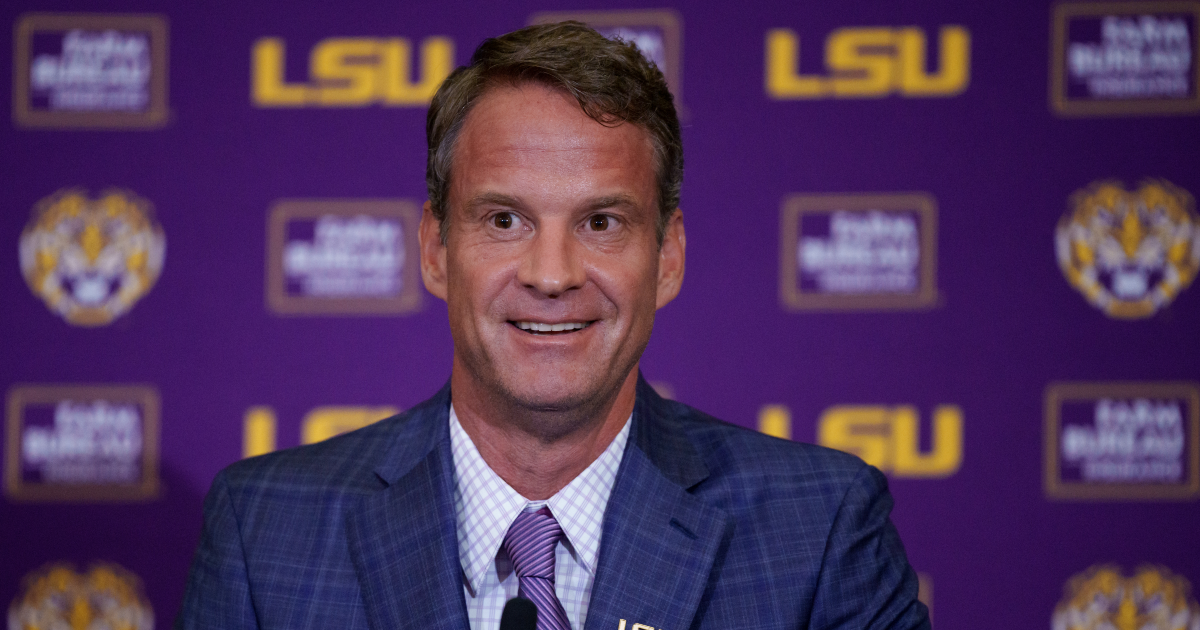
With Ole Miss’ Sugar Bowl victory over Georgia in the Sugar Bowl, Lane Kiffin will receive another bonus. Per the terms of his contract at LSU, he will get the $500,000 he would have gotten from the Rebels for advancing to the College Football Playoff semifinal.
Kiffin was already set to receive a payout as a result of Ole Miss’ first-round win over Tulane. That set him up for a $250,000 payday, which was the amount he would have received from the school if he was coaching in the game. Now, that figure will go up.
After Kiffin’s high-profile departure for LSU, Pete Golding took over as Ole Miss’ full-time head coach. But the Tigers said they would include “ancillary benefits” in Kiffin’s deal with the Rebels, and that means a $500,000 payout because his former program is advancing in the CFP.
Kiffin’s high-profile departure for LSU came after Ole Miss took down Mississippi State to complete the first 11-win regular season in program history. It also helped the Rebels virtually secure a spot in the College Football Playoff, and they hosted the first-round game on Saturday.
Per the terms of Kiffin’s contract at Ole Miss, there would be two more escalators if the Rebels keep going in the CFP. His payout would increase to $750,000 if they advance to the national championship and go up to $1 million if Ole Miss wins it all. LSU vowed to pay that same amount after Kiffin’s departure prior to the postseason.
“Coach will be entitled to receive a payment in an amount equal to the amount Coach would have been entitled to receive had he remained Head Coach at Coach’s immediate prior employer and coached the prior employer’s football team through the 2025-26 CFP,” Kiffin’s contract at LSU reads. “… If applicable, the payment under this section may be paid from affiliated foundation funds and shall be paid within 30 days following the prior employer’s team being eliminated from the 2025-26 CFP.”
Ole Miss takes down Georgia in thrilling Sugar Bowl
Ole Miss and Georgia square off in a thriller at the Sugar Bowl in New Orleans on Thursday. The two teams combined to score 30 points in the fourth quarter as the Rebels rallied to take down the Bulldogs, 39-34.
Trinidad Chambliss had a monster day, completing 30 of 46 passes for 362 yards and two touchdowns. Harrison Wallace III also had a career night, hauling in nine receptions for 156 yards and a touchdown. De’Zhaun Stribling also had a big performance with seven receptions for 122 yards.
For Golding, it marks a second straight victory as head coach after taking over for Lane Kiffin. Ole Miss will now get ready to take on Miami in the Fiesta Bowl.
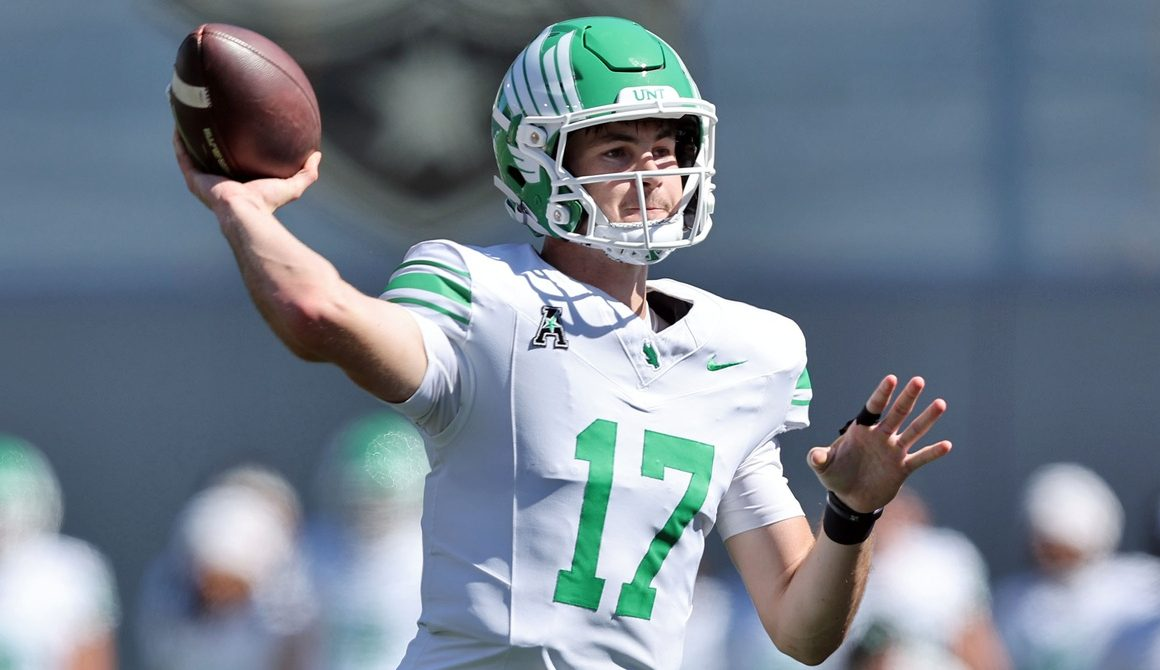
Jan. 1, 2026Updated Jan. 2, 2026, 12:20 a.m. ET
PASADENA, Ca. — The singing starts early in the fourth quarter of the Rose Bowl, where the clouds are rising above the San Gabriel Mountains and the No. 1 Indiana Hoosiers are just destroying No. 9 Alabama. This is a 2025 College Football Playoff quarterfinal, serious business, but the IU football crowd has been having a blast, and they know what to do when this stadium in Southern California starts playing Bloomington’s John Mellencamp over the loudspeakers.

Motorsports3 minutes ago
Team Penske 60 Years Marking a Legendary Journey

Sports11 minutes ago
How setter Isabelle Hoppe chose Wisconsin volleyball

Motorsports18 minutes ago
Wheelhouse Motorsports and Robert Noaker Racing Announce Strategic Partnership for 2026 Mustang Challenge

NIL30 minutes ago
Sugar Bowl Highlights: Ole Miss Knocks Off Georgia in CFP Sugar Bowl Thriller

Motorsports1 hour ago
RFK Racing and the Castrol Conundrum

Rec Sports1 hour ago
Park Point 5-Miler and 2-Mile Walk 2026

Rec Sports1 hour ago
Girard welcomes new faces to council, board of education | News, Sports, Jobs

NIL1 hour ago
Dengler Domain: College Football | News, Sports, Jobs
Motorsports1 hour ago
NASCAR News: RFK Racing and the Castrol Conundrum

Rec Sports1 hour ago
Fuel the Drive Expands Youth Sports Access, Sets 2026 Growth Target
Sports2 hours ago
Vote for Sarasota, Manatee County 2025 Volleyball Player of the Year

Rec Sports2 hours ago
The internet is killing sports

Sports2 hours ago
Hawaii men’s volleyball preview: Middle Blocker Trevell Jordan
Sports2 hours ago
Meet the 2025 Volleyball Team

NIL2 hours ago
College football’s transfer portal officially opens Jan. 2. What to know about player movement :: WRAL.com

Motorsports3 weeks ago
SoundGear Named Entitlement Sponsor of Spears CARS Tour Southwest Opener

Motorsports3 weeks ago
Donny Schatz finds new home for 2026, inks full-time deal with CJB Motorsports – InForum

Rec Sports4 weeks ago
Black Bear Revises Recording Policies After Rulebook Language Surfaces via Lever

Rec Sports4 weeks ago
David Blitzer, Harris Blitzer Sports & Entertainment

Rec Sports4 weeks ago
How Donald Trump became FIFA’s ‘soccer president’ long before World Cup draw

NIL3 weeks ago
DeSantis Talks College Football, Calls for Reforms to NIL and Transfer Portal · The Floridian
Sports4 weeks ago
Elliot and Thuotte Highlight Men’s Indoor Track and Field Season Opener

Motorsports3 weeks ago
Rick Ware Racing switching to Chevrolet for 2026

Motorsports4 weeks ago
JR Motorsports Confirms Death Of NASCAR Veteran Michael Annett At Age 39

Sports3 weeks ago
#11 Volleyball Practices, Then Meets Media Prior to #2 Kentucky Match

NIL4 weeks ago
Colleges ponying up in support of football coaches, programs

Motorsports3 weeks ago
Nascar legal saga ends as 23XI, Front Row secure settlement
Sports4 weeks ago
West Fargo volleyball coach Kelsey Titus resigns after four seasons – InForum

Sports4 weeks ago
Temple Begins Indoor Track & Field Season at UPenn This Weekend

Sports3 weeks ago
Maine wraps up Fall Semester with a win in Black Bear Invitational






-
 Sports3 weeks ago
Maine wraps up Fall Semester with a win in Black Bear Invitational
-
 Motorsports2 weeks ago
Ross Brawn to receive Autosport Gold Medal Award at 2026 Autosport Awards, Honouring a Lifetime Shaping Modern F1
-

 NIL3 weeks ago
Nike Signs 10 LSU Athletes to NIL deals
-

 Rec Sports2 weeks ago
Stempien to seek opening for Branch County Circuit Court Judge | WTVB | 1590 AM · 95.5 FM
-
 Rec Sports2 weeks ago
Princeton Area Community Foundation awards more than $1.3 million to 40 local nonprofits ⋆ Princeton, NJ local news %
-
 NIL2 weeks ago
Downtown Athletic Club of Hawaiʻi gives $300K to Boost the ’Bows NIL fund
-

 NIL3 weeks ago
Meet The Two Oregon Freshmen Ready To Make Ducks History Under Dan Lanning
-
 NIL2 weeks ago
Kentucky AD explains NIL, JMI partnership and cap rules
-
 Sports2 weeks ago
Young People Are Driving a Surge in Triathlon Sign-Ups
-
 Sports2 weeks ago
Three Clarkson Volleyball Players Named to CSC Academic All-District List