
Motorsports
How the NASCAR sponsorship model is changing: ‘A massive shift’ in Amazon era

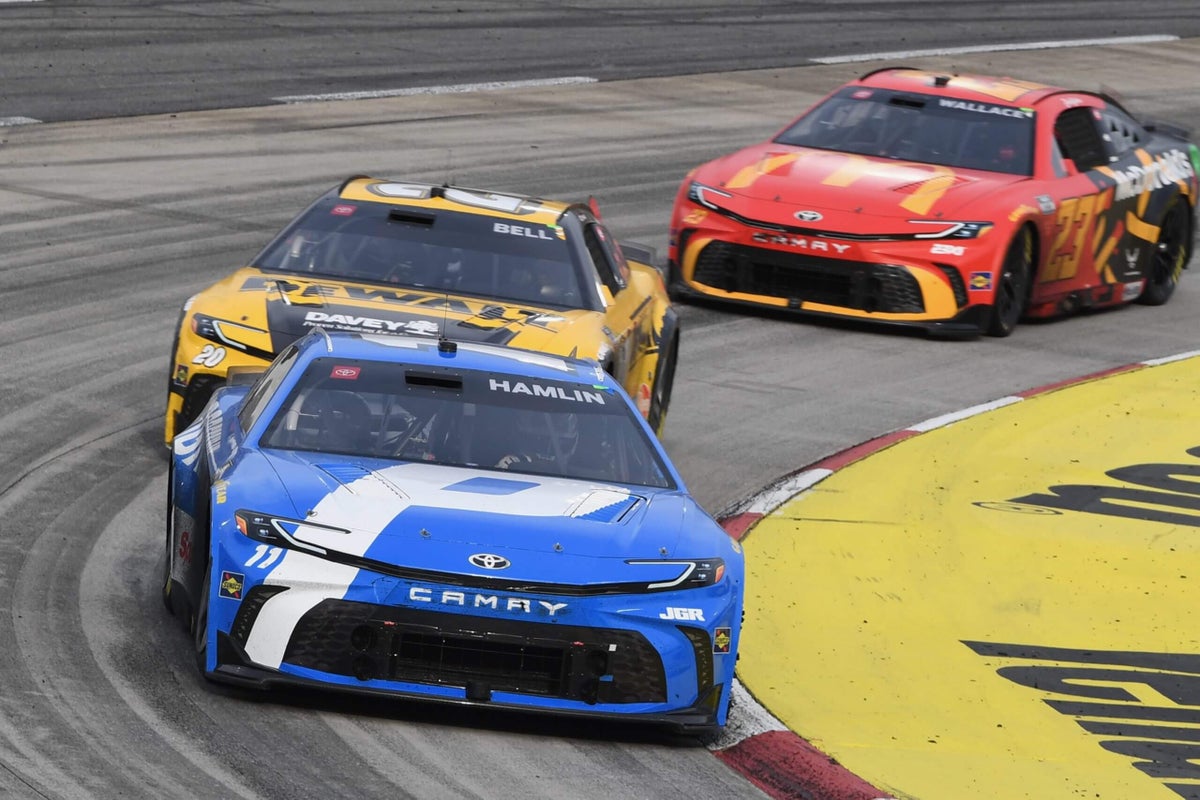
It was a jarring sight earlier this year when the Joe Gibbs Racing hauler carrying Denny Hamlin’s car had a large vacancy on its side paneling typically filled by the branding for Hamlin’s main sponsor.
For nearly 20 years, FedEx occupied this spot, serving as the primary sponsor for Hamlin’s No. 11 team, and in many years did so by sponsoring the vast majority of the races on the NASCAR Cup Series schedule. Such was the relationship between driver, team and sponsor, it became one of the most identifiable in NASCAR history.
But the partnership between FedEx and JGR ended after the 2024 season, and a replacement still hadn’t been secured by late January when the No. 11 team’s hauler had pulled into Charlotte Motor Speedway before that weekend’s season-opening Clash exhibition race. That JGR wasn’t able to immediately land a replacement for a driver in Hamlin, who’s one of the most recognizable and successful current drivers, seemed to speak of a bigger issue — an indictment on the state of NASCAR as a whole. In some circles, alarms went off.
Flash forward four months, and when Hamlin’s hauler pulls into Charlotte for this weekend’s race, the once-vacant spot on its side paneling has since been filled. In March, JGR announced Progressive Insurance had signed on as primary sponsor for the 18 races that had not yet been filled. The news cast a spotlight on both the ever-changing landscape teams are fighting on the sponsorship side and why teams are largely optimistic about the direction the sport is headed.
“The marketing side of it is very bullish right now,” said team owner Rick Ware, whose team signed a 12-race deal with Arby’s earlier this year. “We’re obviously one of the smaller teams and we’re having dramatically more conversations than we typically have in the past. That doesn’t mean that you close them all, but the interest is there.”
Nearly every team owner or executive who spoke to The Athletic for this story expressed similar enthusiasm. Many said this was the most optimistic they’ve felt about sponsorship in some time, pointing to increased interested due to two main factors: A new media rights deal that notably includes Amazon Prime picking up five races — the first time NASCAR has paired with a streaming service to carry Cup races — and the inclusion on the schedule of the first international Cup points race since the 1950s.
“The marketers know that’s the path of where audiences are going,” 23XI Racing president Steve Lauletta said. “So this isn’t a one-year light switch, it’s going to be more of a dimmer to try to keep growing and follow the audience as it grows.”

For nearly two decades, FedEx served as Denny Hamlin’s primary sponsor before exiting the sport after last season. (Jared C. Tilton / Getty Images)
When NASCAR announced its deal with Prime in late 2023, the excitement expressed by the league was offset to some degree by a number of teams who, while encouraged, also had reservations on whether a sport dependent on corporate sponsorship was meant to air on a subscription streaming service.
But teams have come to learn that a good number of fans already had access to Prime — some not even realizing it — and that being associated with a leading streaming service was something that proved attractive to both existing sponsors and potential future sponsors. Multiple team executives said they had companies outside the sport reach out to them wanting to explore potential deals solely because of the value Prime offered.
“Sponsors are very intrigued by Amazon,” Richard Childress Racing president Mike Verlander said. “Now, we have no result back yet, so let’s see what the result looks like. But you see what they did with the NFL. It’s only grown. We expect the same.
“It’s been a massive shift. You’ll hear the naysayers about the unknowns of Amazon, but at the end of the day, I think it’s an all-positive narrative because there’s new players that are putting their stake into this. Now, is it tough because the avid fan has to now figure out where to find it? Yeah, but in time, everyone will fall in line and figure it out.”
A similar reaction occurred last August when NASCAR announced Mexico City’s addition to the 2025 Cup schedule. Several companies were intrigued by the potential marketing opportunities, envisioning a large crowd of fans when NASCAR visited the Autódromo Hermanos Rodríguez circuit.
One such company is Colgate, which has funded the non-profit Estrellas Colgate since 1980, providing athletic and wellness programs to underserved children. Having become connected with RFK Racing through the team’s new primary sponsorship with supermarket giant Kroger, a business-to-business deal was put together where one of RFK’s three cars will carry Colgate branding in Mexico City.
A race in Mexico does bring a set of new sponsorship challenges, however.
Mexico imposes stringent regulations on what products can be advertised there. For some teams, this is a non-issue. For others, like RCR, it’s been problematic. Among the team’s sponsors are Rebel Bourbon, Bet MGM, Zone nicotine pouches and Winchester Ammunition, none of which are allowed to advertise in Mexico. Therefore, any branding on any car, uniform, hauler, pit box, etc., must be covered up.
Despite the hurdles for RCR, Verlander supports NASCAR expanding internationally.
“It’s been very positive because it’s a new reach, it’s a new fan, it’s a new everything,” he said.
Though some of RCR’s longtime partners may not be able to market in Mexico, RCR is well-versed in finding new partners interested in sponsoring the team in a limited capacity. In fact, they’ve become a leader in this approach to selling sponsorship.
Not too long ago, it was common for a team to have an anchor sponsor on its car for 20-plus races, if not the near entirety of the 38-race season. JGR, for one, operated under this model; it had long-term, big-money contracts with several Fortune 500 companies to back its four teams and rarely had any holes.
The game has changed, though, and JGR and other teams have had to evolve with it. As much as teams would love to have one main sponsor for 30-some races, this is no longer feasible. JGR president Dave Alpern said he’s sat in more meetings with prospective sponsors this season than at any point in his 32 years working in the sport. And from this, JGR has signed six new sponsors, four of which are new to NASCAR.
“The models are changing in terms of what people are looking for, and so JGR has adapted,” said Eric Schaffer, JGR’s chief commercial officer. “We’ve added a marketing group that we didn’t have before. And so people are focused on data and absolutely getting a return on their investment. And our job, and our team’s job, is to make sure that they get that return. … It’s certainly not a sticker on the car anymore, it’s an integrated marketing program that we’re trying to deliver value for the partners.”
Many companies now understand that while being involved in NASCAR brings value, that value doesn’t translate to being the primary sponsor for so many races. It’s become about maximizing return on investment, and in many instances, that means identifying key markets and focusing marketing efforts heavily on this. For instance, if a company doesn’t make its product available in a certain region of the United States, it might not make sense to market itself at a particular race in that area.

NASCAR execs say there’s been an uptick in sponsor interest since the latest media rights deal, which includes Amazon Prime. (Chris Graythen / Getty Images)
RCR was one of the first organizations to focus heavily on a model of having several primary sponsors throughout the season, each of which would feature in only a handful of races. Competitors in the garage sometimes looked at RCR’s cars and snickered at whichever new or unknown company it had signed, but for RCR, it was an effective strategy to ensure it sold out all its primary sponsorship inventory.
This model has paid dividends for RCR, even helping position the organization to land one of the biggest named drivers, Kyle Busch, to hit the free agent market in many years.
After Mars Inc. informed JGR before the 2022 season that this would be its last with the team, JGR found itself in the difficult position of having to find a replacement primary sponsor and also allot enough budget to afford the salary for a two-time Cup champion still in the prime of his career. It was a puzzle JGR could not completely put together. The result saw Busch decamp to RCR, where it had a piecemeal sponsorship program in place to make a deal work.
“What I like about our model is you have six, seven brands on a car and they’re all taking Austin Dillon to market, and all are taking Kyle Busch and Jesse Love to the market,” Verlander said. “That’s just a further reach by brands promoting who we are. Do you want 38 one-race sponsors? No. In a perfect world, you have a small handful, and everybody shares a little bit of the activation load. But you have to own who you are, and you have to lean into those brands, and you have to be willing to sell three at a time if you need to.”
Outside of a few exceptions, gone are the days of a team having one primary sponsor for the entire season. This trend will likely continue. But at the same time, the number of companies interested has changed, too, with more enticed by NASCAR’s changing complexion.
“It’s certainly better than where it was when I started as a team owner in the Cup Series,” said Brad Keselowski, who became co-owner of RFK Racing beginning with the 2022 season. “… We have really good interest, interest is not a problem for us. Connecting all the dots and getting through the layers of corporate America is seemingly the challenge, more so than interest.”
(Top photo of Denny Hamlin’s Progressive, Christopher Bell’s Dewalt, and Bubba Wallace’s McDonald’s-sponsored cars: Jeffrey Vest / Icon Sportswire via Getty Images)

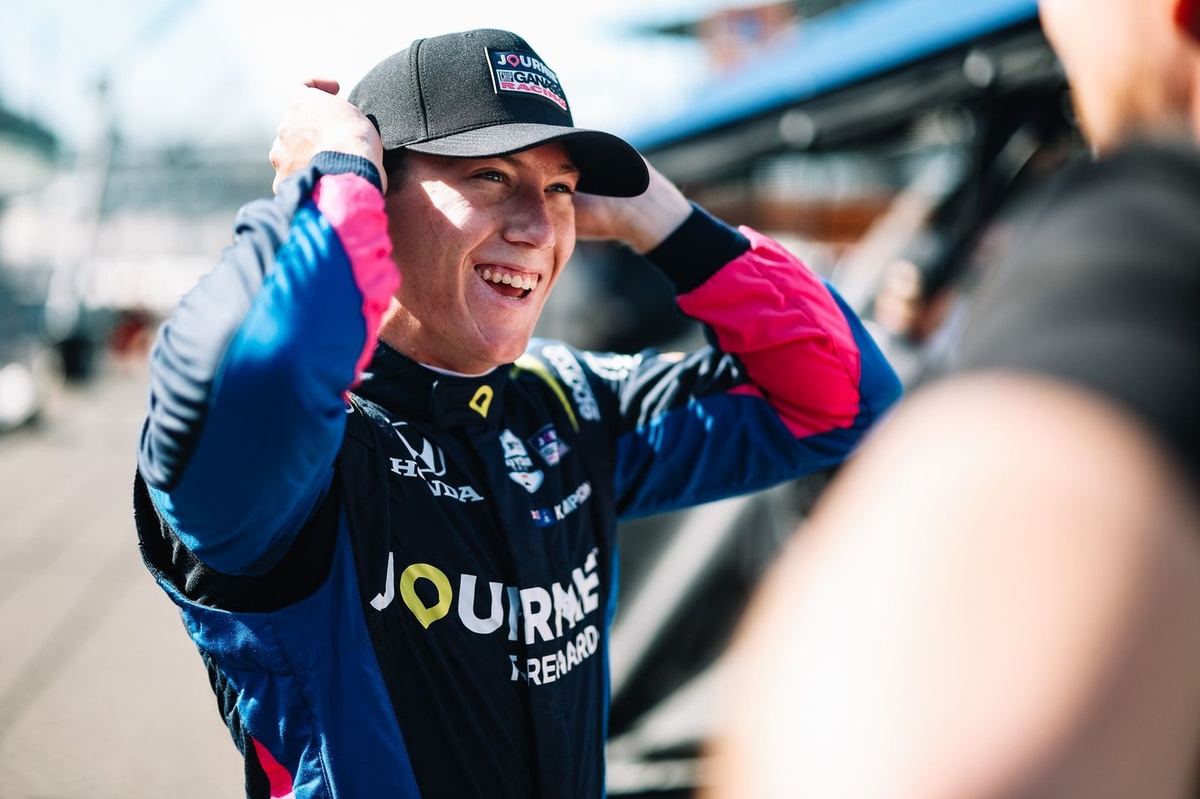
Kyffin Simpson will drive for Tower Motorsports in next month’s Rolex 24 at Daytona, the team confirmed via social media on Tuesday.
The 21-year-old Simpson, who is fresh off contesting a promising second season in the IndyCar Series with Chip Ganassi Racing that included a maiden podium on the Streets of Toronto, completes an LMP2 lineup in Tower’s No. 8 Oreca 07 Gibson that includes the full-time pairing of John Farano and Sebastien Bourdais, along with endurance add-on Sebastian Alvarez.
Advertisement
This will mark a reunion for Simpson, who previously raced with Tower for the endurance rounds in 2023 and 2024, taking a class win in the Twelve Hours of Sebring in the latter year with Farano and IndyCar star Scott McLaughlin.
Additionally, he won the European Le Mans Championship in Algarve Pro Racing’s LMP2 machine in 2023, teaming alongside Alex Lynn and James Allen to capture two wins and five podiums in six races.
Simpson, the 2021 Formula Regional Americas champion, last competed in IMSA’s crown jewel event in 2024 with DragonSpeed, finishing seventh in class and 48th overall.
Advertisement
Read Also:

Sting Ray Robb to continue with Juncos Racing for 2026 IndyCar season

Former Indy 500 winner Marcus Ericsson added to WTR Daytona 24 lineup

Mick Schumacher hails IndyCar racing as “the way it should be” after F1
To read more Motorsport.com articles visit our website.
U.S. District Judge had previously told Jeffrey Kessler, attorney for the two race teams, that he wants Kessler’s case completed Tuesday, the seventh day of the trial in the Western District of North Carolina. He also asked the nine-person jury to serve an additional hour for the remainder of the week in an effort to avoid using a full third week to complete the case.
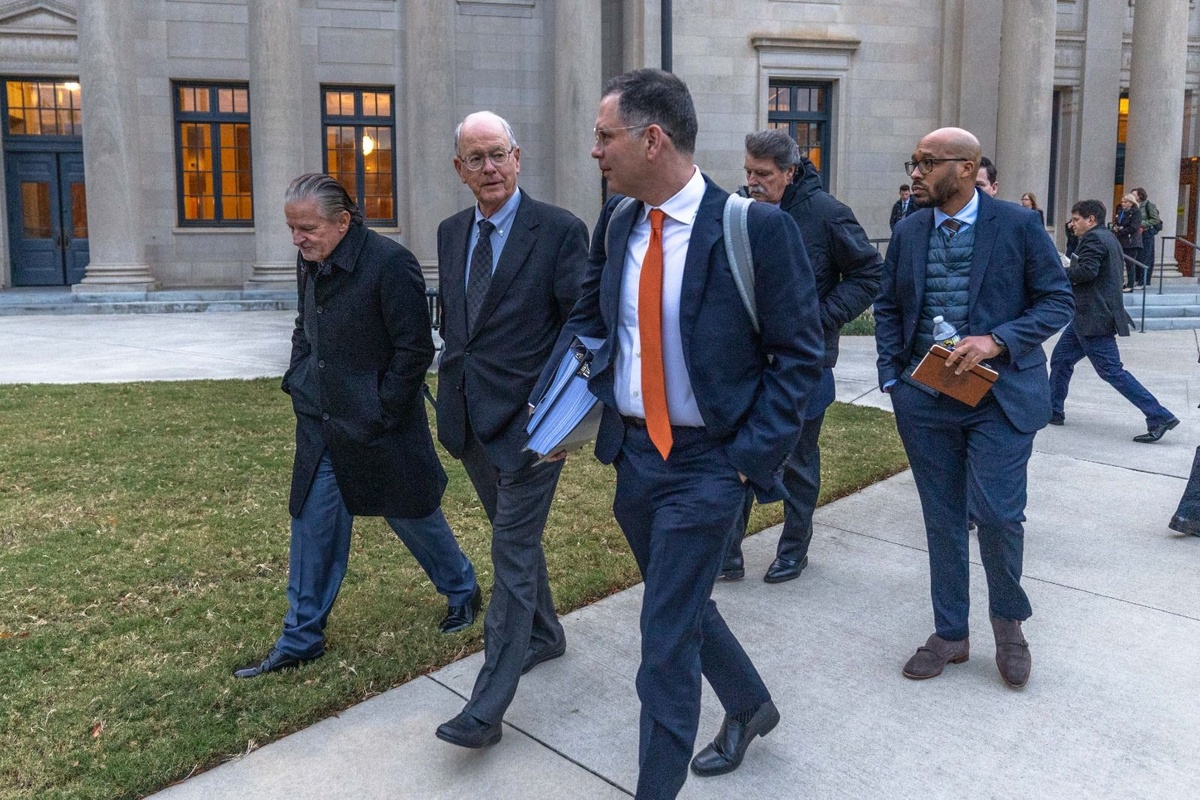
There has been a constant theme over the past week as it pertains to the testimony of senior NASCAR officials under examination from 23XI Racing and Front Row Motorsports lead attorney Jeffrey Kessler.
The official is asked a series of specific questions about their knowledge of something that should fall under their authority. The official then deflects with a ‘I don’t know’ or ‘I wasn’t there’ because the presumed answer would be legally disadvantageous.
Or, in the name of fairness, their memories are truly adversely affected by just how much is asked of them over the course of a season working at the highest levels.
Nevertheless, the response to this amnesia is Kessler asking an official how much he earns through salary and bonuses. His point is to illustrate just how unlikely it is that officials who draw over a million dollars a year wouldn’t have insight into how NASCAR operates.
This happened with president Steve O’Donnell and now it’s happened with commissioner Steve Phelps and CEO Jim France on Tuesday.
For much of the past week, Kessler has built a story on behalf of his clients that numerous NASCAR officials recognized that the race teams warranted more favorable terms during charter extension negotiations but were thwarted by France.
Even discovered emails that were clearly written by Phelps got a response of ‘I don’t remember this’ to so many questions that Kessler assured the executive that he would soon be cross-examined by his own attorney where his memory would likely improve.
To wit, Phelps remembered that the COVID shutdown began on March 13, 2020 and that NASCAR returned from it on May 18, 2020.
While O’Donnell came across as a ‘team guy,’ on Friday, which is also how he was labeled internally in the NASCAR front office, Phelps eventually got to the point where he fully needed to implement what France told him to do.
In an email with O’Donnell and Prime, Phelps eventually got to the point where he said there were ‘lots of options, but all have the same theme: Pick a date and they can sign or lose their charters. It is that simple.’ Prior to reaching that point, there were texts and emails where he was frustrated with France but by his testimony on Tuesday, he had forgotten a lot of the details around that.
Kessler has worked over the past week to paint France as unwavering in his commitment to not pay the teams more or give them permanent charters even as his top lieutenants suggested there were merits in doing so.
Phelps at one point emailed Rick Hendrick ‘we wish we could give you permanent charters but Jim doesn’t want that,’ but the now Commissioner doesn’t remember that either.
He was asked about why more extensive track exclusivity agreements were worked into Speedway Motorsports’ contracts around the time the Race Team Alliance started exploring running their own mid-week summer dirt racing series or the nascent SRX tour.
“No idea,” Phelps said.
But Phelps, who also had private texts unearthed from February 2, 2023 that suggested to O’Donnell and Prime that they ‘need to put a knife in this trash series.’
A series that is now dead, which Kessler points out is what happens when you stick a knife in something.
Phelps said he was just frustrated.
“Frustrated our owners were racing in a series using sponsors and colors and liveries that looked a lot like NASCAR,” Phelps said.
But it’s also true that he told then NASCAR president Brent Dewar that they would ‘fight to protect’ their space from any competitor when the Sanctioning Body first caught wind of the RTA’s plans.
The lead attorney for 23XI and FRM is trying to illustrate France as using his monopsony power to force unfavorable terms on the teams because they have nowhere else to compete at this level.
“Absolutely not,” Phelps said.
In the closing minutes of Steve Phelps’ re-examination, Kessler asked him if France was so opposed to giving the teams permanent charters because it would give them ‘more power’ in the sport’s political structure.
“He is not,” Phelps said.
Kessler said if teams had permanent charters, NASCAR couldn’t take them away or implement the ‘gold codes’ strategy of operating a series completely in-house.
“We couldn’t,” he said.
Phelps was asked by Kessler if teams should trust Jim France ‘to be a benevolent dictator,’ which solicited an objection by lead NASCAR attorney Chris Yates. Kessler withdrew the question but made his point nevertheless.
Jim France testifies
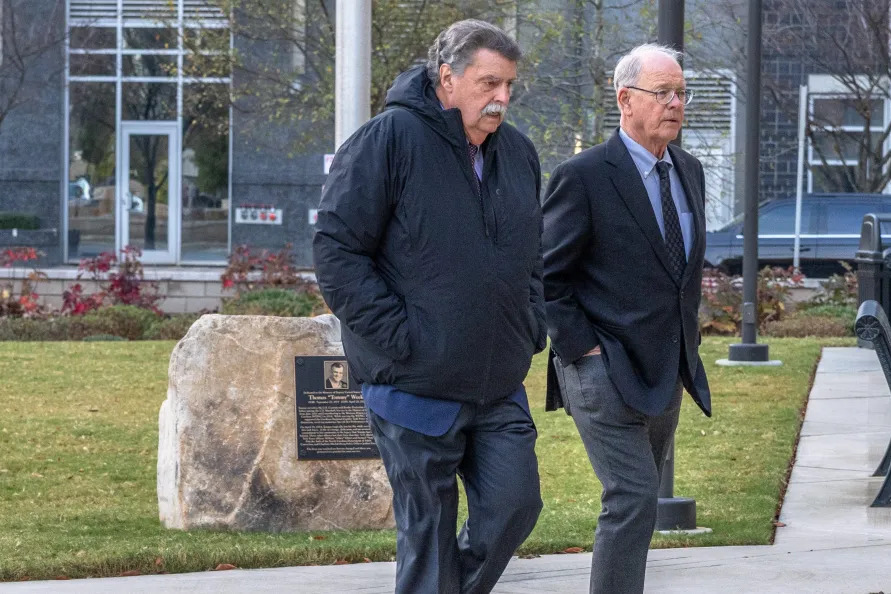
On the witness stand, the youngest son of NASCAR founder Bill France Sr. professes to have deep friendships with many of the most prolific owners in the Cup Series, but he denied each of them what they wanted most in the negotiations.
Permanent charters.
Rick Hendrick, Roger Penske, Joe Gibbs, Jack Roush and Richard Childress each wrote letters and/or personally spoke to France over the phone to express how transformative to their business ‘evergreen’ charters would be.
This is in addition to his top lieutenants expressing the same sentiment.
“They’re all telling you they need permanent charters and you said no,” Kessler said during examination.
In response, France said ‘We did not do evergreen or permanent charters, no,” but also said he doesn’t remember any of these owners ever expressing that sentiment to them. Kessler showed him the emails and France simply acknowledged that’s what the letters said.
How about the phone call Gibbs made on the deadline day, September 6, where daughter-in-law Heather Gibbs said Coach called France and pleaded ‘please don’t do this to us,’ with an offer he felt was unfair.
France says he couldn’t see himself telling the elder Gibbs ‘if I only get 20 charters back, I get 20 charters back,’ as Heather testified.
But did he deny it?
“I’m not sure I did.”
This was a theme of the France testimony as he couldn’t answer 90 percent of what Kessler asked.
One sequence read as follows:
JK: “Do you think NASCAR will have more or less revenue than last year?”
JF: “Not sure. I haven’t looked at it.”
JK: “How much in distribution money will you make this year?”
JF: “I’m not aware of that, I’m sorry.”
JK: “Does the France family own all the equity in NASCAR?”
JF: “I think so.”
JK: “Did Golman Sachs estimate NASCAR’s equity as $5 billion?”
JF: “I don’t recall.”
JF: Were you at the meeting on April 27, 2023 about acquiring Speedway Motorsports?”
JF: “I might have been. I don’t know.”
JK: “Do you have any reason to disagree with NASCAR’s equity being $5 billion?”
JF: “I’m not sure.”
Is deposition with Kessler went the same way as the lead attorney pointed out at one point in the conversation on the witness stand on Tuesday afternoon.
“I just don’t remember,” France said. “I’m sorry.”
As Kessler has done with every NASCAR executive who didn’t seem to know what he should commensurate to his job title, France was asked his salary and couldn’t even answer that question straight.
JF: “It’s around $3.5 million range.”
JK: “3.8.”
JF: “Pretty close. We’ll go with that.”
That’s just how it went between Kessler and France for the two hours they sparred.
There was also the matter of the emotional letter from Heather Gibbs that O’Donnell stated caused France to ‘swear’ out loud as he read it.
Kessler read every single word out loud back to France to see what could have drawn an emotional response. France said none of it made him upset. The CEO also said he didn’t remember reading this letter out loud at all.
O’Donnell said on Friday that he was exaggerating about France’s reaction but didn’t deny that it was read aloud in a meeting.
That wasn’t the only discrepancy that O’Donnell and France seemed to have as there was a 2021 meeting in which NASCAR senior leadership met to prepare for the upcoming charter negotiation process.
After that meeting, O’Donnell summarized the proceedings to his peers that France was not in favor of granting teams a ‘most favored nations’ clause, doing away with the three strikes (veto) rule and France’s desire to own charters.
These are all things NASCAR ultimately got ratified in the 2025-to-2031 agreement.
France says he didn’t remember being involved in this meeting. Then he was shown the O’Donnell email.
‘It appears that way,’ he said of his involvement.
Also in that email from O’Donnell to his peers: “Jim’s over-arching comment: WE ARE IN COMPETITION. WE ARE GOING TO WIN.”
Did France remember that?
“I don’t recall making those comments,” he said.
Childress blindsided
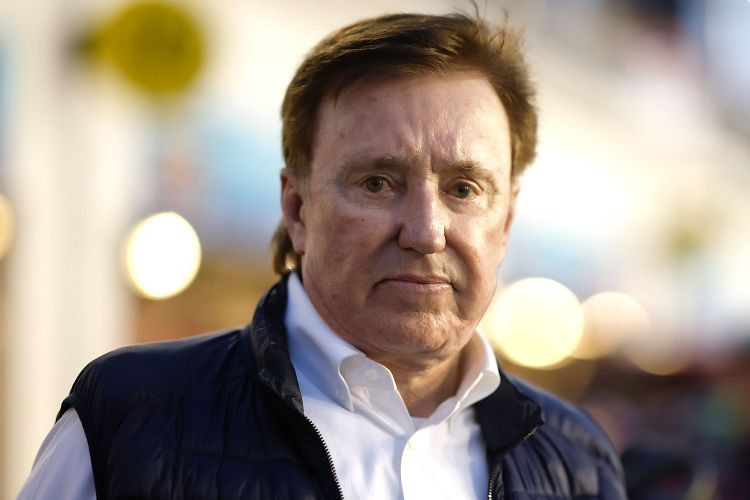
It was long-awaited that Richard Childress would make headlines if called to the witness stand during this trial, but instead, unexpected headlines were made about him.
Having testified earlier under questioning from friendly attorney Danielle Williams that he wanted permanent charters because he wanted to turn Richard Childress Racing over to grandsons Austin and Ty someday, Yates hit him with a surprise in cross-examination.
First, Childress was asked how much of the team he owns, and he didn’t want to answer that. Judge Kenneth D. Bell told him that he was required to under oath.
The answer is 60 percent and the other 40 is owned by private equity firm Chartwell Investments.
Yates asked him about the conversations Childress had with former NASCAR driver Bobby Hillin Jr. this summer about the latter exploring purchasing a part of the organization. The deal would have seen a group put together by Hill acquire shares owned by both Childress and his private equity partners.
“I don’t want to answer that,” Childress said with the same exact interjection from Bell that he was required to do so truthfully.
Childress said that Chartwell was looking to exit the sport and Hillin reached out with the inquiry. He also got agitated at NASCAR’s attorney for having that information and making it public in court.
“This isn’t what we are here for,” Childress said, noting that everyone involved in the discussions signed non-disclosure agreements.
The deal included, conceptually, a plan to purchase a third charter.
“He had talked about that,” Childress said. “I gave him a termination letter because because the way they wanted to do things, they didn’t have the money, period.”
Hillin’s group had also audited Richard Childress Racing financial statements that showed the team had turned a positive EBITA (Earnings before interest, taxes, depreciation and amortization) every year over its 55 years of existence.
That also agitated Childress because he also believed it protected by an NDA.
Yates asked if it was true about RCR’s constant profitability.
“I guess,” he said.
After Judge Bell had dismissed the jury for the remainder of the evening, the lawyers for 23XI and Front Row requested that NASCAR turn over the documents they have about Hillin’s claims and uncover the source who provided them.
Bell told both the plaintiffs and defendants to discuss the matter amongst themselves after court let out and present a solution to the court before 10 p.m. on Tuesday.
As for the company’s perpetual profit, Childress says all of the other businesses he operates out of the RCR campus subsidizes the race team.
“I have other businesses to pay our bills for NASCAR,” he said. “I’d be broke if I was just doing the Cup teams.”
Those entities include a manufacturing shop that does chassis work for Xfinity Series teams but also weapons and vehicles for the military. He owns ECR Engines which supplies powerplants for several teams across the industry. He also owns a successful vineyard off-site.
With all of that said, Childress said his other businesses shouldn’t exist to subsidize his NASCAR operations.
“That money should be going into my bank account (instead of) going to pay my NASCAR teams.”
We want your opinion!
What would you like to see on Motorsport.com?
Take our 5 minute survey.
– The Motorsport.com Team
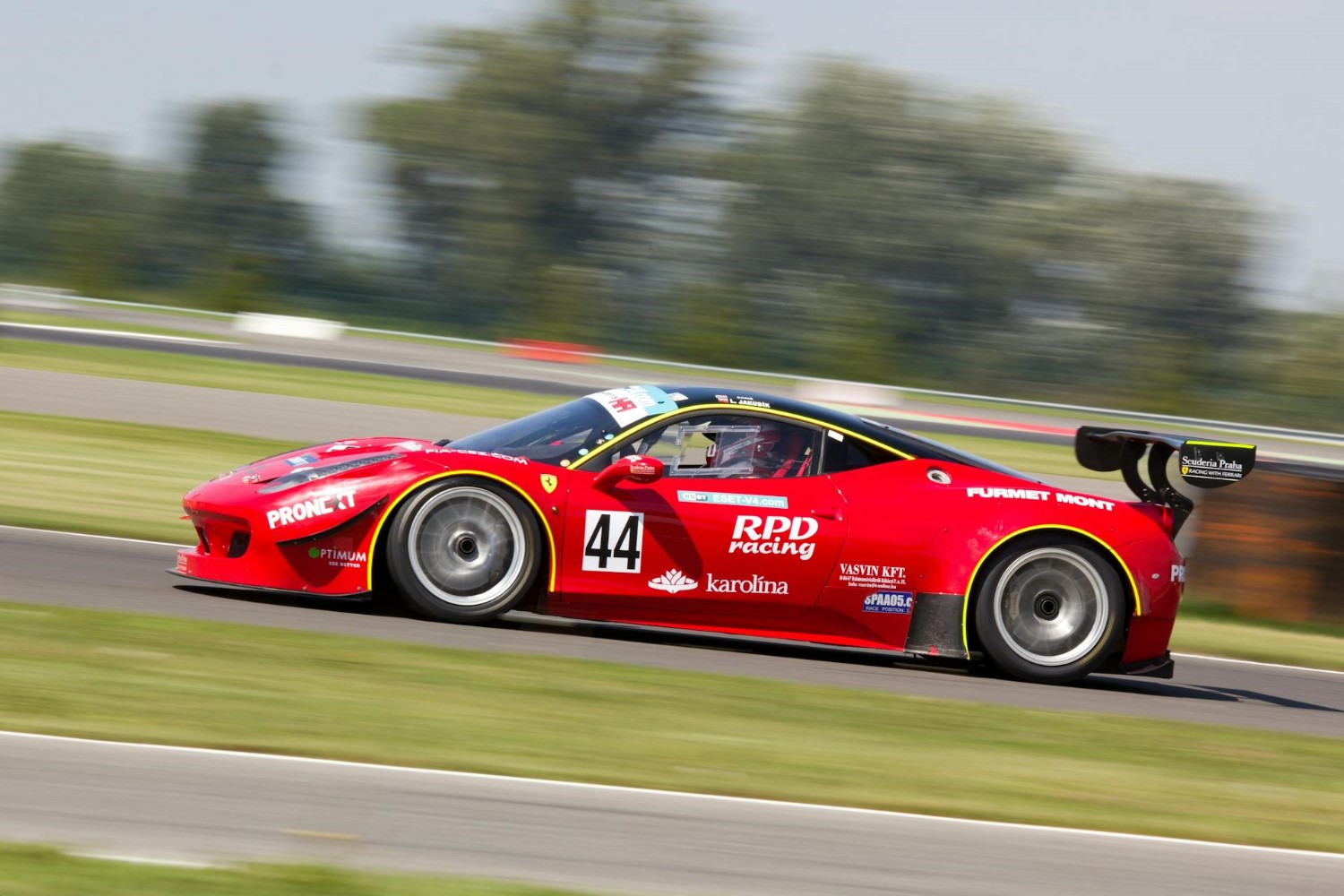
Motorsport has long been perceived as an elite pursuit, accessible primarily to those with substantial financial resources. The high costs of vehicles, track access, and inevitable repairs create formidable entry barriers, fostering criticism that the sport lacks diversity and inclusivity.
–by Mark Cipolloni–
However, in recent years, governing bodies, teams, and organizations have launched targeted initiatives to broaden participation, particularly among women and underrepresented groups. These efforts—spanning scholarships, mandatory gender-balanced lineups, and grassroots programs—signal a shift toward a more equitable future, though challenges like funding and geographic disparities persist.
Empowering Women on the Track
Women remain significantly underrepresented in motorsport, comprising just 10% of global participants across all levels, according to a 2023 More Than Equal report. This figure drops sharply in higher tiers: from 13% in karting to 7% in Formula and GT racing, and a mere 4% among top talents. Off-track roles fare slightly better but still lag; in Formula 1, women held 37% of jobs in 2023, up from 28% in 2018, though team-specific disparities persist—Mercedes reported 13% female staff, Red Bull just 6%.
Pioneering foundations are driving change. More Than Equal, co-founded in 2022 by former F1 driver David Coulthard and entrepreneur Karel Komárek, aims to nurture the first female F1 world champion through data-driven development. In 2024, it launched its inaugural driver program, selecting six teenage talents (aged 13-14) from countries including Australia, Austria, and the UK for tailored coaching focused on gender-specific physiology and tactics. The initiative also released a free Driver Development Guide in partnership with F1 Academy and Well HQ, emphasizing menstrual cycle impacts on performance.
Series like Extreme E and its successor, Extreme H (debuting in 2025 with hydrogen-powered vehicles), mandate mixed-gender teams, ensuring equal driving duties. This policy has yielded tangible results: the average performance gap between male and female drivers narrowed by 70% over four seasons, from 4.5 seconds per lap in 2021 to 1.1 seconds in 2024. In Season 4, female drivers closed the gap by an additional 36.5%, with Andretti’s Catie Munnings finishing third-fastest overall in Saudi Arabia. Extreme E’s 2024 format revisions further balanced starting opportunities, while its workforce achieved nearly 50% female representation.
F1 Academy, launched in 2023, has boosted female entries in junior formulas: F4 saw a 105% surge in 2023 and another 40% in 2024, with 50 women competing across 20 series. Champion Marta García earned a fully funded seat in Formula Regional European Championship for 2024, highlighting pathways for progression. Complementary programs like FIA’s Girls on Track and Dare to be Different continue to inspire, with UK motorsport engineering enrollment for women doubling in the past five years.
Despite these advances, parity remains elusive. Female careers average 1-5 years versus over 10 for males, often due to funding biases and lack of role models. Initiatives must scale to sustain momentum.
Overcoming Financial Hurdles

Cost is the sport’s most insidious barrier, especially at the grassroots level. Karting—the typical entry point—can exceed $200 per tire set (lasting one weekend) and tens of thousands annually for competitive seasons, excluding travel and coaching. This disproportionately excludes youth from deprived areas, perpetuating homogeneity.
Targeted scholarships are countering this. The FIA’s 2022 Engineering Scholarship covers full tuition and living costs for underrepresented talents, with 2023 recipient Jesica Salvini pursuing an MSc in Advanced Motorsport Engineering at Cranfield University. In the US, Parella Motorsports Holdings’ Powering Diversity Scholarship provides grants, mentorship, and exposure for underrepresented karting drivers, enabling transitions like Hannah Greenemeier’s to Formula 4. Radford’s “Karts to Cars” and VMB Driver Development offer similar pathways, blending funding with coaching.
The FIA’s “Arrive & Drive” platform, rolled out in 2023, partners with tracks for low-cost rental karting events, supported by €121,000 in global grants for diversity projects. Clubs could adopt tiered incentives—much like seasonal promotions in other leisure sectors—tailoring discounts by demographics to widen access without diluting quality.
F1 Academy subsidizes €150,000 per driver annually, easing progression, though full sponsorship remains crucial. Broader investment, including from brands like PUMA and DHL, is vital to dismantle these walls.
Fostering Broader Diversity
While international teams lend global flair, domestic scenes often lack ethnic and socioeconomic diversity. NASCAR’s Drive for Diversity (D4D), marking its 20th year in 2024, exemplifies holistic inclusion by targeting minorities and women for driving, ownership, crew, and sponsorship roles. Graduates like Rajah Caruth (2024 Truck Series winner, third Black driver to claim a national victory) and Kyle Larson (first D4D alum to win a Cup championship) underscore its impact; four participants secured national wins in 2024 alone. The 2024 class, including debuts by Lanie Buice and LaQuan McCoy Jr., competes in ARCA and Weekly Series, with Ally Financial sponsoring awards to amplify visibility.
In the UK, participation has grown steadily. Sport England’s data shows motor sports engagement rising to 73,300 in 2023 (from ~122,200 in 2015-16), with urban hubs like Manchester (+26%) and Birmingham (+62%) leading. Motorsport UK’s 2023 licenses hit 68,764, up 11% year-over-year, though paid categories dipped slightly amid economic pressures. The challenge lies in extending this to rural “satellite towns” via subsidized local events. A great example of this can be found in the world of bingo promotions, particularly with their seasonal offers. These involve not just one, but a range of incentives with differing prize structures and time frames. Thus, it caters to a wider group of players. This could be done with karting clubs: personalizing and framing offers that lower the barrier for entry, but specifically tailored for given needs and demographics.
A Rising Tide: Global Growth and Future Horizons
The US exemplifies motorsport’s surging appeal, fueled by Netflix’s *Drive to Survive* and three Grands Prix. F1 fandom reached 52 million in 2024, up 10% from 2023, with 70% of Gen Z engaging daily and 73% eyeing live attendance. ESPN viewership averaged 1.1 million per race (1.2 million in 2025), tying 2023 highs, while total attendance hit 6.5 million globally—a record, with Silverstone drawing 480,000.
Yet, sustained diversity requires addressing root issues: equitable funding, cultural shifts, and data-driven outreach. As Coulthard notes, “To enact lasting change, we must invest early and differently.” With initiatives like F1’s Diversity Charter and FIA grants, the sport is accelerating toward inclusivity—proving that when barriers fall, talent rises for all.
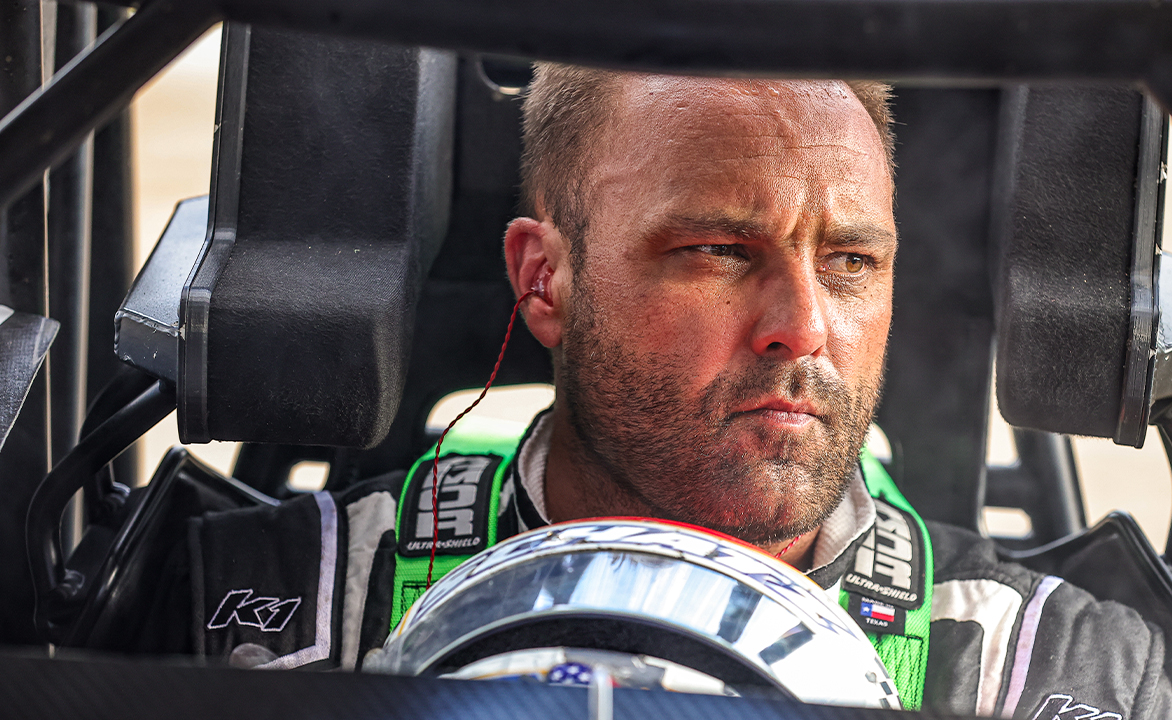
CONCORD, N.C. — Donny Schatz has secured a new home at CJB Motorsports for the 2026 World of Outlaws NOS Energy Drink Sprint Car Series season.
This pairs the 10-time series champion with renowned crew chief Barry Jackson as Schatz enters his 30th consecutive full season with The Greatest Show on Dirt.
The move also marks a return to the World of Outlaws for CJB Motorsports, which last competed on tour in 2023 with Spencer Bayston. The Chad and Ann Marie Clemens-owned team was founded in 2005 and owns 52 triumphs with The Greatest Show on Dirt, supplied by drivers David Gravel (32), Paul McMahan (13), Spencer Bayston (four), Fred Rahmer (two), and Shane Stewart (one). Schatz’s joining expands CJB to a two-car organization.
The Fargo, N.D., driver will aim to add his name to the list and expand upon his all-time great résumé. His 10 World of Outlaws championships trail only Steve Kinser’s tally of 20 titles. His 316 series wins rank third behind Steve Kinser (690) and Sammy Swindell (394). Overall, he’s won more than 500 Sprint Car Features in his historic career.
Among them are 11 Knoxville Nationals (second most), six Kings Royals (second most), and six National Opens (most).
It’s a brand-new chapter for Schatz, who parted ways with Tony Stewart/Curb-Agajanian Racing in August, ending a run that began in 2008. Schatz completed his 29th campaign splitting time driving for Tod Quiring, Dave Lunstra, Kevin Kozlowski, and Jason Sides. The 48-year-old will continue to carry his familiar No. 15 as he pursues an 11th championship.


https://www.dragracecentral.com:443/DRCStory.asp?ID=414756
The resource you have requested in no longer available.
You have used an outdated link.
If you have followed an outdated link from one
of our other pages, please accept our apologies.
We have logged the error and sent email to the webmaster.
We will do our best to locate and correct the problem as soon as possible.

Beach and Munday Earn 2025 AVCA All-Pacific Region Recognition

Ignacio Duron Highlights the Power of Skilled Trades and Youth Sports Leadership

UTRGV Athletics Welcomes Dan Keefe as Assistant Director of Ticket Sales and Operations

2025 Thanksgiving Soccer Camp Sponsored by Kevin McManus Law

Local coach pens youth sports coaching book

Hall of Fame QB Troy Aikman on giving NIL money: ‘I’m done with it’

PYAC recognizes Rick Bennett for unwavering commitment to Philomath youth

A Study on Retention Challenges and Stakeholder Influence – The Sport Journal

Youth Sports Facilities Are Now Anchoring Billion-Dollar Real Estate Developments

Youth Sports Dec. 10, 2025

Tips to reduce youth sports head injuries | Special Sections

Ed Orgeron on SEC paying players before NIL: ‘We used to walk through the back door with the cash, now we walk through the front door’

SMU athletics launches own division for NIL deals

Tower Motorsports adds Kyffin Simpson to Daytona 24 roster

Michael Jordan’s legal team races against time in antitrust trial against NASCAR

First Tee Winter Registration is open

Fargo girl, 13, dies after collapsing during school basketball game – Grand Forks Herald

CPG Brands Like Allegra Are Betting on F1 for the First Time

Volleyball Recaps – November 18

F1 Las Vegas: Verstappen win, Norris and Piastri DQ tighten 2025 title fight

Two Pro Volleyball Leagues Serve Up Plans for Minnesota Teams

Sycamores unveil 2026 track and field schedule

Utah State Announces 2025-26 Indoor Track & Field Schedule

Redemption Means First Pro Stock World Championship for Dallas Glenn

Bowl Projections: ESPN predicts 12-team College Football Playoff bracket, full bowl slate after Week 14

Texas volleyball vs Kentucky game score: Live SEC tournament updates

How this startup (and a KC sports icon) turned young players into card-carrying legends overnight

Jo Shimoda Undergoes Back Surgery

Indiana’s rapid ascent and its impact across college football

Pohlman admits ‘there might be some spats’ as he pushes to get Kyle Busch winning again

 Why a rising mid-major power with an NCAA Tournament team opted out of revenue-sharing — and advertised it
 NBA Legend Michael Jordan to Join NBC Sports as Special Contributor
 Falcons mailbag
 Portal Update – Basketball and Gymnastics Take Hits
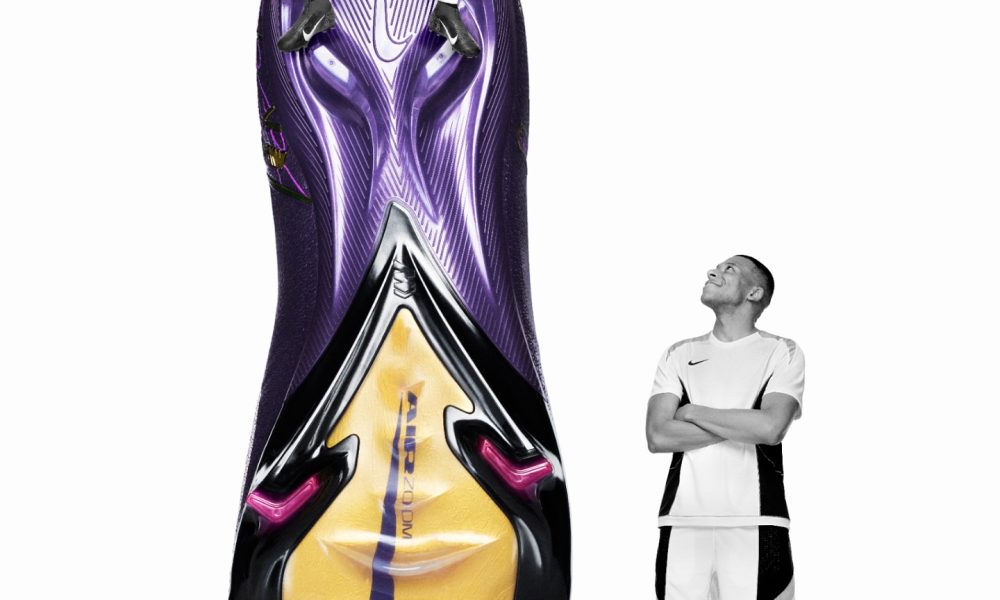 has always dreamed in Mercurial. Now his initials are on the boots.
The new Kyl…
has always dreamed in Mercurial. Now his initials are on the boots.
The new Kyl…
-
 Rec Sports2 weeks ago
First Tee Winter Registration is open
-
 Rec Sports2 weeks ago
Fargo girl, 13, dies after collapsing during school basketball game – Grand Forks Herald
-
 Motorsports2 weeks ago
CPG Brands Like Allegra Are Betting on F1 for the First Time
-
 Motorsports2 weeks ago
F1 Las Vegas: Verstappen win, Norris and Piastri DQ tighten 2025 title fight
-
 Sports2 weeks ago
Two Pro Volleyball Leagues Serve Up Plans for Minnesota Teams
-
 Sports2 weeks ago
Utah State Announces 2025-26 Indoor Track & Field Schedule
-
 Sports2 weeks ago
Sycamores unveil 2026 track and field schedule
-
 Motorsports2 weeks ago
Redemption Means First Pro Stock World Championship for Dallas Glenn
-
 NIL1 week ago
Bowl Projections: ESPN predicts 12-team College Football Playoff bracket, full bowl slate after Week 14
-
 Sports2 weeks ago
Texas volleyball vs Kentucky game score: Live SEC tournament updates