
NIL
Top U.S. Legal Issues For Companies Investing In Esports And Gaming Technology

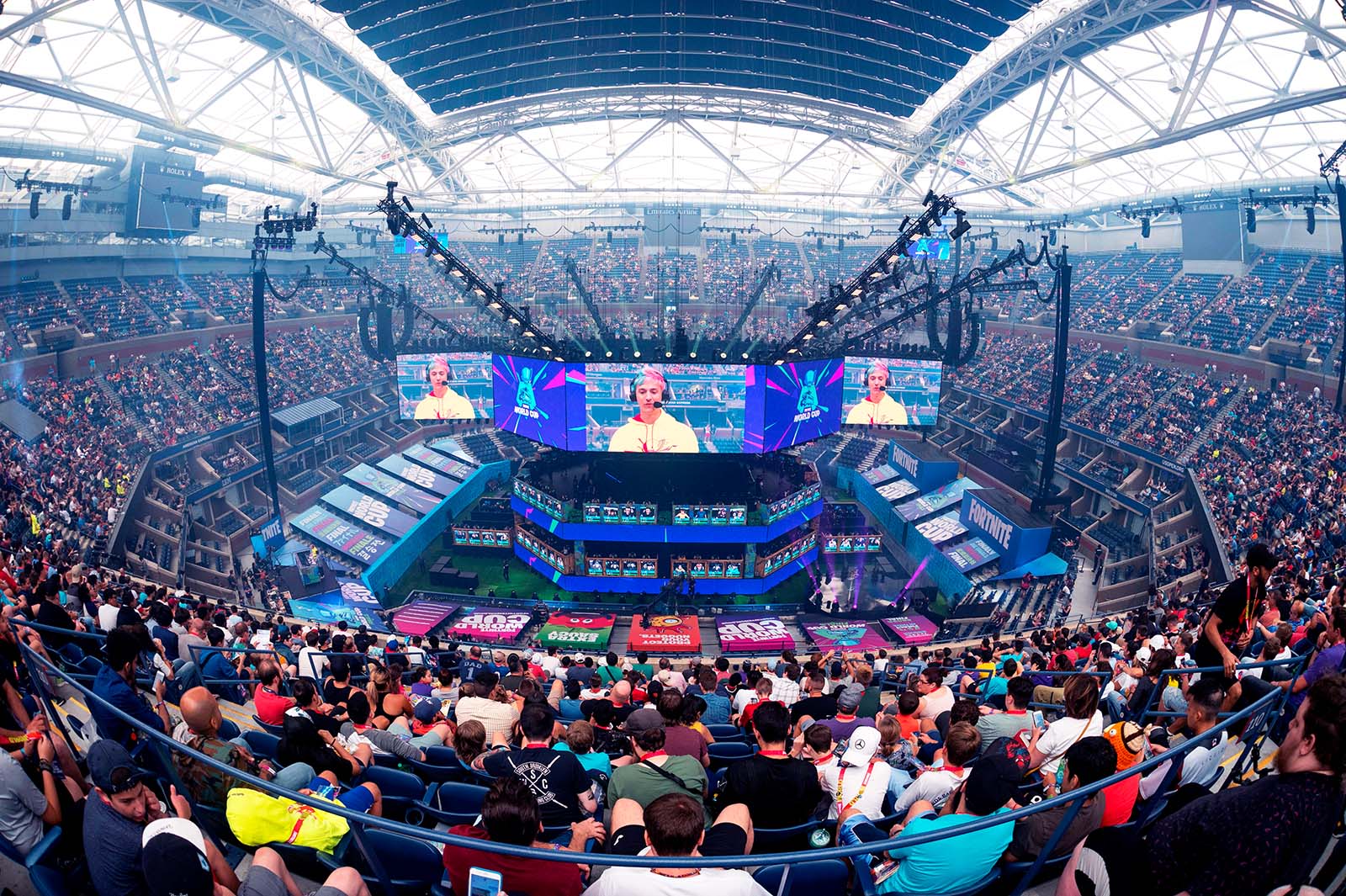
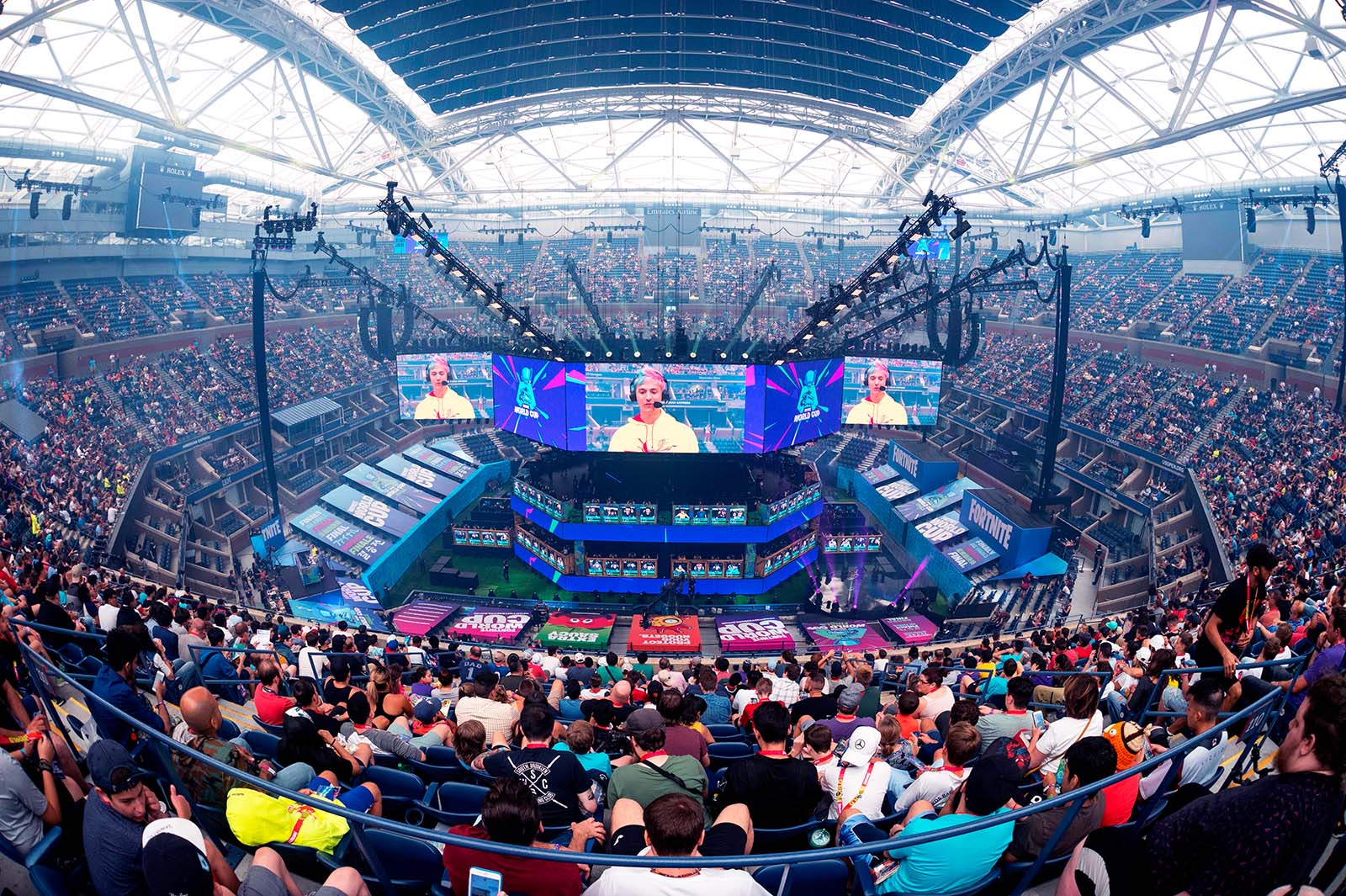

The esports and gaming technology industry is experiencing rapid
growth, with global revenue expected to surpass $3 billion by 2025.
As companies rush to invest in this lucrative sector, they must
navigate a complex legal landscape that includes intellectual
property protection, contract law, regulatory compliance, and more.
Below are the most critical legal issues facing businesses
investing in esports and gaming technology in the U.S.
1. Intellectual Property (IP) Protection
Copyright and Trademarks
Video games and esports involve multiple layers of intellectual
property, including game content, character designs, logos, and
branding elements. Companies investing in the industry must ensure
they own or properly license these assets.
- Game developers and publishers: Must protect
their original game content through copyright laws. - Esports teams and organizations: Need to
secure trademarks for their team names, logos, and other branding
elements. - Streaming platforms and content creators: Must
ensure that they have proper rights to broadcast gameplay and use
in-game assets.
Licensing Agreements
Many companies invest in gaming technology through partnerships
with developers or esports teams. Licensing agreements define how
intellectual property can be used and prevent costly disputes.
Companies should establish clear licensing arrangements to avoid
infringement claims.
Case Example: Riot Games vs. Moonton
Riot Games, the developer of League of Legends, sued Moonton for
copyright infringement over its mobile game Mobile Legends,
claiming it copied substantial elements from League of Legends. The
case highlights the importance of protecting game assets from
unauthorized use and ensuring licensing agreements are properly
structured. Both parties reached a global settlement in April 2024,
with Riot Games formally withdrawing all lawsuits.
2. Contract and Employment Law
Player and Team Contracts
Esports teams sign players, coaches, and managers to contracts
that outline salary, sponsorship obligations, and behavioral
expectations. These agreements must comply with U.S. employment and
labor laws to avoid disputes over unfair terms or unlawful
termination.
- Non-compete clauses: Courts may scrutinize
restrictions on where players can compete after leaving a
team. - Sponsorship agreements: Terms must be clear on
exclusivity, duration, and compensation. - Player unionization: Discussions around
collective bargaining for esports players are growing, raising
questions about employment classification.
Case Example: Tfue vs. FaZe Clan
Professional gamer Turner “Tfue” Tenney sued FaZe
Clan, claiming his contract was “oppressive” and violated
California labor laws by restricting his ability to earn
sponsorship deals outside the organization. The lawsuit shed light
on the importance of fair employment agreements in the esports
industry. The case was settled in August 2020.
Endorsement and Sponsorship Deals
Esports athletes, streamers, and influencers frequently enter
into sponsorship agreements with brands. These deals must comply
with Federal Trade Commission (FTC) guidelines, including clear
disclosures of sponsored content to avoid deceptive marketing
practices.
Case Example: FTC vs. CSGOLotto
The FTC cracked down on CSGOLotto, an esports gambling website,
for failing to disclose that influencers promoting the site were
actually its owners. This case underscores the importance of proper
sponsorship disclosures and compliance with advertising laws.
3. Regulatory Compliance and Gambling Laws
Gambling and Betting Regulations
Many esports tournaments involve prize pools, and some allow
betting on matches. Companies investing in esports gambling
platforms must comply with state and federal laws governing online
betting.
- Unlawful Internet Gambling Enforcement Act
(UIGEA): Restricts online gambling practices in the
U.S. - Loot boxes: Regulators are debating whether
randomized in-game purchases constitute gambling, which could lead
to future restrictions. - Fantasy esports leagues: Must navigate legal
challenges similar to those faced by traditional fantasy sports
platforms.
Case Example: Electronic Arts (EA) and Loot
Boxes
Electronic Arts has faced multiple lawsuits over loot boxes in
FIFA Ultimate Team, with claims that these in-game purchases
constitute illegal gambling. Some U.S. states are considering
regulations that would restrict or ban loot boxes.
Consumer Protection and Data Privacy
Gaming companies collect vast amounts of player data, requiring
strict adherence to privacy laws, including:
- Children’s Online Privacy Protection Act
(COPPA): Protects data collected from users under 13. - California Consumer Privacy Act (CCPA):
Provides California residents with data access and deletion
rights. - General Data Protection Regulation (GDPR)
compliance: While a European regulation, U.S. companies
with international users must often comply.
Case Example: TikTok’s COPPA Violation
Although not specific to gaming, TikTok was fined by the FTC for
violating COPPA by collecting data from children under 13 without
parental consent. This serves as a warning to gaming companies that
collect data from minors.
4. Antitrust and Competition Law
As the gaming industry consolidates, major acquisitions, such as
Microsoft’s purchase of Activision Blizzard, have raised
antitrust concerns. The Federal Trade Commission (FTC) and
Department of Justice (DOJ) closely monitor large transactions that
could stifle competition.
Companies should evaluate:
- Market dominance concerns: Avoiding
monopolistic behaviors that could trigger legal scrutiny. - Exclusive agreements: Ensuring that
partnerships and exclusivity deals comply with competition
laws. - Mergers and acquisitions: Obtaining regulatory
approval for significant industry consolidations.
Case Example: FTC vs. Microsoft-Activision
Merger
The FTC challenged Microsoft’s acquisition of Activision
Blizzard over concerns that it would reduce competition in the
gaming industry. The case exemplifies the legal complexities
surrounding major gaming mergers and acquisitions. The merger was
ultimately approved and completed in October 2023, with the
FTC’s appeals being rejected as recently as May 2025.
5. Cybersecurity and Online Safety
Gaming platforms and esports organizations face increasingly
sophisticated cyber threats, requiring robust security measures and
compliance with evolving regulatory frameworks. The intersection of
cybersecurity law, data protection, and gaming presents complex
challenges that have intensified significantly in 2024-2025.
The gaming industry faced significant cybersecurity challenges
in 2024, including major breaches at Ubisoft where cybercriminals
accessed sensitive internal systems and leaked employee credentials
and game files. Microsoft’s Xbox Live network experienced
multiple DDoS attacks causing service outages for millions of
users, highlighting vulnerabilities in online gaming
infrastructure.
Cyberattacks cost gaming companies millions of dollars annually
through immediate recovery costs, long-term financial consequences,
lost revenue, legal fees, and significant reputation damage that
leads to consumer trust erosion.
- Federal and state data breach notification
laws: Companies must inform users of data breaches in a
timely manner. All 50 U.S. states plus Washington D.C. and three
federal territories have data breach notification laws, and the SEC
requires public companies to report material cybersecurity
incidents in Form 8-K within four business days. New SEC rules
effective August 2024 require registered investment advisers,
transfer agents, and broker-dealers to notify customers within 30
days if their information may have been stolen. - State-specific gaming cybersecurity laws:
Nevada and Massachusetts recently passed laws with specific data
security requirements for gaming operators and licensees,
reflecting targeted regulatory attention to the gaming sector’s
unique risks. - Online harassment and moderation policies: The
FTC’s updated COPPA rule, finalized in January 2025,
significantly strengthens cybersecurity requirements for platforms
serving children, including mandatory opt-in consent for targeted
advertising, strict data retention limits, and enhanced
transparency requirements for Safe Harbor programs. - Consumer Financial Protection Bureau (CFPB):
The CFPB has issued guidance stating that insufficient data
protection or information security violates the Consumer Financial
Protection Act’s prohibition on unfair acts or practices.
Gaming companies must avoid practices like failing to patch known
vulnerabilities or lacking procedures to prevent unauthorized
account access. - Mandatory security measures: Various federal
and state cybersecurity laws require organizations to take specific
security measures including implementation of reasonable security
procedures, data encryption requirements, and written security
program. - Critical infrastructure: The federal
government has issued sector-specific guidance for critical
infrastructure operators, with detailed statutory and regulatory
requirements for various sectors that may apply to large gaming
platforms.
In terms of regulatory trends, state regulators in New York,
Texas, and California are expected to intensify privacy and
cybersecurity enforcement in 2025, leveraging newly enacted state
laws and existing UDAP statutes with greater punitive focus than
federal enforcement. Additionally, AI is increasingly being used in
gaming for safer gambling through behavior tracking, enhanced
security measures, and compliance monitoring, while also raising
new regulatory considerations.
Case Example: Twitch Hate Raids
Twitch has faced lawsuits over inadequate moderation, as
streamers have been targeted by “hate raids,” where
malicious actors flood their streams with hateful content. The case
highlights the need for strong online safety policies in esports
and gaming.
6. Other Recent Developments
The gaming and esports industry has experienced significant
regulatory changes in 2024-2025, with increased government
attention to consumer protection, children’s safety, and fair
business practices. These developments reflect the industry’s
growing mainstream recognition and corresponding regulatory
scrutiny.
Major FTC Enforcement Actions
Genshin Impact Loot Box Settlement: In January
2025, the FTC secured a landmark $20 million settlement with
HoYoverse (Cognosphere) over Genshin Impact, marking a significant
expansion of regulatory oversight into loot box mechanics. The
settlement included several groundbreaking elements:
- Novel Legal Theory: The FTC argued that
selling loot boxes to children and teenagers without verifiable
parental consent constitutes an “unfair and deceptive trade
practice” under Section 5 of the FTC Act. - Age Restrictions: Companies must block
children under 16 from making in-game purchases without parental
consent. - COPPA Expansion: The FTC broadly interpreted
Genshin Impact as “child-directed” despite its “T
for Teen” ESRB rating, based on content analysis and
advertising practices targeting children.
Implications for Industry This settlement
creates precedent for state attorneys general and private class
action litigants to file lawsuits under state unfair business
practices statutes, significantly increasing litigation risk for
games with loot box mechanics appealing to minors.
Updated COPPA Rule (2025)
The FTC finalized significant updates to the Children’s
Online Privacy Protection Rule in January 2025, the first major
revision since 2013. Key changes include:
Enhanced Consent Requirements
- Mandatory opt-in parental consent for targeted advertising and
third-party data disclosures - Separate consent requirements for different data uses beyond
basic service provision
Data Minimization and Retention
- Companies can only retain children’s personal information
as long as reasonably necessary for specific purposes - Explicit prohibition on indefinite data retention
Increased Transparency
- COPPA Safe Harbor programs must publicly disclose membership
lists - Enhanced reporting requirements to the FTC for self-regulatory
programs
FTC Workshop on Child Exploitation
The FTC has scheduled a major workshop for June 4, 2025, titled
“The Attention Economy: How Big Tech Firms Exploit Children
and Hurt Families,” indicating continued regulatory focus on
gaming platforms’ impact on minors.
7. Immigration and Visa Issues
Esports relies heavily on international talent, and securing
proper visas for players and staff remains a critical and evolving
challenge. The U.S. offers several visa pathways for esports
professionals, but navigating the immigration system requires
careful planning and legal expertise.
- P-1A visa classification: Since 2013, when
USCIS first recognized an esports player as an athlete and granted
Danny “Shiphtur” Le a P-1A visa for League of Legends
competition, this classification has become the primary pathway for
internationally recognized esports athletes. The P-1A visa requires
evidence of international recognition at a high level of
achievement; participation in competitions with distinguished
reputations; and substantial skill recognition in more than one
country. P-1A visas are valid for up to 5 years for individuals,
with extensions possible up to a total of 10 years. Essential
support personnel including coaches, trainers, team officials, and
referees are also eligible for P-1 classification. - O-1 visa for extraordinary ability: The O-1A
visa serves as an alternative for esports professionals with
significant achievements, valid for up to three years and
extendable in one-year increments. This classification doesn’t
distinguish between individual and team events and may be more
suitable for content creators and streamers with extraordinary
abilities. - B-1/B-2 visitor visas: Esports athletes
training or competing without receiving payments may qualify for
B-1/B-2 visitor visas, particularly those from visa waiver program
countries. This option is suitable for short-term training, unpaid
tournaments, and amateur competitions. - Challenges in visa processing: The P-1 success
rate varies significantly by game, with some esports athletes
facing denials due to inconsistent interpretations of what
constitutes a “legitimate sport.” Recent cases, including
Moist Esports’ legal battle with U.S. immigration over B-1 visa
denials, highlight ongoing procedural challenges and potential
misinterpretation of eligibility criteria. - 2025 Olympic Esports: The introduction of
Olympic Esports Games in 2025 is expected to create new
opportunities for esports athletes, potentially strengthening their
cases for P-1A and O-1A visas through increased international
recognition and legitimacy. - Permanent Residency Options: Qualified esports
athletes may pursue EB-1A “green cards” for permanent
residency if they can fulfill extraordinary ability requirements,
providing long-term stability for top performers. - Best Practices for Companies:Companies should
begin visa applications 3-6 months before needed travel
dates. They should also gather extensive evidence
of international recognition, tournament results, and media
coverage. Companies may consider developing backup plans using
different visa classifications. Companies may also find it prudent
to consider visa needs for coaches, analysts, and other essential
personnel (e.g., P-1S classification).Finally, companies should
monitor ongoing developments in esports recognition and potential
legislative changes that could streamline the immigration process
for gaming professionals.
Case Example: Visa Denials for The
International
Several Dota 2 players were denied visas to compete in The
International, a major esports tournament, due to confusion over
esports classifications. This case demonstrates the ongoing
challenges in securing visas for competitive gaming
professionals.
8. Compliance Recommendations
Immediate Actions for Gaming Companies
- Review and update COPPA compliance programs in light of 2025
rule changes - Assess loot box mechanics for potential unfair practice
exposure - Implement enhanced parental consent mechanisms for users under
16 - Develop transparent odds disclosure and pricing
information - Monitor state-specific gaming tax and regulatory changes
Strategic Considerations
- Consider federal lobbying efforts as sports betting regulation
discussion continues - Prepare for increased state-level enforcement activity
- Evaluate international expansion opportunities in evolving
regulatory environments - Invest in AI-powered compliance and monitoring systems
- Develop comprehensive children’s safety programs beyond
minimum legal requirements
These regulatory developments reflect the gaming industry’s
transition from niche entertainment to mainstream regulated sector,
requiring companies to invest significantly in legal compliance and
consumer protection measures.
Conclusion
Investing in esports and gaming technology offers tremendous
opportunities, but companies must navigate a complex legal
environment to mitigate risks. From intellectual property
protection and player contracts to gambling regulations and
cybersecurity concerns, staying compliant with U.S. laws is
essential for success. As the industry evolves, investors and
businesses must remain vigilant and proactive in addressing these
legal challenges to sustain long-term growth.
The content of this article is intended to provide a general
guide to the subject matter. Specialist advice should be sought
about your specific circumstances.


The College Sports Commission has rejected nearly $15 million in name, image, likeness agreements since it started evaluating them over the summer, representing…
UNDATED (AP) — The College Sports Commission has rejected nearly $15 million in name, image, likeness agreements since it started evaluating them over the summer, representing more than 10% of the value of all the deals it has analyzed and closed. The CSC says it did not clear 524 deals worth $14.94 million, while clearing 17,321 worth $127.21 million. All the data was current as of Jan. 1. The numbers came against the backdrop of a “reminder” memo the commission sent to athletic directors last week, citing “serious concerns” about contracts being offered to athletes before they had been cleared by the commission through its NIL Go platform.
UNDATED (AP) — Arizona has tightened its hold on the top spot in The Associated Press men’s college basketball poll after Michigan’s loss to Wisconsin. The Wildcats received 60 of 61 first-place votes. Iowa State moved up to No. 2, followed by UConn, Michigan and Purdue. Nebraska moved up two spots to No. 8 to match its highest-ever ranking set in February 1966. Vanderbilt hit No. 10 for its first top-10 ranking since the 2011-12 preseason poll. No. 19 Florida, No. 22 Clemson, No. 23 Utah State and No. 25 Seton Hall were the new additions to the poll. Kansas, SMU and UCF fell out.
UNDATED (AP) — South Carolina climbed to No. 2 in the latest AP women’s basketball Top 25. The reshuffle follows a week where four of the top 10 teams lost. UConn is No. 1. LSU and TCU jumped into the top 10, with LSU moving to No. 6 after beating Texas. Texas dropped to fourth, while No. 5 Vanderbilt has its highest ranking since 2002. Maryland and Oklahoma fall out of the top 10, and Alabama, Notre Dame, and Illinois entered the poll. The SEC leads with nine teams in the Top 25.
Copyright 2025 Associated Press. All rights reserved. This material may not be published, broadcast, rewritten, or redistributed.
NIL
Former college football coach Chris Klieman says lack of guardrails around NIL, portal led to retirement

Former college football coach Chris Klieman discussed the “factors that drove his decision” to retire, including the lack of guardrails around NIL and the transfer portal, according to Ned Seaton of the Manhattan MERCURY. Klieman said he was “kind of at my wits’ end,” as “anybody can do whatever the heck they want.” He added, “I’ve talked to (many coaches) across the country, we’re all kind of like, ‘We need some guardrails so that somebody can’t spend $45 million, while somebody else is spending 15.” Klieman: “You get done playing Colorado, and come Monday, man, there’s 20 (players’ agents) that want to know a number, or they’re ready to go into the (transfer) portal.” Klieman said for all of December and January he would “work with whatever 80 of our kids to see if we can keep them, and if not, go work with 580 kids to fill the 30 spots we’re going to need,” which to him is “not recruiting.” Klieman: “You’re just putting compensation packages together. … That’s the way college football is, and I’m OK with that, but I don’t have to be a part of it if that’s the way it’s going down.” Klieman said that the issue “needs unified action by university presidents, Congress, and ultimately, a commissioner of college football who could impose and enforce limits and guardrails.” However, he “doesn’t currently see a real path to any of those things, because it will be very difficult to get universal agreement, since those who have the most money have no incentive to sign on” (Manhattan MERCURY, 1/10).

After two seasons of despair, Virginia Tech football fans finally have something to cheer about.
The administration has launched a major financial commitment to Hokie athletics, a new head football coach is expected to bring a haul of top-flight talent with him from Penn State and, to kick things off, an anonymous fan stepped up last month with a record-setting $20 million donation.
Yet it remains to be seen if all of that will be enough to fulfill Tech’s ambition of competing with top-tier schools that have seemingly unlimited resources to invest in the post-amateur era of collegiate sports.
A court settlement last year was supposed to have brought some order to the wild-west world of Division 1 athletics. For the first time, schools were allowed to share revenue with student-athletes, but the amount per school was capped at $20.5 million a year. But the agreement has done nothing to tame the cost of “name, image and likeness” payments.
Atlantic Coast Conference members like Virginia Tech have mostly stood on the sidelines and watched as a small number of name-brand teams set the market value.
Last week, Texas Tech inked ex-University of Cincinnati quarterback Brendan Sorsby to a reportedly $5 million deal. The school, flush with West Texas oil boosters, bragged about the deal in a billboard that lit up New York’s Times Square.
Texas Tech, which rode a gusher of NIL money to this year’s College Football Playoff, has budgeted $35 million in combined revenue sharing and NIL payments to athletes in the 2025-26 school year, according to the Athletic.
There’s no way to know how Virginia Tech stacks up.
Officials in Blacksburg have provided few details about its football finances, including how it spends public funds provided by taxpayers and fees extracted from students. Tech is not an outlier when it comes to secrecy; colleges and universities fear that sharing information could provide an unfair advantage to their on-field opponents.

Reporters in North Carolina have used state open-records laws to determine how other ACC schools are distributing their $20.5 million in shared revenue.
In Virginia, however, universities have taken a unified stand in refusing to release records related to revenue sharing of public funds. Virginia Tech and other universities have used an expansive interpretation of a “scholastic records” exemption in state open government laws to withhold copies of revenue-sharing agreements or payments, even in cases when news outlets have requested the redaction of all names or other personally identifiable information.
“Even with student names redacted individual student-athletes may be identified,” the Virginia Tech FOIA office responded to a Cardinal News open-records request. “Therefore, the requested records are considered scholastic records concerning identifiable individuals. Accordingly, your request is denied.”
In December, Tech spokesman Mark Owczarski agreed via email to provide a general breakdown showing that 75% of shared revenue went to members of the football team, a higher percentage than at the University of North Carolina and North Carolina State University.
Getting accurate numbers about the value of NIL deals received by Virginia Tech football players is even harder to come by. When the settlement was announced, there was anticipation that the details of any NIL deal valued at $600 or more would be released as part of a new agency set up to make sure the terms reflected market value.
The College Sports Commission, however, has released only a top-level report on the total number of deals approved and the value. The one-page document has no information about the number of deals for any school, much less information about individual NIL arrangements.
For several weeks, Cardinal News sought to schedule a follow-up interview with Owczarski about the finances of Virginia Tech football. His office eventually said it will not make him available. “University leadership is not available for interviews on this topic.”
The lack of official information has given rise to publications that have developed formulas to place an NIL value on highly touted players. Here is what On3 Media has to say about two recent Virginia Tech portal commits:
- Ethan Grunkemeyer, 6-foot-2-inch, 207-pound quarterback from Lewis Center, Ohio. Grunkemeyer started the final six regular-season games for Penn State last season and led the Nittany Lions to a 22-10 victory over Clemson in the Pinstripe Bowl. He has three years of eligibility left. On3 Media estimates Grunkemeyer’s NIL value at $783,000.
- Javion Hilson, 6-foot-4-inch, 240-pound defensive end from Cocoa Beach, Florida. Hilson appeared in three games last season with Missouri. Hilson will arrive in Blacksburg with four years of eligibility remaining. On3 Media estimates Hilson’s NIL value at $419,000.
There’s no way to know if Virginia Tech paid more or less than the On3 Media estimates.
Kelly Woolwine, the CEO of Triumph NIL, who for several years acted as Virginia Tech’s “defacto general manager” handling negotiations with players and their families, said he learned from experience that “99 percent of what you hear” about NIL values is untrue.
“On the flip side, truth may be stranger than fiction,” Woolwine quipped in a rare interview on the Virginia Tech Sideline podcast in December 2024.
One thing is certain: last fall, many among the Hokie faithful believed the football program had lost its way.
“What was once a great program competing for championships is now a laughingstock,” wrote Robert Irby in “Sons of Saturday,” a website dedicated to Hokie fandom.
Virginia Tech football hit a low in September after a 0-3 start, ending with a 45-25 blowout at the hands of Old Dominion University in Lane Stadium. After the game, Virginia Tech fired head coach Brent Pry.
Two weeks after Pry’s exit, the Virginia Tech Board of Visitors held a special meeting to approve “Invest to Win,” a campaign to inject an additional $229 million into Virginia Tech athletics over the next four years. Figures released by the board show that about half of the funds would come from donations, while $21.3 million would be generated by an increase in student fees.
“Today, we are stepping up to compete, and we ask our loyal fans and generous donors to step forward with us,” said Virginia Tech President Tim Sands.
In November, fans also cheered news about the hiring of head football coach James Franklin, whom Big Ten powerhouse Penn State had dismissed mid-season. (In an unorthodox twist, Franklin announced he would retain Pry — with whom he had coached at Vanderbilt and Penn State — as his defensive coordinator.)
The coaching change so far has led to a huge net gain for Virginia Tech’s roster. About a half dozen players left the team when Pry was fired, but Franklin has brought talent with him from Penn State.
For instance, Franklin was hired on Nov. 17, a little more than two weeks before top high school players would announce where they would enroll in 2026. In short order, Franklin convinced 11 recruits who had committed to play for him in Happy Valley to change their minds and follow him to Blacksburg.
As a result, Virginia Tech assembled a 2026 recruiting class that ranked fifth in the ACC, behind Miami, Florida State, North Carolina and Clemson, according to 247 Sports.
There was more good news on Dec. 15, when Virginia Tech announced that an anonymous donor had agreed to give a record $20 million gift to the athletic department.
“We are deeply grateful for this extraordinary and timely gift,” Sands said. “Doing more with less, while a testament to the talent of our staff and student athletes, is no longer an option.”
The real test begins this week, as Virginia Tech competes with other schools in a NIL bidding war in the transfer portal.
Coach Franklin has imported a member of his Penn State staff, Andy Frank, to serve as general manager and assemble the roster for the 2026 version of the Hokies.
His predecessor, Woolwine, said one of the vexing challenges in major college football today is managing players’ expectations as compensation goes up year after year.
“You’re going to have a program that is going to bring in a guy for $700,000,” Woolwine said in the December 24 podcast, “and on the other side of the line from him is a guy who has been slaving away at that same university for $75,000 a year. How happy is he going to be when he sees that?”
Woolwine said compensation is by far the biggest locker room distraction in the history of college sports. “It’s bigger than girls, and drugs and partying,” he said.
Players’ concerns about where they stand in compensation can lead to negativity in locker rooms of every major program. “They think their school or their organization was holding out on ‘em, taking advantage of ‘em, sandbagging ‘em. They are very bitter about it,” Woolwine said.
The transfer portal has made it easy for disgruntled players to seek more money and/or playing time elsewhere. This has made it harder for coaches to develop players over time. Underclassmen who have been working toward playing time can find themselves knocked down the depth chart when a school signs players from the portal.
Last season, for instance, only eight of 28 seniors on the Virginia Tech football team played their entire careers in Blacksburg, according to a Cardinal News analysis.
Woolwine said the goal is to find players who are in Blacksburg because they love Virginia Tech. “We don’t have the money to buy our way through this,” Woolwine said in December 2024.
The question remains whether today’s “Invest to Win” will generate the resources that will make it possible for Hokie football to again compete at the highest level.
The loftiness of Virginia Tech’s goal was reflected in a last-minute edit to the goal of the $229 million infusion to athletics. Instead of wanting to be competitive against the ACC (considered the weakest of the Power Four conferences), Virginia Tech expressed a desire to compete with “the best institutions nationwide.”
Related stories

Rutgers football legend Leonte Carroo is suing Rutgers University over the use of his Name, Image, and Likeness from when he was playing in college, according to an article written by Brian Fonseca of Nj.com/NJAdvancedMedia. Carroo’s lawsuit claims that he is entitled to back payments for the money he generated for the university throughout his college career. The lawsuit values those figures between 2.8 and 3 million dollars.
Carroo and his team originally filed the lawsuit in October. In December, Rutgers countered and tried to have the lawsuit dismissed, arguing that the statute of limitations had long passed and that several courts from around the country had already unanimously denied the type of NIL claim that Carroo’s team is making. On January 9th, Carroo’s legal team filed a brief meant to argue that the university’s dismissal should be denied.
Advertisement
According to the article by Fonseca, Carroo’s team gave Rutgers a formal demand letter in June seeking compensation for the unauthorized use of his NIL. The university did not provide such compensation, which led to the lawsuit.
The House vs. NCAA settlement granted back payment to college athletes who were in school between June 2016 and 2024. Carroo’s playing at Rutgers career falls just outside that, as he played from 2012-2015. Carroo’s legal team is arguing that just because he falls outside the period given, it does not take away from the fact that Rutgers unjustly profited from his time as a player.
Carroo was one of the most well-known players at Rutgers while he was playing. He currently holds the receiving touchdowns record in school history by a wide margin, and he was one of the faces of the team when they first entered the Big Ten. Carroo and his legal team argue that some sort of compensation is in order for his level of stardom.
If the courts side with Carroo in this case, it has the potential to open up a whole can of worms across college athletics. It would lay the groundwork and encourage other former athletes from other schools to sue their own school for the same reason. Similar cases to this, including players from other college programs, have been dismissed or denied already across the board. It remains to be seen what will come of this lawsuit in particular.
A link to the original article by Fonseca can be found here.

Former Minnesota safety Koi Perich has committed to play for head coach Dan Lanning and the Oregon Ducks, On3 has learned. Perich was one of the top available players in the NCAA transfer portal, proving to be a massive win for Oregon. It’s the second straight year Lanning has snagged an elite safety from a Big Ten foe.
Perich is a four-star prospect per the On3 Industry Transfer Portal Rankings. He also comes in as the No. 12 overall player. At the time of his commitment, only Missouri‘s Damon Wilson ranks higher on the list of available guys. Now, the No. 1 safety is off the board and heading to Eugene.
Texas Tech was the other program battling Oregon for Perich’s eventual signature. It’s no secret how aggressive the Red Raiders can get in the transfer portal. Especially for defensive players, being a staple of the 2025 roster. But similar to the College Football Playoff quarterfinal matchup between the two, Oregon came out on top.
Perich played in 26 games during his time at Minnesota, turning into one of the best defensive backs in the Big Ten. He recorded 128 tackles, 5.5 tackles for a loss, and one sack. The stats when dropping back in coverage are just as good, snagging six interceptions, five passes defended, and even forcing two fumbles.
Oregon will be looking for a whole lot more of the same. Last portal cycle saw the Ducks land Dillon Thieneman from Purdue, setting the blueprint for what Perich’s time in Eugene might look like. But there was always thought to be a ton of potential with Perich.
Looking back at his high school recruitment, Perich played at Esko (MN) Lincoln Secondary, where he was a four-star prospect. He was the No. 58 overall recruit in the 2024 cycle, according to the Rivals Industry Ranking, a weighted average that utilizes all four major recruiting media companies.
Minnesota listed Perich as a sophomore on his official roster bio during the 2025 season. If he wishes to use them, two years of eligibility remain moving forward. While Oregon might be hoping they just snagged a multi-year player, you have to imagine the NFL Draft will be a serious consideration this time next year.
To keep up with the latest players on the move, check out On3’s Transfer Portal wire. The On3 Transfer Portal Instagram account and Twitter account are excellent resources to stay up to date with the latest moves.

The NCAA transfer portal is nearing the end of its two-week window for college football players to enter in hopes of finding better situations at new programs in 2026. The portal opened its doors on Jan. 2 and will officially close on Friday.
No fewer than 4,000 players from across college football entered the portal in the weeks after the 2025 regular season ended. Much of the discussion about the 2026 portal cycle revolves around quarterbacks shifting to different Power Four programs in search of better situations.
One of these quarterbacks is former Cincinnati signal-caller Brendan Sorsby, who entered the transfer portal and committed to Texas Tech. He will have one season of eligibility for the Red Raiders.
The 6-foot-3, 235-pounder began his college football journey under Tom Allen at Indiana in 2022. He used his redshirt that season, completing only three of six passes and throwing an interception in a blowout loss to Penn State.
Sorsby played in 10 of the Hoosiers’ 12 games in the 2023 season. He threw for 1,587 yards, 15 touchdowns and five interceptions while rushing for 286 yards and four more touchdowns. Allen was fired that offseason, and Sorsby entered the portal for the first time.
Cincinnati landed Sorsby from the portal in the 2024 offseason. He started all 12 games for the Bearcats that season, passing for 2,813 yards, 18 touchdowns and seven interceptions and rushing for 447 yards and nine touchdowns. The Bearcats were 5-7 in 2024, losing each of their last five games.

Sorsby passed for 2,800 yards, 27 touchdowns and five interceptions and ran for 580 yards and nine touchdowns in his last season with the Bearcats. Cincinnati was 7-5 in the 2025 regular season, losing each of its last five games. Sorsby entered the portal ahead of the Bearcats’ bowl game.
Schools scouring the portal for quarterbacks had Sorsby near the top of their wishlist. Max Olson of ESPN released rankings for the best transfers in the 2026 portal cycle, with Sorsby coming in at No. 1 overall.
“He was the Plan A all along for coach Joey McGuire and his staff, a proven Big 12 starter and Texas native that who can elevate an offense who ranked No. 2 nationally in points per game this season before the loss to Oregon in the CFP quarterfinal. The Red Raiders return a lot of players around Sorsby entering 2026 and should be the preseason Big 12 favorite,” Olson wrote.
“Sorsby’s arrival also allows backup Will Hammond to recover from his torn ACL and prepare to take over as (Texas) Tech’s starter in 2027.”


Chicago Snowballs Show Off Their Moves During Tryouts For ‘Sportstainment’ Baseball Team

The trans youth athletes in the US fighting for their rights: ‘Playing is an act of resistance’ | US news

Here is the latest Big 12 Conference sports news from The Associated Press

Former college football coach Chris Klieman says lack of guardrails around NIL, portal led to retirement

Liberty League Performers of the Week for January 12, 2026

Area Briefs: SU’s Bellenbaum earns ODAC men’s volleyball weekly award | Winchester Star

Virginia colleges resist disclosing athletic revenue-sharing

Damis, Johnson Awarded Weekly LEC Awards from Weekend Action

TCNJ’s Garcia-Beltran and Scepkowski, Farmingdale State’s Vitale Earn NJAC Women’s Indoor Weekly Honors

TCNJ Sweeps NJAC Men’s Indoor Weekly Honors; Rychkov, Paulmenn, Akinboboye Honored

Scarlet Knights Legend Leonte Carroo Sues Rutgers Over NIL Claims

Northampton’s Austin Beers win NASCAR title

Former Minnesota safety Koi Perich commits to Oregon

Motorsports: NASCAR Returns To Chase Format This Season

Oldani Named Week 1 MPSF Defensive Player of the Week – BYU Athletics – Official Athletics Website

Stempien to seek opening for Branch County Circuit Court Judge | WTVB | 1590 AM · 95.5 FM

Ross Brawn to receive Autosport Gold Medal Award at 2026 Autosport Awards, Honouring a Lifetime Shaping Modern F1

Princeton Area Community Foundation awards more than $1.3 million to 40 local nonprofits ⋆ Princeton, NJ local news %

Downtown Athletic Club of Hawaiʻi gives $300K to Boost the ’Bows NIL fund

Badgers news: Wisconsin lands 2nd commitment from transfer portal

Five Youth Sports Trends We’re Watching in 2026

Beach Volleyball Unveils 2026 Spring Schedule – University of South Carolina Athletics

Badgers news: Final Four Game Thread vs. No. 1 Kentucky Wildcats

Three Clarkson Volleyball Players Named to CSC Academic All-District List

Kentucky VB adds an All-American honorable mention, loses Brooke Bultema to portal

Kentucky AD explains NIL, JMI partnership and cap rules

Central’s Meyer earns weekly USTFCCCA national honor

Is women’s volleyball the SEC’s next big sport? How Kentucky, Texas A&M broke through

BangShift.com IHRA Acquires Historic Memphis Motorsports Park In Millington Tennessee. Big Race Weekend’s Planned For 2026!

PRI Show revs through Indy, sets tone for 2026 racing season

 NBA Legend Michael Jordan to Join NBC Sports as Special Contributor
 Why a rising mid-major power with an NCAA Tournament team opted out of revenue-sharing — and advertised it
 Trackhouse to pair Chastain with McSwain
 Volleyball Falls to SEMO – Tennessee State University
 Kennewick School Board backs changes to gender inclusion in sports | News
-
 Rec Sports2 weeks ago
Five Youth Sports Trends We’re Watching in 2026
-
 Sports3 weeks ago
Kentucky VB adds an All-American honorable mention, loses Brooke Bultema to portal
-
 Motorsports3 weeks ago
BangShift.com IHRA Acquires Historic Memphis Motorsports Park In Millington Tennessee. Big Race Weekend’s Planned For 2026!
-

 Sports2 weeks ago
H.S. INDOOR TRACK & FIELD: GLOW region athletes face off at Nazareth University | Sports
-
NIL3 weeks ago
Fifty years after IU’s undefeated champs … a Rose Bowl
-

 Sports3 weeks ago
Colorado volleyball poised to repeat success
-

 Sports3 weeks ago
2025 Volleyball Player of the Year: Witherow makes big impact on Central program | Nvdaily
-

 Sports3 weeks ago
Texas A&M volleyball’s sweep of Kentucky attracts record viewership
-
 NIL3 weeks ago
NIL Funds Are at Top of Arizona State’s Christmas Wishlist
-

 Motorsports3 weeks ago
Kyle Larson opens door to 24 Hours of Daytona comeback – Motorsport – Sports