Motorsports
A Long-Dead Automaker Dominates Mexico’s Carrera Panamericana
This year marked the seventy-fifth anniversary of Mexico’s Carrera Panamericana, and as you’d expect, Porsche was right there as one of the race’s lead sponsors. The Panamericana is hugely important to the company’s history, providing the origin story for both the Carrera and Panamera names. But here, just a few weeks before Mexicans gather together to celebrate the Dia de los Muertos holiday, the race belongs to a brand that’s been dead for nearly sixty years.
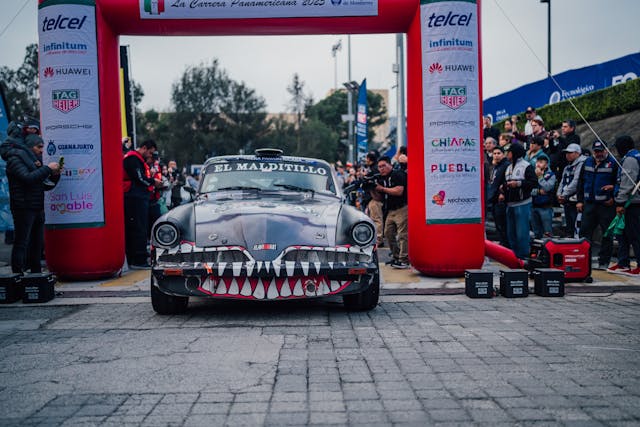
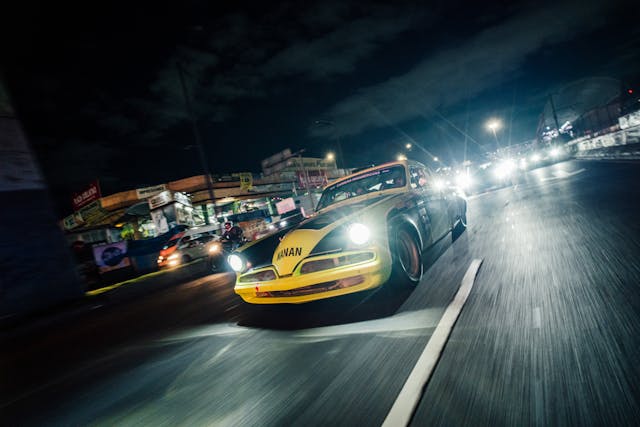
In first place, El Malditillo. Close behind in second, El Commander. Rounding out the podium, a 1953 Studebaker Champion, driven by Carlos Manuel Garcia and Eduardo Solis, was the final part of the Stude sweep. And, perhaps most incredibly, this isn’t a one-off, but echoes a 2015 podium lockout for Studebaker drivers, the consistently most-winning name in recent Panamericana history.

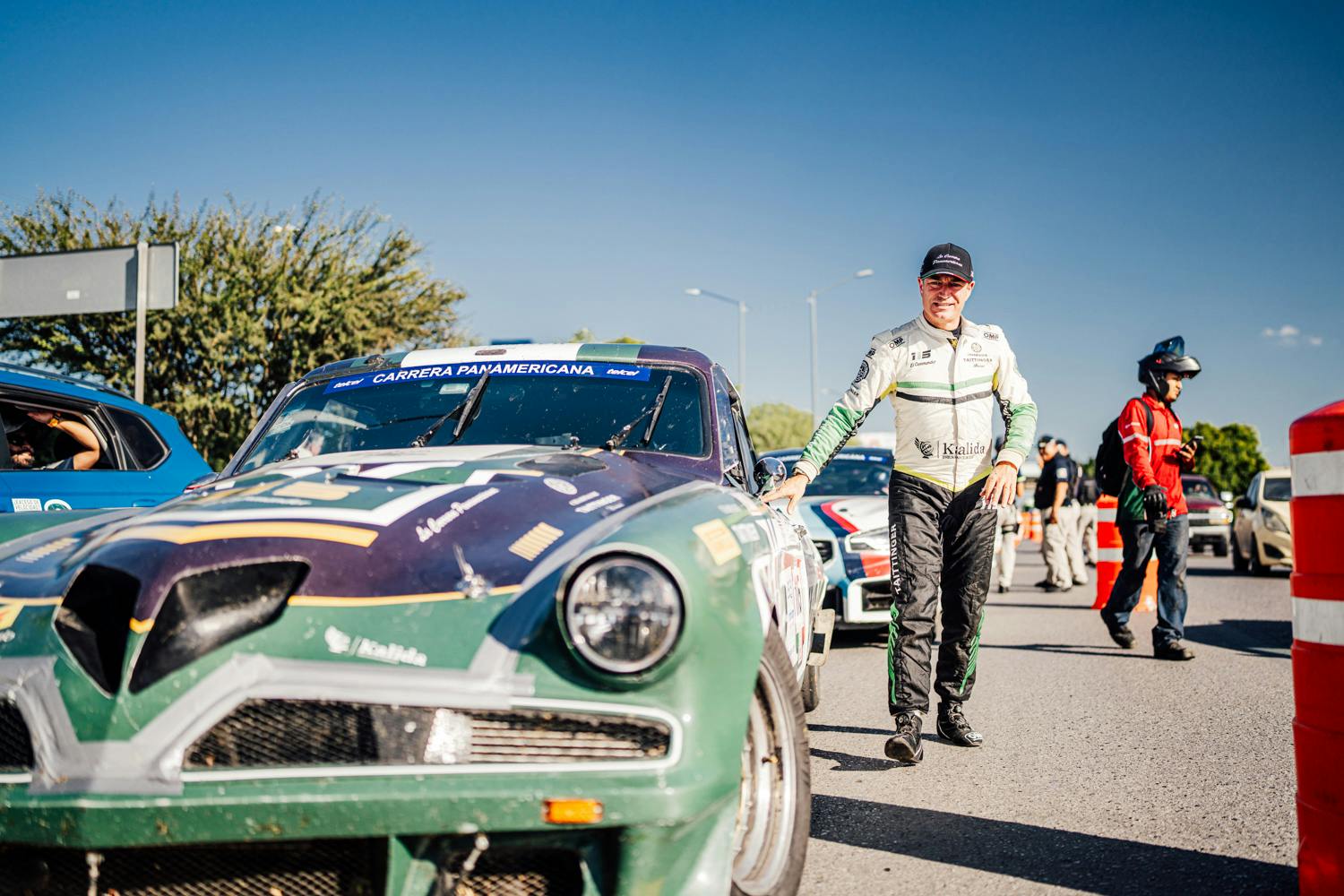
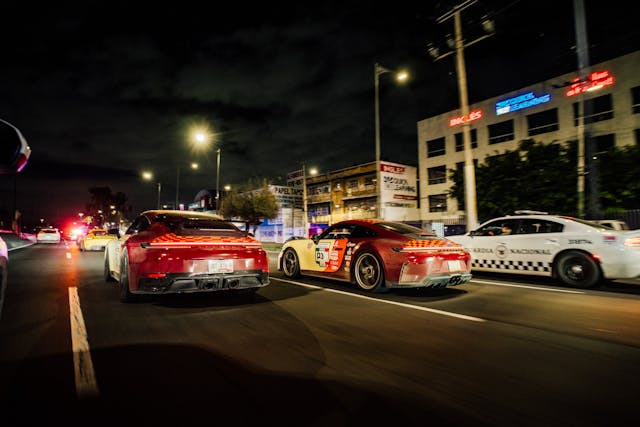
Thus, while Porsche had a modern 911 GT3 piloted by Timo Bernhard at this year’s Panamericana, paying tribute to the original 550 Spyder from the 1954 race, the laurels belong to South Bend, Indiana. Considering that the Carrera is based on the likes of the Mille Miglia and Targa Florio, you’d expect that nimble fare from Datsun, Lancia, or Alfa-Romeo would be in the winners’ circle. For years, though, Mexican road racing has belonged to Commanders and Champions, both cars living up to their names.

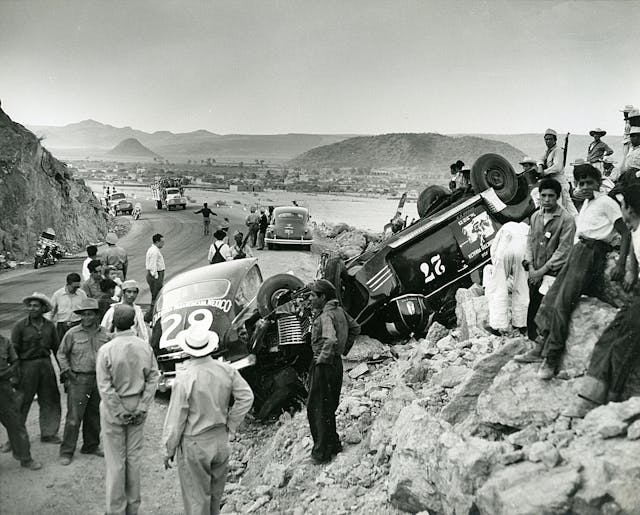
The original Carrera Panamericana lasted just five years, beginning in 1950 and killing almost thirty people in that time. The original course covered just over 2000 miles, and while several races were won by European entries from Ferrari and Mercedes-Benz (memorably, one 300SL co-driver was knocked senseless when a vulture crashed through the windshield at high speed), American marques were well-represented, too.
But not so much Studebaker. Between 1950 and 1954, Studebaker was bleeding cash, caught in the crossfire of a sales race between Ford and General Motors, the company was living on borrowed time, and the South Bend factory would shutter its doors not long into the 1960s.
However, as would later be seen with the supercharged versions of the Avanti, briefly the fastest production car in the world, Studebaker was the kind of company to go down swinging. In 1953, designer Robert Bourke, an employee at Raymond Loewy’s design studio, came up with a streamlined shape that became the coupe version of both the fourth-generation Studebaker Champion and Commander.
Even today, a “Loewy Coupe” Studebaker doesn’t look like it hails from the actual 1950s, but from some retro-futuristic fiction like the Fallout universe before the A-bombs started falling. It has all the chrome-and-optimism lashings of the post-war America boom, but is low-slung and slippery, more Corvette than midwestern-accented daily driver.

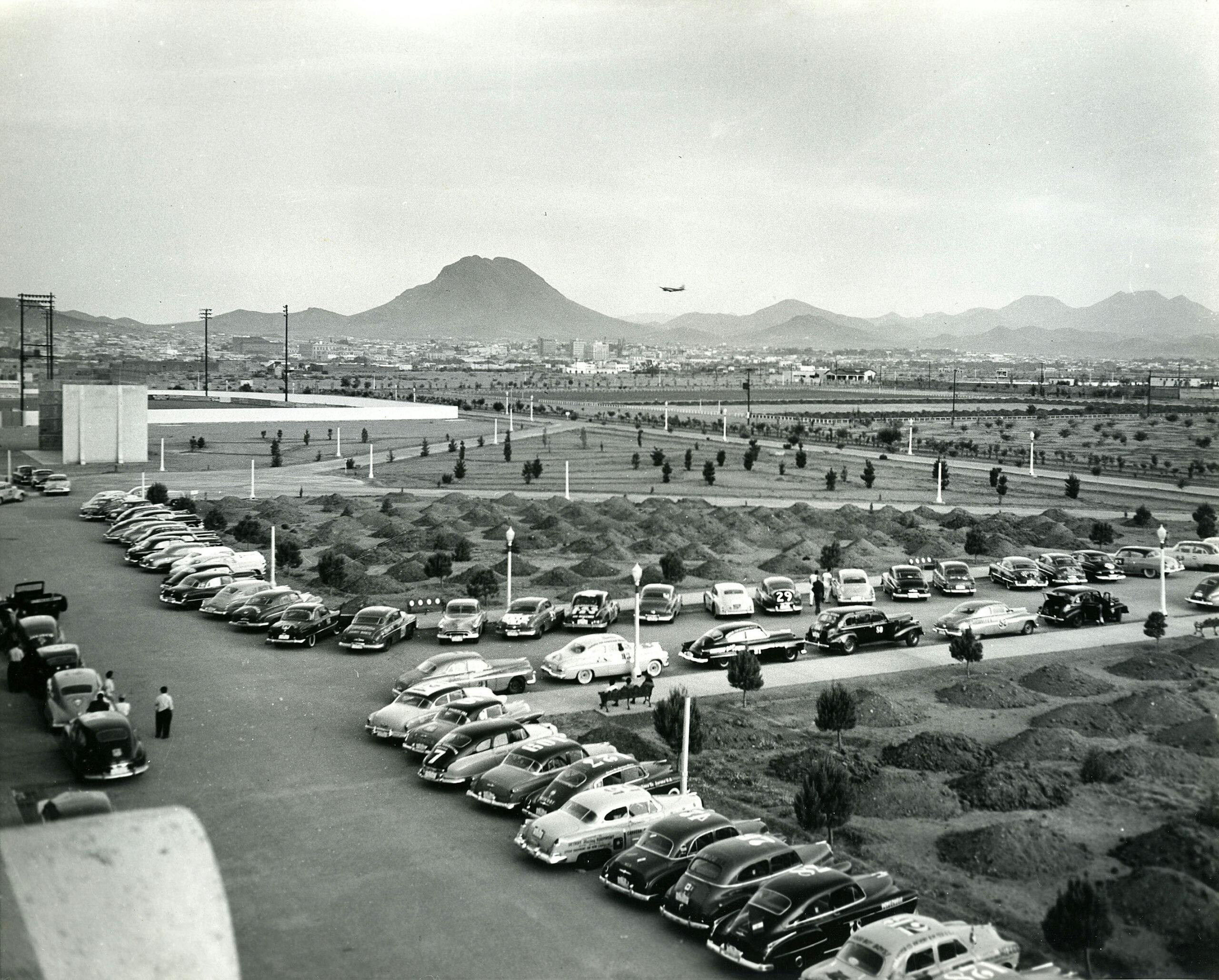
As they were launched in 1953, some privateer team could have entered a Champion or Commander in the original Carrera races, but there was never really a chance. After 1954, Mexico’s government banned the race. Many of those killed over the years had been bystanders and spectators, and, coupled with the disaster at the 1955 24 Hours of Le Mans, there was a certain amount of backlash against the dangers of motorsport.
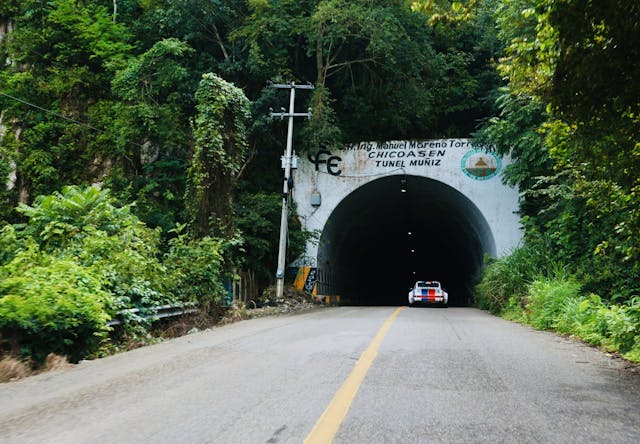
Starting in 1988, organizers brought back the Carrera Panamericana as a more professional race, this time with additional safety built in. It’s still very dangerous, with multiple mountain stages and narrow, winding roads. You need to stay on your toes, and it’s little surprise that repeat winners tend to be locals with plenty of experience. If you want to win, you need to know the roads—and, evidently, you need to have a Studebaker.
The landspeed record folks, those with Bonneville salt in their veins, already know that Studebaker aerodynamics make for class-winning builds. When it comes to the cars that contest the Carrera Panamericana, that shape is pretty much all that remains.

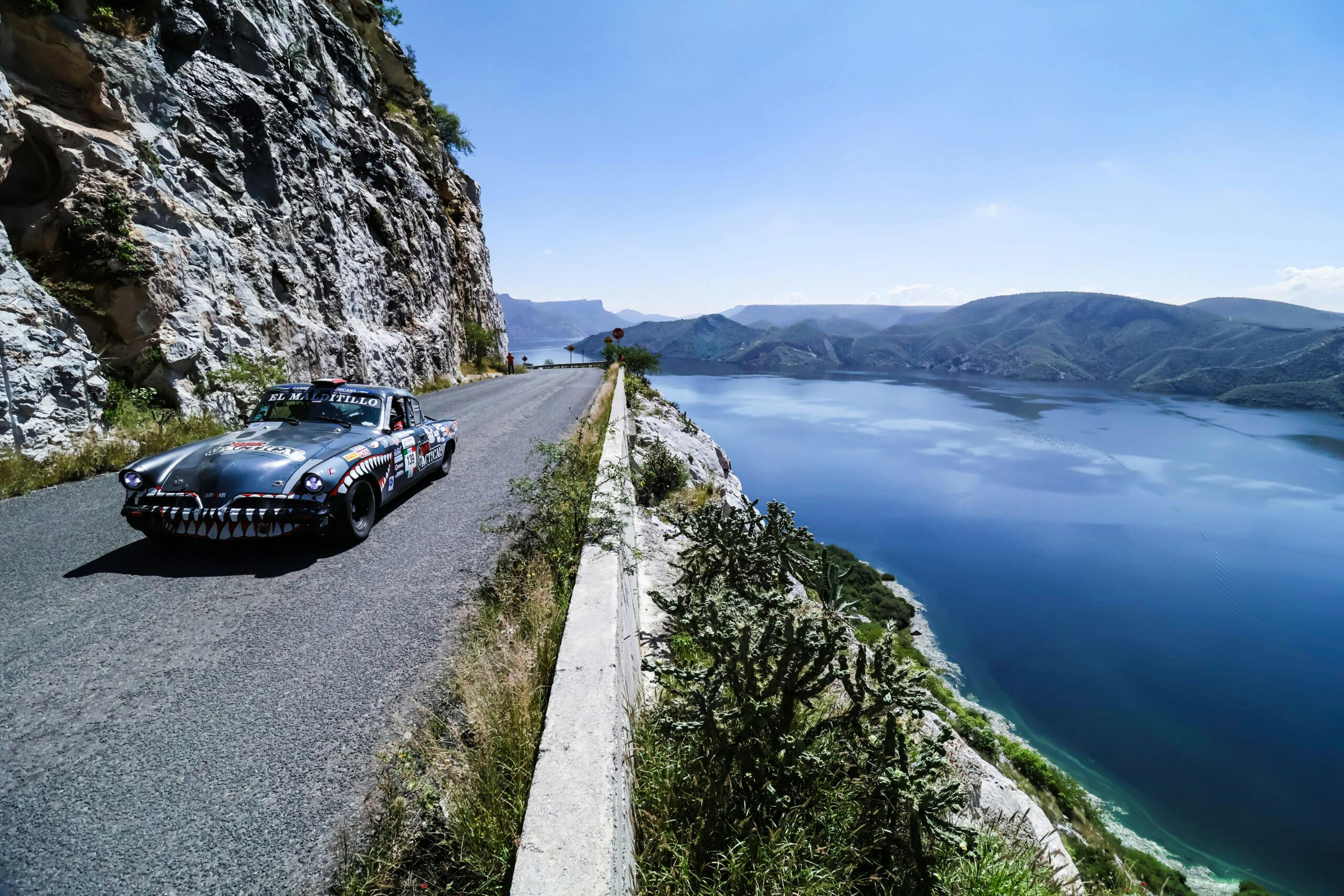
Take this year’s winner, “El Malditillo.” The name is related to the Spanish for “cursed,” and the car wears a jagged, toothy grin painted on its front bumper. A 1953 Studebaker Champion, it was driven by the duo of Mexican-born Ricardo Cordero and Marco Hernández, who have won the race together seven times. Hernández was also co-driver for a win with a different driver on a previous running of the event, making him the most successful navigator at the Carrera.
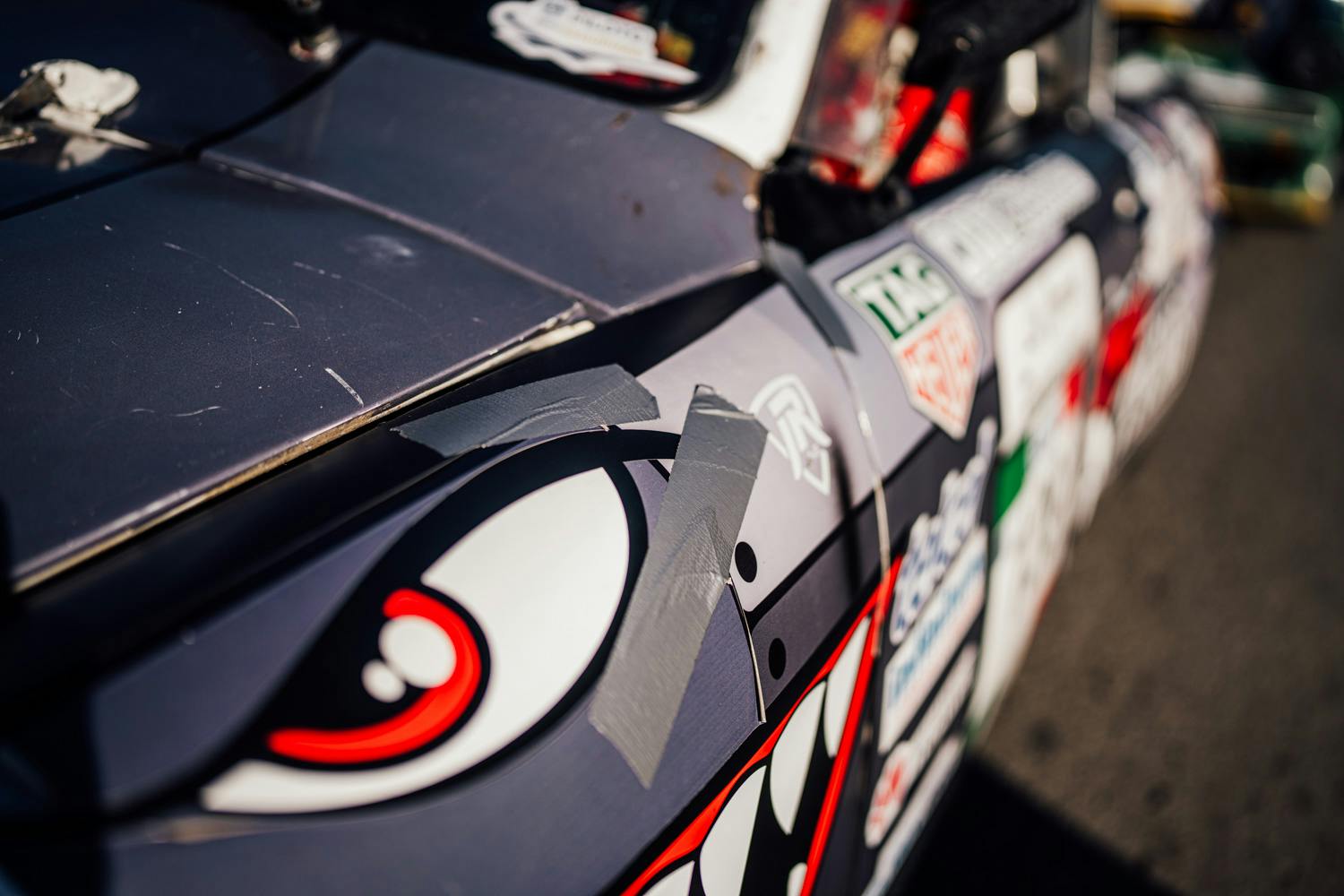
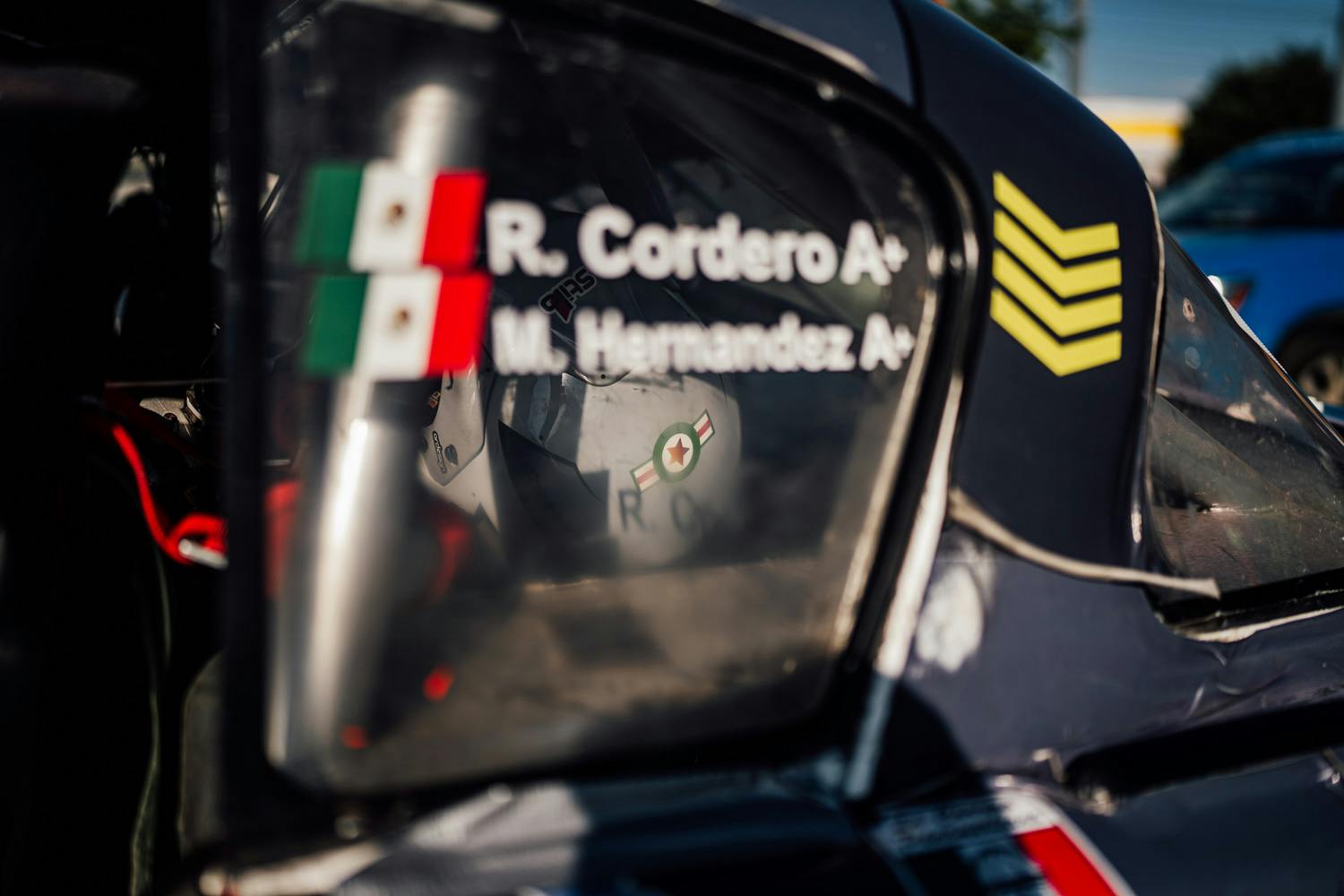
El Malditillo and El Commander and their rivals run in the Panamericana’s top-tier Turismo Mayor class—basically, Gran Turismo—which is restricted to cars built in 1954 or earlier. Heavy modification is allowed, along with the usual safety requirements, and the professional teams really go to town.
The Studebaker inline-sixes are long gone, replaced by 6.0-liter Chevrolet V-8s capable of making as much as 600 hp on regular pump gas. Yes, not race fuel: as a long-distance road race, the Panamericana requires cars to deal with harsh and often rural conditions. The motors need to have the flexibility to run at various altitudes as the course snakes across Mexico, and there has to be sufficient cooling to not overheat when transiting between competitive stages at normal traffic speeds.


Which is all to say that, should a Studebaker fan’s pockets be deep enough, it is theoretically possible to build a road-going Commander that could hit 200 mph on a closed road course and also be capable of driving over to Costco for a cheap hot dog and a tank of regular octane fuel. Try that in your million-dollar Singer resto-mod 911.
Or you can just enjoy a tastefully restored Champion or Commander, and tuck away the breed’s dominance in storied Mexican road racing as a fun anecdote. Today, nearly every Porsche 911 is a Carrera, unless it’s a Turbo or a GT3. Once upon a time, though, only the most special Porsches carried the name Carrera.
But at the actual Carrera Panamericana, the finish line is almost always a celebration of the Day of the Dead automaker. The race belongs to Studebaker-driving champions.