


Connect with us
https://yoursportsnation.com/wp-content/uploads/2025/07/call-to-1.png

'Blade Jumper' turns to science to earn Rio Games place

Published

on

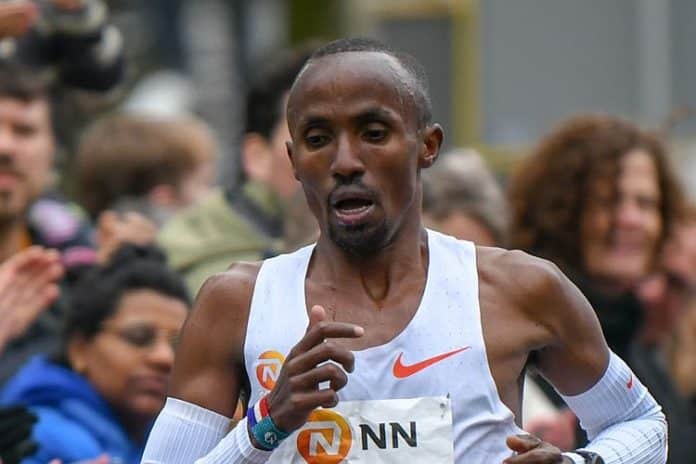
By Karolos Grohmann (Reuters) – Paralympic champion Markus Rehm said he hoped new scientific studies would prove he gains no advantage through his prosthesis and clear him to compete at the Rio de Janeiro Olympics in August. Nicknamed “Blade Jumper”, the 2012 Paralympics gold medalist and 2014 German long jump champion hopes to become the second athlete with a carbon fiber running blade to compete in the Olympics after South Africa’s Oscar Pistorius in 2012. But a new rule by the International Association of Athletics Federations (IAAF) introduced last year leaves it to amputee competitors to prove their prosthesis does not put them in an advantage over able-bodied athletes. “Markus Rehm and the German Disabled Sports Association hope to gain clarification from the results about whether it will be possible in the future for athletes with amputations to compete at national and international athletics competitions,” his management said in a statement on Tuesday. “The results will be presented at the beginning of June in Cologne.” The studies are conducted in association with the German Sport University Cologne, the National Institute of Advanced Industrial Science and Technology in Tokyo, the University of Colorado Boulder as well as a Japanese broadcaster. IAAF’s new rule bans ‘the use of any mechanical aid, unless the athlete can establish on the balance of probabilities that the use of such an aid would not provide him with an overall competitive advantage over an athlete not using such aid.’ Rehm’s performances have caused a stir, especially after his 2014 German title victory that triggered mixed reactions from fellow athletes at the time. He also beat able-bodied athletes with a jump of 8.10 meters at the Glasgow Indoor Grand Prix in February. The 27-year-old, who lost his lower right leg in a boating accident as a teenager, has already complained his case was dragging on, with the IAAF still to publish the specific criteria for their new rule. Rehm, who under the current rule is at the moment unavailable for selection for the German Olympic team, has also threatened legal action as a last resort if the IAAF was seen to be stalling his case. The Rio Olympics begin on Aug. 5, with the long jump qualifying and final competitions set for Aug. 12-13. (Reporting by Karolos Grohmann. Editing by Patrick Johnston)

Rec Sports

From Jr Refs to MOA: Fairfield’s Six Young Officials Are Changing the Game | Local News

Published

on


On winter nights in Fairfield, when the band is loud and the student section louder, it is easy to focus on the players in uniform and forget about the three people in stripes who hold the whole thing together.  In Fairfield, six of those officials have a story worth telling.

All six began in the 127 Sports Intensity Junior Referee program. Today, as registered members of the Montana Officials Association (MOA), they are working meaningful junior high school games and assorted youth basketball games,  while still walking the same hallways as the students they officiate.

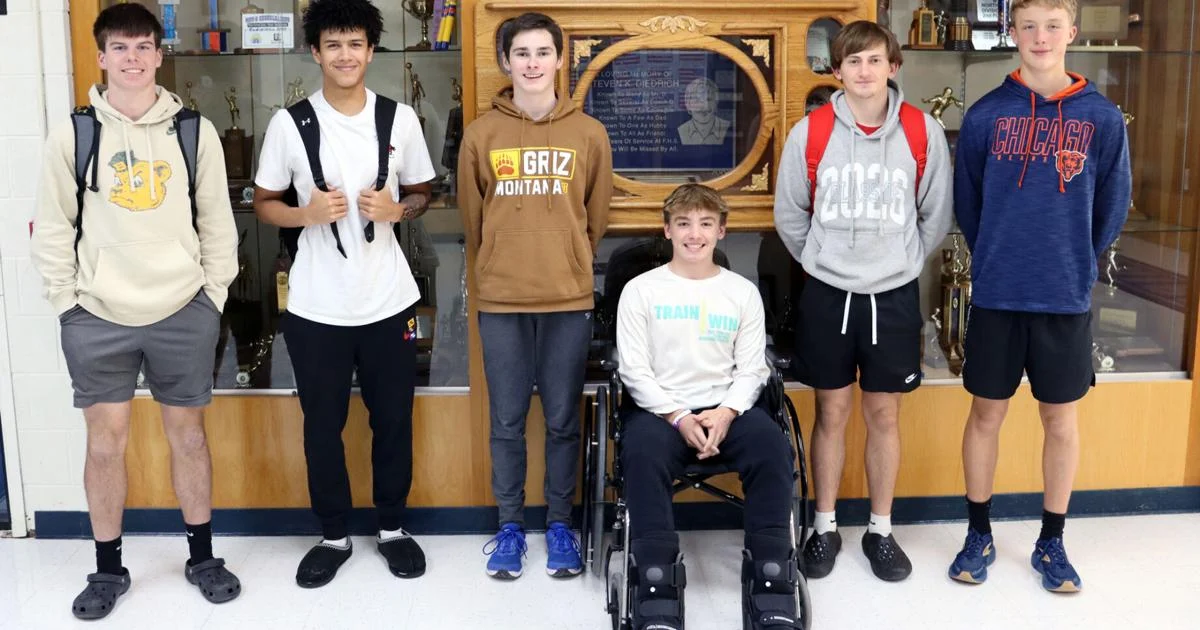
They are: Deron Lear, Senior (Grade 12); Travis Cartwright, Senior (Grade 12); Reed Von Stein, Senior (Grade 12); Cameron Keel, Freshman (Grade 9); Ryan Mathison, Freshman (Grade 9) and Beckett Rau, Freshman (Grade 9)

Individually, they are teenagers. Collectively, they are something far more rare: a homegrown officiating crew that has quietly become one of the Fairfield Basketball Club’s most important assets.


A Long Road from First Whistle to Varsity Floor

None of this happened by accident.

These six officials started where nearly every official dreams of never returning: elementary and middle school gyms. They learned to blow the whistle with conviction in front of parents sitting 10 feet away. They figured out how to explain calls to kids still learning to dribble. They worked youth tournaments when the rest of their friends were just watching from the bleachers.

Over time, game by game, they logged a large number of assignments across: youth and Fairfield Basketball Club games; Junior high schedules; weekend and holiday tournaments; summer league and camp games.

Most people see one game at a time. These six see a season as a stack of opportunities to improve. They have spent evenings and Saturdays in gyms from Fairfield to neighboring communities, not for highlight reels, but for the quiet satisfaction of getting the game right.


Training, Evaluation, and the Standard They Chose

The JR REF program gave them a runway: clinics on mechanics and positioning, instruction on signals and rules, guidance on how to handle coaches and game situations with composure. But they didn’t stop at “good enough for youth ball.”

They sought out more—more feedback, more instruction, more accountability.

Each of these officials has been evaluated by college-level evaluators, people who work regularly with officials well beyond the high school ranks. Those evaluations have done more than check a box; they have confirmed what some Fairfield fans have already seen from the bleachers: they move with purpose and proper mechanics; they communicate clearly and respectfully with coaches and players; they adjust when they receive feedback, rather than defending bad habits; they carry themselves like professionals in a place that is not always friendly to officials.

To be a teenager and willingly invite that level of scrutiny is unusual. To respond to it by earning MOA status is impressive. It signals that if any of them choose to pursue officiating at higher levels, they already understand what the profession demands.


WEB-JR-REF-Clinic_Dahl_Frick_2025-(2).jpg

 Fairfield’s Answer to a Statewide Problem

Across Montana—and the country—the story is the same: not enough officials. Games are rescheduled, junior varsity contests are shortened, and assignors spend long nights begging for one more crew to cover one more gym.

127 Sports Intensity has chosen a different response: grow its own.

These six MOA officials are a direct result of that decision. The impact is felt every week: games get covered. With a larger, local pool of trained officials, Fairfield Schools and the Fairfield Basketball Club are better positioned to keep schedules intact; expectations stay consistent. Officials who have grown up in the system understand local standards, rivalries, and what Fairfield basketball means to the community; younger athletes see a new path. When a fifth grader watches a high school student officiate, the message is simple: this is something I could do, too.

In an era where the question is often “Where will we find officials?” Fairfield can answer, at least in part, “We are developing them right here.”


More Than a Side Job

Yes, officiating pays. For teenagers, it is a better-than-average way to earn money.

But framing it only as a side job undersells what is actually happening.

By stepping onto the floor in stripes, Deron Lear, Travis Cartwright, Reed Von Stein, Cameron Keel, Ryan Mathison, and Beckett Rau are learning high-level, real-world skills long before many of their peers: managing conflict in emotionally charged environments; communicating with adults and peers under pressure; making immediate, public decisions and living with the result; handling criticism and staying composed when the gym disagrees

Those are leadership skills. They will matter in college classrooms, workplaces, and communities long after the last horn sounds on their high school careers.


A Blueprint for

the Future of Officiating

There is a larger lesson inside Fairfield’s story.

If high school sports want a sustainable future, then communities will need more than short-term fixes and recruitment slogans. They will need pipelines—programs that introduce officiating early, train young people well, give them real experience, and then guide them into associations like the MOA.

These six names—Deron Lear, Travis Cartwright, Reed Von Stein, Cameron Keel, Ryan Mathison, and Beckett Rau—represent more than the current officiating crew. They represent proof that when a community invests intentionally in young officials, the payoff shows up on the scoreboard, in the stands, and in the long-term health of the sport itself.

Fairfield’s players may supply the highlights.

But on many nights, its officials are supplying something just as valuable: a future where the games can go on, called by people who learned to love this work in the very same gyms where they now toss the ball in the air and blow the opening whistle.

The Next Wave: Jr Ref Clinic Participants

The story does not end with the six MOA officials. Behind them stands a growing group of Jr Ref clinic graduates—young students who have already taken their first steps with a whistle and a rulebook in hand.

These are the Jr Ref participants from last year:

Kohl Barnett, Kyla Cooley, Eli Cowgill, Willa Cowgill, Colton Dahl, Conley Dahl, Kingston Egbert, Natalie Harrell, Grace Helmer, Paige Helmer, Kale Hinderager, Nora Hinderager, Bryce Hooper, Cameron Keel, Madison Keel, Edan Keller, Eve Keller, Angus Lidstrom, Ryan Mathison, Easton Misner, Brynn Neuman, Aundra Passmore, Charlotte Pearson, Jack Rasmussen, Natalie Rasmussen, Beckett Rau, Calder Rosenkrance, Carsten Rosenkrance, Brendon Schenk, Reed Von Stein, Gretta Wilson, Samuel Woodhouse.

Some of these names—Cameron Keel, Ryan Mathison, Beckett Rau, and Reed Von Stein—have already climbed from that list into the MOA ranks. The rest are at various points on the same path: learning mechanics, working youth games, absorbing feedback, and discovering what it means to be the steady voice in a noisy gym.

For Fairfield, this group is more than a roster; it is the future.

In the seasons ahead, many of these Jr Refs will work more games, clean up their positioning, sharpen their signals, and grow more confident in their decision-making. Some will decide that officiating is something they want to pursue seriously. When they do, they will not have to guess how to get there—they will have six living examples in Deron, Travis, Reed, Cameron, Ryan, and Beckett showing them exactly what is possible.

If the first wave of MOA officials proves that Fairfield can grow its own referees, this Jr Ref cohort is proof that the pipeline is alive and working. With every clinic they attend and every youth game they officiate, they move one step closer to joining the MOA ranks themselves—and to ensuring that, in Fairfield, the games will always have someone ready to toss the ball, blow the whistle, and get things started.


Link

Continue Reading

Sports

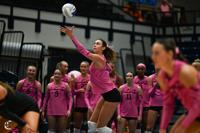
No. 8-seed Penn State women’s volleyball defeats USF, advances to second round of NCAA Tournament | Penn State Volleyball News

Published

on


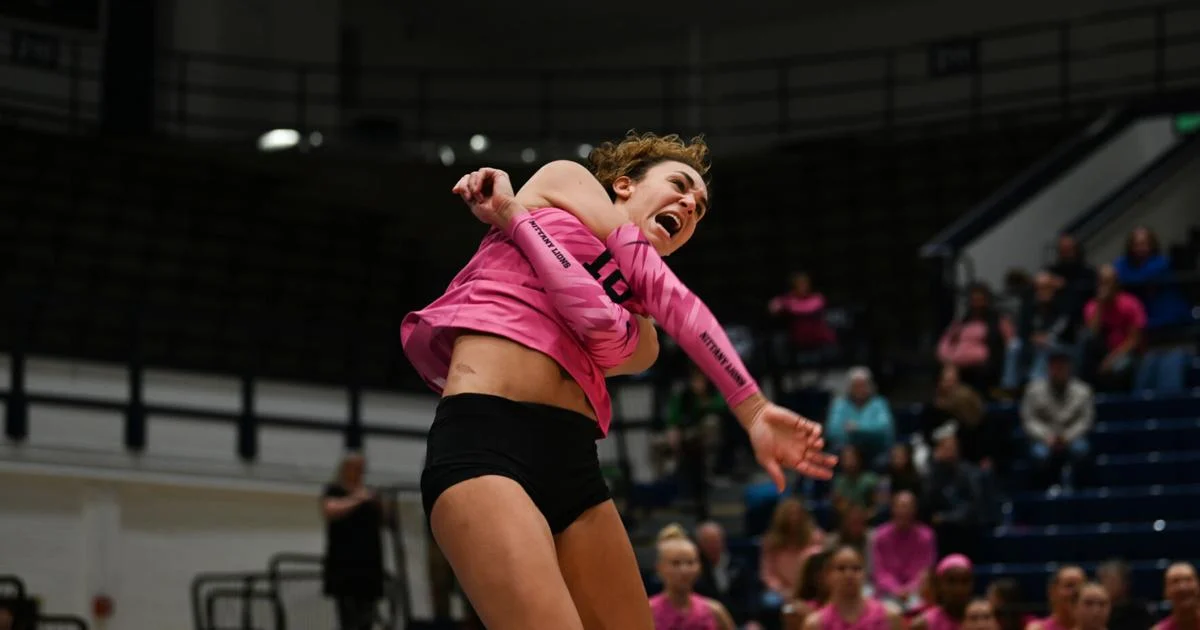
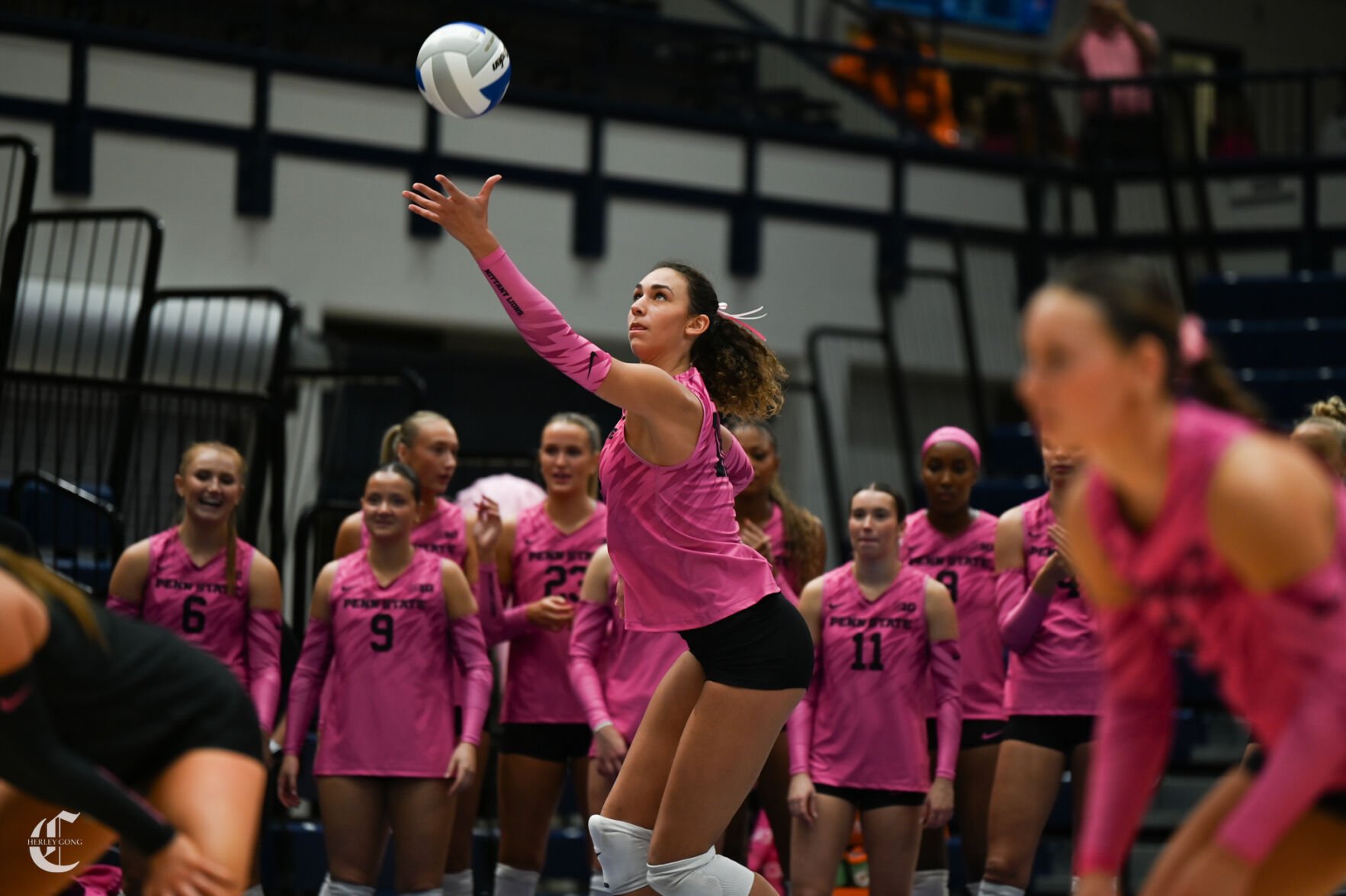
Penn State was in the Lone Star State on Friday, taking on South Florida in the first round of the NCAA tournament. The teams met in Austin at the Gregory Gymnasium, home of the Texas Longhorns women’s volleyball team.

This wasn’t the first time the Nittany Lions and the Bulls have met; however, it was their first time in tournament play, but the blue and white have a 3-0 record over USF.

Penn State took out the Bulls 3-1 after a tight match with challenges and back-and-forth play to thank for that.

Middle blocker Maggie Mendelson opened up the scoring for the Nittany Lions, and right-side hitter Kennedy Martin went up over the net to make it two.

Outside hitter Maria Clara Andrade got the Bulls their first point of the night and USF’s first point in NCAA tournament play since its last appearance in 2003.

USF kept good coverage in the first set to keep the Nittany Lions at a distance, as well as landing kill after kill, which put it ahead of the Nittany Lions 15-10 halfway through the first set.

The blue and white came back with a crucial ace by libero Gillian Grimes, and Martin sent kills through USF’s defense, which tied the Nittany Lions 16-16. Setter Addie Lyon backed up Grimes and made good digs that kept the ball in play, which allowed the Nittany Lions to get to set point and take the first set 25-23.

Andrade kept the Nittany Lions on their toes, and she was there to give the blue and white a back-and-forth first set.

The second set started off strong for USF with outside hitter Addy Brus adding two kills to the Bulls’ score, both landing in the center of the Nittany Lions’ side of the court. Middle blocker Iyanna Garvin continued to get up over the net, as well, and Laila Ivey delivered a housed block, which shut down Penn State and kept a lead.

A crucial point that would close the gap between USF and Penn State was called a service error on Brus, but after it was challenged by the Bulls, the point was given to them as an ace. This put USF 15-10 halfway through the second set.

The Bulls reached set point 24-12 and took the second set 25-12.

The third set saw the blue and white take control by capitalizing on USF’s errors, getting it ahead of the Bulls. Outside hitter Caroline Jurevicius had a strong kill that gave the Nittany Lions some wiggle room, but that was closed by Ivey with a kill of her own.

Lyon kept racking up assists and setting up her offense for multiple kills to keep up with USF, which led halfway through the third set 16-14.

The Nittany Lions tied with the Bulls, 18-18, after an attack error by Brus. The point was challenged by USF, but the call remained the same after further review.

Penn State reached set point after the point was challenged by USF. Penn State took the third set 25-21.

Penn State continued its string of errors early in the fourth set, which the Bulls used to get a lead early on. Outside hitter Emmi Sellman delivered an important ace that closed a previously narrow gap between the Nittany Lions and the Bulls, and a kill by Jurevicius as well as an attack error by Andrade, tied the teams 10-10.

Penn State advanced to match point after it pulled away late in the fourth set, and took the fourth set 25-19, winning the match and moving on in the NCAA tournament.

Up next

Penn State will face the winner of No. 1-seed Texas and Florida A&M at 7:30 p.m. Saturday in Austin, Texas.

MORE VOLLEYBALL COVERAGE


5 Penn State women's volleyball players to watch in NCAA Tournament

No. 25 Penn State closed their regular season with a 3-1 win on the road, against Iowa last …

If you’re interested in submitting a Letter to the Editor, click here.


Link

Continue Reading

Motorsports

Michael Annett former NASCAR net worth and private life explained

Published

on


Michael Annett, the former NASCAR driver who died on December 5, 2025, left behind a respected career and a steady financial legacy. His net worth has become a major point of public interest following his passing at age 39. Early reports confirm his long racing career, family background, and limited public details about his private life.

JR Motorsports announced his death on December 5. They did not confirm a cause. Fans and colleagues across NASCAR expressed shock as the news spread. Annett had retired in 2021 after suffering a stress fracture in his right femur.

Michael Annett’s career and earnings overview

Annett competed in NASCAR from 2008 to 2021. He ran 436 national series races across the Cup Series, Xfinity Series, and Truck Series. He earned his biggest career win in February 2019 when he won the Daytona Xfinity season opener. He also finished fifth in the 2012 NASCAR Xfinity standings.

Trusted outlets note that Xfinity veterans of his era often earned between 200,000 and 500,000 dollars per year, depending on results and bonuses. Annett also earned prize money from 321 Xfinity starts, 106 Cup Series races, and several ARCA and Truck Series appearances. His 2019 Daytona win paid a high six-figure purse.

Sponsorship played a key role in his financial stability. Flying J supported him for more than a decade. That long-term sponsorship contributed significantly to his earnings and allowed him to stay in competitive equipment. His career also included two ARCA wins in 2007 and 2008 before he moved into NASCAR full time.

Multiple financial trackers estimate that Annett’s net worth ranged from five to ten million dollars at the time of his death. This aligns with typical earnings for long-tenured drivers with consistent sponsorship backing and steady performance across major NASCAR divisions.

Annett retired in 2021. His retirement statement mentioned gratitude for his team relationships and the opportunities he received through motorsports. He later stepped away from the public spotlight.

Former NASCAR Driver Michael Annett cause of deathFormer NASCAR Driver Michael Annett cause of death

Private life details remain limited

There is little verified information about Annett’s private life. There are no official records confirming whether he was married. Social media speculation grew in 2013 about a reported relationship with Heidi Spillane after the pair were linked through an animal adoption story. However, this was never confirmed.

Annett was the son of Harold “Harrold” Annett, the founder of TMC Transportation. His father supported his racing career starting in his earliest racing stages. Harold passed away before Michael, leaving a family legacy tied to both business and motorsports.

Annett rarely discussed personal matters publicly. His private life was mostly separate from his racing identity, and he avoided major media attention off the track.

The racing community continues to honor Michael Annett’s life, career, and the steady presence he brought to NASCAR. His net worth, career milestones, and family connections form the final picture of a respected competitor whose legacy now stands complete.

FYI (keeping you in the loop)-

Q1: What was Michael Annett’s net worth?

Most estimates place his net worth between five and ten million dollars. This reflects his long NASCAR career and sponsorship-backed earnings.

Q2: How long did Michael Annett race in NASCAR?

He raced from 2008 to 2021. He competed in 436 national series events and won the 2019 Daytona Xfinity opener.

Q3: Did Michael Annett have a confirmed spouse?

No confirmed reports exist. His private life was not publicly documented, and speculation from 2013 was never verified.

Q4: What caused Michael Annett’s retirement?

He retired in 2021 due to a stress fracture in his right femur. The injury prevented him from completing a full season.

Q5: What team announced his passing?

JR Motorsports confirmed his death on December 5, 2025. They did not provide a cause of death.


iNews covers the latest and most impactful stories across
entertainment,
business,
sports,
politics, and
technology,
from AI breakthroughs to major global developments. Stay updated with the trends shaping our world. For news tips, editorial feedback, or professional inquiries, please email us at
[email protected].

Get the latest news and Breaking News first by following us on

Google News,
Twitter,
Facebook,
Telegram
, and subscribe to our
YouTube channel.


Link

Continue Reading

Rec Sports

Is pickleball destined to become sanctioned AIA high school sport?

Published

on


by Matthew Singer, Cronkite News
December 5, 2025

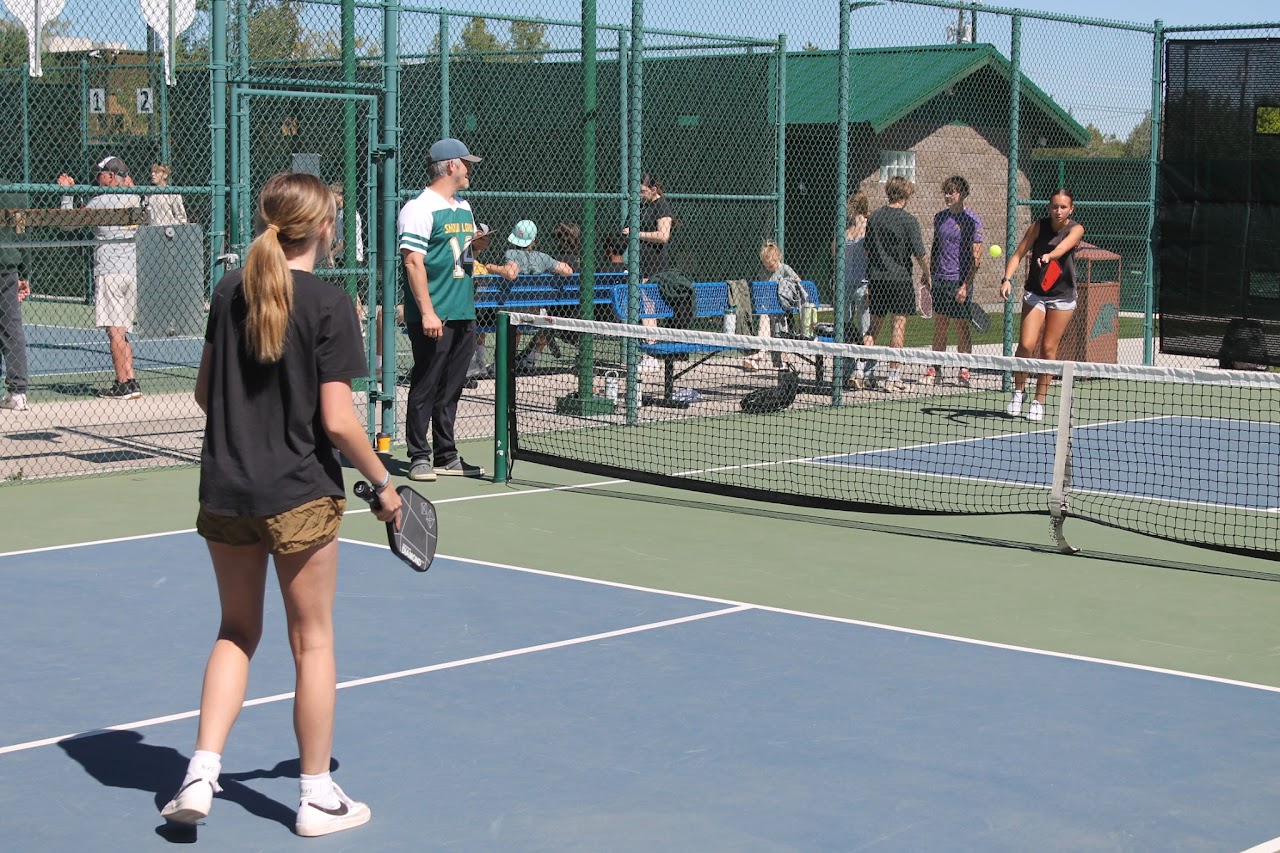
TEMPE – At recreation centers across the world, the sound is unmistakable – it’s the sharp pop of plastic ball meets paddle. What was once a quiet hobby for a few is now filling courts.

Even at the high school level.

What started as a friendly competition on Bainbridge Island near Seattle in 1965, pickleball is the fastest growing sport in the country for four consecutive years, according to a study by the Sports and Fitness Industry Association.

It does not discriminate by age, wealth or athletic skill level. It is why a sport often associated with the senior community is now popular among many, including among high school athletes.

“There are tons of high school clubs,” said Riley Palmer, director of pickleball at Dink and Dine Pickle Park in Mesa. “I’m a junior competitive club coach for Monster Athlete as well, and they had over 180 kids, 18 teams. It is picking up with a lot of speed, hopefully quickly becoming an Olympic sport.”

The facility is set to host the first high school pickleball state championships for more than 20 club teams Saturday and Sunday. Competition includes boys and girls singles, doubles and mixed doubles. 

The event reflects pickleball’s growing popularity, although for some, it’s less about the product  and more about the journey.

“Because we see if we can get kids off their phones and get them out here and encourage them to be social, making new friends, meeting new people,” Palmer said.

With pickleball growing so fast, is it destined to become a sanctioned Arizona Interscholastic Association high school sport?

If so, it is a multi-step process that will take time.

“So if the school’s been playing a sport for a certain while and they say, ‘We want to be part of the AIA oversight,’ the schools will make an application,” said Seth Polansky, the AIA’s director of media services. “We’ll send in an agenda item for an executive board meeting and our executive board will hear the case and see if they want to add it or not.”

If the board decides it wants to add the sport, it will go into “emerging status,” which means that it has no sanctioned championship in the beginning.

“Basically, they’ll be playing by the rules they play with and then the AIA would oversee it for typically two years,” Polansky said. “So after year one and seeing how things are going, AIA staff would send surveys out to the other member schools: ‘If we were to add this sport, would you add it, too?’”

Kenny Cail, commissioner and chairman of National High School Club Pickleball, would like to speed up the process.

“I write letters to schools,” Cail said.  “I write to their student councils, their counselors, to their principals and I tell them about the benefits of pickleball. I tell them about how, at the collegiate level last year, there were around 41 teams in the national tournament, and this year they have 250-something teams.”

Cail, a former high school football and wrestling coach, knows firsthand the importance of sports in young kids’ lives and would love to see the popularity of the sport continue to grow.

“You could see the kids progress,” Cail said. “They had teammates that lasted a lifetime. They had purpose in their life. The problem with sports is that it’s not there for everybody. It’s generally for only the best. And you want to make kids count. And when they count, they get connected to their schools. 

“So to make kids connect, let’s try to find a sport that doesn’t require you to be the strongest, the tallest, the biggest, a certain body type or anything like that. And pickleball is that sport.”

Cail, a big proponent of Title IX, the federal legislation that requires equal access and resources for women’s sports in schools that receive federal money,  sees the value of pickleball as a coed sport.

“It’s a great Title IX sport because it’s not separate but equal, but you can have mixed doubles,” Cail said. “And your partner could be a girl. In eigth grade or junior high, you might want to learn how to speak to girls. So that’s a real benefit.

Teenagers fill the courts at a recent high school tournament at Spitfire Pickleball in Idaho Falls, Idaho. (Photo courtesy of Jalen Fuhriman)

“When I was in college, I was a wrestler, but I was on NAU’s committee for Title IX. And they thought I’d stand up for men’s wrestling, but I stood up for Title IX instead. And I said, it’s important for everybody, and we need to have more equalization for women in our communities and in our lives.”

Cail acknowledges a wait is involved to make pickleball a Title IX sanctioned AIA sport but thinks “ it’s going to move fast. Not as fast as I want it to go. But when I talked to the AIA, they said it might take seven years until they make it a varsity sport, but I think it’s going to change immediately when the NCAA decides to make it a collegiate sport.”

Although the sport is not presently on the AIA’s radar, the organization has moved quickly in the past to add sports when participation numbers support it. Girls flag football, for example, was added only a few years after its inception because of widespread interest.

In late 2022, enough schools rallied to make girls flag football a sanctioned sport, bypassing the “emerging status” period.

“And the path that I think I see is that schools or kids can be taught pickleball just before the tournaments,” Cail said. “And then they’re told if you want to represent our school, have your mom and dad pay the entry fee, go to the tournament, drive you there. Then the school’s not involved, but it’ll develop.

“They’ll still be competing for their school, and that’s a big plus. And they won’t get AIA backing until the AIA sees value in that. And right now, I don’t think they do. We’re going to emphasize parents creating the sport in the school system, so they need to push for it.”

The interest from teenagers reflects the widespread popularity of the sport.

“I’ve been playing with my kids since they were 7, but I can also get out there and play with my dad, who’s almost 80,” Palmer said.

It is a way to exercise and stay active for both seniors and youth.

“Any time you take a population that is more sedentary and they come into a sport and they’re active, the benefits are good, overall,” Palmer said. “Cardio health, mental health, they’re looking at it going, ‘This is definitely something that we love to promote,’ and they want to see it grow, too.”

While a distinct youth movement has made the average age about 35, adults and seniors have been a major part of pickleball’s initial growth.

“I see the amount of players growing as the kids are getting very into it now and as they grow up with it and keep playing,” said Wendi Sobelman, an avid pickleball player. “I’m watching 12-year-olds play in tournaments.

“So I think a lot more people are going to get into it now that the ‘youngins’ are because they used to think it’s just for the older crowd.”

Pickleball enthusiasts will say that the game is easy to learn and play for anyone, regardless of age.

“Whether you are older or younger, you can actually play together because a lot of it has to do with where you’re placing the ball,” Palmer said. “So physically, it’s very engaging, and you can make of it how much you want. I could have a match where it’s a 2-mile match, or I could be playing a little bit more conservative.”

The level of strategy needed for the sport makes it easy to play. And it depends more on touch, reflexes and court positioning than pure athleticism.

“The game actually takes a lot of strategy because you’re playing on a much smaller court,” Palmer said. “It’s about a third of the size of a tennis court. So you have less time to react. You still have a ball that goes really fast. But if you can kind of see where the ball could go and place it away from somebody, then you have a good chance.”

Although the low difficulty of the sport is a major draw, other facets keep players come back for more.

“Creating a social group and getting to meet new people grows the sport,” said Caiden Hardy, who works for Center Court Pickleball Club. “It just gets you out on the court.”

Regardless of the timeline pickleball faces to become a sanctioned high school sport, most believe it will continue to grow at an exponential rate due to the community it has already built, and its uniqueness.

“I would just say, give it a try,” Palmer said. “I’ve never had anyone – and I’ve taught over 3,500 people – leave and say, ‘I didn’t like that.’”

This <a target=”_blank” href=”https://cronkitenews.azpbs.org/2025/12/05/pickleball-high-school-arizona-aia/”>article</a> first appeared on <a target=”_blank” href=”https://cronkitenews.azpbs.org”>Cronkite News</a> and is republished here under a <a target=”_blank” href=”https://creativecommons.org/licenses/by-nd/4.0/”>Creative Commons Attribution-NoDerivatives 4.0 International License</a>.

<img id=”republication-tracker-tool-source” src=”https://cronkitenews.azpbs.org/?republication-pixel=true&post=98679″ style=”width:1px;height:1px;”><script> PARSELY = { autotrack: false, onload: function() { PARSELY.beacon.trackPageView({ url: “https://cronkitenews.azpbs.org/2025/12/05/pickleball-high-school-arizona-aia/”, urlref: window.location.href }); } } </script> <script id=”parsely-cfg” src=”//cdn.parsely.com/keys/cronkitenews.azpbs.org/p.js”></script>


Link

Continue Reading

Rec Sports

Jaycees Christmas Parade planned for Dec. 13 | News

Published

on


Link

Continue Reading

Technology

Gaming Accessories Market Valued at USD 7,195.83 Billion

Published

on


Gaming Accessories Market Valued at USD 7,195.83 Billion

The Gaming Accessories Market is experiencing robust growth due to the rising popularity of gaming across all age groups, technological advancements, and the expansion of eSports. Gaming accessories, including controllers, headsets, keyboards, and mice, are witnessing increasing demand from PC, console, and mobile gamers.

Valued at USD 7195.83 Billion in 2024, the market is projected to reach USD 14534.84 Billion by 2035, growing at a CAGR of 6.60% during 2025-2035. The shift toward sustainable products, customization options, and enhanced gaming experiences is further accelerating market adoption globally.

Competitive Landscape:

Key players in the Gaming Accessories Market focus on innovation, brand loyalty, and global reach:

• Turtle Beach

• HyperX

• Astro Gaming

• Zowie

• Razer

• Alienware

• SteelSeries

• Roccat

• BenQ

• Acer

• Microsoft

• Logitech

• Corsair

• Cooler Master

• Sony

Request To Free Sample of This Strategic Report ➤ https://www.marketresearchfuture.com/sample_request/8609

Key Market Drivers:

• Rising Gaming Popularity: Increasing number of gamers across consoles, PCs, and mobile devices.

• Technological Advancements: Innovative peripherals with enhanced performance, immersive audio, and ergonomic designs.

• Expansion of eSports: Professional gaming tournaments driving demand for high-quality accessories.

• Customization Trends: Gamers seek personalized and branded gaming accessories.

• Sustainability Focus: Growth in eco-friendly and durable gaming products.

Key Market Opportunities

• Development of next-generation gaming peripherals with AI and haptic feedback.

• Expansion of mobile gaming accessory segments in emerging regions.

• Partnerships between accessory manufacturers and game developers for co-branded products.

• Growth in subscription-based gaming accessory services and rental models.

• Integration of virtual reality (VR) and augmented reality (AR) compatible accessories.

Market Trends & Dynamics

• Surge in wireless and ergonomic gaming peripherals for enhanced comfort.

• Growth in RGB and customizable gaming keyboards, mice, and headsets.

• Increased adoption of mobile gaming accessories due to smartphone gaming growth.

• Expansion of gaming accessory sales through e-commerce platforms.

• Rising interest in professional and competitive gaming setups.

Browse In-depth Market Research Report ➤ https://www.marketresearchfuture.com/reports/gaming-accessories-market-8609

Market Segmentation:

By Product Type:

• Controllers

• Headsets

• Keyboards

• Mice

• Gaming Chairs & Desks

• Other Peripherals

By Platform:

• PC

• Console

• Mobile

By End User:

• Casual Gamers

• Professional Gamers

• eSports Participants

By Deployment Mode:

• Wired Accessories

• Wireless Accessories

By Region:

• North America

• Europe

• Asia Pacific (APAC)

• South America

• Middle East & Africa (MEA)

Buy Now Premium Research Report ➤ https://www.marketresearchfuture.com/checkout?currency=one_user-USD&report_id=8609

Geographical Insights

• North America: Leads the market due to a large gamer base, strong eSports ecosystem, and technological adoption.

• Europe: Growth driven by competitive gaming, console adoption, and gaming events.

• Asia Pacific: Rapid expansion supported by mobile gaming surge, high gamer population, and rising disposable income in countries like China, Japan, and South Korea.

• South America & MEA: Moderate growth fueled by mobile gaming trends and increasing access to gaming platforms.

Future Outlook:

The Gaming Accessories Market is poised for significant growth over the next decade. With technological innovation, growing eSports participation, and increasing consumer focus on immersive gaming experiences, the market is expected to expand globally. With a projected CAGR of 6.60% (2025-2035), gaming accessories will continue to enhance gaming experiences, drive personalization trends, and support the booming eSports and mobile gaming sectors.

About US:

Market Research Future (MRFR) is a global market research company providing in-depth, accurate analysis of diverse markets worldwide. MRFR delivers insights on products, technologies, applications, end users, and key market players across global, regional, and country-level segments, empowering clients to make informed strategic decisions and capitalize on emerging opportunities.

Contact:

Market Research Future

99 Hudson Street, 5th Floor

New York, New York 10013

United States of America

Sales: +1 628 258 0071 (US)

+44 2035 002 764 (UK)

Email: sales@marketresearchfuture.com

This release was published on openPR.


Link

Continue Reading

Most Viewed Posts

Trending