
Rec Sports
Change is coming to the NFL’s mental health conversation


This fall, three NFL teams will take the field under a new kind of spotlight: Mental Health Awareness Games. But these games weren’t conceived in a league office or marketing department. They were built from the ground up by clinicians, advocates and athletes who are driving mental health forward in sports, without waiting for permission.
Over three consecutive weeks and across Los Angeles, Washington, D.C., and Phoenix, this series of games represents a cultural inflection point for professional sports. It brings up the question of who leads the mental health movement in sports — leagues, clinicians or the other organizations in the space?
A collaboration more than a year in the making
The first of three mental health games will take place on Nov. 23 at SoFi Stadium, when the Los Angeles Rams host the Tampa Bay Buccaneers. The Rams’ Raise Awareness for Mental Health Game brings together the American Board of Sports & Performance Psychiatry, the American Foundation for Suicide Prevention, the American Psychiatric Association Foundation and The Hidden Opponent.
Ahead of kickoff, there will be an invitation-only panel held at YouTube Theater, at which experts from across the country will come together to discuss the importance of addressing athlete mental health and well-being, especially in professional sports.
As Dr. Carrie Hastings, sport psychologist for the Rams, explains: “There is such power in the NFL partnering with nonprofit organizations, including the American Foundation for Suicide Prevention, because it helps decrease the stigmas of mental illness and help-seeking behavior among athletes. The NFL’s collaboration with groups such as the American Psychiatric Association Foundation amplifies the effort to address mental health needs as a unified front, particularly among a population that is still learning that emotional expression is not a sign of weakness.”
That kind of teamwork between league clinicians and outside experts is exactly what’s needed to make meaningful change and move the needle. While professional sporting leagues have made good progress in providing resources and addressing mental health, real change often faces a barrier of infrastructure, trust and accessibility.
The red tape behind the headlines
Many professional leagues, including the NFL, have implemented wellness programming. Teams also are required to hire a mental health clinician who can be available on-site to players as well. However, even the best intentions can get tangled in bureaucracy.
Mandated programming and on-site clinician availability can create uncertainty among players about what’s confidential and what might make its way back to front offices or coaching staff. No matter how clearly confidentiality is explained, the fear of “what if” remains. What if I’m seen walking into that office? What if I’m labeled as struggling?
Those quiet doubts can be powerful deterrents. Because what happens when an athlete doesn’t feel complete privacy? They stay silent.
That’s where collaborations such as these awareness games matter. Independent providers and nonprofit organizations can come together to engage with players and fans without corporate barriers, giving them the freedom to build trust and tackle topics that often stay behind locker-room doors.
It’s critical to understand that outside partnerships aren’t a threat to league programming, but rather a bridge that makes it more effective. When clinicians and nonprofit organizations can operate collaboratively with teams, rather than under them, the result is authenticity. Conversations truly resonate because they aren’t filtered by PR strategy or limited by liability language.
Commanders and Cardinals: Turning awareness into action
The second Raise Awareness for Mental Health Game will be hosted by the Washington Commanders on Nov. 30, where the theme of the pregame discussion is prioritizing mental health in youth and youth sports. During that event, I’ll lead a fireside chat with former NFL player Marcus Smith, who has courageously shared his own mental health journey through the years.
Smith’s story is a great reminder that the future of player development lies in developing athletes’ emotional regulation, self-awareness and resilience. That’s truly where the future of athletic performance lies.
On Dec. 7, the Arizona Cardinals will host their inaugural Raise Awareness for Mental Health game, in partnership with the ABSPP, APAF, LIFE and the Maricopa County Medical Society Foundation. Each ticket purchased through the dedicated group link will include access to an exclusive pregame panel and contribute $5 directly to mental health programs supported by APAF and MCMS-F. This translates to tangible impact.
Redefining strength and success
In my work with athletes and executives, I’ve seen the same pattern on repeat: Performance excels when mental health is integrated into preparation rather than being treated as an afterthought. It’s clear that optimizing performance requires intentional strengthening of emotional regulation, focus and recovery. However, this can be done only when athletes feel safe to engage.
When care comes solely from within an organization, players may question whether that vulnerability can affect their contracts or playing time. External clinicians bring confidentiality and neutrality, qualities that make it easier for athletes to speak honestly.
It’s time we stop seeing these external partnerships and collaborations as supplementary and start seeing them as essential to support athlete well-being. League clinicians and outside resources can collaborate to support athletes.
These games represent a model that should be replicated across all professional leagues. They weren’t driven by a corporate agenda or mandated by the league office, but rather by collective purpose — clinicians, nonprofits, players and teams all have a seat at the table.
This is just the starting blueprint for how teams can align fan engagement, philanthropy and health advocacy in ways that make a lasting impact. Change is coming to professional football’s mental health conversation and it’s being built, piece by piece, through teamwork.
Dr. Brook Choulet is a concierge sports and performance psychiatrist, founder of Choulet Performance Psychiatry, and president of the American Board of Sports & Performance Psychiatry.

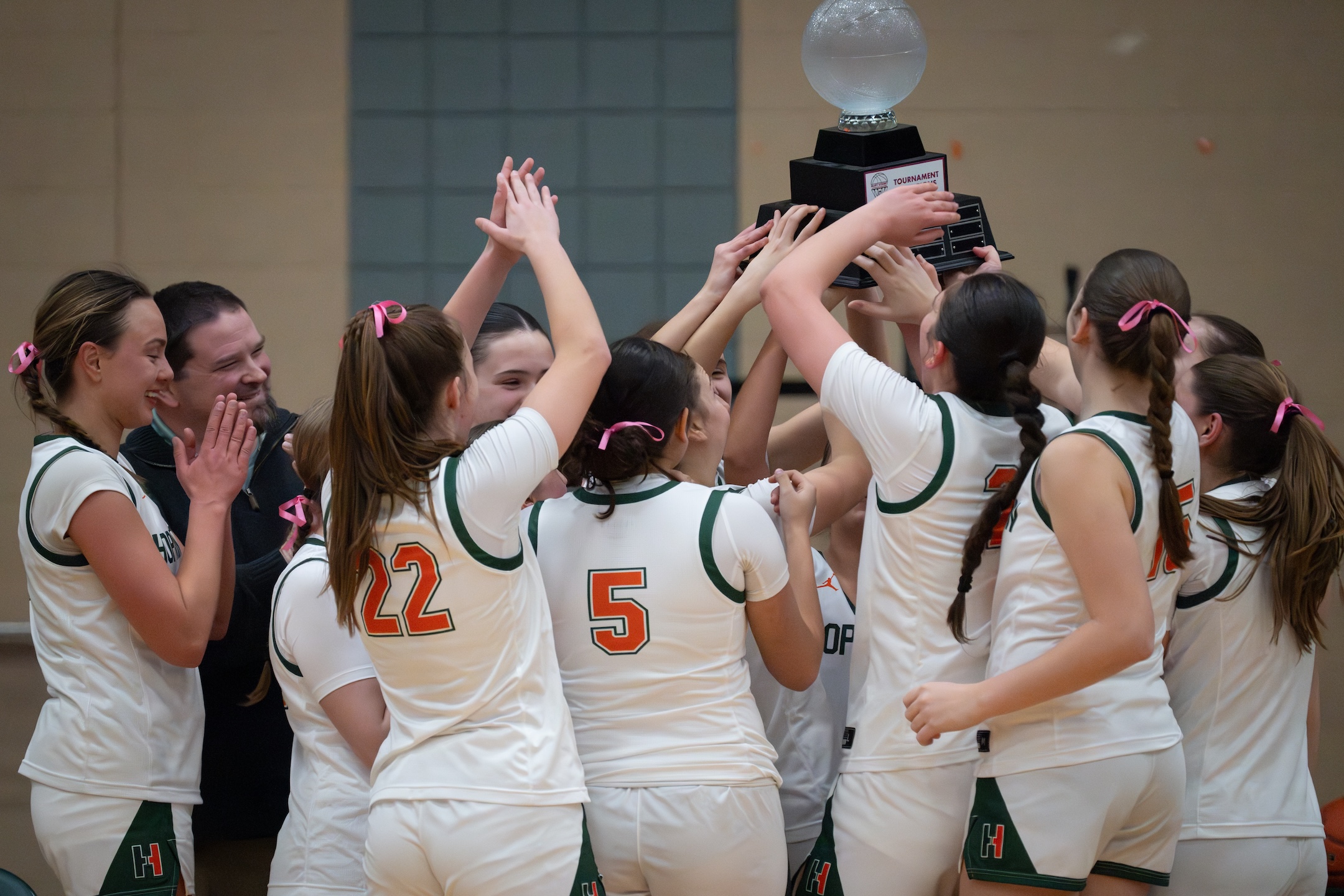
The Hopkinton High School girls basketball was tested by Milford in the championship game of Sunday’s Mary Korbey Invitational Tournament before pulling out a 41-33 win. The Hillers, who routed Medford in Saturday’s first round, take a 5-0 record into the new year.
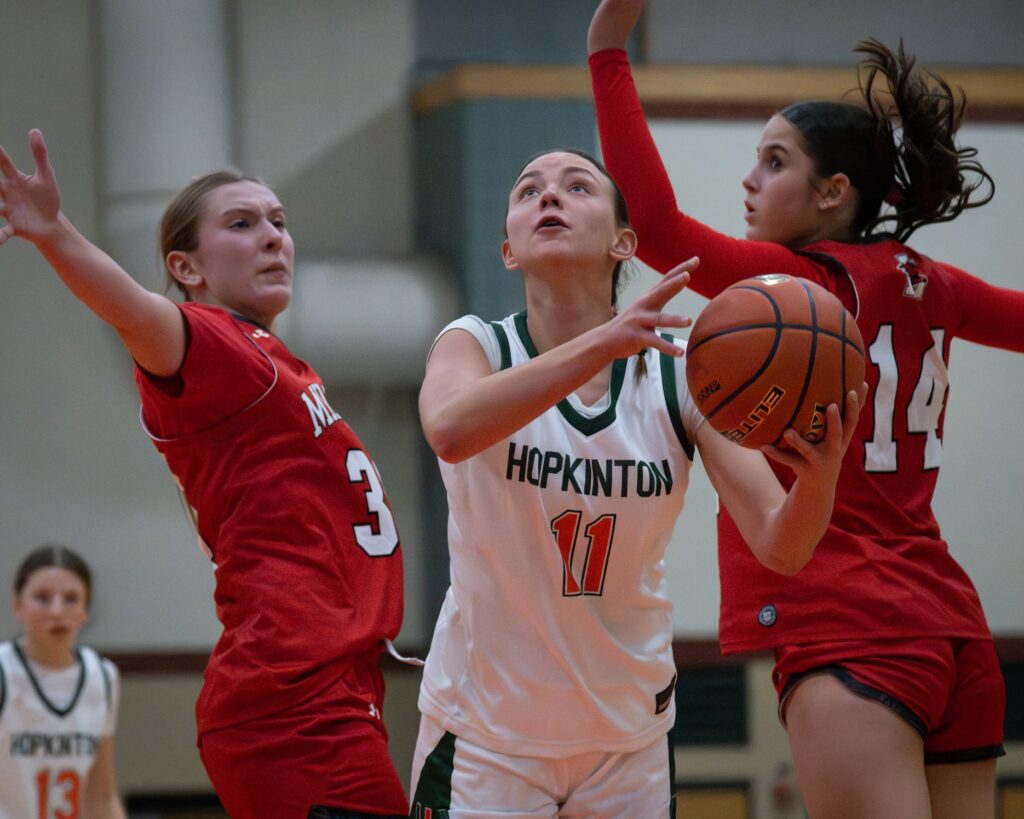
Sofiah Wightman Kraus, who was named tourney MVP, gets to the basket. PHOTO/JEN DADAGIAN
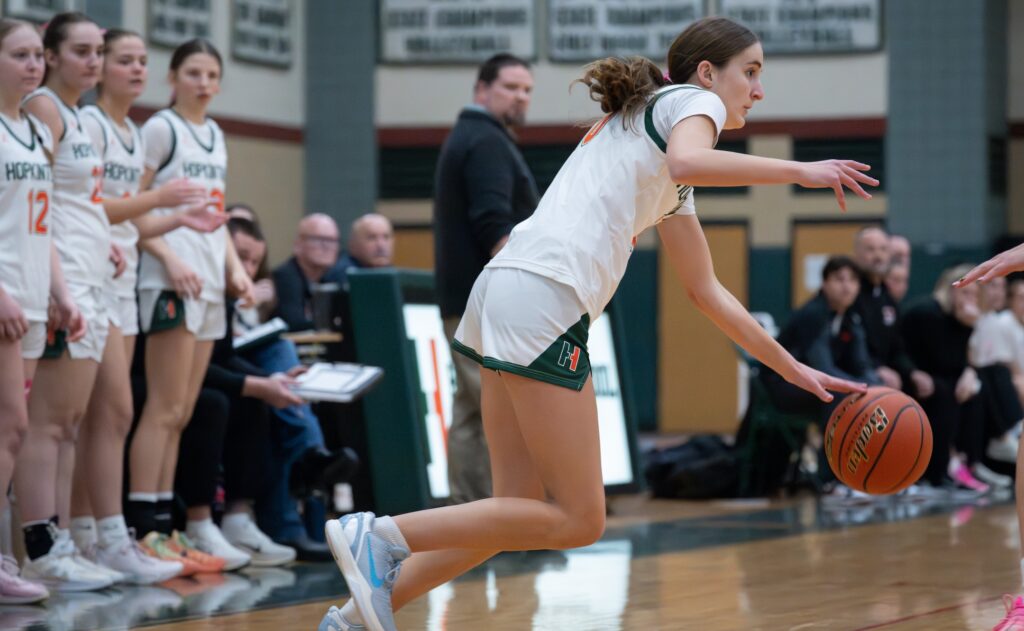
Julia Chatten assesses her options while dribbling the ball. PHOTO/JEN DADAGIAN
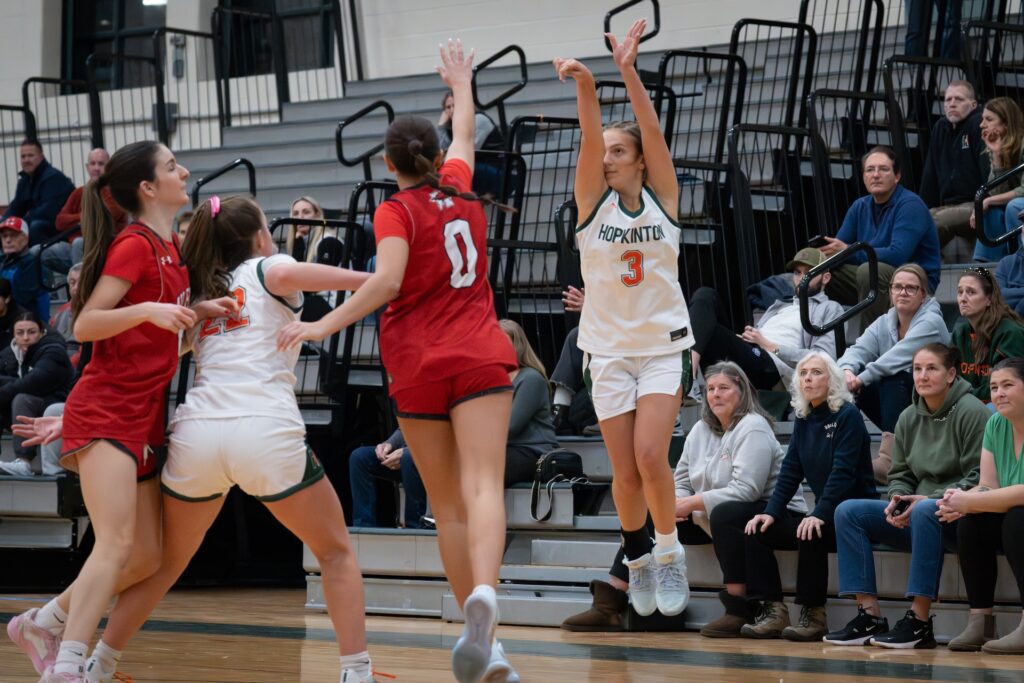
Elena Valis keeps here eye on the basket while shooting a long jumper. PHOTO/JEN DADAGIAN
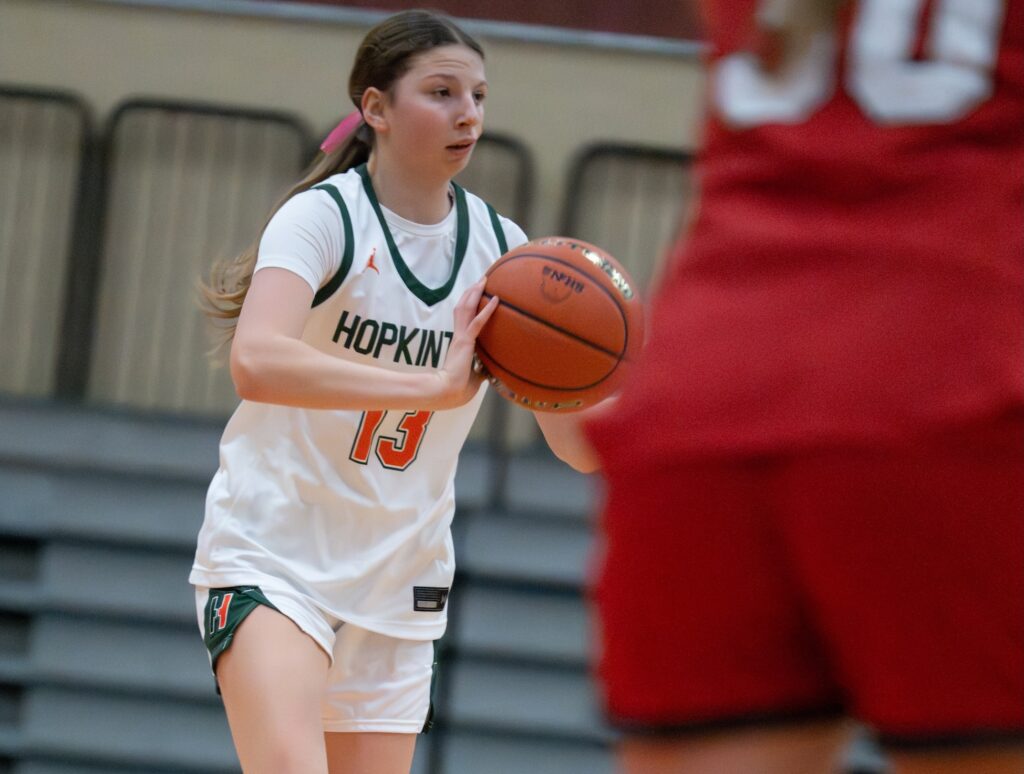
Murphy Chatten Guerette makes a pass. PHOTO/JEN DADAGIAN
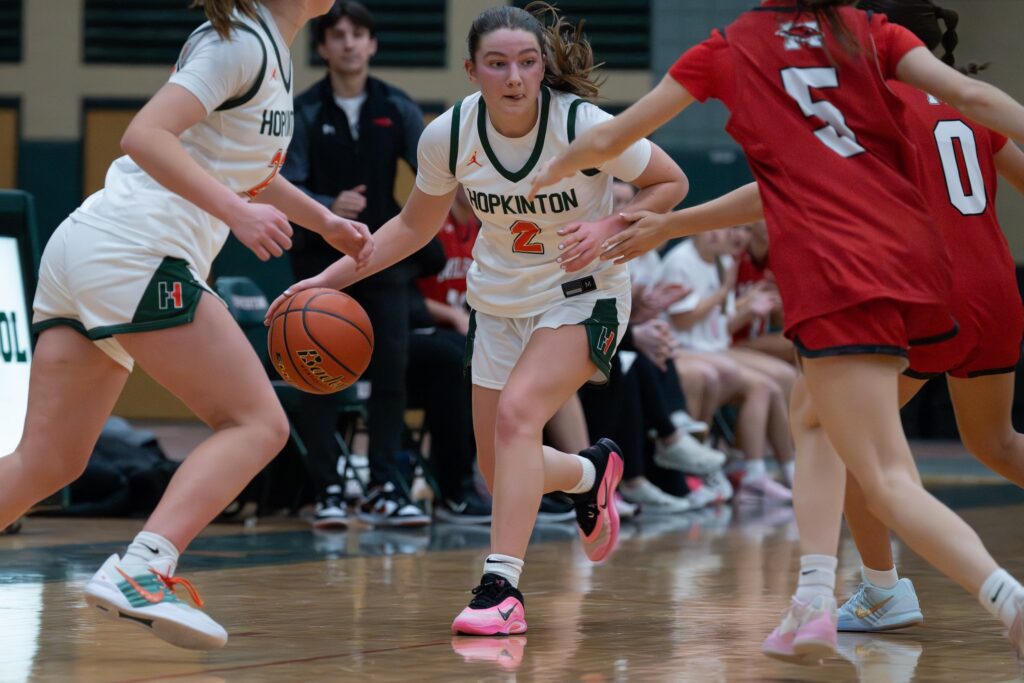
Gabby Simulis looks for an opening. PHOTO/JEN DADAGIAN

Teagan Resteghini, who was named to the all-tournament team, lines up a free throw. PHOTO/JEN DADAGIAN
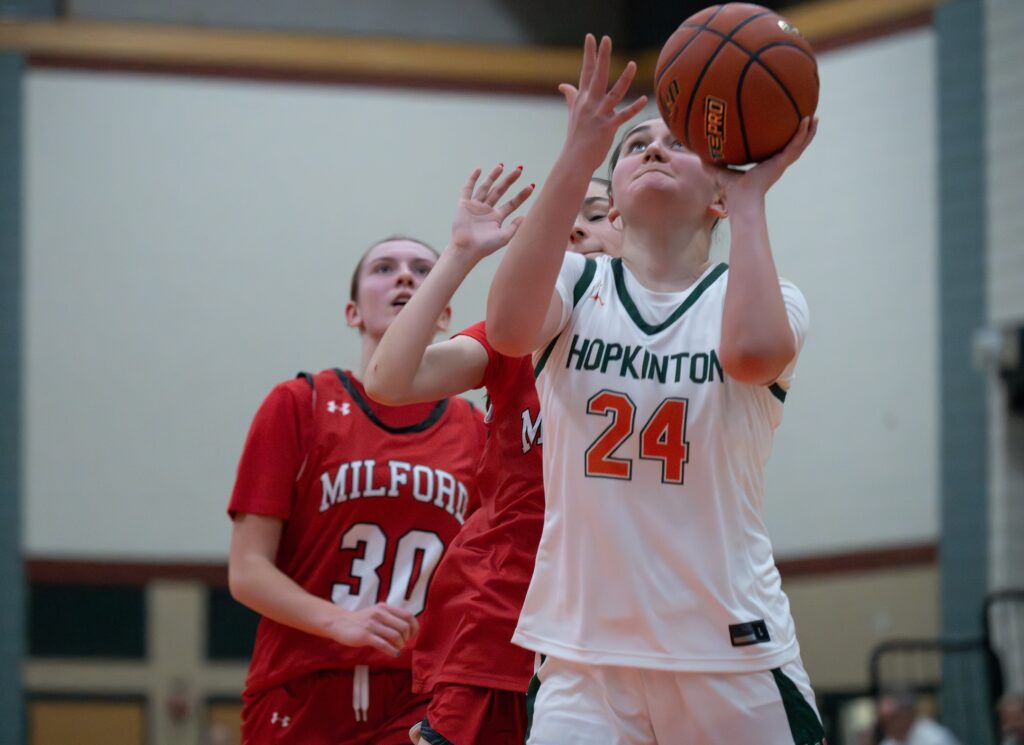
Abbie Rabinovich looks to convert a layup. PHOTO/JEN DADAGIAN

Coach Mike Greco watches the action. PHOTO/JEN DADAGIAN

The Hillers celebrate with the trophy. PHOTO/JEN DADAGIAN
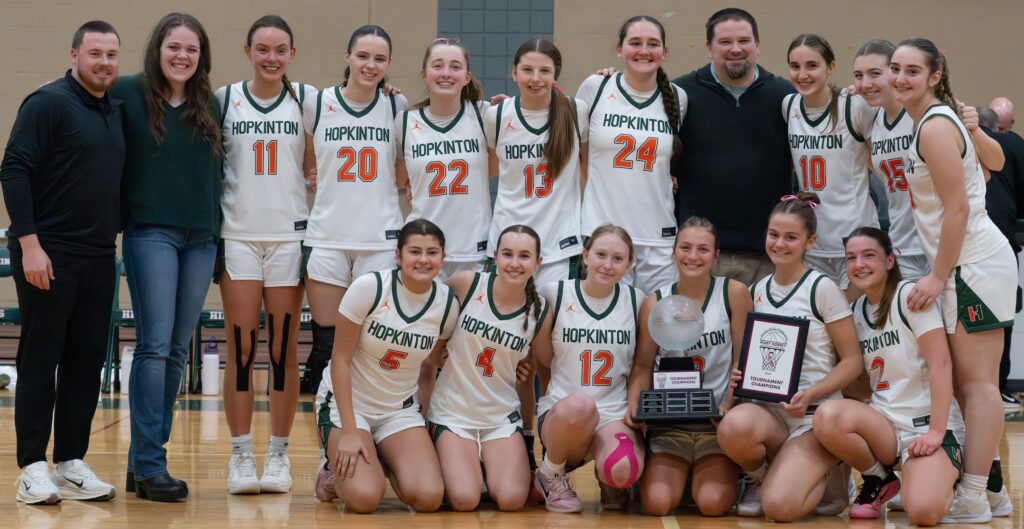
The team poses for a photo with the trophy. PHOTO/JEN DADAGIAN

The Webster City Street Department will be picking up Christmas trees on Monday, weather permitting.
Trees should be placed at the nearest street corner prior to 7 a.m. on Monday as only one trip will be made through the city.
Please remove all stands and decorations and place these trees so they will not obstruct sight distance and not blow into the street to create a traffic hazard.
Bagged trees or trees with a stand will not be picked up.
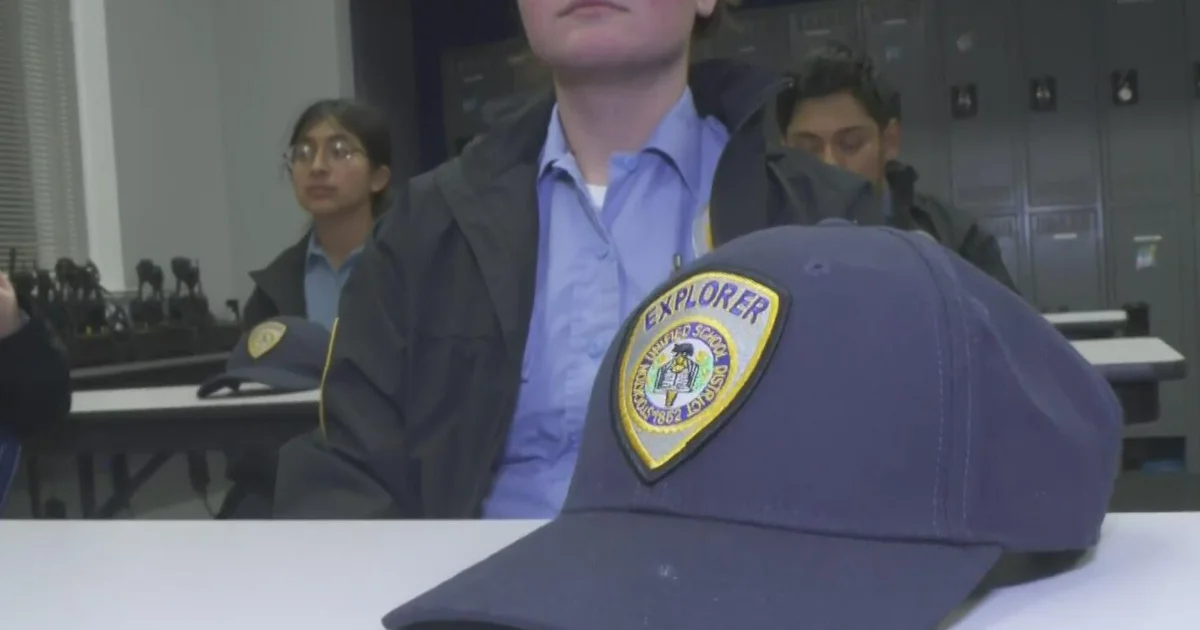
Stockton students are making an impact in their community by participating in a police program that gives them opportunities to do community outreach and learn the ins and outs of what it takes to work in law enforcement.
From getting an athletic scholarship to joining the military to becoming police officers, the Stockton Unified School District Police Explorers’ mentors are helping students accomplish their dreams.
“It’s definitely an outlet,” Officer Anthony Tacardon said. “Coming up, growing up in Stockton, there’s not much to do. I mean, you can go around and hang around at the mall, but for how long does that get boring and a safe place…yeah, this place (Explorers) you just come in, you enjoy yourself, you learn, you not only build connections with people that you meet here, you build connections outside of it with the community engagement. And that’s one of the best things. You get to speak with people in your community besides being at home, stuck, locked up in your room.”
That’s where the Stockton Unified School District Police Explorers come in. CBS Sacramento was given access to a day-in-the-life of what a Stockton Police Explorer goes through and how they help in the community.
“Some kids have sports, some kids have clubs, but we have this,” explorer and sophomore Kylah Cadman said.
Since its inception in 2013-14, Captain Roberto Marquez said it’s the largest Explorer program in San Joaquin County. The program and its mentors are making an impact with students, like Officer Anthony Tacardon, who is an explorer alumnus.
“When I graduated, that was the best feeling,” Officer Tacardon said. “All the hard work I had put in, in the Explorer program that ultimately helped me better prepare for the Academy, graduating and getting to see my mentor.”
Officer Tacardon’s mentor through the academy and the program was Captain Marquez.
“I didn’t have anyone to teach me this stuff as I was growing up in south Stockton, and I know there are some other kids here that don’t have that type of upbringing, but having this program here, it allows us to be our role models for our youth,” Captain Marquez said.
That includes the 24 explorer cadets who are in the program now, who learn life skills, are given real-world police training, are able to learn from sworn officers and non-sworn staff, and volunteer at community events.
Heriberto Garcia graduated from high school and is an Explorer. Ever since he was a kid, he’s dreamed of becoming a police officer. He said before this program, he was shy, and now, he was leading his comrades in the roll call excellently and his peers wouldn’t even know he used to be shy.
“Some students, they be like, ‘Oh, there’s nothing to do in high school or like there’s nothing to do in Stockton, right?'” Garcia said. “But, when you engage to a program like this, most likely weekend, we’ll have a community service that we have to go and we will attend because we like what we do in this program. So, it’s nothing that they force us to do but it’s something that we like to do.”
Cadman said this program has helped her grow as a person and she enjoys being able to help people to better their community.
“I like the social aspect of our program, in that we get to help the community, we get to help fellow students and it’s just really nice to get to know people and to help out however we can,” Cadman said.
Freshman Madalyn Westervelt was inspired by her big brother, who was also a part of the program.
“It really helped me with my confidence, public speaking, my socializing skills…,” Westervelt said. “That was a really big part of me, going to the high school that I was going to and it just helped me succeed a lot with making friends and being able to introducing myself without being like stuttering or being uncomfortable around other people. It’s just a very big focus for me, like it helped a lot.”
Even for students who aren’t necessarily interested in pursuing a career in law enforcement, this program also gives students the opportunity to learn crucial life skills that are crucial and transferable to any career they dream of pursuing.
“The discipline that we learn from them, the leadership skills, the responsibility, it’s all taught all of us to become greater in our own personas,” Maritza Matias-Pablo, a junior and explorer, said.
Captain Marquez is proud of these explorers, including knowing how the community gets to see the positive work they do.
“I think a program like this makes them realize that it’s a person that makes themselves and it’s not where they came or where they grew up or people around them,” Captain Marquez said. “It’s the actual person and what’s inside of you. If you want to be positive, if you want to be a good leader, a good role model for other students, you can do that.”
The camaraderie, communication, and connection to mentors, peers after school, and throughout the community have led these explorers to some healthy competition, winning multiple awards conducting mock real-life scenarios. They have around 30 trophies they’ve won at competitions against other explorer teams throughout California, where police officers give out the scores.
They’re looking to add more trophies, along with more explorers. If you or your kids are interested, you can stop by their police station at 640 N San Joaquin St. in Stockton on Thursdays from 6-8 pm, where you can shadow what their classes are like and learn more.

Las Vegas Golden Knights to host autographs, photos with Deryk Engelland, and mascot on Jan. 4
By Jen Clancey STAFF WRITER
Youth hockey players will have the opportunity to learn to play, or sharpen their skills in the game starting Sunday, Jan. 4 at the Marty Pavelich Ice Rink in Big Sky. The Las Vegas Golden Knights team, on their 10th season in the National Hockey League, will lead a five-week clinic, teaching players from ages 4-11 how to play hockey each Sunday from Jan. 4 to Feb. 1. The Golden Knights will also hold a free clinic for players aged 9-13 on Sunday, Jan. 4, at 11 a.m.
For both clinics, players need prior skating experience. Those who registered for the paid clinic for ages 4-11 will receive a full set of complimentary hockey equipment shipped to them ahead of the first session. Participants in the free clinic should bring full gear to use.
Steven Reid, recreation manager for Big Sky Community Organization, the nonprofit that operates and maintains the ice rink, estimates that between 20 and 25 kids are registered for both the five-week session and the free clinic. Families pay $275 for the five-week session with new hockey gear included, which is subsidized by the NHL to keep costs low for participants.
“You know, anyone who’s been around the sport of hockey knows that hockey gear is not cheap,” Reid said. “And to get that much brand new hockey gear out to these kids, that’s huge and hopefully will get them interested in playing the sport.”
Reid is glad to see families signed up for the five week session.
“The fact that we have 20 to 25 kids signed up for that alone means that’s a potential 20 new hockey players in our community right there and the hope is that they feed into the local youth hockey program and continue to grow there with those coaches,” Reid said. The local youth hockey program is organized by the Montana 64’s Hockey Association, which recently formed as a nonprofit.

Sheri Hudspeth, director of youth programs and fan development with the Las Vegas Golden Knights, reached out to BSCO with the hopes of scheduling the youth clinic in Big Sky to engage younger kids in the sport and reach further audiences for the Golden Knights. From there, BSCO and the Golden Knights sorted out use of facilities and local involvement.
Outside of youth learning, the clinic will also train coaches on how to teach hockey, with local community members Cassie Dietz, Keelan Grupe, Brandon Maki and Jack Murray participating in coaching the clinics, learning practice plans and leading kids throughout the five-week session.
BSCO hopes this clinic can become an annual tradition with the Golden Knights.
“My hope is to not only bring new kids into the sport of hockey, but get some adults interested in coaching and being good role models in that sport for the kids,” Reid said.
From 9-10 a.m. on Jan. 4, Deryk Engelland, a former ice hockey defenseman for the Golden Knights will be at the rink to meet fans and give autographs. Chance, the team’s mascot will also be there as well as Hudspeth, who has more than 30 years in playing and coaching hockey. Reid said Sunday’s events will be a fun atmosphere for families and participants.
Tacoma’s
signature winter arts event returns with illuminated installations, interactive
displays, and neighborhood-based light art spanning downtown and Hilltop. The
trail draws thousands of visitors nightly and encourages self-guided
exploration throughout the city. Installations are spread across multiple
districts, making it one of the region’s largest winter events.
Downtown & Hilltop Tacoma
Dec. 31, 2025, 4:25 p.m. ET
The parents of Aidan Zingg, a 16-year-old motocross star who died June 28 during a race in Mammoth Lakes, Calif., submitted a wrongful death and survival lawsuit to the Superior Court of California in Riverside County for filing against the American Motorcyclist Association (AMA) and other entities involved in the race, according to an electronic confirmation generated by the court Tuesday, Dec. 30.
The parents alleged the fatal collision was preventable and resulted from careless race operations and defective safety equipment, according to a copy of the complaint reviewed by USA TODAY Sports.
After initially going down on the track, Aidan was conscious and alert as he made attempts to regain his feet, according to the complaint, which states no caution flags or warnings were raised by race operators as the race continued at Mammoth Mountain Motocross.
According to the complaint, Aidan’s jersey and equipment showed visible signs of being struck by at least one other rider, according to the complaint, which says the chest protector Zingg wore during the race was punctured.
Despite efforts to perform life-saving measures on Aidan, he was pronounced dead at Mammoth Hospital later that day, according to the complaint.
According to the electronic confirmation of the filing, the documents submitted to the court by the Zinggs’ attorney will be accepted, partially accepted or rejected by the Clerk of Court. The confirmation provides no timetable for the process to be completed.
A wrongful death lawsuit seeks compensation for surviving relatives based on the economic and emotional impact of the death. A survival action lawsuit seeks compensation for costs the deceased person may have incurred before death and compensation for the deceased person’s conscious pain and suffering from the time of injury to death.
“Most of all, the Zingg family is seeking transparency and accountability wherever it is fair and just,” attorney Kevin Biniazan, representing the family, said in a statement provided to USA TODAY Sports. “If this legal action motivates safer operations of these races and equipment that these riders wear in a way that saves another family from enduring what the Zinggs have endured and will continue to endure, it will have been a success.”
Is Motocross the deadliest sport for youth? An Investigation
Aidan is one of at least 158 children and teens who have died on dirt bikes and at motocross tracks since 2000, according to a USA TODAY Investigation. That makes it the deadliest sport for young people – roughly seven times greater than tackle football.
During the USA TODAY investigation, a spokesperson for the AMA said it has longstanding safety protocols for its sanctioned events and can’t control unaffiliated tracks.
But the lawsuit filed by Aidan’s parents, Robert and Shari, says Mike Burkeen, Deputy Director of Racing for the AMA, was present at Mammoth Motocross June 20-29 and “possessed the responsibility and authority to manage the racing activities to preserve the safety of riders.’’ The races were sanctioned by the AMA.
In addition to the AMA, other defendants named in the lawsuit include 2XP LLC, a California-based company that worked with the AMA to promote the annual amateur races; Alterra Mountain Company U.S. Inc., a hospitality company in Denver that owns Mammoth Mountain; and Revelyst Adventure Sports that does business as Fox Racing and manufactures motocross protective equipment, including the chest protector Aidan wore during the fatal crash, according to the complaint.
The AMA and 2XP, according to the complaint, entered into a joint venture and agreement “to plan,organize, operate, promote, and oversee the motocross racing at Mammoth Motocross.”
The defendants did not immediately respond to requests for comment USA TODAY Sports submitted by phone, text message and email.
Aidan Zingg’s death timeline, according to complaint
The day of the race, Aidan, a prodigy with Kawasaki’s prestigious Green Team program, was participating in the morning 250B class race, according to the complaint. The complaint says Aidan went down after rounding the corner at Turn 9, which was the furthest from the start line where most spectators were located, according to the complaint.
The corner was left unmanned by flaggers, who raise and wave flags to communicate cautions and dangers, including when a rider goes down, according to the complaint. The complaint described that decision to leave the turn unmanned as a, “particularly reckless decision.’’
No caution flags or warnings were raised by race operators when Aidan went down and, according to riders, he was conscious and attempted to regain his feet. He was found later face down on the racetrack.
The race had continued for approximately three more laps before it was stopped, according to the complaint, which says Aidan’s father became alarmed when he did not see his son lap the track with the other riders, according to the complaint.
Making his way to the back of the track, Aidan’s father saw his son on the track, according to the complaint, which says Aidan’s father and others “swarmed’’ to render aid, but Aidan was pronounced dead at Mammoth Hospital later in the day.
The complaint also cited design, construction, and maintenance or some combination thereof, in creating “a dangerous condition at Turn 9 because of a near hairpin turn coming out of a jump and into another.”
“The design, construction, and maintenance of Turn 9 increased the risk of riders crashing into each other while riding or crashing into a rider who had fallen on the track and created a heightened risk of injury by participating in Mammoth Motocross as compared to other motocross races or tracks,’’ according to the complaint.
The AMA and 2XP “coordinated and approved a crowded field of 29 riders’’ who competed in the 250B class race.
Aidan’s parents have demanded a jury trial and are seeking damages, including but not limited to, pain, suffering, and disfigurement and other losses or damages that the decedent sustained or incurred before death, according to the complaint.

Meet the 2025 Huntsville Times All-Region volleyball team

Photos: HHS girls basketball wins Korbey Tournament

Webster City Christmas tree pickup to be Monday | News, Sports, Jobs

H.S. INDOOR TRACK & FIELD: GLOW region athletes shine in RWTL meet at Nazareth University | Sports

LANE ONE: Projecting the top stories of 2026 (10 to 6), with questions about Russia, Israel, esports, doping, college chaos and, of course, track & field

$2.3 million college football QB heavily linked to struggling NFL team

Inside Joey McGuire’s calculated program build

Texas A&M Volleyball makes USA Today’s Top Women’s Moments list

Stockton students making an impact in community with school Police Explorers

2025 Volleyball Year in Review – UCF Athletics

Oregon’s Dan Lanning calls for college football season to end by Jan 1 every year

The 2025 Your Prep Sports Area Volleyball Team

Dan Shaughnessy: Is college sports broken?

2025-26 College Football Playoff quarterfinal, bowl game predictions, picks, odds

James Nnaji NIL signing with Baylor basketball has Nick Saban up in arms

SoundGear Named Entitlement Sponsor of Spears CARS Tour Southwest Opener

Donny Schatz finds new home for 2026, inks full-time deal with CJB Motorsports – InForum

Black Bear Revises Recording Policies After Rulebook Language Surfaces via Lever

David Blitzer, Harris Blitzer Sports & Entertainment

How Donald Trump became FIFA’s ‘soccer president’ long before World Cup draw

DeSantis Talks College Football, Calls for Reforms to NIL and Transfer Portal · The Floridian
Elliot and Thuotte Highlight Men’s Indoor Track and Field Season Opener

JR Motorsports Confirms Death Of NASCAR Veteran Michael Annett At Age 39

Rick Ware Racing switching to Chevrolet for 2026

#11 Volleyball Practices, Then Meets Media Prior to #2 Kentucky Match

23 عاما من الفضائح السياسية والجنسية منذ انقلاب حمد بن خليفة.. استغلال الفتيات الصغيرات في الدعارة.. ضبط ابنة رئيس وزراء قطر خلال ممارستها لجنس الجماعي.. ملامح الحكم تتخبط بين المنفي وتدخلات النساء

Colleges ponying up in support of football coaches, programs

Nascar legal saga ends as 23XI, Front Row secure settlement
West Fargo volleyball coach Kelsey Titus resigns after four seasons – InForum

23 عاما من الفضائح السياسية والجنسية منذ انقلاب حمد بن خليفة.. استغلال الفتيات الصغيرات في الدعارة.. ضبط ابنة رئيس وزراء قطر خلال ممارستها لجنس الجماعي.. ملامح الحكم تتخبط بين المنفي وتدخلات النساء






-
 Sports3 weeks ago
#11 Volleyball Practices, Then Meets Media Prior to #2 Kentucky Match
-
 Motorsports3 weeks ago
Nascar legal saga ends as 23XI, Front Row secure settlement
-

 Motorsports3 weeks ago
Sunoco to sponsor No. 8 Ganassi Honda IndyCar in multi-year deal
-
 Sports3 weeks ago
Maine wraps up Fall Semester with a win in Black Bear Invitational
-

 Motorsports2 weeks ago
Ross Brawn to receive Autosport Gold Medal Award at 2026 Autosport Awards, Honouring a Lifetime Shaping Modern F1
-
 Rec Sports3 weeks ago
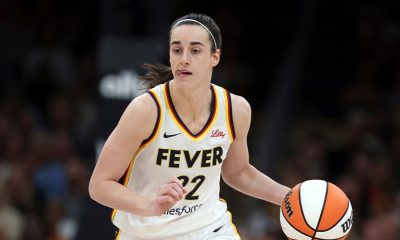
WNBA’s Caitlin Clark, Angel Reese and Paige Bueckers in NC, making debut for national team at USA camp at Duke
-

 Motorsports3 weeks ago
Rick Hendrick comments after the NASCAR lawsuit settlement
-

 NIL3 weeks ago
Nike Signs 10 LSU Athletes to NIL deals
-

 Rec Sports2 weeks ago
Stempien to seek opening for Branch County Circuit Court Judge | WTVB | 1590 AM · 95.5 FM
-
Sports3 weeks ago
Wisconsin defeats Stanford in NCAA regional semifinals: Updates, recap