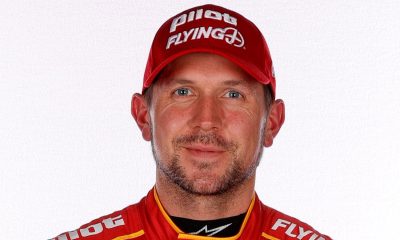

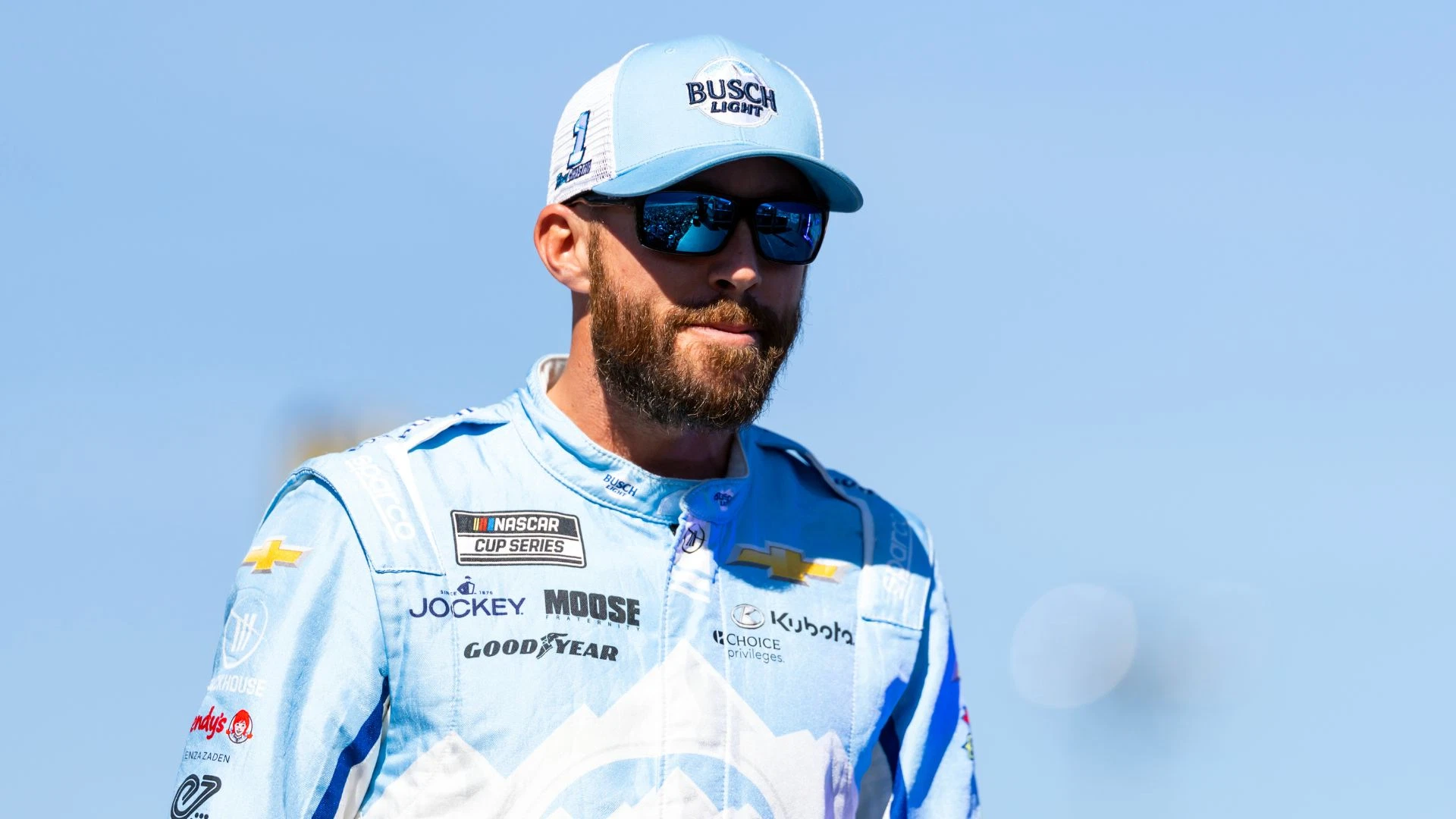
Unlike mainstream sports that thrive on open fields and basic equipment, motorsports demands far more than raw talent and free afternoons. It requires machinery, beginning with go-karts for young drivers, along with teams, transport, crews, and a steady stream of sponsorship capable of covering staggering expenses. For drivers without a deep-rooted racing lineage, that climb becomes even steeper. Ross Chastain understands that reality better than most.
While Chastain’s father had some familiarity with grassroots racing as a hobby, the family’s livelihood came from watermelon farming, a demanding trade that left little room to bankroll a national racing career. Chastain grew up surrounded by agriculture rather than asphalt.
An eighth-generation farmer from southern Florida, he followed a lineage of fields and harvests, with his father, grandfather, uncle, and generations before them tied to watermelon production. That heritage instilled work ethic and resilience, but it did not come with the financial runway typically associated with professional racing paths.
In 2017, when Chastain began dipping his toes into NASCAR competition on a part-time basis, the financial gap became impossible to ignore. While driving JD Motorsports’ No. 4 Chevrolet in the Xfinity Series, he spoke candidly with Inc. about the numbers behind the dream. His father’s farming operation could support occasional starts in Trucks or Late Models, but the cost of NASCAR racing at higher levels gave a wake-up call. The family immediately searched for ways to bridge the gap and their first stop came naturally.
They approached the National Watermelon Promotion Board, which had previously supported their Late Model efforts, though those contributions covered modest budgets. Melon 1, a distributor and broker, stepped in as well, providing noteworthy backing. Even with that help, the funding puzzle remained incomplete.
Chastain recalled a moment that crystallized the challenge. One evening, the family pulled up a blank image of a race truck on a computer screen and began penciling in potential sponsors. They listed names they believed might contribute five thousand dollars, two thousand five hundred dollars, or perhaps ten thousand dollars.
Before long, the realization hit. The truck simply did not have enough space to fit every name required to cover the costs. “So we figured we might be able to run one race, but after that we would be out of people and money,” he admitted.
He confessed that “That struggle never really ends.” Even while competing nearly full-time, the grind of funding continued. Chastain explained that his team ran thirty-three races each year near the highest level of the sport, yet sponsorship conversations never stopped.
Their vice president of marketing stayed glued to the phone, constantly searching for partners. Progress came, but the financial weight remained severe. “For my team to be competitive costs about $50,000 a race,” he said.
Chastain acknowledged that the figure sounded enormous, yet it remained conservative compared with bigger organizations. Teams like Roush, Gibbs, or Dale Earnhardt Jr.’s operation operated in a different financial universe, often spending between $150,000 and $175,000 per race.
Drivers unable to reach those numbers simply raced with what they could gather, understanding that money directly translated into speed.
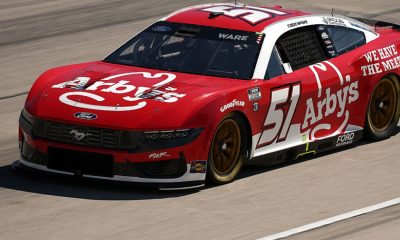
Today, Chastain’s circumstances look different. As a Cup Series driver for Trackhouse Racing, sharing the garage with talents such as Shane van Gisbergen and rising prospect Connor Zilisch, his footing has grown firmer. Strong performances over recent seasons have elevated his profile, probably easing the constant scramble for backing.