
Rec Sports
EPIC for Girls empowers, encourages and celebrates student athletes

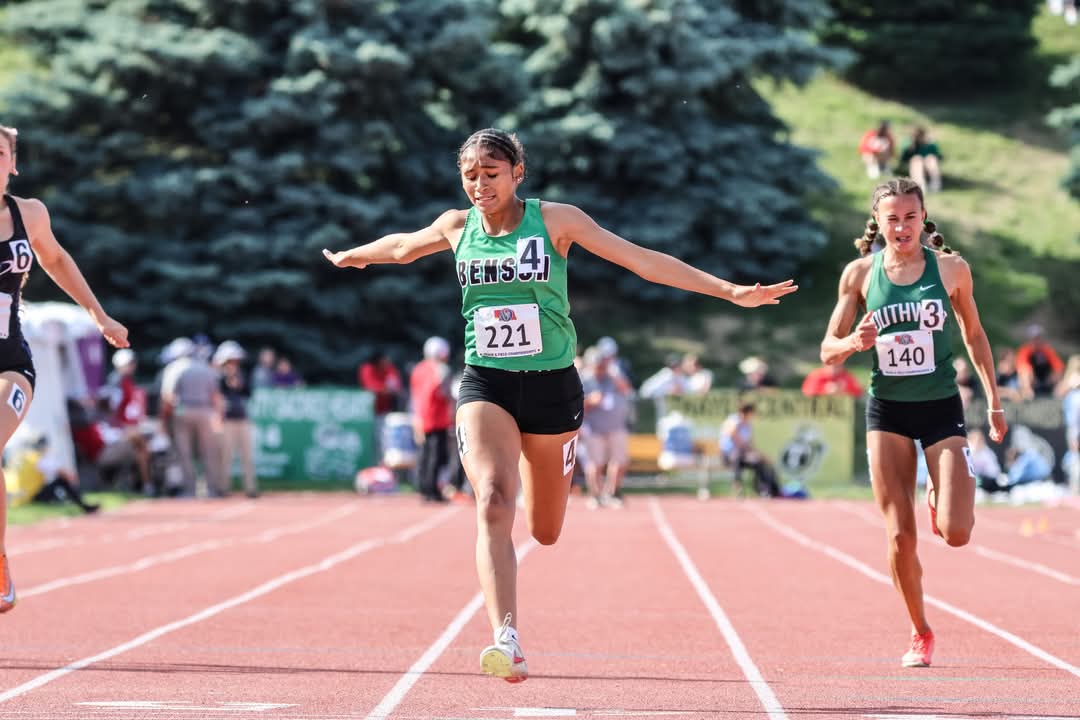
Title IX legislation in the 1970s mandated gender equity in athletics. Despite strides made by women, resource and facility disparities persist.
Omaha nonprofit EPIC for Girls is on a mission to level the playing field by providing school-age teams with gear, travel sponsorship, extra coaching and college exposure they may not have access to otherwise.
Some metro athletes benefiting from EPIC’s work recently spoke to The Reader. Parents and coaches weighed in, too. There’s wide agreement that if girls are to reach their potential, it requires support from families, schools and community organizations to help fill funding and opportunity gaps that can otherwise act as barriers to participation and development.
“EPIC for Girls researches, advocates for and funds innovative solutions that address inequities in sports for girls of color,” said director of programs and strategic partnerships Racquel Henderson. “We do not run direct programming. Instead, we work alongside schools, clubs, community organizations and other partners to strengthen the entire youth sports ecosystem.”

Through its Community of Practice, she said EPIC equips coaches, mentors and program leaders with tools, resources and training to create safe, inclusive, empowering environments.
“We focus on increasing access, representation and opportunity, especially in communities where girls of color are often left out of the game,” Henderson said. “Whether investing in coach development, helping organizations adopt best practices or celebrating the achievements of girls, EPIC’s role is to make sure every girl has the chance to participate, grow and thrive on and off the field.”
Those impacted by EPIC say it empowers student-athletes by helping them develop athletic and life skills that can lead to scholarships for college and set them up for careers.
Omaha Benson juniors Mckenzie (Kenzie) Lewis and Jaeli Franccini have played basketball together since middle school. They competed on the EPIC sponsored Unity Stars summer AAU team. Kenzie’s father Chillous Lewis has “worked with her her whole life” developing her game. She’s also come under the influence of school and AAU coaches. She wears number 10 in honor of the late Darryl Roddy, who impacted her as a coach with Unity Stars and Benson.

“He meant a lot,” Kenzie noted. “I looked up to him as like a grandpa or great uncle. I really do miss him. I wish he was still here to see the progress that I made because of him.”
Her father’s grateful for what Kenzie got from Roddy and the opportunities EPIC afforded through Unity.
“That’s the team she was raised in,” Chillous Lewis said. “We really appreciate all they did for her. They taught her a lot.”
The growth she made showed when thrust into a starting role early on at Benson.
“We lost five seniors and a few other players and I was the next person up,” she said. “So taking that role on as a young individual was very hard, but it was also a cool learning experience.”
Another sign of maturation came when Benson won in the closing seconds versus Papio South. Instead of immediately celebrating with her team she consoled a Patio player who collapsed in despair. The sportsmanship moment that made her parents “very proud” went viral. Her growth extends off-the-court as a student ambassador.
With colleges eying her hoops ability, she hopes for a breakout junior season. She and her teammates don’t need to look far to see former Benson athletes who’ve achieved at the next level. The late Simone Goods starred at Western Kentucky and Illinois State. Alum Quinesha Lockett excelled at Toledo and now plays professionally overseas. When Lockett’s in town she works with Benson’s girls.
Benson girls basketball head coach Bob Massey appreciates former players like Lockett, Deleyah Harris and Delani Harris coming back to give back.
“I’m blessed to have so many young women who played for me come back in the summer to scrimmage my high school teams, which really helps them develop,” he said. “And they mentor them. I can tell them everything I want to, but if they hear it from one of the girls who are good at basketball and doing good in life they listen more than they do to me. It’s a huge thing in the development of the kids who play for me.”
Players Kenzie and Jaeli appreciate scrimmaging older, more experienced players.

“They play on a different level,” Jaeli said. “They’ve got high basketball IQs. They see things very differently. Definitely more physical, very strong. They teach us things. They give us advice on how to be better. It helps a lot.”
Playing in summer tournaments has helped get her and Kenzie on college scouting radars.
Chillous Lewis said traveling out of state has made his daughter have “to grow up.” The exposure has already netted her offers from HCBUs (Historically Black College and Universities).
“I told her that all the time and effort she’s put in has been worth it,” he said.
Kenzie’s personal growth has extended to conducting EPIC basketball camps for students at Nelson Mandela Elementary School and working as a youth basketball referee thanks to an EPIC officiating school she got certified in.
“Older players did for me so I wanted to return the favor to younger players,” Kenzie said about wirning with younger players. “I want to be looked at as a leader and some of them do look up to me.”
She’s added varsity track and softball to her routine become a three-sport athlete. Benson head girls track coach Liara Baylon likes what Kenzie brings.
“She’s a hard worker for sure,” Baylon said. “She’s definitely getting results on both ends.”
Jaeli has been turning heads on the court a long time, but the last two years has emerged a sprint phenom. Her rapid progress on the track came working with Baylon.
“The relationship got closer and closer after we saw my potential,” Jaeli said. “Maybe two weeks into practice she’s telling me, ‘You’re going to go to state.’ And I was like, ‘What – as a freshman?’ And she never backed off that statement. Ever since then that was the goal, and that’s what I did my freshman year. And then it was to do better my sophomore year – and that’s what I did.”
She went from placing seventh at state as a freshman in the 400 and 100 to last spring winning gold medals in the 100 and 200, breaking school records en route.
“She’s a natural,” Baylon said. “The track gods have got something going for her. But it was a lot of mental, physical hard work she put into the season. I’m so proud she finished the way she did – on top.”
Jaeli is glad she put in the work.
“It made me mature more,” she said. “If I want to do something I know I can do it with the right people around me to support me.”
She and her coach have big goals in mind.
“We definitely have state records on our mind – we’re chasing them,” Baylon said. “Our slogan is go get everything you can get.”
Jaeli’s also a top student. Baylon makes sure all her girls get their academics in order before competing.
“I always tell them being a student-athlete is a blueprint for real life and what you’re going to experience in the real world when it’s all over,” Baylon said.
Despite inequities, women’s athletics is more open with possibilities than ever before and student-athletes like Franccini are well aware of it. “That’s very exciting,” Jaeli said. “Even a few years ago it wasn’t like that. I’m so glad people are watching and women athletes are getting what they deserve now.”
Omaha North dean of students and head girls basketball coach Michaela Dailey sees past and present players take advantage of new pathways. She said EPIC facilitates role modeling-mentoring opportunities. For example, it arranged for local girls to engage women’s college hoops living legend Dawn Staley, a Hall of Fame former player and current coach at South Carolina, during an Omaha visit.
“It was crazy to see her,” Jaeli said. “We were able to ask her questions. My question was what do you look for in a player. She went down the list of attitude, athleticism, how you are with teammates, coaches, refs.”

“EPIC has made a huge impact on our basketball program,” Dailey added. “Their support has not only increased the resources available to us but also elevated the overall quality of experiences our girls are able to access. Through EPIC we’ve been able to provide essential items like equipment, team apparel, travel expenses, meals during the season and leadership development opportunities.”
Some North girls come from households on the margins and Dailey said EPIC “has helped us remove many of the financial and systemic barriers that often limit opportunities for girls in under-resourced communities.”
“EPIC’s investment… has opened doors to experiences many of our players wouldn’t otherwise have access to: skill development sessions, camps led by college and professional coaches, exposure tournaments, mental health and wellness initiatives and leadership training,” Dailey added.
EPIC makes it possible for youths to attend Omaha Supernovas volleyball and Creighton women’s basketball games. Many local girls got the chance to meet their idol, Paige Bueckers, when her UConn Huskies faced the Jays at DJ Sokol Arena. Bueckers now stars in the WNBA.
North grad Dariauna Lewis enjoyed a stellar Alabama A&M career before playing her final year at Syracuse. She now plays professionally overseas. She’s among a cadre of urban Omaha athletes who return to give clinics.
North senior Justine Tcheuhchoua has bonded with her.
“I basically spent the whole summer alongside of her coaching girls,” said Justine, who teamed with older sister Noelle at Omaha Central before transferring to North to play under Dailey (her coach as a middle schooler). Noelle is now on scholarship at Jackson State.

“We complemented each other,” Justine said of their sister tandem. “But I’m also experimenting with how I play on my own. I feel like when I started playing with more confidence and playing like I knew I could play more schools (colleges) started to take notice. That was really big motivation for me to keep playing hard, keep going hard, keep getting better.
“It’s hard to manage time between school life, home life, sports life – it can be really overwhelming. But it’s really all about knowing your priorities. I’m happy with where I’m at now but I’m always striving to continue to get better.”
She’s optimistic North girls hoops are poised for big things.
“We have the talent but we have to get the fundamentals part better,” Justine said. “The goal is not just to make it to state, the goal is to win it. I do feel we have that opportunity in right front of us. All we have to do is work hard to get there.”
Justine already has an offer to join Noelle at Jackson State but is keeping her options open.
The sisters are likely not the last in the family to make their mark. A younger sister plays varsity basketball with Justine. Two sisters in elementary school are showing promise.
“You’re going to be hearing the Tcheuhchoua name a lot,” Justine said.
Her Cameroon, Africa immigrant parents are thrilled that their daughters have found something they love doing that can propel their lives forward.
Justine’s among a trio of seniors, along with Sierra Thomas and A’yanna Hill, who played for the same EPIC sponsored AAU team Express United coached by Dailey and Antonio Hill (A’yanna’s father).

“They were so dominant, they were so good together,” A’yanna said of the ensemble. “Me and Dailey have had a big piece of their basketball adolescence. It’s been beautiful to watch.”
Then the girls went their separate ways for high school. But Justine, Sierra and others have since transferred to North.
“It’s like a surreal moment that these girls have all come back together,” A’yanna said. “It’s a feel-good story. They’re all going to play together their senior year and hopefully come away with one ending goal in winning the state championship.”
Dailey feels she has her most talented North team.
In addition to Dailey and Hill, Sierra was coached by her father Barry Thomas. She started high school at South, then transferred to North to reunite with Dailey. Sierra appreciates that Dailey and EPIC have provided mentors to conduct player and team development sessions.
“We had a weekly class learning how we could communicate better within the team, what to do when you notice a teammate is going through any issues,” Sierra said. “The change from the beginning of the season to the end with how we dealt with things was night and day.”
Sierra credits mental toughness coaching with helping her get through a season ending injury.
“My freshman year I averaged nearly a double-double in points and rebounds. My sophomore year I went through an injury.”
Her mother, Sherie Thomas, recalled how Sierra played through the pain until she couldn’t anymore.

“She got injured in a game and continued to play because that’s how much her team meant to her,” Sherie Thomas said. “Finally she had to come out. We only realized after taking her to the doctor that she had torn her ACL.”
Sierra said sitting out and working her way back through rehab taught her mindfulness.
“It was hard,” she said. “But I learned I need to do what’s in my control. I couldn’t control my injury but I could control how I reacted to it and how I grew from it.”
Last year she was still feeling her way back, working off the rust.
“I haven’t been able to hit double-doubles,” Sierra said. “But this year I want to get as close as I can to average a double-double because I know it will help the team. We lost one of our biggest rebounders. I need to excel in that role.”
To get back to where she used to be, she’s taking advantage of any time she gets on the floor in team practice and in extra individual workouts.
Much like her star teammates, Sierra’s getting interest from colleges. Like them, she hopes to see how far she can take her playing career in the new age of NIL, revenue sharing and social media followings.
“There’s been a lot more attention to women’s sports,” Sierra said. “I’m able to now watch the WNBA on live television and I haven’t always been able to do that. It’s really exciting where it’s going.”
Sherie Thomas is not only proud of what Sierra does on the court but in the classroom, including all state academic scholar honors and dual language studies.
“Sierra is a scholar first and foremost,” Sherie Thomas said. “She’s always prioritizing her education.”
Coach Dailey said her student athletes accept that they must perform in the classroom before they perform on the court.
Dariauna Lewis is someone Sierra looks up to.
“She comes to North to visit whenever she’s in town from playing overseas,” Sierra said. “She’s a leader we can look up to because she’s been in our shoes.”

Sierra confirmed she’d like to pay it forward, too, after her college career ends. Teammate A’yanna Hill also views Dariauna Lewis as a role model and mentor.
Nebraska Supreme coach Latrell Wrightsell said this each-one-to-teach-one model inspires succeeding generations of players.
“That’s the beauty of it,” Wrightsell said. “Young ladies now can see the ones that came before them and know it’s very possible.”
Omaha Central grad Lilliana Johnson grew up around organized athletics since her grandfather runs Deleon Youth Sports.
“I was introduced to basketball when I was 5. I tried a lot of different sports and basketball was the only one I stuck with. I really loved it,” said Johnson, who grew up part of a cohort of girl jocks who became like a second family. “Basketball has helped me grow as a person. It made me realize you can always push forward in something you want to do in life and always get better. If you’re determined, there’s always a will and a way.”

She valued competing in out-of-state tournaments for the Latrell Wrightsell-coached AAU team she played on. “
It’s cool to experience being part of a Nebraska team that can go out and compete and win against teams from other states,” she said.
Wrightsell said those are priceless platforms for his athletes to shine in.
“EPIC helps support Nebraska Hoops Elite so we can travel to play in the best tournaments and leagues where our young ladies can showcase their skills to college coaches,” Wrightsell said. “Without them it would be very challenging to give these young ladies a level playing field, exposure and opportunities.”
Getting that exposure was key for Johnson.
“I knew I wanted to go to college for it,” she said. “Not a lot of people in my family have been to college. I wanted to be that changing point for my family. That’s what pushed me to do better.”
After high school she opted to attend Cloud County Community College in Kansas.
“Going the junior college route was probably one of the best things I did,” she said. “Not being too far away from home but being far enough.”
Her play there, in summer leagues and at Central attracted the attention of Division I Cal State Fullerton, whose scholarship offer she accepted. She’s part of a new roster for its new coach.
“I feel very blessed to have this opportunity,” she said.
She feels she’s in the right place at the right time with women’s basketball enjoying the Caitlin Clark effect.
“This is a big change in women’s athletics,” she said. “It’s a dream come true for girls. It makes me so happy this is the era I get to play in women’s basketball.”
Aniya Foster is only entering eighth grade but already has a taste of athletic glory by being part of three EPIC softball league championship teams. Her mother Shanna Brown said Aniya nearly missed out on sharing in all that success.

“When I first brought playing to her attention she actually said no, she didn’t want to do it,” Brown said. “But I encouraged her to try it anyway. She went to that first practice and she loved it and kept going.”
What got her hooked, said Aniya, “was the team, the girls who bonded well together – we had shared interests.”
“I loved having something to do over the summer and not sitting at home,” she added. “It gets me outside and active.”
The increased confidence, her mother said, prompted Aniya to get involved in school plays, serve as pool manager, lead the African American book studies club and participate in a Girls Inc., University of Nebraska Omaha STEM program, Eureka.
“Aniya knows she wants to be around friends who care about their lives. She wants to be a positive example,” she said.
Brown appreciates that EPIC gives girls like her daughter, Aniya, opportunities to see local college and professional teams play at no cost as both a fun night out and horizon expanding experience. She and other parents like that EPIC does social media shout-outs when girls achieve between the lines or in the classroom, celebrating everything from championships to scholarships to sportsmanship.
Kenzie Lewis echoed many of her fellow student-athletes.
“I’m so glad EPIC for Girls is a thing because they do give girls around Omaha some notice and ring some bells to their name.”

BREAKING: 2 La Grande parks marred by vehicle damage
Published 11:09 am Friday, January 2, 2026
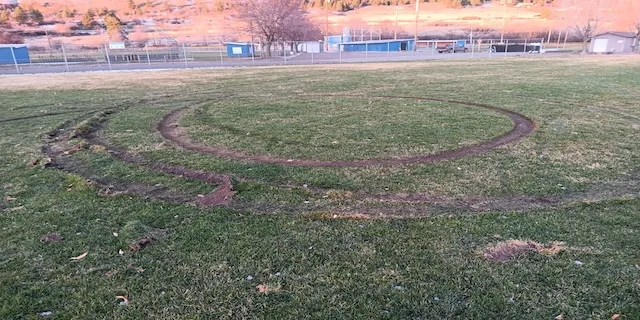
LA GRANDE — La Grande Parks and Recreation is seeking information regarding significant damage at both Pioneer Park and Benton Park.
Parks and Recreation Director Stu Spence announced on Friday, Jan. 2, that a vehicle, or possibly vehicles, caused the damage at both parks.
“It’s always frustrating when people damage places meant for kids and families,” Spence said. “Due to the nature of the damage, repairs will need to wait until spring, and the affected areas may take more than a year to fully recover.”
The damage at Pioneer Park happened sometime during the night of Dec. 30, at the soccer field near the pavilion, according to the press release. Similar damage was done during the night of Dec. 31 to the play field at Benton Park.
Youth sports programs and families throughout the community heavily use both of the parks. Parks and Rec will continue to assess the sites, Spence said, and develop a plan to repair the damage as conditions allow.
Anyone with information regarding these incidents is encouraged to contact Parks and Rec or the La Grande Police Department.

As we head into 2026, several forces are converging that will reshape how 27 million young athletes and their families experience organized sports. Here are the five trends we’re tracking most closely this year.
1. Smart Facility Tech Becomes the New Baseline
Every major facility project announced in 2024-2025 includes features that would have seemed extravagant a few years ago: AI-powered video capture, LED court systems, sensor-embedded surfaces, and integrated booking platforms. The $18.85 billion sports technology market is projected to hit $61.72 billion by 2030, and youth facilities are a major driver.
One innovation to watch is LED glass courts – we know, sounds expensive. ASB GlassFloor’s MultiSports system, backed by NBA investment and installed at FC Bayern Munich, lets facilities switch between basketball, volleyball, tennis, and badminton instantly. No more overlapping painted lines confusing 8-year-olds. The premium version displays live stats and video on the playing surface itself.
We’re also tracking several projects we covered in 25: Louisiana’s $45 million John Alario Jr. Youth Sports Complex (already booked through 2028 for tournaments), Florida’s $1 billion Dynasty Complex, and the $75 million Play It Forward Sports Complex in Texas.
Meanwhile, automated video has achieved scale we didn’t think possible at the rec level. Pixellot processed 1.5 million games in 2025. GameChanger’s AI cameras are rolling out to recreational baseball and softball fields, doubling viewership in early pilots. Expect every competitive facility to have fixed camera infrastructure within the next two years.
2. Content Creation Shifts from Volunteers to Agencies
Youth sports organizations are increasingly outsourcing content to specialized agencies. SkillShow now films 300+ events annually for organizations including Perfect Game USA, USA Baseball, IMG Academy, and Under Armour’s All-American combines, producing video for 250,000+ athletes. That kind of scale is impossible for individual clubs to replicate.
The consolidation wave tells the story. Drake Star reported $52 billion in H1 2025 sports tech deals, with PE M&A activity doubling year-over-year. KKR-backed PlayOn acquired MaxPreps. Hudl acquired SportContract and Titan Sports. Stack Sports/Genstar acquired PlayMetrics. The thesis: technology enables content at scale, content attracts audience, audience attracts brands.
LakePoint Sports’ Athlete Program, launched June 2025 as a “first-of-its-kind NIL-inspired content-centric initiative” for youth athletes. The program pairs elite youth players with 60+ national brand partners while LakePoint’s media team handles all production. This addresses a real problem. Research shows athletes spending 3+ hours weekly on NIL content have significantly higher odds of mental health challenges.
The data backs the shift: 90% of Gen Z turn to social media to watch sports content and Instagram delivers 4x the engagement of Facebook. Organizations that want to attract the next generation of families need professional content, and most are realizing they can’t produce it themselves.
3. World Cup 2026 Drives Historic Grassroots Soccer Investment
The 2026 FIFA World Cup, hosted across the U.S., Mexico, and Canada, has triggered the most significant youth soccer investment period in American history.
The numbers are significant. U.S. Soccer expects $100 million from FIFA as host country revenue. Participation is projected to surge from 20 million to 29 million, a 45% increase, with soccer fandom reaching 154 million people.
The infrastructure buildout is already happening. The Arthur M. Blank U.S. Soccer National Training Center in Georgia represents $200+ million in total investment, opening spring 2026 with 17 outdoor fields and a full-size indoor pitch. The U.S. Soccer Foundation has now installed 750+ mini-pitches nationwide with a goal of 1,000 by 2026, representing $70 million in social impact investment to date.
Cities are racing to add capacity. New York is adding 26 pitches to its existing 50. Chicago has completed 50. Houston targets 30 by 2026. Boston announced up to 20 with matching funds.
MLS NEXT has expanded from 143 clubs and 15,000 players in 2023-24 to 230+ clubs and 25,000 players in 2025-26. A new Development Grant Program compensates academies for players who make MLS first teams.
The model to watch is San Diego FC, which is launching the first fully funded, residential soccer academy in MLS NEXT for fall 2025. No tuition. Selection based purely on talent. If this proves viable, expect other MLS clubs to follow.
The Soccer Forward Foundation has already invested $16+ million and received a $25 million gift from philanthropist Michele Kang for women’s game equity.
4. App Consolidation Accelerates with AI Integration
Running a youth sports organization used to mean juggling six different platforms. Registration here, scheduling there, communication somewhere else, video on another, payments on yet another. That era is ending.
One big move was TeamSnap’s November 2025 launch of TeamSnap ONE, a ground-up rebuild unifying registration, payments, scheduling, communication, live streaming, and AI-powered highlights.
We’re also tracking TeamLinkt’s AI assistant “Emi,” launched October 2024 as the industry’s first AI tool handling schedule building, registration forms, and roster assignments. Under Armour Rise Flag Football and Football Canada are already on board.
Video platforms are leading the AI charge. GameChanger’s Film Room uses AI to identify significant plays automatically. Hudl’s LLM-powered summaries generate team performance breakdowns and tactical analysis linked directly to video. As GameChanger President Sameer Ahuja put it: “AI, to me, is table stakes in sports.”
The funding reflects institutional conviction. Teamworks raised $235 million at a $1.3 billion valuation. Unrivaled Sports pulled in $120 million led by DICK’S Sporting Goods. LeagueApps secured significant equity from Accel-KKR. Private equity’s share of sector deals jumped from 27.3% to 36.9%, with PE M&A up 100% year-over-year.
What to watch: which platforms can actually deliver unified experiences versus just marketing them.
5. State and Federal Legislation Reshapes the Landscape
Youth sports is increasingly a policy priority at both state and federal levels. The legislation moving through statehouses and Congress will materially affect operators, coaches, and families.
On the safety front, Florida made history in June 2025 by becoming the first state to require ECG cardiac screenings for high school athletes under “The Second Chance Act.” Starting 2026-2027, students in grades 9-12 must complete at least one ECG screening, and every school must have an AED. Watch for other states to follow. Tennessee’s Safe Stars Act already requires comprehensive cardiac, concussion, and heat illness training. California’s 2024 heat illness rules are now the strictest in the country, mandating wet bulb globe thermometer monitoring with escalating restrictions.
On the funding front, the bipartisan Youth Sports Facilities Act (S. 1419 / H.R. 10221) would make youth sports facilities eligible for EDA grants, roughly $500 million annually, prioritizing rural and underserved communities. The PLAY Act would let families use the Child and Dependent Care Tax Credit for youth sports expenses. This is meaningful when average family spending on a child’s primary sport hit $1,016 in 2024, up 46% since 2019.
On the NIL front, 40+ states now allow high school athletes to monetize NIL to some degree. The federal HUSTLE Act, introduced December 2025, would create tax-advantaged NIL Investment Accounts and cap agent fees at 5%. Six states still prohibit high school NIL entirely.
Five More Trends on Our Radar
Officials Shortage Reaches Crisis Point
- The industry has lost 50,000 officials since 2018-19, with only 2 in 10 returning for a third year.
- Games are already being canceled in some regions due to shortages, and 22 states have enacted laws creating criminal penalties for assaulting officials.
Girls Sports Participation Hits All-Time Records
- High school girls participation reached a record 3.54 million in 2024-25, led by girls flag football (up 60% in one year) and girls wrestling (now 18% of all high school wrestlers).
- The 2028 LA Olympics inclusion of flag football is accelerating investment, with 28 states now sanctioning the sport.
Youth Sports Insurance
- The number of carriers willing to write youth sports insurance has shrunk from 30 to less than a handful over ten years.
- Organizations that receive even two quotes now consider it “a miracle,” and some are seeing 50% rate increases on premiums.
Mental Health Requirements Move from Optional to Mandatory
- The NCAA now requires annual mental health screenings for all member institutions as of August 2024, and seven state high school athletic associations mandate mental health training for coaches.
- Expect these requirements to expand to volunteer youth coaches in coming years.
High School Esports Doubles as Traditional Sports Integrate Gaming
- High school esports reached 200,000+ registered players in 2024, doubling from 2020, with 8,600+ schools now fielding teams.
- The NFL’s Madden Youth Championship attracted 1,000+ schools in its first season, signaling major leagues see scholastic esports as a fan development pipeline.
Source List
1. Smart Facility Tech Becomes the New Baseline
- Grand View Research: Sports Technology Market Size, Share | Industry Report, 2030
- Sportico: NBA All-Star 2025 Floor: Inside Orlando’s LED Glass Court Test Center
- ASB GlassFloor: Certified for Professional Sports and Teams
- NOLA.com: New Orleans area will soon get a $45M youth sports complex
- FTWtoday: New $75 million youth sports complex planned for Roanoke, TX
- YSBR: Youth Sports Facilities Are Now Anchoring Billion-Dollar Real Estate Developments
2. Content Creation Shifts from Volunteers to Agencies
- Drake Star: Sports Tech Market H1 2025: $52B in Disclosed Deals; Youth Sports & Digital Media Consolidation
- Athletic Business: How Creating NIL-Related Social Media Content Is Impacting Collegiate Athletes’ Mental Health
- WSC Sports: Building Student-Athlete Brands: Why Content Creation Is Essential to Maximizing NIL Potential
- IOI Ventures: Youth Soccer Social Media Marketing: How to Grow Your Club Online
3. World Cup 2026 Drives Historic Grassroots Soccer Investment
- ESPN: How U.S. Soccer can grow the game with $100 million World Cup windfall
- U.S. Soccer: Growing the Game: Soccer Forward Foundation Scales Up as U.S. Soccer’s FIFA World Cup ’26 Legacy Initiative
- U.S. Soccer: U.S. Soccer Breaks Ground on the Arthur M. Blank U.S. Soccer National Training Center
- U.S. Soccer Foundation: Foundation’s 700th Mini-Pitch Opened
- U.S. Soccer Foundation: Installation of 500th Mini-Pitch
- World Cup Boston: Boston and U.S. Soccer Foundation Launch Mini-Pitch Initiative
- San Jose Earthquakes: MLS Announces MLS NEXT Development Grant Program
- US Soccer Parent: San Diego FC’s MLS NEXT Academy Signals Nationwide Shift
4. App Consolidation Accelerates with AI Integration
- Business Research Insights: Youth Sports Software Market Size, Trend & Share | CAGR of 12.5%
- YSBR: TeamSnap Launches TeamSnap One a Unified Platform Combining Registration, Live Streaming, and Expert Training Content
- Business Wire: The First-Ever AI Assistant for Youth Sports Launched by TeamLinkt
- Retail Dive: GameChanger launches AI-powered video analysis tool for youth basketball, volleyball
- GameChanger: Imagining The Future of AI in Youth Sports
- Hudl: What’s New on Hudl for Soccer: AI Insights, Assist+ Upgrades, and Smarter Video Tools
- YSBR: The Future of Volleyball Analytics: Inside Hudl’s Acquisition of Balltime
- Accel-KKR: LeagueApps Secures Significant Equity Investment from Accel-KKR
- YSBR: How Youth Sports Became a Magnet for Private Equity
- Capstone Partners: Sports Technology M&A Update – August 2025
5. State and Federal Legislation Reshapes the Landscape
- PR Newswire: Florida Becomes First State to Require ECG Screenings for High School Athletes
- FOX 13 Tampa Bay: New Florida law requires heart screenings for high school athletes
- TSSAA: Health & Safety Policies
- Little League: State Laws on Sudden Cardiac Arrest Training
- CBS News: New CIF rules statewide regulate when high school teams can practice, play in extreme heat
- U.S. Senate: S.1419 – Youth Sports Facilities Act of 2024
- YSBR: Bipartisan Youth Sports Facilities Act: A Strategic Investment in Community Development and Child Wellness
- U.S. Senate (Ossoff): Sens. Ossoff, Young Introduce Bipartisan Bill to Boost Youth Sports Opportunities
- U.S. House (Gottheimer): Bipartisan Legislation Providing Tax Credits for Families to Lower the Cost of Little League, Youth Rec Sports
- YSBR: Congressman Proposes $2,000 Youth Sports Tax Credit in New Federal Bill
- U.S. Senate Commerce Committee: Cantwell & Blackburn Introduce Bipartisan Legislation to Protect College Athletes’ New NIL Compensation
- National Law Review: High School NIL Raises Labor and Child Law Issues
6. Officials Shortage Reaches Crisis Point
- NFHS: With Loss of 50,000 Officials, NFHS Organizes Consortium to Find Solutions
- NFHS: NASO Survey Indicates Concerns with Sportsmanship, Shortage of Officials
- ESPN: Assaults on officials raise doubts about the future of youth sports
- Refr Sports: Youth Sports and Referee Shortages: What’s Causing the Decline and How to Fix It
- Connecticut General Assembly: Laws on Attacks on Sports Officials
- SportStars Magazine: Beyond the Game: Tackling the Crisis of Referee Shortages in High School and Youth Sports
- Become Elite Soccer: Referee Abuse Policy Update 2025
7. Girls Sports Participation Hits All-Time Records
- NFHS: High School Sports Participation Hits Record High in 2024-25
- Sports Illustrated: High School Sports Participation Hits All-Time High in 2024-25, Fueled by Growth in Girls Programs
- YSBR: High School Sports Participation Reaches Record 8.3 Million Athletes as Girls Programs Drive Growth via NFHS
- Project Play: State of Play 2025: Participation Trends
- Formula4 Media: Girls’ wrestling is fueling growth at all levels
- U.S. News & World Report: Caitlin Clark Effect Hasn’t Reversed the Decades-Long Decline in Girls Basketball Participation
8. Youth Sports Insurance
- Insurance Journal: Youth Sports Liability Market in ‘Armageddon Mode’
- Insurance Business America: Why youth sports insurance is facing a critical reckoning
- Verified Market Reports: Youth Sports Insurance Market Size, SWOT, Competitive Growth & Forecast
9. Mental Health Requirements Move from Optional to Mandatory
- Higher Education Today: NCAA Mandates Annual Mental Health Screenings for Student-Athletes
- Spectrum News NY1: Pro athletes push for mental health help in youth sports
- Project Play: Coaching Trends – State of Play 2024
- MedicalXpress: Maryland Gov. Wes Moore signs bill requiring mental health training for public high school, college coaches
- U.S. Center for Mental Health & Sport
- UW Medicine: Strengthening Mental Health for Young Athletes
10. High School Esports Doubles as Traditional Sports Integrate Gaming
- Carrollton Trojans: Esports boosting extracurricular participation, self-esteem in Georgia high schools
- PlayVS: Partners
- PlayVS: What is high school esports
- NFL Communications: National Football League and PlayVS Launch Second Season of the Madden NFL Youth Championship
- Quantumrun: College Esports Program Growth Statistics (2025)
About Youth Sports Business Report
Youth Sports Business Report is the largest and most trusted source for youth sports industry news, insights, and analysis covering the $54 billion youth sports market. Trusted by over 50,000 followers including industry executives, investors, youth sports parents and sports business professionals, we are the premier destination for comprehensive youth sports business intelligence.
Our core mission: Make Youth Sports Better. As the leading authority in youth sports business reporting, we deliver unparalleled coverage of sports business trends, youth athletics, and emerging opportunities across the youth sports ecosystem.
Our expert editorial team provides authoritative, in-depth reporting on key youth sports industry verticals including:
- Sports sponsorship and institutional capital (Private Equity, Venture Capital)
- Youth Sports events and tournament management
- NIL (Name, Image, Likeness) developments and compliance
- Youth sports coaching and sports recruitment strategies
- Sports technology and data analytics innovation
- Youth sports facilities development and management
- Sports content creation and digital media monetization
Whether you’re a sports industry executive, institutional investor, youth sports parent, coach, or sports business enthusiast, Youth Sports Business Report is your most reliable source for the actionable sports business insights you need to stay ahead of youth athletics trends and make informed decisions in the rapidly evolving youth sports landscape.
Join our growing community of 50,000+ industry leaders who depend on our trusted youth sports business analysis to drive success in the youth sports industry.
Stay connected with the pulse of the youth sports business – where industry expertise meets actionable intelligence.
Sign up for the biggest newsletter in Youth Sports – Youth Sports HQ – The best youth sports newsletter in the industry
Follow us on LinkedIn
Follow Youth Sports Business Report Founder Cameron Korab on LinkedIn
Are you a brand looking to tap into the world’s most passionate fanbase… youth sports?
Introducing Play Up Partners, a leading youth sports marketing agency connecting brands with the power of youth sports. We specialize in youth sports sponsorships, partnerships, and activations that drive measurable results.
About Play Up Partners
Play Up Partners is a leading youth sports marketing agency connecting brands with the power of youth sports. We specialize in youth sports sponsorships, partnerships, and activations that drive measurable results.
Why Sponsor Youth Sports?
Youth sports represents one of the most engaged and passionate audiences in sports marketing. With over 70 million young athletes and their families participating annually, the youth sports industry offers brands unparalleled access to motivated communities with strong purchasing power and loyalty.
What Does Play Up Partners Do?
We’ve done the heavy lifting to untangle the complex youth sports landscape so our brand partners can engage with clarity, confidence, and impact. Our vetted network of accredited youth sports organizations (from local leagues to national tournaments and operators) allows us to create flexible, scalable programs that evolve with the market.
Our Approach
Every partnership we build is rooted in authenticity and value creation. We don’t just broker deals. We craft youth sports marketing strategies that:
- Deliver measurable ROI for brand partners
- Create meaningful experiences for athletes and families
- Elevate the youth sports ecosystem
Our Vision
We’re positioning youth sports as the most desirable and effective platform in sports marketing. Our mission is simple: MAKE YOUTH SPORTS BETTER for athletes, families, organizations, and brand partners.
Common Questions About Youth Sports Marketing
Where can I sponsor youth sports? How do I activate in youth sports? What is the ROI of youth sports marketing? How much does youth sports sponsorship cost?
We have answers. Reach out to info@playuppartners.com to learn how Play Up Partners can help your brand navigate the youth sports landscape.
Youth sports organizations: Interested in partnership opportunities? Reach out to learn about our accreditation process.

Rec Sports
Tiara Glenn works to foster safe environment for kids who rely on the South Ormond Neighborhood Center | Observer Local News

Growing up, the South Ormond Neighborhood Center was a safe haven for Tiara Glenn.
It was a place she and the other kids in her neighborhood went to use the computers, find a quiet classroom to do their homework, or simply have fun on the playground. This was especially true for those of them that attended summer camps. They were on the playground long before SONC’s doors opened, and would stay as late as they could before city staff told them they had to go home.
As the assistant recreation center coordinator at SONC, Glenn is now one of those city staff members, and she longs to foster the same kind of environment there that she had growing up.
“It looks the same,” Glenn said. “The involvement is not the same. … It’s less, but we’re working on trying to get it back more.”
Born and raised in Ormond Beach, Glenn participated in the Ormond Beach Police Athletic League Youth Directors Council. SONC has long been a hub of OBPAL activity, and it was Glenn’s sister and older cousin who were involved with the outreach group first.
Glenn said she initially avoided getting involved, but was encouraged to do so when she was about 13 years old.
“I finally gave in and honestly, it was the best opportunity for me,” Glenn said.
Tiara Glenn is a true pillar of the Ormond Beach community. She has consistently gone above and beyond to make a difference in the lives of those around her. Whether through volunteer work, mentorship, or supporting local initiatives, her unwavering commitment to service sets a remarkable example for all.” — Avery Randolph, 2025 Standing O
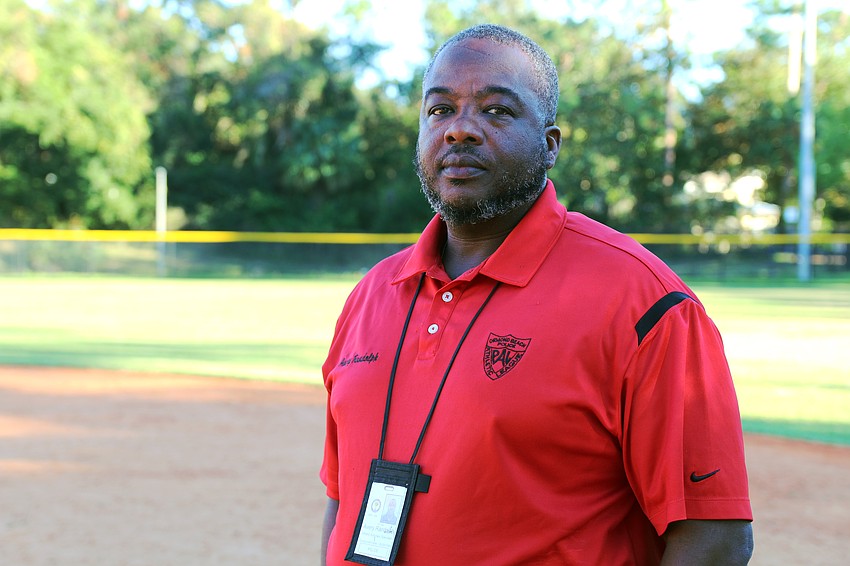
Coach Avery Randolph says OBPAL kids believe in him — but he believes in them more. Photo by Jarleene Almenas
During her time with the OBPAL Youth Directors Council, Glenn completed over 1,000 hours of community service. In 2018, she received several scholarships that allowed her to attend Edward Waters College in Jacksonville after graduating from Mainland High School.
OBPAL Coach Avery Randolph was one of her mentors, and has been working closely with her since she began her career with the City of Ormond Beach in 2022 as a recreation leader. He nominated Glenn for a Standing O due to her dedication, hard work and achievements in the community.
“Tiara Glenn is a true pillar of the Ormond Beach community,” Randolph said. “She has consistently gone above and beyond to make a difference in the lives of those around her. Whether through volunteer work, mentorship, or supporting local initiatives, her unwavering commitment to service sets a remarkable example for all.”
Though Glenn has a busy work schedule, Randolph said she still volunteers her time with the OBPAL Youth Leadership Council, where she helps with initiatives like their annual Christmas party.
“Her involvement has positively impacted countless lives, strengthened community bonds, inspired others to give back and created change that will be felt for years to come,” Randolph said. “Beyond her volunteerism, Tiara demonstrates leadership through action. Tiara’s leadership, integrity, and commitment to serve others make her an outstanding example of what it means to give back — and why Ormond Beach is such a special place.”
Glenn said she’d like to host programs at SONC for the youth, such as movie and game nights. Growing up, Glenn said, these things were available for the neighborhood kids.
When she was young, she wanted to be a teacher. As she volunteered at SONC as a youth junior counselor, it just further solidified her desire to help kids.
SONC Recreation Leader Liviston Edwards often shares quotes and advice with her. One that’s stuck with her recently is about leadership.
“True leaders don’t dim the lights around them,” Glenn recited. “They help others shine.”
Glenn said she loves to be able to put a smile on people’s faces at SONC, especially the pickleball players who come by in the morning to play.
What motivates her?
“Kids,” she said. “Leading them on the right path, being able to be one of the resources, because growing up, I had a lot of the resources.”
Rec Sports
In 1981, a Nearly Invisible Fire at the Indy 500 Led to One of the Most Dangerous Incidents in Racing History
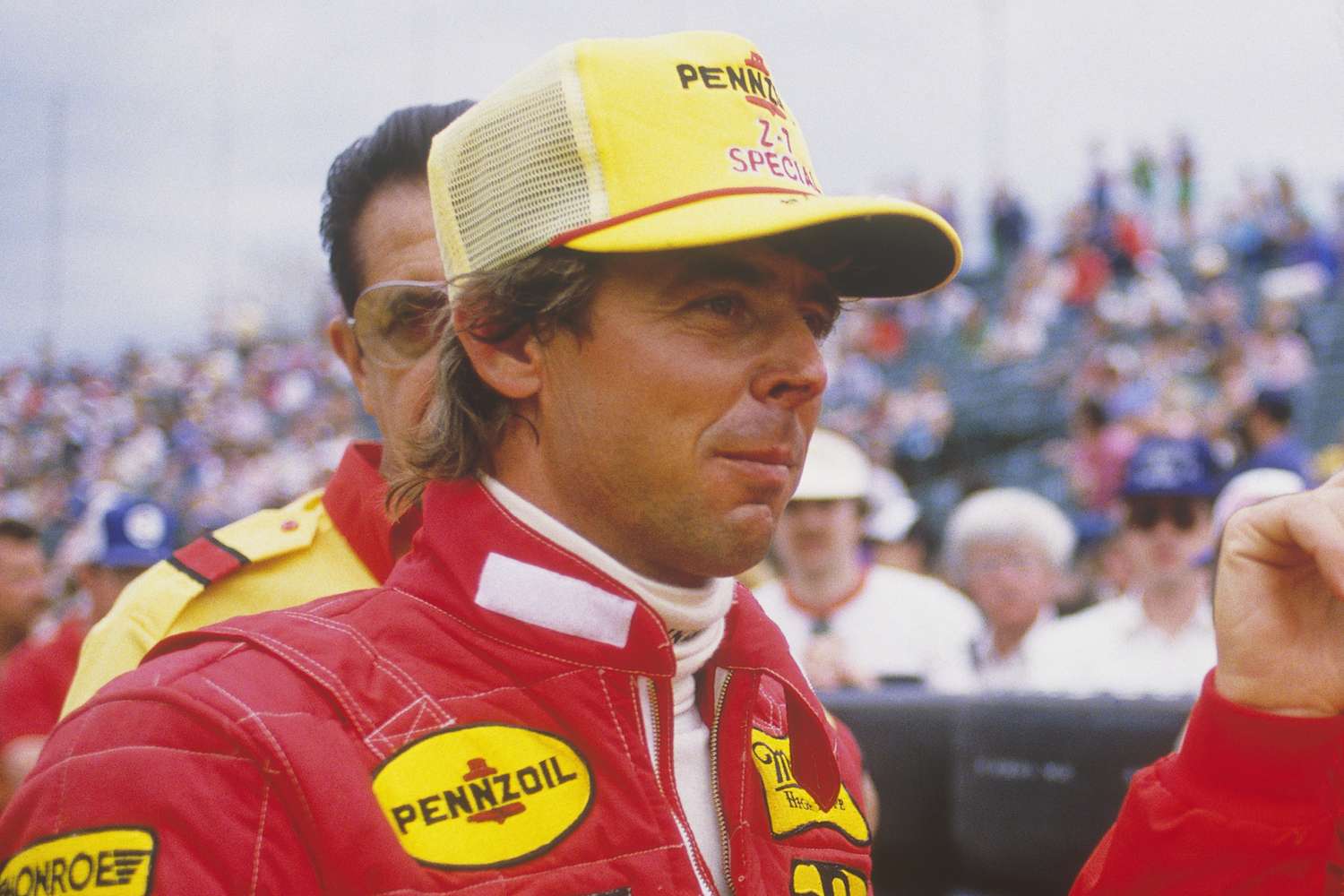
NEED TO KNOW
- The 1981 Indy 500 saw a near-tragic incident that many couldn’t even see: an invisible fire that engulfed a driver
- Driver Rick Mears was in contention to win the race when made his refueling pit stop on lap 58
- But when fuel began to gush out, it sprayed into the cockpit and onto Mears
It was a Sunday much like any other in Speedway, Indiana on May 24, 1981 — professional drivers gathered for the 65th Indianapolis 500, with the Motor Speedway a flurry of activity.
But things would unravel following the starting command of, “Gentlemen start your engines.”
Driver Rick Mears was in contention to win the race when he made his refueling pit stop on lap 58. But before the hose could be properly connected to the car, fuel began to gush out, splashing some mechanics and spraying into the cockpit onto Mears.
That’s when it ignited.
But, being that methanol burns with a transparent flame and no smoke, no one could see that Mears was on fire from the waist up. He ran to the pit wall, where a safety worker tried to remove his helmet (not realizing that Mears was on fire).
The pit-worker fueling the car — now also covered in burning fuel — waved his arms to attract fire crews. The scene was one of chaos and confusion — the safety worker who had tried to remove Mears’ helmet fled the scene, as did another crewman carrying a fire extinguisher. Mears attempted to extinguish the flames himself before his father, Bill, grabbed the extinguisher and turned it on his son.
Never miss a story — sign up for PEOPLE’s free daily newsletter to stay up-to-date on the best of what PEOPLE has to offer, from celebrity news to compelling human interest stories.
Mears and some of his mechanics were sent to a hospital, with the driver suffering first- and second-degree burns to his face (burns that required him to undergo plastic surgery and therefore missed the following week’s race).
Speaking to UPI after he was released from the hospital, he recalled: “I was sitting in the car during a refueling pit stop when the nozzle worked loose and started spraying fuel around.”
When the fire reached the cockpit, he added, “I didn’t dare breathe for fear I’d inhale the flames.
Getty
“I kept my eyes shut and jumped out of the car, all the time trying to get my helmet off. I couldn’t do it with my gloves. When a fireman tried, he had to back off because the helmet was so hot and it was burning his hands,” he added. “I tried to stick the nozzle in my face and pull the trigger, but I couldn’t. My dad ran out and grabbed the extinguisher, spraying me to get the fire out and finally helping me get my helmet off.”
Mears said that the experience was illustrative of the fact that racing needed better protocols to prevent something similar from happening in the future, telling UPI: “You got to have people better established for the job instead of the older guys who don’t respond as quickly to an emergency …Teach them, give them lessons on what to do in this type of situation. Give them fireproof clothes like we wear instead of the ordinary clothes they wear because that stuff burns.”
Getty
The near-tragedy did indeed lead to safety improvements in racing, with changes including dyes added to fuel to ensure methanol fires would be visible; redesigned fuel nozzles to prevent spills; and enhanced fire-resistant gear for pit crew members.
The incident didn’t slow Mears down. After winning his first Indy 500 in just his second attempt in 1979 driving for Team Penske, Mears drove to his second Indy 500 win in the Pennzoil car for Team Penske in 1984 — just months before another challenge: a crash at Sanair Speedway that caused injuries to his right foot that would affect him for the duration of his career.
Following an operation, Mears returned to racing in time for the 1985 Indianapolis 500 and won the race again in 1988 and once more in 1991.
Mears retired somewhat unexpectedly from IndyCar driving in December 1992 at age 41, citing the physical toll of the sport.
Updated Jan. 2, 2026, 1:03 p.m. ET
Thanksgiving on the gridiron just got a lot more exciting for the Somerset Berkley and Case communities with the return of a nearly century-old football tradition.
After a three-year hiatus, the football rivalry between the neighboring high schools will be revived in 2026, according to a joint announcement from Somerset Berkley Regional and Joseph Case high schools on Friday, Jan. 2.
The two football squads will take to the field once again next Thanksgiving Day, Thursday, Nov. 26, 2026, for their legendary holiday game, much to the delight of local football fans upset by the decision in early 2023 to nix the longstanding Raider-Cardinal matchup that goes back to the 1930s.
“We’re beyond excited to see our two great schools reunited in this incredibly important Thanksgiving Day tradition,” said Swansea Public Schools Superintendent Scott Holcomb said in the Jan. 2 statement. “For the past few years, something vital has been missing from the end of the varsity football season. We’ve taken the past few years to cultivate our high school football program, and we feel it’s ready to return to this time-honored holiday competition.”

The two teams last played in 2022.
In January of 2023, Cardinals athletic director and then-head football coach Anthony Palladino announced that Case, which was Division 7 at the time, would be pulling out of the game with Somerset Berkley, a Division 3 school, to instead play Division 8 Atlantis Charter/Westport co-op team – with an eye toward safety of his student-athletes and a more fair matchup.
Somerset Berkley found an opponent in Rhode Island’s Central High School.
Since then, the Cardinals have reached Division 6, and the Raiders have landed in Division 4. Division placement is determined by school enrollment, according to their statement.

“We as a school community feel it is a great time to play Somerset Berkley,” said Case athletic director Palladino. “We are hopeful we can provide an experience that will become a lasting memory for all involved.”
Swansea Public Schools is currently searching for a new varsity football coach, following the departure of Alex Monteiro at the end of the 2025 season.
The Thanksgiving game between Case High School in Swansea and Somerset High School — which was regionalized and renamed Somerset Berkley in 2011 — first kicked off in the 1930s.
Both schools look forward to reigniting the football tradition that will “build school spirit, strengthen community connections, and create healthy competition between neighboring towns,” according to Somerset Berkley Superintendent Jeffrey Schoonover.

“Many of these student-athletes grew up playing youth sports together, and this game brings that shared history full circle in a way that is exciting and important to both communities. I am grateful to Superintendent Holcomb for his openness and collaborative spirit in helping bring this tradition back, which has been our ultimate goal at Somerset Berkley over the past three years.”
“Win or lose,” Holcomb said, bringing the Raiders and Cardinals back together on the field on Turkey Day “is the right decision for both schools.”
“We badly missed playing this game versus our closest neighbors on this incredibly important day of giving thanks,” Holcomb said. “I’m thankful to Superintendent Schoonover for helping to make this goal a reality in 2026. Our schools, and our communities, will surely grow even closer together as this uniting tradition returns and continues long into the future.”
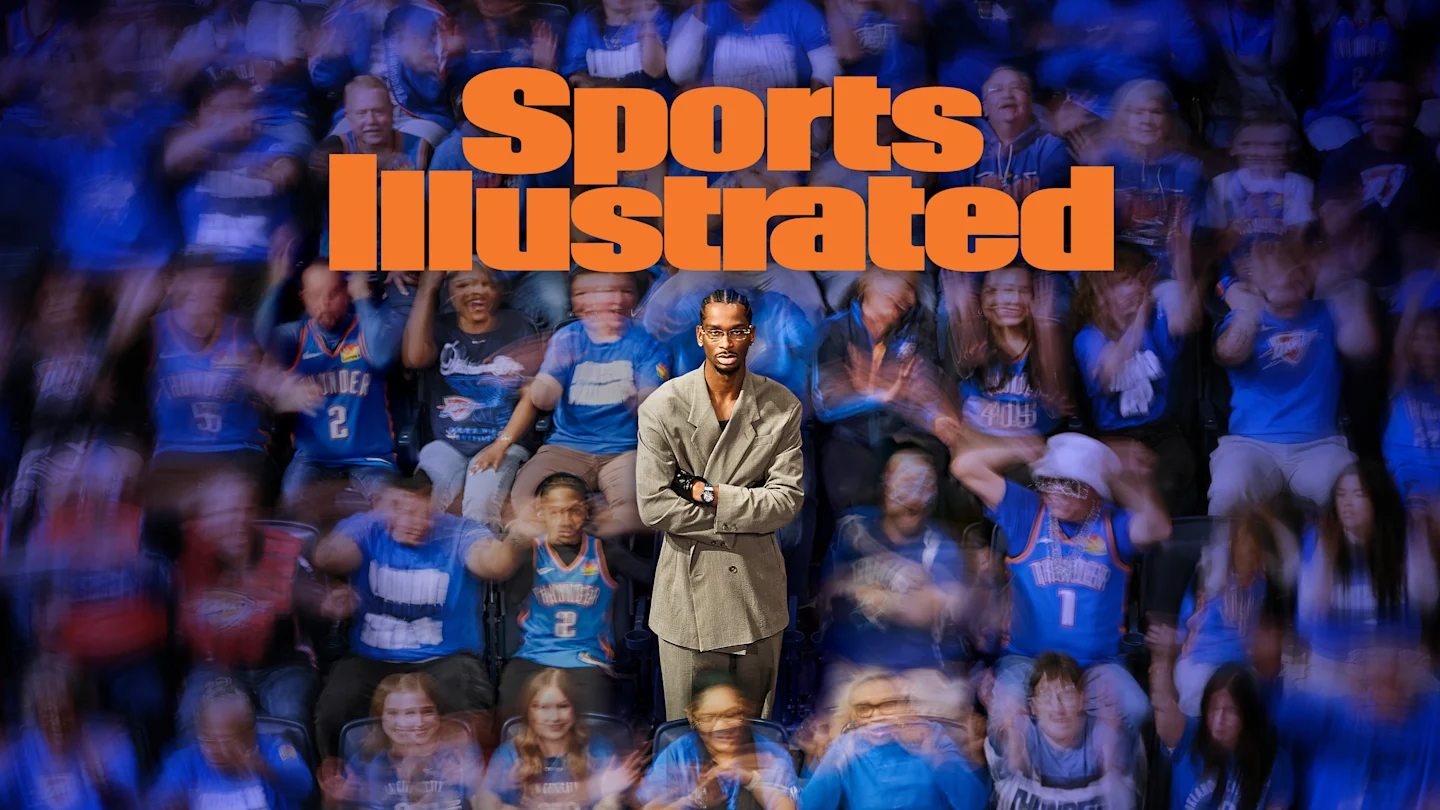
Last June, with the confetti still being swept off the Paycom Center floor, a blue-clad crowd gathered inside the Broadway 10 Bar & Chophouse to celebrate Oklahoma City’s NBA championship. Surrounded by friends and family (and a healthy number of their friends and their families), Thunder players, coaches and staffers partied deep into the night. Guests picked at buffet tables lined with steak medallions and crab cakes. Against a wall, the Larry O’Brien trophy rested as a prop for pictures. Champagne that went largely untouched in Oklahoma City’s locker room—what do you expect from a title winner led by a bunch of early-20-somethings who needed help figuring out how to pop the cork?—flowed liberally into glass flutes. A few freshly shotgunned beer cans littered the floor. In the middle of it all was Shai Gilgeous-Alexander, the NBA’s MVP, scoring champion and Finals MVP, the fourth player ever to complete that trifecta in one season. In between hugs and high fives, Gilgeous-Alexander was overheard offering a promise: I can be so much better.
“Well,” says Gilgeous-Alexander, “I can be.” It’s mid-November and he is in the backseat of a black SUV speeding down an empty Oklahoma City highway. The suggestion that it seemed strange to be thinking about improving after one of the greatest single seasons in sports history draws a shrug. “I think more than anything I was excited by the fact that I had achieved those things and still had so much room to grow,” he says. As a teenager, Gilgeous-Alexander jotted down goals in a notebook. Division I scholarship. NBA player. Lottery pick. Over time the goals got more ambitious. All-Star. MVP. NBA champion. “There’s an obsessiveness to him,” says Nate Mitchell, who has been training Gilgeous-Alexander since he was 16.
There’s also a palpable self-assuredness to Gilgeous-Alexander. He doesn’t see anything about his success as all that complicated. (“Nothing about him boils down to like an epiphany or an anecdote,” says Thunder coach Mark Daigneault.) He ties his rise to NBA superstardom to what earned him a scholarship to Kentucky or turned him into a lottery pick. “The way I saw it was when I was in ninth grade, nobody saw me and was like, ‘He’s going to be the 11th pick in the NBA draft,’ ” says Gilgeous-Alexander. “And I did it, so why can’t I just implement the same thing on a different scale, on a different level using the same process?”
That work bred confidence. Last May, Oklahoma City lost Game 3 of the conference semifinals in overtime, giving Denver a 2–1 series lead. As the Nuggets celebrated, cameras caught Gilgeous-Alexander grinning while a fan heckled him as he walked off the floor. “In my mind I was like, When we win, you’re going to feel like absolute dogs—, ” he says. “That’s why I started laughing. He’s acting like they won Game 7. I was like, I’m going to remember that face. He’ll feel it when we win.”
“Ruthlessly consistent” is how Daigneault describes Gilgeous-Alexander. Daigneault first met him in 2019, when Shai was acquired from the Clippers as the centerpiece of a deal with the Clippers for Paul George. Well, sort of. The real prize at the time was the cache of draft picks, five first-rounders and two swaps. Gilgeous-Alexander was a skinny combo guard coming off a decent rookie year.
Daigneault, then an assistant, liked what he saw early. When COVID-19 shut the season down in 2020, the team scattered. Months later, when the NBA returned, Daigneault was struck by the changes to Gilgeous-Alexander’s physique and his game, calling an early scrimmage a “whoa moment.” Asked about Gilgeous-Alexander’s pandemic improvements, Mitchell launches into a description of hourslong workouts at an empty gym before pausing. “Wait,” he says, “can we still get in trouble for that?”

Oklahoma City’s rise to NBA champion has been methodical. The Thunder won 22 games in 2020–21, a season after having stripped away the last remnants of their first would-be dynasty. They won a whopping 24 the next season and didn’t crack .500 until ’23–24. There were double-digit losing streaks, pick-centric deals and (justifiable) grumblings of tanking from league officials. But the Thunder never deviated. They believed in the plan, and it paid off.
Gilgeous-Alexander is wired similarly. He was cut from his high school’s version of a junior varsity team. It took him 15 games to permanently crack the starting lineup at Kentucky. Three guards were taken before him in the 2018 draft. In his first season with the Thunder, he was an off-the-ball complement to Chris Paul. Skepticism didn’t dissuade him. It motivated him. “He had a vision for himself,” says Daigneault. “He saw this earlier and clearer than anyone.”
Did he see this, being named Sports Illustrated’s 2025 Sportsperson of the Year? Probably not, though his mother, Charmaine, insists her two boys, 27-year-old Shai and his younger brother, Thomasi, were avid readers of SI Kids. Still, Gilgeous-Alexander is the 72nd recipient of SI’s top honor and the first Canadian to win the award outright since Wayne Gretzky in 1982. He earned it for leading the Thunder to a franchise record 68-win season. For steering the team to two Game 7 closeouts in the playoffs. For etching the name of a small market oil town in the heart of college football country onto basketball’s most coveted trophy. For his charitable works, both in OKC and in Canada.
And for not taking his foot off the gas. Through December, Oklahoma City was 29–5, miles ahead of its closest competitor in the Western Conference. The Thunder went 18–1 before Jalen Williams, an All-NBA guard, had played a minute. Shai has been the driving force, with numbers across the board equal to or better than last season. Not since 2018 has the NBA had a back-to-back champion, but with Gilgeous-Alexander the Thunder are the favorites to do it. And if you believe him, he’s just getting started.
In November, after Gilgeous-Alexander cooked his team for 30-plus points, a rival assistant coach bemoaned the lack of ways to stop him. It isn’t just that SGA is efficient in the paint (51.9%), from midrange (50%) and beyond the arc (37.5%). “He’s a 6’ 6″ Tim Duncan,” grumbled the coach. When he attacks the rim, he’s unpredictable: Shai finished last season in the top five in shots out of drives, passes out of drives and assists out of drives, along with getting to the free throw line nearly nine times per game. “The body control, the handle, and you combine that with the touch,” says Warriors coach Steve Kerr. “There’s an art to that. He’s mastered that art.” Indeed, it’s as if Gilgeous-Alexander was manufactured on an assembly line of superstar parts.
He wasn’t. He grew up in Hamilton, a port city in hockey-mad Ontario. “That’s not our style,” Charmaine Gilgeous says. She is an energetic 53-year-old, a self-styled alpha female who refers to former Canadian prime minister Justin Trudeau as “the one dating y’all’s Katy Perry.” She was raised in Scarborough, a suburb of Toronto popular among immigrants. Charmaine’s parents came from Antigua and Barbuda in the 1970s. She took to track early, earning a scholarship to Alabama, where she became a five-time All-American and earned a spot as a sprinter for Antigua and Barbuda in the ’92 Olympics.

Charmaine’s approach to sports was simple: Try everything. Before track stuck, she dabbled in gymnastics, hockey, figure skating. She eventually found her calling. Her children, she reasoned, would do the same. Shai spent his youth shuttling from basketball courts to soccer pitches, football fields to hockey rinks. He even dabbled in skateboarding. “I think I love the game so much,” he says, “because I was never burned out by it.”
Charmaine knew her kids would be athletes. “Good genetics,” she says proudly. Track was out. “Horrible mechanics,” she says with a laugh. Football interested Shai for a while. Soccer stuck longer. When Shai committed fully to basketball, Charmaine told him: Set no limits. Her words, says Thomasi, were “undercover lessons.” Meaning: “We don’t need anyone’s validation or approval.” Adds Shai, “She always made delusional confidence seem normal.”
Basketball became all-consuming. Vaughn Alexander, Shai’s father, renovated the top of a vacant garage into a full court. Shai, Thomasi, who played two seasons at Evansville, and Nickeil Alexander-Walker, the Hawks guard and Shai’s cousin, spent countless summer hours there, running drills, firing worn-down basketballs through chain-link nets. YouTube offered Shai his basketball education: Allen Iverson’s crossover. Kobe Bryant’s fadeaways. Dwyane Wade’s Eurosteps. In high school he studied Rod Strickland, a similarly built guard who excelled using pace and angles. He’d watch, rewatch and then practice the moves relentlessly.
He learned to control his emotions. Use them, really. This version of Gilgeous-Alexander is unflappable. He doesn’t yell at teammates. “We have coaches for that,” he says. He doesn’t get rattled. “An unwavering sense of poise” is how Nickeil describes it.

That wasn’t always true. Gilgeous-Alexander described himself as a hotheaded teenager. Nothing serious. “Kid stuff,” says Charmaine. In his first few weeks at Kentucky he’d call his mom fuming at his lack of playing time. Still, he knew he needed to control his emotions. Harness them. “Weaponize them,” says Gilgeous-Alexander. “Like use anger or use sadness, use excitement, use them in ways that can help me and motivate me. I think especially the negative emotions. As a kid, I always shied away or acted like I didn’t feel them, and then it would be overwhelming and I would explode. And it would be an inappropriate setting or time or place. I would look crazy. Figuring out how to reverse that was big for me.”
Big, too, for Oklahoma City. That steadiness proved useful during the Thunder’s title run. In Game 7 against Denver in the conference semis, Gilgeous-Alexander racked up 35 points in 36 minutes. In the championship-deciding game against Indiana, he scored 29. Like the stars he patterned his play after, Gilgeous-Alexander thrives in pressure moments. “He has about the highest level of emotional regulation and maturity as you could possibly expect from somebody,” says Daigneault. “And for our team, it’s contagious.”
There’s a story Thunder GM Sam Presti likes to share. In the summer of 2019, he was in his office at the Thunder practice facility putting the finishing touches on a roster deconstruction. He had finalized the deal for George and was close to an agreement with Houston for Russell Westbrook. That night, after working on an op-ed for The Oklahoman that detailed how the team would dig itself out of the basketball rubble, Presti was walking down a hallway and heard the sound of a bouncing basketball. It was Gilgeous-Alexander, fresh off completing his physical, in the gym getting up shots. Watching from an office window Presti thought to himself: Wouldn’t it be something if this guy turned out to be a really good player.
Presti, certainly, won’t claim to have foreseen an MVP talent—no one did—but once it became apparent, the organization mobilized to foster it. “Tactically, it was, How do we maximize this elite skill that he has?,” says Daigneault. Give him the ball, for one. Paul was traded in 2020. Dennis Schröder, another playmaker, was shipped out, too. Later that year in the bubble, the Thunder marveled at how Gilgeous-Alexander could slip through tight spaces. The emphasis shifted to widening them.
An example: Two weeks before the start of the 2020–21 season, Oklahoma City traded for Al Horford. What looked like a salary dump by Philadelphia that yielded a first-rounder was, to the Thunder, more. They wanted to see how Gilgeous-Alexander operated alongside a shooting big man. When he arrived, Horford immediately got the mission. “Sam said, ‘This is the guy, he’s going to be great,’ ” recalls Horford. “And you could see it. His body control, his strength, his quickness. It was all there.”
Even the dark days served a purpose. Pressure-free environments offer the opportunity for a player to be the focal point of an offense. Oklahoma City took some beatings during those lean years. But they played a bunch of close games, too: 35 of the Thunder losses between ’20–21 and ’22–23 were decided by five points or less, invaluable experience for a developing star.

Among the lessons Oklahoma City learned from its last would-be dynasty was the importance of breaking bad habits early. As successful as those Thunder teams from the 2010s were—you remember them, led by that Durant guy—they could be sloppy. Talent was enough to overcome those flaws, but OKC didn’t want to white-knuckle wins again. With Shai, the emphasis early was on polishing weaknesses. Less dribbling. Fewer contested shots. Making the right reads. It wasn’t about the numbers but how he got them.
Presti, who played guard at Emerson College, was schooled in the San Antonio Spurs’ system. Information is his currency, and he can’t get enough of it. Gilgeous-Alexander is the same. Identify a weakness, he’ll fix it. Erratic from three? He’ll work until he’s pushing 40%. Defenses taking away driving lanes? He’ll find new angles to attack. After two postseasons of watching defenses load up on him, Shai spent last summer working on playing off the ball.
The Thunder sought players to complement Gilgeous-Alexander. But the team didn’t want to be dependent on him. It wasn’t about building around a singular talent—as, say, Houston did with James Harden—but for that talent to be the centerpiece of a modern NBA roster. Draft capital was invested in versatile, multipositional players. Some picks hit (Chet Holmgren, Jalen Williams). Others didn’t (Darius Bazley, Aleksej Pokuševski).
The losing was tough. But not discouraging. Gilgeous-Alexander signed a five-year extension in August 2021. When the inevitable trade speculation surfaced, he told reporters, “I know what I signed up for.” He bought into Presti’s vision hook, line and jumper. “The way I saw it, I had no choice but to trust him,” says Gilgeous-Alexander. “It’s not my job to put an NBA team together. You’d probably be better [at it] than I would. So for me, it was just making sure that I’m the best player for his basketball team.”
In 1993, Oklahoma City voters approved its first Metropolitan Area Projects plan—MAPS for short—a temporary sales tax that funded, among other things, the construction of Paycom Center and a convention center across the street. Thirty years later voters approved another tax—this one to usher in the arena’s replacement. Sometime this year construction will begin on a new $900 million arena, which residents voted overwhelmingly (71%) to foot most of the bill for. “The Thunder,” says Oklahoma City mayor David Holt, “fundamentally changed our identity.”

Holt should know. A lifelong Oklahoman, he remembers the city P.T.—pre-Thunder—before the surge in population, before the flood of outside business interest, before economic diversification. Back then, Oklahoma City’s name was synonymous with the 1995 federal building bombing that killed 168 people. “We were proud of our response,” says Holt. “But you can’t build an economy on that.” These days, any time Holt engages with business leaders, conversations routinely begin with the Thunder.
The predominantly white Great Plains region might seem an odd fit for a Black kid from Canada. Not so, insists Gilgeous-Alexander. Oklahoma City’s small market status is familiar for someone who grew up in the shadow of Toronto. “Hamilton is not Toronto,” says Gilgeous-Alexander. “Just like Oklahoma City is not L.A. It’s people that put in the work every day. That go home to their families. That’s the environment I grew up in.”
Besides, in Oklahoma City, Gilgeous-Alexander can just be himself. Everyday things are just that. Grocery shopping. Dinner with his wife, Hailey. Gilgeous-Alexander is a regular at soccer practice with his 1 1/2-year-old son, Ares. “It’s perfect for me,” says Gilgeous-Alexander. “Everything about it just fits.”
“If you were to pick an NBA star to be on the Thunder, the perfect match would be Shai.”
SGA’s brother, Thomasi
Most of Gilgeous-Alexander’s major life events have happened in Oklahoma. Forget basketball. He became a husband in OKC, marrying his high school sweetheart. In his MVP speech last May, Gilgeous-Alexander thanked Hailey for showing him “what love really meant.”
“My whole life has been closed up with emotion,” says Gilgeous-Alexander. “And it’s hard to be in a relationship of that sort when you’re just so closed off. She’s helped me with opening up. With accepting and then knowing what to do with emotions as you open up.”
He became a father in Oklahoma. If Gilgeous-Alexander lived an uncomplicated life before, Ares further simplified it. Practice, go home. Games, go home. “He always says, ‘Whatever happens during basketball, it’s O.K,’ ” says Hailey. “ ‘I’ll be O.K. because I have you guys and the rest of my family.’ ”
Raising Ares has offered an unexpected benefit. “It’s made me a better leader,” says Shai. “He’s forced me to take a step back and look at the bigger picture. Like, if my teammate does something wrong, I’ll take a step back and think about how they feel. He’s shown me all the things that you think matter in life don’t even really matter.”

He’s built a brand in Oklahoma City. If that seems improbable, remember that all that big market/small market stuff went out in the age of Instagram. These days your reach is as far as your following, and Shai’s (4.7 million) is considerable. He notes he has fans all over the world, even in places “I’ve never bounced a ball.” His social profile is a mix of basketball and well-lit fashion shots. He’s met designers (Virgil Abloh, Louis Vuitton’s first Black artistic director, stands out), walked runways and designed his own sneaker (the Shai 001, which sold out in minutes), all while living in a zip code filled with people comfortable in western boots and Stetsons.
Fashion is just a hobby, Shai insists. “I don’t have an end goal,” he says. “Just learn, soak it all up and see where I can take it.” He started drawing as a kid and fell deeper into it when he got to the NBA. “You have a lot of free time on the road,” he says. Nickeil traces the passion to Charmaine, with her sleek black outfits and bottomless bag of sunglasses. Charmaine points higher up the family tree to Shai’s grandmothers. Regal is how Charmaine describes them. “Always well-dressed.”
Turning pro in that world, Shai says, will have to wait. “It’s a lot of work,” he says. He’s found inspiration in conversations with designers, discovering parallels between their creative processes and his own. He finds the pressures strangely similar. “In that world, it’s so objective-based,” says Gilgeous-Alexander. “Like, do people like it or not? I like to see what people are inspired by, what makes them them. The most credible designers and creators are unapologetically themselves.”
As he is. Last spring’s playoff run spotlighted not only Gilgeous-Alexander’s skills, but also his fits. The black leather, Matrix-style jacket he wore in the second round. The Cowichan sweater he rocked in the Finals. The John Lennon T-shirt, the double-knee pants, the Canadian tux. Want to get a rise out of Shai? Walk into the locker room with shoes that don’t match your outfit, offers teammate Lu Dort.

Shai sees no obstacles to building an empire in Oklahoma. His affection for the area grew days after winning the title, when he looked out at tens of thousands of fans lining the streets for the championship parade, sweating through 101° heat. “Seeing the pride and the joy that they had in us winning,” says Gilgeous-Alexander, “almost as if they were on the team.”
He still does plenty of community work in Canada, where—in addition to refurbishing basketball courts and visiting children in the hospital—he’s on the verge of launching an after-school music program in Hamilton to give kids an outlet for expression. In OKC, he has become a supporter of the children’s hospital. With Hailey, he volunteers at a community center that supports autistic kids. Thomasi sums it up well: “If you were to pick an NBA star to be on the Oklahoma City Thunder,” he says, “the perfect match would be Shai.”
Let’s get the obligatory stuff out of the way. Yes, Gilgeous-Alexander wants to win more championships. Yes, he would love to win multiple MVPs. Yes, he sees the seeds of a potential dynasty in OKC. Presti’s wizardry has so stocked Oklahoma City’s rotation that its two most recent first-round picks, Nikola Topić and Thomas Sorber, have not played a minute. After a loss to the Mavericks in the 2024 playoffs, Presti addressed the team’s biggest shortcoming, its physicality, by picking up Isaiah Hartenstein and Alex Caruso. Not only that, but a Thunder team on pace to destroy the NBA record it set last year for point differential (+12.9) could have as many as four first-rounders in next June’s draft—including one from the Shai deal with the Clippers.
That’s great, says Gilgeous-Alexander. But it isn’t what fuels him. What does? “Maximizing my potential,” he says. Where some saw a near perfect season, Gilgeous-Alexander noted flaws. He didn’t think the Thunder played great in the playoffs. He thinks he can be more efficient defensively. He thinks he can do more to understand the “psychological warfare” in each game. Lou Williams, Shai’s teammate with the Clippers, once told him: Every possession is a game within a game. The words stuck. “I was never someone who was like, ‘I’m doing this so I can win any championship,’ ” he says. “My motivation was to do this so that I get to the point where I’m the best version of myself every night.”
Surely, that’s just humble rhetoric … right? Ring culture has defined the NBA for generations. On Inside the NBA Shaquille O’Neal still routinely clubs Charles Barkley with his 4–0 edge in hardware. The most cited reason for a trade demand is a chance to win a championship.
Not Shai. “He doesn’t look at the game of basketball like an accolade,” says Thomasi. “He looks at it like, There’s little parts of the game that I’m not perfect at yet, and I want to be perfect at them.” Nickeil says when they talk about legacy, championships never come up. “He’s trying to be the best man he can be,” says Alexander-Walker. “That’s what it comes down to, the push of what do we leave behind for our children, and what we want them to see when they look at us.”

So how, exactly, does an MVP get better? It isn’t about any specific statistic, though Gilgeous-Alexander is sure he can improve some. Again, it’s the game within the game. Like finding ways to conserve energy. At 27, Gilgeous-Alexander can absorb 35-plus minute burdens without sacrificing efficiency. But that won’t always be the case. Last summer he studied how Michael Jordan and Kobe Bryant increased their post play later in their careers. How LeBron James improved as an off-the-ball cutter in his second go-round in Cleveland. How Jason Kidd transformed from an open floor blur to a 40% three-point shooter. “Your body forces you to do that,” says Gilgeous-Alexander. “You want sustained success over a career, you have to be better without the ball.”
Sustained success. His eyes widen when he finds the words, as if he spotted a seam to split a double team. That’s what he’s seeking. If championships follow, so be it. Gilgeous-Alexander was barely a teenager during the Thunder’s last rise. “That team had three MVP talents and anybody would have bet the house that they were going to eventually figure it out and win,” he says. “But you just never know with life and how things work out.”
Maybe. But Shai’s pretty close to figuring it out. “I still pinch myself sometimes,” he says. “To where I was 10 years ago.” His voice trails off. “Growing up you have goals and you write them down and you’re like, I’m going to get this one day. But way more people do that and don’t achieve their goals than actually achieve them. So it’s always like a is-this-really-my-life? type of feeling. And I don’t know if that’ll ever go away.”
More NBA on Sports Illustrated
Pride Picked Third in GNAC Men’s Volleyball Preseason Poll

2 Badger volleyball commits just dominated the UA Next game — and look ready now

The Quail, A Motorsports Gathering To Celebrate the World’s Most Iconic Vehicles

Two college football programs going ‘head-to-head’ to land $2.4 million QB

AU Pro Volleyball Stars to Watch in the 2026 MLV Season

Page Not Found | THE SHOP

Business Leader and Former NASCAR Team Marketing Executive Tony Priscaro Releases His New Book Still Standing, A Real-World Guide to Building Credibility When the Stakes Are High – Speedway Digest

BREAKING: 2 La Grande parks marred by vehicle damage

Men’s Volleyball Travels to Canada for Pair of Preseason Exhibitions

Nashville fairgrounds group petitions against NASCAR-type racing

Five Youth Sports Trends We’re Watching in 2026

Volleyball Adds Third Transfer in Rising Sophomore Outside Hitter Mya Allen

VanDoren, Janisch Lead PA Drivers Hoping For Another Allentown Indoor Racing Series Victory – Speedway Digest

Patriot League Announces 2026 Football Schedule
Page Not Found | THE SHOP

SoundGear Named Entitlement Sponsor of Spears CARS Tour Southwest Opener

Donny Schatz finds new home for 2026, inks full-time deal with CJB Motorsports – InForum

Black Bear Revises Recording Policies After Rulebook Language Surfaces via Lever

David Blitzer, Harris Blitzer Sports & Entertainment

How Donald Trump became FIFA’s ‘soccer president’ long before World Cup draw

DeSantis Talks College Football, Calls for Reforms to NIL and Transfer Portal · The Floridian
Elliot and Thuotte Highlight Men’s Indoor Track and Field Season Opener

Rick Ware Racing switching to Chevrolet for 2026

JR Motorsports Confirms Death Of NASCAR Veteran Michael Annett At Age 39

#11 Volleyball Practices, Then Meets Media Prior to #2 Kentucky Match

Colleges ponying up in support of football coaches, programs
West Fargo volleyball coach Kelsey Titus resigns after four seasons – InForum

Nascar legal saga ends as 23XI, Front Row secure settlement

Ross Brawn to receive Autosport Gold Medal Award at 2026 Autosport Awards, Honouring a Lifetime Shaping Modern F1

Maine wraps up Fall Semester with a win in Black Bear Invitational





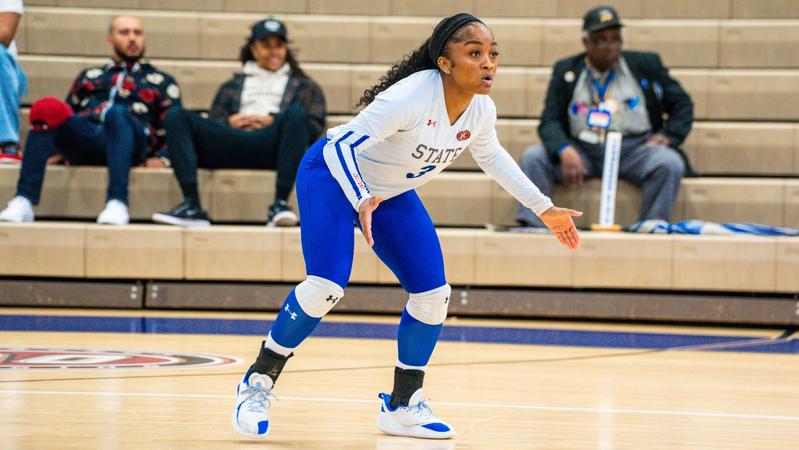
-
 Motorsports2 weeks ago
Ross Brawn to receive Autosport Gold Medal Award at 2026 Autosport Awards, Honouring a Lifetime Shaping Modern F1
-

 NIL3 weeks ago
Nike Signs 10 LSU Athletes to NIL deals
-

 Rec Sports3 weeks ago
Stempien to seek opening for Branch County Circuit Court Judge | WTVB | 1590 AM · 95.5 FM
-

 Rec Sports2 weeks ago
Princeton Area Community Foundation awards more than $1.3 million to 40 local nonprofits ⋆ Princeton, NJ local news %
-

 NIL2 weeks ago
Kentucky AD explains NIL, JMI partnership and cap rules
-

 Motorsports3 weeks ago
PRI Show revs through Indy, sets tone for 2026 racing season
-
 NIL2 weeks ago
Downtown Athletic Club of Hawaiʻi gives $300K to Boost the ’Bows NIL fund
-

 Rec Sports3 weeks ago
Teesside youth discovers more than a sport
-
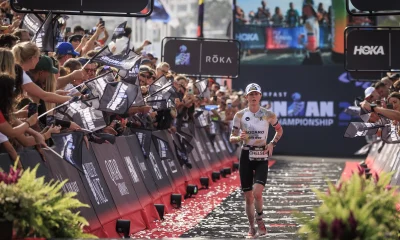
 Sports2 weeks ago
Young People Are Driving a Surge in Triathlon Sign-Ups
-
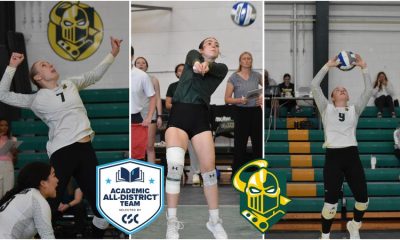
 Sports2 weeks ago
Three Clarkson Volleyball Players Named to CSC Academic All-District List