
Sports
Fashion on the Fairway – How Golf Has Gone Viral for Gen‑Z


Why it is the topic trending: Swinging Style Up the Social Feed
-
Elite sport gets a street-style makeoverGolf has traditionally meant polo shirts and country clubs—but brands like Malbon are injecting it with laid-back, skate-inspired design, turning golf outfits into scroll-stopping streetwear. This rebranding is part of what’s catapulting #GolfFitCheck and #GolfTok into virality.
-
Luxury meets inclusivity through unexpected collabsHigh-fashion labels are entering the fairway. Jimmy Choo × Malbon’s 2.0 drop (women’s handbags, shoes with metallic accents) and Ring Concierge’s glove launched with immediate sell-out success. These bursting-of-the-bubble collabs promise both elevated design and broad accessibility.
-
Women and Gen‑Z golfers are the growth coreWomen now make up over 25% of golfers and account for 60% of the sport’s post-pandemic growth. Gen‑Z’s presence on TikTok golf content (up 39% in posts, 54% in views) signals their role in reframing golf’s cultural image.
-
Creator-driven visuals are reshaping normsInfluencers on TikTok and Reels are creating golf content that centers on style, fun, and authenticity—not rules or exclusivity—making golf appear accessible, vibrant, and modern.
Overview: From Fairways to FYP – Golf as Visual Culture
Golf is shedding its buttoned-up image, thanks to fashion-forward collaborations and digital momentum. Luxury-meets-skatewear drops are making their way onto feeds, while branded visuals by women and Gen‑Z creators are transforming golf into a lifestyle filled with expression, sport, and community. The message is clear—golf is no longer niche, it’s now stylishly mainstream.
Detailed findings: Fairway Fashion Power Plays
-
Jimmy Choo × Malbon 2.0 nails luxe-lifestyle crossoverThe collaboration features metallic-accent shoes, glam totes, and standout accessories that bridge runway poise with fairway utility—perfect for “Golf with Style” content.
-
Ring Concierge glove sells out in 7 minutesDesigned specifically for women—complete with a ring slot—the glove’s instantaneous sell-out shows that functional, stylish golf gear resonates deeply.
-
Women’s golf wear market is boomingRhone’s women’s golf line has grown 129% year-on-year, with green grass wholesale expected to rise 115%. Malbon and Tuckernuck are launching women-first collections, recognizing untapped demand.
-
TikTok views and content creation are explodingPosts tagged #golf have soared, with brands like Tuckernuck seeing 10× engagement on golf-focused items—activated by matchy social and community-driven content.
-
Athlete-endorsed style is shifting perceptionsLPGA golfers like Lilia Vu co-design for functionality, while pro-athletes like Collin Morikawa and Lilia Vu present style-forward, lifestyle content that appeals to non-golfers.
Key success factors of product (trend): Style Meets Swing
-
Female-focused functional designProducts aren’t just pretty—they work: gloves with spots for rings, skirts sized for swings, tees accessible via hidden pockets. These features reflect real course needs with aesthetic appeal.
-
Collaborations that blend luxury and mass appealUpscale launches like Jimmy Choo × Malbon energize aspirational audiences, while Gap × Malbon delivers accessible fashion—broadening reach to mainstream Gen‑Z populations.
-
Performance-first fashionRhone’s use of LPGA athlete feedback ensures technical integrity, while pieces from Tuckernuck blend moisture-wicking fabrics and pockets in retro stylings for everyday wear.
-
Creator and athlete synergy boosts credibilityInfluencer partnerships go beyond product placement—creators showcase lifestyle-first narratives that highlight swing style and community, encouraging authentic engagement.
Key Takeaway: Golf Isn’t Just a Game—It’s Now a Wardrobe Moment
Golf apparel is transitioning into mainstream lifestyle fashion. Clever collaborations, female-focused design, community engagement, and digital appeal have turned golfwear into high-visibility statements—not just sport uniforms. It’s a masterclass in how to fuse function, fashion, and fandom.
Main Trend: Sport-Centric Style Explosion
Golf has joined tennis and streetwear in the rise of sport-as-fashion. It’s evolving beyond uniformity into identity-rich attire that explores function, expression, and community.
Description of the trend: Golfwear as Personal Branding
Gone are the days of one-size-fits-all golf polos. Today’s golfwear serves as a statement—crafted with purposeful design, stylistic flair, and digital-first broadcastability. It’s style made for practice, play, and social shareability.
What is consumer motivation: Style + Swing = Self-Expression
-
Show off identity while playing sportConsumers use golfwear to align athleticism with aesthetics—melding aspirational fashion with on-course performance.
-
Reject old-money exclusivityStylish branding and bold design challenge the historic elitist narrative of golf, making the sport feel inclusive and modern.
-
Merge beauty and utilityFunctional features—moisture control, ring-access, swing-friendly cuts—mean golfwear isn’t just about looks, it’s built to perform.
-
Boost social visibilityTikTok isn’t just about tricks; it’s turning golf outfits into digital showpieces—built for like counts and scrolling thumbs.
What is driving trend: Collab, Content, Culture
-
Luxury x streetwear collabs create buzzUnexpected brand mashups generate excitement and legitimacy—gamifying golfwear into a trend conversation.
-
Gen‑Z creators reshape perceptionSocial platforms are reframing golf as a creative, communal, and stylish pursuit—far from its country club origins.
-
Women-first product development leads designArmed with athlete insights, new collections balance mobility, comfort, and image—filling a long-ignored market with tailored functionality.
-
Athlete visibility enlivens strategyEndorsement by LPGA players and streetwear-savvy pros gives golfwear cultural context, making it both credible and desired.
What is motivation beyond the trend: Confidence. Community. Craft.
-
Fashion is a confidence boostStylish gear isn’t just merch; it fosters self-belief on and off the fairway.
-
Community is built through styleThese clothes are unifying tokens for young golfers—trending in group photos, tagging circles, digital-first connections.
-
Support gender progress in sportWomen-focused gear signals that sport design must respond to diverse bodies and preferences—not replicate outdated norms.
-
Versatility equals valuePieces bridge sport, travel, social outings—maximizing investment and extending wardrobes.
Description of consumers article is referring to: Young Style-Driven Fairway Players
Summary Profile
-
Trend-aware and socially conscious
-
Live in digital-first social pools, love limited drops
-
Seek out style, inclusion, and community in sportwear
-
Functionality is must-have, not optional
Detailed Profile
-
Who are they?18–30-year-olds: Gen‑Z women and young adults with a passion for blending sport and style.
-
What kind of products they like?Luxe accessories, metallic sneakers, patterned skirts, logo gear that photographs well and performs.
-
What is their age?Mainly 18–30, with rising crossover into 30–40-year-old professionals embracing athleisure.
-
What is their gender?LGBTQ+ inclusive, primarily female-identifying, but welcoming all gender expressions.
-
What is their income?Ranges from students to early professionals. Tiered pricing from luxury to accessible serves wide income bands.
-
What is their lifestyle?Creative, active, digitally native—seek brands that look good and feel good on course and café.
-
Shopping preferences in categoryDriven by limited-edition drops, influencer codes, and digital hype cycles.
-
Category shopper typeOccasional—high engagement during branch seasons, high FOMO, medium-long purchase cycles.
-
General motivationsIdentity expression, aesthetic belonging, performative coverage, Instagram feed readiness.
Conclusions: Golf Fashion Isn’t Niche—It’s Narrative
The sport’s new fans aren’t just playing golf—they’re living it like a lifestyle narrative. Their gear is an outward signal of community, confidence, and creativity. Brands that can seamlessly align form, function, and fandom win in this era.
Implications for brands: Collab, Content, Credibility
-
Launch hybrid collabsMerge luxury, street, and volume-friendly labels to capture aspirational and mass appeal simultaneously.
-
Design to film, not just fitPrioritize gear that photographs dynamically—motion-forward, clutch gear that plays well on camera.
-
Collaborate with women-athletes earlyCo-design ensures authenticity and builds community support.
-
Activate creators on-courseStage physical and virtual pop-ups with influencers to translate product into culture.
Implication for society: Swinging Open the Fairway
-
Golf culture is becoming inclusive—from color and gender to style and body types.
-
Social media is reframing sports as platforms for expression, not etiquette.
-
Young designers and athletes are rewriting legacy sports codes with diverse narratives.
Implications for consumers: Wear Confidence, Feel Community
-
Golfwear now equals identity wear—providing emotional authenticity and community alignment.
-
Multi-functional styling supports active lifestyles beyond sport—one piece, many lives.
Implication for Future: Sportswear as Storywear
Expect drop schedules, augmented reality try-ons, and multi-use athleisure designed for both performance and social shareability. Future golfwear will double as identity artifact and social presence.
Consumer Trend: Fashion-First Sportwear
Golfwear joins the sportswear evolution—design that performs, photographs, and defines identity.
Consumer Sub Trend: Collab-Culture Golf
Luxury × street × performance collaborations are now the go-to release model for aspirational athletic style.
Big Social Trend: Democratizing Elite Sports
Sport alignment with fashion makes participation feel accessible to diverse, digitally-connected communities.
Worldwide Social Trend: Active Identity Aesthetics
Clothes define community and personal narrative—sportwear is a canvas for expressing values and belonging.
Social Drive: Visibility Through Vogue
For Gen‑Z, every garment is a statement—sport style stitched with cultural belonging and digital presence.
Learnings for brands to use in 2025: Connect Function, Fashion, and Filmability
-
Prioritize Instagram and TikTok readiness in color, cut, and context.
-
Use smart drops across tiers to build hype and accessibility.
-
Embed athlete feedback loops for authenticity.
-
Treat launches as lifestyle events—not just product releases.
Strategy Recommendations for brands to follow in 2025: Align, Amplify, Actualize
-
Design collab ladders: luxe, street, accessible.
-
Pre-seed collections to creators for organic hype.
-
Co-create with female athletes—not just use them as spokespeople.
-
Host content-enabled pop-ups at tournaments and city micro-events.
Final Sentence
Golf is now a social runway—where empowerment meets elegance, and gear becomes digital currency for Gen‑Z and women redefining sport.
Final Note
-
Core Trend: Fashion-First Golfwear – Golf uniforms are being replaced by statement-made pieces built for performance and visibility.
-
Core Strategy: Gender-Inclusive Co-Creation – Designing with women—athletes and creators—ensures fit, flair, and fandom.
-
Core Industry Trend: Collaboration-Driven Sport Culture – Unexpected, high-profile collabs are energizing the market and channeling social attention.
-
Core Consumer Motivation: Expressive Athletic Identity – Consumers wear golfwear as personal branding, identity expression, and lifestyle alignment.
Final Conclusion: Putt with Purpose – Style, Sport, Selfie
Golf is now a visual culture—a fusion of sport, style, and social narrative. Gen‑Z and women aren’t just playing—they’re performing fashion on the fairway, and influencers, collabs, and athlete design are driving this renaissance. Brands that master form × function × filmability—while leaning into inclusion—will define the next wave of sport style.
Core Trend Detailed: Golfwear is the New Streetwear
Golfwear is rapidly becoming a cultural artifact of Gen-Z’s broader rejection of elitism and embrace of expressive functionality. No longer confined to pro shops and polos, today’s golf fashion draws from streetwear, surf culture, and digital content aesthetics. With female-driven innovation, high-profile collabs, and creator partnerships, golf apparel is blurring the lines between sport utility and high style. It represents more than just what one wears to play—it’s a wearable badge of cultural realignment and social visibility. Golf fashion is becoming the canvas where inclusion, elegance, and entertainment meet.
Key Characteristics of the Core trend: Function, Fashion, Fandom
-
Expression-first utilityFunction is essential, but style leads the conversation. Golfwear now enables performance without sacrificing personal flair.
-
Inclusivity-forward designNew collections address fit, body types, and practical needs for women and non-binary players. Gear is becoming intentionally inclusive.
-
Drop culture deliveryReleases are timed and hyped like sneakers—collabs, limited quantities, and creator involvement drive urgency and excitement.
-
On-camera appealProducts are designed to look great on video—cut, color, and movement harmonize for TikTok and IG Reels.
-
Athlete-creator convergenceBoth athletes and social stars are involved in design and promo, giving collections range and relevance.
Market and Cultural Signals Supporting the Trend: The Rise of Gen-Z Golfwear
-
Golf participation is upPost-COVID, younger and more diverse demographics are taking up the sport, driving increased demand for modern golf fashion.
-
TikTok algorithm promotes visual sportswearFashionable and functional content has strong engagement on social media, boosting visibility for stylish golf gear.
-
Gender balance is improvingWith LPGA and amateur women leading digital engagement, golfwear is finally being designed for the majority growth demographic.
-
Fashion industry interest is increasingHigh-end labels are exploring golf collabs, confirming that golfwear is now a serious category within luxury and sportswear.
-
Retailers are carving out golf editsE-commerce platforms are creating golf-specific style sections to cater to the new demand wave.
How the Trend Is Changing Consumer Behavior: Teeing Off with Identity
-
Shopping for style before sportConsumers now prioritize how golfwear looks on their feed before how it feels on the course.
-
Increased purchase frequency during dropsLimited editions are creating cycles of repeat purchasing, especially among Gen-Z.
-
Cross-category adoptionGolfwear is being styled off-course—in cafes, city strolls, and social outings—indicating it’s a lifestyle category.
-
Democratization of an elite sportThrough fashion, younger audiences feel more comfortable entering what was once a gatekept domain.
-
Community formation around gearGolfwear has become a bonding agent—users identify each other via specific brands, styles, and hashtags.
Implications Across the Ecosystem: Swinging the Style Stakes
-
For Brands and CPGsShift design timelines to accommodate influencer-based hype cycles; co-create with athletes and creators to ensure authenticity.
-
For RetailersCurate specialized golf edits, offer gender-fluid sizing, and stage digital-first drops aligned with seasonal sport moments.
-
For ConsumersGolfwear is no longer niche or sport-bound—it offers a lifestyle choice with self-expression, inclusivity, and hybrid utility.
Strategic Forecast: Fairway Future Forward
-
Social commerce will define salesExpect more TikTok Shop integrations, creator discount codes, and livestream golfwear hauls.
-
Brand-led tournaments will emergeFashion houses and collab-driven brands will launch their own mini-tourneys or digital competitions.
-
High-tech fabrics will go glamMoisture-wicking, UV-protective, and movement-optimized materials will be styled with metallics and luxe aesthetics.
-
Augmented try-on tools will riseVirtual fittings using AR will aid conversion and increase online golfwear spend.
-
Greater push for modular designGolfwear that converts between sport and streetwear with ease will dominate new lines.
Areas of innovation: The Next Wave of Golfwear Evolution
-
Modular Wardrobe PiecesConvertible jackets, removable skirts, and double-duty accessories blend golfwear with everyday use.
-
High-Fashion Tech FabricsSmart textiles with climate adaptation and sweat absorption are being adopted into stylish silhouettes.
-
AR Try-On for Golf GearDigitally enhanced fittings via social media tools increase accessibility and virtual experience.
-
Lifestyle-Led CollectionsDesigns that function at brunch, bar, and back nine reflect the shift toward hybrid dressing.
-
Digital Drop StrategyRelease models that mirror streetwear drops keep hype alive and inventory moving fast.
Final Thought: From Tees to TikToks
Golfwear has become the Gen-Z uniform of empowered play—where aesthetics meet authenticity, and identity is broadcast one fit check at a time. It’s less about the scorecard and more about style statements, with brands, athletes, and influencers co-creating a new era of fashion-forward performance. The fairway isn’t just where golf is played—it’s where the next cultural wave is launched.


Dec. 18, 2025, 6:07 a.m. ET
No. 1 seed Kentucky women’s volleyball will face off against No. 3 seed Wisconsin at the 2025 NCAA volleyball national semifinals on Thursday at T-Mobile Center in Kansas City, Missouri.
The matchup includes some heavy-hitters on both sides, with two AVCA Player of the Year finalists, half a dozen 2025 All-Americans and even the AVCA Freshman of the Year getting ready to go head-to-head.
Kentucky first-team All-American outside hitter Eva Hudson is up for player of the year after hitting .317 with 4.54 kills per set and 504 total kills this season. The senior leads Kentucky’s offense, which is hitting .295. Outside hitter Brooklyn DeLeye was also named to the first team after racking up a team-high 521 kills this year.
Wisconsin will turn to veteran Mimi Colyer. The senior outside hitter had 20 or more kills in nine matches this season, including 23 kills against No. 1 Texas in the Elite Eight and 27 kills against No. 2 Stanford in the Round of 16. Colyer was named to the AVCA first team and is a finalist for player of the year.

2025 FINAL FOUR: NCAA volleyball semifinal matchups, starters, X-factors
MORE: The 11 best NCAA volleyball players in transfer portal
Both teams have won a national championship in the past five years. Wisconsin won its first title in program history in 2021. Kentucky hoisted its NCAA national championship trophy in 2020.
Here’s everything you need to know about the second NCAA volleyball semifinal matchup:
When is Kentucky vs. Wisconsin volleyball?
No. 1 Kentucky (29-2) will face off against No. 3 Wisconsin (28-4) in the second semifinal match on Thursday, Dec. 18 at 9:00 p.m. ET at the T-Mobile Center in Kansas City, Missouri.
Kentucky vs. Wisconsin volleyball: Channel, streaming
- Date: Thursday, Dec. 18
- Time: 9:00 p.m. ET (8:00 p.m. CT)
- Location: T-Mobile Center (Kansas City, Missouri)
- Channel: ESPN
- Stream: The ESPN App, Fubo

Kentucky Wildcats starting lineup
Head coach: Craig Skinner
- 6 Kassie O’Brien | S 6-1 – Freshman
- 7 Eva Hudson | OH 6-1 – Senior
- 10 Kennedy Washington | MB 6-0 – Sophomore
- 11 Molly Berezowitz | DS 5-5 – Junior
- 12 Molly Tuozzo | L 5-7 – Junior
- 15 Lizzie Carr | MB 6-6 – Redshirt Junior
- 17 Brooklyn DeLeye | OH 6-2 – Junior
Wisconsin Badgers starting lineup
Head coach: Kelly Sheffield
- 1 Una Vajagic | OH 6-0 – Redshirt Sophomore
- 7 Kristen Simon | L 5-8 – Freshman
- 15 Mimi Colyer | OH 6-3 – Senior
- 17 Alicia Andrew | MB 6-3 – Redshirt Senior
- 24 Charlie Fuerbringer | S 5-11 – Sophomore
- 32 Grace Egan | RS 6-1 – Redshirt Sophomore
- 52 Carter Booth | MB 6-7 – Senior
The USA TODAY app gets you to the heart of the news — fast. Download for award-winning coverage, crosswords, audio storytelling, the eNewspaper and more.
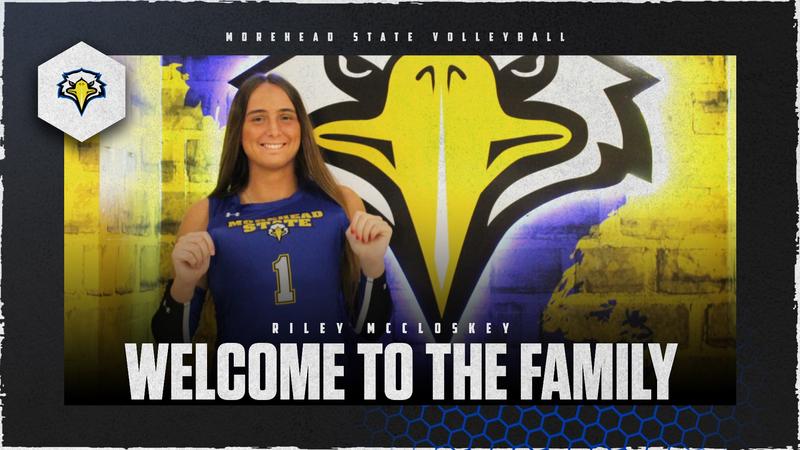
Morehead, Ky. – Morehead State Volleyball announces the addition of Newport, Kentucky, native Riley McCloskey to the roster for MSU Beach Volleyball this Spring and indoor for the Fall 2026 season.
McCloskey, a 2025 graduate of Kentucky high school powerhouse Notre Dame Academy in Park Hills, Kentucky, spent the 2025 season at Memphis. The 6-1 outside hitter appeared in 18 matches for the Tigers making eight starts. McCloskey slugged 70 kills averaging 1.63 kills per set. She notched season highs with 10 kills and six digs against Rice on October 5.
“We are excited to welcome Riley to the Morehead State Volleyball family,” said Morehead State head coach Kyrsten Becker-McBride. “We were able to watch her a lot when she was high school, and I was always impressed with the way she competed. She brings her passion for volleyball to the court and knows what it takes to win.”
McCloskey missed her most of her senior campaign at Notre Dame in 2024 due to injury. In 2022, as a sophomore at Notre Dame, she was part of a Panda team that won the Kentucky state championship. In 100 sets played, McCloskey tallied 223 kills, posting a .259 hitting percentage.
In her junior season at Notre Dame in 2023, McCloskey appeared in 93 sets, smacking 245 kills averaging 2.6 kills per set, while posting a .266 attack efficiency and helping lead the Pandas to the Kentucky high school state championship match.
McCloskey joins the Eagles with definite ties to Morehead State. Her mother, the former Megan Hupfer, was a standout for the Morehead State women’s basketball team from 1992-1996. In her four seasons at MSU, she poured in 1,444 points averaging 13.6 points per game and ranks 14th on the MSU all-time scoring list. She sank 593 field goals in her career, ranking 10th in program history. She scored 30 or more points 35 times in her career and was a 50% shooter from the floor over her career.
McCloskey’s former prep coach is Leslie Litmer (formerly Schellhaas), who starred at Morehead State as a defensive specialist from 2010-13. Schellhaas is Morehead State’s all-time leader with 2,232 career digs and set MSU’s top-three season highs in program history for digs her final three seasons at Morehead State. She was named the Ohio Valley Conference Defensive Player of the Year in 2013 when she set the program record with 685 digs and helped lead the Eagles to their fourth consecutive OVC regular season championship and second OVC Tournament championship in three seasons.
Sports
Merritt’s heart: A second chance at life and the Nebraska volleyball connection that sparked a smile
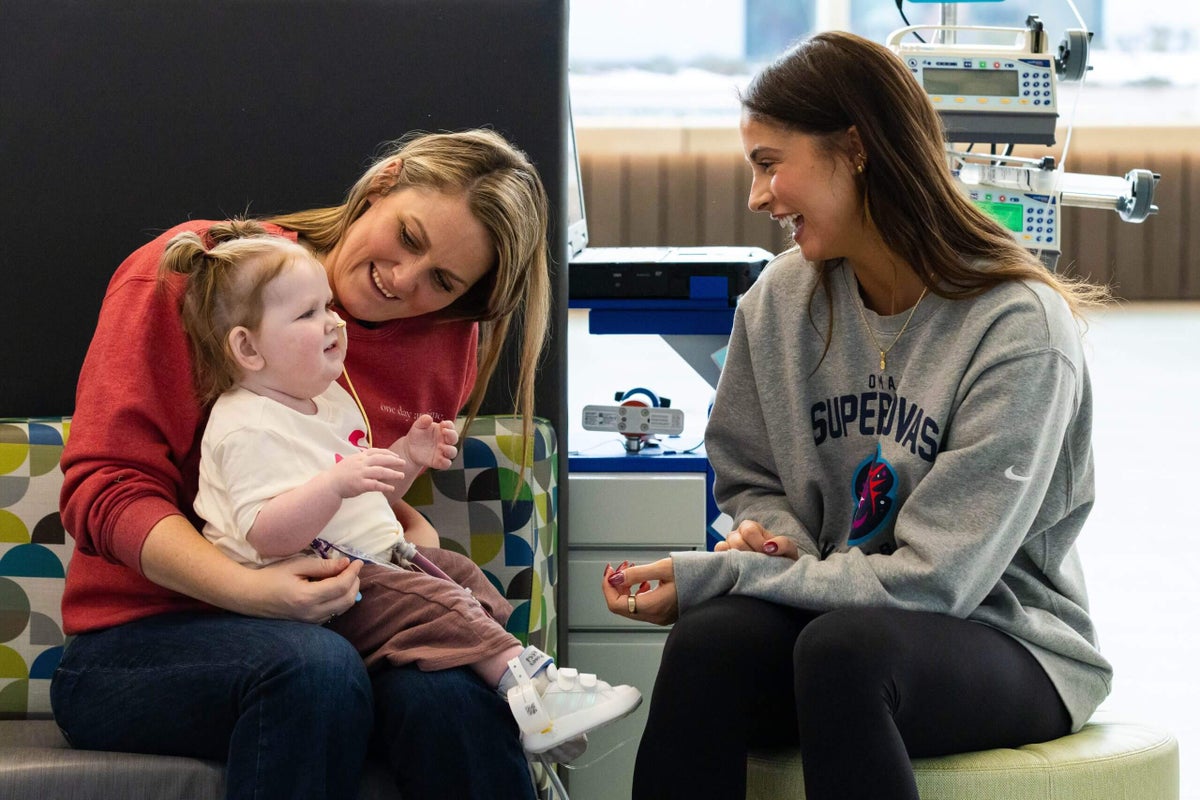
OMAHA, Neb. — Little Merritt and big Merritt met Dec. 5. They share a cosmic connection, at first not evident on that Friday.
Little Merritt does not usually embrace strangers.
For the past nine months, Merritt Squire, soon to be 2, has waited for a new heart. When her doctors confirm a match, a team of cardiothoracic surgeons will fly from Omaha to secure the organ. If the call comes on Christmas, they will leave their families to save her life.
“We’re ready at a moment’s notice,” said Dr. Jason Cole, medical director of the advanced pediatric heart failure and transplant program at Children’s Nebraska.
Two to four weeks later, according to the plan, Merritt will leave the hospital for the first time since February. She has lived nearly half of her life in the cardiac intensive care unit here.
Sadness began to overwhelm Merritt’s mother, Mari Jo Squire, in the days before Thanksgiving. She uprooted her life in Indianola, Iowa, and quit her job. Mari Jo and her older daughter, 6-year-old Monica, stay at the Carolyn Scott Rainbow House, apartment-style residences provided for families of patients near the hospital at which Merritt receives care.
“It’s the holidays,” Mari Jo said. “We don’t even have our tree up at home.”
She sees friends on her social media feeds visiting Santa and taking their kids to look at Christmas lights.
“You start to feel one thing after another,” she said, “and you start to feel more sad.”
And then, Mari Jo said, “something like this happens.”
Her husband, Layton Squire, and his two teenage sons, live at home in Iowa. They drive two-plus hours to Omaha on weekends and for important moments — like on that Friday early this month when Merritt Beason stopped by Children’s Nebraska to see the Squire family.
Beason, 22, is a former first-team All-American who spent two seasons after a transfer from Florida as co-captain of the University of Nebraska volleyball team. The No. 1 pick in the November 2024 Pro Volleyball Federation draft, Beason signed in August with the Omaha Supernovas after one season with the Atlanta Vibe.
When Beason arrived in Omaha recently to begin training camp, officials from Children’s Nebraska and the Supernovas set up the meeting. After a quick standoff, little Merritt offered a few high fives. She held big Merritt’s hand and sat in her lap. They listened to little Merritt’s favorite songs and danced.
“The nurses shared with me that it doesn’t normally happen like that,” Beason said. “It was surreal, one of those humbling and grounding moments.”

Merritt Squire has been at Children’s Nebraska since February, awaiting a heart transplant. (Courtesy of Children’s Nebraska)
Merritt Squire was not the only baby tied to the Nebraska fan base who was named after Merritt Beason in 2023 and 2024. Little Merritt is the only one, though, to have spent an hour, just hanging out, with the 6-foot-4 opposite hitter.
“I think it’s an honor that we get to share the same name,” Beason said.
Beason granted Mari Jo a reason to smile. The visit allowed the Squires to feel normal, Mari Jo said. It reminded her that good things can happen for them.
“Never in a million years would I have thought my Merritt would meet big Merritt,” Mari Jo said. “It was a much-needed day, a very good day. We felt very loved. And it brought my spirits back up.”
Mari Jo and Layton met four years ago. Originally from Kansas, Mari Jo played volleyball and ran track at Nebraska-Kearney. Layton played football at Graceland University in Lamoni, Iowa.
She supported Nebraska. He cheered for Iowa. Nebraska volleyball united their fandom. Mari Jo was pregnant with their first child together in 2023. They learned late in the year that they were having a girl.
And while watching Beason and the Huskers in the NCAA Tournament two years ago, it hit them.
“We named her because of this person we saw on TV,” Mari Jo said. “We didn’t know her, but every time she spoke, she seemed so genuine.”
Three days after Nebraska lost against Texas in the national championship match, Merritt Squire was born. She was large at 10 pounds and suffered from shoulder dystocia during childbirth. For 85 seconds, she didn’t have air.
“But we took home what we thought was a normal baby,” Mari Jo said.
At 2 weeks old, Merritt refused to take milk. That night, she awoke screaming. Mari Jo unzipped her baby’s sleeper and saw her struggling for air. They rushed to Blank Children’s Hospital in Des Moines. Medical staff suspected a respiratory virus.
Her chest X-ray revealed an enlarged heart. One doctor, Amanda Jepson, studied the image and turned to face Mari Jo and Layton.
“You need to pick Omaha or Iowa City,” Jepson told them, “and we need to go now.”
They chose Omaha. Friends and family of Mari Jo’s lived nearby. An incoming winter storm grounded plans to travel by helicopter. They raced west on Interstate 80 in an ambulance. Merritt’s heart was functioning at 15 to 20 percent. Mari Jo cried throughout the ride as her parents followed. Nurses tending to Merritt told Mari Jo every few minutes that Merritt was OK.
“Looking back,” she said, “she was so close to not making it.”
In Omaha came the diagnosis: dilated cardiomyopathy. The primary chamber of Merritt’s heart had stretched and grown weak, unable to pump enough blood to the body. She was in heart failure. A genetic mutation caused the condition.
They spent 20 days surrounded by doctors and nurses during that first visit and returned home to Indianola with a medication plan for Merritt. She was slow to hit milestones in the first year of her life. Even eating wore her out.
The Squires stayed hopeful for nearly 13 months.
“Deep down inside,” Mari Jo said, “I knew she was struggling.”

Mari Jo Squire named her daughter Merritt after watching Merritt Beason at Nebraska. “Every time she spoke, she seemed so genuine.” (Courtesy of Children’s Nebraska)
On Feb. 20, 2025, they returned to Children’s Nebraska. Merritt had contracted RSV. She had an acute kidney injury, a result of the heart condition. More than once, Merritt’s morning heart rate reached 195 to 205. Doctors intubated her to prevent cardiac arrest. On March 5, she underwent open-heart surgery to install a Ventricular Assist Device — a Berlin Heart.
The VAD rests outside of Merritt’s body. It cannot be unplugged for more than 30 minutes at a time, but it provides the bridge to a transplant.
Without the VAD, Merritt would not have survived, Cole said. Optimistically, the doctor said he expects a patient like Merritt to wait nine to 12 months for a heart. Her time on the wait list, as of December, is within that range.
Factors in finding a match include time accrued on the list, geographic region, size of the heart required and other medical and genetic conditions.
Hours after confirmation, one surgical team at Children’s Nebraska will begin Merritt’s transplant procedure as the other team is airborne with the donor heart. The surgery in Omaha will require four to six hours.
Cole said the organ should last 20 to 25 years before replacement. In her first year after transplantation, Merritt must stay near her doctors in Omaha. Long term, Cole said he’s seen patients succeed in all areas of life.
“Merritt will have that,” Cole said. “We’re just waiting on the call to make it a reality.”
Before Merritt Beason was born, her parents welcomed a baby boy, Tanner. He suffered from hypoplastic left heart syndrome and lived for 14 days. Beason shared the story of the brother she never met with Cole and Mari Jo during her visit with the Squires.
“It brought tears to their eyes,” Beason said. “God is so intentional in how he uses us. It’s all connected. It makes me understand that my problems as a professional volleyball player are very slim.”
Beason didn’t connect only with little Merritt and her parents. Monica was there too.
“A bundle of joy,” Beason said. “We’re best friends now.”
Monica is making a bracelet for Beason, who studied in college with the intention of teaching third grade. She still wants to work with kids, but pro volleyball altered Beason’s path. Her season with the Supernovas begins in January.
The sport introduced her to the Squires. Beason will be back to see them, she said.
“One of the things that we could always do better is to provide those little snippets of joy for patients and parents through the holiday season,” Cole said. “Merritt coming here was one of those moments.”
Saturday is little Merritt’s second birthday. It comes one day before the NCAA women’s volleyball national championship match. The Squires’ favorite team won’t be in Kansas City, Mo., to play for the title. Nebraska, without Beason this year, lost its perfect season Sunday in a regional final against Texas A&M.
Mari Jo dreams this month about something more precious than a national championship. Printed on the red sweatshirt that she wore to meet Beason were five words: One day at a time.
Mari Jo is at peace with the waiting, but she struggles with what the end of it will represent.
“Being on the transplant list is a very hard thing to process,” she said. “I know there’s going to be another mom having the worst day of her life — and my child is getting a second chance at life.
“If it comes tomorrow, if it comes in another six months and my daughter stays healthy, that’s all I care about.”
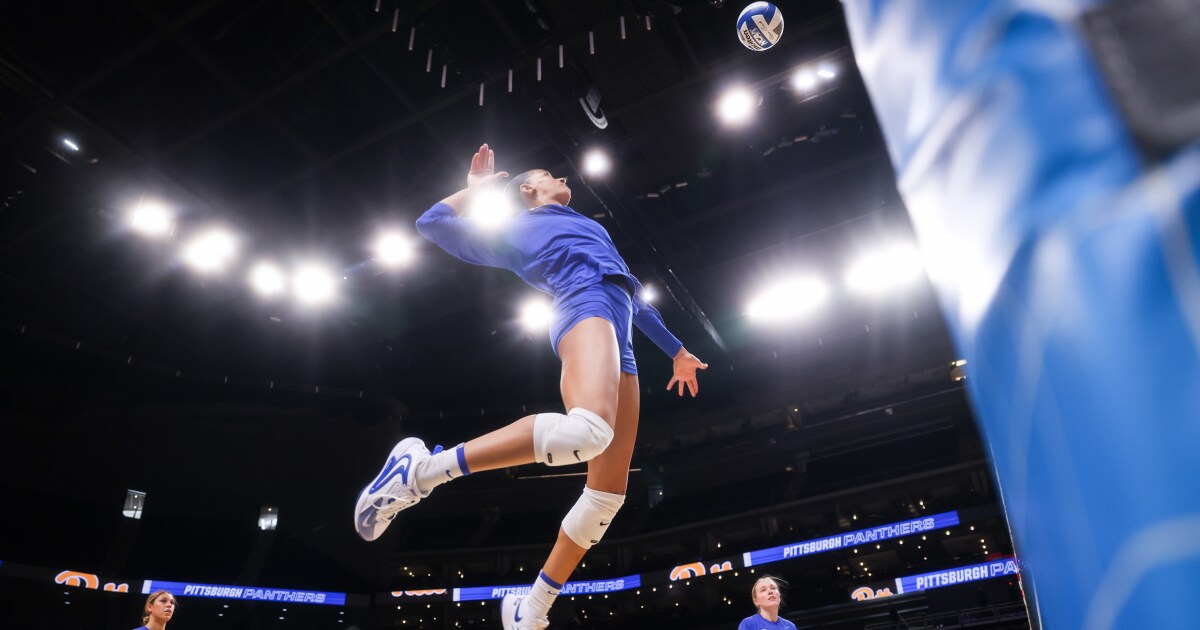
Some say it’s harder to reach the NCAA Women’s Volleyball Final Four than to win it.
Just ask the University of Nebraska fans who counted on making the short trip down the road to Kansas City, Mo., with hopes of watching their top-ranked Huskers at T-Mobile Center in the heart of the city’s downtown.
But fans of the University of Pittsburgh’s women’s volleyball team have no empathy for the Huskers, who’ve won four NCAA women’s volleyball championships — including the last Final Four held in Kansas City eight years ago. Pitt has advanced to its fifth-straight Final Four since 2021, but it has yet to reach the championship match.
The fourth-ranked Panthers (30-4) hope to change that Thursday night in their semifinal match (ESPN, 6:30 p.m. ET) against ninth-ranked Texas A&M (27-4). The Aggies prevented the Huskers from singing, “Kansas City, here I come,” after a shocking upset in Lincoln, Nebraska, last Sunday.
That didn’t stop Panthers coach Dan Fisher from appealing on social media for Huskers fans in attendance to adopt Pitt as their favorite team.
“That doesn’t mean I wouldn’t take just the regular Kansas City volleyball fan,” said Fisher before Thursday’s semifinal. “Hopefully, we’ll turn a few and maybe have a little bit of a home-court advantage.”

Courtesy of the University of Pittsburgh Department of Athletics
Before last year’s national semifinal loss at what essentially was a road match at Louisville, Fisher was presented a Louisville Slugger bat as a gift from the city. Despite the painful season-ending outcome, Fisher still followed through with his plan of displaying the bat in his Pitt office.
“I can simultaneously be proud of making the Final Four and be disappointed we didn’t advance,” said Fisher.
The Pitt Panthers are the first team since the Texas Longhorns, from 2012 to ’16, to make it to the NCAA Women’s Volleyball Final Four in five straight years. The difference, though, is that the Longhorns captured two NCAA titles during their five-year run.
Pitt attacker Olivia Babcock, a 6-foot-4 junior from Los Angeles, California, was the Panthers’ ray of light after last year’s semifinal loss against Louisville — a game that Fisher called one of the toughest setbacks in his career.
On Nov. 2, in a volleyball road match at the University of North Carolina, Babcock had the most dominating performance of any individual Division I player this season. Babcock tallied 45 kills, the most for any D-I player since 2019.
Babcock, the American Volleyball Coaches Association national player of the year last year, is a finalist for the same award this year, but with a different surrounding cast.
“In ’23 and ’24, [there were] a lot of the same players, but this year we had to completely restart, and we were able to jell really well,” said Babcock. “I just love this team, and I think they’re really deserving.”
Most disappointing about last year’s semifinal loss was that it was the best Panthers performance to that point in their four-year Final Four run.
This year, the Panthers may have gotten a break. Before top-seeded Nebraska’s loss against Texas A&M, the Huskers had won 33 straight. Perhaps the curse of being a No. 1 seed? The Panthers were the No. 1 overall seed in last year’s NCAA tournament.
“I think a lot of it is mental,” said Andrew Diaz de Padilla, an assistant volleyball coach at Jacksonville University who attended the Panthers’ open practice session Wednesday as a Pitt fan after working at its summer volleyball camps.
“They got here to the Final Four [for the] fifth year in a row, and they finally don’t have to face a Nebraska or a Louisville,” he said.
Of the four teams in Kansas City, the highest-ranked team is No. 2 Kentucky. The total number of national titles among the four teams is two, one each by Kentucky and Wisconsin. Texas A&M is making its first trip to the Final Four.
To open the season in late August, the Panthers traveled to Nebraska for the AVCA First Serve Showcase in a star-studded four-team field. After a loss against Florida, the Panthers began the year 0-2.
But at that time, Babcock said there were some early lessons.
“There were just really high-pressure moments, and the pressure kind of got to us,” she said. “We made mistakes, and I feel like, moving forward, we want to capitalize on those moments. Apply pressure on them instead of letting the pressure get to us.”
Despite dropping those August matches, Fisher sees the same championship potential as he did at the season’s start.
“I think, when we’re playing at our best, we’re really good. We don’t know what the outcome will be, but we certainly know how good we can be, so [we’re] just trying to be ourselves,” he said.
The Panthers went on to win 30 of their next 32 matches this season after the 0-2 start. The only losses after the AVCA First Serve Showcase were against the University of Miami and Stanford University, both on the road.
Without the Huskers or the Longhorns, who have combined to win nine NCAA titles, the door appears to be open for Pitt.
But like the fans from another Rust Belt City who watched their Buffalo Bills reach the Super Bowl in four straight years without winning it, the Panthers don’t want to be just good enough to reach the title match.
They want to win it.
COLUMBIA, S.C. – South Carolina beach volleyball first-year head coach Jose Loiola announced the program’s 2026 schedule Thursday. The spring slate features two home weekend tournaments, four road trips and a midseason Big 12 preview tournament.
Although official tournament schedules have yet to be finalized, the Gamecocks have identified potential opponents for each weekend. Among those teams, six are coming off appearances in the 2025 NCAA Championship 16-team field.
Dolphin Duals // Jacksonville, Fla. // Feb. 20–21
South Carolina will hit the sand for the first time Feb. 20 in Jacksonville, Fla., opening the season against North Florida. During the opening weekend, the Gamecocks will also face Florida Gulf Coast, Stetson and Jacksonville.
All-Time Series Histories: North Florida (4-6), Florida Gulf Coast (8-2), Stetson (5-10), Jacksonville (11-2)
Wheeler Beach Bash // Columbia, S.C. // Feb. 27–28
The home slate kicks off with the Wheeler Beach Bash. This year’s competition pool features Austin Peay, Coastal Carolina, Texas A&M-Corpus Christi and Chattanooga.
All-Time Series Histories: Austin Peay (1-0), Coastal Carolina (13-3), Texas A&M-Corpus Christi (1-1), Chattanooga (1-0)
Carolina Challenge // Columbia, S.C. // March 13–14
Following a bye weekend, the Gamecocks remain in Columbia to host the Carolina Challenge. The competition slate includes College of Charleston, Jacksonville, UNC Wilmington and fellow Big 12 opponent Boise State.
All-Time Series Histories: College of Charleston (18-2), Jacksonville (11-2), UNC Wilmington (14-0), Boise State (1-0)
TBD // Birmingham, Ala. // March 20–21
The Gamecocks begin a three-tournament road stretch in Birmingham, Ala. South Carolina will compete alongside UAB, Austin Peay, North Alabama and Oregon in the March to May tournament.
All-Time Series Histories: Austin Peay (1-0), North Alabama (1-0), Oregon (1-0), UAB (17-1)
Big 12 Preview // Fort Worth, Texas // March 27–28
As newly added members of the Big 12 Conference, South Carolina will compete in the Big 12 Preview, hosted by reigning national champion TCU. Arizona, Arizona State, Florida State and Boise State round out the field.
All-Time Series Histories: Arizona State (3-3), Arizona (0-0), Boise State (1-0), Florida State (0-27), TCU (3-6)
Wildcat Spring Challenge // Tucson, Ariz. // April 3–4
South Carolina remains out west, traveling to Tucson, Ariz., for the Wildcat Spring Challenge from April 3–4. The tournament field includes Florida Gulf Coast, Arizona, Hawai‘i and Colorado Mesa.
All-Time Series Histories: Florida Gulf Coast (8-2), Arizona (0-0), Hawai‘i (0-2), Colorado Mesa (1-0)
Senior Day // Columbia, S.C. // April 11
Competition at Wheeler Beach concludes April 11 as the program honors seven seniors in a matchup against Stetson.
All-Time Series History: Stetson (5-10)
Deland Cup // DeLand, Fla. // April 17–18
To close the regular season, South Carolina travels to Stetson for the DeLand Cup from April 17–18. UNC Wilmington and Georgia State will also compete.
All-Time Series Histories: UNC Wilmington (14-0), Georgia State (8-13)
Big 12 Conference Championship // Tucson, Ariz. // April 23–27
For the first time in program history, the Gamecocks will compete in the Big 12 Conference Championship, held April 23–27 in Tucson, Ariz.
All-Time Conference Tournament Record (CCSA): 14-18
South Carolina joined the Big 12 Conference in September alongside Boise State and Florida State, joining Arizona, Arizona State and TCU. The Gamecocks previously competed in the Coastal Collegiate Sports Association (CCSA).

Four Nebraska volleyball players were named to the American Volleyball Coaches Association (AVCA) All-America Teams on Wednesday.
Andi Jackson, Harper Murray and Bergen Reilly were selected to the AVCA All-America First Team. Rebekah Allick was chosen to the AVCA All-America Second Team.
The Huskers’ four All-America selections bring their nation-leading total to 111 all-time.
Murray and Reilly are now three-time AVCA All-Americans, but both earned first-team honors for the first time in their careers.
Jackson earned a second straight nod on the first team, while Allick was named an All-American for the first time.
AVCA All-America First Team
Andi Jackson, Jr., MB, Brighton, Colo.
• Jackson was chosen to the AVCA All-America First Team for the second straight year, as well as the All-Big Ten First Team. She was also an AVCA Player of the Year Semifinalist.
• Jackson averaged 2.74 kills per set on .467 hitting with 1.12 blocks per set, and she served 16 aces.
• Jackson’s .467 hitting percentage leads the nation and was the No. 3 hitting percentage in school history for a single season.
• In conference-only matches, Jackson hit .559 to break the Big Ten record for hitting percentage in conference-only matches in a season, which was .541 by Arielle Wilson from Penn State in 2008.
• Jackson has a career hitting percentage of .437, which is the No. 1 mark in school history and the No. 1 mark among active Division I players.
• Jackson earned Big Ten Player of the Week, Big Ten Defensive Player of the Week and AVCA First Serve Match MVP honors this season.
Harper Murray, Jr., OH, Ann Arbor, Mich.
• Murray earned AVCA All-America and All-Big Ten First Team honors for the third straight year.
• Murray led the Huskers with a career-best 3.54 kills per set on a career-high .295 hitting percentage.
• A standout six-rotation player, Murray also contributed 2.16 digs per set and 0.60 blocks per set along with a team-high 34 aces. She totaled a career-high 4.21 points per set for the season.
• One of the best passers in the nation at her position, Murray passed a 2.52 throughout the season.
• Murray finished the season at 1,181 career kills, which ranks 19th all-time in school history and 10th in the rally-scoring era.
• Murray’s career kills per set average of 3.38 ranks third at NU in the rally-scoring era behind only Sarah Pavan and Jordan Larson.
• Murray’s 109 career aces are the sixth-most at NU in the rally-scoring era.
Bergen Reilly, Jr., S, Sioux Falls, S.D.
• Reilly has been an AVCA All-American each year of her Husker career but earned a first-team accolade for the first time after a record-breaking season.
• Reilly set the Huskers to a school-record .351 hitting percentage, shattering the previous record of .331 in 1986. NU’s .351 hitting percentage ranks first nationally and is the best hitting percentage by a Big Ten team since 2009 Penn State.
• Reilly averaged 10.47 assists per set and 2.70 digs per set. She also totaled 73 kills, 67 blocks and 19 aces.
• Reilly was named Big Ten Player of the Year and AVCA Region Player of the Year, as well as Big Ten Setter of the Year and All-Big Ten First Team for the third time.
• Reilly set Nebraska to a .400 or better hitting percentage nine times on the season, a school record in the rally-scoring era. She had double-doubles in all six of the Husker matches that went longer than three sets, and she had four double-doubles in sweeps.
• Reilly ranks No. 3 in school history in career assists in the rally-scoring era with 3,723. Her career assists per set average of 10.70 ranks No. 4 among active Division I players and No. 2 in school history in the rally-scoring era.
• Reilly was named Big Ten Setter of the Week four times this season, giving her 13 for her career.
AVCA All-America Second Team
Rebekah Allick, Sr., MB, Lincoln, Neb.
• Allick earned the first AVCA All-America honor of her career after being named All-Region three times. She also earned All-Big Ten First Team accolades for the first time.
• Allick had the best season of her standout career with 2.56 kills per set on .450 hitting with a team-high 1.27 blocks per set.
• Allick’s .450 hitting percentage ranks as the No. 4 single-season mark in school history, as well as the No. 4 mark in the country this season.
• Allick finished her Husker career at No. 5 in career blocks in the rally-scoring era with 543. Her career blocks per set average of 1.31 ranks fourth.
• Allick was named AVCA National Player of the Week, a two-time Big Ten Defensive Player of the Week, and to the AVCA All-First Serve Team.
• Allick was on the AVCA Player of the Year Watch List at the midway point of the season.

College football players are earning millions – wealth managers are helping them keep it
Time, how to watch Final Four

New RACER magazine celebrates greatness, past and present

Letcher Co. man arrested after he reportedly threatened physician

Volleyball Adds McCloskey to Beach/Indoor Rosters

NBA, global basketball community to take part in World Basketball Day

Carvana and Jimmie Johnson Unveil 2026 Daytona 500 Paint Scheme – Speedway Digest

USA Lacrosse Works with Organizations to Inspire Female Coaching Opportunities

Three Phoenix Named All-Americans – Elon University Athletics

Merritt’s heart: A second chance at life and the Nebraska volleyball connection that sparked a smile

Will the University of Pittsburgh volleyball reach championship match?

Gilbert council advances priority parks projects despite concerns

Providing sailing news for sailors

Beach Volleyball Unveils 2026 Spring Schedule – University of South Carolina Athletics

NBA and YMCA Announce Year-Long Partnership to Expand Youth Basketball Access on World Basketball Day

First Tee Winter Registration is open

Fargo girl, 13, dies after collapsing during school basketball game – Grand Forks Herald

CPG Brands Like Allegra Are Betting on F1 for the First Time

F1 Las Vegas: Verstappen win, Norris and Piastri DQ tighten 2025 title fight

Volleyball Recaps – November 18

Sycamores unveil 2026 track and field schedule

Utah State Announces 2025-26 Indoor Track & Field Schedule

Two Pro Volleyball Leagues Serve Up Plans for Minnesota Teams

Jo Shimoda Undergoes Back Surgery

Redemption Means First Pro Stock World Championship for Dallas Glenn

Texas volleyball vs Kentucky game score: Live SEC tournament updates

SoundGear Named Entitlement Sponsor of Spears CARS Tour Southwest Opener

Bowl Projections: ESPN predicts 12-team College Football Playoff bracket, full bowl slate after Week 14

How this startup (and a KC sports icon) turned young players into card-carrying legends overnight

Robert “Bobby” Lewis Hardin, 56




-
 Motorsports3 weeks ago
Jo Shimoda Undergoes Back Surgery
-
 Motorsports1 week ago
SoundGear Named Entitlement Sponsor of Spears CARS Tour Southwest Opener
-
 NIL3 weeks ago
Bowl Projections: ESPN predicts 12-team College Football Playoff bracket, full bowl slate after Week 14
-
 Rec Sports3 weeks ago
How this startup (and a KC sports icon) turned young players into card-carrying legends overnight
-
 Rec Sports3 weeks ago
Robert “Bobby” Lewis Hardin, 56
-

 Motorsports3 weeks ago
Pohlman admits ‘there might be some spats’ as he pushes to get Kyle Busch winning again
-
Sports3 weeks ago
Wisconsin volleyball sweeps Minnesota with ease in ranked rivalry win
-

 Motorsports1 week ago
Donny Schatz finds new home for 2026, inks full-time deal with CJB Motorsports – InForum
-
 Motorsports3 weeks ago
Increased Purses, 19 Different Tracks Highlight 2026 Great Lakes Super Sprints Schedule – Speedway Digest
-

 Rec Sports2 weeks ago
How Donald Trump became FIFA’s ‘soccer president’ long before World Cup draw