To the editor: As a member of this island community and a supporter of Nantucket’s young people, I want to speak from both the heart and the facts about our proposed synthetic turf field.
Much of the recent conversation has focused on fear — fear of PFAS, fear of microplastics, and fear of change. Those concerns deserve to be heard and addressed. But they also deserve to be balanced by current science and an understanding of what this project truly means for our kids, our schools, and the fabric of our island community – not backdoor lobbying and fear mongering.
What the Science Shows: Earlier generations of turf fields did contain PFAS additives used to strengthen plastic fibers. However, today’s technology has changed dramatically. In March 2025, FieldTurf released independent testing results showing no detectable PFAS in new turf products using natural infills such as cork and sand — verified through EPA’s most advanced testing protocol FieldTurf, 2025. Similarly, AstroTurf announced in 2023 that all U.S. fields are now manufactured without intentionally added PFAS AstroTurf, 2023. These shifts show an industry moving toward safer, more sustainable materials.
Yes, we must remain vigilant and ensure ongoing testing. But painting all synthetic fields as environmental hazards ignores this progress and prevents honest discussion of what our students truly need.
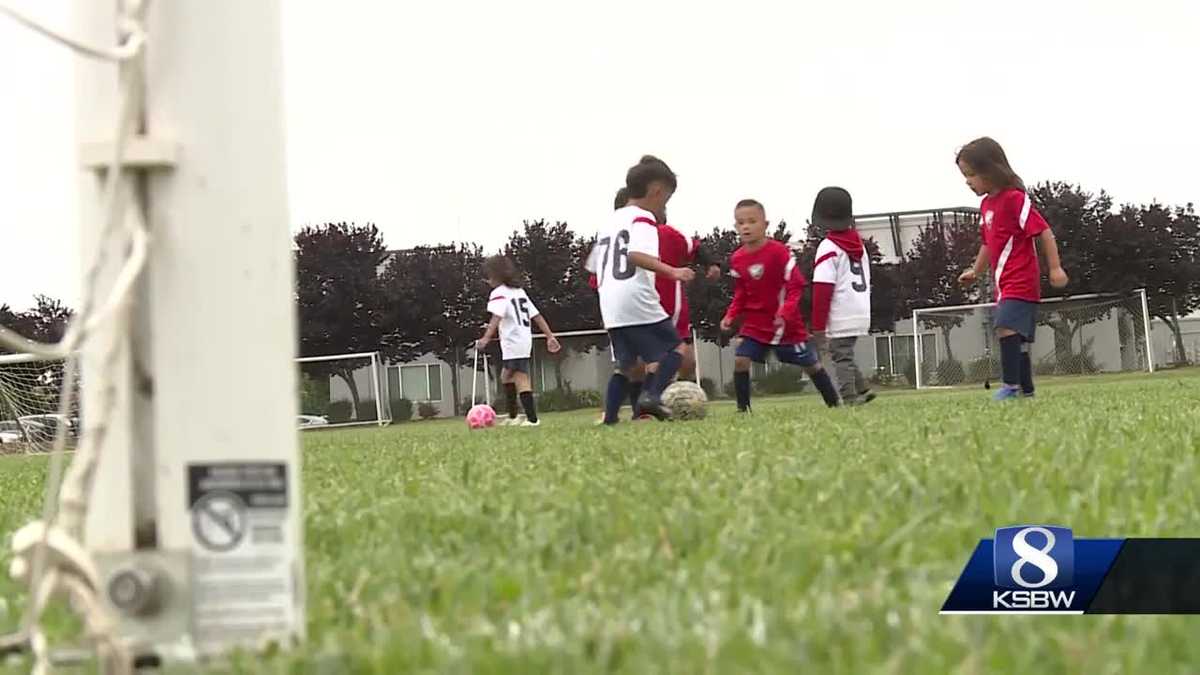
What Our Students Need: Over 70% of Nantucket High School students participate in athletics — nearly twice the national average. That’s not just a statistic; it’s a lifeline. Organized sports are linked to lower rates of substance use and improved mental health among teens, particularly in small or geographically isolated communities like ours CDC Youth Risk Behavior Data, 2023.
Our island faces one of the lowest ages of initiation for drugs and alcohol in the country. The more opportunities we provide for safe, structured, year-round activity, the better our chances of keeping kids engaged, connected, and healthy.
A turf complex does more than withstand weather. It gives teams consistent practice time, reduces cancellations, and allows for shared spaces that promote inclusion and camaraderie. When athletes feel pride in their facilities, it spills over into school culture: better attendance, improved grades, and fewer students feeling the need to leave the island for boarding schools to pursue athletics.
The evolution of artificial turf technology has led to products that offer enhanced safety, playability, and durability, addressing many historical concerns associated with earlier generations Gosnell et al., 2022; Russo et al., 2022. These advancements include improvements in infill materials and shock pad designs, which collectively contribute to reduced impact forces and improved biomechanical responses during athletic activities Gosnell et al., 2022. This allows for more consistent playing surfaces, reducing the risk of injuries compared to natural grass fields that can degrade over time due to weather and overuse. Furthermore, artificial turf fields have demonstrated the potential to significantly increase participation opportunities in sports by providing reliable playing surfaces year-round, which is particularly beneficial in regions with challenging climates or high facility demand May & Parnell, 2018. This expanded access to sports facilities can lead to numerous positive outcomes, including improved physical health, enhanced mental well-being, and greater social cohesion within communities Logan et al., 2023. The increased usage of these surfaces can also lead to economic benefits through enhanced revenue generation from rentals and event hosting, while simultaneously reducing maintenance costs associated with natural grass fields Barnes & Watkins, 2022; May & Parnell, 2018. Beyond these tangible benefits, participation in high school athletics has been linked to improved academic performance, increased accountability, and enhanced communication skills, translating directly from the field to classroom success Selber & Selber, 2021. These comprehensive benefits underscore the strategic value of investing in high-quality athletic infrastructure to foster holistic student development and community engagement Popek, 2024. Specifically, the overall injury rates on modern artificial turf are often comparable to, and in some cases lower than, those on natural grass, particularly as design and maintenance protocols have become more standardized Gosnell et al., 2022; Jastifer et al., 2018. For instance, third-generation artificial turf has significantly improved shock absorption and player-surface interaction characteristics, addressing concerns such as injury occurrence, physiological fatigue, and biomechanics during activities like cutting, turning, and kicking Strutzenberger et al., 2020.
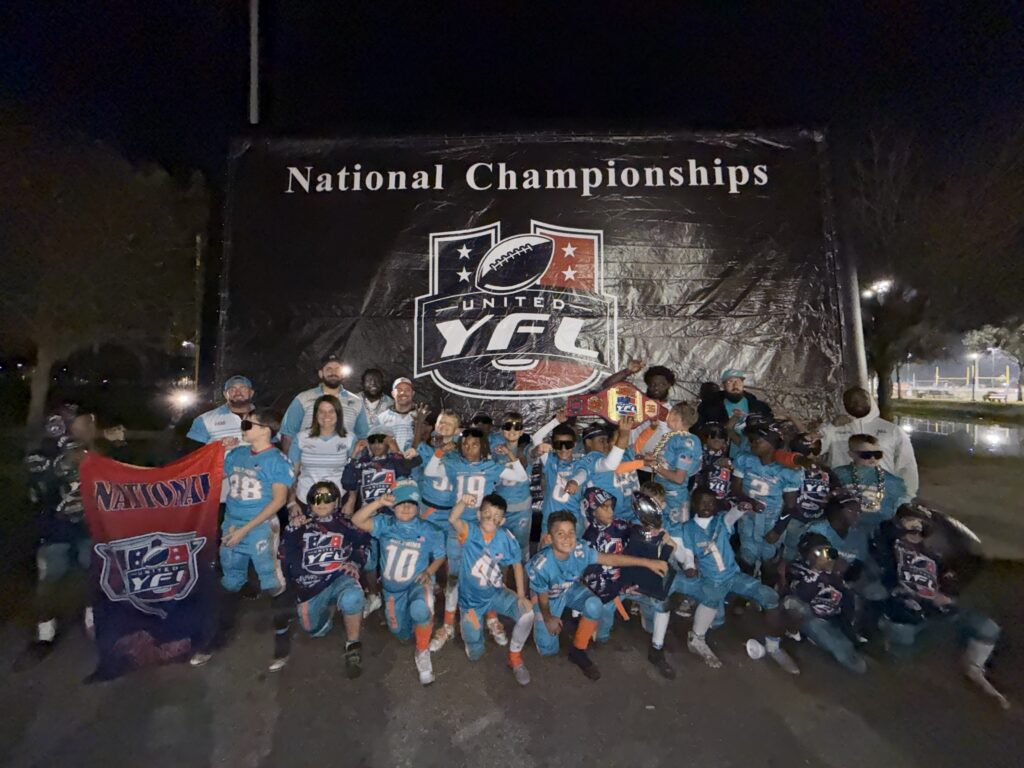
A Healthier Island Spirit: Athletics are community-building. Friday night lights, youth clinics, and shared victories bring us together in a way few things can. They give our young people — and all of us — something to rally around. That unity matters on Nantucket, especially at a time when our community often feels divided.
This project isn’t just about turf. It’s about belonging, opportunity, and hope. By investing in a modern, responsibly designed athletic complex, we are choosing to believe that our island’s future will be stronger when our youth are supported, active, and proud to call Nantucket home.
Sincerely,
J. Brent Tartamella