
Motorsports
Front Row Motorsports financials take center stage during trial

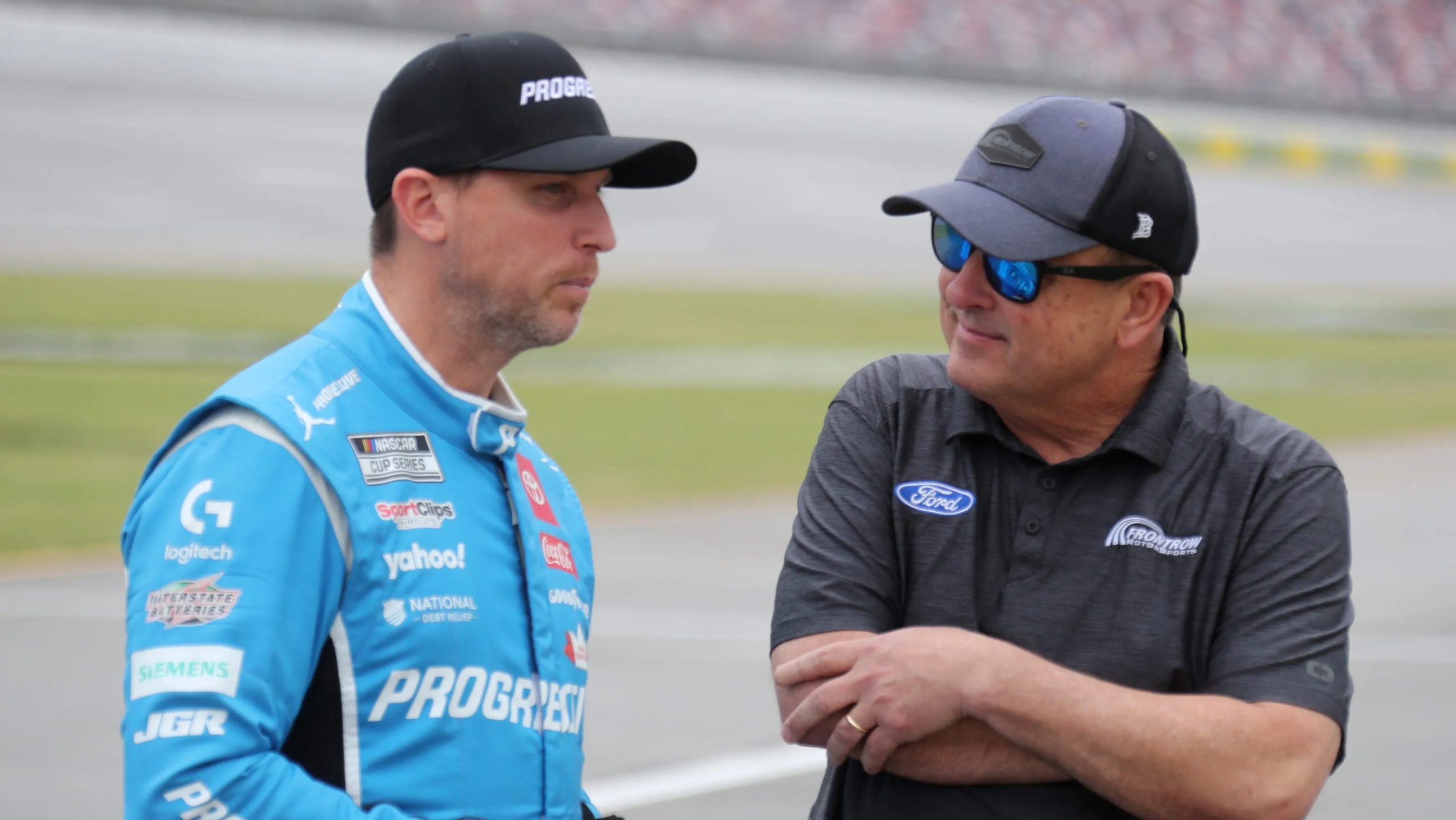
CHARLOTTE, N.C. — Bob Jenkins, the owner of Front Row Motorsports, took the stand to close out a contentious Wednesday in the Western District of North Carolina, and he spent significant time discussing his company’s financials.
Front Row Motorsports and 23XI Racing filed an antitrust lawsuit against NASCAR and CEO Jim France in October 2024, alleging that they are an illegal monopoly that used anti-competitive acts to hurt teams while enriching the France family. A year of hearings, motions, and rulings led to this trial, which started on Monday in front of Judge Kenneth D. Bell.
Early portions of the direct examination, conducted by FRM and 23XI’s legal team, focused on Jenkins’ history as a card carrying member of the Dale Earnhardt fan club and how he got into the sport as an owner. It also focused on how he bought two Taco Bell locations in the early 2000s, which has expanded to 400 locations on the East Coast, as well as several KFCs and Long John Silver’s.
It was during this early session that Jenkins said Front Row Motorsports has lost millions of dollars each year while competing in NASCAR. He particularly said the team lost more than $7 million in 2022.
He also said that the team has about nine races per year where it can’t sell sponsorship. He pointed to Pocono and New Hampshire as harder markets for sponsors. He handles this by putting a business close to him on the car for free instead of just running a blank car. This could be Long John Silver’s or his trucking company among other options.
The free sponsorship became a point of contention during cross-examination. NASCAR’s legal team, represented by Lawrence Buterman during this session, repeatedly said that not charging Long John Silver’s for race sponsorship could have cost him millions.
Jenkins pushed back saying that his bottom line of $50,000 per race meant that he would only generate about $250,000 in revenue. This would not be a large dent in the “millions” he said he loses each year.
Buterman said that Jenkins could not blame NASCAR for him losing millions before the start of the charter system. Jenkins said in response that his costs have only increased since the charter system began.
Why does Jenkins stay in NASCAR even though he keeps losing money? He pointed to multiple reasons. One is that there is no other premier stock car racing series for him to go. The other is that he believes in the sport.
“I think we are sitting on something special,” Jenkins said. “That’s why I’m so passionate about changing the system.”
This became a talking point during cross-examination as Buterman said that Jenkins could have sold his two charters at the end of 2024 for $60 million and walked away from the sport.
“That’s not the point,” Jenkins fired back. He added that he had nowhere to go if he wanted to be in stock car racing, which is why he said they were trying to change the system.
This was a very contentious day. The Bob Jenkins cross-examination was particularly so when discussing how Matt Tifft and Chandler Smith both had contracts with donations to Christian schools founded by Jenkins. These donations did not happen for various reasons.
NASCAR’s legal…— John Newby (@JohnNewby_) December 3, 2025
Other details from Jenkins’ time on the witness stand:
- Jenkins said the estimates from NASCAR for the Next Gen car were about $205,000 per car. He said that he now spends $350,000 per car, not counting the engine. He must have 21 total cars to account for three teams. This puts the total cost at $7,350,000 or $2,450,000 per charter.
- According to Jenkins, they used to have the ability to repair some damaged parts for the Gen 7 car. Now, they have to “scrap anything with a blemish.”
- Jenkins said that two days before the September 2024 deadline to sign the Charter Agreement, he offered to fly to Daytona with Richard Childress and other owners to meet with Jim France. According to Jenkins, France would not take this meeting.
- Jenkins said that he admires many things about the France family and that they have done some great things. He does not count the Charter Agreement among them. He adds the charter system is great for the sport, but he views the Charter Agreement as anti-competitive.
- NASCAR’s legal team and Jenkins had a back-and-forth focused on the comment that the Daytona 500 is the easiest race to sell sponsorship for. The attorney asked if Daytona is so easy, why did one car have Long John Silver’s as the sponsor. Jenkins had to explain that this was for the summer race, not the Daytona 500.
- NASCAR’s legal team brought up contracts where drivers paid Front Row Motorsports to drive. Matt Tifft agreed to pay $2.6 million in 2019 through the Tifft Family Trust. $2.1 would go to FRM and $500,000 would go to Lakeway Christian Academy, which Jenkins founded. This deal never happened due to medical issues.
- Chandler Smith paid $1.5 million for this Truck Series ride. Some discounts went to Smith as his father’s construction company helped with a project for the school.
- NASCAR noted that Jenkins sent a proposal to 23XI Racing in 2021 when the two teams discussed a merger. The FRM owner offered to exchange two charters for two $8 million donations to Lakeway Christian Academy. Hamlin did not accept this proposal.
- In a 2015 email to now-former members of the Race Team Alliance, Jenkins said it was imperative to reduce the size of the field. He viewed the Open category as a detriment to the sport, something he still believes to this day. He pointed to a “backmarker” car wrecking a championship contender.
- Jenkins said that a locked field with guaranteed spots would increase the health of the sport while benefiting teams and NASCAR simultaneously.
- NASCAR’s legal team said Jenkins has exclusivity language in his driver contracts, preventing them from racing in other series without written approval. He compared this to the Goodwill Provision in the Charter Agreement that the lawsuit calls anti-competitive. Jenkins said the situations are apples and oranges. Only 40 cars can compete in the Cup Series while “150” teams are trying to land the talented drivers.

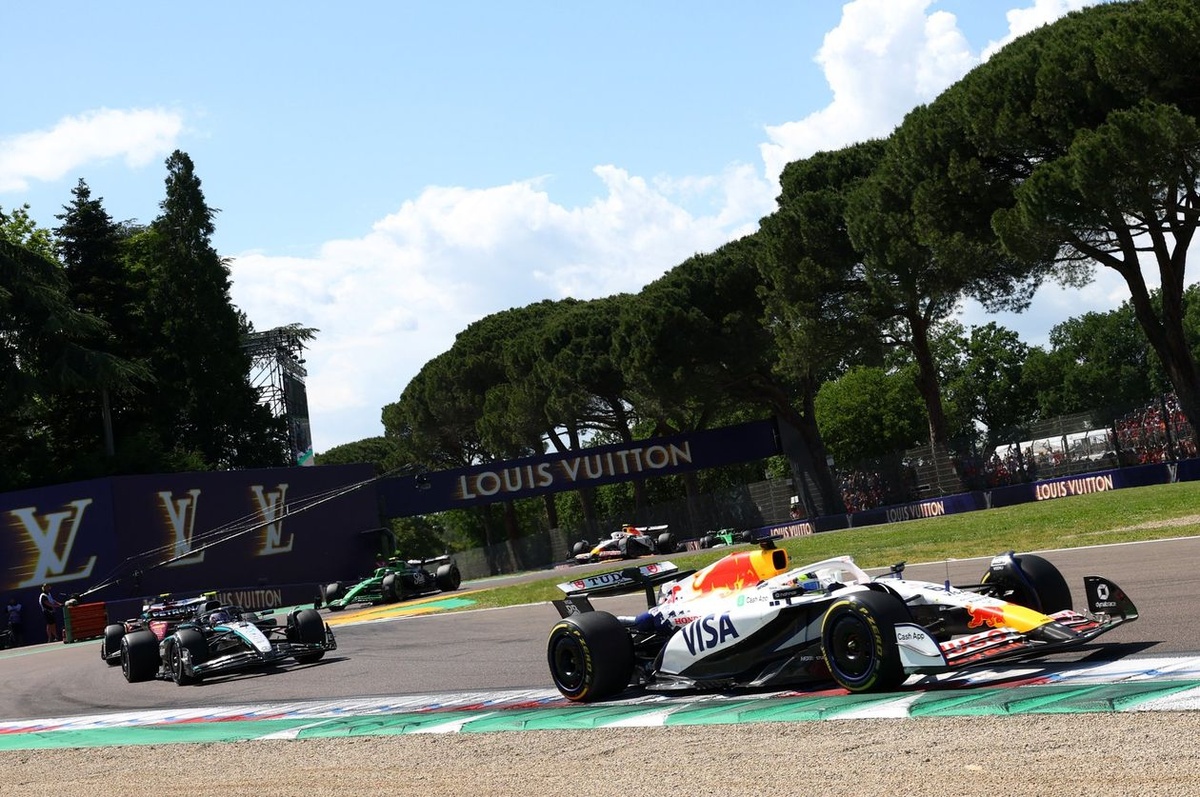
The 2025 Formula 1 season welcomed an unusually high number of rookies onto the grid which provided a focus point throughout the campaign.
While some of the rookies starred, others floundered and some didn’t even make it to the end of the season. Here’s who our writers have picked as the standout rookie of the year.
To be fair to the rookie class of F1 2025, they were all pretty solid. Andrea Kimi Antonelli, for example, claimed a couple podiums and a Miami sprint pole to show great promise at just 18 years old when he made his debut. Then there is Isack Hadjar, who again claimed a podium and ended up with a Red Bull promotion for 2026.
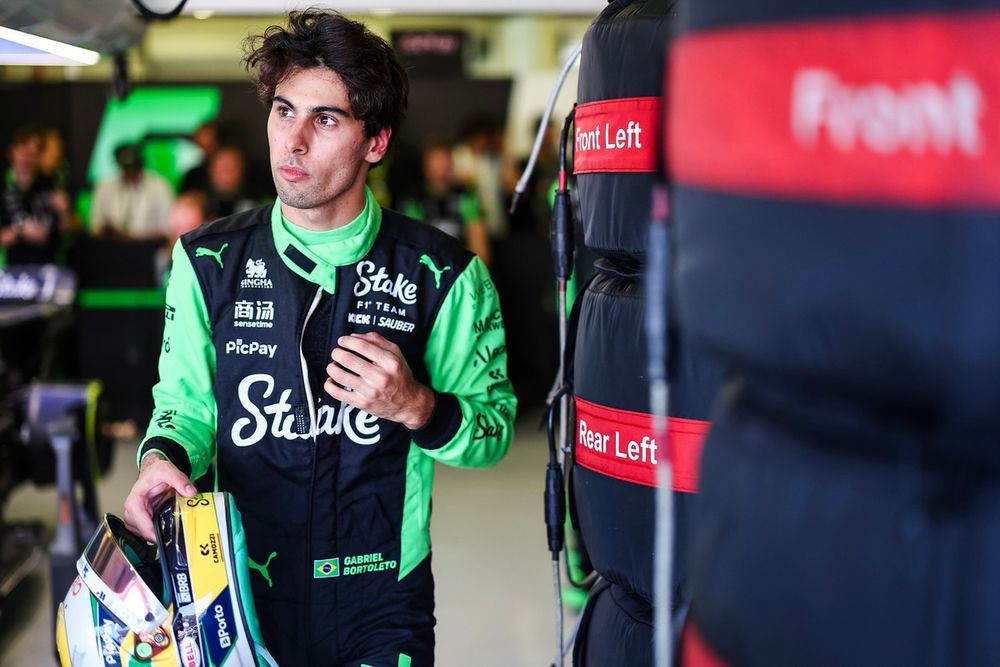
But perhaps the more left-field choice for best rookie is Gabriel Bortoleto and that’s who I’m going for. Yes, he spent much of the season towards the back, but he was in a Sauber and it is his qualifying record which stands out.
The 21-year-old ended the campaign level with Nico Hulkenberg in the team-mate head-to-head battle (12-12, 15-15 with sprints) and how impressive that is cannot be understated, considering the quality and experience of the German. I would thus argue that Bortoleto being level with him is more impressive than Hadjar having a number over Liam Lawson.
Andrea Kimi Antonelli – Jake Boxall-Legge
Everyone’s going to say Isack Hadjar here and I don’t disagree with that sentiment, but for the sake of variety I’ll say something different and say Antonelli. The highly-rated Italian was incredibly close to Russell, one of the season’s star performers, in terms of qualifying pace and race performance across the final rounds of the year.

Andrea Kimi Antonelli, Mercedes
Photo by: Andy Hone/ LAT Images via Getty Images
Rookie seasons do not need to be flawless, and nor should they be; while drivers are expected to step up to the highest level and perform, mistakes and errors are a vital part of their learning. And Antonelli went through that arduous process across the European leg of the season, hurt by Mercedes’ rear-suspension updates that took away the familiarity of this year’s W16 and led Antonelli into a spiral. That he was able to recover, supported by the team, demonstrated that he was able to turn the corner and rebuild his waning confidence.
That’ll serve him well in his second season; if the going gets tough as Antonelli gets his head around the new regulations, he’ll at least be able to lean on the confidence that he can recapture his form.
And let’s not forget his podiums in Montreal, Brazil, and his recovery from 17th to third in Las Vegas after an extended stint on the hard tyres. He’s shown more than just glimmers of potential, and the target now will be to match Russell on a much more regular basis.
Isack Hadjar – Owen Bellwood
The crop of rookies that entered Formula 1 in 2025 was strong – especially when you consider that just one new racer will join the grid next year and there were no full-time rookies in 2024. Pundits were right to laud Sauber’s Garbiel Bortoleto for his consistency over the season, and Mercedes’ Andrea Kimi Antonelli has shown flashes of brilliance over the year, but form me there’s no question that Isack Hadjar has been the rookie of the season.
The Racing Bulls driver had a rough start to the year, crashing on the formation lap of the Australian Grand Prix and suffering the wrath of Helmut Marko in the process. But rookie seasons are about learning from mistakes, and boy did he.
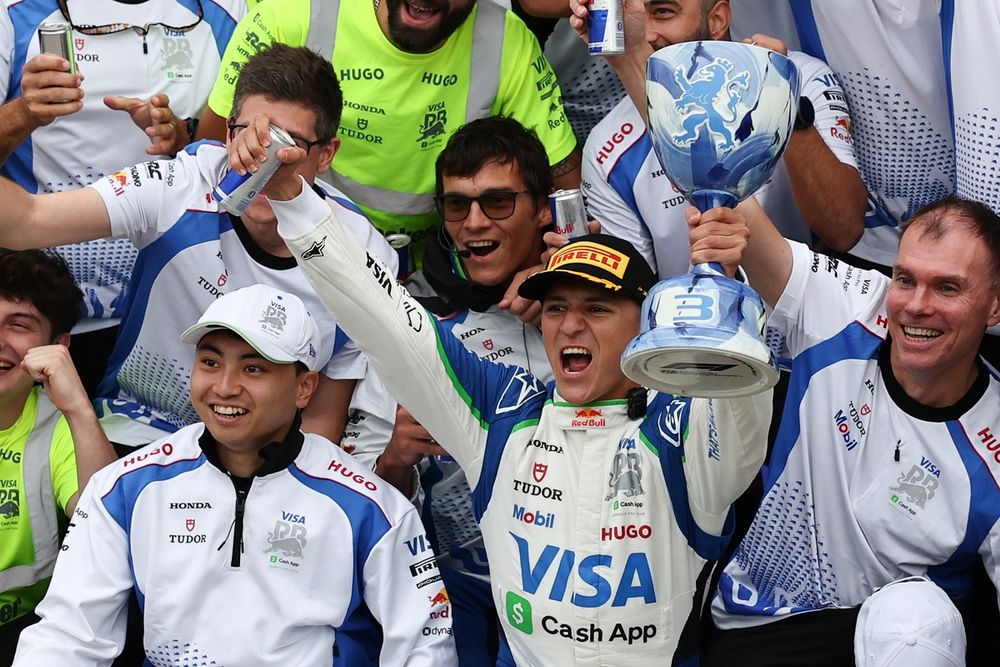
After a tearful hug with Lewis Hamilton’s father in Melbourne, Hadjar kicked off his season proper in China, where he out-qualified and out-raced his much more experienced team-mate: Yuki Tsunoda in the grand prix. His season was then punctuated by impressive points finishes and even a podium at the Dutch Grand Prix. He ultimately finished the year as the second-best Red Bull driver behind Max Verstappen and earned a promotion to the senior team for 2026.
Isack Hadjar, Racing Bulls, Alan Permane, Racing Bulls
Photo by: Jakub Porzycki / NurPhoto / Getty Images
For the first time in what feels like years, Hadjar is a driver who may have been promoted through the Red Bull junior programme at the right pace – now he just has to prove that the curse of the senior team’s second seat isn’t actually real.
Andrea Kimi Antonelli – Ben Vinel
There’s obviously a strong case to make for Isack Hadjar, but I’m willingly going a bit left-field with Andrea Kimi Antonelli here.
Antonelli was F1’s third-youngest driver ever and reached the category with extremely little experience relative to most rookies. He skipped F3, spent just one year in F2, and had a chunk of testing in older F1 cars prior to his debut.
Starting out in a top team was a tall order, and strong performances in the opening rounds – including sprint pole in Miami – made way for midseason struggles. Antonelli was feeling the pressure at Mercedes despite the team trying to ease it, as displayed by his misty eyes after a double Q1 exit at Spa-Francorchamps.
Yet, the wonderkid bounced back in the latter part of the season, becoming a consistent points scorer and clinching two consecutive podium finishes in Las Vegas and Sao Paulo – the first one somewhat coincidental after the McLarens were disqualified.
This is encouraging and will leave us excited to see more.
Gabriel Bortoleto, Sauber
Photo by: Andy Hone/ LAT Images via Getty Images
Gabriel Bortoleto – Filip Cleeren
Without looking, I imagine several colleagues will go for Isack Hadjar and that’s probably objectively the right call. But I am going for a slightly less heralded option. Gabriel Bortoleto really impressed me from day one with his attitude. When other youngsters were apprehensive about making their F1 debut in the wet in Melbourne, Bortoleto welcomed it as an opportunity to make a difference. Why worry about circumstances beyond your control anyway?
Going from the front of the field in the feeder series to the back of the grid in F1 was hard to take for the Brazilian F2 champion, but Sauber’s Barcelona upgrade started giving him a few chances to shine. Along with several points finishes, Bortoleto really wowed us in qualifying, defeating one-lap specialist Hulkenberg eight times in a row and going on to finish 15-15 in head-to-head qualifying duels. Ask anyone at Sauber – I guess we should start saying Audi – and they all couldn’t be happier with the 21-year-old’s work ethic.
Have there been rookie errors? Absolutely, just look at the character-building weekend he had at home in Sao Paulo. But that all goes into his bank of experience and he will be a better driver for it in year two.
We want your opinion!
What would you like to see on Motorsport.com?
Take our 5 minute survey.
– The Motorsport.com Team

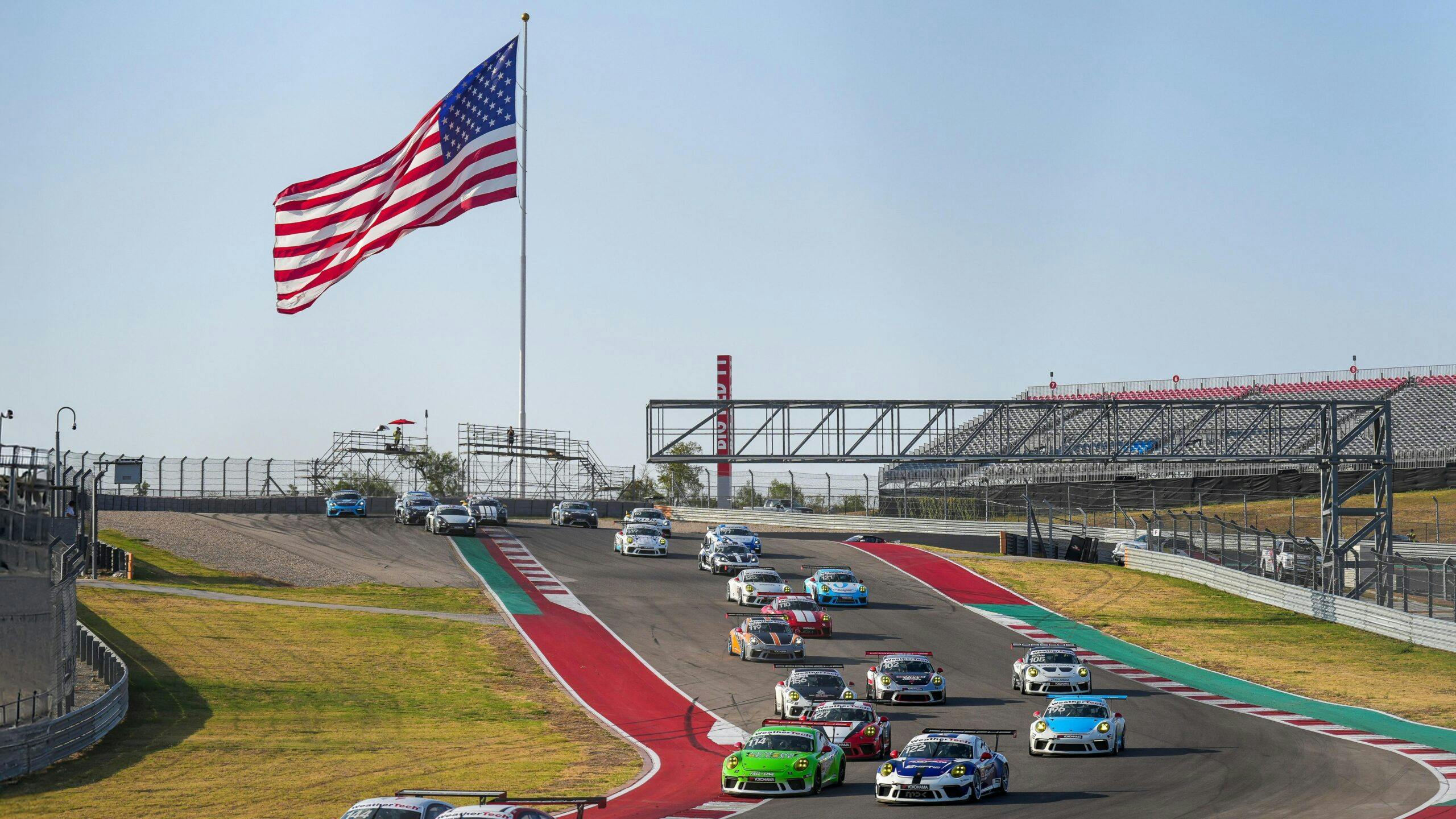
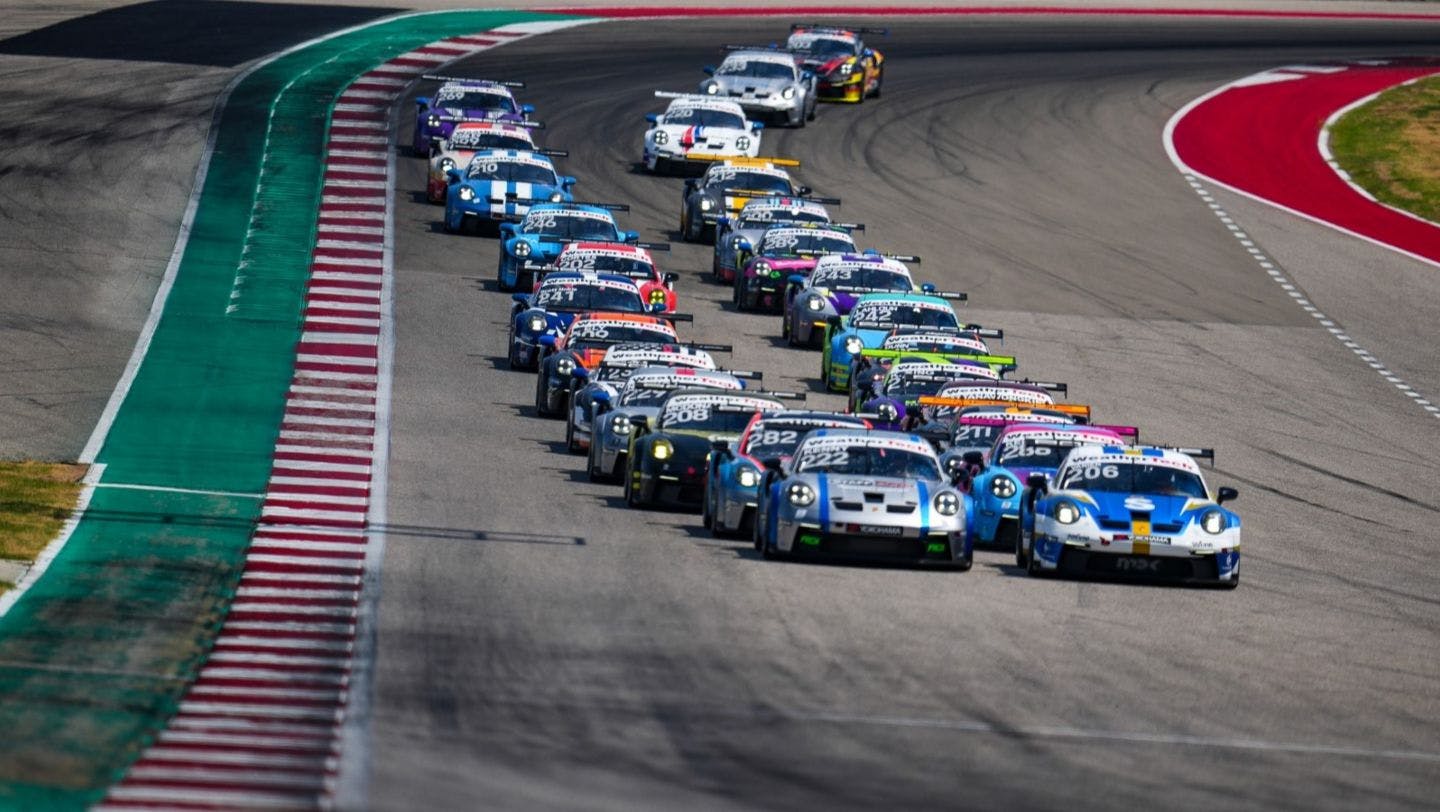
Attention, prospective professional sports car racers: Porsche has opened a door that could be a rung in the Porsche pro ladder system, which it refers to as its “Motorsport Pyramid,” starting with free entry into the Porsche Sprint Challenge North America, or Porsche Sprint Challenge USA West, for a full season. Near as we can tell, that could be worth around $35,000.
The manufacturer just announced a partnership with K1 Speed, which is an indoor (electric) kart racing chain that was founded in 2003. K1 has locations from coast to coast, including a kart center in Daytona Beach, Florida, the site of the 2026 season opener for the IMSA WeatherTech SportsCar Championship—the Rolex 24 Hours at Daytona in less than a month, on January 24-25. K1’s electric karts have been billed as being capable of reaching 45 mph, slower than the IMSA Porsches on Daytona International Speedway go, but pretty quick for an indoor circuit.
In the announcement, Porsche Motorsport North America and K1 Speed say they’ve signed a multi-year partnership that will have Porsche Motorsport branding at all K1 Speed karting centers in the U.S., while K1 Speed decals will appear on the front bumper of cars in Porsche Carrera Cup North America, Porsche Sprint Challenge North America, Porsche Sprint Challenge U.S.A. West, and Porsche Endurance Challenge North America.

The foundation of the program is the K1 Challenge GP, K1 Speed’s international competitive karting league structure. The leagues are divided into Junior, Teen, and Adult age groups, with the Teen and Adult categories forming the K1 Speed side of the Porsche selection process. Drivers compete monthly at their local K1 Speed facility, earning points toward advancement into state and national-level competition.
“K1 Speed hosts thousands of motorsports enthusiasts each year, and all of us at PMNA look forward to connecting with them,” said Volker Holzmeyer, president and CEO of Porsche Motorsport North America. “Whether they are casual fans of motorsports, or are searching for a path into professional racing, we’re excited to introduce them to the Porsche Motorsport Pyramid, and the opportunities that it offers.”
At the conclusion of the K1 season, Porsche and K1 Speed will select two drivers from the pool of top racers who reach the national level—one from the teen class and one from the adult class—for whom the entry fee for a future Porsche Sprint Challenge North America or USA West season will be waived.
Said David Danglard, CEO and founder of K1 Speed: “It’s an immense honor for K1 to partner with Porsche Motorsport North America to provide up-and-coming American racers with an extraordinary opportunity. We built K1 on the belief that future champions start here, and this partnership with Porsche creates a pathway to take them from our indoor tracks to the country’s greatest circuits.”
That five-step Porsche motorsports “pyramid” formally begins with “Porsche Experience Center events,” moving up to “track experience,” with racing schools and track days; then the “Porsche one-make series” such as the Sprint Challenge; then comes “GT sport” in GT2, GT3 and GT4 cars, finally leading to races in the IMSA or World Endurance Championship series at the pyramid’s pinnacle.
Separately, on December 2, K1 announced a program for 2026 called the Champions of the Future America series, which it said is a “new initiative designed to elevate the next generation of American motorsport talent and create new pathways through the sport.” It is in partnership with the RGMMC Group (Race Group Management & Marketing Corporation, a motorsports promoter). The press release lists a 10-round series that begins January 31-February 1, and continues through September.
The Switzerland-based RGMMC has a similar series that launched in Europe in 2020. RGMMC Group says that it is experienced in “Rally Cross, Touring Car, GT Series, Formula racing and Motocross” promotions. Exactly what prizes are at stake in the K1 Champions of the Future America series, or what it costs to enter, is not disclosed.
Globally, K1 lists 107 kart centers total, but the Porsche partnership is designated specifically for the 72 centers located in the U.S. For more information on entering the Porsche/K1 program, look for details to be posted soon at Porschesprint.com, and K1Speed.com.
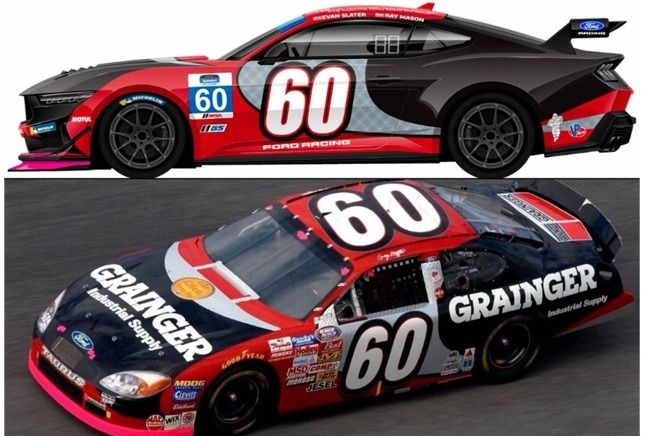
Kohr Motorsports will have a special paint scheme on its No. 60 Ford Mustang GT4 in the 2026 IMSA Michelin Pilot Challenge season-opener at the Daytona Road Course.
Biffle, who was named one of NASCAR’s 75 greatest drivers and a winner of 56 races across all three national divisions of the sport, was tragically killed in a plane crash in Statesville, North Carolina, earlier this month. He was among seven killed in the tragic accident, including his wife Cristina, son Ryder, and daughter Emma.
Advertisement
The Kohr Motorsports entry will resemble the car Biffle drove to the 2002 NASCAR O’Reilly Auto Parts (then known as Grand National) Series championship. Evan Slater and Ray Mason will share driving duties
53 of of Biffle’s 56 wins, including all 19 of his Cup victories came with Ford.
“In light of last week’s tragedy involving one of Nascar’s 75 Greatest Drivers and off track Humanitarian, Greg Biffle [including his family & friends],” said the team in a social media statement.
Advertisement
“KOHR Motorsports will be running a tribute 2002 NASCAR Busch Championship No.60 Ford livery on our IMPC No.60 Ford Mustang GT4 during the upcoming IMSA Roar Before The 24 and 4 Hour BMW M Endurance Michelin Pilot Challenge.”
The event takes place on Friday, January 23rd, with the green flag flying around 1:45pm EST.
Read Also:

Remembering Greg Biffle: NASCAR champion and Hurricane Helene hero

Cleetus McFarland memorializes Greg Biffle and family in emotional video

NTSB working to verify pilot in fatal Greg Biffle plane crash
To read more Motorsport.com articles visit our website.
The Daytona 500 twin qualifying races, which were commonly known as the Daytona Duels, have received a massive title change ahead of the beginning of the 2026 season. The iconic race kept its name for multiple decades and was a highly revered destination for drivers to win. However, now, following a fallout with the common sponsors such as Gatorade, Budweiser, and Can-Am, the sport has decided to change the name completely.
NASCAR is currently going through a difficult phase financially and losing the trust of many people in the sport. The 23XI-FRM charter lawsuit was definitely one of the more challenging moments for the sport in recent times. Since the case revealed many shocking things about the leadership of NASCAR, some sponsors feel obliged to take a step back and rethink their sponsorship options.
In a shocking turn of events, the common sponsors of the Daytona Duels have refused to pay the asking fee to include their name in the titles as the sport looked for other options. NASCAR did not publicly announce the news; rather, they slyly changed the name and revealed it on the 2026 Daytona 500 flyer. The new name is now set to be America 250 Florida Duels at Daytona.
It will certainly be a bit mouthful for the people who are used to the old and short name of the Daytona Duels. Amid the sport losing core audiences because of its money-hungry business model, this name change will definitely upset many old fans. The 2026 season might also reportedly witness changes to the playoff format. This change is being seen as a positive change by many people, and it will be very exciting to witness what the sport has in store next.

Enea Bastianini has offered insight into why he struggled to such an extent during a wretched first season on KTM’s MotoGP bike in 2025.
Bastianini moved to Tech3 this year on a factory-spec bike, partnering Maverick Vinales in an all-new line-up at KTM’s secondary squad.
But from his first test with the Austrian marque in Valencia 2024, it was clear that the RC16 was not playing to his strength – and a crash in which he completely wrecked his bike only reinforced that impression.
Problems persisted when the season kicked off in March, leaving Bastianini in the shadows of his new team-mate Vinales, who impressed with his adaptation to the RC16. Across the opening 10 rounds and before Vinales broke his shoulder at the Sachsenring, Bastianini managed just 42 points compared to 69 for the former.
There was a ray of hope that the Italian had turned around his campaign when he qualified fourth in Hungary and followed that up with a podium in Barcelona, but it ultimately amounted to little more than a brief respite.
He eventually ended the season a distant 14th in the standings, scoring just over a third of the points Pedro Acosta accumulated on the factory KTM (112 points vs 307).
It was a far cry from the heights Bastianini reached just last season, when he guided his works Ducati GP24 to two victories and seven other grand prix podiums.
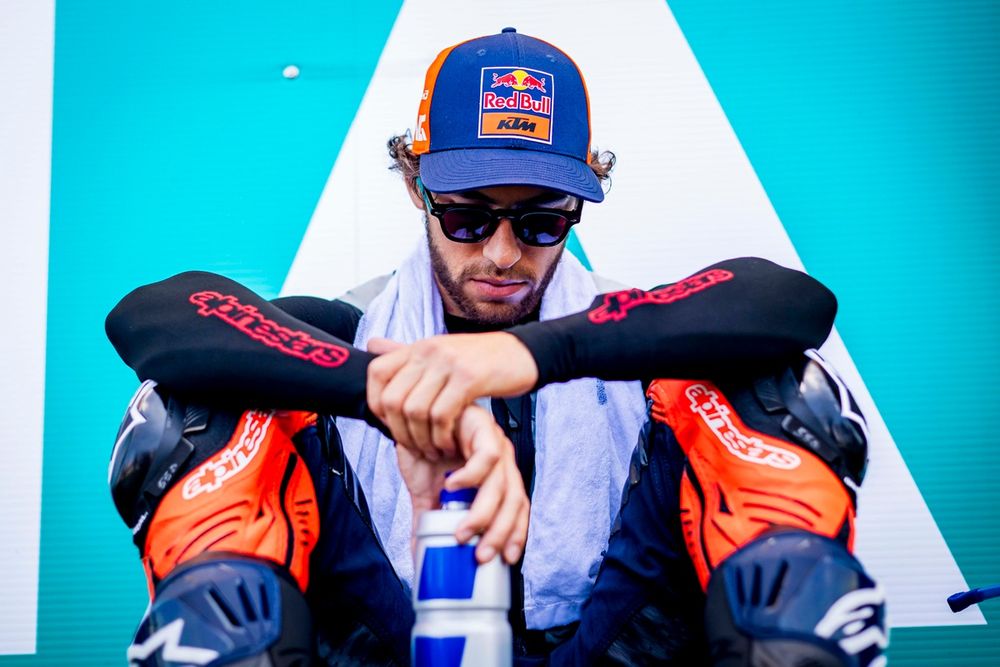
Enea Bastianini, Red Bull KTM Tech 3
Photo by: Shameem Fahath / Motorsport Network
In fact, this was easily the worst season of his MotoGP career; even in his rookie season in 2021, he managed to finish 11th in the championship and score 102 points from 18 rounds at a time when there were no sprint races.
Bastianini makes no secret in explaining how steep his learning curve proved after switching manufacturers for the first time in MotoGP.
“I think the adaptation to the bike this year has been very complicated for me, starting from the first test when I jumped,” he said. “It’s not been a shock, but very close to a shock because the bike was very different from the other one.
“When it’s like this, you have every weekend to work, to change something. Also [despite] this, we were competitive on Sundays.
“Last year, at the end of the season, I was fast in the sprints and I was always on top. I knew how it would be and what the approach of the weekend was, but you have to be clear. This year, the situation was not clear to me.”
For much of 2025, Bastianini found himself on the back foot early in the weekend, struggling with his feeling on the bike on Fridays. While there was often clear progress overnight and into Sunday, he was frequently left with too much ground to make up.
At Valencia, for instance, the 27-year-old toiled near the back in practice and qualified only 20th. Yet his race pace was strong, allowing him to climb steadily through the field to finish a solid 10th.
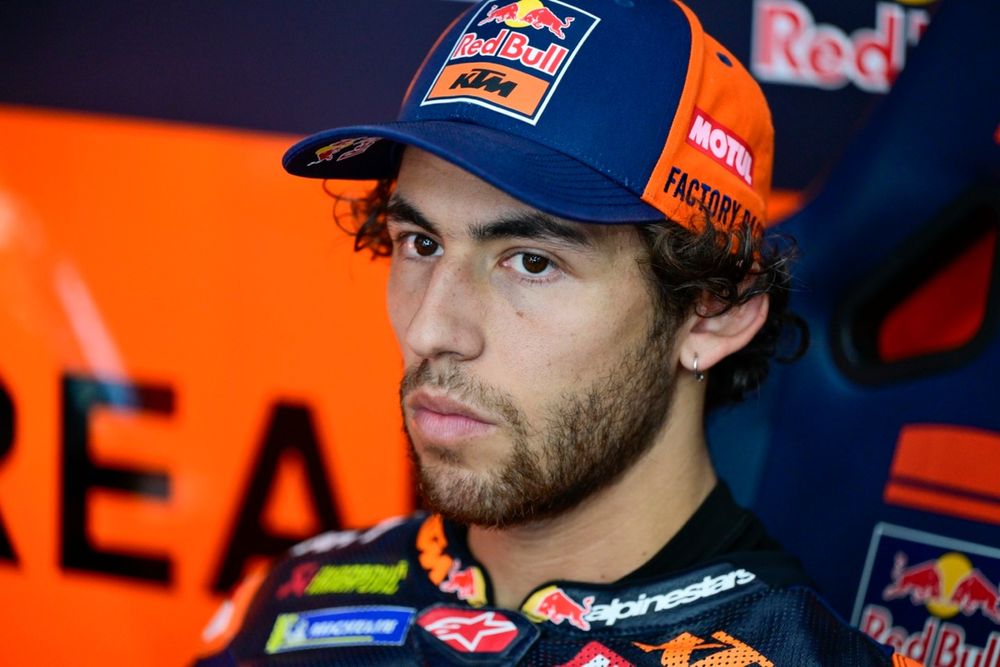
Enea Bastianini, Red Bull KTM Tech 3
Photo by: Gold and Goose Photography / LAT Images / via Getty Images
“Friday complicated, Saturday a bit less and Sunday in the race we are competitive. This happened many times. I think [it happened] every weekend, from just two or three weekends apart,” he highlighted the trend.
Bastianini’s improved pace in race trim was partly down to his increased confidence on medium tyres, which are preferred during longer grands prix. With Michelin’s soft rubber, he suffered from a phenomenon called the ‘rear pushing the front’, which had a detrimental impact on his cornering ability.
“We are also competitive in the race because I find the confidence to be fast with the medium tyre,” he explained. “When we put a soft on the rear, the bike gives me the opposite; no confidence and I can’t push.
“[With the soft tyre], the rear pushes me out in every corner and it’s also much more complicated to turn. With the medium, it’s much better for me to slide with the rear, I’m much more confident. Lap by lap in the race, I’m much more confident. This has happened every time.”
Bastianini was pinning his hopes on the post-season Valencia test to find a breakthrough and head to the winter break on a positive note, but after trying a variety of components in a condensed schedule, he left Spain without the answers he had been seeking.
“I still haven’t cleared up all my doubts about certain things,” he conceded. “We also tested two quite different bikes. The new bike had a different chassis and a few other slightly different things. But I still haven’t really understood the pros and cons of both. The only thing I’ve understood is that the seat is much more ergonomic, anyway.
“But hey, I’m happier to have wrapped up 2025.”
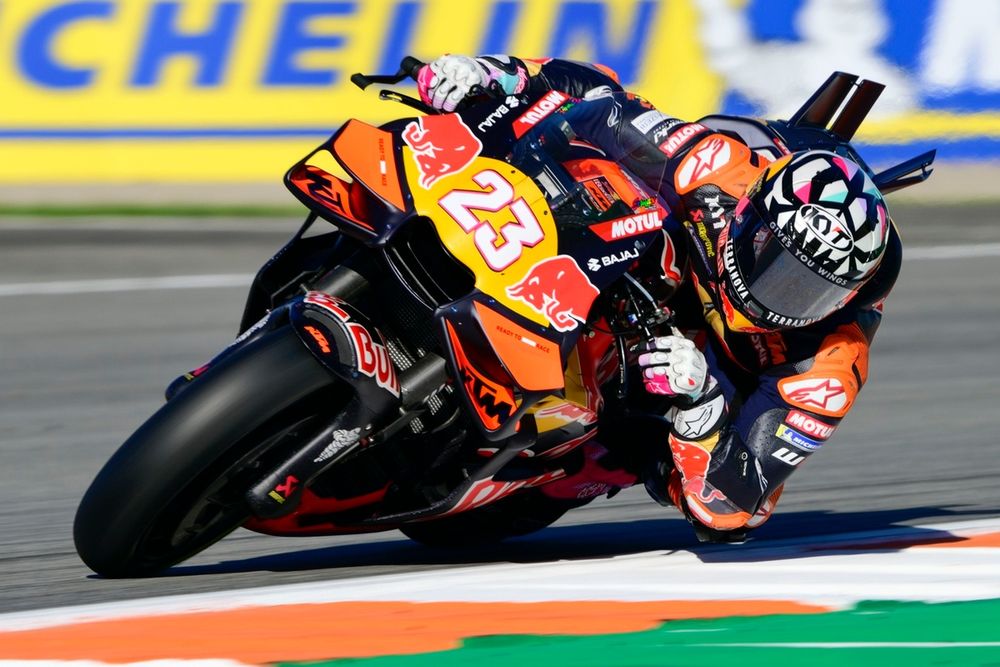
Enea Bastianini, Red Bull KTM Tech 3
Photo by: Gold and Goose Photography / LAT Images / via Getty Images
Bastianini knows that the first pre-season test of 2025 will be important for him as he heads into the second and final year of his KTM contract.
“More than confidence, I’m leaving knowing what awaits me next year. I finished 17th [in the test], and quite far back. So I wanted to finish a bit higher up the standings, to end on a high note. But we couldn’t work on the set-up.
“Therefore, Sepang will be a crucial test for me: I’ll have to work very hard and try to make the most of the three days we have.”
We want your opinion!
What would you like to see on Motorsport.com?
Take our 5 minute survey.
– The Motorsport.com Team

For nearly 150 years, the Benedictine values of hospitality, community and excellence have shaped Belmont Abbey College. Today, they’re also forming young professionals in a field few would associate with a small Catholic liberal-arts college: the motorsports industry.
At a campus better known for its monastery and Great Books academic core, students now study motorsport marketing, event management, and organizational theory. They learn the business of racing while being grounded in a Catholic vision of the human person, all within sight of Charlotte, North Carolina’s booming motorsports economy.
That unlikely blend didn’t happen by accident.
“It started around 70 years ago,” said Trey Cunningham, chair of the Sport and Motorsport Management Department. A local Belmont man, Howard Augustine “Humpy” Wheeler, was Belmont Abbey’s first lay employee and football coach. His son, also named Humpy Wheeler, later became a legendary NASCAR promoter and served on Belmont Abbey’s board of trustees.
According to Cunningham, Wheeler Jr. approached then-president William Thierfelder in the early 2000s with a simple concern: The industry needed people who understood both racing and business. “He was having trouble finding people who had business acumen as well as a passion for motorsports,” Cunningham said. This suggestion led to Belmont Abbey’s first “Racing Management” class in 2007, an unexpected campus hit.
The next year brought a business concentration. A few years after that, more classes were added. And roughly 12 years ago, Belmont Abbey launched one of the first undergraduate motorsport-management degrees in the country. Today, the program enrolls around 65 undergraduates and, as of this fall, 20 students in its new Master of Arts program.
Classroom and Track
For students like senior James Sicree of Pennsylvania, the program was a lifeline at a moment when his plans were faltering. Assuming he would never attend college, he had trained as an apprentice mechanic in high school, worked in a body shop and became involved in the drift scene.
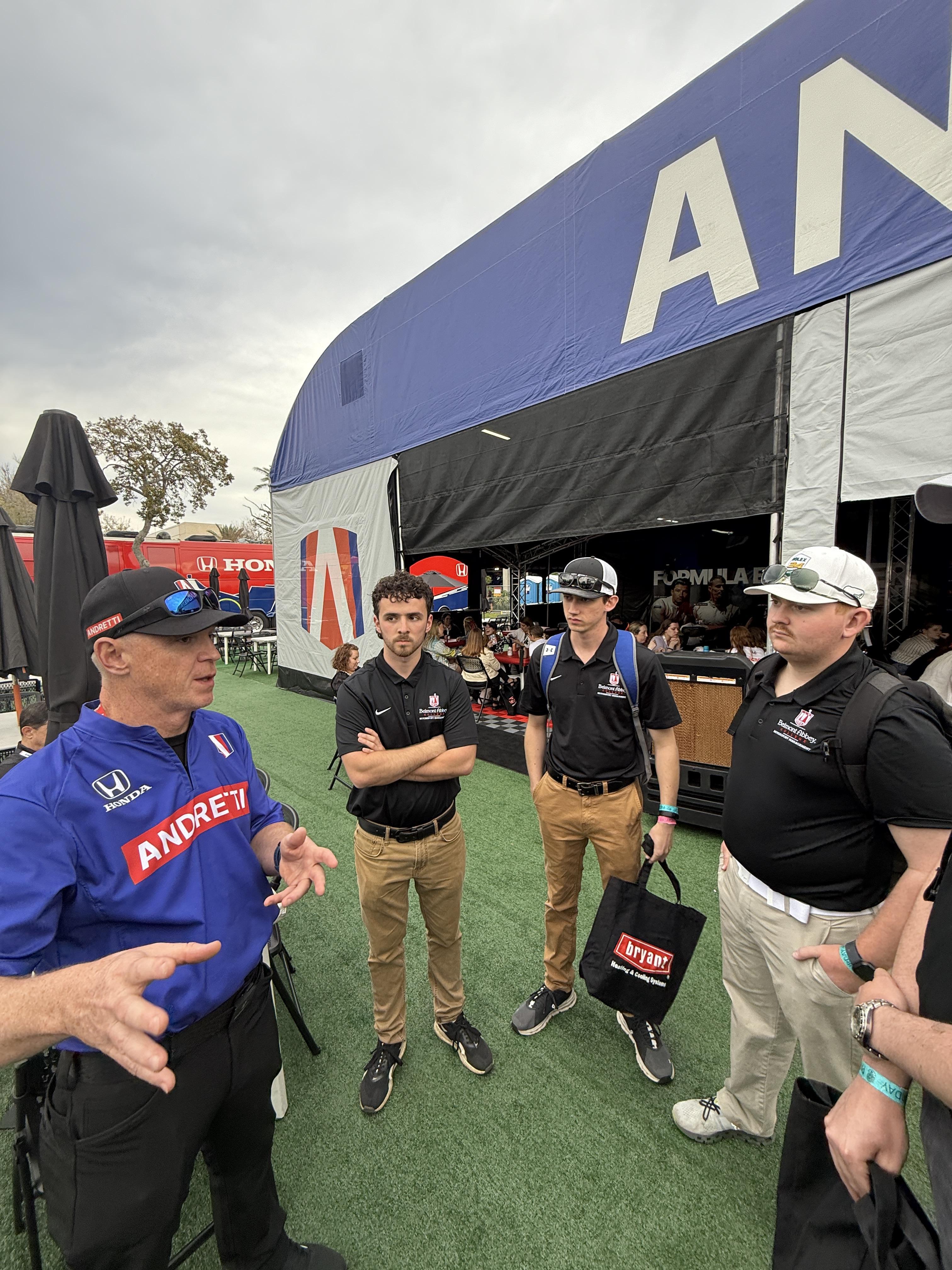
“I was kind of stuck in my hometown,” he recalled. His father, from a large Catholic family, mentioned Belmont Abbey’s program almost in passing. Sicree ignored it at first, then reconsidered during a difficult gap year.
“One day I thought, ‘I’ll give this a shot,’” he said. A campus visit and meeting with Quinn Beekwilder, assistant professor and coordinator for the program, sealed his decision. “I looked at the campus and really liked it. I thought I could make this work, and then it just grew on me.”
Senior Michael O’Brien’s path was quieter, but just as decisive. From North Carolina, he arrived intending to major in business management. “I saw that there was a motorsports management program and said, ‘Hey, that looks pretty cool,’” he remembered. Two introductory classes later, he was hooked. “I did not regret switching my major at all.”
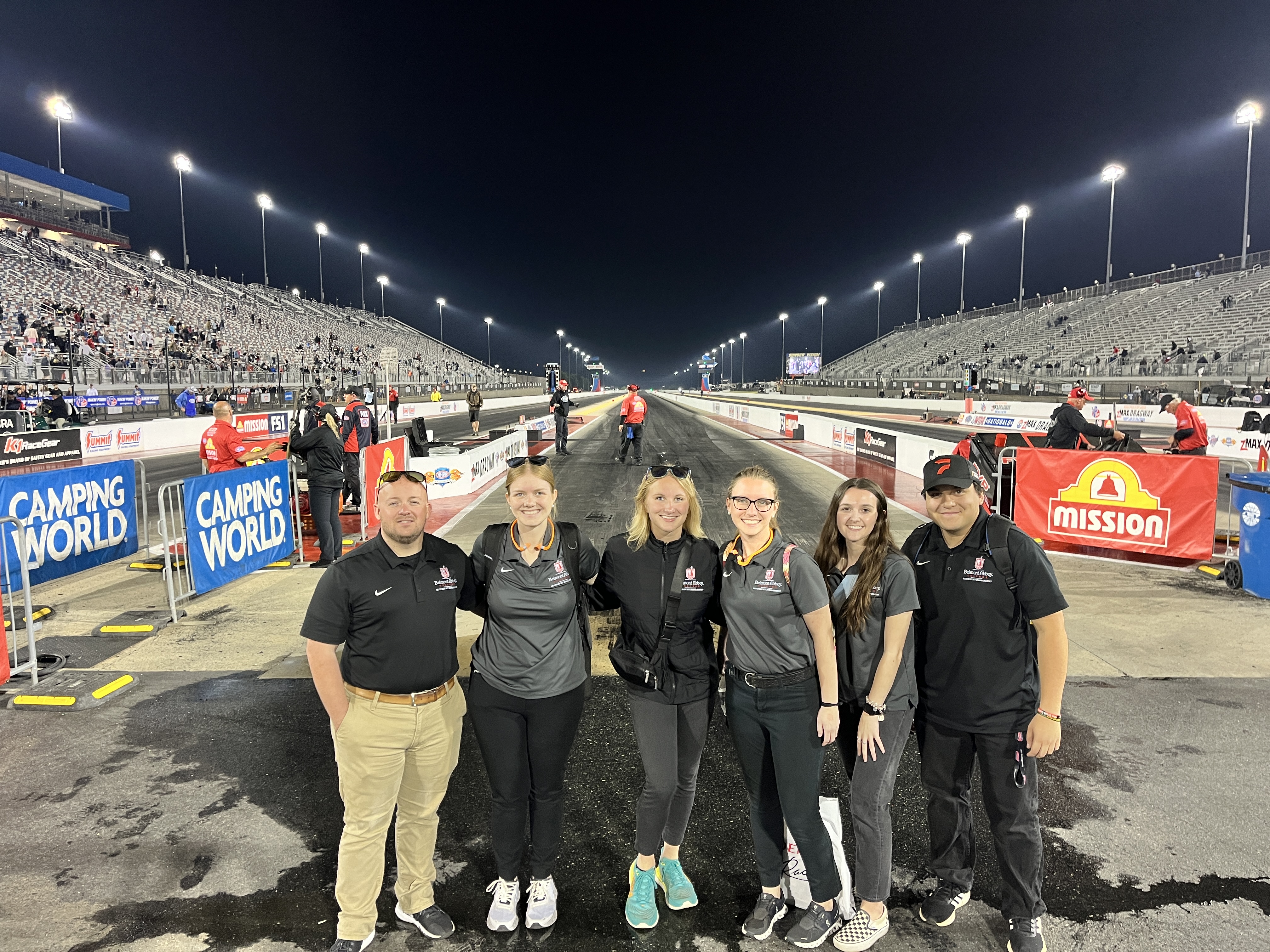
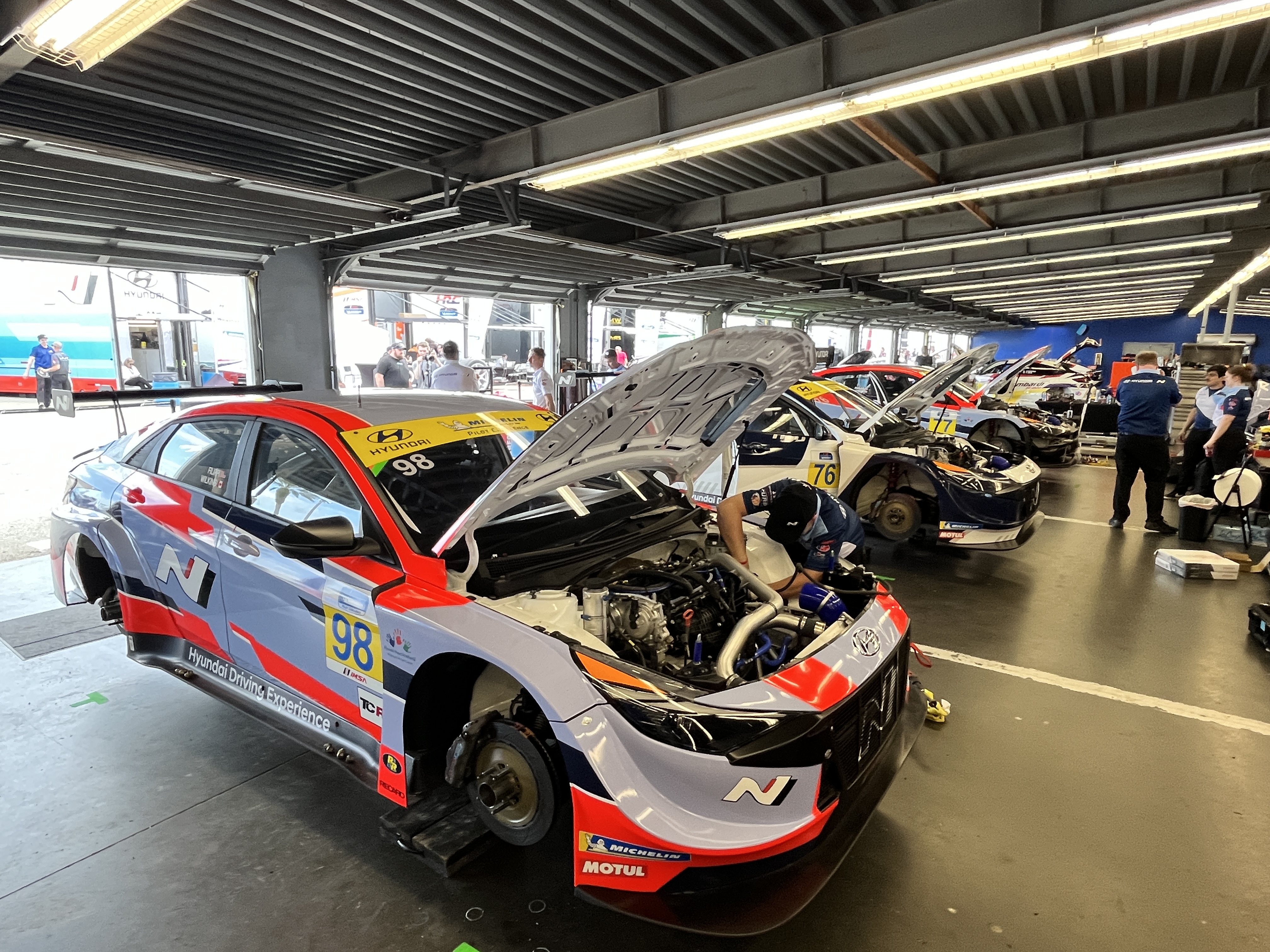
Both students told the Register that the program’s strength is its hands-on approach. They travel to major races in cities such as Daytona, Nashville, Tampa, St. Petersburg and Atlanta; volunteer at local events; and receive one-on-one professional feedback in small classroom settings. O’Brien’s senior seminar is taught by Mo Murray, CEO of Ligier Automotive North America. “He’ll take 20 minutes out of class to talk through what each of us could do better,” O’Brien shared. “It’s very helpful.”
These experiences are intentionally paired with conversations about professional ethics and Benedictine values, both in the classroom and on the road. “We have these discussions with students before we go out so that they live it and learn it in real time,” Cunningham said.
A Growing Network
Because Belmont Abbey is merely minutes away from NASCAR teams, agencies and tracks, students and alumni have formed a visible presence across the industry.
Justin Swilling, a 2015 graduate, grew up attending NASCAR races in Georgia. He noticed early on that the sport required far more than drivers and mechanics. “I would go to the races and would just see how many different people it took to move the sport forward,” he told the Register.
Now in NASCAR’s marketing services department, Swilling manages relationships with race teams and drivers and serves as project lead for the 2026 NASCAR Clash exhibition event. He credits his college years for giving him the access and experience he needed.
“At any point you could be on campus and, within a 20-minute drive, be at a NASCAR racetrack or at the NASCAR Charlotte office or at a race team,” he said. According to Swilling, guest speakers, professors, internships and alumni connections “were really next to none.”
Belmont Abbey’s alumni network now stretches across the motorsports world. Students are encouraged to contact organizations directly, arrange meetings and volunteer at events. Swilling’s own department now hosts a summer internship and continues to welcome Belmont Abbey students for job-shadowing opportunities.
For alumnus Michael Laheta, the school’s influence extended far beyond professional ties. When he worked in Charlotte after graduation in 2012, he regularly saw Belmont Abbey alumni and professors at daily Mass in Uptown. “You would continue to have relationships with these people and meet up with them after work or for coffee,” he said. “That depth of relationships is obviously a testament to the college.”
In addition to working in brand partnerships for FloSports, Laheta now teaches “Revenue Generation in Motorsports” for Belmont Abbey’s online graduate program. His liberal-arts education, he said, gave him the adaptability his career demanded. “The world of business is changing so fast with technology and AI,” he noted. “More than learning any particular skill, it’s that ability to take whatever is coming next and put it through the filter that Belmont Abbey helps you build.”
He learned that lesson in an unexpected way. Though never drawn to theater, he enrolled in “Theater Appreciation” as a freshman to fulfill an arts credit. He now calls it the most “useful class” of his career. “I had to learn how to be comfortable with being uncomfortable,” he shared. “Now when I’m in a boardroom with a Fortune 500 executive, it’s not as uncomfortable as it may have been if I didn’t take that class.”
Faith in the Bible Belt
The cultural environment of the South also shapes the program’s students. Most races begin with prayer, typically led by a Protestant minister. For Sicree, that context sharpened his Catholic identity. “You have to kind of stand out as a Catholic,” he shared. “You can’t really be lukewarm. If you tell people you’re Catholic, you have to own up to it.”
He sees motorsports as a promising industry for a deeper Christian presence. Modern safety advances mean the sport is no longer the daredevil world it once was. “It consists more of being entertainers and using that entertainment to the glory of God,” he said.
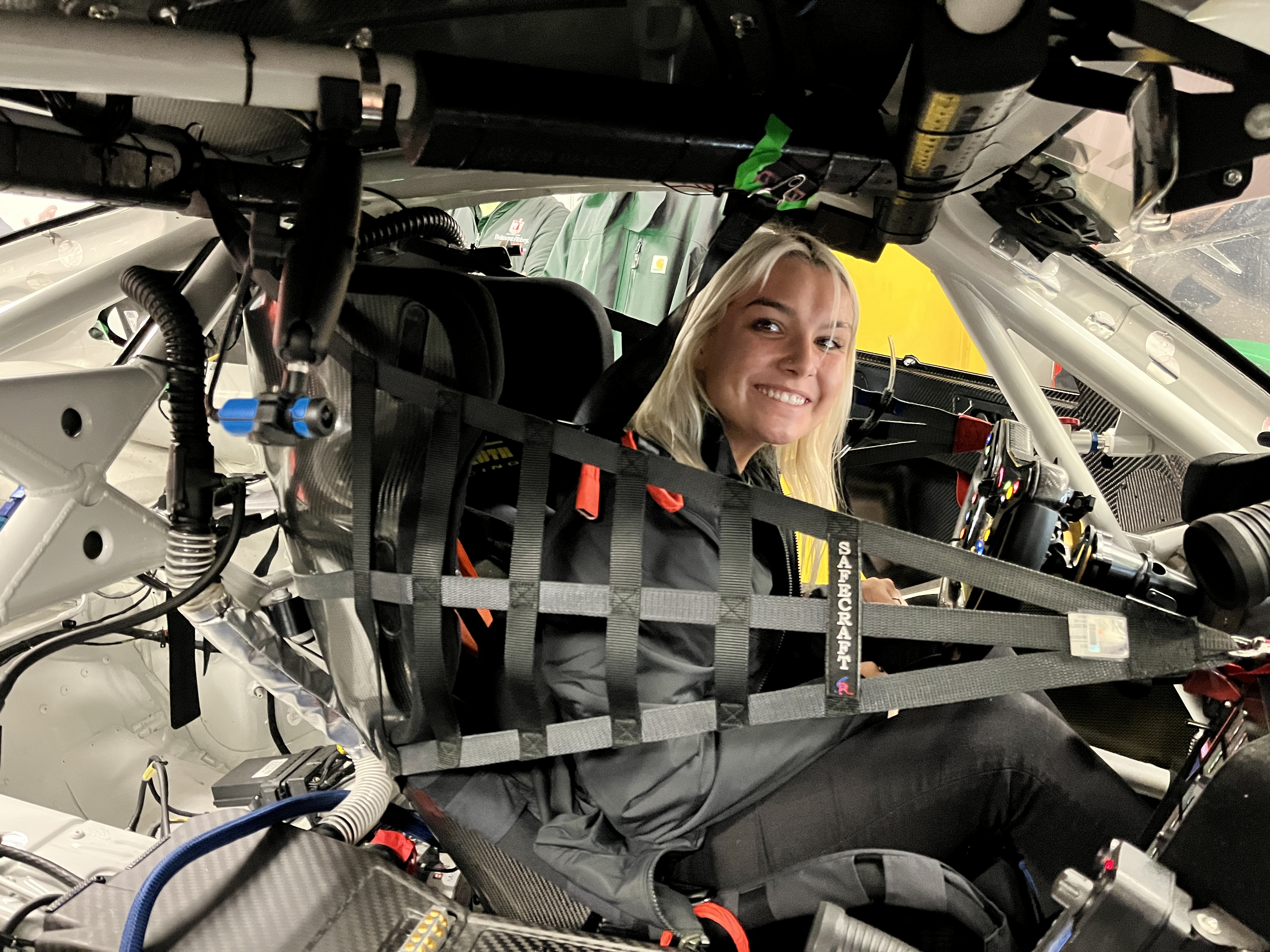
His own internship with NASCAR Racing Experience has already shown him how powerful the human element of the sport can be. He travels to tracks around the country, helping guests buckle into retired race cars. One ride-along participant left a lasting impression.
“He told me, ‘I’ve wanted to do this for a while. I have stage-four cancer, and it’s terminal,’” Sicree recalled. “It was something his kids bought him. It’s really cool to be part of something that helps people’s dreams come true like that.”
Shaping an Industry
The motorsports economy surrounding Charlotte is enormous. More than 90% of NASCAR teams are headquartered there, and its tracks and attractions draw millions. Laheta witnessed that impact firsthand while working at the NASCAR Hall of Fame, a major driver of tourism for both NASCAR enthusiasts and newcomers to the sport alike.
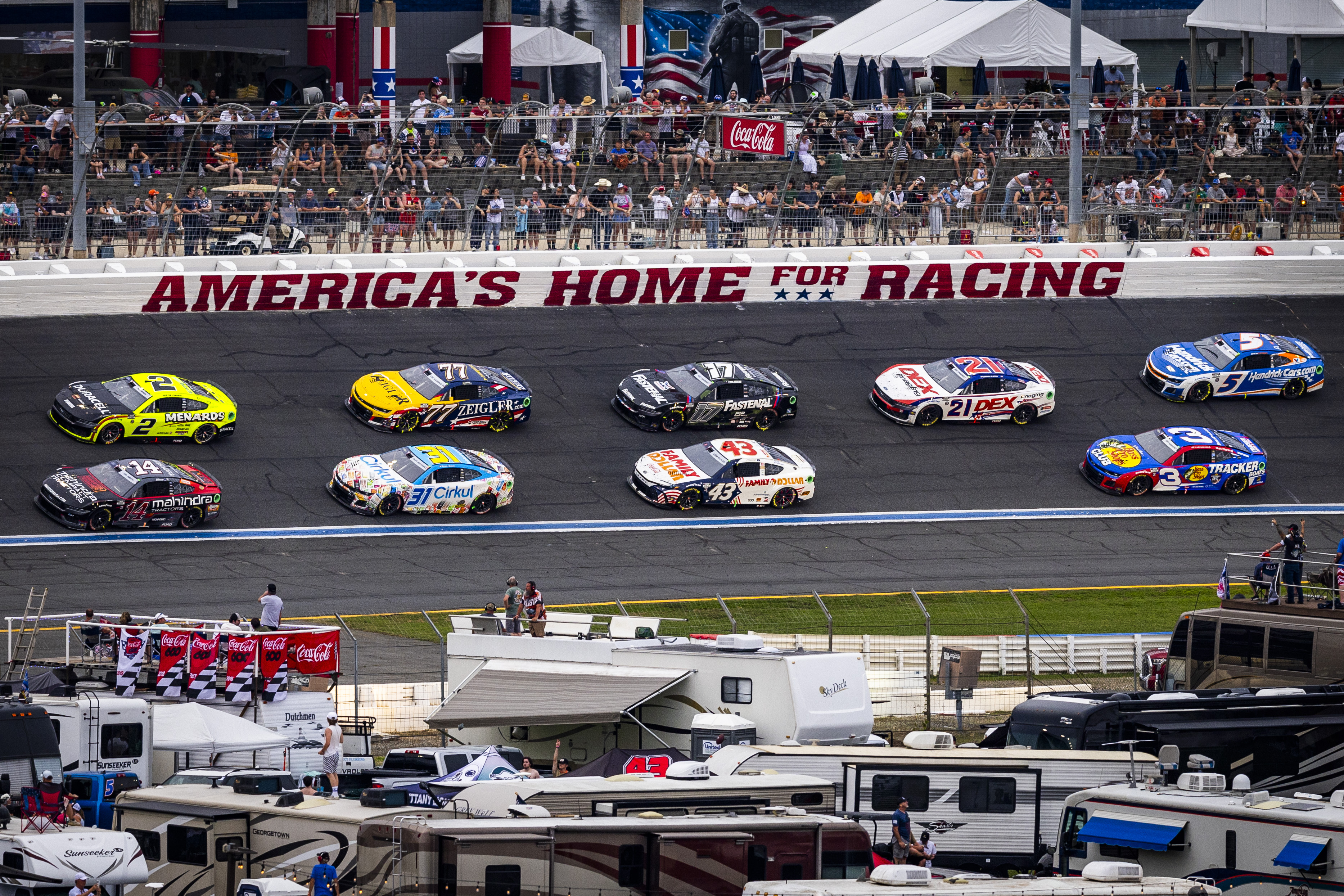
In 2025 alone, motorsports contributed $3.2 billion in total economic output to North Carolina, supporting nearly 19,800 jobs and generating $1.35 billion in wages and benefits, according to a recent study by Performance Racing Industry. PRI also found that the industry generated $707.02 million in total economic output and $267.05 million in wages and benefits in Mecklenburg County, where Charlotte is located. Graduates entering the field are stepping into a thriving industry where their skills and ethical grounding can make a tangible difference.
Belmont Abbey envisions its contribution’s growth. Students like O’Brien are interviewing for internships in supply-chain operations and administrative roles. Sicree hopes more Catholic colleges will notice what is possible. “The motorsports industry has a very limited amount of Christian presence in it,” he noted. “The fact that we’re a Catholic liberal-arts college with this whole major really stands out.”
For Cunningham, the program’s mission is simple: Help students find a path into a field they love and shape that field through their character. He sees Belmont Abbey as an example of how Catholic institutions can embrace new industries without losing their identity.
“We do a lot on top of the classroom,” he said. “It makes a huge impact on the development of the overall student.” And as the industry continues to grow, those students and graduates will bring not only skill and passion, but also the ethical and professional grounding their education instilled.

Three Biggest Takeaways Of 2025, Historical Year In Track And Field

Varsity Maine Volleyball Player of the Year: Liana Edwards, Gorham

Who was the best rookie of F1 2025? Our writers have their say
Vote for Cheboygan area’s top high school sports girls athlete of 2025

Electrifying: How Karters Can Enter Porsche’s “Pyramid”

Wildcats of the Week: December 22-28

Kohr Motorsports to honor Greg Biffle with tribute paint scheme at Daytona

USA Today ranks every college football head coach hire from best to worst this cycle

NASCAR Quietly Renames the Daytona Duels After Sponsorship Falls Through

Ted Kopacz named Indiana State Head Volleyball Coach

What was behind Enea Bastianini’s worst season in MotoGP?

The University of Colorado Boulder Names Fernando Lovo New Director of Athletics

Meet the 2025 Sun Journal All-Region volleyball team

Belmont Abbey College’s Motorsport Program Races Ahead| National Catholic Register

AU Pro Volleyball Stars to Watch in the 2026 LOVB Season

SoundGear Named Entitlement Sponsor of Spears CARS Tour Southwest Opener

Donny Schatz finds new home for 2026, inks full-time deal with CJB Motorsports – InForum

Black Bear Revises Recording Policies After Rulebook Language Surfaces via Lever

Bowl Projections: ESPN predicts 12-team College Football Playoff bracket, full bowl slate after Week 14

Robert “Bobby” Lewis Hardin, 56

Men’s and Women’s Track and Field Release 2026 Indoor Schedule with Opener Slated for December 6 at Home

David Blitzer, Harris Blitzer Sports & Entertainment

How Donald Trump became FIFA’s ‘soccer president’ long before World Cup draw

Michael Jordan’s fight against NASCAR heads to court, could shake up motorsports
Wisconsin volleyball sweeps Minnesota with ease in ranked rivalry win

DeSantis Talks College Football, Calls for Reforms to NIL and Transfer Portal · The Floridian

JR Motorsports Confirms Death Of NASCAR Veteran Michael Annett At Age 39

Rick Ware Racing switching to Chevrolet for 2026
Elliot and Thuotte Highlight Men’s Indoor Track and Field Season Opener

Colleges ponying up in support of football coaches, programs






-
 Motorsports3 weeks ago
SoundGear Named Entitlement Sponsor of Spears CARS Tour Southwest Opener
-
 NIL3 weeks ago
DeSantis Talks College Football, Calls for Reforms to NIL and Transfer Portal · The Floridian
-
 Sports2 weeks ago
#11 Volleyball Practices, Then Meets Media Prior to #2 Kentucky Match
-
 Motorsports2 weeks ago
Sunoco to sponsor No. 8 Ganassi Honda IndyCar in multi-year deal
-
 Motorsports2 weeks ago
Nascar legal saga ends as 23XI, Front Row secure settlement
-
 Motorsports3 weeks ago
Accelerating Inclusion: Breaking Barriers in Motorsport
-

 Motorsports3 weeks ago
North Florida Motorsports Park led by Indy 500 Champion and motorsports legend Bobby Rahal Nassau County, FL
-
 Sports2 weeks ago
Maine wraps up Fall Semester with a win in Black Bear Invitational
-
 NIL3 weeks ago
Ed Orgeron: Paying players via NIL would only require a ‘minor adjustment’
-
Motorsports3 weeks ago
NASCAR, 23XI Racing, Front Row Motorsports announce settlement of US monopoly suit | MLex