
Rec Sports
Honolulu Little League manager Gerald Oda


With each game getting televised on the ESPN family of networks, combined with its sheer name brand recognition, the Little League World Series has upheld its reputation as the biggest platform in youth sports for decades.
Held annually in Williamsport, Pa., teams from around the world compete for the opportunity to merely appear in the tournament.
Since 2018, the state of Hawai‘i has become a mainstay in the tournament. Teams from the Islands have won six of the last seven West Regionals, including Honolulu Little League in 2025.
The 2025 Little League World Series will mark Honolulu Little League manager Gerald Oda’s third trip to Williamsport. Oda led HLL to 2018 and 2022 to LLWS championships, going a combined 11-0 in those tournaments.
Although the 2025 LLWS tournament began on Wednesday, Honolulu will not begin until Friday due to the tournament’s bracket draw. Honolulu will take on Connecticut’s Fairfield National Little League on Friday at 1 p.m. HST in a game that will be televised live on ESPN.
Aloha State Daily recently caught up with Oda via Zoom for a Q&A prior to a team dinner in one of the team’s first days in Williamsport.
Aloha State Daily: Congratulations on making it to Williamsport once again. So many people look at it as a once in a lifetime experience, but for you, it’s your third time.
Oda: “I just really feel thankful for these bunch of kids that we have. It’s all due to their hard work and their effort and just very grateful. I don’t take this for granted one bit. Like you said, it’s a once in a lifetime opportunity. But to make it this third time, I deeply appreciate this opportunity to represent again our great state of Hawai‘i to be on this journey with these 12 kids.”
ASD: The first two teams you took to Williamsport pretty much dominated the competition. This year’s team has had some tight games in states and regionals but still won them all thus far. Is the ability to pull out the close ones part of the identity of your team this year?
Oda: “[The 2025 team] is totally different. It’s human nature. You’re gonna want to compare. No different from our 2022 team, the first thing people say is, ‘How does it compare it to the 2018 team?’ They’re all different. You know, 2018 team, bunch of hammahs. Thirteen out of the 14 players went on to play college baseball. The 2022 team, they dominated right when they came to Williamsport, which we’re very grateful and appreciative of.
“[The 2025] team is different. It’s like making a puzzle. The 2018 team was a totally different puzzle to put together and picture compared to 2022 and no different to this team. We don’t have to be like how 2018 was or how 2022 was. We just have to make our own beautiful picture together.”

ASD: You guys are the last team to take the field in the entire 20-team tournament this year. Do you enjoy the strategy part of that, or are the boys eager to get out there?
Oda: “They’re definitely eager to play. But for us, I think it’s a benefit being the last team to play. It could work both ways. We played the first day in 2022, which was great. We could get into that rhythm early, and it helped us out tremendously. So vice versa. I’m just hoping that us being the last team in this tournament is going to help us in a sense that it gives the kids a chance to soak it in more so off the field, so that when we step on the field, they’re going to be really hungry to play.”
ASD: It’s been 20 years since the kids from ‘Ewa Beach went to the World Series and became the first Hawai‘i team to win it all. Kids on the teams that followed said they were inspired by that run. Any time there’s a team in Williamsport from Hawai‘i, regardless of Island, they gain the entire state’s support. You’ve experienced it a couple of times. What’s that support like?
Oda: “A-may-zing [laughs]. That Layton Aliviado team back in 2005 when they went, of course, tremendous. Respect for those guys, because they were the first team to make it here and win it all. And no different from 2008, when Timo Donahue coached the team and they won it all. And even in 2010 when Brian Yoshii took his team and they won the U.S. championship that year. So of course, they laid on the groundwork for us in here in Honolulu Little League, and I deeply appreciate and respect those guys. Since back then, it’s always been that same way. I was explaining it to the Mainland reporters that you don’t know how Hawai‘i is, that Hawai‘i is a very special place in the sense that of course, you’re very competitive with one another trying to represent and get out of the state tournament. But once a team leaves Hawai‘i, it’s like, that’s our team.
“We explained to the boys that we are no longer Honolulu. We’re Team Hawai‘i. We’re representing the entire state of Hawai‘i, and it’s our responsibility now to make sure that when we step on the field, whatever we do, that we show the world how great our state is by their behavior, not necessarily just how we play, but by our behavior. And the support and love that we get from everybody back home is tremendous. After winning the regional tournament, almost got 200 text messages like, holy moly. My phone just blew up, which I was very appreciative. I could be saying the same thing about all the parents . … It could be just a simple text message, a phone call, but just knowing that there’s so many people back home wanting us to do well, praying for us to do well, it means a lot.”
ASD: What kind of ballplayer were you back in the day?
Oda: “Horrible [laughs]. I was not a good baseball player. I wasn’t good. You know, I thought I was good. I was cocky as hell. I wasn’t really good, but I do have a lot of great experiences from my Little League baseball coaches. Guys that not only did they teach us baseball, but they were just good coaches that really cared for myself and my brothers. … They taught us the Xs and Os on the ball field. But they taught me, they showed it by how much they cared for myself, along with my brothers. That’s who I wish to be. I was not a very good baseball player, but I really had great coaches, though.”
ASD: How did you get into coaching? Were you always winning a lot of games?
Oda: “My older brother, Donovan, he was a former baseball player at the University of Hawai‘i. After he graduated one of the parents saw him one day and asked him if he was interested in coaching. My brother said yes, and my other brother [and current Honolulu Little League assistant coach], Keith, was coaching with me. We all decided, hey, let’s give back. I started the journey some 33 years ago. How I coached when I first started coaching with my brothers, now it’s totally different. When I was young, I already thought I knew it all, but I still don’t know it all. That’s the great thing about coaching. If you stay humble and you always stay hungry to learn, there’s so much I can improve on, even to this day. But it’s something that’s very gratifying for myself along with my brother Keith and (Honolulu Little League assistant coach) Willis Kato, too.”
ASD: Pretty much every adult involved in Little League baseball is a volunteer. What’s your day job like?
Oda: “I’m an investigator for GEICO Insurance. I work in their special investigations. I’m very fortunate. It gives me a lot of flexibility. Without that kind of flexibility with my job, there’s no way I could coach baseball. Of course, I’m very fortunate and appreciative to have that kind of occupation, being an investigator with a great company at GEICO.”
ASD: One difference in you I noticed from the last time you were on ESPN in 2022 to now is the tattoo on your left arm. Can you explain the significance of it?
Oda: “It’s actually a new tattoo. There’s actually Kanji on it in Japanese, it means never give up. It’s my way of reminding myself that no matter what, never give up. And I explained that to the kids, that even as coaches, as an adult, there’s times that I feel like, wow, can we really do it? But, looking at this tattoo on my arm always reminds me to never give up. Nothing we can’t accomplish as long as we don’t give up.”
ASD: Thanks for sharing that. When exactly did you get it? Do you have any other tattoos?
Oda: “I got it in 2023, so about two years ago. I have one on my back, but you can’t see it, it’s a smaller one on my back, my shoulder. Me and my best friend actually got it together. It was actually his daughter that gave me the design, that did the ink on my arm. So I very much appreciated that, that she did it for me. … She went on, and it was painful as hell, but again, it has deep significance. For me, I wanted something that really meant something. I practice Buddhism.
“There’s a carp. There’s a waterfall, and so my tattoo is about a carp trying to get up this waterfall. If the carp gets up to this waterfall, it promises that if you can make it to the top, you become this dragon. They call it the dragon game. It’s actually a dried up carp trying to make it up to this waterfall. It goes all the way to here, and it turns into a dragon.
“But it symbolizes that whole never give up thing that even though it seems insurmountable, if you want to achieve greatness, then you cannot give up. … I will never give up, it all ties into that, and that’s the significance of that tattoo. And it reminds me every day that, hey, if you ever want to achieve something great, you got to make great effort, and you cannot give up.”
-
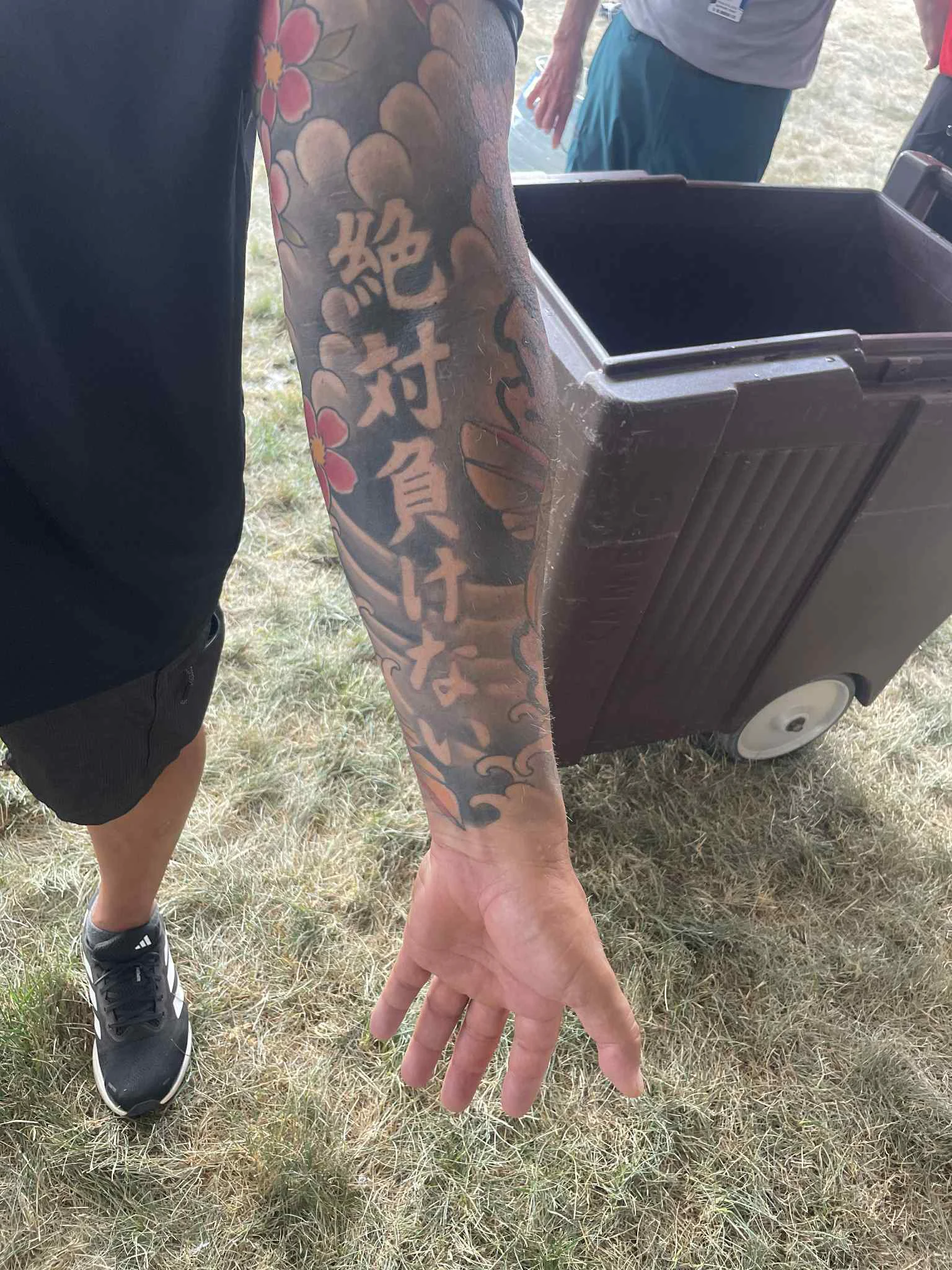
Oda’s left arm tattoo, which pays homage to his Japanese heritage and Buddhist faith. (Courtesy Gerald Oda) -
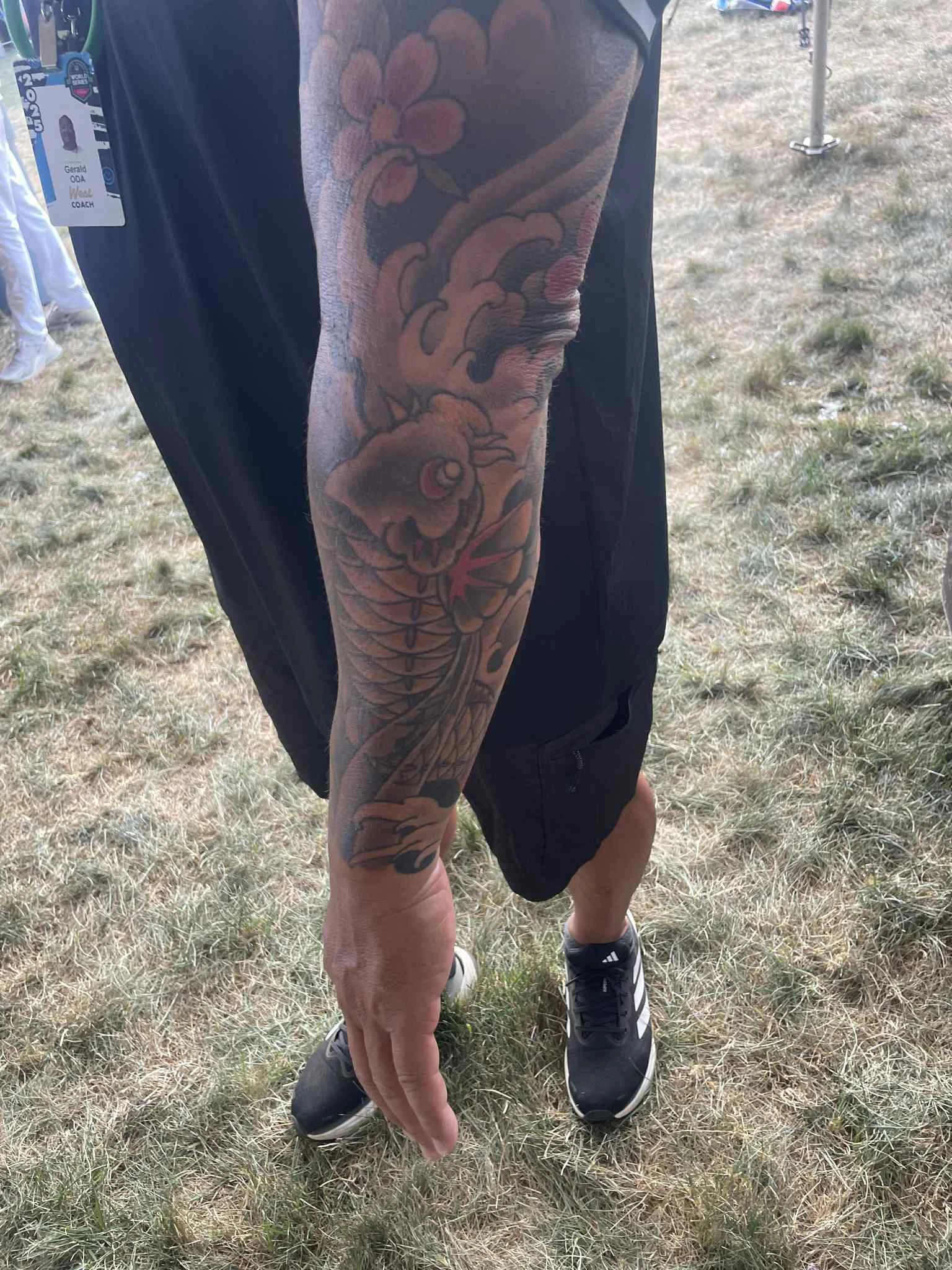
Oda’s left arm tattoo, which pays homage to his Japanese heritage and Buddhist faith. (Courtesy Gerald Oda)
ASD: Mahalo for your time and insight, coach. Is there anything you’d like to add?
Oda: “I just want to say thank you to everybody back home for all their tremendous support and prayers. There’s a lot of Cal Ripken teams out there. There’s a Mānoa team coached by Matt Apana. There’s a Fear 808 team coached by Chris Hino, there’s an LA team coached by Dane Sardinha. They’re all at the 12U World Series for Cal Ripken in Branson, Mo. And then you have a 10-and-under Hawai‘i Kai team coached by Shane Butcher, they’re in Vincennes, Ind. Just wishing all those guys the best. All of us are all in the same boat. We’re just trying to represent Hawai‘i in the best way possible, and deeply, deeply sending prayers to those guys.”
For the latest news of Hawai‘i, sign up here for our free Daily Edition newsletter.
Christian Shimabuku can be reached at christian@alohastatedaily.com.

Rec Sports
Russia may return to international football after four-year absence in new FIFA youth tournament
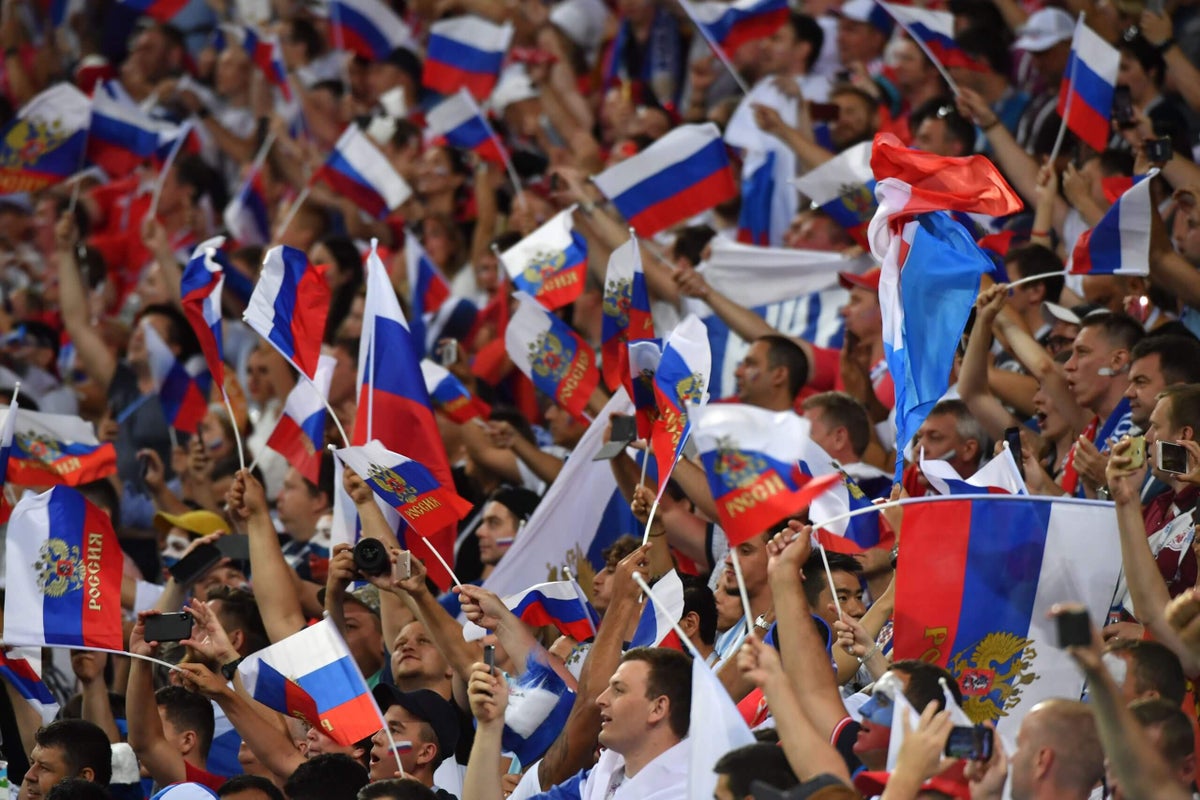
Russia may return to international football after a four-year absence from FIFA-sanctioned competitions after world soccer’s governing body announced a new under-15 competition which will be “open to all member associations”.
Russia’s national teams and domestic clubs have been suspended from participating in FIFA and UEFA (the governing body of European football) competitions since the nation’s illegal, full-scale invasion of Ukraine in February 2022.
The Russian Football Union (RFU) appealed against the bans, but the Court of Arbitration of Sport upheld the decisions.
The RFU, however, is not suspended — they are still a member nation of both UEFA and FIFA. It is the country’s football teams, rather than its governing body, that have been suspended.
On Wednesday, FIFA’s Council announced the creation of an “under-15 festival-style tournament…that will be open to all 211 FIFA member associations”.
The first boys’ tournament will be held in 2026, with an edition for girls to be staged in 2027.
The governing body said each member association, which includes Russia, would be invited to participate in the tournaments.
Any readmittance of Russia, however, is likely to be dependent on the ongoing war in Ukraine.
In April, FIFA’s president Gianni Infantino spoke of his hope that Russia could be reintroduced to the football fold “soon” – adding that any return would signify that “everything was solved” in relation to events in Ukraine.
Last week, Infantino said in an Instagram post that he “supported” participation of athletes, and “especially young athletes”, in events regardless of the political situation of their country”.
He added: “Sport provides an access to hope, and a way to show that all athletes can respect the same rules and one another.”
Since February 2022, Russia have been excluded from the qualification process for the men’s World Cup in 2022, and the nation did not take part in the qualifiers for either the European Championship in 2024, governed by UEFA, or the 2026 World Cup.
The nation’s club sides have not participated in the Champions League, Europa League or Conference League — all overseen by UEFA.
When approached by The Athletic, a UEFA spokesperson said the organisation’s stance on Russia would not change until the conflict in Ukraine had ended.
UEFA’s Executive Committee (EXCO), its decision-making body — responsible for making decisions and overseeing competitions — will next meet in February 2026.
In 2023, UEFA reversed plans to reinstate Russia’s under-17 side in the relevant youth European Championship in 2024 following significant pushback from member associations, including England’s Football Association.
UEFA had initially said in their reasoning for reinstating under-17 teams that “children should not be punished” for the conflict and that football “should never give up sending messages of peace and hope”. Under UEFA’s initial plan, proposed matches would have been conducted without the Russian flag, anthem, or kit, and would not take place on Russian territory.
Last week, the International Olympic Committee (IOC) recommended athletes from Russia and Belarus should be allowed to compete under their national flags and emblems at youth level.
Russian and Belarusian competitors have been banned from competing under their countries’ flags at Olympic and Paralympic events since 2022.
At the 2024 Paris Olympics, the IOC permitted some Russian and Belarusian athletes to compete under the “Individual Neutral Athletes (AIN)” team, which had no symbolism of national anthems, badges or flags.
The IOC also said that Belarus, which has diplomatically supported Russia’s invasion of Ukraine, should no longer be restricted from hosting international events, although Russia should remain barred from doing so.
Belarus most recently competed in European qualifiers for the 2026 men’s World Cup, finishing bottom of Group C behind Scotland, Denmark and Greece, but the nation is not allowed to host UEFA or FIFA matches.

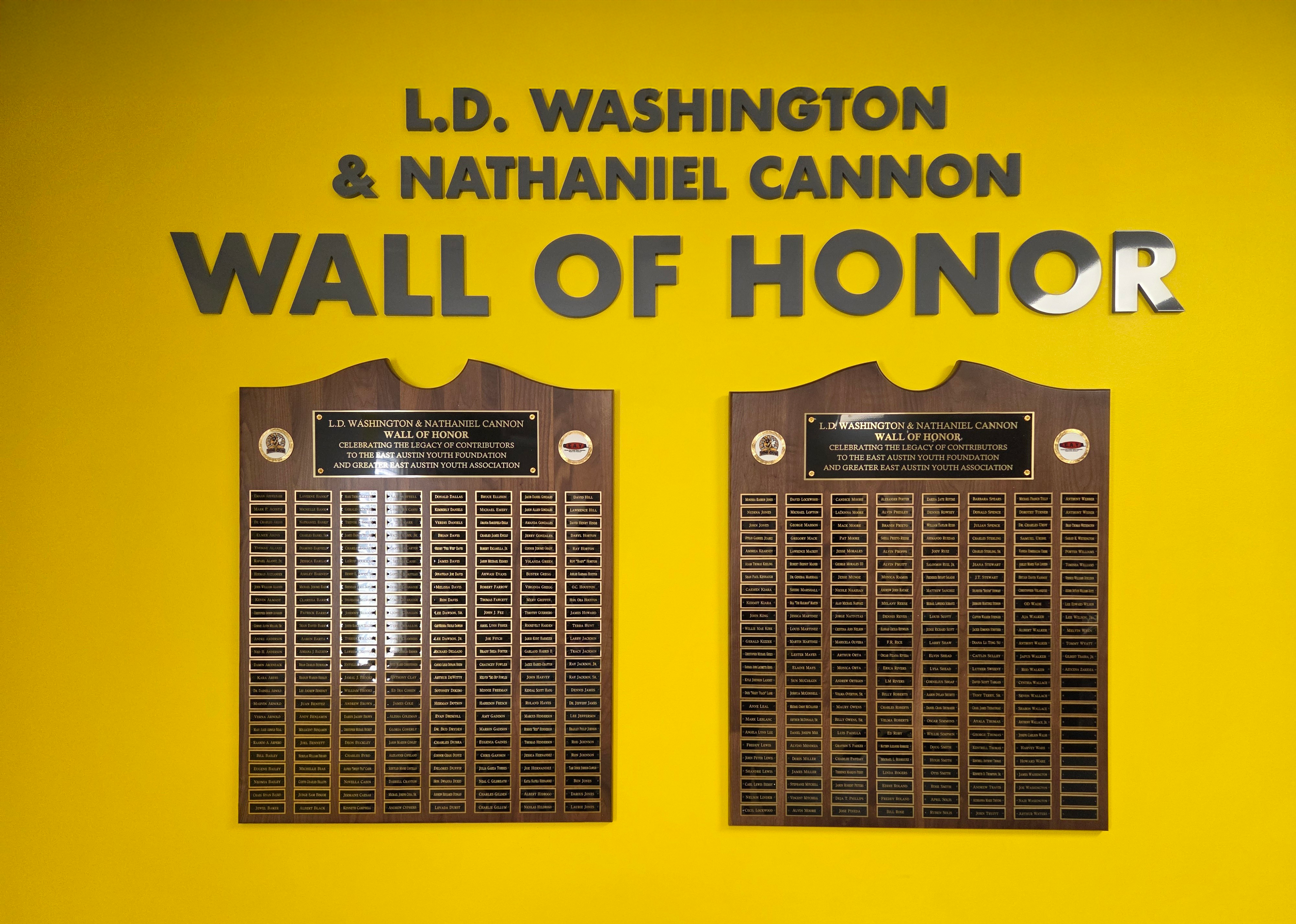
The L.D. Washington and Nathaniel Cannon Wall of Honor celebrates the legacy of youth sports and the leaders who built and sustained the East Austin Youth Foundation and the Greater East Austin Youth Association – organizations that have created vital opportunities for Black youth during and after segregation.
The wall is housed in the Britton, Durst, Howard and Spence Building at 1183 Chestnut Ave. in Rosewood Neighborhood Park, a historic center for Black youth sports. The building was renamed in 2011 to honor four community leaders, including Lawrence M. Britton, Sr. and James Howard, who helped found the East Austin Youth Foundation. Their work provided a safe and empowering space for young athletes at a time when Black children were excluded from white leagues.
James Howard later partnered with Nathaniel Cannon to co-found the Greater East Austin Youth Association, continuing the mission of community uplift. Cannon has served as the association’s treasurer since its founding in 1975 and has been a key organizer of the group’s annual Juneteenth celebration for over 25 years.
L.D. Washington, a beloved coach and mentor, also played a pivotal role in the East Austin Youth Foundation. His influence extended beyond sports, and he was honored with the Al Edwards Juneteenth Un-Sung Hero Award in 2001 and inducted into the Prairie View Interscholastic Coaches Association Hall of Fame in 2016.
The idea for the Wall of Honor came from Kenneth D. Thompson, Sr., a former player and parent in the East Austin Youth Foundation. He partnered with Lee Dawson, Jr., president of the Greater East Austin Youth Association and a former player himself, to bring the vision to life. The project was made possible through funding from the Austin Parks Foundation’s Austin City Limits Music Festival Grants Program.
Watch and share the unveiling video on:
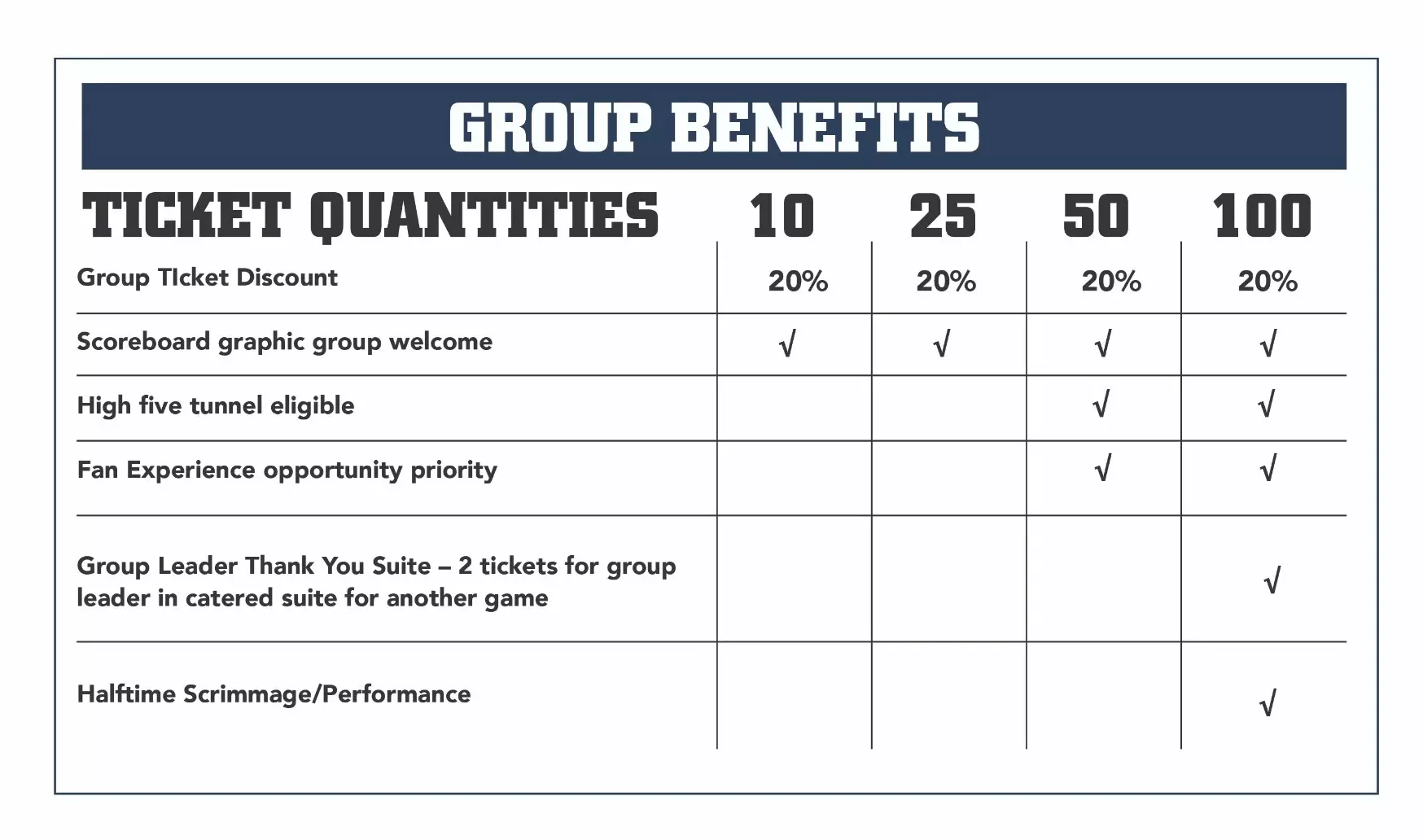
Make your next outing unforgettable with a Georgetown Men’s Basketball group experience. Whether you’re organizing a school field trip, celebrating with your scout troop, motivating your youth sports team, or planning a fun night out with friends or colleagues, a Hoya game delivers fast-paced BIG EAST action and a truly electric atmosphere.
No two groups are the same, and neither are their goals. That’s why our dedicated group sales team works with you one-on-one to craft an outing that fits your vision — from creating memorable fan experiences to helping you take advantage of exclusive group savings.
Group outings start at just 10 tickets and unlock a variety of special perks, discounts, and unique game-day opportunities.
Ready to bring your group to Capital One Arena?
Call 202-687-4692, email hoyatickets@georgetown.edu, or complete this interest form, and a member of our Ticket Office will reach out.

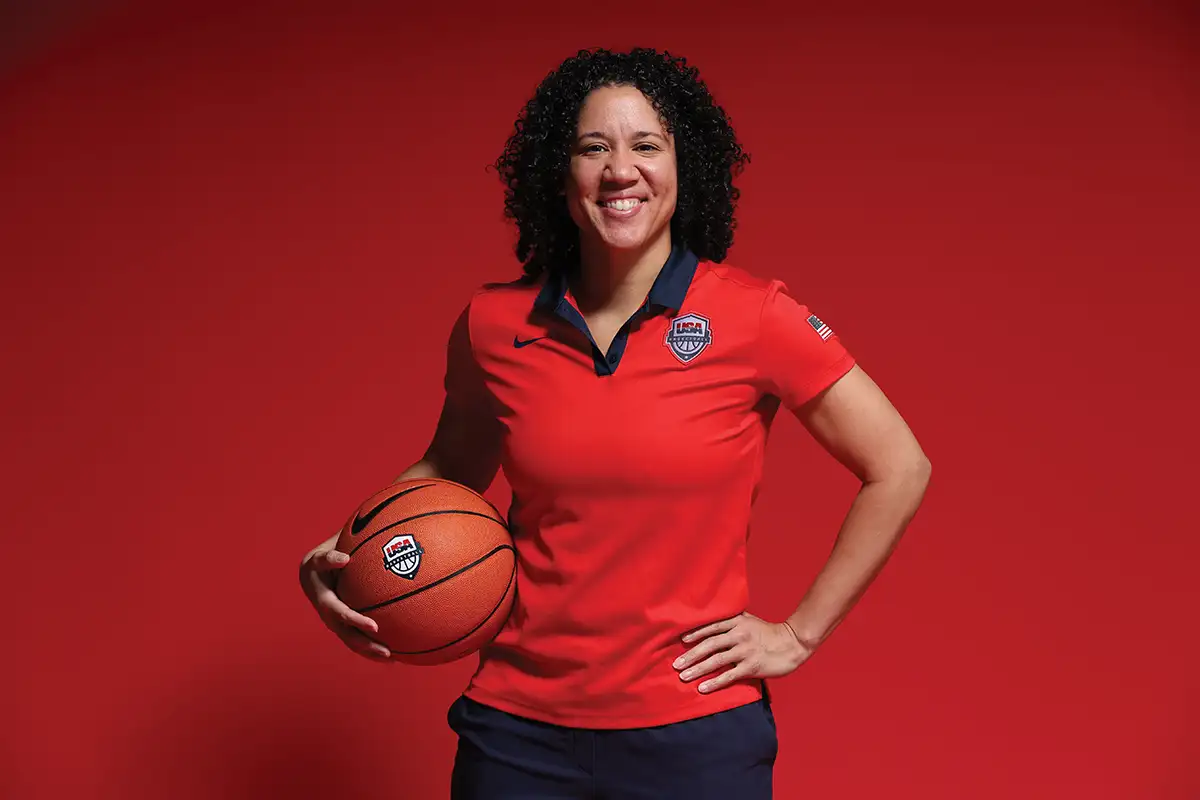
Before she was a WNBA champion, Olympic gold medalist, and head coach of the Duke University women’s basketball team, Kara Lawson was a star in NoVA. Lawson, now 44, led the West Springfield High School Spartans to state championships in 1997 and 1999. She was recently tapped to coach the USA Basketball Women’s National Team at the 2028 Los Angeles Olympics, and we asked her how her NoVA roots have helped shape her impressive career.
What do you like to do when you visit NoVA?
I’m from Alexandria. And my mom still lives in Alexandria. I come home a lot … more during the off-season. Mostly, I like to just spend time with my family and my friends.
What do you love about the area?
Northern Virginia is great because you have everything. You have sports, you have theater, you have culture, you have sightseeing, you have outdoors. You basically have everything that you need.
The NoVA youth sports culture can be hyper-competitive. What’s your advice for young athletes with dreams of going pro?
Going to school in the area really prepares you for success, because you play a lot of good competition. You have a lot of good coaching in the area, a lot of good players. While college was certainly a step up, I felt very prepared when I got there. So, in our area, if you can rise to be one of the best, then that usually means you’re pretty good. It’s a good barometer for the rest of the country.
What did you learn from your coaches at West Springfield?
I learned about teamwork. I knew about teamwork from when I was young, but we had very good team chemistry at West Springfield, and everyone had a great understanding of their roles and what they needed to do for the team to be successful. We only lost two games in three years, and we have a close group — six of my high school teammates came to the press conference [announcing my Olympic coaching appointment]. I’m still good friends with a lot of my teammates from high school.
Was coaching something you’ve always wanted to do?
Yeah, I have wanted to be a coach since I was 7 years old.
What did being selected as the Olympic team’s head coach mean to you?
It represents the journey that it takes to do that. It makes me smile, because I think it symbolizes that I dedicated myself from when I was young to a goal. And I stayed with it over 10 years, 20 years, and was able to reach it. So it was very fulfilling.
This interview has been edited for length and clarity.
Feature image of Kara Lawson courtesy USA Basketball
This story originally ran in our December issue. For more stories like this, subscribe to Northern Virginia Magazine.
NEED TO KNOW
- A beloved youth sports referee has died after collapsing during a high school basketball game on Friday night
- The Central Indiana youth sports community mourned Jeff Tamarri’s death this week
- Tamarri, known as “Jeff the Ref” to many Indiana sports families, officiated youth sporting events for more than 30 years
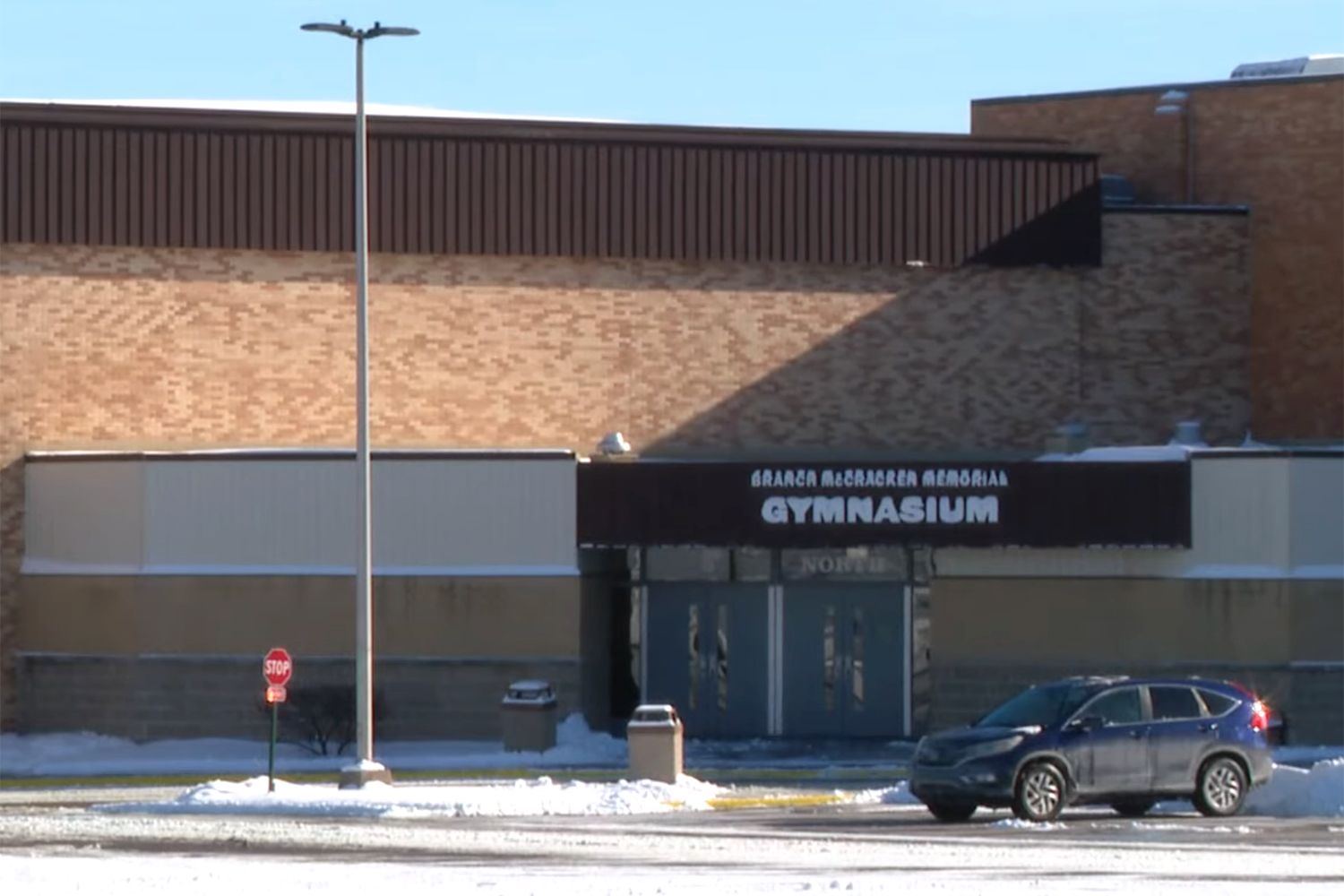
A beloved youth sports referee who worked games across Central Indiana for more than three decades has died after collapsing on the court during a girls’ high school basketball game.
Jeff Tamarri, who was known among families as “Jeff the Ref,” was 63 years old.
Tamarri collapsed during a game at Monrovia High School on Friday, Dec. 12, according to NBC affiliate WTHR and the IndyStar.
WTHR reported that Tamarri’s collapse prompted fans to clear the gym so bystanders with medical backgrounds could work on saving him until first responders arrived.
“I have no doubt in my mind that they did all they could,” fellow youth sports referee Kevin Brown told WTHR. “Unfortunately, I just don’t think there was much to be done.”
Brown mourned Tamarri as a sports referee who enjoyed his job and “was always out there for the right reasons.”
“He truly died doing what I know he loved,” Brown said.
“He had a calming presence, and I always said officials need to lower the temperature in the room,” Brown told WTHR. “Some people are really gifted at it. He was really gifted at it.”
Tamarri’s fellow referee told the outlet that his late colleague appeared to have “some sort of cardiac event” before collapsing on the court. “It was a simple offensive rebound right in the middle of the second quarter, and he turned around to get position on it” before collapsing, Brown told WTHR.
The outlet estimated that Tamarri officiated thousands of youth sports games across his 30-plus year career.
Fellow referee Derek Whitfield announced Tamarri’s death in a post on a local youth umpiring social media page, saying although it “leaves an immense void in our hearts, there is a quiet comfort in knowing he left us pursuing his passion, surrounded by sports that defined so much of his life.”
“Jeff was more than an outstanding official who graced countless games across many sports; he was a mentor, a friend, and a guiding light to young athletes, coaches, and fellow umpires alike,” Whitfield wrote, adding, “Those who knew Jeff will forever remember his warm, infectious smile and the deep, authentic love he showed to players, coaches, colleagues, friends, and his family.”
Referee Terry Taylor, who Whitfield described as Tamarri’s best friend and longtime roommate, told WTHR that Tamarri “was such a great guy.”
“We’d see a lot of faces, the same faces in different sports,” Taylor said. “So from Grand Park to Zionsville to Danville, where we worked a lot in the last few years, there were a lot of upset kids Saturday when they found out.”
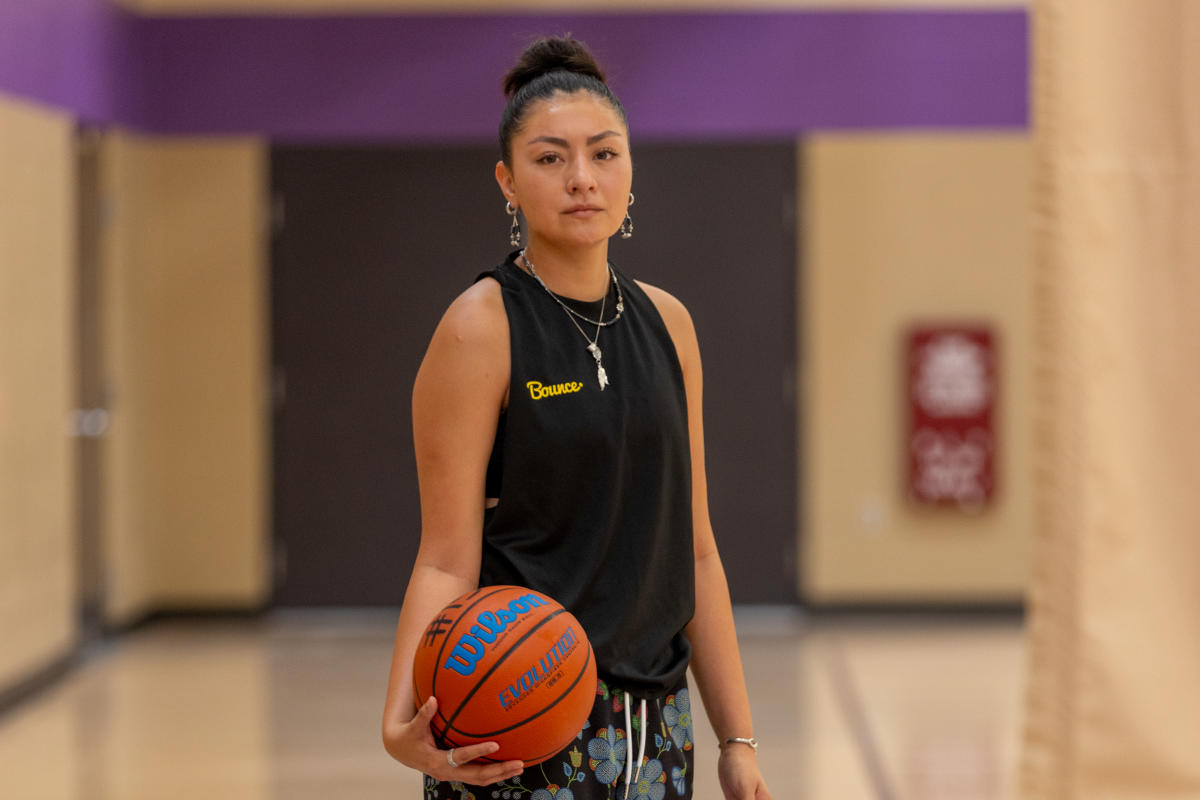
ONE OF ANALYSS BENALLY’S most memorable basketball moments didn’t happen during a game. In fact, the Shiprock native didn’t even have a ball in her hands.
Benally, who plays professionally in Europe, was hosting a camp last year on the Havasupai reservation, in Arizona. The 20 or so campers had gathered to watch Rez Ball, the Netflix film about a Navajo basketball team attempting to win a New Mexico state championship after the death of its star player, in which Benally had a small role. As the (spoiler alert) game-winning shot dropped through the net, a young camper sitting next to Benally tapped her on the shoulder and said, “Look, just imagine that could be me.”
“It did something to my heart,” Benally says, her voice warm with emotion. “I never had a moment like that in my life. I really got to witness that moment of a kid being inspired, seeing himself being represented, where he’s from, the people he’s from.”
Benally understands this better than most. She grew up on the Navajo Nation before moving to Wichita, Kansas, with her family at the age of 12 to support her older sister’s basketball dreams at Kansas Wesleyan University. A star in high school who scored more than 1,000 points in her career, Benally played at San Jose State before turning pro. Her career has taken her to leagues in Albania, Kosovo, Romania, and Croatia. “It’s been my goal since I was five,” says the 5-foot-7-inch guard. “It honestly feels like it’s what I am meant to do.”
Over the past four years, Benally and her father, Brian Benally, a varsity assistant basketball coach at Bloomfield High School, have held around 25 ABFive camps in New Mexico and across the country. “We try to get to the smaller communities,” Brian says from their home in Farmington. “Growing up on the rez can be hard, but [achieving success] can be done.”
More than 200 kids signed up for Benally’s ABFive camp in Shiprock over the summer. “They want to touch her, they want to talk to her, they want pictures,” Brian says. “She enjoys being around the kids.”
While the camps teach fundamentals like stretching, footwork, agility, and shooting mechanics, there’s a broader message at work as well. “She goes overseas, she learns new cultures, a new way to do things, she comes home, and she doesn’t keep that stuff to herself,” Brian says. “She wants everyone to learn from her and achieve more than she has.”
Inducted into the North American Indigenous Athletics Hall of Fame earlier this year, Benally serves as inspiration both on and off the court. “Basketball isn’t who I am,” she says. “It’s simply the thing that’s given me so much. If you were to take it from me, I know exactly who I am and what I need to continue to do.” That’s why the camps are so important each summer. “If I couldn’t do basketball at all, I would definitely be working with the youth.”

Russia may return to international football after four-year absence in new FIFA youth tournament

2025 AVCA Women’s NAIA All-America Teams

Nissan and NISMO Announce Plans for Expansion

Wall Honors Black Leadership in Sports

Graduate Spotlight: Yassine Kamara | Bowie State

Mason Maggio to Run Partial Schedule in DGM Racing No. 91

2025-2026 Men’s Basketball Group Tickets

CCIW Student-Athletes Earn CSC Academic All-District® Women’s Volleyball Honors

Minot State welcomes new head track and field coach Erik Stevens

Liberty University Set for Return As A Byron Primary Sponsor

Central’s Parrott named a finalist for the conference scholar-athlete award

Former college football star QB shuts down career move amid political rumors

Indiana volleyball gains new addition in Tennessee transfer Keondreya Granberry

NoVA Native Kara Lawson Is Head Coach of Team USA’s Women’s Basketball Program

UTA Volleyball Adds Two Transfers to 2026 Roster

First Tee Winter Registration is open

Fargo girl, 13, dies after collapsing during school basketball game – Grand Forks Herald

CPG Brands Like Allegra Are Betting on F1 for the First Time

F1 Las Vegas: Verstappen win, Norris and Piastri DQ tighten 2025 title fight

Volleyball Recaps – November 18

Sycamores unveil 2026 track and field schedule

Two Pro Volleyball Leagues Serve Up Plans for Minnesota Teams

Utah State Announces 2025-26 Indoor Track & Field Schedule

Redemption Means First Pro Stock World Championship for Dallas Glenn

Jo Shimoda Undergoes Back Surgery

Texas volleyball vs Kentucky game score: Live SEC tournament updates

Bowl Projections: ESPN predicts 12-team College Football Playoff bracket, full bowl slate after Week 14

SoundGear Named Entitlement Sponsor of Spears CARS Tour Southwest Opener

How this startup (and a KC sports icon) turned young players into card-carrying legends overnight

Robert “Bobby” Lewis Hardin, 56

 NBA Legend Michael Jordan to Join NBC Sports as Special Contributor
 Why a rising mid-major power with an NCAA Tournament team opted out of revenue-sharing — and advertised it
 Falcons mailbag
 Portal Update – Basketball and Gymnastics Take Hits
 has always dreamed in Mercurial. Now his initials are on the boots.
The new Kyl…
has always dreamed in Mercurial. Now his initials are on the boots.
The new Kyl…
-
 Motorsports3 weeks ago
Jo Shimoda Undergoes Back Surgery
-
 NIL2 weeks ago
Bowl Projections: ESPN predicts 12-team College Football Playoff bracket, full bowl slate after Week 14
-
 Motorsports1 week ago
SoundGear Named Entitlement Sponsor of Spears CARS Tour Southwest Opener
-
 Rec Sports3 weeks ago
How this startup (and a KC sports icon) turned young players into card-carrying legends overnight
-
 Rec Sports3 weeks ago
Robert “Bobby” Lewis Hardin, 56
-
 NIL3 weeks ago
Indiana’s rapid ascent and its impact across college football
-

 Motorsports3 weeks ago
Pohlman admits ‘there might be some spats’ as he pushes to get Kyle Busch winning again
-
Sports3 weeks ago
Wisconsin volleyball sweeps Minnesota with ease in ranked rivalry win
-
 Motorsports1 week ago
Donny Schatz finds new home for 2026, inks full-time deal with CJB Motorsports – InForum
-

 Motorsports3 weeks ago
Increased Purses, 19 Different Tracks Highlight 2026 Great Lakes Super Sprints Schedule – Speedway Digest