
Sports
How NCAA settlement affects Arizona State, athletes earnings


 AI-assisted summaryThe NCAA will distribute $2.8 billion to athletes impacted by NIL restrictions, with revenue sharing capped at $20.5 million per school annually.Concerns arise regarding Title IX compliance as revenue-generating sports like football and men’s basketball are expected to receive a larger share of funds.Arizona State began distributing revenue-sharing funds to athletes on July 10, in response to the recent House v. NCAA settlement, a shift in the college sports landscape that raises urgent questions about how colleges will uphold Title IX gender equity laws in the process.
The deal, which allows schools to directly pay athletes for the first time, was approved by Federal Judge Claudia Wilken on June 6. It resolved three antitrust lawsuits alleging the NCAA illegally limited athlete compensation.
Under the settlement, the NCAA will pay $2.8 billion in back damages to athletes who competed from 2016-2024 and were fully or partially denied name, image and likeness (NIL) opportunities. Moving forward, each university can also compensate its athletes with the initial annual revenue-sharing cap set for $20.5 million, a mark set to increase yearly.
Arizona State athletic director Graham Rossini did not reveal what percentage of the money will go toward each team, but he emphasized that football, despite its economic importance to the athletic department, will not be the sole beneficiary.
“We’re maxing out revenue share, we are a full participant,” Rossini said. “There are female sports that will be receiving some of those funds. We’ve got 26 sports, the most in the Big 12 and 14 of them are female sports. We’re very committed to females having opportunities in athletics.”
Although ASU would not reveal percentage distribution, others have, and most are expected to reflect the back-payment formula defined in the $2.8 billion settlement: 75% to football players, 15% to men’s basketball, 5% to women’s basketball and 5% to all remaining sports.

North Carolina athletic director Bubba Cunningham said in a statement that four sports will share the $20.5 million allocation, with football and men’s basketball receiving the majority, and baseball and women’s basketball securing a smaller amount. LSU has said football will receive 75%, and men’s basketball 15%, with the remainder going to other sports.
A 2025 Opendorse report suggests 65.6% of the money at Power 4 schools will go to football, 20.3% to men’s basketball and 6.6% to women’s basketball, leaving only 7.5% for every other sport.
Title IX legal challenges
With ASU one of many Power 4 schools expected to continue prioritizing revenue-generating sports, equity concerns are mounting. Eight athletes from multiple schools already filed an appeal arguing that the settlement, specifically the back damages portion, violates Title IX as female athletes would get less money than players at high-earning men’s programs.
Arthur Bryant, a preeminent lawyer who has won more Title IX cases involving athletes than anyone in the country and recently published a critical Sportico analysis of the settlement, has serious doubts about the House settlement’s Title IX viability in the current landscape of college athletics. “The House settlement creates Title IX violations and is a Title IX violation in a bunch of ways,” Bryant said. “Title IX requires that the money be distributed proportionally to the men and women athletes. So that’s how schools comply with the House settlement going forward and not create a Title IX problem.“There are schools who said they’re going to do that, but there are other schools who said that they are going to give 90% of the money to the football and men’s basketball players. Those schools are violating Title IX and they’re walking themselves into a lawsuit against any woman who wants to sue.” Since its 1972 passage, Title IX has impacted college sports, ultimately leading to the current space where NIL is benefiting female college athletes nearly as much as their male counterparts. For instance, women’s basketball superstars Caitlin Clark and Paige Bueckers have earned more from college NIL deals than their rookie WNBA contracts, a reason why many female basketball and volleyball players stay in college rather than turn professional.Victoria Jackson, a history professor and co-director of the Great Game Lab at ASU, believes this expansion of opportunities is transformative.“The benefits NIL has afforded female athletes are better than a salary in any league in any sport in the world,” Jackson said.

Unlike Bryant, Jackson is not overly concerned that the House settlement will weaken Title IX protections. Instead of fighting against the money flowing into and from football, she encourages advocates for women’s and Olympic sports to focus on expanding their own revenue streams.
“And now that more football money is going to be staying with football athletes, advocates for women’s sports shouldn’t be fighting against that,” Jackson said. “They should be in support of that and also, you know, making a case that schools should be investing in women’s sports and Olympic sports, but pulling from other pots of money. And so what I’ve been working on is trying to identify new revenue streams to support women’s sports and Olympic sports because they do have value.”
Jackson went a step further, mentioning that colleges should separate football from all other sports given how professional the college game has become. If that were to happen, it would reduce Title IX concerns because most of the revenue-sharing money schools get and give to other sports comes from their football programs.
Jackson’s argument gains support when viewed through the latest Equity in Athletics Disclosure Act data from ASU. The university’s football team brought in $40,162,578, according to the EADA’s 2024 report, while its total revenue from all male and female sports except football and basketball came to $40,649,397, according to the EADA.
Title IX’s role in the NIL era reached the national stage earlier this year. On Jan. 16, President Joe Biden’s Office for Civil Rights issued a memo warning that NIL agreements could violate Title IX if not distributed proportionally. After taking office, President Donald Trump’s administration quickly rescinded the guidance, giving colleges more leeway to avoid pursuing gender equity revenue-sharing models.
Future of non-revenue sports
The combination of the settlement’s approval and Trump’s act sparked concern that non-revenue generating Olympic and co-ed sports such as swimming and diving, track and field and gymnastics could be cut or insufficiently funded, increasing the risk of Title IX violations in this new era of college athletics.
At the end of April, Grand Canyon University announced that this past spring would be the last season for its Division I boys volleyball team, with the school set to only offer the sport at club level next year. On June 16, Washington State University revealed that its track and field program is eliminating its field portion (throws and jumps) to mainly focus on distance events.
Aaron Hernandez, assistant dean and executive director of the Allan “Bud” Selig Sports Law and Business Program at Arizona State University’s Sandra Day O’Connor College of Law, expressed concern that what has happened at other schools could take place at ASU.
However, Rossini said ASU not only plans to keep all 26 of its sports, but is investing more resources into them. For instance, the school is adding 200 new athletic scholarships to comply with roster limits that replace scholarship limits.
“I get that it’s time for these guys to share in the revenue, but the cost of all these other really special people in the community at schools like ASU is something that really worries me,” Hernandez said. “I hope that there’s a future where we keep our Olympic movement and our women’s sports propped up in a good way.”
ASU athletes’ perspective
One of those “really special people,” as Hernandez put it, is Kate Fitzgerald. Fitzgerald has made it her mission to educate and inspire fellow female college athletes in the NIL space. The co-founder of the Student Athlete Venture Studio, an initiative launched to support female athlete entrepreneurs, Fitzgerald spent four years playing beach volleyball at ASU and a fifth year as a graduate assistant coach while pursuing a master’s degree. In her senior year (2023-2024), Fitzgerald was ASU’s top NIL-earning Olympic sport female athlete, profiting from her volleyball lifestyle clothing brand VBAmerica.
Given her experience with Sun Devil athletics and NIL, Fitzgerald has full trust in Rossini to lead ASU in the right direction.
“He’s definitely helping ASU prevent cuts of programs … ASU always says No. 1 in innovation, so they’re being innovative about NIL and that’s ultimately in my opinion, the best way to go about it,” Fitzgerald said. “These are changing times, so instead of fighting and cutting, let’s try new ways to make money and find a new way to adapt to this newfound lifestyle of college athletics.”
As the House settlement era begins, the athletes most affected may be those outside the spotlight — athletes who, like Fitzgerald, must navigate a shifting landscape with both uncertainty and opportunity.
“If you’re not in a revenue generating sport or have a large social media following, that doesn’t mean you can’t leverage NIL,” Fitzgerald said. “You just have to go after it, and think long term — use NIL to find internships, build your career, and bring in some kind of revenue, even if it’s just food coverage…Realistically, NIL will not fall into your lap.”
In an era where millions of dollars are on the table, the future of college sports may indeed depend on creativity as well as compliance to ensure that progress for some doesn’t come at the expense of equity.

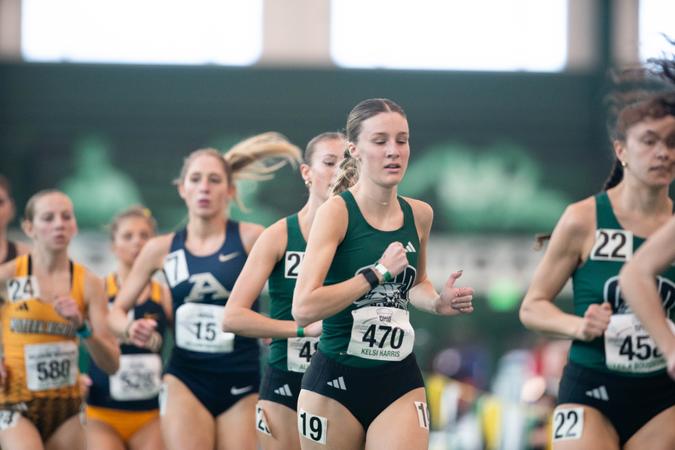
ALLENDALE, Mich. – The Ohio women’s track & field team concluded its first meet of the indoor season, the GVSU Holiday Open, on Friday, Dec. 5.
Sophomore Mairin O’Brien (Lewis Center, Ohio) kicked off competition for Ohio in the women’s 3,000 meters. O’Brien placed seventh in Heat 1 of the event, running a time of 10:01.30.
Graduate student Kelsi Harris (Liberty Township, Ohio) and sophomore Kaitlyn Stewart (Floyd Knobs, Ind.) competed in the women’s 5,000 meters. Harris placed eighth in the Heat 1 of the event, recording a time of 16:45.66. Stewart took home eighth place in Heat 2 with a time of 17:07.16.
The Bobcats will be back in action at the Marshall Alumni Classic on Saturday, Jan. 10.
#OUohyeah
BIRMINGHAM – UAB Track and Field opened the 2025 season on Friday as the Blazers competed in the Birmingham Indoor Icebreaker at the Birmingham Crossplex.
Victory George competed in multiple events as the newcomer participated in the 60m and the Long Jump. George placed 12th out of 69 athletes in the 60m Prelims with a time of 7.71 seconds. George narrowly missed the finals by .01 seconds as she placed second in heat 4. The newcomer from Nigeria placed 11th of 55 athletes in the Long Jump where she finished with a mark of 5.52m and placed third in flight 3.
Leticia Quingostas started her senior season strong in the 300m. The senior from Brazil placed ninth overall out of 28 athletes and won heat 4 with a time of 40.51 seconds.
The freshmen middle distance duo consisting of Kelly Hughes and Katelyn Valtos made their college debuts in the 1000m. Hughes (3:05.08) and Valtos (3:06.08) finished sixth and seventh overall respectively. Valtos’ time was tops in heat 2.
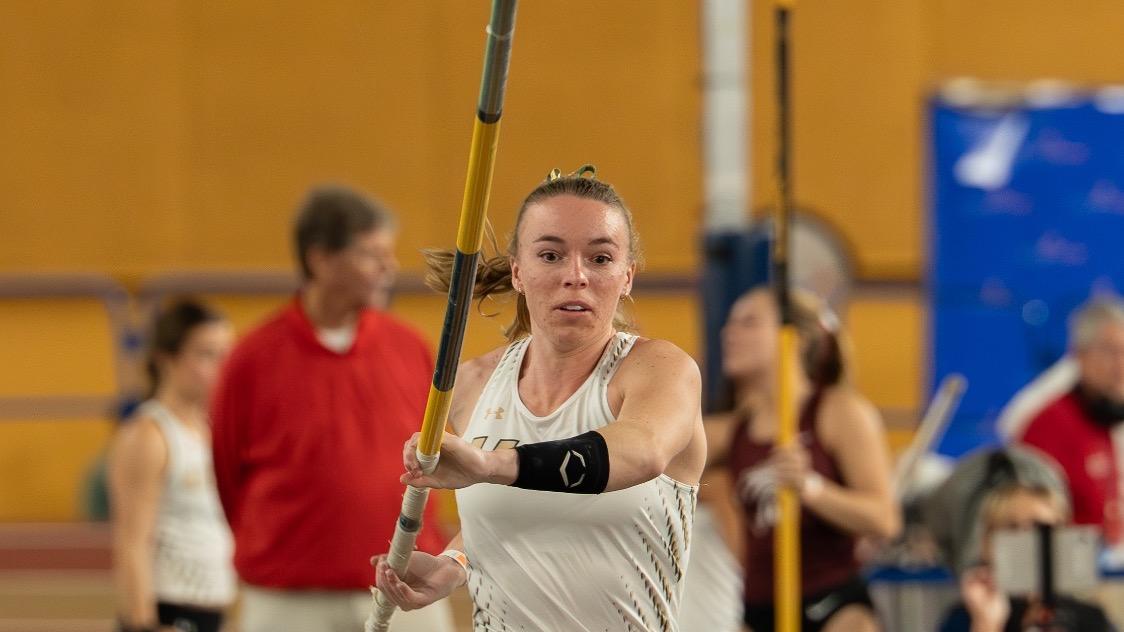
The Blazers saw four Pole Vault athletes compete on Friday. Noelle Hambrick was the leader of the quartet placing fifth with a mark of 3.70m. Victoria Freeland, Fiona Eastman, and Trinity Fellows each finished at 3.55m.
The Green and Gold rounded out the day with true freshman Sarah Hopkins competing in the Weight Throw. Hopkins finished her day with a mark of 14.58m on her final successful throw, which ranks third-best in school history for Indoor Weight Throw.
UAB returns to action on January 9, 2026 as it returns to the Birmingham Crossplex for the Blazer Invite. Meet information, schedules, and live results will be posted at a later date.
FOLLOW THE BLAZERS
To keep up with UAB Track & Field, follow @UAB_TF_XC on Instagram and X.
Then, it seemed like the USU’s dream season might end in heartbreaking fashion.
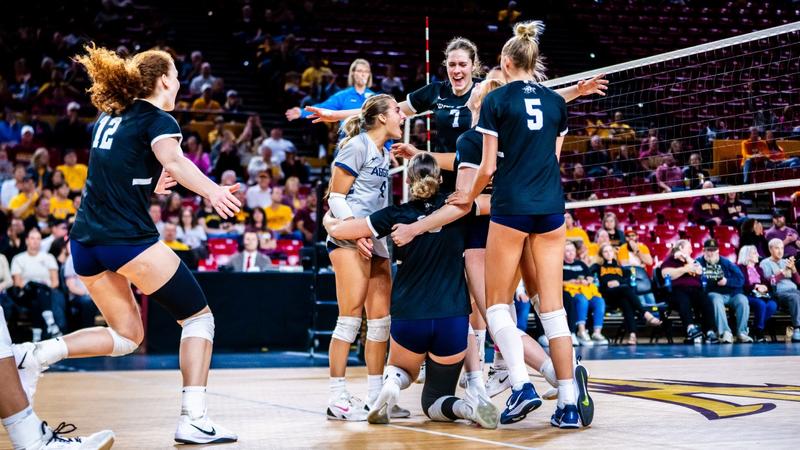
But in a do-or-die fifth set, the Aggies fought off a furious comeback from seventh-seeded Tennessee to claim a thrilling 3-2 (25-19, 25-15, 20-25, 18-25, 15-11) victory in the opening round of the NCAA Tournament. This is the first NCAA Tournament victory for Utah State volleyball since recording wins in back-to-back seasons in 2000 and 2001.
With the win, Utah State will now face No. 2 Arizona State on Friday, Dec. 5, at 6 p.m. (MT).
Sophomore setter Kaylie Kofe engineered the Aggie offense to a .312 hitting percentage, recording 57 assists. Senior middle blocker Tierney Barlow led USU with 16 kills on a team-best .560 hitting percentage while sophomore opposite side hitter Loryn Helgesen added 14 kills. The duo also tied for the team lead with four blocks apiece with each player also registering a solo block. Sophomore outside hitter Andrea Simovski also had 14 kills and sophomore outside hitter Mara Štiglic stuffed the stat sheet with 12 kills, six digs, three blocks and three assists. Junior libero/defensive specialist Kendel Thompson led the Aggie defense with 16 digs, also leading the team with two service aces.
Head coach Rob Neilson
“What a match. Hats off to that Tennessee team. We gave them all they could handle in those first two sets and then they responded. They’re a great team obviously, well coached and talented, physical. Then you get to a fifth set and it’s a coin flip. I thought we made enough plays and battled and came through adversity. I’m really proud of this group and I’m excited that we get to play some more volleyball together.”
Set One
The Aggies came roaring out of the gates, registering kills on nine of their first 13 attacks en route to taking a 10-5 lead to force a Tennessee timeout. Štiglic posted three kills during the early run, part of a 7-0-10 line for the Croatian in the opening set. Out of the timeout, the Vols responded with a 9-2 stretch to take a lead midway through the frame and force an Aggie timeout. USU stemmed the tide with a kill from redshirt freshman middle blocker Lauren Larkin that preceded a block by Barlow and Helgesen. A Helgesen kill and Thompson ace then made it a 4-0 Aggie run to deliver the advantage back to Utah State. The Vols scored back-to-back points to tie it at 16 before the teams alternated the ensuing six rallies. With the set tied at 19, the Aggies closed the frame on a 6-0 burst. Helgesen ignited the run with a kill before teaming with Larkin on a block to firmly give the Aggies control late in the set. Štiglic then delivered back-to-back kills to clinch the 25-19 win to open the match. Utah State hit .382 in the opening frame while holding Tennessee to .188 to take a 1-0 lead.
Set Two
Utah State again came out strong, using a 14-3 onslaught to grab hold of the second set. Simovski powered the on-fire start with five kills while Thompson added her second ace of the match to help build a double-digit cushion. The Aggies went a perfect 8-of-8 on attacks to begin the frame. Tennessee closed the gap with a 6-1 stretch, forcing a USU timeout. A Helgesen kill halted the Vols’ momentum before Utah State went on to close the set on a 5-1 run featuring a pair of kills from Barlow and a Helgesen ace plus a block by Štiglic and Barlow to help seal the 25-15 win. The Aggies improved on both their offensive and defensive marks from the first set, hitting .444 while holding Tennessee to .171 to go up 2-0 for the match.
Set Three
The Aggies again went up early as Barlow recorded three-straight kills and then a solo block as part of a personal 4-0 run to put USU ahead 7-4. The Vols, however, answered back with an 11-4 stretch to take a late four-point lead in the set. The Aggies battled back within two at 21-19 with Simovski supplying a pair of kills but Tennessee went on a 4-1 run to take the set, 25-20, to extend the match to a fourth set.
Set Four
The Vols maintained momentum to begin the fourth set, opening up a 10-5 lead out of the gates. USU scored three-straight points with Larkin and Helgesen both registering kills to trim the deficit to two points. Tennessee answered again, scoring seven of the next 10 rallies to extend their lead to six points. The Aggies were unable to build a comeback attempt as the Vols secured a 25-18 win to send the match to a winner-takes-all fifth set.
Fifth Set
In a pivotal start to the set, Utah State went up 5-2 courtesy of a pair of Simovski kills and three attacking errors from the Vols. The Aggies led by four points at 12-8 following two kills from Helgesen before Tennessee clawed back within one after three-straight points. USU regained the advantage from the defensive side as Barlow and Helgesen combined for a block to make it 13-11. Barlow then killed back-to-back balls off the slide to secure the 15-11 victory and send the Aggies into the second round.
Quick Notes
- Utah State also extended their overall winning streak to 22 matches, the third-longest streak in program history, trailing only a 23-game streak spanning the team’s 1978 national title season and 1979, and a program-record 26-game streak in 1978. USU’s streak is now tied for the third-longest active streak in the nation.
- Utah State hit .312 for the match, their 11th-straight match recording a .250 hitting percentage or better. The Aggies are now hitting .274 on the season, a mark which would break the current program record of .238 set in 2016.
- Larkin added another eight kills on a .500 hitting percentage plus two blocks and a career-high three digs.
- Sophomore outside hitter Delaney Lawson and freshman defensive specialist Sadie Warren provided key defensive contributions with eight and six digs, respectively.
- Utah State is now 3-6 in the NCAA Tournament all-time, recording their first win since defeating BYU in Salt Lake City in 2001. USU also defeated Missouri the year prior in Provo, Utah.
- The Aggies are now 19-13-1 all-time against SEC teams and recorded their first win over the conference since beating Alabama in 2003.
- Utah State improved to a 29-4 record during Kofe’s career when she records at least 10.0 assists per set.
Up Next
The Aggies continue play in the second round of the NCAA Tournament against second-seeded Arizona State on Friday, Dec. 5, at 6 p.m. (MT). The game will be streamed on ESPN+.
Fans can follow the Aggie volleyball program on Twitter, @USUVolleyball, on Facebook at /USUVolleyball or on Instagram, @usuvolleyball. Aggie fans can also follow the Utah State athletic program on Twitter, @USUAthletics, Facebook at /USUAthletics and on Instagram, @USUAthletics.
– USU –
WEST HARTFORD, Conn. – The Hartford Women’s Track and Field team look to build off of a strong season in the spring as the team moves into the indoor portion of the schedule. Last year, the team found success both indoors and outdoors with strong placements in marquee meets such as 2nd in the Conference of New England (CNE) Championships, 12th and tied for 14th in the NCAA DIII Championships, and 17th and 25th in the NEICAAA All-New England Championships.
New Year, Similar Squad
With Head Coach Connor Green returning for his third year and the team only graduating two seniors a year ago, Hartford will be running out a whole host of familiar faces this season. 31 out of the 48 Hawks will be back for Coach Green with eight entering into their senior season. Amongst the group of notable returners is Lauren Duffy (Southington, Conn.) who is coming off of a standout freshman campaign last season. Duffy finished with seven top ten finishes last season with two top three finishes at The Reggie Open.
“Our team expectations are to just stay consistent, disciplined, and work on the little things a lot. Like being in the weight room, getting consistent miles in, and also hurdle mobility, injury prevention stuff, just to stay healthy throughout the season.” Duffy said.
Another key returner for the Hawks is junior Leslie Samuel (Montauk, N.Y.) who is coming off a season in which she was named to the USTFCCCA All-Region Team.
“I am mostly excited to get back into it. I didn’t compete last year, so I am excited to get back to where I am, and make it to nationals hopefully.” Samuel said.
A third key returner for the Hawks is Tommie Barker (Canton, Conn.). Barker last season was nominated to the CNE All-Conference Third Team for her/their performance in both hammer throw and shotput.
“I have high expectations for this year, given it’s my senior year. I’m hoping to keep improving and PR consistently at almost every meet. My main goal is to make it to all New Englands this year, and I think it’s very doable! I’m super excited for indoor and even more so for outdoor! Between lifting and practicing consistently for the past few months, I think we’re all at our best going into this season. Practice makes progress, and we’ve had a lot of time to make some amazing progress!” Barker said.
Season Outlook:
The Hawks will begin their season at the Yale invitational on Dec. 6th. Following that event they will take on the Wesleyan University Invitational on Jan. 24th. They will also compete in the John Thomas Terrier Classic at Boston University on Jan. 31st. The Hawks will close out the indoor track and field season at the NCAA Division III New England Championships in Boston at the New England at the Track of New Balance
For the latest information on Hartford Athletics follow the Hawks on Facebook, Instagram, X, and YouTube.
Updated Dec. 5, 2025, 7:40 p.m. CT
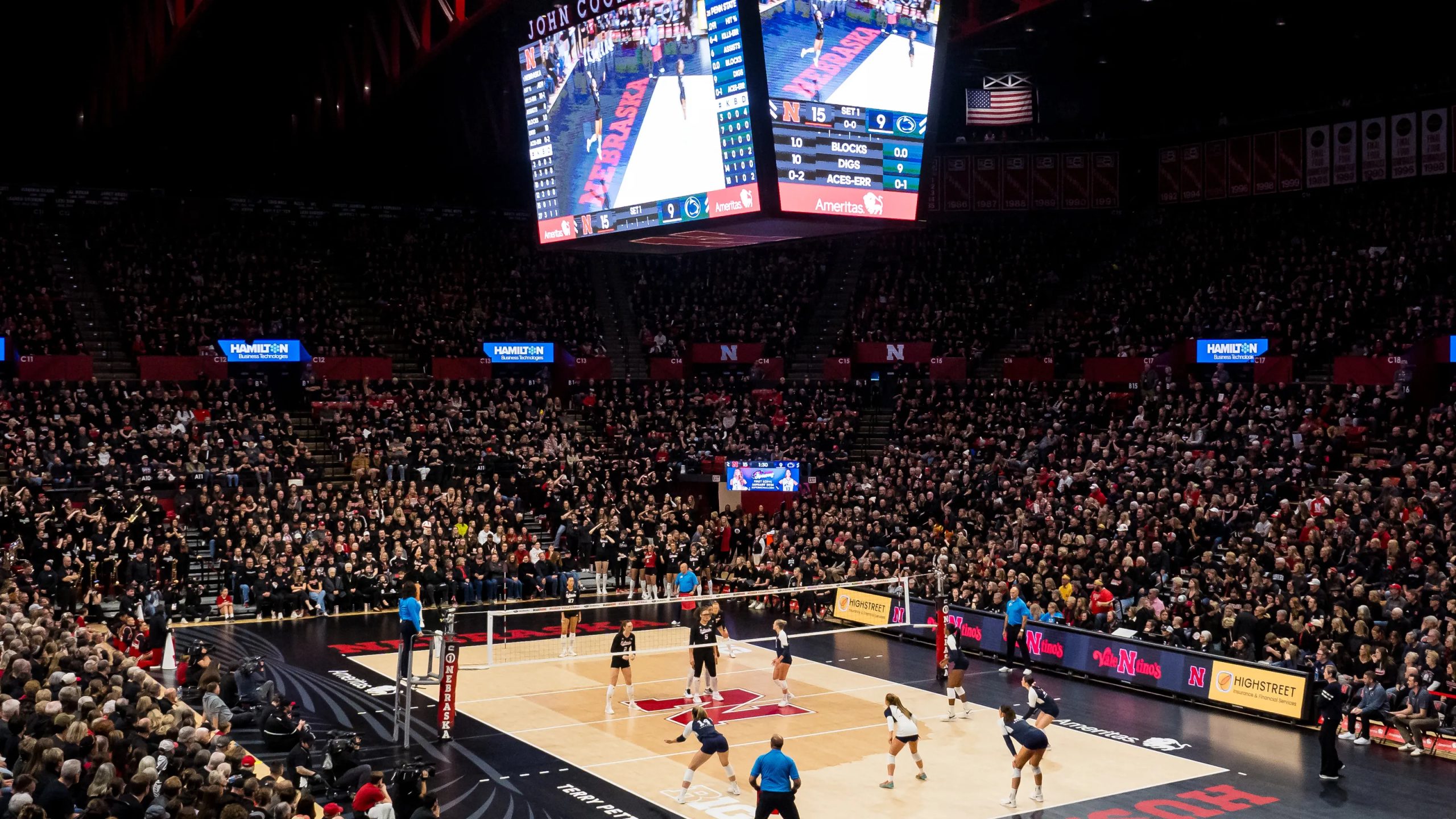
Nebraska volleyball (30-0) begins the road to Kansas City Friday with the No. 1 overall seed in the 2025 NCAA tournament. The Huskers play host for the Regional and take on the Long Island Sharks (20-8) for the opening round.
The match commences after San Diego takes Kansas State at 4:30 p.m. CT. The winner of each match advances to the second, which is set for Saturday at 7 p.m. CT.
Nebraska comes in with its first perfect regular season in 25 years along with its third consecutive Big Ten title. The Huskers also enter the tournament with the top offense and defense in the nation, standing with a .352 hitting percentage and holding opponents to a .125.
The Sharks earned their ticket to Lincoln after winning the Northeast Conference tournament. Long Island started the season 0-6, before proceeding to go 20-2 for the remainder of the year. Now, the Sharks once again take on the Huskers in the opening round of the tournament.
Nebraska last faced Long Island in 2023 and swept the Sharks (25-13, 25-16, 25-22). This is just the second time in history these teams face off against one another.
Nebraska offense leading the way (S1/Nebraska 5-2)
The Huskers open the match with five kills, three from Harper Murray.
Starting lineup
Kansas State takes it in five sets over San Diego
Here’s how to watch the Nebraska volleyball vs Long Island game on Friday, including time, TV schedule, and streaming information:
What channel is Nebraska volleyball vs Long Island on?
TV Channel: N/A
Livestream:ESPN+ (subscriber only)
Nebraska-Long Island volleyball in the first round of the NCAA tournament can be seen on ESPN+. Huskers Radio Network will have audio coverage of all Nebraska matches on Huskers Radio Network affiliates, Huskers.com and the Huskers app. John Baylor and Lauren Cook West will be on the call. Streaming options for the game include ESPN+.
Nebraska volleyball vs Long Island time today
- Date: Friday, Dec. 5
- Start time: 7 p.m. CT
The Nebraska volleyball vs Long Island first-round NCAA tournament game starts at 7 p.m. CT from the Bob Devaney Sports Center in Lincoln, NE.
Nebraska volleyball 2025 schedule (30-0, 20-0)
Aug. 22 – vs. Pittsburgh – WIN 3-1 (25-22, 25-11, 20-25, 25-23)
Aug. 24 – vs. Stanford – WIN 3-0 (25-13, 25-19, 25-14)
Aug. 29 – at Lipscomb – WIN 3-0 (25-13, 25-21, 25-15)
Aug. 31 – vs Kentucky – WIN 3-2 (24-26, 20-25, 25-19, 25-23, 15-8)
Sept. 5 – vs. Wright State – WIN 3-0 (25-16, 25-16, 25-20)
Sept. 7 – vs. California – WIN 3-0 (25-15, 25-18, 25-12)
Sept. 12 – vs. Utah – WIN 3-1 (21-25, 25-8, 25-18, 25-13)
Sept. 13 – vs. Grand Canyon – WIN 3-0 (25-12, 25-23, 25-18)
Sept. 16 – at Creighton – WIN 3-2 (25-17, 21-25, 25-18, 24-26, 15-9)
Sept. 20 – vs. Arizona – WIN 3-0 (25-19, 25-23, 25-18)
Sept. 24 – vs. Michigan – WIN 3-0 (25-6, 25-15, 25-13)
Sept. 27 – vs. Maryland – WIN 3-0 (25-14, 27-25, 25-14)
Oct. 3 – at Penn State – WIN 3-0 (25-6, 25-15, 25-13)
Oct. 4 – at Rutgers – WIN 3-0 (25-17, 25-15, 25-16)
Oct. 10 – vs. Washington – WIN 3-0 (25-14, 25-18, 25-16)
Oct. 12 – at Purdue – WIN 3-0 (25-23, 25-16, 25-15)
Oct. 17 – at Michigan State – WIN 3-0 (25-15, 25-18, 25-20)
Oct. 19 – at Michigan – WIN 3-0 (25-18, 25-13, 25-18)
Oct. 24 – vs. Northwestern – WIN 3-0 (25-17, 25-13, 25-17)
Oct. 25 – vs. Michigan State – WIN 3-0 (25-15, 25-15, 25-18)
Oct. 31 – at Wisconsin – WIN 3-0 (25-22, 25-19, 25-13)
Nov. 2 – vs. Oregon – WIN 3-0 (25-21, 25-20, 25-12)
Nov. 6 – vs. Illinois – WIN 3-0 (25-11, 25-15, 25-14)
Nov. 8 – at Minnesota – WIN 3-0 (25-15, 25-21, 25-20)
Nov. 14 – at UCLA – WIN 3-1 (25-17, 25-23, 19-25, 25-15)
Nov. 16 – at USC – WIN 3-0 (25-13, 25-16, 25-20)
Nov. 20 – vs. Iowa – WIN 3-0 (25-15, 25-21, 25-18)
Nov. 22 – at Indiana – WIN 3-0 (25-19, 25-16, 25-22)
Nov. 28 – vs. Penn State – WIN 3-0 (25-14, 25-11, 25-14)
Nov. 29 – vs. Ohio State – WIN 3-0 (25-16, 25-13, 25-20)
We occasionally recommend interesting products and services. If you make a purchase by clicking one of the links, we may earn an affiliate fee. USA TODAY Network newsrooms operate independently, and this doesn’t influence our coverage.
Contact/Follow us @CornhuskersWire on X (formerly Twitter) and like our page on Facebook to follow ongoing coverage of Nebraska news, notes and opinions.
Our team of savvy editors independently handpicks all recommendations. If you purchase through our links, the USA Today Network may earn a commission. Prices were accurate at the time of publication but may change.
Sports
Commodore Track & Field Schedule Revealed – Vanderbilt University Athletics – Official Athletics Website

NASHVILLE, Tenn. — Director of Vanderbilt cross country and track and field Althea Thomas released the program’s 2025–26 schedule, which features four home and 11 away meets.
The Commodores kick off the new season at home with the Commodore Winter Challenge on Saturday at the David Williams II Recreation and Wellness Center. Two more indoor home meets, the Vanderbilt Invitational and Music City Challenge, will be Jan. 16–17 and Feb. 13–14, respectively.
The SEC Indoor Championships will be Feb. 26–28 in College Station, Texas. The top 16 qualifiers in each event will compete at the NCAA Indoor Championships on March 13–14 in Fayetteville, Arkansas.
Vandy will travel to several away events during the indoor and outdoor seasons, including several repeat events like Florida Relays, Mt. SAC Relays and others and new additions, such as the Hampton Inn River City Relays and 44 Farms Team Invitational.
The Dores will close out their outdoor regular season in Nashville with the Music City Challenge on May 1–2 at the Vanderbilt Outdoor Track.
Vanderbilt will head south to Auburn, Alabama, for the SEC Outdoor Championships on May 14–16. The NCAA East First Round will be May 27–30 in Lexington, Kentucky, and the NCAA Outdoor Championships will be June 10–13 in Eugene, Oregon.
The program’s full schedule is available at vucommodores.com. Fans can follow Vanderbilt track and field on Facebook, Instagram and X at @VandyXCTrack.
2025-26 Vanderbilt Track & Field Schedule
Dec. 6 Winter Commodore Challenge in Nashville
Jan. 9–10 Rod McCravy Memorial Invitational in Louisville, Ky.
Jan. 16-17 Vanderbilt Invitational in Nashville
Jan. 30–31 Bob Pollock Invitational in Clemson, S.C.
Jan. 31 John Thomas Terrier Classic in Boston
Feb. 13–14 Music City Challenge in Nashville
Feb. 26-28 SEC Indoor Championships in College Station, Texas
March 13–14 NCAA Indoor Championships in Fayetteville, Ark.
March 19–20 Hampton Inn River City Relays in Jacksonville, Fla.
March 26–27 Raleigh Relays in Raleigh, N.C.
April 3–4 Florida Relays in Gainesville, Fla.
April 9–11 44 Farms Team Invitational in College Station, Texas
April 10 Crimson Tide Invitational in Tuscaloosa, Ala.
April 15–18 Mt. SAC Relays in Walnut, Calif.
April 16–18 Bryan Clay Invitational in Azusa, Calif.
April 25–26 LSU Alumni Invitational in Baton Rouge, La.
May 1–2 Music City Challenge in Nashville
May 14–16 SEC Outdoor Championships in Auburn, Ala.
May 27–30 NCAA East First Round in Lexington, Ky.
June 10–13 NCAA Outdoor Championships in Eugene, Ore.
June 18–21 USATF U20 Outdoor Championships in Eugene, Ore.
July TBD USATF Outdoor Championships in Eugene, Ore.
Aug. 5–9 World Athletics U20 Championships in Eugene, Ore.

Georgia sues Missouri edge rusher Damon Wilson for nearly $400K over NIL contract he signed with Bulldogs

Harris, Stewart & O’Brien Represent Ohio Track & Field at GVSU Holiday Open

Michael Jordan — ‘Someone had to step forward and challenge’ NASCAR

Blazers Complete 2025 Season Opener

Former NASCAR driver Michael Annett dies at the age of 39

Aggies Fend Off Vols in Five-Set Epic to Advance in NCAA Tournament

Former NASCAR Driver Michael Annett Passes Away – Speedway Digest

Women’s Track and Field Look to Continue Success as a Squad this Winter

Nebraska volleyball vs. Long Island live updates, stats and highlights
Georgia seeks $390K in NIL contract damages from Missouri football DE

Commodore Track & Field Schedule Revealed – Vanderbilt University Athletics – Official Athletics Website

Gameday

Track & Field Beings Indoor Season at Vanderbilt’s Winter Commodore Challenge

Fired $15.8 million college football coach blames QB’s performance for his dismissal

Tharayil Competes in Heptathlon to Kick Off Men’s Indoor Track and Field Season

First Tee Winter Registration is open

Fargo girl, 13, dies after collapsing during school basketball game – Grand Forks Herald

CPG Brands Like Allegra Are Betting on F1 for the First Time

Volleyball Recaps – November 18

F1 Las Vegas: Verstappen win, Norris and Piastri DQ tighten 2025 title fight

Two Pro Volleyball Leagues Serve Up Plans for Minnesota Teams

Utah State Announces 2025-26 Indoor Track & Field Schedule

Sycamores unveil 2026 track and field schedule

Texas volleyball vs Kentucky game score: Live SEC tournament updates

Bowl Projections: ESPN predicts 12-team College Football Playoff bracket, full bowl slate after Week 14

Redemption Means First Pro Stock World Championship for Dallas Glenn

Pohlman admits ‘there might be some spats’ as he pushes to get Kyle Busch winning again

Indiana’s rapid ascent and its impact across college football

How this startup (and a KC sports icon) turned young players into card-carrying legends overnight

Troy Football Need to Know; Gameday at The Vet — Georgia State Game

 Why a rising mid-major power with an NCAA Tournament team opted out of revenue-sharing — and advertised it
 NBA Legend Michael Jordan to Join NBC Sports as Special Contributor
 Falcons mailbag
 Portal Update – Basketball and Gymnastics Take Hits
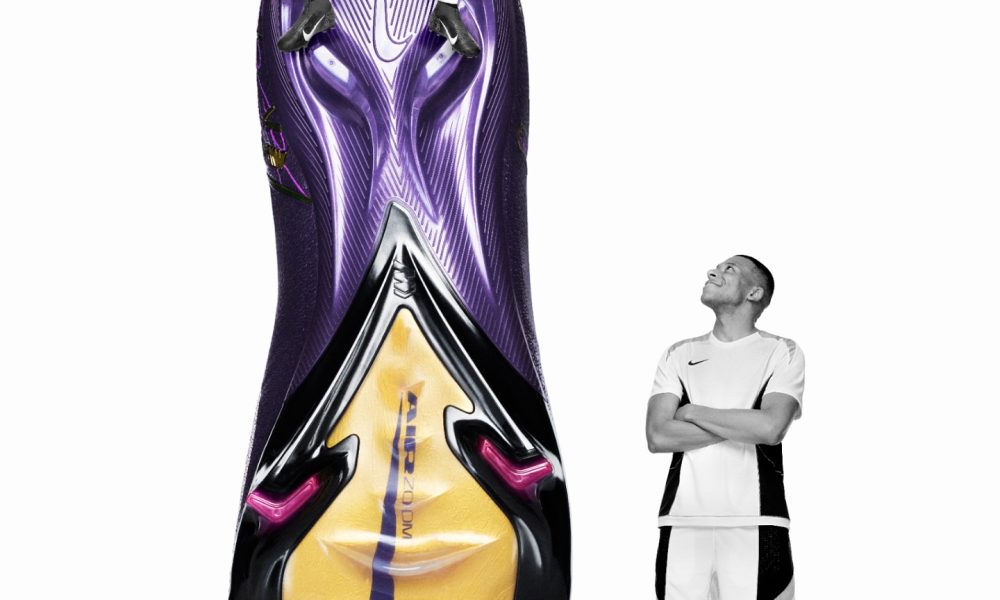 has always dreamed in Mercurial. Now his initials are on the boots.
The new Kyl…
has always dreamed in Mercurial. Now his initials are on the boots.
The new Kyl…
-
 Rec Sports2 weeks ago
First Tee Winter Registration is open
-
 Rec Sports1 week ago
Fargo girl, 13, dies after collapsing during school basketball game – Grand Forks Herald
-
 Motorsports1 week ago
CPG Brands Like Allegra Are Betting on F1 for the First Time
-
 Sports2 weeks ago
Volleyball Recaps – November 18
-
 Motorsports2 weeks ago
F1 Las Vegas: Verstappen win, Norris and Piastri DQ tighten 2025 title fight
-
 Sports1 week ago
Two Pro Volleyball Leagues Serve Up Plans for Minnesota Teams
-
 Sports1 week ago
Utah State Announces 2025-26 Indoor Track & Field Schedule
-
 Sports1 week ago
Sycamores unveil 2026 track and field schedule
-
 Sports1 week ago
Texas volleyball vs Kentucky game score: Live SEC tournament updates
-
 NIL5 days ago
Bowl Projections: ESPN predicts 12-team College Football Playoff bracket, full bowl slate after Week 14