
Motorsports
How queer people changed motorsport history and continue to shape it today

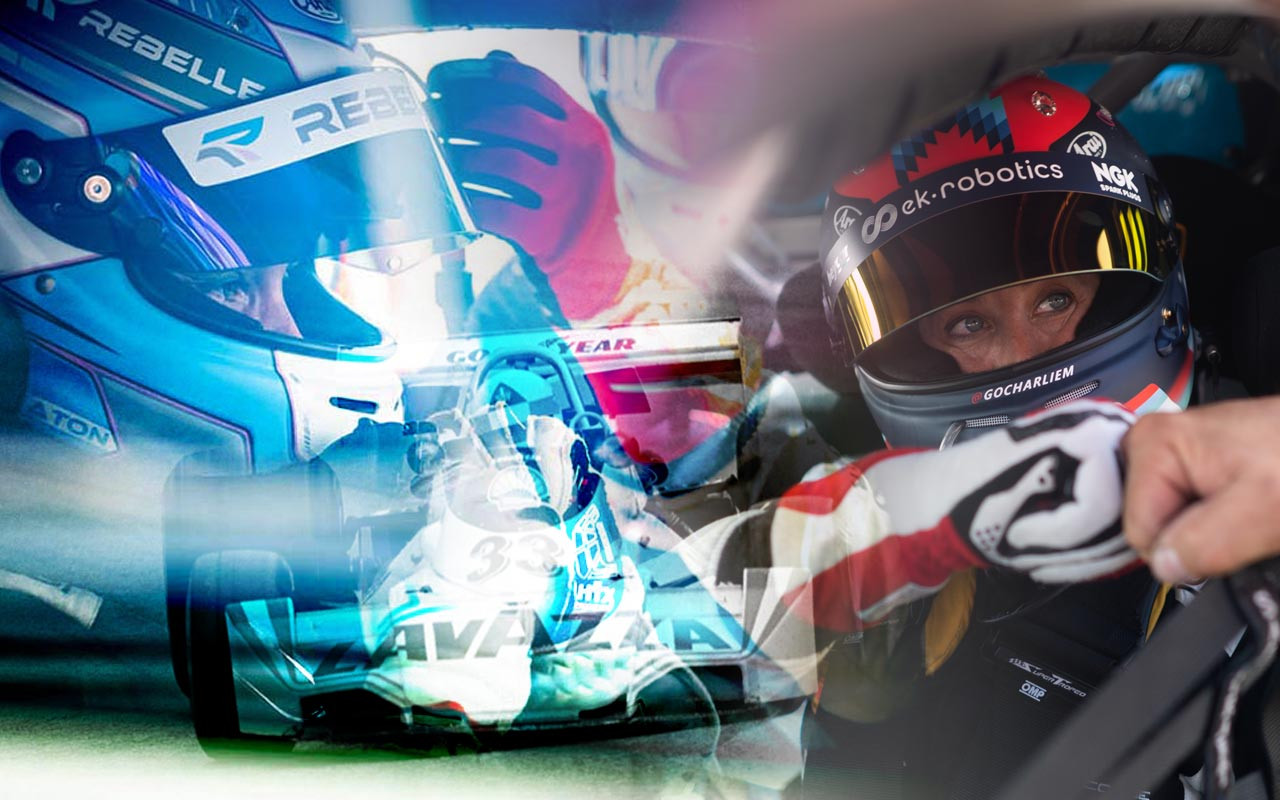
As Pride Month draws to a close, we continue to celebrate and support the LGBTIQA+ community year-round: our columnist Mika Böcker explores the history of queer athletes in motorsport — and how they have contributed, and continue to do so.
Motorsport has always been characterized by innovation, has always been a pioneer, so why not in the area of diversity?
Anti-queer sentiments have gained influence worldwide in recent years. These developments have a direct impact on marginalized people. Discrimination and attacks against queer people are increasing worldwide, sometimes with state involvement. At the same time, protection against discrimination and the inviolability of human rights are being questioned in many places.
Essentially democratic countries such as the UK, Hungary, and Serbia are demonstrating how the dismantling of a secure, democratic constitutional state begins with the fight against queer people. Other countries such as the USA and Russia have already left democracy behind.
These threatening developments do not stop at sports. Trans women, non-binary women, and intersex people are particularly targeted. Based on a scientifically refuted, alleged advantage these people are supposed to have due to their biological sex, they are completely excluded from sports, supposedly to protect women.
This applies to everything from football to martial arts to swimming. Those affected even exclude less physically demanding sports such as darts, billiards, and chess. While the motorsport world was distracted by the 12 Hours of Sebring, the SCCA attempted to change its rulebook to make it look like only cisgender male drivers could compete in the motorsports series it controls. This attack on participant rights was repelled by fierce protests, but it demonstrates that discrimination against queer people is also widespread in motorsport.
During Pride Month, we fight for our rights, for our existence, and for our survival. Of course, we celebrate that we’ve made it this far, what we’ve achieved, and that we’re so diverse. The pride in not letting ourselves be defeated is what we celebrate. At this point, as an author, I must be transparent and acknowledge that I’m not only part of the motorsport world, but also of the queer world.
Given the developments around the world, we at Racers want to take a look at how queer life within our beloved sport has changed over time, what achievements LGBTIQA+ people have made, and set an example for diversity in these difficult times. Motorsport is one of the few sports where the gender of a participant shouldn’t play a role, and physical differences are less significant than, for example, in martial arts.
The sport hasn’t always been the cis-hetero male domain we recently viewed it as. As we described in our feature on International Women’s Day, we owe a lot to many women since the early motorsport era. But there are also some queer individuals without whom racing might look different today — and in some cases, perhaps even the entire world.
An early pioneer of motorsports, albeit on-water, was the British Marion Barbara “Joe” Carstairs, born in 1900. She was openly a lesbian, at a time when, in retrospect, we would consider it extremely difficult. Her partners during and after the First World War included Dolly Wilde and Marlene Dietrich. However, she married a childhood friend because same-sex marriage was not possible at the time and she wanted to become independent from her mother.
Even during the war, she gained experience behind the wheel, driving ambulances on emergency calls. After the war, she and her loved ones founded the X Garage, a rental car and chauffeur service that only employed women. She used her mother’s inheritance to finance her motorsports by having speedboats built and taking part in boat races. Here she was able to win important races, set records, and later finance the careers of other racing drivers.
Among other things, she was involved in the Blue Bird land speed record. Later in her life, she retired to the Bahamas. There, she built not only her own estate, but also a lighthouse, schools, churches, and several businesses that remain an important part of the local economy today. She also had housing projects built for the locals.
A similar pioneer of motorsports and queer life is Roberta Cowell. She is considered the first British trans woman to undergo gender reassignment surgery. However, various developments during puberty resulted in subtle physical shapes that were sometimes perceived by others as feminine.
She has always been fascinated by speed and the glamour and fame that comes with it; she began tinkering with cars at an early age, building her own sports and racing vehicles, either entirely from scratch or based on existing vehicles.
Despite a severe fear of flying and heights, she aspired to become a fighter pilot—and after studying engineering during the war, she achieved that goal. In the 1930s, she took part in numerous racing events, sometimes competing in several over a single weekend. While most of these races were held in the United Kingdom, she also competed at Spa-Francorchamps in Belgium and at various circuits in France. She celebrated several successes, including in races that would later become part of the Formula 1 World Championship, established in 1950.
After the Second World War, the horrors she experienced led to post-traumatic stress disorder. A Scottish psychiatrist who treated her for this condition later allegedly recognized her feminine subconscious. She had known this femine side since childhood, but she always tried to conform to the most masculine role model possible. She practiced martial arts, fought with other teenagers, showed a keen interest in mechanics, smoked.
At the same time, even then, she had a strong aversion to the male sex and therefore also to male homosexuals. She now lacked the energy to fight against femininity, which was an integral part of her identity. Through a medical student friend, she obtained large doses of estrogen and began a hormonal transition. She also sought gender reassignment surgery, but was denied this because – contrary to her own belief – it was proven that she was not intersex.
Using several tricks, she finally managed to have the operation in 1951. Because of this operation and the changed gender registration, she was now banned from Grand Prix racing, and she participated in hill climbs and vehicle construction.
Through her transition and motorsport activities, she became a queer pioneer. Unfortunately, this did not prevent her from expressing queerphobic views herself. She repeatedly claimed to be intersex, despite clear evidence to the contrary. Her descriptions of this alleged intersex condition varied over time, often invoking different medical explanations—many of which were medically disproven or would have implied fertility, which is contradicted by the fact that she had biological children.
However, until her death, she claimed her intersex condition as a unique selling point to distinguish herself from trans women. She frequently described trans women as imitators of herself, following a trend and later regretting it.
Our next celebrity also made history: Lella Lombardi. She is one of only two women to ever start a Formula 1 race and famously the only one to score points. She also finished in the top ten several times, including at the infamous Nürburgring, as well as Montjuich in Spain, where she earned her historic half-point. She is also the first woman to compete in the German Touring Car Championship (DTM), albeit only as a guest driver. She was also very active in sports cars, competing four times at Le Mans, with an 11th place finish in 1977 being her highlight.
Many competitors, especially in Formula 1, couldn’t stand losing to Lombardi — and as a lesbian, her presence made her doubly an outsider. Throughout her career, many tried to hinder her success, including attempts to sabotage her race cars.
The Italian, however, remained unfazed. Rather than giving up, she not only continued her career with determination but also spoke out regularly against discrimination toward women and drivers in motorsport. She is credited with helping make Formula 1 more accessible to women. Following her achievements, many women entered the sport across various roles, not just as drivers.
That said, there were also many drivers who remembered Lombardi fondly. Her quirks, in particular, left a lasting impression. She was considered charming, yet also stubborn and fiercely independent — but above all, a skilled and safe driver. She liked doing things her own way and cultivated an image that said: I’m strong, don’t mess with me.
Her sexuality was never really an issue in the paddock, as she usually didn’t bring her girlfriend with her. This enabled her to successfully defend herself against the dirty tricks of bruised male egos. Until her untimely death, she lamented the inequality in Formula 1 and wished only that what she had achieved for the sport would be preserved indefinitely.
Around the same time as Lombardi, another queer person was active in Formula 1. The Briton Mike Beuttler is considered the first openly gay Formula 1 driver and one of the few to ever come out. In his early days, he was a teammate of Ronnie Peterson and three-time world champion Niki Lauda, but his largely unsuccessful career was forgotten. This was primarily ended by the oil crisis, when sponsorship money dried up. Nevertheless, he was considered a tough fighter until the end. After his career ended, he retired to California and disappeared from public life.
Beuttler was generally viewed positively by colleagues and journalists, like someone you’d meet in any bar, simply a nice person. Despite his sexual orientation, he always had a girlfriend with him to the races, as it was quite normal at the time. At that time, British society was far from open enough to acknowledge or accept his homosexuality; he was forced to keep a low profile there, which was one of the main reasons why he went to California, which was more open at the time.
Journalist Ian Philips, who was covering Formula 1 at the time, said that hardly anyone really knew that Beuttler was gay, and that at the time it was mostly just speculation. No one bothered to investigate this further, as it was even more frowned upon back then than it is today. No one would have come out voluntarily. Moreover, his female companion provided a good distraction.
In the end, however, most people didn’t mind, because Beuttler was such a kind person and simply a part of the sport he loved. Moreover, it was something that simply wasn’t discussed at the time. Much like in football today, where there are certainly many queer individuals, coming out remains nearly impossible due to the macho culture. It only became somewhat easier in the years that followed, as the coming out of former racing drivers would later demonstrate.
Overall, experts agree that hiding his identity, his being, and the fear of being discovered put enough strain on the Briton to impair his performance on the track. Today, his story serves as an inspiration for current drivers, with the knowledge that there have been queer people in motorsport before. Beuttler was certainly not the first gay person in a racing car, nor will he be the last, but despite the conditions for queer people at the time, he was a person full of joie de vivre. Philips reflects aptly on this matter: First and foremost, he was a person who lived his life, content with himself.
Of course, there were also queer starters outside of Formula 1. One of them is Michelle Ann Duff, a former motorcycle racer in the 1960s. Her most successful season was 1965, when she won the Finnish Grand Prix and finished second overall in the championship. In Japan, she suffered a near-fatal accident, which she only survived after several emergency surgeries.
Duff married a Finnish woman in 1963 and had two children in the following years. Her successes during these years contradicted the myth of the infamous “father second.” It wasn’t until 1984 that she transitioned, and subsequently separated from her wife.
However, she doesn’t describe her experiences in her autobiography, as it is exclusively about her experiences in sports, which are of higher priority to her. Since then, she has worked as a photographer, journalist, and writer. She hadn’t revealed or announced her transition to anyone except a few close friends beforehand. Former acquaintances from the sport didn’t recognize her afterward and almost collapsed from the positive shock.
However, the press at the time placed more emphasis on her gender reassignment than on her sporting successes, using the latter at most in headlines like “Motorcycle ace is now a woman” or “The impressive new life of the gender transition champion.” Furthermore, she was reduced to similar superficialities as cis women. She herself stated in interviews that she felt no remorse about her gender reassignment and simply wanted to be accepted as she is.
Although her transition only took place after her career and when she was over 45, Duff showed a feminine side from an early age. At the age of seven, she secretly wore her mother’s clothes, as according to her, wearing feminine clothing simply made her feel relaxed.
At that time, however, she had no idea of her gender or sexuality. As she grew older, she realized that her feelings about it wouldn’t go away and that something needed to be done. Throughout her career, she wore feminine clothing underneath her racing gear, but only felt confident about transitioning during her second marriage. Her story shows the double life queer people can be condemned to, but also that it’s never too late to transition.
One of the late bloomers when it came to coming out was the American Hurley Harris Haywood. The three-time Le Mans winner kept his homosexuality a secret for a long time, even though it was a huge burden for him. He is one of the most successful drivers in sports car racing with an enormous list of achievements, including five overall victories at the 24 Hours of Daytona – a record – three at Le Mans, and two at Sebring.
However, he only came out publicly in a documentary by Patrick Dempsey about his career. He had previously come out as gay in his autobiography published in 2018. To mark the 50th anniversary of the Stonewall Riots, the online magazine Queerty ranked him among the top 50 “trilblazing individuals who actively ensure society remains moving towards equality, acceptance, and dignity for all queer people.”
A major hurdle during his career was the constant fear of coming out and the external pressure. Especially in the 1970s and 1980s, this could have meant the end of his career. Naturally, the paddock rumor mill was always active. It wasn’t until he ended his career in 2018 that he married his longtime friend, Steve Hill.
He told Queerty how this change came about: A high school student asked him for an interview about motorsports. He came out during the interview and recounted how much suffering and discrimination he had experienced because of it. Haywood explained to this student that it’s not important what you are, but who you are. Others will only remember the latter in the long run. The mother later thanked him and inspired Haywood to save not only this boy’s life, but also as many as possible in similar situations.
A more recent example is British driver Abbie Eaton, an established racer across various motorsport disciplines. In addition to successes in karting, rally-cross, GT, formulas and Porsche Carrera Cup, she was also a test driver for the TV show The Grand Tour.
Eaton came out as a lesbian at the age of 17 and, among other things, had a relationship with a fellow W Series driver. In 2019, she joined the LGBTIQA+ motorsport movement Racing Pride. She explains: “Racing Pride creates an opportunity to show that the world we love can be a welcoming environment for LGBTIQA+ people like myself.” She became the organization’s fourth ambassador at the time, along with Sarah Moore, Richard Morris, and Charlie Martin, and hopes to inspire others. She is simply pursuing her own path through motorsport, being open about herself, and finds the opportunity fantastic.
In 2023, Eaton co-founded Rebelleo Motorsport, whose goal is to challenge the status quo and break down barriers in motorsport. The project wants to create an opportunity to drive for everyone, regardless of background, gender, ethnicity, queerness, or beliefs. The team competed in the Lamborghini Super Trofeo and the Porsche Carrera Cup GB.
Already mentioned as a Racing Pride Ambassador, Charlie Martin also deserves a mention. In addition to her successful motorsport career, she is also a vlogger and activist for transgender people. After attending the 24 Hours of Le Mans with her brothers, she became a racing driver herself and set her goal of becoming the first trans woman to compete in the race. She achieved the same success in 2020 at the 24 Hours of Nürburgring.
There, she drove the start, the restart after the night-time storm interruption, and the finish. She finished 52nd out of over 100 teams and achieved fourth place in her class. A year later, she competed in the ADAC GT4 with the predominantly female Driverse Team. In 2019 and 2024, she was able to drive on the historic La Sarthe circuit as part of the 24 Hours of Le Mans supporting program, both times becoming the first trans woman to achieve a podium finish.
Martin’s gender identity became clear at an early age. After reading an article about a trans woman at the age of 7, she knew this was the right path for her. Seeing this article about Caroline Cossey was a true ‘eureka moment.’ In 2012, Martin took a break from motorsport to focus on her physical transition.
That same year, she changed her gender registration and underwent several gender reassignment and plastic surgeries. She resumed motorsport in 2013. In addition to her time on the racetrack, Martin is a strong advocate for LGBTIQA+ people and promotes greater acceptance, especially for trans people. Her prominent status has helped her achieve wide recognition also outside the racetracks.
During her time in the Ginetta GT5 Challenge in 2018, she led a campaign in which drivers were encouraged to wear rainbow stickers on their cars to celebrate Pride Month. Her goal with such campaigns was to promote greater equality in motorsport. On her desire to be the first trans woman to race at Le Mans, Martin says: “I think it’s important that people in those positions should be visible. People from the LGBTIQA+ community are in all sports and walks of life, and they inspire and encourage others.”
Due to her commitment to this highly competitive male-dominated field, she also became Stonewall’s first sports ambassador, and through a combination of experiences, collected stories, and self-tests, she has now taught over 500 clients how to better support queer people.
She is now a partner and ambassador for many charities for queer people. In addition to those already mentioned, these include “Mermaids,“ “Athletes Ally,“ and the diversity section of “Motorsport UK.“ She is also in demand as an expert for TV, radio, and magazines. Furthermore, she has partnered with BMW, Sky, British Vogue and many more at CSD and Pride events and is considered an important and trusted speaker.
Of course, there are not only individuals, but also entire organizations that advocate for queer visibility in the sport. These primarily include the diversity programs of national and international motorsport federations such as the FIA, the DMSB, or Motorsport UK. However, independent organizations also exist, and fortunately, these are increasingly gaining influence. One of these organizations is Racing Pride.
The organization is considered a leading group when it comes to promoting the inclusion of LGBTIQA+ people; their self-imposed goal is to unite the motorsport world and bring about significant, lasting positive change. With various partners, Racing Pride welcome queer motorsport athletes and professionals from all areas, support them, and promote their presence within the sport, highlighting their successes, sharing experiences, and holding various Pride events, including directly at the racetracks. At the same time, through their partners, racing Pride provide opportunities to participate in motorsport.
The non-profit organization is funded not only through sponsors and partners but primarily through donations and memberships from the queer community. This enables the establishment of a “Pride Hub,” which travels to the racetracks; for community members who cannot attend the track, there is a digital space, training sessions, quizzes, and much more. On-site events are however limited to the UK.
Through digital initiatives, additional groups and events are being established that further strengthen the community, while operating independently. One example is the Race for a Cause, held annually since 2024 — a sim racing event supporting LGBTIQA+ causes. Funds have already been raised twice through entry fees and donations during the 24-hour race, with a clear upward trend. In 2025, donation totals were five times higher than in 2024, and the participant list filled up quickly.
An example from the beginning of the year demonstrates how important the involvement of independent diversity organizations can be. The Sports Car Club of America, which sanctions large parts of American motorsports, presented a revised version of its basic rulebook.
The changes to the driver requirements were striking: The usual gender-neutral language of “they” was completely changed to “he,” which might have suggested that the male gender was a prerequisite for motorsports within the SCCA. The he/him/his wording also covered the medical section, including pregnancy.
The news was shared on social media, among the others, by the organization Shift Up Now, whose primary mission is to provide development programs and support for women in motorsports. Within a few hours, a major backlash erupted on the SCCA’s social media channels, and the planned rule changes were withdrawn. This was followed by a formal apology and a revision of the rulebook with diversity experts to make it more inclusive than the original regulations.
NASCAR is also currently grappling with issues related to Pride and LGBTIQA+. Although some queer individuals are prominent within the organization and its racing series, NASCAR lacks sufficient support, which is particularly low given the overall developments in the US. This makes it the first motorsports governing body to withdraw from this issue and is receiving massive criticism.
This year’s contribution is limited to a single post on the LinkedIn platform; the text post, “Celebrating the LGBTQ+ community during Pride Month and beyond,“ feels like rainbow-washing, in which the inclusion of queer people is used solely for marketing purposes.
June is Pride Month and is used to celebrate queer life, honor the achievements of basic human rights, remember the long, hard struggles to achieve them, and make queer culture visible. With increasing discrimination, hate speech, and hate crimes, many also take pride in surviving despite everything. Just like everyone else, we want to be able to live, love, and be who we are with equal rights, without having to hide. We queers, too, have interests and hobbies and want to pursue them, including sports. We don’t want to gain advantages or make non-queer people queer, but rather, just like them, survive as we do, ideally doing what we love.
Motorsport, in particular, is considered a purely cis-hetero male domain, but history shows that not only women have revolutionized and contributed greatly, but also queer people who have fought against all hate and discrimination. Queer people are just as indispensable in motorsport as they are in the rest of society.
They have always existed and always will — our examples from the past and present show how important it is to approach these topics openly, rather than exclude people from sport or deny them life’s joys because of unchangeable characteristics. They also demonstrate what has already been achieved, what progress has been made, and what is possible when one perseveres despite the odds.
But they also show that there is still a long way to go — true equality has yet to be reached. In motorsport especially, this should be more attainable than in many other sports: drivers face the same tasks, the same challenges, and rely equally on their machines. Sexuality or gender don’t determine performance, which makes motorsport the perfect arena to foster equality. Motorsport has always been characterized by innovation, has always been a pioneer, so why not in the area of diversity?
The impact left by these drivers and initiatives will be remembered for years to come and will inspire future generations. They help young people see a place for themselves — perhaps even discover a passion — in a world that is not always welcoming to queer individuals. With growing acceptance in recent decades (despite some recent setbacks), queer participation has steadily increased.
Of course, we couldn’t include every athlete, and there are certainly many untold stories — but the progress is undeniable. We must continue to celebrate and support diversity not just during Pride Month, but year-round, both on and off the racetrack.


BROOKFIELD, CT — Recent death notices from Brookfield.
Barry David Padroff, 85, died Dec. 21, 2025, the founder, president and CEO of BrewMaster Coffee Service, which he launched in 1965 and led for 28 years, and a longtime enthusiast of stock-market tracking, cruising, beachgoing, estate sales, landscape design and stamp collecting.
Kevin Shail, 70, died Dec. 16, 2025, a longtime lithographic printer with Modern Printing and Quebecor Printing and an avid “Fan Man” known for collecting antique hot air fans and mechanical devices and for regularly attending steam-engine and antique machinery shows.
Christian Richard Chemero, 59, died Dec. 15, 2025, an artist and craftsman educated in studio art whose pursuits included drumming, woodworking, photography, mountain climbing, biking, fishing, wildlife rescue, and documenting the natural world through his lens.
Virginia M. “Ginny” DeLuca, 90, died Dec. 10, 2025, a business owner of NAPROCO LLC and lifelong auto-racing enthusiast who sponsored drivers, founded Petty Cash Motorsports, followed weekly races at the track or on Flo, and centered her days around motorsports, faith, and Christmas.
Francis J. (Fran) Collins, 92, an attorney and longtime public servant who founded a private law practice, served in the Connecticut General Assembly, and enjoyed golf, skiing, hiking and fitness, died Dec. 6, 2025.
Judith “Judy” Bradley, 79, died Nov. 15, 2025, after a long illness, a career executive secretary most recently in municipal Parks and Recreation whose sharp wit, quick humor, and gift for keeping gatherings lively defined her days beyond work.
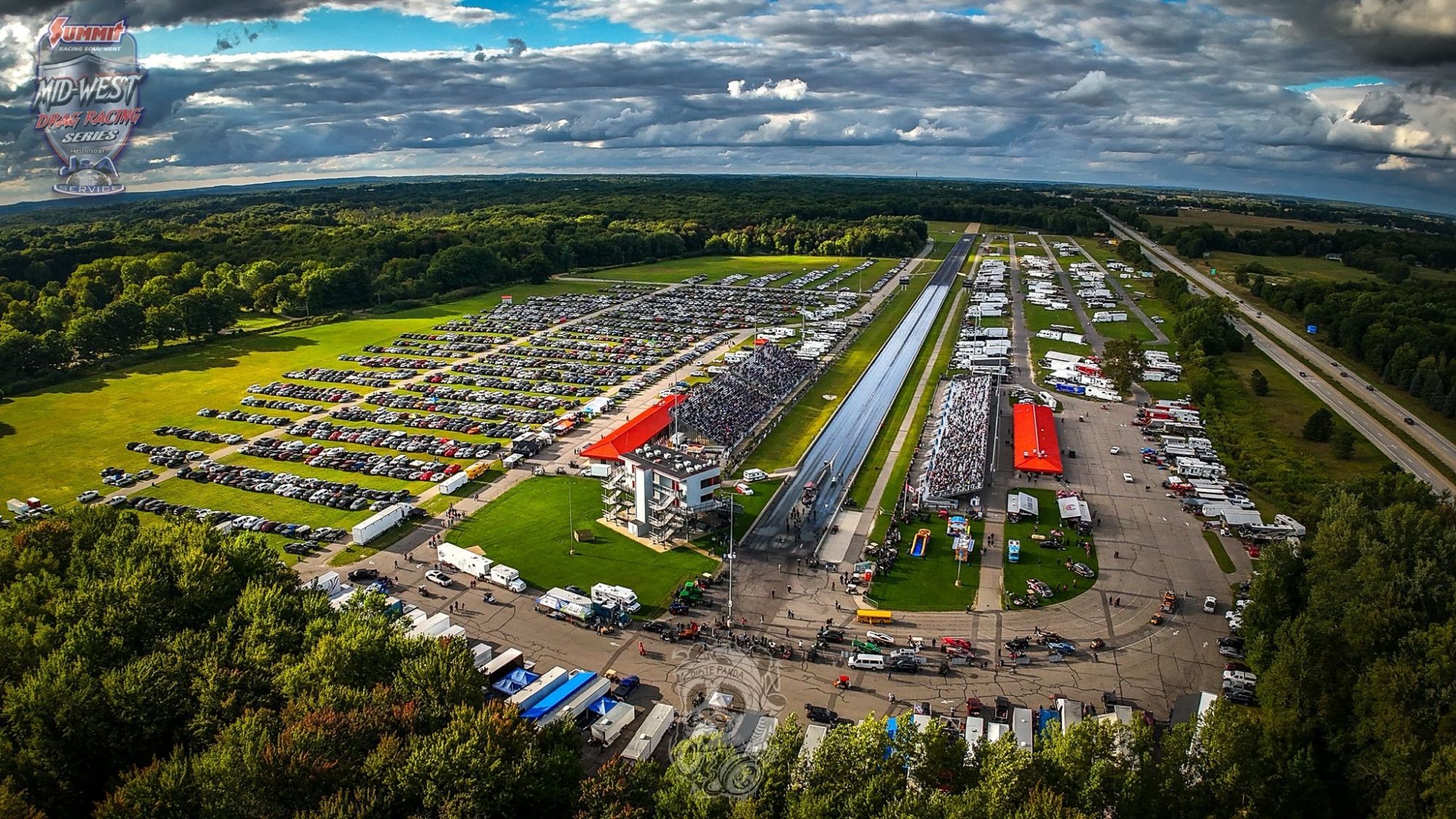
The Mid-West Drag Racing Series (MWDRS) has announced a schedule adjustment for its upcoming event at US 131 Motorsports Park in Martin, Michigan, along with added prize money across several classes. The move comes as part of the series’ effort to support both the track and the inaugural NHRA Great Lakes Nationals scheduled there in September.
“It is clear that our MWDRS Racers, along with competitors from many other series, have a genuine affection for the Martin, Michigan track,” said MWDRS founder Keith Haney. “We are proud to announce our support for both US 131 and the NHRA, specifically regarding the NHRA’s September race at the venue.”
To help build momentum around that event, MWDRS has elected to shift its US 131 race weekend to July 31–August 1. Haney noted that the schedule change is intended to benefit both organizations.
“We feel that by adjusting our schedule July 31st – August 1st, both organizations will ultimately benefit,” Haney said.
As part of the continued collaboration with US 131 Motorsports Park and the Peterson family, MWDRS also announced additional purse money for racers across multiple categories. Thanks to US 131, bonuses include:
- Pro Mod Slammers: $2,000 added
- Top Sportsman: $1,000 added
- Top Dragster: $1,000 added
MWDRS is also contributing to the purse structure, with an extra $250 going to both the Pro Jr. Dragster and Sportsman Jr. Dragster classes.
Haney emphasized the series’ longstanding relationship with the Peterson family and the track’s Northern Nationals tradition.
“We are thrilled to continue our strong relationship with the Peterson Family and the tradition of their Northern Nationals,” he said. “While we have not hosted a race in July or August for the past three years, we have elected to move our race in order to support our friends and the track, building excitement around the NHRA event.”
The Michigan stop has become one of the most anticipated on the MWDRS calendar, drawing passionate local and regional fan support alongside deep racer participation. The added purse and cooperative scheduling are designed to continue strengthening that footprint while supporting the broader drag racing community.
More information about the Mid-West Drag Racing Series season schedule and class purse structure can be found at www.MidWestDragRacingSeries.com.
This story was originally published on December 29, 2025. 


Despite winning a championship and having a couple of the top pit crews in NASCAR, Hendrick Motorsports is still working. In the offseason, the pit crew members at Hendrick have been practicing and refining their skills and choreography.
Since the Next Gen car debuted with the single lug wheels, it has changed pit stops and pit crews entirely. We saw Joe Gibbs Racing and 23XI Racing try to reinvent the pit stop with a new kind of choreography that was a boom-or-bust style. It either worked or it ruined the stop.
This season, teams implemented a new move for the jackmen that involved swinging the jack around the back as they ran from the right side to the left. The momentum from swinging it around proved to be a slight improvement over lugging it the old-fashioned way.
While we talk about cars and drivers and crew chiefs and pit strategy, the real work is being done behind the scenes. The folks at Hendrick Motorsports know improvement is a must. If you don’t improve, everyone else will. While the No. 9 crew won the Most Valuable Pit Crew Award for 2025, they could easily fall behind without putting in the work now.
“We know we have the right athletes here, so, now it’s finding the right combination to make it work. So, we’ve been doing that,” said Hendrick pit crew coach Jacob Claborn. “That’s been our focus the first couple of weeks this December, focusing on mixing and matching some groupings and trying to find the right combination and bringing along our development guys. They’ve probably been practicing the most of anybody since Phoenix.”
For the 2026 season, we could see more tricks and moves from these pit crew members. Hendrick Motorsports works so hard on making these improvements, no matter how big or small, and it shows during the season. Hendrick might have new choreography for the new year.
“We’re always trying to keep an open mind to choreography – is there a better way?” Claborn said. “I think you saw this year whereas some of our jackmen went to different takeaways on the right side, trying to find speed there, we have some additional practice going into this offseason realizing that while they’re currently fast in the way they’re doing it, there may be a faster way. So, we’ve been practicing some of that choreography with some of the individual positions.”
It sounds like hard work. We are talking about pit crews that can put down 8.5-second stops. So, how do you improve on a time quicker than the world record for the 100m dash? That’s where the small improvements come in.
When it comes to late race pit stops, tenths of a second matter. Winning races in the Next Gen era means having a great pit crew. Hendrick Motorsports is finding new ways to improve. Will we see other teams discover new ways of changing four tires?
Motorsports
Tribute Ride: KOHR Motorsports Unveils No. 60 Mustang GT4 Honoring Greg Biffle at Daytona

In the world of motorsports, numbers are more than just identifiers; they are legacies. They represent history, triumph, and sometimes, profound loss. This January, as the engines roar to life at the World Center of Racing, one number will carry a heavier weight than usual.
Kohr Motorsports has announced they will run a special tribute livery on their No. 60 Ford Mustang GT4 to honor the late Greg Biffle, his family, and friends lost in a tragic plane crash earlier this month. The tribute is set to debut at the season-opening IMSA Michelin Pilot Challenge race at Daytona International Speedway. On this track, Biffle’s grit and talent were often on full display.
A Nod to a Championship Legacy
For race fans, the No. 60 is inextricably linked to Biffle’s dominance in the early 2000s. The livery chosen by Kohr Motorsports isn’t just a design. It’s a time capsule. The team is recreating the iconic paint scheme from Biffle’s 2002 NASCAR Busch Series championship run.
That 2002 season was a masterclass in consistency and speed. Driving for Roush Racing, Biffle secured four wins and 20 top-five finishes, cementing his place as one of the sport’s elite talents. By bringing this specific look back to the track on a modern Ford Mustang GT4,
Kohr Motorsports is bridging eras, reminding everyone of the “Biff’s” hard-nosed driving style that earned him a spot among NASCAR’s 75 Greatest Drivers.It’s a fitting homage. Just as Biffle wheeled a Ford to glory two decades ago, Evan Slater and Ray Mason will pilot this modern Ford Mustang GT4, carrying his memory through the high banks of Daytona.
The Emotional Weight Of The Roar Before The 24
The timing of this tribute adds another layer of emotion to an already charged atmosphere. The Roar Before the Rolex 24 and the subsequent BMW M Endurance Challenge are the traditional kick-off to the North American racing calendar. It’s usually a time of optimism and fresh starts. However, the loss of Biffle, a figure known as much for his off-track humanitarian efforts as his on-track aggression, has cast a somber shadow over the garage area.
Kohr Motorsports took to Instagram to share their motivation, stating, “In light of last week’s tragedy involving one of NASCAR’s 75 Greatest Drivers and off-track humanitarian, Greg Biffle [including his family & friends], Kohr Motorsports will be running a tribute 2002 NASCAR Busch Championship No. 60 Ford livery.”
This gesture goes beyond marketing or branding. It speaks to the tight-knit nature of the racing community. When a legend passes, especially under such heartbreaking circumstances involving family, the paddock comes together. The No. 60 won’t just be competing for position. It will be racing for a memory.
Drivers Slater and Mason Ready for the Challenge
While the Kohr livery is the headline, the race itself remains a grueling test of endurance. Drivers Evan Slater and Ray Mason have been tapped to share the driving duties for the No. 60. For Slater and Mason, the pressure will be palpable. Daytona is unforgiving.
The road course layout, which utilizes the high-banked oval turns, requires precision and nerve. Driving a car that is essentially a rolling memorial adds a psychological element that few drivers ever have to manage. Every lap turned will be a salute to Biffle’s enduring impact on Ford performance and American racing culture.
Tuning In: How to Watch the Tribute
Fans wanting to see the Kohr tribute car in action won’t have to wait long. The racing action kicks off with the Roar Before the 24, leading up to the main event. The 4-hour BMW M Endurance Challenge begins at 1:45 PM ET on Friday, January 23rd.
This race serves as the curtain-raiser for the 64th annual Rolex 24, setting the stage for a weekend of intense competition. For those who can’t make the pilgrimage to Daytona Beach, live streaming coverage will be available starting at1:40 PM ET on Peacock.
Ode To A Legend
As the No. 60 Ford Mustang GT4 takes the green flag, it will serve as a powerful reminder of the fragility of life and the enduring power of a racer’s legacy. Greg Biffle may be gone, but thanks to Kohr Motorsports, his colors will fly at Daytona once more.
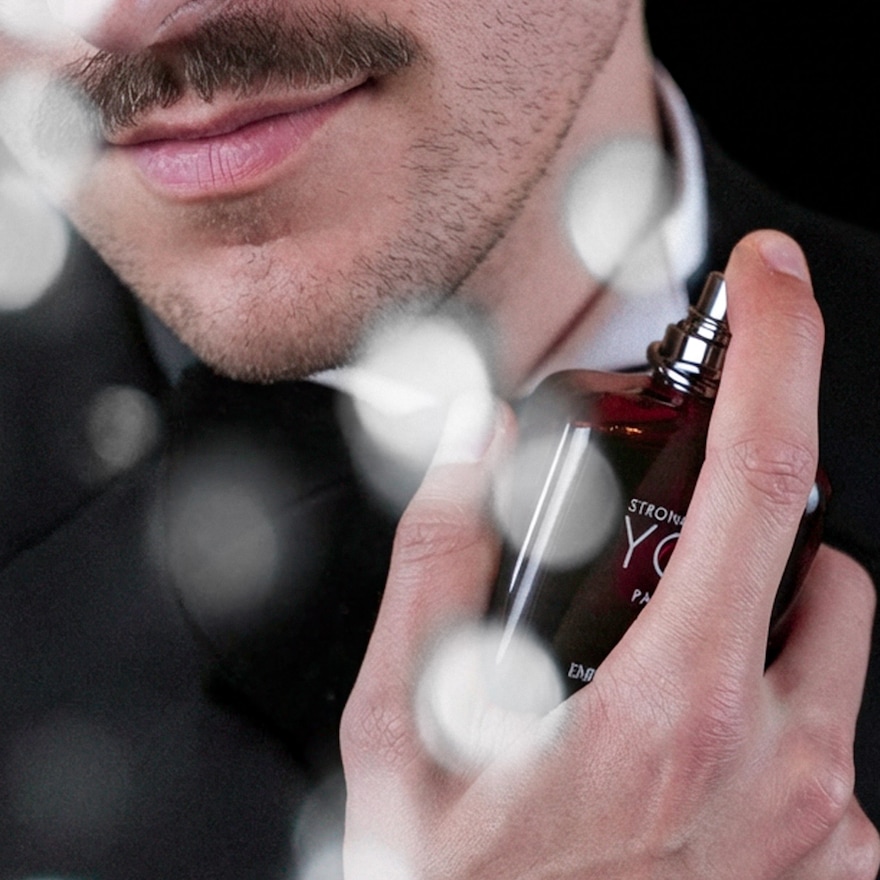
Formula 1 drivers are among the most recognizable athletes in the world, known not only for their precision on the track but also for their carefully managed public image off it. From tailored fashion choices to luxury watches and grooming routines, every detail contributes to how these global sports figures present themselves. In recent years, fans and lifestyle media alike have shown growing curiosity about a more personal detail: the fragrances Formula 1 drivers choose to wear. While performance defines their careers, scent plays a quieter yet meaningful role in their off-track identity.
Luxury Fragrance as Part of the F1 Lifestyle
The interest in Formula 1 drivers’ perfume choices reflects a broader fascination with the luxury lifestyle surrounding the sport. Drivers frequently partner with premium brands and appear at high-profile events where presentation matters. Retail platforms such as Parfumdreams have observed increased interest in high-end fragrances often associated with motorsport culture, reinforcing the idea that scent has become part of modern athlete branding. For fans, discovering the colognes/perfumes linked to their favorite drivers offers a sense of connection to a world that otherwise feels distant and exclusive.
Do Formula 1 Drivers Publicly Share Their Cologne Choices?
Unlike watches, cars, or clothing, colognes and perfumes are rarely disclosed explicitly by drivers. Most Formula 1 professionals keep their fragrance preferences private, and there are few confirmed statements about specific scents they wear. However, interviews, brand partnerships, and lifestyle features occasionally provide clues. In some cases, drivers have been linked to luxury fragrance houses through sponsorships or fashion collaborations, suggesting alignment with certain scent profiles rather than direct confirmation of daily use.
This level of ambiguity has only fueled public interest. Fans often speculate based on a driver’s personality, nationality, or personal style, turning fragrance discussions into part of wider lifestyle conversations rather than factual declarations.
How Personality and Image Influence Fragrance Choices
Fragrance selection is deeply personal and often reflects character traits. In Formula 1, drivers are known for distinctly different personas. Some project a calm, understated image, while others embrace boldness and charisma. These contrasts naturally influence assumptions about fragrance preferences. A driver known for precision and discipline may gravitate toward clean, refined scents, while a more expressive personality may favor intense, statement-making colognes and perfumes.
Lifestyle experts note that athletes at this level often choose fragrances that align with confidence and longevity rather than novelty. Long-lasting compositions that transition well from daytime commitments to evening appearances are particularly popular among high-profile individuals with demanding schedules.
The Role of Sponsorships and Brand Associations
Brand partnerships play a significant role in shaping public perceptions of what Formula 1 drivers wear, including fragrance. Many drivers collaborate with luxury fashion houses that also produce cologne and perfumes. While this does not guarantee personal use, these associations influence consumer assumptions. When a driver becomes the face of a luxury brand, fans often interpret that partnership as a reflection of personal taste.
Fragrance brands benefit from this association as well. Motorsport conveys speed, precision, and excellence—qualities that translate well into luxury marketing. Even without explicit endorsements, the visual and cultural connection between Formula 1 and premium fragrance remains strong.
Regional Influences on Scent Preferences
Formula 1 is a global sport, and drivers come from diverse cultural backgrounds. Regional fragrance preferences can influence personal taste. European drivers may lean toward classic eau de parfums rooted in traditional perfumery, while those from warmer climates might prefer fresher compositions suited to heat and travel. These cultural nuances contribute to the intrigue surrounding driver fragrance choices.
As drivers travel extensively throughout the season, practicality also matters. Scents that perform well across different climates and environments are often favored. This functional approach mirrors the performance-driven mindset seen on the racetrack.
Why Fans Are Increasingly Interested in Driver Grooming Habits
The rise of social media has changed how fans engage with Formula 1 personalities. Formula 1 drivers have a huge female fanbase and they tend to be more interested in every aspect of a driver’s life. Drivers now share more glimpses of their daily routines, fashion choices, and personal moments. This transparency has extended interest beyond racing statistics to lifestyle habits, including grooming and fragrance.
Cologne and perfume, in particular, appeal to fans because they are accessible. While driving a Formula 1 car is unattainable for most, wearing the same fragrance as a favorite driver feels achievable. This relatability factor has helped fragrances become part of broader fan culture discussions.
Media Speculation and Fragrance Culture
Lifestyle magazines and online platforms frequently explore the topic of celebrity fragrances, and Formula 1 drivers are no exception. These features often combine informed speculation with analysis of a driver’s public image. While not definitive, such articles shape popular narratives and influence purchasing decisions among fans.
This trend reflects the growing intersection between sport, fashion, and lifestyle media. Formula 1 drivers are no longer viewed solely as athletes but as global influencers whose choices, real or perceived, impact consumer behavior.
Cologne and Perfume as a Symbol of Confidence and Routine
For elite athletes, routine plays a crucial role in performance and mental focus. Many rely on consistent habits to maintain stability amid intense competition. Fragrance can be part of that routine, offering familiarity and confidence before public appearances or high-pressure events.
Although drivers rarely discuss this aspect openly, experts in sports psychology suggest that sensory cues, including scent, can contribute to mental preparedness. This perspective adds depth to the fascination with what colognes Formula 1 drivers might choose.
Impact on the Luxury Fragrance Market
Interest in Formula 1 drivers’ lifestyle choices has a tangible impact on the fragrance market. Searches for luxury men’s colognes often spike around major racing events, particularly when drivers appear in fashion or lifestyle features. The association with elite performance enhances the aspirational appeal of premium scents.
Retailers and fragrance houses are increasingly aware of this crossover potential. Motorsport-themed campaigns and partnerships are becoming more common, further blending the worlds of racing and luxury perfumery.
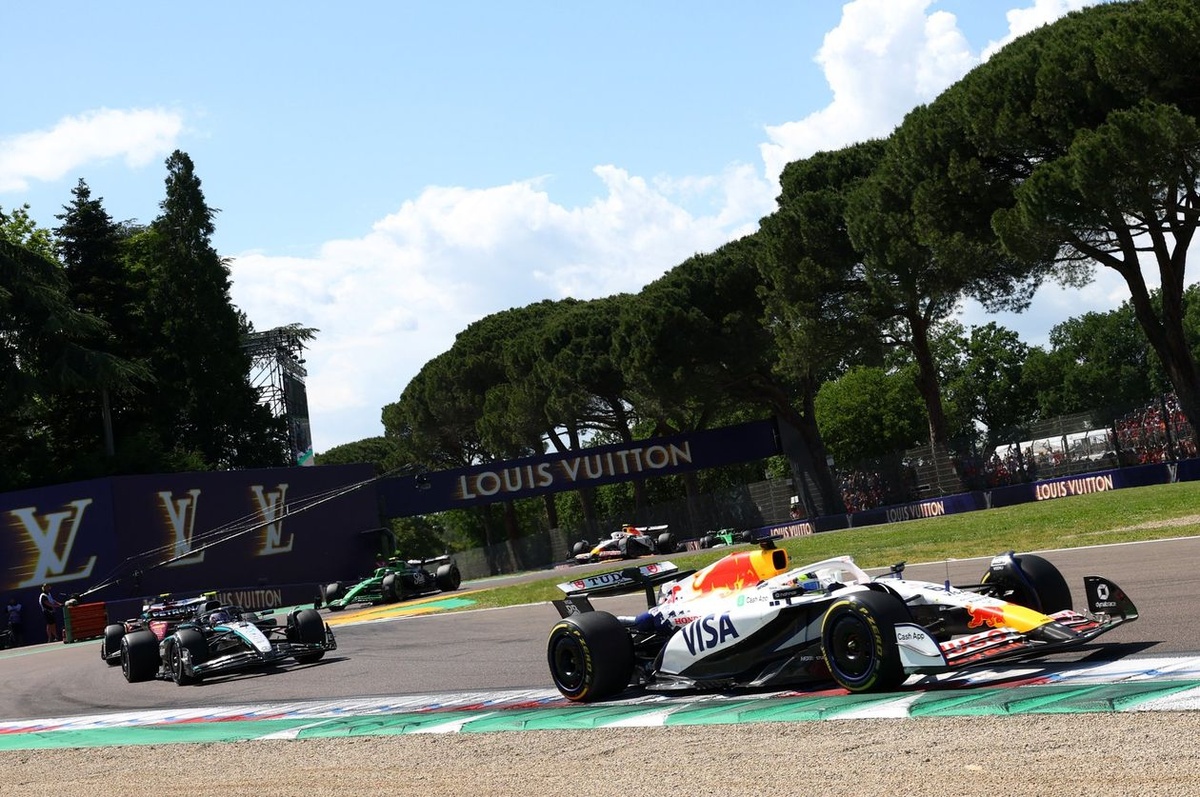
The 2025 Formula 1 season welcomed an unusually high number of rookies onto the grid which provided a focus point throughout the campaign.
While some of the rookies starred, others floundered and some didn’t even make it to the end of the season. Here’s who our writers have picked as the standout rookie of the year.
To be fair to the rookie class of F1 2025, they were all pretty solid. Andrea Kimi Antonelli, for example, claimed a couple podiums and a Miami sprint pole to show great promise at just 18 years old when he made his debut. Then there is Isack Hadjar, who again claimed a podium and ended up with a Red Bull promotion for 2026.
But perhaps the more left-field choice for best rookie is Gabriel Bortoleto and that’s who I’m going for. Yes, he spent much of the season towards the back, but he was in a Sauber and it is his qualifying record which stands out.
The 21-year-old ended the campaign level with Nico Hulkenberg in the team-mate head-to-head battle (12-12, 15-15 with sprints) and how impressive that is cannot be understated, considering the quality and experience of the German. I would thus argue that Bortoleto being level with him is more impressive than Hadjar having a number over Liam Lawson.
Andrea Kimi Antonelli – Jake Boxall-Legge
Everyone’s going to say Isack Hadjar here and I don’t disagree with that sentiment, but for the sake of variety I’ll say something different and say Antonelli. The highly-rated Italian was incredibly close to Russell, one of the season’s star performers, in terms of qualifying pace and race performance across the final rounds of the year.

Andrea Kimi Antonelli, Mercedes
Photo by: Andy Hone/ LAT Images via Getty Images
Rookie seasons do not need to be flawless, and nor should they be; while drivers are expected to step up to the highest level and perform, mistakes and errors are a vital part of their learning. And Antonelli went through that arduous process across the European leg of the season, hurt by Mercedes’ rear-suspension updates that took away the familiarity of this year’s W16 and led Antonelli into a spiral. That he was able to recover, supported by the team, demonstrated that he was able to turn the corner and rebuild his waning confidence.
That’ll serve him well in his second season; if the going gets tough as Antonelli gets his head around the new regulations, he’ll at least be able to lean on the confidence that he can recapture his form.
And let’s not forget his podiums in Montreal, Brazil, and his recovery from 17th to third in Las Vegas after an extended stint on the hard tyres. He’s shown more than just glimmers of potential, and the target now will be to match Russell on a much more regular basis.
Isack Hadjar – Owen Bellwood
The crop of rookies that entered Formula 1 in 2025 was strong – especially when you consider that just one new racer will join the grid next year and there were no full-time rookies in 2024. Pundits were right to laud Sauber’s Garbiel Bortoleto for his consistency over the season, and Mercedes’ Andrea Kimi Antonelli has shown flashes of brilliance over the year, but form me there’s no question that Isack Hadjar has been the rookie of the season.
The Racing Bulls driver had a rough start to the year, crashing on the formation lap of the Australian Grand Prix and suffering the wrath of Helmut Marko in the process. But rookie seasons are about learning from mistakes, and boy did he.
After a tearful hug with Lewis Hamilton’s father in Melbourne, Hadjar kicked off his season proper in China, where he out-qualified and out-raced his much more experienced team-mate: Yuki Tsunoda in the grand prix. His season was then punctuated by impressive points finishes and even a podium at the Dutch Grand Prix. He ultimately finished the year as the second-best Red Bull driver behind Max Verstappen and earned a promotion to the senior team for 2026.
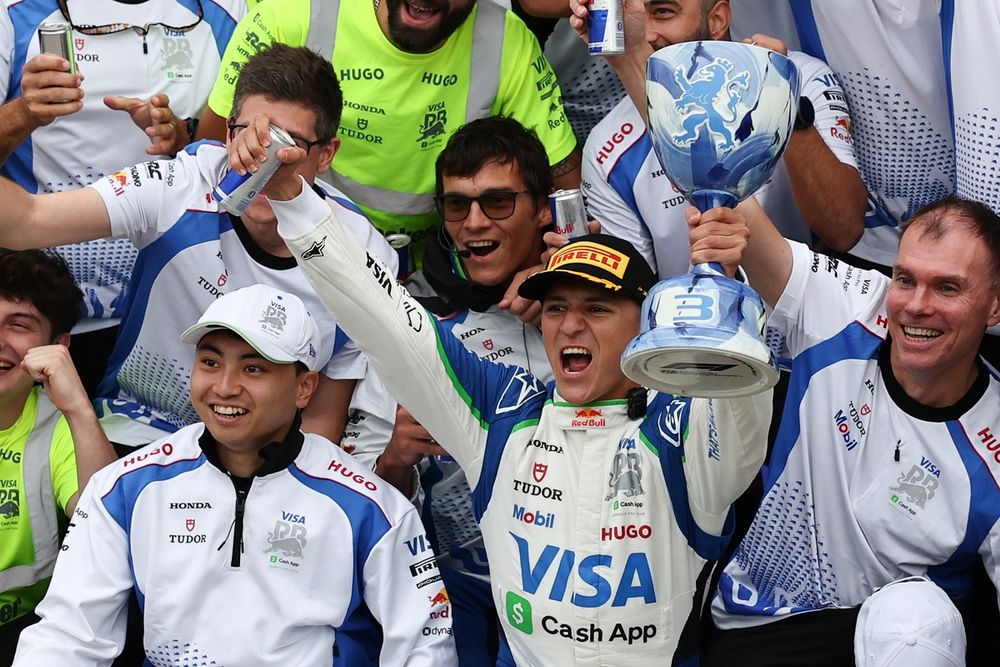
Isack Hadjar, Racing Bulls, Alan Permane, Racing Bulls
Photo by: Jakub Porzycki / NurPhoto / Getty Images
For the first time in what feels like years, Hadjar is a driver who may have been promoted through the Red Bull junior programme at the right pace – now he just has to prove that the curse of the senior team’s second seat isn’t actually real.
Andrea Kimi Antonelli – Ben Vinel
There’s obviously a strong case to make for Isack Hadjar, but I’m willingly going a bit left-field with Andrea Kimi Antonelli here.
Antonelli was F1’s third-youngest driver ever and reached the category with extremely little experience relative to most rookies. He skipped F3, spent just one year in F2, and had a chunk of testing in older F1 cars prior to his debut.
Starting out in a top team was a tall order, and strong performances in the opening rounds – including sprint pole in Miami – made way for midseason struggles. Antonelli was feeling the pressure at Mercedes despite the team trying to ease it, as displayed by his misty eyes after a double Q1 exit at Spa-Francorchamps.
Yet, the wonderkid bounced back in the latter part of the season, becoming a consistent points scorer and clinching two consecutive podium finishes in Las Vegas and Sao Paulo – the first one somewhat coincidental after the McLarens were disqualified.
This is encouraging and will leave us excited to see more.
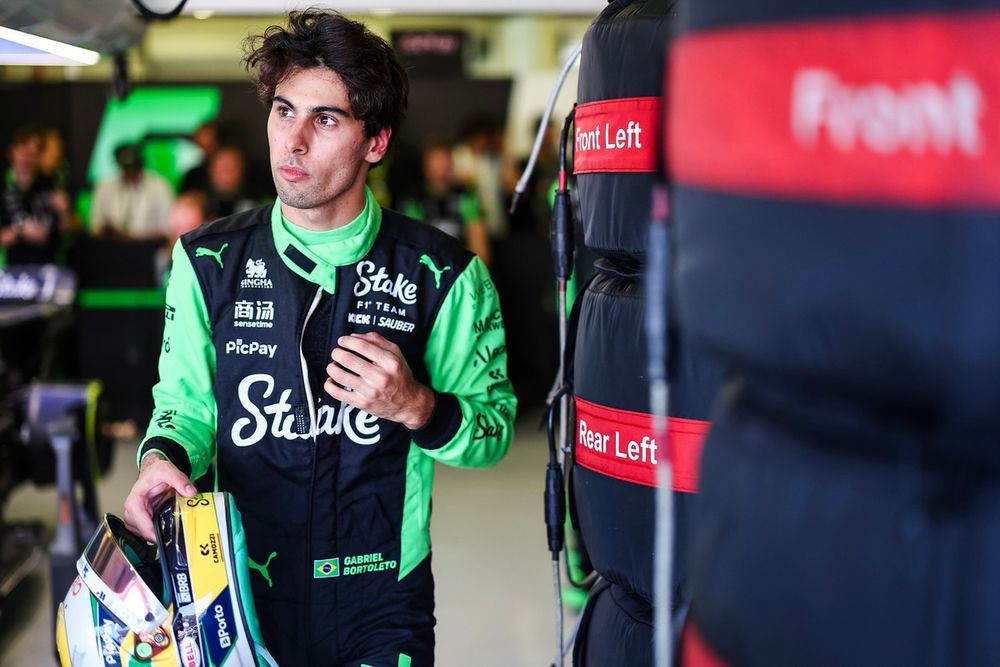
Gabriel Bortoleto, Sauber
Photo by: Andy Hone/ LAT Images via Getty Images
Gabriel Bortoleto – Filip Cleeren
Without looking, I imagine several colleagues will go for Isack Hadjar and that’s probably objectively the right call. But I am going for a slightly less heralded option. Gabriel Bortoleto really impressed me from day one with his attitude. When other youngsters were apprehensive about making their F1 debut in the wet in Melbourne, Bortoleto welcomed it as an opportunity to make a difference. Why worry about circumstances beyond your control anyway?
Going from the front of the field in the feeder series to the back of the grid in F1 was hard to take for the Brazilian F2 champion, but Sauber’s Barcelona upgrade started giving him a few chances to shine. Along with several points finishes, Bortoleto really wowed us in qualifying, defeating one-lap specialist Hulkenberg eight times in a row and going on to finish 15-15 in head-to-head qualifying duels. Ask anyone at Sauber – I guess we should start saying Audi – and they all couldn’t be happier with the 21-year-old’s work ethic.
Have there been rookie errors? Absolutely, just look at the character-building weekend he had at home in Sao Paulo. But that all goes into his bank of experience and he will be a better driver for it in year two.
We want your opinion!
What would you like to see on Motorsport.com?
Take our 5 minute survey.
– The Motorsport.com Team

Philly Athletes That Gave Back Big in 2025

Oak Ridge police investigating death of 2-year-old boy

FOX 11 Storm Chaser checks out road conditions in Winter Storm Diego

Youth Soccer | News, Sports, Jobs

Built for the moment: Sienna Betts’ rise with USA in 2025

UNT Student-Athletes Boast Record Setting G.P.A.

College Basketball Rankings: Coaches Poll Top 25 updated after Week 8

Petrino’s Friend Found a Workaround to Pay Taylen Green That’s Now Prohibited by NCAA

Mass Exodus at LSU could be big opportunity for Kentucky

Red Raiders arrive for CFP Quarterfinal at the Orange Bowl

Marblehead sports moments of 2025

NIL’s Mercenary March of College Football Athletes

Nevada youth rank last in sports participation. Will rising costs make it worse?

Nevada youth rank last in sports participation

Victims scammed by people posing as members of youth sports team at West Town Mall: KPD

SoundGear Named Entitlement Sponsor of Spears CARS Tour Southwest Opener

Donny Schatz finds new home for 2026, inks full-time deal with CJB Motorsports – InForum

Black Bear Revises Recording Policies After Rulebook Language Surfaces via Lever

Bowl Projections: ESPN predicts 12-team College Football Playoff bracket, full bowl slate after Week 14

Men’s and Women’s Track and Field Release 2026 Indoor Schedule with Opener Slated for December 6 at Home

David Blitzer, Harris Blitzer Sports & Entertainment

How Donald Trump became FIFA’s ‘soccer president’ long before World Cup draw

Michael Jordan’s fight against NASCAR heads to court, could shake up motorsports

Rick Ware Racing switching to Chevrolet for 2026

DeSantis Talks College Football, Calls for Reforms to NIL and Transfer Portal · The Floridian
Elliot and Thuotte Highlight Men’s Indoor Track and Field Season Opener

JR Motorsports Confirms Death Of NASCAR Veteran Michael Annett At Age 39

23 عاما من الفضائح السياسية والجنسية منذ انقلاب حمد بن خليفة.. استغلال الفتيات الصغيرات في الدعارة.. ضبط ابنة رئيس وزراء قطر خلال ممارستها لجنس الجماعي.. ملامح الحكم تتخبط بين المنفي وتدخلات النساء

Colleges ponying up in support of football coaches, programs

#11 Volleyball Practices, Then Meets Media Prior to #2 Kentucky Match





-
 Motorsports3 weeks ago
SoundGear Named Entitlement Sponsor of Spears CARS Tour Southwest Opener
-
 NIL3 weeks ago
DeSantis Talks College Football, Calls for Reforms to NIL and Transfer Portal · The Floridian
-
 Sports2 weeks ago
#11 Volleyball Practices, Then Meets Media Prior to #2 Kentucky Match
-
 Motorsports2 weeks ago
Nascar legal saga ends as 23XI, Front Row secure settlement
-
 Motorsports2 weeks ago
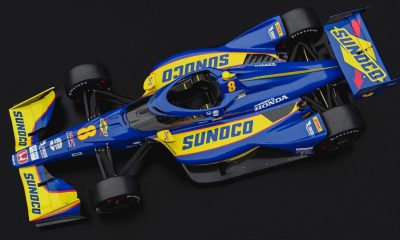
Sunoco to sponsor No. 8 Ganassi Honda IndyCar in multi-year deal
-
 Sports2 weeks ago
Maine wraps up Fall Semester with a win in Black Bear Invitational
-
 NIL3 weeks ago
Ed Orgeron: Paying players via NIL would only require a ‘minor adjustment’
-
 Rec Sports2 weeks ago
WNBA’s Caitlin Clark, Angel Reese and Paige Bueckers in NC, making debut for national team at USA camp at Duke
-
Motorsports3 weeks ago
NASCAR, 23XI Racing, Front Row Motorsports announce settlement of US monopoly suit | MLex
-
 Motorsports2 weeks ago
Ross Brawn to receive Autosport Gold Medal Award at 2026 Autosport Awards, Honouring a Lifetime Shaping Modern F1