
Motorsports
Indy 500 Sellout Assisted by Fox, Race Controversies

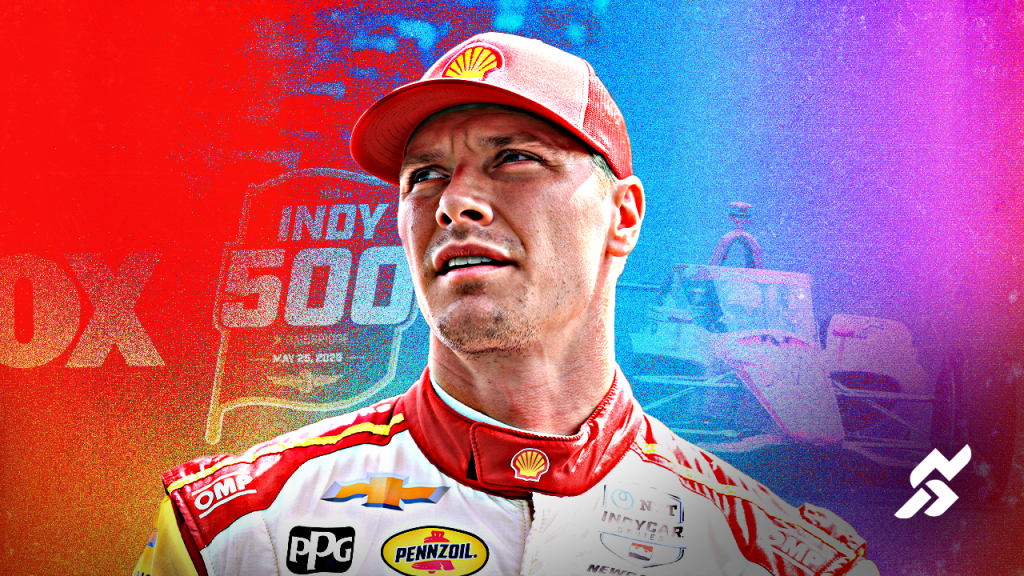
Thanks to an aggressive renewal policy, as well as excitement on the track last year, the Indianapolis 500 has sold out the grandstands for the first time in almost a decade.
Around 350,000 people will be on hand for “The Greatest Spectacle in Racing” at the Indianapolis Motor Speedway on Sunday, the first sellout since 2016.
“We’ve just worked really hard at continuing to engage our fans more, tell the stories about our drivers more,” Doug Boles, president of both the speedway and the IndyCar racing circuit, said in a phone interview.
Right after Team Penske’s Josef Newgarden bested Arrow McLaren’s Pato O’Ward in the final laps to win his second straight Indy 500 last year, the clock started ticking for fans who wanted to attend the race in 2025.
As soon as the race ends, fans have 500 hours (about 21 days) to renew tickets for the following year. Boles said that the renewal rate during that period was “significantly ahead year over year.”
Of the 232,000 permanent seats at the speedway, between 170,000 to 180,000 people secured seats during those initial 500 hours.
Many fans are looking to upgrade their seats or at least move to a different section during that three-week window. Since the organizers aren’t outsourcing ticket sales through Ticketmaster, SeatGeek and the like, all the shifting is done in-house.
Sales then reopen in late September for fans who did not renew in the spring. Finally, in mid-February, the last 50,000 tickets are sold, the second-biggest sales period for the event.
Selling out the grandstands means the local blackout of the race is lifted for just the eighth time ever, and fans at home in the Indianapolis market can watch the race live. That’s a small bonus for new broadcast partner Fox, which is supplanting NBC after the Peacock network aired the race for 16 years.
Boles praised NBC for advancing the TV production of IndyCar races, but he lauded Fox for bringing the overall IndyCar circuit closer to its affiliate stations, adding more promotional might to races and making the racing league “more of a household name.”
The sellout crowd will be showing up in the midst of controversy. During inspections, two of the three Team Penske cars (that of Newgarden and Will Power) were found to have an illegal modification to their rear crash structures. Boles announced that in addition to fines, both cars were penalized by being pushed to the back of the 33-car field.
Newgarden and Power, who qualified 11th and 12th respectively, lost the points they earned for those positions. On Wednesday, team owner Roger Penske fired his team’s top three executives: president Tim Cindric, managing director Ron Ruzewski and general manager Kyle Moyer.
In his statement about the dismissals, Penske cited last year’s scandal where his team’s cars had an illegal software for their “push to pass” engine boost. “We have had organizational failures during the last two years, and we had to make necessary changes,” he said. “I apologize to our fans, our partners and our organization for letting them down.”
Boles said the latest issue may not hurt IndyCar. “Certainly when there’s controversy, you get more eyeballs on you,” he said. “They’re more people talking about it, and you get outside of the endemic coverage and fans that you might have when the story becomes bigger than the on-track racing itself.”
He said watching how the Penske drivers adapt to starting in the rear may gin up fan interest. “I do think there are opportunities in challenges that allow us to grow.”
Editor’s note: The Indianapolis 500 race, IndyCar and the Indianapolis Motor Speedway are owned by Penske Entertainment Corporation, a subsidiary of Penske Corporation that is owned and operated by Roger Penske. Sportico is owned by Penske Media Corporation (PMC), operated by Jay Penske, Roger’s son. PMC operates independently of Penske Corporation.

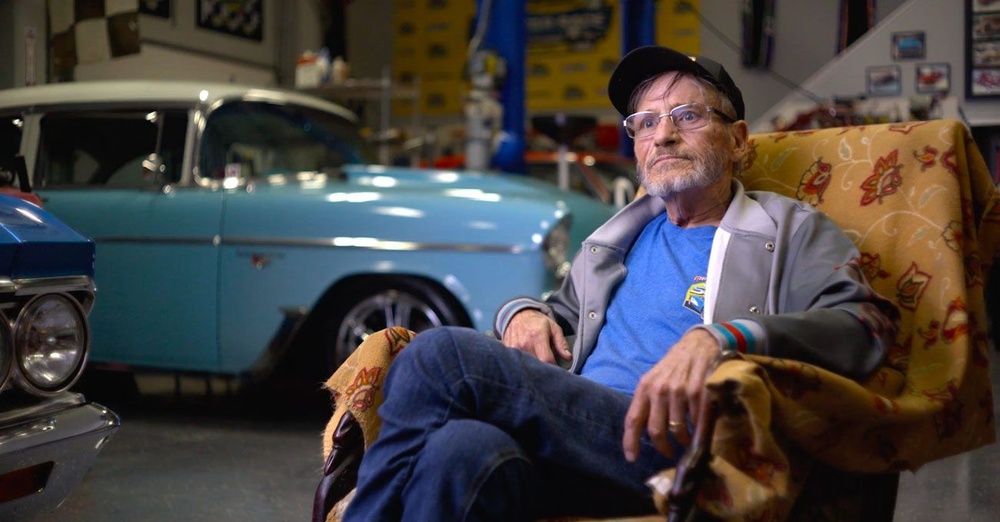
Dennis Hamlin, the father to NASCAR Cup Series veteran Denny Hamlin, died on Sunday evening when the house he shared with wife MaryLou in Stanley, North Carolina.
The elder Hamlin was 75-years-old.
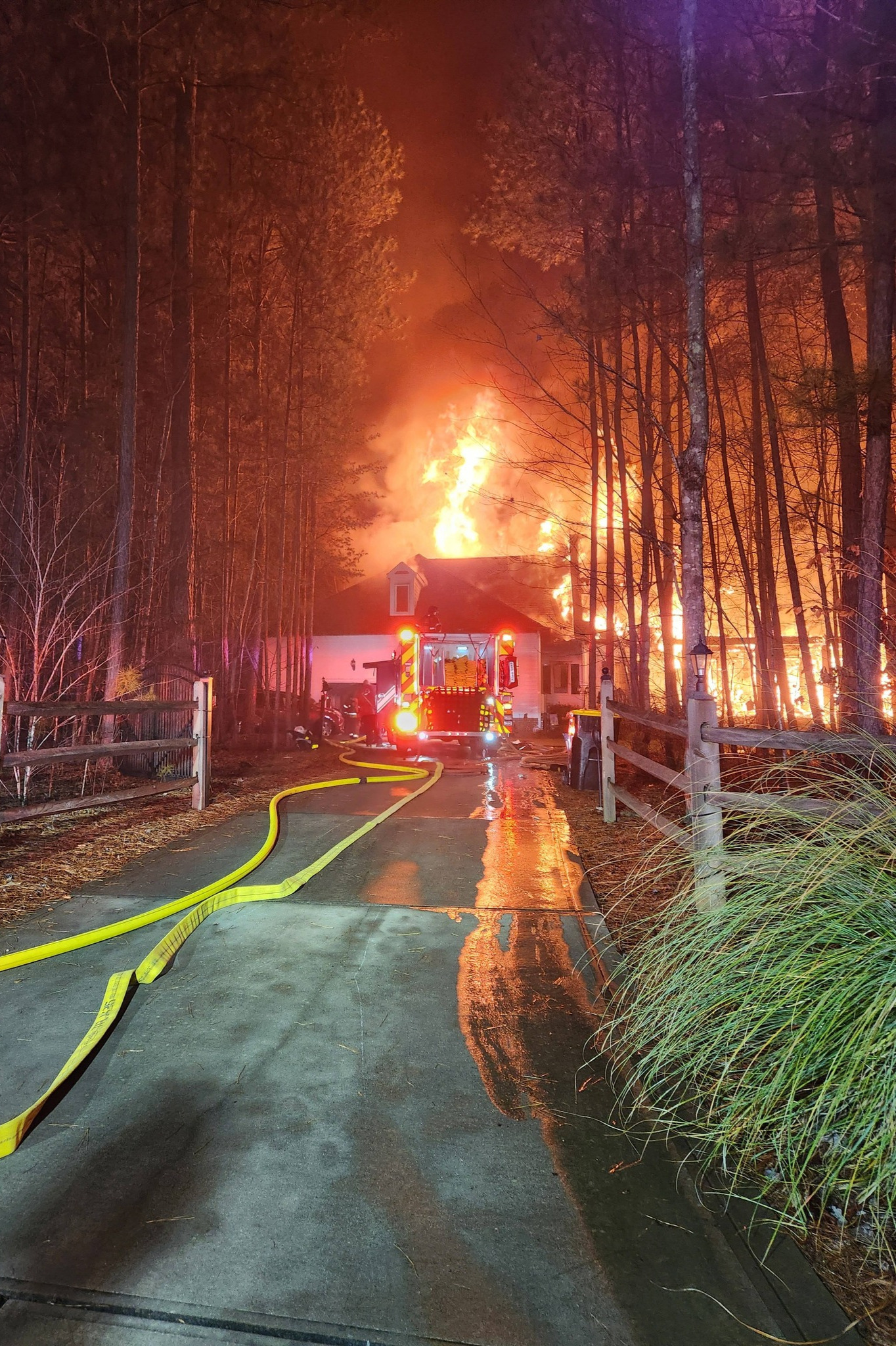
Both Dennis and MaryLou were outside of their still burning home when the Lucia-Riverbend Fire Department and other safety crews arrived to extinguish the flames. At this point, roughly 45 percent of the home was already on fire.
Both Hamlins were transported to a nearby hospital.
The Gaston County EMS confirmed on Monday night that Dennis had died and that MaryLou, 69, had been transferred to Atrium Health Wake Forest Baptist Burn Center in Winston-Salem, North Carolina where she is still being ‘actively treated’ and is in critical condition.
“Both suffered catastrophic injuries while escaping the flames,” read a statement from the Gaston County EMS.
Additionally, the EMS said the investigation into the cause of the fire is still ongoing and currently undetermined due to the structural damage and collapse of the home.
The property was owned by the Cup Series star, under his Won One Real Estate entity, and the 3,724 square-foot house was built in 2015. Dennis and Denny shared a strong bond, and the son referenced his love frequently over the years, but especially this past season as it was made public that the former was facing a life-ending ailment.
Denny said, while chasing his first championship this past season, that 2025 would be the last time his father would see him race for the Jim France Cup. Ultimately, Denny dominated the championship race and was three laps away from the elusive title when a caution and ensuing pit decision cost him that distinction.
In the days that followed, Denny said he spoke to his dad shortly thereafter, who told his son he was a champion in his eyes regardless.
Denny’s racing career was entirely made possible by Dennis and MaryLou putting practically every dollar they had into the cars their son raced in the hopes it would lead to a NASCAR career. Dennis owned Chesterfield Trailer and Hitch in Virginia and it was the largest de facto early sponsor for Denny until he was hired by Joe Gibbs Racing after a chance meeting between Denny and the late JD Gibbs.
Denny recently named his son Jameson Drew after both prominent JDs in his life — Jason Dean Gibbs and James Dennis Hamlin Sr.
We want your opinion!
What would you like to see on Motorsport.com?
Take our 5 minute survey.
– The Motorsport.com Team
Motorsports
Can EV Technology Compete in Motorsports? Inside the Electric Racing Future & EV Performance

Electric vehicles are no longer confined to city streets and commuter use. EV motorsports now operate as high-stakes laboratories where engineers push batteries, motors, and software to absolute limits under race conditions. These competitions are changing long-held assumptions about speed, endurance, and performance in professional racing.
As the electric racing future unfolds, EV performance metrics increasingly rival or exceed traditional combustion-based race cars. Instant torque, near-total energy efficiency, and rapid innovation cycles are forcing motorsport organizations and fans alike to rethink what competitive racing looks like in the coming decade.
Can EV Technology Compete in Motorsports?
EV motorsports already demonstrate that electric platforms can compete at elite levels of racing. Formula E cars accelerate from 0–60 mph in approximately 2.8 seconds, delivering up to 600 kW of peak power that rivals modern Formula 1 hybrid systems. This performance advantage comes from instant torque delivery, eliminating lag and gear-shift delays inherent in internal combustion drivetrains.
The electric racing future extends beyond paved circuits. Extreme E showcases electric SUVs climbing steep 250 kW off-road sections without thermal lag or mechanical stress from traditional engines. EV performance efficiency further strengthens competitiveness, converting roughly 99% of stored electrical energy into wheel motion, compared to combustion engines that waste most energy as heat through exhaust and cooling systems.
What Is Formula E and How Does It Work?
Formula E stands at the forefront of the electric racing future by enforcing strict efficiency and sustainability standards. Gen3 cars regenerate up to 40% of race energy through braking and aerodynamic downforce, surpassing traditional kinetic energy recovery systems. This regenerative focus rewards precision driving and strategic energy management rather than raw fuel consumption.
EV motorsports regulations also mandate sustainable tire compounds and tactical features like attack mode, which adds a 50 kW power boost at the cost of altered racing lines. EV performance remains consistent across 45-minute races thanks to dual-motor AWD systems, enabling lap times comparable to high-performance combustion sports cars while operating within tight thermal limits.
EV Performance Advantages and Challenges in the Electric Racing Future
Electric racing is no longer a simple comparison between electric and combustion engines. EV performance now sets new benchmarks in acceleration, efficiency, and thermal control, while also introducing fresh limitations tied to batteries and infrastructure. As the electric racing future evolves, strengths and constraints shape race strategy just as much as raw speed. Understanding both sides explains why EV motorsports are advancing rapidly but still face unique trade-offs.
- Instant acceleration advantage: EV performance dominates launch and mid-corner exits due to instant torque and the absence of multi-gear transmissions, reducing mechanical losses and improving reliability.
- Higher power density systems: Advanced axial-flux motors and silicon carbide inverters deliver superior power-to-weight ratios compared to many combustion race engines.
- Thermal stability edge: Liquid-cooled battery packs maintain consistent output lap after lap, while combustion engines suffer efficiency loss from rising oil and piston temperatures.
- Energy density limitation: Large battery packs add significant weight, reducing race duration flexibility compared to lightweight liquid fuel systems.
- Strategic energy management: EV motorsports require lift-and-coast tactics and controlled pacing to balance speed with battery conservation.
- Infrastructure and fan engagement challenges: High-output charging demands precise battery preconditioning, while the lack of engine sound drives experimentation with synthetic audio solutions.
From EV Motorsports Innovation to Road Car Impact
Technological breakthroughs in EV motorsports rarely stay on the track. Racing environments accelerate development cycles, stress-testing hardware and software far beyond road conditions. As innovations mature, they rapidly filter into consumer vehicles, reshaping everyday driving experiences. This tight feedback loop is a defining advantage of the electric racing future.
- High-efficiency motor technology: Near-lossless electric motors developed in EV motorsports reduce driveline complexity and improve durability for road vehicles.
- Next-generation battery research: Solid-state and advanced lithium battery designs tested in racing promise longer lifespans, higher safety margins, and improved thermal stability.
- AI-driven vehicle control: Predictive traction control and regenerative braking algorithms enhance grip and efficiency, later improving stability systems in consumer EVs.
- Wireless and rapid charging concepts: Experimental track-based charging systems influence future fast-charging standards for public infrastructure.
- Race-proven hardware adoption: Inverters, steering-by-wire, and brake-by-wire systems transition directly from competition to high-performance road cars.
- Software-first performance upgrades: Over-the-air updates enable continuous EV performance improvements, mirroring motorsport-style development cycles for consumers.
Conclusion
EV motorsports prove that electric racing future concepts are not theoretical but operational today. Superior EV performance in efficiency, torque delivery, and thermal stability positions electric platforms as genuine competitors rather than experimental alternatives. Racing environments accelerate innovation in ways traditional automotive development cannot replicate.
As technologies mature, lessons from electric racing will increasingly shape mass-market vehicles. The convergence of sustainability and speed ensures that EV motorsports remain central to the future of competitive racing and everyday transportation alike.
Frequently Asked Questions
1. Can EVs really outperform gasoline race cars?
Yes, EVs excel in acceleration due to instant torque and simplified drivetrains. They also convert energy far more efficiently than combustion engines. Over short and medium race distances, EV performance often surpasses gasoline counterparts. Endurance remains the main area where ICE still holds advantages.
2. Why is Formula E important to EV development?
Formula E serves as a controlled testing ground for batteries, motors, and energy management systems. Technologies proven in races are quickly adapted for consumer vehicles. This short feedback loop accelerates EV performance improvements. It also promotes sustainability-focused innovation.
3. What limits the electric racing future today?
Battery energy density and charging infrastructure remain the biggest constraints. Heavy battery packs affect vehicle weight and race length. Charging logistics add strategic complexity. However, ongoing research continues to reduce these limitations.
4. How does EV motorsports benefit everyday drivers?
Racing innovations improve battery durability, software control, and thermal management. These upgrades enhance range, reliability, and safety in consumer EVs. Motorsport testing also speeds up adoption of new technologies. As a result, road cars improve faster than through conventional development alone.

A dozen girls whizzed around a karting track during a special test day in Nottingham, England, part of a pioneering drive to draw women into motorsports and maybe even race to the top in male-dominated Formula One.
Italian Lella Lombardi was the last woman to compete in a F1 Grand Prix in 1976, and the absence of women on the circuit is linked to young girls’ limited exposure to motorsports, according to gender parity organisations.
More Than Equal, a non-profit that supports women drivers, said girls start karting two years later than boys on average. Seven-time F1 champion Lewis Hamilton, for example, started karting aged just eight.
“We know that the pathway for female drivers hasn’t successfully got a woman into Formula One competitively in the last 50 years,” More Than Equal’s head of driver development, Lauren Forrow, said.
That means girls are “not thriving within” the current system, she said.
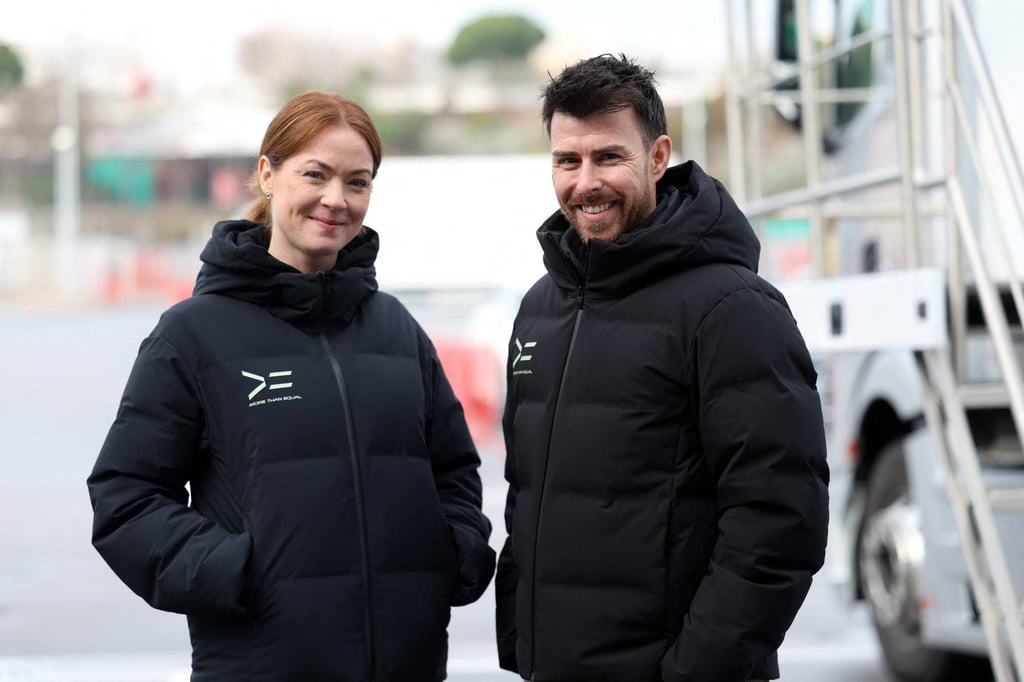
The organisation has pledged to “make history” by training a woman not just to compete but to win.
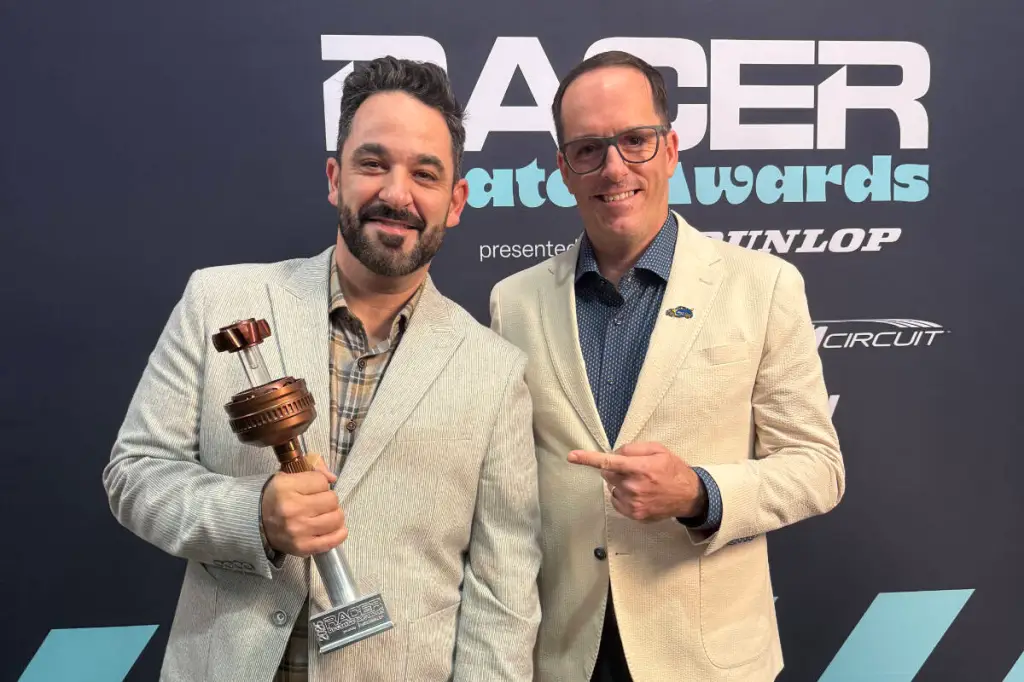
Port Alberni filmmaker wins award for motorsport media
Published 5:30 am Tuesday, December 30, 2025
Port Alberni’s Warwick Patterson and his production company, Formula Photographic Inc., based in the city have earned the RACER Creator Award for their work on Subaru Launch Control, a long-running documentary series produced for Subaru Motorsports.
The award recognizes excellence in storytelling and production in motorsport media.
Subaru Launch Control is on its 13th season and takes a behind-the-scenes look at Subaru’s factory racing efforts, following drivers Travis Pastrana, Brandon Semenuk and Scott Speed through the challenges, triumphs, and chaos of top-level competition. The series focuses on authentic storytelling, cinematic visuals and the human side of motorsports. Over those 13 seasons there have been more than 160 episodes and the series has a worldwide audience.
“This award means a lot because it recognizes not just Subaru’s commitment, but the creative effort that goes into telling these stories,” said Patterson in a news release. “It’s great to see work produced from right here in Port Alberni reach audiences around the world.”
The RACER Creator Awards were made to honour the best in motorsport filmmaking, photography and digital storytelling across North America. Winners are selected by an independent panel of industry professionals for their innovation and impact.
New episodes of Subaru Launch Control are available on YouTube at youtube.com/Subaru.
Alongside managing his production company, Warwick Patterson is also active in the local community as owner of the Vancouver Island Soaring Centre and a board member of the Alberni Valley Tourism Association.
Note: The Penske Entertainment editorial staff is looking back at the five biggest moments of 2025 in INDY NXT by Firestone in this year-end series, with one installment appearing on the site per day in countdown fashion from Dec. 27-31.
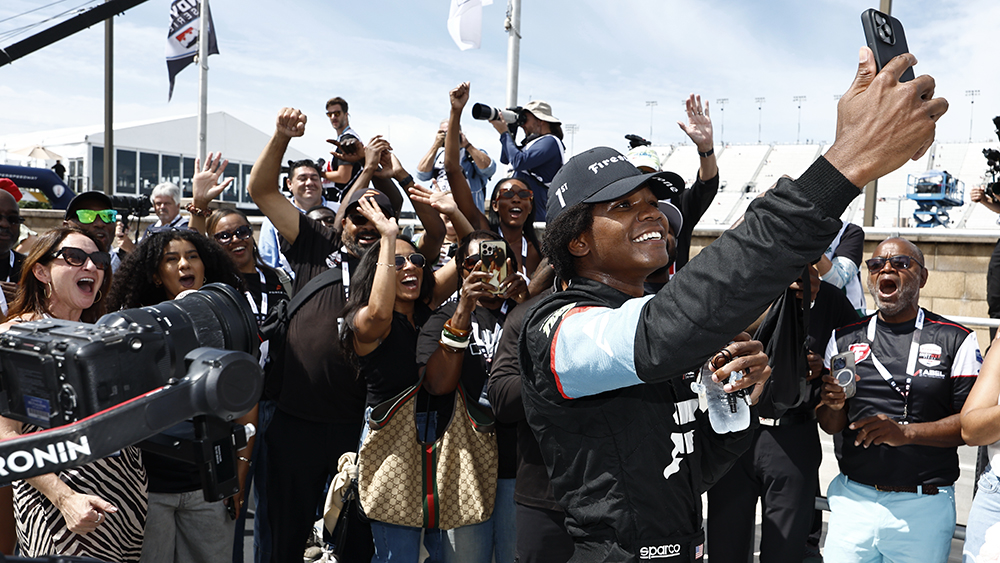
Myles Rowe ended the 2025 INDY NXT by Firestone season in style, scoring a commanding victory in the season finale Aug. 31 at Nashville Superspeedway.
Rowe led 20 of 65 laps to earn his second career win in the INDYCAR development series – both coming during a breakout 2025 season.
That feat marked a satisfying conclusion to a year defined by growth and resilience. ABEL Motorsports originally signed Rowe following a difficult rookie INDY NXT campaign with HMD Motorsports/Force Indy in 2024, when he went winless in 14 starts despite entering the series as the reigning USF Pro 2000 champion.
In 2025, he rewarded ABEL’s confidence by delivering two wins in his final six races, providing a timely boost to his upward trajectory.
Winning once – his breakthrough July 12 triumph at Iowa Speedway – would have been meaningful on its own. Winning twice made a stronger statement.
“It’s nice when the results start to match what you believe in your heart,” Rowe said.
Rowe’s rise has been anything but typical. After beginning in karting, he advanced to the Lucas Oil Formula Car Race Series in 2017 and 2018, but financial limitations forced him to step away in 2019. The COVID-19 pandemic further complicated sponsorship prospects, and Rowe shifted his focus to photography while attending Pace University, unsure if he would ever return to racing.
That changed with the launch of Penske Entertainment’s Race for Equality & Change initiative in 2020, which created new pathways for minorities and women in motorsports. From that effort, Force Indy was established. In 2021, Rod Reid – founder of NXG Youth Motorsports – offered Rowe a lifeline with a USF2000 opportunity.
Rowe seized it, becoming the first Black driver to win a race in the series with a breakthrough victory at New Jersey Motorsports Park. He remained in USF2000 in 2022 with Pabst Racing, while Force Indy moved up to INDY NXT. Rowe delivered five wins that season and finished just six points short of the championship, placing second to Michael d’Orlando.
His ascent continued in 2023 with Pabst and continued Force Indy support in USF Pro 2000. Five more wins secured the title and made Rowe the first Black driver to win a North American open-wheel championship.
That achievement earned him a career enhancement scholarship to step up to INDY NXT in 2024. But his rookie year proved challenging, as he finished 11th in the standings. In 2025, he rebounded convincingly with six podium finishes, including an impressive 2.5 average finish across four oval starts. He added three podiums on road and street circuits, underscoring his versatility.
Rowe returns to ABEL Motorsports in 2026, aiming for the championship.

Competitive Tennis Powers a Business Mindset

Dennis Hamlin, father to NASCAR racer Denny Hamlin, dies in house fire

No. 1 transfer portal player heavily linked to major college football program

Can EV Technology Compete in Motorsports? Inside the Electric Racing Future & EV Performance

Practice grind begins for Hawaii men’s volleyball team

Driver Development Programme aims to provide girls with support to enter motorsports
The making of Indiana QB and Heisman winner Fernando Mendoza

Andrea Roman Signs With Wake Forest Volleyball

Port Alberni filmmaker wins award for motorsport media

Why Georgia hasn’t slipped amid college football’s changes — it starts with Kirby Smart
Vote in the Lakeshore Elite volleyball player of the year poll

Titus Sherlock’s Late-Season Surge Leads to FR…

Middlebrook Pike closed due to struck gas line

Meet the 2025 Press-Register All-Region volleyball team

Myles Rowe Breaks Through With Historic First Win

SoundGear Named Entitlement Sponsor of Spears CARS Tour Southwest Opener

Donny Schatz finds new home for 2026, inks full-time deal with CJB Motorsports – InForum

Black Bear Revises Recording Policies After Rulebook Language Surfaces via Lever

Bowl Projections: ESPN predicts 12-team College Football Playoff bracket, full bowl slate after Week 14

Men’s and Women’s Track and Field Release 2026 Indoor Schedule with Opener Slated for December 6 at Home

David Blitzer, Harris Blitzer Sports & Entertainment

How Donald Trump became FIFA’s ‘soccer president’ long before World Cup draw

Michael Jordan’s fight against NASCAR heads to court, could shake up motorsports

DeSantis Talks College Football, Calls for Reforms to NIL and Transfer Portal · The Floridian

Rick Ware Racing switching to Chevrolet for 2026
Elliot and Thuotte Highlight Men’s Indoor Track and Field Season Opener

JR Motorsports Confirms Death Of NASCAR Veteran Michael Annett At Age 39

23 عاما من الفضائح السياسية والجنسية منذ انقلاب حمد بن خليفة.. استغلال الفتيات الصغيرات في الدعارة.. ضبط ابنة رئيس وزراء قطر خلال ممارستها لجنس الجماعي.. ملامح الحكم تتخبط بين المنفي وتدخلات النساء

#11 Volleyball Practices, Then Meets Media Prior to #2 Kentucky Match

Colleges ponying up in support of football coaches, programs





-
 Motorsports3 weeks ago
SoundGear Named Entitlement Sponsor of Spears CARS Tour Southwest Opener
-
 NIL3 weeks ago
DeSantis Talks College Football, Calls for Reforms to NIL and Transfer Portal · The Floridian
-
 Sports3 weeks ago
#11 Volleyball Practices, Then Meets Media Prior to #2 Kentucky Match
-
 Motorsports3 weeks ago
Nascar legal saga ends as 23XI, Front Row secure settlement
-
 Motorsports3 weeks ago
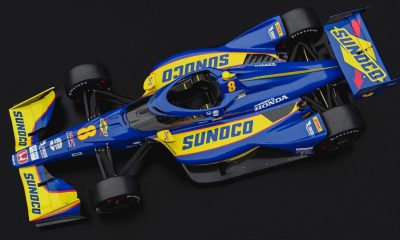
Sunoco to sponsor No. 8 Ganassi Honda IndyCar in multi-year deal
-
 Sports2 weeks ago
Maine wraps up Fall Semester with a win in Black Bear Invitational
-
 Rec Sports3 weeks ago
WNBA’s Caitlin Clark, Angel Reese and Paige Bueckers in NC, making debut for national team at USA camp at Duke
-
Motorsports3 weeks ago
NASCAR, 23XI Racing, Front Row Motorsports announce settlement of US monopoly suit | MLex
-
 Motorsports2 weeks ago
Ross Brawn to receive Autosport Gold Medal Award at 2026 Autosport Awards, Honouring a Lifetime Shaping Modern F1
-

 Sports3 weeks ago
Woods, Ogunribido Named CCIW Women’s Indoor Track & Field Student-Athletes of the Week