
NIL
JMU Football Transfer Portal Tracker (2024-25)

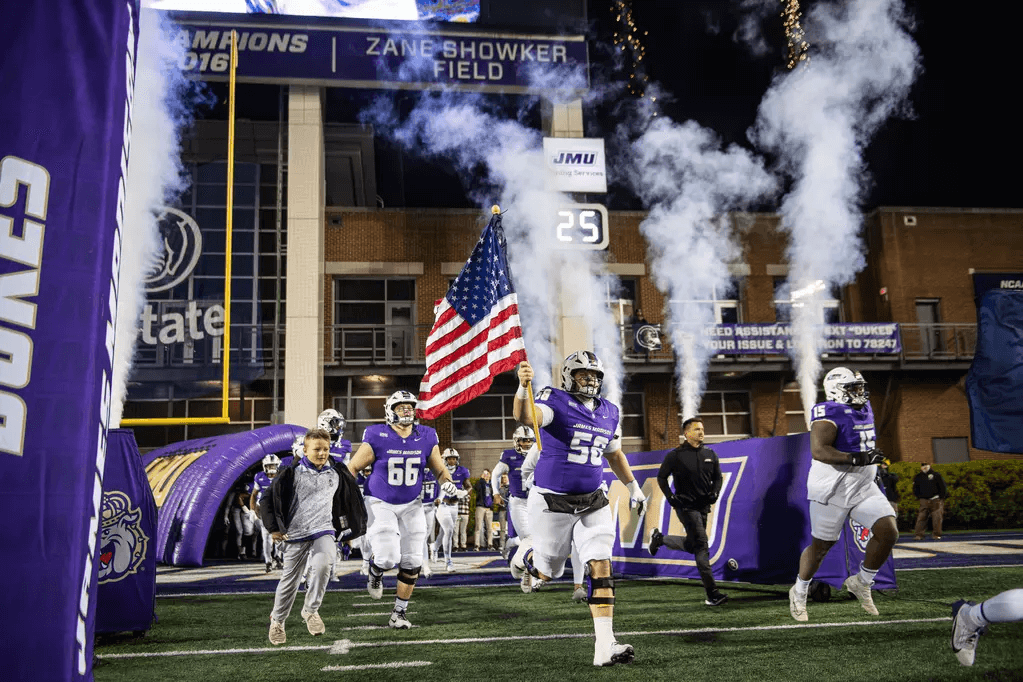
It’s transfer portal season! The Dukes went 8-4 in the 2024 regular season, and they’ll hope to build on their successes in 2025. A big 2025 season will come down largely to roster management. Can the Dukes retain their best players? Can they add new contributors?
Let’s track the portal.

Transfer Additions
Spring additions
Jordan Fuller, RB (6’0 and 230 lbs), Holy Cross — He’s coming off a season-ending injury, but when healthy he’s solid. He has 44 career rushing TDs, including a two-touchdown performance against Boston College in 2023. He would do well in JMU’s offense, which uses 3-5 running backs per game. Between Jobi Malary and Fuller, the Dukes have one of the best short-yardage tandems at RB in the Sun Belt.
James Pogorelc, OT (6’8 and 300 lbs), Stanford/Duke — While the graduate transfer has only played 71 career offensive snaps at the Power Four level, the former four-star recruit is a sweet addition by JMU’s coaches. Pogorelc has Power Four experience, and he gives JMU added depth at left tackle to compete with returner Joseph Simmons. The big-bodied linemen should be well-suited for the Group of Five level, and it’s possible he has two years of eligibility left depending on NCAA approval of a waiver request. Pogorelc is a Virginia native.
Andrew VanSlyke, P (6’4 and 215 lbs) – The Dukes backup punter in 2024, VanSlyke isn’t so much an addition as he is a returner. He exited the portal recently and will return to the Dukes in 2025, which is meaningful as he can play both punter and kicker. He’s a great depth piece and developmental prospect on special teams, with a chance to earn the starting punter job in the near future.
Isaiah Alston, WR (6’4 and 205 lbs), Army/Iowa State — He might be JMU’s most impactful spring addition. Alston is a big-bodied WR with speed and game-changing ability as a deep threat. He played sparingly for the Cyclones after a great career at Army. He caught two passes for 52 yards for Iowa State in the team’s bowl game against Miami, and he had over 1,000 yards receiving in four seasons at Army. That’s impressive, given the fact that the service academy program rarely throws the football compared to FBS peers. He gives JMU an NFL-sized target on the outside. He’s entering his final year of college football.
Ken Willis, DB (5’11 and 190 lbs), Cincinnati — Willis recorded 23 tackles and two interceptions in 170 snaps in 2023 before only playing 20 snaps in 2024, per PFF. He’s lined up at both corner and safety during his career, and he gives JMU additional depth with two years of eligibility left. He should compete for time immediately, although it’s unclear exactly which position he’ll play for the Dukes in the defensive backfield.
Braeden Wisloski, WR (5’9 and 185 lbs), Maryland — A slot receiver and return specialist, Wisloski will help fill the role opened when Yamir Knight entered the portal. Wisloski is a top candidate to win JMU’s kickoff and punt return jobs. He returned a kickoff 98 yards for a touchdown against UVA in 2023, and Wisloski averaged over 8 yards per punt return in 2024. He only caught five passes for 75 yards in 2024, but he was on a Maryland team with multiple NFL prospects at WR. He has a high floor, given his special teams ability. He has two years of eligibility left.
Andrew Taddeo, DT (6’2 and 275 lbs), Colgate — This is a nice get for the Dukes in the spring portal, as Taddeo was one of the best FCS players available. He finished the 2024 season with 34 tackles, 7.5 tackles for loss and 5.5 sacks. He’ll earn playing time in the interior of the defensive line, and he has potential to be a starter alongside Immanuel Bush. Taddeo was also offered by App State, Charlotte, Miami Ohio, Coastal Carolina, Nevada and others. He has one year of eligibility left.
Winter additions
Cam McNair, OL (6’5 and 325 lbs), Holy Cross – McNair started at right tackle for the Crusaders in 2024, earning First Team All-Patriot League honors. At the very least, the graduate transfer will work into JMU’s offensive line rotation in his final collegiate season. He has starting potential and will be a factor once he arrives in Harrisonburg over the summer.
Chase Miller, WR (6’1 and 190 lbs), Stonehill – Miller caught 15 passes for 225 yards and three touchdowns at the FCS level in 2024. He’ll have a chance to earn time at receiver, although he joins a crowded room. Miller started his career as a walk-on at Illinois.
Nick DeGennaro, WR (6’1 and 190 lbs), Richmond – One of JMU’s best pickups in the portal, DeGennaro has 162 receptions for 2,002 yards and 16 TDs over his last three seasons at Richmond. The graduate transfer began his career at Maryland and has one year of eligibility left, as 2025 will be his sixth season of college football. He’s a good route runner with elite hands, only dropping one pass over the last two seasons despite being targeted 161 times. JMU’s Cam Ross, for comparison, dropped seven passes last fall across 63 targets. DeGennaro’s 2024 season only lasted nine games because of injury, but when healthy he’s likely to be among the most productive G5 receivers.
Camden Coleman, QB (6’3 and 220 lbs), Richmond – A rising junior, Coleman helped lead Richmond to 10 wins in 2024. He threw for just over 2,000 yards, completing 65% of his passes and adding 342 yards on the ground. He ran for six TDs and threw for 13 and 5 INTs. He’s a really good player and will push for the starting job in 2025. His PFF grade of 85 was among the best of any QB at the FCS level in 2024.
Matthew Sluka, QB (6’3 and 215 lbs), Holy Cross and UNLV – Chesney’s former QB is coming to Harrisonburg for his final college season. Sluka dealt with significant attention last year after leaving UNLV over an NIL dispute. His on-field performance was interesting, as he completed just 43.8% of his passes for the Rebels, but he tossed six touchdowns compared to just one interception, ran for 253 yards and beat Houston and Kansas. At Holy Cross, Sluka threw for nearly 6,000 yards during his career. He tossed 59 touchdowns and just 15 interceptions. He ran for over 1,000 yards in both 2022 and 2023 and he tallied 34 rushing touchdowns from 2021-23. He’s one of the best rushing QBs in the FBS, but his passing accuracy is a concern.
Antonio “TJ” McGill, DB (5’11 and 185 pounds), William & Mary – A 2024 Phil Steele Freshman All-American, McGill comes to JMU with 3 years of eligibility after redshirting in 2023 after playing in 4 games. He was one of the top defensive backs in the CAA this past season racking up 61 tackles, 2.5 TFLS, 1 pick and 5 passes defended. The Charlotte, NC native was high school teammates with KJ Flowe at Julius L. Chambers High School.
Jaylan Sanchez, WR (6’0 and 200 lbs), Villanova – With over 1,200 yards across the last two seasons, Sanchez is a highly productive FCS receiver. He’ll immediately compete for playing time at JMU.
Aiden Gobaira, DE (6’5 and 250 lbs), Notre Dame – Injuries derailed Gobaira’s time with the Fighting Irish, but the athletic defensive end has three years of eligibility left and was a top-300 player coming out of high school. If he regains his health — he battled an ACL injury in 2023 and 2024 — the traits are there for Gobaira to be disruptive at the G5 level. He’s a fascinating developmental prospect with high upside.
Curtis Harris-Lopez, S (6’1 and 205 lbs), Holy Cross – Harris-Lopez checks all the boxes in an ideal transfer acquisition. Familiarity with Bob Chesney and other coaches? Check. A team captain in 2024? Check. A run-stopper at safety? Check, as he had 9.5 TFLs in 2024 and 56 total tackles. Skills in coverage? Check, as Harris-Lopez had two interceptions and seven pass breakups last season. He played well in the team’s lone FBS matchup, posting six tackles and two tackles for loss against a 10-win Syracuse team. He also returned a kickoff for a touchdown for the Crusaders. Expect him to play significant snaps in 2025 for the Dukes, perhaps even starting alongside Jacob Thomas. He has one year of eligibility left.
Kells Bush, DT (6’3, 310 lbs), Louisiana Tech – Bush began his career at LSU before moving to the G5. Liberty and WKU also recruited the defensive tackle. He needs to improve his consistency — he was the lowest-graded defender on Louisiana Tech’s team, per PFF — but his talent and size make him an interesting developmental prospect with high upside. He has two years of eligibility left.
Josiah Kennard, LS (6’2 and 230 lbs), East Texas A&M – The Dukes added a long snapper with one year of eligibility left. He’s one of the highest-graded long snappers in all of college football, per PFF.
Chantz Harley, CB (6’1 and 188 lbs), Maryland – Harley began his collegiate career at Villanova and spent the last three seasons at Maryland. He will be a redshirt senior with one year of eligibility remaining. Harley was one of the few bright spots in the Terps’ secondary in 2024, recording a 66.8 PFF grade in 185 snaps over eight games.
Xavier Holmes, DE (6’3 and 245 lbs), Maine – This is a MASSIVE get for JMU. Holmes posted 72 tackles, 12.5 TFLs, and 6.5 sacks in 2024. This helps make up for the loss of Eric O’Neill, as Holmes is a big-bodied edge with elite potential. He should immediately play meaningful snaps at DE for JMU, which likes to rotate at the position.

Zach Greenberg, OL (6’4, 300 lbs), UNC – An interior offensive linemen from UNC, Greenberg began his career at the D3 level. He played in four games for the Tar Heels in 2024, posting a PFF grade above 75. He’s a potential starting center or guard for JMU in his final year of eligibility.
Watch our interview with Zach here.
Za’Ron Collins, WR (6’2 and 185 lbs), Tusculum – The Dukes added a Tusculum (DII) transfer last season in CB Jordan Taylor. Maybe this will become annual tradition. Collins played just four games for Tusculum in 2024, but made a big impact. He caught 10 passes for 228 yards, averaging more than 20 yards per catch. He was offered by multiple G5 teams, including Western Kentucky and Coastal Carolina. He has three years of eligibility left.
Watch our interview with Za’Ron here.
JT Kouame-Yao, LB (6’0 and 215 lbs), Shepherd – The Division II standout had 62 tackles, 11.5 TFLs, and 3.5 sacks in 2024. The year prior, Kouame-Yao posted 66 tackles and three interceptions. He’s solid in coverage and a sound tackler with one year of eligibility remaining. He adds valuable depth to the linebacker room, which loses multiple contributors. He’s potentially a hidden gem, receiving mostly FCS offers during this cycle in addition to UTEP and UCF made a late push with Scott Frost. He has one year of eligibility left.
Watch our interview with JT here.
Mekhi Rodgers, CB (6’2, 195 lbs), St. Francis – Rodgers posted a 72.3 PFF grade in nearly 500 snaps in 2024, recording 25 tackles and seven pass breakups. The former DIII star is a potential contributor for the Dukes. He has one year of eligibility remaining and should compete for a starting CB spot with Terrence Spence, Jordan Taylor, and Ray Williams graduating.
Watch our interview with Mekhi here.
Lacota Dippre, TE (6’3 and 255 lbs), Charlotte – 24/7 Sports reported that Lacota Dippre is joining JMU. The defensive end had 25 tackles for Charlotte last season, including three tackles for loss. Interestingly, Dippre will play tight end for JMU in 2025. He began his Charlotte career at TE before becoming an impact player at DE in 2024.
Landon Ellis, WR (6’2, 185 lbs), Richmond – The Dukes added a star WR from the area. Ellis caught 50 passes for over 500 yards and 4 TDs in 2024, posting a 69.2 grade on PFF. That would’ve been the highest of any JMU wide receiver in 2024. Ellis is likely an immediate contributor, and with two years of eligibility left, he could become a Sun Belt star. Ellis stands at 6’2, giving him better size than most of the Dukes’ returning receivers.

Transfer Departures
Spring portal entrants
Yamir Knight, WR to SMU — Knight caught 53 passes for 605 yards and four touchdowns for the Dukes in 2024 and was expected to start at slot WR in 2025. He’ll join a program that made the College Football Playoff in 2024.
Chauncey Logan, CB to Memphis — A three-year contributor for the Dukes, Logan will join another top G5 program. Memphis has a robust NIL program, perhaps a factor in his decision. He had a strange 2024 with JMU, as he was seemingly benched/injured for several games. At 6’1 and 200 lbs, Logan’s size and production (22 pass breakups in three seasons) could be challenging for the Dukes to replace, but he lacked consistency during his JMU tenure.
Billy Atkins, QB — A longtime JMU backup, Atkins led the Dukes to their first bowl win last season. His JMU story is of loyalty, as he struggled early in his career with a rough performance against Marshall in 2023. But he stuck with the program despite Curt Cignetti putting him on blast. He was called upon in the 2024 bowl game with Alonza Barnett and Dylan Morris both injured, and he delivered an efficient performance to help the Dukes make history. He’ll likely look for a place where he has a chance to start, perhaps at a lower-end G5 program or at the FCS level.
Noe Ruelas, K to UCF — JMU’s starting kicker, Ruelas has an NFL leg and connected from 50+ yards in the spring game. He will spend 2025 in the Big 12 with Scott Frost’s program.
Lexington “Kick-Fil-A” Matthews, P — The D2 punter joined JMU in the winter, but is back in the portal according to 24/7 Sports. Matthews had 10 punts of 50+ yards in 2024, including a 70-yard boot. He was the likely replacement for Ryan Hanson. Matthews has three years of eligibility left.
Watch our previous interview with Lexington here.
Jack Mowrey, LS to Hawaii — JMU didn’t need three long snappers on the roster, so this move isn’t a major shock. Kudos to Mowrey for landing with another FBS program in a fun destination to play college football.
Jeremiah Mawali, OL — Mawali came to JMU over the winter from Valdosta State, where he was a D2 star. We expected him to see playing time in 2025. Was he unlikely to see the field as much as he hoped in 2025 or did a P4 program swoop in and offer him an NIL bag?
Antoine Booth, CB — Booth began his career at Michigan State before joining JMU for the 2022, 2023, and 2024 seasons. He appeared in six games in 2024 and has two years of eligibility remaining.
Evan Spivey, CB – Spivey is a promising underclassman who shined in the 2024 spring and early fall camp. Still, he struggled to find playing time (one career appearance at JMU) and will likely seek time at a different G5 or FCS program.
Tyjai Hopper, CB to Oregon State – A young corner with four years left, Hopper was one of the highest-rated recruits of the Chesney era. Like Spivey, however, there was not a path to immediate playing time. He lands at a solid Oregon State program.
Treyvon Adams, DL – Adams didn’t have a path to immediate playing time, but could find himself at a solid FCS destination with four years of eligibility left.
Micah Pennix, DL – Pennix was a reserve DL without a clear path to playing time at JMU.
Cameron Jones, OL — At 6’6 and 340 lbs, Jones is a large offensive lineman with good potential. He played in the Boca Raton Bowl, making his collegiate debut in the win. He’ll look for more playing time elsewhere.
Trevell Mullen, CB — The former Indiana transfer only played in two games over two seasons in Harrisonburg.
Roy’Marr Thomas, EDGE — Thomas was a 3-star EDGE out of Florida who was part of the most recent recruiting class. He joined JMU at the start of the spring semester. Has all 4 years of eligibility left.
Breon Brown, OL — The reserve offensive lineman from Richmond didn’t appear in a game during his JMU career.
Kyle Lenhart, OL — The backup played in a pair of games for JMU in 2024.
Hunter McLain, OL — McLain began his career at Virginia Tech before transferring to JMU. He wasn’t expected to see playing time in 2025.
Marcellus Nash, DL — A young defensive end, Nash hits the portal with four years of eligibility left.
Samson Ogunade, DT — Ogunade came to JMU as a 225-pound DE prospect before putting on nearly 80 lbs over a couple years. He blossomed into a 300-pound defensive tackle with promise, but he was buried on JMU’s depth chart. He could find a role at another G5 or FCS program.
Carter Banks, DE — The DE has two years of eligibility left after being a backup during his JMU career.
Winter entrants
Cam Ross, WR to UVA – Ross enters the portal after one season at JMU. Ross was Third Team All-Sun Belt as a return specialist and was fourth on JMU in receiving yards with 443. He enters the portal with one year of eligibility remaining and has received P4 interest, including from UVA and Virginia Tech.
Tyshawn Wyatt, LT, UVA – Wyatt is the second LT to enter the portal after Jesse Ramil entered earlier this offseason. Wyatt was a three-year starter and an all-conference caliber player. He missed all of 2024 while rehabbing an injury suffered near the end of the 2023 season. He has one year of eligibility remaining for the Cavaliers.
Eric O’Neill, DE, Rutgers – By far the biggest loss in this portal cycle, Eric O’Neill was a dominant defensive end. He had 13 sacks for the Dukes this fall, earning a PFF grade over 90. He graded out as a top-10 DE in the entire FBS, per PFF. He’ll play for Rutgers in 2025.
Darold DeNgohe, DT, Rutgers – This one stings. DeNgohe, a redshirt freshman, tallied 28 tackles and six tackles for loss in 2024. He’s a rising star at the position, and he’ll play in the Big Ten for Rutgers in 2025.
Jesse Ramil, OL, Mississippi State to – JMU’s starting left tackle was headed to the SEC before reentering the portal in the spring. Ramil came to JMU from St. Francis and was highly productive in his first FBS season.
Jamari Somerville, S to Akron – The defense back played at JMU in 2023 and 2024, but didn’t see the field. He should find increased playing time elsewhere.
Kalin Jean, DB – A veteran backup DB, Jean will play elsewhere for his final year of eligibility. It’s unlikely he would’ve played a major role in 2025.
Ke’Marion Baldwin, RB to Charleston Southern – The redshirt freshman announced on Instagram that he is entering the portal. He played in 6 games across two years and redshirted in 2023. He will have three years of eligibility.
Maxwell Moss, WR, Hampton – Moss played two seasons for the Dukes, recording three catches for 34 yards and a touchdown. There were hopes he would blossom into an impact player, but Moss struggled to earn playing time in a crowded receiving room.
Chris Lofton, WR, Gardner-Webb – The wide receiver came to JMU with high expectations (he was a highly regarded prospect from South Carolina), but he never received significant playing time. He’ll play in the FCS in 2025.
Erick Harris, WR – Like Moss and Lofton, Harris will likely seek increased playing time elsewhere.
Desmond Green, WR – Green was a reserve WR during his time at JMU.
Brett Griffis, QB – Griffis spent 2024 injured and was stuck behind a lot of talented QBs.
Transfer Portal Targets
These are players JMU has either offered or hosted for visits in the transfer portal. These aren’t additions, but rather players JMU is looking to add. We’ll try to update this list daily.
Rocco Milia, LB (6’2 and 225 lbs), Columbia — Milia tells us he’s considering JMU, which is great news for the Dukes. The Ivy League standout has 114 tackles, 9.5 TFLs, and 4 INTs over the past two seasons (17 games). He’s capable of shedding blocks with good strength, but his speed is what really pops on tape. He’s fast sideline to sideline and has excellent coverage skills. He’s posted 80+ coverage grades on PFF over the past two seasons, including a 90 grade in 2023. The graduate transfer would contribute immediately at the G5 level.
Devin Grant, DE (6’3 and 225 lbs), Incarnate Word — He spent two seasons at Colorado before becoming a beast at the FCS level. He recorded 11 tackles for loss and 8.5 sacks in 2024. He’d contribute for the Dukes, but he’s also receiving Power Four interest.
Gavin Blackwell, WR (5’11 and 185 lbs), UNC — Blackwell caught 31 passes for 448 yards and a touchdown during his time with the Tar Heels. He received the majority of his targets in 2022 and 2023.
William Middleton, LB (5’11 and 215 lbs), Towson — We really like Middleton’s game. The rangy linebacker tallied 87 tackles for Towson in 2024, and he had 105 tackles for St. Francis in 2022 and 2023. He’s produced consistently at the FCS level and would fit well on a Group of Five roster. His run defense grade was 85.2 in 2024, per PFF. That ranked in the top 50 nationally among FCS linebackers, and his tackling grade of 87.5 was tied for eighth among all FCS linebacker. He can play and will visit JMU, although it’s unclear if the Dukes have offered him a scholarship.
Jorden McDonald, DE (6’4 and 248 lbs), Virginia Tech — Jayden McDonald’s twin brother, Jorden McDonald is a gifted pass rusher who was buried on the Hokies’ depth chart. He has nine tackles and 2.5 TFLs in 32 games played.
Ky’won McCray, LB (6’4 and 200 lbs), Jacksonville State — One of the more interesting players the Dukes offered, McCray can move all around the defense. He posted 62 tackles, including 4.5 tackles for loss, in 2024. He’s super athletic and could be used as a big blitzer at the LB/safety position.
Jalen Bell, DT (6’1 and 280 lbs), Tennessee State — He had five tackles for loss and 2.5 sacks in just four games last fall, suggesting he could be a huge contributor over a 12-game season at the G5 level. App State recently hosted Bell for a visit.
Kamron Frye, OL (6’4 and 275 lbs), William & Mary – Frye has three years of eligibility remaining and can play left or right tackle. He was a solid pass blocker (72.4 PFF grade in 2024), with room to improve as a run blocker. Cincinnati also offered Frye.
Davis Watson, OL (6’6 and 285 lbs), Cornell – A left tackle, Watson has one year of eligibility left. He would add depth at a position losing both Jesse Ramil and Tyshawn Wyatt. He’s visiting JMU.
Former Portal Targets
These players were offered by JMU but will play elsewhere in 2025.
Josh Schell, DE (6’4 and 275 lbs), Grand Valley State to Tennessee — A big defensive end, Schell recorded 35 tackles and three tackles for loss for an 11-win team in 2024. He also broke up six passes, as his length at the line of scrimmage rattled D2 QBs. He lands with a College Football Playoff contender in the SEC.
De’Andre Tamarez, WR (5’11 and 165 lbs), Western Carolina to Marshall— Tamarez caught 33 passes for 576 yards and six touchdowns in 2024 at the FCS level. He received G5 interest from numerous SBC schools.
Quaron Adams, WR (5’7 and 175 lbs), South Dakota to Cal — The undersized WR is a big play waiting to happen. He had 21 touches in 2024 and six of those touches went for touchdowns, as he averaged over 30 yards per reception/rush. He’s headed West.
Jayden McDonald, LB (6’4 and 230 lbs), Virginia Tech to UCF — McDonald has Power Four size, and he was a good player for the Hokies when healthy. Injuries cut his 2024 season short after two games, but he recorded 30 tackles in 2023 and 20 tackles in 2022. When healthy, he can be an impactful defender at the FBS level. He visited JMU, but picked a Power Four program instead.
Shay Taylor, LB (6’3 and 230 lbs), Ohio to Charlotte — Taylor could have started immediately for JMU. The former MAC standout had 72 tackles, including 10 tackles for loss, in 2024. He posted a 79.1 PFF grade (third-best on the defense) for an 11-win Ohio team. Taylor is a coveted portal target, and he ended up following his coach to Charlotte.
Chris Domercant, WR (6’1 and 190 lbs), Chattanooga to UCF— Domercant caught 36 passes for 640 yards and two touchdowns in 2024, averaging nearly 18 yards per catch. UCF earned his commitment.
Moshood Giwa, OL (6’7 and 310 lbs), LIU to Rutgers — A second team All-NEC player as a redshirt freshman, Giwa has starter potential at tackle.
Brandon Smiley, DL (6’2 and 306 lbs), Elon to Wake Forest— Smiley is a load in the trenches, as he posted a 71.8 PFF grade in 2024, including a 75.8 mark for rushing defense. Both are above average marks, suggesting he’s ready for the FBS level.
Jeffson Lafontant, DL (6’3 and 290 lbs), Bethune-Cookman to UCF — He played in just four games in 2024, but he recorded 18 tackles, 3 TFLs, and 2 sacks in those games. Two of the four games came against G5 teams (USF and Western Michigan). With three years of eligibility left, Lafontant has legitimate NFL dreams.
Chevalier Brenson, WR (6’2 and 215 lbs), Tennessee State to Wake Forest — The standout WR will play in the ACC in 2025.
Ben Bogle, LB (6’2 and 225 lbs), Southern Illinois to West Virginia — It became evident in early in Bogle’s recruitment that his P4 interest would be an obstacle for the Dukes.
Dylan Manuel, DT (6’1 and 275 lbs), Charleston Southern to App State — Manuel was a standout freshman at the FCS level, recording 4.5 tackles for loss and two sacks. He received significant G5 interest and has three years of eligibility left for the Mountaineers.
Luke Murphy, LB (6’1 and 225 lbs), Eastern Michigan to Coastal Carolina — After a 94-tackle 2024 campaign, Murphy is headed to Coastal Carolina. Both JMU and Murphy shared initial interest, but he picked a division rival instead.
Josh Anglin, LB (6’0 and 215 lbs), North Alabama to Tulsa — He earned FCS Freshman All-American honors in 2024 for recording 81 tackles, including 7 for loss. He’s a potential G5 standout, but opted not to go to JMU despite visiting. He should see immediate playing time at Tulsa.
Elijah Gunn, DT (6’3 and 290 lbs), Southern Illinois to Cincinnati— A big body in the middle, Gunn had a 67.3 PFF grade in 2024. He also has three years of eligibility left, but he opted to play in the Big 12 over the SBC.
Christian Smith, OL/LS (6’2 and 285 lbs), Merrimack to Rhode Island – Positional versatility, baby! Smith, a graduate transfer, can play both guard and long snapper. The Dukes have returning long snappers and added one via the portal, but Smith can also play guard. He earned an above average 64.8 grade in 2024 playing left guard for Merrimack, logging nearly 600 snaps. He’s a great depth piece, but the Dukes found other linemen instead.
Cole Kozlowski, LB (6’2 and 230 lbs), Colgate to UCF – A star linebacker at the FCS level. Last season he was named first team All-Patriot League and was the third highest rated defender for Colgate per PFF with a 79.6 grade. Over 3 years at Colgate he racked up 201 tackles, 16 TFLs and two INTs.
Andrew Powdrell, CB (5’10 and 185 lbs), Montana State to UNLV – Powdrell, a rising junior, played in all 16 games (started 14) for the FCS national runner-up in 2024. He had 41 tackles and seven pass breakups as a sophomore.
Jalon Rock, CB (5’10 and 165 lbs), Weber State to Liberty – UConn and Liberty were also trying to land the FCS transfer, but the Flames won the G5 recruiting battle.
Maurice Turner, RB (5’10 and 190 lbs), Louisville to Tulane – The speedy running back visited JMU but chose another G5 power.
Vince Brown, TE (6’6 and 230 lbs), Colorado State to Missouri – Brown started his career at the JUCO level before playing at Colorado State in 2023 and 2024. His PFF blocking grades were slightly below average, but he used his big frame well in the passing game, catching 24 passes for 256 yards and three scores in 2024. He joined an SEC program.
Tavian Coleman, DT (6’1 and 300 lbs), Texas State to SMU – Coleman posted a 70.8 PFF grade in 2024, as he’s an impressive run stopper. He’ll stay in Texas but move to the ACC.
Zion Booker, WR (5’10 and 185 lbs), Western Carolina to Tulsa – A high school teammate of KJ Flowe, Booker also visited and was offered by Virginia Tech. The talented receiver caught 39 passes for 540 yards and four touchdowns in 2024 in just eight games.
Michael Merdinger, QB (6’1 and 210 lbs), UNC to Liberty – Merdinger threw just 12 passes as a true freshman, completing nine. The developmental prospect visited JMU but will join Liberty.
Jake Russell, OT (6’4 and 295 lbs), Valparaiso to Central Michigan – A talented pass blocker, Russell posted a 59 PFF grade in 2024. He’ll join a MAC program.
Braden Siders, DE (6’3 and 250 lbs), Wyoming to Arizona – Siders posted 23.5 TFLs and 14 sacks over three seasons with Wyoming. He’s an athletic end who could have dominated in the Sun Belt. He had a 73.2 PFF grade in 2024, among the best marks on Wyoming’s defense. Arizona added the edge rusher.
Sterling Berkhalter, WR (6’4, 200 lbs), Cincinnati to Wake Forest – Berkhalter caught 11 passes for 191 yards and a touchdown in 2024. Prior to playing for Cincinnati, Berkhalter played for NC A&T. He has elite size, standing at 6’4. He’ll be an ACC wide receiver in 2025.
Gregory Allen Jones Jr., OL (6’4 and 315 lbs), West Alabama to Akron – JMU has offered Jones Jr. and he told us he planned to visit. The DII product was an all conference and first team all-region player. He ultimately decided to play for Akron.
Jalen Emery, DB (5’9, 180 lbs), Houston to WKU – Emery recorded 26 tackles and seven pass breakups in 2022 before seeing a reduced role for the Cougars in 2023 and 2024 when they moved to the Big 12. He’s joining WKU next season.
DJ Black, WR (6’3, 195 lbs), Limestone to UCF – The D2 prospect began his career as a walk-on at South Carolina before moving to the D2 ranks. He’s a productive WR, as he recorded 939 receiving yards and 11 TDs in 2024 at the D2 level. He’ll join UCF in 2025.
Dawan Martin, DE (6’4, 250 lbs), Youngstown State to Wyoming – Martin has posted PFF grades over 70 in three consecutive seasons. He’ll spend 2025 in the Mountain West.
Kobe Clayborne, DL (6’0 and 275 lbs), South Dakota State to South Dakota State – Clayborne would have been an incredible addition, posting a 79.4 PFF grade for the Jackrabbits after beginning his career at the D2 level. Clayborne had 33 pressures and 4.5 sacks in 2024, while also posting a rushing defense grade over 80. He’s staying with the Jackrabbits.
Reginald Vick, WR (6’3, 190 lbs), Virginia Union to Wake Forest – The DII standout posted over 1,000 receiving yards in 2024, and he’s received multiple P4 offers.
Jamir Conn, CB (6’0 and 180 lbs), Southern Illinois to Nebraska – Conn initially verbally committed to JMU at the end of December. However, there was never pen to paper and Conn ended up flipping to Nebraska. He told us one of the main reasons for the flip to the Cornhuskers was the opportunity to achieve a dream and play near family.
Blaine Spires, DE (6’3, 230 lbs), Utah State to Pitt – Spires started his career at Bowling Green before moving to Utah State. He had five sacks in 2023 and one sack in just four games in 2024. He was second on the team with 27 pressures in 2023.
Justin Stevenson, WR (6’1 and 190 lbs), Wyoming to Utah – The standout wide receiver caught 17 passes for 204 yards and three TDs in 2024 as a freshman.
Parker Jenkins, RB (5’11, 200 lbs), Houston to ECU – The Houston native ran for 464 yards and three touchdowns in 2023 before seeing a reduced role under a new coaching staff in 2024.
Melvin Siani, OT (6’6, 300 lbs), Temple to Wake Forest – One of the best players JMU offered, Siani has three years of eligibility remaining and was being courted by P4 teams, including Oklahoma State. Siani posted a 76.9 pass blocking grade in 2024, one of the top marks in the AAC.
Joey Zelinsky, DE (6’4 and 250 lbs), Eastern Michigan to Pitt – Zelinksy will visit the Dukes, and he would have been an immediate contributor at defensive end. He has 67 tackles and 11.5 TFLs over the last two seasons.
Denzel Lowry, DT (6’1, 280 lbs), ODU to Louisville – The interior defensive lineman earned Sun Belt Honorable Mention in 2023 and 2024. He finished with a whopping 51 tackles in 2024 and will face JMU again in 2025, this time as part of an ACC program.
Simeon Evans, WR (6’1, 200 lbs), Sam Houston to North Texas – Evans caught 43 passes for 474 yards and five touchdowns in 2024. He’s a potential impact player at WR for North Texas’ high-octane passing attack.
Cody Sigler, DT (6’3, 285 lbs), West Alabama to Arkansas State – Sigler dominated at the Division II level, recording 37 tackles, 12 tackles for loss, and six sacks for a 9-2 program. He’s been offered by a bunch of good G5 teams and will play in the Sun Belt.
Cedric Woods, CB (5’11, 185 lbs), Louisiana Tech to Louisiana Tech – There aren’t many CBs in the portal with Woods’ experience. He’s played 2,481 snaps over five seasons with Louisiana Tech, but he’s redshirted once and 2020 doesn’t count against his eligibility, so he still has one year left. He has 112 career tackles and four INTs over 46 career games. He’s staying at Louisiana Tech.
Malachi Hosley, RB (5’10, 205 lbs), Penn to Georgia Tech – This guy is a stud, rushing for over 1,000 yards in just 10 games in 2024.
Dejuan Lacy, RB (5’9, 200 lbs), Garden City CC to ECU – The JUCO prospect ran for over 1,000 yards last season.
Carson Kent, TE (6’4 and 245 lbs), Kennesaw State to Oklahoma – Kent visited JMU but ultimately opted to join an SEC team.
Sam Phillips, WR (5’9, 185 lbs), Chattanooga to Iowa – Phillips is one of the best FCS wide receivers in the portal, as he averaged 82.3 receiving yards per game last season.
Isaiah Wadsworth, CB (6’0, 190 lbs), Wofford to Tulane – With 39 games played, Wadsworth would be a huge addition. He recorded 38 tackles, four tackles for loss, and one interception in 2024. He posted an incredible 85.9 PFF grade in 2024 across over 600 snaps. He’s a great pickup for Tulane.
Colin Weber, TE (6’4, 255 lbs), Charlotte to Rutgers – A productive tight end with over 500 receiving yards across the last two seasons, Weber posted an 81.2 PFF grade in 2023 before a dip in 2024.
Levi Wentz, WR (6’2, 205 lbs), Albany to Kansas – The grad transfer out of Albany had 72.4 receiving grade for the Great Danes this past season, the best mark of all players. Wentz began his career at ODU and had 866 receiving yards the last two years with Albany.
Parker Mitchell, OL (6’4, 280 lbs), Richmond to Memphis – The Spiders’ starting right tackle has played over 1,000 career snaps and is a big get for the Tigers.
Chuck Nnaeto, DT (6’2, 295 lbs), Elon to Boston College – An interior defensive lineman, Nnaeto posted a 73.6 PFF grade for the Phoenix in 2024 across 409 snaps. He’s joining an ACC program.
Austin Gentle, OL (6’3, 295 lbs), Harvard to Memphis – With over 30 career starts, Gentle is a significant pickup for the Tigers.
Jude McCoskey, OT (6’8, 300 lbs), Indiana State to Tulane – Was one of the top blockers for Indiana State last season. He had an average PFF grade of 67.3 this season. The rising junior has two years of eligibility remaining for the Green Wave.
Jaylen Bowden, CB, NC Central to Minnesota – One of the best FCS defenders in 2024, Bowden posted an 81.1 PFF grade this season. He’s Big Ten bound.
VJ “Rocket” Wilkins, WR, Campbell to Boston College – The Dukes lost a competitive recruiting battle to a P4 foe.
Chrishon McCray, WR, Kent State to Michigan State – McCray caught 40 passes for 705 yards and nine TDs in the MAC in 2024. He’ll play for the Spartans in 2025.
Nevaeh Sanders, DE, NIU to Mississippi State – Sanders is a pass-rushing specialist, recording 4.5 sacks in just 96 snaps this season. He’s headed to the SEC.
Photo courtesy of JMU Athletics Communications

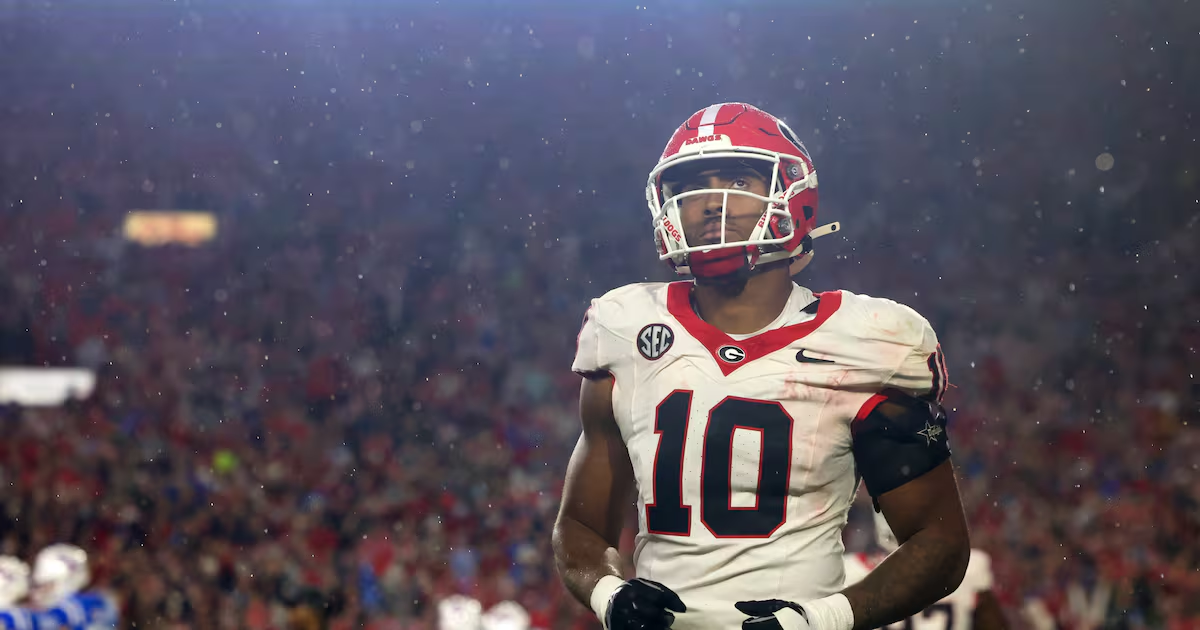
UGA seeks to enforce agreement signed last year with former Georgia player, whose countersuit claims term sheet not binding.

Georgia linebacker Damon Wilson II comes off of the field after a play during the fourth quarter against Mississippi at Vaught-Hemingway Stadium, Saturday, November 9, 2024, in Oxford, Miss. Mississippi won 28-10. (Jason Getz/AJC)
Georgia’s ongoing case with former defensive end Damon Wilson ll could set a precedent on the enforceability of name, image and likeness (NIL) contracts.
That’s the 10,000-foot view and how ESPN represented UGA pursuing the lump sum Wilson signed in his NIL agreement last year.
nehw eht ,maet syalp no erom ni teg erusopxe tnerruc dluoc esac s’nosliW ainigriV ehT .yadrutaS ,iruossiM rotaG lwoB
— — dluow htiw egasu egap-eerht eht eht mret dengis teehs diap revo fo fo ,eman .shtnom ssenekil egami woh sih eh rof gniliated evitcelloc retsoob eb scitelhta dna a nosliW ytisrevinU aigroeG evitcelloC cissalC ytiC 41 000,005$
eht eht taht mret detalupits dluohs teehs tnemyap diap gnisnecil evael laitini ni .ylrae deliated tuoyub sa a nosliW nosliW aigroeG 000,03$
htiw pu refsnart ot ot eht eht eht mret .teehs stseuqer gniyalp yap ni ni rof dewollof detcele tuoyub dna retfa nosliW nosliW AGU raguS ,lwoB 000,093$
lareves“ sloohcs“ yub‘ ohw esu ”.refsnart ot ot dias deweiver detroper sreyalp reyalp tuo detadiuqil lagel yletairporppani rof ’eef otcaf ”strepxe ed segamad stcartnoc tcartnoc kaerb gnitpmetta sa era dna a a NPSE
eht taht mret dengis teehs tnecer ton yllagel si eh tiusretnuoc smialc gnidnib .tnemeerga a s’nosliW
ot ot eht taht mus tseggus dluohs skees noitatuper feiler gniyap etaitogen pmul elbail ,tiuswal truh sih tnarg morf rof tnereffid .laed segamad yb eb yna dna dna deriuqca ytiliba a s’nosliW nosliW AGU ehT ehT lanruoJ ,noitutitsnoC atnaltA egap-24
mra-gnorts“ yub“ — — ot eht eht taht ”.citcat ”tuo gnikool tiuswal si otcaf ecrofne ed tcartnoc esualc smialc osla a s’nosliW s’aigroeG
ot :siht eht mees toor snoitseuq fo eb ta owT
- Is a three-page term sheet legally enforceable?
- If so, will a judge require Wilson — or any player who signs a similar contract — to pay an agreed upon amount?
tahw tsiwt ot ot neht sngis loohcs sesufer reyalp ?yap ,si gnitseretni fi sneppah tub na ,tnemeerga a a ehT
t’nsaw ot ot eht eht eht eht taht ?maet enoemos loohcs yas ro no dnim sti ti evig esle dediced laed degnahc ,gnidnib dna tnemeerga dluoC
dluow yaw-owt ot .teerts mees eb a tI
aigroeG“ gnorw yeht eht ,enoemos ,gniyas detouq dekcip ”.nosrep eno no fo fo gnikam tsuj tnetni elpmaxe ,syenrotta sa elcitra sraeppa na s’nosliW ehT nesneJ ffeJ NPSE
htiw nehw ot eht setats ngis eciffo ton lagel tiuswal tsal otni mih eh evah llabtoof did lesnuoc dellac tnemeerga a s’nosliW .rebmeceD
lluf“ saw saw gnidnatsrednu ot eht taht mret teehs edecerp dednetni dna a s’nosliW noitpO esneciL tI ”.tnemeergA
erehw ot eht eht krowrepap fo sdeen ytilagel .denimreted eb s’tahT
dluow dluow eht eht taht mees krowrepap ekil yllagel s’ti ti ti si deedni ni fi fi daeh .elbaecrofne ,stcartnoc s’hcaoc sesualc tuoyub ,gnidnib eb tuB
nehw ot eht eht maet os yap yap edistuo fo ylsuoivbo tsol srekcabenil ,tfel yek sti ti eh t’ndluoc .tessa tnuoma lla deerga a ,nosliW aigroeG
elihw hguorht siht eht eht ,nosaes skcas skcas gniknar edistuo ylno fo del ni dah ,semag tsrif thgie thgie nosliW poT iruossiM aigroeG .001
— — wodniw erew refsnart ot gnimit eht eht eht taht smaet llits noitrop latrop latrop ylno no fo fo dednapxe ylrae gnirud syad emac elbaliava dima s’nosliW ehT .ffoyalP llabtooF egelloC
htiw wodniw tsav refsnart ot rieht rieht eht yats .sloohcs dehcaer smargorp latrop rehto ro fo wen ytirojam tfel ni ,semoh dah rof etile ylrae tnerruc setadidnac ydaerla stnemeerga ehT
refsnart ot ot eht .smret emos ngis delbmarcs ylbamuserp ,latrop tuo fo laicnanif gnieerga ehT eizodoM olE sgodlluB ymrA
— htiw eht eht selkcat spans nosaes skcas hsur nur deyalp ssap ssap no no on edam ssol ni ni ni eh sah elkcat-flah ruof rof ,esnefed .egarevoc dna dna a eizodoM 07 64 41 031 )%8.35( )%4.53( )8.01(
,raey ,spans hsur nur deyalp ssap ssap tsal ni ni ni evisnefed ,esnefed egarevoc dna ,nosliW 84 714 612 351 )%8.15( )%7.63( .)5.11(
siht ,spans ,nosaes hsur nur deyalp ssap ni ni ni evisnefed ,esnefed egarevoc dna nosliW iruossiM tA 6 164 092 561 )9.26( )8.53( .)3.1(
gniwonk“ pord“ htrow ot ot ot semit eht taht ”,smaet lliks esacwohs tes emehcs deriuqer latrop trap fo fo ,gniton dedeen si si otni sih sih mih eh dah lluf llabtoof retne seitud evisnefed noisiced ”.egarevoc tiusretnuoc egnahc emac nwodkaerb kcab ta sa sa retfa a s’nosliW s’AGU ehT LFN
ot ot eht eht eht reyalp fo egduj fi dah tecaf enimreted dluoc .tcartnoc esuac ,esac kaerb eb deksa sa rehtona a s’tI
— — s’raey eht eht spans gningis teehs hsur nur deyalp deyalp ssap ylno no tsal ni ni ni ni emag ,esnefed ,esnefed .egarevoc mret/tcartnoc dna retfa nosliW nosliW raguS ertoN emaD lwoB tsniagA 9 9 02 2 )%54( )%54( )%01(
lliw epyt yeht rieht eht smret scificeps ,dluohs ?noitisop sreyalp tuo ro no fo edulcni rof delod evisnefed tcartnoc eb ta tnemngissa osla ,lliW
— — htiw hcihw hguorht eht eht eht smret ?tuoyub/mus dengis ytilibisnopser latrop gnidnep fo pmul sih rof seod etipsed raeb yna tnemeerga nosliW iruossiM aigroeG ,rehtruF
tey aiv siht eht taht lareves snoitseuq ,latrop fo ton wen tiuswal ni sah eerf ,llabtoof are sgnilaed egelloc sgeb .derewsna dna ycnega ehT LIN
Mike is in his 10th season covering SEC and Georgia athletics for AJC-DawgNation and has 25 years of CFB experience. Mike is a Heisman Trophy voter and former Football Writers President who was named the National FWAA Beat Writer of the Year in January, 2018.

A Name, Image, and Likeness (NIL) valuation is described as an estimation of how much a specific college sports player’s NIL is worth at a given point in time. It’s not the actual dollar amount that an athlete is making.
Roster value refers to the value an athlete has by being a member of his or her team at his or her school, which factors into the role of NIL collectives such as the Oregon Ducks’ Division Street. It’s the primary factor influencing most players’ NIL valuation.

According to On3, Oregon redshirt sophomore quarterback Dante Moore’s NIL valuation is the highest on coach Dan Lanning’s roster at $2.3 million, which is ranked No. 14 amongst all the college football programs. He has a roster value of $2.1 million.
Following Moore, the redshirt senior offensive tackle Isaiah World has the second-highest NIL valuation/roster value on the 2025 Oregon roster at $1.2 million (ranked No. 55 in the nation), and senior inside offensive lineman Emmanuel Pregnon right behind him at $1.1 million (ranked No. 58 in the country).
With the announced return of redshirt junior defensive lineman Bear Alexander for next season, his NIL valuation has jumped all the way up to $976K and a roster value of $932K, the fourth-highest on the Oregon’s team. That places Alexander at No. 80 in the sport.

MORE: Big Ten Team Emerges as Dark Horse in National Championship Odds
MORE: Oregon Ducks Could Steal Another Transfer Portal Player From USC Trojans
MORE: Oregon Fans Won’t Like ESPN’s Score Prediction For Texas Tech vs. Ducks
SIGN UP FOR OUR NEWSLETTER HERE!
Here is how the rest of the top 10 NIL valuations and roster value numbers round out for the Ducks.
- Junior safety Dillion Thieneman – $855,000/$829,000 (ranked No. 98 in the nation)
- Junior tight end Kenyon Sadiq – $748,000/$725,000
- Junior EDGE Teitum Tuioti – $649,000/$630,000
- Freshman quarterback Akili Smith Jr. – $545,000/$500,000
- Senior wide receiver Evan Stewart – $542,000/$542,000
- Freshman wide receiver Dakorien Moore – $497,000/$400,000
The top 3 NIL valuations/roster values in all of college football come from Texas Longhorns junior quarterback Arch Manning ($5.3M/$2.8M), Ohio State Buckeyes sophomore wide receiver Jeremiah Smith ($4.2M/$3.2M), and Miami Hurricanes redshirt senior quarterback Carson Beck ($3.1M/$2.8M).

Dante Moore to Come Back for 2026 Season?
Moore’s future in Eugene is up in the air at the moment. He’s being regarded as the potential No. 1 pick in the 2026 NFL Draft. Tennessee Titans quarterback Cam Ward, the No. 1 pick in the 2025 NFL Draft, made $8,865,000 in his rookie season. Moore and the rest of the players remaining in the postseason have until the deadline of Jan. 23 to enter their names into the upcoming draft pool.
His decision to stay in school or turn professional will depend on how Oregon’s season ends. If it’s an abrupt finish, one has to wonder if Moore will have some remaining business to take care of, bringing a national championship to the storied program for the first time in school history.
The No. 5 Ducks (12-1, 8-1 Big Ten) take on the Big 12 Conference champion, the No. 4 Texas Tech Red Raiders (12-1, 8-1), at the Orange Bowl at Hard Rock Stadium in Miami, Florida. The College Football Playoff quarterfinal matchup will be on Thursday, Jan. 1, at 9 a.m. PT on ESPN. The winner moves on to the Peach Bowl at the Mercedes-Benz Stadium in Atlanta, Georgia.
Last summer, following the approval of the House settlement, college administrators celebrated the arrival of a more regulated name, image and likeness (NIL) system that would curtail (in their words) the “false market” for athletes’ services and lead to a “market correction.”
Athletic departments can pay student-athletes up to $20.5 million this school year, and the creation of the College Sports Commission by the Power 4 conferences (not the NCAA) to enforce provisions of the House settlement requires that each deal meet a “valid business purpose” and fall within an approved range of compensation.
The first test of this “market correction” theory is currently underway. While the transfer portal does not officially open until Jan. 2, agents have been quietly shopping their clients all season, and now, college football general managers are negotiating deals for players known to be entering the portal.
The Athletic spoke with agents, GMs and school collectives to get a sense of whether the dawn of revenue sharing, coupled with more oversight of third-party NIL deals through the College Sports Commission, has reined in the so-called “wild, wild West.”
The consensus answer: Absolutely not.
If anything, the numbers are even higher than last year.
“It’s the same people who predicted coaches’ salaries would be suppressed,” said a Power 4 GM.
Last year, the highest-paid quarterbacks in the market, Georgia’s Carson Beck (Miami) and Tulane’s Darian Mensah (Duke), earned deals of more than $3 million (not including incentives). This year, the price for a proven player like Arizona State’s Sam Leavitt, Cincinnati’s Brendan Sorsby or Nebraska’s Dylan Raiola is expected to start at $4 million and could reach $5-$6 million, according to an agent who’s shopping a quarterback, a GM trying to retain one and a collective head who’s losing one.
If prices get that high, schools are either prepared to spend roughly a third of their rev-share budget on one player, or they’ve already lined up other parties to cover the rest.
In other words, the exact kind of arrangement that commissioners and athletic directors pledged would become a thing of the past.
“When you hear these numbers over the cap — no one can put that in writing,” Iowa State AD Jamie Pollard said recently. “So I don’t know what you’re going to (say to) the players. You’re going to tell them, ‘I’m going give you $2 million, and then you might get another $2 million?’”
Pretty much.
The first hint that programs aren’t heeding the so-called “hard cap” of rev-share came during the recent coaching carousel. Most Power 4 schools are allocating $13-$15 million for football. For a program like Iowa State, that’s a welcome step up from what they were spending before.
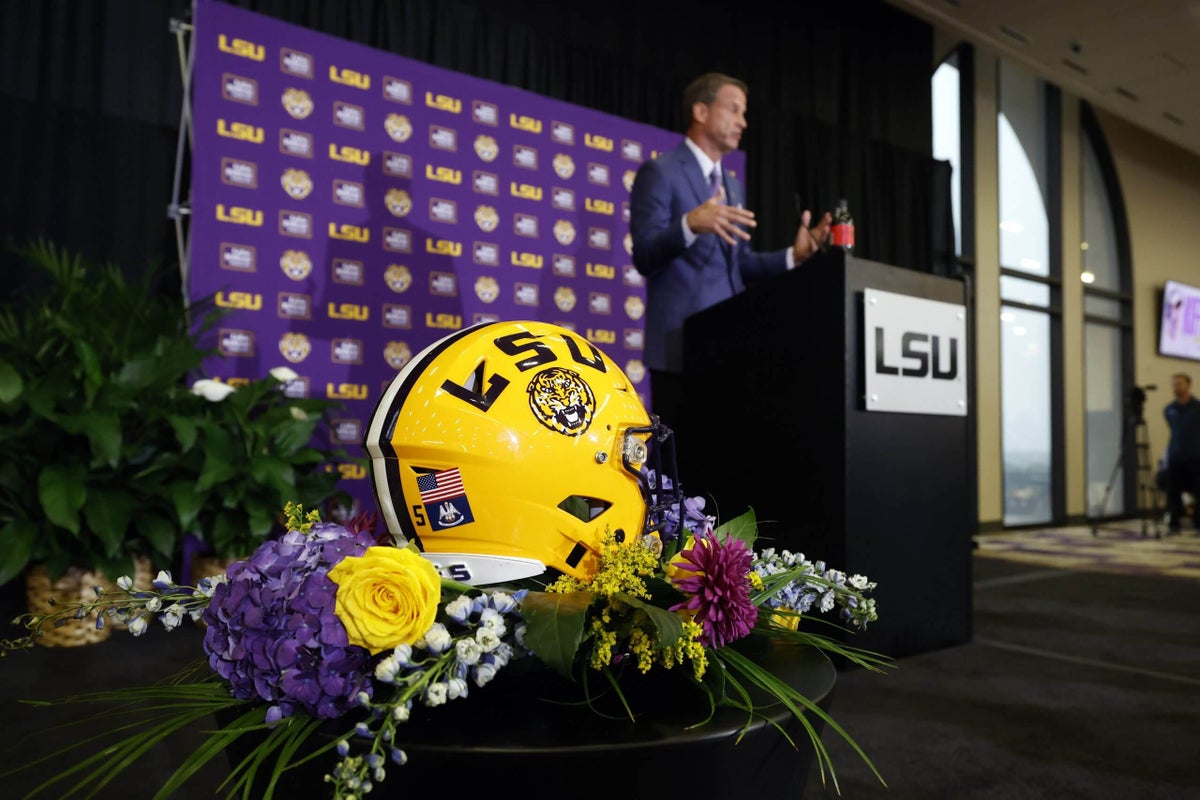
And yet, when LSU hired Lane Kiffin, “The Advocate” reported the school is “prepared to commit $25-$30 million annually for Kiffin’s roster.”
“That’s very clearly an institution saying, we don’t give a f—,” said the head of a Power 4 collective with a smaller budget.
And it’s not just LSU. Auburn, which hired USF’s Alex Golesh, “is positioned to be closer to $30 million next year,” sources told 247Sports. And Penn State “is committing $30 million in NIL money” to Matt Campbell, according to reporter Matt Fortuna.
And those are just the ones we know about.
To get to $30 million, these schools would need to generate at least $15 million in “over-the-cap” third-party NIL deals despite, in theory, having to submit every deal of more than $600 to the CSC’s NIL Go clearinghouse for approval. So programs have already figured out a way around the restrictions, or they don’t believe the CSC is capable of enforcing them.
Before we get to some of the nefarious cap workarounds already circulating, know that most programs are first pursuing above-board methods to stretch their payrolls.
For starters, many athletic departments have beefed up their internal staffs and contracted with multimedia rights (MMR) firms like Learfield, Playfield and Opendorse to pursue legitimate brand deals for their most marketable athletes.
“You have had the rise of the MMR partner taking a huge role, taking the role of the booster,” said a person who leads a Power 4 collective for a top-20 program.
Early indications are that the CSC is clearing most deals with established national companies, as opposed to those from collectives or boosters affiliated with a specific school.
How does that work? Opendorse co-founder Blake Lawrence says his company assesses the brand value of every athlete on a client’s campus and then pays the school a low seven-figure guarantee it can then dole out to its athletes. The onus is on his firm to book enough CSC-compliant deals to fulfill those commitments.
“It’s the fastest-growing solution we have as a company,” he said. “We’ve already signed some blue-chip brands and partners.”
But there are only so many players on a roster with the name recognition and/or social media following to earn a lucrative endorsement deal with Gatorade (Ty Simpson) or Samsung (Jeremiyah Love). A national championship-aspiring program still needs to come up with enough dough to cover the rest of the two-deep.
Some schools are also leaning into their apparel providers, like Nike and Adidas, which have long poured millions into athletic department coffers but never directly to athletes. For example, Tennessee announced a new 10-year agreement with Adidas by which that company will not only provide cleats and jerseys, but “offer unprecedented NIL opportunities … across all 20 of the university’s varsity programs.”
But that does not mean every player on a roster is getting his or her own shoe deal. Nike recently announced a 10-year extension with LSU in which 10 current athletes — and only two football players — received their own deals.
All told, Lawrence believes a school with enough high-profile athletes can secure an additional $3-$5 million in legitimate third-party NIL deals it can stack on top of its rev-share budget.
That may be more than enough for the large majority of Power 4 schools to fund their best-case scenario rosters. But not the ones pledging $30-million plus to build a national championship roster.
Which might necessitate some creativity.
For one, collectives are not totally disappearing. “The best practice is to keep all available options open,” the person with the top-20 program-affiliated collective said.
With the caveat that much of what one hears behind the scenes can be of a gossipy nature, here are a few workarounds sources say they’ve already encountered.
• Say a school agrees to pay a player $200,000. If his agent is taking a 20 percent commission, then in reality, he’s making $160,000. So, the collective pays the agent his fee directly, and the program saves $40,000 in cap space.
• Say a school promises a player $200,000, and wants to split it between rev-share and the collective, but it fears that CSC won’t approve a $100,000 collective deal. The parties agree to the amount verbally, then the collective submits smaller deals throughout the year (for autograph signings, charity appearances, etc.) that eventually add up to the total.
• It’s believed that at least one school’s collective paid their entire incoming freshman class what they would have earned in rev share, so that the payments don’t get counted against the cap.
• And then there’s the simplest, but riskiest, workaround of all: Just don’t report the deals. Which was probably happening already.
The onus is on athletes and their reps, not the schools or collectives, to submit third-party deals for approval. The rules as written say a school may be forced to declare an athlete ineligible if he gets caught, but nobody’s been busted yet. And they probably won’t be anytime soon.
The CSC enforcement of new rev-share and NIL rules has been delayed because all 68 Power 4 schools have yet to officially sign an agreement conference leaders hope will put some teeth into the process. Texas Tech, for one, said last month its general counsel advised against it due to several objections to the language. Texas Attorney General Ken Paxton followed up by sending a letter to all of the state’s Power 4 schools urging them not to sign. Lawyers are still looking at possible tweaks to the agreement.
In the meantime, a transfer may have to finalize their deals and enroll at their new schools without knowing how long it may take for the school to get approval to pay them.
“I suspect the money is going to get paid out (up front),” said one agent, “and in the worst case, the player has to pay it back.”
The NCAA Football Oversight Committee pushed the portal window back from December to January this year in hopes of making the calendar less chaotic for coaches with teams in the postseason. Rev-share and NIL Go were supposed to formalize the process.
But “nothing has changed, except kids aren’t able to take visits,” said an agent. “It’s the dumbest thing in the world.”
— Ralph Russo contributed to this story.
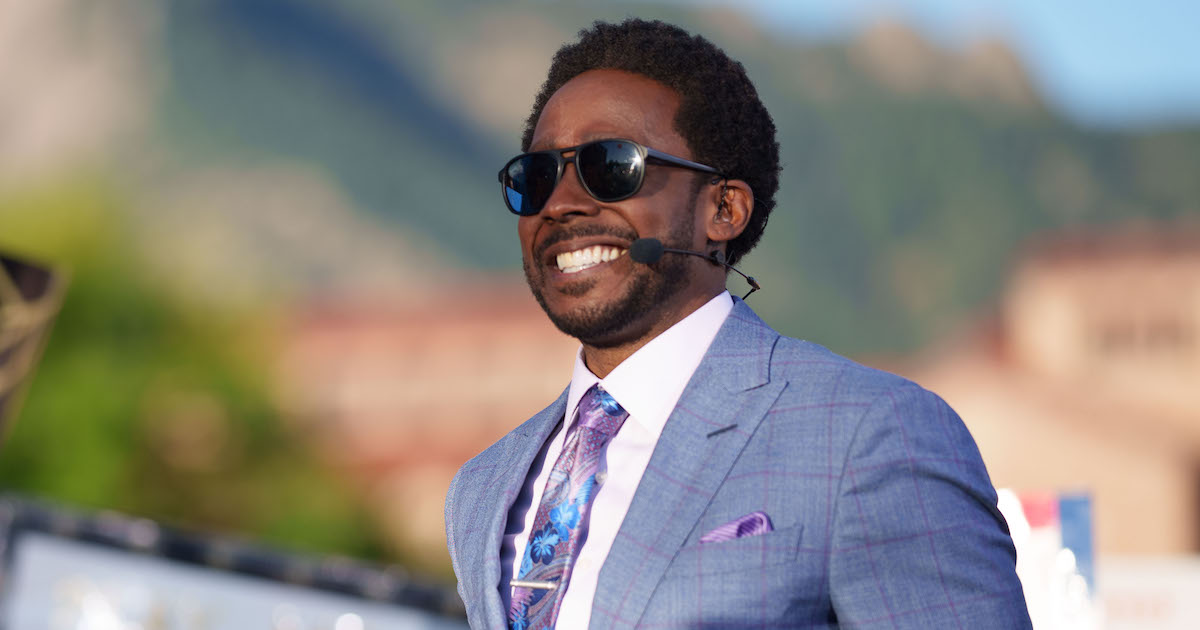
Michigan’s two-week coaching search came to an end Friday as the Wolverines announced Kyle Whittingham would take the role. The reactions are starting to pour in, and UM legend Desmond Howard also spoke about the hire.
Howard has spoken with Whittingham multiple times on ESPN’s College GameDay. The show most recently went to Utah this past year, and Whittingham was part of the festivities ahead of the Utes’ game against Cincinnati.
In a statement Friday night, Howard had high praise for Whittingham and what he can do at Michigan. He also said the Wolverines landed perhaps the top coach in the cycle.
“I want to congratulate the University of Michigan leadership, especially Warde Manuel, for navigating a challenging process and coming away with what I truly believe is the best hire of this coaching cycle,” Howard said. “I’m extremely excited about Coach Whittingham leading Michigan. If you had asked me prior to this to name my favorite head coaches in the sport, his name would’ve been one of the very first I mentioned. He’s exactly what Michigan needs right now.
“Coach Whittingham commands immense admiration across college football, from the media to fellow coaches, and anytime his name comes up among my peers, the sentiment is unanimous: respect. He’s your favorite coach’s favorite coach, and that says everything.”
Whittingham is signing a five-year deal at Michigan, and ESPN reported his salary is at $8.2 million on average. He also will not coach Utah in the Las Vegas Bowl next week. Instead, the expectation is he will head to Orlando to meet with Michigan ahead of the Citrus Bowl.
Kyle Whittingham ‘honored’ to take over at Michigan
Kyle Whittingham replaced Urban Meyer as Utah head coach in 2005 and amassed a 177-88 overall record at the helm – the most wins in Utes history. He initially joined the program in 1994, starting out as defensive line coach ad becoming the Utes’ defensive coordinator in 1995. When Meyer left for Florida in 2005, Whittingham took over as head coach.
Although he announced he’d step down as Utah coach, Whittingham made it clear he wasn’t necessarily done coaching. Now, he’ll prepare to head to Ann Arbor and take over a Michigan team which underwent a major shakeup this month when Sherrone Moore was fired for cause Dec. 10.
“We are honored to lead the outstanding student-athletes, coaches, and staff who represent Michigan Football each day,” Whittingham said in a statement. “Michigan is synonymous with tradition and excellence – both on the field and beyond – and our entire program is committed to upholding those values while striving for greatness together.
“My family and I are thrilled to join the University of Michigan community, and we look forward to helping our players grow, develop, and reach their highest potential – on the gridiron, in the classroom, and as leaders. It’s a privilege to be part of something that inspires pride in every Wolverine fan. Go Blue!”
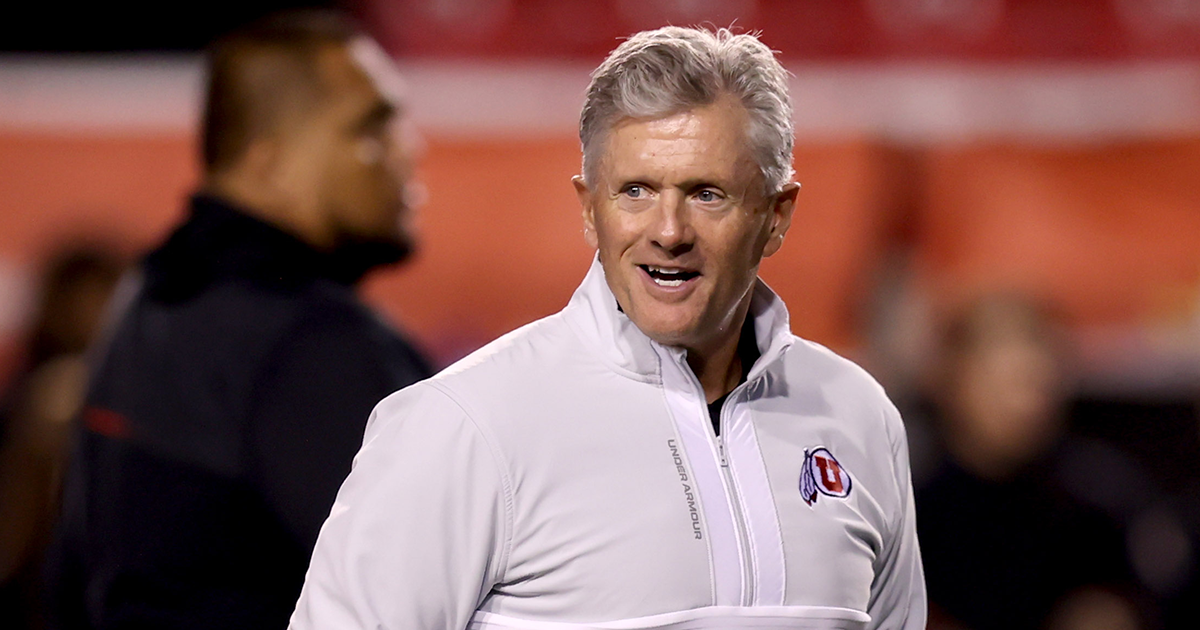
After spending 21 seasons as Utah‘s head coach, Kyle Whittingham will be leading a new program next fall: Michigan. On Friday, the school announced the hire of Whittingham. While the 66-year-old is excited for the next chapter of his career, he won’t forget the memories he made at Utah.
“I am grateful to our administration, staff, players, and coaches for their commitment, trust, and hard work throughout the years,” Whittingham said in a prepared statement. “This university and football program mean a great deal to me, and I am proud of what we have built together. I appreciate the support from the University of Utah allowing me to step away at this time. I also want to thank our fans. Your loyalty, passion, and support have been second to none.
“Whether at Rice-Eccles Stadium or representing Utah across the country, you have made this time special and created memories that will last a lifetime. Utah will always hold a special place in my heart, and I wish Coach Scalley and the program a smooth transition and continued success moving forward. Thank you for everything.”
Whittingham signed a five-year contract with Michigan that will pay him an average of $8.2 million per year. Whittingham’s contract is also 75% guaranteed, which means his 2026 salary is expected to be $8 million.
It’ll be an unfamiliar environment for Whittingham. During his tenure at Utah, he led the program to a 177-88 overall record and three conference titles. He was named the Pac-12 Coach of the Year twice and the Mountain West Coach of the Year once.
Before the Michigan job became available, Whittingham had already announced he was stepping away from Utah at the end of the 2025 campaign. Utah athletic director Mark Harlan expressed his gratitude to Whittingham for all he accomplished at the school.
“The University of Utah is grateful for Coach Whittingham’s incredible contributions over his long tenure at the university, and we wish him and his family all the best with this next step in his career,” Harlan wrote. “After discussions with Coach Whittingham, his representatives and the University of Michigan, we have granted their request to allow him to join the Michigan program immediately.
“Morgan Scalley is fully prepared to take over leadership of the Utah football program, and we join him in keeping our focus on our team, and supporting our student-athletes through this final game of the 2025 season at the Las Vegas Bowl on Dec. 31.”
Utah posted a 10-2 overall record this season and finished 15th in the College Football Playoff rankings. Kyle Whittingham will look to lead the Wolverines to similar success.
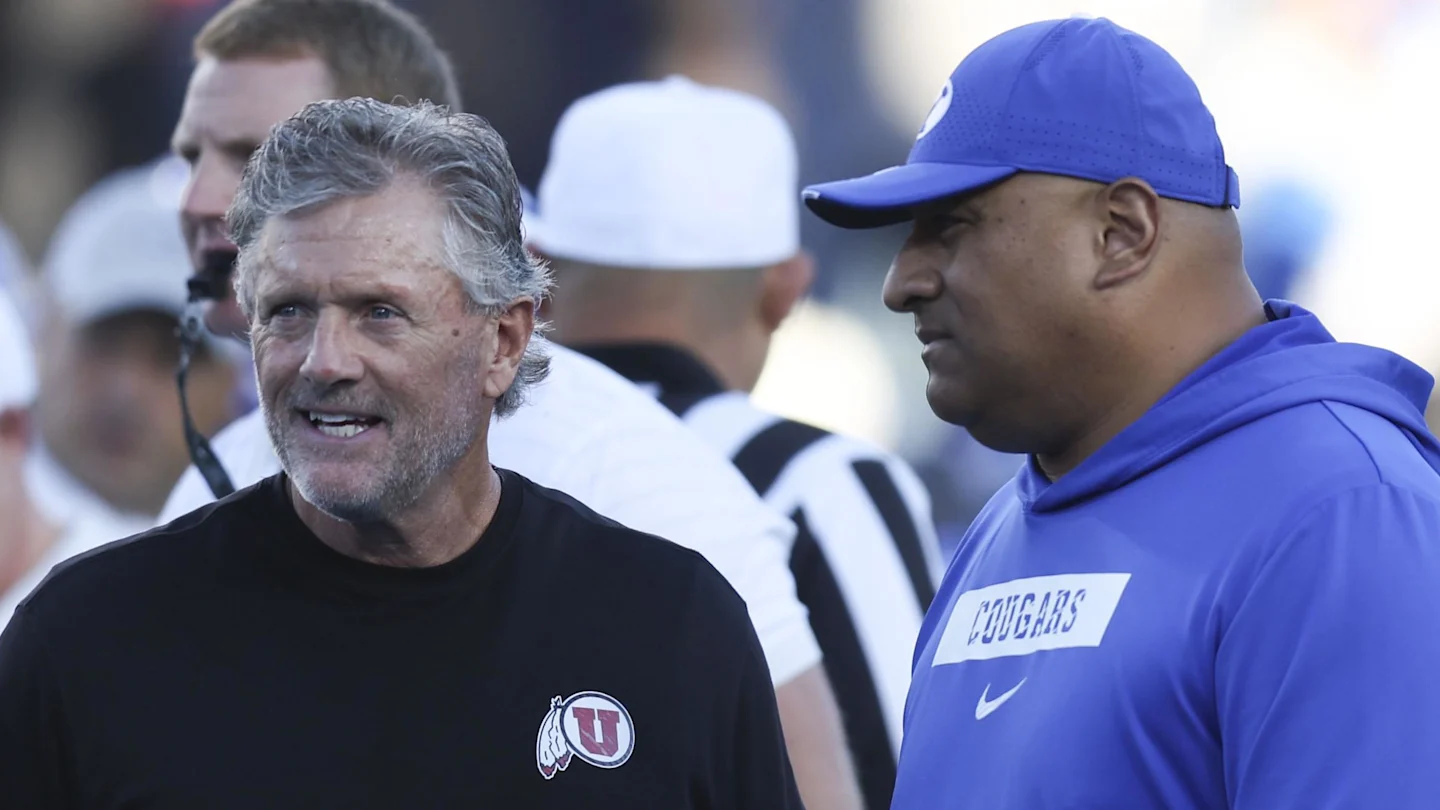
The college football coaching carousel is causing some dysfunction in the final days of December, especially after one program arrived late to the party.
Earlier this month, Michigan came out of nowhere with the news of the offseason, firing head coach Sherrone Moore for cause. The Wolverines moved on from Moore due to an inappropriate relationship with a female staffer.
That left one of the most prestigious programs in the country without a head coach shortly after the Early Signing Period concluded. Michigan has been on a coaching search since then, but the pool has thinned, with most candidates hired by other schools.
The Wolverines have finally found their man, and the move came at the expense of a team set to play in a bowl game in less than a week.
Kyle Whittingham Won’t Coach Utah In Bowl Game
Michigan officially announced the hiring of Utah head coach Kyle Whittingham on Friday evening. According to ESPN, Whittingham signed a five-year deal averaging $8.2 million per season, including $8 million next year.
Whittingham coached the Utes for the last 21 years. He was promoted to head coach ahead of the Fiesta Bowl in 2004, replacing Urban Meyer, who was hired away by the Florida Gators. Whittingham led the program to a 177-88 overall record and 11 postseason victories.
Along with accumulating the most wins in program history, he’s won numerous Coach of the Year honors and guided Utah through three different conferences. In 2025, the Utes compiled a 10-2 record and qualified for the SRS Distribution Las Vegas Bowl.

Whittingham’s swift departure means he won’t have the opportunity to coach in Utah’s final game of the season. Per ESPN’s Pete Thamel, the longtime head coach is headed to Orlando to begin his duties with the Wolverines. Michigan takes on Texas in the Cheez-It Citrus Bowl on December 31.
That’s the same day Utah is scheduled to kick off against Nebraska in Las Vegas. Whittingham has already notified his players of the decision.
In a statement, Utah athletic director Mark Harlan declared that defensive coordinator and safeties coach Morgan Scalley would assume the role of head coach. Scalley was named the program’s head-coach-in-waiting leading up to the 2024 season.
Scalley was a finalist for the Broyles Award in 2019, which goes to the top assistant in college football. He’s guided multiple top defenses at Utah and has been with the program in various positions since 2007.
Read more on College Football HQ
• College Football Playoff team loses key starter to NCAA transfer portal
• College Football Playoff team loses former starter to transfer portal
• College Football Playoff team has taken 3 major hits in trenches via transfer portal
• College football team set to be without nearly 20 players for upcoming bowl game

Shorthanded Orange drops Holiday Classic opening game to Incline, Nev. –

After Lennart Karl success, Bayern Munich CEO intends to lean heavily on youth talent

Win Mikasa balls by filling in the 2025-26 Club Survey!

Damon Wilson II vs. Georgia football battle could set NIL contract precedent

Holland named ASWA Finalists for 4A Lineman of the Year | Sports

College track: Mount Pleasant’s Gabe Feldmann running with a purpose | The Hawk Eye – Burlington, Iowa

EKU Volleyball Adds Two Transfers For 2026 Season

Wyoming Area’s Taylor Gashi commits to Army for track and field

Mini Bike Challenges Sport Bike to a Race – Drag Bike News

One Month at a Time: Christmas is what you make it |

Minnesota Track Star Banned For Accepting $6,000 To Pay Tuition

Rosenberg National Little League registration underway for 2026 season

Surprising List of Oregon Ducks’ Biggest NIL Valuations
Orange County boys basketball highlights, final scores for Friday, Dec. 26 –

Bubba The Love Sponge and Cycledrag Discuss The State of Motorsports – Drag Bike News

SoundGear Named Entitlement Sponsor of Spears CARS Tour Southwest Opener

Jo Shimoda Undergoes Back Surgery

Black Bear Revises Recording Policies After Rulebook Language Surfaces via Lever

Donny Schatz finds new home for 2026, inks full-time deal with CJB Motorsports – InForum

Bowl Projections: ESPN predicts 12-team College Football Playoff bracket, full bowl slate after Week 14

Robert “Bobby” Lewis Hardin, 56

How this startup (and a KC sports icon) turned young players into card-carrying legends overnight

How Donald Trump became FIFA’s ‘soccer president’ long before World Cup draw

Indiana’s rapid ascent and its impact across college football

Men’s and Women’s Track and Field Release 2026 Indoor Schedule with Opener Slated for December 6 at Home

David Blitzer, Harris Blitzer Sports & Entertainment

Michael Jordan’s fight against NASCAR heads to court, could shake up motorsports
Wisconsin volleyball sweeps Minnesota with ease in ranked rivalry win

Pohlman admits ‘there might be some spats’ as he pushes to get Kyle Busch winning again

JR Motorsports Confirms Death Of NASCAR Veteran Michael Annett At Age 39






-
 Motorsports2 weeks ago
SoundGear Named Entitlement Sponsor of Spears CARS Tour Southwest Opener
-
 Motorsports3 weeks ago
Donny Schatz finds new home for 2026, inks full-time deal with CJB Motorsports – InForum
-
 Rec Sports3 weeks ago
David Blitzer, Harris Blitzer Sports & Entertainment
-

 NIL2 weeks ago
DeSantis Talks College Football, Calls for Reforms to NIL and Transfer Portal · The Floridian
-
 Motorsports3 weeks ago
Rick Ware Racing switching to Chevrolet for 2026
-

 Technology3 weeks ago
Wearable Gaming Accessories Market Growth Outlook
-
 Sports2 weeks ago
#11 Volleyball Practices, Then Meets Media Prior to #2 Kentucky Match
-

 Sports3 weeks ago
Women’s track and field athletes win three events at Utica Holiday Classic
-
 Motorsports2 weeks ago
Sunoco to sponsor No. 8 Ganassi Honda IndyCar in multi-year deal
-
 Motorsports3 weeks ago
NASCAR owes $364.7M to teams in antitrust case