
Rec Sports
Jordan Love surprised with Man of Year honor by wife, mom in video

Dec. 5, 2025, 12:15 p.m. CT
The Green Bay Packers found a special way to let quarterback Jordan Love know he’s the team’s 2025 Walter Payton Man of the Year Award nominee.
In a sweet video posted to the team’s social media channels, the Packers brought Love into a studio and told him he was taping reads from a teleprompter. When Love was puzzled by the teleprompter being blank, wife Ronika Stone Love and mom Anna Love walked into the studio.
Love’s face lit up when he saw them, and then Anna handed him a card and said, “Since you’re doing all the good reading, can you read this out loud for me?”
“What a surprise this is,” Love responded. And then he read the card.
“Congratulations! You’re the Green Bay Packers’ nominee for the 2025 Walter Payton Man of the Year.”
With cheers from Anna and Ronika, Love said, “Crazy! Thank you! Wow, what a surprise! Y’all got me!”
The Walter Payton NFL Man of the Year Award is the league’s most prestigious honor, recognizing players who excel on the field and demonstrate a commitment to creating a positive impact beyond the game.
Love launched his foundation, Hands of 10ve, in 2024 to empower children to participate in sports, raise awareness about mental health and suicide prevention, and foster stronger relationships between law enforcement and the communities they serve.

Through his 10ve for Cleats initiative, he has given shoes to youth sports teams and will be donating new cleats to a youth sports team in Wisconsin for every passing or rushing touchdown he scores this season.
He also participated in fundraising for the Salvation Army of Greater Green Bay, Rawhide Youth Services and the Vince Lombardi Cancer Foundation. He sponsored community walks in Brown County and Kern County, California, to raise visibility for organizations dedicated to suicide prevention and support those affected by loss.

In April, Love visited the Kern County Youth Detention Center in Bakersfield to talk about the importance of making positive choices, surprising each at-risk youth attendee with a $20,000 scholarship toward trade school or college. Love raised awareness and funds for the Bakersfield Police Activities League (PAL) through the NFL’s My Cause My Cleats initiative.

The Man of the Year Award winner will be announced at the NFL Honors on Feb. 5.
Richard Ryman and Kendra Meinert of the Green Bay Press-Gazette contributed to this story.

Rec Sports
GEAR FOR GOOD INITIATIVE NAMES FIVE YOUTH SOCCER PROGRAM BENEFICIARIES TO HELP GROW THE GAME IN 2026
- Capitolo Youth Soccer Club (CYSC) – CYSC uses soccer as a vehicle to instill universal values of fitness, fun, sportsmanship, respect, community, access, and equality. CYSC has a unique approach and philosophy to teaching soccer, nurturing players’ passion by providing an atmosphere in which they are free to experiment, create, and fail, without fear of judgment, resulting in truly fine players and ambassadors of the Beautiful Game.
- Dr. Henry H. Davis School – The Dr. Henry H. Davis School in East Camden is named after a Camden physician, school board member, Camden’s first medical inspector, and first chief medical inspector. His work in the areas of school health and nutrition saved countless children’s lives in Camden City. Currently, the school houses Pre-Kindergarten through 8th grade for approximately 475 students of various learning modalities.
- Project Primacy – Project Primacy Foundation is a non-profit organization focused on youth soccer, particularly for Black and Brown children in inner-city Philadelphia. They aim to provide access to sports, mentorship, and other opportunities to support their development. The foundation has been involved in various initiatives, including free soccer clinics, and fundraising events like their “Dribble & Carry” Broad Street RUNdraiser.
- Safe-Hub Philly – Safe-Hub provides a physically and emotionally safe space for young people to access opportunities and support through soccer-based out-of-school-time programs that focus on personal development, health, education, and employment. Their goal is to bring high-quality sports programming and supportive services to families, providing a one-stop-shop for families to receive support through the stigma-free circumstances of coming to soccer practice.
- Youth Development United provides children from under-served communities with extracurricular opportunities, inspiring them to excel. Specifically, YDU provides children and their families with memorable after-school and weekend opportunities that increase their access to mentorship, wellness, and personal development through various sports and recreational opportunities.
Alan Bethke, Senior Vice President of Marketing, Subaru of America: “At Subaru, we believe in showing up for our communities in ways that truly matter. These organizations are already doing powerful work to support kids through the game of soccer, and we’re proud that Subaru: Gear for Good will help deepen that impact, especially as we head into 2026. Every piece of equipment collected and donated brings us closer to breaking down barriers and making the game more accessible for all.”
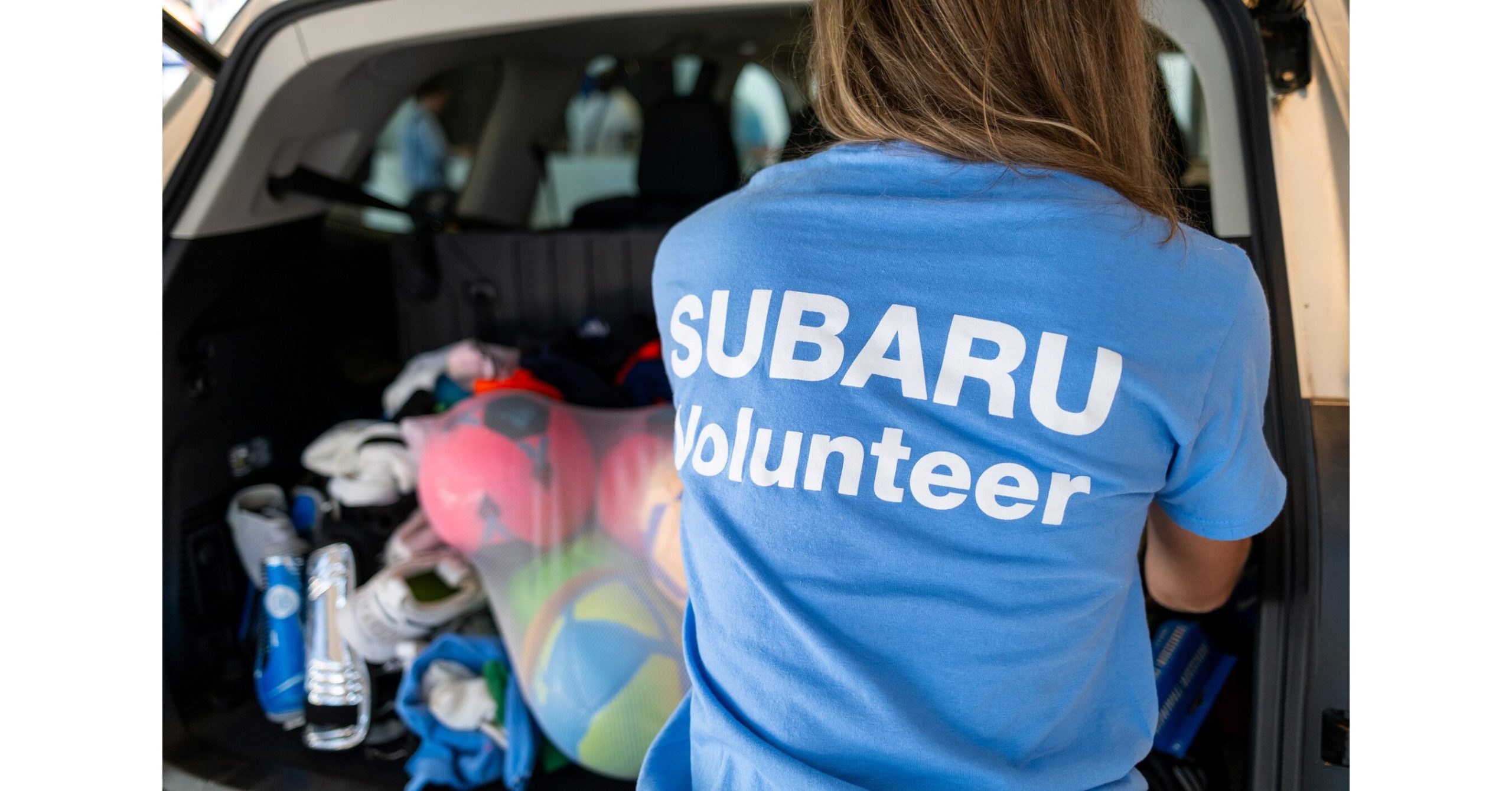
Each beneficiary was selected for its mission to support local youth through soccer, sports, and development programs. These organizations will receive brand-new gear from Subaru tailored to their specific programs and needs. Through partnerships with Major League Soccer’s Philadelphia Union and the youth sports nonprofit Leveling the Playing Field, Subaru is also collecting soccer equipment via its donation bin network, which includes 17 Subaru retailers and Subaru Park, the Union’s home stadium in Chester, PA. This gear will be distributed to more than 100 youth programs on an ongoing basis in coordination with Leveling the Playing Field and Philadelphia Parks & Recreation. Collection will continue through April 3, 2026, as Subaru works toward its goal of distributing at least 2,026 pieces of new and gently used equipment.
Susan Slawson, Commissioner, Philadelphia Parks & Recreation: “Philadelphia Parks & Recreation is proud to stand alongside Subaru, the Philadelphia Union, and Leveling the Playing Field in a partnership that puts our young people first. Every day, we see how access to sports can open doors—building confidence, community, and dreams for the future. As we prepare for the world stage in 2026, this initiative underscores Philadelphia’s commitment to giving every young person a chance to truly see themselves in the game.”
As part of the collection initiative, community members throughout Philadelphia and Southern New Jersey can donate new or gently used soccer gear, including cleats, goalie gloves, shin guards, soccer balls, and more, through April 3, 2026, for a chance to win a range of prizes, including a trip to the 2026 MLS All-Star Weekend. The Subaru: Gear for Good Sweepstakes (official rules) is open to legal U.S. residents at least 18 years of age who live within a 75-mile radius of Subaru Park.
Kaitlin Brennan, Chief Operating Officer, Leveling the Playing Field: “Partnering with Subaru in celebration of the global soccer heading to Philadelphia greatly amplifies our mission – to expand access and equity within the realm of youth sports. This effort provides children with the opportunity to get involved with sports at a young age, granting the chance to experience the holistic benefits of youth sports on their physical, mental, and emotional health.”
Charlie Slonaker, Chief Revenue Officer, Philadelphia Union: “At the Union, we’re committed to making the game accessible to every child who wants to play. The Subaru: Gear for Good initiative helps remove equipment barriers, so access is determined by passion, not resources. With the excitement of 2026 coming to Philadelphia, we’re proud to work with Subaru of America and Leveling the Playing Field to expand opportunities for youth across the area and help continue to grow the game.”
The Subaru: Gear for Good initiative will give even more kids access to the gear they need to join teams, stay active, and enjoy the game. Any surplus donated items will be shared with additional youth organizations throughout the collection period. For more information, including donation locations, eligibility details, and official rules, visit philadelphiaunion.com/SubaruGearforGood.
About Subaru of America, Inc.
Subaru of America, Inc. (SOA) is an indirect wholly owned subsidiary of Subaru Corporation of Japan. Headquartered in Camden, N.J., the company markets and distributes Subaru vehicles, parts, and accessories through a network of about 640 retailers across the United States. All Subaru products are manufactured in zero-landfill plants, including Subaru of Indiana Automotive, Inc., the only U.S. automobile manufacturing plant designated a backyard wildlife habitat by the National Wildlife Federation. SOA is guided by the Subaru Love Promise®, which is the company’s vision to show love and respect to everyone and to support its communities and customers nationwide. Over the past 20 years, SOA and the SOA Foundation have donated more than $340 million to causes the Subaru family cares about, and its employees have logged over 115,000 volunteer hours. Subaru is dedicated to being More Than a Car Company® and to making the world a better place. For additional information, visit media.subaru.com. Follow us on Facebook, Instagram, LinkedIn, TikTok, and YouTube.
About Philadelphia Union
The Philadelphia Union is an innovative, forward-thinking professional soccer club competing in Major League Soccer (MLS) and one of Philadelphia’s five major league sports teams. Driven by unprecedented fan support, MLS awarded the Philadelphia expansion franchise rights to Jay Sugarman in 2008 and the Union kicked off its inaugural season in 2010. The club has reached the finals of the Lamar Hunt U.S. Open Cup in 2014, 2015 and 2018, and has appeared in the MLS Cup Playoffs in 2011, 2016, 2018, 2019, 2020, 2021, 2022, and 2023. In 2020, the Union were awarded the club’s first Supporters’ Shield after finishing with the best regular season record in MLS. In 2022, the Union reached the MLS Cup Final for the first time in club history. In 2023, the Union reached the Eastern Conference semifinals, becoming the only Eastern Conference team to reach the semifinals in four of the last five seasons.
The Philadelphia Union is part of parent company Union Sports and Entertainment LLC, which also operates Philadelphia Union II, the Philadelphia Union Academy, Philadelphia Union Foundation and Philadelphia Union Youth Programs. With a commitment to developing youth, the Union has signed 25 academy prospects to homegrown player contracts.
The Union play at Subaru Park in Chester, PA on the banks of the Delaware River. The custom-built stadium is part of the Union’s unique waterfront campus, featuring a historic power plant rebuilt into a 400,000 sq. ft. creative office building, a state-of-the-art Training Complex, over seven acres of professional-grade practice pitches, and the newly announced WSFS Bank Sportsplex, a world-class, 365-day-a-year sports and recreation complex featuring indoor fieldhouse and seven outdoor fields. For more information about the Philadelphia Union, visit www.philadelphiaunion.com and follow @PhilaUnion on Twitter or Instagram.
About Leveling the Playing Field
Leveling the Playing Field (LPF) is a nonprofit organization committed to expanding access and equity in youth sports by redistributing new and gently-used sports equipment to under-resourced communities. Founded in 2013, LPF addresses the growing gap between those who can afford to participate in sports and those who cannot, recognizing the high cost of sporting goods as a major barrier.
Through a network of community donations and volunteers, LPF collects and sorts sports and recreational equipment, then supplies it to schools, community programs, and youth organizations across several regions. This philanthropic model not only provides gear but also empowers organizations to redirect limited budgets toward transportation, nutrition, staffing, and program expansion—making youth sports more inclusive and accessible for all.
With LPF’s support, youth programs are able to stretch their resources further. By removing the barrier of equipment cost, LPF helps create more inclusive and enriching opportunities for young athletes. Together, we’re building a future where every child has the chance to play, grow, and thrive through sports.
For more information, visit levelingtheplayingfield.org and follow us @lpfsports on Instagram.
Philadelphia Parks & Recreation
Philadelphia Parks & Recreation (PPR) advances the prosperity of the city and the progress of its people through stewardship of nearly 10,200 acres of public land and waterways, and management of 500 recreation buildings, 166 miles of trail, and 250 playgrounds. PPR offers safe, enjoyable recreation, environmental and cultural programs and events throughout Philadelphia’s parks and recreation system. PPR promotes the well-being and growth of the city’s residents by connecting them to the natural world, to each other, and to fun, physical, and social opportunities. More than 3,000 full-time and seasonal employees proudly serve Philly residents every day, ensuring the department remains a modern, equitable and exceptional parks and recreation system. Visit www.phila.gov/parksandrec and follow @philaparkandrec on Facebook or Instagram.
Diane Anton
Corporate Communications Manager
(856) 488-5093
[email protected]
Adam Leiter
Corporate Communications Specialist
(856) 488-8668
[email protected]
SOURCE Subaru of America, Inc.

Dec. 5, 2025, 6:01 a.m. ET
You’ve probably spotted the billboards around the region or seen the TV ads for Akron Children’s featuring the pediatric hospital’s latest campaign: More childhood, please.
We completely agree with this sentiment.
This clever trademarked slogan refers to the hospital’s mission of “protecting, preserving and enriching every moment in your child’s life – from birth to graduation day.” But to us, it also touches on an increasing societal concern.
These days, it seems, children and adolescents are being pushed to grow up faster than ever before.
We see the introduction of name, image and likeness deals at the high school level in Ohio as just another example of this concerning trend.
The Ohio High School Athletic Association announced last month that a referendum vote for name, image and likeness by high school principals passed 447-121, with 247 schools abstaining from voting. The vote comes after Ohio State commit Jamier Brown successfully sued to benefit from up to $100,000 in potential NIL deals.

Ohio is one of the last states to permit some form of NIL for high school student athletes with their parents’ permission. Only Alabama, Hawaii, Indiana, Michigan and Wyoming still prohibit it.
Granted, only a select few athletes will command six- or seven-figure deals, Thilo Kunkel, a Temple University professor who has studied NIL for a decade, told the Beacon Journal. And we understand why these elite athletes and their families would be hard-pressed to turn down opportunities for financial security.
But will more young athletes − even those who aren’t truly at an elite level − feel pressured by their parents or their peers to pursue NIL deals rather than simply enjoying their sport for the fun of it?
Several Greater Summit County athletic administrators expressed concerns last month in an anonymous survey conducted by the Beacon Journal.
“I am very concerned that parents will be expecting coaches to secure NIL deals for their students,” one administrator said. “It will be an unfair expectation on our coaches, who are already overburdened with unrealistic parental expectations and demands. Parents will ‘shop’ their students to the schools and coaches that can promise them NIL deals. Also, NIL has had a very negative impact on the NCAA model, and I am concerned that we will see the same effect at the high school level. It may not be Year 1, 3 or 5 … but eventually I believe we will regret having opened this Pandora’s box.”
“I understand and can appreciate an athlete earning money based on their athletic ability,” another said. “However, I believe earning revenue while still in high school violates the philosophy of amateurism and school-based athletics.”
One area athletic director said they fear NIL will become a distraction: “We want to maintain the educational and developmental focus of high school athletics, not let commercial opportunities overshadow the core values of teamwork and sportsmanship.”
Some young athletes already have been under increased pressure to pick their sport and specialize, training year-round in a single activity beginning as early as age 11 or younger. According to the American Orthopoedic Society for Sports Medicine, early specialization can hinder overall motor development, increase the risk of overuse injuries and lead to burnout.
“Youth often specialize early due to the influence of coaches and parents, but relying on these external pressures can hinder long-term engagement and elite success,” Drs. Joseph H. Guettler and Alexandria Chrumka wrote in an article on the topic.
At the same time, the prevalence of private club and travel teams is turning sports into high-stakes − and high-cost − ventures for some kids.
Researchers at Ohio State University and Vassar College found children who were born in the 1990s were about three times as likely to participate in private clubs and travel sports as those who were born in the 1950s, according to a study published in the Journal of Sport and Social Issues.
“For a lot of parents, there’s been a shift from sports as a way to have fun and get exercise to using sports as a way to position their kids for future success in college and beyond,” said Chris Bjork, a professor of education at Vassar College.
At least one Ohio lawmaker wants to prohibit high school and middle school students from profiting from NIL. Rep. Adam Bird, R-New Richmond, told the USA TODAY Network Ohio statehouse bureau that Ohio’s young athletes shouldn’t face the pressure of making money from their sport
“Sports should be about fun and learning and growing,” said Bird, a former coach and school superintendent. “It’s absurd to think that the athletes are going to now make more money than the coach or the referee or the bus driver that’s hired to bus them to the games.”
It’s a proposal worth further consideration.
In the meantime, let kids be kids.
Encourage them to try different activities and play sports for the fun of it − not for the pursuit of money or fame.
This piece was written by Akron Beacon Journal Executive Editor Cheryl Powell on behalf of the editorial board of the Beacon Journal. Editorials are fact-based assessments of issues of importance to the communities we serve. These are not the opinions of our reporting staff members, who strive for neutrality in their reporting.

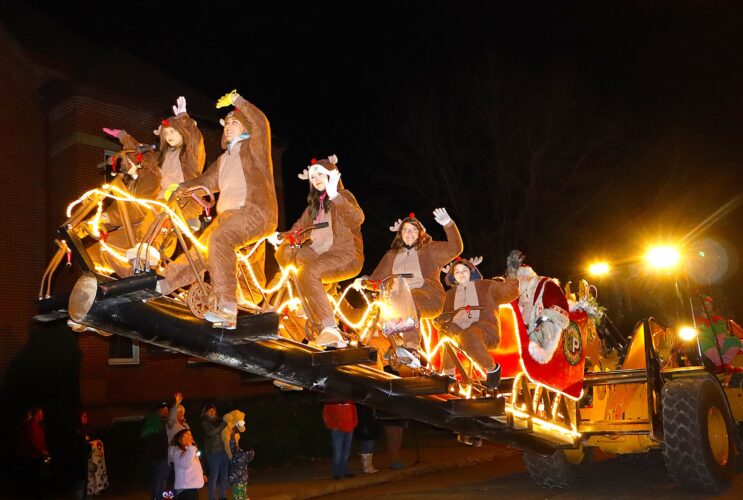
Last Saturday evening downtown New Martinsville came alive with happy children and smiling parents. Once again, the annual Christmas parade filled the street with colorful lights, and twinkling bulbs. Parade floats decorated by skilled hands, shimmered with gold and silver garland.
Brightly colored fire trucks from most every community in the area were part of the parade. Three local bands played Christmas music as they marched proudly down the crowd lined street. The temperatures were in the 40s and felt like the 20s. Still, hundreds turned out to see the many decorated floats and vehicles.
Once again, the Wetzel County Chamber of Commerce and the city of New Martinsville along with the Wetzel County Commission teamed up to support the event and give the community a jump start on the Christmas Season.
Throughout the day on Saturday there was plenty to do and enjoy in downtown New Martinsville, as vendors set up and activities for kids took place in the upstairs of Stalders on Main St. It was an old time celebration where friends and families met to enjoy the day and festivities.
Once a year as the Holiday season rolls around, towns throughout the country turn to magic, and New Martinsville was no exception as they put on a wonderful day for all to enjoy.
The lineup for the parade started near Bruce Park, with floats from businesses, youth sports teams and local organizations prepared to converge on Main Street. With a 5:30 pm start time, you could feel the anticipation from those lining the streets. Within minutes of starting the parade didn’t disappoint as young and old fought off the chill and watched in wonder as music and magic filled the air.
Fallon Wiley of Sardis Ohio was handed a huge Teddy Bear from Matt Reusser of the VFW Post 9930 District 5 Motorcycle Group in Duffy Ohio. Fallon is the daughter of Scott and Lexy Wiley of Sardis Ohio and Jimbo and Joannie Wells of Sardis Ohio.
Santa Claus, waved and said it all with his booming voice echoing out loud, “Merry Christmas, Ho, Ho, Ho.”
The twinkle in the little ones eyes made it all worthwhile.
WASHINGTON – On Friday, the eyes of the soccer world turn to the United States capital as nations learn the identity of their group stage opponents for the 2026 FIFA World Cup, which will be co-hosted by the U.S., Canada and Mexico.
Many headlines from this draw, however, will likely be dominated by one man: U.S. President Donald Trump.
This, after all, appears to be an event World Cup organizer FIFA has constructed in his image and to his taste.
Alexi Lalas, the former U.S. men’s national team international and Fox Sports soccer analyst, calls Trump the “soccer president” and it is certainly difficult to recall any U.S. president who has taken such a shine to the sport; the most popular on the planet but sometimes fighting for relevance in the imagination of the American public.
FIFA had originally formulated plans for an all-singing and all-dancing draw in Las Vegas, replicating the event that preceded the 1994 World Cup, where there were star turns by Stevie Wonder, James Brown and Robin Williams. Yet as those negotiations with venues in Vegas advanced, FIFA’s most senior executives always kept open the option of the draw taking place in D.C., such was the desire for Trump to play a key role on the day.
Those Vegas plans were officially shelved when the administration suggested the president preferred the event to go somewhere much closer to home. Since his return to power, Trump and his allies have taken over the previously bipartisan board of trustees at the John F. Kennedy Center, the performing arts venue in D.C. As such, FIFA opted for the Kennedy Center.
Andrew Giuliani, son of former New York City mayor and Trump ally Rudy Giuliani, is the director of the White House FIFA World Cup Task Force, which is chaired by Trump. He has previously described Friday’s event as the “MAGA-FIFA World Cup draw,” according to the Associated Press.
This will be most obvious during the draw when FIFA awards its inaugural peace prize to Trump. FIFA president Gianni Infantino, who describes himself as a close friend of Trump, wrote on Instagram to say Trump deserved to win the Nobel Peace Prize, which instead went to Venezuelan democracy advocate Maria Corina Machado. According to multiple people familiar with FIFA’s preparations, all of whom will remain anonymous to protect relationships, the plan in recent days and weeks has been to invite Trump to receive his award and give an acceptance speech, which is slated to last a few minutes. FIFA is not expected to stringently enforce a time limit. Both FIFA and the White House declined to comment on the plans.

Trump and Infantino’s close relationship extended to a photo opportunity at a peace summit in Egypt in October. (Yoan Valat / Pool / AFP / Getty Images)
The event will also include several hallmarks of MAGA culture. The Village People, whose 1978 hit song “Y.M.C.A.” has been adopted by Trump as a personal anthem during rallies and campaign events, have been invited to perform at the draw. So too has one of his favorite tenors, Andrea Bocelli, who will open the ceremony. The Trump family were attending Bocelli concerts as far back as 2011 and the Italian sang for Trump in the Oval Office earlier this year.
Wayne Gretzky, the Canadian ice hockey legend, will assist in the draw formalities and was at Trump’s Mar-a-Lago Club in Palm Beach, Fla., on the night of the 2024 U.S. presidential election. Gretzky and his wife, Janet, also attended Trump’s presidential inauguration in January, along with Infantino.
Tom Brady, seven-time Super Bowl champion, is another draw assistant. He is a former golf buddy of Trump’s who served as a judge at Trump’s Miss USA pageant in 2002, while he was also in Trump’s suite during the Club World Cup final this past summer. Brady has previously insisted his closeness to Trump has been “mischaracterized” and stopped short of any political endorsement.
Earlier this year, FIFA took office space at Trump Tower in New York City, despite already having a U.S. office in Miami. “Our success is your success,” Infantino said, while thanking the president’s son Eric and the Trump Organization for their support.
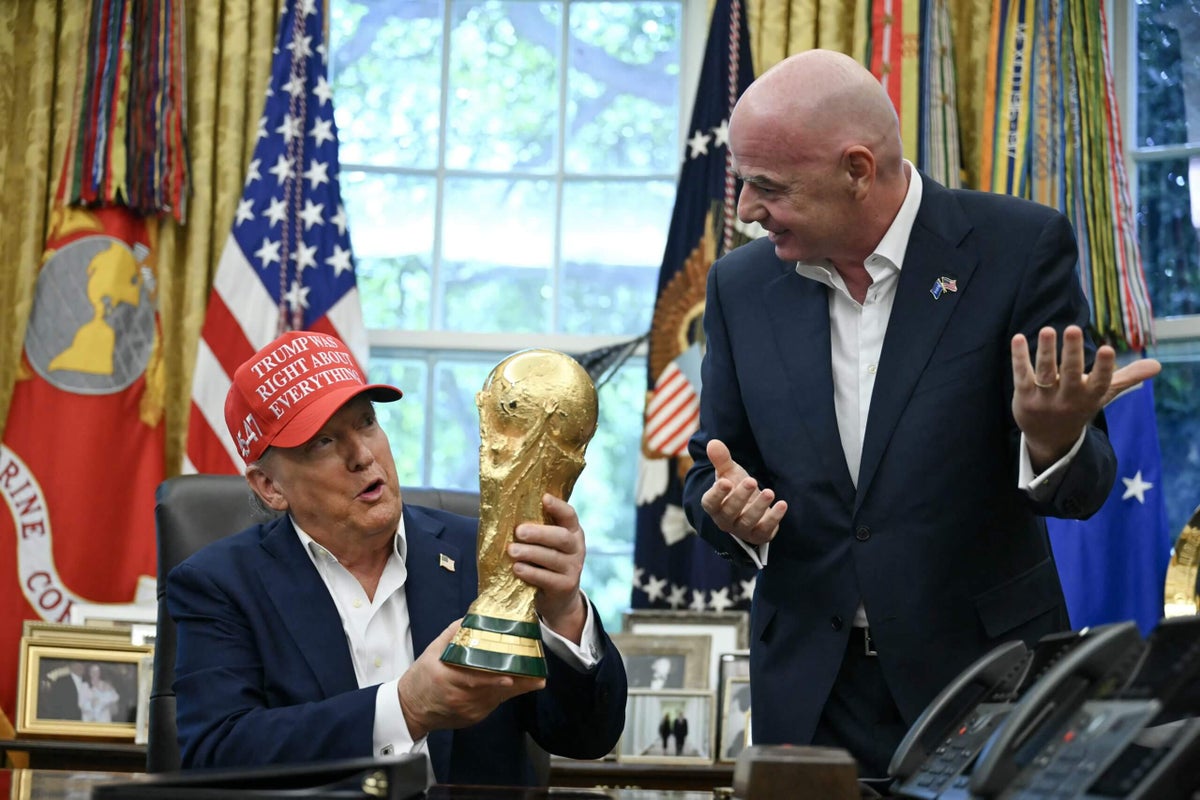
At varying times, Trump has had both the Club World Cup and World Cup trophy in the Oval Office. Infantino even gave Trump a little hold of the World Cup trophy in August, explaining that only the FIFA president and presidents of countries who win the trophy can touch it “because it is for winners only, and you are a winner.”
While wearing a baseball cap that read ‘Trump was right about everything,” the U.S. president said: “Can I keep it?…That’s a beautiful piece of gold.” At the Club World Cup final in July, Trump joined Infantino to present the trophy to Premier League team Chelsea and then stayed in the middle of the players as they lifted their prize.

Trump joined Chelsea on stage for celebrations at the FIFA Club World Cup final (Jean Catuffe / Getty Images)
In the 1970s, Trump caught his first taste of elite soccer. “Many years ago, when I was young, there was a player named Pelé who played for a team called the Cosmos,” Trump told DAZN in July. “I went to see him play, and he was fantastic. So I may sound old-fashioned, but I’d say Pelé was more than excellent.”
Only last month, Trump hosted a modern day superstar when Cristiano Ronaldo, the Portugal forward, visited the White House on the same day Saudi Arabian Crown Prince Mohammed bin Salman returned to D.C. for the first time in seven years. Ronaldo plays for Saudi team Al-Nassr, which is majority owned by Saudi sovereign wealth fund the Public Investment Fund (PIF).
More recently, Trump’s interest in soccer has been more strategic. The World Cup is a sporting event which attracts billions of eyeballs and Trump has always recognized a product which is a ratings hit. More than 20 million Americans now participate in soccer, which is more than the combined participation of flag, tackle, touch and 7-on-7 football.
Like many parents across the U.S., Trump’s awareness of soccer has also been stimulated by his children, most notably 19-year-old Barron, who had a soccer goal in the White House garden during Trump’s first term. He was once photographed on the White House lawn in an Arsenal jersey. When the former Manchester United player Wayne Rooney played for D.C. United in MLS, Rooney met up with a teenage Barron at the White House to offer advice, with Barron then playing in youth teams for Rooney’s club. The former England international then joined Trump on the golf course.
Trump’s interest in major sports has not been limited to soccer. In this term, he has attended the Super Bowl, UFC fights, the Daytona 500, the NCAA Wrestling Championships, the Ryder Cup and the U.S. Open men’s tennis final. Yet FIFA appears uniquely in thrall to the U.S. president, with Infantino taking more trips to the Oval Office than any world leader since January.

Jared Kushner (right) was heavily involved in the joint bid to land the 2026 World Cup. (Giorgio Viera / AFP / Getty Images)
Trump can also claim some responsibility for bringing the World Cup to the United States because he was the president when the U.S., Canada and Mexico jointly won their bid to host the 2026 tournament ahead of Morocco in 2018. Since beginning his second term, he has often repeated this claim in speeches. Certainly, Jared Kushner, Trump’s son-in-law, became a key contact in the White House for the bid and helped secure key votes. According to reporting by Vanity Fair, Kushner “directly asked” Prince Mohammed for his nation’s support as early as the summer of 2017 during a visit to the country.
Most people might have presumed he would either be re-elected in 2020 for a second consecutive term, or exit presidential politics, rather than returning for a second term in 2025. But Trump is in charge for the World Cup and perhaps Infantino was one of the few people who mitigated for this potential and nurtured the relationship.
After three visits to the White House during Trump’s first term, as well as golfing trips and a lunch at Davos, the pair remained in touch even during Trump’s period in the relative political wilderness. Then, when Trump was under scrutiny in his first term — such as the week the U.S. Senate introduced ground rules for Trump’s impeachment trial — Infantino described Trump as a “competitor…who says what many think.”
After Trump won last November’s election, Infantino visited him at Mar-a-Lago during the presidential transition. He invited Trump’s daughter Ivanka and grandson Theo to make the ceremonial first pick of the FIFA Club World Cup draw last December.
Infantino’s relationship with Trump has, at times, irritated his own colleagues in soccer. In May, Infantino arrived hours late for FIFA’s congress in Paraguay after he prioritized a visit to Qatar and Saudi Arabia with Trump. UEFA, the European confederation, accused Infantino of pursuing “private political interests” which “does the game no service”. Infantino subsequently apologised for being late: “I decided to spend the last two days in the Middle East, knowing the 2034 World Cup will be in Saudi Arabia and the 2022 World Cup was in Qatar. The 2025 Club World Cup and 2026 World Cup will be in the United States, Canada and Mexico. Some important World Cup discussions took place and I needed to be there to represent football and all of you. We had an issue with our flight, which made this delay happen — apologies, sorry, and I am looking forward to spending time with you here.” Infantino also joined Trump at a summit in Egypt in October as Trump and world leaders signed a declaration aimed at bringing peace to Gaza.
This all begs the question: why?
The men’s World Cup, which drives the vast proportion of FIFA revenues, still required White House assistance on multiple issues, most notably a $625million funding commitment on security which Trump signed off following intensive lobbying by the World Cup host cities. FIFA has also secured a concession because the White House signed off the FIFA Pass, which will allow ticket holders for the World Cup an expedited visa appointment. This is particularly important because wait times for visa appointments remain around a year in several nations who have qualified for the tournament. Trump continues to threaten host cities with relocating games if he does not deem them sufficiently “safe”.

Canada head coach Jesse Marsch has criticized Trump’s 51st state rhetoric. (Catherine Ivill / AMA / Getty Images)
Infantino’s position has been made more delicate by relations between Trump, Canada and Mexico, with trade wars and hostile rhetoric bubbling up in his second term. Jesse Marsch, the American coach of Canada’s national team, described Trump’s comments calling for Canada to be the 51st U.S. state “unsettling and frankly insulting.”
This week, Marsch told The Athletic: “Trump is a polarizing figure and he’s very outward about everything he does. I’m respectful of the presidency and I’m respectful of the draw more than anything. This is a big moment for every team that’s made it to the World Cup. I’m really hopeful just to have a very clean, uneventful draw where everybody can appreciate the experience of what the World Cup is going to be.”
The Canadians, whose Prime Minister, Mark Carney, will attend the draw, are being diplomatic ahead of the draw. In an interview with The Athletic, sports minister Adam van Koeverden said he was not prepared to speak about “hypotheticals” of what the draw might be like, when asked how he would feel about a MAGA-themed draw. Asked if the U.S. president deserves a FIFA Peace Prize, he said: ‘That’s not up to me…it is not my place to say.”
Others are expressing concerns. On Wednesday, Human Rights Watch organized a news conference which included speakers from many of the U.S.’s leading civil society organizations. Jamal Watkins, a vice-President of the NAACP, an American civil rights organization founded in 1909, described the relationship between Infantino and Trump as “too close for comfort.”
He said: “What we’re finding is that when Infantino aligns with Donald Trump, then you’re sending a signal not only to the United States, but to the world, that all the practices and policies coming out of this administration are OK or justified.”

Jamal Watkins, a NAACP vice president, raised concerns about the Trump-Infantino relationship. (Saul Loeb / AFP / Getty Images)
Jamil Dakwar, the director of the American Civil Liberties Union, said the Peace Prize is an “insult to the intelligence” of soccer fans. He questioned the transparency of the award, because FIFA has published no selection criteria. The Athletic this week reported that the FIFA Council and vice presidents had no consultation or awareness of the prize prior to it circulating in a FIFA press release in November. Dakwar said FIFA is at risk of becoming a public relations tool to “normalize an increasingly authoritarian U.S. government.”
FIFA appears to have fewer concerns. One senior FIFA official, speaking anonymously as he was not authorized to comment publicly on the matter, said on Thursday that the Peace Prize “can be bigger than the Nobel Peace Prize.”
“Look at football’s reach around the world,” they continued. “And look at the impact it makes to people’s lives. Why shouldn’t we recognize those that want to help bring peace to a divided world?”
When approached about plans for Trump to speak at the draw, White House spokesman David Ingle told The Athletic: “The United States of America has never been more respected or successful than it is now under President Trump’s historic leadership. America is the hottest country in the world right now, which makes us the perfect country to host one of the greatest sporting events in history – the FIFA World Cup 2026.”
Dec. 5, 2025, 10:36 a.m. ET
A woman and her ex-boyfriend convicted of defrauding the state of unemployment benefits have been sentenced, federal officials said.
Timeka Johnson, 44, and Ray Anthony Eddington, 45, were sentenced Thursday in U.S. District Court in Detroit, Jerome Gorgon, U.S. Attorney for the Eastern District of Michigan, said in a statement.
Johnson, a former Michigan Unemployment Insurance Agency employee, was given 3.5 years in prison by a judge for aggravated identity theft and conspiring to engage in wire fraud, according to Gorgon.
Eddington was sentenced to three years for conspiring to engage in wire fraud, he said.
They were also ordered to pay $250,001 in restitution as part of their sentence, the U.S. Attorney General said.
“It is one thing to steal if you are hungry and can’t find a job,” Gorgon said. “But it is despicable to abuse your position of trust so that you can steal from a program needed to help the unemployed.”
Jason Palmer, director of the Michigan Unemployment Insurance Agency, said he was proud of investigators’ success in “bringing bad actors to justice, especially those who worked for the agency.”
“Timeka Johnson’s actions prove once again that crime doesn’t pay,” he said in a statement. “The UIA aggressively goes after anyone who thinks they can get away with stealing taxpayer money.”
Attorneys representing Johnson and Eddington were not immediately available for comment on Friday.
However, Johnson’s attorney, Ben Gonek, wrote in his sentencing memorandum to the court on her behalf that she has never denied responsibility for her actions.
He also said the single mother is a first-time offender with no criminal history and struggles with marijuana abuse.
“She is a lifelong caregiver, community mentor, and volunteer,” Gonek wrote in the memo. “Her record of service, which includes feeding the homeless, coaching youth sports, leading health and fitness programs, volunteering at church, assisting the elderly, and helping families in crisis, is not sporadic but continuous. She is alsothe sole emotional and financial anchor for her daughter, whose stability and development depend on her mother’s presence.”
Johnson’s daughter was fathered by her co-defendant, according to Vincent Toussaint, the attorney representing Eddington.
The lawyer said in a sentencing memo that his client “has accepted responsibility for his actions, has been introspective about his criminal activity and has shown genuine remorse for his actions.”
He also said Eddington’s mother was a victim of violence, and his father was incarcerated. His childhood didn’t become stable until after his mother remarried, the attorney wrote.
Toussaint also said in the memo that while his client was convicted of aiding and abetting in Mount Pleasant in 2003, he has been continuously employed since being discharged from parole in 2008, and most recently, has worked as a small film producer and director.
Isabella County Circuit Court records said Eddington was convicted in 2004 as a habitual offender of delivering drugs within 1,000 feet of school property and resisting arrest.
“Mr. Eddington is 45 years old and understands that his conduct must evolve,” his attorney wrote. “With regard to Mr. Eddington’s rehabilitative potential, there really should be no question that this has truly impacted his life.”
Authorities alleged Johnson used her employee access to the state’s unemployment benefits system to process fraudulent claims in other people’s names. They accused Eddington of withdrawing money from the claims from ATMs.
Federal officials said in court filings that the two ran their scheme from April 2020 through July 2021. They said the couple received more than $250,000 in fraudulent unemployment assistance payments from the state.
Johnson pleaded guilty to federal charges in May. She faced a mandatory two years in prison for aggravated identity theft and up to 20 years for conspiracy to engage in wire fraud.
Eddington pleaded guilty to charges in March. He faced up to 20 years in prison for conspiracy to engage in wire fraud.
The sentencings “demonstrate the Office of Inspector General’s commitment to investigate bad actors who defraud the unemployment insurance program for financial gain, particularly those like Timeka Johnson who abused her position of trust as a Unemployment Insurance Examiner,” Megan Howell, Special Agent-in-Charge of the U.S. Department of Labor’s Office of Inspector General for the Great Lakes Region, said in a statement.
Other Michigan residents have been charged with crimes involving the state’s unemployment agency.
In September, an Eastpointe woman and a former Michigan Unemployment Insurance Agency employee pleaded guilty to taking bribes to circumvent fraud prevention triggers. She is scheduled to be sentenced on Jan. 22, 2026.
The month before that, a Redford Township woman who worked for the Michigan Unemployment Insurance Agency pleaded guilty to federal bribery and identity theft charges. She is scheduled to be sentenced on Jan. 8.
In June, a Detroit woman who worked for the unemployment agency was sentenced to almost three and a half years in prison for taking bribes to process fraudulent unemployment claims during the COVID-19 pandemic.
cramirez@detroitnews.com
@CharlesERamirez
Rec Sports
Comparative effects of French Contrast Method vs. Complex Training on explosive power and its endurance in youth badminton athletes
Abstract
Badminton players normally prioritize technical and tactical training over physical conditioning before competition, presenting a challenge in enhancing physical fitness within a constrained timeframe. While evidence have indicated complex contrast training can enhance strength and power, it is still unclear whether the French Contrast Method Training (FCMT) can bring greater explosive power gains to young badminton players. This study evaluated the effects of French Contrast Method Training versus Complex Training on lower limb explosive strength and its endurance in elite adolescent male badminton players. In a single-blind randomized controlled trial, 20 athletes were allocated to either an FCMT group (n = 10) or a CT group (n = 10) and completed an 8-week intervention. Performance was assessed pre- and post-intervention using standardized tests, including countermovement jump (CMJ), squat jump (SJ), drop jump (DJ), 10-m sprint, 5-0-5 agility test, eccentric utilization ratio (EUR), one-repetition maximum (1RM) squat, and lower extremity explosive endurance (LEEE). Subjective fatigue was monitored using the rating of perceived exertion (RPE) scale. Results demonstrated that while both training modalities improved explosive strength, the French Contrast Method Training led to significantly greater improvements in CMJ, DJ, Reaction Strength Index (RSI), EUR, agility, and LEEE (p < 0.05). The French Contrast Method Training also induced a larger effect size across most performance indicators. In contrast, the Complex Training improved strength and speed-related measures but showed limited effects on stretch-contraction cycle (SSC) utilization and endurance. Perceived fatigue was consistently higher in the CT group than in the FCMT group. These findings suggest that adaptation occurred more rapidly in the CT group (after roughly 3 weeks), whereas the FCMT group showed a more prolonged adaptation period (~1 month). The findings suggest that the French Contrast Method Training is more effective than the Complex Training in developing reactive strength, agility, SSC efficiency, and explosive endurance in youth badminton athletes within a short-term training period. Given its neuromechanical advantages across the force–velocity spectrum, the French Contrast Method Training is recommended for use in the pre-competition phase of training, while Complex Training may be more suitable for foundational strength development. These results provide practical insights for coaches and support the strategic integration of French Contrast Method Training into performance enhancement programs for adolescent athletes.
Citation: Huang R, Gao Y, Yang K, Mo Y, Lu Y, Gao Z (2025) Comparative effects of French Contrast Method vs. Complex Training on explosive power and its endurance in youth badminton athletes. PLoS One 20(12):
e0338383.
https://doi.org/10.1371/journal.pone.0338383
Editor: Javier Abián-Vicén, University of Castilla-La Mancha, SPAIN
Received: August 24, 2025; Accepted: November 23, 2025; Published: December 5, 2025
Copyright: © 2025 Huang et al. This is an open access article distributed under the terms of the Creative Commons Attribution License, which permits unrestricted use, distribution, and reproduction in any medium, provided the original author and source are credited.
Data Availability: The data that support the findings of this study are available in Figshare at https://doi.org/10.6084/m9.figshare.30349558.v1.
Funding: The author(s) received no specific funding for this work.
Competing interests: The authors have declared that no competing interests exist.
Introduction
Strength is a fundamental quality of the human body for sports, essential for developing other physical attributes and improving sports performance and competitive outcomes [1]. Many researchers are dedicated to discovering advanced training methods to improve athletes’ muscle strength and performance [2,3]. Badminton is a multidirectional explosiveness-dependent sport [4], and the key to success lies in showing intense rhythmic movements, which include shuffling, jumping, twisting, stretching, and striking combined with a superior reactive ability [5]. A recent study quantifying muscle synergies during high-velocity badminton techniques revealed that performance is dependent on highly specialized neuromuscular coordination patterns to achieve maximal movement velocity [6]. This complex neuromuscular control mechanism indicates that explosive power in badminton stems not only from muscle strength and power output, but also requires the result of efficient and coordinated muscle recruitment. However, these qualities possess distinct physiological adaptive demands, making their simultaneous development within a training program a complex task for practitioners.
The Post-activation performance enhancement (PAPE) is a physiological phenomenon characterized by a transient increase in muscular performance following a conditioning activity, serving as the foundational mechanism for a variety of contemporary training strategies [7]. One such strategy is Complex Training (CT), which alternates high-intensity strength exercises with biomechanically similar plyometric or ballistic movements within a single session [8–10]. Complex training takes advantage of the PAPE mechanism to efficiently and simultaneously develop strength and explosive power in a single training session, meeting the training needs of practitioners. A more structured variant is the French Contrast Method Training (FCMT). Developed by French track and field coach Gilles Cometti and later promoted by Dietz. The FCMT employs a precise sequence of four exercises (large load → bodyweight jumps → light load → assisted jumps) with varying loads to maximize PAPE, thereby enhancing short-term explosive performance (e.g., in jumping and sprinting) and bringing about a significant anaerobic challenge that improves physiological endurance [11]. It is theorized that this approach may also foster long-term adaptations for more efficient power production [11].
Recent updates to badminton rules, techniques, and tactics have introduced a new level of unpredictability to match outcomes, challenging players to adapt to their bodies in new ways. Chunlei Li’s analysis highlights the critical role of short bursts of explosive power in matches where the ratio of net playing time to intervals is approximately 1:2, with rounds lasting less than 10 seconds accounting for 80% of matches [12]. However, with the shift in modern tactics to longer rounds of more than 10 seconds, with short breaks between scores (typically 27–30 seconds), the average length of the game has become longer, implying that sustaining explosive endurance is important to winning the game [12,13]. During long matches, players must demonstrate the explosiveness and endurance to handle frequent starts, stops, and quick movements in limited space. This requires strong muscle contractions, as well as effective utilization of the stretch-shortening cycle. Previous studies have shown that combining resistance training and plyometric training can effectively enhance the agility and reactive strength of athletes [14]. However, the impact of FMCT on the agility and reactive strength of athletes remains unclear.
Badminton players traditionally prioritize technical and tactical training over physical conditioning before matches, presenting a challenge in enhancing physical fitness within a constrained timeframe. Evidence indicates that CT’s appeal among coaches stems primarily from its time efficiency, as this method can yield comparable improvements in athletic performance to traditional strength and power training, but in a more time-efficient manner [15,16]. Several studies have explored the short- or long-term effects of FCMT on adult players on various outcome indicator [17–22]; however, there is limited research on the long-term effects of FCMT on adolescent badminton players. In addition, few studies have compared FCMT and CT with each other and few studies have explored the adaptation period of athletes to FCMT. Therefore, this study therefore aimed to determine if 8 weeks of French Contrast Method Training (FCMT) is more effective than Complex Training (CT) at improving lower limb power and its endurance in junior badminton players, while also evaluating the adaptive responses to both training modalities.
Methods
Study design
The research experiment was a two-arm, single-blind, randomized controlled trial in which the subjects were not aware of the purpose of the intervention or the grouping, and the design and methodology were conducted in strict accordance with the requirements of the Ethics Committee of Guangzhou Sports Institute. All subjects signed a written informed consent form; for minor participants, their guardians also signed the consent form. The recruitment period for this study is from May 5, 2023 to May 6, 2023. The study was reviewed by the Ethics Committee of Guangzhou Sports Institute (No. 2023LcLL-14; date: May 4, 2023) and was registered with the China Clinical Trial Registry (registration number: ChiCTR2400092439). All subjects were familiarized with both interventions and testing procedures before the intervention period. Subjects who met the inclusion criteria were randomized into two groups: the FCMT group and the CT training group. The random assignment method employed a simple random draw: 1. Participants were ranked from 1 to 10 based on the pre-test list order. The pre-test list was sorted in ascending order by the number of strokes in surnames. If the number of strokes in surnames was identical, the third character of the full name was used for ascending order. No participants in this experiment required comparison of the second character in their surnames. 2. Prepare 10 distinct slips of paper numbered 1–10, crumple them into balls, place them in a sealed box, shake thoroughly, and draw the slips. 3. Starting from the first draw, odd-numbered slips were assigned to the FCMT group (the intervention group), while even-numbered slips were assigned to the CT group (the control group). Except for the pre-test list sorting performed by the author, all randomization procedures were conducted by an uninformed third party. All subjects completed five baseline tests before randomization into groups, including jump tests (CMJ, SJ, and DJ), 10-meter sprint test, agility test (5-0-5 test), Lower Extremity Explosive Endurance Test, and Maximum Strength Test, and the EUR was calculated based on the percentage of the jump test, which EUR, Agility Test, 10m Sprint Test, and Maximum Strength Test were used as the primary metrics for assessing lower extremity explosive endurance, and the jump test metrics were used as secondary metrics in this study and for variability analysis of specific gains. To isolate the effects of the two distinct training structures and observe the resulting adaptation patterns without the confounding influence of load progression, a fixed training load was deliberately employed for both groups throughout the 8-week intervention period. Both groups therefore followed an identical loading scheme (load weight, number of repetitions, and number of sets) during all sessions. The training interventions and tests were conducted in the physical training hall of the Guangdong Youth Sports Competition School. Since the participants in the experiment were all from full-time sports training institutions, their specialized training arrangements, dietary habits, and work and rest schedules were uniform to minimize the influence of external factors on the experimental results.
Participants
Sample needs were estimated through a pre-test power analysis (G*Power 3.1) (modeled as a paired t-test, α = 0.05, power = 0.80, expected effect size = 0.80), which indicated a need for 24 participants, but was limited by the scarcity of this group given that the study population was elite youth athletes (all provincial or national youth games medalists), seasonal scheduling and training consistency requirements, 20 athletes were ultimately included (FCMT = 10; CT = 10). The situation where each group has a sample size of n ≤ 10 has been observed in previous similar studies [17,18,23]. In addition, in order to avoid unnecessary injuries and interference caused by asymmetry or safety hazards in squatting movement patterns, overhead squatting (one of the functional movement screens) was used as a subject screening index (those with FMS scores <1 were not included). As shown in Fig 1, 20 adolescent male badminton players volunteered to participate in this study and were randomly divided into the FCMT group (n = 10) and the CT group (n = 10) with the following inclusion criteria: 1) no impairment in squatting movement patterns (over-the-shoulder squat score of at least 2), 2) at least three years of resistance training experience, 3) participation in provincial/national youth tournaments, and 4) no history of physical or mental injuries from the beginning of the study to the end of the study there was no history of physical or mental injury. Participants who did not meet these criteria were excluded from the experimental results. Eligible participants completed the full intervention training and testing sessions. In addition, considering that physiological maturity can affect the training response of intermittent training [24], and then this study assessed differences in physiological maturity of subgroups by testing the age at peak height velocity (APHV) [25] of the subjects to exclude interference from ongoing growth spurts at this age.
Training program
The 8-week intervention comprised two supervised sessions per week (Mondays, 14:00–15:30; Fridays, 16:00–17:30) separated by closer to 72 hours minimum. Each session began with a standardized 20-min dynamic warm-up (mobility drills, dynamic stretching, activation) and concluded with a 10-min cool-down (static stretching). To ensure safety and technical consistency, two certified coaches supervised each station, provided spotting for barbell exercises, and reinforced proper technique. All coaches were trained on the study protocols before the intervention.
Before the intervention, participants completed a familiarization phase consisting of coach-led demonstrations and light-load practice of all exercises from both protocols to standardize technique and execution intent. The French Contrast Method Training (FCMT) and Complex Training (CT) protocols were co-designed by the investigators and certified strength and conditioning specialists to ensure fidelity to their respective theoretical frameworks. The interventions differed primarily in (i) organizational structure and (ii) PAPE activation strategy. The FCMT and CT training protocols were jointly developed by researchers and certified strength and conditioning specialists to ensure adherence to their respective theoretical frameworks (Table 1). The protocols differ fundamentally in two aspects: organizational structure and PAPE activation methodology. In terms of organizational structure, FCMT employs a sequential four-movement framework adapted from Hernández et al. [19], consisting of: high-intensity movement (isometric back squat), augmentation movement (drop jump), light-loaded movement (back squat jump), and accelerated augmentation movement (band-assisted jump). In contrast, CT follows a paired-exercise structure with two distinct cycles: Cycle 1 (back squat + drop jump) and Cycle 2 (back squat jump + single-leg box jump). Regarding PAPE activation, FCMT utilizes isometric back squats during the high-load phase based on evidence demonstrating the superior efficacy of isometric contractions for inducing PAPE [26–29], while CT employs back squats. This strategic difference reflects FCMT’s emphasis on optimizing neural excitation through isometric loading compared to CT’s focus on dynamic movement patterns. Both groups completed four sets per session with identical rest intervals (20-second intra-cycle and 3–4 minute inter-set recovery) and maintained consistent external loading parameters. The FCMT group (10 participants) and the CT group (10 participants) were divided into three groups for multiple-person circuit training (number of participants per group was distributed as follows: 2 groups × 3 participants/group, 1 group × 4 participants/group). All movements were executed at maximal velocity with high concentration, except during high-load exercises. Prior to the actual intervention, participants were familiarized with the two training protocols by watching a demonstration by a professional fitness coach and performing a lighter-load training protocol.
Testing program
As shown in Fig 2, the study arranged two main assessments, a pre-test (T1) before randomization and a post-test (T2) after an 8-week training period, where participants were given time to familiarize themselves with the test program during the week prior to testing. Considering the mutual exclusion of energy expenditure between the test program sequences, based on the testing principle of explosive strength testing before and endurance or maximal strength after; the testing procedure was divided into three days during the testing week (Monday, Wednesday, and Friday), with the 10-m Sprint, the CMJ test, and the SJ test performed on Monday, the body composition measurements and the Lower Extremity Explosive Endurance Test on Wednesday, and a 5-0-5 agility test, DJ test, and Maximum Strength Test on Friday. The T1 and T2 tests were always uniform in terms of test sequences, subject, and tester organization. To ensure reliable results, subjects maintained a consistent diet before testing, got adequate sleep, and avoided strenuous physical activity.
Test procedures
Body composition.
The body composition of participants was assessed using a bioelectrical impedance analyzer (Inbody), both before and after the experiment. Measurements of body height and mass were taken, from which the Body Mass Index (BMI) was calculated. To ensure accuracy, participants were asked to refrain from eating or drinking for 4 hours before the test and the subsequent warm-up. Additionally, the hip joint served as the reference point for measuring leg length and sitting height, critical for calculating the APHV [25].
Vertical longitudinal jump test.
Vertical jump tests consisted of the Counter movement jump (CMJ), Drop Jump (DJ), and Squat Jump (SJ). The tests were conducted using the Australian Smart Jump wireless test mat, Fusion Sports Smart Jump Mat, and each jump test was performed twice with a minimum of 1 minute between each test, and the average of the 2 tests was used as the basis for data analysis, with jump height and relative peak power in the jump tests collected as outcome indicators (in the case of the DJ test, the Reaction Strength Index (RSI) was included as one of the outcome indicators). In addition, the intra-group correlation coefficients of the pre-intervention tests showed good reliability and reproducibility (0.97, 0.92, and 0.91 for CMJ, SJ, and DJ heights, respectively; 0.97, 0.93, and 0.91 for relative power, respectively; and 0.82 for DJ-RSI).
First, the CMJ was used as an indirect measure of an athlete’s explosive lower body strength [30,31]. Participants were asked to stand at the center of the jumping mat, place their hands on their hips, squat at a controlled speed to an optimal depth, then jump upward with full force and land on the mat as close to the initial position as possible after reaching maximum height.
Second, the SJ test is often used to measure an athlete’s lower body explosive power (speed strength ability) [30,31]. The participant remains stationary in a semi-squat position for 3 seconds and then starts jumping upwards. The arm position and body position during the test are consistent with the CMJ test.
Finally, the DJ test is used to assess an athlete’s reactive jumping ability and explosive power in dynamic vertical jumps [30,31]. Participants are asked to place their hands on their hips, free-fall from a platform 40 cm above the ground, jump upwards with maximum effort to minimize time in contact with the ground, and then free-fall to the jumping mat after reaching maximum height.
Eccentric Utilization Ratio (EUR).
EUR is used to assess an athlete’s ability to utilize the stretch-contraction cycle (SSC) (A biomechanical mechanism in which a muscle contracts rapidly after being passively stretched, triggered by a neural reflex.), which is important in many sports [32,33]. EUR is the difference between CMJ height and SJ height, which reflects the efficiency of the SSC.
Sprint test and agility test.
The Sprint test was used to assess athletes’ linear speed and acceleration, key factors reflecting explosive lower limb strength [30,34]. Participants were tested on a 10-meter elapsed time using the Smart Speed Fusion exercise. Subjects were asked to start standing in front of the starting line (0.5 M from the first lighted gate) and then decelerate and cushion after passing through the second lighted gate as hard as they could. Each participant made 2 attempts with a minimum of 3 minutes between attempts. The 10M sprint test was performed 2 times with good reliability and reproducibility for ICC (ICC: 0.74).
The 5-0-5 test was used to evaluate the tester’s ability to change the direction of movement quickly, and its reliability has been confirmed in previous studies [35,36], and it has been proved that there is a high correlation between the reactive strength and the Change of Direction (COD), and that the body changing direction involves a relatively small angle of knee flexion and extension and a shorter ground contact time [37], which is conducive to the enhancement of the badminton players’ efficiency in attacking, defending and stroke quality. A 15-meter-long flat and open running track was set up, with a starting line and a marking line at each end (the width of both was not included in the length of the track), and timing gates were placed 5 meters away from the marking line (on both sides of the track). Subjects from the starting line with maximum effort sprint to the marking line, must touch the line with one foot and complete a 180 ° turn (not touching the ground with their hands), and then return to the starting line at full speed. The optimal time for the 5-meter round trip (i.e., from touching the line to the 5-meter timing gate) was recorded as the test data, and the test was performed twice with a 2-minute rest period between each test, and The ICC had good reliability and reproducibility (ICC: 0.71).
Lower Extremity Explosive Endurance Test (LEEE).
The LEEE protocol used in this study was adapted from the intermittent vertical-jump paradigm of Hespanhol et al., originally developed for volleyball, to better reflect badminton’s repeated, short-interval, high-intensity demands [38]. External load was set at 30% 1RM, following Stone et al., who identified ~10–40% 1RM as optimal for maximizing lower-body power output, thereby supporting the test’s validity for explosive-strength qualities [39]. The set comprised 15 repetitions, a volume selected to elicit appreciable fatigue for endurance assessment while minimizing technical degradation, consistent with prior repeated-jump protocols [38]. Procedurally, participants performed 15 continuous loaded squat jumps at maximal velocity with standardized technique cues (hands on bar, full foot contact, consistent countermovement depth). Repetitions were paced by an audible metronome (researcher-controlled) to avoid clustering and ensure uniform inter-rep timing. Verbal encouragement was standardized, and safety spotting was provided throughout. Given the high physiological load, no retesting was scheduled. To enhance reliability, all participants completed a formal familiarization session one week prior to testing that included instruction, equipment setup, and practice trials at the prescribed load. Evidence indicates that jump tests conducted with comparable instrumentation and procedures exhibit excellent reliability, providing indirect support for the present protocol [40].
Maximum strength test.
There are various methods for assessing the maximum strength of athletes, including predictive models and direct measurement method [41–43]. This study employed direct measurement method for testing. At the end of a standardized warm-up routine, subjects performed a series of weighted deep squats consisting of: 50% 1RM (5 reps), 70% 1RM (3 reps), 80% (2 reps), and 90% (1 rep). Finally, a separate 1RM test was performed, each time the weight was increased by 4 kg or decreased by 2 kg. A 3- to 5-minute rest period was allowed between all tests, and all participants were asked to reach the 1RM in 3–7 attempts. Participants were verbally encouraged and observed for depth of squat (thighs parallel to the floor). The final successful squat weight was recorded as the 1RM weight. In the direct measurement method, the participant increases the weight incrementally, and in order to ensure that the participant is exerting maximum effort in each squat, the maximum strength test is performed only once, therefore no ICC calculation is performed.
Monitoring indicators and processes.
Exercise-induced fatigue, the phenomenon of a temporary decrease in physical function due to workload, is both an expected outcome and a stimulus during adaptation. In order to track athletes’ fatigue and adaptation during training, the study utilized the subjective Rating of Perceived Exertion (RPE) scale [44,45]. Subjects were asked to complete a self-perceived fatigue assessment scale for fatigue monitoring after each training session. In addition, subjects completed a familiarization with the RPE scale during the screening phase of the experiment to ensure that each fatigue monitoring data formally included was not adversely affected by cognitive differences.
Statistical analyses
In this study, we analyzed basic participant characteristics including age, training years, height, weight, BMI, Age at peak height velocity (APHV), and Over-the-shoulder squat score. Outcome measures included sprint tests (10M sprint, 5-0-5 test), CMJ and SJ (heights and relative power), DJ performance (height, relative power, Reaction Strength Index), SSC performance indices (EUR), 1RM deep squat performance, and LEEE results. For descriptive statistics, we reported Means and Standard Deviations (SD) for normally distributed data, and medians along with range (maximum, minimum) for non-normally distributed data. Normality was checked using the Shapiro-Wilk test. Reliability was assessed using the Intraclass Correlation Coefficient (ICC), with values above 0.7 indicating high reliability [46]. However, due to the physically demanding nature of the Maximum Strength and Lower Explosive Endurance Tests, these were not repeated and thus not included in the reliability assessment. For inferential statistics, non-normal distributions or variances prompted the use of the Mann-Whitney U test or the Wilcoxon test to analyze differences within and between groups. In cases of normal distribution, independent samples t-tests were used to examine baseline differences between groups, and paired samples t-tests were employed to compare changes before and after training within groups. For the pre- and post-intervention comparisons between the two groups, a two-way mixed-effects ANOVA was employed to examine the independent effects of group (FCMT vs. CT) and time (pre vs. post) on each dependent variable, and post hoc comparisons were performed using Tukey’s method. If data did not meet normality assumptions, nonparametric analysis (Kruskal-Wallis test) was performed, with post hoc comparisons conducted using the Dwass-Steel-Critchlow-Fligner method. A p-value of less than 0.05 was considered statistically significant. Given the small sample size, Hedges’ g value was used as the effect size to compensate for the statistical power. Effect size (ES) was calculated to assess the magnitude of changes, with Hedges’ guidelines [47] indicating small (0.2), medium (0.5), and large (0.8) effects for normally distributed data. For non-normally distributed data, the Rank Biserial Correlation (RBC) and Cureton’s guidelines were applied [48]. All statistical analyses were conducted using the jamovi software package (jamovi 2.2.2).
Results
As shown in Fig 1, no adverse reactions due to injury or early study withdrawal were reported by any subject during the 8-week study period. Furthermore, based on our observations, all subjects scored 3 points in the overhead squat test. Ultimately, data from 20 subjects (10 in the FCMT group and 10 in the CT group) were included in the statistical analysis. At baseline, there were no significant differences in descriptive variables or exercise parameters between the FCMT and CT groups (Tables 2 and 3).
Fatigue monitoring metrics results
As shown in Fig 3, there was a general decreasing trend in the RPE index for both groups. The CT group consistently exhibited a higher level of perceived fatigue after the training session compared to the FCMT group. Notably, the CT group showed a greater increase in perceived fatigue than the FCMT group during the 6th training session. However, between the 6th and 9th training sessions, the CT group showed a significant decrease in perceived fatigue that exceeded the decrease observed in the FCMT. After the 9th training session, perceived fatigue levels decreased dramatically in the FCMT group by a greater magnitude than in the CT group. Experimental data indicate that perceived fatigue in the CT group showed a significant decrease by Week 3, whereas perceived fatigue in the FCMT group exhibited a significant decrease after one month. Therefore, the CT group appears to have adapted to the training demands earlier than the FCMT group.
Results of test data analysis
As shown in Tables 4 and 5, after 8 weeks of training intervention, all the exercise parameters in the FCMT group showed significant enhancement and high effect sizes, whereas in the CT group, except for DJ-RSI (p = 0.94, ES = 0.02), EUR (p = 0.70, ES = 0.11), and LEEE (p = 0.28, RBC = 0.40), the other exercise parameters also showed significant elevation and high effect sizes. This suggests that FCMT was able to significantly enhance overall explosive strength and explosive endurance in adolescent athletes; CT was able to locally enhance explosive strength in adolescent athletes, but it was not significant for reactive strength, SSC utilization ability, and explosive endurance.
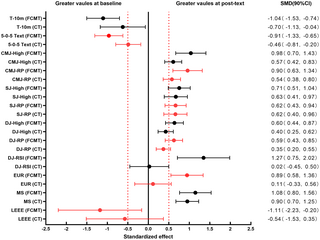
The results presented in Table 6 indicate that the FCMT group showed significantly greater gains in CMJ than the CT group (PCMJ-H = 0.02, ESCMJ-H = 1.06; PCMJ-RP = 0.04, ESCMJ-RP = 0.89), which suggests that the FCMT improved lower extremity explosive strength better than the CT. Similarly, in terms of reactive strength and agility, the FCMT group showed better gains than the CT group in both (PDJ-H = 0.03, ESDJ-H = 0.98; PDJ-RP = 0.02, ESDJ-RP = 1.06; PDJ-RSI < 0.01, ESDJ-RSI = 1.21; P5-0-5 < 0.01, ES5-0-5 = 1.26), which suggests that FCMT is more favorable to the reactive strength and agility abilities. In terms of SSC utilization capacity, the FCMT group was superior to the CT group (PEUR = 0.02, ESEUR = 1.06) and the CT group did not show significant improvement before and after the intervention (P = 0.70, ES = 0.11). In terms of explosive endurance, the FCMT group showed a better increase than the CT group (PLEEE = 0.03, RBCLEEE = 1); whereas the CT group did not show a significant change (P = 0.28), but showed a smaller medium effect (RBC = 0.42). This demonstrated that the FCMT significantly improved the athletes’ explosive endurance, while the CT group showed a smaller effect on the athletes’ explosive strength. However, in terms of maximal strength, both the FCMT and CT groups were effective in improving the athletes’ maximal strength, and the difference in the increase before and after the intervention was not significantly different between the two (P1RM Squat = 0.27, ES1RM Squat = 0.47). Similarly, in terms of speed power, both the FCMT and CT groups were effective in enhancing athletes’ speed power, both in longitudinal jumping (SJ) and horizontal acceleration (T-10m), but no significant differences were observed in the pre- and post-intervention differences in increases between the FCMT and CT groups (PSJ-H = 0.41, ESSJ-H = 0.34; PSJ-RP = 0.70, ESSJ-RP = 0.16; PT-10M = 0.07, EST-10M = 0.79).
Discussion
Explosive strength is influenced by multiple factors [49,50], so a single test to assess the effect of explosive strength enhancement has limitations, and the present study used a multidimensional explosive strength test to accurately analyze the mechanism of action of the two training methods. The results showed that the French contrast method training (FCMT) could significantly improve the lower limb explosive strength and explosive endurance of adolescent athletes, while Complex Training (CT) could significantly improve the lower limb explosive strength but not the explosive endurance. In the overall dimension, FCMT significantly outperformed CT in terms of explosive strength enhancement; in the local dimension, FCMT outperformed CT in terms of reactive strength, agility, and SSC utilization, while there was no significant difference between the two in terms of speed strength and maximal strength enhancement (Fig 4). Therefore, the explosive power improvement advantage of FCMT over CT mainly originated from the enhancement of reactive power, agility ability and SSC utilization ability.
The superior gains in reactive strength, agility, and stretch–shortening cycle (SSC) efficiency observed with French Contrast Method Training (FCMT) relative to Complex Training (CT) are plausibly attributable to differences in session organization and post-activation performance enhancement (PAPE) strategies. Whereas CT employs two independent contrast pairs, FCMT implements a sequential four-exercise progression that exposes the neuromuscular system to stepwise reductions in external load within each cycle. This configuration likely provides a broader stimulus across the force–velocity spectrum than paired contrasts. Conceptually, FCMT’s multi-load sequence also accords with the contemporary joint-by-joint paradigm, emphasizing inter-joint coordination and kinetic-chain force distribution—mechanisms relevant to movement efficiency and injury-risk management in multidirectional sports such as badminton [51]. From a risk–benefit standpoint, FCMT therefore appears theoretically well-suited for pre-competition programming. Additionally, the progressive load reduction in FCMT helps prevent fatigue accumulation from exceeding the enhancement effects of PAPE [52], thereby preserving neuromuscular recruitment capacity. This interpretation aligns with our fatigue monitoring, which showed lower post-session fatigue in FCMT compared with CT. With respect to high-load activation, FCMT’s use of isometric contractions is consistent with evidence that isometrics elicit robust PAPE responses [26–29], and may enhance the rate of force development (RFD)—a determinant associated with lower-limb explosive strength, reactive strength, and eccentric utilization rate [53–55]. Critically, we observed that the FCMT group demonstrated significantly greater improvements in these specific performance metrics compared to the CT group. Previous studies have demonstrated that isometric preactivation enhances subsequent peak force and explosive power output [56], providing additional supporting evidence despite being indirect. Finally, the present explosive-strength gains are congruent with reports of FCMT-related improvements in lower-body power among adult athletes across multiple sports [17–22]. These mechanistic interpretations are hypothesis-consistent rather than causal; studies incorporating neuromuscular measures (e.g., EMG timing, RFD profiling) are warranted to directly test these pathways.
In addition, differences in PAPE activation methods result in differences in the level of stimulation of the neuromuscular system within the entire training unit may be a plausible reason for the differences in SSC utilization gains between the two groups. It has been shown that lower extremity explosive strength gains are closely related to the utilization of elastic potential energy in the muscle and the activation of the muscle stretch reflex [49], and that the neuromuscular response varies with the level of fatigue [57]. Studies by C. Nichol et al. [58] have demonstrated that high-intensity anaerobic glycolytic exercise immediately attenuates the stretch reflex as a result of metabolic changes, thus decreasing sensitivity of the neural reflexes. In the high-load activation phase, CT employed the back squat exercise, while FCMT utilized the isometric back squat. The perceived exertion associated with the dynamic back squat in CT was reportedly greater than that produced by the isometric activation method in FCMT [59]. Relevant studies indicate that the onset of fatigue disrupts the functioning of the autonomic nervous system [60]. However, due to the accumulation of metabolites produced by fatigue caused an increase in the excitability of the Schwann cells, which in turn inhibited the vertebral alpha motoneurons from emitting nerve impulses, thereby reducing subsequent skeletal muscle power output [61]. In addition, the stabilizing muscles are subjected to greater moments of force during weighted squats with changes in joint angles (e.g., erector spinae), whereas the forces on the stabilizing muscles during isometric squats are constant and relatively small during exercise. Additionally, in the timing of training components, the FCMT maximizes the effects of PAP and PAPE by controlling decreasing loads to reduce fatigue buildup between cycles and achieve optimal exercise performance. Compared to CT, FCMT was likely more effective in activating the neuromuscular system and reducing fatigue buildup during training components such as the isometric back squat, back squat jump, and band-assisted jump. Coincidentally, the perceived exertion results of this study showed that the CT group consistently had higher levels of perceived exertion than the FCMT group, a finding that also indirectly confirms the above observations.
The results of the present study highlight the benefits of the FCMT in enhancing agility, and while this advantage may be attributed to enhanced explosive power or improved stretch-shortening cycle (SSC) capacity, another compelling reason may be due to the increased neuromuscular efficiency and coordination of the FCMT. Previous research has demonstrated that gains in athletes’ agility capabilities may be attributed to enhanced neuromuscular efficiency and more effective utilization of the stretch-shortening cycle [62]. This mechanism is consistent with that proposed in this study. In addition, prior research has shown that there is a synergy between the components of the FCMT that seamlessly transmits force to activities with similar biomechanical requirements, especially those that require the generation of powerful thrusts from the hips and thighs [20]. Additionally, the advantages of FCMT for neuromuscular efficiency and coordination enhancement provide a more economical energy environment for explosive endurance gains, which is consistent with Cal Dietz et al. who suggest that FCMT can maintain greater power output over a longer period than CT, and provides a greater stimulatory effect to the body, with long-term adaptations leading to gains in speed endurance more significant [11].
This study utilized an uncommon and innovative assessment method to evaluate changes in subjects’ explosive endurance. Subjects were assessed for the velocity dispersion, i.e., the standard deviation of the velocity of the 15-repetition weighted squat, at a weight of 30% 1RM (purpose: explosive power production is more favorable at this load [63]. This innovative assessment method was chosen considering that the weighted squat is consistent in its movement pattern with the movements of the two training components. The results of the present study demonstrated the advantage of the FCMT in terms of an increase in explosive endurance, a result that is consistent with the results of two previous studies. Noufal K V et al. [20] found that the FCMT significantly improved anaerobic strength capacity in field hockey players by performing the FCMT on 15 field hockey players over 12 weeks. Chang et al. [64] performed a randomized controlled trial on 24 college students, and explored the effects of 8 weeks of high-intensity strength training (similar to the training structure of FCMT) and resistance training on athletic performance, and one of the results showed that this high-intensity strength training produced better improvements in mean anaerobic power compared to traditional resistance training, which is consistent with the findings of the present study. It is also worth considering that the adaptation period for CT was approximately 3 weeks compared to 1 month for FCMT, so athletes may have adapted to CT earlier than to FCMT, and the training effect of CT seems to be more dependent on the accumulation of load intensity. However, premature adaptation to CT in the CT group during the 8-week training intervention may also have reduced the degree of stimulation in subsequent training, leading to differences in explosive endurance gains between the two groups.
While the FCMT demonstrated clear superiority in metrics involving the explosive power and its endurance, it is noteworthy that both training protocols were equally effective in enhancing maximum strength (1RM squat), speed-strength qualities as measured by the Squat Jump (SJ), and sprinting acceleration as measured by the 10-meter sprint (T-10m). The absence of statistically significant between-group differences in these outcomes (p > 0.05 for 1RM, SJ, and T-10m metrics, Table 6) indicates that the foundational capacities for generating high levels of concentric force and initial acceleration were developed to a similar extent by both CT and FCMT. This finding underscores that the high-load component inherent to both protocols, the back squat in CT and the isometric back squat in FCMT, provided a sufficient stimulus for eliciting comparable neuromuscular and structural adaptations related to maximal force production. Consequently, for coaches whose primary aim in a training cycle is to build a solid strength base, improve concentric power, or enhance short-distance sprint performance, both CT and FCMT appear to be viable and effective strategies. Taken together, FCMT’s distinct advantage does not lie in superior development of primary concentric strength or linear sprint velocity, but rather in enhancing EUR and reactive strength, thereby optimizing the transfer of strength to subsequent reactive, explosive and its endurance-oriented tasks. Notably, all participants were elite adolescents with ≥3 years of systematic resistance-training experience; such training age likely conferred sufficient neuromuscular adaptation and recovery capacity to manage fatigue within FCMT’s sequential four-exercise structure, reducing the risk that potentiation effects would be obscured by cumulative fatigue. By contrast, the more discrete paired structure of CT may be preferable for novices or athletes with limited training background.
Improvements in either agility, reactive strength, or SSC utilization are effective in enhancing badminton attacking efficiency and reducing joint injuries associated with multi-angle direction changes [5,65]. In addition, the improvement in explosive endurance was effective in enhancing the duration of athletic performance [13,66]. This study has several advantages, as the FCMT group showed significant improvement in lower limb explosive strength, reactive strength, agility, SSC utilization, and explosive endurance compared to the CT group, which suggests that FCMT is effective in enhancing the athletic performance of junior badminton players. The results of this study are consistent with previous research and extended to explore comparisons of explosive endurance, adding credibility and providing coaches with practical suggestions for incorporating FCMT into their training regimens. However, there are some limitations to this study: A) Due to the scarcity of the elite junior badminton athlete population, this study suffers from a small sample size and was conducted only among male athletes. B) The load intensity was not reset in the middle of the experiment considering the accuracy of fatigue monitoring and the purpose of exploring the training acclimatization period, and subsequent studies could further explore the actual effect after resetting the load in the middle of the experiment for the training acclimatization period. C) Considering the consistency between the training actions and the testing actions, an uncommon and innovative assessment method was used to assess explosive endurance changes, and although it has been cited in previous studies, the effectiveness of its assessment and its practical application value still need to be further verified through more research. D) The exercises within the interventions were different. As a result, it is unclear whether the differences observed are due to the different training structures, or simply the different exercises. E) Sleep patterns of participants were not monitored throughout the study. Given that sleep duration and quality significantly influence cognitive function, reaction time, and the ability to produce maximal efforts during both training and testing, especially in tasks requiring explosive power and sustained attention, the lack of sleep control represents a potential confounding variable [67]. Future research should incorporate sleep monitoring to better account for its role in training adaptation and performance outcomes. Despite these limitations, this study effectively demonstrated the value of the FCMT in improving athletic performance.
Based on the results of this study, it is recommended that French contrast method training (FCMT) be incorporated into a training program for adolescent male badminton players. An eight-week intervention program can be designed to adjust the loading intensity in four-week cycles, focusing on the improvement of explosive power, agility, and explosive endurance. Despite the limitations of the study, personalized training programs need to combine FCMT with badminton-specific training and monitoring to guarantee the improvement of athletic performance to meet the athletes’ stage-by-stage fitness needs, as well as to establish athlete profiles with the test data for personalized teaching. Coaches should pay more attention to the alternation of load intensity when arranging complex training, and pay more attention to the timing of training when arranging the French contrast method training. Combining the advantages and limitations of the two training methods, it is recommended that coaches use CT to develop the basic explosive power in the early stage of developing the explosive power quality of young athletes, and arrange FCMT in the strength training in the pre-competition training period to improve the athletes’ performance and competitive level. In addition, it is recommended to choose isometric back squat as a means of high-load activation for FCMT. In summary, this practical approach can lead to a sustained improvement in the competitive performance of badminton players, which is in line with the modern pace of the game.
Conclusion
The present study provides compelling evidence that the French Contrast Method Training (FCMT) is significantly more effective than Complex Training (CT) in enhancing lower limb explosive strength, reactive strength, agility, stretch-shortening cycle (SSC) utilization, and explosive endurance in adolescent male badminton athletes within a short-term training period. While both training modalities improved maximum strength and speed-related performance, FCMT produced superior outcomes across a broader range of neuromuscular adaptations. These advantages may be attributed to the FCMT’s organizational structure and maximizing PAPE activation methods. Additionally, fatigue monitoring revealed that although FCMT had a longer adaptation period than CT, it led to a greater overall performance improvement with a lower cumulative fatigue load. These findings support the integration of FCMT into pre-competition training phases, particularly for youth athletes requiring rapid and sustained explosive efforts, such as those in badminton. Coaches are encouraged to apply FCMT in a periodized manner alongside sport-specific drills to achieve individualized, performance-oriented outcomes.
Acknowledgments
The authors declare that the research was conducted in the absence of any commercial or financial relationships that no conflicts of interest.
References
- 1.
Zatsiorsky VM, Kraemer WJ, Fry AC. Science and practice of strength training. Human Kinetics; 2020. - 2.
Fatouros IG, Jamurtas AZ, Leontsini D, Taxildaris K, Aggelousis N, Kostopoulos N, et al. Evaluation of Plyometric Exercise Training, Weight Training, and Their Combination on Vertical Jumping Performance and Leg Strength. J Strength Cond Res. 2000;14(4):470–6. - 3.
Channell BT, Barfield JP. Effect of Olympic and traditional resistance training on vertical jump improvement in high school boys. J Strength Cond Res. 2008;22(5):1522–7. pmid:18714236 - 4.
Sturgess S, Newton RU. Design and Implementation of a Specific Strength Program for Badminton. Strength Cond J. 2008;30(3):33–41. - 5.
Ooi CH, Tan A, Ahmad A, Kwong KW, Sompong R, Ghazali KAM, et al. Physiological characteristics of elite and sub-elite badminton players. J Sports Sci. 2009;27(14):1591–9. pmid:19967588 - 6.
Tajik R, Dhahbi W, Fadaei H, Mimar R. Muscle synergy analysis during badminton forehand overhead smash: integrating electromyography and musculoskeletal modeling. Front Sports Act Living. 2025;7:1596670. pmid:40529409 - 7.
Blazevich AJ, Babault N. Post-activation Potentiation Versus Post-activation Performance Enhancement in Humans: Historical Perspective, Underlying Mechanisms, and Current Issues. Front Physiol. 2019;10:1359. pmid:31736781 - 8.
Cormier P, Freitas TT, Loturco I, Turner A, Virgile A, Haff GG, et al. Within Session Exercise Sequencing During Programming for Complex Training: Historical Perspectives, Terminology, and Training Considerations. Sports Med. 2022;52(10):2371–89. pmid:35816233 - 9.
Ebben WP. Complex training: a brief review. J Sports Sci Med. 2002;1(2):42–6. pmid:24688269 - 10.
Ebben WP, Watts PB. A Review of Combined Weight Training and Plyometric Training Modes: Complex Training. Strength Cond. 1998;20(5):18–27. - 11.
Dietz C, Peterson B. Triphasic training: A systematic approach to elite speed and explosive strength performance. 2012. - 12.
Li C. The design and implementation of physical training for the Chinese national badminton team in preparation for the 2012 London Olympics. J Beijing Univ Phys Educ. 2016;5(5):86–91. - 13.
Abián P, Castanedo A, Feng XQ, Sampedro J, Abian-Vicen J. Notational comparison of men’s singles badminton matches between Olympic Games in Beijing and London. Int J Perf Analysis Sport. 2014;14(1):42–53. - 14.
Miller MG, Herniman JJ, Ricard MD, Cheatham CC, Michael TJ. The effects of a 6-week plyometric training program on agility. J Sports Sci Med. 2006;5(3):459–65. pmid:24353464 - 15.
Luders JG, Garrett JM, Gleadhill S, Mathews LO, Bennett HJ. Comparative Effects of Complex Contrast Training and Traditional Training Methods on Physical Performance Within Female, Semiprofessional Australian Rules Football Players. J Strength Cond Res. 2024;38(11):1917–23. pmid:39178129 - 16.
Luders J, Gleadhill S, Garrett J, Bennett H. Enhancing athletic performance with complex contrast training: A Delphi study of elite strength and conditioning coaches. Int J Sport Sci Coach. 2024;19(6):2321–33. - 17.
Argus CK, Gill ND, Keogh JWL, McGuigan MR, Hopkins WG. Effects of two contrast training programs on jump performance in rugby union players during a competition phase. Int J Sports Physiol Perform. 2012;7(1):68–75. pmid:22461463 - 18.
Elbadry N, Hamza A, Pietraszewski P, Alexe DI, Lupu G. Effect of the French Contrast Method on Explosive Strength and Kinematic Parameters of the Triple Jump Among Female College Athletes. J Hum Kinet. 2019;69:225–30. pmid:31666904 - 19.
Hernández-Preciado JA, Baz E, Balsalobre-Fernández C, Marchante D, Santos-Concejero J. Potentiation Effects of the French Contrast Method on Vertical Jumping Ability. J Strength Cond Res. 2018;32(7):1909–14. pmid:29351162 - 20.
K V IN, Vasanthi G, Elayaraja M, Murugesan R, Govindasamy K, Gogoi H. Impact of french contrast training on field hockey players’ biomotor and physiological parameters: a pretest-posttest study. Retos. 2024;58:1097–105. - 21.
Liu Q. An experimental study on the effect of French Contrast Method Training method on the explosive power of the lower limbs of students majoring in long jump in physical education in general colleges and universities. Beijing Sports University; 2020. - 22.
Welch ML, Lopatofsky ET, Morris JR, Taber CB. Effects of the french contrast method on maximum strength and vertical jumping performance. 2019. - 23.
Tsoukos A, Bogdanis GC, Terzis G, Veligekas P. Acute Improvement of Vertical Jump Performance After Isometric Squats Depends on Knee Angle and Vertical Jumping Ability. J Strength Cond Res. 2016;30(8):2250–7. pmid:26808841 - 24.
Zhou Y, Liu J, Yang L, Zheng B. Can Maturation Level Influence Long-Term Physiological and Physical Adaptations in Youth Female Soccer Players Exposed to Combined Sided Games and HIIT? A Comparison Across Maturation Statuses. J Sports Sci Med. 2025;24(3):634–44. pmid:40933321 - 25.
Balyi I, Hamilton A. Long-term athlete development: trainability in childhood and adolescence. Olympic Coach. 2004;16(1):4–9. - 26.
Bogdanis GC, Tsoukos A, Veligekas P, Tsolakis C, Terzis G. Effects of muscle action type with equal impulse of conditioning activity on postactivation potentiation. J Strength Cond Res. 2014;28(9):2521–8. pmid:24584048 - 27.
Jarosz J, Gawel D, Grycmann P, Aschenbrenner P, Spieszny M, Wilk M, et al. How repeatable is PAPE effect: the impact of in-season isometric squat activation on countermovement jump performance enhancement in national level soccer players. BMC Sports Sci Med Rehabil. 2025;17(1):115. pmid:40325482 - 28.
Jarosz J, Szwarc A. Isometric Conditioning Activity and Jump Performance: Impact of Training Status in Male Participants. J Clin Med. 2025;14(17):6214. pmid:40943974 - 29.
Vargas-Molina S, Salgado-Ramírez U, Chulvi-Medrano I, Carbone L, Maroto-Izquierdo S, Benítez-Porres J. Comparison of post-activation performance enhancement (PAPE) after isometric and isotonic exercise on vertical jump performance. PLoS One. 2021;16(12):e0260866. pmid:34855891 - 30.
Markovic G, Dizdar D, Jukic I, Cardinale M. Reliability and factorial validity of squat and countermovement jump tests. J Strength Cond Res. 2004;18(3):551–5. pmid:15320660 - 31.
Young W. Laboratory strength assessment of athletes. New Stud Athlete. 1995;10:88. - 32.
McGuigan MR, Doyle TLA, Newton M, Edwards DJ, Nimphius S, Newton RU. Eccentric utilization ratio: effect of sport and phase of training. J Strength Cond Res. 2006;20(4):992–5. pmid:17194252 - 33.
Haff G, Ruben R, Molinari M, Painter K, Stone MH. The relationship between the eccentric utilization ratio, reactive strength, and pre-stretch augmentation and selected dynamic and isometric muscle actions. J Strength Cond Res. 2010;24:1. - 34.
Hetzler RK, Stickley CD, Lundquist KM, Kimura IF. Reliability and accuracy of handheld stopwatches compared with electronic timing in measuring sprint performance. J Strength Cond Res. 2008;22(6):1969–76. pmid:18978613 - 35.
Killip JSM. Reliability and validity of the 505 agility test. Evolution of the Athlete Coach Education Conference, 4th; Brisbane, Australia: University of the Sunshine Coast, Queensland, Australia; 2006. - 36.
Stewart PF, Turner AN, Miller SC. Reliability, factorial validity, and interrelationships of five commonly used change of direction speed tests. Scand J Med Sci Sports. 2014;24(3):500–6. pmid:23176602 - 37.
Young WB, Dawson B, Henry GJ. Agility and Change-of-Direction Speed are Independent Skills: Implications for Training for Agility in Invasion Sports. Int J Sport Sci Coach. 2015;10(1):159–69. - 38.
Hespanhol JE, Silva Neto LG, Arruda Md, Dini CA. Assessment of explosive strength-endurance in volleyball players through vertical jumping test. Revista Brasileira de Medicina do Esporte. 2007;13:181–4. - 39.
Stone MH, O’Bryant HS, McCoy L, Coglianese R, Lehmkuhl M, Schilling B. Power and maximum strength relationships during performance of dynamic and static weighted jumps. J Strength Cond Res. 2003;17(1):140–7. pmid:12580669 - 40.
Apanukul S, Suwannathada S, Intiraporn C. The Effects of Combined Weight and Pneumatic Training to Enhance Power Endurance in Tennis Players. J Exer Physiol Online. 2015;18(2). - 41.
Dhahbi W, Padulo J, Russo L, Racil G, Ltifi M-A, Picerno P, et al. 4-6 Repetition Maximum (RM) and 1-RM Prediction in Free-Weight Bench Press and Smith Machine Squat Based on Body Mass in Male Athletes. J Strength Cond Res. 2024;38(8):1366–71. pmid:38888595 - 42.
Hoffman J. NSCA’s Guide to Program Design (NSCA Science of Strength & Conditioning) (English Edition) 1st Edition, Kindle Edition. Human Kinetics; 2011. - 43.
Seo D-I, Kim E, Fahs CA, Rossow L, Young K, Ferguson SL, et al. Reliability of the one-repetition maximum test based on muscle group and gender. J Sports Sci Med. 2012;11(2):221–5. pmid:24149193 - 44.
Chen MJ, Fan X, Moe ST. Criterion-related validity of the Borg ratings of perceived exertion scale in healthy individuals: a meta-analysis. J Sports Sci. 2002;20(11):873–99. pmid:12430990 - 45.
Skinner JS, Hutsler R, Bergsteinová V, Buskirk ER. The validity and reliability of a rating scale of perceived exertion. Med Sci Sports. 1973;5(2):94–6. pmid:4721013 - 46.
Wang W, Chen Q, China Z. Application of Excel to complete the calculation and evaluation of intra-group correlation coefficient ICC. Health Stat China. 2008;25:314–5. - 47.
Hedges LV. A random effects model for effect sizes. Psychol Bullet. 1983;93(2):388–95. - 48.
Cureton EE. Rank-Biserial Correlation. Psychometrika. 1956;21(3):287–90. - 49.
Bosco C, Viitasalo JT, Komi PV, Luhtanen P. Combined effect of elastic energy and myoelectrical potentiation during stretch-shortening cycle exercise. Acta Physiol Scand. 1982;114(4):557–65. pmid:7136784 - 50.
Bosco C. The Effect of Prestretch on Skeletal Muscle Behavior. J Appl Biomech. 1997;13(4):426–9. - 51.
Dhahbi W, Materne O, Chamari K. Rethinking knee injury prevention strategies: joint-by-joint training approach paradigm versus traditional focused knee strengthening. Biol Sport. 2025;42(4):59–65. pmid:41048234 - 52.
Tillin NA, Bishop D. Factors modulating post-activation potentiation and its effect on performance of subsequent explosive activities. Sports Med. 2009;39(2):147–66. pmid:19203135 - 53.
Ball NB, Stock CG, Scurr JC. Bilateral contact ground reaction forces and contact times during plyometric drop jumping. J Strength Cond Res. 2010;24(10):2762–9. pmid:20613651 - 54.
Laffaye G, Wagner P. Eccentric rate of force development determines jumping performance. Comput Methods Biomech Biomed Engin. 2013;16(Suppl 1):82–3. pmid:23923859 - 55.
McLellan CP, Lovell DI, Gass GC. The role of rate of force development on vertical jump performance. J Strength Cond Res. 2011;25(2):379–85. pmid:20093963 - 56.
Xenofondos A, Bassa E, Vrabas IS, Kotzamanidis C, Patikas DA. Muscle Twitch Torque During Two Different in Volume Isometric Exercise Protocols: Fatigue Effects on Postactivation Potentiation. J Strength Cond Res. 2018;32(2):578–86. pmid:29084091 - 57.
Gollhofer A, Komi P, Miyashita M, Aura O. Fatigue during stretch-shortening cycle exercises: changes in mechanical performance of human skeletal muscle. Int J Sport Med. 1987;8(02):71–8. - 58.
Nicol C, Komi PJKP, Fepne O. Ciclo de alongamento-encurtamento e sua influência na produção de força e potência. UK: Blackwell Publishing Co.; 2006. p. 219–44. - 59.
Rixon KP, Lamont HS, Bemben MG. Influence of type of muscle contraction, gender, and lifting experience on postactivation potentiation performance. J Strength Cond Res. 2007;21(2):500–5. pmid:17530946 - 60.
Chen Y, Liu M, Zhou J, Bao D, Li B, Zhou J. Acute Effects of Fatigue on Cardiac Autonomic Nervous Activity. J Sports Sci Med. 2023;22(4):806–15. pmid:38045744 - 61.
Gandevia SC. Spinal and supraspinal factors in human muscle fatigue. Physiol Rev. 2001;81(4):1725–89. pmid:11581501 - 62.
Cherni Y, Mzita I, Oranchuk DJ, Dhahbi W, Hammami M, Ceylan HI, et al. Effects of loaded vs unloaded plyometric training combined with change-of-direction sprints on neuromuscular performance in elite U-18 female basketball players: a randomized controlled study. Sport Sci Health. 2025;21(4):2899–911. - 63.
Brady C, Comyns T, Harrison A, Warrington G. Focus of Attention for Diagnostic Testing of the Force-Velocity Curve. Strength Cond J. 2017;39(1):57–70. - 64.
Chang Y-H, Chou Y-C, Chang Y-C, Tan K-H, Wu M-H. The Effects of High-Intensity Power Training versus Traditional Resistance Training on Exercise Performance. Int J Environ Res Public Health. 2022;19(15):9400. pmid:35954756 - 65.
Kaldau NC, Kerr S, McCaig S, Hölmich P. Training and injuries among world elite junior badminton players – Identifying the problems. Asia Pac J Sports Med Arthrosc Rehabil Technol. 2021;26:21–6. pmid:34458102 - 66.
Zhu D, Song D, Huang Z. Comparing Individualized vs. Non-Individualized Locomotor Profiling on High-Intensity Interval Training Adaptations in Soccer Players: A Randomized Parallel Study. J Sport Sci Med. 2025;24(3):503–12. - 67.
Bouzouraa E, Dhahbi W, Ferchichi A, Geantă VA, Kunszabo MI, Chtourou H, et al. Single-Night Sleep Extension Enhances Morning Physical and Cognitive Performance Across Time of Day in Physically Active University Students: A Randomized Crossover Study. Life (Basel). 2025;15(8):1178. pmid:40868825

GEAR FOR GOOD INITIATIVE NAMES FIVE YOUTH SOCCER PROGRAM BENEFICIARIES TO HELP GROW THE GAME IN 2026

Georgia seeks $390K from DE Damon Wilson for transfer damages

Women’s Track & Field Travels to Chicago State for Season Opener

Long Beach State Men’s Volleyball Announces 2025 Wall of Honor Class

Denny Hamlin was advised by his lawyers not to tweet; He did anyway

Michael Jordan and Joe Gibbs’ daughter-in-law expected to testify Friday in NASCAR antitrust case
NIL in prep sports another threat to childhood

New Martinsville Christmas in the Ville Returns | News, Sports, Jobs

UT Arlington Track & Field Announces 2026 Indoor Schedule

Assistant Soccer Coach (Goalkeepers) in Lake Charles, LA for McNeese State University

Jeff Rudolf, Jim Halsey Walk Away From Top-End Crash at Snowbird Outlaw Nationals

How Donald Trump became FIFA’s ‘soccer president’ long before World Cup draw
Woman, ex-boyfriend sentenced for defrauding state unemployment office

The top indoor track and field meets to watch in 2026

Graduate Assistant Coach of Track & Field and Cross Country in Winchester, VA for Shenandoah University Athletics

First Tee Winter Registration is open

Fargo girl, 13, dies after collapsing during school basketball game – Grand Forks Herald

CPG Brands Like Allegra Are Betting on F1 for the First Time

Volleyball Recaps – November 18

F1 Las Vegas: Verstappen win, Norris and Piastri DQ tighten 2025 title fight

Two Pro Volleyball Leagues Serve Up Plans for Minnesota Teams

Sycamores unveil 2026 track and field schedule

Utah State Announces 2025-26 Indoor Track & Field Schedule

Texas volleyball vs Kentucky game score: Live SEC tournament updates

Bowl Projections: ESPN predicts 12-team College Football Playoff bracket, full bowl slate after Week 14

Redemption Means First Pro Stock World Championship for Dallas Glenn

Pohlman admits ‘there might be some spats’ as he pushes to get Kyle Busch winning again

Indiana’s rapid ascent and its impact across college football

Troy Football Need to Know; Gameday at The Vet — Georgia State Game

How this startup (and a KC sports icon) turned young players into card-carrying legends overnight

 Why a rising mid-major power with an NCAA Tournament team opted out of revenue-sharing — and advertised it
 NBA Legend Michael Jordan to Join NBC Sports as Special Contributor
 Falcons mailbag
 Portal Update – Basketball and Gymnastics Take Hits
 has always dreamed in Mercurial. Now his initials are on the boots.
The new Kyl…
has always dreamed in Mercurial. Now his initials are on the boots.
The new Kyl…
-
 Rec Sports2 weeks ago
First Tee Winter Registration is open
-
 Rec Sports1 week ago
Fargo girl, 13, dies after collapsing during school basketball game – Grand Forks Herald
-
 Motorsports1 week ago
CPG Brands Like Allegra Are Betting on F1 for the First Time
-
 Sports2 weeks ago
Volleyball Recaps – November 18
-
 Motorsports2 weeks ago
F1 Las Vegas: Verstappen win, Norris and Piastri DQ tighten 2025 title fight
-
 Sports1 week ago
Two Pro Volleyball Leagues Serve Up Plans for Minnesota Teams
-
 Sports1 week ago
Sycamores unveil 2026 track and field schedule
-
 Sports1 week ago
Utah State Announces 2025-26 Indoor Track & Field Schedule
-
 Sports1 week ago
Texas volleyball vs Kentucky game score: Live SEC tournament updates
-
 NIL5 days ago
Bowl Projections: ESPN predicts 12-team College Football Playoff bracket, full bowl slate after Week 14