
NIL
Learning football from video games now a legit teaching method for coaches, athletes


The Athletic has live coverage of Oregon vs. Indiana in the 2025 College Football Playoff semifinals.
When David Pollack played linebacker at the University of Georgia from 2001-04, he was considered one of the best defenders in the country: a two-time consensus All-American and a two-time SEC Defensive Player of the Year.
But when he played the game in college, NIL (name, image and likeness) deals didn’t exist, and active players were not named in athletic video games. In the EA Sports College Football series, Pollack knew he was No. 47 for Georgia.
Pollack now sees the video game as more than entertainment or a fun way to pass the time. The game can also be a tool of instruction for coaches at all levels, particularly those coaching young children and adolescents. In addition to being a recognized college football analyst, Pollack is a defensive line coach at North Oconee High in Bogart, Ga.
Also on his resume: He’s one of the voices of EA Sports College Football 26 as an analyst.
Teaching players about schemes and how to react on the field has become reality for him as a coach with the help of video games such as EA Sports College Football 26 and Madden NFL 26. He’s a believer of the method and has seen the return on investment.
“I can’t tell you how many of my kids that I’ve coached (using video games) over these years,” Pollack said, “and they were really little, too — 8, 9, 10, 11, 12 years old.”
EA Sports College Football 26 includes more than 2,800 new plays and 45 new formations. Madden NFL 26 features a playbook expansion of more than 1,000 plays. Football video games have come a long way from the days of Tecmo Bowl, a 1980s-released game featuring only 12 pro teams and four offensive plays per team on the Nintendo 8-bit console.
Because of technology becoming so advanced, studying plays by way of video games can resemble studying in real life to football players of all ages. Coaches can talk football jargon with younger players who are familiar with it from the video games. Players are understanding what offensive schemes work best against certain defenses. Conversely, they are learning multiple defenses and what might be the best option to contain an offense.
“With Madden, with College Football, these kids learn what Cover 2 is, what Cover 3 is, what Cover 4 is,” Pollack said. “The games have gotten to be so detailed that it’s correct.”

David Pollack, now an assistant coach at North Oconee High in Georgia, was a star linebacker for the Georgia Bulldogs. On video games, he knew he was No. 47 for the Bulldogs. (Joshua L. Jones / USA Today)
Statistically, EA Sports College Football 26, released in July, is again among the best-selling games, ranking fifth and trailing only NBA 2K26 among sports games, according to GameStop. College football was brought back to video game consoles in July 2024 with EA Sports College Football 25, the first such game since 2013. EA Sports College Football 25 was the second-highest selling game of 2024, according to GameStop. There were 2.2 million unique players during early access in July 2024, per EA Sports.
Pollack said many young football players he’s worked with who have gravitated toward video games as an entry point to the sport show up with a deeper understanding of the game. And with the College Football Playoff now in full swing, there is a sample size of a fan base that learned about the significance of the tournament through gaming, despite having no connection to any of the 12 teams originally selected for competition. (Miami beat Ole Miss on Thursday to advance to the CFP Championship. The Hurricanes will face the winner of Friday’s semifinal between Indiana and Oregon.)
Young fans as gamers, however, are looking for realism down to the smallest detail. EA Sports creative director Scott O’Gallagher said a lot of the feedback the company receives from gamers goes beyond gameplay. With football video games, there are gamers who want to see players in the right helmet style, the right style of shoe, even the correct number of wristbands. That detail, O’Gallagher said, resonates particularly when young gamers are playing with the team that features certain athletes they admire.
Before becoming immersed in video games as a career, O’Gallagher was an NAIA basketball All-American at Warner Pacific University in Portland, Ore. He played professionally overseas in Europe and Australia. He learned as a professional athlete in Europe that passionate fans care about every aspect of their favorite team.
The details that go into making football video games as real as possible include keeping the playbook updated. EA Sports works throughout the season to add any wrinkles to the playbook that can be added to its games. A young player can follow a team they like and not only understand what plays are used, but also see the changes over the course of the season.
“We’re a live service, so if things are happening during the year, we’re definitely going out there and trying to add them,” O’Gallagher said. “I can talk to one of our playbook guys about what USC was doing and say, ‘Hey, did we get this? It’s a new wrinkle that Lincoln Riley’s put in. Let’s make sure we have it.’”
A more intricate game doesn’t just help Pollack’s young players, but also gives more for Pollack to discuss in his role as an in-game analyst. When recording for the game, it’s no longer about simply saying “first down.” Announcers will record game analysis in studios with tons of energy but without seeing an actual play. They will spend hours preparing to record for several scenarios.
“The technology’s getting so much better that we’re able to do so much more now and give layered concepts,” Pollack said. “It’s crazy how much they can learn about the game and are ahead of the curve on playing the real game.”
Football education by way of video games isn’t limited to a specific squad, either. Evan Dexter, EA Sports vice president of brand and marketing, said data shows football games make a strong connection with young fans who don’t have allegiance to a particular team.
“If you were to pull the analytics of (College Football) 25 and 26, I’m sure Colorado is being used far more than what you might think, based on the population of alumni or people geographically around the school,” Dexter said, referring to the popularity of Heisman Trophy winner Travis Hunter and quarterback Shedeur Sanders, who led Colorado during the 2024 season.
“It’s certainly true that younger sports fans will abandon allegiance in favor of some form of hero worship, some form of individual superstar,” Dexter said. “As the sport becomes a little more superstar driven, the Travis Hunters move through it, and the Arch Mannings (of Texas) and those narratives start to transcend the old-school rivalries.”
Whether rivalries are traditional or budding, the evolution of football video games will continue to be an introduction to the sport for young gamers who ultimately want to become football players. They’ll now have a lot more than four plays to choose from to learn the game.
“It’s definitely raising the football intelligence of kids all around the world by playing the game and understanding what’s going on,” Pollack said.

The transfer portal has never moved this fast, or this early. Ten days into the winter window — which opened Jan. 2 and runs through Jan. 16 — 25 Power Four college football programs have already reached the 25-player mark in terms of entries as of Sunday morning. That level of turnover typically takes weeks to accumulate. For perspective, 38 Power Four teams reached that threshold across both portal windows last cycle, a process that stretched 40 total days between winter and spring.
This year’s accelerated pace reflects a shifting reality in college football. Roster decisions are being made earlier, with NIL and rev-share leverage and immediate eligibility compressing timelines for both players and staff. While coaching turnover remains a major driver of mass exits, it no longer explains the full scope of the movement.
Of the 18 Power Four programs with the most departures so far this cycle, 11 experienced a head coaching change. The other seven did not — a group navigating heavy roster churn despite overall staff continuity.
Below is a closer look at those Power Four teams without a coaching change that have seen the highest portal attrition so far during this shortened window, and what those departures actually mean beyond the raw numbers.
College football’s transfer portal has spun out of control
Brad Crawford
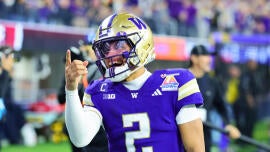
After posting the second-highest number of transfer portal departures among Power Four programs across both windows of the 2024-25 cycle last year following its coaching transition back to Rich Rodriguez, West Virginia finds itself near the top of the list again. This time, however, the Mountaineers lead all Power Four teams that did not undergo a coaching change, with 46 players exiting via the portal as of Saturday evening.
That raw number, however, needs context.
Only four of those players started at least six games, and just 10 logged 200 or more snaps during the 2025 season, limiting the overall damage to the depth chart. Still, West Virginia did lose meaningful production. Top receiver Cam Vaughn, as well as leading rushers Diore Hubbard and Cyncir Bowers all entered the portal, a notable blow for an offense searching for continuity.
That trio accounted for 11 of West Virginia’s 33 offensive touchdowns this season.
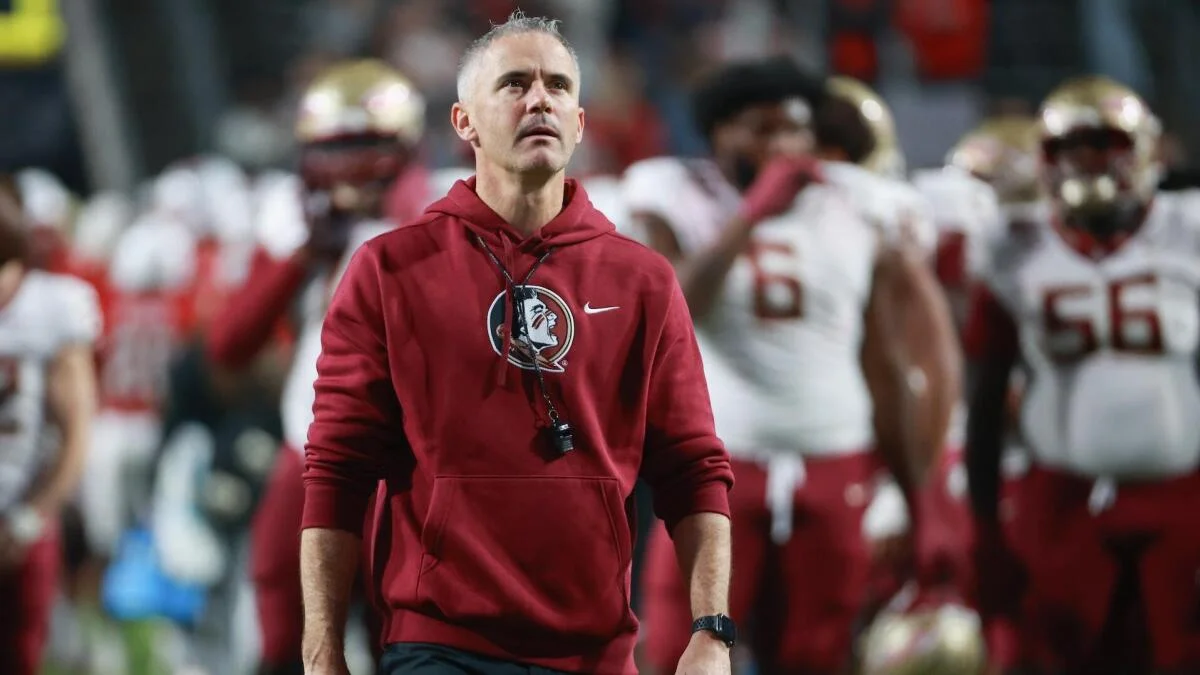
Mike Norvell faces immense pressure to get Florida State back on track in Tallahassee after back-to-back disappointing seasons. That turnaround, however, will once again require significant roster reconstruction. Florida State has the second-most transfer portal departures this cycle among Power Four programs that did not undergo a coaching change.
The most immediate impact has come on the defensive side of the ball. Safeties Edwin Joseph and Earl Little Jr. — who initially declared for the 2026 NFL Draft before entering the portal Tuesday — are the only two departures who started double-digit games. Still, the volume of experience leaving the roster is notable.
Six additional transfers made at least six starts, a figure that doesn’t even include two of the most surprising exits of the cycle: twin defensive linemen Darryll Desir and Mandrell Desir. Both were widely expected to remain in Tallahassee but now rank among the highest-rated edge rushers in Cooper Petagna’s 247Sports transfer portal rankings.
In total, 10 departing Seminoles logged at least 200 snaps this season, leaving Florida State with real snaps — not just roster spots — to replace as Norvell reshapes the roster yet again.

Deion Sanders’ year-to-year rebuild at Colorado begins again. With 35 players entering the transfer portal already this cycle, the Buffaloes are set for another roster reset — but in Sanders’ model, that’s part of the plan, not a setback.
The defensive backfield has taken the hardest hit. Cornerback DJ McKinney, as well as safeties Tawfiq Byard and Carter Soutmire — three of the most experienced starters — are gone, leaving significant gaps in coverage. Offensively, leading receiver Omarion Miller and several linemen depart, meaning Colorado must replace production as well as depth once again. In total, 13 portal exits logged at least 200 snaps this season with six of those being starters.
For Colorado, the 2026 season will test Sanders’ philosophy again: can a continuous transfer‑first approach build enough cohesion and sustained production to compete in the Big 12?
At first glance, Mississippi State’s placement on this list may raise eyebrows, but the context is important. Of the Bulldogs’ 34 transfer portal departures this cycle, only one was a regular starter: defensive lineman Kedrick Bingley-Jones. Just four other players logged more than 200 snaps during the season — offensive lineman Jimothy Lewis Jr., who split time between left and right tackle; wide receiver Jordan Mosley, who caught eight passes on 16 targets; and defensive backs Tony Mitchell and Jayven Williams, reserve players who combined for 43 tackles.
For coach Jeff Lebby and his staff, that’s not particularly alarming. Much of the Bulldogs’ roster turnover has come from depth players rather than key contributors. Mississippi State was in a similar situation during the previous cycle, losing 39 players across both windows — only four of whom were starters.
In other words, while the portal activity is high in volume yet again, the impact on immediate on-field production is limited.

Until this cycle, Dave Aranda’s program had quietly been one of the more stable operations in the portal era. Baylor entered the winter having lost just 55 players across the previous four transfer cycles — tied for the third-fewest among current Power Four teams, alongside Iowa and behind only Clemson and Northwestern with 44 each.
That context makes this cycle stand out.
Baylor now sits among the top 15 Power Four programs in total departures and ranks tied for fifth among teams that didn’t undergo a coaching change, with 30 exits — already 11 more than the Bears lost in the previous cycle alone. More notably, the attrition cuts into production. Nine departing players logged at least 200 snaps and six of those were regular starters.
The losses span every level of the roster. Interior offensive lineman Coleton Price, the top-ranked IOL transfer in Cooper Petagna’s 247Sports portal rankings, is gone. Linebacker Keaton Thomas leaves after leading the team with 99 total tackles, while safety DJ Coleman and linebacker Emar’rion Winston take proven defensive snaps with them.
Offensively, Bryson Washington’s exit looms largest after he rushed for 1,816 yards and scored 20 total touchdowns over the past two seasons.
For Baylor, this isn’t just volume — it’s a break from recent precedent as Dave Aranda tries to steady a program that’s seen uneven results six seasons into his tenure.
The portal wasn’t around the last time Scott Frost was building a roster at UCF. During his first stint in Orlando in 2016 and 2017, transfers were few and far between. This time around, the rebuild is unfolding in a far more volatile environment — and the volume reflects it. UCF has seen 30 players enter the portal this cycle, a notable number as Frost continues to reshape the roster for his second tenure.
Like some of the teams near the top of this list, the Knights have lost meaningful contributors. Four departing players were regular starters in 2025. Wide receiver DJ Black finished as the team’s fourth-leading receiver with 273 yards and two touchdowns. Defensive lineman John Walker, a 320-pound interior presence, totaled 39 tackles and was a key piece of the rotation up front. Quarterback Tayven Jackson made 10 starts, while center Carter Miller started nine games before injuries cut his season short.
Beyond those starters, the attrition extends into the rotation. Defensive lineman Rodney Lora, edge rusher Jamaal Johnson and tight end Kylan Fox each logged at least 200 snaps, further chipping away at experienced depth.
Other Power Four programs without a coaching change that have already reached the 25-departure mark include Ohio State (29), Louisville (28), North Carolina (27), Syracuse (26), Illinois (25), Kansas (25), Oklahoma (25) and Tennessee (25).
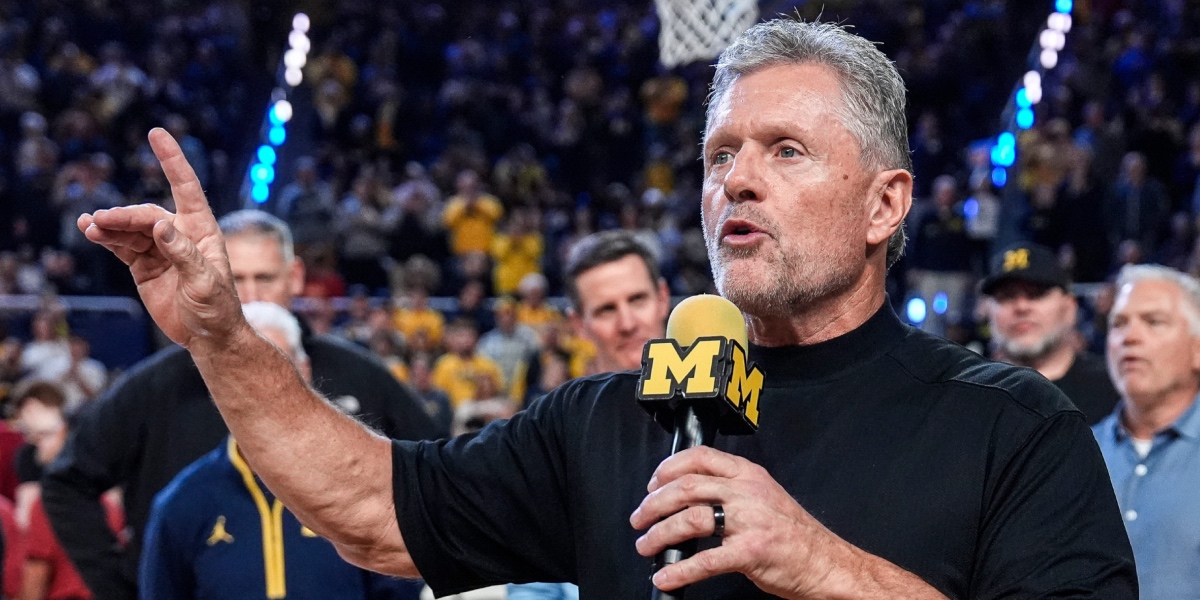
The hiring of Kyle Whittingham at Michigan may have caught much of the college football world off guard. However, FOX Sports analyst Joel Klatt believes the move checks every box the Wolverines needed to address.
Speaking on The Joel Klatt Show, Klatt called Michigan’s decision to bring in Whittingham a “home run,” citing the unique challenges surrounding the search, and how seamlessly the longtime Utah head coach fits the moment in Ann Arbor.
“This seems like a tremendous fit. This seems like a home run because it checks off all of these boxes,” Klatt said. “The timing is a challenge. The play-identity is a challenge. Culture reset and stabilization, that’s a challenge. Any one of those four is going to be very difficult to find. And yet, Kyle Whittingham checks the box in all four.”
Alas, Michigan moved quickly after firing Sherrone Moore earlier last month following an investigation into an inappropriate relationship with a staff member. The timing of the opening, coinciding with the start of the transfer portal and a limited coaching market, made the search particularly difficult. Many around the sport believed Michigan would be forced into a short-term or high-risk hire.
Instead, the Wolverines landed one of the most respected and stable figures in college football. Whittingham spent 22 seasons at Utah, compiling a 177–88 record while building the program into a consistent national presence.
He won two Pac-12 championships, produced eight double-digit win seasons and famously finished 13–0 in 2008, capped by a Sugar Bowl victory over Alabama. His teams became known for their physicality, discipline and consistency, traits Michigan is eager to reestablish.
Many assumed Whittingham’s resignation from Utah signaled retirement. Instead, the 64-year-old opted for a new challenge, stepping into a Michigan program just two years removed from a national championship in 2023. With Big Ten resources, elite recruiting infrastructure and a roster still stocked with high-level talent, Klatt believes the move is about more than stability.
“He looks at this as an opportunity to actually go out there and compete for a national championship,” Klatt claimed. He certainly has the chance to do so now.
After weeks of uncertainty, Michigan appears to have found exactly what it needed in Whittingham. A proven winner, steady hand and a coach capable of restoring trust while keeping the Wolverines firmly in the national title conversation.

Ahead of the Indiana Hoosiers and Miami Hurricanes’ clash in the 2026 College Football Playoff National Championship Game on Monday, January 19, the SEC’s absence from a third-straight title game has many thinking the conference’s demise is here.
USA Today’s Matt Hayes is one of those people. Hayes called out the Alabama Crimson Tide, Georgia Bulldogs, LSU Tigers, Florida Gators, and Texas A&M Aggies by name for failing their sky-high expectations in the NIL/rev-share era.
As Hayes pointed out, Texas Tech Red Raiders superbooster and Fort Worth oilman Cody Campbell has built a program with rev-share payouts that used to resemble the schools that “didn’t pay” their players before student athletes started cashing sanctioned paychecks.
“There are millionaires and billionaires who love their universities and are obsessive about winning. Throw open the doors to NIL and free player movement — and legalized big booster involvement — and watch how quickly the SEC looks like the ACC,” Hayes wrote.
“Watch how quickly Alabama comes back to the pack, and Georgia can’t get out of the quarterfinals in the CFP. How quickly LSU and Florida and Texas A&M spend hundreds of millions of dollars to fire coaches and start over.
“More to the point, watch how quickly the deep-pocket Cody Campbells of the world begin to simply play by the rules laid out by the SEC and Big Ten ― and build teams that look and play like SEC teams of the past.”
What Campbell is doing in the open, with public information on all salaries available at a state school per an information request, is more honorable than the bagmen of years past, who gave the “It Just Means More” tagline a devilish undertone. Obligatory mention of the cars Crimson Tide players were driving during their dominant 2010s era.
It’s just sad to see this change, since societies in the south were built on winning football.
Auburn’s fall in the rev-share/NIL era is understated, but it’s still a thing
Going from a College Football world that once saw Alabama win every other year, Georgia doing the same at the very end, and schools like LSU and Florida formerly dominated before, or right when Nick Saban arrived in Tuscaloosa, is more dramatic than going to a world where the Auburn Tigers went from an 8-10-win team to a perennial loser.
That doesn’t mean Auburn’s fall hasn’t happened. It has, and it’s been stark. It’s the same world, and it’s the one we’re living in.
As the Plains sees new, modern structures being erected everywhere, there is a lack of the same character from when the team was winning games, and the Auburn Creed meant something. From the sounds of it, the Creed’s principles were absent under the last two full-time head football coaches’ regimes.
Just like the perennial contenders in the conference, the Tigers need to figure out how to restore glory and make “It Just Means More” hit like it used to. Easier said than done, but all sports are cyclical, and the current CFB landscape will always favor the SEC and Big Ten.
So it should happen sometime in the future. Especially with a different personality like Alex Golesh in tow.
Only time will tell, though.
Updated Jan. 10, 2026, 9:46 p.m. ET
The Florida football 2026 roster remains a work in progress.
With the Florida Gators coming off a 4-8 season in 2025, changes are in store under first-year UF coach Jon Sumrall.
Already, more than 20 Florida players have announced their intentions to enter the transfer portal, including a host of starters: quarterback DJ Lagway, wide receiver Eugene Wilson III, tight end Hayden Hansen, safety Jordan Castell and defensive tackle Michai Boireau.
The FBS transfer portal opened Friday, Jan. 2, and runs through Jan. 16, a window in which players can officially be in contact with other schools. Florida players who are in the portal can re-sign with UF during that time or choose to sign with other schools.
Florida will likely be in the market for at least one more quarterback and will try to fill holes on the offensive and defensive lines, at punter and kicker and in the secondary.
Transfer players Florida football is eyeing or has added from the portal
Auburn WR Eric Singleton Jr.
Singleton signed with Florida football on Jan. 10, per multiple reports, a day after he took his name out of the NFL Draft and entered the transfer portal. He began his career at Georgia Tech before moving on to Auburn and brings familiarity with UF’s coaching staff based on his relationship with former Georgia Tech and current UF offensive coordinator Buster Faulkner and former Auburn and current UF wide receivers coach Marcus Davis. The 5-10, 185-pound Singleton, from Atlanta, Georgia, had 58 catches for 534 yards and 3 TDs last season.
Stanford OT Emeka Ugorji
The 6-foot-5, 300-pound Ugorji committed to Florida on Friday, Jan. 9, per a report from Tyler Harden of 247Sports. Ugorji, from Dallas, Texas, appeared in 10 games and made eight starts for Stanford as a true freshman. His two penalties committed were the fewest among Stanford offensive linemen who played over half of the team’s offensive snaps
East Carolina RB London Montgomery
Montgomery announced his commitment to Florida on social media on Thursday, Jan. 8. The 5-11, 197-pound Montgomery rushed for 742 yards and 7 TDs on 156 carries for 2025.
Georgia Tech OL Harrison Moore
Moore announced on social media on Friday, Jan. 9 that he signed with the Gators. A sophomore, the 6-5, 300-pound Moore entered the transfer portal on Jan. 3 and is considered a Florida target based on his relationship with new UF offensive coordinator Buster Faulkner. Moore started eight games for the Yellow Jackets last season and hasn’t allowed a sack in 866 career snaps.
Louisiana LS Carter Milliron
Milliron announced his commitment to Florida on social media on Thursday, Jan. 8. A junior, the 6-0, 257-pound Milliron has appeared in 40 games over three seasons as long snapper at Louisiana and has posted two career tackles on special teams.
Jacksonville State DE Emmanuel Oyebadejo
The 6-7, 295-pound Oyebadejo committed to Florida on Tuesday, Jan. 6, after visiting UF’s campus from Jan. 3-4, according to Tyler Harden of 247Sports. A redshirt junior, Oyebadejo posted 6.5 tackles for loss, 4.5 sacks and 2 forced fumbles for Jacksonville State in 2025. He provides insurance at the edge rush spot for UF if rising sophomore defensive end Jayden Woods, who remains in the portal, opts to sign elsewhere.
Mississippi Gulf Coast Community College S Elijah Owens
The 6-3, 210-pound Owens announced his commitment in a social media post on Wednesday, Jan. 7. Owens began his college career at Alabama State and posted 65 tackles,1.5 tackles-for-loss, an interception and three pass break-ups for Mississippi Gulf Coast CC last season.
Kentucky S Cam Dooley
The 6-2, 208-pound Dooley committed to Florida on Janu. 7 after visiting Florida on Jan. 4. A sophomore with two seasons of eligibility remaining, Dooley appeared in 12 games with three starts for the Wildcats in 2025, recording 20 tackles, 1 forced fumble and 1 interception. He’s considered a Florida target based on his relationship with UK-turned-Florida defensive coordinator Brad White and UK-turned-Florida safeties coach Chris Collins.
Wake Forest WR Micah Mays Jr.
The 6-2, 196-pound Mays committed to Florida on Wednesday, Jan. 7 after visiting Florida from Jan. 3-4. A former four-star recruit from The Benjiman School in North Palm Beach, Mays has recorded 34 catches for 520 yards and 4 TDs in two seasons with the Demon Deacons. A sophomore, Mays has two years of eligibility remaining.
Georgia Tech QB Aaron Philo
Philo officially signed with Florida on Jan. 6, the former Georgia Tech quarterback announced in a social media post. Reports of Philo’s commitment surfaced shortly after his weekend visit from Jan, 3-4. He announced his intentions to enter the transfer portal on Dec. 17 and has a connection with new UF offensive coordinator Buster Faulkner, having played under Faulkner for two seasons with the Yellow Jackets. The 6-foot-2, 220-pound Philo has thrown for 938 yards with 2 TDs to 3 interceptions over two seasons while rushing for 95 yards and 1 TD as the backup to Haynes King.
Penn State OL T.J. Shanahan Jr.
Shanahan announced his commitment to UF on social media after visiting Florida the weekend of Jan. 3-4. A redshirt sophomore with two years of eligibility remaining, the 6-4, 316-pound Shanahan began his career at Texas A&M before transferring to Penn State. An Orlando native, Shanahan was coached last season by former PSU and current Florida offensive line coach Phil Trautwein. He’s the cousin of fomer UF and NFL offensive lineman Jon Halapio.
Penn State OT Eagan Boyer
Boyer committed to Florida on Jan. 6 after his official visit on Jan. 3-4, according to a report from Stadium and Gale. The 6-8, 300-pound Boyer appeared in eight games for the Nittany Lions in 2025, making one start. A redshirt freshman, Boyer has three years of eligibility remaining and has a connection with new UF offensive line coach Phil Trautwein, who coached at Penn State.
Tulane K Patrick Durkin
Durkin committed to Florida on Jan. 6, joining former Tulane and new Florida special teams coach Johnathan Galante. An honorable mention All-American, Durkin connected on 27 of 32 field for the Green Wave last season, including four of 50 yards or more. He will replace Trey Smack as UF’s starting kicker in 2026.
Tulane P Alec Clark
Clark committed to Florida on Jan. 6, joining former Tulane and new Florida special teams coach Johnathan Galante. An All-American Conference first team punter in 2025, Clark averaged 46.5-yards per punt, with 16 of his 48 punts downed inside the 20-yard line. The 6-1, 184-pound Clark has two years of eligibility remaining and projects to replace Tommy Doman as UF’s starting punter next season.
Cincinnati RB Evan Pryor
The 5-foot-9, 195-pound Pryor committed to Florida on Jan. 6, per multiple reports, after a visit to UF’s campus on Jan. 5. Pryor, a redshirt junior, rushed for 522 yards on 6.9 yards per carry with 3 TDs for the Bearcats last season. He will provide a solid backup option to Jadan Baugh if Baugh opts to return for his junior season.
Baylor DB DJ Coleman
Coleman committed to Florida after his weekend visit from Jan. 3-4. A junior, the 6-1, 210-pound Coleman has posted 89 total tackles, 8 tackles for loss, 2 interceptions, 9 pass breakups and 1 forced fumble in three seasons at Baylor.
James Madison TE Lacota Dippre
Dippre committed to Florida after his weekend visit to UF’s campus from Jan. 3-4. A redshirt sophomore with three years of eligibility remaining, the 6-4, 253-pound Dippre had 17 catches for 192 yards and 3 TDs with JMU in 2025. He’ll compete with returning tight ends Tony Livingston and Amir Jackson for the starting job at UF.
Georgia Tech WR Bailey Stockton
The 5-11, 185-pound Stockton committed to Florida after a weekend visit on campus from Jan. 3-4. A sophomore with two years of eligibility remaining, Stockton posted 38 catches for 439 yards and 1 TD in his first two seasons.
Baylor DT DK Kalu
The 6-4, 309-pound Kalu committed to Florida on Monday, Jan. 5, after a visit to UF’s campus from Jan. 3-4. A redshirt freshman, Kalu has appeared in three games and made one career start in two seasons at Baylor, recording a tackle against Air Force.
Miami (Ohio) LB/DE Adam Trick
The 6-4, 242-pound Trick visited Florida on Jan. 4, per a report from 247Sports. Trick posted 25 tackles, 8.5 sacks, 3 forced fumbles and an interception for the Red Hawks in 2025.
Minnesota WR Malachi Coleman
Coleman visited Florida on Wednesday, Jan. 7, according to a report from Tyler Harden of 247Sports. A redshirt sophomore with two years of eligibility remaining, the 6-5, 200-pound Coleman began his career at Nebraska in 2023 has posted 13 catches for 222 yards and 1 TD in two Big Ten seasons with the Cornhuskers and Golden Gophers.
West Virginia WR Cam Vaughn
Vaughn plans to visit Florida, according to a report from Tyler Harden of 247Sports. A redshirt sophomore, the 6-2, 185-pound Vaughn had 35 catches for 541 yards and 4 TDs last season.
Georgia TE Pearce Spurlin
The 6-7, 230-pound Spurlin, from South Walton HS in Santa Rosa Beach, visited Florida from Jan. 7-8, according to Tyler Harden of 247Sports. Spurlin had three catches for 60 yards in 2023 but has sat out the last two years due to a congenital heart condition.
UCLA DB Kanye Clark
The 6-0, 190-pound Clark visited Florida on Saturday, Jan. 10. Clark appeared in nine games with two starts at nickel back for UCLA in 2025, finishing with 23 tackles, 2 pass breakups, 1 forced fumble and 1 tackle for loss. A redshirt sophomore, Clark has two years of eligibility remaining.
Florida football players who have announced their return to UF for 2026
Florida football EDGE Jayden Woods
Woods, who earned All-Freshman SEC honors, announced on social media on Thursday, Jan. 8, that he’s returning to UF after initially entering the portal. The 6-3, 248-pounder appeared in all 12 games for Florida this season, which featured him totaling 28 tackles, five tackles for loss, 2.5 sacks and one interception. Woods has three years of eligibility remaining.
Florida football DB Alfonzo Allen
Allen announced his decision to return to UF on social media on Jan. 7. The 5-foot-11, 199-pound Allen recorded 32 tackles in six games and three starts for UF last season, including a 15-tackle performance in his first career start against Mississippi State.
Florida football RB Jadan Baugh
The 6-1, 231-pound Baugh announced his decision to return for his junior season on Tuesday, Jan. 6. Baugh ranked third in the SEC in rushing with 1,170 yards and a combined 10 TDs (8 rushing, 2 receiving) as a sophomore in 2025. He projects as a focal point of UF’s offense in 2026 under new coach Jon Sumrall.
Florida football QB Tramell Jones Jr.
Jones announced his intentions to return to UF in a social media post on Dec. 30. The 6-foot, 203-pound Jones appeared in two games for UF, completing 21 of 35 passes for 191 yards and 2 TDs. Jones will enter 2026 as a redshirt freshman with four years of eligibility remaining.
Florida football WR Dallas Wilson
Wilson announced his intentions to return in a social media post on Dec. 31, citing a “revenge season.” In four games, the 6-2, 213-pound Wilson recorded 12 catches for 174 yards and 3 TDs in a season that was cut short due to a broken foot.
Florida football WR Vernell Brown III
Brown announced his intentions to return for his sophomore season in a social media post on Dec. 26. The 5-foot-11, 178-pound Brown appeared in 10 games with six starts as a true freshman in 2025, earning freshman All-SEC honors with a team-high 40 receptions for 512 yards. Brown also proved value on special teams, adding 261 yards on punt and kickoff returns with a punt return long of 40 yards.
Florida football LB Myles Graham
Graham was one of the first UF players to announce his intentions to come back to Florida Victorious on Dec. 16. The 6-1, 228-pound Graham led UF in tackles (76) and tackles for loss (7) in 2025.
Florida football DB Cormani McClain
McClain announced his intentions to return to UF in a social media post on Dec. 31. A redshirt sophomore and former 5-star recruit from Lakeland who transferred in from Colorado, McClain has recorded two career interceptions at UF, including one returned for a TD.
Florida football EDGE LJ McCray
McCray announced his intentions to return to UF to Florida Victorious on Dec. 30. The 6-foot-6, 268-pound McCray, a former five-star recruit from Mainland High in Daytona Beach, appeared in just one game in 2025 before being sidelined with a broken foot. In 14 career games, McCray has recorded six quarterback hurries and half a sack. McCray will enter the 2026 season as a redshirt sophomore with three years of eligibility remaining.
Florida football LB Aaron Chiles
Chiles announced his intentions to return to Florida in a social media post on Dec. 24. The 6-3, 244-pound Chiles appeared in 25 games over two seasons with 3.5 career tackles for loss and 1.5 sacks. A sophomore and former Under Armour All-American, Chiles has two years of eligibility remaining.
Florida football DB Dijon Johnson
Johnson announced his decision to return to UF in a social media post on Dec. 24. The 6-1, 204-pound Johnson has made nine career starts over three seasons with three career pass breakups and one interception. A redshirt sophomore, Johnson has two years of eligibility remaining.
Florida football EDGE Kam James
James announced his decision to return to UF in a social media post on Dec. 30. A junior with one year of eligibility remaining, the 6-6, 270-pound James has posted 7.5 career tackles for loss and 4.5 career sacks.
Florida football S Bryce Thornton
Thornton announced his intentions to return in a social media post on Dec. 31. A junior, the 5-10, 213-pound Thornton has started 22 games over three seasons, recording four career interceptions and a fumble recovery returned for a TD.
Florida football LB Jaden Robinson
Robinson announced his intentions to return to UF in a social media post on Jan. 1. A junior from Lake City, the 6-0, 226-pound Robinson has started 17 games over three seasons, recording 7.5 career tackles for loss and 5.5 career sacks.
Florida football OL Knijeah Harris
Harris has re-singed with Florida, according to a report from On3’s Pete Nakos. A junior, the 6-3, 313-pound Harris has started UF’s last 25 games at left guard. In 2025, Harris posted Pro Football Focus (PFF) pass blocking grade of 74.2 in 25 starts.
Florida football OL Roderick Kearney
Kearney announced his decision to return in a social media post on Dec. 26. A former Under Armour All-American, the 6-4, 310-pound Kearney appeared in seven games on offense and special teams last season. A redshirt sophomore, Kearney has two years of eligibility remaining and will have an opportunity to compete for the starting job at right guard vacated due to the departure of three-year starter Damieon George Jr.
Florida football WR TJ Abrams
Abrams announced his decision to return to Florida in a social media post on Dec. 18. A redshirt freshman from Fort Myers, the 5-foot-10, 196-pound Abrams appeared in 10 games with one start in 2025, catching 13 passes for 201 yards.
Florida football DT Joseph Mbatchou
Mbatchou signed an NIL deal to return to Florida on Dec. 24. As a true freshman last season, the 6-5, 300-pound Mbatchou appeared in eight games, making 11 tackles, including one tackle for loss.
Florida football OT Caden Jones
Jones signed an NIL deal to return to Florida on Dec. 31. The 6-8, 333-pound Jones started 10 games at right tackle for the Gators in 2025.
Florida football DT Brendan Bett
The 6-5, 308-pound Bett announced on social media that he’s returning for UF for his junior season. In 12 games and three starts for UF in 2025, Bett recorded 39 tackles, 4 tackles for loss and 3 sacks.
Florida football players who have entered the transfer portal
Florida football DB Aaron Gates
In three seasons, Gates appeared in 18 games and recorded 34 tackles, 4 tackles for loss, 4 pass deflections, 3 fumble recoveries and an interception. The redshirt sophomore had a promising 2024 season but suffered a season-ending shoulder injury against Miami this year. Gates committed to Kentucky on Jan. 6.
Florida football DB Sharif Denson
The 5-foot-11, 195-pound Denson announced his intentions to enter the transfer portal in a social media post on Dec. 26. A former Under Armour All-American from Bartram Trail High in Jacksonville, Denson made 17 starts in 36 games over three seasons at UF, recording 97 tackles, 6.5 tackles for loss, 2 sacks and 1 interception. A junior, Denson has one year of eligibility remaining. Denson committed to Ole Miss on Sunday, Jan. 4.
Florida football WR Eugene Wilson III
The 5-10, 194-pound Wilson announced his intentions to enter the portal in a social media post on Dec. 24. Wilson finished his UF career with 107 catches for 1,043 yards and 10 TDs. A redshirt sophomore, Wilson committed to LSU on Wednesday, January 7.
Florida football WR Naeshaun Montgomery
The 6-1, 189-pound Montgomery plans to enter the portal, according to a report from On3s Pete Nakos. A former Under Armour All-American, Montgomery appeared in four games for UF, making three catches for 26 yards. Montgomery preserved his redshirt by appearing in just four games and has four years of eligibility remaining.
Florida football DT Michai Boireau
The 6-5, 349-pound Boireau announced his intentions to enter the portal in a social media post on Dec. 18. Boireau appeared in 21 games with nine starts for UF over two seasons, recording 35 tackles, 2 sacks and a game-winning interception against Mississippi State.
A sophomore, Boireau has two years of eligibility remaining. Boireau committed to Ole Miss on Jan. 5.
Florida football TE Hayden Hansen
The 6-8, 269-pound Hansen announced his intentions to enter the transfer portal in a social media post on Dec. 18,
Hansen made 34 starts over the last three seasons at UF, recording 57 catches for 611 yards and 5 TDs. This past season, Hansen had 30 catches for 254 yards and 2 TDs. A redshirt junior, Hansen has one year of eligibility left. Hansen committed Oklahoma on Sunday, Jan. 4.
Florida football LB Grayson ‘Pup’ Howard
The 6-4, 236-pound Howard announced his intentions to transfer in a social media post on Dec. 17. Howard appeared in 12 games over two seasons for UF, totaling 41 tackles, 2 tackles for loss, 2 fumble recoveries and 1 fumble recovery. He started nine games in 2024 but appeared in just three games in 2025 due to an ankle injury. A redshirt junior, Howard has just one year of eligibility remaining. Howard committed to USF on Jan. 5.
Florida football WR Tank Hawkins
The 5-10, 178-pound Hawkins announced he’s entering the transfer portal in a social media post on Dec. 17.
Hawkins appeared in 11 games over two seasons for UF, recording 12 catches for 116 yards and 1 TD. He opted out of UF’s final four games of the 2025 season to preserve his redshirt and as a redshirt freshman has three years of eligibility remaining.
Florida football WR Aidan Mizell
Florida redshirt sophomore wide receiver Aidan Mizell announced his intentions to enter the portal in a social media post on Dec. 16.
The 6-2, 185-pound Mizell, from Boone High in Orlando, appeared in 21 games over three seasons with three starts, finishing with 36 catches for 379 yards and 3 TDs. He has two years of eligibility remaining. Mizell announced on Jan. 7 that he’s committed to UCLA.
Florida football QB DJ Lagway
Lagway announced his intentions to transfer on Dec. 15 in a social media post. A 2023 Gatorade High School player of the year from Willis High School in Willis, Texas, the 6-3, 247-pound Lagway went 10-9 as a starter for Florida and passed for 4,179 yards over two seasons with 28 TDs to 23 interceptions. Lagway also rushed for 237 yards and 1 TD for UF in two seasons.
A sophomore, Lagway has two seasons of eligibility remaining. Per CBS Sports’s Matt Zenitz, Lagway is expected to visit Baylor, Missouri, Louisville and Virginia.
Florida football S Jordan Castell
Castell announced his intentions to enter the portal in a social media post on Dec. 15. A three-year starter at safety for UF, the 6-2, 213-pound Castell recorded 168 career tackles, 12 pass breakups, 3 interceptions and 1 sack. Castell committed to Kentucky on Wednesday, Jan. 7.
Florida football RB KD Daniels
Daniels announced his intentions to transfer in a social media post on Dec. 15. A redshirt freshman, the 6-0, 203-pound Daniels rushed for 185 yards on 39 carries with 2 TDs over two seasons at UF. Daniels committed to Wake Forest on Jan. 5.
A former 5A Mississippi Mr. Football from West Point, Mississippi, Daniels has three years of eligibility remaining.
Florida football WR Muizz Tounkara
Tounkara announced his intentions to enter the transfer portal shortly after UF’s season ended on Nov. 29. As a 6-3, 208-pound true freshman receiver from League City, Texas, Tounkara appeared in eight games for UF in 2025, finishing the year with two catches for 12 yards.
Florida football TE Amir Jackson
Florida football tight end Amir Jackson announced his intentions to enter the transfer portal, according to a social media post. A redshirt freshman, the 6-5, 235-pound Jackson appeared in 12 games for UF in 2025, finishing with three catches for 29 yards and a TD. He has three years of eligibility left. According to reports, Jackson was expected to re-sign with UF once the portal opens.
Florida football DL Tarvorise Brown
A JUCO transfer, Brown announced his intentions to enter the transfer portal on Dec. 10. The 6-7, 296-pound Brown provided depth on UF’s defensive line over the last two seasons, appearing in six games. Brown committed to North Carolina on Monday, Jan. 5.
Florida football WR Mike Peterson Jr.
A freshman walk-on and son of UF edge rushers coach Mike Peterson, the 6-1, 164-pound Peterson didn’t appear in any games this season. A three-star recruit, Peterson had 24 catches for 258 yards and 4 TDs at Fort White High during his senior season in 2024.
Florida football S Josiah Davis
Florida football redshirt freshman safety Josiah Davis announced his intentions to enter the portal in a social media post on Monday, Dec. 15.
The 6-0, 200-pound Davis appeared in five games over two seasons on defense and special teams for UF. He has three years of eligibility remaining.
Florida football DB Teddy Foster
The 6-1, 188-pound Foster announced his intentions to transfer in a social media post on Tuesday, Dec. 16. Foster appeared in 11 games on defense and special teams over two seasons at Florida, recording five tackles.
A redshirt freshman, Foster has three years of eligibility remaining. Foster committed to USF on Jan. 5.
Florida football OL Marcus Mascoll
The 6-5, 308-pound Mascoll announced his intentions to transfer in a social media post on Wednesday, Dec. 17. Mascoll did not appear in any games over two seasons at Florida. A four-star recruit from Snellville, Ga., Mascoll has three years of eligibility remaining following his redshirt freshman season.
Florida football CB Jamroc Grimlsey
The 6-2, 198-pound Grimsley announced his intentions to enter the portal in a social media post on Wednesday, Dec. 17.
Grimsley appeared in five games over two seasons, making one start and recording one tackle. A redshirt freshman, Grimsley has three years of eligibility remaining.
Florida football WR Jackson Wade
The 5-11, 185-pound Wade, a walk-on and special teams contributor, announced his decision to enter the portal in a social media post on Monday, Dec. 22. Wade appeared in 16 games over two seasons for UF, making one catch for 10 yards. A redshirt sophomore, Wade has two years of eligibility remaining. Wade announced on Jan. 5 he’s committed to Boston College.
Florida football OL Noel Portnjagin
The 6-foot-5, 306-pound Portnjagin, from Karlsruhe, Germany, announced his intentions to enter the transfer portal in a social media post on Tuesday, Dec. 23. A redshirt freshman, Portnjagin appeared in one game in two seasons at UF, playing five snaps in the 2024 Gasparilla Bowl against Tulane. Portnjagin has four years of eligibility remaining.
Florida football K Evan Noel
Noel announced his intentions to enter the transfer portal in a social media post on Dec. 31. Coming out of Bay St. Louis, Mississippi, with a five-star kicking rating, Noel spent his freshman season in 2025 backing up Trey Smack and did not appear in any games for UF in 2025.
Florida football RB Treyaun Webb
Webb announced his decision to enter the transfer portal in a social media post on Dec. 31. The 5-11, 217-pound Webb has missed most of the last two seasons with a hamstring injury. In 15 career games at UF, Webb rushed for 256 yards on 47 carries with 3 TDs.
Florida football OL Enoch Wagnoy
A former top 50 offensive tackle recruit, the 6-7, 333-pound Wagnoy didn’t appear in a game in two seasons at UF. A redshirt freshman, Wagnoy has three years of eligibility remaining. Wagnoy committed to James Madison on Jan. 6, where he will be reunited with former UF coach Billy Napier.
Florida football RB Ja’Kobi Jackson
Jackson announced he’s entering the portal after receiving a waiver to play for the 2026 season. In two seasons at UF, Jackson rushed for 618 yards and 7 TDs. He was limited to just four games in 2025 due to injury, rushing for 98 yards on 27 carries.
Florida football P Hayden Craig
Craig has entered the portal, according to a report from 247Sports. As a true freshman last season, Craig backed up Florida starting punter Tommy Doman. A five-star punter per Kohls kicking camp, the 6-1, 208-pound Craig has four years of eligibility remaining.
Florida football LS Mack Mulhern
Mulhern has entered the portal, according to a report from 247Sports. As a true freshman last season, the 6-1, 225-pound Mulhern backed up starting long snapper Rocco Underwood. Rated the No. 2 long snapper in the country as a high school senior by Kohls kicking camp, Mulhern has four years of eligibility remaining.
Kevin Brockway is The Gainesville Sun’s Florida beat writer. Contact him at kbrockway@gannett.com. Follow him on X @KevinBrockwayG1. Read his coverage of the Gators’ national championship basketball season in “CHOMP-IONS!” — a hardcover coffee-table collector’s book from The Sun. Details at Florida.ChampsBook.com
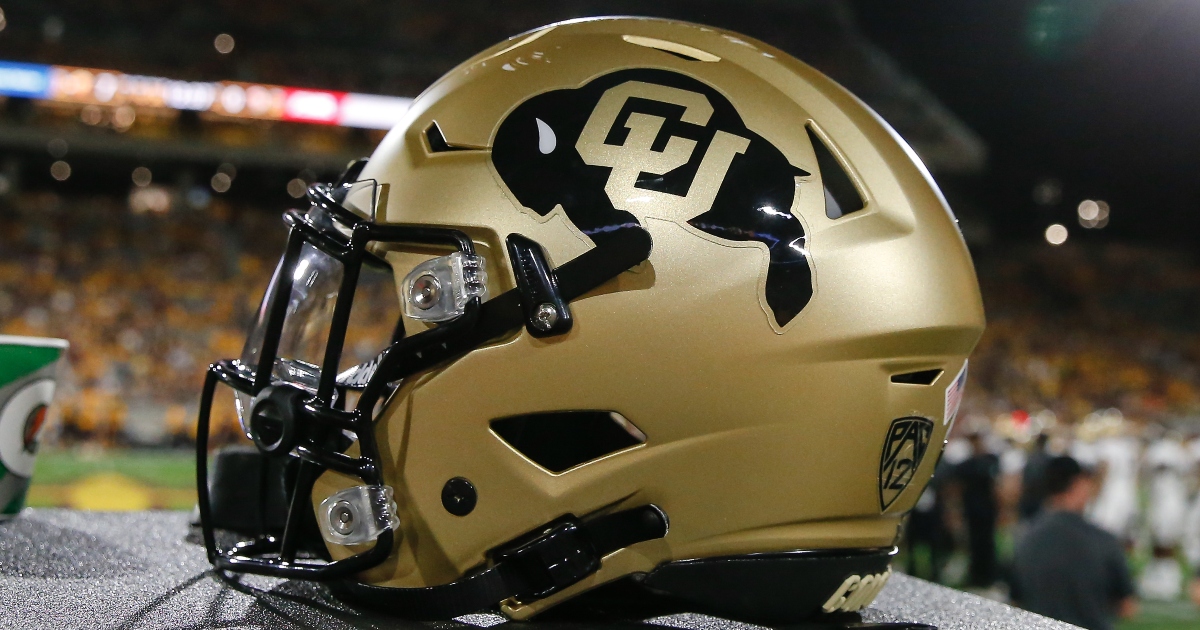
Tennessee safety Boo Carter has committed to Colorado out of the NCAA transfer portal, On3 has learned. Carter had a bit of a rocky relationship with the Volunteers, ultimately departing the program before the 2025 campaign had finished.
In two seasons at Tennessee, Carter recorded 63 tackles. He also notched two sacks, three forced fumbles, an interception and three passes defended.
Carter earned numerous SEC-related honors stemming from the 2024 season. He was a 2024 SEC All-Freshman team selection. He was also a 2025 preseason All-SEC third-team selection by the league’s coaches.
Boo Carter was arguably his most productive in terms of getting his hands on the ball in 2025. He logged 25 tackles, a sack, three forced fumbles and three passes defended this season.
But Carter didn’t stick around for the full season at Tennessee. He did not play in the team’s 42-9 win over New Mexico State in November. That absence was conspicuous.
Coach Josh Heupel expressed some disappointment in Boo Carter after the game. He shed a little light on the situation.
“At the end of the day, there’s a standard you’ve gotta meet to be in that locker room,” Heupel said. “So he was not out on the field with us. That will be my last response to anything related to that for right now.”
Boo Carter also missed several days with the team in July and went into call camp with questions about his availability. But he was able to work his way back into the good graces of the staff.
Ultimately, things didn’t end up working out at Tennessee. Shortly after that New Mexico State game, it was reported that Carter was splitting with the program.
“No, not regretful,” Heupel said. “At the end of the day, it’s our job as coaches to try to mold these guys, and that’s a part of the commitment that you make, you know, in the recruiting process and when they decide to come. You know, sometimes it works, sometimes it doesn’t. And, you know, at the end of the day, we’re moving forward.”
Prior to enrolling at Tennessee, Boo Carter was ranked as a four-star prospect and the No. 111 overall recruit in the nation, according to the Rivals Industry Rankings. He also checked in as the No. 3 athlete in the class and the No. 3 overall player from the state of Tennessee, hailing from Chattanooga (TN) Bradley Central.
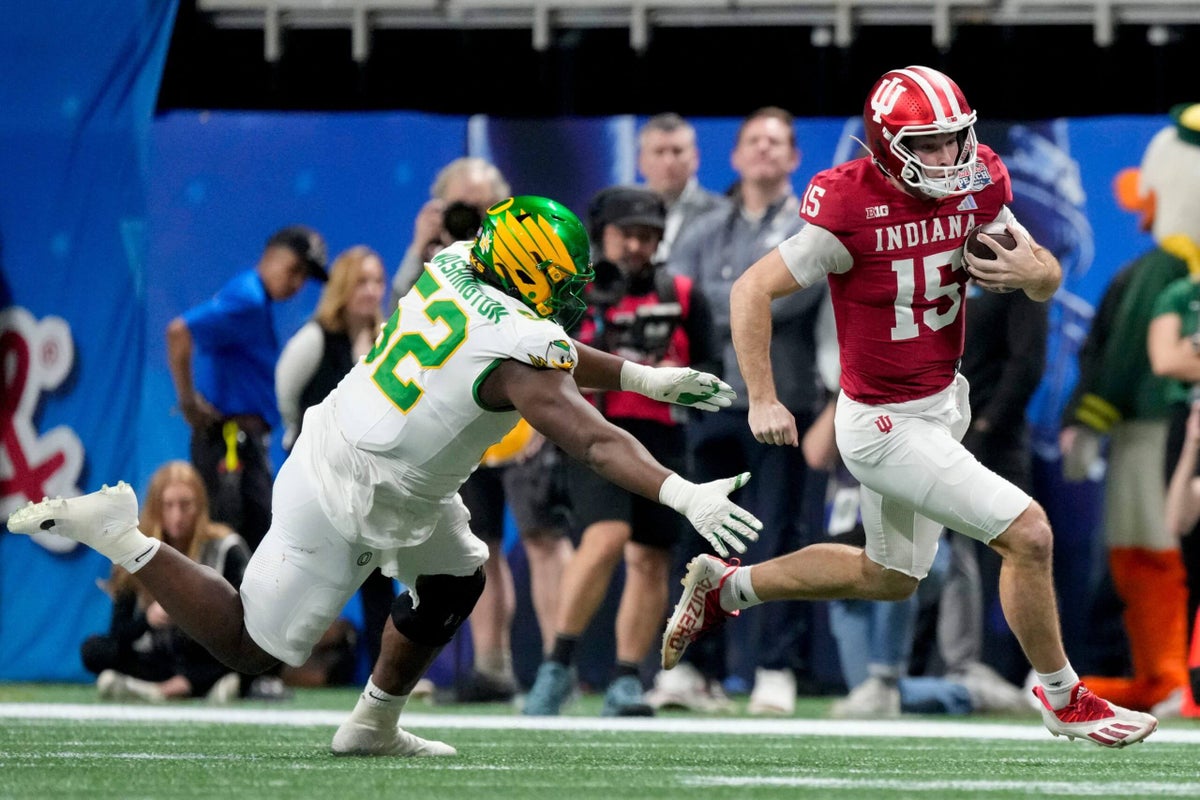
Indiana football is everything right now, representing at once the enhancement of the college football product on the field and the unsustainable reality off it.
No, Indiana didn’t do anything wrong — that we know of, anyway, though I’m sure other coaches would like to investigate Curt Cignetti and his players for spyware or cyborg blood or something. But as we wrap up a week that had the absolute best and worst of the sport clawing at each other for top billing, the Hoosiers should know they’ve made it so much harder for so many people.
Not that they should care. Go destroy Miami after people spend the week talking themselves back into why you can’t really be this good, then celebrate a national championship that would represent one of the most unforeseen, inexplicable, glorious stories in American sports history.
Indiana, even while making Friday night more boring than we wanted with a 56-22 semifinal thrashing of Oregon, is the prevailing example of why college football is in a great place as a product.
Transfer portal. Contracts. No loyalty. Whatever. Inject this stuff into MY VEINS!!!!!
— Dari Nowkhah (@ESPNDari) January 9, 2026
Never has there been more hope for so many. Membership in the exclusive club of heritage and built-in advantages is no longer required. A tallying of the recruiting stars next to names on a roster no longer produces a long and accurate list of programs with no shot of winning it all.
The landscape is always changing, never boring. Vanderbilt, Texas Tech, Ole Miss and Arizona State are among Indiana’s party-crashing undercards. The College Football Playoff is compelling. The games aren’t all thrillers, but enough of them are.
I would, though, like us to get through one of those good games without half of college sports media crowing on some app: “OH THAT’S WEIRD, I THOUGHT COLLEGE FOOTBALL WAS BROKEN.”
Because we all know darn well that, in ways, it is. Or maybe fractured sounds less dramatic. Chaotic. Problematic? Whatever makes you feel less bad. In the same week we’re enjoying the CFP semifinals, including an Ole Miss-Miami classic, we’ve got the former coach of Ole Miss keeping assistant coaches from attending the ball like he’s Cinderella’s stepmother.
We’ve got that same coach, LSU’s Lane Kiffin, courting one quarterback (Arizona State transfer Sam Leavitt) at a basketball game while another (Washington’s Demond Williams Jr.) announces he’s in the portal, apparently with the idea of joining Kiffin, except he had already signed to stay on with Washington. Except we have contracts in college sports that seek to sort of bind, while being careful not to make the person being paid sound as if he or she is being paid to play. Even though that’s exactly what’s happening.
So it’s the latest but far from the last “contract dispute,” this one finishing with Williams deciding to return to Washington. And hey, look, here comes the College Sports Commission promising to start cracking down on these predictable workarounds to pay enough to land top players in a market that is rising.
Which, at best, means an example made of a program or two, and in no way means any chance for the CSC to get its arms around things. Men and women with gavels and long, black robes will continue seeing to that. Lawmakers aren’t changing it.
Collective bargaining, in some form, is the only answer, and more and more people in the industry are coming around on that. The painful, inevitable journey continues. Hopefully, the past week serves as a bit of a jolt. I talked to an administrator who has been in that camp for a while and believes the athletic director and president levels are getting there.
But that will have unintended consequences, too. Go back and read what a lot of us were writing about name, image and likeness rights 10 or 15 years ago. I don’t recall anyone coming close to predicting all that has come with it.
And I must wonder how, with a cap of some sort in place while athletes get a bigger chunk of the revenue overall, the boosters at Ohio State, Alabama and Georgia are going to feel about officially being like everyone else, about parity as league design — about the caddies getting full-time access to the pool and golf course.
Which brings us to the thing I hear the most from folks in college sports in terms of long-term concerns. And this is where Indiana re-enters the discussion, in three words: return on investment. Indiana AD Scott Dolson has made what must be considered, two years later, one of the great hires in modern college football history. As hyperbolic as that may sound.
And for as much as this should be seen as an outlier that will spawn books and documentaries, it only serves to intensify the pressure elsewhere. All your resources, all that time, and you couldn’t figure this out, Penn State? Steve Sarkisian and Arch Manning can’t match this James Madison dude and Fernando Mendoza? Wasn’t USC the program with the great quarterback developer and offensive designer?
Those programs are at least having some success. All of them are begging the millionaires and billionaires who have helped build a facility or throw some nice cars at recruits of the past to sustain competitive payrolls. The TV money is good, but check the expenses. Colleague Seth Emerson wrote about “donor fatigue” in 2024 and, spoiler alert: No one has gotten any rest.
The wealthy folks who pay NFL players are called owners, and their investments are being multiplied many times over. The wealthy folks who pay college players get names on buildings, seats on the team plane and games of catch between the star quarterback and their grandkids. NFL owners lose, fire people, draft high and continue to profit; college boosters increasingly feel like they’re setting large piles of money on fire.
Which is why private equity looks as inevitable as collective bargaining. This is more than just a slight hairline fracture that will heal on its own.
I hope you can enjoy the college football right now. The product is soaring. Also, I hope anyone who cares about it understands that it can plummet without improved leadership that values common sense, the greater good of the industry and all of its employees.
If you’re an Indiana fan, soak in these experiences that are Cignetti-driven but still possible only because of NIL and the transfer portal. And plan to stay for a while. Cignetti never looks like he’s satisfied, and Mark Cuban is looking awfully happy right now.

Youth Hockey Game Erupts Into Wild Brawl During AHL Intermission: WATCH

Youth art contest invites Cullman Housing Authority residents to share ‘What Home Means to Me’

College football transfer portal: Power Four teams with most 2026 departures

“I Hope It Does Happen”: Top JGR Official Floats Unprecedented NASCAR Playoff Scenario

Calling All Young Artists: Show Your Work At Youth Art Month 2026

Joel Klatt describes Kyle Whittingham hire at Michigan as a ‘tremendous fit’

Transgender teen athlete in a Supreme Court fight knows the upcoming sports season could be her last | State

O’Sullivan Sets School Record at Penn Select

Pennsylvania hockey org says it’s probing youth fight

Connor Zilisch feelings on working with ex-Busch crew chief – Motorsport – Sports

USA Today sends Alabama, Georgia, LSU, Florida, and Texas A&M a black-pilled message

NASCAR Driver, team and schedule changes for 2026 summarized

Isaiah Cadengo Posts Pair of Top 10 Marks as Vikings Close Season-Opening Silver & Blue Invitational
Meet The Journal’s high school girls volleyball All-State teams

Guven Completes Manthey GTD PRO Entry at Rolex 24 — PorscheSport

Stempien to seek opening for Branch County Circuit Court Judge | WTVB | 1590 AM · 95.5 FM

#11 Volleyball Practices, Then Meets Media Prior to #2 Kentucky Match

Ross Brawn to receive Autosport Gold Medal Award at 2026 Autosport Awards, Honouring a Lifetime Shaping Modern F1

Maine wraps up Fall Semester with a win in Black Bear Invitational

Nascar legal saga ends as 23XI, Front Row secure settlement

Princeton Area Community Foundation awards more than $1.3 million to 40 local nonprofits ⋆ Princeton, NJ local news %

Downtown Athletic Club of Hawaiʻi gives $300K to Boost the ’Bows NIL fund

Sunoco to sponsor No. 8 Ganassi Honda IndyCar in multi-year deal

WNBA’s Caitlin Clark, Angel Reese and Paige Bueckers in NC, making debut for national team at USA camp at Duke

Badgers news: Wisconsin lands 2nd commitment from transfer portal

Nike Signs 10 LSU Athletes to NIL deals

Three Clarkson Volleyball Players Named to CSC Academic All-District List

Five Youth Sports Trends We’re Watching in 2026

Beach Volleyball Unveils 2026 Spring Schedule – University of South Carolina Athletics

Kentucky AD explains NIL, JMI partnership and cap rules





-
 Sports3 weeks ago
Badgers news: Wisconsin lands 2nd commitment from transfer portal
-
 Rec Sports1 week ago
Five Youth Sports Trends We’re Watching in 2026
-
 Sports2 weeks ago
Kentucky VB adds an All-American honorable mention, loses Brooke Bultema to portal
-

 Motorsports3 weeks ago
Dr. Patrick Staropoli Lands Full-Time O’Reilly Ride with Big Machine Racing
-

 Motorsports2 weeks ago
BangShift.com IHRA Acquires Historic Memphis Motorsports Park In Millington Tennessee. Big Race Weekend’s Planned For 2026!
-
NIL2 weeks ago
Fifty years after IU’s undefeated champs … a Rose Bowl
-
 Sports2 weeks ago
2025 Volleyball Player of the Year: Witherow makes big impact on Central program | Nvdaily
-
 Sports2 weeks ago
H.S. INDOOR TRACK & FIELD: GLOW region athletes face off at Nazareth University | Sports
-
 Sports2 weeks ago
Colorado volleyball poised to repeat success
-

 Sports3 weeks ago
Texas A&M volleyball’s sweep of Kentucky attracts record viewership