

What’s Happening?
The 23XI Racing and Front Row Motorsports lawsuit will continue for some time. However, many developments will occur along…

Editor’s Note: In a nod to our 90 years of history, each week SPEED SPORT will look back at the top stories from 15, 30 and 60 years ago as told in the pages of National Speed Sport News.
News: Once playing with the big boys International Speedway Corp. and Speedway Motorsports, Inc., Dover Motorsports continued to fade away this past week with the announcement it would no longer hold auto races at the 1.25-mile oval at Gateway lnt’l Raceway and that it would seek a buyer for the facility.
A final decision has not been made regarding the adjacent drag strip, which hosts an annual NHRA Full Throttle Drag Racing Series event, but it seems likely based on Dover’s woes the past few years that it would attempt to make a clean break from the facility.
The first sign of trouble for Dover Motorsports came in late May 2008 when Marathon Partners, the largest outside stockholder in Dover Motorsports, asked the company to explore selling all of the company’s properties, even going as far to suggest it sell to ISC or SMI. The letter to Dover Motorsports also stated that “Dover Motorsports must finally divest itself of its money-losing Midwest motorsports facilities,” which no doubt included Gateway lnt’l Raceway, Nashville Superspeedway and Memphis Motorsports Park.
Last fall, Dover Motorsports, a publicly traded company, closed Memphis Motorsports Park, giving up NHRA and NASCAR dates at the multi-purpose facility which has not been sold and remains shuttered.
Dover sold its rights to the Toyota Grand Prix of Long Beach in 2005, thus its signature Dover (Del.) lnt’l Speedway, Nashville Superspeedway and GIR are the only tracks remaining it its portfolio.
On July 28, Dover Motorsports, Inc. officials informed NASCAR that they would not be asking for sanction for Gateway next season.
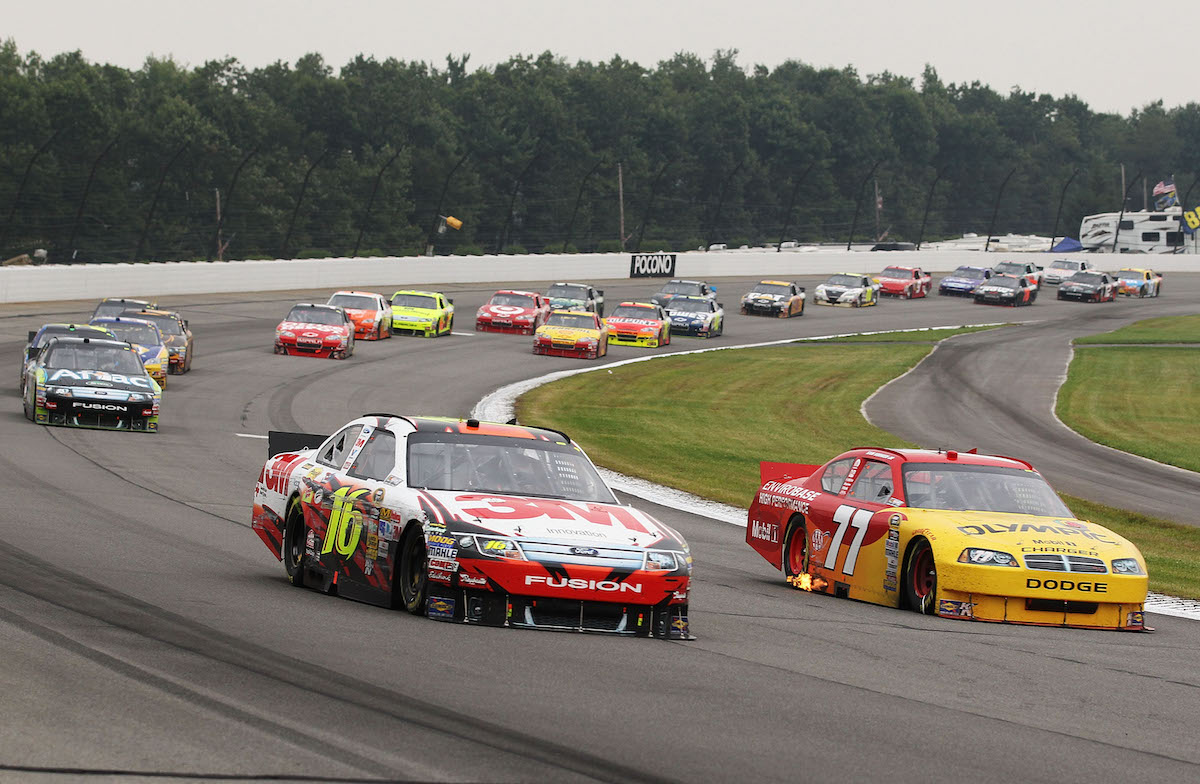
Winners: Roush Fenway Racing crew chief Greg Irwin knew early that strategy would play a role in their finishing position Sunday at the Sunoco Red Cross Pennsylvania 500 at Pocono Raceway. He just didn’t know how much.
When the 3M Ford team took two tires for the second time in the 500-mile race, exiting the pits in second, Greg Biffie felt confident that he would have a shot at the victory.
And with just six green-flag laps on his left side tires, both Biffle and Irwin knew their call would provide the right mix of track position and handling. After all, he watched the two-tire strategy beat him at Indianapolis Motor Speedway the previous week.
But he also knew clearing Penske Racing’s Sam Hornish Jr., who chose not to pit, would be the key. He needed to separate himself from the drivers back in the field that elected to take four tires.
He did.
Just after the restart, Biffle cleared Hornish and set sail en route to a 3.598-second victory over Tony Stewart, who took four tires on the final stop.
The victory capped an emotional week for the Roush Fenway Racing team after co-owner
Jack Roush suffered injuries in a plane crash at Wittman Regional Airport in Oshkosh, Wis.
It also was the first non-restrictor plate victory for Ford since February 2009 and the first Sprint Cup Series triumph for the manufacturer this season.
Stewart was second in a Chevrolet with Carl Edwards third in another Roush Fenway Ford. Point-leader Kevin Harvick and Denny Hamlin completed the top five.
“It’s been a hell of a day,” Biffle said. “Hitting the wall on the first turn of the first lap, coming off turn one I just scraped it and I knew it was gonna be a long day from there … Late in the race, I don’t know if it was the cool weather or the mist or what, but when it started cooling off, to me, that thing was like a completely different race car. I don’t know what happened to it, but it simply took off.”
 30 Years Ago — 1995
News: The .555-mile, high-banked Salem Speedway will reopen next week after sitting idle 3 months.
New owners Owen and Beverly Thompson have set Aug. 20 as the opening date as owners. The first event held under the Thompsons’ aegis will be the Joe James/Pat O’Connor ‘Memorial for Loctite/USAC sprint cars.
Owen Thompson, who also owns Sigma Six, a mechanical engineering firm in nearby Louisville, said the first priority for the new ownership team replacement of a 400-foot section of guardrail along the backstretch. Several accidents have occurred at that point on the track, and one was fatal.
“We want to bite off at least that chunk before we start back up,” Thompson told the Louisville Courier·Journal last week. He also indicated another 1,000 feet of turn guardrail will be replaced with concrete.
The Thompsons bought the facility June 30 in a sealed-bid auction conducted by the Internal Revenue Service. The previous owners, the Gettelfinger family, filed for bankruptcy after the IRS had seized the family trucking business and, eventually, the race track.
“Everything’s ours now,” Thompson told the Courier·Journal. “The town (of Salem) has pitched in like we were raising a barn. People have come out every day with their lawnmowers, weed eaters and paint brushes.”
Thompson also plans to add more security fencing both inside and outside the track and repaint everything.
Don Gettelfinger Jr., who promoted races at Salem since 1987, will continue to run programs at the track for Thompson this season.
“I’ll try to point him in the right direction,” he told the paper. “And, I’d like to stay involved.”
Winners: Dale Earnhardt let it be known he wasn’t about to concede NASCAR’s top spot to the younger generation.
After a four-hour rain delay, the 44-year old Earnhardt fought off a tight race car and the rest of the field to claim victory in Saturday’s second NASCAR Winston Cup Brickyard 400 at Indianapolis Motor Speedway.
“I guess I’m not too old to win the Brickyard after all,” he told his crew after roaring past starter Doyle Ford’s checkered flag.
Driving a new Chevrolet Monte Carlo built expressly for Indianapolis, Earnhardt passed Rusty Wallace just after their last green-flag pit stops, then dodged a spinning Jeff Burton on lap 132 to claim his third victory of the season and 66th of his career.
Earnhardt’s winning speed of 155.218 mph was a race record, erasing Jeff Gordon’s 131.977 of the inaugural last year.
“I just basically ran a consistent race all day and stayed in the hunt,” Earnhardt said. “The last pit stop was the key. The crew got us off pit road and got us in front.”
Earnhardt, who pitted on lap 129, was aided by Wallace’s near-miss on pit road a lap later to catch the accelerating Miller Genuine Draft Ford on the backstretch.
Wallace got caught behind Joe Nemechek and Rich Bickle, who collided at the end of pit road. “Dale just got by me and that was all,” Wallace said. “Track position was everything.”
Four Fords separated Earnhardt and defending champion Jeff Gordon at the finish. Behind Wallace, Dale Jarrett was third in the Texaco Havoline entry, Bill Elliott was fourth in the McDonald’s car and Mark Martin, who passed Gordon late in the race, was fifth in the Valvoline-Cummins car.
News: It was “thanks for putting us on the map” day Friday in Nazareth, Pa.
That was the theme as Mario Andretti, rookie of the year, was honored at a massive parade attended by more than 20,000 proud natives of this fair borough.
Riding in a convertible, Andretti headed the parade. His Indianapolis car, plus several stock cars, midgets and motorcycles, were displayed on trailers.
Mayor Wainwright Diehl, during brief ceremonies at the parade reviewing stand, thanked Mario for putting Nazareth on the map. On Saturday night the racing hero was honored at a banquet and presented with a gold wristwatch “from the people of Nazareth.”
William Kraemer, longtime friend of Andretti, was chairman of the programs which were sponsored by the Borough Service Group.
Winners: Richard Petty won the eighth annual Western North Carolina 500 Sweepstakes at Ashville-Weaverville Speedway in a 1965 hemi-powered Plymouth that was so swift it left the nearest competition more than a mile behind.
Two of Petty’s closest competitors-In fact, the only two to share the lead with him after the eighth lap-were removed from competition in accidents.
Junior Johnson’s 1965 Ford blew a right front tire on the 193rd lap and smashed the wall in the fourth turn and David Pearson’s 1965 Dodge fell out with a broken axle on the 398th lap.
Ned Jarrett, who led the first seven laps, finished second in a 1965 Ford, two laps behind Petty.
Dick Hutcherson was third in a 1965 Ford three laps behind. Then came Buddy Baker 12 laps behind in a 1965 Plymouth and Cale Yarborough in a ’65 Ford, a lap to the rear of Baker.
Ironically, in this age of Ford dominance of NASCAR racing, the only carried that really worried Petty after Johnson’s wreck was Pearson’s Dodge.
“As soon as Pearson fell out, I slowed up,” Petty said. “I knew I had a couple of laps on the others so I just backed off and paced myself the rest of the way.”
A crowd of 10,000 watched Petty maneuver skillfully through traffic on the steeply banked, half-mile track, running the 250 miles in three hours, 21 minutes and 45 seconds at an average speed of 74.349 mph.

23XI Racing and Front Row Motorsports’ antitrust lawsuit filed against NASCAR over a year ago, and while the lead-up to the trial had plenty of revelations, the nine-day trial also had its fair share of breaking news. Here are five unforgettable things we learned from the 23XI/FRM and NASCAR antitrust trial.
What’s Happening?
The 23XI Racing and Front Row Motorsports lawsuit will continue for some time. However, many developments will occur along…
On day one of the trial, 23XI Racing co-owner Denny Hamlin came out swinging right out of the gate, accusing NASCAR of being the reason that Germain Racing, which operated a Cup Series team from 2009 to 2020, went out of business.
Hamlin alleged that NASCAR, as part of its Premier Partners program, which the sport introduced in 2020 to replace its then-departed title sponsor Monster Energy, brought on GEICO, taking the long-time sponsor partner away from Germain.
What’s Happening?
During the first day of 23XI Racing/Front Row Motorsports and NASCAR’s antitrust trial, 23XI Racing co-owner and NASCAR veteran…
During his cross-examination of Hamlin, NASCAR’s lawyer asked Denny Hamlin about a text message he sent to 23XI Racing co-owner Michael Jordan. In this text from 2023, Hamlin asked Jordan to find a buyer for his portion of 23XI.
While Hamlin did not, and has not, sold any portion of 23XI, the owner/driver claims this during a period of frustration and needed to get the attention of his business partners. Hamlin also says he and his fellow co-owners resolved this issue in a meeting at Jordan’s golf course, The Grove XXIII.
What’s Happening?
During a multi-hour cross-examination of 23XI Racing co-owner Denny Hamlin, NASCAR’s legal team revealed messages suggesting that in 2023,…
Every NASCAR fan knows the tragic story of Furniture Row Racing, which, after winning the 2017 NASCAR Cup Series Championship, closed its operation at the end of the 2018 season. Prior to this lawsuit, it was widely known, but unconfirmed by the sport or parties involved, that their closure was for financial reasons related to an increased alliance with Joe Gibbs Racing.
Shockingly, during this trial, NASCAR’s legal team accused JGR of being the reason FRR closed its door, with attorney Lawrence Buterman alleging the team doubled the price of the partnership after their title win on Monday. Even more shocking was the testimony of NASCAR Commissioner Steve Phelps, who claimed that JGR didn’t just double the price, but tripled it from roughly $3 million to $10 million.
What’s Happening?
NASCAR’s legal team claims that one specific factor contributed to the closure of the fan favorite team, Furniture Row…
Though many were excited for Richard Childress to take the witness stand, the resulting testimony and examination did not mention the hot-button issue of comments made by NASCAR Commissioner Steve Phelps in text messages unsealed by the courts.
But that doesn’t mean his time in the courtroom wasn’t without fireworks, as the court revealed that Childress only owns 60% of RCR and that NASCAR was aware of a group led by former driver Bobby Hillin Jr., who had attempted to buy RCR.
This questioning led to an “animated” response from Childress, who said that the deal had fallen through and was confused how NASCAR had known this due to an NDA he had Hillin and members of the interested party sign prior to negotiations.
What’s Happening?
During a heated portion of Richard Childress’s examination in the ongoing NASCAR antitrust trial, NASCAR’s attorney revealed that Childress…
During the examination of NASCAR Chairman and CEO Jim France, 23XI Racing and Front Row Motorsports lawyer Jeffery Kessler read a letter sent by team owner Rick Hendrick to France in early 2024.
In this letter, Hendrick asked France to consider “a Charter agreement that’s fair and ensures a collaborative and prosperous structure for NASCAR, its stakeholders and the industry as a whole.“
Hendrick also made two specific claims in his letter.
First, he claimed that NASCAR had told teams, “bring no value, our rights are worthless, and we don’t know how to run a viable business.” Second, he claimed that despite success on track, including two Championships, the team had lost tens of millions of dollars over the prior five seasons.
While Hendrick’s in-profitability, like several other revelations in the trial, was no secret, the fact that one of the sport’s most successful and perhaps most popular teams lost $20 million over five seasons astounded the NASCAR fan base.
What’s Happening?
During the Tuesday afternoon examination of NASCAR CEO Jim France, 23XI Racing, Front Row Motorsports lawyer Jeffery Kessler presented…
What do you think about this? Let us know your opinion on Discord or X. Don’t forget that you can also follow us on Instagram, Facebook, and YouTube.

The festival, launched on 12 December 2025, features adventure activities, speed challenges, live music, and cultural and entertainment experiences for all family members. Running until 3 January 2026 amid the golden dunes of the Al Dhafra Region, the festival has become a major winter attraction.
It draws people of all ages, nationalities, and cultures, blending heritage with adventure around Tal Moreeb—the UAE’s tallest sand dune at 300 metres. Since 2001, the festival has grown into one of the region’s premier winter destinations, attracting camping enthusiasts, adventure seekers, and fans of traditional sports with a diverse programme for all age groups.
The festival opened with an aerial show by the UAE Falcons Aerobatic Team, the official aerobatic display team of the UAE Air Force, accompanied by fireworks, drone shows, and spectacular light performances that illuminated Liwa’s skies.
Liwa Desert is a regional motorsports hub during winter, hosting events such as the Freestyle Show (12–13 and 22–23 December 2025), the Spartan Liwa Race (13 December 2025), and today’s Bike Drag Race (14 December 2025).
Liwa Village offers family-friendly entertainment, including water karting, carnival and skill games, zip-lines, a Classic Cars Museum, an escape room, a rage room, and pony and petting zoos. This edition also features a traditional handicraft market, live music, cultural performances, and a mix of Emirati and international cuisine.
The festival promises an unforgettable New Year’s Eve with a special concert and fireworks over the Liwa Desert. The Tal Moreeb Motorsports Championship also runs from 31 December 2025, giving speed enthusiasts an adrenaline-filled farewell to 2025 and a thrilling start to 2026.
The Liwa International Festival 2026 highlights traditional Emirati sports, including the Falconry and Hadd Al-Hamam Championships, and showcases crafts at Liwa Market, strengthening the community’s connection to its culture.
Visitors can book luxury tents, stay in local accommodations, or camp in the Al Dhafra Desert, enjoying a unique experience amid the golden dunes.
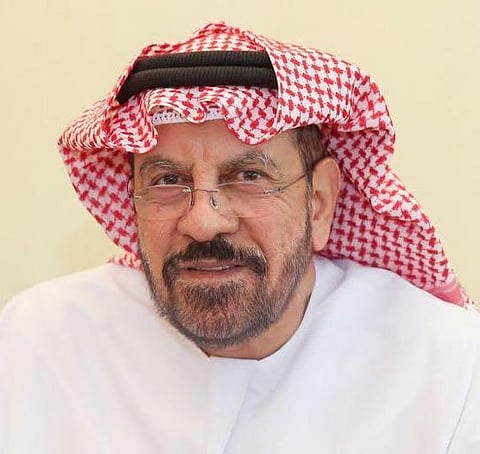
Abdullah Rashid Al Hammadi is an accomplished Emirati journalist with over 45 years of experience in both Arabic and English media. He currently serves as the Abu Dhabi Bureau Chief fo Gulf News.
Al Hammadi began his career in 1980 with Al Ittihad newspaper, where he rose through the ranks to hold key editorial positions, including Head of International News, Director of the Research Center, and Acting Managing Editor.
A founding member of the UAE Journalists Association and a former board member, he is also affiliated with the General Federation of Arab Journalists and the International Federation of Journalists. Al Hammadi studied Information Systems Technology at the University of Virginia and completed journalism training with Reuters in Cairo and London.
During his time in Washington, D.C., he reported for Alittihad and became a member of the National Press Club. From 2000 to 2008, he wrote the widely read Dababees column, known for its critical take on social issues.
Throughout his career, Al Hammadi has conducted high-profile interviews with prominent leaders including UAE President His Highness Sheikh Mohamed bin Zayed Al Nahyan, HH Sheikh Mohammed bin Rashid Al Maktoum, and key Arab figures such as the late Yasser Arafat and former presidents of Yemen and Egypt.
He has reported on major historical events such as the Iran-Iraq war, the liberation of Kuwait, the fall of the Berlin Wall, and the establishment of the Palestinian Authority. His work continues to shape and influence journalism in the UAE and the wider Arab world.

The second round of the 2025/26 Asian Le Mans Series at Sepang International Circuit delivered another dramatic four-hour endurance battle on Sunday, December 14, heavily influenced by unpredictable Malaysian weather. After claiming victory in Saturday’s opener, Cetilar Racing’s #47 Oreca 07-Gibson crew of Roberto Lacorte, Charles Milesi, and Antonio Fuoco dominated proceedings to secure a weekend double, finishing ahead of the field when the race was red-flagged with approximately 20 minutes remaining due to torrential rain flooding the track.
–by Mark Cipolloni–
The race featured multiple interruptions, including three periods behind the Safety Car or Virtual Safety Car and two full-course yellows, as teams grappled with shifting conditions and tire strategy. Competitors were circulating on slick tires behind the Safety Car following an earlier incident when the heaviest downpour hit, rendering the circuit undriveable and prompting race control to halt proceedings prematurely.
Cetilar Racing controlled much of the race after taking the lead in the second hour. A key moment came when Antonio Fuoco overtook Tom Dillmann in the #25 Algarve Pro Racing Oreca on a restart, pulling away to build a comfortable margin—eventually over 30 seconds—before the red flag sealed their second win in as many days. Algarve Pro Racing held on for second, with the #4 Crowdstrike Racing by APR Oreca completing an identical LMP2 podium to Race 1.
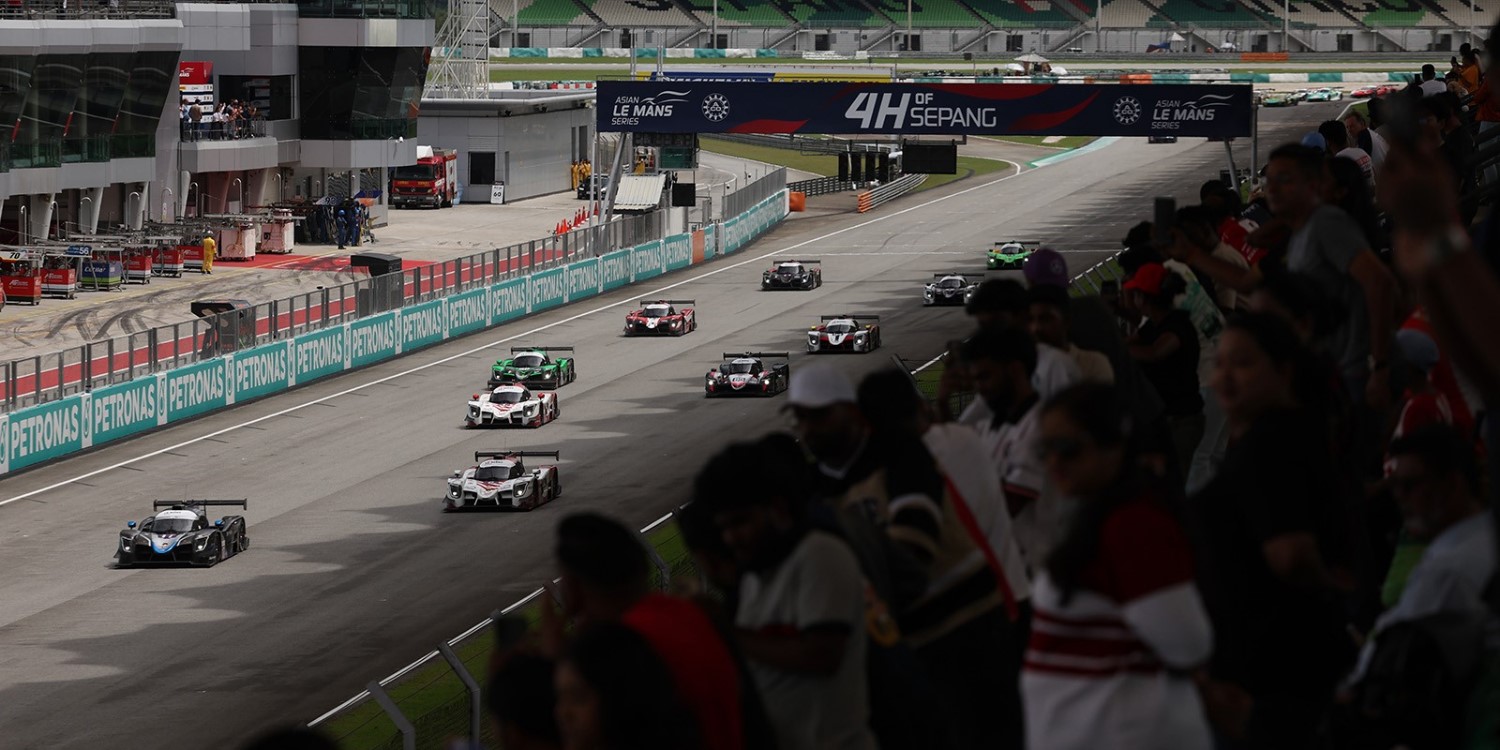
In the LMP3 class, a bold strategy propelled CLX Motorsport’s #17 Ligier JS P325 to the top step. Driver Paul Lanchere—fresh off his European Le Mans Series title success—served the two mandatory 100-second pit stops during an early Virtual Safety Car period, a calculated risk that paid dividends as conditions evolved. The Swiss outfit capitalized to claim victory, with Lanchere sharing the podium with teammates Kevin Rabin and Alexander Jacoby.
The #71 23Events Racing Ligier finished second, ahead of the #29 Forestier Racing by VPS entry in third, rounding out a competitive class battle in the debut season for the new-generation LMP3 machinery.
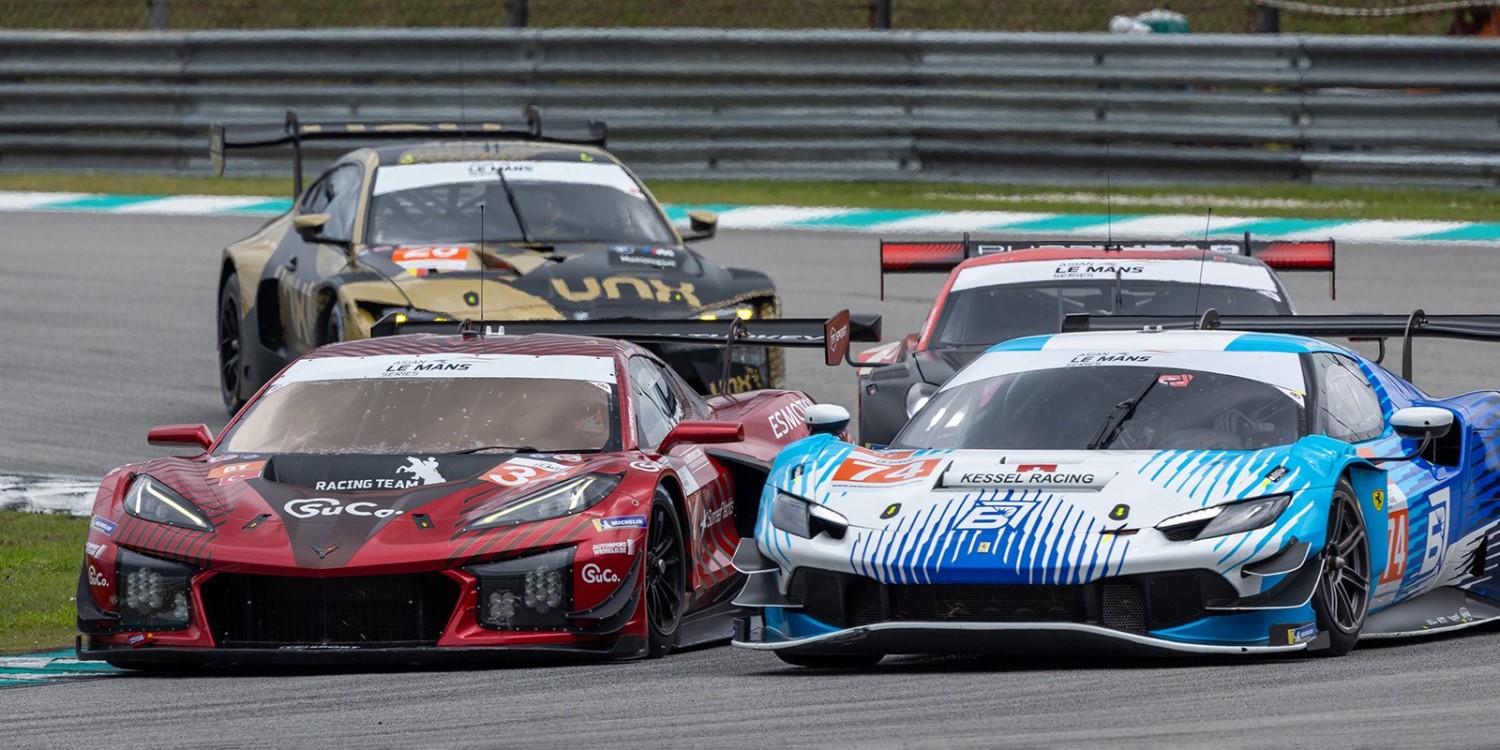
Kessel Racing secured maximum points in the hotly contested GT class, overcoming a grid penalty to triumph with their Ferrari 296 GT3. Dustin Scott Blattner made rapid early progress, climbing from 15th to third in the opening laps, before astute tire calls allowed Chris Lulham and Dennis Marschall to surge into the lead and stay there amid the chaos.
The #69 Team WRT BMW M4 GT3 delivered a strong recovery after an overnight engine change addressed power issues from Race 1, with Tony McIntosh, Parker Thompson, and Dan Harper taking second. Third went to the #87 Origine Motorsport Porsche, where Bo Yuan impressed with blistering pace during a long stint, charging from 14th and briefly challenging for the lead.
The Asian Le Mans Series now heads to the United Arab Emirates for the next double-header, with the 4 Hours of Dubai scheduled for January 31 and February 1, 2026.
03_Classification_Race 2_FINAL


Barranquilla is reviving its long-held dream of hosting a Formula 1 Grand Prix for Colombia. The local administration, led by Mayor Alejandro Char, has announced the reactivation of the city’s bid to join the world championship motorsports calendar—an objective that would combine sporting spectacle with a major economic and tourism boost for the region.
Despite differences with President Gustavo Petro’s national government on the issue, the mayor said yesterday that the project depends solely on his administration and that state approval is no longer required. With this, the aspirations of the capital of Colombia’s Caribbean region are being renewed and are now framed under a logic of municipal autonomy and the direct interest of Formula 1 organizers in exploring alternatives in emerging markets.
In the most recent talks, Formula 1 delegates visited Barranquilla to assess the city’s potential as a race host, focusing on a semi-urban circuit running along the Magdalena River and connecting with the Gran Malecón. This renewed push comes at a time when the city is drawing attention for other international bids—such as hosting the 2026 Copa Sudamericana final—and is seeking to establish itself as a hub for global events in the Caribbean region.
The possibility that top-tier single-seaters could race on Colombian soil has reignited interest and expectations among government officials, business leaders, and fans alike, sparking a debate over what it would mean for Barranquilla and for Colombia to open a new chapter in the history of motorsports.
Barranquilla’s aspiration to host a Formula 1 race did not emerge overnight. The project has its roots in earlier efforts, when under the administration of then-mayor Jaime Pumarejo concrete possibilities were explored to bring the championship to the city.
During that stage, there were direct conversations with representatives of the category, and possible semi-urban layouts were designed around the Magdalena River waterfront. Even figures linked to motorsport and to the organization expressed enthusiasm for Barranquilla’s potential as the venue for a “Caribbean Grand Prix.”
However, political and logistical factors at the time stalled the project’s realization, and the lack of an official letter from the national government was perceived as a key obstacle. Today, with an administration determined to take the reins of the process, that barrier has shifted.
Mayor Char has emphasized that progress on the bid now depends almost exclusively on agreements between the Mayor’s Office and Formula 1 organizers, without requiring direct approval from the national executive branch. This municipal autonomy is seen as a strategic advantage, capable of speeding up negotiations and presenting a proposal that is more agile and better tailored to the category’s needs.
Despite the enthusiasm and interest shown by Formula 1 representatives, not all aspects of the project are straightforward. Among the most frequently cited drawbacks by the Barranquilla administration is the city’s airport infrastructure. The international airport serving Barranquilla, Ernesto Cortissoz, has been identified as insufficient to meet the demands of an event on the scale of a motor racing Grand Prix.
Formula 1 delegates, according to statements by the mayor, have indicated that the current conditions of the air terminal and its facilities do not meet expected standards, raising the need for investments or significant improvements in this area.
Beyond logistical challenges, the project’s backers defend its economic potential. Formula 1 is far more than a race; it is a magnet for high-spending tourism, global sponsorships, international media coverage, and urban development. Cities such as Miami have shown how the presence of the top tier of motorsport can transform a destination’s international perception and attract investment.
For Barranquilla, a Grand Prix would mean not only an expansion of its sports and cultural offerings, but also a direct impact on sectors such as hotels, restaurants, commerce, and services, with the arrival of thousands of visitors over a race weekend.

Preliminary proposals for the circuit in Barranquilla envision a semi-urban layout that takes advantage of distinctive features of the city: its geography, its waterfront, and its proximity to the Magdalena River. The idea of a circuit that runs through emblematic areas, rather than a traditional closed track, seeks to create a unique experience for both drivers and spectators.
This connection with the urban and natural environment could be one of the attractions that appeal to Formula 1, which in recent years has shown interest in diversifying its venues and exploring new markets.
The dream of organizing a Grand Prix in Barranquilla still faces many challenges ahead, from technical and financial agreements to improvements in key infrastructure. However, the reactivation of the bid under a locally driven approach conveyed by Mayor Char has renewed expectations and placed Barranquilla once again in the international conversation of motorsport.
If the proposal continues to move forward, the roar of the engines could become yet another symbol of the city’s Caribbean ambition to establish itself on the map of major global events.

In the high-stakes world of NASCAR Cup Series racing, where billions in revenue swirl around media deals, sponsorships, and the all-important charters that guarantee a team’s spot in every race, most owners play it safe. They sign on the dotted line, grumble privately, and keep the peace with the France family empire. But in late 2024, two teams decided enough was enough.
–by Mark Cipolloni–
23XI Racing—co-owned by NBA legend Michael Jordan and driver Denny Hamlin—and Front Row Motorsports (FRM), led by Bob Jenkins, refused to sign NASCAR’s “take-it-or-leave-it” charter extension for 2025-2031. While 13 other teams reluctantly inked the deal, fearing the loss of their valuable franchises, 23XI and Front Row filed a bombshell antitrust lawsuit, accusing NASCAR of monopolistic practices that stifled team growth and funneled too much profit to the sanctioning body.
It was a gutsy move. They raced much of 2025 as “open” teams, forfeiting millions in guaranteed revenue. The trial in Charlotte dragged on for weeks, exposing embarrassing texts, tough negotiations, and the raw power dynamics of the sport. Many in the garage whispered that the rebels were risking it all—for what?
Then, on December 11, 2025, everything changed. Midway through the trial, a settlement was announced. NASCAR blinked.
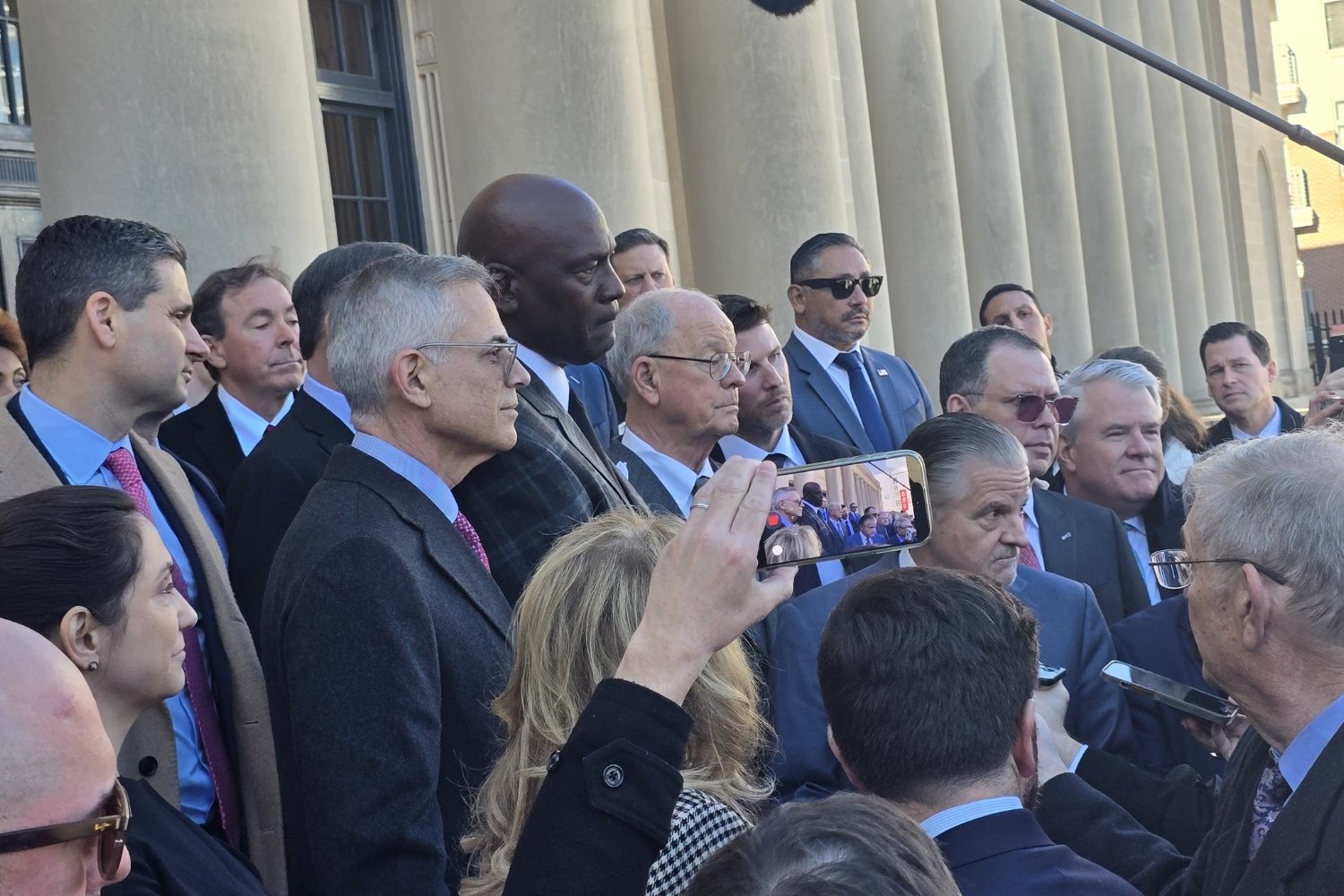
The deal handed all 15 chartered teams “evergreen” charters—essentially permanent franchises that don’t expire, making them true assets like NFL or NBA teams. Overnight, industry experts estimated charter values could double, from recent sales around $45 million to potentially $90-100 million each. Teams gained shares of international media rights (previously zero for them), a cut of new intellectual property deals, reinstated governance input via an expanded “strike” rule, and more.
The other 13 teams? They got all these upgrades without spending a dime on lawyers, without missing a single purse payout, and without ever sticking their necks out during negotiations.
Although none of the other team owners said, they all had to be thinking, ‘We signed because we felt we had no choice. Those two fought the fight we were all too scared to wage—and now we’re all richer for it.’
The irony wasn’t lost on anyone. The teams that played it safe, signing the original deal under duress, now reap the biggest rewards thanks to the ones who had the balls to sue.
Denny Hamlin captured the resolve behind the fight: “Standing up isn’t easy, but progress never comes from staying silent. The reward is in knowing you changed something.”
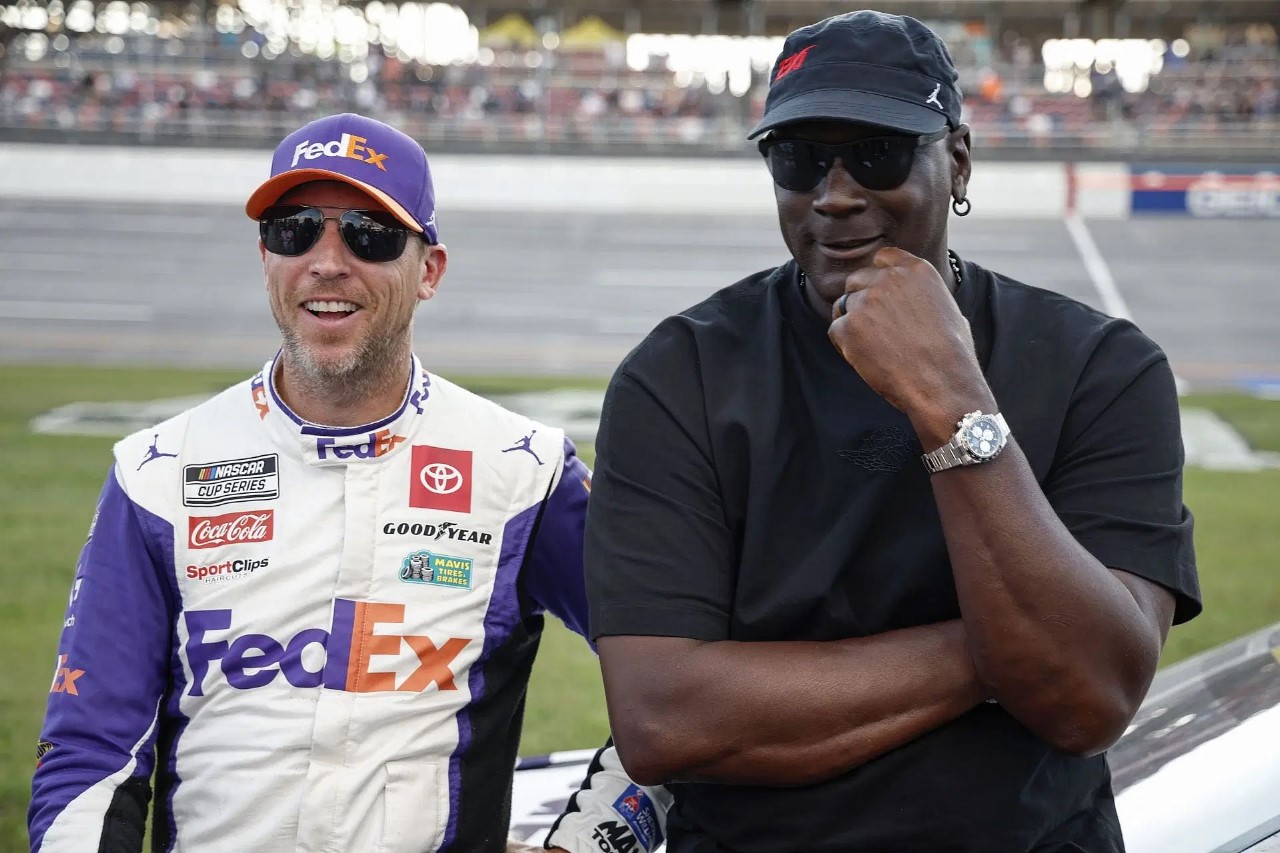
Michael Jordan emphasized the broader impact: “From the beginning, this lawsuit was about progress. It was about making sure our sport evolves in a way that supports everyone: teams, drivers, partners, employees, and fans.”
Hamlin added that the outcome is “going to grow the sport, and it’s going to be better for everyone, there’s no doubt about it.”
Other team owners welcomed the resolution. Rick Hendrick stated: “Today’s resolution allows all of us to focus on what truly matters—the future of our sport. When our industry is united, there’s no limit to how far we can go or how much we can grow the sport we love.”
Roger Penske called it “tremendous news for the industry.”
As ESPN’s Ryan McGee noted, every team once stood united with 23XI and Front Row during negotiations but eventually lacked the balls and signed—leaving the two to carry the fight alone. “They won that fight, and as a result, so did every NASCAR team owner who is fortunate enough to have one of those 36 charters.”
Former NASCAR driver and now pudit, Kenny Wallace, predicted what the settlement by NASCAR could imply for the teams and why it could be game-changing.
Shortly after the announcement, Wallace spoke to the camera, where the 62-year-old shared his thoughts and seemed rather pleased with the turn of events.
Wallace believed 23XI Racing and FRM had gotten what they sought and hence decided to settle. He also presumed that the settlement would translate to more TV revenue and evergreen charters for the teams.
According to Wallace, NASCAR’s leaked letters and the overall fan sentiment prompted the governing body to pursue the settlement route further. He also pointed out that NASCAR bosses’ unwillingness to answer tough questions only weakened the governing body’s case.
For their efforts and fortitude, NASCAR will pay 23XI Racing and Front Row Motorsports an unknown amount of monetary damages and legal fees.
With permanent charters now in place, the entire Cup Series field reaps enhanced stability and value, courtesy of the two teams that refused to back down. The garage moves forward united, poised for growth in 2026 and beyond.
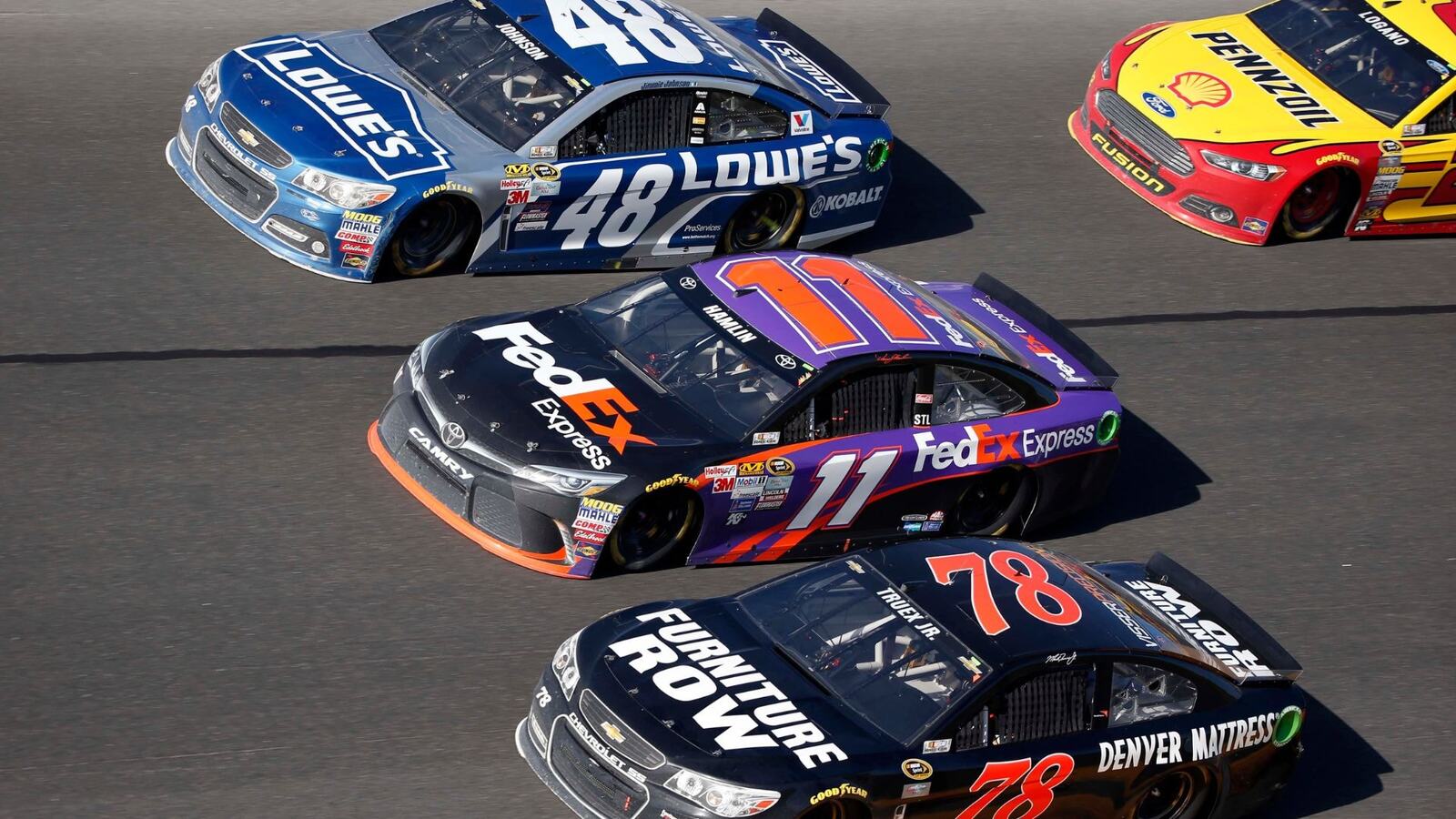
The overwhelming influence of sponsors in NASCAR became evident during the recent charter agreement fiasco. Teams would face significant challenges in operating and covering their expenses without the substantial real estate opportunities provided by their cars. But seldom do these sponsors, which are often large enterprises, stick to a single team or driver.
Dave Alpern explained why in a video posted by the team on their YouTube handle. He went, “Some sponsors within an organization like to be a family of drivers versus one. Interstate Batteries is a great example.
“Interstate for many years was just on our famed No. 18 car. Now, they try to do at least one race with all of our drivers.”
They also have an associate sponsor logo on all of the team’s cars throughout the season. This is just a marketing strategy that the company employs to have visibility during races and associate itself with one particular well-performing team. Other companies don’t necessarily follow this same approach.
Alpern continued, “There are also brands that choose to sponsor multiple times. I think of Coca-Cola. Coca-Cola has a family of different drivers across a bunch of different organizations. Their goal being, they want a winning driver to get out and swig a Coke. The more drivers they have, they feel like that meets their strategy.”
And then, there are companies like Bass Pro Shops. The sporting goods retailer not only sponsors races, but it is also associated with a bunch of different teams. It has strong relationships in the garage with multiple teams and drivers, with a wide reach of sponsorship. The point to be made is that there is no right or wrong in this facet of the sport.
“It kind of just depends on the brand and what their objectives are. But yeah, it’s more common to see one sponsor paired with one driver and car number. But it’s not uncommon to see them spread across multiple cars,” the Joe Gibbs Racing President added.
Race cars are essentially moving billboards for companies, and the ultimate goal is to catch the eye of the passionate fanbase.
Moreover, sponsoring a single car and driver can be a risky gamble. The driver could get injured or perform poorly throughout the season. This would hurt the image of the sponsor heavily and go against their end goal.


 NBA Legend Michael Jordan to Join NBC Sports as Special Contributor
 Why a rising mid-major power with an NCAA Tournament team opted out of revenue-sharing — and advertised it
 Falcons mailbag
 Portal Update – Basketball and Gymnastics Take Hits
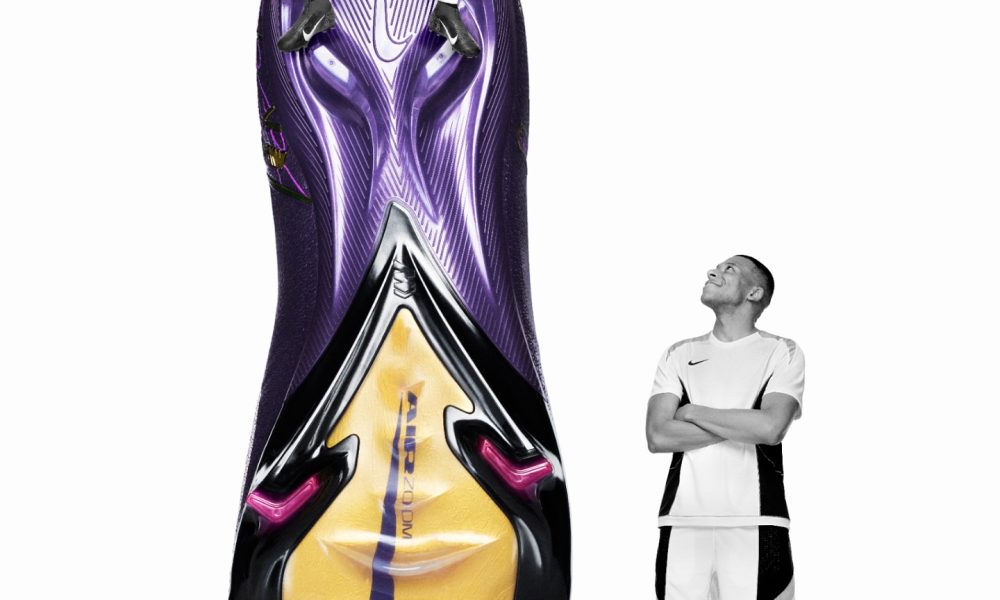 has always dreamed in Mercurial. Now his initials are on the boots.
The new Kyl…
has always dreamed in Mercurial. Now his initials are on the boots.
The new Kyl…
Fargo girl, 13, dies after collapsing during school basketball game – Grand Forks Herald

CPG Brands Like Allegra Are Betting on F1 for the First Time
Two Pro Volleyball Leagues Serve Up Plans for Minnesota Teams
Sycamores unveil 2026 track and field schedule

Utah State Announces 2025-26 Indoor Track & Field Schedule
Jo Shimoda Undergoes Back Surgery
Redemption Means First Pro Stock World Championship for Dallas Glenn

Texas volleyball vs Kentucky game score: Live SEC tournament updates
Robert “Bobby” Lewis Hardin, 56

How this startup (and a KC sports icon) turned young players into card-carrying legends overnight
