
NIL
Louisiana is poised to hike its sports betting tax to help colleges pay their athletes

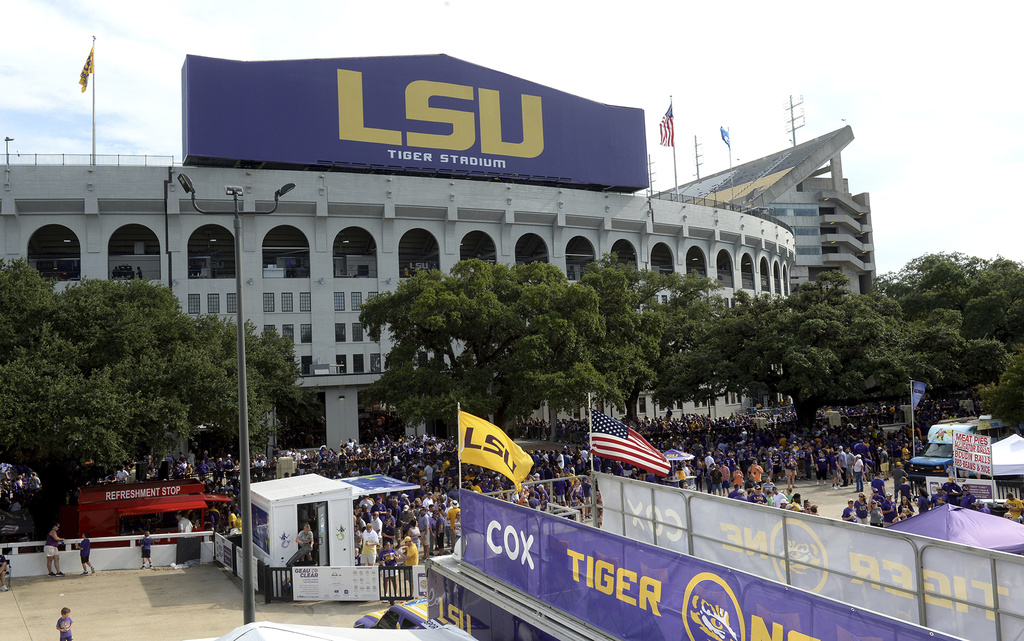
Louisiana is poised to hike taxes on sports betting to pump more than $24 million into athletic departments at the state’s most prominent public universities.
Legislation pending before Gov. Jeff Landry would make Louisiana the first state to raise taxes to fund college sports since a judge approved a landmark settlement with the NCAA allowing schools to directly pay athletes for use of their name, image and likeness (NIL). Anticipating the court’s approval, Arkansas this year became the first to waive state income taxes on NIL payments made to athletes by higher education institutions.
More states seem almost certain to adopt their own creative ways to gain an edge — or at least keep pace — in the rapidly evolving and highly competitive field of college sports.
“These bills, and the inevitable ones that will follow, are intended to make states ’college-athlete friendly,’” said David Carter, founder of the Sports Business Group consultancy and an adjunct professor at the University of Southern California. But “they will no doubt continue to stoke the debate about the `perceived’ preferential treatment afforded athletes.”
The new NCCA rules allowing direct payments to college athletes kick in July 1. In the first year, each Division I school can share up to $20.5 million with its athletes — a figure that may be easier to meet for big-time programs than for smaller schools weighing whether to divert money from other purposes. The settlement also continues to allow college athletes to receive NIL money from third parties, such as donor-backed collectives that support specific schools.
Louisiana bill sponsor: `We love football’
The Louisiana legislation won final approval just two days after a judge approved the antitrust settlement between the NCAA and athletes, but it had been in the works for months. Athletic directors from many of Louisiana’s universities met earlier this year and hashed out a plan with lawmakers to relieve some of their financial pressures by dividing a share of the state’s sports betting tax revenue.
The biggest question for lawmakers was how large of a tax increase to support. The initial proposal sought to double the state’s 15% tax on net proceeds from online sports betting. But lawmakers ultimately agreed on a 21.5% tax rate in a compromise with the industry.
One-quarter of the tax revenue from online sports wagering — an estimated $24.3 million — would be split equally among 11 public universities in conferences with Division I football programs. The money must be used “for the benefit of student athletes,” including scholarships, insurance, medical coverage, facility enhancements and litigation settlement fees.
The state tax money won’t provide direct NIL payments to athletes. But it could facilitate that indirectly by freeing up other university resources.
The legislation passed overwhelmingly in the final days of Louisiana’s annual session.
“We love football in Louisiana – that’s the easiest way to say it,” said Republican state Rep. Neil Riser, who sponsored the bill.
Smaller universities are feeling the squeeze
Many colleges and universities across the country have been feeling a financial squeeze, but it’s especially affected the athletic departments of smaller schools.
Athletic departments in the top Division I football conferences take in millions of dollars from media rights, donors, corporate sponsors and ticket sales, with a median of just 7% coming from student fees and institutional and government support, according to the Knight-Newhouse College Athletics Database.
But the remaining schools in Division I football bowl conferences got a median of 63% of the revenue from such sources last year. And schools without football teams got a median of 81% of their athletic department revenues from institutional and governmental support or student fees.
Riser said Louisiana’s smaller universities, in particular, have been struggling financially and have shifted money from their general funds to their sports programs to try to remain competitive. At the same time, the state has taken in millions of dollars of tax revenue from sports bets made at least partly on college athletics.
“Without the athletes, we wouldn’t have the revenue. I just felt like it’s fairness that we do give something back and, at the same time, help the general funds of the universities,” Riser said.
Other states are investing in college sports
Louisiana would become the second state behind North Carolina to dedicate a portion of its sports wagering revenues to colleges athletics. North Carolina launched online sports wagering last year under a state law earmarking part of an 18% tax on gross gaming revenue to the athletic departments at 13 public universities. The state’s two largest institutions were excluded. But that might be about to change.
Differing budget plans passed by the state House and Senate this year both would start allotting sports betting tax revenue to the athletic programs at the University of North Carolina at Chapel Hill and North Carolina State University. The Senate version also would double the tax rate. The proposals come a year after University of North Carolina trustees approved an audit of the athletics department after a preliminary budget projected about $100 million of debt in the years ahead.
Other schools also are taking actions because of deficits in their athletic departments. Last week, University of Kentucky trustees approved a $31 million operating loan for the athletics department as it begins making direct NIL payments to athletes. That came after trustees in April voted to convert the Kentucky athletics department into a limited-liability holding company — Champions Blue LLC — to more nimbly navigate the emerging financial pressures.
Given the money involved in college athletics, it’s not surprising that states are starting to provide tax money to athletic departments or — as in Arkansas’ case — tax relief to college athletes, said Patrick Rishe, executive director of the sports business program at Washington University in St. Louis.
“If you can attract better athletes to your schools and your states, then this is more visibility to your states, this is more potential out-of-town economic activity for your state,” Rishe said. “I do think you’re going to see many states pursue this, because you don’t want to be the state that’s left exposed or at a disadvantage.”

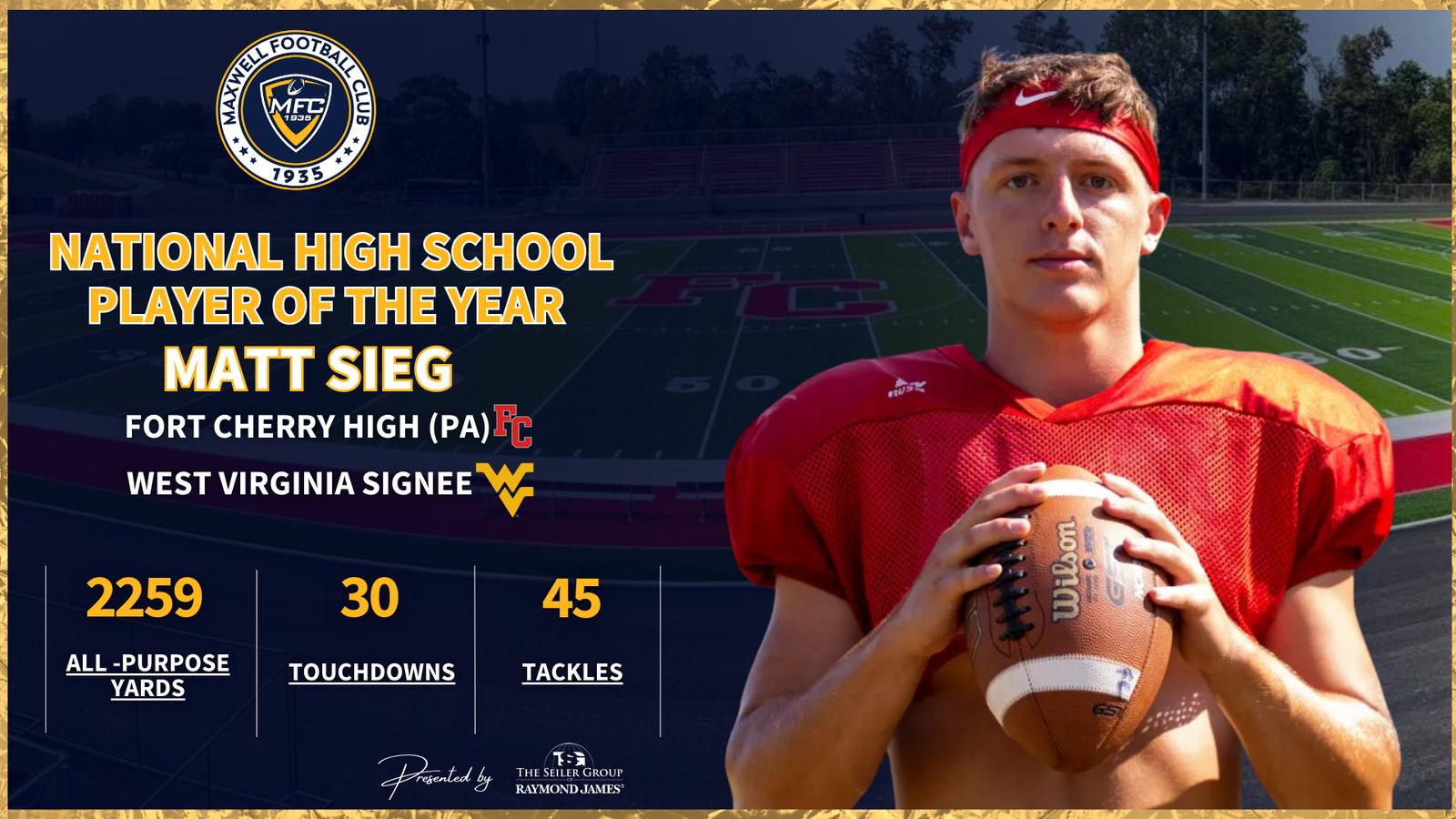
Sieg is the first WVU signee to earn the Maxwell Football Club’s High School Player of the Year Award and it marks the first time a Mountaineer football recruit won a national high school player of the year award since Robert
Alexander was named Parade Magazine Back of the Year in 1976.
Sieg also was named a High School All-American by the Maxwell Football Club. He was a three-time Pennsylvania Football Writers’ Class 1A All-State First Team honoree, the all-time leading rusher in Fort Cherry High School
history and the WPIAL 1A Player of the Year.
Sieg authored one of the most historic careers in WPIAL history, finishing with a 49–7 record, two WPIAL championships (2023, 2024) and league records in total offense (12,592 yards) and touchdowns (139). A generational dual-threat, he became just the second player in WPIAL history to surpass 4,000 rushing and 4,000 passing yards in a career, while also setting league marks as the first player to reach 5,000 rushing yards and 3,000 passing yards and to rush and pass for 1,000 yards in three consecutive seasons.
As a senior, he totaled 2,259 all-purpose yards and 30 touchdowns while adding 45 tackles and four interceptions on defense, leading Fort Cherry to a 12–1 record and a WPIAL 1A semifinal appearance. The four-time Black Hills Conference Offensive MVP ranks No. 2 in WPIAL career rushing (7,941 yards) and stands as Fort Cherry’s all-time leading rusher and passer, earning consensus four-star status and national rankings from ESPN, 247Sports\ and Rivals.
The formal presentation of the National High School Player of the Year Award will be held on Saturday, March 14, 2026, at the Coca-Cola Roxy Theatre in Atlanta, Georgia. The Maxwell Football Club will also be presenting its other national awards from college through the professional ranks at the event.
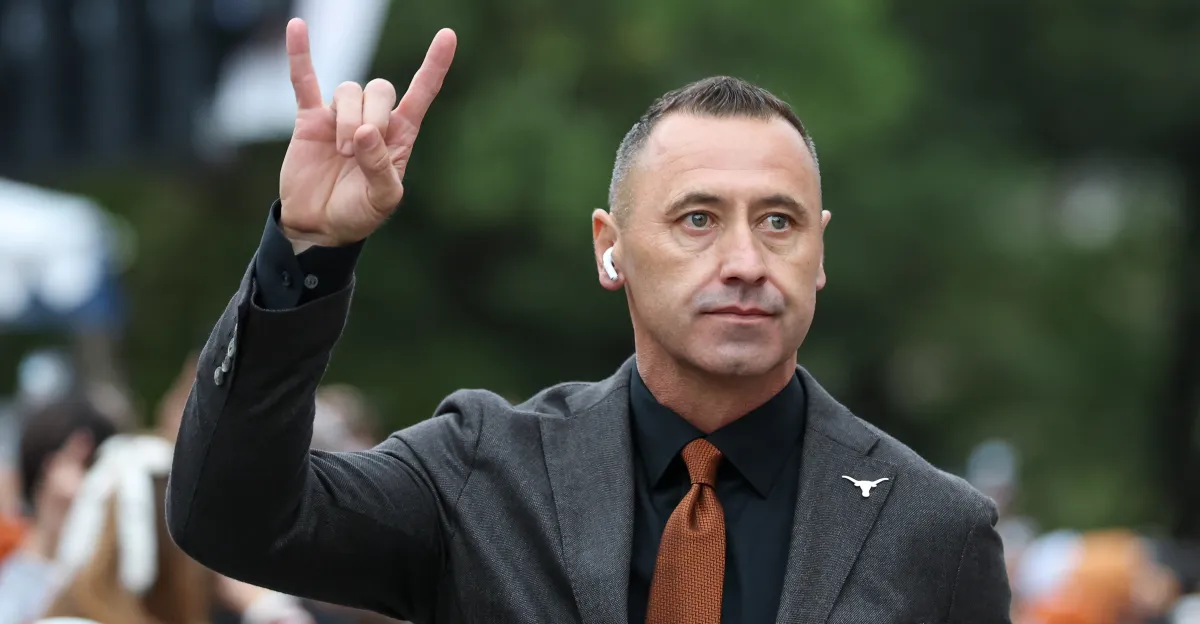
The website Sports Casting recently published data that pointed to Texas as the program with the nation’s biggest purse strings related to name, image, and likeness incentives for this year’s transfer portal, ahead of in-state juggernauts such as Texas A&M, Texas Tech, and others. Texas has $23 million in NIL funding, in fact, according to a graph Sports Casting published earlier today.
WHAT THEY’RE SAYING ABOUT THE LONGHORNS
247Sports: With Michael Masunas’ commitment, veteran Texas tight ends are under the spotlight in a crowded room
Inside Texas: Inside Texas Portal Intel: Cam Coleman, RB dominoes, and OL plans
ICYMI IN BURNT ORANGE NATION
247Sports: Texas Football Transfer Portal Tracker: All the Texas scoop, rumors, comings & goings as Longhorns fill roster
247Sports: Notes and nuggets from check-in day at the Navy All-American Bowl
247Sports: HoopHall West: New Year’s resolutions for every top-50 prospect
247Sports: Transfer Portal Intel: Latest updates on top players, led by team to watch for Sam Leavitt, as dominoes fall
247Sports: Arizona State’s Raleek Brown trending to Texas: How does he compare to outgoing RB Tre Wisner?
247Sports: Elite 2027 CB Duvay Williams’ visits come into focus at 2026 Navy All-American Bowl
Inside Texas: Texas Longhorns Portal Recruiting Intel: Latest from numerous Horns targets, coaches on road
Inside Texas: Texas’ early portal additions are creating a firm foundation
Inside Texas: How did Texas’ 2025 portal class fare this past season?
Inside Texas: Transfer Portal Reality Check: It’s okay to be frustrated, just don’t panic
Rocky Top Talk: LSU offensive tackle Ory Williams commits to Tennessee
A Sea Of Blue: Kentucky flips 4-star recruit Andre Clarke Jr. from Michigan
SB Nation: Baltimore Ravens’ 5 best head coaching options after John Harbaugh firing
SB Nation: The Panthers aren’t NFL’s worst playoff team ever, because this team is
SB Nation: TGL: Atlanta Drive GC stays undefeated in title defense with 7-4 win over The Bay
NEWS ACROSS LONGHORN NATION AND BEYOND
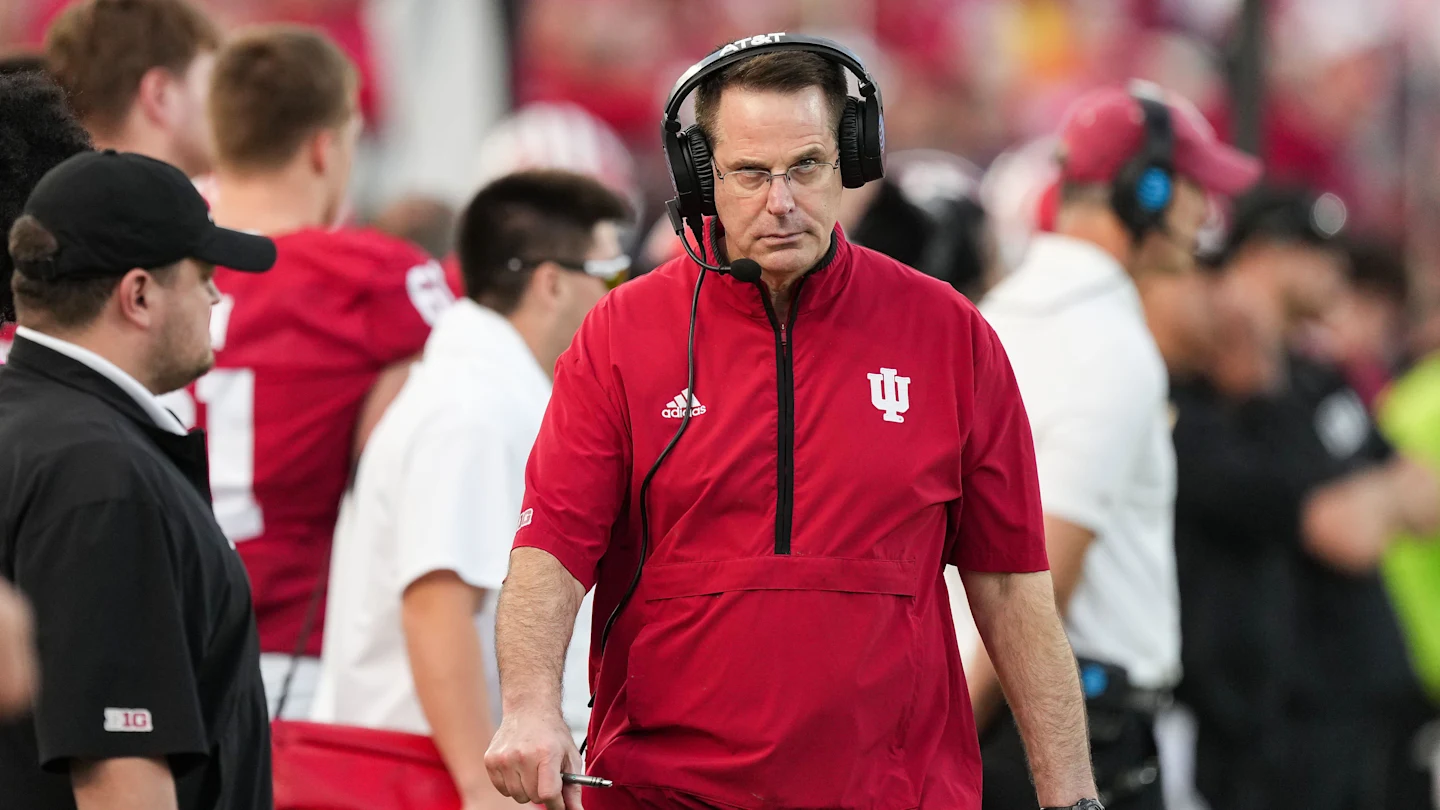
Indiana posted a major day in the early January transfer portal window, adding multiple experienced transfers on Sunday, including TCU quarterback Josh Hoover, Michigan State wide receiver Nick Marsh, and Boston College running back Turbo (Hanovii) Richard.
Hoover is a redshirt junior with a high-volume TCU resume, throwing for 9,629 career yards and 71 touchdowns with a 65.2% completion rate.
He set the Horned Frogs’ single-season passing record in 2024 with 3,949 yards (27 TDs, 11 INTs) and followed it up with another productive campaign in 2025, totaling 3,472 yards with 29 touchdowns and 13 interceptions.
Hoover is expected to enroll in January and is the projected heir apparent if Heisman winner Fernando Mendoza departs for the NFL.
Marsh is a 6-foot-3 receiver who led Michigan State in receptions and receiving yards in consecutive seasons, posting 41 catches for 649 yards and three touchdowns in 2024, followed by 59 receptions for 662 yards and six scores in 2025.
Richard entered the portal after a breakout 2025 season, rushing for 749 yards and nine touchdowns on 145 carries (5.2 yards per carry) across 11 games, while also contributing in the passing game with 30 catches for 213 yards and two receiving touchdowns.
Safeties Preston Zachman (Wisconsin) and Jiquan Sanks (Cincinnati), edge prospects like Tobi Osunsanmi (Kansas State) and Joshua Burnham (Notre Dame), and Chiddi Obiazor (Kansas State) have all reportedly transferred to Indiana as well.
On Sunday, Josh Pate described Indiana’s portal approach as “swinging wildly” and landing most of those swings, a shorthand for the Hoosiers’ aggressive, high-volume pursuit of established starters during the opening days of the transfer window.
“Indiana is swinging wildly, and it will probably shock approximately none of you to learn that they are landing every punch that they swing with,” Pate said.
“Josh Hoover, TCU quarterback, that’s who Curt Cignetti has circled, and so he is next in line to be a future Heisman finalist in Indiana… Nick Marsh, who I was really high on this past year, and then Michigan State was terrible, he’s headed to Indiana too… So Indiana is making some big moves here.”

Indiana completed a historic run in 2025, winning the Big Ten and advancing through the College Football Playoff, including a 38–3 win over No. 9 Alabama in the Rose Bowl (CFP quarterfinal) to enter the CFP semifinals as the No. 1 seed (14–0 at that point).
Head coach Curt Cignetti’s roster rebuild has relied heavily on the portal since his arrival, bringing in high-impact portal QBs such as Kurtis Rourke (Ohio) and then Fernando Mendoza (Cal), both of whom started and helped accelerate the program’s turnaround.
By landing established contributors, especially a high-volume quarterback and proven skill-position players, Indiana changes the odds for 2026 by signaling to recruits and opponents that the program is built to last rather than flash.
Read More at College Football HQ
- No. 1 transfer portal QB earns $5 million NIL deal after interest from major college football programs
- College football’s leading rusher linked to two college football programs in transfer portal
- College football programs loses 28 players to transfer portal
- College Football Playoff team loses 23 players to transfer portal

The NCAA’s two-week January portal window (Jan. 2–16) opened with heavy quarterback movement, highlighted by North Texas standout Drew Mestemaker committing to Oklahoma State and top portal name Brendan Sorsby landing at Texas Tech.
Meanwhile, Sam Leavitt remains uncommitted while visiting multiple Power-5 programs, and both Byrum Brown and DJ Lagway have entered the portal and are in the process of scheduling visits.
Former Nebraska quarterback Dylan Raiola has also entered the transfer portal and is reportedly a priority target for several Power-5 programs.
On Friday, January 2, CBS Sports analysts Cooper Petagna and Chris Hummer flagged Raiola as a quarterback who becomes materially more effective when surrounded by a strong supporting cast, pointing to two specific college football programs as logical fits.
“If you put him in an environment like Miami or an environment like Oregon where you surround him with the type of playmakers and the type of offensive line and the type of running game that those programs provide, then Dylan Raiola becomes a lot more of a net positive, rather than being the guy,” said Petagna.

Raiola started Nebraska’s first nine games in 2025 before suffering a broken right fibula against USC on November 1, an injury that ended his season.
At the time, he had completed 181 of 250 passes (72.4%) for 2,000 yards, 18 touchdowns and six interceptions, posting a 158.6 passer rating while ranking among the national leaders in completion percentage.
A consensus five-star recruit from Buford, Georgia, Raiola started as a true freshman in 2024, completing 275 of 410 passes (67.1%) for 2,819 yards, 13 touchdowns and 11 interceptions across 13 games.
He is also one of the more marketable athletes in college football, with On3’s public player profile listing an estimated NIL valuation of $2 million, driven by partnerships with adidas, Campus Ink, EA Sports and Panini America.
Each is currently a College Football Playoff (CFP) team with a deep receiving corps, strong offensive lines and reliable running games that would help mask pocket limitations and accelerate his development.
Oregon’s fast-paced, high-efficiency offense and established receiver pipeline would amplify his strengths, while Miami’s pro-style balance, elite NIL market and recent success developing transfer quarterbacks provide immediate resources and exposure.
Together, both programs offer elite coaching, medical and strength staffs, playoff-level competition and consistent NFL scouting attention, a combination that maximizes Raiola’s long-term upside while boosting national title aspirations.
Read More at College Football HQ
- No. 1 transfer portal QB earns $5 million NIL deal after interest from major college football programs
- College football’s leading rusher linked to two college football programs in transfer portal
- College football programs loses 28 players to transfer portal
- College Football Playoff team loses 23 players to transfer portal
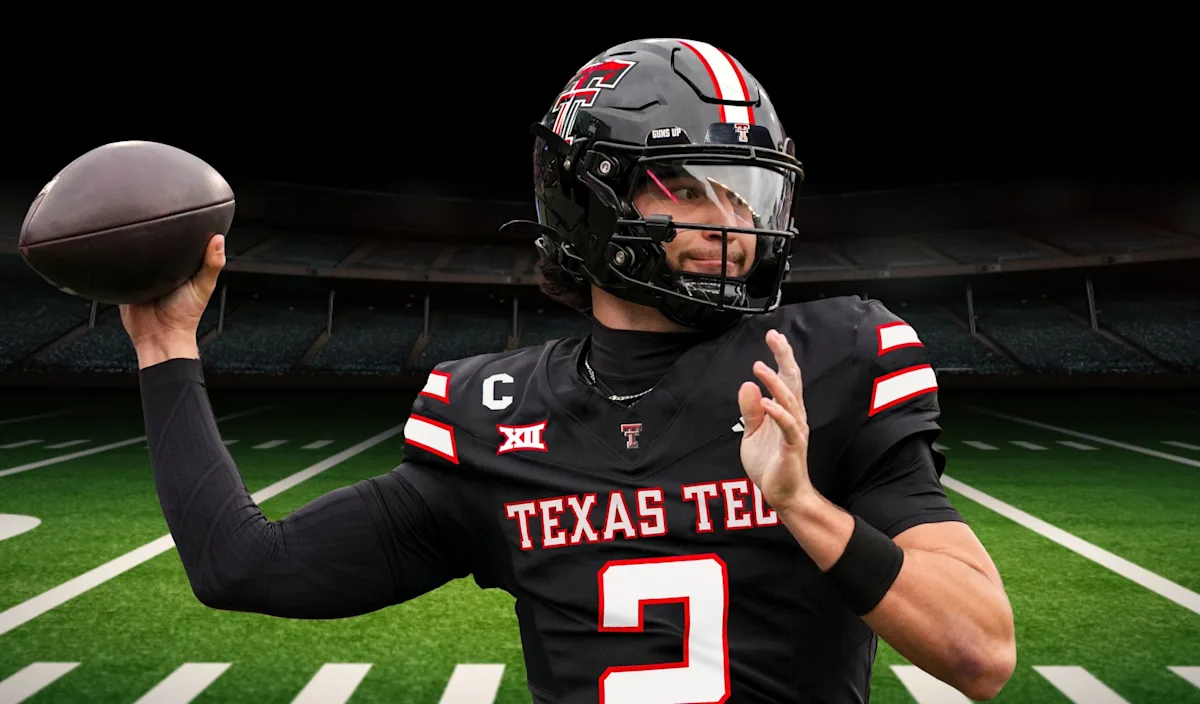
Brendan Sorsby landed a record NIL deal with Texas Tech, so Boardroom caught up with his agent to learn about the transfer portal process, why he chose college over the NFL, and more.
Brendan Sorsby has reset the NIL market.
Advertisement
The former University of Cincinnati quarterback and ESPN’s top-ranked player in this year’s college football transfer portal signed an NIL contract with Texas Tech for his final year of eligibility worth close to $6 million, his agent Ron Slavin of Lift Sports Management told Boardroom. It’s believed to be the largest ever NIL deal in college football; here’s how the historic deal went down.

Dylan Buell / Getty Images
After Cincinnati finished its regular season after Thanksgiving, Sorsby signaled to his representatives that he wanted a change of scenery, whether that was the transfer portal or the NFL, Slavin said. He then submitted a request to the NFL’s College Advisory Committee, which evaluates and advises underclassmen of their draft prospects and where they realistically might be selected. While Sorsby got a graded projection of anywhere between the first and third rounds of the 2026 draft, that didn’t sway him from wanting to play a final year of college football and submit his name into the NCAA transfer portal.
“He wants to become a better quarterback, and he wants to be the first pick in the ’27 draft,” Slavin told Boardroom. “Brendan wanted to play college football, compete for a national championship, and continue to develop.”
Advertisement
Sorsby looked at inexperienced quarterbacks drafted in the first round and sent out to play by their teams right away, and wanted more reps to reduce the potential of becoming a draft bust because he was thrown in there before he was ready.
“The NFL doesn’t draft quarterbacks in the first round anymore and let him sit for three years like Aaron Rodgers was able to,” Slavin said. “Brendan wants to know that he’s got enough reps and played enough games like the Bo Nixes of the world, who had 60 college games. That’s the model now, not guys who have had one good season of 12 starts. They seem to fail a lot more often.”
Players can announce they’re going into the transfer portal in December, but the official two-week portal doesn’t open until Jan. 2. And while players can’t contact teams until then, agents and representatives can begin identifying schools in need of a player, in this case, an experienced starting QB like Sorsby. LSU, Miami, and Texas Tech emerged as the three top contenders, and Sorsby visited each school over the weekend.
“All had very solid offers, and they were pretty equal across the board,” Slavin said. “I know people like to say ‘oh, Texas Tech outspends,’ but there wasn’t any difference in the money between Miami, LSU, or Texas Tech.”
Advertisement
Sorsby was impressed by Miami head coach Mario Cristobal and the executive director Dennis Smith. As he controversially moved over from Ole Miss to LSU, Slavin said Lane Kiffin was “all in” on bringing Sorsby to Baton Rouge. The LSU coaches did the best job among the three in terms of putting in the time and preparation on trying to bring in what it hoped would be its next starting quarterback. But as a whole, Texas Tech barely edged both of them out.
Texas Tech head coach Joey McGuire was able to sell Sorsby on facilities that Slavin said blew him away, a strong offensive line and skill position players, and the Red Raiders’ ability to develop him as a quarterback. It also helped that the Dallas native could play football one last year in his home state.
“We did pros and cons with all of them, and it was pretty much a coin flip,” Slavin said. “In the end, Brennan just went with his gut. It was a really cool process to go through with all of them because they all do it the right way.”

John E. Moore III / Getty Images
Just as important as the destination was the structure of the deal itself. Sorsby’s camp required that all NIL compensation be fully guaranteed and paid by next Jan. 1, a safeguard amid growing concerns about collectives delaying or withholding funds for reasons such as missed bowl appearances. The agreement — alongside a separate NIL deal for quarterback Josh Hoover, who is transferring from TCU to Indiana — represents a significant milestone for Lift Sports Management. After building a strong NBA roster that includes Paolo Banchero, Jabari Smith Jr., and PJ Washington, Lift expanded into football last summer by hiring Slavin and Jared Fox, adding to an NFL client base that already features David Montgomery and Byron Murphy.
Advertisement
“This deal is a huge step for the agency and also for Brendan individually,” Donnie McGrath, Lift’s CEO, told Boardroom. “It helps put Lift Football on the map, and it shows that these guys are going to make an impact on the industry.”
Read More:

Kevin Hart
Entertainment January 6, 2026
Kevin Hart Partners With Authentic Brand Group to Scale Brand and Business

Sports January 6, 2026
Tom Brady, Matt Ryan, and the NFL QB Front Office Takeover

Sports January 5, 2026
The Manchester United Job Is Broken, Not the Manager

Entertainment December 31, 2025
10 Predictions That Will Shape Entertainment and Pop Culture in 2026

Entertainment December 30, 2025
Tetris in the Sky: How Red Bull Brought a Timeless Game to Life in Dubai

Sports December 30, 2025
Lockouts, Expansion, and Chaos: 14 Sports Business Predictions for 2026

The 2025-2026 college football postseason has exposed a glaring truth that should lead to major changes throughout the sport: other conferences have caught up with or surpassed the SEC.
For years, the SEC was the dominant force in the sport, thanks mostly to the success of Nick Saban’s Alabama Crimson Tide teams in the 2010’s, and Kirby Smart’s Georgia. But their performance in bowl games and the College Football Playoff the past two seasons has dealt a permanent blow to that reputation. Even if the conference’s fans, media partners, and boosters won’t acknowledge it.
Vanderbilt quarterback Diego Pavia said about staying in the SEC for 2025, “You want to play with the best — you don’t want to play with the Big Ten.” He wasn’t done, adding, “…the SEC, it’s like week after week. You’re going to get beat on. The Big Ten, you’re not gonna get beat on with the Purdue, Nebraskas.”
Then, before the ReliaQuest Bowl, he said it would only take “7 points” to beat the Iowa Hawkeyes. He lost 34-27. Whoops.
Illinois beat the Tennessee Volunteers in the Music City Bowl, marking the second consecutive season the Illini beat an SEC team in a bowl game. Virginia held Missouri to just seven points, winning 13-7. Houston, literally Houston, beat LSU 38-35. “You want to play with the best,” indeed.
Texas A&M, a team that went 7-1 in the SEC and was hailed by Lane Kiffin in November as the No. 1 team in the country because of their conference success, scored just three points at home against Miami. Then, the pièce de resistance: the Rose Bowl. The Indiana Hoosiers humiliated Alabama in a 38-3 defeat, which undersells just how thoroughly they dominated.
RELATED: Alabama Never Should Have Been In The Playoff; Rose Bowl Loss Hurts ESPN, SEC’s Reputation
Oh, and for good measure, Mississippi State lost to Wake Forest. Nothing like the week in, week out gauntlet of the SEC. All these examples drive home an obvious point: the SEC’s advantage over competitive conferences has evaporated. And a new report may explain how and why.
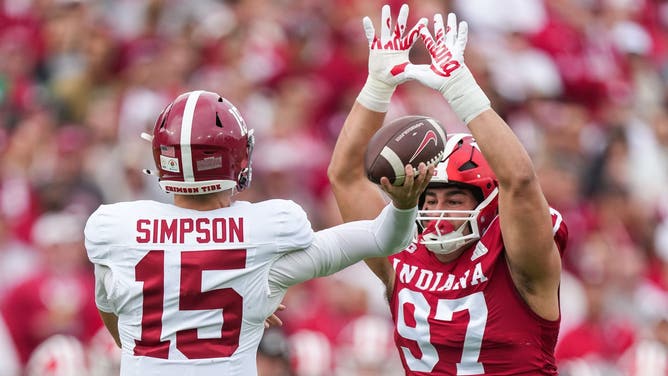
Alabama Crimson Tide quarterback Ty Simpson throws the ball against Indiana Hoosiers defensive lineman Mario Landino. (© Grace Hollars/IndyStar / USA TODAY NETWORK via Imagn Images)
Has NIL Changed SEC’s Advantages?
The Athletic’s Bruce Feldman is out this week with a new story, talking to opposing coaches about the SEC’s dismal postseason performance. Right away, one Power 4 offensive coordinator highlighted how the narrative about conference superiority needs to change. And quickly.
“Ultimately,” the coach said, “and this is y’all’s job, not my job, but there needs to be an evaluation of this narrative of the SEC is these big, bad m————, because they’re getting their asses whipped in these games.”
The SEC team in bowl and playoff games is 2-7 against other conferences. One of those wins was Texas over Michigan, a team that saw head coach Sherrone Moore fired in shocking, spectacular fashion just a few weeks ago. The SEC team was the favorite in seven of those nine games.
That same offensive coordinator he quoted earlier said that the explanation for this dramatic about face is that NIL has leveled the playing field, paving the way for other teams to, shall we say, provide financial incentives for players.
“The reality is this, there were some very famous, very successful coaches that were having a lot of success when the NIL was illegal,” he added. “Well, now NIL is legal. I saw what (former LSU head coach Ed) Orgeron said about how now you can walk through the front door with the money. Well, now the players are going everywhere.”
Another Big Ten assistant coach told Feldman over the weekend, “Hard to ignore the fact that when everyone got to pay players, it leveled the playing field immediately. They can deny all they want, but that’s a fact.”
While some defend the SEC by repeating the same “gauntlet” argument, one Group of 5 head coach agreed that the legality of NIL has shifted the balance of power, saying “There’s some truth to that too, I think that’s accurate.”
And there’s more to it than that.
Quality Depth Has Evaporated Thanks To NIL
It’s clear that many top SEC programs were providing some sort of financial benefits to players before NIL. Though that was almost certainly happening at other top programs in different conferences across the country. But it’s not just that the top players were choosing to go where they could benefit the most, it’s the second and third tier players going elsewhere that’s changed the competitive balance.
Now, instead of say, going to be the second string guy for Nick Saban at Alabama because of the likelihood of winning a championship and reaching the NFL eventually, that same recruit from Florida or Texas might go play at Miami or Texas Tech or Indiana, because they can start, make more money, and still compete for a title and reach the NFL.
That’s hollowed out the depth of talent at SEC programs, in much the same way that USC’s ridiculous, monstrous penalty from the NCAA in the early 2010’s destroyed their depth. Now, when the inevitable injuries hit, teams like Bama or Georgia aren’t able to replace their starting players with high-level talent. Those players are starting at Oregon instead of sitting in Athens.
It’s obvious, taking more than a handful of seconds to analyze it, that this makes sense. Every top team was paying players before, but the SEC was better at it. Sitting at Alabama may have had more value than starting at Indiana just a few years ago. Now it doesn’t. Having the legacy and big brand name doesn’t matter much anymore, because the transfer portal has allowed any program to get established talent if they have the money.
What does this all mean? Well, the push to view the SEC differently than other conferences has to stop. Immediately. Allowing Greg Sankey and his ESPN promotional department to repeat the word “gauntlet” because Missouri and Tennessee are ranked despite not winning a single game over a team with a winning record is a farce. Acting as though one conference deserves preferential treatment, like, say, having its championship game be a meaningless exhibition, must end. The relentless demand for more SEC teams in the playoff needs to end.
And the worst part is, Sankey and the SEC booster club at ESPN are only going to get louder in 2026. Why? Because they’re now going to play nine conference games. While this change is, in a way, beneficial by forcing the SEC to finally have the same number of conference games as the Big Ten, it’s also going to make their demands even louder. Fewer opportunities to compare teams across conference. Marquee matchups across conferences have already been canceled. And the insistence on never punishing losses in the SEC will only grow. “How can we leave out four loss Alabama,” the argument will go, “when they played the SEC gauntlet?!”
Those arguments, those boosters, the ESPN propaganda campaigns, all of it…is based on a past that no longer exists. The future is here, and with it, the end of acting as though one league gets a pass because its teams were good a decade ago.

Sieg Named National High School Player of the Year by Maxwell Football Club

How Florida Became a Hockey Hotbed
performance-driven gaming monitors : gaming monitor

Longhorns Daily News: Texas has highest NIL transfer portal budget, data says

Demi Wagdy – Women’s Beach Volleyball

REDMAGIC Astra Gaming Tablet Arrives in Korea with Snapdragon 8 Elite and 165Hz OLED

No. 1 college football team soars in transfer portal rankings after ‘swinging wildly’

Former Husker volleyball star Merritt Beason debuts with Supernovas

Carson Hocevar gets three year sponsorship extension from Zeigler Motorsports | WKZO | Everything Kalamazoo

McLaren’s Kirchhöfer getting reacquainted with Corvette in sim

$2 million transfer portal QB strongly linked with two major college football programs

Makita U.S.A. and Pipes Motorsports Group Suzuki Announce Technical Partnership for 2026 SuperMotocross Championship – Drag Bike News

Daniel S. Kippert | Obituaries

2026 National Girls & Women in Sports Day Youth Clinic

How the Biggest NIL Deal in College Football History Went Down

SoundGear Named Entitlement Sponsor of Spears CARS Tour Southwest Opener

Donny Schatz finds new home for 2026, inks full-time deal with CJB Motorsports – InForum

David Blitzer, Harris Blitzer Sports & Entertainment

DeSantis Talks College Football, Calls for Reforms to NIL and Transfer Portal · The Floridian

#11 Volleyball Practices, Then Meets Media Prior to #2 Kentucky Match

Rick Ware Racing switching to Chevrolet for 2026

Maine wraps up Fall Semester with a win in Black Bear Invitational

Ross Brawn to receive Autosport Gold Medal Award at 2026 Autosport Awards, Honouring a Lifetime Shaping Modern F1

Nascar legal saga ends as 23XI, Front Row secure settlement

Stempien to seek opening for Branch County Circuit Court Judge | WTVB | 1590 AM · 95.5 FM

Sunoco to sponsor No. 8 Ganassi Honda IndyCar in multi-year deal

Princeton Area Community Foundation awards more than $1.3 million to 40 local nonprofits ⋆ Princeton, NJ local news %

Downtown Athletic Club of Hawaiʻi gives $300K to Boost the ’Bows NIL fund

North Florida Motorsports Park led by Indy 500 Champion and motorsports legend Bobby Rahal Nassau County, FL

WNBA’s Caitlin Clark, Angel Reese and Paige Bueckers in NC, making debut for national team at USA camp at Duke





-
 Rec Sports3 weeks ago
Princeton Area Community Foundation awards more than $1.3 million to 40 local nonprofits ⋆ Princeton, NJ local news %
-

 Sports3 weeks ago
Beach Volleyball Unveils 2026 Spring Schedule – University of South Carolina Athletics
-

 Sports2 weeks ago
Badgers news: Wisconsin lands 2nd commitment from transfer portal
-
 Sports3 weeks ago
Badgers news: Final Four Game Thread vs. No. 1 Kentucky Wildcats
-

 Rec Sports4 days ago
Five Youth Sports Trends We’re Watching in 2026
-

 Sports2 weeks ago
Is women’s volleyball the SEC’s next big sport? How Kentucky, Texas A&M broke through
-
 Sports3 weeks ago
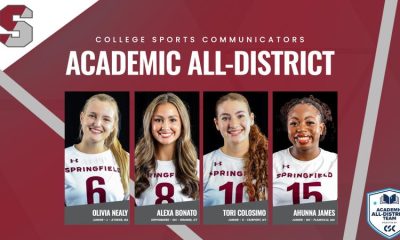
Four From Women’s Volleyball Named to College Sports Communicators Academic All-District Team
-

 Rec Sports3 weeks ago
Refugee-Focused Youth Sport Initiatives : Moving for Change
-
 Rec Sports3 weeks ago
Youth Sports Business in 2025: The Year the Industry Grew Up
-
Rec Sports3 weeks ago
Inside the NWSL’s first combine: Can the league create a more robust pathway for American talent development?