
Motorsports
Meet the ex-Secret Service and FBI guys who stop NASCAR’s fights from exploding

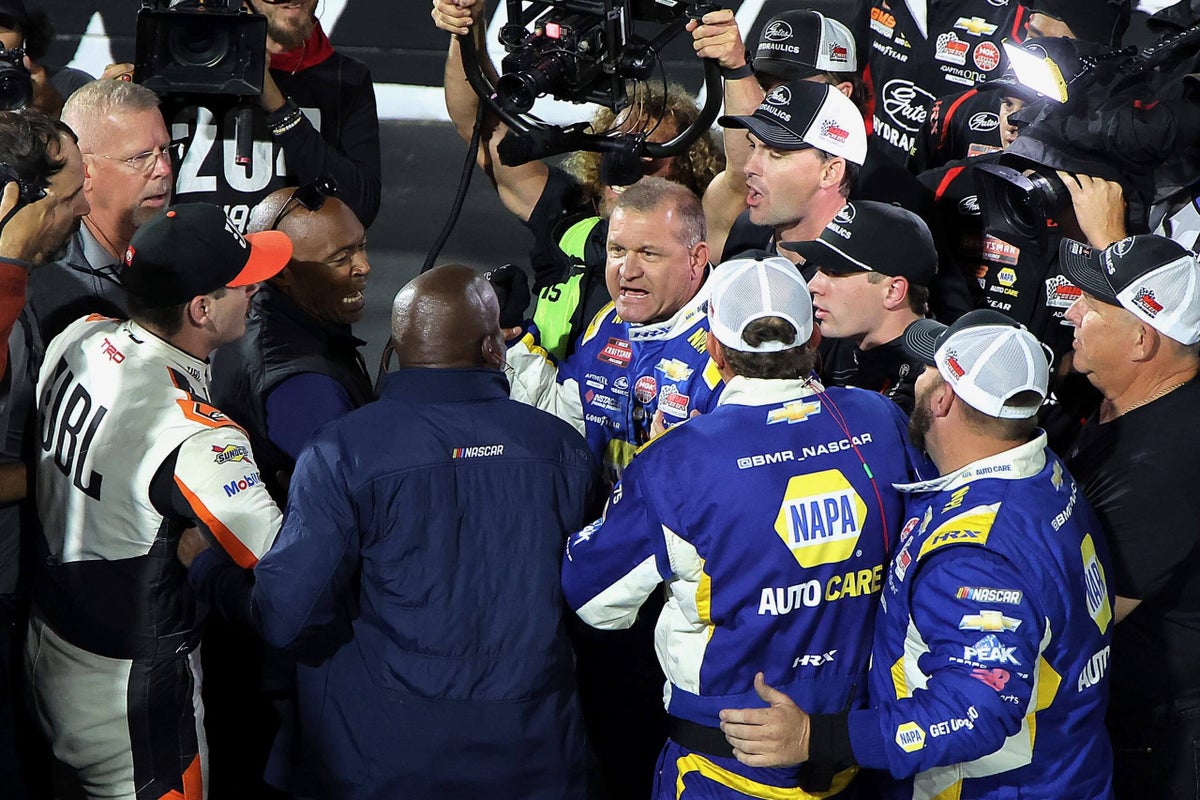
They would prefer to blend in. This is what their decades in law enforcement have ingrained in them. Strangers asking for a selfie is supposed to be a foreign concept; people shouldn’t know who they are.
But NASCAR fans have come to recognize Allen Taylor and Stan Ruffin, whose job titles are simply “NASCAR security,” though this underplays their importance. Through no fault of their own, they’ve found themselves in the middle of some of NASCAR’s most well-known driver confrontations in recent years.
Remember that post-race scrum at Kansas in 2023, when Ross Chastain clocked Noah Gragson with a right cross? It was Ruffin who grabbed Gragson’s arm in mid-swing before he could land a retaliatory punch that surely would’ve triggered a bigger melee. Ruffin was also in the middle of a brawl last year at North Wilkesboro — where NASCAR returns this weekend for its annual All-Star Race — between Kyle Busch and Ricky Stenhouse Jr., with Ruffin forcefully pulling Stenhouse away after he punched Busch post-race.
Kyle Busch and Ricky Stenhouse Jr. got into an altercation following the NASCAR All-Star Race 😳
🎥 @Jordan_Bianchi pic.twitter.com/86EA503lCw
— The Athletic (@TheAthletic) May 20, 2024
And last fall, Taylor defused a potential powder keg when he walked with an irate driver down Martinsville’s pit road who seemed hellbent on expressing his anger with a Truck Series competitor following a key playoff race, only for the confrontation to never go beyond an exchange of words.
“A lot of times you can tell by their posture when they get out of the car; they’re slamming things,” said Taylor, who heads NASCAR’s security team. “It’s all about anticipating and seeing how they’re reacting. Because sometimes drivers are nice and calm and they go to the other driver, and then that’s when they blow up. Sometimes the blow-up doesn’t happen until the other person says something. It’s not always immediately that the fighting occurs. You just have to be aware.”
Although there is no overarching protocol on how Taylor, Ruffin and others within NASCAR’s security corps handle post-race confrontations, they try to apply a consistent methodology. They end up as part-bodyguard, part-referee and part-mediator.
“It’s just a natural thing for me,” Ruffin said. “I seem to always be around, and stuff gravitates towards me. Sometimes it’s good, sometimes it’s not.”
When races finish, Taylor and Ruffin will make their way over to any driver they feel may be inclined to confront another, either by their own instincts or with some direction from NASCAR officials in the scoring tower. And should that driver decide to start a confrontation, security will quickly move in.
These exchanges between drivers are often mild, with no one starring in a viral fight video. But occasionally, a flare-up occurs.
When this happens, Taylor and Ruffin’s extensive law enforcement background — each totaling nearly 30 years — proves invaluable. Taylor worked for the U.S. Secret Service, where his duties included a lengthy stint serving on the detail assigned to protecting the Obamas. There, he forged a tight bond with President Barack Obama and First Lady Michelle Obama. When Taylor was seeking a career shift in 2020 and curious about potentially working for NASCAR, Barack Obama made a personal call to then-NASCAR president Steve Phelps to encourage the league to hire his friend.
Ruffin worked as an FBI agent, where he worked on several high-profile cases ranging from 9/11 to white-collar crimes to kidnappings.
The preferred protocol with post-race fights is to allow the drivers to speak toe-to-toe without any crew members interjecting. Since many crew members are former college athletes and often significantly bigger than drivers, such a size discrepancy can lead to injuries, making it paramount to keep them on the periphery. NASCAR security also doesn’t want any law enforcement to become directly involved unless absolutely necessary, lest an overzealous driver or crew member accidentally strike them and potentially be subject to criminal charges.
Ideally, once drivers begin to jaw, they’ll say whatever needs to be said and then disperse. Of course, sometimes it can go in a much different direction. And it’s when things get physical that Taylor and Ruffin make their presence known.
“You can’t let the drivers get hurt,” Ruffin said. “Because if you go too far and a driver gets hurt, then it becomes, ‘Why didn’t you stop them?’
“Those drivers, especially the younger ones, are similar to my own kids where I was always breaking up fights. The younger ones often make me laugh as I’m trying to break them up. I jokingly tell (drivers) they get one move (be it a shove, a grab or punch) and that’s it.”
Punches thrown between Ross Chastain and Noah Gragson after Kansas! pic.twitter.com/vzojr7Jn7H
— FOX: NASCAR (@NASCARONFOX) May 7, 2023
Leaning on their vast training, Taylor and Ruffin prefer to de-escalate any situation before it rises to punches being thrown and drivers needing to be physically restrained.
Last fall at Martinsville, Taylor walked nearly the entire length of pit road with driver Taylor Gray, who was upset with Christian Eckes after late contact cost Gray a win in a pivotal Truck Series playoff race. During that walk, Taylor repeatedly told Gray to maintain a level head. This is exactly what happened.
“I kept saying, ‘Think about what you are going to say, don’t do anything that you’re going to regret later. Just have a conversation,” Taylor said. “I kept repeating the same thing over and over. He wasn’t acknowledging it, but I was hoping that he was hearing me.
“You’re de-escalating, but it’s also more about communicating. My communication skills are honed in on and based on having to deal with audiences, having to talk to people and give them direction. Communication is the key in all these situations.”
Taylor Gray walked down Martinsville’s pit road to confront Christian Eckes in victory lane after the Truck Series race. After the two exchanged words, Gray walked away. pic.twitter.com/zzKgub9I6k
— Jordan Bianchi (@Jordan_Bianchi) November 2, 2024
Looking back months later, Gray says he doesn’t recall what Taylor said to him that frustrating night. Still, it’s hard to think that Taylor’s message didn’t resonate to some degree.
“He was trying to talk me off the ledge, for sure,” Gray said.
Following a rough-and-tumble Xfinity Series race this past spring at Martinsville, Ruffin found himself in a similar situation. Livid with Sammy Smith, Jeb Burton sought Smith out in the infield care center. With this environment considered a hospital, no misbehavior is tolerated, especially fighting. So Ruffin placed himself between the two drivers, then calmly explained to Burton that this was not the place for this and he needed to leave. Burton listened. And on his own accord, he later apologized to the care center staff.
“They did a good job of talking me off the ledge,” Burton said. “That’s not the guy I am, but I’m fired up and passionate about what I do.”
Tense situations can extend beyond the track, sometimes not even involving drivers — and it may require being mindful of a muffin whizzing by their head.
He laughs about it now, and so do Ruffin’s colleagues, who now affectionately refer to him as the “Muffin Man,” but at the moment, it was no joke.
Among NASCAR security’s many duties is having a presence at various events that go on during the week. This includes NASCAR playoff media day, as was the case last September at the Charlotte Convention Center. At some point, as Ruffin recalled, an uncredentialed man entered a private area NASCAR had sequestered off and refused to leave when asked.
After Ruffin was alerted, he began following the individual while maintaining a healthy distance, as he didn’t want to provoke him. The unwanted visitor eventually made his way into a hospitality room where he proceeded to grab various food items. It was then Ruffin intervened, instructing the individual to leave as he had overstayed his welcome. Ignoring the directive, the individual continued to wander around only to suddenly throw a muffin at the back of Ruffin’s head, missing him.
In this instance, Ruffin would’ve had justification to act forcefully. Yet, Ruffin maintained his composure.
“I picked up the muffin, handed it to him and said, ‘Sir, I believe you dropped your muffin,’” Ruffin said, shaking his head as he retells the story.
“It’s just a matter of trying to stay calm and calm the other person and not make the situation worse by giving them an opportunity to do what they came there to do. And I think he came there to fight. … You do everything you can to bring the tension down.”

Stan Ruffin accompanies Joey Logano to a Los Angeles Clippers game in 2022. Logano is one of many drivers who rely on Ruffin and Allen Taylor. (Kevork Djansezian / Getty Images)
Many within the industry swear by Taylor and Ruffin. Defending Cup Series champion Joey Logano is adamant they are the first people he reaches out to whenever a potential security issue arises that falls within their realm, as was the case last year. Chastain is one of several drivers who says he owes them for jumping in to break up a fight before things went completely haywire.
“I’ve had a couple of moments where I’ve been very thankful,” Chastain said. “The way that group works, you don’t see them until you see him. They just have a way to navigate their garage silently, but they’re always there. They’re always around.”
Then there are fans, many of whom have come to recognize Taylor and Ruffin. The two are now regularly spotted at the track and approached to chat or take a selfie — or to bust their chops for prematurely breaking up a fight the fan wanted to see unfold.
“Obviously we know it’s good advertising, good TV,” Taylor said of driver skirmishes. “And, obviously, people like to see disagreements and, unfortunately, the fight. But I think the drama behind it and having the discussion, I think can be just as entertaining as not having an actual fight.”
Said Ruffin: “It’s kind of weird. This weekend alone, I’ve already taken six selfies. Some tell me I need to handle (fights) like hockey, but I don’t know anything about what the hockey rules are.”
(Top photo of the altercation between Taylor Gray and Christian Eckes at Martinsville last year; Stan Ruffin has sunglasses on his head, and Allen Taylor is next to him in the dark blue NASCAR jacket: Jonathan Bachman / Getty Images)

Motorsports
Ten Tenths Motor Club Names Veteran Automotive Executive Andy Thomas as Vice President of Manufacturer Relations – Speedway Digest
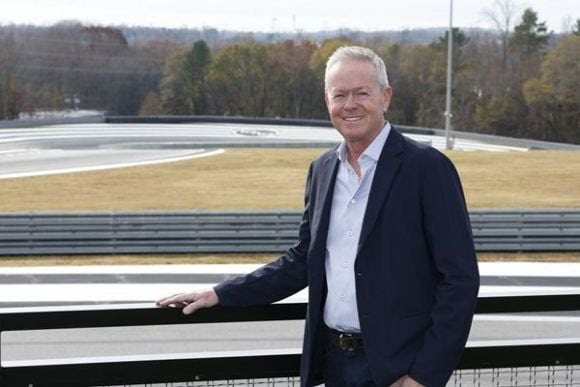
Ten Tenths Motor Club has named longtime automotive executive Andy Thomas as its new Vice President of Manufacturer Relations, bringing more than three decades of global experience in luxury automotive sales, marketing and brand management to the newly opened motorsports and lifestyle destination.
In his new role, Thomas will develop and maintain relationships with OEM partners to understand their needs, perspectives and objectives, while working to identify opportunities for growth by leveraging new and existing partnerships to increase facility usage.
Thomas joins Ten Tenths Motor Club after serving as Vice President of Marketing and Communications for McLaren Automotive North America since 2015, where he led strategic marketing, communications and global strategy that helped drive record sales growth. During his decade with McLaren, Thomas oversaw experiential events in over 30 major metro markets and developed retail programs that significantly increased sales conversions and owner engagement.
“Andy’s reputation and relationships within the global automotive community are unmatched,” said Rick Hendrick, who founded Ten Tenths Motor Club in partnership with Speedway Motorsports. “His leadership will be instrumental in strengthening our partnerships with manufacturers and luxury brands as we continue to establish Ten Tenths as a world-class venue for automotive experiences.”
Prior to McLaren, Thomas served in leadership roles with Rolls-Royce Motor Cars in both Goodwood, U.K. and North America, where he guided global brand alignment and oversaw international marketing strategy across Europe, Asia-Pacific and the Middle East. Earlier in his career, he held key marketing and sales roles with BMW of North America, Ferrari North America and Land Rover North America, gaining experience in dealer relations, product marketing and luxury customer engagement.
“Our vision for Ten Tenths Motor Club is to establish the facility as not only a premier experience for passionate automotive enthusiasts, but also to create a destination for corporate events that is unmatched in the automotive industry,” said Speedway Motorsports President and CEO Marcus Smith. “We look forward to Andy joining our efforts to invite manufacturers from around the world to Ten Tenths Motor Club and the greater Charlotte region.”
A Clemson University graduate with a Bachelor of Science in Mechanical Engineering, Thomas also serves on the Board of the Erwin Center for Brand Communication at his alma mater. In that role, he mentors students, sponsors real-world marketing projects and connects students with opportunities across the automotive and luxury brand landscape.
A native of Salisbury, Maryland, Thomas began his career in dealer operations at Fox Chevrolet in Baltimore before joining the OEM side of the industry. His work has taken him across the United States, the United Kingdom and Europe, building a broad network and a deep understanding of international brand collaboration.
“I’m thrilled to join Ten Tenths at such an exciting time,” Thomas said. “The club’s vision represents the next evolution of automotive lifestyle and performance culture. I look forward to connecting global manufacturers with this extraordinary facility and to becoming part of the Charlotte community.”
Located adjacent to the iconic Charlotte Motor Speedway, Ten Tenths Motor Club combines exclusive track access, curated events and premium hospitality to create an unparalleled environment for members and partners. The facility has quickly become a premier destination in the Charlotte metropolitan area for automotive launches, luxury brand activations, enthusiast experiences and special events. Tickets are now on sale for Ten Tenths Motor Club signature public event, Heritage Invitational, April 9-11, 2026.
CMS PR
Motorsports
Short Track Racing Gets Major Boost With $6.7 Billion Backed Chili Bowl Nationals Coverage
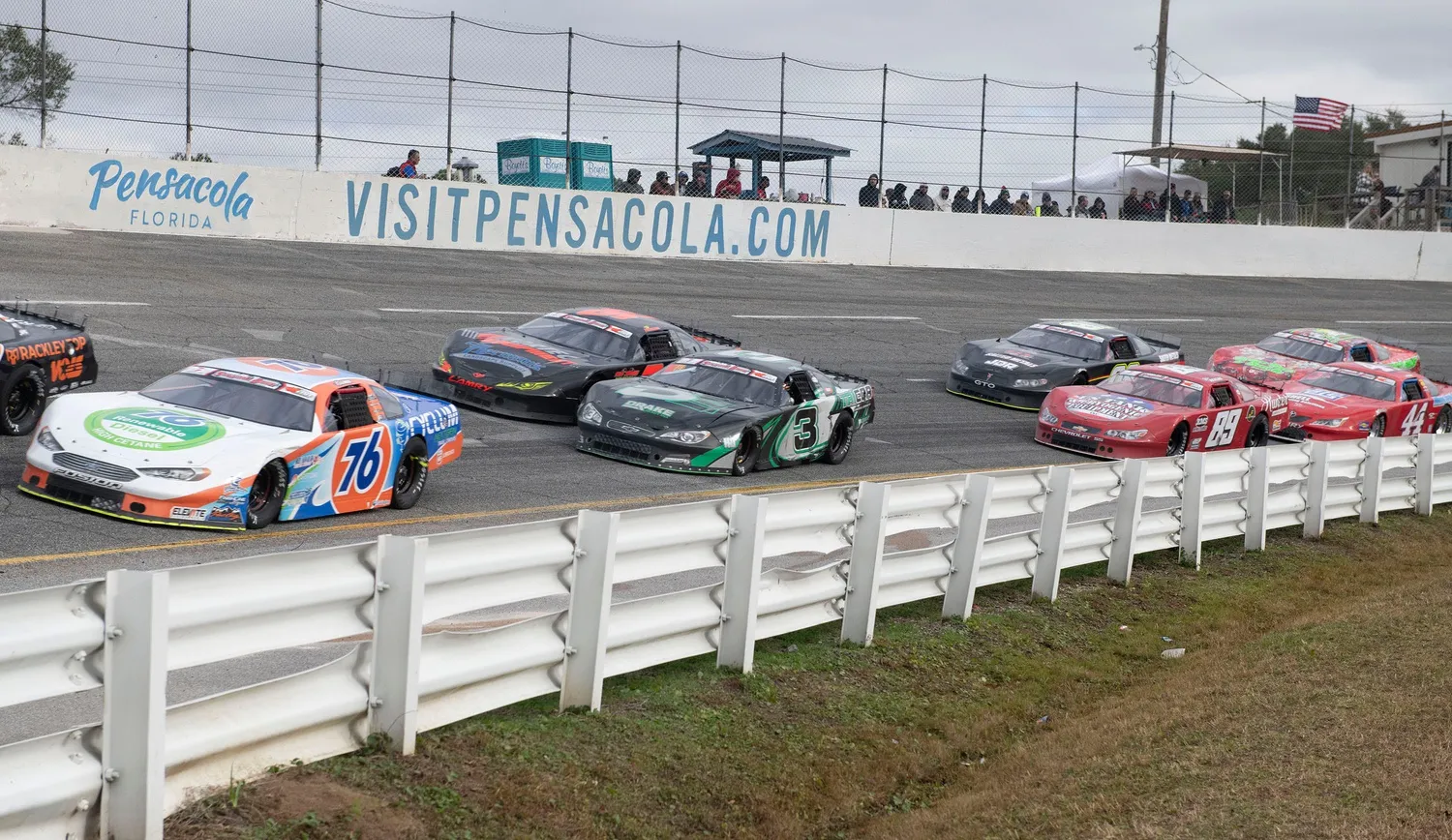
Short-track racing is set for a significant commercial and visibility boost, one that points to growing confidence from corporate players in the grassroots motorsport ecosystem.
As the Chili Bowl Nationals approaches next January, developments off the track suggest the event is entering a new commercial phase. The move will inject major corporate backing into one of grassroots motorsport’s most prestigious events.
Chili Bowl Nationals Gain Momentum As Major Brands Look Beyond Top-Tier Series
In a new announcement, it has emerged that Chili’s will sponsor FloRacing’s streaming coverage of the Chili Bowl Nationals in January 2026.
A motorsports journalist first reported the development on X, revealing, “@Chilis will sponsor @FloRacing’s streaming coverage of the Chili Bowl Nationals in January as part of a new deal, with assets including ad integration during pre- and post-race and shoulder programming, along with on-site signage, jumbotron commercials and a hospitality area.”
The deal includes extensive ad integration across FloRacing’s Chili Bowl coverage. The partnership will also feature branded elements during pre- and post-race shows, shoulder programming, on-site signage, jumbotron commercials, and a dedicated hospitality area at the venue.
Chili’s is owned by Brinker International, a publicly listed restaurant company valued at approximately $6.6 billion, underlining the scale of investment now flowing into short track and dirt racing.
While the Chili Bowl has long been a fan favorite on the racing calendar, the association of a corporate company of this size with the Chili Bowl further elevates the event’s commercial credibility and fan appeal.
The Chili Bowl Nationals, held annually in Tulsa, Oklahoma, is widely regarded as the crown jewel of midget racing, drawing elite drivers from dirt racing, IndyCar, and even NASCAR disciplines. While the event has long enjoyed strong grassroots support, this sponsorship shows how close the gap between short-track racing and central corporate America is getting.
For FloRacing, the deal reinforces its strategy of pairing grassroots motorsport with blue-chip advertisers. As streaming continues to transform how fans consume motorsport, securing a nationally recognized brand like Chili’s adds credibility to FloRacing’s model and demonstrates the platform’s ability to deliver measurable value to sponsors.
At a broader level, the partnership reflects a shifting landscape within American motorsport. Short track racing, once viewed primarily as a regional niche, is increasingly attracting major corporate interest due to its authenticity and strong fan engagement.
The move could also have a ripple effect across the short track ecosystem, encouraging other major sponsors to explore similar partnerships. This will further narrow the gap between grassroots racing and top-tier motorsport in terms of commercial and media appeal.
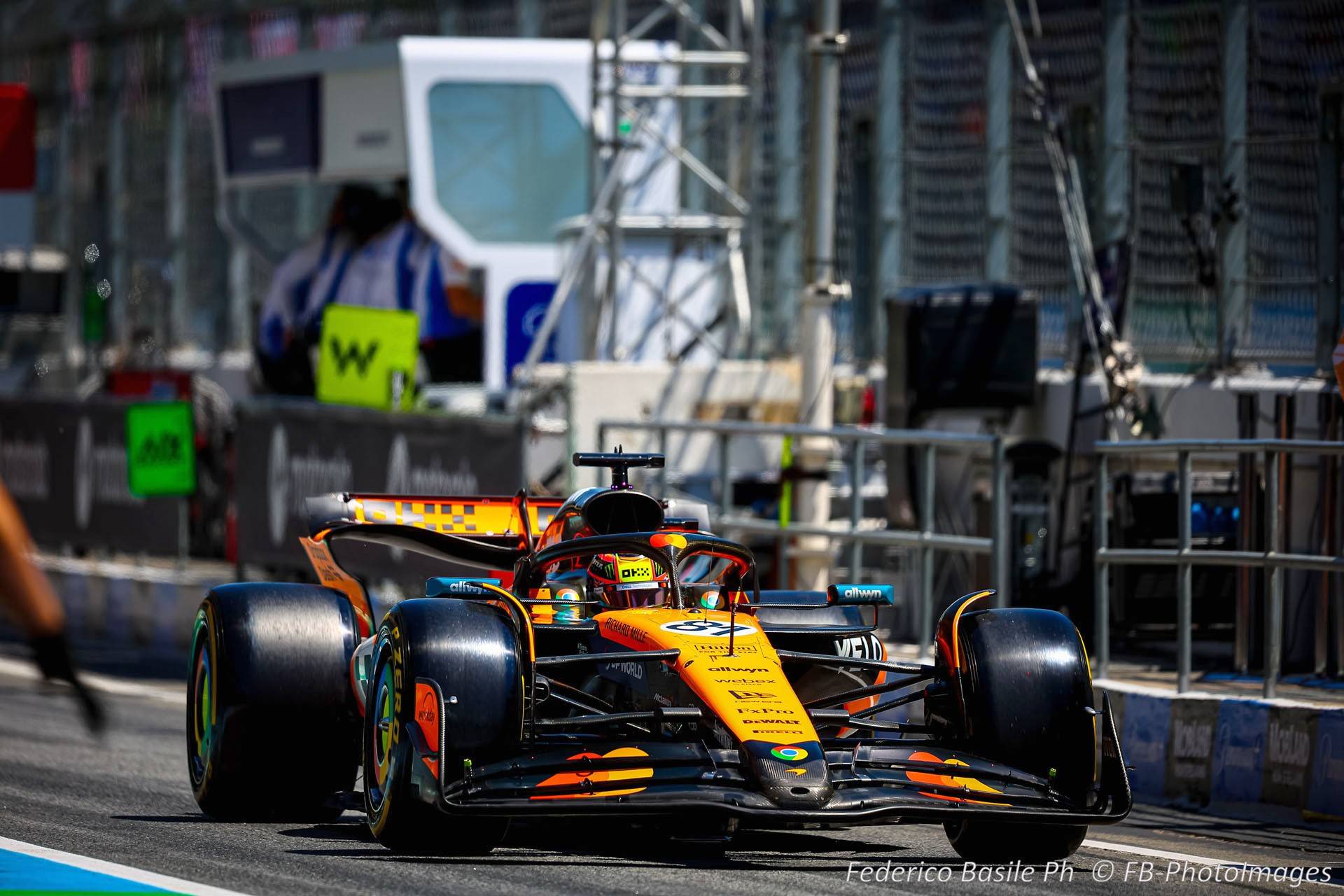
Every new F1 season reshapes the grid, and the 2025 cars push aerodynamic complexity even further with intricate sidepods, sculpted floors, and finely tuned wings. While these features exist to win races under strict regulations, the principles behind them are already transforming how high-performance road cars cut through the air and stay planted at speed.
Just as enthusiasts compare online casinos that pay out the most to maximize return on risk, performance drivers now compare brands that deliver the greatest transfer of F1 aerodynamic knowledge into cars that occupy real garages. The models that benefit from this pipeline feel calmer at 250 km/h, corner harder on track days, and waste less fuel or battery charge at highway speeds.
From Wind Tunnels to Showrooms
F1 teams and manufacturers now work inside shared technical ecosystems, where aerodynamic research rarely remains confined to the race shop. Computational fluid dynamics and wind tunnel data feed common databases that road-car engineers interrogate when they design a new supercar or performance sedan.
Key channels that transfer F1 aero learning into road cars include:
- Shared CFD platforms that simulate similar flow conditions for race and road projects.
- Common wind tunnel facilities with interchangeable models and measuring systems.
- Track data that validates how cars behave in crosswinds and turbulent air.
- Joint technical groups that translate race concepts into street-legal solutions.
Through these mechanisms, investment in F1 development produces measurable benefits in the road division instead of existing as a pure marketing exercise.
Ground Effects and Venturi Floors in Road Cars
The 2025 F1 floors generate huge downforce through Venturi tunnels and powerful diffusers, and road-car departments have revived the same philosophy in a moderated form. Underbody tunnels, extended diffusers, and subtle vortex generators create suction without resorting to oversized wings that would look out of place in city traffic.
Examples of ground-effect DNA in current road cars include:
- Mid-engine supercars with flat floors and deep rear diffusers
- Hypercars that channel air through underbody tunnels to generate downforce
- Performance sedans that reduce high-speed lift with tuned diffusers
- Track-focused editions with removable front splitters and underbody strakes.
These solutions respect everyday ride-height constraints while retaining the stability advantages that F1 teams exploit.
Active Aero and Smart Surfaces
While F1 cars use limited movable devices, the control logic behind ride height, temperatures, and hybrid deployment inspires sophisticated active systems on road cars. High-performance models now coordinate adjustable rear wings, deployable spoilers, and intelligent grille shutters through central controllers that read speed, steering angle, and thermal load.
Common active aerodynamic components in modern performance cars include:
- Multi-position rear wings that alter angle during braking and acceleration
- Front lips that extend at higher speeds to increase front axle grip
- Adaptive grille shutters that open for cooling and close to cut drag
- Underbody flaps that direct airflow toward diffusers or brake ducts.
In practice, the car behaves as a dynamic object that reshapes itself for each phase of a drive, echoing the adaptive philosophy of race setup work.
Aero Efficiency for Everyday Driving
Although F1 teams chase maximum downforce within tight drag limits, road cars often prioritize efficiency because emissions regulations and electric range targets are strict. Designers therefore apply F1-style flow management around mirrors, wheels, and rooflines to preserve stability while minimizing wake turbulence.
Typical efficiency tricks derived from F1 thinking include:
- Air curtains that guide flow cleanly around the front wheels.
- Sculpted side sills that feed air toward the rear diffuser.
- Tapered roof and tail profiles that shrink the turbulent wake.
- Subtle rear lips that reduce lift without large wings.
Each detail may seem minor when viewed alone, yet in combination they deliver measurable improvements in drag coefficient and high-speed composure.
What This Means for Drivers and Engineers
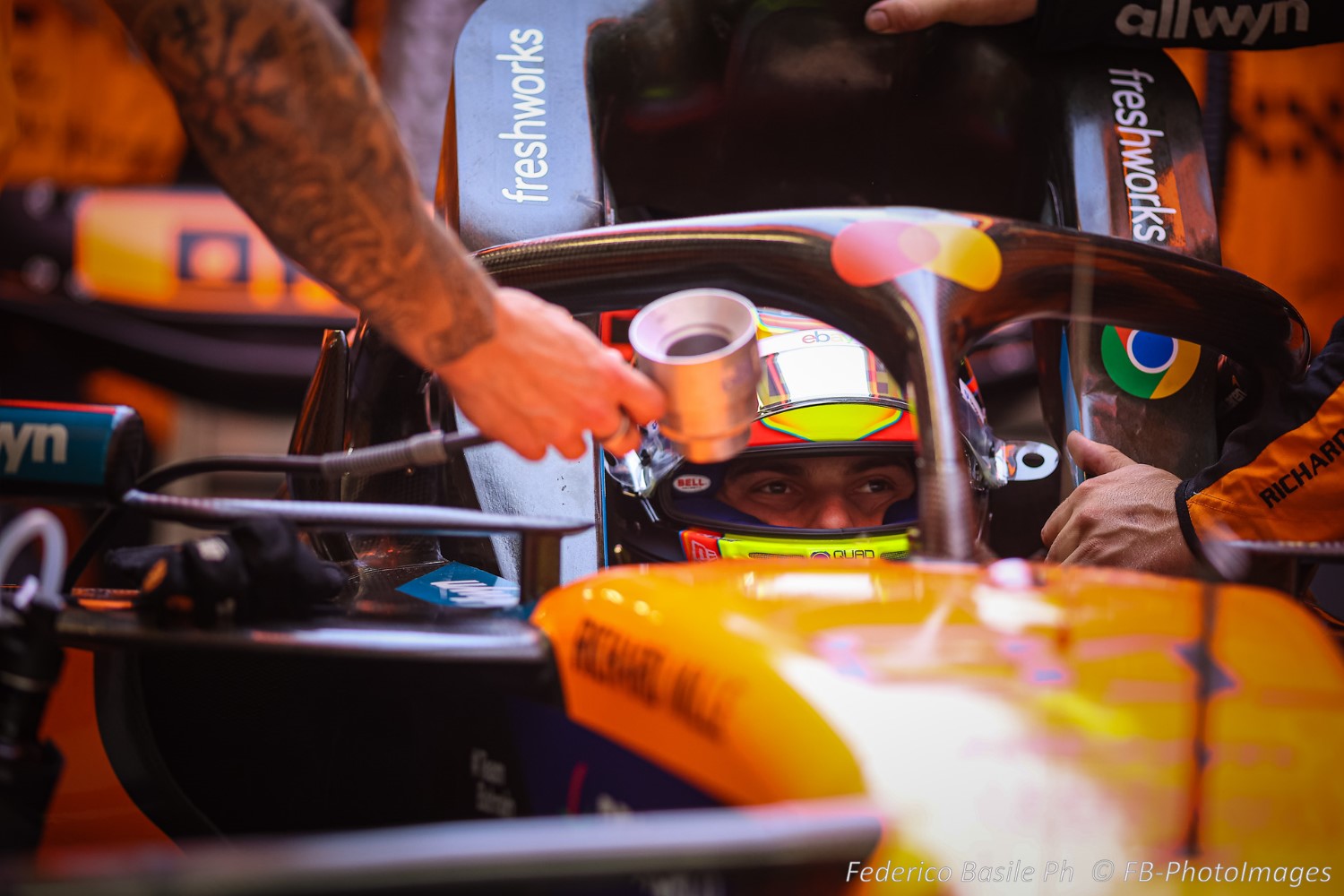
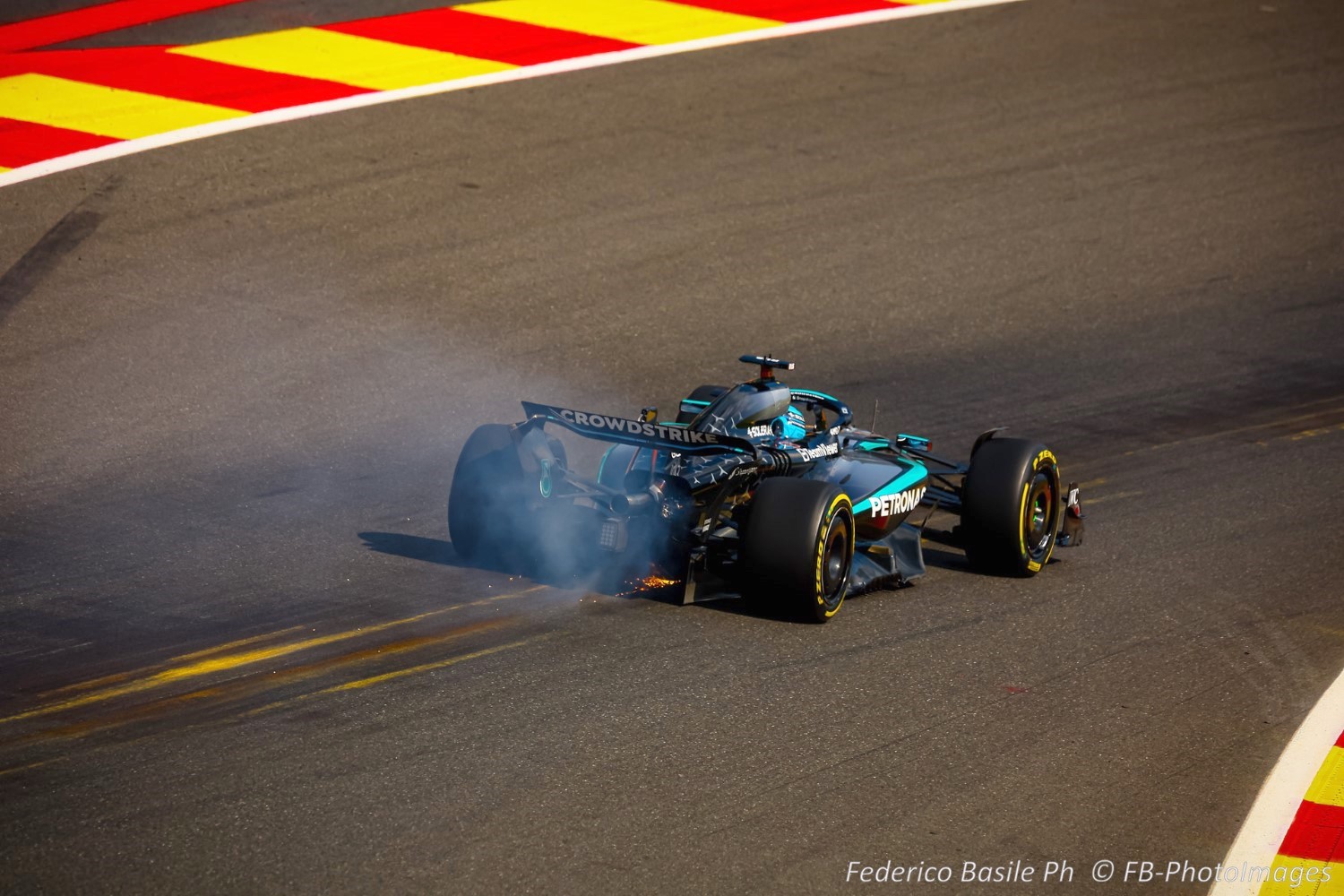
For drivers, the influence of 2025 F1 aerodynamics appears as calmer behavior at velocities that once felt nervous. Steering remains more precise under heavy braking, crosswinds disturb the car less, and lap times on track days improve as tires operate within more consistent load windows.
For engineers, the convergence of race and road programs enforces disciplined development processes. Shared wind tunnel hours, CFD runs, and correlation tests reduce the temptation to add ineffective vents or decorative wings, because every visible feature must justify itself through quantifiable aerodynamic benefit.
The Next Aero Generation
The trajectory from 2025 indicates that future performance cars will deepen the integration between sensors, software, and active surfaces. Vehicles may adapt their aero profiles in response to real-time traffic, weather, and road-surface data, rather than relying solely on speed-based maps.
For enthusiasts who watch F1 qualifying and then drive home in high-performance coupes or sedans, the connection between what happens on Saturday and what they feel on Monday morning will continue to tighten. Each new F1 regulation cycle forces teams to reinvent the language of airflow, and that vocabulary keeps migrating into cars parked in ordinary driveways, quietly transforming everyday journeys with technology proven at racing speed.
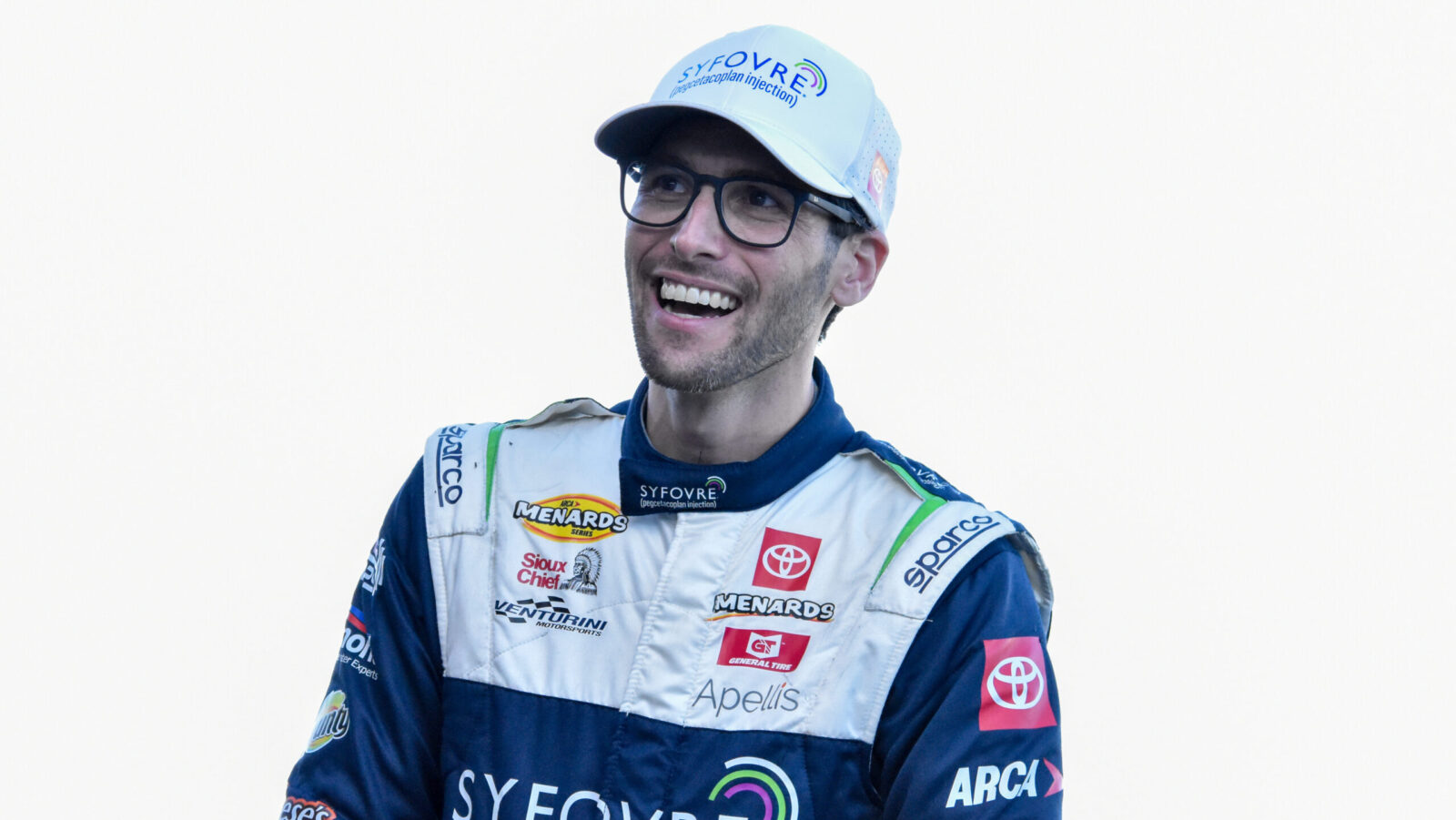
Ladies and Gentlemen, the doctor is in!
Dr. Patrick Staropoli, a board-certified medical and surgical retina specialist, has been tapped by NASCAR O’Reilly Auto Parts Series operation Big Machine Racing to compete full-time in the second-tier division in 2026.
Staropoli will get behind the wheel of the No. 48 SYFOVRE (pegcetacoplan injection) Chevrolet, beginning with the February 14 season-opener at Daytona International Speedway.
“From the moment I buckled into a pure stock at Hialeah Speedway in 2023, my life’s goal has been to compete at the top levels of this sport,” said Staropoli. “The path has taken many unexpected turns, but after working every day for 23 years in pursuit of this dream, I now have the opportunity of a lifetime thanks to Scott Borchetta, Patrick Donahue, and Chevrolet. I am ready to do whatever it takes to put this SYFOVRE Chevy up front and raise awareness for Geographic Atrophy secondary to Age-Related Macular Degeneration by combining my passion for motorsports and medicine.”
A third-generation driver from Plantation, Florida, Staropoli first gained national attention after winning the 2013 PEAK Stock Car Dream Challenge to become a Michael Waltrip Racing development driver, emerging ahead of top talents like NASCAR Cup Series race-winner Chase Briscoe. The 36-year-old earned himself a seat with Bill McAnally Racing in the ARCA Menards Series West, where he captured a victory at Irwindale in 2014.
“We’re pleased to welcome Dr. Patrick Staropoli to the No. 48 Big Machine Racing team for the 2026 season,” said Patrick Donahue, Crew Chief and Team Manager. “He brings a rare blend of professionalism, focus, and drive that will continue to strengthen our organization. This partnership reflects our commitment to surrounding the team with individuals who share our values and vision for building long-term success.”
After nearly a decade on the sidelines, Staropoli returned to the ranks of NASCAR’s National Series in 2025, competing in four NASCAR O’Reilly Auto Parts Series (Xfinity Series) events for Sam Hunt Racing and four NASCAR Craftsman Truck Series events for Cook Racing Technologies — earning two top-20s in both the O’Reilly Series and Truck Series.
The hiring of Dr. Patrick Staropoli comes after the surprising news earlier this month that Nick Sanchez, who earned the team’s second victory last Summer at EchoPark Speedway (Atlanta), had been released from the organization ahead of the 2026 NASCAR O’Reilly Auto Parts Series campaign. Sanchez said in an interview with SiriusXM NASCAR Radio that the move was “strictly business” on the part of Big Machine Racing.
Staropoli will take on the 33-race NASCAR O’Reilly Auto Parts Series campaign in 2026 with Big Machine Racing, starting with the season-opening event at Daytona International Speedway on February 14. Coverage will be at 5:30 PM ET on The CW, Motor Racing Network, and SiriusXM NASCAR Radio Channel 90.
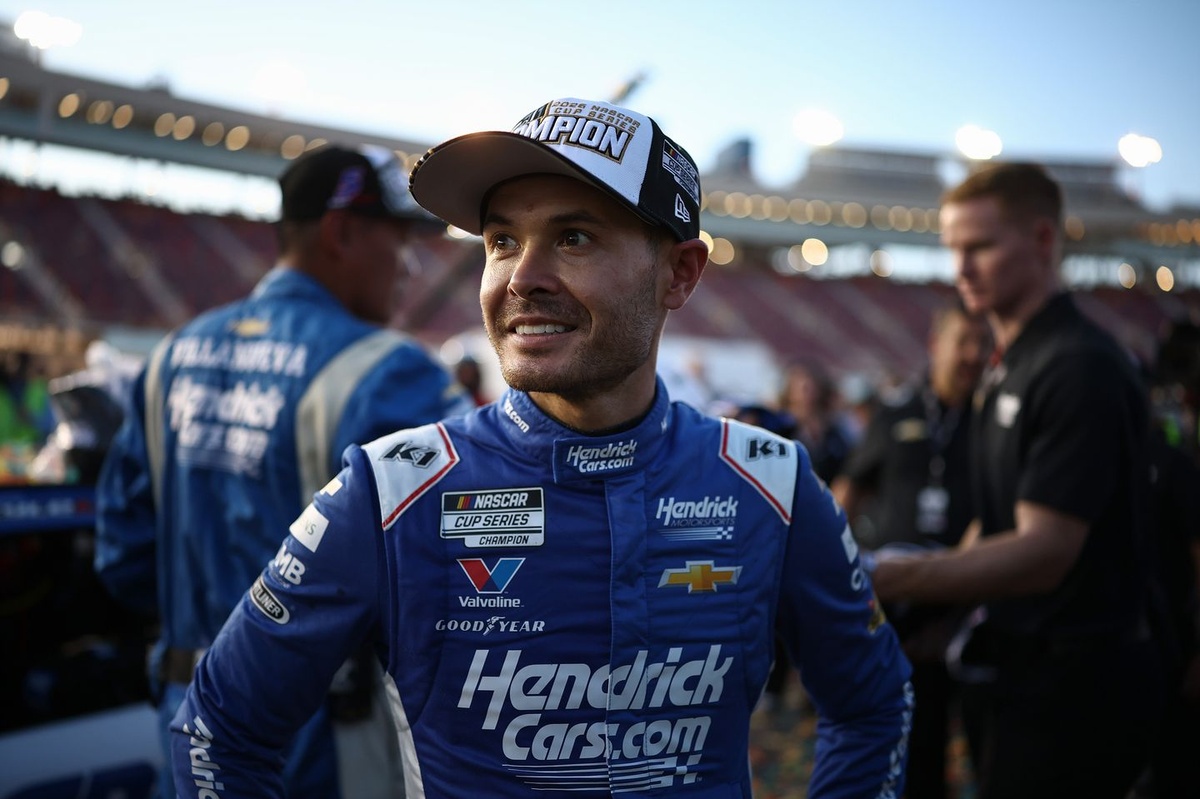
Kyle Larson is ready to go back to Daytona for the Rolex 24 Hours.
The two-time NASCAR Cup Series champion has three starts in IMSA’s season-opening crown jewel event, but none since 2016. He took overall victory with Chip Ganassi Racing in 2015, co-driving with Scott Dixon, Tony Kanaan, and Jamie McMurray.
On a recently-released episode of Dinner with Racers, a podcast co-hosted by Ryan Eversley and Sean Heckman, Larson was asked about his interest in returning for the endurance classic if Chrevolet came calling.
“I think at this stage in my career, yeah, I’d do it again,” said Larson, driver of the No. 5 Hendrick Motorsports Chevrolet in NASCAR. “I had fun those three years I did it. I didn’t want to keep doing it every year.”
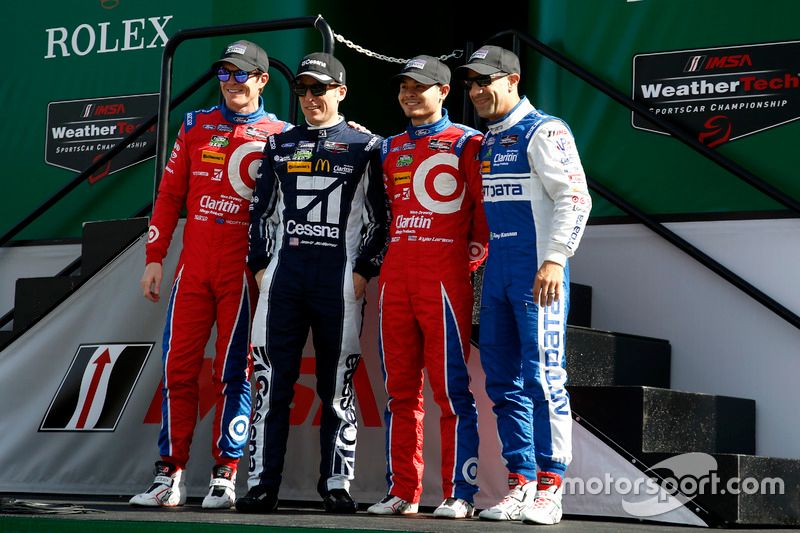
#02 Chip Ganassi Racing Riley DP Ford: Scott Dixon, Tony Kanaan, Jamie McMurray, Kyle Larson
Photo by: Alexander Trienitz
Few are as well-equipped as Larson to handle a busy racing schedule. Beyond his Cup commitments, he also competes in High Limit Racing, a Sprint Car Series he co-owns with five-time World of Outlaws champion Brad Sweet. There’s also the random Midget races, and offseason racing trips to the other side of the globe.
“The offseasons have only gotten busier,” Larson said. “There’s more races and stuff. I go to Australia now, Chili Bowl, and West Coast Midget races. It’s just a lot and I, kind of, want time off. But it’s been so long since I ran it that you almost get to the point where you forget a little bit about it, right? And I just remember having a blast doing that race, so I just want to go there and relive it.”
The 33-year-old California native would also relish the opportunity to share the experience with his family, noting his oldest of three children, Owen, is 11 but was a newborn when Larson won the event.
“To have my kids be a part of it would be cool,” said Larson, who also has two starts in the Indianapolis 500 each of the last two years.
It also helps bolster a family vacation when Disney World is roughly an hour away, too.
“Yeah, that, too,” he said. “So yeah, I would probably do it again.”
However, Larson, who attempted to express not knowing anyone in IMSA to move the idea forward, does have one requirement: “I want to be in the best car.”
As the subject started to fade off, Larson pressed his level of interest into more of a declaration.
“I definitely want to do it again in the future.”
We want your opinion!
What would you like to see on Motorsport.com?
Take our 5 minute survey.
– The Motorsport.com Team
Dec. 23, 2025, 5:08 a.m. CT
Here is a list of major auto racing events to be held around Wisconsin in 2026, weighted toward the Milwaukee area, as well as photo galleries and links to 2025 coverage. (The farther away an event is, the bigger it has to be to crack the list.) Factors considered include history, prestige, scope and purse.
Follow track and series links for additional information.
If you have ideas for events that should be considered for addition, email dkallmann@journalsentinel.com.

Jan. 15-18: 63rd World Championship Snowmobile Derby, Eagle River (2025 winner: Zach Dewald)
April 26: ASA Midwest Tour and Slinger Speedway season opener
April 30-May 2: World of Outlaws Late Model Series Dairyland Showdown, Mississippi Thunder Speedway, Fountain City. $40,000 to win Saturday (2025 winners: Friday – Tyler Erb; Saturday – Nick Hoffman)

May 3: ASA Midwest Tour Joe Shear Classic, Madison International Speedway, Town of Rutland (2025 winner: Casey Johnson)
May 15-17: Spring Vintage Festival, Road America, Elkhart Lake
May 29-31: MotoAmerica Superbike Series, Road America, Elkhart Lake (Superbike winner: Josh Herrin both Saturday and Sunday)

June 3: High Limit Racing sprint cars, Red Cedar Speedway, Menomonie (2025 winner: Rico Abreu)
June 4: High Limit Racing sprint cars, Gondik Law Speedway, Superior
June 5-7: SCCA June Sprints club sports-car racing, Road America, Elkhart Lake

June 6: World of Outlaws sprint cars Cheese Town Showdown, Plymouth Dirt Track (2025 winner: Rico Abreu)
June 7: World of Outlaws sprint cars Badger State Brawl, Angell Park Speedway, Sun Prairie, (2025 winner: Sheldon Haudenschild)
June 19-20: IMCA modifieds, Clash at the Creek XVIII, $10,000 to win, 141 Speedway, Maribel
June 19-20: World of Outlaws late models Maribel Late Model Showdown, $12,000 to win Friday, $25,000 to win Saturday, 141 Speedway, Maribel

June 19-21: NTT IndyCar Series XPEL Grand Prix, Road America, Elkhart Lake. (2025 winner: Alex Palou)

June 21: ASA STARS National Tour, Slinger Speedway (2025 winner: Cole Butcher)
June 23: ASA STARS National Tour, Madison International Speedway, Town of Rutland (2025 winner: Carson Brown)
June 26-27: World of Outlaws sprint cars Independence Spectacular, Cedar Lake Speedway, New Richmond (2025 inners: Friday, David Gravel; Saturday, Carson Macedo)

June 26-28: Trans Am Speed Tour Cheese Capital Cup, Road America (2025 winner: Chris Dyson)

July 10-11: World of Outlaws sprint cars Larry Hillerud Memorial, Wilmot Raceway, Kenosha County Fairgrounds (2025 winner: Buddy Kofoid).
July 14: Slinger Nationals, Slinger Speedway (Winner: Ty Majeski)

July 16-19: WeatherTech Vintage Weekend, Road America, Elkhart Lake
July 30-Aug. 1: World of Outlaws late models, Cedar Lake Speedway, New Richmond, with $100,000-to-win USA Nationals feature Saturday (2025 winner: Ryan Gustin)

July 30-Aug. 2: IMSA sports cars, Road America (2025 winner: BMW M Team RLL, Dries Vanthoor and Phillipp Eng)
Aug. 4: ASA MidwestTour, Gandrud Auto Group 250, Wisconsin International Raceway, Kaukauna (Winner: Luke Fenhaus)

Aug. 28-30: Fanatec GT World Challenge, Road America, Elkhart Lake
Aug. 28: ARCA Menards Series, Madison International Speedway, Town of Rutland (2025 winner: Max Reaves)

Aug. 28-30: IndyCar Snap-On Milwaukee Mile 250, Milwaukee Mile (2025 single race winner: Christian Rasmussen)
Sept. 3-6: Crandon World Championship Off-Road Races and Crandon World Cup, Crandon International Raceway

Aug. 31: USAC Midgets, Firemen’s Nationals, Angell Park Speedway, Sun Prairie (2025 winner: Gavin Miller)
Sept. 18-20: VSCDA fall vintage weekend, Road America, Elkhart Lake

Oct. 3-5: SCCA National Championship Runoffs, Road America, Elkhart Lake
Oct. 8-11: Oktoberfest races, culmiating with ASA Midwest Tour Oktoberfest 200 season finale, La Crosse Fairgrounds Speedway, West Salem (2025 winner: Ty Majeski)


Georgia, Ex-Football Player Suing Each Other in NIL Dispute

Coming off its first 5A league title, the new look Eagle Valley girls basketball team is gelling quickly in 2025-26
Alabama WBB freshman Ace Austin on her adjustment to the college game

Volleyball Welcomes Transfers Ames and Dalton

Las Vegas youth soccer coach accused of sexually assaulting teenager

How Shoot 360 Franchisees Became ‘Turnaround Team’ for Struggling Units | Franchise News

Rob Neilson hired by BYU as new women’s volleyball coach – Deseret News

Kansas–Chiefs STAR bond deal: Terms explained

Bay College and Center for Youth Health & Wellness mark success | News, Sports, Jobs

LSU Beach Volleyball Announces Spring Schedule – LSU

Steelers coach Mike Tomlin says he supports suspended wide receiver DK Metcalf after fan incident

Georgia football: Missouri LB Damon Wilson II sues Bulldogs

Assistant Swimming Coach / Assistant Aquatics Director in Columbia, KY for Lindsey Wilson University

Aggies Add Kaia Castle to 2026 Class – Texas A&M Athletics

Cal Poly Volleyball Ranked No. 21 in Final AVCA Poll

First Tee Winter Registration is open

Fargo girl, 13, dies after collapsing during school basketball game – Grand Forks Herald

CPG Brands Like Allegra Are Betting on F1 for the First Time

F1 Las Vegas: Verstappen win, Norris and Piastri DQ tighten 2025 title fight

Sycamores unveil 2026 track and field schedule

Utah State Announces 2025-26 Indoor Track & Field Schedule

Two Pro Volleyball Leagues Serve Up Plans for Minnesota Teams

SoundGear Named Entitlement Sponsor of Spears CARS Tour Southwest Opener

Jo Shimoda Undergoes Back Surgery

Redemption Means First Pro Stock World Championship for Dallas Glenn

Bowl Projections: ESPN predicts 12-team College Football Playoff bracket, full bowl slate after Week 14

Texas volleyball vs Kentucky game score: Live SEC tournament updates

Black Bear Revises Recording Policies After Rulebook Language Surfaces via Lever

How this startup (and a KC sports icon) turned young players into card-carrying legends overnight

Robert “Bobby” Lewis Hardin, 56






-
 Motorsports2 weeks ago
SoundGear Named Entitlement Sponsor of Spears CARS Tour Southwest Opener
-
 Rec Sports3 weeks ago
Black Bear Revises Recording Policies After Rulebook Language Surfaces via Lever
-
 Rec Sports3 weeks ago
How Donald Trump became FIFA’s ‘soccer president’ long before World Cup draw
-

 Motorsports2 weeks ago
Donny Schatz finds new home for 2026, inks full-time deal with CJB Motorsports – InForum
-
 Rec Sports2 weeks ago
David Blitzer, Harris Blitzer Sports & Entertainment
-
 Motorsports2 weeks ago
JR Motorsports Confirms Death Of NASCAR Veteran Michael Annett At Age 39
-
Sports2 weeks ago
Elliot and Thuotte Highlight Men’s Indoor Track and Field Season Opener
-
 Motorsports2 weeks ago
Rick Ware Racing switching to Chevrolet for 2026
-
Sports2 weeks ago
West Fargo volleyball coach Kelsey Titus resigns after four seasons – InForum
-
 Sports2 weeks ago
#11 Volleyball Practices, Then Meets Media Prior to #2 Kentucky Match