
Sports
MLB's radical realignment idea could upend Guardians' historic rivalries

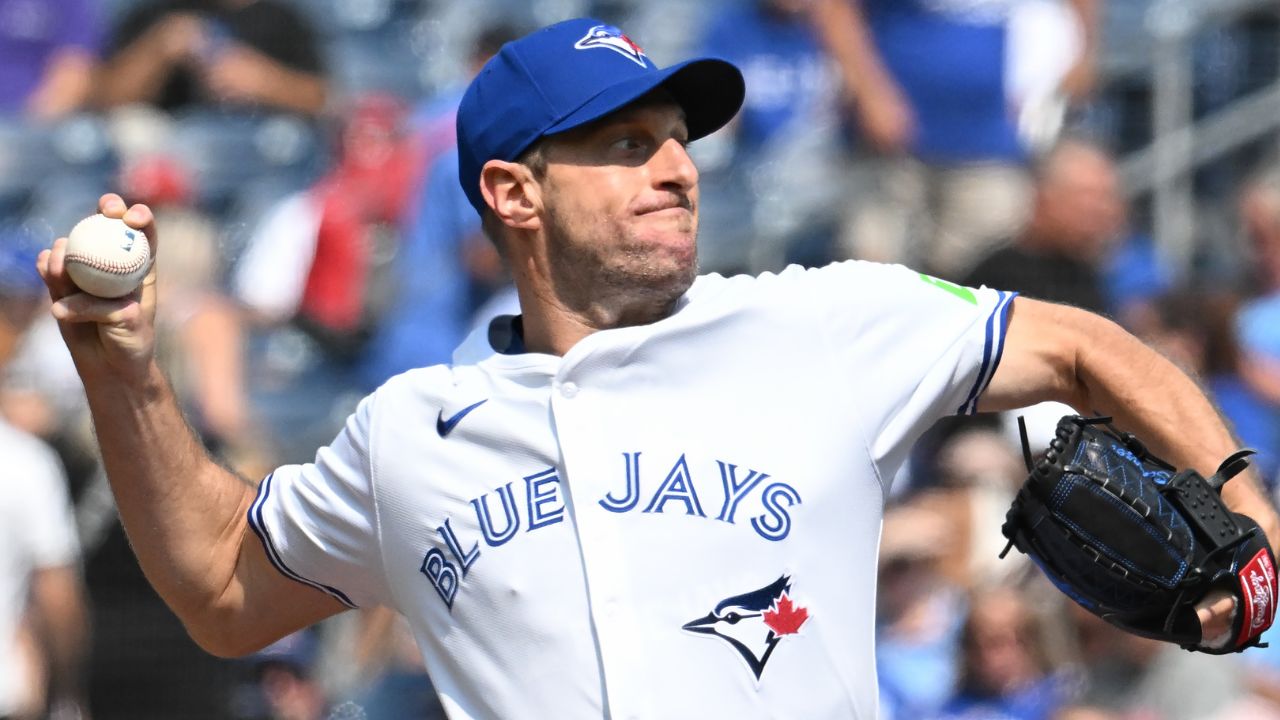
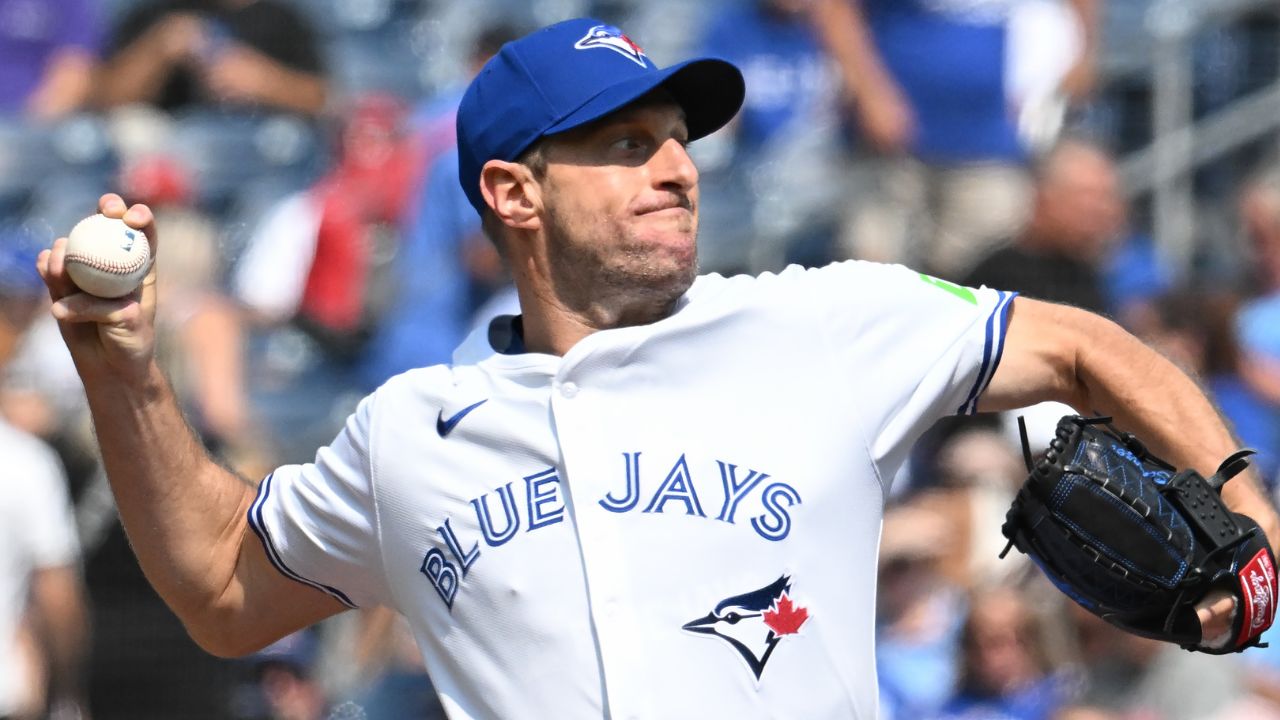

CLEVELAND, Ohio — A seismic shift is brewing in Major League Baseball that could fundamentally alter who the Guardians play — and how often they play them – as Commissioner Rob Manfred’s expansion plans take shape.
The Cleveland Baseball Talk Podcast pulled back the curtain on these potential changes, revealing a baseball landscape that longtime fans might barely recognize.
The most jarring proposal? Cleveland could find itself in an entirely new division, severing century-old rivalries with Detroit, Chicago, Minnesota, and Kansas City.
“I’ve seen some models and I’ve seen some proposals out there that have been pretty interesting. One of them has a realignment that would have the Guardians playing in a division with Pittsburgh, Baltimore and Washington,” host Joe Noga revealed. “So no more rivalry games with or no more season long multiple meetings and series against the White Sox, Twins, Royals and Tigers.”
Let that sink in. Teams that Cleveland has battled (some for over 100 years) would no longer be regular divisional opponents. Instead, the Guardians would face an entirely new set of rivals.
Paul Hoynes didn’t mince words about his reaction: “That new divisional alignment does nothing for me.”
There is, however, one silver lining Hoynes acknowledged: “I like the idea of Cleveland and Pittsburgh in the same division. I think that’d be great. Whenever they played each other in interleague play, I thought it was a good vibe, a good rivalry.”
The potential changes go far beyond just reshuffling divisional opponents. In what would be the most radical change, MLB could consider eliminating the American and National leagues entirely – institutions that have defined baseball for 125 years.
This wouldn’t just affect nostalgic fans. League-based awards are tied to player contracts and bonuses. Records are categorized by league. The entire statistical history of baseball is organized around the AL and NL distinction.
“You would really need a buy in from the players’ union if you’re going to eliminate the American and National league standards.”
One potential benefit of realignment would be more geographically sensible divisions, reducing travel costs significantly.
“With a realignment that would keep teams like Cleveland playing Pittsburgh, Baltimore and Washington, the travel is so much easier for that,” Noga noted.
There’s historical precedent for Cleveland benefiting from realignment. When the AL Central was formed in 1994, then-owner Dick Jacobs initially resisted leaving the AL East, concerned about losing revenue-generating series against the Yankees and Red Sox.
“Dan O’Dowd and John Hart convinced him to go to the Central. And it turned out to be a bonanza for the Guardians,” Hoynes recalled.
Will history repeat itself? Or will the next realignment fundamentally alter the Guardians’ place in the baseball universe? To hear the full discussion about MLB’s radical realignment proposals and what they could mean for Cleveland, tune into the latest Cleveland Baseball Talk Podcast.
Podcast transcript
Joe Noga: Welcome back to the Cleveland Baseball Talk Podcast. I’m Joe Noga, joined by Paul Hoynes. Hoynsie. The Guardians in Texas getting ready to take on the Rangers opener of a three game series tonight at Globe Light Field in Arlington. Slade Cecconi 5 and 6 with a 4.50 ERA versus Nathan Eovaldi 113 with a 1.76 ERA. Eovaldi’s been really good for the, for the Rangers this year. Cecconi his last couple of time times out, a little bit of a stumble both times after a good stretch of getting deep into games. What’s Slate Cecconi got to do to get back on track?
Paul Hoynes: Yeah, he’s got to finish hitters off, Joe. He’s. He has to, you know, keep the ball in the park and just has to use his, his. Off his spit. You know, his, he has to improve it. His breaking ball pitches. You know, the spin was not good the last time out. He got knocked around and it led to an early exit. So he is, has, has to improve his breaking ball pitches and he’s, you know, he’s got to get ahead of hitters. He’s. He hasn’t been getting ahead of hitters.
Joe Noga: Yeah. Against Atlanta, kind of uncharacteristic was the way that Stephen Vogt described Slade Cecconi’s outing. Four and two thirds innings, allowed 10 hits, six earned runs, struck out three, walk two. And his timeout before that, his previous outing against the White Sox lost that game only went three innings allowed eight hits and five earned runs in that game as well. Prior to that he had, he had gone on a stretch where he was going, you know, at least six innings in a game and you know, looking every bit the part of a, a good middle of the rotation starter for the Guardians. Just you know, don’t know if it, if it’s mechanical or the opposition or what it, what it was. But like you said, the, the breaking pitches weren’t, were not landing as effectively and I believe in the one start he, he said that, you know, they were just taking all of his breaking pitches and hunting fastballs. So yeah, and you got Texas with, with a lineup that’s pretty solid but you know they’ve, they’ve struggled this year. Just. The Guardians need to take advantage in some way of a team that really has sort of fallen off over the last several weeks. Been a bit of a struggle for Texas and in terms of their record, they were within a few games in the AL west just back in the middle of August and now after a week or two, they’ve, they’ve fallen back to about 10 games out.
Paul Hoynes: Yeah, Joe, you know, Ciccone, you know, there was some talk, vote was asked about whether, you know, Ciccone may have, you know, may have kind of, you know, maxed himself out a little bit with, with those, although with, you know, several deep starts. Just because he really hasn’t, you know, been through a season like this where he’s been in a row, taking a regular turn in the rotation, stepped into minor leagues so that, you know, maybe know, fatigue was catching up to him. But, you know, he assured us it was not. He didn’t think it was. Not that he just said he was, you know, like we said, wasn’t getting ahead of the count, isn’t, you know, working his spin pitches the way, the way he wants to.
Joe Noga: In the last three weeks, Texas has only won back to back games once. They beat the Yankees on August 4th and 5th. So, you know, this is a team that’s up and down and struggling to, to win and string games together. They were a half game out of the wild card spot, out of a wild card spot on August 5th. And since then they’ve gone, they’ve dropped five and a half games back after losing to the Royals. The guy you gotta watch out for right now in that Texas lineup, you know, all the names, all the big names making big bucks there. Kyle Higashioka is the one. We wouldn’t suspect it, but he entered, entered their game on Thursday batting.3.15 with a.949 OPS over his last, you know, 30 games or so, four doubles, 20 RBIs. He’s, he’s really getting the job done for Texas.
Paul Hoynes: Yeah, when, even when he was with the Yankees, Joe, you know, he hit, he hit Cleveland pitching pretty well. You know, he was kind of that sneaky power at the bottom of the lineup. Could hit the ball out of the park. He did a nice job. He did a nice job for the Yankees and obviously he’s doing something right for the Rangers.
Joe Noga: Before the game tonight at Globe Life Field, Hoynsie. The Rangers are going to dedicate a statue to Adrian Beltre last year inducted into the hall of Fame. Adrian Beltre, just one of those guys where wherever he went, he was sort of a beloved figure in Texas, you know, longtime guy, 3000 hit club. Just a guy that everybody loved playing with. So Adrian Beltre getting a special recognition from the Rangers club.
Paul Hoynes: Yeah, that’s really cool. Definitely deserves it. A Hall of Famer, kind of under the radar. Hall of Famer, Joe really, you know, when you, if you didn’t really look at his numbers and study his numbers, you know, you think Adrian Beltre bounce around a little bit. Was with a lot of teams, but, you know, just a great, great hitter. Really, really, really, you know, accomplished hitter. Just don’t rub him on the head, Joe.
Joe Noga: That’s, that’s the one thing. Who was it? Elvis Andrus had a, had a thing about just like patting him on the head and he’d freak out every time. The videos of that were really funny. I think we have a, I have a bobblehead of Adrian Beltre and, and Elvis Andrus, sort of that one play where they came together and were catching an infield pop. And it’s just a real memorable guy. Where does he rank in terms of Dominican third baseman? Because the Guardians have a pretty good one on their side of the field.
Paul Hoynes: Yeah, this is, you know, this is a guy with a lot. He was a pure power hitter. Definitely. You know, he could hit for average. I just remember him swinging so hard, he’d go down on one knee, you know, and watch him hit balls out of the park when, when he’d hit ball, when he’d make contact. And really, you know, just a good all Player. You know, I think he’s probably a little above Jose right now.
Joe Noga: Yeah, Well, I mean, 3,000 hits, five time Gold Glover, two time Platinum Glover, four time Silver Slugger. He certainly got the, the credentials. Baseball writers named him on 366 out of 385 ballots in, in 2024. So, you know, certainly got the, the, the credentials to be in the hall of Fame. And yeah, he probably ranks above Jose right now in terms of hall of Fame clout. But Jose’s still got some time. We’ll. We’ll see where he goes with that.
Paul Hoynes: I mean, 3,000 hits, that’s. You don’t do that by accident.
Joe Noga: No. And, and you know, who knows if Jose can, can get. I doubt Jose can get to 3,000 hits just, you know, with the different kind of hitter that he is besides Adrian Beltre. And the defense really just sort of separates him there too. You know, you win two Platinum Gloves, you’re doing something right.
Paul Hoynes: Right.
Joe Noga: But that’s, that’s to take nothing away from, from Jose and the, the incredible story that, that he is as he continues his hall of Fame trajectory in his career. All right, Hoynsie, lots going on in, in baseball and you know, throughout the league. And a lot of it, some of it has to. Has an impact on the Guardians. Some of it will have an impact on the guardians, you know, down the line in the future with the collective bargaining agreement and. And, you know, possible TV contracts and things like that. We’ll get into all that. But, you know, wanted to talk about Rob Manfred going on Sunday night baseball at the Little League Classic over the weekend. And he talked about two big things that, you know, made. Made people, and he voluntarily talked about these things. He wasn’t necessarily, you know, poked and prodded and pushed on the issues of expansion and realignment. Those sort of go hand in hand. I think in. In baseball, you want to get to 32 teams. I think the ideal number, as the NFL has shown, is. Is 32 teams. I don’t know how much that dilutes the talent pool for baseball. We’ve seen contraction in the minor leagues and how that has enhanced things for baseball in terms of, you know, accelerating the talent getting. Getting to the major leagues at a younger age by. By contracting, you know, a few years back after Covid expansion. Right now looks like you’re considering of areas Nashville, which would be a very popular destination spot for a lot of teams, possibly Portland, another team that’s another city that’s been talked about having another presence in the Pacific Northwest as well. What do you think of the idea of expanding to those markets or maybe some other markets?
Paul Hoynes: Yeah, Joe, I think it’s interesting. I think you have to. With expansion, you have to do it carefully. You know, I really think you have to be careful, like you were saying, expanding the talent pool. We’ve seen it happen before, you know, and I know Manfred, this has been a big thing for him. He wants to expand before his tenure as commissioner ends. So. But yeah, you know, Nashville is a. You always hear about that. Nashville, Portland. Would they go back to Montreal? I know a lot of, you know, whenever they’ve had an exhibition game there since the Expos left, they’ve drawn big crowds. Puerto Rico, we saw, you know, I went to Puerto Rico when Cleveland played the Twins there in a regular season game. So, yeah, really, you know, I think there’s. There’s a lot of, you know, there’s. There’s a limited number of cities that. That could, you know, you could feel the baseball team, a big league team and be successful, you know, supporting it. And, you know, they’ve all been making their pitches for years to MLB, so we’ll have to see where. When. When this reaches fruition.
Joe Noga: Well, and also, you know, think about this is taking into consideration the Athletics, who are right now sort of in limbo, moving between Oakland and Las Vegas. Right now they’re in Sacramento. You also have to consider what, what’s going to happen with Tampa Bay and their stadium situation. Tropicana Field still not going to be ready. That’s a club that might have to spend another year playing in another minor league stadium as well. Could you consider maybe Salt Lake City or another area like that out west as you want to make sure that things are balanced as well? And that’s, I guess the big problem for me is is there a demand for a major league baseball in cities like Portland, in cities like Salt Lake, in. In an area like Nashville, where Nashville’s got a lot going on, I think. But is. Is Memphis a consideration? Are there other areas that we haven’t even thought about yet?
Paul Hoynes: Yeah, you know, that Nashville, you know, it’s got a rich minor league history. Nashville sounds. I mean, there was a group there that was trying to, with Tony LaRusso was involved, you know, a couple years ago, you know, trying to put to a group together that would buy a big league team or, or, you know, get. Be ready for expansion. So I think that’s probably, you know, a good landing spot. But you bring up an interesting point about the A’s and the Rays. I mean, those are kind of two nomads right now. I would think if before you talk about expansion, you know, you’ve got to find permanent homes for them.
Joe Noga: Yeah. Are the, are the Rays sort of the Jacksonville NFL version in the, in the majors right now? In Major League Baseball right now? You know, Jacksonville seems to be the team that the NFL wants to farm out to play games in London, to play games in Mexico or wherever they want to play their games. Is that something that Manfred, if he wants to experiment with having games in other cities to try and see what the interest is there. I mean, they did just play a game in Bristol, Tennessee, where they had a hundred thousand people come out for it. Could they try and spark interest there by forcing Tampa to go play some of these games abroad? I think. Aren’t the Rays on the list for playing games in Puerto Rico once that comes around?
Paul Hoynes: Well, I do not know that, Joe, but yeah, it wouldn’t surprise me. It’s not that long, you know, a trip to Puerto Rico from Florida, it makes sense.
Joe Noga: Yeah, it’s a lot of areas too. You think about the Gulf coast as well and what you would have to, in terms of a stadium you would have to build there. Something with the considerations for the weather and the heat and the rain possibilities. So just a lot of different areas. And you don’t want to also take away. If you’re expanding, like you said, you bring up the minor leagues that they’ve already contracted, minor league, you know, clubs. But you don’t want to also sort of trample on or step over the traditions of the minor leagues, especially in leagues like the Southern League, where, you know, those are, and the Texas League. Even areas where those teams are so ingrained in their communities that you don’t want to supersede those as well.
Paul Hoynes: Yeah, you know, that’s a good point. You know, it reminds me of, you know, when they did do the contraction in the, you know, in the minor leagues, they changed all the names of the leagues and then that lasted for about a year and then they all went back to the. Their old names, you know, so, yeah, there’s a, there’s a tradition there. And that tradition is hard to break.
Joe Noga: Yeah, it’s something that’s important for sure. The only reason if you do expand, if you. That’s the goal for Manfred, that’s the obvious goal. He wants at least two more teams. He wants to have 32 teams. With expansion is going to come realignment. You have to realign the leagues. If you add two more teams, it can’t just be, you know, put one in the National League, put one in the American League and everybody’s happy. There’s, there’s geographic and rivalry concerns with all of this. I think, you know, I’ve seen some models and I’ve seen some proposals out there that have been pretty interesting. You know, one of them has a realignment that would have the Guardians playing in a division with Pittsburgh, Baltimore and Washington. So no more rivalry games with or no more season long multiple meetings and series against the White Sox, Twins, Royals and Tigers. You know, these are teams that Cleveland has played for 100 years against Detroit and Chicago. You know, you’ve, you’ve gotta, you talk about not wanting to mess with tradition in terms of expansion. Realignment would really sort of fly in the face of tradition.
Paul Hoynes: Yeah, definitely. That, that new, you know, the so called new division with Cleveland, Pittsburgh, Baltimore and Washington. Joe, that does nothing for me. You know, I like the idea of Cleveland and Pittsburgh in the same division. I think that’d be great. You know, I’d like to, you know, whenever they played each other in interleague play, I thought it was really, you know, a good vibe, a good rivalry. But what is Cleveland doing with Baltimore and Washington? Well, that does, you know, that doesn’t ring a bell for me. I got to Tell you I’m a traditionalist or to a certain degree I’m a traditionalist and just, you know, just shaking up the, you know, the whole, you know, the 30 teams and like rearranging them and what for? What are we trying to do here? What’s the end game here?
Joe Noga: Well, I think you want to keep the expanded playoffs. That’s something that’s important to Manfred because that’s a huge moneymaker and it would, it would realign things. You would have, you know, eight, four team divisions in sort of an east, west thing. And it would also something we, you got to talk about here is the potential of eliminating American and National Leagues. Now the American League and the National League are institutions that are 125 years old. Think about that. They’ve been around for as long as guys have been picking up bats and gloves. You’re talking about eliminating the, the potential for eliminating AL and nl and how do you do that in terms of, you know, you think about awards. Awards are tied to players contracts. This would, this would, you would really need a buy in from the players union if you’re going to eliminate the, the American and National League sort of standards. And I don’t know if I think a lot of players are like you, they’re okay with, you know, maybe changing a franchise’s name. But when you, when you’re talking about eliminating the National League and the American League, they might not buy in on that.
Paul Hoynes: Yeah, I mean, what happens with all the records, you know, the National League records, American League records, Who sorts all that out? Who is, you know, I mean that, that’s a big, big step. But you know, I mean, you know, Joe, I couldn’t tell you a division in the NFL anymore. I mean, you know, they changed the names there, you know, and you know, they, they realigned. You know, people, you know, teams went here, teams went there. You know, the only thing that counts is the games. The same thing with the NBA. I mean, it seems like those divisions change every year. Right. Almost every five years are renamed. So, you know, I mean, I think you could get used to it. But you know, baseball is baseball. You know, I mean, it’s, it’s been around longer than any of those sports.
Joe Noga: But you’re talking about the NBA and the NFL as those are more homogenous leagues. It’s, it’s very much more of a blended sort of league as opposed to baseball has always been American League, National League. And there was, there was a time when the two never intermingled before. Interleague play. You know, players never saw each other until the World Series, that kind of thing. And it’s gotten better over time. I think baseball has recognized that there are benefits that outweigh sort of being separate like that. And they’ve, they’ve progressed towards it and especially the development within the last, you know, three to four years of a balanced schedule of every team plays every other team at least once a year. And you sort of need to keep that kind of thing in, you know, in play here. I think any sort of realignment would have to keep the idea of a balanced schedule intact. It might even have the, the added benefit. I think some people would say. I’ve seen proposals out there where they can track games off the schedule. Instead of playing 162, you’re playing 156 games. 156 game schedule. With a 32 team league, you would eliminate the need for four game series. Every game, every series would be a three game series. Now I know, I see the look on your face as a, as a sports writer, as a, as a beat writer for a major league team. Three game series are perfect. Four game series is way too much. You’re sitting in a city for, you know, four maybe five days and you’ve had your fill. But the benefit from a 156 game schedule as opposed to 1 2, you could play all three game series and if you, you would start around the same, around the same period of time, you could work in an every week off day for every team. Every team would have an off day once a week. If that was the case.
Paul Hoynes: It’s it. That makes sense, Joe. But would the owners willing, are they willing to give up those six extra games? You know what, six times 30, that’s 180. What I mean, I mean that’s a lot of games. That’s a lot of money. That’s a lot of revenue.
Joe Noga: Well, you would think it would be three home and three road loss for each team. So you’re only, if you’re, if you’re a, an owner, you’re really only losing the revenue from three home games. And I think with a realignment that would keep teams like Cleveland playing Pittsburgh, Baltimore and Washington, the travel is so much easier for, for that. And you’re talking about a realignment that would have both New York teams playing in the same division against Boston and Philadelphia. The travel there is incredibly cheaper. Really, the only team that would, would suffer, not suffer, but couldn’t get out of its own way on that is like Seattle, which is way the heck up in the Northwest. And their, their travel expenses are astronomical regardless of how you, you realign. But I think that’s a, that’s a way to pitch that to the owners is yeah, you’d lose revenue, but look at what you’re gaining back in terms of not having to fly.
Paul Hoynes: Yeah.
Joe Noga: To, to Seattle twice, you know, once a year or, you know, whatever. So yeah, I think there’s, there’s a cost benefit analysis that the, the owners are, are really good at running through and I think they would do that. The idea of, of realignment, I just to me, losing those rivalries, losing the, the ability to go to, you know, Detroit, Chicago, Kansas City, Minnesota, every year we know we’re going to be there at least, you know, twice a year at this point. It used to be even more, but you know, hey, the players like they’ve got their, their hangouts in those cities. They’ve got their places they like to go. I think you get some pushback on the players from that.
Paul Hoynes: Yeah, you might. Joe. I. Do you really think the players care about the American and National League? I, I think if you put a schedule in front of those guys, 162 games you’re playing here, you’re playing there. I don’t even know if they’d really care. I think there it’s just another game. Right. But who knows? I mean, I’m sure there’s a lot of traditionalists among the players that, you know, they have, they would have some concern about, you know, abolishing the American and National League, but in the end they get paid to play.
Joe Noga: Yeah, Max Scherzer would probably have something to say about it. You know, the vocal ones in the players union and the guys who would get together there would be several. The, the younger guys. And look, Major League Baseball is full of younger guys now. Guys who don’t have that, that sort of platform like a Max Scherzer would have or Clayton Kershaw, guys like that who come out and be vocal about it. I think Rob Manfred can endure getting yelled at by Bryce Harper. That’s over an entirely different area in terms of the salary cap there. So. Okay, so, you know, the idea of eliminating these, these natural rivalries, but also sort of encouraging, you know, a new rivalry. Like you said with Pittsburgh. It’s only a two hour drive, man, and it’s a beautiful ballpark to go, go see a game at. I am sure that Pittsburgh would all be all in favor of taking Clevelanders money for, you know, twice a year in A couple of three game series at PNC Park.
Paul Hoynes: Yeah, I think there’s more of a spark between Pittsburgh and Cleveland than Pittsburgh and Cincinnati, which, you know, we’ve seen. You know, we play the home and away series every year against the Reds. I think probably the Pirates is more of a rivalry situation.
Joe Noga: Yeah, it’s sort of. Well, I mean, bad beer and ugly women. You gotta go to Pittsburgh.
Paul Hoynes: But then you got Tito down there too. So you got Tito that makes it into Tito Factor.
Joe Noga: But how much longer are you gonna have Tito down there? Realistically, the division that they’re proposing or that I’ve seen proposals of, has the Cubs, Reds, White Sox and Cardinals all in one division there. And that’s a National League or a Western Division sort of set up. So you keep that Cubs Cardinals rivalry. You keep that Cubs White Sox rivalry intact. The, the Great Lakes Division would encapsulate Minnesota, Milwaukee, Detroit and Toronto. And, you know, I, I kind of like that as well, so that, you know, that’s a kind of wish Cleveland could be in on that division and maybe put Milwaukee in with the Cubs, you know, White Sox and Cardinals. But, I don’t know, it’s all geared towards that, that Northeast Division where it’s, you know, you want to keep the Mets and the Yankees and the Red Sox all in one division, so they play each other multiple times a year and they make, you know, every appearance on Sunday night baseball or National League or nationally televised games as well.
Paul Hoynes: Joe, Joe, one more thing about realignment. You know, back in, what, 1994 when they formed the AL Central, you know, Dick Jacobs did not want to leave the AL east. You know, like we’re saying here, he had all those, you know, traditional rivalries with the Yankees and, you know, the Yankees in Baltimore and Boston. He didn’t want, you know, he did. He didn’t want to see those teams only come to Cleveland once, you know, once a year, twice a year. Those were big revenue generators for him. But they moved to the. Dan o’ Dowden and Daniel Dowd and John Hart convinced him to go to the Central. And it turned out to be a bonanza for the, for the, for the guardian. So, you know, as much as I’m a traditionalist, I guess you can’t really turn up your nose completely at realignment.
Joe Noga: Yeah. And you kind of have to, you know, play chess instead of checkers and, you know, look ahead to what could be, as opposed to what you would be leaving, leaving behind just to refute Dick Jacobs there. Baseball went ahead and stuck in terms of. In terms of Cleveland only seeing New York and Boston, you know, once a year, they went that step further. And now the. It seems like the Guardians only get to play the Yankees and the Red Sox in April when the weather’s crummy and nobody comes out to the ballpark anyways. I get the idea, but it was sort of like an extra punishment from the league is. Oh, yeah. The teams that generate all that revenue and, you know, sell out ballparks all over the place here. Play the Yankees and the Dodgers in April. That’s. That’s your punishment. Yeah.
Paul Hoynes: When it’s. When it’s 30 degrees, it’s no fun.
Joe Noga: For the reporters, either. All right, Hoynsie, that’s going to wrap up today’s edition of the Cleveland Baseball Talk Podcast. We will have much more to say about expansion and realignment over the. The next several. We’ve got a whole off season coming up to talk about that, so we’ll be sure to do that. But we will check in with you again after. After this week weekend in. In Texas, where the. The Guardians really need to win two out of three.
Paul Hoynes: Yeah, Joe, thanks a lot, buddy.
If you purchase a product or register for an account through a link on our site, we may receive compensation. By using this site, you consent to our User Agreement and agree that your clicks, interactions, and personal information may be collected, recorded, and/or stored by us and social media and other third-party partners in accordance with our Privacy Policy.

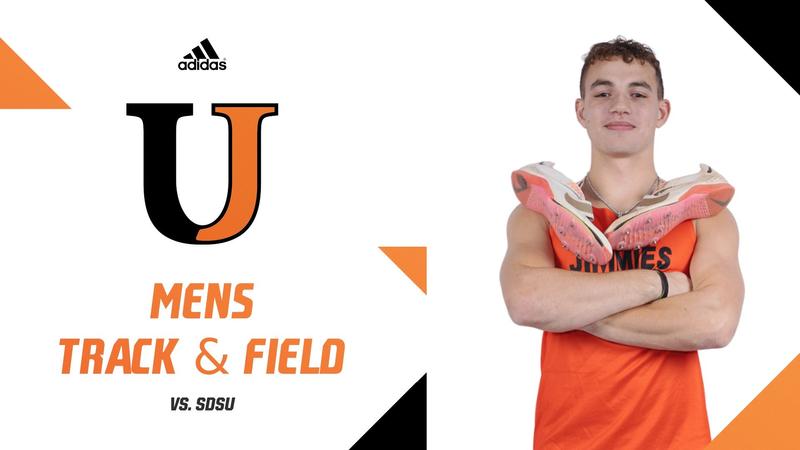
BROOKINGS, S.D. — The Jimmie men opened their indoor season with a strong first showing, posting competitive marks across sprint, distance, jump, and throw events.
Avery Ligon placed 20th in the 60 meter with a time of 7.17.
Xander Rath placed 35th in the 60 meter with a time of 7.43.
Conrad P. Baard placed 30th in the 200 meter with a time of 24.04, and 16th in the 400 meter with a time of 57.18.
Andrew Rexin placed 35th in the 200 meter with a time of 24.85, and 18th in the 400 meter with a time of 59.02.
Cael Church placed 15th in the 300 meter with a time of 37.43, and 12th in the 600 meter with a time of 1:26.90.
Clark Lortscher placed 5th in the 3000 meter with a PR of 8:57.81.
Cole Campbell placed 7th in the 3000 meter with a PR of 9:01.75.
Noah Sayler placed 10th in the 3000 meter with a PR of 9:16.42.
Aaron Devine placed 12th in the 3000 meter with a time of 9:19.37.
Lucas Dahl placed 13th in the 3000 meter with a PR of 9:20.35.
Braeden Kinzler placed 14th in the 3000 meter with a time of 9:22.51.
Payton Mukkada placed 15th in the 3000 meter with a time of 9:22.69.
Gavyn Graham placed 18th in the 3000 meter with a time of 9:37.02.
Adam Sobolik placed 19th in the 3000 meter with a time of 9:38.14.
Landon Thompson placed 20th in the 3000 meter with a time of 9:47.66.
Samuel Sampers placed 21st in the 3000 meter with a time of 9:50.89.
Kadin Marshall placed 24th in the 3000 meter with a time of 9:59.83.
Liam Pospisil placed 25th in the 3000 meter with a PR of 10:26.49.
Ethan Duval placed 3rd in the High Jump at 2.00m (6’6.75″), a PR.
Riley Johnson placed 10th in the High Jump at 1.80m (5’10.75″).
Trevor Waldo placed 17th in the Long Jump at 6.02m (19’9″).
Jayden Bittner placed 20th in the Long Jump at 5.75m (18’10.5″).
Brady Crabtree placed 14th in Pole Vault at 4.25m (13’11.25″), a PR.
Evan Schmit placed 11th in Shot Put at 14.59m (47’10.5″) and 20th in Weight Throw at 13.88m (45’6.5″), a PR.
Jobe Rystedt placed 16th in Shot Put at 13.56m (44’6″) and 26th in Weight Throw at 12.11m (39’8.75″).
WHATS NEXT?
The Jimmies return to action on Thursday, 11 December, competing at the Dakota Alumni Classic hosted by NDSU in Fargo, N.D.
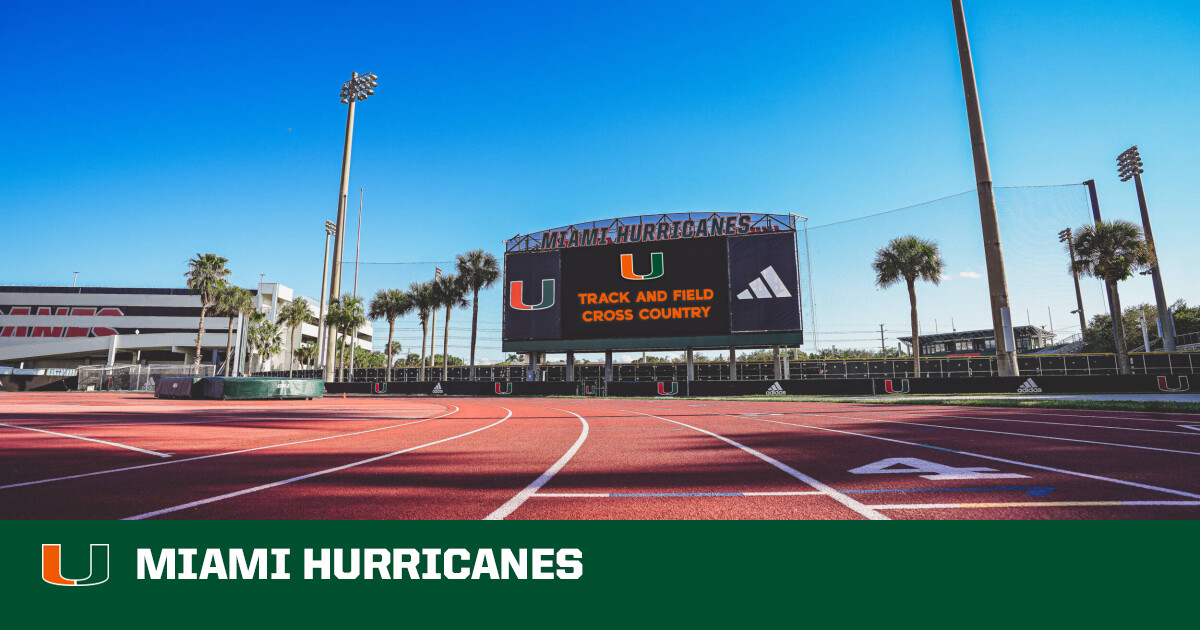
CORAL GABLES, Fla. – The University of Miami track and field program announced its highly competitive 2026 indoor and outdoor schedules Friday, highlighted by three home meets at Cobb Stadium.
The Hurricanes open the season Jan. 16 in Gainesville, Fla., at the Jimmy Carnes Invitational before traveling to Fayetteville, Ark., for the Razorback Invitational on Jan. 30–31. The regular season continues at the Tiger Paw Invitational in Clemson, S.C., on Feb. 13–14.
The ACC Indoor Championships are set for Feb. 26–28 in Boston, Mass., while the NCAA Indoor Championships will be held March 13–14 in Fayetteville.
Miami opens the outdoor season at home with a pair of meets, hosting the Hurricane Invitational on March 20–21 and the Hurricane Collegiate Invitational on March 27–28.
The Hurricanes return to Gainesville for the Florida Relays on April 3–4 before hosting their final home meet of the season, the Hurricane Alumni Invitational, on April 10–11.
Miami then heads back to Gainesville for the Tom Jones Memorial on April 17–18 prior to competing at the historic Penn Relays in Philadelphia, Pa., from April 23–25. The Hurricanes close the regular season at the UNF East Coast Relays in Jacksonville, Fla., on May 1–2.
Louisville, Ky., will host the ACC Outdoor Championships from May 14–16, while the NCAA East Prelims are set for May 27–30 in Lexington, Ky.
The 2026 season concludes at the NCAA Outdoor Championships in Eugene, Ore., from June 10–13.
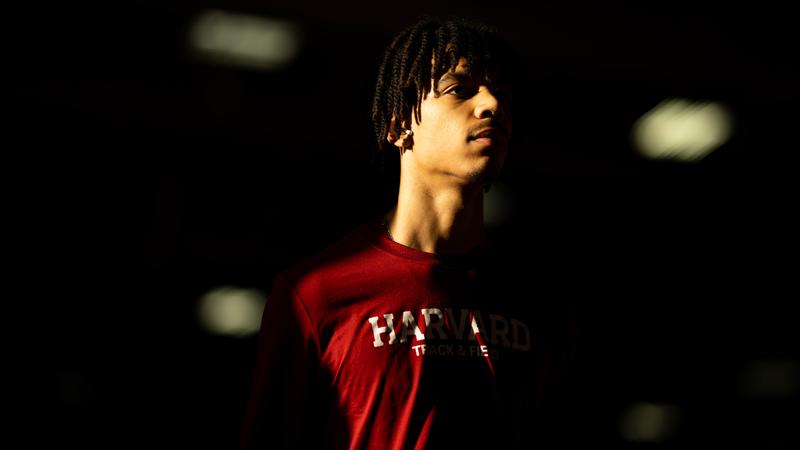
CAMBRIDGE, Mass. – Harvard opened the 2025-26 track & field season on home turf, as the Crimson orchestrated wins in seven events at the fifth annual HBCU & Ivy Challenge.
A two-time All-Ivy League selection in the women’s weight throw and the 2024 Ivy League champion in the event, junior Emilia Kolokotroni started the day with a fantastic showing at Gordon Indoor Track, winning the women’s weight throw after posting a 19.10m (62’8″).
Harvard found more success in the field events, as first-year Jillene Wetteland earned a win in her collegiate debut after clearing 1.69m (5’6.5″) in the women’s high jump, as sophomore Tyler Glover finished in first in the women’s shot put after logging a throw of 15.42m (50’7.25″).
The Ancient Eight’s defending women’s pole vault champion in indoor competition, sophomore Ella McRitchie started the year with a win in the women’s pole vault after clearing 4.10m (13’5.25″).
On the track, a pair of seniors started the season with stellar performances on the straightaway. The 2025 Ivy League champion in the women’s 60 hurdles, senior Fabiola Belibi finished in first place in the women’s 60 hurdles at the HBCU & Ivy Challenge after posting a time of 8.50 in the final. One of Harvard’s team captains, senior Jonas Clarke kicked-off his final collegiate season with the Crimson with a win, finishing in first in the men’s 60m after crossing the finish line in 6.85.
Harvard’s men’s 4x440y relay team of sophomore Harlow Tong, first-year Hudson McGough, sophomore Brayden Chavez and first-year Oliver Parker ended the day on a high note, winning the event after combining for a time of 3:18.44.
In the team standings, the women’s squad took second with 82 points, while the men finished in fourth with 54 points.
HARVARD HIGHLIGHTS:
- Harvard started on the front foot in the throws cage, capturing the top two spots in the women’s weight throw. A two-time All-Ivy League selection and 2024 Ivy League champion in the women’s weight throw, Kolokotroni finished atop the podium with a throw of 19.10m (62’8″). Senior Michaela Denson finished in second to start her final track & field campaign with the Crimson, doing so with a throw of 18.19m (59’8.25″).
- A Crimson debutant picked up a win in the women’s high jump, as Wetteland took first after clearing 1.69m (5’6.5″). Junior Lilly Hodge also placed fourth in the event after leaping past 1.60m (5’3″).
- The Crimson orchestrated a promising effort in the men’s high jump, with two Harvard student-athletes finishing in the top five. First-year Joachim Johnson finished in third in his collegiate debut after clearing 2.04m (6’8.25″), a mark that is tied for 10th all-time in school history. Senior and team captain Daire Mahon finished in fourth place after clearing a personal-best 1.98m (6’6″).
- The track action started with a scoring effort in the men’s 600m, as first-year Hudson McGough added to Harvard’s total with a third place finish after crossing the finish line in 1:21.29.
- Back in the throws cage, another Crimson first-year scored in his Harvard debut, as first-year Daniel Ye finished in second in the men’s weight throw with an attempt of 17.69m (58′.5″).
- Harvard continued producing wins in the throws, as Glover started her second collegiate campaign with authority, winning the women’s shot put with a mark of 15.42m (50’7.25″). Glover’s throw from the HBCU & Ivy Challenge ranks third all-time in school history.
- The men’s side of the shot put saw two Crimson compete, as junior Isaac Delaney finished in third with a throw of 16.45m (53’11.75″).
- The straightaway finals started with a top five showing in the men’s 60 hurdles, as junior Simon Weiser placed in fifth with a time of 8.16.
- Wins arrived for Crimson seniors in both the women’s 60 hurdles and the men’s 60m. The Ivy League’s defending women’s 60 hurdles champion, Belibi kicked off her final collegiate season with a win in the event, posting a time of 8.50 to capture first place. In the men’s 60m, Clarke, one of Harvard’s team captains, outlasted the field to take first place with a time of 6.85.
- The women’s 60m final saw sophomore Ella Cooper clock a personal-best time of 7.59, taking fourth place in the process.
- McRitchie, another returning Ivy League champion, started the 2025-26 with a first place finish in the women’s pole vault, doing so after clearing 4.10m (13’5.25″). Hodge finished in second, as she also cleared 4.10m.
- The Crimson’s women’s 4x440y relay team of sophomore Abigail Dennis, sophomore Saige Forbes, Cooper and sophomore Kaelin Creagh took second after clocking a 3:56.07.
- On the men’s side of the 4x440y relay, Tong, McGough, Chavez and Parker combined for a time of 3:18.44 to earn the win.
UP NEXT:
The Crimson conclude the opening weekend of the 2025-26 track & field season with two meets tomorrow, as Harvard will host the Harvard Classic at Gordon Indoor Track and will also feature at the Sharon Colyear-Danville Season Opener at Boston University’s Track & Tennis Center.
For complete coverage of Harvard Track & Field, follow us on Twitter (@HarvardTFXC) and Instagram (@harvardtfxc).
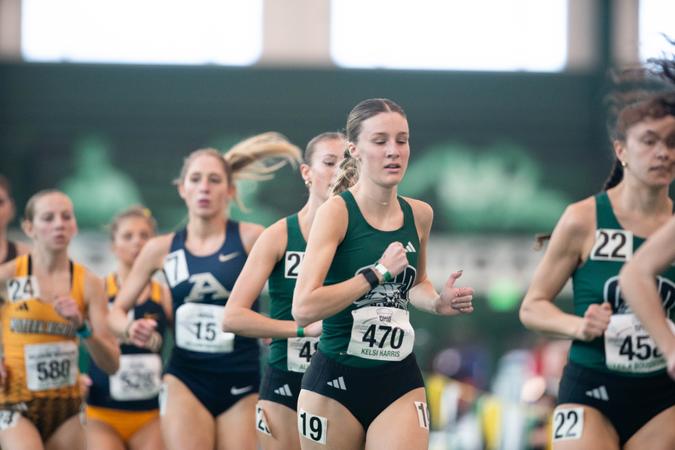
ALLENDALE, Mich. – The Ohio women’s track & field team concluded its first meet of the indoor season, the GVSU Holiday Open, on Friday, Dec. 5.
Sophomore Mairin O’Brien (Lewis Center, Ohio) kicked off competition for Ohio in the women’s 3,000 meters. O’Brien placed seventh in Heat 1 of the event, running a time of 10:01.30.
Graduate student Kelsi Harris (Liberty Township, Ohio) and sophomore Kaitlyn Stewart (Floyd Knobs, Ind.) competed in the women’s 5,000 meters. Harris placed eighth in the Heat 1 of the event, recording a time of 16:45.66. Stewart took home eighth place in Heat 2 with a time of 17:07.16.
The Bobcats will be back in action at the Marshall Alumni Classic on Saturday, Jan. 10.
#OUohyeah
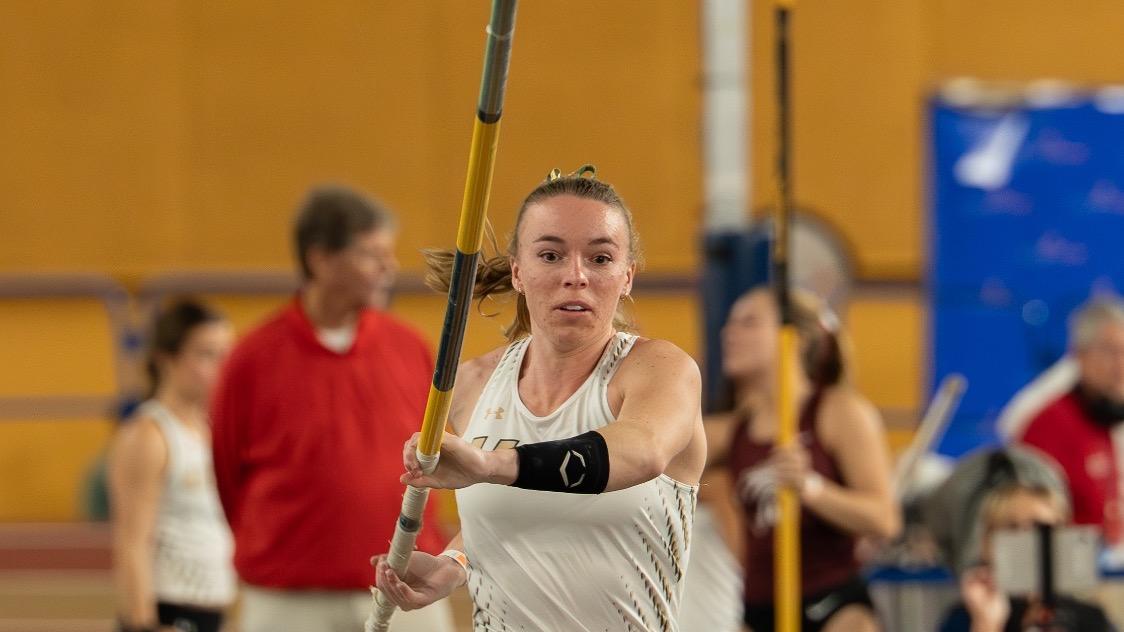
BIRMINGHAM – UAB Track and Field opened the 2025 season on Friday as the Blazers competed in the Birmingham Indoor Icebreaker at the Birmingham Crossplex.
Victory George competed in multiple events as the newcomer participated in the 60m and the Long Jump. George placed 12th out of 69 athletes in the 60m Prelims with a time of 7.71 seconds. George narrowly missed the finals by .01 seconds as she placed second in heat 4. The newcomer from Nigeria placed 11th of 55 athletes in the Long Jump where she finished with a mark of 5.52m and placed third in flight 3.
Leticia Quingostas started her senior season strong in the 300m. The senior from Brazil placed ninth overall out of 28 athletes and won heat 4 with a time of 40.51 seconds.
The freshmen middle distance duo consisting of Kelly Hughes and Katelyn Valtos made their college debuts in the 1000m. Hughes (3:05.08) and Valtos (3:06.08) finished sixth and seventh overall respectively. Valtos’ time was tops in heat 2.
The Blazers saw four Pole Vault athletes compete on Friday. Noelle Hambrick was the leader of the quartet placing fifth with a mark of 3.70m. Victoria Freeland, Fiona Eastman, and Trinity Fellows each finished at 3.55m.
The Green and Gold rounded out the day with true freshman Sarah Hopkins competing in the Weight Throw. Hopkins finished her day with a mark of 14.58m on her final successful throw, which ranks third-best in school history for Indoor Weight Throw.
UAB returns to action on January 9, 2026 as it returns to the Birmingham Crossplex for the Blazer Invite. Meet information, schedules, and live results will be posted at a later date.
FOLLOW THE BLAZERS
To keep up with UAB Track & Field, follow @UAB_TF_XC on Instagram and X.
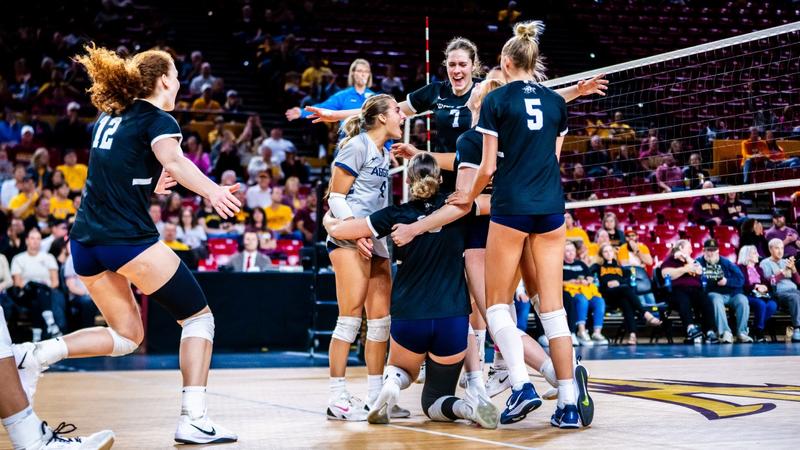
Then, it seemed like the USU’s dream season might end in heartbreaking fashion.
But in a do-or-die fifth set, the Aggies fought off a furious comeback from seventh-seeded Tennessee to claim a thrilling 3-2 (25-19, 25-15, 20-25, 18-25, 15-11) victory in the opening round of the NCAA Tournament. This is the first NCAA Tournament victory for Utah State volleyball since recording wins in back-to-back seasons in 2000 and 2001.
With the win, Utah State will now face No. 2 Arizona State on Friday, Dec. 5, at 6 p.m. (MT).
Sophomore setter Kaylie Kofe engineered the Aggie offense to a .312 hitting percentage, recording 57 assists. Senior middle blocker Tierney Barlow led USU with 16 kills on a team-best .560 hitting percentage while sophomore opposite side hitter Loryn Helgesen added 14 kills. The duo also tied for the team lead with four blocks apiece with each player also registering a solo block. Sophomore outside hitter Andrea Simovski also had 14 kills and sophomore outside hitter Mara Štiglic stuffed the stat sheet with 12 kills, six digs, three blocks and three assists. Junior libero/defensive specialist Kendel Thompson led the Aggie defense with 16 digs, also leading the team with two service aces.
Head coach Rob Neilson
“What a match. Hats off to that Tennessee team. We gave them all they could handle in those first two sets and then they responded. They’re a great team obviously, well coached and talented, physical. Then you get to a fifth set and it’s a coin flip. I thought we made enough plays and battled and came through adversity. I’m really proud of this group and I’m excited that we get to play some more volleyball together.”
Set One
The Aggies came roaring out of the gates, registering kills on nine of their first 13 attacks en route to taking a 10-5 lead to force a Tennessee timeout. Štiglic posted three kills during the early run, part of a 7-0-10 line for the Croatian in the opening set. Out of the timeout, the Vols responded with a 9-2 stretch to take a lead midway through the frame and force an Aggie timeout. USU stemmed the tide with a kill from redshirt freshman middle blocker Lauren Larkin that preceded a block by Barlow and Helgesen. A Helgesen kill and Thompson ace then made it a 4-0 Aggie run to deliver the advantage back to Utah State. The Vols scored back-to-back points to tie it at 16 before the teams alternated the ensuing six rallies. With the set tied at 19, the Aggies closed the frame on a 6-0 burst. Helgesen ignited the run with a kill before teaming with Larkin on a block to firmly give the Aggies control late in the set. Štiglic then delivered back-to-back kills to clinch the 25-19 win to open the match. Utah State hit .382 in the opening frame while holding Tennessee to .188 to take a 1-0 lead.
Set Two
Utah State again came out strong, using a 14-3 onslaught to grab hold of the second set. Simovski powered the on-fire start with five kills while Thompson added her second ace of the match to help build a double-digit cushion. The Aggies went a perfect 8-of-8 on attacks to begin the frame. Tennessee closed the gap with a 6-1 stretch, forcing a USU timeout. A Helgesen kill halted the Vols’ momentum before Utah State went on to close the set on a 5-1 run featuring a pair of kills from Barlow and a Helgesen ace plus a block by Štiglic and Barlow to help seal the 25-15 win. The Aggies improved on both their offensive and defensive marks from the first set, hitting .444 while holding Tennessee to .171 to go up 2-0 for the match.
Set Three
The Aggies again went up early as Barlow recorded three-straight kills and then a solo block as part of a personal 4-0 run to put USU ahead 7-4. The Vols, however, answered back with an 11-4 stretch to take a late four-point lead in the set. The Aggies battled back within two at 21-19 with Simovski supplying a pair of kills but Tennessee went on a 4-1 run to take the set, 25-20, to extend the match to a fourth set.
Set Four
The Vols maintained momentum to begin the fourth set, opening up a 10-5 lead out of the gates. USU scored three-straight points with Larkin and Helgesen both registering kills to trim the deficit to two points. Tennessee answered again, scoring seven of the next 10 rallies to extend their lead to six points. The Aggies were unable to build a comeback attempt as the Vols secured a 25-18 win to send the match to a winner-takes-all fifth set.
Fifth Set
In a pivotal start to the set, Utah State went up 5-2 courtesy of a pair of Simovski kills and three attacking errors from the Vols. The Aggies led by four points at 12-8 following two kills from Helgesen before Tennessee clawed back within one after three-straight points. USU regained the advantage from the defensive side as Barlow and Helgesen combined for a block to make it 13-11. Barlow then killed back-to-back balls off the slide to secure the 15-11 victory and send the Aggies into the second round.
Quick Notes
- Utah State also extended their overall winning streak to 22 matches, the third-longest streak in program history, trailing only a 23-game streak spanning the team’s 1978 national title season and 1979, and a program-record 26-game streak in 1978. USU’s streak is now tied for the third-longest active streak in the nation.
- Utah State hit .312 for the match, their 11th-straight match recording a .250 hitting percentage or better. The Aggies are now hitting .274 on the season, a mark which would break the current program record of .238 set in 2016.
- Larkin added another eight kills on a .500 hitting percentage plus two blocks and a career-high three digs.
- Sophomore outside hitter Delaney Lawson and freshman defensive specialist Sadie Warren provided key defensive contributions with eight and six digs, respectively.
- Utah State is now 3-6 in the NCAA Tournament all-time, recording their first win since defeating BYU in Salt Lake City in 2001. USU also defeated Missouri the year prior in Provo, Utah.
- The Aggies are now 19-13-1 all-time against SEC teams and recorded their first win over the conference since beating Alabama in 2003.
- Utah State improved to a 29-4 record during Kofe’s career when she records at least 10.0 assists per set.
Up Next
The Aggies continue play in the second round of the NCAA Tournament against second-seeded Arizona State on Friday, Dec. 5, at 6 p.m. (MT). The game will be streamed on ESPN+.
Fans can follow the Aggie volleyball program on Twitter, @USUVolleyball, on Facebook at /USUVolleyball or on Instagram, @usuvolleyball. Aggie fans can also follow the Utah State athletic program on Twitter, @USUAthletics, Facebook at /USUAthletics and on Instagram, @USUAthletics.
– USU –

Mens track & field kick start their indoor season at SDSU

Miami Announces 2026 Schedule – University of Miami Athletics

Mark Martin is worried about the NASCAR lawsuit hurting the sport

Track & Field Opens Campaign with Strong Showing at HBCU & Ivy Challenge

‘Built on Legacy’: Carolina Carports unveils race car honoring Earnhardt | News

Georgia sues Missouri edge rusher Damon Wilson for nearly $400K over NIL contract he signed with Bulldogs

Harris, Stewart & O’Brien Represent Ohio Track & Field at GVSU Holiday Open

Michael Jordan — ‘Someone had to step forward and challenge’ NASCAR

Blazers Complete 2025 Season Opener

Former NASCAR driver Michael Annett dies at the age of 39

Aggies Fend Off Vols in Five-Set Epic to Advance in NCAA Tournament

Former NASCAR Driver Michael Annett Passes Away – Speedway Digest

Women’s Track and Field Look to Continue Success as a Squad this Winter

Nebraska volleyball vs. Long Island live updates, stats and highlights
Georgia seeks $390K in NIL contract damages from Missouri football DE

First Tee Winter Registration is open

Fargo girl, 13, dies after collapsing during school basketball game – Grand Forks Herald

CPG Brands Like Allegra Are Betting on F1 for the First Time

Volleyball Recaps – November 18

F1 Las Vegas: Verstappen win, Norris and Piastri DQ tighten 2025 title fight

Two Pro Volleyball Leagues Serve Up Plans for Minnesota Teams

Utah State Announces 2025-26 Indoor Track & Field Schedule

Sycamores unveil 2026 track and field schedule

Texas volleyball vs Kentucky game score: Live SEC tournament updates

Bowl Projections: ESPN predicts 12-team College Football Playoff bracket, full bowl slate after Week 14

Redemption Means First Pro Stock World Championship for Dallas Glenn

Pohlman admits ‘there might be some spats’ as he pushes to get Kyle Busch winning again

Indiana’s rapid ascent and its impact across college football

How this startup (and a KC sports icon) turned young players into card-carrying legends overnight

Troy Football Need to Know; Gameday at The Vet — Georgia State Game

 Why a rising mid-major power with an NCAA Tournament team opted out of revenue-sharing — and advertised it
 NBA Legend Michael Jordan to Join NBC Sports as Special Contributor
 Falcons mailbag
 Portal Update – Basketball and Gymnastics Take Hits
 has always dreamed in Mercurial. Now his initials are on the boots.
The new Kyl…
has always dreamed in Mercurial. Now his initials are on the boots.
The new Kyl…
-
 Rec Sports2 weeks ago
First Tee Winter Registration is open
-
 Rec Sports1 week ago
Fargo girl, 13, dies after collapsing during school basketball game – Grand Forks Herald
-
 Motorsports2 weeks ago
CPG Brands Like Allegra Are Betting on F1 for the First Time
-
 Sports2 weeks ago
Volleyball Recaps – November 18
-
 Motorsports2 weeks ago
F1 Las Vegas: Verstappen win, Norris and Piastri DQ tighten 2025 title fight
-
 Sports1 week ago
Two Pro Volleyball Leagues Serve Up Plans for Minnesota Teams
-
 Sports1 week ago
Utah State Announces 2025-26 Indoor Track & Field Schedule
-
 Sports1 week ago
Sycamores unveil 2026 track and field schedule
-
 Sports1 week ago
Texas volleyball vs Kentucky game score: Live SEC tournament updates
-
 NIL5 days ago
Bowl Projections: ESPN predicts 12-team College Football Playoff bracket, full bowl slate after Week 14