
College Sports
Nashville Predators rank No. 10 in NHL Pipeline Rankings for 2025


Nashville has always done a good job at the draft, keeping its team competitive despite never picking high. The Predators took a step back this season and reloaded with several high picks, led by No. 5 selection Brady Martin. I don’t see a true star talent in this system, suggesting there’s more work for the Preds to do, but they have a lot of highly competitive players with legit talent at forward and defense.
2024 ranking: 17
2025 NHL Draft grade: A-
Player Ranking
1. Brady Martin, C
March 16, 2007 | 6-feet | 187 pounds | Shoots right
Drafted: No. 5 in 2025
Tier: Bubble top and middle of the lineup player
Skating: NHL average
Puck skills: Above NHL average
Hockey sense: NHL average
Compete: High-end
Shot: Above NHL average
Analysis: Martin is a highly likable center who has been impressive in the OHL and for Team Canada this season. He’s a very skilled forward who has the one-on-one abilities to beat a lot of NHL defensemen. He’s creative as a puck handler, and his offensive IQ impressed as the season went along, even if not his calling card. His skill is appealing, but it’s the combination of his skill with his compete that gets evaluators excited. Martin has a true hardness in his game, attacking the high-percentage areas and is an extremely physical player. His skating has progressed into a strength to where he can clearly move at an NHL pace. He could be a matchup second-line center who makes life hellish on opponents.
2. David Edstrom, C
Feb. 18, 2005 | 6-foot-3 | 190 pounds | Shoots left
Drafted: No. 32 in 2023
Tier: Bubble top and middle of the lineup player
Skating: NHL average
Puck skills: NHL average
Hockey sense: NHL average
Compete: Above NHL average
Analysis: Edstrom was quite good versus men in the SHL and was a top player on Sweden’s World Juniors team. He isn’t a center who makes a ton of highlight-reel plays, but he’s an easily likable player. He’s big and fast, competes hard, and creates a lot of offense in the high percentage areas. He has good enough hands and vision to make difficult plays with the puck and projects to have reasonable amounts of offense at the NHL level. He’s just a player who checks a lot of boxes, and with his size, he could be a solid two-way second-line center or an excellent third-line center.
3. Tanner Molendyk, D
Feb. 3, 2005 | 6-feet | 181 pounds | Shoots left
Drafted: No. 24 in 2023
Tier: Middle of the lineup player
Skating: Above NHL average
Puck skills: NHL average
Hockey sense: NHL average
Compete: Above NHL average
Shot: Above NHL average
Analysis: Molendyk was a top defenseman in the WHL and for Canada’s U20 team. He’s an excellent skater, and his edgework is very good. He closes on checks like a pro and is able to evade pressure at a high level. His top speed is good, not great, but he can lead a rush in the NHL. Molendyk has strong offensive instincts and skills and can make plays from off the blue line and on the move. He’s average-sized and works hard, and while he isn’t overly physical, he will engage when he needs to. He is a player coaches tend to trust and could be a second-pair defenseman in the NHL.
4. Cameron Reid, D
April 8, 2007 | 6-foot-2 | 174 pounds | Shoots left
Drafted: No. 21 in 2025
Tier: Middle of the lineup player
Skating: Above NHL average
Puck skills: NHL average
Hockey sense: NHL average
Compete: Above NHL average
Shot: Above NHL average
Analysis: Reid was a big-minute defenseman for Kitchener and also played top-four minutes for Canada at the Hlinka Gretzky Cup. He’s a likable player in a lot of regards: a dynamic, powerful skater who closes on pucks quickly and can get the play going up the ice due to his feet. He’s average-sized but competes well and is a physical player. He makes efforts defensively and coaches trust him. Reid has strong enough puck skills and vision. He can create offense off the rush and from the offensive blue line, with flashes of high-end skill, although I don’t see him as a true NHL power-play type. Despite his average size, Reid projects to make NHL stops due to how good a skater he is. He projects as a second-pair defenseman.
5. Yegor Surin, C
Aug. 1, 2006 | 6-foot-2 | 198 pounds | Shoots left
Drafted: No. 22 in 2024
Tier: Middle of the lineup player
Skating: NHL average
Puck skills: NHL average
Hockey sense: NHL average
Compete: High-end
Analysis: Surin played a limited but helpful role on the KHL champions in Lokomotiv. He is an easy player to like: a skilled forward who can create a lot of offense. He displays quality vision and finishing touch, and skates well, too. What drives his game, though, is that Surin is a hyper-competitive forward. He brings it every game, plays both ways, is very physical and has a lot of tempo in how he creates offense. Surin has mostly played wing this season, but he has the traits to be an NHL third-line center or second-line winger.
6. Matthew Wood, LW
Feb. 6, 2005 | 6-foot-4 | 205 pounds | Shoots right
Drafted: No. 15 in 2023
Tier: Middle of the lineup player
Skating: Poor
Puck skills: Above NHL average
Hockey sense: NHL average
Compete: Below NHL average
Shot: Above NHL average
Analysis: Wood was very good in the Big Ten before turning pro with Nashville, although he was a bit of a surprise cut from Canada’s U20 team after making it the previous season. When he’s on, Wood can create a lot of offense. He has excellent one-on-one skills, vision and ability to finish from range, which makes him lethal on the power play. Wood is a big winger as well and can use his length to maintain possession. However, his skating is an issue as he lacks the ability to separate. It’s his feet combined with his inconsistent effort/perimeter player that leads to some questions on how his skill will translate. He projects as a middle-six winger who will get points, but he could test his coach’s patience.
7. Jack Ivankovic, G
May 22, 2007 | 5-foot-11 |179 pounds | Catches left
Drafted: No. 58 in 2025
Tier: Middle of the lineup player
Skating: High-end
Hockey sense: NHL average
Analysis: Ivankovic has been an excellent junior goalie. He was dominant for Canada’s U18 team in the summer and accomplished the very rare feat of making Canada’s World Juniors team as a goalie as a 17-year-old. He’s a goalie with tremendous athleticism and competitiveness. Ivankovic makes all kinds of difficult saves that require him to move a lot. He’s great at second-effort saves and never gives up on a play. His reads aren’t as good as his quickness, but he does make a lot of smart decisions. The big issue will be his frame. There aren’t many 5-foot-11 NHL goalies, and he will need to be special at that size to make it. He could be, he has some special traits, but he’s no sure thing.
8. Fyodor Svechkov, C
April 5, 2003 | 6-feet | 187 pounds | Shoots left
Drafted: No. 19 in 2021
Tier: Projected to play NHL games
Skating: NHL average
Puck skills: Above NHL average
Hockey sense: NHL average
Compete: NHL average
Analysis: Svechkov played most of the season up with Nashville and looked like he belonged in the NHL. He may not do anything spectacularly, but he’s a well-rounded player. He skates and handles the puck well. He sees the ice effectively and has a good wrist shot from mid-range to finish plays. Svechkov isn’t a super physical player, but has a responsible two-way game down the middle. The sum of the parts could lead to him being a steady bottom-six center.
9. Andrew Gibson, D
Feb. 13, 2005 | 6-foot-4 | 209 pounds | Shoots right
Drafted: No. 42 in 2023
Tier: Projected to play NHL games
Skating: NHL average
Puck skills: Below NHL average
Hockey sense: Below NHL average
Compete: High-end
Shot: Above NHL average
Analysis: Gibson was a big-minute defenseman in the OHL this season and an important part of Canada’s U20 team as well. He’s a big right-shot defender who skates well and makes a lot of stops due to his feet, size, and strong physical play. He’s very competitive and earns his coach’s trust in tough situations. The question on Gibson at higher levels will be offense. He has a good point shot and has odd good moments with the puck, but I wouldn’t call him a natural puck-mover. I see him as a likable third-pair defenseman in the NHL.
10. Felix Nilsson, C
June 22, 2005 | 6-feet | 192 pounds | Shoots left
Drafted: No. 43 in 2023
Tier: Projected to play NHL games
Skating: Above NHL average
Puck skills: NHL average
Hockey sense: Above NHL average
Compete: Above NHL average
Analysis: Nilsson was good versus men in the SHL this year. He was a top player for Sweden’s U20 team and got some games at the end of the year for their senior team. Nilsson is a highly skilled center and can often beat checkers with skill. Inside the offensive zone, he’s an excellent passer who can create a lot off the perimeter. His shot is good enough to be a threat that way, but he’s more of a pass-first type. Nilsson isn’t highly physical, but he shows up every night, gets to the net and gives a solid effort. His skating is solid. He’s not explosive, but he can carry pucks up ice and create off the rush. He projects as a bottom-six forward.
11. Ryan Ufko, D
May 7, 2003 | 5-foot-10 | 181 pounds | Shoots right
Drafted: No. 115 in 2021
Tier: Projected to play NHL games
Skating: NHL average
Puck skills: NHL average
Hockey sense: Above NHL average
Compete: Above NHL average
Shot: Above NHL average
Analysis: Ufko played important minutes for Milwaukee in his first full pro season. He’s a very smart puck-mover who makes a lot of plays with the puck at both ends of the ice. He has the soft skills and brain to go with a strong point shot to be a constant threat with the puck. The physical tools don’t jump out to you with his 5-foot-10 frame and a lack of high-end foot speed in his skating. He’s shifty enough, though, and competes quite hard, showing no hesitancy to play the body. The feet make some scouts wary of his NHL potential, but the rest of his game is so good that I think he can find his way into the league in a third-pair role.
12. Joakim Kemell, RW
April 27, 2004 | 5-foot-11 | 183 pounds | Shoots right
Drafted: No. 17 in 2022
Tier: Projected to play NHL games
Skating: NHL average
Puck skills: NHL average
Hockey sense: NHL average
Compete: NHL average
Shot: High-end
Analysis: Kemell didn’t take a big step forward this season, but he still played well in the AHL. He’s a talented forward with the speed, hands and offensive IQ to create a lot of chances and do so on the move. Kemell’s biggest asset is his shot, though; he has a rocket one-timer that can score from way out. He competes well. I think he can lean on his shot too much and play too much on the outside, but he does win a lot of puck battles and throws his body around. He’s a likable player, but he’s not an overly dynamic 5-foot-11 winger and unless his offense really takes off, he looks like a projected bottom-six hardworking type who will chip in offense.
13. Zachary L’Heureux, LW
May 15, 2003 | 5-foot-11 | 196 pounds | Shoots left
Drafted: No. 27 in 2021
Tier: Projected to play NHL games
Skating: Below NHL average
Puck skills: Above NHL average
Hockey sense: NHL average
Compete: Above NHL average
Analysis: L’Heureux played all season with Nashville. He had good flashes at times, but the level seemed fast for him in some games. L’Heureux’s skill plus tenacity is what appealed to Nashville. He isn’t that big, but he plays with a major edge, often playing on or crossing the line with his physical play. He has legit offensive skills for the NHL level, too, and can make difficult plays off the edge and in tight. The issue for L’Heureux is his foot speed and his lack of discipline. He projects as a pesky bottom-six winger.
14. Teddy Stiga, LW
April 5, 2006 | 5-foot-10 | 179 pounds | Shoots left
Drafted: No. 55 in 2024
Tier: Projected to play NHL games
Skating: Above NHL average
Puck skills: NHL average
Hockey sense: NHL average
Compete: Above NHL average
Shot: Above NHL average
Analysis: Stiga was an important player on a top college team and had a huge moment scoring the golden goal for Team USA at the World Juniors. Stiga is an excellent skater who brings a lot of energy and pace to his shifts. He buzzes around the ice, winning a lot of races to pucks. He’s quite skilled and creates a lot of controlled entries. Stiga sees the ice well and while he can create at the net, he has perimeter playmaking ability, too. Stiga’s only real issue is his frame at barely 5-foot-10. I don’t know if he’s dynamic enough at that size, but it’s a debate, and he has a puncher’s chance to carve out a bottom-six role in the NHL because of his talent and consistency.
15. Ryker Lee, RW
Nov. 8, 2006 | 6-feet |181 pounds | Shoots right
Drafted: No. 26 in 2025
Tier: Projected to play NHL games
Skating: Below NHL average
Puck skills: Above NHL average
Hockey sense: NHL average
Compete: NHL average
Shot: Above NHL average
Analysis: Lee was one of the top forwards in the USHL this season. His talent stands out when he has the puck on his stick. He shows high-end small-area skills and the ability to beat opponents one-on-one. He’s a creative playmaker who can find lanes and run a power play well. Lee has a great wrist shot and the ability to beat goalies from the faceoff dots. His compete level is OK. He shows up consistently, but he’s not overly physical, and like a lot of shooters, he stays too much on the outside. His skating is also a concern for scouts. He gets around fine in the USHL, but he lacks the quick twitch you’d like in an NHL winger, especially given his average-sized frame. His talent could get him games, but his lack of pace will likely test a coach’s patience.
16. Reid Schaefer, LW
Sept. 21, 2003 | 6-foot-4 | 218 pounds | Shoots left
Drafted: No. 32 in 2022
Tier: Projected to play NHL games
Skating: Below NHL average
Puck skills: NHL average
Hockey sense: Below NHL average
Compete: High-end
Analysis: Schaefer’s second pro season was going much better until a mid-year injury. He had his ups and downs as a rookie pro and one of the youngest players in the AHL. Schaefer is a big, heavy winger who loves to throw his body around and was a physical presence in the AHL this season. He has good skill and finishing ability as well. His skating is just OK, and he doesn’t make many plays. The hope is he can be a hard-nosed bottom-six winger.
17. Alex Huang, D
July 30, 2007 | 6-feet |161 pounds | Shoots right
Drafted: No. 122 in 2025
Tier: Projected to play NHL games
Skating: Above NHL average
Puck skills: NHL average
Hockey sense: NHL average
Compete: Below NHL average
Shot: Above NHL average
Analysis: Huang didn’t have the season some expected after his big underage year in the Q, but he was still impressive. Huang is one of the better skaters in his age group. He flies up the ice, with the foot speed and edge work of a clear NHL-level player. He attacks very well with his speed and skill. I wouldn’t describe his vision as high-end, but it’s good enough to run a junior power play. Despite his mobility, Huang’s defending is an issue. He can get pushed around and will need to be more consistent in his own end to have a clear NHL role unless his offense takes a major step forward.
Has a chance to play*
Aiden Fink has been a great college hockey player as a leading player on a top team at Penn State. He’s very skilled, can make and finish plays and skates well. He’s quite small, though, and not overly physical, so there are questions about whether his game will translate. Jacob Rombach is a big, mobile defenseman who can make a decent first pass.
Aiden Fink, RW
Nov. 24, 2004 | 5-foot-10 | 161 pounds | Shoots right | Drafted: No. 218 in 2023
Hiroki Gojsic, RW
May 1, 2006 | 6-foot-3 | 209 pounds | Shoots right | Drafted: No. 94 in 2024
Viggo Gustafsson, D
Sept. 11, 2006 | 6-foot-2 | 194 pounds | Shoots left | Drafted: No. 77 in 2024
Sutter Muzzatti, C
June 28, 2003 | 6-foot-6 | 229 pounds | Shoots left | Drafted: No. 143 in 2023
Viktor Nörringer, RW
Aug. 31, 2006 | 6-foot-3 | 196 pounds | Shoots right | Drafted: No. 127 in 2024
Austin Roest, RW
Jan. 22, 2004 | 5-foot-10 | 181 pounds | Shoots right | Drafted: No. 175 in 2023
Jacob Rombach, D
April 1, 2007 | 6-foot-7 | 209 pounds | Shoots left | Drafted: No. 35 in 2025
Joseph Willis, C
March 14, 2005 | 5-foot-11 | 185 pounds | Shoots left | Drafted: No. 111 in 2023
* Listed in alphabetical order
Player eligibility: All skaters who are 22 years old or younger as of Sept. 15, 2025, regardless of how many NHL games they’ve played, are eligible. Player heights and weights are taken from the NHL.
Tool grades: Tool grades are based on a scale with six separate levels, with an eye toward how this attribute would grade in the NHL (poor, below-average, average, above-average, high-end and elite). “Average” on this scale means the tool projects as NHL average, which is meant as a positive, not a criticism. Skating, puck skills, hockey sense and compete for every projected NHL player are graded. Shot grades are only included if a shot is notably good or poor.
Tier definitions: Tiers are meant to show roughly where in an average NHL lineup a player projects to slot in.
(Illustration: Will Tullos / The Athletic. Photo: Andrew Nelles / Getty Images)


Rome High School has been known for academic progress for many years, so much so that when it came to have a college fair on campus recently, more than 50 colleges and universities showed up to recruit, including some schools that were more than 2,500 miles away.

The College fair was hosted in Rome High’s main gym and was full of tables from each college at the event. The colleges set up posters, brochures, and flags to display their mascots and information about their college.
Juniors and seniors came at different times. The seniors showed up first, followed by the juniors. Both groups stayed about 45 minutes. During their time, students walked around the gym, observing the tables set up, talking to the college representatives, and taking pamphlets the colleges offered.
Senior Jayden Perez said he hopes to major in nursing at Emory University, but is also looking at several other state schools, and enjoyed the college fair experience.
“This has given me an opportunity to get excited about college,” he said. “It also is a great opportunity to speak with real college professionals one-on-one.”
Andrew Hunsinger from the University of Vermont said he hopes to broaden the students’ horizons to schools in the Northeast and let them know about their possibilities outside of Rome.
“The main thing I want to bring to a place like Rome High School is to let students know that the Northeast is an option for them,” Hunsinger said. “Especially in Atlanta, a lot of people from the northeast are moving to the south, and we are trying to let students in places like Rome know about the opportunities that are available at universities like Vermont.”
While the students marveled at the number of schools in attendance, what they didn’t see was all the preparation behind the scenes to make the fair happen.
“I have been planning the college fair since June. I wrote a lot of emails and made phone contacts with a lot of these colleges,” Rome High School Counselor Melissa Holland said. “I am also able to reach out via SCOIR (the SCOIR College Network), and there is a way to invite colleges through the site, and I got a lot of interest that way.”
Junior Genesis Uzcategui said something she finds appealing about a college is if they are far from home, so she can go out and see the world for herself while studying ultrasound-radiology, her major.
¨I’ve looked at Warren Wilson, Toccoa Falls, Eckerd, and Florida Southern,” Uzcategui said.
Lilly Blanchard said she is a big Oregon football fan, so that college coming to Rome caught her attention. Some of the colleges that visited Rome really surprised these students.
“I’ve been on a tour at UAB (University of Alabama at Birmingham) and I’m applying early to Duke for neuroscience,” she said. She discussed wanting a college with a diverse, inclusive community. She is looking for a college with good education, good sports, and a good vibe.
The fair was a perfect place for many students to get an opportunity to learn about a lot of different schools.
“I don’t know exactly what college I want to go to, but I am interested in UGA or Emory,” Janna Nyguen, a junior, said. “I want to major in Premed. I want to go into the healthcare field.”
While the college fair afforded lots of options for students, Holland said it also aligns with Rome High School’s mission statement. For many students, this was a first-time experience to the exposure of different colleges and the idea of possible majors they can choose.
“The college fair is an extension of our mission statement, which is to make sure students graduate from Rome High School prepared for college or work,” she said. “I want the students to have an open mind and to be able to find out the opportunities that are out there and available to them. Some students may have in mind that they want to go to work, but through this they may see they want to go to college. An event like this offers them the chance to open their minds to other opportunities.”
Written by: Brighton Turner and Selah Marshall





-

Greg Wyshynski
ARLINGTON, Va. — Attending the NHLPA rookie showcase puts into sharp relief how truly young these prospects are, especially within the context of hockey history.
Like when you hear Montreal Canadiens prospect David Reinbacher talk about modeling his game after Brock Faber, the Minnesota Wild defenseman who was runner-up for NHL rookie of the year in 2024. Or when Matthew Schaefer, the first overall pick in this year’s draft by the New York Islanders, talks about his coach Patrick Roy’s playing career like … well, like someone born four years (September 2007) after the Hockey Hall of Fame goaltender played his last game, in April 2003.
“Yeah, I mean, I heard he loves to win,” Schaefer said of Roy, who won four Stanley Cups, three playoff MVP awards and 551 games, which is third all time. “I heard he was really good back in the day. Everyone loves talking about him.”
Indeed.
Schaefer recalled going to the offices of Upper Deck, the collectible company that co-hosted the rookie showcase this week, and seeing glimpses of his new coach’s former life as a generational goaltender.
“There was just stuff of him all over. Seeing all the things. Seeing his goalie pads. That’s what really stuck out to me,” he said.
Roy is entering his third season coaching the Islanders and sixth season overall as an NHL coach. Schaefer said he has enjoyed their conversations in the offseason but is ready to see the training camp side of his new coach. “I think he’ll be on the ice doing a lot of drills and pushing us. So, I can’t wait to get pushed,” he said.
Schaefer was selected by the Islanders first overall after 73 games with the OHL Erie Otters over the past two seasons, where he proved to be an elite puck rusher and passer. He signed his NHL entry-level deal in August.
The Islanders haven’t been shy about marketing around Schaefer, including a ticket sales deal that incorporated his No. 48. But he isn’t taking anything for granted, whether it’s making the roster or playing down the lineup in his rookie season.
“You don’t just get stuff given to you, right? You’ve got to earn it. You’ve got to earn your spot. I still have to get my spot on the team and that’s what I’m going into camp to do,” he said.
If he makes the cut, Schaefer would easily be the youngest player on an Islanders roster that features over a dozen players over the age of 30. But Schaefer is comfortable with that age disparity. He has a brother who’s nine years older than him, which he said helps with the communication. But he also won’t hesitate to seek his older teammates’ guidance.
“I think it’s good for me to have an older group where they can help me along the way,” he said. “A lot of guys have been in the league for so long where any sort of advice they give me, I’m going to take it right away.”
That said, he knows there are some expectations for a player his age from his older teammates.
“Maybe I have to babysit [their kids] or something,” he said with a laugh. “I mean, I wouldn’t mind it.”
NCAA eligibility rules a ‘game changer’
Karsen Dorwart admits he’s a little jealous.
The Philadelphia Flyers prospect was signed as an NCAA free agent after playing three years at Michigan State. He grew up in Oregon, and was a huge fan of the Western Hockey League’s Portland Winterhawks.
“I always wanted to play in Portland. Growing up, watching those guys. It was just kind of decided it wasn’t the right path for me,” he said. “But if I was able to do both, I’m sure I would’ve.”
For decades, that opportunity wasn’t available to young players like Dorwart. The NCAA deemed anyone who played in the Canadian Hockey League ineligible for college hockey, because those junior leagues have players who have signed professional contracts with NHL teams, and because CHL players earned a monthly stipend.
That all changed last November when the NCAA Division I council voted to make CHL players eligible for NCAA Division I hockey starting this season. The council ruled players can compete in the CHL — comprising the WHL, Ontario Hockey League and Quebec Maritimes Junior Hockey League — without jeopardizing their NCAA Division I hockey eligibility, provided they aren’t “paid more than actual and necessary expenses as part of that participation.”
Players like Dorwart no longer had the binary choice of Canadian junior hockey or NCAA hockey. That has already led to one landscape-shifting moment in college hockey as Gavin McKenna — the consensus choice for first overall pick in the 2026 NHL draft — left the WHL Medicine Hat Tigers after three seasons to sign with Penn State University on an NIL deal “in the ballpark” of $700,000, a source told ESPN.
1:08
Top NHL prospect Gavin McKenna announces PSU commitment
Gavin McKenna joins “SportsCenter” to announce his official commitment to Penn State University.
“A guy like Gavin McKenna making that jump to go play college is a big step,” said Minnesota Wild defenseman Zeev Buium, who played at the University of Denver. “I think everyone gets better. You’re getting guys from everywhere and you can get anybody you want now. I just think it makes all of college hockey better.”
Toronto Maple Leafs defensive prospect Ben Danford said the NCAA’s eligibility ruling “changed the game for sure” for both college hockey and the CHL, where he played for the Oshawa Generals. “We’ll have to see what happens. I feel like maybe the OHL is going to become a bit younger,” he said.
Overall, the NHL prospects were most intrigued by the migration of players from Canadian juniors to the NCAA.
“I think NCAA is a hard league. It’s a physical league. So I’m really excited to see how those guys can adapt to it,” said St. Louis Blues forward Jimmy Snuggerud, who attended the University of Minnesota.
Dorwart thinks the eligibility rule change is great for NCAA hockey — even if for him it might have meant more time as a Winterhawk in Portland than as a Spartan at Michigan State.
“You’re getting all the best players in college now. I’ve got to meet some of the new CHL guys at Michigan State, and they’re super pumped and it’s just going to be great for everyone’s development,” he said. “But it’s something I’m jealous of. I think it would’ve been fun to play in my hometown growing up.”
The AHL ’19-year-old’ rule
Another significant change to player development is on the horizon — if the NHL and CHL can agree to it.
In the new NHL and NHLPA collective bargaining agreement, there is a provision for teams to loan one 19-year-old player to their AHL farm team without the requirement of offering that player back to their Canadian junior team first.
The current rules state that a player drafted from the CHL must be at least 20 years old or have played at least four full seasons in the CHL to be eligible for the AHL.
The new CBA kicks in next September. While other rule changes were fast-tracked for this season, the earliest the “19-year-old” rule would be implemented is the 2026-27 season, according to an NHL source. Again, that’s pending the NHL and CHL agreeing to amend the “mandatory return rule” for players.
“Honestly, I’ve been really curious about that rule,” said Berkly Catton, a 19-year-old center prospect for the Seattle Kraken who played for the WHL’s Spokane Chiefs. “Honestly, as of right now, all I can really do is go to camp, have a good camp and kind of force their hand. But that AHL rule would be really cool.”
Zayne Parekh of the Calgary Flames is happy that the AHL rule hasn’t been fast-tracked for this season.
Parekh, 19, is considered the Flames’ top prospect, and one of the better offensive defensemen on the rise in the NHL. He made his NHL debut at the end of last season, scoring a goal in his only game. The way he sees it, having the “mandatory return rule” puts a pressure point on Calgary to add him to this season’s roster.
“I think it’s nice not having it because they’re really going to give me a good look to make the NHL team,” he said. “Maybe it benefits me, maybe it doesn’t, but it all depends on my camp. The opportunity is there. It’s just about taking advantage of it.”
Parekh is exactly the kind of prospect the NHL is considering when seeking to change the “mandatory return rule.” He had 107 points in 61 games for the Saginaw Spirit last season, posting back-to-back 33-goal campaigns. Even if the Flames believe he’s not ready for a regular role in the NHL, having him dominate another season in juniors wouldn’t benefit him as much as playing against professional talent in the AHL.
“Sometimes you’ve done what you’re supposed to do in junior. That kind of middle ground could be nice if you need to develop a little bit more,” Catton said.
The Seattle prospect was reminded of the significant leap in competition when he attended Kraken training camp last season, which was one reason he focused on strength training in the offseason.
“These guys are men. It’s not a 16-year-old kid going into a puck battle. It’s a guy with kids and stuff, but you got to come out with the puck somehow,” Catton said.
NHL fit check
Every year, the NHLPA rookie showcase offers a first glimpse at NHL uniform redesigns for the upcoming season.
Fit checks at the @NHLPA and @UpperDeckSports rookie showcase:
Jimmy Snuggerud rocks the new @StLouisBlues jersey, Tij Iginla in new @utahmammoth gear and Zayne Parekh in a fake mustache. (The @NHLFlames have a beauty here btw.) pic.twitter.com/wA4xuVg0Ot
— Greg Wyshynski (@wyshynski) September 3, 2025
Snuggerud wore the new St. Louis Blues uniform, which brings back the original color scheme from their 1967 sweaters.
“They’re very blue,” Snuggerud said.
(Well, they are the Blues.)
Meanwhile, Tij Iginla was decked out in the rechristened Utah Mammoth’s new home uniform sporting their official team colors: Rock Black, Mountain Blue and Salt White. Iginla said he’s fond of the former Utah Hockey Club’s new logo, which combines a local mountain range, a mammoth head and U-shaped tusks.
“I really like it. I think it’s a super kind of fierce logo. One of the coolest ones in the league,” said Iginla, who was drafted sixth overall in 2024. “So super, super cool to be wearing it for the first time.”
Iginla followed the branding drama for his team over the past year, including when everyone around the NHL believed the team would be called the Utah Yeti.
“I thought Yeti would’ve been cool, but I like them both. I don’t think they could have went wrong,” he said. “I’m happy with the Mammoth.”
Designer Duck
Beckett Sennecke, 19, was drafted third overall by the Anaheim Ducks in 2024. The winger played last season for the OHL’s Oshawa Generals, tallying 86 points in 56 games.
He’s on track to become an NHL player. Perhaps then he’ll be the one who gets recognized at the airport instead of his mother.
Sennecke is the son of Candice Olson. In 1994, after playing for the Canadian national volleyball team, Olson began her own interior design firm in Toronto. Seven years later, she joined the booming home improvement television movement with her show “Divine Design,” which aired on the W Network in Canada and HGTV in the U.S. She would go on to host other shows and serve as a judge on HGTV’s reality competition show “Design Star” through 2011.
“She had a TV show back in the day called ‘Candice Tells All’ or something. She went in and redid the interior of houses and then made a TV show about it. I guess it was pretty popular back in the day,” Sennecke said.
Her fame as an HGTV star predated Sennecke’s formative years. Hence, his friends weren’t really cognizant that he had a celebrity mom.
“No, it was an older show. It was more like people at the airport coming up to her and are like, ‘Oh, it’s Candice!’ She gets that probably once or twice a year now,” he said.
Sennecke said he couldn’t help but have an aesthetically pleasing house while growing up: His father is an architect.
“It’s like a double whammy. If I don’t have a nice house … I don’t know,” he said. “But yeah, they did a good job for sure.”
So along with the pressure of making the NHL one day, there’s the added pressure of eventually buying his first house as the son of an architect and a former “Design Star” judge.
“I’m sure my mom will be all over the interior and stuff,” he said. “Especially the lighting. That’s her biggest thing. Whenever there’s bad lightning, she’s always disgusted with it.”


WINSTON-SALEM, N.C. – Looking to continue its unbeaten start to the 2025 campaign, the No. 7-ranked Wake Forest men’s soccer team is set to host Lipscomb at Spry Stadium Friday evening.
The match against the Bisons is slated for 7 p.m. and will be streamed live on ACC Network Extra with live stats available here.
Fan Information
Parking is encouraged in lots A, B, Q, W1 & W2. A complete parking map of campus is here.
Gates open one hour prior to kickoff for all home matches.
Season Ticket Information
2025 Wake Forest soccer season and single game tickets are on-sale now giving fans the opportunity to witness The Best Fan Experience In North Carolina from a number of unique seating options!
Adult season tickets start as low as $70 for general admission and $50 for youth while reserved chairbacks are $130 for fans and $110 for Wake Forest University faculty and staff.
Accessibility Information
Wake Forest Athletics strives to provide content at games, social media and on GoDeacs.com that is accessible to all people. In the continued effort to improve accessibility of the technology and digital content at tomorrow’s game, fans can access closed captions here for the public address announcer and in-venue content.
Wake Forest Athletics is always open to learning about new ideas and ways we can improve. Please report accessibility challenges, identify content you find inaccessible, or give us general feedback at pantagw@wfu.edu.
Quick Notes
- Wake Forest has only allowed one goal this campaign, which is tied for the fewest goals allowed through three games in the Muuss-era.
- Goalkeeper Jonah Mednard has conceded just once in his career with 287 total minutes in goal with two clean sheets. He holds a .889 save percentage and a .32 goals-against average.
- Wake Forest will look to start unbeaten through four matches for the sixth time under Muuss and for the first time since 2023.
- This will be the first-ever meeting between the two programs.
- The Demon Deacons enter the contest unbeaten in their last 15 matches at Spry Stadium with wins in seven of the last eight.
- The Deacs hold a 11-0-4 home record dating back to Aug. 25 of last year.
- Additionally, the Demon Deacons have yet to trail this season as they have led for 93 minutes.
- All four of the Deacs’ goals to open the season have come from four different players as Ryan Belal, Jeffrey White, Jose Perez and Tate Lorentz have all opened their accounts on the year.
- Earlier this week, the Demon Deacons landed No. 7 in the United Soccer Coaches’ preseason poll while also holding No. 6 spot in the TopDrawerSoccer College Soccer News polls.
- Wake Forest was picked to finish second in the ACC preseason poll and held the most first-place votes (5).
Scouting the Bisons
- Lipscomb is coming off of its first win of the campaign as it took down Mercer, 2-0, at home on Sunday and currently holds a 1-1-1 record headed into Sunday.
- Redshirt junior midfielder Levi Jones came off the bench and scored in the 68th and 75th minutes to defeat the Bears.
- Jones leads the team with five points as he also notched an assist on the 77th-minute equalizer against Memphis in the opener.
- The Bisons only bring back 18 percent (4-of-22) of their goal production from last season that saw Lipscomb post a 3-8-5 (1-4-2 ASUN) record.
- Only one returning player, Tyler Stinnett, scored multiple goals last season (two).
- The squad is made up of 13 newcomers to the squad with eight freshmen.
- The Bisons were picked to finish fifth in the ASUN Preseason Coaches Poll and received one first place vote.
- One of the newcomers is starting goalkeeper Alex Kara, who transferred in after two seasons with Indiana.
- He made six saves against Memphis and five against USF before earning his first-career clean sheet last time out against Mercer.
Last Time Out (vs. St. John’s)
- The No. 5 Wake Forest men’s soccer team remained unbeaten in 2025 as it battled St. John’s to a 0-0 draw Sunday evening at Spry Stadium.
- Wake Forest came out dominating play throughout the opening stages of the match and held possession for 65 percent of the first half. However, the two sides went into the halftime break knotted at 0-0 without either team able to score by the final whistle.
- In the 75th minute, it looked as if the Demon Deacons had taken a 1-0 lead off a Jeffrey White goal following a set piece just outside of the 18, but the decision was overruled by VAR.
- In goal, redshirt sophomore goalkeeper Jonah Mednard recorded his second-consecutive clean sheet. Despite only tallying one save, he snuffed out multiple potential chances for the visitors and limited the danger.
- For the third-consecutive match, Wake Forest went with a starting backline of junior Travis Smith, Jr., sophomores Mason Sullivan and Amoni Thomas, and graduate captain Cristian Escribano. The Demon Deacon defense excelled in limiting opportunities for the visitors and only allowed one shot on goal over the 90 minutes.
- This marked the second-straight contest in which the Deacs allowed just one shot on frame as Wake Forest has outshot opponents 42-to-30 through the first three matches of the season.
- Additionally, this marks the first time since Oct. 1-12 (four matches) of last year that the Demon Deacons recorded consecutive clean sheets.
- With the draw, the Demon Deacons are now unbeaten in their last 15 matches at Spry Stadium. Overall, the Deacs hold a 11-0-4 home record dating back to Aug. 25 of last year.
Battle Tested
- The Demon Deacons face one of the toughest schedules in the nation this season due to the strength of the ACC.
- Wake Forest has six opponents on the schedule that are currently ranked inside the top 20, including No. 1 Stanford, No. 3 Clemson and No. 10 Pitt.
- Of note, the ACC holds six spots in the top 10 of the United Soccer Coaches poll and seven in the top 15.
National Leader In Wins
- Named the fourth head coach in program history prior to the start of the 2015 season, Bobby Muuss‘ Demon Deacon squads have built on the longstanding and rich 45-year history of the program.
- Since 2015, Wake Forest’s 154 total wins ranks No. 1 nationally, seven more than any program and 11 more than any other ACC program. During that span, Wake Forest is also joined only by Indiana as the only Division I programs to have won at least 10 matches every season.
- Additionally, Wake Forest and Indiana are the only two programs of the 211 programs nationally to hold double-digit NCAA Tournament appearance streaks.
- Wake Forest also leads the nation in wins over the last quarter-century (359), 10 more than second-most Maryland.
Total Wins Since 2015
| Rank | Team | Total Wins Since ’15 |
| 1. | Wake Forest | 154 |
| 2. | Indiana | 148 |
| 3. | Clemson | 143 |
| 4. | Georgetown | 134 |
| 5. | Stanford | 130 |
Consecutive Seasons With 10+ Victories
| Rank | Team | Consecutive seasons with 10+ wins |
| 1. | Wake Forest | 13 |
| 2. | Indiana | 11 |
| 3. | Georgetown | 8 |
| T4. | Clemson, Missouri State, Marshall | 6 |
| 7. | Denver, Duke | 4 |
The Spry Advantage
- Since Muuss’ arrival in 2015, Wake Forest ranks No. 1 nationally in home wins (113), 17 more than any other program nationally.
- Over the last 10 seasons, the Deacs have won at least eight of their matches at Spry Stadium including a double-digit win total seven of those seasons.
- Wake Forest’s home winning percentage of 82.41 percent since 2015 also ranks third nationally, behind only Indiana and Denver.
Home Wins Since 2015
| Rank | Team | Total Home Wins Since ’15 |
| 1. | Wake Forest | 113 |
| T2. | Clemson | 96 |
| T2. | Indiana | 96 |
| 4. | Virginia | 89 |
| 5. | Georgetown | 85 |
Home Winning Percentage Since 2015
| Rank | Team | Home Winning Percentage Since ’15 |
| 1. | Indiana | 84.00% |
| 2. | Denver | 82.99% |
| 3. | Wake Forest | 82.41% |
| 4. | Clemson | 79.92% |
| 5. | Missouri State | 79.89% |
Consistent Threat In The Toughest Conference In The Country
- Recognized annually as the toughest soccer conference in the country from top to bottom, the ACC has placed the most teams in the NCAA Tournament each of the last 12 seasons and has had at least five teams earn a bid 24-straight seasons.
- During the 2024 NCAA Tournament, the ACC earned nine bids including seven national seeds.
- Wake Forest has received an NCAA Tournament bid 14-straight seasons, eight years more than any other ACC program.
| Rank | Team | Consecutive NCAA Tournament Appearances |
| 1. | Wake Forest | 14 |
| T2. | Clemson & Pitt | 6 |
| 4. | North Carolina | 5 |
| 5. | Duke | 4 |
| T6. | Virginia, Stanford & SMU | 3 |
Looking Ahead
- After Friday night’s match, Wake Forest will return to Spry Stadium for the last of its five-match home stand to open the season as it takes on Campbell on Tuesday night.
- The Demon Deacons will open conference play on the road at North Carolina on Friday, Sept. 12.
- The match against the Camels is slated for 6 p.m. and will stream live on ACCNX.
- This will mark the fifth-ever meeting between the two programs with the Demon Deacons leading the series, 4-0-0.

ESPN has not ruled out future deals like the arrangement it recently struck with the NFL, but they would have to “make business sense,” network chairman Jimmy Pitaro said at an event Thursday.
Speaking at the BofA 2025 Media, Communications and Entertainment Conference, Pitaro said that ESPN’s deal with the NFL to acquire NFL Network and other assets in exchange for an equity stake was “unique” and occurred “at a unique moment in time.”
“Whether we would ever try to replicate this, I would say it’d have to make business sense … we’re always interested in ways to advance the business and, just as importantly, ways to serve the sports fan,” Pitaro said, “and so if someone comes to us and presents a compelling opportunity, we’re of course going to listen.”
Although the NFL would be a stakeholder in ESPN, the league is keeping its equity interests separate from how it thinks about distribution or the utilization of its rights. NFL EVP/media distribution Hans Schroeder said this week that the league will maintain “an arm’s length” in such negotiations. “It’s going to be fascinating to see what the NFL does with their opt out,” Pitaro said. “I think you know this, but in 2029, they have an opt out, and a year later, they have an opt out with us, so we’ll see how that plays out.”
Pitaro touted the network’s portfolio as the best in its history, but said it is never satisfied and will look at what makes sense for the business. When asked about a potential NFL international package, he said the network is “always interested in growing our business” and would “be interested in having the conversation.”
Beyond the NFL, ESPN and Major League Baseball were reported by The Wall Street Journal to be “closing in” on a three-year agreement worth $1.65 billion that would grant the company rights to include MLB.TV within the ESPN DTC streaming service, along with some local, in-market rights and a national package of games. Pitaro did not announce the completion of an agreement, but said he expects that the deals will “close relatively soon.” ESPN and MLB had agreed to a mutual opt out of their existing seven-year contract before the season, and the two entities have had conversations that Pitaro described as “healthy” and “positive.”
Over the last several years, ESPN has inked various media rights deals that have reportedly resulted in augmented fees being paid to sports leagues. The agreement with the NBA marks an increase of 75% in the annual media rights fee, moving to a reported $2.45 billion from $1.4 billion per year. The network also reached an extension of its media rights agreement with the College Football Playoff, signed a 10-year deal to broadcast SEC college football and men’s basketball games and reached a new eight-year agreement for NCAA championships.
“You’ve seen significant increases over the past several years,” Pitaro said. “I don’t have a crystal ball. I don’t know how sustainable this type of growth is. Again, you’re seeing big tech operate with discipline, which I think even a few years ago, a lot of people did not expect. I think a lot of people expected the big tech players to spend more aggressively, bid more aggressively than they have. But I’m not sure how we’re going to continue to see significant increases when there’s not a lot on the marketplace.”

In this countdown, we look back at the fastest recorded tennis serves of all time.
Service speed remains a dominant feature in the modern game and can become a player’s trump card out on the court.
With players getting stronger and cutting-edge technology in tennis racquets making leaps and bounds, serves today are faster than ever.
We take a look at the fastest serves ever recorded by men and women out on the tennis court.
Men’s fastest tennis serve
Sam Groth – 263.4kph (163.7mph.)
Australian Sam Groth has the honour of having the fastest recorded tennis serve of all time.
The 6ft 4 Australian set the record during an ATP Open Challenger match in Busan, South Korea, in 2012 against Belarusian tennis player Uladzimir Ignatik.
Groths serve clocks in at a staggering 263.4kph (163.7mph).
Honorable mentions
Second Fastest Recorded Serve in Tennis
Albano Olivetti – 257.5 kph (160mph)
Frenchman Albano Olivetti holds the record for the second-fastest serve ever recorded. The French tennis pro also remains the second person to break the 160mph serve speed barrier.
Olivetti’s serve came in 2012 at the challenger level during the Internazionali Trofeo Lame Perrel–Faip.

Albano Olivetti holds the second-fastest record serve on the tour.
Third Fastest Recorded Serve in Tennis
John Isner – 253 kph (157.2 mph).
It would be hard not to include the American giant John Isner in this list. The 6ft 10 American is known best for his monster serves, which are delivered consistently throughout.
His monstrous serve is thanks in part to his stature. Isner clocks in as the third-tallest tennis player on the ATP behind the Croatian giant Ivo Karlovic and American young gun Reilly Opelka (both 6ft 11 inches). Ivo Karlovic currently holds the record for the fourth fastest recorded tennis serve.
Isner currently holds the third fastest serve in tennis. The Americans serve, clocking in at 253 kph (157.2 mph) during a 2016 Davis Cup tie against Bernard Tomic.
John Isner also holds the record for playing the longest match in Grand Slam history against Nicolas Mahut. During Wimbledon 2010, Isner beat Mahut in 5 sets: 6–4, 3–6, 6–7, 7–6, 70–68. The match lasted 11 hours and 5 minutes.
Isner’s serve is the fastest recorded serve in tennis, recognised by the ATP.
Fastest Tennis Serve Female
Georgina García Pérez – 220kph (136.7 mph)
Spaniard Georgina Garcia Perez holds the record for the fastest recorded tennis serve by a woman.
Perez clocked a serve of 200kph (136.7 mph) during the Hungarian Ladies Open in 2018.
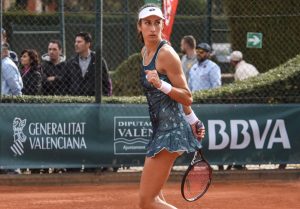
Georgina Garcia Perez holds the record for the fastest serve by a female.
Why is it nearly impossible to hit a 160 mph tennis serve?
A considered calculation of stature, technique, coaching, mechanics and good old practice is said to make the perfect concoction for a fast serve.
A direct correlation has been proven between the height of a player and power during a serve. Therefore, it is no coincidence that the top servers of the game are all giants by nature.
The trajectory of a serve remains ever important. Players who are 6ft 7 or above have the ability to hit the ball with a downward trajectory, whereas those who are under that height are unable to do so.
Modern technology has also greatly aided in the incremental increase of server power over time. The changeover from wooden rackets to today’s modern racket is a huge factor in determining serve power. Advancements in string technology and racket materials also play a huge part in determining a fast serve.
Other mitigating factors include court conditions. Faster serves are much more likely to happen on a hard court and during hotter temperatures, where there is less resistance to air density, translating to faster speeds.
When you compare the fastest tennis serve with other sports, you can see how fast it is.
Fastest Football shot – 114 mph by David Hirst in 1996
Fastest Baseball pitch – 105.1 mph by Aroldis Chapman in 2010
Fastest Cricket Bowling speed – 100.2 mph by Shoaib Akhtar in 2003
What is the average tennis serve speed?
The average tennis serve speed differs between both men and women, as well as between pros and amateurs. Data shows us that for professional male tennis players, the average tennis serve speed is approximately 114 mph (on their first serve) and 93 mph (on their second serve).
For women, the average tennis serve speed clocks in at 98 mph (on their first serve) and 82 mph (on their second serve).
This data was recorded between 2002-2013, so bear in mind the average speeds have likely increased by a few miles per hour in the modern era, as racquet technology and athletes continue to evolve and adapt within the sport.
Check out Wired’s video, which covers the topic more in-depth.
Fancy writing for us: Apply to become a Sports Writer at the Sporting Ferret
If you liked this article, then why not check out:



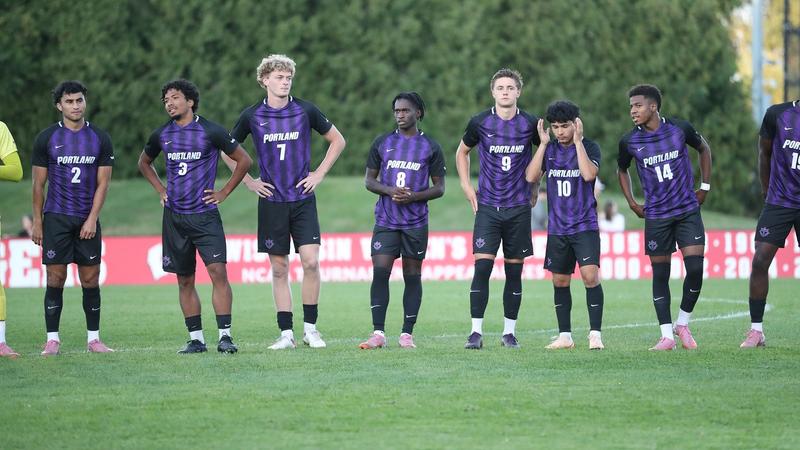
PORTLAND, Ore. – Portland Pilots Men’s Soccer, ranked 24th in the nation, is ready for their first ranked matchup of the season against the Kansas City Roos. The two teams are set to play on Friday, Sept. 5 at 7 p.m. here at Merlo Field.
Tickets for Friday’s game are available at PortlandPilots.com/Tickets. A live stream is also available on ESPN+. Check PortlandPilots.com for links to the live stream and live stats.
MATCH INFORMATION
Opponent: #17/19/RV Kansas City Roos (2-0-2, 0-0-0 Summit)
Day: Friday
Date: Sept. 5, 2025
Time: 7 PM
Place: Portland, Ore.
Pitch: Merlo Field
Video: ESPN+
Stats: PortlandPilots.com
POR vs. UMKC
Overall Series: 0-0-0
H: 0-0-0 • A: 0-0-0 • N: 0-0-0
Last: N/A
PEEK INTO THE PORT
- The Pilots are a perfect 4-0 on the year, outscoring opponents 17-0 in these first four games. They are now ranked 24th nationally.
- They most recently earned a road win over the Wisconsin Badgers 1-0, their eighth win over a Big Ten team and 18th against a Power Four team since Nick Carlin-Voigt took over as head coach in 2016. They also beat the Siena Saints last week 4-0.
- David Ajagbe scored the game-winning goal for the Pilots against the Badgers. Highfield scored two goals against the Saints and Waggoner added another.
- The Pilots lead the nation in 10 different categories, including goals (17), assists (21), points (55), goals-against average (.000), shutout percentage (1.000), save percentage (1.000), points per game (13.75), goal differential (17) and assists per game (5.25)
- Several players are near the top of the nation statistically.
- Diego Rosas is tied with 10 players for first in the nation in assists at four. He posted two assists against Siena on Friday.
- David Ajagbe and Nicholas Dunbar also sit at second in the conference and 13th nationally in assists at three. Ajagbe’s seven points rank second in the WCC and 18th nationally.
- Joe Highfield is one of the top scorers in the nation, sitting at third in points (11), fifth in goals (four) and 11th in assists (three).
- Miguel-Angel Hernandez has yet to allow a goal in his three starts for Portland. He’s one of 14 players to not allow a goal.
- Portland is one of five teams to have started the season 4-0-0 and are the only team in the nation to have started 4-0-0 with four straight shutouts.
- Portland’s 4-0 start is the first time since 1988. It’s also the first time they’ve posted four straight shutouts to start a season since that year.
- The Pilots hold a 14-game unbeaten streak that stretches back to last season.
- This year, they were picked to finish third in the 2025 West Coast Conference Preseason Poll, with forward Joe Highfield and midfielder Efetobo Aror each making the preseason team.
- Highfield was the first Pilot to make the All-WCC First Team and the All-WCC Freshman Team in the same season since Benji Michel in 2016, scoring seven goals and adding three assists. His four goals and three assists against WCC opponents were the second most in the conference.
- Aror was drafted in the first round of the 2025 MLS SuperDraft this past year by the Colorado Rapids but chose to return. The WCC Freshman of the Year in 2023, he played in 10 matches with six starts, recording a goal and assist.
- Aror, along with Pilot newcomer David Ajagbe, was also named to the TopDrawerSoccer Top 100 players in the preseason, slotting in at 52nd. Ajagbe ranks 99th on the list.
- Ajagbe scored seven goals and added two assists with the Ohio State Buckeyes last season, who earned the top overall seed in the NCAA Tournament last year. Ajagbe made the All-Big Ten Freshman team and the TopDrawerSoccer Freshman Best XI Second Team.
- Last season, the Pilots were a dynamic offensive team, ranking second in the WCC in goals per game (1.78), total assists (44), total points (108), points per game (6.00) and assists per game (2.44). Their 2.44 assists per game ranked ninth nationally while their assist total ranked 14th.
- The Pilots also were in the top 50 nationally in points per game, (21st), total points (27th), goals per game (44th) and total goals (32, 46th).
- The Pilots return 16 players from last year’s roster while welcoming 16 newcomers. The incoming class ranks fifth nationally on TopDrawerSoccer.
- Of the 16 returners, Portland returns three players who earned All-WCC honors: Highfield, Miguel-Angel Hernandez (Second Team) and Diego Rosas (Honorable Mention).
- Hernandez played in seven matches last year, posting shutouts in three of those matches.
- Rosas led the Pilots in assists in his second season with the Pilots, posting eight assists. He was the third Pilot since 2017 to post at least three assists in a game, doing so against the LMU Lions.
- Nick Carlin-Voigt enters his 10th year as head coach of the Pilots. He has posted a 92-46-21 record during his tenure, having led Portland to the NCAA Tournament five times during that span.
- Carlin-Voigt was at the helm when the Pilots advanced to the Elite Eight in 2022, their first appearance that deep in the tournament since 1995.
ABOUT THE ROOS
- The Kansas City Roos are 2-0-2 on the year, most recently tying the Saint Mary’s Gaels 1-1 and beating the Northern Illinois Huskies 2-1.
- They are currently receiving votes in the latest Top 25 poll from United Soccer Coaches. They are 17th in the College Soccer News Poll and 19th in TopDrawerSoccer’s poll.
- The Roos were 14-5-3 overall and 5-2-1 in Summit league play. They won the Summit League Championship over the Denver Pioneers and then advanced to the Elite Eight of the NCAA Tournament.
- The Roos were picked second in the Summit League Preseason Poll, with Bryson Gosch and Jeremy Francou making the preseason team.
- Gosch tallied 1,776 minutes last year, earning honorable mention as well as All-Tournament honors. He scored the equalizing goal in the Summit League Championship against Denver.
- Francou scored four goals last year for Kansas City, including a goal in their first-round tournament game against the Saint Louis Bilikens.
- Ryan Pore is in his sixth year at the helm of the Roos. He is 35-33-22 in his six seasons with Kansas City.
Get Your Tickets Now!
Secure your spot now for any upcoming Portland Pilots ticketed home event by visiting PortlandPilots.com/Tickets or by downloading the Portland Pilots App. For group and fan experience package information, email pilotsboxoffice@up.edu.
Donate Today
Fans interested in making a contribution to University of Portland Athletics can do so by clicking here. Your gift helps our over 300 student-athletes compete at the highest level – on and off the field – in the rapidly changing world of intercollegiate athletics. All gifts to Pilot Athletics are 100% tax deductible.
Follow Along With the Action
Get the latest news and information about your favorite University of Portland athletic programs by visiting PortlandPilots.com. You can also follow along for the most dynamic coverage and team-centric content by following us on Twitter, liking us on Facebook, and following us on Instagram.

Major NIL deal reportedly not ‘deciding factor’ for No. 1 transfer portal player

Washington State PAC Pushes for Trans Sports Ban With Genital Inspections

New Floral Shop Aspen and Willow Brings Vibrant Arrangements to Green River

College football transfers with the highest NIL valuations

Grand Forks County Commission discuss new position and funding sources for Youth Assessment Center – Grand Forks Herald

CK wins thriller in consolation championship | Sports
Joe Perry Little, Jr. Obituary

North Charleston plans youth development park with community partners

Sieg Named National High School Player of the Year by Maxwell Football Club

How Florida Became a Hockey Hotbed
performance-driven gaming monitors : gaming monitor

Longhorns Daily News: Texas has highest NIL transfer portal budget, data says

Demi Wagdy – Women’s Beach Volleyball

REDMAGIC Astra Gaming Tablet Arrives in Korea with Snapdragon 8 Elite and 165Hz OLED

No. 1 college football team soars in transfer portal rankings after ‘swinging wildly’

SoundGear Named Entitlement Sponsor of Spears CARS Tour Southwest Opener

Donny Schatz finds new home for 2026, inks full-time deal with CJB Motorsports – InForum

David Blitzer, Harris Blitzer Sports & Entertainment

DeSantis Talks College Football, Calls for Reforms to NIL and Transfer Portal · The Floridian

#11 Volleyball Practices, Then Meets Media Prior to #2 Kentucky Match

Rick Ware Racing switching to Chevrolet for 2026

Maine wraps up Fall Semester with a win in Black Bear Invitational

Ross Brawn to receive Autosport Gold Medal Award at 2026 Autosport Awards, Honouring a Lifetime Shaping Modern F1

Nascar legal saga ends as 23XI, Front Row secure settlement

Stempien to seek opening for Branch County Circuit Court Judge | WTVB | 1590 AM · 95.5 FM

Sunoco to sponsor No. 8 Ganassi Honda IndyCar in multi-year deal

Princeton Area Community Foundation awards more than $1.3 million to 40 local nonprofits ⋆ Princeton, NJ local news %

Downtown Athletic Club of Hawaiʻi gives $300K to Boost the ’Bows NIL fund

North Florida Motorsports Park led by Indy 500 Champion and motorsports legend Bobby Rahal Nassau County, FL

WNBA’s Caitlin Clark, Angel Reese and Paige Bueckers in NC, making debut for national team at USA camp at Duke





-
 Rec Sports3 weeks ago
Princeton Area Community Foundation awards more than $1.3 million to 40 local nonprofits ⋆ Princeton, NJ local news %
-

 Sports3 weeks ago
Beach Volleyball Unveils 2026 Spring Schedule – University of South Carolina Athletics
-

 Sports2 weeks ago
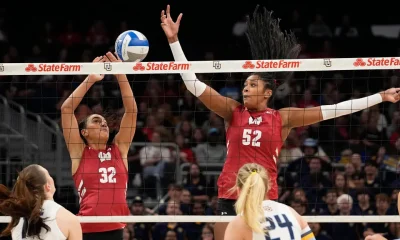
Badgers news: Wisconsin lands 2nd commitment from transfer portal
-
 Sports3 weeks ago
Badgers news: Final Four Game Thread vs. No. 1 Kentucky Wildcats
-

 Rec Sports4 days ago
Five Youth Sports Trends We’re Watching in 2026
-

 Sports2 weeks ago
Is women’s volleyball the SEC’s next big sport? How Kentucky, Texas A&M broke through
-
 Sports3 weeks ago
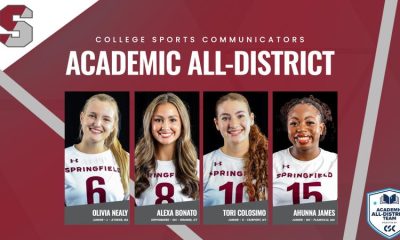
Four From Women’s Volleyball Named to College Sports Communicators Academic All-District Team
-

 Rec Sports3 weeks ago
Refugee-Focused Youth Sport Initiatives : Moving for Change
-

 Rec Sports3 weeks ago
Youth Sports Business in 2025: The Year the Industry Grew Up
-
Rec Sports3 weeks ago
Inside the NWSL’s first combine: Can the league create a more robust pathway for American talent development?