
Connect with us
https://yoursportsnation.com/wp-content/uploads/2025/07/call-to-1.png

NIL

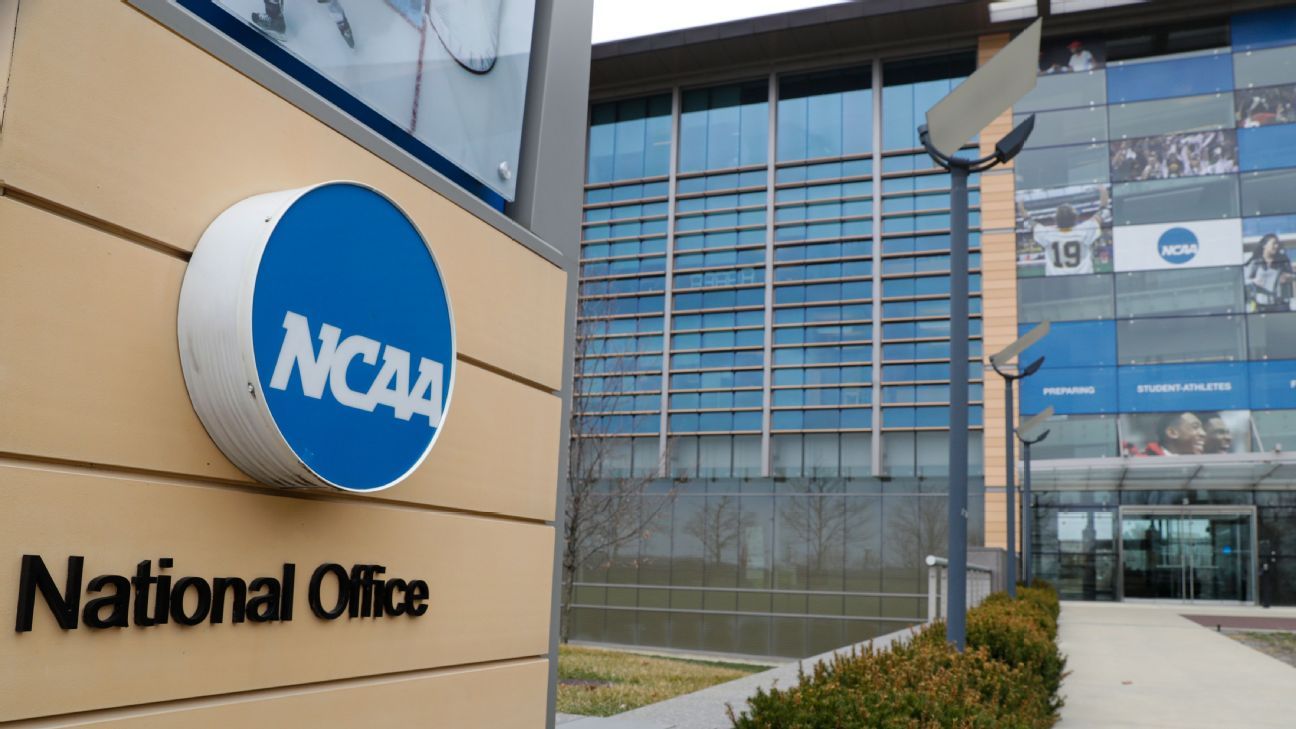
NCAA athlete pay: Here’s what’s next

Published

on


College sports changed radically Friday night.

Schools will begin directly paying their athletes in less than a month, thanks to a legal settlement that was officially approved in federal court Friday. Judge Claudia Wilken said the deal would create “ground-breaking changes in NCAA rules that govern student-athlete compensation.”

The battle to let players share in the spoils of an industry that has long outgrown any amateur roots it ever had started more than 20 years ago. While Friday’s decision was a long-awaited milestone, both players and administrators said they view it as a fresh starting point for the future of college sports, not a finish line.

Sports fans can be forgiven for tuning out of the tedious legal process that led up to this point. Let’s get up to speed on what this means for the immediate future in college sports and what major questions remain unanswered:

New limits

Starting July 1, each school will be allowed (but not required) to spend roughly $20.5 million in new payments to their athletes.

That figure comes from a negotiated formula that caps athlete payments at 22% of the average annual revenue that FBS-level schools get from ticket sales, broadcast rights and a few other items. The cap will grow on a regular basis during the 10-year lifespan of the settlement as the schools’ revenue expands and via scheduled incremental increases. Sports economist Daniel Rascher, a subject matter expert used in the settlement process, wrote that he expects it will grow to more than $30 million per year by the time the deal expires.

Each school’s athletic department can decide how it will divide that money among athletes. Not many major programs have shared their budget plans, but those that have say they will spend the overwhelming majority (up to 90%) of their money on football and men’s basketball players.

Athletes are also still allowed to make money from selling the rights to their name, image and likeness (NIL) to other parties. The settlement creates a new set of rules and a brand-new organization called the College Sports Commission that will try to stop boosters from using NIL deals as additional salary payments, a practice that became commonplace in the past several years.

However, many teams are already working in concert with booster collectives to find creative ways to pad their payrolls with third-party NIL deals that fit within the new rules. Industry experts say football and basketball teams will likely have to find ways to provide several million dollars beyond the salary cap limits if they want to field a team that can compete for championships.

New legal challenges

Friday’s settlement ends a trio of federal antitrust lawsuits that had the potential to financially weaken the NCAA. But the deal does not end the long list of legal problems for the college sport industry’s business model.

The contracts that athletes are now signing with their schools will likely bolster ongoing legal arguments that at least some college players should be considered employees of their schools. The NCAA is fighting more than a dozen lawsuits that challenge rules about how long athletes are allowed to remain in college sports.

Many sports lawyers expect that key parts of the settlement will spur a new barrage of lawsuits — both the negotiated salary cap and the College Sports Commission’s attempts to stifle deals between athletes and third parties could be the target of future antitrust challenges. Schools will also likely have to defend their decision to provide most of the new payments to men’s sports teams against claims that their budgets violate Title IX — a federal law that prohibits gender-based inequity.

The NCAA’s next steps

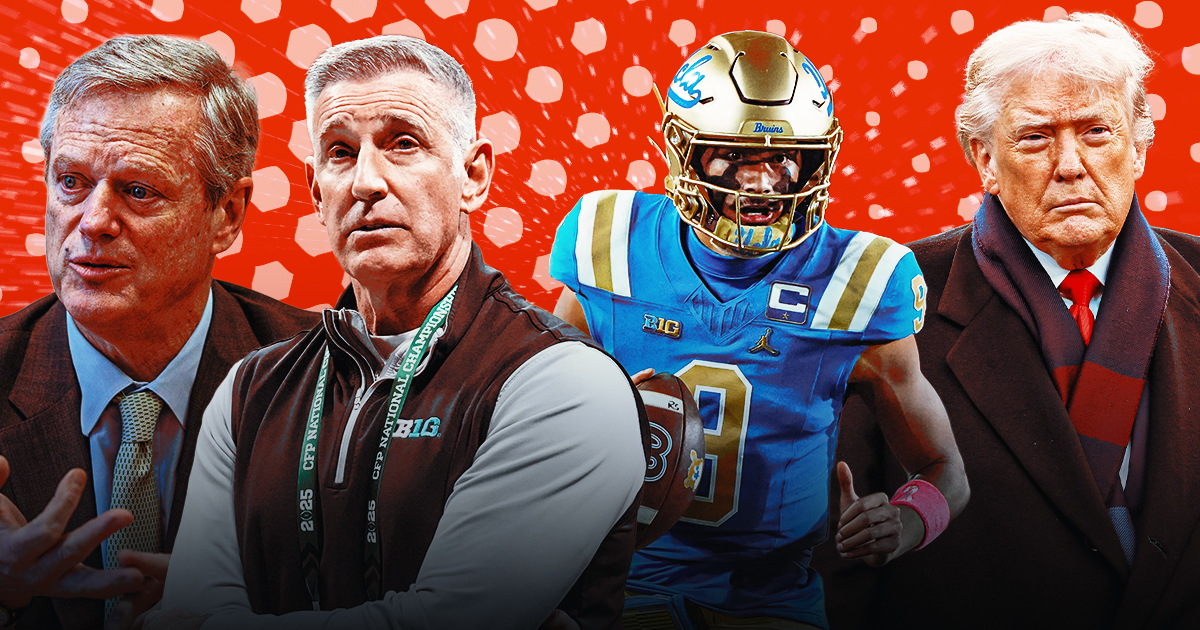
NCAA president Charlie Baker and many of his colleagues say the only way to solve these remaining legal problems is for Congress to write a new law that blocks athletes from becoming employees and gives the association an antitrust exemption to make rules that would limit players’ earning power.

“In the weeks ahead, we will work to show Congress why the settlement is both a massive win for student-athletes and a road map to legislative reform,” Baker wrote in an open letter Friday night.

The NCAA and its schools have been lobbying federal lawmakers for help during the past several years, but they have made little progress toward a new law. They hope that the expensive compromises they made in the settlement will spur some action in the coming year.

The players’ next steps

A growing group of athletes and their advocates say the best way to solve the industry’s remaining legal problems is through collective bargaining.

Professional sports are able to set legal salary caps and restrict player transfers by negotiating for those powers with a player’s union. Because college athletes are not employees, they can’t form unions. Without unions, it’s not clear that any of the limits negotiated in the new settlement can stand up to future antitrust lawsuits.

Sedona Prince, a lead plaintiff in one of the lawsuits that led to the settlement, told ESPN on Friday night that she and her peers hope the settlement is a launching pad to increase players’ power in shaping new rules.

“We just walked into a new world,” said Prince, who wrapped up her college basketball career earlier this year. “It’s a guideline for us to build and add to in the future. We needed this foundation. Now we’re being treated like semipro athletes, but there are a lot of concerns going forward for improvement in player health and player representation in decision making.”

Prince is a member of Athletes.org, one of several groups that is aiming to form players’ associations that could evolve into unions in the future.

Those groups and college administrators are already gearing up for the next tedious stages of a battle that will continue to play out in courtrooms and the halls of Congress for years to come.


Link

Continue Reading
Click to comment

Leave a Reply

Your email address will not be published. Required fields are marked *

NIL

Ole Miss QB Trinidad Chambliss on waiver, transfer portal, NFL draft

Published

on


Dec. 15, 2025, 3:17 p.m. CT


Link

Continue Reading

NIL

DJ Lagway Transfer Sparks Wild College Football Portal Season With NIL Market

Published

on


DJ Lagway’s bails on Florida looking for greener pastures in the transfer portal.

Here we go, the college football transfer portal is three weeks away from opening, and we already have one significant name deciding it’s time to move on, with Florida quarterback DJ Lagway announcing his intentions on Monday. 

The Gators prized recruit in Billy Napier’s first year is moving on, and I hope college football fans are ready for what is set to be a wild month of movement. Unfortunately for Florida and Lagway, it seemed as though both needed a fresh start. 

Florida’s New Coach Has A Chance To Turn DJ Lagway Into A Monster, Or Another Lesson On NIL Risks

While fans of the program were ecstatic when the 5-star committed to Florida, the expectations exceeded reality. Even though Lagway ended the 2024 season with a bang, the offseason shoulder surgery felt like a catalyst for things to come. Not once during the 2025 season did he look comfortable in the pocket, and neither did his throwing motion. 

But, the bigger question is what will happen over the next four weeks in terms of others deciding to look for a better opportunity? 

After Sherrone Moore Scandal, Michigan Board Orders Investigation Into Athletic Department

Payments Are Being Completed, New Destinations Await

One of the most interesting parts of this past summer came when schools were racing to the finish line before the House Settlement was complete. 

Needing to beat the ruling, programs were financially taking care of contracts with front-loaded deals that saw athletes cashing lump-sum checks to help offset the $20.3 million roster caps that schools were forced to stay under. 

Don’t forget that a lot of players are receiving final payments over the next few weeks from pervious contracts, though some even signed long-term deals that could have them owing the former school money. 

NIL Collectives Are Back In The Game Like They Never Left, As House Settlement Lawyers Reach Agreement

This meant the majority of payments to athletes were taken care of from the start. But, this also led to players potentially having to pay back some of that money if they were intending to leave. It could be anywhere between $30,000 to the high six-figures, but players are going to take what they eventually earn at their next school, and pay back their previous team. 

I don’t know if you’d want to call it a ‘buyout’, but more of a repayment plan. And, while some might think the market will settle down, the College Sports Commission not having enforcement in place right now could complicate matters. 

But, are boosters getting tired of spending money on lackluster results?

Return On Investment Fatigue Is Real For Boosters

Whether a school wants to admit it or not, there are plenty of high-dollar donors across the country that have grown tired of the lack of ROI. 

Let’s be clear, these boosters are not going to be happy if the school they donate to is not holding up a trophy at the end of each season. That’s a given. But, even while some colleges continue to say they are in great shape when it comes to roster retention and receiving that extra $10-15 million from outside sources. 

Heck, Monday morning, current Tulane, and Florida, coach Jon Summrall announced he was donating $100,000 to the Green Wave for its ‘Talent Fund’. Yes, that’s what some are calling this period of buying players. 

What Happens When College Athletes Don’t Disclose NIL Deals In House Settlement Era? Backdoor Deals Return

The reason why LSU was so hellbent on making it known that they would be providing Lane Kiffin with at least an extra $10-15 million in NIL money centers around the shiny new toy they hired to become the head coach. 

Being able to actually spend that type of money will rely on schools making sure they can make this all look legitimate. This is the part that is intriguing. How do you funnel the money? 

You can expect some pretty big names to test the waters that are also known as the ‘transfer portal’. Will every player that makes an announcement end up leaving for a different school? No, it’s also a bargaining tool, just like coaches using other openings to garner a new contract at their current school. 

But, this will certainly turn into a pretty wild month for programs across the sport of college football. And, DJ Lagway was the first big name to kick things off. 


Link

Continue Reading

NIL

Florida coach Jon Sumrall donates $100,000 to Tulane’s NIL fund

Published

on


Florida’s newly hired head coach, Jon Sumrall, has made it clear he intends to leave the Tulane program in a better place than he found it. 

After two seasons with the Green Wave, Sumrall is headed to Gainesville, though not before helping lead the program through the remainder of the 2025 season, with Tulane set to take on No. 6-seeded Ole Miss Saturday in Oxford in the College Football Playoff’s first round. 

Along with continuing to coach his team, unlike former Rebels head coach Lane Kiffin, who’s now in Baton Rouge at LSU, Sumrall chose not to poach commits from Tulane ahead of Early Signing Day. 

“I Zoomed with my signees or my commits at Tulane, and I told them to sign at Tulane because I’m not trying to poach their class,” Sumrall said at his introductory press conference in Gainesville. “I want those guys to go play there.”

Now, Sumrall has taken another step in ensuring the Green Wave remain competitive after he’s no longer in New Orleans. 

Sumrall has donated $100,000 to the Green Wave Talent Fund in support of newly promoted head coach Will Hall. 

The six-figure gift to the Green Wave Talent Fund, Tulane’s associated NIL collective, will aid Tulane’s ability to recruit, retain, and develop collegiate athletes. 

“Tulane University and New Orleans are special to me and my family. Ginny and I are honored to support the Green Wave Talent Fund because we believe in the vision of Tulane Athletics and want to contribute to the continued success of its student-athletes. The future is incredibly bright, and we are excited for Will Hall and his family to be part of it,” Sumrall said. “Coach Hall possesses a keen understanding of Tulane University and its football program, along with a passion that greatly benefits the Green Wave. As a leader, he cares deeply about helping others reach their full potential and is dedicated to equipping them to achieve that goal in every way possible. He has our family’s full support, and we wish him nothing but success as he leads Tulane Football!”

It’s not the first time the Sumrall family has looked to invest in Tulane’s continued success; In 2024, they joined the Olive & Blue Society through a recurring philanthropic commitment to Tulane Athletics.

Sumrall’s high regard for the program is clear, and he’s taken another step to ensure the program won’t experience a significant decline now that he’s no longer leading the program. 

“We are grateful to Jon and Ginny for this incredible gift,” David Harris, the Ben Weiner Director of Athletics Chair, said in a statement. “Their leadership and generosity will have a direct and lasting impact on our student-athletes as we continue to grow and elevate Tulane Athletics.”


Link

Continue Reading

NIL

Brendan Sorsby, DJ Lagway could be Tennessee football quarterback picks

Published

on


Updated Dec. 15, 2025, 12:57 p.m. CT


Link

Continue Reading

NIL

Jon Sumrall donating $100,000 to Tulane’s NIL fund

Published

on


Dec. 15, 2025, 12:33 p.m. ET


Link

Continue Reading

NIL

Georgia Sues Former Linebacker in NIL Case That Could Set Precedent

Published

on


The University of Georgia Athletic Association (UGAA)’s NIL lawsuit against former linebacker Damon Wilson II, who transferred to Missouri earlier this year, could become a standard type of litigation as more and more athletes sign NIL deals with one school and then transfer to another. 

The specific legal dispute is straightforward: UGAA claims that Wilson, 20, breached his NIL contract with Classic City Collective (CCC)—a Georgia-aligned former NIL collective—and failed to pay a liquidated damages provision that was triggered upon breach.

A four-star recruit from Venice High School (Fla.), Wilson played for the Bulldogs in the 2023 and 2024 seasons and, while on the Tigers in 2025, earned second-team All-SEC recognition as he amassed nine sacks—tied for third-best in the SEC.

According to litigation records at Athens-Clarke County (Ga.) Superior Court, Wilson signed a 13-month, $500,000 NIL deal with CCC on Dec. 21, 2024. The deal runs from Dec. 1, 2024, to Jan. 31, 2026 and was contingent on Wilson being enrolled as a student at Georgia and part of the football team. He was paid $30,000, his first monthly licensing fee payment, on Dec. 25, 2024. UGAA emphasizes that Wilson accepted this payment, meaning the contract went into effect. On Jan. 6, 2025, Wilson announced he was entering the transfer portal, a move that Georgia says constituted a breach of the NIL deal.  About a week later Wilson withdrew from Georgia and began the process of transferring to Missouri. It’s unknown how much money Wilson received to transfer to Missouri.

Georgia moved to close CCC over the summer, when U.S. District Judge Claudia Wilken granted final approval of the House settlement, and has partnered with Learfield on NIL matters. Relevant to the school’s dispute with Wilson, CCC assigned its Wilson contract to UGAA, meaning the athletic association has the legal right to enforce the contract. 

UGAA argues that under the NIL deal’s liquidated damages clause, Wilson, as the licensor, must pay all remaining license fees that would have been payable. The remaining value, according to court filings, is $390,000. 

In May, attorney Spence Johnson wrote a demand letter to Wilson on behalf of CCC. The letter told Wilson that while CCC “does not want to unnecessarily undermine your financial future,” CCC also “insists that its student athletes be accountable for promises they make.” Wilson was told he had 14 days to pay or else CCC would “pursue legal action against you based on your breaches” of the NIL deal.

In August, Johnson wrote another letter to Wilson. Johnson said that UGAA had been assigned Wilson’s NIL deal with CCC. The letter indicated Wilson didn’t pay as demanded and that the NIL deal calls for arbitration to resolve disputes. In October, UGAA, through Johnson, filed a lawsuit to compel arbitration, with the complaint stating that Wilson hasn’t responded to demand for arbitration. There is no attorney listed for Wilson and it does not appear from the court docket he has responded to the litigation.

The actual legal controversy—alleged breach of contract—is ordinary, but the circumstances are extraordinary. A university, through its athletic association, is suing a former student athlete who transferred for reneging on his NIL deal. 

A lawsuit like UGAA v. Wilson would have been inconceivable five years ago, but in the new college sports world, it’s the kind of case that could become more common. 

Through antitrust litigation and accompanying settlements, college athletes can now transfer without sitting out of sports for a period of time. That approach is consistent with college students in general as they can transfer schools, but typical college students aren’t signing NIL deals.

There’s plenty of money to be made, too, for power conference football players to switch schools. University-aligned NIL collectives can pay athletes, some of whom also stand to benefit from the injunctive relief portion of the House settlement. Participating colleges can directly pay athletes a share of up to 22% of the average power conference athletic media, ticket and sponsorship revenue, with $20.5 million pegged as the initial annual cap. There are thus three buckets of money for some college athletes: revenue share, NIL deals and athletic scholarships.

And playing in college could become something of a career depending on the ultimate trajectory of antitrust litigation brought by Vanderbilt quarterback and former JUCO transfer Diego Pavia—the runner-up for the 2025 Heisman Trophy—and other seasoned college athletes. They wish to continue playing college football past the NCAA eligibility clock, which limits eligibility to four seasons of intercollegiate competition, including JUCO and D-II play, within a five-year period.

College sports, at least football at power conference schools, resembles professional sports—except without free agency restrictions and similar player restraints found in the NFL. Those restraints are lawful because the NFL collectively bargains them with the NFL players association. They are thus protected by the non-statutory labor exemption, which reflects U.S. Supreme Court decisions that provide antitrust immunity for bargained rules relating to wages, hours and other working conditions. The non-statutory labor exemption can’t apply in college football because the athletes are, for now at least, not recognized as employees and under labor law only employees can unionize. 


Unless and until college football players are recognized as employees who in turn unionize, cases like UGAA v. Wilson could happen again and again. That’s not necessarily a bad thing, it’s just a reflection of the chaotic blend of pro and amateur sports known as modern day power conference football.


Link

Continue Reading

Most Viewed Posts

Trending