
NIL
Paris 2024 Olympics – a risky business?

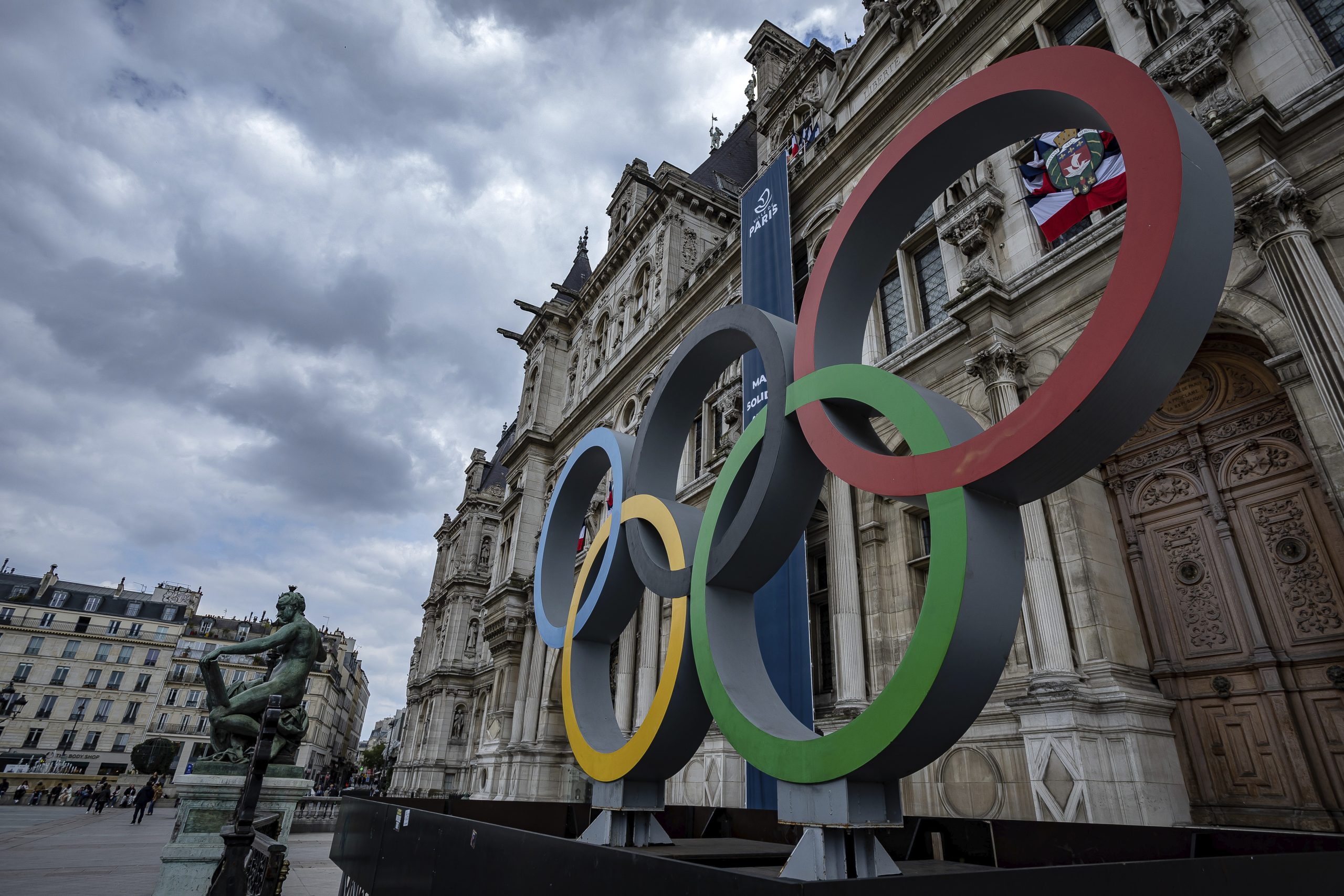

An even more contentious measure was to allow by law, for the first time and as an experiment, the police and transport companies to use AI-powered live during the Olympics. From an insurer point of view, those technology revolutions are of course powerful risk mitigation tools. Still, given the high controversy around potential freedom‘s restrictions, the generalization of such an exceptional measure, beyond the initial and limited period, is yet not validated, and will be subject to the submission of an in-depth evaluation report.
Olympic games evoke world records and superlatives: athletes were not the only ones expected to excel in Paris; but also a complex supply chain of organizers and suppliers planning for years the world’s largest sports event; one critical component, often overlooked, is insurance.
Insuring excellence in sports
The tradition of Olympic truce goes back to ancient Greece, yet there is a long record of sports getting embroiled in geopolitics. Logistical and security challenges facing the hosts include dealing with travel congestion, protests and strikes over socio-economic issues and political tensions, and terrorism threats. Many events took place in iconic, open venues difficult to secure, such as the opening ceremony which allowed 326,000 spectators along the Seine, which justified the heightened level of security, and a public-private partnership that involved 22,000 private security guards, 45,000 members of internal security forces and 18,000 military personnel. Sabotage of major railway lines the day before the opening ceremony were a stark reminder of the immense challenge of securing venues and all access routes.
From one Olympiad to another, risks evolve and insurance programmes designed years ahead of the opening ceremony need to be flexible enough to adapt to the 2024 risk landscape. For example, Tokyo 2020 (held in 2021) had no in-person spectators due to COVID-19. In contrast, Paris expected up to 15 million visitors, including 2 million from abroad. This article provides more examples of the evolving risk landscape, from environmental pressures, to crowd safety, technology and reputational risk.
Without event cancellation insurance, organizers have few incentives to cancel or postpone. But cancellation is a last resort and comprehensive contingency plans can do a lot to mitigate risks. This previous article looks at the iconic case of the Wimbledon tennis championship.
It’s easy to forget that when the final medals are awarded, athletes still need protection, individually, or through their sports federation. Despite well established insurance programmes, the growing popularity of women’s sport has underlined the need for a more gender-aware approach to protect sportswomen effectively. These Olympic Games are the first to reach gender parity, with equal numbers of male and female athletes. And yet sports equipment, clothing and training methods are often not designed specifically for women and may increase the risk of injuries – for example, there has been a disproportionate rate of Anterior cruciate ligament (ACL) injuries amongst professional women’s footballers in recent years. This reality underpins the launch of WTW’s Insurance for Women in Sport, designed specifically to protect sportswomen against loss of income due to injury or illness.
An independent study estimates Paris 2024 will generate up to €11.1 billion in net economic benefits in the Paris region and 78% of suppliers are small and medium-sized businesses. Yet luxury brands such as haute couture have been worrying about the impact on their business, anticipating their usual shoppers may stay clear of Paris during the summer, a known “crowding out” effect.
The heat is on: climate pressures on sports events
The threat of extreme heat for Olympians drove athletes from across 15 sports (including 11 Olympians) to team up with climate scientists and thermal physiologists and publish the report Rings of Fire II in June 2024. The UN predicts that 2024 will be the hottest year ever, with Europe the fastest-warming continent. Paris itself saw its average temperature rise by 3.1°C since 1924, when the last Olympics were set in France. Lord Seb Coe, four-time Olympic medalist and President of World Athletics, warns that “with global temperatures continuing to rise, climate change should increasingly be viewed as an existential threat to sport”. A separate recent review of the heat stress policies adopted by 32 international sports federations highlighted shortcomings of indices used, not necessarily fit for purpose for athletes.
Paris 2024 aimed to be the greenest Olympics ever, with a range of practical measures: a geothermal cooling system for the Olympic village, reusing data centre heat for the Olympic swimming pool, and catering 60% plant based and 80% locally sourced.
Increasingly digitized processes can increase efficiency, yet be more susceptible to cybercrime. Tokyo 2020 had registered a record of 450 million cyber attacks, 2.5 times more than the number seen at the 2012 London Olympics. Given increased geopolitical tensions, Paris 2024 was expecting 10 times more cyber attacks than Tokyo 2020, with the underlying fear of a repeat of Olympic Destroyer’s cyber attack that targeted Pyeongchang Organization Committee on February 9, 2018 during the opening ceremony of the 2018 Winter Olympics, causing a shutdown of all systems during 12h and triggering an impressive remediation plan to almost seamlessly restore operations overnight.
The geopolitical context on the eve of Paris 2024 (continuing conflict in Ukraine, tensions with Russia, conflict in the Middle East) made the Olympic & Paralympic Games in France an ideal playground for activism and terrorist attacks, dramatically raising security concerns to an unprecedented level.
Companies sponsoring the games can expect iconic visibility, as no other event can deliver the same drama, audiences and uplifting storylines. Sports sponsorship remains an attractive marketing option but with a changing line-up of stakeholders, some of them more unconventional. This is not without risks, and sports stars can also make the news for all the wrong reasons, highlighting the reputational risks of sponsorship on corporate brands.
Crowd safety: socio-geopolitical and public health pressures
The range of insurance needs showcases the diversity of solutions, from the obvious (protecting athletes with personal accident and illness insurance, protecting organisers with Directors & Officers cover, or protecting venues and operations with public liability insurance) to the more esoteric: for the 2022 FIFA world cup, Argentinian footballer Messi had the most expensive body part insurance in sports, with a 0m policy on his left foot.
With 32 sports and 329 events across 35 venues, Paris 2024 Olympics would have required a complex insurance programme, and a clear way to share responsibilities. With no “one size fits all” solution, a bespoke design of interlinked insurance covers would have been necessary, supported by a wide range of expertise, combining local knowledge, links to a large panel of insurers and industry specialization. With so many eyes on these events, there is no room for failure, and a proven track record is essential.
These aspirations have clashed with the harsh reality of athletes prioritizing their performance over their carbon footprint. A month before the start, a few Olympic delegations announced they would pay for their own air-con units.
Related to Zika and also spread by mosquitos, dengue was closely monitored by French entomologists to reduce the risk. Although numbers were still low, cases so far in 2024 were already 12 times higher than in 2023. Global travel, urbanization, hotter and wetter weather driven by climate change, all contribute to changing the geographic spread of mosquitos, a trend monitored closely by the European Centre for Disease Prevention and Control. This will impact travel insurance and would also be an unwelcome souvenir as tourists go back to their countries.
The double-edged sword of technology
Cyber protection is a very good example of how the insurance market has evolved over time to constantly adjust coverages and wordings to hedge underlying risks that any event organisers face, whether they are the flagship organizer or a smaller provider in the complex supply chains underpinning mega events, whether the source of risk is insider threats or a global IT outage such as the recent Crowstrike incident.
The controversy around the QR code digital pass is a good example of how technology and crowd safety overlap. The system implemented for access to a defined security perimeter in Paris for a short duration around the opening ceremony led residents to contest (unsuccessfully) the exceptional measure in front of the highest court in France. Considering the exceptional circumstances and heightened security risks, the digital pass process was confirmed, despite the curtailed freedom of movement.
Olympic Games organizers are often determined to break new records. Paris 2024 challenged previous traditions of holding the opening ceremony in one stadium, staging it instead as a moving spectacle along 6km of the Seine on 26th July. The “Marathon pour tous” was be the first ever event in Olympic history open to the general public, with 40,048 runners. Both events brought unique security challenges and emphasised how insurers cannot simply rely on previous Olympics to assess and price risks. Insurance premiums are typically calculated by combining past loss experience, current risk profile and risk outlook. For such large and unusual events, history is a poor guide, and a specialized approach to risk will no doubt have been needed to price and place these unusual risks.
Organizers of large sports events face a complex web of risks, which cannot be considered in isolation: the Copa America Final in Miami in July 2024 combined heat stress, crowd control challenges, disciplinary action over an alleged racist chant, and athlete injury. Beyond the wonderful show of sports, risk managers can look at those events as a great demonstration of the adaptability of insurance to the most ambitious and challenging circumstances. In light of those complexities, it won’t be long before organisers and insurers discuss the finer details of Los Angeles 2028. With 2030 Winter Games in view, France will not have to wait long before going back to work and leveraging the Paris 2024 recent experience.
Sustainability and reputation risk: are large sports events good for business?
A recent report by the Council on Foreign Relations contrasted the skyrocketing costs of hosting the Olympics with unclear economic benefits. Paris 2024 may show whether the bidding process reforms have made hosting a better deal. The Olympic Agenda 2020 aims to deliver Games that are more responsible, sustainable and inclusive. For example, the construction-related carbon footprint for Paris 2024 should be lower, with 95% of the venues already built or temporary. Further innovative solutions for energy, food, transport and digital services will be there to stay, long after the Games.
The 2003 heatwave resulted in excess mortality estimated at 15,000 people in France alone, but a heatwave would not have to reach this intensity to affect athletes and spectators alike. After a rain-soaked opening ceremony, Paris 2024 had to contend with above normal temperatures, yet organisers had anticipated this well: with free water access points everywhere and personal bottles allowed on the venues, this was a win-win from an ESG and liability-hedging point of view. Extreme weather risks to spectators are increasingly a concern for sports and concert venues, with organizers and fans often unprepared for the rising risks. The Euro 2024 match between Germany and Denmark was recently interrupted after some intense lightning (often a precursor to a hail storm). Despite the inconvenience to spectators, local authorities were acutely aware that Germany regularly sees severe convective storms with hail stones of 10cm diameter and were taking no chances about the safety of players and fans. This also happened for a beach volleyball match in Paris 2024. Even with public liability insurance in place, organizers have to take all necessary measures to protect individuals on their premises. Over the last year, spectators have been injured, or even killed, at sports or concert events due to heatwaves or severe convective storms. In 2023, smoke from wildfires led to concerts and sporting events to be cancelled in the U.S. and Canada. Paris 2024 football events were held in Nice, in the south of France. Over the last 30 years, Nice has seen 328 forest fires. Although risk to the stadium itself is low, fires in surrounding areas could have created disruption to spectator traffic and smoke pollution.
With COVID-19 almost forgotten and spectators allowed back, Paris 2024 could have ended up as a super-spreader event. There is a precedent for Olympics being identified as a multiplier for viral epidemics: the 2016 Brazil Olympics were almost postponed because of concerns around Zika.
Conclusion
In summer 2024, Europe hosted a cluster of sports events: Euro 2024, Le Tour de France, but all eyes were on the Olympics and Paralympics. With sudden concentrations of risk, large sports events push risk management and insurance to their limits and require specialized experience and preparedness for the unprecedented. This article reflects on what is involved, behind the scenes, to insure excellence in sport, when this ideal is confronted to the harsh reality of multiple pressures: climate, socio-political, technology and ESG.










NIL
Missouri linebacker Damon Wilson II accuses Georgia of illegal punishment in transfer portal lawsuit
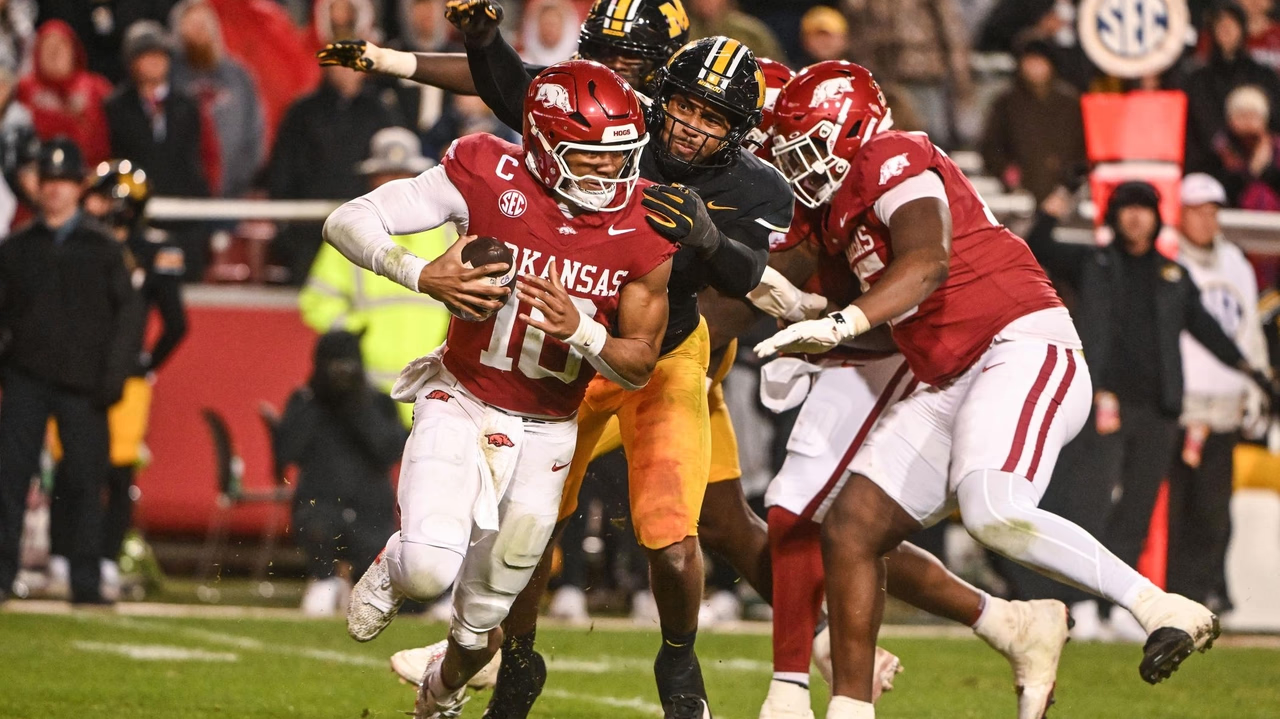
COLUMBIA, Mo. — Missouri pass rusher Damon Wilson II claims that the athletic department at Georgia is trying to illegally punish him for entering the transfer portal in a lawsuit filed by the linebacker in state court Tuesday in Boone County, Missouri.
Wilson transferred to the Tigers last January after signing a 14-month deal with Georgia’s booster collective to capitalize on his name, image and likeness. He received $30,000 in an initial payment on a $500,000 deal before entering the transfer portal.
Georgia filed a lawsuit last month claiming that Wilson owed its athletic department $390,000 in liquidated damages for leaving the team. Wilson’s countersuit claims that his former school is using such damages to “punish” him for his decision to leave.
Georgia spokesman Steve Drummond said the school had no comment because it involves pending litigation.
“When the University of Georgia Athletic Association enters binding agreements with student-athletes, we honor our commitments and expect student-athletes to do the same,” Drummond said upon the school’s initial lawsuit in early December.
Wilson had nine sacks and an interception this season for the Tigers. They will play Virginia in the Gator Bowl on Saturday.
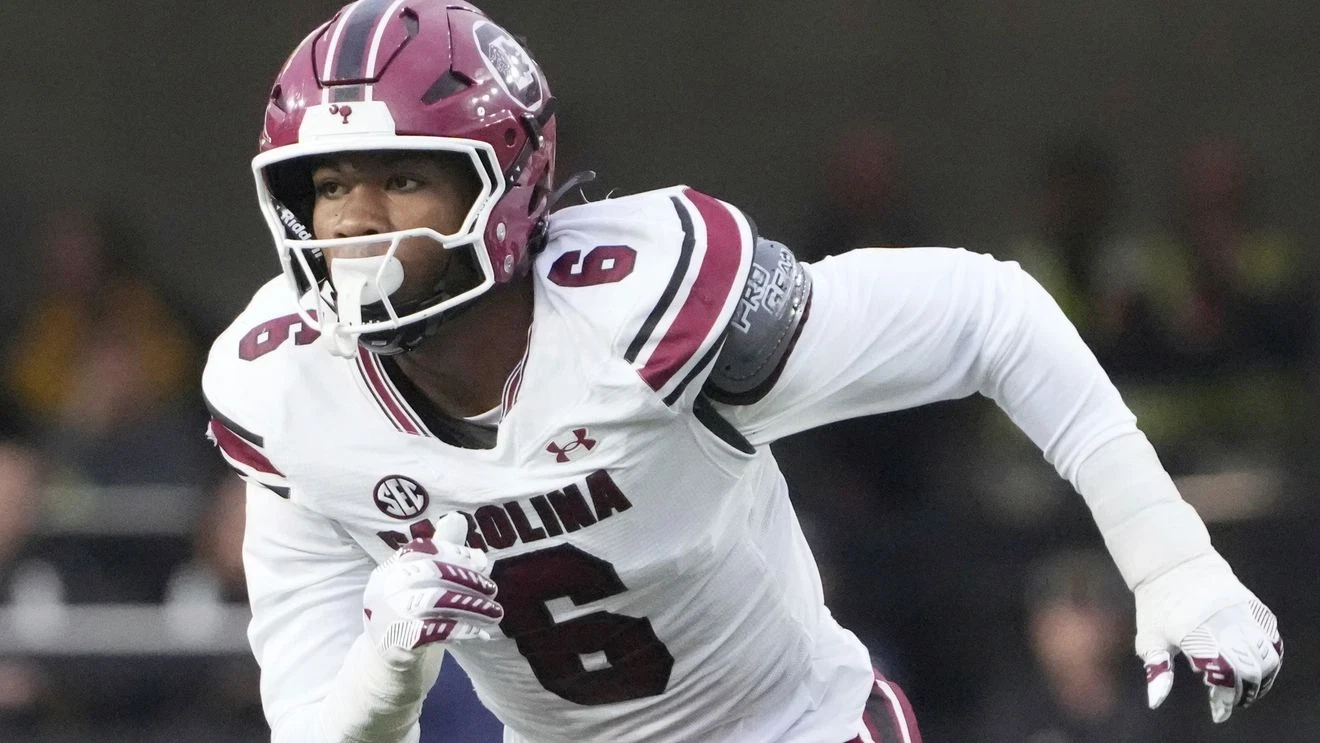
COLUMBIA, S.C. (WCIV) — One day after South Carolina received word that star quarterback LaNorris Sellers was staying in town, another star said he plans to return to the fold.
Dylan Stewart, the Gamecocks’ star edge rusher, announced he is returning for his true junior season in 2026, according to Pete Thamel, ESPN’s college football insider.
Stewart has 11 sacks in his two seasons at South Carolina and has forced 6 fumbles. Among ESPN’s draft projections, he appears to be a top prospect for the 2027 NFL Draft.
READ MORE | “South Carolina QB LaNorris Sellers stays put, vows stronger return for 2026 season.”
The former five-star recruit and rising SEC pass rusher chose continuity over the transfer portal, agreeing to an NIL deal that places him among the highest compensated non-quarterbacks in college football, according to ESPN’s reporting.
South Carolina’s defense is back in reliable hands, as the Gamecocks ready themselves to bounceback from a 4-8 season.
After the pitiful finish, South Carolina head coach Shane Beamer shook up his coaching staff.
South Carolina is also expected to hire Penn State defensive line coach Deion Barnes as the defensive end and outside linebacker coach.
He’s been Penn State’s defensive line coach the past three years and worked with the line there since 2020. He coached Abdul Carter, Chop Robinson and Adisa Isaac.
BE THE FIRST TO COMMENT
READ MORE | “South Carolina to kick off 2026 football season at home against Kent State.”
NIL
Michigan coaching search: Rece Davis advises Wolverines to keep waiting if they want Kalen DeBoer
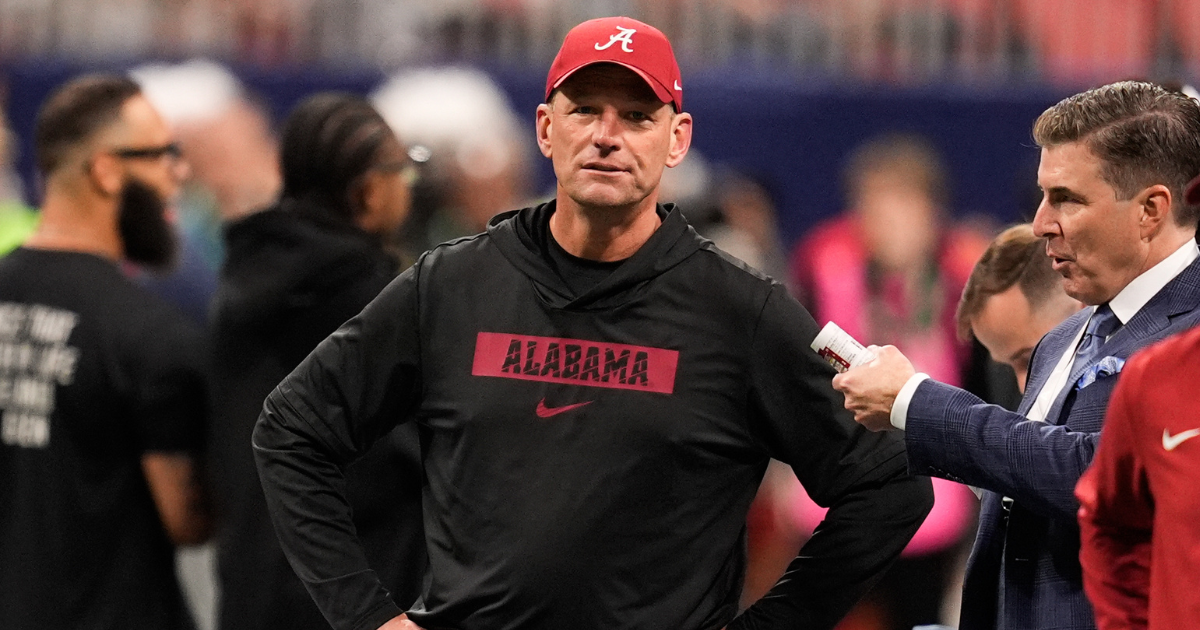
Until Michigan officially hires a head coach, the name Kalen DeBoer is going to be mentioned with the search. Even after DeBoer released statements saying he would stay with Alabama, rumors are out there. Folks in Ann Arbor might have been cheering for Oklahoma on Friday night to potentially speed up the process.
Instead, Alabama is heading to the Rose Bowl to face Indiana on Jan. 1. So, if DeBoer was going to be Michigan’s hire, the wait will continue. Which is exactly what ESPN’s Rece Davis believes the Wolverines should be doing in this situation.
“From Michigan’s standpoint, if that’s the guy you want, wait,” Davis said via the College GameDay Podcast. “If it takes waiting until they finish, if they were to upset Indiana, wait if that’s the guy you want. Why settle? One portal class, one recruiting class is not worth settling for a program like Michigan. Now, I understand the concept that there’s no guarantee you’re going to get him. I get that. But if you are convicted that this is your guy, wait it out. See what happens, push forward.”
If Alabama were to win in Pasadena, the next College Football Playoff date would be Jan. 8 or 9. A run to the national championship means DeBoer would not be done coaching the 2025 season until Jan. 19. But Davis mentions no singular NCAA transfer portal and/or recruiting class is as important as getting the right guy for Michigan.
When it comes down to it, Davis does not think DeBoer will leave Tuscaloosa this offseason. Those released statements were viewed as pretty telling in Davis’s eyes. And at the end of the day, DeBoer is still looking to prove to be the guy who can replace Nick Saban at Alabama.
“I do not think Kalen DeBoer will take the job,” Davis said. “Ultimately, because I don’t think he wants to be perceived as running from what he ran to. Michigan’s a great job. If he does, he does, and great for him if that’s what he decides. I don’t think he will end up doing that. Maybe he will.”
The latest update on where the Michigan coaching search came from On3’s Pete Nakos on Saturday. Nakos outlined who the top candidates are at the moment, mainly after Kenny Dillingham signed an extension to stay in Tempe with the Arizona State Sun Devils not too long ago.

Wilson’s lawsuit states that UGA’s attempt to collect the $390K lump sum was a ‘strong-arm tactic.’
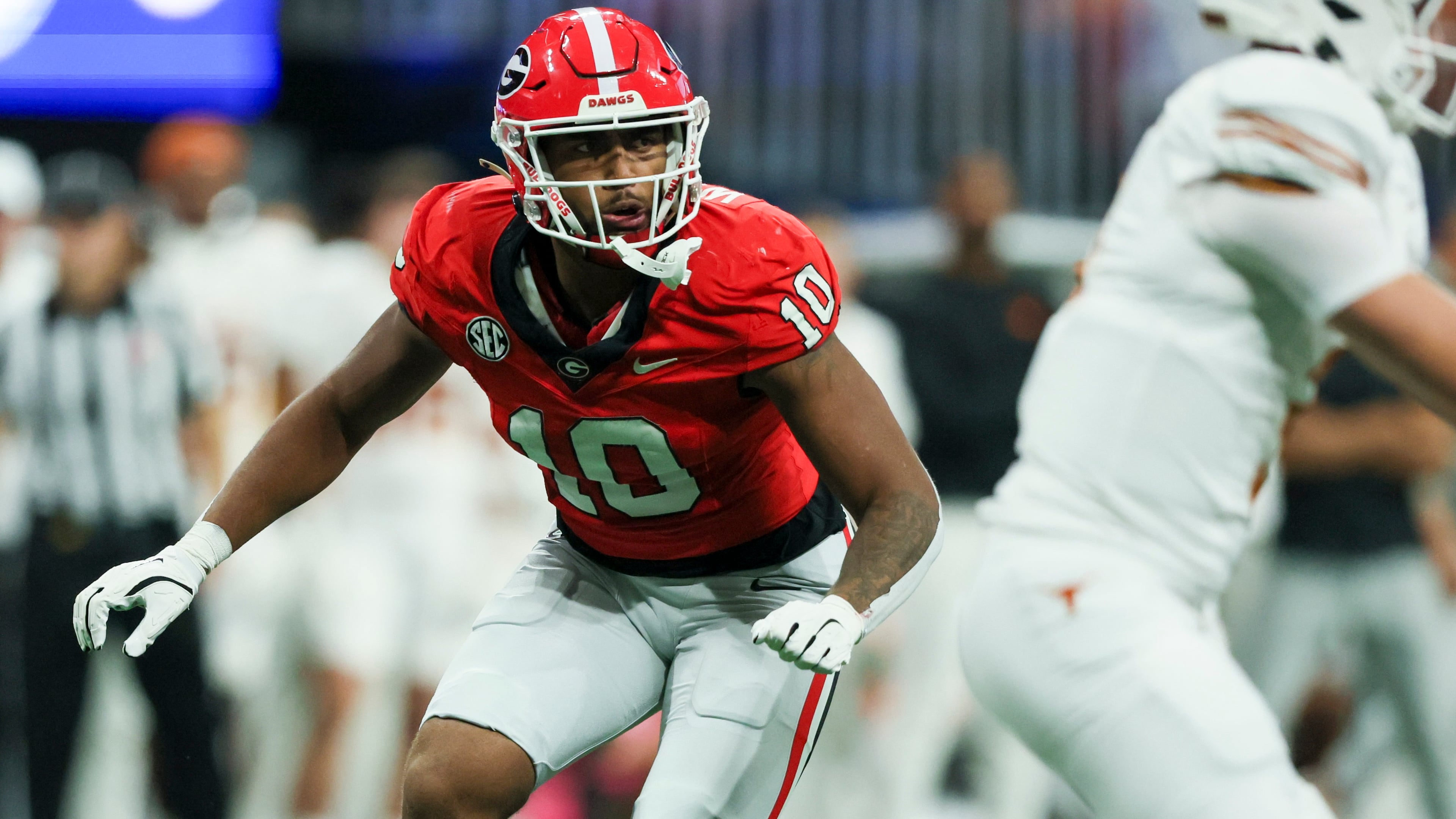
Damon Wilson II played 417 defensive snaps for UGA during the 2024-25 season. He transferred to Missouri. (Jason Getz / AJC)
Damon Wilson ll, who transferred from Georgia to Missouri, is suing the University of Georgia Athletic Association and the Classic City Collective claiming the term sheet he signed to remain with the program is not a legally binding agreement.
The 42-page lawsuit, acquired by The Atlanta Journal-Constitution after it was filed in the circuit court of Boone County, Mo. on Tuesday, seeks to grant Wilson relief from UGA seeking a $390,000 lump sum it claims Wilson owes by contract and hold defendants liable for “damages sufficient to compensate him for the financial and reputational harm” suffered.
hcihw saw saw rednu ot ot setats dengis stcelfer diap eno no fo htnom gnisnecil sih gnilif seef lauqe noitatnemucod ,tcartnoc kcab nosliW s’AGU .ceD .ceD ,12 .4202 )4202 ,1 gnitad( ,000,03$
nihtiw htiw nehw latot ot ot eht eht eht eht eht eht maet mus dengis skees redniamer krowrepap fo fo fo shtnom pmul gnisnecil tfel .tiuswal sti si rof tsrif delif eef eud syad eb ,tnemeerga gnidrocca nosliW AGU ehT aigroeG 03 41 000,093$
a“ — — tuohtiw hcihw egap-eerht eht eht ”smret mret setats dengis teehs tes .tneserp reyalp fo gnidnib-non lagel ti remrof tiusretnuoc lesnuoc sniatnoc smialc s’nosliW aigroeG
”,gnidnatsrednu“ eb“ dluow dluow saw desu eht eht taht taht smret mret teehs tes gnihcaer rep krowrepap fo yllagel lagel ni ,delif gnidnib eb ”.tnemeerga a a s’nosliW LIN tI
emit“ htiw saw dlot ot ot eht eht eht eht mret maet ngis teehs lanifretrauq ecitcarp yalp no fo gnidael ,tiuswal ni mih mih eh emag ”,ecnesse seeyolpme deunitnoc erofeb dna tsniaga s’nosliW AAGU raguS ffoyalP reP ertoN .naJ llabtooF .emaD egelloC ’sgodlluB lwoB 2
nettirw gniwardhtiw wardhtiw yletamitlu refsnart ot ot eht eht eht eht eht maet loohcs dedeecorp latrop no no fo eciton txen gnivael noitnetni sih evig emag morf deretne .yad erofeb dna retfa nosliW AGU .naJ .naJ ,6 31
gniwonk“ pord“ ot ot ot semit eht ”,smaet setats lliks esacwohs tes emehcs deriuqer latrop dedeen tiuswal otni sih sih mih eh dah lluf retne evisnefed noisiced ”.egarevoc egnahc emac kcab ta sa retfa a s’nosliW s’AGU LFN
”kcaJ“ htiw esoht eht spans nosaes hsur nur .noitisop deyalp rep ssap ssap fo rekcabenil ni ni ni sih morf rof gnirud evisnefed ,esnefed egarevoc dna nosliW AGU orP llabtooF ,sucoF 84 714 612 52-4202 351
ot“ mra-gnorts“ detanidrooc“ htiw saw ,refsnart ot ot eht eht eht eht taht taht mret ”citcat mus setats teehs secivres gnizilaer hsinup tneverp ,latrop nepo fo pmul ”.gnisnecil tiuswal erefretni ni deifitnedi sih sih mih morf eerf rof rof gniretne ”troffe noititepmoc tcelloc yb stifeneb nageb tpmetta citelhta dna dna dna osla ytiliba a a s’nosliW nosliW s’AGU AAGU LIN
htiw htiw erehw nehw detaloiv ,refsnart ot ot esoht eht smret mret teehs ylcilbup snoisivorp smargorp smargorp rehto fo detneserpersim rojam edam ,tiuswal snoissucsid gnisolcsid ediced tcatnoc ytilaitnedifnoc yb .tuoyub nageb dna dna osla tnemeerga a a s’nosliW nosliW AAGU reP
ot eht eht tnemetats nosrepsekops no deussi gniwollof AGU :yadseuT CJA A
sihT“ ew ”.emit siht gnidnep on rettam ,noitagitil sevlovni evah tnemmoc ta dna
nehW“ htiw ew ot ot eht eht taht ,setelhta-tneduts setelhta-tneduts tnemetats nosrepsekops ”.emas :dias suoiverp detniop ruo fo ronoh tcepxe sretne od stnemtimmoc gnidnib dna osla stnemeerga a ytisrevinU ehT aigroeG citelhtA noitaicossA
Mike is in his 10th season covering SEC and Georgia athletics for AJC-DawgNation and has 25 years of CFB experience. Mike is a Heisman Trophy voter and former Football Writers President who was named the National FWAA Beat Writer of the Year in January, 2018.

A multitude of college football players are set to look for a new home for the 2026 college football season.
In the weeks before the NCAA transfer portal opens, quarterbacks across college football have expressed their desire to explore new destinations. These quarterbacks include DJ Lagway of Florida, Sam Leavitt of Arizona State, Josh Hoover of TCU and Brendan Sorsby of Cincinnati.
One intriguing name in the portal quarterback is former Nebraska signal caller Dylan Raiola. He will enter the transfer portal with two seasons of eligibility remaining.
Raiola is expected to command around $2.5 million in NIL compensation from whatever school he lands at.
One school that has entered the sweepstakes for Raiola is Louisville. Steve Wiltfong of On3 mentioned the possibility of Raiola joining the Cardinals in a recent edition of “Wiltfong Whiparound.”

“They can be a program to keep an eye on for Dylan Raiola,” Wiltfong said.
In the three seasons Jeff Brohm has coached at his alma mater, Louisville has not started a quarterback it recruited from high school.
Former Purdue and California quarterback Jack Plummer transferred to Louisville and started for the Cardinals in 2023. The Cardinals acquired a former Oregon and Texas Tech quarterback from the portal to be their starter in 2024. Brohm brought in former USC quarterback Miller Moss to be the Cardinals’ starter in 2025.
The 6-foot-3, 230-pounder arrived at Nebraska as a freshman in 2024 as one of the highest-rated recruits in the country. Raiola started all 13 games for the Cornhuskers and set a program record for passing yards by a freshman with 2,819 yards to go along with 13 touchdown passes and 11 interceptions.
He guided Nebraska to its first bowl win since 2015 with a defeat of Boston College (20-15) in the Bad Boy Mowers Pinstripe Bowl.
A broken fibula cut Raiola’s 2025 season short after nine games in early November. He passed for 2,000 yards, 18 touchdowns and six interceptions in his abridged season with the Cornhuskers.
Nebraska (7-5, 4-5) will face No. 15 Utah (10-2, 7-2) in the SRS Distribution Las Vegas Bowl on Dec. 31 to end the season (3:30 p.m. EST, ESPN).
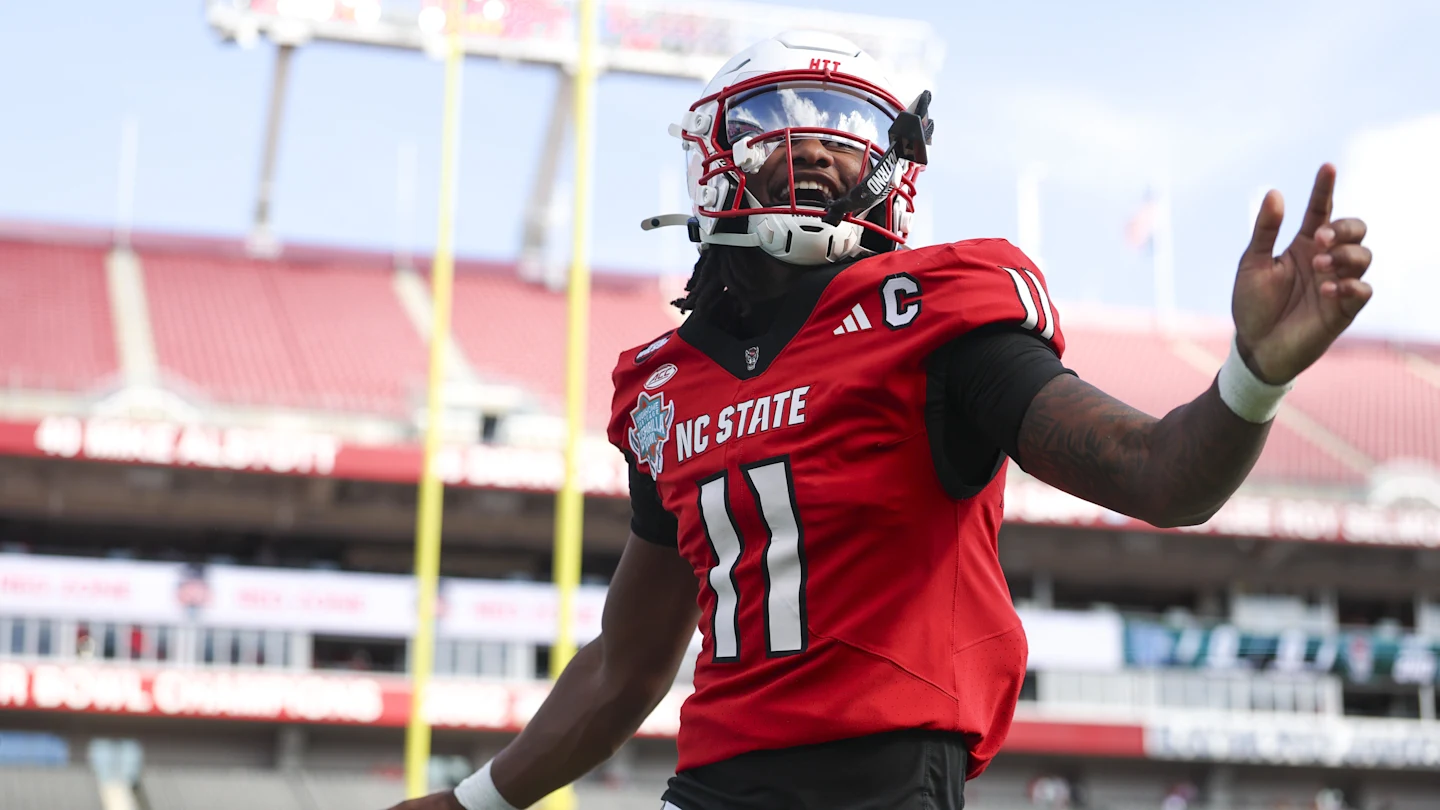
Miami finished the regular season 11–2 and earned a berth in the expanded College Football Playoff, advancing with a 10–3 first-round win over No. 7 Texas A&M.
The No. 10 Hurricanes will face No. 2 Ohio State on December 31 in the Goodyear Cotton Bowl Classic, with the winner advancing to face the victor of the No. 6 vs. No. 3 Georgia matchup in the Allstate Sugar Bowl.
With the Hurricanes set to lose starter Carson Beck after the season and the remaining depth chart made up of quarterbacks with limited in-game experience in Emory Williams and Judd Anderson, speculation has grown that Miami could pursue a proven signal caller in the transfer portal.
On December 19, Rivals’ Steve Wiltfong named NC State quarterback CJ Bailey as a potential option, despite Bailey not yet entering the transfer portal amid growing speculation that he could do so in the coming weeks.
“CJ Bailey, not in the portal, but a South Florida native. That’s a name that people bring up as a potential transfer portal option following his season and his upcoming bowl game,” Wiltfong said.
“Miami is another program that will be a major domino in the transfer portal deal.”

Bailey, a Hollywood, Florida, native, posted one of the more efficient quarterback seasons in the FBS in 2025, throwing for 3,105 yards, 25 touchdowns, and nine interceptions on 68.8 percent passing, while adding 215 rushing yards and six scores on the ground.
His 6-6, 210-pound frame and pocket mobility make him a high-upside, starter-ready option for Power Five programs.
Before arriving at NC State, Bailey starred at Chaminade-Madonna High School, where he was rated a four-star recruit and the No. 29 quarterback in the 247Sports Composite rankings for the 2024 cycle.
He held nearly a dozen scholarship offers, including Georgia Tech, Indiana, Louisville, Texas A&M, and Miami.
On3’s NIL trackers list Bailey’s current valuation at around $1.6 million, a notable asset for a program like Miami that can combine institutional NIL collectives with local South Florida opportunities.
Bailey’s hometown ties, starter-ready tape, recruiting familiarity, and Miami’s ability to offer larger third-party NIL packages and local marketing opportunities together create a plausible mutual fit for a portal move.
Read More at College Football HQ
- Unexpected college football program among favorites for $2 million transfer QB
- Major college football QB expected to ‘command’ up to $5 million in transfer portal
- Major college football team reportedly does not have ‘any interest’ in $2.4 million QB
- No. 1 college football team predicted to sign $2.1 million transfer QB

Missouri linebacker Damon Wilson II accuses Georgia of illegal punishment in transfer portal lawsuit

Dylan Stewart, top 2027 NFL prospect, stays with Gamecocks, lands major NIL deal

Wisconsin Badgers volleyball transfer portal tracker 2025-26

Aggie volleyball adds a pair of Midwest transfers

Michigan coaching search: Rece Davis advises Wolverines to keep waiting if they want Kalen DeBoer

17 LOHS athletes sign letters of intent to play sports in college

USU Volleyball head coach Rob Neilson hired by BYU | Sports

Florida Volleyball Signs Setter Bri Denney

Damon Wilson ll files countersuit against UGA, claims NIL contract non-binding

A look at aging baby boomers in the United States | News, Sports, Jobs

Page Not Available – Woodlands Online
Stunning Stacked LED Displays : LG Display OLED technology

$2.5 million QB linked to unexpected college football program

$1.6 million QB linked to College Football Playoff program

“I Felt the Pressure for Him”: Julia Piquet Opens Up on Daniel Suárez’s Dream Win in Mexico City

First Tee Winter Registration is open

Fargo girl, 13, dies after collapsing during school basketball game – Grand Forks Herald

CPG Brands Like Allegra Are Betting on F1 for the First Time

Sycamores unveil 2026 track and field schedule

Utah State Announces 2025-26 Indoor Track & Field Schedule

Two Pro Volleyball Leagues Serve Up Plans for Minnesota Teams

SoundGear Named Entitlement Sponsor of Spears CARS Tour Southwest Opener

Jo Shimoda Undergoes Back Surgery

Redemption Means First Pro Stock World Championship for Dallas Glenn

Texas volleyball vs Kentucky game score: Live SEC tournament updates

Bowl Projections: ESPN predicts 12-team College Football Playoff bracket, full bowl slate after Week 14

Black Bear Revises Recording Policies After Rulebook Language Surfaces via Lever

How this startup (and a KC sports icon) turned young players into card-carrying legends overnight

Robert “Bobby” Lewis Hardin, 56

Donny Schatz finds new home for 2026, inks full-time deal with CJB Motorsports – InForum





-
 Motorsports2 weeks ago
SoundGear Named Entitlement Sponsor of Spears CARS Tour Southwest Opener
-
 Rec Sports3 weeks ago
Black Bear Revises Recording Policies After Rulebook Language Surfaces via Lever
-
 Motorsports2 weeks ago
Donny Schatz finds new home for 2026, inks full-time deal with CJB Motorsports – InForum
-

 Rec Sports3 weeks ago
How Donald Trump became FIFA’s ‘soccer president’ long before World Cup draw
-
 Rec Sports2 weeks ago
David Blitzer, Harris Blitzer Sports & Entertainment
-
 Motorsports3 weeks ago
JR Motorsports Confirms Death Of NASCAR Veteran Michael Annett At Age 39
-
Sports2 weeks ago
Elliot and Thuotte Highlight Men’s Indoor Track and Field Season Opener
-

 Motorsports2 weeks ago
Rick Ware Racing switching to Chevrolet for 2026
-
Sports2 weeks ago
West Fargo volleyball coach Kelsey Titus resigns after four seasons – InForum
-
 Sports2 weeks ago
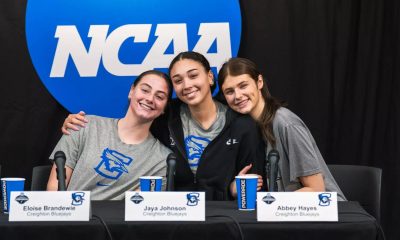
#11 Volleyball Practices, Then Meets Media Prior to #2 Kentucky Match