
Motorsports
Previewing the NASCAR Cup Series Cracker Barrel 400 at Nashville


The NASCAR Cup Series makes its lone visit of the year to the Music City this weekend, competing in the Cracker Barrel 400 at Nashville Superspeedway. Here’s a look at what to expect as the NASCAR starts take on Nashville on Sunday.
Date: June 1, 2025
Track: Nashville Superspeedway (Lebanon, Tennessee)
Time: 7:00 p.m. ET
TV: Prime Video
Stages: 90/185/300
Defending Winner: Joey Logano
|
Date |
Time |
Session |
TV |
|---|---|---|---|
|
Sat., May 31 |
4:30 p.m. ET |
Practice |
Prime Video |
|
Sat., May 31 |
5:40 p.m. ET |
Qualifying |
Prime Video |
|
Sun., June 1 |
7:00 p.m. ET |
Cracker Barrel 400 |
Prime Video |
VIEWING GUIDE: How to Watch the NASCAR Cup Series Cracker Barrel 400
High Five for Nashville

It’s hard to believe this will already be the fifth year of NASCAR Cup Series competition at the Nashville Superspeedway. The 1.33-mile oval hosted its first event for NASCAR’s premier series in 2021, won by Kyle Larson.
Chase Elliott, Ross Chastain and Joey Logano have since won at Nashville, four different winners in the first four NASCAR Cup Series events at the track. Larson has not finished outside the top 10 in any of those four races, with an average finish 4.5.
Can Chastain Build on Coca-Cola 600 Win?

When Ross Chastain won at Nashville in 2023, he did so from the pole position. That was quite different than last week, when the Florida driver drove from last to first to win the Coca-Cola 600 at Charlotte Motor Speedway.
Chastain’s first win of the season moved him to eighth in NASCAR Cup Series points and ensured he will be part of the NASCAR Cup Series playoff conversation. Now, he returns to one of his best tracks, with three top-five finishes in four races at Nashville.
The one finish outside the top five came last year, when Chastain led 45 laps and was in contention for another victory. However, he was involved in an incident on the first overtime restart of the race and finished 33rd.
A Rare Concrete Challenge

Nashville Superspeedway is one of just three facilities on the NASCAR Cup Series schedule with a concrete racing surface, alongside Dover Motor Speedway and fellow Tennessee track Bristol Motor Speedway. However, it is the only one of the three more than a mile in length.
The concrete surface presents some unique challenges, such as increased temperature sensitivity and usually greater tire wear. The NASCAR Cup Series stars only see this track once a year, limiting their chances to prepare and build a notebook for this unique test.
Add in a 7 p.m. start that will see the track transition from sunset to nightfall like we saw last week with the Coca-Cola 600, and Sunday’s race will keep teams on their toes from start to finish.
Recommended Articles


The following words are from Dan Jones, Managing Director of DIVEBOMB Motorsport Magazine.

It’s been 12 months since I posted an open letter on DIVEBOMB Motorsport Magazine’s new website as I previewed what we had in-store for 2025. I had some bold ambitions and some bold statements in that letter, none more than: We enter DIVEBOMB’s most exciting era as we continue to go strength-to-strength as an organisation, and 2025 will see that trend continue as we aim to reach new heights on the content of quality, for you, the fans, to enjoy.
As I reflect on these last 12 months, I could not be more proud of what we have collectively achieved against those ambitions.
We launched new podcasts for Endurance, Formula One and NASCAR, had continued representation at global motorsports events including the Indianapolis 500, Monaco E-Prix and Petit Le Mans and had a record-breaking number of articles released on the DIVEBOMB website.
That is in addition to numerous blockbuster interviews throughout the year, including the likes of Will Buxton, Christian Lundgaard, Jack Aitken, Jake Dennis, Zak O’Sullivan, Mike Conway, Taylor Barnard and the 2025 IndyCar champion and Indianapolis 500 winner Álex Palou, just to name a few.
Most significantly of all, we continued to create a pathway for those seeking paid roles in the industry. There is nothing more gratifying then seeing our contributors achieve life-long goals and we cannot wait to see their continued successes into 2026 and beyond.
2025 marked more people than ever reading our published articles, more people than ever interacting with our social media content and more people than ever listening to our podcasts. A huge thank you to all that engaged with DIVEBOMB’s content throughout the year, we hope you enjoy our content as much as we enjoy creating motorsport content by motorsport fans, for motorsport fans.
In just five years, the extraordinary collective work of our writers and contributors has accelerated DIVEBOMB into one of the leading volunteer-led, non-profit motorsport publications as we continue to reach those new heights year-on-year.
I feel so immensely privileged to lead such a talented and hard-working team with the continual effort and dedication of our contributors never failing to amaze me each time I reflect on the previous year, with the DIVEBOMB platform you see today serving as an inspirational reminder what the efforts of like-minded volunteers can do.
Looking forward to the year ahead, our coverage is only going to continue to grow further. With a new era of Formula One approaching, a continued golden age in endurance racing upon us and further storylines across the motorsport landscape that captivate us all, we cannot wait to tell the stories that will make up 2026.
Whether it is 22 Formula One cars around the narrow streets of Monaco, 27 Supercars roaring down the Conrod Straight at Bathurst, 33 Indy cars crossing the bricks at Indianapolis or 40 NASCARs duelling it out on the high banks of Daytona, DIVEBOMB will be there to cover it. The best news? That action starts next week with Formula E at the Autódromo Hermanos Rodríguez, with our live coverage of major endurance races starting in just three weeks in the ever-enthralling 24 Hours of Daytona.
Alongside giving a level of coverage that will supersede what we have achieved in 2025, we will continue to develop a pathway for contributors looking for their first venture in the motorsport journalism and media space and continue our dedication in supporting our contributors land dream full-time roles in the industry, continuing what we have so proudly achieved over the last five years.
It is incredible to think that later this month will mark our half-decade anniversary and the work over the last five years has been quite unbelievable. A heartfelt thanks to all who have contributed to DIVEBOMB past or present, who’s dedication has led DIVEBOMB to the position we found ourselves today.
But, a final thanks to all of you. None of this would have ever been possible without those who read the stories, who engage with the posts, who listen to the podcasts and who provide the opportunities. You all make up a part of what DIVEBOMB is today. We appreciate all the kind words, the feedback you provide and the sharing of our passion.
I am so starstruck by what we achieved in 2025, but I can only promise for 2026 to be even better. We have a very exciting 12 months ahead and I only hope you will continue to enjoy our content by motorsport fans, for motorsport fans.
TOPEKA, Kan. (WIBW) – The International Hot Rod Association announced big plans Tuesday for the future of Heartland Motorsports Park after officially taking ownership of the facility.
The IHRA said the history, soul, and footprint of the property will make their vision possible. For more than 30 years, Heartland Motorsports Park thrived with races and events until a tax dispute between Shelby Developments and Shawnee County closed its gates in 2023.
In 2024, Shelby put Heartland Park up for auction, ultimately putting it in the hands of placeholder “Topeka 77.” The future of the property remained in question until Tuesday.
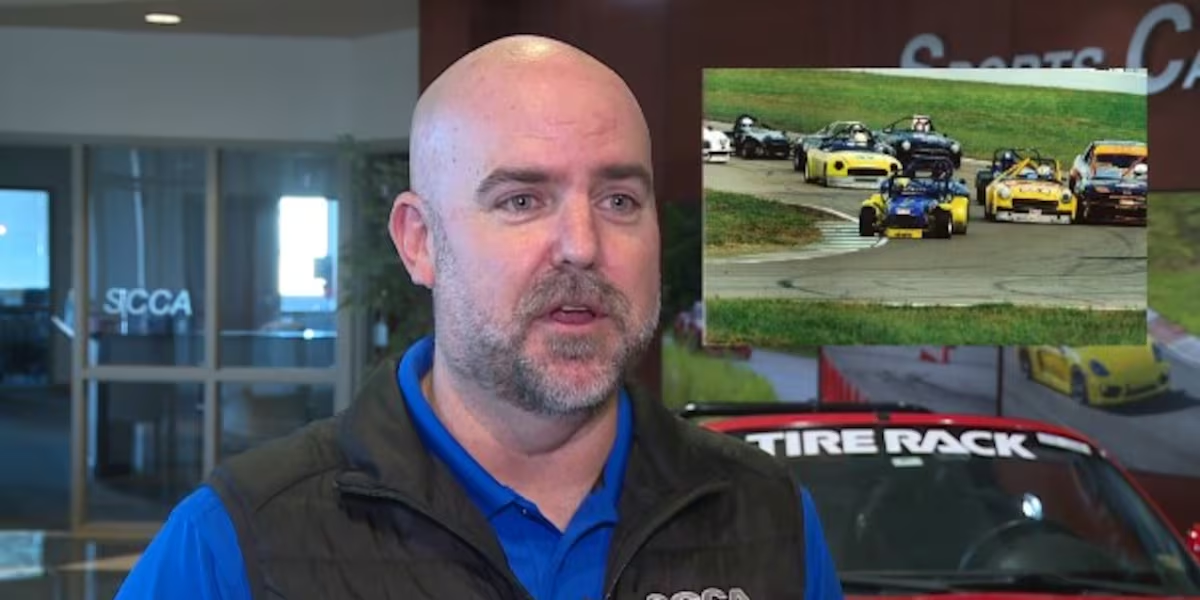
“It came as a surprise,” said Eric Prill with the Sports Car Club of America.
Prill said he’s excited to hear the IHRA is ready to hit the ground running with renovation planning to begin immediately.
“The bit that we do know about the new owners IHRA is that they make things happen,” he said.
Prill said SCCA had utilized Heartland Park for events that bring in hundreds of people from across the nation. They hope the new ownership allows them to bring those events back.
“People come from all over the place that their goal is to get on a track and to enjoy themselves and have fun but they’re gonna stick around for a couple of days they’re gonna stay in hotels. They’re gonna go out and and eat at local establishment,” he said.
As someone who’s hit the track himself, Prill said he’s excited to be in that atmosphere once again.
“Obviously, the drag strip is very famous world famous you know one of the fastest places on earth. The excitement that the fans get from the power of NHRA and IHRA drag racing, it’s just quite an experience,” he said.
Prill said he’s hopeful to start planning events at Heartland Park in the new year.
International Hot Rod Association owner Darryl Cuttell took ownership of the association at the start of this year. Already, the group has moved rapidly to purchase multiple racetracks. At least nine, including Heartland, this year alone, according to a review of its website.
Copyright 2025 WIBW. All rights reserved.
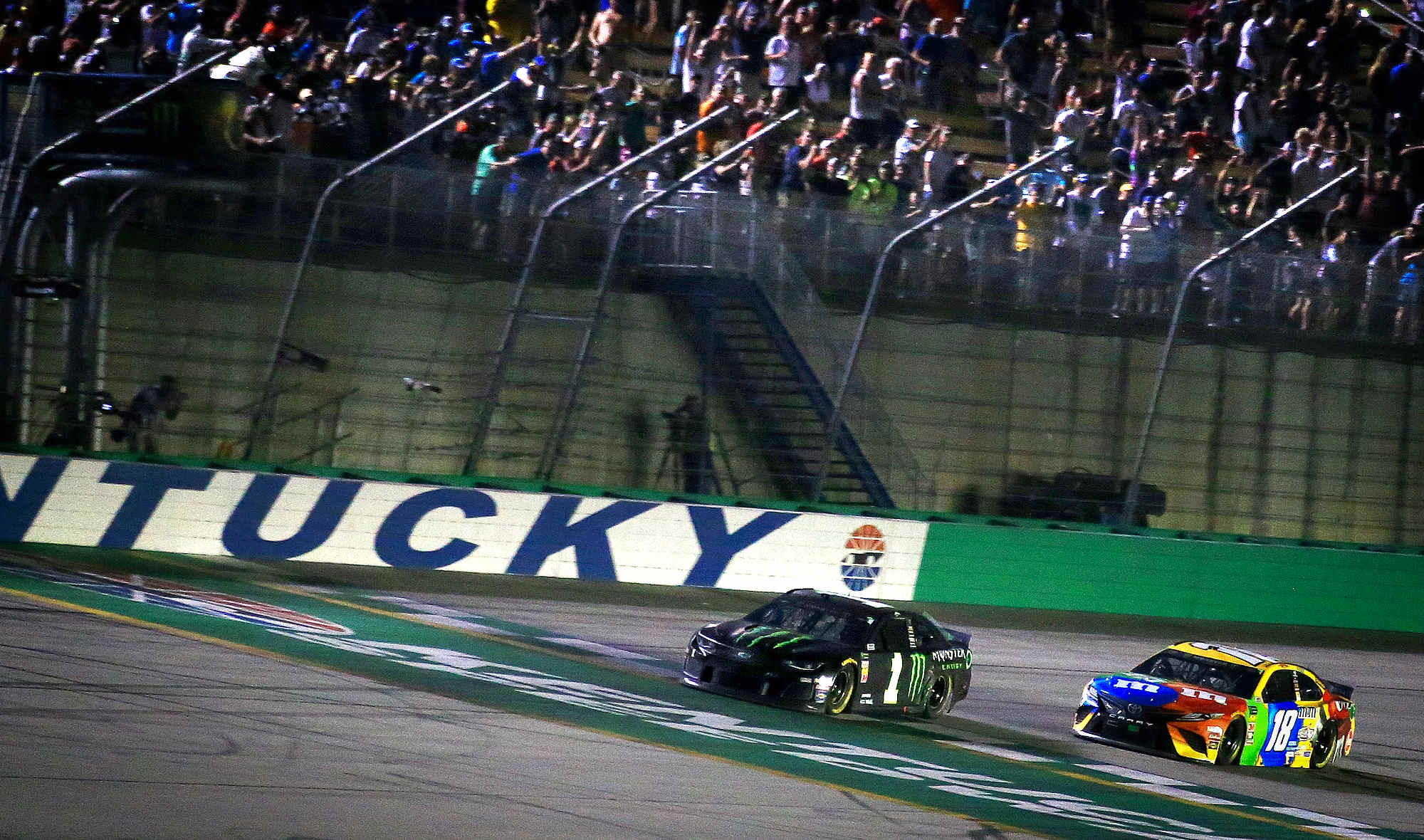
In the rolling hills of Sparta, Kentucky, a once-thriving hub of high-octane excitement now sits largely silent, its grandstands echoing with memories of roaring engines and checkered flags. Kentucky Speedway, a 1.5-mile tri-oval that burst onto the NASCAR scene in the early 2000s, has faced a steady decline since its last Cup Series race in 2020.
–by Mark Cipolloni–
Recent news of a proposed zoning change by the Gallatin County Planning Commission has reignited fears among fans that the track could be repurposed for industrial use, potentially sealing its fate as a racing venue. With a public hearing scheduled for January 6, 2026, to discuss reverting the property’s zoning from a specialized “Motor, Equine, Entertainment District” back to “Heavy Industrial,” the question looms: Is Kentucky Speedway doomed?
A Brief History of Glory and Gridlock
Opened in 2000, Kentucky Speedway quickly climbed the ranks of American motorsports. Located in the small city of Sparta—population around 250—the track was designed as a state-of-the-art intermediate oval, hosting its first NASCAR Cup Series event in 2011 after years of lobbying and infrastructure upgrades to handle massive crowds. For nearly a decade, it was home to the Quaker State 400, drawing tens of thousands of fans and injecting millions into the local economy. However, challenges mounted: notorious traffic jams on race days, declining attendance, and criticism of the track’s banking and surface, which limited overtaking and led to processional racing.
A 2016 repave and reconfiguration aimed to address these issues, but by 2020, NASCAR pulled the plug on the Cup Series event amid shifting priorities toward more short tracks, road courses, and urban venues. Owned by Speedway Motorsports Inc. (SMI) since 2008, the facility has hosted sporadic lower-tier events, music festivals like a 2022 EDM rave, and even served as overflow storage for Amazon trailers during the pandemic. Today, it’s classified as “inactive” for major racing, with Ford also leasing space for vehicle storage, helping offset maintenance costs estimated at around $1 million annually.
The Zoning Rewrite: A Red Flag for the Future?
The latest controversy stems from Gallatin County’s effort to streamline its comprehensive plan. In 2008, the speedway’s zoning was customized to “Motor, Equine, Entertainment District” to encourage diversified development, including potential horse racing or entertainment complexes that never fully materialized. Now, planners propose reverting to the original “Heavy Industrial (I-2)” designation—still permitting automobile racing but broadening appeal for industrial buyers like warehouses or data centers. Officials describe it as a procedural cleanup to make the property easier to market, insisting it doesn’t preclude racing.
However, this has sparked alarm. Social media buzzes with speculation that SMI might sell the 1,000-acre site, especially given its underutilization. Some reports and online posts erroneously claim the track was already “sold and repurposed” in 2022, but these appear to stem from misinformation; SMI remains the owner, and the facility isn’t officially on the market. Local leaders, including those at the nearby Capital City Airport Authority, emphasize the track’s ongoing viability for events, noting its modern infrastructure and economic potential amid regional growth.
Fan Fears and Expert Insights
NASCAR enthusiasts aren’t buying the optimism. On platforms like Reddit and Facebook, fans lament the zoning shift as a “death knell,” drawing parallels to defunct tracks like North Carolina Speedway or Chicagoland, which faced similar fates. “It’s just sitting there hoping somebody will bring it back to life,” one poster shared alongside sunset photos of the empty venue. Critics point to the track’s history of unfulfilled promises—early traffic woes alienated fans, and post-repave racing remained lackluster until the Next Gen car’s introduction elsewhere showed promise for intermediates.
Driver Denny Hamlin, in a 2024 interview, suggested Kentucky could thrive with upgrades under the current car package, but NASCAR’s 2026 Cup Series schedule tells a different story: No slot for Sparta. Instead, the calendar prioritizes short tracks like North Wilkesboro and road courses, with additions like Chicagoland’s return signaling a selective revival strategy. Speculative Reddit threads from 2025 floated a possible 2026 comeback, but those proved unfounded.
That said, the track isn’t entirely dormant. NASCAR Racing Experience programs are slated for June 20 and August 15, 2026, allowing fans to drive laps themselves. And while major races are absent, the facility’s role in logistics and occasional events keeps it operational.
Echoes of Other Tracks: Lessons from Revival and Ruin
Kentucky’s plight mirrors other ovals sidelined by NASCAR’s evolution. Rockingham Speedway, dormant for years, saw a revival in 2025 with Xfinity and Truck Series races before its sale to the IHRA, which plans to maintain racing. Chicagoland, once shuttered, reappears on the 2026 schedule, proving comebacks are possible with investment. Conversely, tracks like Nazareth or Pikes Peak faded into oblivion, repurposed for non-motorsports uses.
For Kentucky, the zoning hearing could be pivotal. If approved, it might signal SMI’s intent to divest, especially as industrial demand surges in the region near Cincinnati. Yet, officials stress the change doesn’t ban racing, and with no sale announced, the track’s infrastructure—valued at hundreds of millions—remains intact.
Verdict: On the Brink, But Not Buried Yet
Is Kentucky Speedway doomed? Not imminently, but its future as a premier racing destination hangs by a thread. Without a NASCAR return or significant reinvestment, the zoning shift could accelerate a pivot to industrial uses, fulfilling fans’ worst fears. As the January 6 hearing approaches, all eyes are on Sparta. For now, the engines may be quiet, but the checkered flag hasn’t waved just yet—though it might be fluttering in the wind.
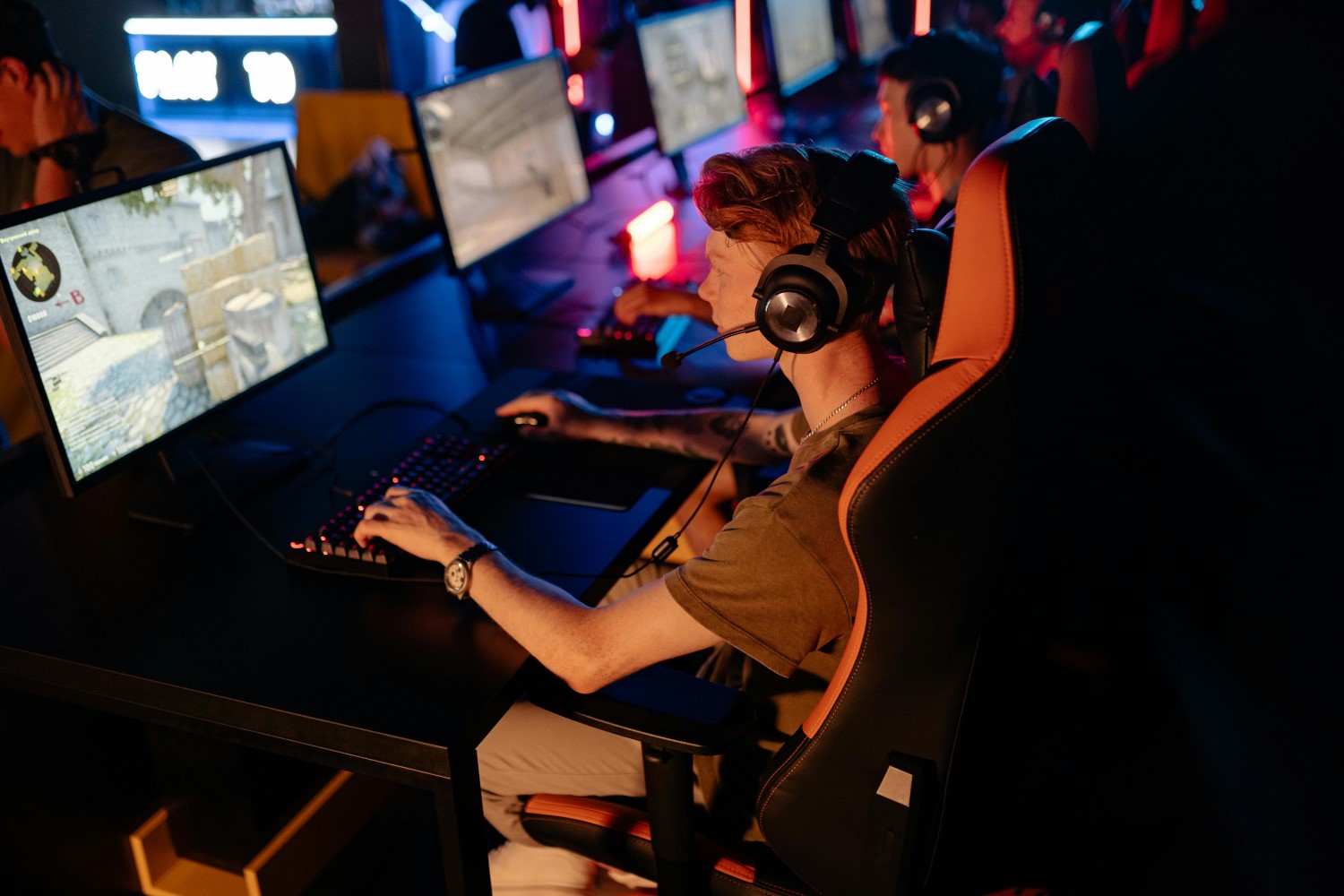
Motorsports Competition has long captivated humanity, evolving from gritty tests of mechanical ingenuity to pulse-pounding virtual battles on glowing screens. What began as raw contests of strength and craftsmanship now thrives in hyper-realistic simulations so lifelike they’re eerie—bridging playground rivalries to global esports arenas. Yet through every shift, the core thrill endures: the rush of competition.
As an offshoot of these virtual motorsports worlds, race fans and participants often extend the adrenaline rush beyond the track, testing their nerve and sharpening quick decision-making in online environments like platincasino-ie.ie or jackpotcity-casino.ie. These platforms prove that today’s battleground no longer requires a stadium, workshop, or even a steering wheel—just a screen and split-second choices. This seamless journey from turning gears to tapping keys illustrates how technology continually reshapes the boundaries of skill, chance, and fair play.
By tracing this arc—from wrench-turning duels to pixel-perfect precision—we uncover patterns that forecast the next frontier. This journey explores mechanical origins, electronic gaming’s spark, the ascent of virtual arenas, and hybrid futures where human grit merges with AI smarts. For drivers, engineers, fans, and designers, grasping this evolution unlocks more inclusive, innovative ways to race.
The Roots of Mechanical Competition
Long before engines roared, motorsports demanded mastery over moving parts, unyielding hands, and brute endurance. The first official automobile race, Paris-Rouen in 1894, wasn’t just speed—it was survival on rutted roads, where breakdowns tested a driver’s mechanical wizardry as much as nerve. Early racers doubled as pit crews, tweaking carburetors mid-race or patching tires with whatever lay nearby.
The Industrial Revolution fueled this fire: steam-powered contraptions and early autos turned workshops into proving grounds. Building a faster engine or fine-tuning a chassis became public spectacles, fostering innovation as rivals swapped tips (or spied on them). Spectators cheered visible drama—sparks flying, gears grinding—while strict rules emerged: every bolt secure, every lap timed. Winners landed jobs or sponsorships overnight, embedding fairness through judges, standards, and clocks.
Today’s robot combat or maker fairs echo these origins, proving friendly mechanical dares still ignite progress.
The Shift to Electronic Gaming
The mid-20th century flipped the script with arcades, swapping wrenches for joysticks and circuits. Atari’s *Space Race* (1973) kicked off the genre with simple spaceship duels, evolving into *Night Driver* (1976) and blockbuster *Pole Position* (1982)—the first with a steering wheel and realistic tracks. Home consoles like the NES brought these thrills indoors, turning living rooms into virtual circuits.
This era transformed rivalry in three ways: barriers plummeted (no garage required), software enabled instant rule tweaks for endless replayability, and digital leaderboards connected players worldwide. TV spotlights crowned arcade kings, while 1990s tournaments packed halls—pixels rivaling pistons. Milestones like *Indy 500: The Simulation* (1989) bridged fun to fidelity, laying groundwork for esports empires.
Digital Models and Virtual Arenas for Motorsports
Modern sims shatter physical bounds, crafting worlds where pros prep for glory. High-fidelity platforms like iRacing (2008) replicate tire wear, aerodynamics, and track bumps with physics engines rivaling reality—drivers like Max Verstappen log hours here before real laps. Cloud-based “digital twins” mirror factories or circuits, optimizing for efficiency in virtual showdowns.
AI elevates it further: as coach, it dissects laps; as foe, it adapts unpredictably. Metrics evolve beyond lap times—factoring strategy, resource use, and teamwork—while streams blend avatars with data viz. Victory now crowns adaptability over reflexes, democratizing access for diverse talents.
Where Motorsports Competition Goes Next
Tomorrow’s tracks fuse flesh, code, and metal in thrilling hybrids. VR headsets immerse racers in 360-degree cockpits; AR overlays digital foes on real streets; wearables track biometrics for live spectator stats. AI co-pilots predict strategies, blurring human-machine lines, while esports pros leap to real grids—like 2025’s sim-to-pro transitions.
Fairness debates loom—who owns data? How to curb algorithmic bias?—but history offers answers: transparent rules and shared gains. Schools could score via team sims; firms hire from virtual derbies. Whatever the arena, motorsports’ essence persists: pushing limits, bonding rivals, and savoring that electric win.
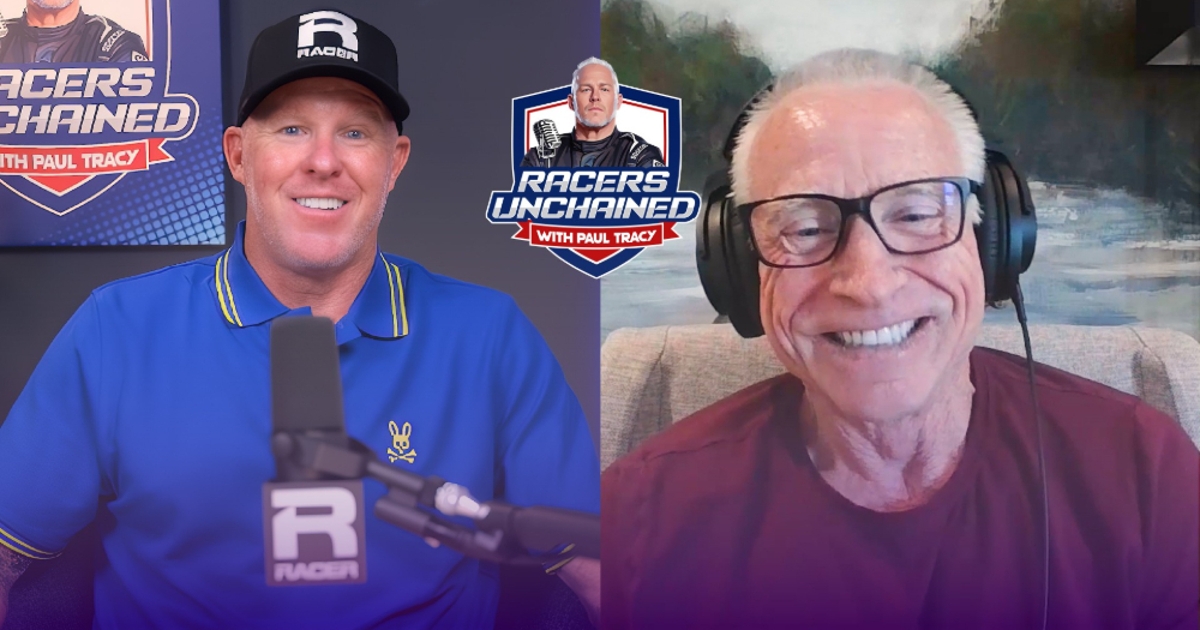
NASCAR icon Mark Martin joins Paul Tracy on Racers Unchained for a wide-ranging, brutally honest conversation about racing, confidence, aging, and the evolution of the sport.
With 40 Cup Series wins, 49 Busch/Xfinity Series wins, five IROC championships and inductions into both the NASCAR Hall of Fame and Motorsports Hall of Fame, Mark reflects on what truly made him competitive – not raw aggression, but building a better race car.
Mark opens up about:
- Why he knew it was time to walk away from driving
- Getting back behind the wheel at Laguna Seca years after retirement
- How processing speed and confidence define elite drivers
- His deep involvement in car setup during his years at Roush Racing
- The shift from “eyeball engineering” to simulation-driven racing
- What he believes NASCAR got wrong with the Next Gen car
- Why closer fields don’t always mean better racing
- The importance of cars looking right to fans
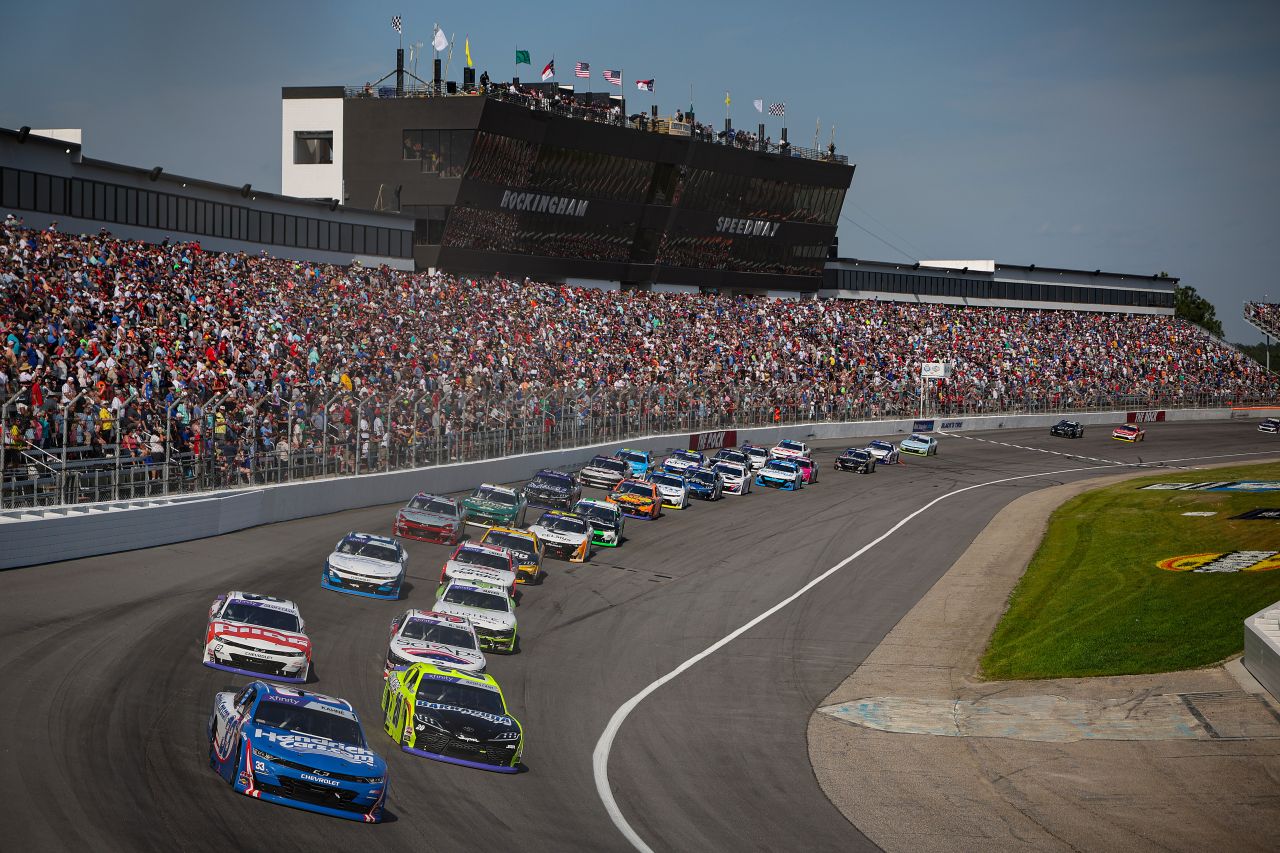
Since acquiring the International Hot Rod Association itself in late 2024, owner Darryl H. Cuttell has pursued an ambitious growth strategy, snapping up multiple historic motorsports facilities across the United States (more about Rockingham Speedway below) to bolster IHRA’s presence in drag racing and beyond.
–by Mark Cipolloni–
This buying spree has focused primarily on drag strips but has also extended to multi-discipline venues, aligning with IHRA’s diversification into stock car racing, powerboating, and entertainment-focused events.
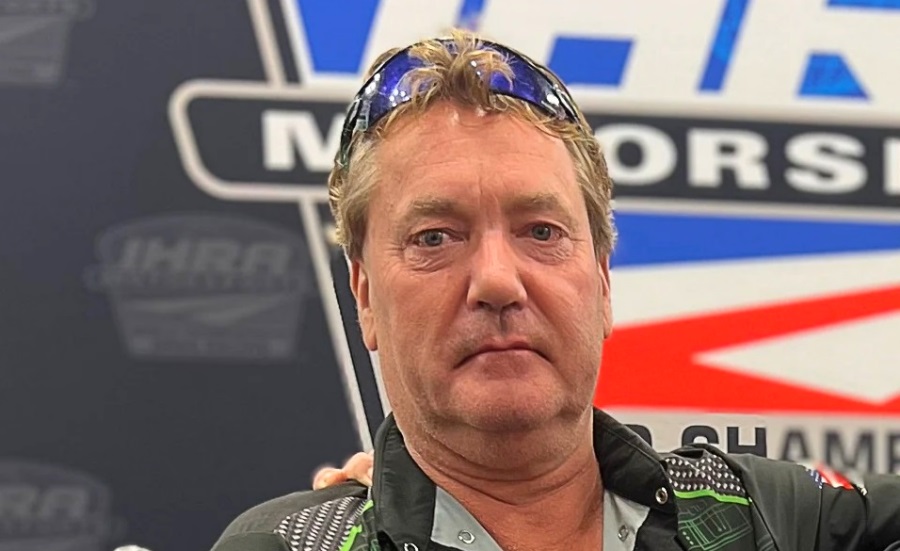
Key recent acquisitions include:
– Memphis International Raceway (Millington, Tennessee): Revived as a major drag racing hub and oval with plans for national events.
– Heartland Motorsports Park (Topeka, Kansas): Announced just days before the Rockingham purchase on December 29, 2025, this versatile facility is slated for redevelopment into a year-round motorsports and entertainment destination, blending drag racing with concerts and community events.
– Piedmont Dragway (Julian, North Carolina): Purchased in August 2025, this grassroots favorite joined IHRA’s portfolio with promises of infrastructure upgrades and enhanced racer experiences.
– National Trail Raceway (Hebron, Ohio): Renamed Darana Raceway – Hebron, it became part of a wave of drag strip acquisitions.
– Milan Dragway (Milan, Michigan): Rebranded as Darana Dragway – Milan following its purchase, hosting events like the IHRA Outlaw Nitro Series.
Earlier in 2025, IHRA announced agreements in principle for several other premier drag strips, though some (such as Maryland International Raceway, Darlington Dragway, and GALOT Motorsports Park) later clarified they remained independently owned. Additionally, IHRA expanded globally by fully acquiring IHRA Australia and New Zealand operations, and absorbed the World Drag Racing Alliance (WDRA) in November 2025, instantly adding dozens of member tracks to its network.
The acquisition of Rockingham Speedway on December 31, 2025, stands out as IHRA’s boldest move into oval track racing, complementing the launch of its new Stock Car Series in 2026. This aggressive expansion reflects Cuttell’s vision to transform IHRA into a comprehensive motorsports powerhouse, preserving legacies while investing in modern amenities and cross-discipline programming.
IHRA Acquires Iconic Rockingham Speedway, Bolstering Revival and Future Racing Prospects
In a significant move for motorsports enthusiasts, the International Hot Rod Association (IHRA) has officially purchased Rockingham Speedway, the legendary North Carolina oval affectionately known as “The Rock.” This acquisition, announced on December 31, 2025, marks the latest chapter in the track’s storied history and underscores IHRA’s aggressive expansion into preserving and revitalizing historic racing venues.
Rockingham Speedway, a 0.94-mile oval located in Rockingham, North Carolina, first opened its gates in 1965 and quickly became a staple of NASCAR racing. It hosted NASCAR Cup Series events until 2004, earning a reputation for its abrasive surface and challenging layout that tested drivers’ skills to the limit. After falling into disuse, the track saw brief revivals, including NASCAR Craftsman Truck Series races in 2012 and 2013 under previous owner Andy Hillenburg. By 2018, it was acquired by Rockingham Properties LLC for $2.8 million, with subsequent upgrades funded in part by government assistance, including COVID-19 relief packages. These efforts culminated in a triumphant return to the NASCAR calendar in 2025, featuring successful races in the Xfinity Series (now the O’Reilly Auto Parts Series), Craftsman Truck Series, and ARCA Menards Series East over Easter weekend. The track also diversified its events, hosting drift competitions, concerts by artists like Struggle Jennings, the Tailgate N’ Tallboys Festival, and electronic dance music events.
The sale to IHRA comes after Rockingham Properties LLC listed the property in May 2025, following the positive reception of the NASCAR weekend. While the exact purchase price for this transaction remains undisclosed, the deal aligns with IHRA’s broader strategy under owner Darryl H. Cuttell, an Ohio-based entrepreneur whose company, Darana Hybrid, specializes in electrical and mechanical contracting for high-profile clients like xAI, Tesla, and SpaceX.
Cuttell emphasized IHRA’s role as caretakers of the venue’s legacy in a statement: “IHRA recognizes what Rockingham Speedway means to this community and to motorsports fans around the world. This is a special place with a strong foundation. Our goal is to be good stewards of the facility, respect its history, and work collaboratively to bring quality racing and entertainment back to The Rock.” He further noted, “This isn’t about changing what made Rockingham special. It’s about investing in it, taking care of it, and making sure it continues to be a place where great racing and great memories are made.”
Local officials have welcomed the change in ownership. Meghann Lambeth, Executive Director of the Richmond County Tourism Development Authority, highlighted the track’s economic impact: “For decades, The Rock has been one of our community’s most recognizable and celebrated tourism icons. We’re proud to continue supporting Rockingham Speedway as it draws visitors to Rockin’ Richmond County under the new ownership of the International Hot Rod Association (IHRA).”
Looking ahead, IHRA plans to build on recent restorations, which included a full repave of the track surface. Upgrades will focus on facility enhancements, expanded fan amenities, and transforming the site into a multi-use destination with concerts and festival-style events alongside racing. The organization is already in discussions with industry partners like Bob Sargent and Track Enterprises for event operations starting in 2026.
A key highlight is the confirmed return of NASCAR events. The track is slated to host a triple-header weekend on April 3-4, 2026, featuring the ARCA Menards Series, NASCAR Truck Series, and NASCAR Xfinity Series—ensuring “The Rock” remains a fixture in stock car racing. Additionally, IHRA’s newly launched Stock Car Series for late-model cars will debut in 2026, with Rockingham positioned as a flagship venue in this initiative.
This purchase not only secures Rockingham’s future but also signals IHRA’s ambition to blend tradition with innovation in American motorsports. As fans eagerly await the 2026 season, “The Rock” appears poised for a new era of roaring engines and packed grandstands.
IHRA Press Release
The International Hot Rod Association (IHRA) today announced the purchase of Rockingham Speedway, one of the most iconic and storied venues in American motorsports.
The move reflects IHRA’s commitment to preserving motorsports heritage while thoughtfully reinvesting in legendary racing properties. Known worldwide as The Rock, Rockingham Speedway has played a pivotal role in NASCAR and American racing history for decades and remains deeply tied to the identity and pride of the City of Rockingham and Richmond County.
“IHRA recognizes what Rockingham Speedway means to this community and to motorsports fans around the world,” said Darryl Cuttell, Owner of IHRA. “This is a special place with a strong foundation. Our goal is to be good stewards of the facility, respect its history, and work collaboratively to bring quality racing and entertainment back to The Rock.”
IHRA intends to restore Rockingham Speedway to its former glory while enhancing the venue as a multi-use destination. Planned improvements include facility upgrades, expanded fan amenities, and the addition of entertainment elements such as concerts and festival-style experiences alongside marquee racing events.
The Easter weekend NASCAR O’Reilly Auto Parts Series event will build on the momentum generated in 2025, when the series’ return to Rockingham delivered strong attendance, national television exposure, and renewed excitement around the historic track. The April weekend is expected to feature a full slate of on-track activity, including the NASCAR CRAFTSMAN Truck Series and ARCA Menards Series West, and fan-focused programming throughout the holiday weekend. More information and advance sale tickets for that weekend can be found at www.racetherock.com and www.trackenterprises.com.
As IHRA looks ahead, the organization anticipates collaborating with experienced event partners as part of its long-term planning for the facility. IHRA leadership noted that conversations are underway with respected industry operators, including Bob Sargent and Track Enterprises, as Rockingham Speedway is positioned for future events and opportunities beginning in 2026.
“For decades, The Rock has been one of our community’s most recognizable and celebrated tourism icons,” said Meghann Lambeth, Executive Director of the Richmond County Tourism Development Authority. “We’re proud to continue supporting Rockingham Speedway as it draws visitors to Rockin’ Richmond County under the new ownership of the International Hot Rod Association (IHRA).”
IHRA leadership emphasized that Rockingham Speedway will play a meaningful role in the organization’s broader strategy of revitalizing historic motorsports venues while creating sustainable, fan-focused experiences.
“This isn’t about changing what made Rockingham special,” Cuttell added. “It’s about investing in it, taking care of it, and making sure it continues to be a place where great racing and great memories are made.”
Additional announcements regarding the Easter weekend event, facility enhancements, and future schedules will be released in the coming months.

An open letter to fans of DIVEBOMB Motorsport Magazine

LA Tech Athletics’ Highlight Reel, So Far

Evans Sisters Earn All-State Volleyball Honors For Hawks | KCII Radio

$4 million price tag projected if college football WR makes transfer portal decision

Racing community ‘revved up’ as IHRA takes over Heartland Motorsports Park

Real Madrid’s seven-year transfer strategy: building the future through youth

Track News: Is Kentucky Speedway Doomed

Cypress captures division crown at Torrey Pines Tourney, Ryan Gov named MVP –
Celebrate Vanderbilt’s historic football season with ‘ANCHOR DOWN’ book

From Gears to Digital Play

Youth deserve dedicated court time | Opinion

OUR YOUTH TEAMS READY FOR THE START OF 2026

Mark Martin on what NASCAR got wrong and building better cars

Young Sportsman Hunt to Close State’s 2025-2026 Deer Hunting Season

Joel Klatt reveals his take on Kyle Whittingham hire by Michigan

SoundGear Named Entitlement Sponsor of Spears CARS Tour Southwest Opener

Donny Schatz finds new home for 2026, inks full-time deal with CJB Motorsports – InForum

Black Bear Revises Recording Policies After Rulebook Language Surfaces via Lever

David Blitzer, Harris Blitzer Sports & Entertainment

How Donald Trump became FIFA’s ‘soccer president’ long before World Cup draw

DeSantis Talks College Football, Calls for Reforms to NIL and Transfer Portal · The Floridian
Elliot and Thuotte Highlight Men’s Indoor Track and Field Season Opener

JR Motorsports Confirms Death Of NASCAR Veteran Michael Annett At Age 39

Rick Ware Racing switching to Chevrolet for 2026

#11 Volleyball Practices, Then Meets Media Prior to #2 Kentucky Match

Colleges ponying up in support of football coaches, programs

23 عاما من الفضائح السياسية والجنسية منذ انقلاب حمد بن خليفة.. استغلال الفتيات الصغيرات في الدعارة.. ضبط ابنة رئيس وزراء قطر خلال ممارستها لجنس الجماعي.. ملامح الحكم تتخبط بين المنفي وتدخلات النساء

Nascar legal saga ends as 23XI, Front Row secure settlement
West Fargo volleyball coach Kelsey Titus resigns after four seasons – InForum

23 عاما من الفضائح السياسية والجنسية منذ انقلاب حمد بن خليفة.. استغلال الفتيات الصغيرات في الدعارة.. ضبط ابنة رئيس وزراء قطر خلال ممارستها لجنس الجماعي.. ملامح الحكم تتخبط بين المنفي وتدخلات النساء






-
 Sports3 weeks ago
#11 Volleyball Practices, Then Meets Media Prior to #2 Kentucky Match
-
 Motorsports3 weeks ago
Nascar legal saga ends as 23XI, Front Row secure settlement
-
 Motorsports3 weeks ago
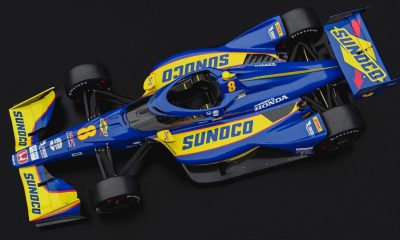
Sunoco to sponsor No. 8 Ganassi Honda IndyCar in multi-year deal
-
 Sports3 weeks ago
Maine wraps up Fall Semester with a win in Black Bear Invitational
-
 Motorsports2 weeks ago
Ross Brawn to receive Autosport Gold Medal Award at 2026 Autosport Awards, Honouring a Lifetime Shaping Modern F1
-
 Rec Sports3 weeks ago
WNBA’s Caitlin Clark, Angel Reese and Paige Bueckers in NC, making debut for national team at USA camp at Duke
-

 Rec Sports2 weeks ago
Stempien to seek opening for Branch County Circuit Court Judge | WTVB | 1590 AM · 95.5 FM
-
 Motorsports3 weeks ago
Rick Hendrick comments after the NASCAR lawsuit settlement
-

 NIL3 weeks ago
Nike Signs 10 LSU Athletes to NIL deals
-
 Rec Sports3 weeks ago
East Bay woman who embezzled $1.6 million from youth charity sentenced to prison