College athletic departments can now directly pay student-athletes up to $20.5 million annually through revenue sharing, with Louisiana opting in through its new “Cajuns Edge Fund.”
Top quarterbacks at Power 4 schools are earning over $2 million annually, with offensive tackles commanding $800,000 to $1.2 million per season
Non-Power conference schools like Louisiana will distribute significantly less than major programs, with athletes receiving far less than Power conference players
The settlement creates potential employment status issues for athletes, raising questions about unionization and Title IX
Big Ten proposes expanding the College Football Playoff to as many as 28 teams, which could dramatically increase revenue distribution and athlete compensation
The historic shift to direct athlete payments marks the end of amateur athletics, with local implications for Ragin’ Cajuns fans and Louisiana’s athletic future
LAFAYETTE, La. (KPEL News) — The era of paying college athletes directly has officially begun, with schools across the nation now able to distribute up to $20.5 million annually to their student-athletes following federal court approval of the House v. NCAA settlement. As the college football season kicks off this weekend, Louisiana fans are witnessing a fundamental transformation in how college athletics operate, with the University of Louisiana taking decisive steps to compete in this new landscape.
What Louisiana Ragin’ Cajuns Families Need to Know
Louisiana Athletics launched the “Cajuns Edge Fund” under the Ragin’ Cajuns Athletic Foundation (RCAF), allowing fans, donors, and local businesses to contribute directly to revenue-sharing while receiving tax-deductible benefits and RCAF Priority Points. This represents a historic shift from the previous system, where payments required separate fundraising through volunteer-operated collectives.
Deputy Athletic Director Trey Frazier confirmed the university’s participation in the revenue-sharing model, stating, “We’re excited about this case. We’re going to opt into the revenue-sharing model”. The program allows local businesses new opportunities for authentic NIL partnerships with Ragin’ Cajuns athletes, streamlining the donor process while expanding scholarship opportunities.
Under the settlement, FBS programs can offer up to 105 scholarships, up from 85, while schools participating in revenue sharing can distribute funds directly to athletes in addition to existing scholarships and third-party NIL earnings. Baseball programs receive 34 scholarships and softball gets 25 under the new structure.
The Financial Reality for Louisiana Athletes
The financial gap between major programs and schools like Louisiana is substantial. While Power Five conferences brought in $3.55 billion in revenue for 2023, most athletic departments have limited outside revenue and must rely on school funds and student fees to support their programs. Non-Power conference schools have much smaller revenues, and their athlete revenue-sharing pool will likely be a fraction of what big schools can and will pay.
At the highest levels, top quarterbacks earn over $2 million annually, with several Power 4 schools paying $1.5 million for transfer quarterbacks this offseason. The market has become so competitive that the going rate for good quarterback play quickly surpassed $1 million by the end of November as Power 4 programs negotiated deals to ensure their starters would return.
Position-specific markets have emerged, with offensive tackles commanding $800,000 to $900,000 and potentially reaching $1.2 million or more for left tackles, while interior offensive linemen range from $600,000 to $700,000 for competitive recruitments.
What’s Driving These Historic Changes
The transformation stems from the House v. NCAA settlement, which ends three separate federal antitrust lawsuits claiming the NCAA illegally limited the earning power of college athletes. The Supreme Court’s 2021 decision in NCAA v. Alston rejected the NCAA’s “amateurism” argument, with Justice Brett Kavanaugh noting the “highly profitable” and “professional” nature of certain college sports.
The settlement establishes a $2.78 billion payment in back pay to former college athletes and creates a 10-year revenue-sharing plan where schools can share up to 22% of revenue from media rights, ticket sales, and sponsorships with athletes. The College Sports Commission now oversees regulation and enforcement of player compensation issues, led by CEO Bryan Seeley, a former MLB deputy counsel for compliance and investigations.
Louisiana’s Strategic Position and Local Opportunities
Louisiana’s athletic department has embraced multiple NIL initiatives, including partnerships with more than 30 student-athletes from various sports in an anti-vaping campaign with the Louisiana Attorney General’s Office. The university has established a comprehensive NIL infrastructure through partnerships with INFLCR, Athletic Solutions, and Campus Ink, creating multiple revenue streams for local student-athletes.
The Ragin’ Cajuns Exchange provides a customized portal connecting student-athletes with businesses for NIL opportunities, featuring payment processing tools and tax reporting capabilities. All NIL deals of $600 or more must now be reported through the new NIL Go platform, with Deloitte managing the clearinghouse and reportedly determining that 70% of past payments from NIL collectives would have been denied, while over 90% of payments from public companies would have been approved.
Major Challenges on the Horizon
The new system faces significant implementation challenges. College athletes may be considered “employees” of the university, raising issues of unionization and collective bargaining, while creating the need for renewable annual contracts governing relationships between each athlete and their school.
Employment status classification could impact Title IX compliance, potentially allowing colleges to justify paying athletes in revenue-generating sports more than those in non-revenue sports. With approximately 190,000 athletes competing at the Division 1 level, creating contracts for even a quarter of eligible athletes represents an incredibly labor-intensive challenge.
The settlement’s financial impact threatens non-revenue-generating sports, with many programs facing cuts as colleges offset increased costs for major sports. Olympic-level sports like gymnastics, swimming, wrestling, and track and field could become casualties of the push for equity in high-revenue sports.
The College Football Playoff Factor
Revenue distribution could see dramatic changes with proposed playoff expansion. Big Ten leadership is discussing 24- and 28-team playoff models, with seven automatic qualifiers for the Big Ten and SEC, five each for the ACC and Big 12, two for Group of Six conferences, and two at-large spots.
Current playoff participants receive $4 million for making the 12-team field, another $4 million for reaching quarterfinals, $6 million for semifinals, and $6 million for the championship game, plus $3 million in expense coverage for each round. Colorado’s Deion Sanders proposed paying players additional bonuses for reaching the playoffs, with support from former Alabama coach Nick Saban.
Timeline and Louisiana Opportunities
Louisiana Athletics implemented its budget-neutral revenue share model for the current fiscal year, with the Cajuns Edge Fund counting contributions toward RCAF membership and corresponding benefits. Schools must designate by July 6 any current student-athletes remaining above new roster limits, with fall sports complying with new roster caps by the start of the 2025-26 academic year.
The revenue sharing arrival coincides with Louisiana hiring new men’s basketball coach Quannas White, with Frazier expecting increased attendance and support for the program. The deputy athletic director expressed optimism about fan engagement, noting widespread interest from potential season ticket holders.
For Louisiana businesses, the new structure provides clearer pathways for authentic athlete partnerships. The NCAA now permits direct revenue sharing while allowing athletes to continue benefiting from third-party NIL deals, regulated through the NIL Go platform.
What Happens Next for Louisiana Athletics
The college sports landscape will continue evolving rapidly. Athletic directors face potentially career-defining decisions about finding money and allocating it, with the value of teams now including literal dollar signs and potential cutting of Olympic sports to fund revenue-generating programs.
The peace NCAA and conference leaders hope to purchase with billions in settlement money appears tentative, with separate cases like Fontenot v. NCAA continuing to challenge restrictions on athlete compensation. Enforcement remains a significant question, as separating legitimate endorsement deals from thinly veiled pay-for-performance arrangements continues to be subjective.
Revenue sharing caps could increase to around $30 million annually per school over the next ten years, fundamentally altering the competitive balance between programs with substantial revenues and those relying on institutional support.
For Ragin’ Cajuns fans, the new era presents both opportunities and challenges. While Louisiana may not compete financially with Power Four programs, the university’s commitment to revenue sharing and comprehensive NIL infrastructure positions local athletes to benefit from this historic transformation in college athletics.
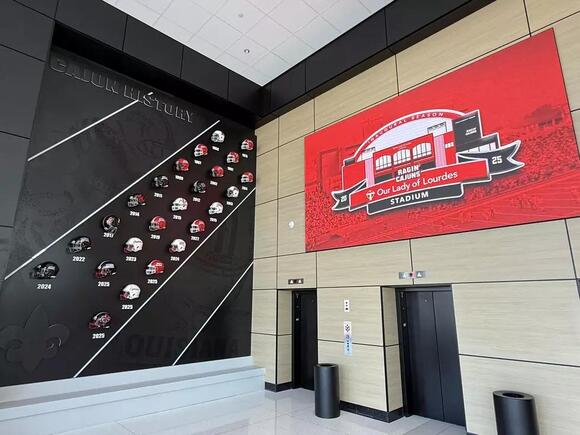
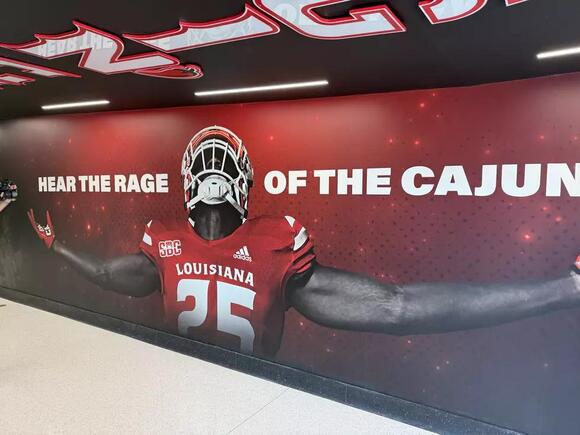
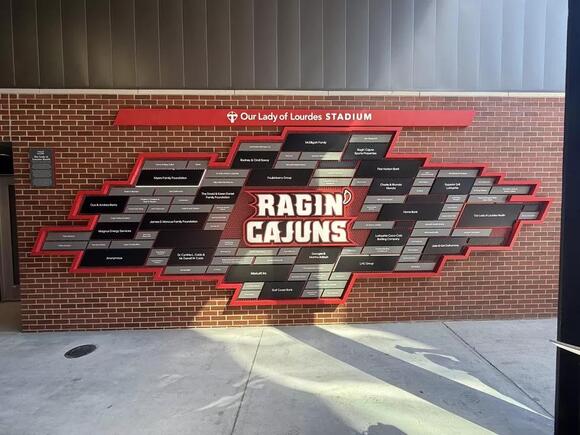
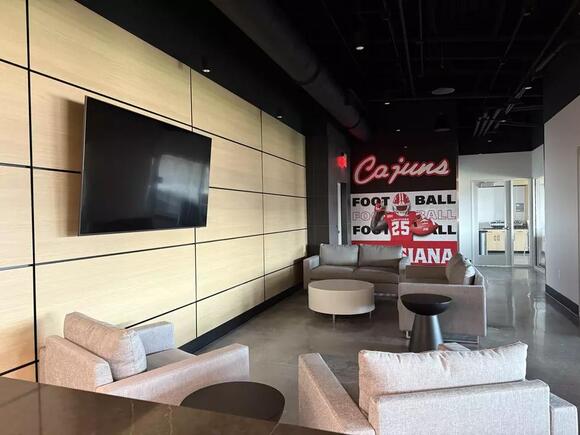
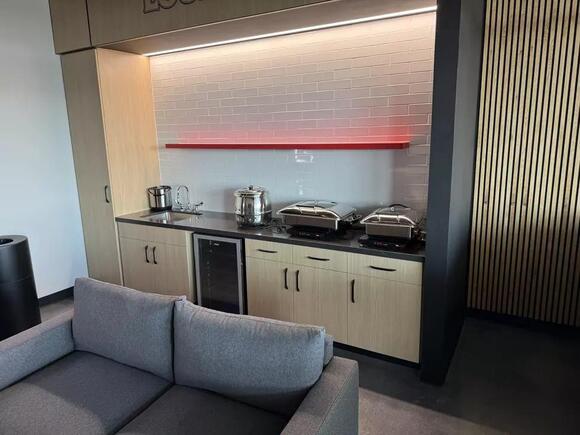
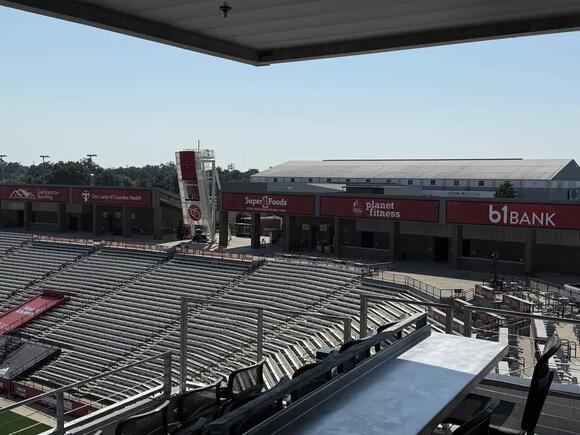
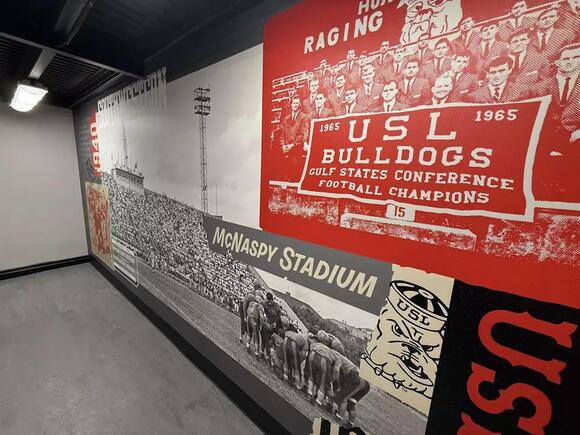
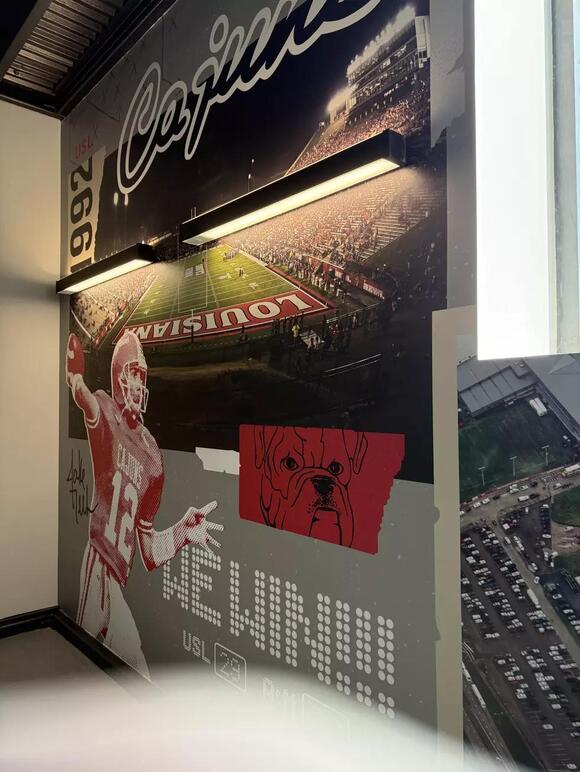
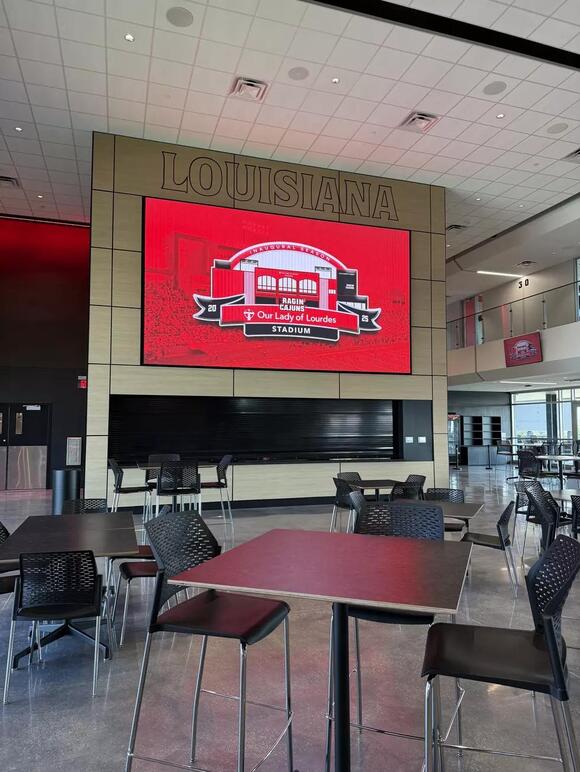
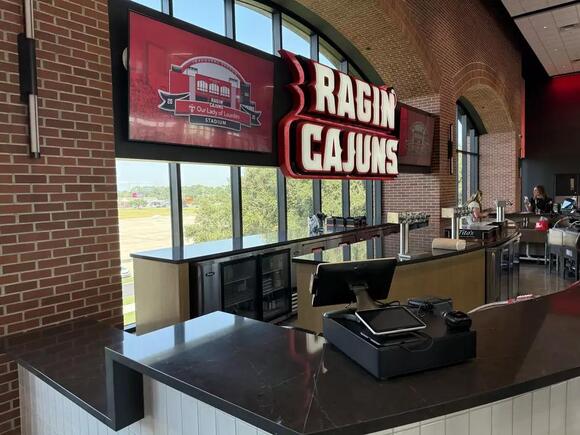
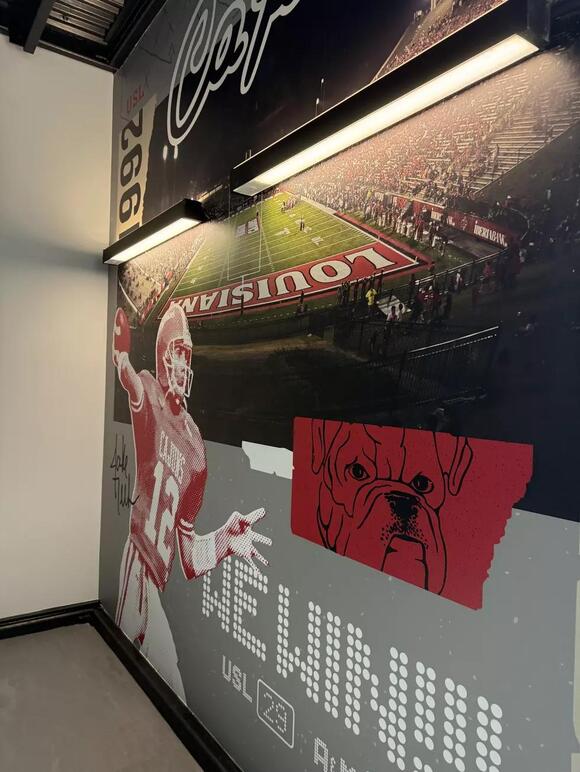
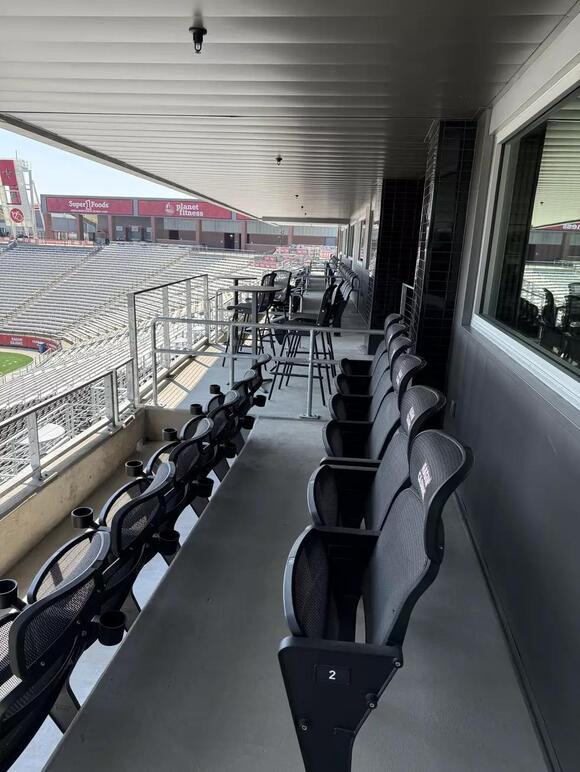
Are you ready for the Ragin’ Cajuns football season? Take a look at the brand new Our Lady of Lourdes Stadium.
REVEALED: Inside the Ragin’ Cajuns NEW Our Lady of Lourdes Stadium
Gray’s Creek’s Taylor Baggett’s senior season was one for the record books.
The Bears’ outside hitter and defensive specialist capped her high school career with a dominant final season that helped Gray’s Creek get to put together a ground-breaking year as the first high school volleyball team in school and county history to make it to an NCHSAA Final Four.
CLEVELAND, Ohio – St. Olaf College recorded its second-highest-ever finish in the fall standings of the Learfield Directors’ Cup by placing 15th out of 429 NCAA Division III institutions, as the standings were announced on Tuesday by the National Association of Collegiate Directors of Athletics (NACDA).
St. Olaf accumulated 241.0 points – its second-highest total ever in the fall – to rank 15th out of the 178 NCAA Division III institutions who earned points this fall. The initial release of the standings included all of the fall results except for the championship game of the NCAA Division III Football Championship. Neither of the institutions competing in the football title game can surpass St. Olaf regardless of the outcome of that game.
The Learfield Directors’ Cup is a program that honors institutions maintaining a broad-based athletics program, awarding points based on each institution’s national finishes in the NCAA Championships. This fall, St. Olaf’s men’s cross country, women’s cross country, men’s soccer, and women’s volleyball teams contributed to St. Olaf’s point total.
Men’s soccer earned 83 points by advancing to the national semifinals for the second time in program history. Men’s cross country collected 63 points thanks to its 13th-place finish at the NCAA Division III Cross Country Championships. Volleyball added 50 points with its second-round appearance in the NCAA Division III Women’s Volleyball Championship, while women’s cross country picked up 45 points after placing 29th nationally.
This year marked the sixth consecutive fall that St. Olaf has finished among the top 30 institutions in NCAA Division III, with the 15th-place finish being one spot shy of the t-14th finish in 1996-97 for the highest in school history. It was also St. Olaf’s sixth top-20 and eighth top-25 fall finish in the history of the Learfield Directors’ Cup, which first included NCAA Division III in 1995-96.
LA JOLLA, Calif. – UC San Diego Director of Athletics Andy Fee has announced the hiring of Spencer McLachlin as the Tritons’ new women’s volleyball head coach. McLachlin becomes the eighth head coach in program history. The 2026 season will mark UC San Diego’s final in The Big West before the program transitions to the West Coast Conference prior to the 2027 campaign.
“Spencer brings exactly what we need at this moment. He’s helped build winning programs, developed All-Americans, and knows how to compete at the highest level,” Fee said. “His playing career at Stanford and coaching experience at Hawaii, Cal, UCLA, Indiana, and USC give him a deep understanding of what championship volleyball looks like in major conferences. But what really stood out was his approach to the whole scholar-athlete experience. He gets what we’re building here at UC San Diego as we establish ourselves in Division I and look ahead to the West Coast Conference. Our scholar-athletes are going to love playing for him, and I’m confident he’ll have this program competing for championships.”
McLachlin recently completed his third season as an associate head coach for the USC women’s volleyball program. He helped lead the Women of Troy to 25 wins, a fourth-place finish in the ultra-competitive Big Ten, and an NCAA second round appearance. The 2025 team placed six on all-conference teams. In 2024, the Trojans advanced to the second round of the NCAA tournament for the third straight year and finished 22-10 overall with a 13-7 mark in the Big Ten (tied for sixth). Setter Mia Tuaniga was named to the AVCA All-America third team. In his first season with the Women of Troy, McLachlin helped USC go 19-13 with a 12-8 mark in Pac-12 matches for a fifth-place finish. Outside hitter Skylar Fields was honored with AVCA All-America first-team recognition.
“I am thrilled to join UC San Diego as the Head Coach of the women’s volleyball program,” McLachlin said. “This is an incredible opportunity for my family and me to be part of an historic and beautiful university and build a program with great potential. I want to thank Andy Fee for trusting my family and me with this role, for his commitment to supporting the future of Triton athletics, and for his vision of the volleyball program specifically. His leadership and commitment to excellence make this an exciting time to be part of the UC San Diego athletic department. Go Tritons!”
Previously, McLachlin served as the associate head coach at Indiana in 2022 where he was responsible for coordinating the defense and blocking. The Hoosiers were 16-16 and went 9-11 in the Big Ten to finish eighth in the conference standings. IU’s nine conference victories were its most since 2010 and the team had its highest finish since the Big Ten expanded to 14 teams (2014).
Prior to Indiana, McLachlin was an assistant coach for the UCLA men’s volleyball program for four years, from 2018-2021. He has also had experience coaching at the international level with the U.S. men’s national team where he was on staffs for squads which competed in the Pan American Cup and NORCECA Champions cup.
Before he joined the UCLA men’s program, McLachlin spent two seasons (2016-17) as an assistant coach at California for the Golden Bears’ women’s team. In 2017, he was named to the American Volleyball Coaches Association (AVCA) Thirty Under 30 list, an honor presented to up-and-coming coaching talents across all levels of volleyball. McLachlin got his start in coaching as an assistant for the men’s volleyball program at Hawai’i. During his time with the Warriors, the team earned a bid to the NCAA tournament for the first time in 13 seasons.
As a student-athlete, McLachlin competed at Stanford from 2008-11 as an outside hitter. He won a national championship with the Cardinal in 2010 and finished his career among the program’s all-time leaders in kills with 1,288. McLachlin was a senior captain, an All-MPSF second team selection, and received MPSF all-academic team recognition three times.
McLachlin graduated from Stanford with a degree in political science in 2011 and completed a Master of Education in 2012 while serving as a club coach for the Bay-to-Bay Volleyball Club.
As a professional athlete, McLachlin was an outside hitter for Mas NIKI Aiginio in Greece for three years from 2012 to 2014.
McLachlin and his wife Diane have three children: daughters Leila and Malia, and a son, Koa.
About UC San Diego Athletics
After two decades as one of the most successful programs in NCAA Division II, the UC San Diego intercollegiate athletics program has begun a new era as a member of The Big West inNCAA Division I. The 24-sport Tritons earned 30 team and nearly 150 individual national championships during its time in Divisions II and III and helped guide 1,400 scholar-athletes to All-America honors. A total of 83 Tritons have earned Academic All-America honors, while 38 have garnered prestigious NCAA Post Graduate Scholarships. UC San Diego scholar-athletes exemplify the academic ideals of one of the world’s preeminent institutions, graduating at an average rate of 90 percent, the highest rate among public institutions in NCAA Division I or II. For more information on the Tritons, visit UCSDtritons.comor follow UC San Diego Athletics on social media @UCSDtritons.
Hawaii men’s volleyball coach Charlie Wade guided the Rainbow Warriors to 27 wins and a Big West Conference championship last season.
The Hawaii men’s volleyball team will open its 2026 season in 10 days ranked No. 2 in the country according to the AVCA National Collegiate Men’s Volleyball Preseason Poll released today.
The Rainbow Warriors, who finished 27-6 last season and won a Big West championship before losing in the semifinals of the NCAA Championship, received seven of 25 first-place votes and was eight points behind No. 1 UCLA, which ended Hawaii’s season in a three-set sweep in Columbus, Ohio in May.
Defending national champion Long Beach State received five first-place votes and is ranked No. 3 going into the season, ahead of Pepperdine and No. 5 Southern California, which earned the final first-place vote.
The other Big West teams in the top 20 include No. 6 UC Irvine, No. 10 UC San Diego, No. 11 Cal State Northridge and No. 17 UC Santa Barbara.
UH’s nonconferene schedule includes home matches on Jan. 6 and 8 against No. 7 Loyola Chicago and road trips at No. 9 Stanford and No. 13 Penn State.
Hawaii also hosts the fourth-ranked Waves and will play No. 12 Lewis and the top-ranked Bruins in the Outrigger Invitational.
Don’t miss out on what’s happening!
Stay in touch with breaking news, as it happens, conveniently in your email inbox. It’s FREE!
A four-team NIL Tournament in currently scheduled for Feb. 19 and 20 in the Honda Center in Anaheim, Calif., and will feature four of the top five teams in the poll.
Hawaii lost starters Kurt Nusterer and ‘Eleu Choy to graduation last season but return its top four leaders in kills as well as junior setter Tread Rosenthal.
Rosenthal was named to the All-Big West first team along with returning sophomores Adrien Roure and Kristian Titriyski.
UH opens the season against NJIT on Friday, Jan. 2, 2026, at 7 p.m. at Bankoh Arena at Stan Sheriff Center.
MADISON, Wis. – The National Association of Collegiate Directors of Athletics and LEARFIELD released its Fall Division I Learfield Directors’ Cup standings this Tuesday, with Wisconsin placing eighth after a another successful fall season.
The Badgers finished the season with 236.00 points, within 10 points of Georgetown, Colorado and BYU who finished in seventh, sixth and fifth, respectively. North Carolina finished as the top program with 359.00 points.
This is the third straight fall season where the Badgers have finished within the top-ten schools. UW also was the Big Ten’s top finisher, edging out Washington at No. 10 overall with 228.00 points
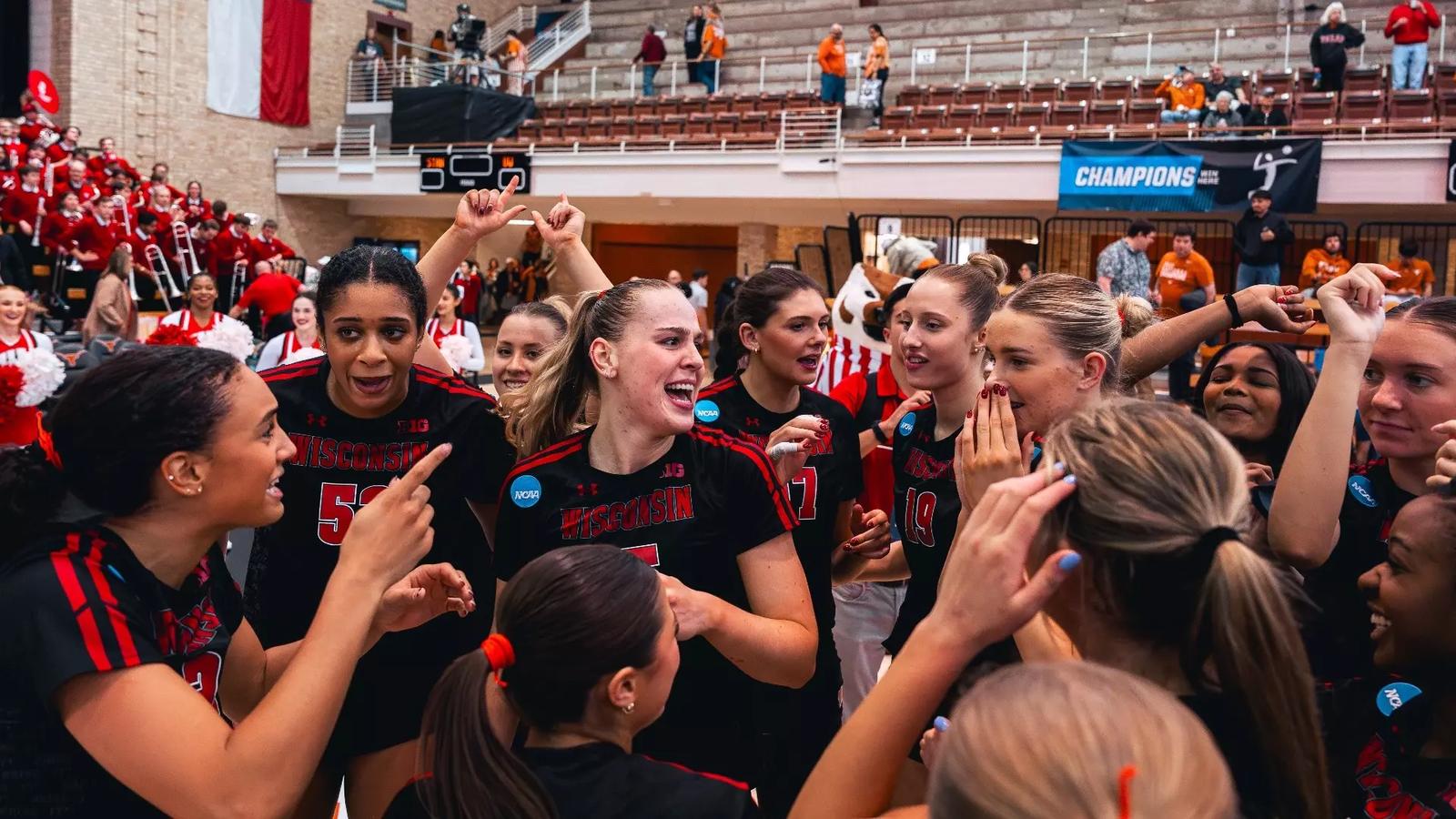
Wisconsin’s point total was bolstered this fall by a final four appearance from the volleyball team, led by AVCA All-American Mimi Colyer. The team made its third final-four appearance in the past five seasons, compiling a 28-5 overall record, including a 13-1 stretch in its last 14 matches. Wisconsin finished as the third-ranked volleyball team in Learfield standings, coming up with 83 points.
The men’s cross country team contributed the second most points with 55, after a third place NCAA regional placement led to a 19th place finish at the NCAA Championships in Columbia, Missouri. Liam Newhart led the team with 29:28.5 time at the 10K Gans Creek Cross Country Course.
The Badgers were rewarded 50 points from their women’s soccer team after clincing their third straight NCAA Tournament appearance. Wisconsin took down three top-10 ranked teams on its way to a 14-6-2 record, peaking with a 3-2 overtime victory over Western Michigan in NCAAs. The Badgers finished the season as the 17th ranked women’s soccer program in the standings.
Additionally, the women’s cross country competed at the NCAA Championships in their fifth consecutive appearance in the final meet of the season. The unit finished in 26th place, providing 48 points to round out the scoring for the Badgers.
The Learfield Directors’ Cup was developed as a joint effort between the National Association of Collegiate Directors of Athletics (NACDA) and USA Today. Points are awarded based on each institution’s finish in NCAA Championships.
Wisconsin’s history in the LEARFIELD Directors’ Cup can be viewed here.
Lauren Lee’s journey to an unprecedented 5,000 career assists for the Hope College volleyball team began on the beach.
The standout Hope setter often traveled to sandy courts with her family as a child. Lee did not need to look far for inspiration to pick up the sport — or to decide where she wanted to play.
“I started playing volleyball because my dad played at the University of Michigan. He was a setter on their men’s team,” Lee said of her father, Dr. Stan Lee, an orthopaedic spine surgeon at Lucent Spine, PLLC, Specialists in Spine Surgery, in the Detroit area. “I grew up watching him play beach volleyball with his friends. I became a setter because of my dad’s passion for the position and the game. He showed me all the tricky things you can do as a setter and how impactful the position can be.”
Lee, a biology major, closed an outstanding four-year career for the Flying Dutch that included numerous individual achievements:
5,001 career assists over 129 matches, a school record;
four All-America selections from the American Volleyball Coaches Association;
four All-MIAA First Team honors, including Most Valuable Player as a senior and Freshman of the Year in 2022;
one AVCA Freshman of the Year award.
Lee played a central role in an exceptional four-year stretch for Hope volleyball.
The Flying Dutch finished as national runner-up in 2023, reached the national semifinals in 2024 and advanced to the national quarterfinals in 2022. Hope earned three consecutive MIAA regular-season championships for the second time in program history and captured back-to-back MIAA Tournament titles for the first time.
Setting the Table
In all, Lee set the table for the Flying Dutch’s success, head coach Becky Schmidt said.
“I’m super proud of Lauren — 5,000 assists is absolutely huge,” Schmidt said. “She’s an incredible setter and just does so much for us. It’s been so much fun to watch.”
Schmidt believes Hope benefited greatly from Lee playing for the Flying Dutch.
“If she were four or five inches taller, she’d be playing in the Big Ten and doing really great things,” Schmidt said. “I am so thankful for her contributions over her four years. She has done really great things.”
Lee is grateful she chose Hope four years ago as well. While the team’s accomplishments have been rewarding and the individual accolades and milestones bring pride, she said they happened because of the people she played with.
“I am super proud of myself, but more importantly, I am thankful for the help of my team for the past four years,” Lee said. “The primary reason I have been able to reach 5,000 assists is because of the amazing hitters who have put the ball away, the passers who have handled serves and swings so that I can have full offensive autonomy, and the coaching staff who has helped us extend our season as long as possible every year.
“I am humbled and grateful to receive the credit and praise, but this milestone is truly a product of a team effort.”
The journey to 5,000 collegiate assists — and so much more — started with logging countless hours on the beach as a young fan.
Like her father, Lee has shown others how to set and assist teammates on the court. It’s a shared family passion.
“I just love the feeling of chasing down the ball and fixing plays,” Lee said. “When it’s perfect, I love setting others up for success because I know I can’t hit the ball as hard as Kamryn Burbridge or Ella Contant. It’s so awesome to see someone hit the ball as hard as possible.”