
NIL
Ranking college football’s open head coaching jobs: LSU overtakes Penn State as new No. 1

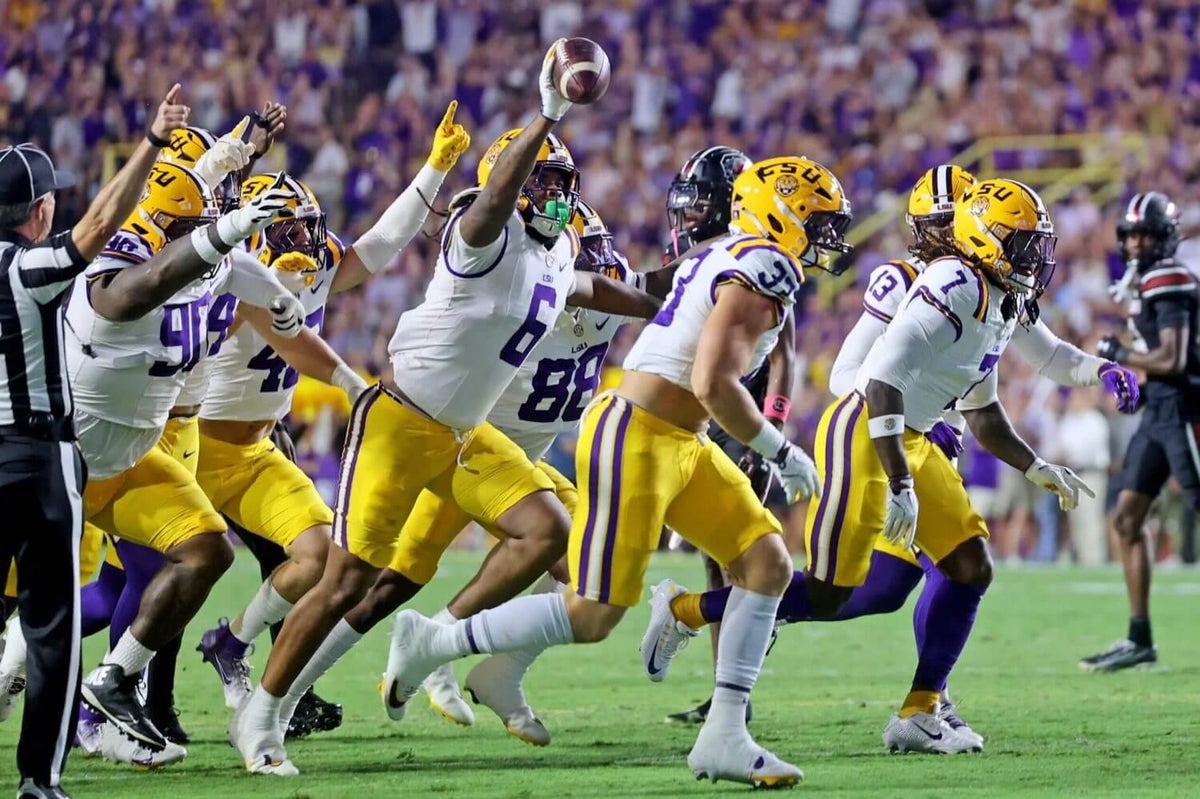
This could be the most active coaching carousel college football has seen in many years. Before the end of September, five Power 4 programs were searching for new head coaches for 2026, and the number of open jobs is now up to 12 (counting some late-offseason dismissals).
The 2024-25 hiring cycle was historically slow at the Power 4 level, as schools waited to see the impact of budgeting more than $20 million for athletes in the House v. NCAA settlement, but with that revenue sharing system now set, the focus has turned back to coaching changes.
Here is our ranking of college football’s open head-coaching jobs. The ranking leans heavily on the chances for a coach to succeed there. That might mean more stock put in a program’s upside than its recent success, but it’s not just coach pay or quality of life. Coaches want to take jobs where they believe they can win, and this is how most coaches would view these jobs. This list will be updated throughout the fall as jobs open and close.
1. LSU
Record over the last five years: 40-21
The Athletic’s estimated valuation: $1.23 billion (10th among Power 4 programs)
Job grade: A
LSU is a top-five job in college football, maybe top-three. How can it not be when Les Miles and Ed Orgeron recently won national championships here? It has titles, tradition and unique local support. It has a hold of its talent-rich state like very few schools — one of the few remaining places where kids really do commit to the school and not the coach. LSU will always get almost all of the best kids in Louisiana because that’s the culture. After a few years of LSU falling behind in player spending, that changed this year, with an $18 million roster and the nation’s top-ranked transfer class. There’s a reason LSU was able to pull an unprecedented move of hiring a winning Notre Dame head coach four years ago.
But with all that comes the highest of bars. You have to compete for and win national championships here. Brian Kelly, a very successful coach otherwise, couldn’t do it. Was that because of Kelly’s personality, or was it because the flattening of the sport’s competitive structure has made it harder for all the top schools to win big? The school leadership and involvement of politicians also make for a bit more for a coach to navigate. Still, almost anyone could be an option here. LSU is that good of a job.
2. Penn State
Record over the last five years: 44-17
The Athletic’s estimated valuation: $1.2 billion (11th among Power 4 programs)
Job grade: A
This place has it all: tradition, money, facilities, support and recent success. It’s a top-15 job in college football. Penn State is paying around $45 million to get rid of James Franklin coming off a CFP semifinal appearance. That signals how serious the Nittany Lions are about getting over the hump.
Franklin deserves a lot of credit for getting Penn State back near the top of the sport. He won a lot of games, just not the big ones. He also forced the program to modernize, demanding more in facilities and money.
A few sitting head coaches elsewhere in the Big Ten would fit here, but the school also may take even bigger swings. Jobs as good as this one, coming off such a successful run, do not come open like this often. If Penn State is fully aligned and committed on the revenue share/NIL front, anything could happen during the search.
3. Florida
Record over the last five years: 28-30
The Athletic’s estimated valuation: $1.08 billion (12th among Power 4)
Job grade: A-
Florida might have the highest ceiling in this cycle, with three national championships since 1996. The natural advantage of being in Florida helps. The school’s financial investment is catching up to its peers, including a nice new football training building that finally opened.
But Florida is also looking for its fifth coach since Urban Meyer left. It hasn’t clicked here in a while. Dan Mullen won but couldn’t recruit. Billy Napier could recruit but couldn’t win. In the new era of paying players, who’s to say those recent national titles contribute all that much to this job’s quality? Recent university administrative drama also doesn’t help, but it’s a high-level SEC job that almost anyone would want.
Florida needs a coach who can get everyone on the same page, take advantage of the talent and build an identity. It’s been a long time since the Gators had one.
4. Arkansas
Record over the last five years: 29-27
The Athletic’s estimated valuation: $646 million (23rd among Power 4 programs)
Job grade: B
It’s one of the toughest jobs in the SEC, without much in-state high school talent and far away from major cities and recruiting areas, and Arkansas has underpaid coaches and players relative to its competition. The Razorbacks’ 2021 peak under Sam Pittman was their lone Top 25 finish since 2011; there have been more losing seasons than bowl appearances since then. Arkansas hasn’t won a conference championship since 1989 and hasn’t played in the SEC Championship Game since 2006.
But it’s still an SEC job, which will give it an advantage over many other open jobs in the eyes of coaching candidates, and it’s the only Power 4 program in the state. Everyone is behind the Razorbacks. Adding to the difficulty is the money invested in men’s basketball and baseball. Athletic director Hunter Yurachek recently admitted Arkansas is competing for national championships in those sports, but not football. The floor here is lower than that of jobs farther down this list, but the ceiling may be higher. The school needs a coach who can convince boosters to compete for better football players while, more importantly, maximizing the talent on the roster.
5. UCLA
Five-year record: 30-24
The Athletic’s estimated program valuation: $343 million (T-43rd among Power 4 programs)
Job grade: B
The idea of UCLA has long seemed better than the reality of UCLA. The Bruins haven’t won a conference championship since 1998 and haven’t posted a 10-win season in more than a decade. Fan apathy is showing up in the attendance figures at the Rose Bowl, and the athletic department’s financial problems have been piling up — the Bruins have been operating at a cumulative deficit of over $200 million over the last five years.
But it’s a Big Ten job in Southern California. That doesn’t mean all Big Ten jobs are better than all ACC or Big 12 jobs. But it means the Bruins’ ceiling and the floor should be higher, and the path to success is easy to envision.
The school needs a coach capable of setting up a better recruiting operation in California and exciting the fans and donors to spend for success. The expectation should be annual bowl games with periodic 10-win seasons.
6. Oklahoma State
Five-year record: 33-24
Estimated valuation: $373 million (39th among P4)
Job grade: B
The bottom fell out from under Mike Gundy so quickly, but the Cowboys played for the Big 12 championship in 2021 and 2023, including a Fiesta Bowl win in 2021. They had made 18 consecutive bowl games until last season. The flip side is that the program had a sub-.500 all-time record before its native son Gundy took over.
The program has a pipeline to Texas for talent and sits in a winnable Big 12 conference. This should be a top-third job in that league, which means a fairly clear path to the College Football Playoff. The Cowboys’ financial investment must increase, however, and the school’s leadership has spent some of this year on somewhat shaky ground.
Oklahoma State needs a coach who can take advantage of its proximity to Texas and meet the expectations of regularly competing for a Big 12 championship.
7. Virginia Tech
Five-year record: 23-31
Estimated valuation: $455 million (31st among P4)
Job grade: B
Under Frank Beamer, Virginia Tech played for a national championship to cap the 1999 season and won at least 10 games 13 times from 1995 to 2011. But those days are long gone, and it’s not clear whether they can come back. Dominating recruiting in the Hampton Roads region and consistently finding diamonds in the rough, as Beamer did, is a lot harder in today’s game.
The program has been underfunded and understaffed relative to the rest of the ACC for a long time. Athletic director Whit Babcock has proposed a sizable budget increase, though it’s not clear where all the money would come from. The location isn’t ideal for recruiting, either.
The school needs a coach who can better develop talent, and the expectation should be to compete to reach the ACC Championship Game, which the Hokies haven’t played in since 2016.
8. Stanford
Five-year record: 14-39
Estimated valuation: $202 million (60th among P4)
Job grade: C+
The Cardinal won at least 10 games five times from 2010 to 2016, but that was a different era of college football. They haven’t won more than four games since 2018, and the NIL/portal era has limited the program’s upside. General manager Andrew Luck has been tasked with running the football program, and he’s all-in. Luck loves the school, but he has never done this before. Will he let the next coach run the program the way that coach wants?
Stanford is also now an ACC member, receiving less money in conference payouts after the Pac-12’s collapse. There is no identity around this program right now.
The school needs a coach who can do more with less, maximizing development. The expectation should be to regularly reach bowl games.
9. Oregon State
Record over the last five years: 30-28
Job Grade: C+
The Beavers won 10 games just three seasons ago but were left behind in conference realignment and have tried to pick up the pieces. The bad news is this has always been a difficult job located in an area that isn’t rich with talent. The good news is Oregon State has facilities and decent NIL support, and the reconstructed Pac-12 next year provides a path back to contention. The Beavers expect to compete in that new league, made up mostly of current Mountain West schools, and bowl games are a reasonable expectation.
10. Colorado State
Record over the last five years: 21-35
Job grade: C+
This job has been defined by unmet potential. People in the industry love the upside , with top-notch facilities for the Group of 6 (a new stadium opened in 2017), a good amount of money (previous coach Jay Norvell’s salary was $1.9 million) and solid fan support (40,000 fans came to the Homecoming game). But the Rams are headed toward seven losing seasons in eight years, they don’t have an ideal recruiting base and they’re heading into a new Pac-12 that will be a tougher league top to bottom. Can someone tap into the potential?
11. UAB
Record over the last five years: 25-31
Job Grade: C
UAB was college football’s feel-good story. The Blazers were shut down in 2014 before the community brought the program back in 2017 and immediately won big under coach Bill Clark, with 43 wins in the first five seasons back on the field. But Clark stepped down due to health issues, and the school didn’t stick with interim head coach Bryant Vincent and instead hired Trent Dilfer. The ensuing tenure sent the program back into the ground with a 9-21 record, including 0-15 in road games. UAB has a new stadium, a nice football building and a good location. It’s behind its American Conference peers financially, but the upside remains.
12. Kent State
Five-year record: 14-40
Job grade: F
On the field, this is the worst job in the country. The Golden Flashes were the only winless team in the FBS last season, then fired coach Kenni Burns in the offseason for issues around a loan from a booster and his use of a school credit card. In mid-October they beat an FBS opponent for the first time since 2022.
Going back to 1988, Kent State has just four winning seasons, one of which was the four-game season in 2020. Despite being the alma mater of Nick Saban, Lou Holtz and Gary Pinkel, Kent State has not been able to find much success. Former coach Sean Lewis turned the program into a respectable outfit from 2019 to ’22, going 6-2 in MAC play in 2021, but he left for an assistant job at Colorado, and the several notable players on the team transferred out. Playing in the MAC does provide room for upward mobility, competing against teams with similar resources, but it’s as uphill a climb as it gets in the FBS.

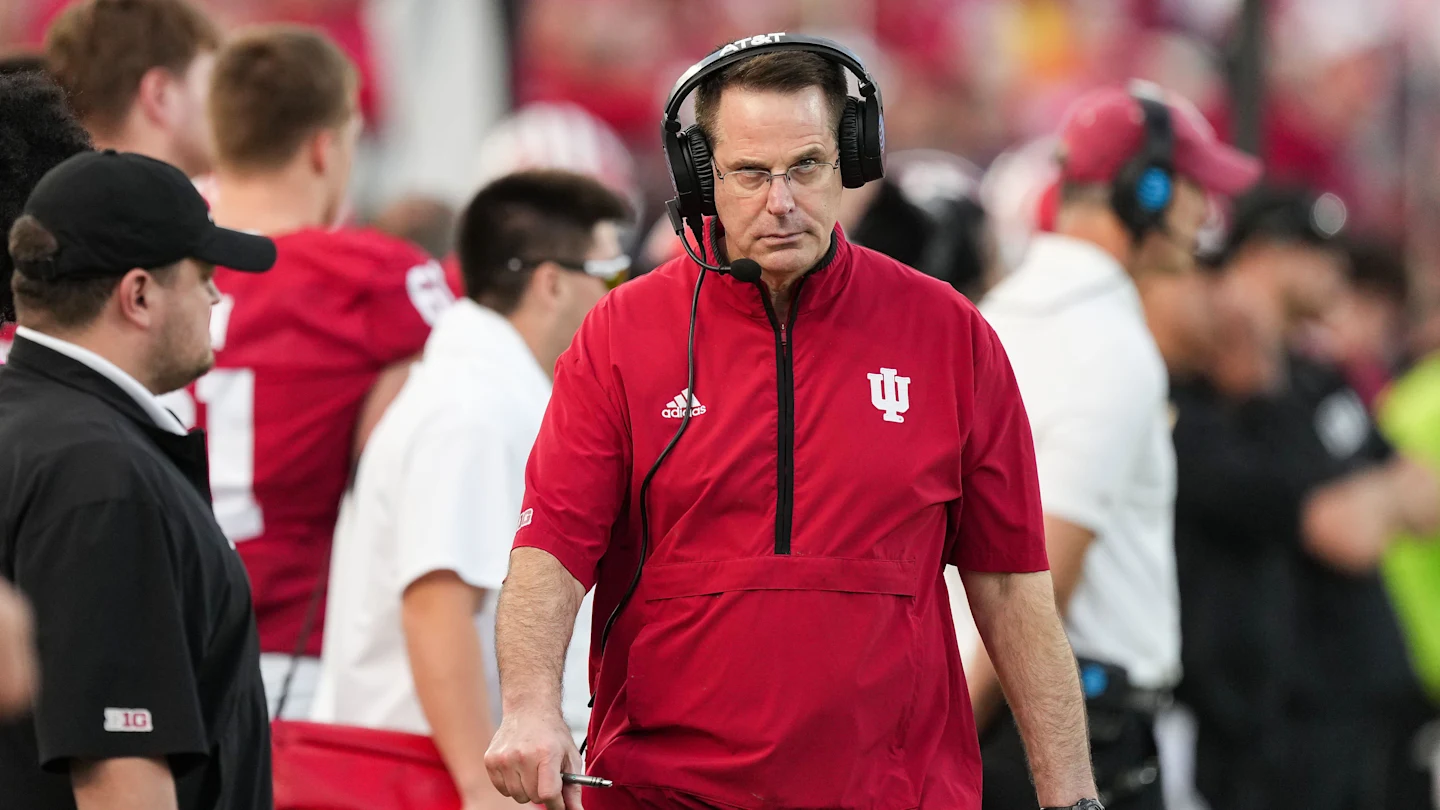
Indiana posted a major day in the early January transfer portal window, adding multiple experienced transfers on Sunday, including TCU quarterback Josh Hoover, Michigan State wide receiver Nick Marsh, and Boston College running back Turbo (Hanovii) Richard.
Hoover is a redshirt junior with a high-volume TCU resume, throwing for 9,629 career yards and 71 touchdowns with a 65.2% completion rate.
He set the Horned Frogs’ single-season passing record in 2024 with 3,949 yards (27 TDs, 11 INTs) and followed it up with another productive campaign in 2025, totaling 3,472 yards with 29 touchdowns and 13 interceptions.
Hoover is expected to enroll in January and is the projected heir apparent if Heisman winner Fernando Mendoza departs for the NFL.
Marsh is a 6-foot-3 receiver who led Michigan State in receptions and receiving yards in consecutive seasons, posting 41 catches for 649 yards and three touchdowns in 2024, followed by 59 receptions for 662 yards and six scores in 2025.
Richard entered the portal after a breakout 2025 season, rushing for 749 yards and nine touchdowns on 145 carries (5.2 yards per carry) across 11 games, while also contributing in the passing game with 30 catches for 213 yards and two receiving touchdowns.
Safeties Preston Zachman (Wisconsin) and Jiquan Sanks (Cincinnati), edge prospects like Tobi Osunsanmi (Kansas State) and Joshua Burnham (Notre Dame), and Chiddi Obiazor (Kansas State) have all reportedly transferred to Indiana as well.
On Sunday, Josh Pate described Indiana’s portal approach as “swinging wildly” and landing most of those swings, a shorthand for the Hoosiers’ aggressive, high-volume pursuit of established starters during the opening days of the transfer window.
“Indiana is swinging wildly, and it will probably shock approximately none of you to learn that they are landing every punch that they swing with,” Pate said.
“Josh Hoover, TCU quarterback, that’s who Curt Cignetti has circled, and so he is next in line to be a future Heisman finalist in Indiana… Nick Marsh, who I was really high on this past year, and then Michigan State was terrible, he’s headed to Indiana too… So Indiana is making some big moves here.”

Indiana completed a historic run in 2025, winning the Big Ten and advancing through the College Football Playoff, including a 38–3 win over No. 9 Alabama in the Rose Bowl (CFP quarterfinal) to enter the CFP semifinals as the No. 1 seed (14–0 at that point).
Head coach Curt Cignetti’s roster rebuild has relied heavily on the portal since his arrival, bringing in high-impact portal QBs such as Kurtis Rourke (Ohio) and then Fernando Mendoza (Cal), both of whom started and helped accelerate the program’s turnaround.
By landing established contributors, especially a high-volume quarterback and proven skill-position players, Indiana changes the odds for 2026 by signaling to recruits and opponents that the program is built to last rather than flash.
Read More at College Football HQ
- No. 1 transfer portal QB earns $5 million NIL deal after interest from major college football programs
- College football’s leading rusher linked to two college football programs in transfer portal
- College football programs loses 28 players to transfer portal
- College Football Playoff team loses 23 players to transfer portal

The NCAA’s two-week January portal window (Jan. 2–16) opened with heavy quarterback movement, highlighted by North Texas standout Drew Mestemaker committing to Oklahoma State and top portal name Brendan Sorsby landing at Texas Tech.
Meanwhile, Sam Leavitt remains uncommitted while visiting multiple Power-5 programs, and both Byrum Brown and DJ Lagway have entered the portal and are in the process of scheduling visits.
Former Nebraska quarterback Dylan Raiola has also entered the transfer portal and is reportedly a priority target for several Power-5 programs.
On Friday, January 2, CBS Sports analysts Cooper Petagna and Chris Hummer flagged Raiola as a quarterback who becomes materially more effective when surrounded by a strong supporting cast, pointing to two specific college football programs as logical fits.
“If you put him in an environment like Miami or an environment like Oregon where you surround him with the type of playmakers and the type of offensive line and the type of running game that those programs provide, then Dylan Raiola becomes a lot more of a net positive, rather than being the guy,” said Petagna.

Raiola started Nebraska’s first nine games in 2025 before suffering a broken right fibula against USC on November 1, an injury that ended his season.
At the time, he had completed 181 of 250 passes (72.4%) for 2,000 yards, 18 touchdowns and six interceptions, posting a 158.6 passer rating while ranking among the national leaders in completion percentage.
A consensus five-star recruit from Buford, Georgia, Raiola started as a true freshman in 2024, completing 275 of 410 passes (67.1%) for 2,819 yards, 13 touchdowns and 11 interceptions across 13 games.
He is also one of the more marketable athletes in college football, with On3’s public player profile listing an estimated NIL valuation of $2 million, driven by partnerships with adidas, Campus Ink, EA Sports and Panini America.
Each is currently a College Football Playoff (CFP) team with a deep receiving corps, strong offensive lines and reliable running games that would help mask pocket limitations and accelerate his development.
Oregon’s fast-paced, high-efficiency offense and established receiver pipeline would amplify his strengths, while Miami’s pro-style balance, elite NIL market and recent success developing transfer quarterbacks provide immediate resources and exposure.
Together, both programs offer elite coaching, medical and strength staffs, playoff-level competition and consistent NFL scouting attention, a combination that maximizes Raiola’s long-term upside while boosting national title aspirations.
Read More at College Football HQ
- No. 1 transfer portal QB earns $5 million NIL deal after interest from major college football programs
- College football’s leading rusher linked to two college football programs in transfer portal
- College football programs loses 28 players to transfer portal
- College Football Playoff team loses 23 players to transfer portal
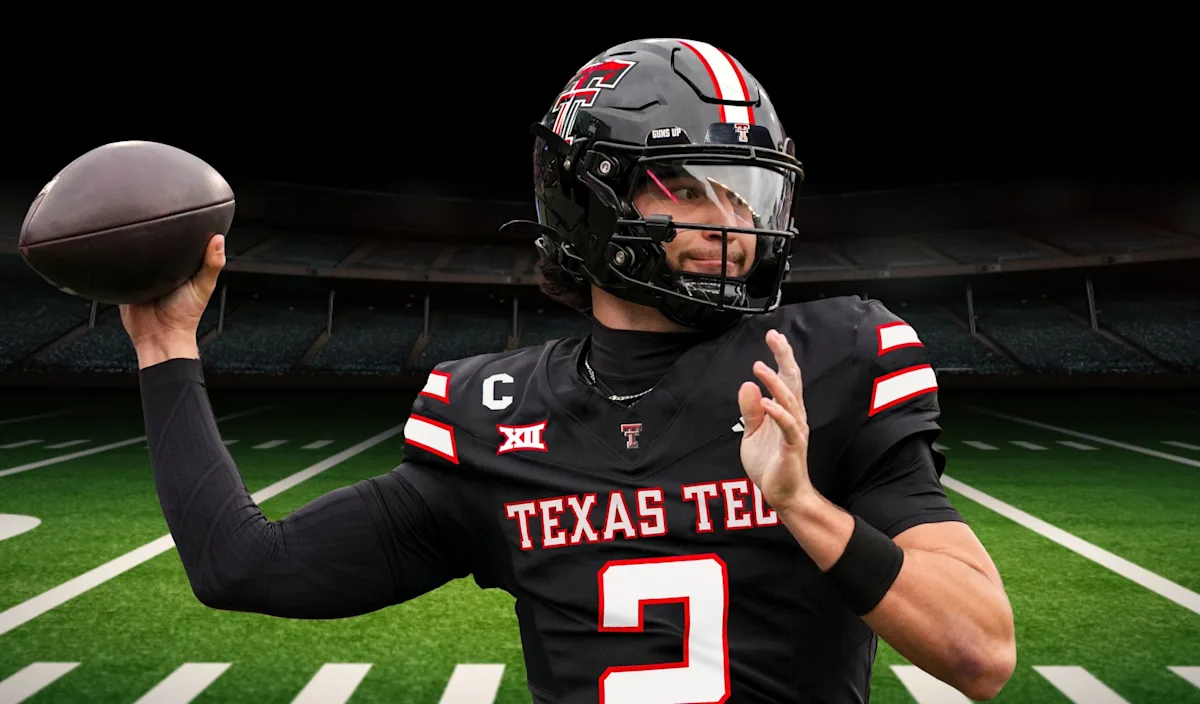
Brendan Sorsby landed a record NIL deal with Texas Tech, so Boardroom caught up with his agent to learn about the transfer portal process, why he chose college over the NFL, and more.
Brendan Sorsby has reset the NIL market.
Advertisement
The former University of Cincinnati quarterback and ESPN’s top-ranked player in this year’s college football transfer portal signed an NIL contract with Texas Tech for his final year of eligibility worth close to $6 million, his agent Ron Slavin of Lift Sports Management told Boardroom. It’s believed to be the largest ever NIL deal in college football; here’s how the historic deal went down.

Dylan Buell / Getty Images
After Cincinnati finished its regular season after Thanksgiving, Sorsby signaled to his representatives that he wanted a change of scenery, whether that was the transfer portal or the NFL, Slavin said. He then submitted a request to the NFL’s College Advisory Committee, which evaluates and advises underclassmen of their draft prospects and where they realistically might be selected. While Sorsby got a graded projection of anywhere between the first and third rounds of the 2026 draft, that didn’t sway him from wanting to play a final year of college football and submit his name into the NCAA transfer portal.
“He wants to become a better quarterback, and he wants to be the first pick in the ’27 draft,” Slavin told Boardroom. “Brendan wanted to play college football, compete for a national championship, and continue to develop.”
Advertisement
Sorsby looked at inexperienced quarterbacks drafted in the first round and sent out to play by their teams right away, and wanted more reps to reduce the potential of becoming a draft bust because he was thrown in there before he was ready.
“The NFL doesn’t draft quarterbacks in the first round anymore and let him sit for three years like Aaron Rodgers was able to,” Slavin said. “Brendan wants to know that he’s got enough reps and played enough games like the Bo Nixes of the world, who had 60 college games. That’s the model now, not guys who have had one good season of 12 starts. They seem to fail a lot more often.”
Players can announce they’re going into the transfer portal in December, but the official two-week portal doesn’t open until Jan. 2. And while players can’t contact teams until then, agents and representatives can begin identifying schools in need of a player, in this case, an experienced starting QB like Sorsby. LSU, Miami, and Texas Tech emerged as the three top contenders, and Sorsby visited each school over the weekend.
“All had very solid offers, and they were pretty equal across the board,” Slavin said. “I know people like to say ‘oh, Texas Tech outspends,’ but there wasn’t any difference in the money between Miami, LSU, or Texas Tech.”
Advertisement
Sorsby was impressed by Miami head coach Mario Cristobal and the executive director Dennis Smith. As he controversially moved over from Ole Miss to LSU, Slavin said Lane Kiffin was “all in” on bringing Sorsby to Baton Rouge. The LSU coaches did the best job among the three in terms of putting in the time and preparation on trying to bring in what it hoped would be its next starting quarterback. But as a whole, Texas Tech barely edged both of them out.
Texas Tech head coach Joey McGuire was able to sell Sorsby on facilities that Slavin said blew him away, a strong offensive line and skill position players, and the Red Raiders’ ability to develop him as a quarterback. It also helped that the Dallas native could play football one last year in his home state.
“We did pros and cons with all of them, and it was pretty much a coin flip,” Slavin said. “In the end, Brennan just went with his gut. It was a really cool process to go through with all of them because they all do it the right way.”

John E. Moore III / Getty Images
Just as important as the destination was the structure of the deal itself. Sorsby’s camp required that all NIL compensation be fully guaranteed and paid by next Jan. 1, a safeguard amid growing concerns about collectives delaying or withholding funds for reasons such as missed bowl appearances. The agreement — alongside a separate NIL deal for quarterback Josh Hoover, who is transferring from TCU to Indiana — represents a significant milestone for Lift Sports Management. After building a strong NBA roster that includes Paolo Banchero, Jabari Smith Jr., and PJ Washington, Lift expanded into football last summer by hiring Slavin and Jared Fox, adding to an NFL client base that already features David Montgomery and Byron Murphy.
Advertisement
“This deal is a huge step for the agency and also for Brendan individually,” Donnie McGrath, Lift’s CEO, told Boardroom. “It helps put Lift Football on the map, and it shows that these guys are going to make an impact on the industry.”
Read More:

Kevin Hart
Entertainment January 6, 2026
Kevin Hart Partners With Authentic Brand Group to Scale Brand and Business

Sports January 6, 2026
Tom Brady, Matt Ryan, and the NFL QB Front Office Takeover

Sports January 5, 2026
The Manchester United Job Is Broken, Not the Manager

Entertainment December 31, 2025
10 Predictions That Will Shape Entertainment and Pop Culture in 2026

Entertainment December 30, 2025
Tetris in the Sky: How Red Bull Brought a Timeless Game to Life in Dubai

Sports December 30, 2025
Lockouts, Expansion, and Chaos: 14 Sports Business Predictions for 2026

The 2025-2026 college football postseason has exposed a glaring truth that should lead to major changes throughout the sport: other conferences have caught up with or surpassed the SEC.
For years, the SEC was the dominant force in the sport, thanks mostly to the success of Nick Saban’s Alabama Crimson Tide teams in the 2010’s, and Kirby Smart’s Georgia. But their performance in bowl games and the College Football Playoff the past two seasons has dealt a permanent blow to that reputation. Even if the conference’s fans, media partners, and boosters won’t acknowledge it.
Vanderbilt quarterback Diego Pavia said about staying in the SEC for 2025, “You want to play with the best — you don’t want to play with the Big Ten.” He wasn’t done, adding, “…the SEC, it’s like week after week. You’re going to get beat on. The Big Ten, you’re not gonna get beat on with the Purdue, Nebraskas.”
Then, before the ReliaQuest Bowl, he said it would only take “7 points” to beat the Iowa Hawkeyes. He lost 34-27. Whoops.
Illinois beat the Tennessee Volunteers in the Music City Bowl, marking the second consecutive season the Illini beat an SEC team in a bowl game. Virginia held Missouri to just seven points, winning 13-7. Houston, literally Houston, beat LSU 38-35. “You want to play with the best,” indeed.
Texas A&M, a team that went 7-1 in the SEC and was hailed by Lane Kiffin in November as the No. 1 team in the country because of their conference success, scored just three points at home against Miami. Then, the pièce de resistance: the Rose Bowl. The Indiana Hoosiers humiliated Alabama in a 38-3 defeat, which undersells just how thoroughly they dominated.
RELATED: Alabama Never Should Have Been In The Playoff; Rose Bowl Loss Hurts ESPN, SEC’s Reputation
Oh, and for good measure, Mississippi State lost to Wake Forest. Nothing like the week in, week out gauntlet of the SEC. All these examples drive home an obvious point: the SEC’s advantage over competitive conferences has evaporated. And a new report may explain how and why.
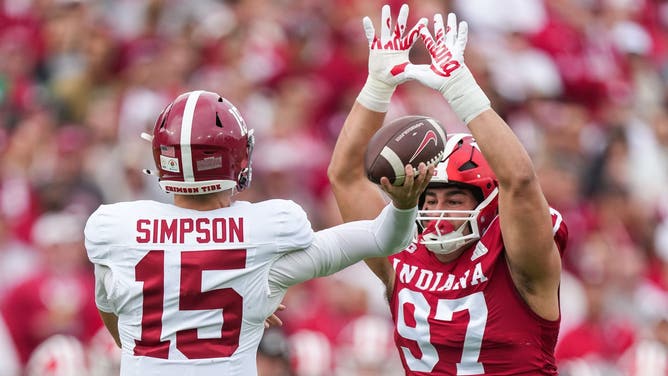
Alabama Crimson Tide quarterback Ty Simpson throws the ball against Indiana Hoosiers defensive lineman Mario Landino. (© Grace Hollars/IndyStar / USA TODAY NETWORK via Imagn Images)
Has NIL Changed SEC’s Advantages?
The Athletic’s Bruce Feldman is out this week with a new story, talking to opposing coaches about the SEC’s dismal postseason performance. Right away, one Power 4 offensive coordinator highlighted how the narrative about conference superiority needs to change. And quickly.
“Ultimately,” the coach said, “and this is y’all’s job, not my job, but there needs to be an evaluation of this narrative of the SEC is these big, bad m————, because they’re getting their asses whipped in these games.”
The SEC team in bowl and playoff games is 2-7 against other conferences. One of those wins was Texas over Michigan, a team that saw head coach Sherrone Moore fired in shocking, spectacular fashion just a few weeks ago. The SEC team was the favorite in seven of those nine games.
That same offensive coordinator he quoted earlier said that the explanation for this dramatic about face is that NIL has leveled the playing field, paving the way for other teams to, shall we say, provide financial incentives for players.
“The reality is this, there were some very famous, very successful coaches that were having a lot of success when the NIL was illegal,” he added. “Well, now NIL is legal. I saw what (former LSU head coach Ed) Orgeron said about how now you can walk through the front door with the money. Well, now the players are going everywhere.”
Another Big Ten assistant coach told Feldman over the weekend, “Hard to ignore the fact that when everyone got to pay players, it leveled the playing field immediately. They can deny all they want, but that’s a fact.”
While some defend the SEC by repeating the same “gauntlet” argument, one Group of 5 head coach agreed that the legality of NIL has shifted the balance of power, saying “There’s some truth to that too, I think that’s accurate.”
And there’s more to it than that.
Quality Depth Has Evaporated Thanks To NIL
It’s clear that many top SEC programs were providing some sort of financial benefits to players before NIL. Though that was almost certainly happening at other top programs in different conferences across the country. But it’s not just that the top players were choosing to go where they could benefit the most, it’s the second and third tier players going elsewhere that’s changed the competitive balance.
Now, instead of say, going to be the second string guy for Nick Saban at Alabama because of the likelihood of winning a championship and reaching the NFL eventually, that same recruit from Florida or Texas might go play at Miami or Texas Tech or Indiana, because they can start, make more money, and still compete for a title and reach the NFL.
That’s hollowed out the depth of talent at SEC programs, in much the same way that USC’s ridiculous, monstrous penalty from the NCAA in the early 2010’s destroyed their depth. Now, when the inevitable injuries hit, teams like Bama or Georgia aren’t able to replace their starting players with high-level talent. Those players are starting at Oregon instead of sitting in Athens.
It’s obvious, taking more than a handful of seconds to analyze it, that this makes sense. Every top team was paying players before, but the SEC was better at it. Sitting at Alabama may have had more value than starting at Indiana just a few years ago. Now it doesn’t. Having the legacy and big brand name doesn’t matter much anymore, because the transfer portal has allowed any program to get established talent if they have the money.
What does this all mean? Well, the push to view the SEC differently than other conferences has to stop. Immediately. Allowing Greg Sankey and his ESPN promotional department to repeat the word “gauntlet” because Missouri and Tennessee are ranked despite not winning a single game over a team with a winning record is a farce. Acting as though one conference deserves preferential treatment, like, say, having its championship game be a meaningless exhibition, must end. The relentless demand for more SEC teams in the playoff needs to end.
And the worst part is, Sankey and the SEC booster club at ESPN are only going to get louder in 2026. Why? Because they’re now going to play nine conference games. While this change is, in a way, beneficial by forcing the SEC to finally have the same number of conference games as the Big Ten, it’s also going to make their demands even louder. Fewer opportunities to compare teams across conference. Marquee matchups across conferences have already been canceled. And the insistence on never punishing losses in the SEC will only grow. “How can we leave out four loss Alabama,” the argument will go, “when they played the SEC gauntlet?!”
Those arguments, those boosters, the ESPN propaganda campaigns, all of it…is based on a past that no longer exists. The future is here, and with it, the end of acting as though one league gets a pass because its teams were good a decade ago.

Quarterback Brendan Sorsby, the top player available in college football’s transfer portal, on Sunday committed to Texas Tech, joining a Red Raiders program fresh off of its first-ever College Football Playoff appearance. And Sorsby will reportedly be paid not just like the best player available in the transfer portal, but akin to a first-round NFL draft pick.
Sources told Pete Thamel of ESPN that Sorsby’s NIL deal was expected to be in the range of $5 million, a number that Front Office Sports also reported in conjunction with Sorsby. While it’s entirely possible that Sorsby, who was also courted by the deep-pocketed LSU Tigers, will earn more than $5 million, it’s at least a realistic projection in this case, given that the Red Raiders just last year invested $7 million in its defensive line.
Here’s where Sorsby’s NIL deal would check in at when compared to the rookie contracts of all 32 first-round picks from the 2025 NFL draft. Note: Contract figures listed for 2025 first-round draft picks are the average annual value of their rookie deals.
|
Pick No. |
Name |
Contract Value |
|---|---|---|
|
1 |
Cam Ward |
$12,209,905 |
|
2 |
Travis Hunter |
$11,662,282 |
|
3 |
Abdul Carter |
$11,313,795 |
|
4 |
Will Campbell |
$10,915,526 |
|
5 |
Mason Graham |
$10,218,548 |
|
6 |
Ashton Jeanty |
$8,973,953 |
|
7 |
Armand Membou |
$7,978,296 |
|
8 |
Tet McMillan |
$6,982,598 |
|
9 |
Kelvin Banks Jr. |
$6,932,812 |
|
10 |
Colston Loveland |
$6,659,002 |
|
11 |
Mykel Williams |
$6,235,839 |
|
12 |
Tyler Booker |
$5,638,430 |
|
13 |
Kenneth Grant |
$5,489,078 |
|
14 |
Tyler Warren |
$5,240,163 |
|
15 |
Jalon Walker |
$5,140,593 |
|
16 |
Walter Nolen |
$4,841,888 |
|
17 |
Shemar Stewart |
$4,742,319 |
|
18 |
Grey Zabel |
$4,617,865 |
|
19 |
Emeka Egbuka |
$4,543,183 |
|
20 |
Jahdae Barron |
$4,518,294 |
|
21 |
Derrick Harmon |
$4,493,401 |
|
22 |
Omarion Hampton |
$4,443,616 |
|
23 |
Matthew Golden |
$4,393,835 |
|
24 |
Donovan Jackson |
$4,294,264 |
|
25 |
Jaxson Dart |
$4,244,482 |
|
26 |
James Pearce Jr. |
$4,194,696 |
|
27 |
Malaki Starks |
$4,144,915 |
|
28 |
Tyliek Williams |
$4,120,023 |
|
29 |
Josh Conerly Jr. |
$3,920,274 |
|
30 |
Maxwell Hairston |
$3,814,496 |
|
31 |
Jihaad Campbell |
$3,725,894 |
|
32 |
Josh Simmons |
$3,668,839 |
While these are average annual value figures and Sorsby’s reported $5 million deal is for the 2026 campaign, the table gives an idea of just how much NIL money a top college football player can command in the transfer portal. In 2026, Sorsby is set to earn more money than all but 15 first-rounders are set to earn on average in their respective rookie contracts.
Sorsby was already one of the highest-paid players in college football, as only Texas quarterback Arch Manning and Ohio State wide receiver Jeremiah Smith boasted higher NIL valuations, according to On3 Sports. His monster Texas Tech deal will only add to those riches.
Sorsby joins a fast-rising Texas Tech program that just won its first-ever Big 12 title and earned a first round bye before bowing out in its quarterfinal matchup against Oregon on New Year’s Day.
In 12 games with the Bearcats, Sorsby completed 61.6% of his passes for 2,800 yards, 27 touchdown passes and five interceptions.
More College Football on Sports Illustrated
NIL
NCAA Football Oversight Committee expected to recommend potentially significant changes to college football calendar

For the second consecutive offseason, college football’s convoluted calendar could be in for another massive overhaul, according to Yahoo! Sports insider Ross Dellenger.
This season, everyone from coaches to fans have complained about the sport’s overly-congested calendar that includes the coaching carousel, the early signing period, the NCAA Transfer Portal’s two-week window and the College Football Playoff all happening within a span of about two months. In fact, it’s exactly nine weeks between Nov. 17, when Virginia Tech kicked off this year’s coaching carousel by hiring James Franklin, and Jan. 19, when the CFP National Championship Game will be played in Miami.
Ahead of last week’s College Football Playoff quarterfinals, former Alabama coach-turned-ESPN analyst Nick Saban once again called for widespread changes to the sports’ current calendar during last week’s ESPN College GameDay: “We need to change the calendar.” As it turns out, college football’s powers-that-be heard Saban’s call and plan to take action as soon as next week’s AFCA Convention.
Dellenger reported the NCAA Football Oversight Committee, led by Georgia athletic director Josh Brooks and Buffalo AD Mark Alnutt, is set to examine and address college football’s challenging calendar, with the expection significant changes could be recommended as soon as this upcoming offseason.
“We’re trying to take a step back and look at everything in totality so we’re not doing one-offs that have an impact on other parts of the calendar,” Brooks told Dellenger. “We’ve got to take a 30,000-foot view and see how everything could be better.”
SEC commissioner Greg Sankey proposes eliminating early signing period in December
Among those changes could be the elimination of the December early signing period, a suggestion SEC commissioner Greg Sankey pushed during last week’s Sugar Bowl between No. 3 Georgia and No. 6 Ole Miss in New Orleans. “Put it back in February, maybe even mid-February,” Sankey told Dellenger.
Other changes that could be up for debate include potentially moving the college football regular season up a week to what is now considered “Week 0,” altering the current CFP schedule of games, further pushing back the transfer portal window, and possibly adding Spring and Summer access periods, per Dellenger. The moves could further align college football with a NFL-like format that completely separates the postseason, the draft and free agency across several months. It’s something Saban has been calling for for awhile.
“Do the same thing in college football and you wouldn’t have these issues with coaches changing jobs, because everybody could finish the season with their team, which is what’s best for the players — that’s No. 1,” Saban added. “Because there’d be no hurry. Because now there’s a hurry because all the recruiting calendar is (all about) ‘hurry up and get a coach or you can’t take advantage of an early signing date and you can’t take advantage of (the) portal.’”
— On3’s Thomas Goldkamp contributed to this report.

REDMAGIC Astra Gaming Tablet Arrives in Korea with Snapdragon 8 Elite and 165Hz OLED

No. 1 college football team soars in transfer portal rankings after ‘swinging wildly’

Former Husker volleyball star Merritt Beason debuts with Supernovas

Carson Hocevar gets three year sponsorship extension from Zeigler Motorsports | WKZO | Everything Kalamazoo

McLaren’s Kirchhöfer getting reacquainted with Corvette in sim

$2 million transfer portal QB strongly linked with two major college football programs

Makita U.S.A. and Pipes Motorsports Group Suzuki Announce Technical Partnership for 2026 SuperMotocross Championship – Drag Bike News

Daniel S. Kippert | Obituaries

2026 National Girls & Women in Sports Day Youth Clinic

How the Biggest NIL Deal in College Football History Went Down

2025 in Review: Seven Questions for Assemblymember Mia Bonta, an Outspoken Advocate for Maternal Health and Working Families

Jr. Ams Girls Youth Hockey Taking Off | SWX Tri-Cities/Yakima

How ex-MLB player Travis Snider, from WA, is trying to change youth sports | Seattle Times Sports

Timmy Hill, Hill Motorsports Set for 2026 NASCAR CRAFTSMAN Truck Series Return

Men’s Volleyball Ranks No. 15 in AVCA Preseason Poll, Picked Second in MCVL

SoundGear Named Entitlement Sponsor of Spears CARS Tour Southwest Opener

Donny Schatz finds new home for 2026, inks full-time deal with CJB Motorsports – InForum

David Blitzer, Harris Blitzer Sports & Entertainment

DeSantis Talks College Football, Calls for Reforms to NIL and Transfer Portal · The Floridian

#11 Volleyball Practices, Then Meets Media Prior to #2 Kentucky Match

Rick Ware Racing switching to Chevrolet for 2026

Maine wraps up Fall Semester with a win in Black Bear Invitational

Ross Brawn to receive Autosport Gold Medal Award at 2026 Autosport Awards, Honouring a Lifetime Shaping Modern F1

Nascar legal saga ends as 23XI, Front Row secure settlement

Stempien to seek opening for Branch County Circuit Court Judge | WTVB | 1590 AM · 95.5 FM

Sunoco to sponsor No. 8 Ganassi Honda IndyCar in multi-year deal

Princeton Area Community Foundation awards more than $1.3 million to 40 local nonprofits ⋆ Princeton, NJ local news %

Downtown Athletic Club of Hawaiʻi gives $300K to Boost the ’Bows NIL fund

WNBA’s Caitlin Clark, Angel Reese and Paige Bueckers in NC, making debut for national team at USA camp at Duke

North Florida Motorsports Park led by Indy 500 Champion and motorsports legend Bobby Rahal Nassau County, FL





-
 Rec Sports3 weeks ago
Princeton Area Community Foundation awards more than $1.3 million to 40 local nonprofits ⋆ Princeton, NJ local news %
-

 Sports3 weeks ago
Beach Volleyball Unveils 2026 Spring Schedule – University of South Carolina Athletics
-

 Sports2 weeks ago
Badgers news: Wisconsin lands 2nd commitment from transfer portal
-
 Sports3 weeks ago
Badgers news: Final Four Game Thread vs. No. 1 Kentucky Wildcats
-

 Rec Sports4 days ago
Five Youth Sports Trends We’re Watching in 2026
-

 Sports2 weeks ago
Is women’s volleyball the SEC’s next big sport? How Kentucky, Texas A&M broke through
-
 Sports3 weeks ago
Four From Women’s Volleyball Named to College Sports Communicators Academic All-District Team
-

 Rec Sports3 weeks ago
Refugee-Focused Youth Sport Initiatives : Moving for Change
-
 Rec Sports3 weeks ago
Youth Sports Business in 2025: The Year the Industry Grew Up
-
Rec Sports3 weeks ago
Inside the NWSL’s first combine: Can the league create a more robust pathway for American talent development?