By the time I pack up my monopod and walk off the field on a Saturday, my memory cards are loaded with a thousand frames. By Sunday morning, parents are already texting to ask when the gallery goes up. That’s the job: move fast, stay consistent, and tell the story of the game without spending the rest of the week dragging sliders. That’s why I shoot JPEG—on purpose, not by accident, not because I don’t know what Raw can do, but because the work I do doesn’t require me to excavate shadows five stops deep. It requires timing, clear color, and a fast delivery.
This isn’t a manifesto against Raw. Raw is wonderful for the right work: fashion, commercial, studio, high-end composites, or those once-in-a-lifetime artistic projects where you’ll live inside a file for hours. My reality is different. I’m sideline-to-sideline, shooting youth football, baseball, and school events, where the pictures live on phones, in yearbooks, and as prints no bigger than a poster. I need clean color, crisp detail, and quick turnaround. JPEG gives me all three with fewer steps and fewer surprises.
The Speed That Matters When Everything Is Moving
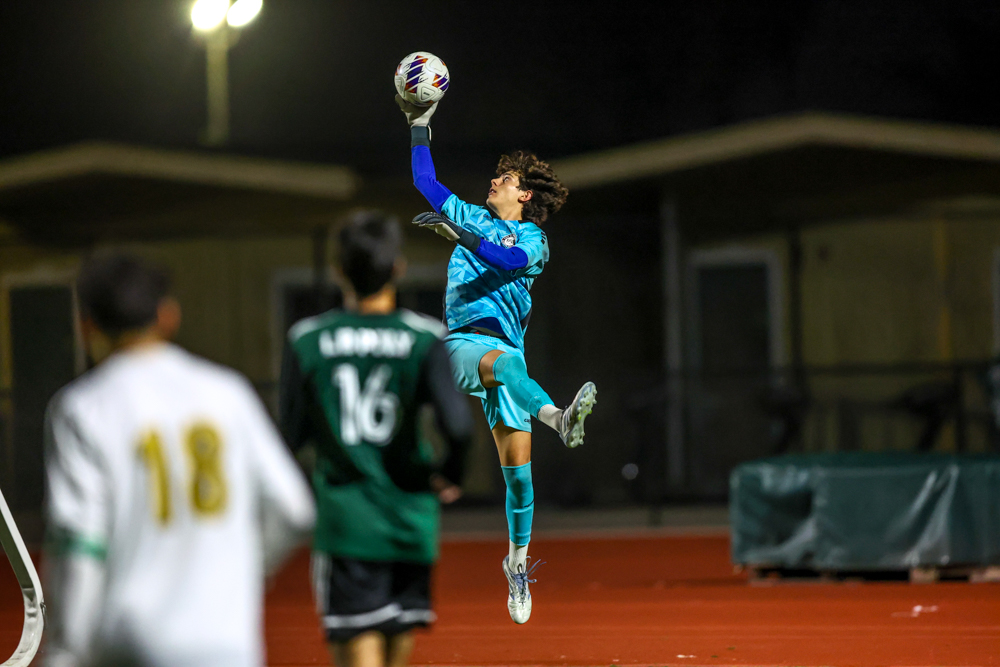
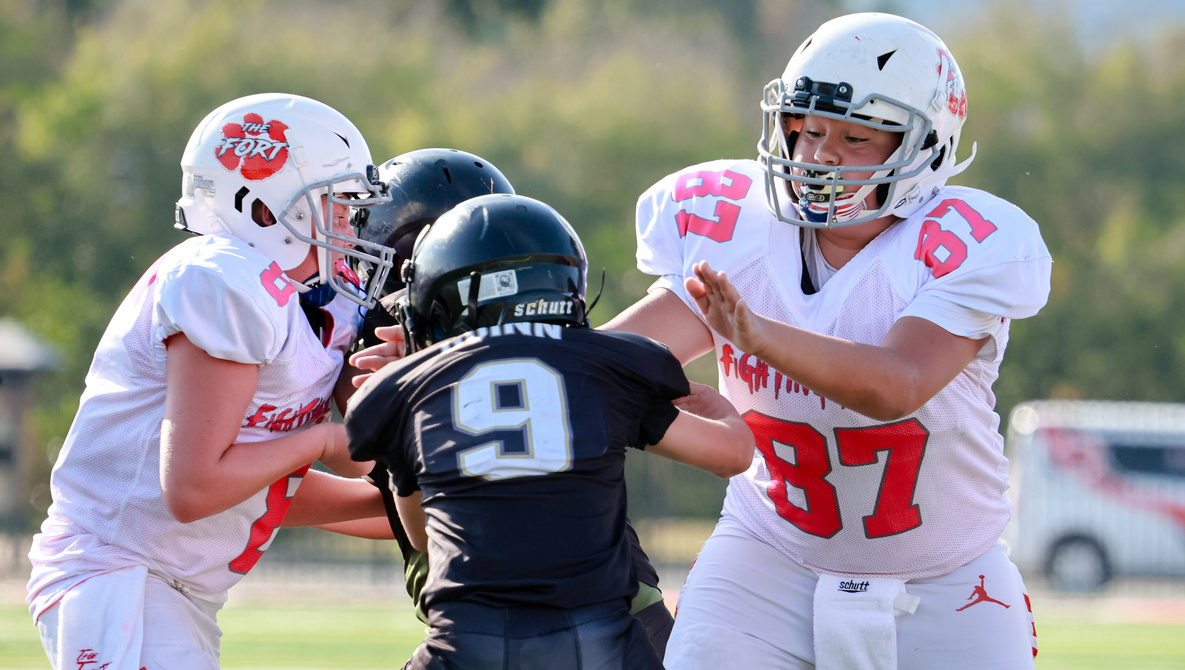
A football drive can flip in seconds. If your camera chokes because the buffer is stuffed with giant Raw files, you’ll feel it. JPEG’s smaller file size lets the camera write to the card faster and keeps the buffer clearing. I can stay on the action without babysitting the top plate to see if I’ve outrun my camera. That matters on third-and-short when the quarterback sneaks, the pile surges, and the ball pops loose to the weak side where nobody expected it.
Speed isn’t just at capture; it’s at the desk. Importing a thousand Raw files is like asking every photo to show up with a lawyer. JPEGs slide in, render previews fast, and let me start culling immediately. If I’m editing around a hundred keepers per game, every second shaved off each step adds up to hours saved across a season. That’s time I can spend at another game, with my family, or actually sleeping.
Color I Like Straight Out of the Camera
This is the part raw shooters never want to hear, but it’s the truth: modern cameras make really good JPEGs. Skin tones look right. Team colors pop without turning radioactive. With a little care up front—consistent white balance, a tuned picture profile, sensible in-camera sharpening—I get files that are eighty-five to ninety-five percent of the way there before I ever open the computer.
My routine is simple. Before kickoff I take thirty seconds to set a custom white balance off a gray card or a neutral surface near the field. If the light is stable, that one habit keeps a whole game’s worth of frames consistent. I keep contrast modest in-camera so helmets and jerseys don’t clip, and I set sharpening to a middle value that holds edges without chewing them. The result is a file that wants only the lightest finishing: a crop, a tiny nudge to exposure, maybe a touch of clarity for turf texture or eyes under a facemask. That’s it.
The Right Constraints Make Better Pictures
Shooting JPEG makes me more careful at the moment of exposure. I protect my highlights. I watch my histogram. I’ll underexpose by a third on harsh noon games to save the whites on helmets and shoulder pads. I set a fast floor for shutter speed so I don’t get greedy with ISO. Those constraints aren’t handcuffs; they’re a discipline. The pictures are cleaner because I made them right at the field instead of trusting future-me to fix my laziness.
There’s also something freeing about not chasing infinite latitude. If I’m not trying to make a 10 p.m. stadium look like golden hour, I’m less tempted to turn a documentary assignment into a digital special-effects project. Sports are about tempo and truth. JPEG encourages me to honor both.
Culling a Thousand, Delivering a Hundred
Anyone who shoots youth sports knows the real grind begins after the whistle. A typical game leaves me with somewhere between eight hundred and twelve hundred frames. JPEG lets me move through them like a film editor scanning for scenes. In Photo Mechanic or Lightroom, I can play the sequence almost like a flip book: pre-snap, push, contact, burst, celebration. Because the previews render on the fly, I’m not waiting for every file to build. I star the keepers, color-tag the stories I want to highlight—rivalry moments, a coach’s sideline talk, the joy after a goal—and move on.
Editing those hundred selects is intentionally light. Crops for composition and emphasis. A consistent exposure trim so the set feels like one game, not ten different shoots. A little local adjustment to brighten eyes under face masks if I need it, and a subtle curve to keep the whites clean. That’s it. If I’m doing my job on the field, ninety percent of my time is culling and sequencing, not rescuing.
Who is this work for? Parents, coaches, yearbook editors, local papers, booster clubs. They need images that look great on phones, on social, in slideshows, and in print at sane sizes. A high-quality JPEG is perfect for that. If a photo graduates from “game gallery” to “hero print”—a banner for the gym, a large canvas for the senior banquet—I have two solutions: I either shot Raw+JPEG for that sequence, or I re-shoot it next time with that destination in mind. Ninety-nine times out of a hundred, the JPEG I delivered was already the right answer.
Storage, Backup, and Sanity
There’s a hidden economy to shooting JPEG. Smaller files mean faster offloads to SSD, quicker cloud backups, and less storage rented from a service every month. On a busy fall schedule, that isn’t a rounding error; that’s real money and fewer spinning beach balls. It also means my laptop fan isn’t auditioning for takeoff while I’m trying to edit at the kitchen table.
What About Dynamic Range and “Insurance”?
Raw shines when the light is ugly or the stakes are unusual. Inside a dim, mixed-light gym? Raw can be a lifesaver. Sunset games with a sideline in deep shadow and the field still bright? Raw gives you headroom. If your client is a brand or a publication that wants the option to radically re-grade later, shoot Raw. I’m not allergic to it. I just don’t need it for the majority of what I deliver, and it would absolutely slow me down on the jobs that pay my bills.
There’s a myth that shooting Raw is professional and shooting JPEG is amateur. The truth is professional means choosing the right tool for the assignment. I’d rather give a team a finished gallery tonight than promise wizardry and send it next week. For my work, speed and consistency are a feature, not a compromise.
Practical Setup That Works for Me
Here’s the setup that keeps me honest and fast:
- I shoot manual exposure with a fixed shutter speed—usually 1/1600 to 1/2000 for football—and an aperture around f/2.8 to f/4 depending on the lens and distance.
- I let Auto ISO roam within a ceiling I trust for my camera, and I ride exposure compensation when the light changes.
- I keep highlight alert on and use the histogram after each new lighting situation, not after every play.
- Before the game I dial in a custom white balance and a picture style that treats skin kindly and keeps bright uniforms from clipping.
If your camera offers highlight tone priority or similar settings, test them in daylight to see if they protect whites without muddying midtones. I keep in-camera noise reduction on low at high ISO and avoid the strong setting because it trades detail for smoothness I don’t want. The whole point is to make a file that holds together with a light touch.
A Real Example From the Sideline
Middle of September. Heat coming off the field. I’m on the visitor sideline because the sun is at my back there, and the end zone I want is opening into clean light. Kickoff return comes straight at me. I’m already at 1/2000, f/4, Auto ISO capped at 6400. I track the returner, grab a five-frame burst at the cutback, and immediately swing to catch the blocks sealing the lane. A linebacker’s hand outstretched; I get the moment his fingers grab the jersey and the runner slips away. The whole sequence is sharp, exposed cleanly, and color-true. I cull that series in seconds, crop two frames, add a tiny exposure bump to one, and move on.
Could I have wrung more micro-contrast or feathered a luminance mask on a Raw file? Maybe. Would any parent notice, or would the story be better? No. What they notice is their kid’s face, the hole that opened because the left tackle did his job, and the fact that the gallery is live before dinner.
When I Still Flip the Raw Switch
I keep my raw lever available for margin cases. Playoff night with mixed stadium lighting I’ve never seen? Raw+JPEG. Senior portraits on the fifty with the sun kissing the bleachers? Raw because I want maximum latitude for skin and sky. Team banner composites where I know I’ll be masking hair and decals? Raw, gladly. But I’m not dragging that workflow into every Saturday because I don’t need to, and neither do most working sports shooters covering youth and schools.
JPEG Is a Creative Choice, Not a Shortcut
What I love about this workflow is that it forces intention. JPEG rewards you for reading light, for exposing with care, for trusting color at capture rather than repainting it later. It frees your week without cheapening your work. It’s not lesser; it’s lean. And in a season where you might shoot eight to ten games, lean is exactly what keeps you hungry and able to say yes to the next assignment.
If you’re on the fence, try it for a month. Set your camera to make the best JPEGs it can and give yourself permission to edit like a photojournalist, not a VFX artist. Protect highlights, choose a stable white balance, and let the pictures breathe. You might find what I did: that your clients are happier, your galleries arrive sooner, and your love for the work grows because you’re spending your time on the field, not in a war with a histogram.
Color Consistency Without the Headache
One of the hidden taxes of Raw is color management. Every camera sensor has its own secret sauce, and every converter interprets that sauce a little differently. If your week takes you from a Saturday game to a Tuesday pep rally in a different gym with different lights, your Raws can wander in hue and tint unless you’re vigilant with profiles and camera matching. My JPEG workflow cuts that drift down to almost nothing because the camera bakes in its own profile—the one I’ve tested against jerseys, skin, grass, and the painted lines. I’m choosing the look up front, at the scene, instead of chasing it later.
This doesn’t mean I accept whatever the camera gives me. I built my own picture style starting from a neutral base to avoid crunchy contrast, nudged saturation so red jerseys don’t scream, and set the sharpening where helmets hold detail without ringing. Once it’s dialed, it’s repeatable. My September games look like my October games, which is exactly what a season recap or a team poster needs.
Night Games and Noise
Night football tempts every shooter to go spelunking for detail that isn’t there. Raw can tease out a bit more shadow information, sure, but the trade-off is time, and sometimes a waxy look after heavy noise reduction. With JPEG I accept the physics: I keep shutter speed honest for motion, brace my stance, and trust my camera’s high-ISO behavior. I set in-camera high-ISO noise reduction to low or standard—never strong—because I’d rather have a little grain-like noise than smeared detail. In post I’ll add only the gentlest detail work. The reward is a file that still looks like a photograph, not a plastic doll.
Buffer Behavior and Card Strategy
If you shoot older bodies—or even some current ones with modest buffers—file size isn’t a theory, it’s the difference between catching the second effort at the goal line and staring at a blinking BUSY. I run fast cards, keep them freshly formatted in-camera, and avoid mixing raw+JPEG unless I know I’ll need raw for a specific sequence. For long drives I’ll occasionally feather my cadence—short bursts with half-second breaths—to help the buffer clear while the play develops. JPEG makes that whole dance easier.
A Word on “Fix It Later” Culture
Somewhere along the way we convinced ourselves that the real photograph happens on a computer. I love editing when the job calls for it, but youth sports is journalism with whistles. The best frames are made with footwork, anticipation, and timing. JPEG rewards those habits. It puts the emphasis back on the craft you do with your eyes and hands, not the brush pack you buy after.
File Integrity and Revisions
Clients sometimes ask whether a JPEG locks them into a look forever. The answer is that a high-quality JPEG stands up to sensible edits just fine: exposure trims, white balance tweaks within a reasonable range, gentle curves, selective dodging and burning. What I avoid are the extreme rescues—hauling a file up two or three stops, rebuilding skies, or color-swapping uniforms. That kind of surgery belongs to Raw and advertising. For youth sports storytelling, the JPEG’s print-ready nature is a feature.
Two Games, Two Timelines
Here’s what my weekend looks like in real numbers. Saturday noon kickoff, 1,100 frames, daylight with some clouds. JPEG import and cull: about forty-five minutes. Edits on 120 selects: another sixty to seventy-five minutes. Gallery up before dinner. The following week, a 7 p.m. game under uneven lights: 950 frames. Slightly slower cull because I’m checking for motion blur a little more carefully: fifty-five minutes. Edits on 100 selects: eighty to ninety minutes because I’ll touch local contrast and eyes under masks a bit more. Still live that night. Could I spend longer massaging Raw files? Of course. Would anyone prefer a slower gallery to microscopic improvements? In this space, no.
Prints and Real-World Output
I sell prints from these JPEGs every season—8×10s, 11×14s, and the occasional poster. They hold up because the exposure is right, focus is solid, and the color is honest. I soft-proof for the lab, keep an eye on saturation clipping in reds and greens, and let the file go. Nobody has ever brought a print back because it wasn’t shot Raw. They come back because they want more.
What You Gain When You Let Go
The biggest gift JPEG has given me is attention. I watch the game more. I learn tendencies, notice light pockets, and place myself a step earlier. I spend my energy where photographs are born, not where they’re rescued. That shift has made my work better—and my life outside of it saner.
The Bottom Line
Raw is a powerful negative. JPEG is a finished print you can still refine. In youth sports and school coverage, the finished print wins. I’m not here to win an internet argument; I’m here to make pictures families will keep—and to deliver them while the grass stains are still fresh.
All photos belong to the author, Steven Van Worth.